Retail News CRM

Tag: chips

  • Kettle Chips Ignites Taste Buds with New FireMasters Range Inspired by Fire-Based Cooking Methods

    Kettle Chips Ignites Taste Buds with New FireMasters Range Inspired by Fire-Based Cooking Methods

    Kettle Chips is broadening its spectrum of offerings with the introduction of a premium new range called Kettle FireMasters Potato Chips. This unique collection draws its inspiration from various fire-based culinary techniques.

    The FireMasters Range

    The FireMasters range features a trio of distinct variants: Firepit Beef Brisket & Smokey BBQ Sauce, Woodfired BBQ Chicken & Chimichurri, and Chargrilled Red Pepper, Oregano & Sour Cream. These flavours are a testament to the diverse and captivating methods of fire pit, wood-fired, and chargrilled cooking. This range caters to the increasing consumer preference for bold, smoky, and genuinely authentic taste profiles.

    According to Snackbrands Australia, the Kettle team has worked diligently to create a daring new range that allows customers to select their preferred fire and flavour. Every flavour is meticulously crafted to provide an immersive snacking encounter, whether it’s the charred richness of flame-kissed vegetables or the deep, slow-cooked warmth of firepit meats.

    Availability

    The Kettle FireMasters range is currently being launched across major retailers. This includes Woolworths and is retailed at $6 for a 150g bag.

    In addition to this new range, Kettle Chips also joined forces with Bundaberg Brewed Drinks last year to introduce a limited-edition offering – Bundaberg Ginger Beer Potato Chips.

    Questions & Answers

    What is the new range launched by Kettle Chips?
    Kettle Chips has launched a new range known as Kettle FireMasters Potato Chips.

    What are the three variants in the FireMasters range?
    The three variants are Firepit Beef Brisket & Smokey BBQ Sauce, Woodfired BBQ Chicken & Chimichurri, and Chargrilled Red Pepper, Oregano & Sour Cream.

    What is the retail price of the Kettle FireMasters range?
    A 150g bag of the Kettle FireMasters range is retailed at $6.

  • Steggles Launches New Flavours In Tenders Range, Exclusively At Woolworths

    Steggles Launches New Flavours In Tenders Range, Exclusively At Woolworths

    Steggles, a renowned poultry brand, has announced the introduction of two unique flavours to its popular Steggles Tenders line. These new offerings will be available exclusively at Woolworths locations starting next week.

    Inventing New Flavours

    The upcoming additions to the Steggles Tenders range are Sweet & Spicy and Korean Style. Both these flavours have been carefully created using 100% chicken tenderloins. Not only are these new variants bursting with taste, but they also come with a 4-star health rating, making them a healthier choice for consumers.

    These new products uphold Steggles’ commitment to quality and health. They are free from artificial flavours and colours, and they contain no added preservatives or hormones. The new Sweet & Spicy and Korean Style Steggles Tenders will be available in 600g packs.

    Prioritising Convenience

    Steggles is not just focused on taste and health; the brand also prioritises consumer convenience. The new chicken tenders can be prepared in just 25 minutes, making them an ideal choice for individuals and families seeking quick, healthy, and tasty meal options.

    Steggles was bought by Baiada in 2009. Since then, it has continued to provide fresh, chilled, and frozen chicken and turkey products to its loyal customer base.

    Questions & Answers

    What are the new flavours introduced to the Steggles Tenders line?
    The new flavours introduced to the Steggles Tenders line are Sweet & Spicy and Korean Style.

    What is the health rating of the new Steggles Tenders flavours?
    The new Steggles Tenders flavours carry a 4-star health rating.

    What is the commitment of Steggles towards the health of its consumers?
    Steggles is committed to providing healthier food options. Their products are free from artificial colours and flavours and do not contain any added preservatives or hormones.

  • Majans Unveils Veggie Rings: A Vegan-friendly Snack Revolution Under Its Infuzions Brand

    Majans Unveils Veggie Rings: A Vegan-friendly Snack Revolution Under Its Infuzions Brand

    Majans, a snack retailer based in Brisbane, recently unveiled Veggie Rings, a vegan-friendly snack under its Infuzions brand. This marks the company’s first venture into product development within this brand.

    Healthy Snacking with Veggie Rings

    Veggie Rings is a testament to Majans’ dedication to leading in the realm of healthier snacking options. The vegan-friendly snack is composed of 54% vegetables and locally sourced yellow split peas.

    A New Approach to Chips

    The Infuzions vegan chip, Veggie Rings, boasts a mere 72 calories per serving. The snack is baked rather than fried, representing a healthier alternative to traditional chips. In addition to being lower in calories, the Veggie Rings are based on plant protein, further enhancing their nutritional profile.

    Availability

    Veggie Rings are now available nationwide at Woolworths stores. Consumers can purchase the vegan snack in a five-pack multipack or a larger 90g share pack.

    Prior to the launch of Veggie Rings, Majans undertook a rebranding of the Infuzions line to broaden its product range.

    Questions & Answers

    What is the new product launched by Majans?
    Majans has launched a new vegan-friendly chip named Veggie Rings under its Infuzions brand.

    What makes the Veggie Rings healthier than traditional chips?
    Veggie Rings are baked instead of fried, and they contain 54% vegetables and locally sourced yellow split peas. Plus, they have a plant-protein base and only 72 calories per serving.

    Where can Veggie Rings be purchased?
    Veggie Rings are available nationwide at Woolworths stores. They can be bought in five-pack multipacks or 90g share packs.

  • El Rustico launches premium potato chips at Woolworths

    El Rustico launches premium potato chips at Woolworths

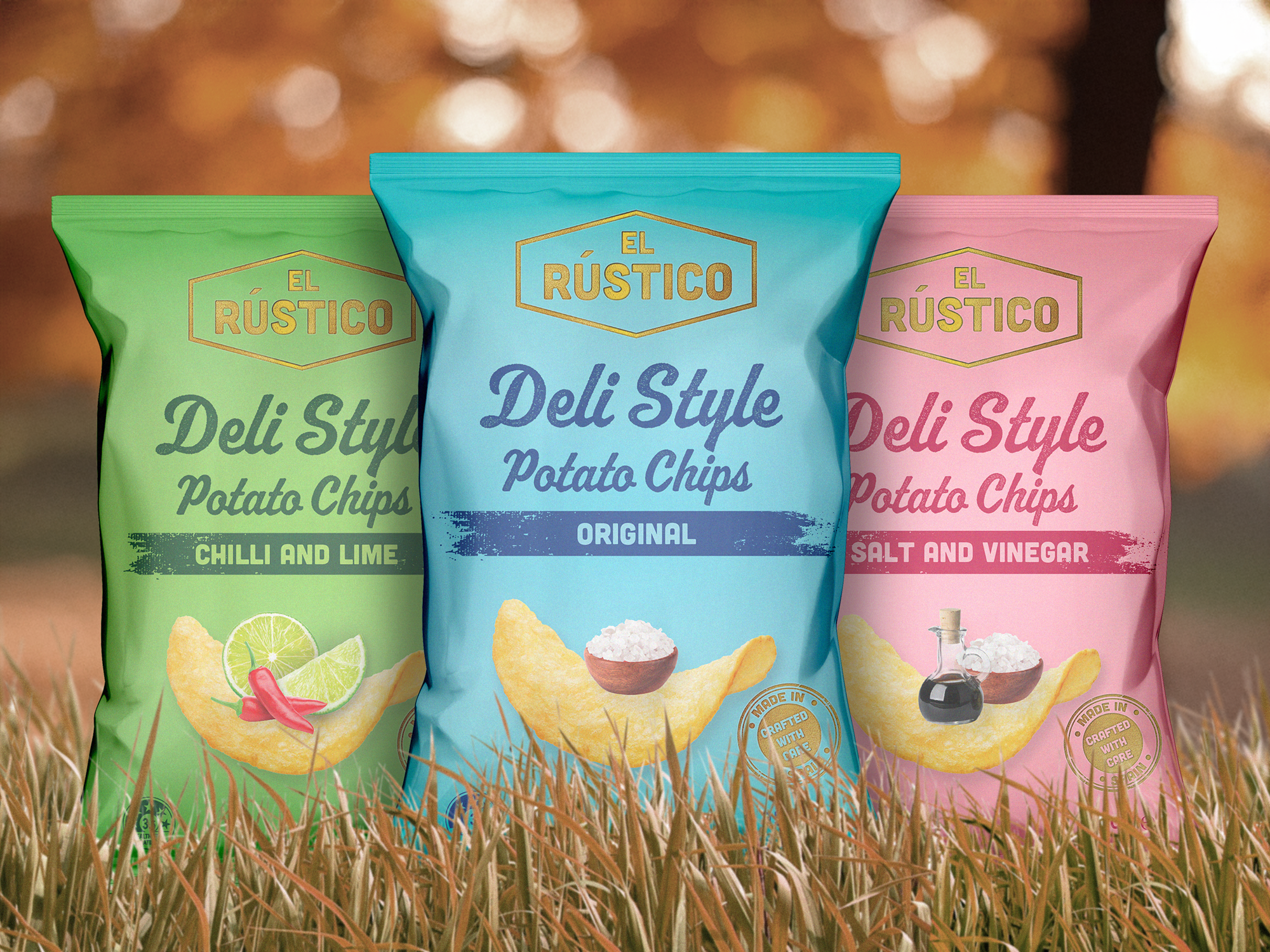
    El Rustico, a renowned brand synonymous with premium snacks, has recently introduced artisanal potato chips to its product range. The deli-style snacks are available exclusively at Woolworths.

    The Spanish-based company is known for its commitment to delivering superior quality snacks at affordable prices. A packet of their newly launched product retails at $3.80.

    El Rustico’s potato chips come in a delectable variety of flavours. Consumers can choose from Original, Salt and Vinegar, and Chilli and Lime. Each flavour promises to offer a unique and delectable culinary experience.

    Richard Fowell, the Marketing Manager of El Rustico, spoke about the brand’s values. He stated, “El Rustico is a brand that prides itself on quality, heritage, and flavour. We aim to bring an exquisite snacking experience to our customers.”

    Fowell further added that the new product was designed to deliver a remarkable taste while still being affordable. “We have crafted a product that feels luxurious, tastes outstanding, and is still attainable for everyday Australians,” he said.

    Questions & Answers

    What is the price point of El Rustico’s new potato chips?
    El Rustico’s artisanal potato chips are priced at $3.80 per packet.

    Which flavours are available in El Rustico’s new range of potato chips?
    El Rustico has introduced three flavours in its new potato chip range: Original, Salt and Vinegar, and Chilli and Lime.

    Where can consumers purchase El Rustico’s new potato chips?
    The new range of potato chips by El Rustico is exclusively available at Woolworths.

  • Taiwan denies taking its chip manufacturing industry from the U.S.

    Taiwan denies taking its chip manufacturing industry from the U.S.

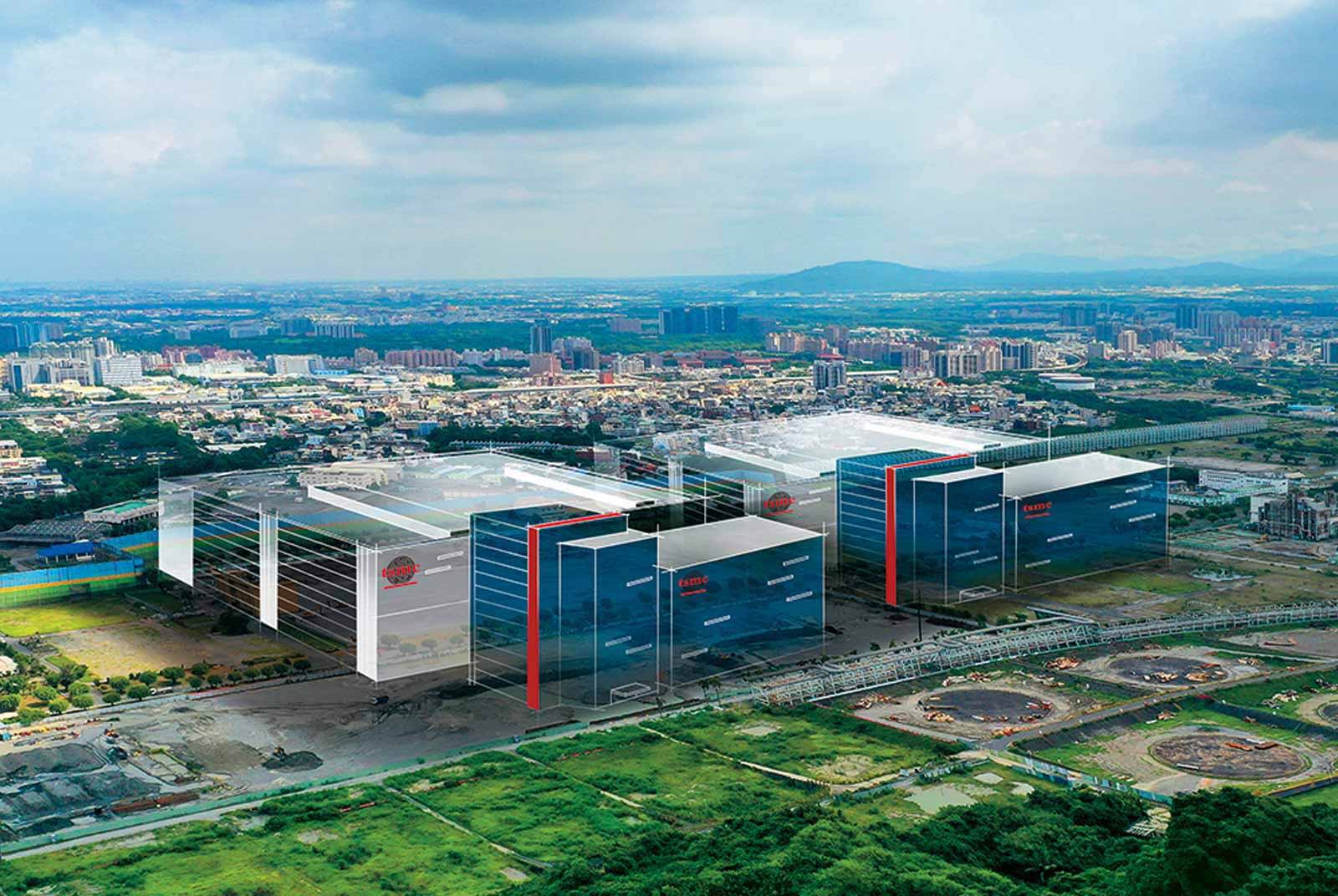
    The world’s largest foundry, Taiwan Semiconductor Manufacturing Company Ltd., is better known by the acronym TSMC. Its largest customer is Apple as the foundry produces the tech giant’s A-series and M-series processors among other chips. It also does work for Qualcomm and MediaTek and many other fabless chip designers. While countries like the U.S. and China would love to become self-sufficient in this industry, the former might not be able to accomplish this due to the costs required to build a fab in the states. The latter has had sanctions placed on it by the former that prevent it from obtaining self-sufficiency in this space.

    Taiwan’s economy minister Kuo Jyh-huei felt the need to make a statement today in Taipei denying comments made last month by Republican presidential nominee Donald Trump. The comment by Trump, who was quoted in the July 16th edition of Bloomberg Business Week, said, “Taiwan took our chip business from us. I mean, how stupid are we? They took all of our chip business. They’re immensely wealthy.”

    “Of course Taiwan is not stealing the chip industry from the US. The chips we made are commissioned by U.S. companies, which still have the highest gross margin. Trump might have some misunderstanding on such matters, and we will clarify that.” Kuo Jyh-huei, Taiwan’s economy minister

    Minister Kuo chalked up the issue to a misunderstanding on Trump’s part which he said will be clarified. When the Republican candidate’s comments were published in July, officials in Taiwan were concerned that if Trump were to regain the presidency, he might not be as committed to defending Taiwan from an attack by China. Beijing says that there is only one China and it isn’t Taiwan. A successful attack on Taiwan would also bring TSMC into that country’s fold.

    Because Taiwan officials fear that Trump bases his actions on transactional relationships, they are concerned that under a second Trump administration, the U.S. will back off pledges made by President Joe Biden to help defend Taiwan from China unless Taiwan pays the U.S. for protection. Trump has actually floated the idea of Taiwan paying the U.S. for protection from China, a suggestion that led Taiwain Premier Cho Jung-tai to say back in July, “It’s our shared responsibility and goal to maintain the peace and stability in the Taiwan Strait and the Indo-Pacific region.”

    It should be noted that under the Trump administration, TSMC agreed to build multiple fabs in Arizona. The first one was supposed to start operating this year but a lack of skilled U.S. workers has pushed back the plant’s opening to 2025. That fab will turn out chips using the foundry’s 4nm (N4) process node. TSMC is expected to build a total of three fabs in Arizona.>

    The second fab is expected to open in 2028 and will produce cutting edge 3nm and 2nm chips. The third factory will be ready at the end of the decade and is expected to churn out 2nm or more cutting-edge chips. When completed, the fabs will be the most technologically advanced semiconductor manufacturing facilities in the U.S.

  • For complex iPhone AI tasks, Apple will use cloud-based servers running M-series chips

    For complex iPhone AI tasks, Apple will use cloud-based servers running M-series chips

    Apple is planning on having more complex AI tasks for iPhones, iPads, and Macs get sent through the cloud to data centers using servers powered by Apple’s powerful in-house chips. Less complicated AI tasks will be handled directly on-device which will make them faster and more secure. According to a report in Bloomberg written by the news agency’s chief Apple correspondent Mark Gurman, the first chips to be used to power the servers in the data centers will be the M2 Ultra. That chip is currently used to run the Mac Pro and Mac Studio.
    The scuttlebutt calls for Apple to eventually develop an M4 Ultra chip to power the servers in the data centers. Apparently Apple had come up with a plan to use its own chips and cloud-based servers to run complex AI tasks three years ago but decided to accelerate the timeline once OpenAI kicked off the latest AI craze with the ChatGPT chatbot. In December 2022, when ChatGPT first started to become known to the public, Gmail developer Paul Buchheit said that AI will do to internet search what Google did to the Yellow Pages. Namely, make the older technology obsolete.
    On June 10th Apple will kick off WWDC 2024 and the keynote held on that day will preview the AI changes that Apple is planning for iOS 18 and Siri. It is being billed as the largest iOS update ever and we could see things like text summarization, AI-based search options, and document analysis on Safari, Siri, Messages, Mail, and Spotlight Search.
    If you’re like me, you can’t wait to see how Siri is affected by Apple’s AI initiative. The virtual digital assistant, originally launched with the iPhone 4s in 2011, soon found itself not as useful as Google Assistant with too many responses consisting of excepts from three websites. Hopefully the use of AI will help Siri deliver more precise responses to queries.
  • Intel will bring a performance-improving feature to its chips one year ahead of TSMC

    Intel will bring a performance-improving feature to its chips one year ahead of TSMC

    In October 2021, Intel CEO Pat Gelsinger said that Intel would reclaim process leadership from TSMC and Samsung Foundry by 2025. Intel is looking to challenge TSMC and Samsung Foundry in the contract foundry segment of the industry. A contract foundry takes the chip designs from fabless chip designers (fabless means that they do not own a fabrication facility, like Apple for example) and manufacturers the chip. TSMC is the global leader followed by Samsung Foundry.

    Currently, both TSMC and Samsung Foundry are shipping 3nm chips and in the second half of next year, both could be mass-producing 2nm chips. Later this year, according to The Motley Fool, Intel will be using its 20A process (equivalent to 2nm for TSMC and Samsung Foundry) which will be used to build Intel’s Arrow Lake PC chips. So at that point, Intel will have process leadership and that will only continue next year when Intel debuts its 18A process node, equivalent to 1.8nm when you compare it to TSMC and Samsung Foundry. The latter two will be debuting their 2nm node in the second half of next year.

    Everyone is expected to catch up with each other in 2027 when Intel’s 14A (1.4nm) joins 1.4nm output from TSMC and Samsung Foundry. The bottom line is that the size of the transistors used with these chips gets smaller as the process node shrinks. That means more transistors can fit inside a component. The more transistors inside a chip, typically the more powerful and/or energy efficient a chip is.

    But starting with its 20A production later this year, Intel will have a bit of a head start on TSMC and Samsung Foundry with a key feature that the American chipmaker calls PowerVia (also known as known as backside power delivery). TSMC is expected to use this technology with its N2P node which it will use starting in 2026. Samsung Foundry is supposedly going to use backside power delivery on a particular node launching next year, although Samsung Foundry has not confirmed this.

    So what is PowerVia? Most of the small wires that deliver power to a chip are found on top of all of the layers that make up a silicon component. As these chips become more powerful and complex, the wires on top that connect to power sources are competing with the wires that connect components. This results in wasted power and low efficiency.

    PowerVia moves the wires bringing power to the chips to the backside of the chip. As a result, clock speeds can increase by 6% resulting in greater performance. Add to that the increase in performance delivered by using a more advanced process node, and the result is a more powerful chip used to run a more powerful device.

    Intel CEO Gelsinger said, “I’ve bet the whole company on 18A.” Intel expects that the performance and efficiency of its 18A node will top TSMC’s best. Intel also inked a deal with Arm allowing Arm’s chip-designing customers to have low-power SoCs built using Intel’s 18A process node. Last month, Intel agreed to build a custom chip for Microsoft using its 18A process. Four unnamed large companies (it’s not clear whether Microsoft is one of the four) have signed on to have Intel produce their chips using the 18A process.

    Recently, Intel became the first company to take delivery of its $400 million High-NA Extreme Ultraviolet Lithography machine from Dutch manufacturer ASML. With billions of transistors stuffed inside application processors, the High-NA EUV can etch extremely thin circuitry patterns on silicon wafers.

    The older EUV machines have an aperture of .33 (equivalent to a resolution of 13nm), and the High-NA machines have an aperture of .55 (equivalent to a resolution of 8nm). With a higher resolution pattern transferred to a wafer, the foundry could avoid having to run a wafer through the EUV machine twice to add additional features saving both time and money. While TSMC and Samsung Foundry have both ordered one of the High-NA machines from ASML, Intel will probably get to use the time-saving lithography machine first.

  • Pringles debuts spicy duo: Chipotle Sour Cream and Smokin Cajun

    Pringles debuts spicy duo: Chipotle Sour Cream and Smokin Cajun

    Pringles is sure to fire up the tastebuds of snack aficionados across the country with its latest release, comprised of two new smoking-hot flavors.

    These spicy new Pringles – Sizzlin’ Chipotle Sour Cream and Smokin’ Cajun Spice – are exclusive to Australia and New Zealand and were co-created with Michelin Star Chef Haikal Kohari, who crafted these bold flavors specifically for local tastebuds.

    For those who prefer mild spice, the Sizzlin’ Chipotle Sour Cream Pringles offer snackers some excitement, with the smooth, creamy sour notes balancing out the heat level.

    But for those who crave the heat, the Smokin’ Cajun Spice Pringles will surely get your heart racing with a mouthwatering mixture of spice and tangy citrus.

    Dan Bitti, Head of Pringles and Salty Snacks ANZ said the new Pringles flavors were a result of “18 months” of experimenting to get the “perfect balance of fire and flavor”

    “Across Australia and New Zealand, chip lovers are asking for more interesting and spicy flavors, so Pringles are giving the people what they want with something more daring.”

    “Whether you like snacks fiery or mild, the Smokin’ Cajun Spice and Sizzlin’ Chipotle Sour Cream flavors are both ‘a must try’, packing a punch of flavor and spice to get those taste buds popping.”

    “We can’t wait for Pringles fans to try them and see if they can handle the heat!”

    If you’d like to put your tastebuds to the test with these flavoursome and fiery new Pringles flavours, you can purchase them from Coles today and from Woolworths in mid-September.

  • Intel exec lauds Vietnam chip autonomy ambition

    Intel exec lauds Vietnam chip autonomy ambition

    Chip autonomy is an ideal aspiration but it is advisable to avoid setting too big goals in the immediate future, an Intel Products Vietnam executive has told the government.

    In 2006, the U.S. chipmaker became the first foreign high-tech investor in Ho Chi Minh City.

    “The past 17 years have been a miraculous journey,” Kim Huat Ooi, vice president and general manager of Intel Products Vietnam, said.

    “Vietnam has transformed and become much more prosperous. Foreign investors coming here all want to have a foothold and a solid launch pad in Vietnam.”

    A number of other major chip manufacturers too have set up plants in Vietnam, forming an open semiconductor supply chain.

    Some local technology companies such as FPT and Viettel are also investing in the sector, and hope to export large volumes of “Made in Vietnam” chips.

    Advertisement

    In April Prime Minister Pham Minh Chinh assigned the Ministry of Planning and Investment with developing a program for electronic chip production.

    Vietnam’s advantage

    Kim, who has nearly 40 years of experience in the semiconductor field, said when Intel entered Vietnam it had to import most raw materials, but now over 200 local suppliers were working with the plant, helping create a closed process for chip autonomy.

    “It is completely right that the Vietnamese Government and companies think big and are ambitious to be self-sufficient in chip sources. Some companies have designed very good microcontrollers for specific applications. Vietnam will have a big opportunity to make more chips.”

    Before it set up the plant in Vietnam, Intel was invited by many other countries in the neighborhood. One of the important reasons for Intel choosing to build the plant in Ho Chi Minh City was the stability of the Vietnamese political system.

    During the Covid pandemic, many supply chains around the world were broken, but the Intel Vietnam factory was still operating smoothly.

    In 2021, its exports surged by 25% from the pre-pandemic period.

    Vietnam remained stable even in the most challenging periods.

    “It can be seen that in future local supply chains will gradually form and be able to operate independently. As the amount of high-tech investment increases, production costs will decrease, bringing more opportunities for domestic enterprises.

    “The Vietnamese government can use this to accelerate its ambition to produce chips.”

    It was right to dream big but it was also necessary to avoid being too ambitious to invest in non-optimal areas and waste money.

    Each country should focus on areas where it had an advantage instead of spreading itself too thin. Chip production was resource-intensive.

    Local companies also needed to design chips appropriate for their actual capabilities and needs, he said.

    Another challenge was human resources since the chip industry required great technical and technological capability to cope with new problems.

    “If we look at the current education system in Vietnam, we are seeing that resources are mainly focused on bachelor’s training. To enter the chip industry, more researchers in post-graduate programs are needed.

    “To design chips, engineers need a lot of R&D skills.”

    However, though investing in human resources required time and money, it was definitely profitable in the long run.

    For this, Vietnam needed the right talent, and for this tertiary education should have new curriculums.

    Intel and other large foreign enterprises in Vietnam also paid special attention to linking up with universities to improve curriculums and foster talent.

    “Seventeen years ago we entered Vietnam and started looking for the first basic workers. Now our plant has continuously sent Vietnamese engineers to the U.S. to work and develop specialized technologies. Initiatives by local talent have been patented in the U.S., making an important contribution to improving the plant’s performance.”

    Besides manpower, special attention should be paid to infrastructure and traffic, like dealing with the electricity shortages in some parts in June.

    The shortage had been solved, but in the long term investors would need specific plans to ensure reliable power availability.

    After the pandemic many neighboring countries had come up with incentives to get major international investors to come and set up supply chains.

    Vietnam too should have appropriate policies to retain existing investors and attract new ones.

    “The world is changing. Many countries are emerging, attracting large investors back. In Vietnam, we are doing well. Intel wants to continue to invest and contribute to Vietnamese society.”


  • China bans shipments from U.S. memory chipmaker Micron Technology

    China bans shipments from U.S. memory chipmaker Micron Technology

    The U.S. has banned phones and networking equipment from Huawei and ZTE due to fears that these companies’ products have backdoors that send information to Beijing. This weekend, China went on the attack against U.S. memory chip maker Micron Technology by banning its chips from the country. According to the South China Morning Post (SCMP), Micron is considered a “national security risk” which is exactly what the U.S. calls Huawei and ZTE.
    The U.S. Commerce Department said it “firmly opposes restrictions that have no basis in fact.” Besides getting back at the U.S. for banning products made by Huawei and ZTE, the move against Micron is retaliation for U.S Export rules that were put into place in 2020 that prevent certain chips made using American technology from being shipped to China.
    The U.S. Commerce Department added that “We will engage directly with PRC (People’s Republic of China) authorities to detail our position and clarify their action. We also will engage with key allies and partners to ensure we are closely coordinated to address distortions of the memory chip market caused by China’s actions.”
    Micron Technology, located in the heart of potato country in Boise, Idaho, released its own statement early Monday morning which said that it was aware of the decision made by Beijing and was examining its next steps. It also said, “We look forward to continuing to engage in discussions with Chinese authorities.” Last year Micron generated 11% of its $30.8 billion in revenue from China selling DRAM, NAND flash memory, and solid-state drives.
    China’s Cyber Security Review Office under the Cyberspace Administration of China (CAC) had said back in March that it was investigating Micron and on Monday China said that Micron failed to pass a cybersecurity review. As a result, Micron’s chips cannot be used by telecom operators, banks, water utilities, and other companies. The CAC said that its review of Micron revealed “severe cybersecurity risks, posing significant security risks to China’s critical information infrastructure supply chain and to our national security.”
    We’re sure to hear more about this in the coming days.
  • TSMC’s current 3nm chip production not enough to satisfy Apple’s needs

    TSMC’s current 3nm chip production not enough to satisfy Apple’s needs

    The world’s leading foundry, TSMC, is having problems meeting the demand for 3nm chips from Apple. The latter is TSMC’s largest customer, accounting for 25% of its revenue. Apple reportedly locked up all of TSMC’s 3nm production for this year and plans on debuting the 3nm A17 Bionic chipsets with the iPhone 15 Pro and iPhone 15 Ultra.
    The smaller the process node, the smaller the chip’s feature set, including transistors. Smaller transistors mean that more can fit inside a chip, which is important because the higher its transistor count, the more powerful and energy-efficient it is. For example, the Apple iPhone 11 line was released in 2019 and was powered by the 7nm A13 Bionic which contained 8.5 billion transistors in each chip. Last year’s iPhone 14 Pro models were powered by the 4nm A16 Bionic SoC with a transistor count of 16 billion.
    The aforementioned A17 Bionic that will power Apple’s premium iPhone 15 models this year will be made on the 3nm node and could include more than 20 billion transistors. The iPhone 15 Pro and iPhone 15 Ultra could be the only two phones from a major brand to use a 3nm chip under the hood this year. One reason is cost. With the price for each silicon wafer used for 3nm chip production tagged at approximately $20,000, moving to 3nm this year is an expensive proposition, especially with yields still improving.
    As TSMC and Samsung jockey for 3nm leadership, TSMC CEO C.C. Wei recently spoke to analysts during a conference call and said, “Our 3-nm technology is the first in the semiconductor industry to high-volume production with good yield. As our customers’ demand for N3 (TSMC’s 3nm production) exceeds our ability to supply, we expect N3 to be fully utilized in 2023, supported by both HPC (High-Performance Computing) and smartphone applications.”
    The executive added, “Sizable N3 revenue contribution is expected to start in the third quarter, and N3 will contribute a mid-single–digit percentage of our total wafer revenue in 2023.” The sizable N3 revenue contribution Wei sees in Q3 has to do with the release of the 2023 premium iPhone models.
    While TSMC and Samsung are the top two chip foundries in the world, Intel has joined the fight and promises to regain process node leadership in 2025. Right now, that crown belongs to TSMC. Mehdi Hosseini, senior equity research analyst with Susquehanna International Group says, “TSMC, in our view, remains the preferred foundry choice for leading-edge nodes as Samsung Foundry has yet to demonstrate a stable leading-edge process technology, all while IFS is years away from offering a competitive solution.”
    Besides the A17 Bionic, TSMC will also produce Apple’s M3 chip using the 3nm node. Brett Simpson, senior analyst at Arete Research, said in a report provided to EE Times, “We think TSMC will move to normal wafer-based pricing on N3 with Apple during the first half of 2024, at around $16-17K average selling prices. At present, we believe N3 yields at TSMC for A17 and M3 processors are at around 55% [a healthy level at this stage in N3 development], and TSMC looks on schedule to boost yields by around 5+ points each quarter.”
    As is the case in the chip industry, there is no time to rest because you always have to look ahead. With 3nm heading for the iPhone this year, 2nm production will start in 2025. TSMC CEO Weil says, “At N2, we are observing a high level of customer interest and engagement. Our 2-nm technology will be the most advanced semiconductor technology in the industry in both density and energy efficiency when it is introduced and will further extend our technology leadership well into the future.”
    Even with Apple’s 3nm business, 2023 is not shaping up as a good year for TSMC and revenue might fall this year for the first time in a decade. Year-over-year sales could decline by a mid-single–digit percentage point. Even with business slowing, the foundry expects capital expenditures to remain in the range of $32 billion to $36 billion.
    The Apple A17 Bionic has a die size in the range of 100-110 mm square allowing it to produce 620 chips per wafer. With a die size of 135-150 mm square, TSMC’s yield for the Apple M3 is 450 chips per wafer.


  • Apple confirms it will buy chips made in the U.S.A

    Apple confirms it will buy chips made in the U.S.A

    Confirming rumors that we first reported last month, Apple CEO Tim Cook spoke this morning in Arizona and said that Apple will buy chips made in the U.S. by TSMC. The world’s largest chip foundry will start producing chips at its U.S. fab in 2024 and Apple has been looking to reduce its reliance on chips produced at TSMC’s Taiwan facilities.
    After all, as TSMC’s largest customer (responsible for about a quarter of the firm’s annual revenue), Apple has to be sensitive to reports that China has been eyeing Taiwan. And while U.S. President Joe Biden has promised to help Taiwan defend itself, any type of military conflict will make it harder for Apple to obtain the chips it needs. So to help Cook, other Apple executives, and iPhone fans sleep better at night, the decision has been made by Apple’s CEO to purchase chips made in the USA.
    Tim Cook said, “And now, thanks to the hard work of so many people, these chips can be proudly stamped Made in America. This is an incredibly significant moment.” And the executive is 100% correct. The U.S. has been looking to become self-sufficient when it comes to semiconductors and the ability to churn out cutting-edge chips on U.S. soil is a massive step toward that goal.
    TSMC originally planned on spending $12 billion on its Arizona plant which was expected to turn out 5nm chips by 2024. Now, TSMC will add a second factory and will spend $40 billion on the pair. The second facility will be ready by 2026. The fabs will turn out 600,000 wafers each year which will be enough to meet American demand according to the National Economic Council.
    The 600,000 wafers made in the U.S. will be a small percentage of what TSMC turns out in Taiwan where production in 2020 came to 12 million wafers. Joining TSMC is Intel. The American chipmaker has already said that it will surpass TSMC and Samsung in process leadership by 2025 and is planning on building new fabs in Arizona and Ohio in an attempt to win business from Apple. Both TSMC and Intel’s plants will be partially subsidized by the U.S. government under the CHIPS act.
    Ronnie Chatterji, National Economic Council acting deputy director for industrial policy, said today, “It’s the foundation of our personal electronics, and also the future of quantum computing and AI. At scale, these two [factories] could meet the entire U.S. demand for U.S. chips when they’re completed. That’s the definition of supply chain resilience. We won’t have to rely on anyone else to make the chips we need.”
  • Most blue chips close in red

    Most blue chips close in red

    Vietnam’s benchmark VN-Index dropped 1.02% to 1023.19 points Wednesday, with two-thirds of blue chips falling.

    The index closed 10.56 points lower after gaining 5.81 points on Tuesday. Trading on the Ho Chi Minh Stock Exchange (HoSE) fell by 6% to VND10.10 trillion ($406.29 million). The VN-30 basket, comprising the 30 largest capped stocks, saw 22 tickers dropped.

    MSN of conglomerate Masan Group plunged 6.4%, followed by MWG of electronics retail chain Mobile World with a 4.2% decline.

    ACB of Asia Commercial Bank dropped 2.9%, and SSI of leading brokerage SSI Securities Corporation fell 2.7%. Other decliners included VNM of dairy giant Vinamilk, GVR of Vietnam Rubber Group and FPT of IT giant FPT Corporation.

    Five blue chips gained, including VIB of Vietnam International Commercial Bank, up 2.7%, and HPG of steelmaker Hoa Phat Group, up 2.3%.

    Foreign investors were net sellers to the tune of VND251.20 billion, mainly selling HPG and KBC of industrial real estate developer Kinh Bac City.

    The HNX-Index at the Hanoi Stock Exchange, where mid and small caps list, was down 0.33% while the UPCoM-Index at the Unlisted Public Companies Market was down by 0.63%.

  • Viettel to produce chips amidst global shortage

    Viettel to produce chips amidst global shortage

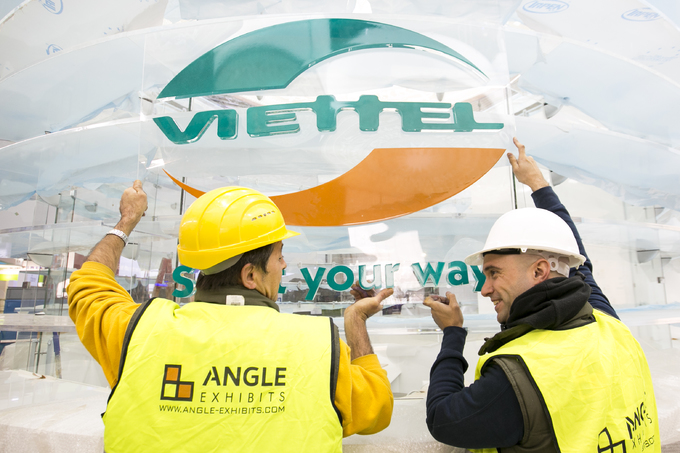
    Telecommunication giant Viettel has proposed that it produces chips to meet domestic demand and for export in addition to offering e-payment services.

    Leaders of the military-owned Viettel Group made the proposal at a Tuesday meeting with Prime Minister Pham Minh Chinh.

    The proposal was made in the context of the recent global chip shortage, which has seriously affected many manufacturing sectors and business areas, prompting several countries to promote chip production as a national security measure.

    In this context, the group also asked to be assigned the tasks of ensuring national defense and security, promoting its strengths and demonstrating the pioneering role of state-owned companies in the fields of high-tech defense, construction and cyber security and safety.

    Viettel said it wanted to deploy a national digital conversion platform, and work as an intermediary for financial switching services and electronic clearing services to facilitate transfer of funds from one bank account to another.

    The group also wanted permission to research green energy technology and modernize important infrastructure in the field of transportation, logistics, urban areas, and science and technology.

    It also asked for more leeway in deciding investment capital and salaries, as well as organizing its internal units.

    At the same time, it suggested that the government adds a new legal corridor for state-owned firms, such as a mechanism to make evaluations based on the principle of overall investment efficiency instead of relying on individual investment items and projects, and a mechanism to establish a Venture Capital Fund for investment in innovative start-ups.

    PM Chinh said Viettel should research and produce chips to effectively and efficiently serve the country’s digital transformation process, including building a digital government, digital economy and digital society. He said Viettel must be a corporation that plays a leading role in this process.

    He also agreed that the group works as an intermediary for financial switching and electronic clearing services, and assigned related ministers to study the plan and report on it to the government.

    Viettel has been maintaining an average pre-tax profit of over VND40 trillion ($1.7 billion) each year for several years.

    The group is doing business in ten markets with a total population size of 260 million in three continents, and has so far reported profits in seven markets, at $250-350 million per year.

  • Blue chip stocks hit highest in weeks

    Blue chip stocks hit highest in weeks

    Vietnam’s benchmark VN-Index rose 0.16 percent to 1290.01 points Monday with a double-digit surge in trade as blue chip stocks climbed to the highest in weeks.

    The index closed two points higher after losing nearly one point on Friday. Trading on the Ho Chi Minh Stock Exchange (HoSE) increased by 31 percent to VND16.94 trillion ($730.64 million).

    The VN-30 basket, comprising the 30 largest capped stocks, saw 11 tickers gained. GAS of state-owned Petrovietnam Gas rose 4.6 percent to a new peak, having increased by 37 percent in the last three weeks. MSN of conglomerate Masan Group went up 3.7 percent to the highest in over a month.

    PLX of fuel distributor Petrolimex gained 3.2 percent to the highest in over a month. Sixteen blue chip stocks fell, with TPB of private TPBank losing 3.6 percent. STB of Ho Chi Minh City-based lender Sacombank dropped 3.1 percent, while NVL of real estate developer Novaland Group lost 1.5 percent.

    Foreign investors were net buyers to the tune of VND44 billion, mainly buying DPM of Petrovietnam Fertilizer & Chemicals Corporation and Binh Son Refining and Petrochemical Jsc (BSR).

    The HNX-Index at the Hanoi Stock Exchange, where mid and small caps list, was down 1.18 percent while the UPCoM-Index at the Unlisted Public Companies Market fell 0.29 percent.