Tag: city

  • Current Generation Honda City to Continue with only the Petrol Engine

    Current Generation Honda City to Continue with only the Petrol Engine

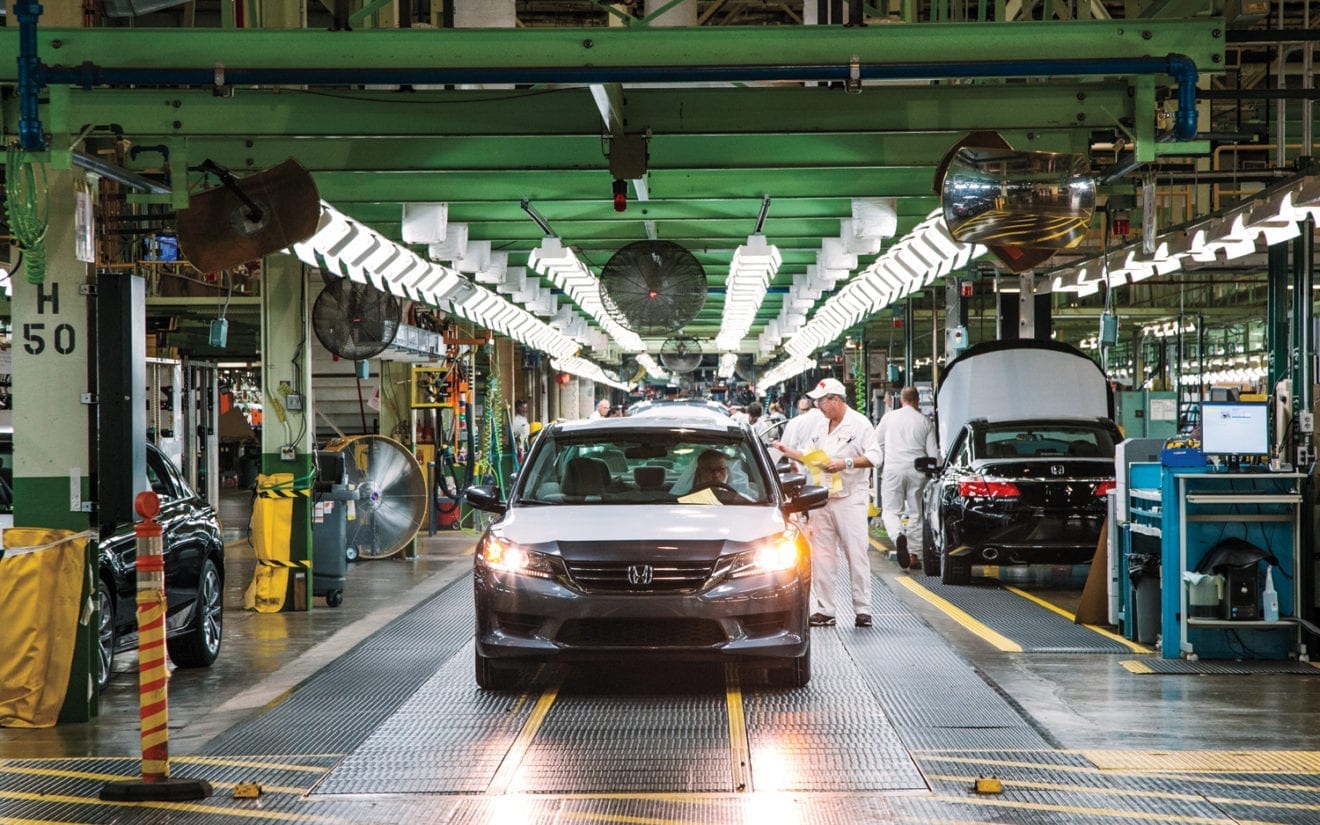
    The fifth-generation Honda City was slated to debut in March this year but the unprecedented lockdown due to the Coronavirus pandemic has pushed the launch for the all-new model. The new-gen Honda City launch is just around the corner. In an interesting move, the fifth generation and the fourth generation (current) models will co-exist in the market. Rajesh Goel, Senior Vice President & Director, Sales & Marketing, Honda Cars India, confirmed the development on the latest episode of Freewheeling With SVP and said, “In the fourth generation, the BS6 is only available on the petrol, and that’s how we intend to keep it. ”

    Elaborating more on the same, Goel revealed that while the next-generation Honda City will be sold in both petrol and diesel engine options, the current model will get only the 1.5-liter BS6 petrol engine. The sedan was updated to the BS6 norms earlier this year and the move could see Honda take a dual approach to the compact sedan segment with a wider portfolio. The fourth-gen Honda City has been around for a while and continues to be a popular seller in the segment. It is likely that the model will get a more competitive price tag that will help take on the Maruti Suzuki Ciaz and the entry-level trims of the Hyundai Verna, Volkswagen Vento and the Toyota Yaris. Meanwhile, the 2020 Honda City will be a major overhaul over its predecessor and will see an all-new 1.5-liter petrol engine with more power, a revised diesel engine and a host of new features and goodies on offer.

    While there have been rumors that Honda plans to target the fleet segment with the sale of the current generation City in India, the same is yet to be confirmed by the automaker. Goel also did not reveal the variant break-up on the old City, but did say that the model will be sold in a fairly loaded guise, in-line with the premium benchmark that the City has set for itself over the last two decades across four generations.

    The move does beg the question if the new generation Honda City will see a premium price tag. The sedan made its debut in Thailand last year and looks extremely promising with an appreciable list of features. It’s also grown in proportions and is now wider and longer by a considerable margin. The new car also mimics the cabin from the new generation Jazz, which makes it a clutter-free yet feature-laden interior.

    With respect to the current model, the fourth generation Honda City gets all the essentials including the touchscreen infotainment system and even the HondaConnect app. Power comes from the BS6 compliant 1.5-liter i-VTEC petrol motor that develops 117 bhp and 145 Nm of peak torque. The motor is paired with a 5-speed manual and a CVT automatic. It will be interesting to see if the current Honda City will be offered with a CVT once the new model arrives.

    In contrast, the all-new Honda City uses a revised 1.5-liter petrol engine that develops 119 bhp while peak torque remains the same at 145 Nm. Expect the transmission options to remain the same. The 1.5-liter i-DTEC diesel, on the other hand, makes 99 bhp and 200 Nm, and is paired with a 6-speed manual.

    The new-generation Honda City is expected to debut in a few weeks and initial production will be restricted till the company chooses to scale things up, depending on the situation. More details will be available in the coming days.
  • New-Generation Honda City Unveil Date Revealed

    New-Generation Honda City Unveil Date Revealed

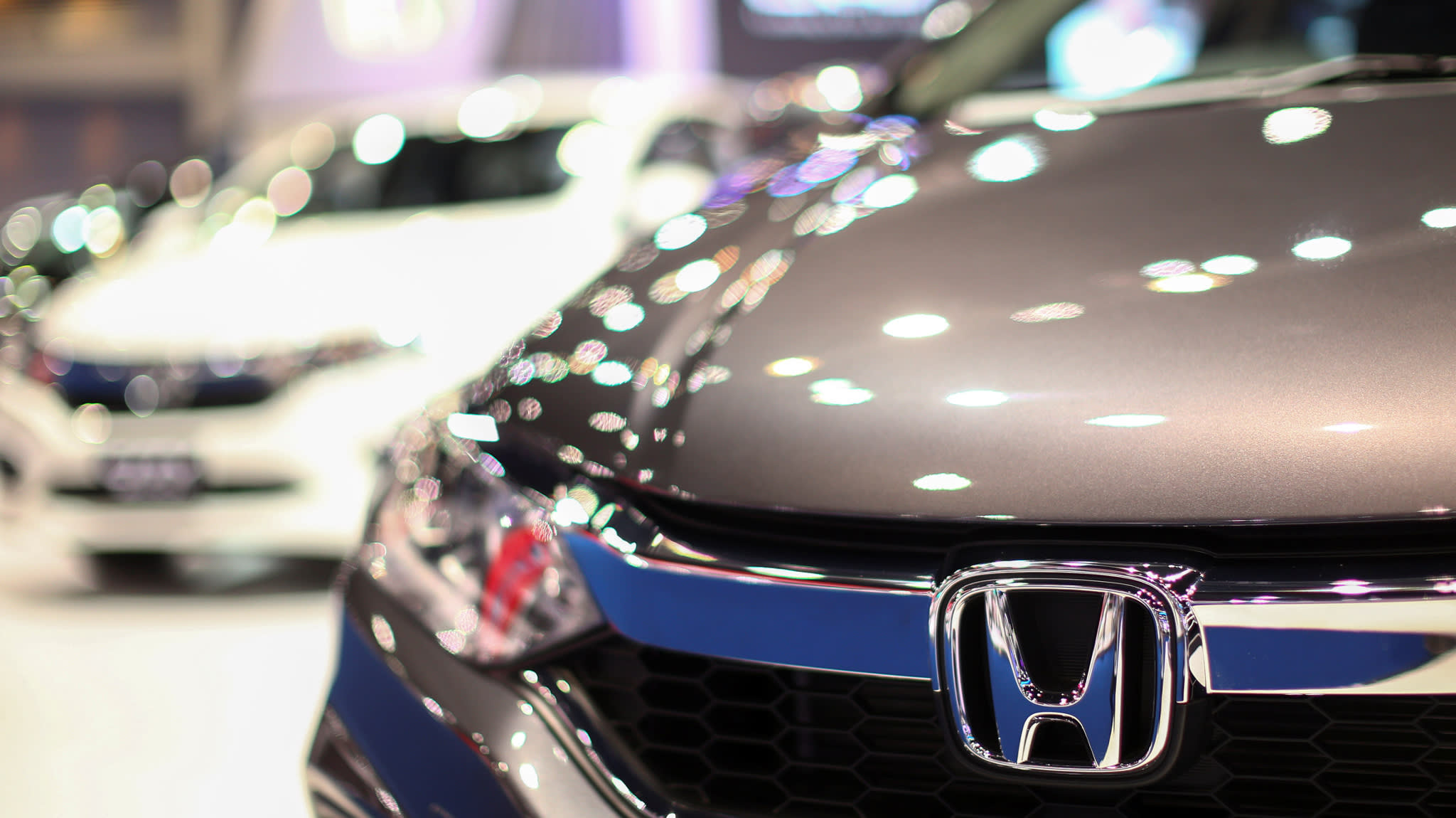
    The 5th generation Honda City is all set to be launched in India in the next couple of months. We can now tell you that Honda Cars India will officially take the wraps off the new Honda City on March 16, 2020, and probably begin taking bookings for the new car the same day onwards. The launch date of the new Honda City is yet to be confirmed. The all-new Honda City will be quite similar to the Thailand-spec model, which was unveiled in Thailand, late last year. The car will have some India-specific changes incorporated into it, of course.

    he new Honda City gets a sharper design and the front end too wears a fresh new look. There is a thick chrome bar on the grille and the headlamp cluster has been completely redesigned, having a jewel eye design. The front bumper gets a redesign as well and so do the tail lamps, carrying a signature u-shaped element.

    The 2020 Honda City has grown in size as well and is now over 100 mm longer, while the width has increased by 53 mm. The height though is now lowered by a good 28 mm, making it look a bit sportier. Honda has shortened the wheelbase on the new City by 11 mm, despite the overall increase in length.

    There will be 1.5-liter mild-hybrid petrol engine along with a 1.5-liter diesel unit and they will be BS6 compliant, right from day 1. Expect Honda to offer manual and automatic gearbox options as well!

    The Honda City will go up against its traditional rivals, which are the Maruti Suzuki Ciaz, Hyundai Verna, Skoda Rapid, and the Volkswagen Vento.

  • Daegu citizens use social media to support restaurants hit by coronavirus

    Daegu citizens use social media to support restaurants hit by coronavirus

    Citizens of South Korean city Daegu are working together on social media to prop up local businesses hit hard by the rapidly growing coronavirus outbreak.

    A Facebook page introducing restaurants in Daegu posted Friday that many establishments are losing money due to the coronavirus epidemic. These restaurants saw their sales fall and are struggling to use up food and ingredients.

    The Facebook page posted a message saying, “If there are restaurants who need help using up ingredients, please let us know. We will help as best as we can.”

    Citizens are taking steps to make sure that restaurant food going unsold due to a drop in customer numbers doesn’t go to waste.

    When such information was made public, inquiries were made by various local restaurants, including steak restaurants and cafes that sell desserts and beverages.

    Site managers received and posted the remaining materials, prices, contact information and photos from restaurant owners. Some posts also showed a welcoming phrase, “Used up all the ingredients.”

    There were also citizen reports to publicize the situation at traditional markets, where many elderly vendors are not familiar with the internet.

    One citizen said: “There are a lot of fruits at Seomun Market stalls and so on. Delivery is also possible,” and provided the site manager with the location and the phone number.

    Other Facebook pages that deliver various news in the region have also joined the initiative.

  • Spring City 66 in Kunming, China Opens

    Spring City 66 in Kunming, China Opens

    Spring City 66, Hang Lung Properties’ first entry into Southwest China has opened in Kunming.

    Now the single largest commercial complex in Kunming, the city’s latest landmark is the ninth Mainland China project developed by the group, following projects in Shanghai, Shenyang, Jinan, Wuxi, Tianjin and Dalian. The 432,000sqm commercial complex comprises a 160,000sqm shopping mall as well as serviced apartments and a 66-level Grade A office tower.

    “Situated at the heart of Kunming, Spring City 66 is seamlessly connected to two Metro lines, with its exceptional modern architecture infused with elements drawn from nature,” said Hang Lung’s CEO Weber Lo.

    “Upholding our customer-centric principle, we are introducing nearly 300 top international and local retail, dining, lifestyle, and entertainment brands, of which one third are making their debuts in the city. With the provision of a confluence of unique experiences, excellent customer service quality and the deployment of advanced technology to help us better understand customers’ needs, we strive to bring the one-of-a-kind Hang Lung branded experience to our customers.”

  • The Salted Plum opens at Suntec City

    The Salted Plum opens at Suntec City

    Southern Taiwanese restaurant The Salted Plum has opened its second outlet in Suntec City.

    The outlet features a spacious dining area with a street ambiance, a self-service system and new dishes exclusive to the venue. The brand, which serves tapas-style Taiwanese dishes, began as a pop-up called FiveTen before launching its first permanent location on Circular Road.

    “The Salted Plum is the embodiment of how a great zi-char restaurant should be; home-style cooking that is full of comforting flavors, hearty, affordable, satisfying and above all, enjoyed with the people you love,” said founder and MD Shawn Kishore.

    “We are excited at the opportunity to welcome larger groups of diners at our new outlet while maintaining our essence and commitment to serve quality food at a reasonable price. With the ongoing labor crunch in Singapore, our self-service system is one of the ways for us to pass on the savings to our customers and ensure that they do not need to break the bank for a wholesome meal in the city.”

    The new 76-seat venue is described as “a pimped-up version of the flagship outlet”, offering diners the option of all-day Taiwanese dining experience on a budget. After placing orders at the cashier, guests are assigned order numbers for self-collection; made easy with single tray pick-ups – all dishes ordered will be placed onto a single tray.

    The Salted Plum Suntec City is decked out with communal-style high-top tables, high ceilings and street-style decor against navy-blue walls featuring vivid illustrations of signature dishes; all aesthetically lighted to capture the mood of outdoor city dining. Countertop seats and small tables are designed for a quick bite while the restaurant’s larger tables can accommodate bigger parties.

  • Piaggio India Launches Vespa Urban Club 125 In India

    Piaggio India Launches Vespa Urban Club 125 In India

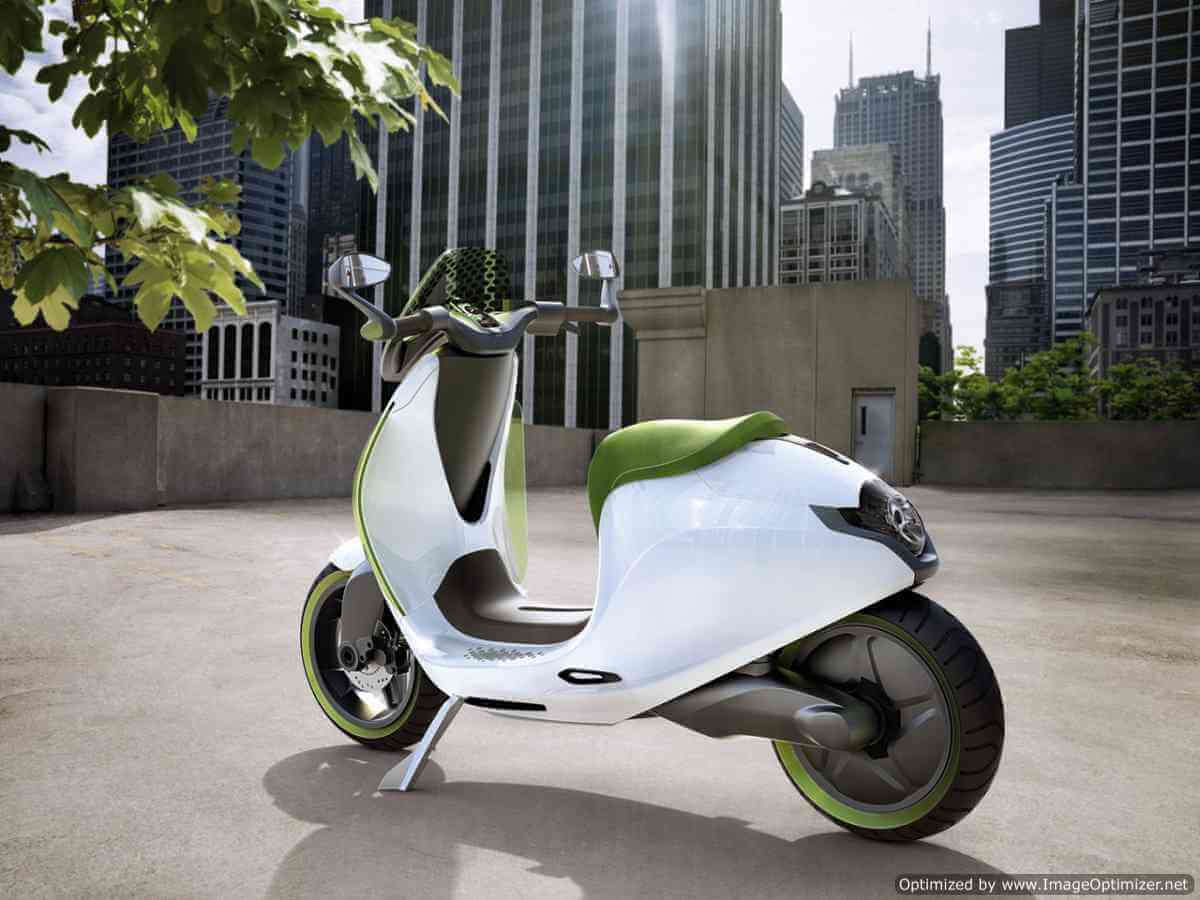
    Piaggio India has announced the launch of its new 125 cc scooter range, the Vespa Urban Club. Priced at ₹ 73,733, the new Urban Club 125 is currently the of the most affordable Vespa scooter available in India, right below the Vespa ZX that is priced at ₹ 81,829 (both ex-showroom, Delhi). The new Vespa Urban Club 125 is offered in four vibrant colors of Azzurro Provenza, Maze Grey, Glossy Yellow, and Glossy Red, with glossy black embellishments like mirrors, grab rail, brake levers and wheels, with all options.

    Commenting on the launch of Vespa Urban Club, Diego Graffi, CEO and MD Piaggio India said, “We are delighted to launch the classy Vespa Urban Club in India. Drawing inspiration from the timeless brand, Vespa Urban Club is a culmination of elegance and new trends, backed by cutting edge technology. We believe the new Vespa Urban Club will add to the style quotient of the rider and will be well-appreciated by Vespa fans.”

    Like the other Vespa such as SXL, VXL, and Elegante, the new Urban Club is also powered by the same 125cc single-cylinder air-cooled engine that is tuned to churn out 9.5 bhp at 7,250 rpm and develops a peak torque of 9.9 Nm at 6,250 rpm. The 3-valve motor comes with an aluminum cylinder head, overhead cam, roller rocker arm, and variable spark timing management.

    In terms of features, the new Vespa Urban Club comes with 10-inch black alloy wheels, equipped with drum brakes, both at the front and back, assisted by a Combined Braking System. It also offers additional provisions for owners to install Piaggio’s mobile connectivity feature to operate and control features of the scooter at a click.

  • New Piaggio Ape City Plus 3-Wheeler Launch Date Announced

    New Piaggio Ape City Plus 3-Wheeler Launch Date Announced

    Piaggio India has officially announced the launch date for its upcoming new three-wheeler, the Ape City Plus. Slated to be launched on June 14, 2019, the new Piaggio Ape City+ auto rickshaw will be the newest addition to the mid-body segment three-wheelers. Piaggio claims that with the new Ape City+, the company will address its customers’ needs perfectly in the last mile segment, suitable for both cities as well as the rural markets.

    Currently, in the people carrier space, Piaggio India offers three models – the Ape City, the Ape Auto+, and the Ape City HT. The existing Ape City comes in two engine choices – petrol and diesel, and the former comes with three fuel options – petrol, CNG and LPG. The petrol version is powered by a 197 cc that is tuned to churn out about 10 bhp and 17.6 Nm of peak torque, along with a fuel efficiency of 29.43 km.

    The same motor in the CNG version makes 9.6 bhp and 15.3 Nm of peak torque, with a mileage of 27.36 km/g, and in the LPG version, it makes 10.46 bhp and 16.7 Nm torque with a fuel efficiency of 22.7 km/g. The diesel model comes powered by a 435 cc oil burner that is tuned to churn out around 8 bhp and develops 21 Nm of peak torque. The motor offers a fuel efficiency of 32.32 km. We expect the new Ape City+ to come with the same engine options.

    In the invite sent by Piaggio, the company has also confirmed that at the launch, it will talk about upcoming technology in Piaggio products and its future plans for the Indian market. So, we expect the automaker to reveal its plans for the Bharat Stage VI / BS6 transitions and maybe even electrification.

  • Turning data into Useful Insights in the age of IoT

    Turning data into Useful Insights in the age of IoT

    If you think about what your home was like even just a few years ago, life was very different. Think about what grocery shopping was like. You’d open your fridge door to check out what’s missing, scribble down on a notebook a shopping list of what you need, turn off the aircon and switch on the alarm before you left the house and leave.

    Now, your smart fridge automatically knows when you’re running low on milk and will order the specific brand and size that you prefer and have it delivered to your front door. Left home and forgot to switch the aircon or alarm on or off? Simply view the app on your smartphone and tap your appliances on or off.

    Known as the Internet of Things (IoT), people are consuming information from more connected devices and as a result, marketing practices are rapidly changing. Retailers need to learn how to speak to customers through more channels than before.

    As IRI’s product solution director Adam Fisher explains, while more devices are creating more communication, marketers are getting blocked where they weren’t before. What happens when your fridge starts ordering groceries for you? Where a marketer could previously capture customers at the shelf in a grocery store, they now need to work out how to get your attention when the fridge automatically orders milk to your doorstep.

    “From a marketer’s standpoint, there are so many devices vying for people’s attention — How do you get the right person’s attention at the right time?” Fisher asks.

    According to Fisher, one of the biggest challenges for retailers is knowing how to turn all the data into actionable information.

    “It’s knowing how do I bring [the information] in, how do I make sense of it, but on top of that, how do I know when I need to do something when it’s signalling something?” he asks.

    Creating cut-through

    Marketing automation can give brands more insights and data into how people are responding to these different channels and how they should be approached, suggests Fisher. It’s one of the biggest trends in retail today and can help businesses engage with their customers by programmatically finding the optimal marketing and promotional activities for defined customer segments.

    A major benefit of IoT is the fact that based on all this new information from devices, brands and retailers are able to bring products to market faster, allowing them to keep up with the ever-changing retail landscape.

    However, it is vital that businesses have the right infrastructure in place in order to deliver real business growth.

    Fisher says: “It is important that they have the technology and the right partner in place. In order to do this, brands and retailers will have to combine mobile and cloud technology infrastructure and go entirely digital to build a new business model by connecting people, things, processes, and data to keep up with technological innovation. That is the essence of what we do at IRI, is connecting the dots to help make faster and stronger business decisions.”

  • Singapore is APAC’s top Smart Fiber City

    Singapore is APAC’s top Smart Fiber City

    Singapore is the top Smart Fiber City in Asia-Pacific, according to a new ranking released at the FTTH Council Asia Pacific Conference in Wuhan, China.

    The inaugural Smart Fiber Cities ranking list Singapore as the region’s Champion, due to the city’s 93% FTTH/B coverage, 100% 4G coverage and its over 10,000 Wi-Fi hotspots.
    For the regional rankings, FTTH Council Asia-Pacific evaluated cities with high FTTH/B coverage based on the innovative and useful solutions that have been developed to take advantage of this infrastructure.

    Cities were raked in two categories – champs and challengers. Champs have almost complete fiber coverage city-wide and have reached maturity in smart projects that have been deployed. They also generally have a comprehensive smart city framework in place and smart projects already in operation.

    Challengers meanwhile are actively deploying fiber infrastructure to meet their smart city ambitions, but their fiber-based smart services are usually limited to specific domains.

    Behind Singapore in the Champs category are Tokyo in Japan and Seoul in South Korea with roughly 90% FTTH coverage, followed by Hong Kong, Busan in South Korea, and Melbourne in Australia.

    Chinese cities meanwhile took the first three spaces in the Challenger category, with Shanghai on top with round 90% FTTH/B coverage, followed by Hangzhou and Wuhan. Runners up included Malaysia’s Selangor, Jakarta in Indonesia, Bhubaneswar in India and Ho Chi Minh in VIetnam.

    “The research into Smart Fiber Cities shows that we are just at the beginning of these developments. Across APAC, we see many mature projects in areas such as e-government and security, with 5G-based applications in, for example, transport and disaster management coming up,” FTTH Council Asia-Pacific president Venkatesan Babu said.

    “We have great expectation for the large numbers of pilots in areas such as healthcare, smart grids and autonomous traffic. We look forward to closely follow new developments in the coming years.”

  • FastGo announces Vietnam’s first helicopter ride-sharing service

    FastGo announces Vietnam’s first helicopter ride-sharing service

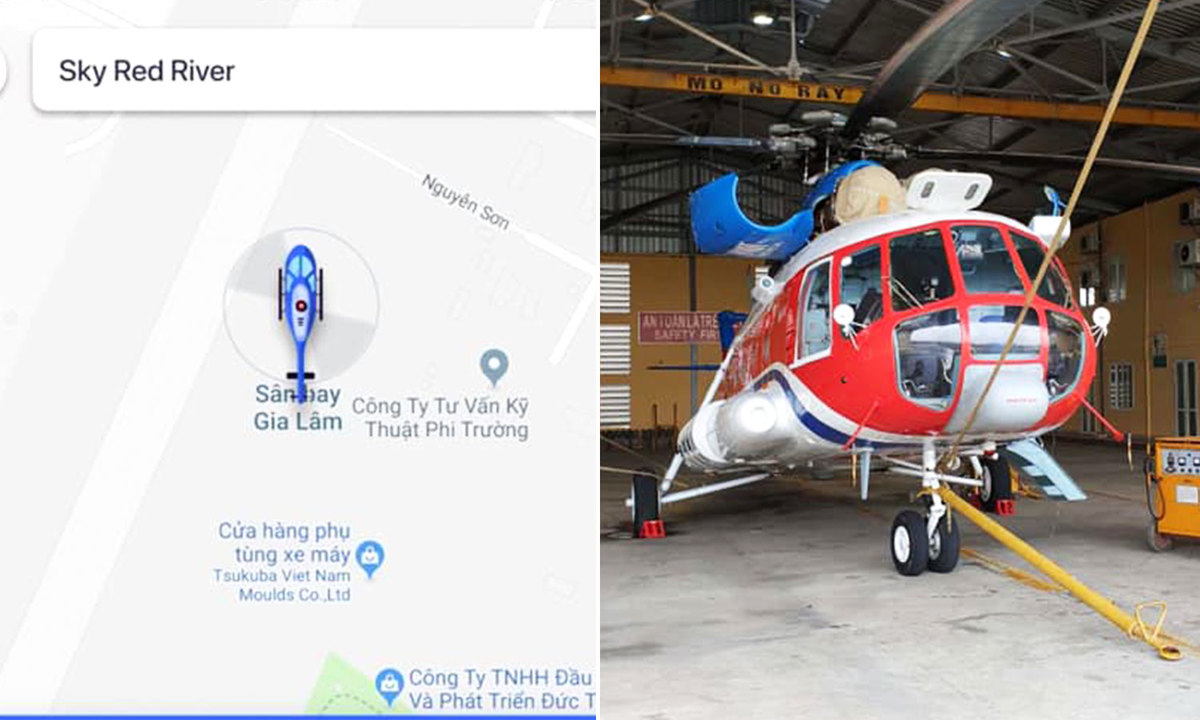
    Vietnamese ride-hailing firm FastGo plans to launch the country’s first helicopter ride-sharing service in Hanoi this month, focusing on tourism in northern provinces.

    CEO Nguyen Huu Tuat told that FastSky’s first flight will take off on April 25.

    With 12 passengers to a helicopter, FastSky will operate tours from Hanoi to northern tourist destinations such as the Red River and Ha Long Bay.

    “Apart from SkyTour, we’ll also operate SkyWedding services for wedding photography and SkySOS for emergencies in which helicopters will land on Hanoi skyscrapers to pick up patients,” Tuat said.

    Prices vary for each service. A tour will cost a minimum of $125 per person, which can be paid in installments over a period of 12 months.

    Tuat said: “We offer premium services for business people but also want everyone to have a chance to fly. FastSky will be a game-changer in the transport industry.”

    FastGo only provides technology solutions while helicopters and pilots are provided by a partner who is permitted to fly in Vietnam, he said, but declined to reveal the company’s name.

    FastGo began operations last June, a few months after Uber announced its exit from Southeast Asia.

    The company, part of Vietnamese technology start-up NextTech Group, expanded to Myanmar last December.

    It plans to launch operations in Singapore this month and in five other countries in the region, including Indonesia and the Philippines, by the end of the year.

    With almost 60,000 drivers on board, the company claims to be the second most popular ride-hailing firm in Vietnam after Grab.

  • Shanghai launches 5G trial district

    Shanghai launches 5G trial district

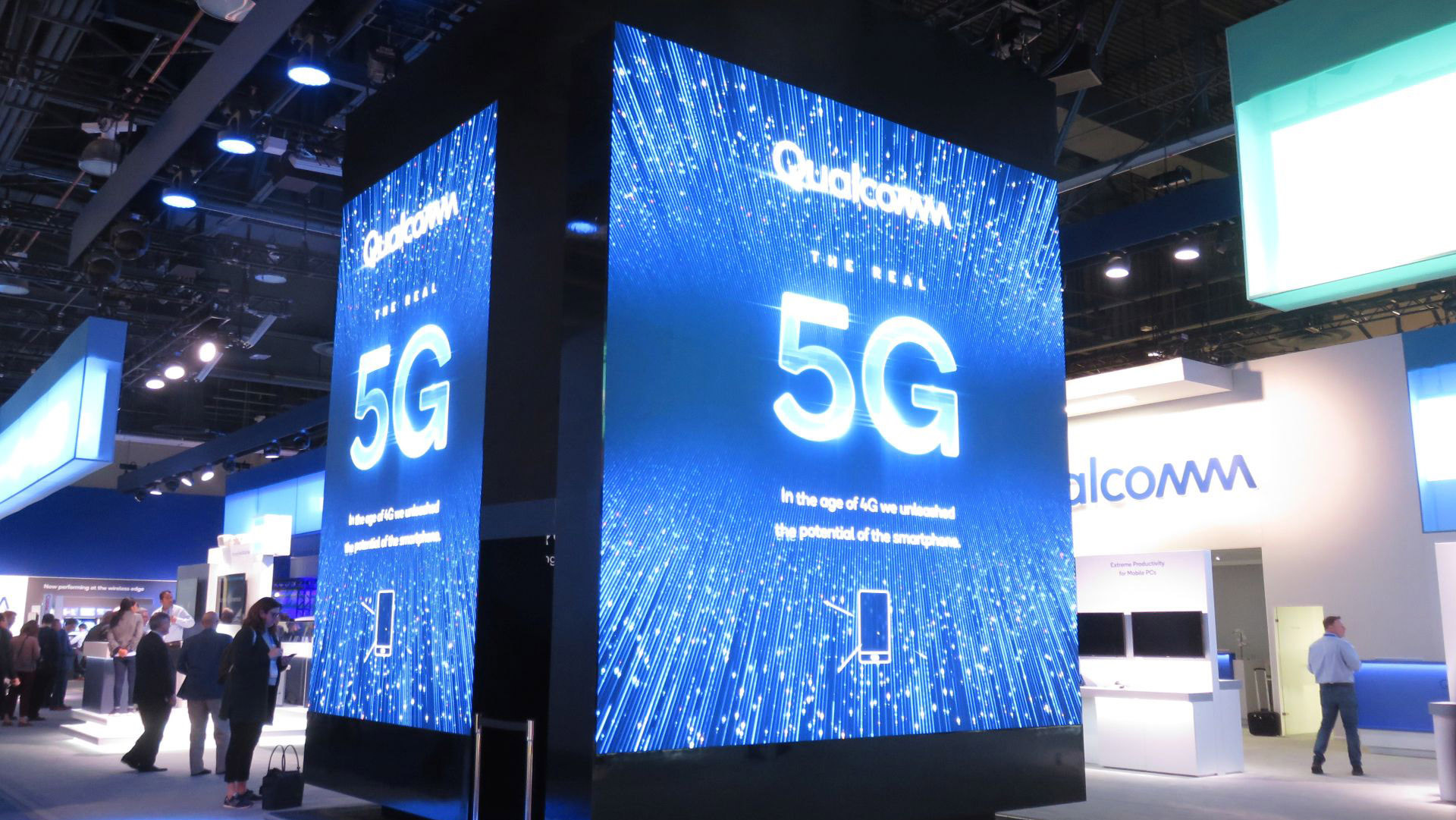
    The City of Shanghai has launched 5G trials in the Hongkou district, which also has the distinction of having a gigabit broadband network.

    The 5G trial, backed by China Mobile, involves providing full coverage of the district.

    During a commencement ceremony for the trial, a 5G video call was placed using the Huawei Mate X foldable 5G smartphone.

    The city plans to deploy over 10,000 5G base stations by the end of the year, and over 30,000 by 2021.

    As part of the trials, the city also plans to provide support for over 100 companies developing 5G-related application scenarios.

    The wide-scale trial follows Huawei’s deployment of trial 5G services at Shanghai’s Hongqiao Railway Station in February.

    Other Chinese cities are also investing in taking an early lead with 5G deployments, including Chengdu in the Sichuan province and Wuhan in Central China.

    The latter city has deployed a trial 5G network encompassing over 100 5G base stations to explore developments in autonomous vehicles, drones and satellite-based positioning, the report states.

  • Reebok to launch Aztrek pop-up in Singapore

    Reebok to launch Aztrek pop-up in Singapore

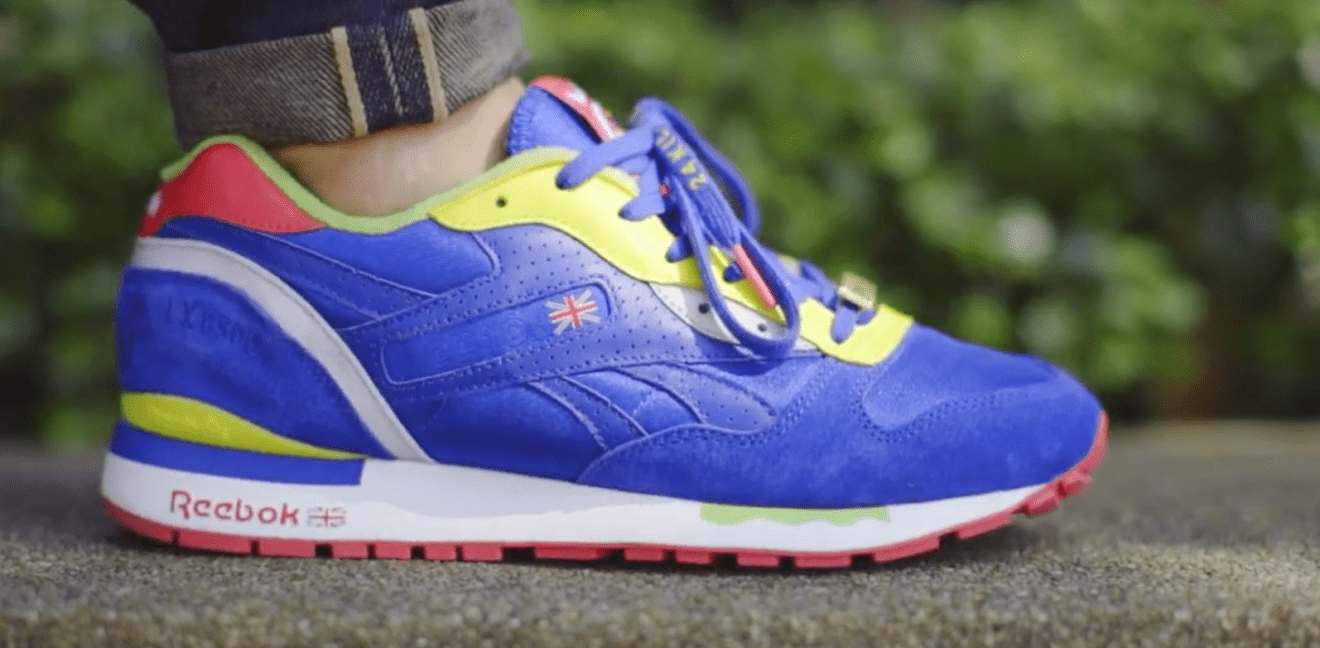
    Reebok will launch a Aztrek pop-up store at Suntec City next month.

    Set to open from May 1 to 7, the pop up brings the retro Aztrek line back with ‘90s-inspired colours and designs, along with cult-classic arcade games and Instagram-worthy corners.

    Visitors will get free token to play arcade games such as Tetris, Mario Kart, Mortal Kombat, Space Invaders, Pacman and Street Fighters, with every purchase.

    Other Reebok Classic favorites such as the Instapump Fury, Club C, Classic Nylon, Pyro and Classic Leather Alter The Icons will also be available at the pop up.

    There will be a photo contest for participants to share their pictures on their Instagram stories with the hashtags #Aztrek, #ReebokClassic and #ReebokSG and tag Reebok’s Instagram handle @Reebok_Sg.

    Originally launched as an all-terrain shoe in 1993, the Aztrek is designed for wearing on mountains.

    This year, the Aztrek returns with three silhouettes including a collaboration with supermodel, Gigi Hadid, called Aztrek Double x Gigi Hadid.

  • Hanoi, HCMC among 20 most expensive cities in Southeast Asia

    Hanoi, HCMC among 20 most expensive cities in Southeast Asia

    A new index puts Hanoi 13th and HCMC 15th on the list of 20 most expensive Southeast Asian cities. The new Cost of Living Index for the region has been compiled by Numbeo.com, the world’s largest database of user contributed data about cities and countries worldwide. According to Numbeo, a person spends on average $447.25 a month in Hanoi exclusive of rent. For a four-person family, this figure would be $1,601. Hanoi’s cost of living ranks 316th among 440 cities in the world.

    Meanwhile, in HCMC, the average monthly expense for a single person excluding rent is $434.94, and $1,562 for a family of four. HCMC ranks 320th out of 440 cities in the world, and is 61.50 percent less expensive than New York.

    This year, Singapore, Southeast Asia’s biggest business hub, remains the most expensive city in the region. The city-state is immediately followed by Bangkok of Thailand. Yangon in Myanmar is in third place, a surprise as the city did not even make the top 30 in mid-2018.

    Many Southeast Asian capitals are featured in the list, with Phnom Penh of Cambodia ranked fifth, Jakarta of Indonesia, 11th, and Manila of the Philippines, 14th.

    Numbeo says that its survey has taken into account several factors including house rents, cost of eating out, and purchasing power needed to live a comfortable life to come with a cost of living index for 20 major cities in Southeast Asia.

  • Shanghai, Singapore is now Asia’s most expensive city

    Shanghai, Singapore is now Asia’s most expensive city

    Asia’s most expensive city for high net worth individuals is no longer Hong Kong. Both Shanghai and Singapore have overtaken it, with property costs alone pushing it beyond capital cities across the region. Wealth Report Asia, published annually by financial services company Julius Baer, measures the price of a basket of items including property prices, a degustation dinner, cars, a piano, wine, jewellery and even botox.


    Shanghai is now Asia’s most expensive city to buy six of the 22 items Julius Baer surveys (a hospital room, watch, handbag, wine, jewellery and skin cream). In addition, it has grown more pricey on a relative basis to buy property (from fifth to fourth most expensive), and legal fees have lept from 10th to second.

    Singapore is the most expensive city to buy a car or a degustation dinner, and ranks in the middle of the list on every other item, its best result eighth for a piano.

    Property prices and business class air fares have skewed Hong Kong’s position on the list – they are more expensive there than elsewhere. But in contrast, Hong Kong is cheapest city to buy skin cream, the second cheapest for wine and jewellery and the fourth cheapest for men’s suits, womens shoes and watches.

    The region’s least expensive city is Kuala Lumpur, Malaysia’s capital. According to Julius Baer, it is the most competitive city to buy property, wine, jewellery, a piano and cigars or to rent a hotel suite.

    Price deflation of items onshore such as legal fees (down four spots) and jewellery (down three spots) offset a recovery in the value of the ringgit against the US dollar.

    The data was calculated on a price-weighted basis.

    Chinese luxury consumption slowing

    Meanwhile, the report says the “China express” driving the world’s luxury retail market is slowing.

    Chinese nationals accounted for just 2 per cent of luxury spending in 2003 yet by last year that share had soared to 32 per cent – and they account for more than 70 per cent of global growth.

    But Julius Baer says recent signs “are pointing to an outlook that will be less spectacular”.

    “Amid the ongoing trade conflict with the US and a softening growth dynamic, the Chinese stock market has come under significant selling pressure this year. Chinese consumer confidence, which has been a good leading indicator for luxury goods performance trends, appears to have rolled over.

    The weakness in Chinese consumer confidence has weighed on the sector of late, and is likely to remain a drag going forward if Chinese consumption trends continue to slow.”

    The report also noted that Chinese retail sales growth has also been moderating in recent months.

    “We believe China is going through a self-induced slowdown as the economy transforms from investment-led to consumption-led growth. Reforms are currently taking a back seat in favour of selective and measured easing but [we] still expect 6.5 per cent growth this year, before a slowdown to 6.2 per cent next year.

    “Following a strong recovery since 2015, it is reasonable to expect global luxury consumption to slow in the near-term from a high base and moderating Chinese demand. Yet we remain upbeat in the longer term premised on structural growing demand from Chinese millennials and a more prominent female presence in the luxury market.”

  • Nokia demonstrates smart city solution for Viettel

    Nokia demonstrates smart city solution for Viettel

    Nokia has completed a demonstration of its smart city management solution IOC for Vietnamese military-run operator Viettel in support of the government’s smart city ambitions.

    Nokia demonstrated its Integrated Operations Center to the operator during a trial in Hanoi.

    The IOC solution is designed to orchestrate smart city operations providing a unified real-time management of all smart city assets and services. Using a combination of automation and analytics, the solution aims to help cities improve productivity and identify new revenue and efficiency opportunities.

    Viettel will be able to use the solution to more effectively manage traffic in Hanoi by leveraging video analytics and video management solutions.

    The Vietnamese government plans to leverage Nokia smart city technologies to address a number of common city problems such as waste management, energy management and traffic management, while enabling better utilization of resources.

    “We are honored to help Viettel conduct this important demonstration. Nokia’s IOC is a proven solution to manage smart city infrastructure efficiently. This end-to-end solution provides a real-time view of the different applications, devices and systems used in the smart city. Its integrated analytics capability further opens up new revenue opportunities for the service providers,” Nokia Global Services head of public sector practice Alexander Van Overveld said.

    “Smart cities promise to provide sustainable living, and we are committed to enabling Viettel to deliver world-class use cases and solutions to its customers.”