Retail News CRM

Tag: city

  • The Seoul Dragon City to open in October 2017

    The Seoul Dragon City to open in October 2017

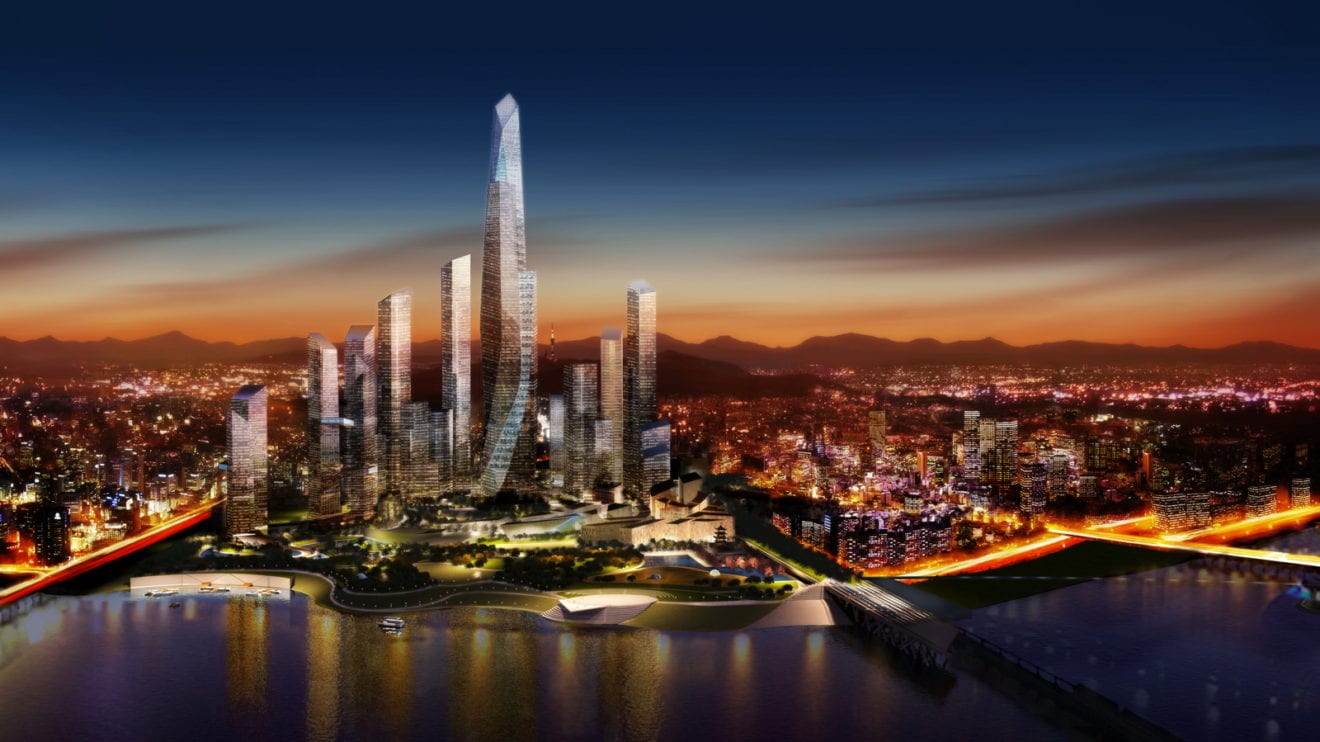
    South Korea’s first lifestyle and hotel complex will open on October 1 in Seoul’s Yongsan District, which is known for its shopping centres and nightlife.

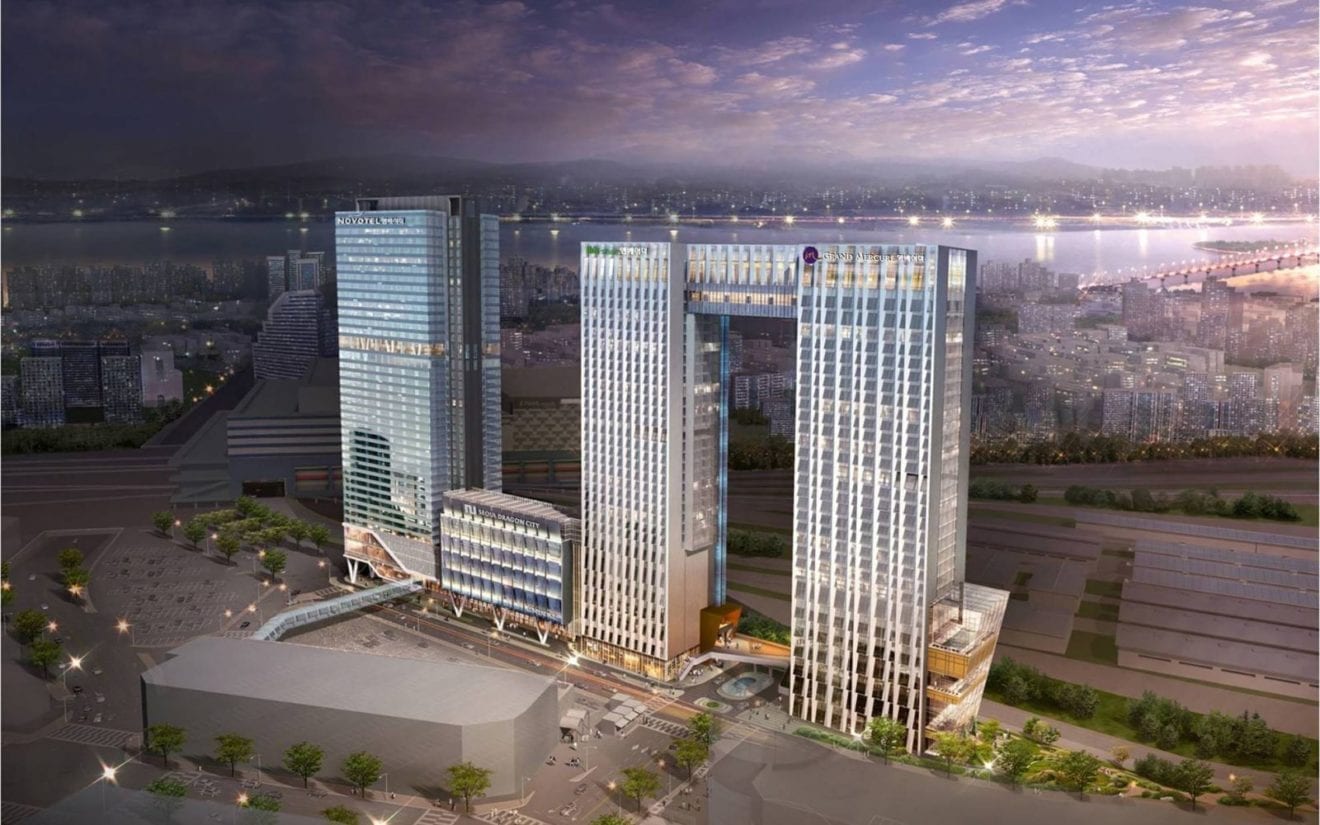
    Launched by AccorHotels, The Seoul Dragon City will have 1,700 rooms and 11 restaurants and bars under four hotel brands. The Sky Bridge will be a unique structure with four floors of entertainment and leisure facilities suspended between two of the towers.

    The four hotel brands include the Grand Mercure Ambassador Seoul Yongsan designed for families and long-stay guests; the Novotel Suites Ambassador Seoul Yongsan for long-stay business and leisure guests or those who like more space and flexibility; the Novotel Ambassador Seoul Yongsan targeted at business and leisure guests; and the Ibis Styles Ambassador Seoul Yongsan for business and leisure groups.

    According to the hotel group, the complex is the first of its kind in South Korea and the largest project it has signed in the country.

    “With four hotel brands in the same complex, they can cater to the needs of every guest. Grand Mercure combines rich Korean culture with elegant service, making it a great option for long-stay guests. Novotel suites will attract medium- to long-stay business travellers and families on urban holidays,” says Patrick Basset, chief operating officer of AccorHotels, Upper Southeast and Northeast Asia.

    Entertainment and leisure facilities at The Sky Bridge include King’s Vacation, a lounge bar with European décor; an indoor miniature swimming pool; Skywalk; and performance stage.

    There is also a private beach club, called the Sky Beach, with music and international cuisine among a setting reminiscent of the legendary beach clubs of Spain, Greece, Singapore and Las Vegas.

    The Seoul Dragon City is located in the centre of Seoul close to major business districts such as Yeouido and Gangnam, as well as commercial districts such as Itaewon and Myeongdong, adjacent to malls and shopping centres, movie theatres, tourist attractions and embassies.

  • Cebu Pacific launches two new routes for Davao City

    Cebu Pacific launches two new routes for Davao City

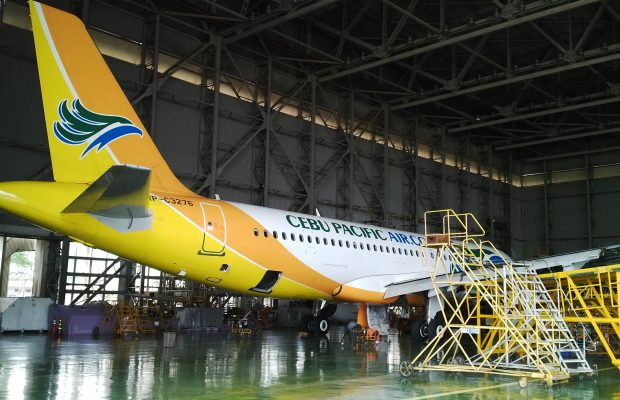
    The Philippines has taken another step towards an integrated flight network with two new routes serving Davao City. Cebu Pacific is now running regular services from the Mindanaoan city to Dumaguete and Tacloban.

    The airline’s subsidiary Cebgo will fly on Monday, Wednesday and Friday to and from Dumaguete, and on Tuesday, Thursday, Saturday and Saturday to and from Tacloban.

    The fare from Davao to Dumaguete is pegged at 2,590 pesos and and at 2,142 for Davao to Tacloban.

    Airline spokeswoman Charo Logarta Lagamon said: “Cebu Pacific remains bullish over prospects in Mindanao.

    “We remain optimistic that new routes would benefit not only Davaoeños, but Mindanaoans in general, in terms of strengthening family and cultural ties, fostering domestic tourism and education exchange, and helping harness trade and business opportunities.

    “Our new intra-island routes provide Mindanaoans convenient air connections; and support the government’s push for more infrastructure investments in Mindanao.”

    Ping Remollo, the Mayor of Dumaguete, said: “My hats off to Cebu Pacific for being the pioneer in Dumaguete; for coming in during the time when no other airline would fly to what was considered then a missionary route.

    “The new Davao-Dumaguete route will usher in more flights and improve connectivity. It will increase economic development, extending beyond Negros Oriental to nearby Siquijor; and link Davaoeños and Dumagueteños closer.

    “The Dumaguete City Council will work with our Davao counterpart to forge a partnership between our cities for tourism development.”

    Davao City councillor Danilo Dayanghirang, representing Mayor Sara Duterte-Carpio at the launch, said: “The Philippines is becoming smaller because of Cebu Pacific.

    “We look forward to more flights between cities around the country as we move towards a stronger Philippines.”

    Mrs Lagamon said the new routes would also boost trade and industry in the south. “Additional routes also expand our cargo service capability,” she said.

    “This will mean faster and more efficient means for traders, exporters and entrepreneurs to move their products and raw materials; or for our overseas Filipinos to be able to send their packages back home easier.

    “We are optimistic that the overall improvement in our cargo logistics network in Mindanao will boost the local economy.”

    The new Davao routes join existing Cebu Pacific services to Cebu, Bacolod, Cagayan de Oro, Iloilo, Zamboanga and Manila — the last of which is now served by four daily flights.

  • HCM City metro projects short on capital

    HCM City metro projects short on capital

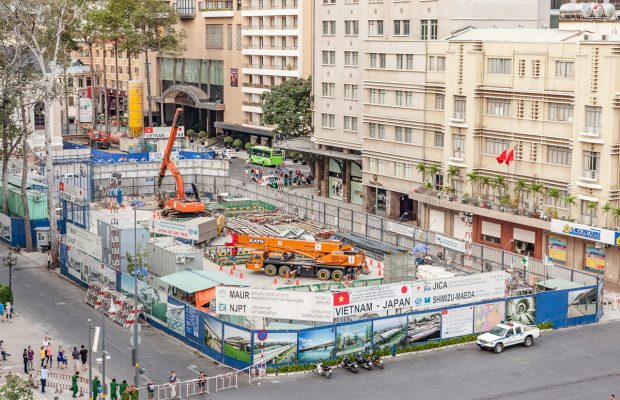
    A shortage of capital is the key problem of both Line 1 (Ben Thanh – Suoi Tien) and Line 2 (Ben Thanh – Tham Luong) urban railway projects.  The Ho Chi Minh City People’s Committee is the developer responsible for the two projects. At the Metro Ben Thanh-Suoi Tien project, the developer has been slow to pay contractors and may have to pay interest on late payment.

    According to a report submitted to the Ministry of Transport at the beginning of March 2017 by Le Van Khoa, deputy chairman of the Ho Chi Minh City People’s Committee, the payments for four construction packages have been delayed since September 2016.

    The reason is that the ODA capital provided for Ho Chi Minh City was only VND592.693 trillion ($26 million), a much lower amount compared to the VND1.95 trillion ($85.17 million) payable for the contractors.

    To deal with the current shortage, Ho Chi Minh City had to withdraw VND600 billion ($26.3 million) from the city budget to pay in advance for the consulting companies and contractors.

    With the current progress, although package No. 1a was started in November 17, 2016, the authority cannot pay the contractors as promised.

    Accordingly, by February 15, 2017, Ho Chi Minh City’s Urban Railway Management Boardwould have to pay in advance the amount of VND571 billion ($25 million).

    In case the developer fails to pay, the contract will be extended, which will result in numerous incurred additional expenses.

    Khoa said that the estimated ODA capital for Metro Line 1 is VND2.119 trillion ($93 million) in 2017.

    However, the project’s capital has not been added to the country’s plan on using ODA, which significantly affected the construction progress.

    By the end of February 2017, package No. 1b, used for the constructions of the stations between Saigon Opera House and Ben Thanh, was 41 per cent completed, while package No. 2 toconstruct the 17.1-kilometre stretch plus depots between Ba Son and Binh Duong was 65 per cent completed.

    Package No. 3 for the purchase of electromechanical equipment, locomotives, carriages, and railway tracks was 12 per cent completed.

    In general, the total disbursement of the project is VND10.9 trillion ($477 million), of which VND9.712 trillion ($425 million) is sourced from ODA.

    If the Japanese and Vietnamese contractors progress as scheduled, the total value of the completed parts in 2017 may reach VND5.320 trillion ($233 million).

    “The project should receive more ODA. It is essential to ensure the project’s progress as committed, as well as to avoid other incurred expenses, late payment penalties, and lawsuits from foreign contractors,” said the report.

    The 19.7-kilometre Ben Thanh-Suoi Tien Line goes through District 1 (Binh Thanh), District 2 (Thu Duc), District 9, and ends in Binh Duong Province (Di An District).

    Of the total, the underground parts are 2.6 kilometres, and the overhead parts are 17.1 kilometres long.

    The total investment after three adjustments has increased from VND14.415 trillion ($631 million) to VND47.325 trillion ($2.07 billion).

    The construction of the overhead part has been on-going since August 2012.

    The maximum speed along the line will be 80 kilometres per hour on the underground sections and 110 kilometres per hour on the bridge. It is forecasted to begin test runs in 2019 and be officially put into operation in 2020.

    Metro Line 2 in a worse spot

    Although Metro Line 1 is in slow progress, at least it has a forecasted launching period, while Line 2, which is also managed by Ho Chi Minh City’s Urban Railway Management Board, is struggling with investment adjustments and updating bid documents.

    Accordingly, the total investment of Metro Ben Thanh-Tham Luong is proposed to be VND47.605 trillion ($2.152,36 million), an increase of 56.6 per cent compared to the initial planned investment in 2010.

    The three biggest increases derive from land clearance, which rose from $119.38 million to $197.88 million; installation and purchase, which went from VND748.11 billion ($33 million) to VND1.198 trillion ($52 million); and reserves, which increased from $263 million to $368 million.

    By the end of February 2017, after six years of construction works, the disbursement was only VND700 billion ($31 million), including VND572 billion ($25 million) of ODA capital, which is equivalent to three per cent of the expected sum total.

    A representative of the Ho Chi Minh City Urban Railway Management Board admitted that implementation was slow compared to the promised schedule because the design has been adjusted.

    Additionally, the different instructions issued by the sponsors and the Vietnamese government on picking contractors and the elongated time for collecting feedback from sponsors also contributed to the slow going.

    As the most important Metro line in Ho Chi Minh City, the Ben Thanh-Tham Luong line will go from the new urban area Thu Thiem (District 2) and end in An Suong (District 12). It is forecasted that by 2025, it will handle 481,700 passengers a day.

    Besides the sharp increase in capitalisation, the launch will be delayed to 2024, despite initial promises to complete works by the end of 2016, as specified in Decision No 4474/QD – UBND approved by the Ho Chi Minh City People’s Committee.

    “The Ho Chi Minh City People’s Committee should review the implementation progress of each package used in these projects and have appropriate solutions to avoid the extension of process, which may lead to an increase in total investment, administration, and interest expenses, exchange rate risks, and fluctuations in construction material prices,” an expert said.
  • Problems with City pork plan

    Problems with City pork plan

    HCM City’s technology-based programme to control and trace the origin of pork that began recently is encountering difficulties, according to the Department of Industry and Trade.

    Speaking at a regular department press briefing, Nguyễn Phương Đông, its deputy director, said 713 pig farms have registered to participate in the programme, but only 99 put rings with an electronic stamp on their pigs’ legs to aid in individual identification of the animals.

    Even the number that agreed to join the programme had not met the expectations of its managers, he said.

    The reason for this is that the main source of supply for the city is farms and household breeders in neighbouring provinces, who need time to change their farming and trading habits.

    But to ensure the safety of consumers, the department is working with those provinces to organise training programmes for the farmers, he said.

    The city provides small-scale breeders with a 50 per cent subsidy of the cost of the electronic rings for the first month, he said.

    Almost all wholesalers at the city’s Bình Điền and Hóc Môn wholesale markets are taking part in the programme.

    They meet 70-80 per cent of the city’s pork demand.

    Consumers can currently check the origin of pork they buy at nearly 385 modern outlets (supermarkets, convenience stores and food shops) and 140 booths at 23 retail markets.

    The project management board is now working with poultry producers and distributors in the city and neighbouring localities to implement a similar programme in June.

  • NEC pushes interoperability of smart city tech

    NEC pushes interoperability of smart city tech

    NEC Laboratories Europe has teamed up with four other ETSI members to initiate a new ETSI Industry Specification Group on Context Information Management (ISG CIM), together with the Open & Agile Smart Cities (OASC) organization.

    The ISG CIM will specify open standards for the context information management layer, running “on top” of IoT platforms, enabling implementation of context-aware behavior in smart applications.

    This context information management layer accesses and updates information coming from different sources (IoT networks and information systems) that comprise the semantics of information, including data source, time of validity, ownership and many more.

    This will extend the interoperability of applications, helping smart cities to integrate their existing services and enable new third-party services.

    Cities are striving to use digital services to advance the quality of life of their residents, the efficiency of their operations, the growth of their economies and to increase their sustainability.

    At the moment, telecommunication systems, city infrastructure databases, car traffic management systems, and new Internet of Things (IoT) solutions all have their own specifications, and smart cities are held back by lack of interoperability for exchange of information between these platforms — which the new ISG CIM aims to overcome.

    A focus of the group will be collaboration with other standardization activities in related areas, including ETSI TC SmartM2M and ETSI PP oneM2M. Groups such as EIP-SCC, W3C or ITU-T, and open source IoT software platforms such as FIWARE and OM2M will be closely consulted.

    The goal is to interoperate and to re-use existing work as much as possible. The ISG CIM work is intended to align with the EU’s standardization policies for the Digital Single Market.

    The five ETSI members of the new ISG CIM are Easy Global Market, imec, NEC, Orange and Telefonica. Beyond the initial focus of smart cities, the approach will be transferable to other applications, such as smart agriculture and smart industry.

    Organizations from all areas are welcome to join the ISG CIM initiative — non-ETSI as well as ETSI members, including research organizations, software houses and system integrators, SMEs, industrial partners, city groups and other stakeholders.

  • NBA legend Gary Payton to celebrate opening of NBA store in Cebu City

    NBA legend Gary Payton to celebrate opening of NBA store in Cebu City

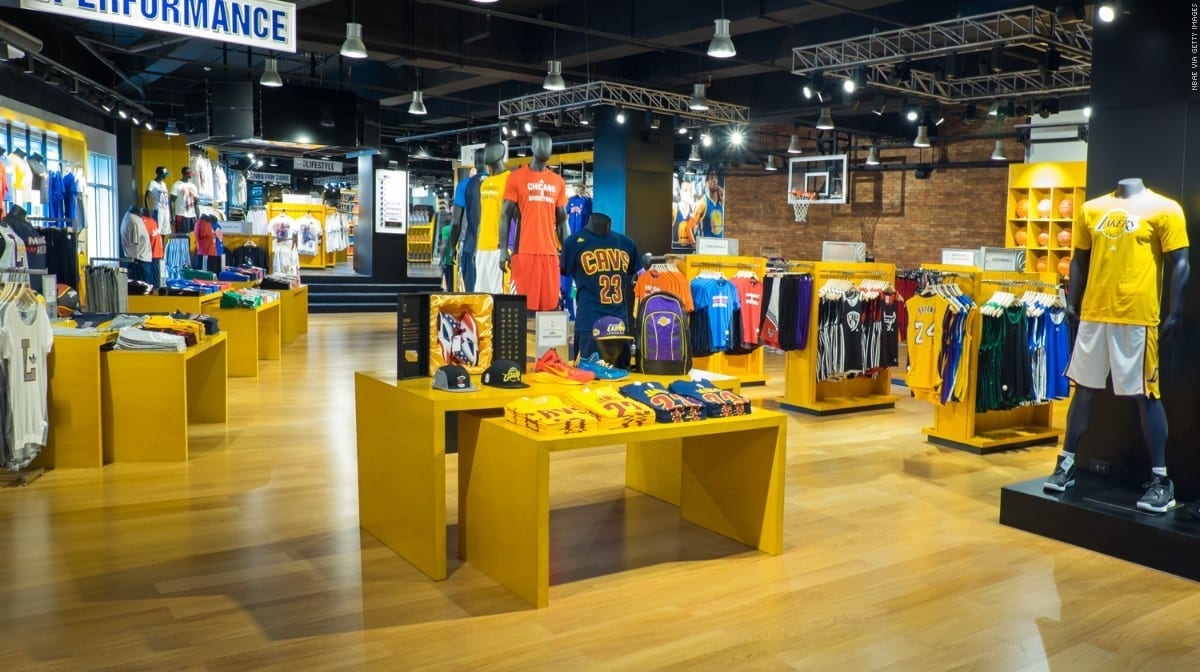
    The National Basketball Association (NBA) announced Wednesday the fourth NBA Store in the Philippines will open Nov. 24 at the Ayala Center in Cebu City.

    NBA Legend and Hall of Famer Gary Payton will be on hand to meet and interact with fans at the store opening, which will celebrate the league’s first NBA Store in the Visayas region. To commemorate the occasion, the first 300 customers that purchase an item will receive an NBA gift.

    Located on the fourth level of the Ayala Center in 452 square meters of retail space and managed by International Athletic Trading Company, Inc. (IATC), the new NBA Store will offer a wide selection of authentic NBA products from all 30 teams, including official jerseys, footwear, performance gear, lifestyle apparel, and non-apparel merchandise including basketballs, toys, collectibles, and more.

    The store will also offer personalized jerseys and will feature interactive elements including NBA 2K video game players where fans test their gaming skills and compete against each other, a Pop-a-Shot machine and a dedicated section for NBA memorabilia.

    “We had envisioned expanding the NBA footprint across the country and to have now reached the Visayas region is a milestone for us,” said IATC President and CEO Melvin Lloyd Lim.

    “We could not be more excited to open the first NBA Store in the second most populous metropolitan area in the Philippines after Metro Manila.”

    “The NBA and IATC are committed to bringing the NBA experience closer to all Filipinos nationwide,” said NBA Philippines Managing Director Carlo Singson. “The NBA Store in Cebu is the first outside of Metro Manila and is strategically positioned as a premier shopping destination for NBA fans within Central and Southern Philippines, offering an extensive range of authentic NBA products.”

    The NBA Store at the Ayala Center will carry products from brands including 2K Sports, adidas, Enterbay, Mitchell & Ness, New Era, Nike, Panini, Spalding, Spec Seats, Stance, and Under Armour. The regular store hours are 10 am – 9 pm (Sunday-Thursday) and 10 am – 10 pm (Friday-Saturday).

    On Nov. 22, Payton will also conduct a meet-and-greet with fans at the NBA Store in Glorietta 3 at 6 pm before visiting the NBA Store in Cebu City’s Ayala Center on Nov. 24 at 6 pm.

    The flagship NBA Store in the Philippines in Glorietta 3 opened in 2014, followed by the store in Mega Fashion Hall in 2015 and the store in TriNoma in 2016.

    For all the latest news and updates on the NBA, visit www.nba.com and follow the NBA on Facebook , Twitter  and Instagram.


  • Singapore amongst 20 most expensive cities for coffee

    Singapore amongst 20 most expensive cities for coffee

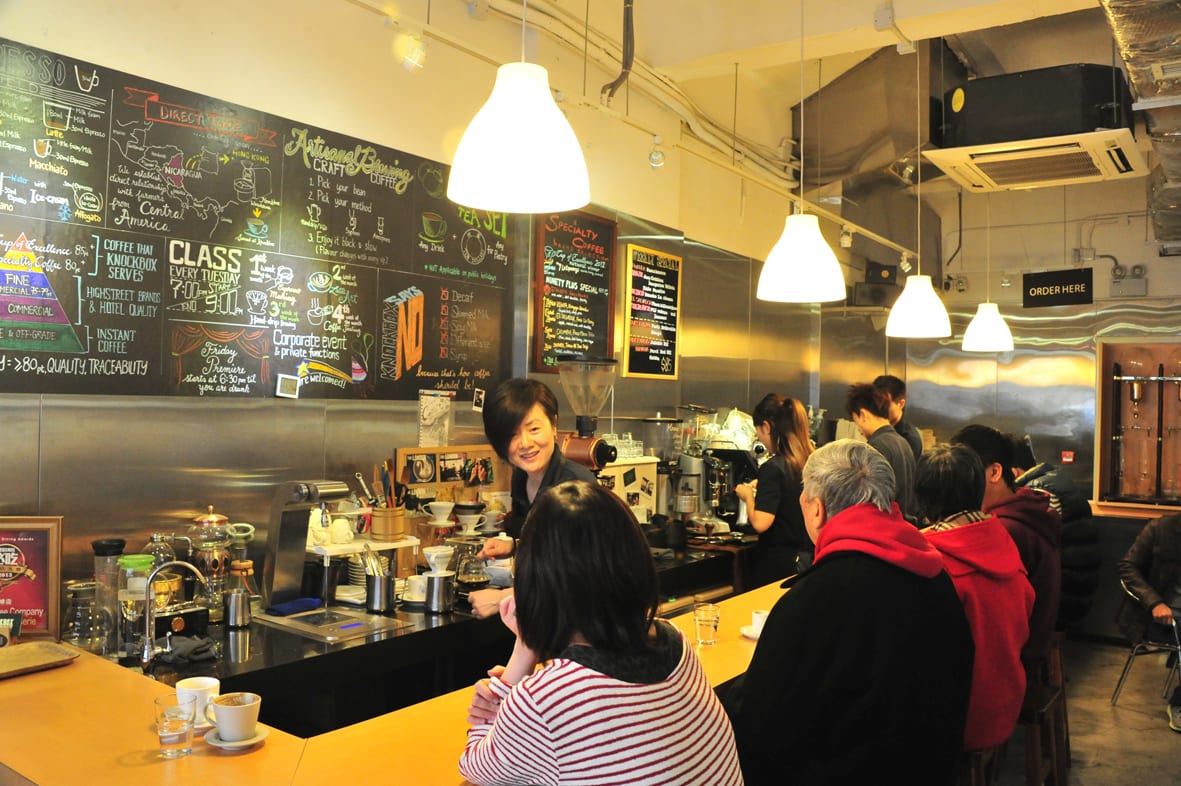
    Online office supply company Service Partner ONE have released the 2016 Coffee Price Index, detailing which cities offer the best value coffee worldwide. The research, which took into account 75 cities from 36 countries across the globe, found that Rio de Janeiro, Brazil offers the least expensive average coffee price, whilst Zurich, Switzerland was the most expensive city researched.

    To create the ranking, the research team averaged the cost of four separate types of coffee: a cup of coffee in an office, a Grande Latte from Starbucks, a medium cappuccino from an independent coffee shop, and a cup of coffee at home. The research looks into costs of coffee from various sources, not just high street outlets, in order to get a clearer picture of the overall value of coffee in each city.

    Singapore is ranked 20th most expensive city for coffee with coffee priced at $2.33(S$3.30) per cup. This compares to Zurich which came in as the most expensive city overall, at an average of $3.52 (S$5), and Rio de Janeiro where coffee was the most affordable, with an average of $1.02 ($1.44).

    In Asian ranking, Hong Kong emerged as the priciest city for coffee. It is ranked 6th in the global ranking with coffee costing $2.88 (S$4.08) per cup.

  • Despite problems at home, SMRT eyes Indonesian market

    Despite problems at home, SMRT eyes Indonesian market

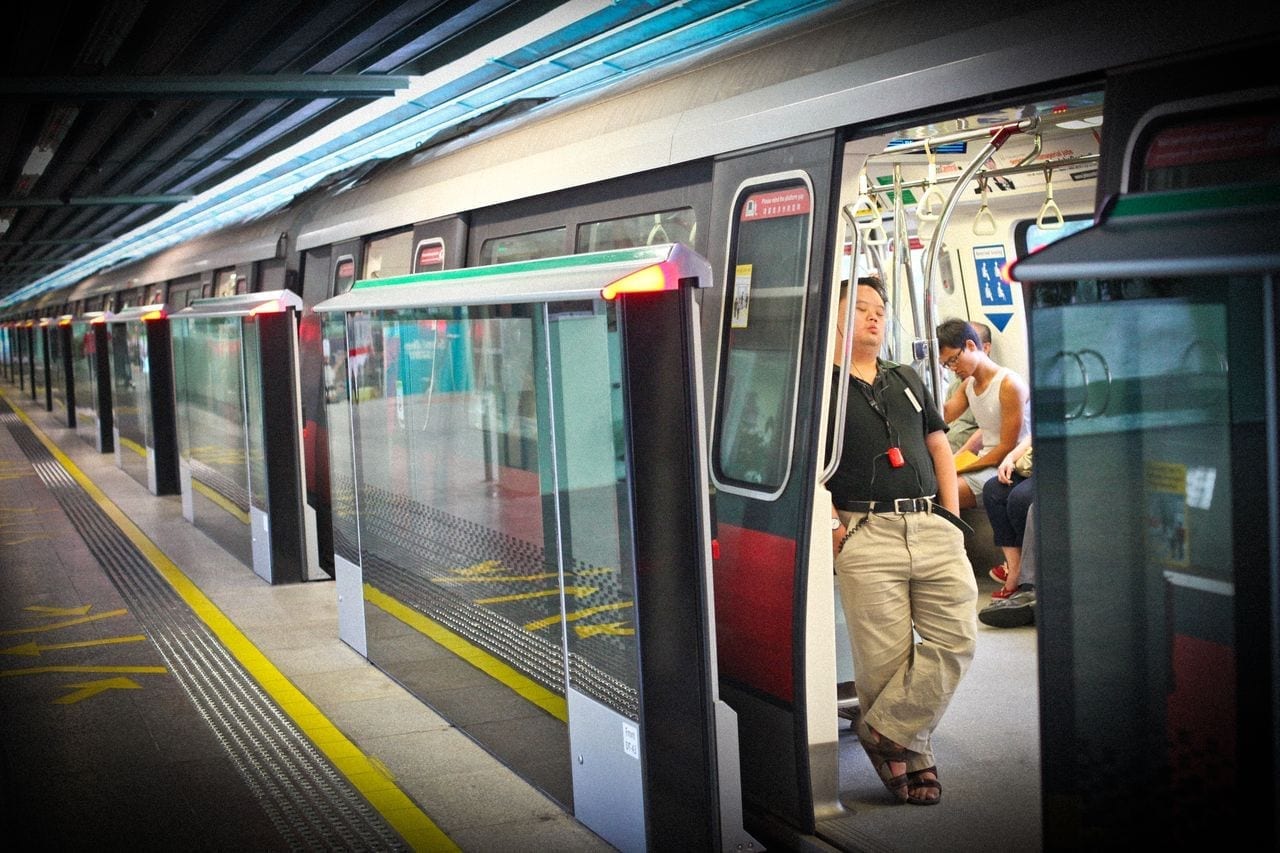
    Transport operator SMRT has been awarded the tender for the construction of a public rail project in Bandung, the Mayor of Indonesia’s third-largest city said, a development that has elicited a thumbs-up from analysts.

    Local media in Indonesia had reported in recent days that SMRT will be the project operator for the Light Rail Transport (LRT) in Bandung. Bandung Mayor Ridwan Kamil was quoted in the reports as saying that in the initial stage, SMRT will build the LRT Corridor 1, a 10.2km route from Babakan Siliwangi to Leuwipanjang.

    In a Facebook post last Monday (Sept 19), Mr Kamil wrote SMRT had been awarded the tender for Corridor 1 and that construction would begin by next year if everything went well.

    In the wake of those reports, SMRT on Monday (Sept 26) said in a regulatory filing with the Singapore Exchange (SGX) that its wholly-owned subsidiary, SMRT International, had on Sept 9 submitted together with T-Files Indonesia a formal bid to participate in a tender for the construction of a public rail project in Bandung, about 180km from Jakarta.

    SMRT said in its filing that it had not received official notification of the tender award and that no agreement had been reached on any of the terms with regard to the construction and implementation of the project. It declined to comment beyond the SGX filing.

    Assistant Professor Yang Nan, Department of Strategy & Policy at NUS Business School, said: “Obviously this is an interesting project. Even if it doesn’t promise immediate high returns, SMRT is eyeing the future. As the largest economy in Asean, Indonesia has very underdeveloped transport infrastructure but is ready to catch up quickly.”

    He added: “Getting an early and strong foothold in these new markets is crucial for rail expansions and SMRT’s move is in this direction. I’m optimistic about SMRT’s perspective in winning this and future tenders, for its specialties and experiences operating in the Asean market.”

    CMC Markets Singapore analyst Margaret Yang said: “Indonesia is a fast-growing emerging economy, with a large population and high demand for infrastructure upgrading. This would be a good opportunity for SMRT to explore new business in Asean’s largest economy.”

    The latest development comes two years after SMRT International joined a consortium to provide consultancy services and secured first rights to operate and maintain the Jakarta Eco Transport monorail, due to commence operations next year.

    At home, SMRT has come under heavy criticism in recent years as frequent train disruptions and delays on its various lines held up passengers on their daily commutes.

    In March, two employees carrying out routine maintenance work on a track near Pasir Ris MRT Station were killed after they were hit by a train approaching the platform. In July, SMRT said it had sent back 26 China-made trains to the manufacturer for repairs after cracks were found in them.

    Earlier this month, SMRT said it had not been able to determine the source that caused the intermittent loss of signalling communications on the Circle Line last month, which led to days of train service delays.

    Transport analyst Park Byung Joon, who lectures at SIM University, said that any operator with a long-enough history in operations will have its own record of mishaps. “As a train operator, it has a responsibility to the public, of course, but as a commercial entity there is nothing wrong for a business expansion opportunity,” he said.

    “Despite some recent operational hiccups suffered by SMRT, it is still a very strong operator of trains. As an operator of trains, it can bring in its knowledge on how to oversee the construction project and what kind of considerations you have to have for safety concerns. This kind of knowledge can be very useful for the consortium.”

    This Thursday, SMRT shareholders will vote on state-owned investment fund Temasek Holdings’ proposed buyout of the public transport company and experts have mixed views on how news of the Indonesian tender will affect the vote.

    Temasek’s wholly-owned subsidiary Belford has proposed to buy the 46 per cent of SMRT shares that the state-owned fund does not already hold, by way of a scheme of arrangement at S$1.68 per share.

    More than 50 per cent of shareholders present in person or by proxy must vote to approve, and they have to hold at least 75 per cent of the value of SMRT shares among those present. This excludes shares held by Temasek, which is not eligible to vote.

    SMRT said in Monday’s filing that the company does not expect the Indonesian bid to have a material impact on its net tangible assets per share or earnings per share (EPS) for the current financial year.

    “There shouldn’t be a material impact on shareholder’s decision due to the uncertainty surrounding the bid, and no material impact on its tangible assets or EPS in the near term,” said Ms Yang.

    However, Mr Yang disagreed.

    “The shareholders may vote for SMRT to remain publicly-listed as they see this announcement as something that can boost the future stock value of SMRT, and an opportunity to receive higher future dividends,” he said.

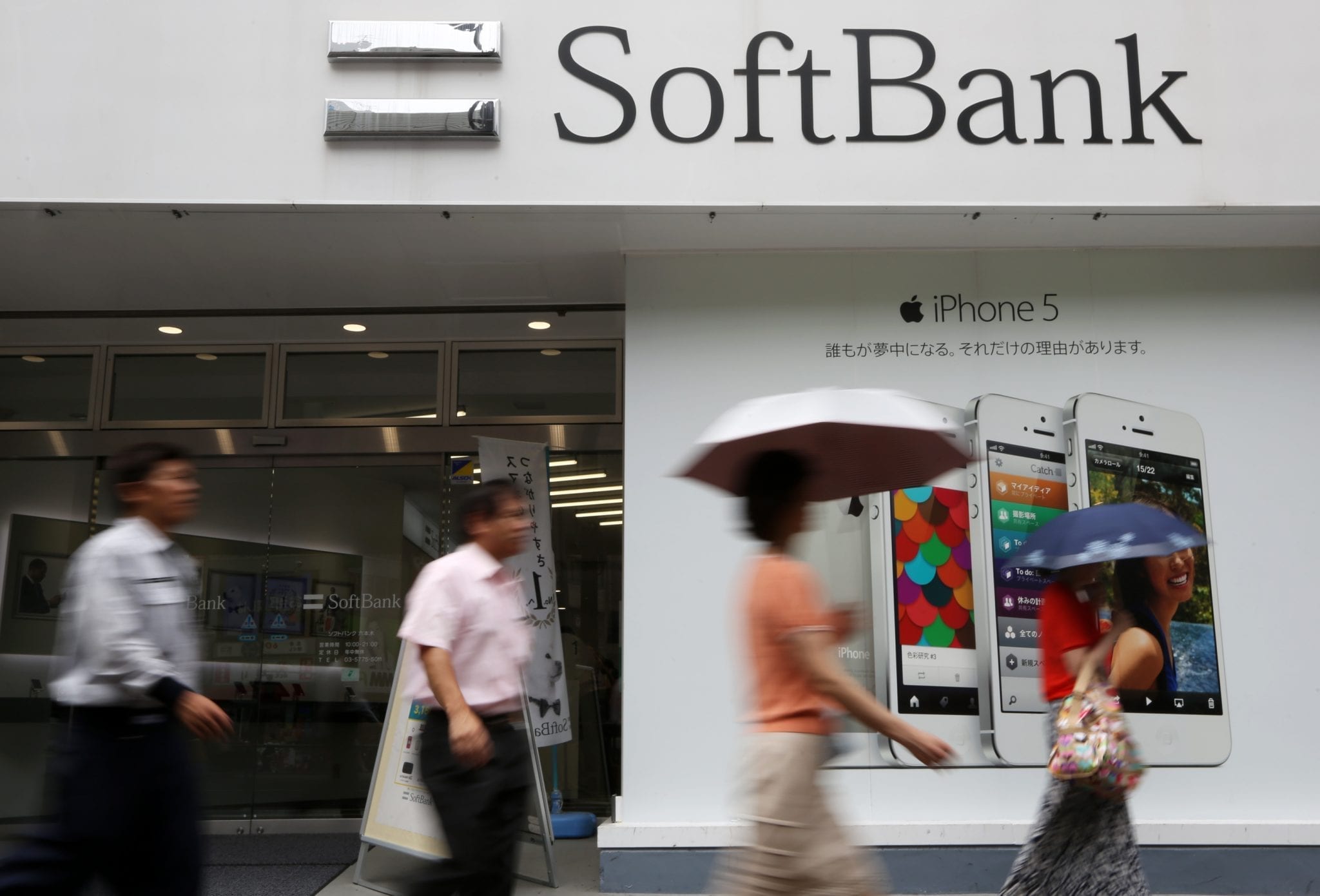
  • Softbank, Wireless City kick off 5G project

    Softbank, Wireless City kick off 5G project

    Softbank and its affiliate company, Wireless City Planning, have officially launched the ‘5G Project’.

    As the first phase of the project, which was announced in Tokyo last week, Softbank plans to roll out commercial services based on Massive MIMO technology from September 16, a move which Softbank says will make it the world’s first cellco to provide such services.

    Under the plan, SoftBank will be deploying the technology across 100 base stations in 43 cities across Japan, of which 30-40% will be deployed in downtown areas of the Tokyo capital.

    At the media conference for the launch last week, Shubun Kitahara, director of the network planning department of SoftBank’s mobile technology division, tested at four locations in downtown Tokyo, which showed that massive MIMO increased communications speed by 6.7 times on average.

    According to Softbank, corresponding terminals only need to support SoftBank 4G (compatible with TD-LTE). The service is also available on the SoftBank 4G terminals customized for Y!mobile.

    Aiming for 5G commercialization in 2020, Softbank last year signed separate research collaboration agreements with Huawei and ZTE covering the development of stopgap technologies on the road towards 5G.

    SoftBank has teamed with ZTE to help develop networking equipment based on ZTE’s Pre5G technology, such as the vendor’s Massive MIMO base stations.

    Massive MIMO base stations have the capacity to support more than 100 antenna elements, allowing up to eight users to transfer data simultaneously.

    SoftBank already has cooperation agreements covering Massive MIMO as well as ultra-dense networks and multi-user shared access technology.

  • Malang city expected to go intl through digital technology development

    Malang city expected to go intl through digital technology development

    The Minister of Trade, Thomas Lembong, expects Malang to go global, thanks to its digital technology-based development, and by introducing the world to its potential, especially in creative products.

    “Malang must go global. I believe Malang and its people can go global in the digital age through internet and social media,” Lembong said here on Friday (April 1).

    He added that the potential that Malang city offers, particularly in culture, creativity and innovation, should be introduced to the world through digital technology.

    Moreover, the community of Malang City is a creative community, he said.

    “Malang has creative people with modern ways of thinking. I wonder if the creative industries are well developed here?” Lembong said.

    According to the minister, the use of digital technology in everyday life in Malang can act as a strong resource to face regional and international economic competition.

    A life style based on digital technology is key to development in the 21st century when competition is more about human resources.

    “Any modern city should attract innovation and be inspirational. I can see that Malang will be very good in these aspects,” he said.

    In accordance with the governments program of Nawacita (the nine goals), it will build or revitalize 5,000 traditional markets by 2019.

    The Ministry of Trade prioritizes the development of local markets which are older than 25 years, and those which were destroyed by fire, natural disasters and post-conflict.

    In addition, the markets which are located in disadvantaged areas and border areas that lack trading facilities, or those with a huge trade potential, will also be developed.

    Since 2011-2016, the Ministry of Trade has revitalized or built 43 markets in East Java province with a budget of Rp250 billion.

  • Is this the city of the future?

    Is this the city of the future?

    Today, more than half of our planet’s population live in urban areas, with millions of people migrating from the countryside to towns and cities in search of prosperity to a point where the world’s urban population has rocketed from 746 million in 1950 to 3.9 billion in 2014, according to the United Nations.

    As urban populations balloon, the strain on cities – many of them hundreds of years old – increases, with everything from transport to living space, healthcare and security put under pressure.

    In South Korea, the Songdo International Business District (Songdo IBD) is offering one vision of how cities might look in the future. A $35 billion project, Songdo has been developed across more than 1,000 acres of reclaimed land.

    “The original concept of Songdo was as a gateway city to the Korean mainland from Incheon International Airport, where basically all the uses – be they residential, retail, work, educational or cultural – would… all be within a 15 minute walking time of one another,” Jonathan Thorpe, senior EVP and chief investment officer at Gale International, part of the public-private partnership behind Songdo, told CNBC’s Sustainable Energy.

    As well as being technologically advanced, there is a heavy emphasis placed on sustainability. Forty percent of the city has been designated as “green public space” while the city is also home to 20 million square feet of LEED – Leadership in Energy and Environmental Design – certified space.

    “The residents can… control their lighting, their heating, ventilation, air conditioning usage, all within a single panel,” Thorpe said.

    “Moreover, they can track the actual consumption of energy that they individually are consuming, compare that to the use of their neighbours and this helps, really, greatly increase efficiency,” he added.

    The importance of technology is crucial, according to renowned British architect Norman Foster.

    “In many ways technology has been a constant throughout civilization,” Foster told Sustainable Energy.

    “It’s always been maximizing the materials to transform the climate and create a more comfortable environment in an age before cheap energy,” he said.

    “We have to relearn those traditional lessons and apply that with the technology of our time. You have to look at all the elements within the building – the materials, the way in which it responds to climate – to reduce the amount of energy and ideally move to buildings which harvest energy.”