Tag: clothes

  • PVH to buy back Tommy Hilfiger licence in five major Asian markets

    PVH to buy back Tommy Hilfiger licence in five major Asian markets

    The US-listed fashion brand owner has entered into a definitive agreement to reacquire the license from Dickson Concepts, along with some related leases and retail assets. Terms of the transaction were not disclosed, but the deal is expected to be settled in the second quarter of this year.

    PVH Corp, which also counts Calvin Klein, Van Heusen, Izod, Arrow, Warner’s, Olga and Geoffrey Beene in its portfolio, said the deal is in line with the company’s strategy of gaining more direct control over its brands, including through the acquisition of licensed businesses. The transaction is intended to allow the company to capitalise on the significant growth opportunity in the region.

    “This transaction demonstrates our commitment to making strategic investments to support the long term growth of PVH and our Tommy Hilfiger business, while leveraging our well-established infrastructure, our leadership expertise and strong brand momentum across both our Tommy Hilfiger and Calvin Klein businesses in the region,” said Emanuel Chirico, PVH Corp’s chairman and CEO.

    Daniel Grieder, Tommy Hilfiger Global CEO, said after taking back the Tommy Hilfiger licence, the company will execute “a more fully integrated strategy for the Greater China market in coordination with our directly operated Mainland China business”.

    “This transaction should allow us to further realise the growth opportunities that exist for the Tommy Hilfiger brand by enabling the introduction of a wider range of product lines, and offering consumers a more immersive and elevated brand experience. Building on our strong existing regional foundation, we plan to accelerate the growth of the Tommy Hilfiger business and invest further in driving the expansion of the brand.”

  • PVH opens third Tommy Hilfiger store

    PVH opens third Tommy Hilfiger store

    US-based PVH Corporation opened its 13th full-price Tommy Hilfiger store in Australia on Friday, just days after the fashion brand held its Tommy Now runway event in Paris, featuring a collection designed in partnership with American actress and brand ambassador, Zendaya.

    The new store, located in Sydney’s Mosman suburb, showcases the TommyXZendaya collection and the brand’s Spring 2019 collection, in keeping with Tommy Hilfiger’s early adoption of the ‘see now, buy  now’ runway trend. Customers can also shop the brand’s denim collection and newly launched men’s and women’s sportswear collections.

    The store, which opened on International Women’s Day, also offers the brand’s IWD capsule collection, which features t-shirts and sweaters with inspirational slogans, such as: “Be the change” and “Powerful”. The brand is donating $1 from every style sold to the International Women’s Development Agency, a non-profit that works to advance women’s rights and gender equality in Asia Pacific.

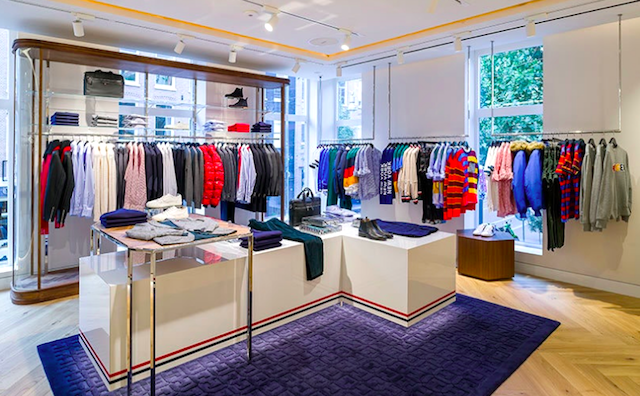
    Spanning 130sqm, the store design reflects Tommy Hilfiger’s new global retail concept, which fuses the brand’s American heritage with clean, modern finishes and a bright, airy aesthetic. A high-resolution digital screen showcases the brand’s latest global campaigns for an immersive brand experience.

    The Mosman store is the third Tommy Hilfiger store to open in the past eight months in Australia, reflecting the parent company’s efforts to minimise its exposure to Myer and other struggling department stores by increasing its retail presence. The brand opened a store in Burwood, NSW, in June 2018 and in Perth, WA, in October. The brand also launched an online presence in Australia in September.

    In a presentation to investors in May 2018, PVH Brands Australia, a 50-50 joint venture between PVH and local apparel retailer Gazal Corporation, which held the licences for  Tommy Hilfiger, Calvin Klein and Van Heusen in the local market, said it would open 34 stores across the brands in the coming years.

    Since then, PVH has announced an agreement to acquire Gazal. The closing, which is subject to shareholder, court and regulatory approvals, is expected to occur in the second quarter of 2019.

    Tommy Hilfiger operates 1800 stores in over 100 countries around the world.

  • Islamic clothing market growing to US$88bn by 2025

    Islamic clothing market growing to US$88bn by 2025

    The global Islamic clothing market is expected to reach US$88.35 billion by 2025, according to a new report by US marketing and consulting firm Grand View Research. Increasing expenditure by Islamic populations on lifestyle and apparels, especially among the wealthy, elite, and traditional Middle Eastern populations, is expected to propel demand.

    In 2017, ethnic wear accounted for 70.9 per cent market share, in terms of revenue, owing to rising demand for abayas, hijabs, thobes and jubbas in countries with a high Islamic population. The burkha and naqaab segment is expected to expand at a CAGR of 5.4 per cent from 2017 to 2025, owing to increasing demand from Middle Eastern countries – including Saudi Arabia, the UAE, and Iraq.

    Sustainable fashion is expected to register a CAGR of 4.9 per cent over the forecast period on account of the shifting focus of leading fashion brands towards the development of innovative clothing options for the younger population. The Asia-Pacific region accounted for 31.3 per cent of revenue in 2017, with more than 63 per cent of the world’s Muslim population located in Indonesia, Pakistan, India, Bangladesh, Myanmar and Morocco.

    Key players operating in the Islamic clothing market include House of Fraser, Marks & Spencer, Aab, H&M, and Mango, which are catering to the rising demand for diverse options from different parts of the world.

    Major countries outside the Western fashion industry contributing to a significant share include Malaysia, Turkey, and Indonesia, where the industry is highly lucrative.

    However the research says controversies around losing the ethnic value of Muslim clothing due to its shift towards mainstream fashion industry may hamper market growth. Initiation of various marketing campaigns by industry players in line with maintaining the core of the Muslim precepts – Sharia, or the Islamic law – is projected to propel growth of the Islamic clothing market.

    In addition, increasing demand for modest-yet-fashionable clothing, especially from the younger generation with high purchasing power, is likely to complement market growth.

    Increasing reservations regarding over-commercialisation of what is primarily meant to be a rigorous religious mandate can pose a challenge to market players. In addition, involvement of multinational fashion brands is projected to restrain growth of the small Islamic clothing companies.

  • Uniqlo Japan sales down

    Uniqlo Japan sales down

    Fast Retailing Group has reported a decline in revenues for Uniqlo Japan against broader successes internationally in its first quarter.

    A sharp profit decline on sluggish sales of seasonal ranges during a warm winter in Japan has given rise to disappointing results in the Uniqlo brand’s home territory. Uniqlo Japan posted revenues of ¥246.1 billion (US$2.27 billion), a decrease of 4.3 per cent year on year, with first-quarter profit before taxes of ¥111 billion ($1.03 billion), down 5.7 per cent; and profit attributable to owners of the parent firm of ¥73.4 billion ($678.4 million), down 6.4 per cent. Online sales expanded favourably in the market, however, showing an increase of 30.9 per cent.

    Uniqlo International saw an operating profit far exceeding that of Uniqlo Japan, with revenues at ¥291.3 billion (2.69 billion) up 12.8 per cent.

    Uniqlo Greater China and Uniqlo South Korea both reported higher sales and profits despite the dampening effect of the warm winter. Uniqlo Southeast Asia & Oceania continued to report significant revenue and profit gains.

    The report said Fast Retailing’s consolidated business estimates for the financial year ending August 31 remain unchanged from the initial forecasts released last October, predicting an 8 per cent expansion in revenue and 14.3 per cent increase in operating profits.

  • Promising signs of change at Myer

    Promising signs of change at Myer

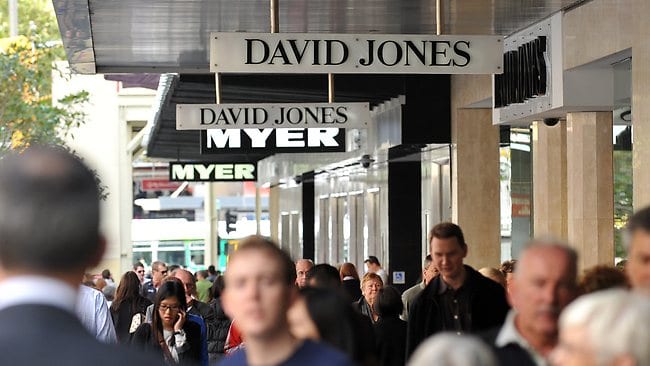
    Myer’s move to reduce discounting and cut operating costs, while focusing on online sales and exclusive brands, had a positive impact on earnings in the first half of FY19, driving a 3.1 per cent increase in NPAT and 99bps improvement in gross margin. But some remain sceptical that these changes will be enough to drive long-term growth.

    “Despite a better-than-expected result [in the half], the long-term outlook for Myer remains challenging,” Bryan Raymond, Citi analyst for retail and gaming, said in a report released to investors on Wednesday evening.

    Further cuts to the cost of doing business – which Myer achieved primarily through ‘rostering efficiencies’, essentially fewer staff hours, in the first half – could negatively impact like-for-like sales going forward, Raymond said.

    The reduction in discounting could also hamper like-for-like sales growth, especially as the timing of state and federal elections this year is expected to dampen consumer sentiment.

    In a call to investors on Wednesday, Myer CEO John King said the retailer had removed four weeks of discounting from its calendar during the first half and plans to do the same in the second half, which he acknowledged would result in a “lumpy” topline for the year. But he said this was necessary to return the business to profitable growth.

    While the reduction in discounting has led to an improvement of 99bps in Myer’s gross profit margin for the half, Raymond warned the uptick could ease, if Myer’s rival David Jones starts discounting to clear excess stock. Worryingly, Raymond noted that David Jones’ inventory per sqm has increased 26 per cent over the past two years.

    At the same time, however, many of the ‘Customer First’ changes King outlined on Wednesday were implemented just five months ago, and their full impact won’t be measured or felt for some time.

    For instance, King said the company is in the process of moving online order fulfilment from back-of-house in department stores to a centralised distribution centre, which he said would allow the retailer to increase the range of items it sells online, improve order fulfilment speed and increase its selling area in stores. This project is not expected to be completed until next year.

    Another significant change that is still in progress is the reduction of physical floor space across the network. This will see Myer hand back entire floors in some stores to landlords, and shrink certain categories and expand others. King on Wednesday said the shape of the business will change as it reduces its physical selling area and rapidly expands a central online business.

    King expects to have more information about which stores will be downsized or rationalised in September.

  • H&M opening a Tauranga Crossing store

    H&M opening a Tauranga Crossing store

    Fast fashion retailer H&M announced it will open its fifth store in New Zealand on April 4 in Tauranga Crossing, Bay of Plenty. The new store, set in 1600sqm, will have two levels and will feature apparel and accessories for men, women, youth, kids and baby, and its home concept.

    “We are thrilled to finally be opening a store in the Bay of Plenty region and offer our customers an incredible fashion destination within a superb shopping centre” said Daniel Lattemann, country sales manager for H&M New Zealand.

    “We are also looking forward to introducing our H&M Home concept as we know it has been a customer favourite since making its New Zealand debut in 2017.”

    H&M entered the New Zealand market in 2016 and opened its first store at the Sylvia Park mall. The retailer’s other stores are located in Commercial Bay in Auckland, The Crossing in Christchurch and Queensgate in Wellington.

    The Swedish fashion retailer also announced recently it will open a third Auckland store which will be located at the Botany Town Centre and will be launched in autumn 2019.

    Last month, H&M posted a drop in profits for the year ending November 30, blaming the decline on its investment aimed at boosting its online business.

    The world’s second largest clothing retailer embarked on a transformation program last year, investing heavily in logistics and digital technology aiming to improve shopping experience and product selection. This includes an upgrade in its mobile app, faster deliveries and the rollout of click-and-collect.

    In the last three months of its financial year, the company spent around 450 million Swedish crowns on logistics and technology, including resolving problems it flagged earlier in 2018.

    H&M chief executive Karl-Johan Persson said the upgrade in their logistics systems inevitably resulted in increased costs but will lead to a range of improvements for their customers.

  • Gap spinning off Old Navy business

    Gap spinning off Old Navy business

    Gap plans to spin off and float its Old Navy business, creating two independent publicly traded companies. Old Navy will operate only its own brand, while the as yet unnamed company – dubbed NewCo for now – will own the Gap brand, Athleta, Banana Republic, Intermix and Hill City.

    “It is clear that Old Navy’s business model and customers have increasingly diverged from our specialty brands over time, and each company now requires a different strategy to thrive moving forward,” said Gap’s chairman Robert Fisher in a statement.

    “Recognising that, we determined that pursuing a separation is the most compelling path forward for our brands – creating two separate companies with distinct financial profiles, tailored operating priorities and unique capital allocation strategies, both well positioned to achieve their strategic goals and create significant value for our customers, employees and shareholders.”

    NewCo will launch with about $9 billion in annual revenue and a strong balance sheet.

    Old Navy, a value-focused brand which is currently one of the fastest-growing apparel labels in the US, will have annual revenue of about $8 billion.

    In a statement, Gap said separating Old Navy would allow it to capitalise on its scale, broad customer awareness and unique positioning to extend its category leadership and deliver profitable growth as an independent company.

    “Through this separation, Old Navy will have the flexibility, focus and control needed to increase customer access by further applying its strategic real estate strategy, evolving its omni-channel model and expanding its product categories to continue to successfully resonate with value-focused customers. Old Navy will be well positioned to invest in capabilities and initiatives that will continue to grow its market share.”

    After the split, Gap Inc’s current president and CEO Art Peck will hold the same position with NewCo.

    Sonia Syngal, current president and CEO of Old Navy, will continue to lead the brand as a standalone company.

  • H&M launches a new collection with gender-neutrality

    H&M launches a new collection with gender-neutrality

    Fashion giant H&M has teamed up with Swedish streetwear brand Eytys to launch a gender neutral fashion collection that will go on sale in selected stores worldwide on January 24. The new unisex collection, which is being designed in collaboration with H&M, will feature footwear, apparel and accessories for men, women and kids.

    The footwear collection will include new takes on a number of Eytys’ signature chunky-soled styles and will come in custom-designed boxes decorated by painter Zoe Barcza.

    “With this collaboration, we hope to introduce the H&M customer to our design philosophy of robust and fuss-free design where function triumphs embellishment and style spans genders,” said Max Schiller, creative director at Eytys.

    “The collection is all about proportions – creating a distinct unisex silhouette by playing around with loose silhouettes and chunky architectural footwear. It’s the Eytys idea of a ‘generic’ look, one that is meant to elevate integrity, attitude and confidence.”

    According to H&M, the Eytys design approach and overall ethos are rooted in the digital age, but also in freedom from restraints based on gender or age.

    “Together the brands have extracted the core of Eytys DNA and developed a unisex collection featuring a no- fuss and fashion-forward range of shoes and clothes.”

    Schiller said H&M admired Eytys’ distinct look and initially approached the company with the idea of creating a shoe collection.

    But after initial brainstorming, it was decided to create a full gender neutral fashion collection – shoes, clothes and accessories – and enable customers to experience the whole brand aesthetic and ethos, he said.

  • Japanese fund buys Vietnamese fashion chain Elise

    Japanese fund buys Vietnamese fashion chain Elise

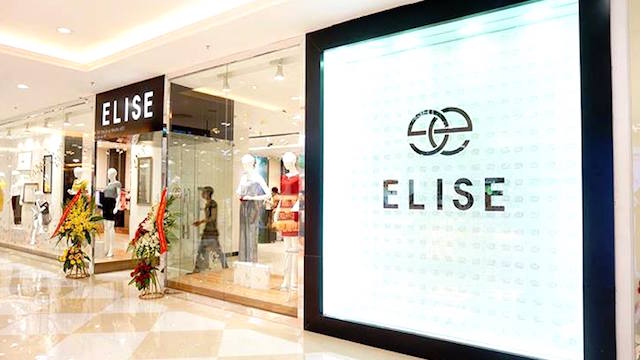
    Japanese investment fund Advantage Partners (AP) is to buy Vietnamese fashion brand Elise and its affiliate companies. This transaction marks AP’s first foray into Vietnam. Going forward, AP will focus on accelerating Elise’s growth, using its experience in women’s fashion investments in other markets. Founded in 2011, Elise is a leading Vietnamese fashion label targeting women aged 20-45. It currently operates 95 stores across the country.

    Last year, Elise was reported to have been acquired by Uniqlo parent Fast Retailing however, the Japanese group has since denied the move.

    Advantage Partners is a private investment firm with asset platforms in Asia, and offices in Tokyo, Hong Kong, Singapore and Shanghai.

  • Lululemon opens first store in Macao

    Lululemon opens first store in Macao

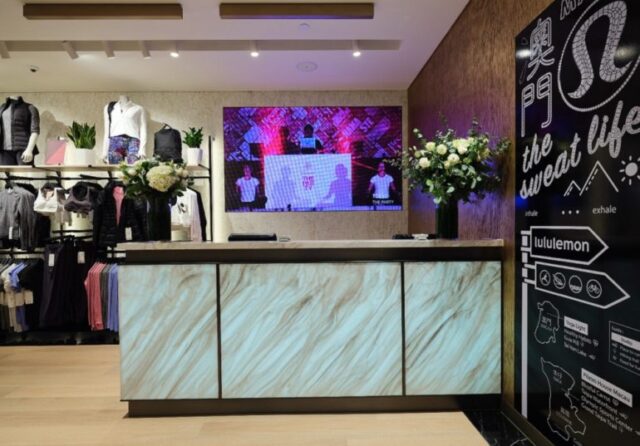
    Located in Macao’s bustling premier leisure resort, The Venetian Macao, which is home to world-class casinos, hoteliers and luxury shopping. The store is set to transform the traditional shopping experience with 2,110 square feet of retail, fitness, and community experience unlike any other in Macao. The overall aesthetic of the store is classic and refined. Inspired by the blue sky and the grand canal in Venetian Macao, with touches of golden tone and sun elements throughout the store. The fitting room area also features blue tone to highlight the color of local Macao, as well creating a separated and private area for guests.

    The retail space showcases the premium athletic apparel retailer’s full collection of innovative technical products for run, cycling, yoga, water pursuits and everything in between. The store also features our signature pant wall, designated to help customers find the right pair based on different sensations.

    Behind the cash desk features large digital screens showcasing product stories and the store ambassador films. Next to the cash desk is a community board where guests can find information on complimentary workshops they can partake in, as well discover local fitness and cultural points of interest curated by lululemon’s local team.

    A space to stretch, sweat, connect and enjoy the latest collections, lululemon’s Venetian Macao store has been created to offer you retail space with a difference, helping you escape from the buzz of the city and find stillness, happiness, and above all fun.

  • Mothercare Malaysia retailer seeks IPO

    Mothercare Malaysia retailer seeks IPO

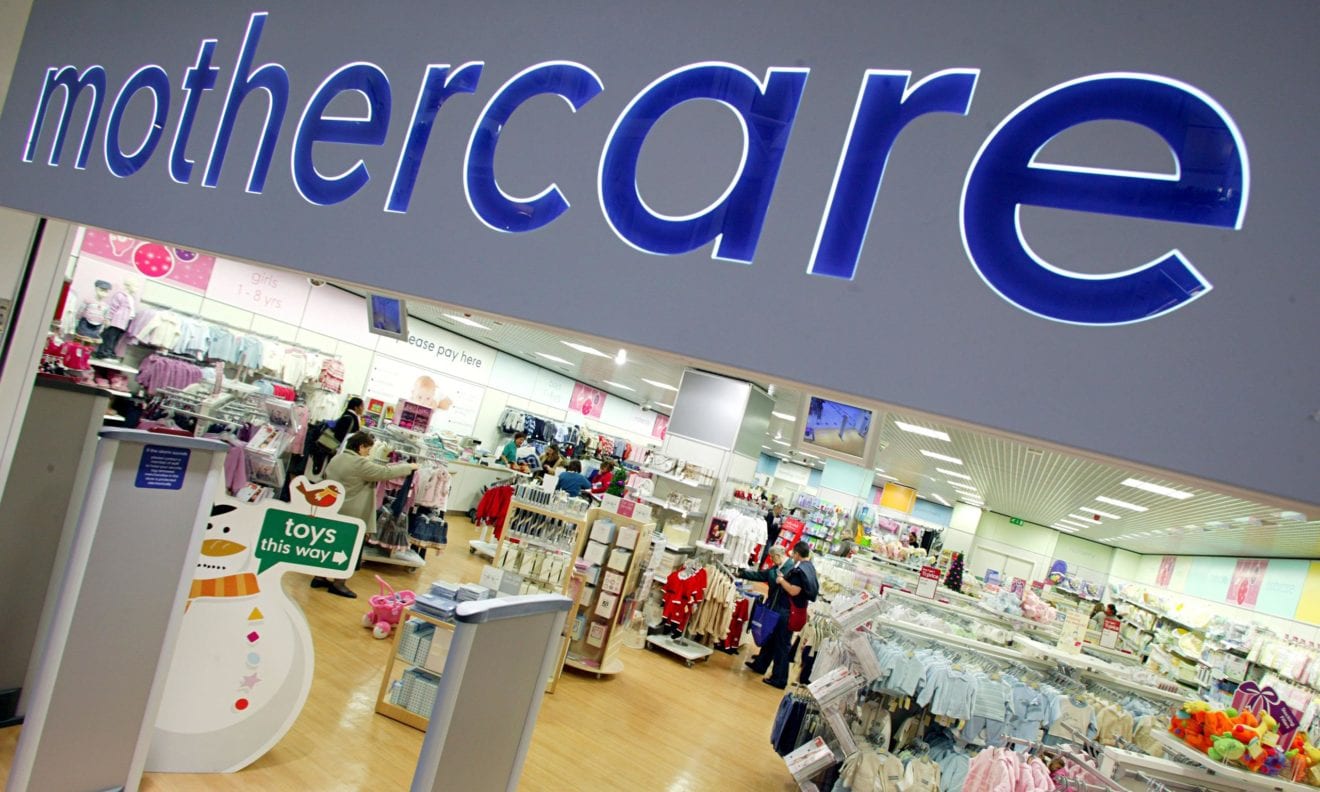
    Kim Hin Joo, operator of ELC and Mothercare Malaysia, is preparing for an IPO on Bursa Malaysia’s ACE Market. The move, expected to generate funding for the group’s further expansion and expenditure, will see a public issue of 76 million new shares (20 per cent of its enlarged share capital) and an offer of 57 million existing shares (15 per cent of its enlarged capital). Of those shares, 47 million will be reserved for selected investors. Pricing has yet to be decided.

    The firm’s non-executive chairman Pang Kim Hin will see his personal stake reduced to 62.3 per cent after the IPO from his current 90.3 per cent.

    Kim Hin Joo has 16 Mothercare locations and 11 ELC SIS in several major Malaysian centers, with 599 distribution points nationwide and 10 overseas. It plans to open four to five new Mothercare stores within the next three years in Kuala Lumpur, Johor Bahru, and outside the Klang Valley area.

    “We are in the midst of finalising a development agreement with toy retailer The Entertainer UK which will grant us the exclusive rights to open and operate The Entertainer toy outlets, and sell a broad range of toys,” the company said in a statement.

    “We target to conclude the discussions and sign the development agreement by the first half of 2019.”

    The group is also planning to concurrently revamp and upgrade its e-commerce platform by replacing its back-end IT infrastructure system and to expand its distribution portfolio.

  • Urban Outfitters China plans to expand

    Urban Outfitters China plans to expand

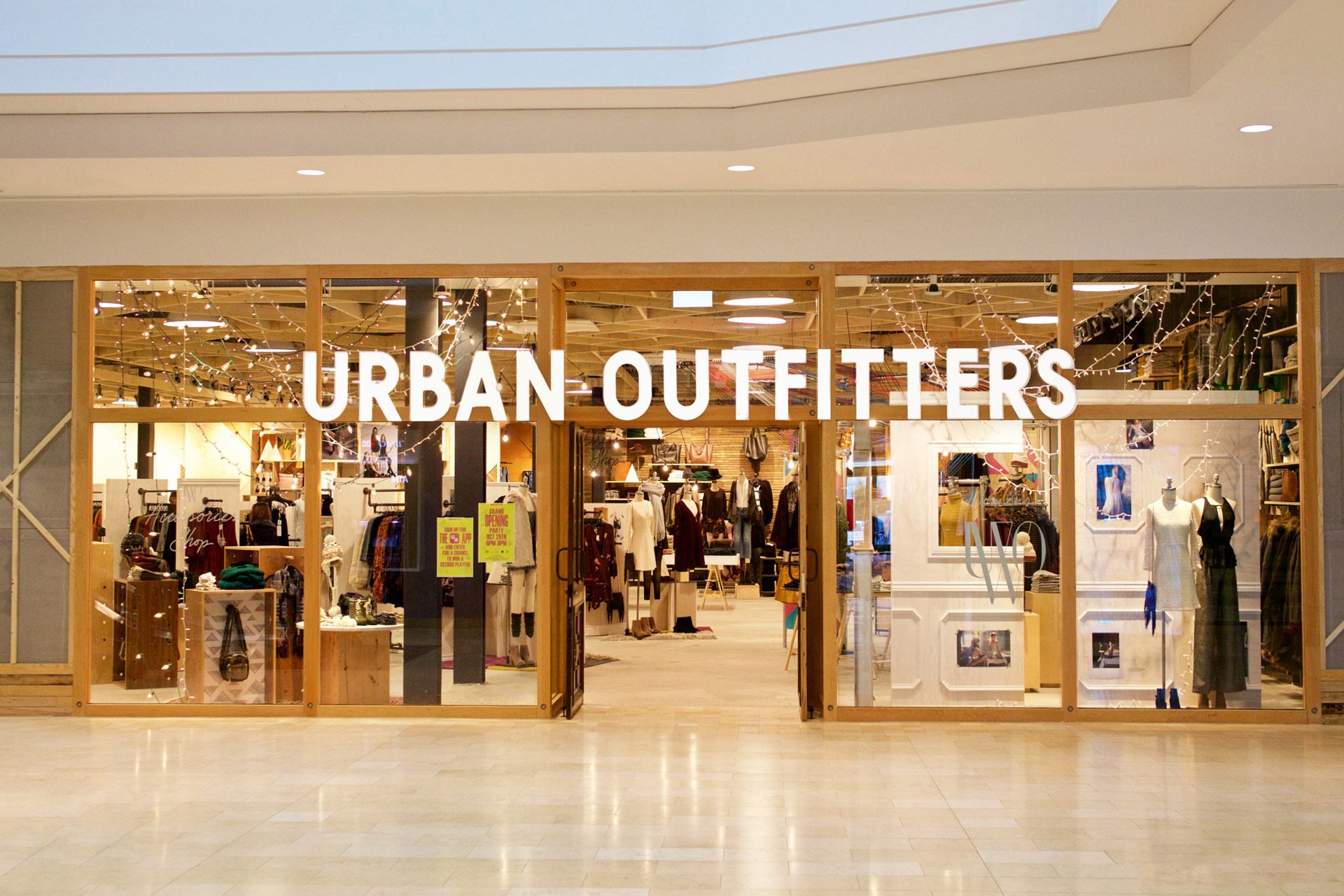
    US retailer Urban Outfitters has announced global expansion plans which involve a broadened commitment to China. According to a statement from the brand’s CEO Richard Hayne, Urban Outfitters China will be housing inventory while the company opens new locations in Europe and the Middle East, as well as taking on new distribution partners.

    The brand’s parent firm Urbn recently posted third quarter net sales of US$973.5 million, a 9 per cent increase over the same period last year.

    Urban Outfitters enjoyed strong sales while participating in the singles day shopping spree on e-tail platform Tmall.

    “We plan to establish a larger presence [in China] by mid-next year. To do this we will switch to the much larger Tmall Classic platform, hold inventory in-country and fulfill orders through a third-party service provider in China. In addition, we plan to sign leases for several stores to open in calendar year 2020,” said Hayne.

    Urbn will be expanding its network of 61 stores in Europe to 100 within three years, and will operate more than 10 stores in the Middle East by 2020.

  • Sesame Street Asia is making its way in Fashion

    Sesame Street Asia is making its way in Fashion

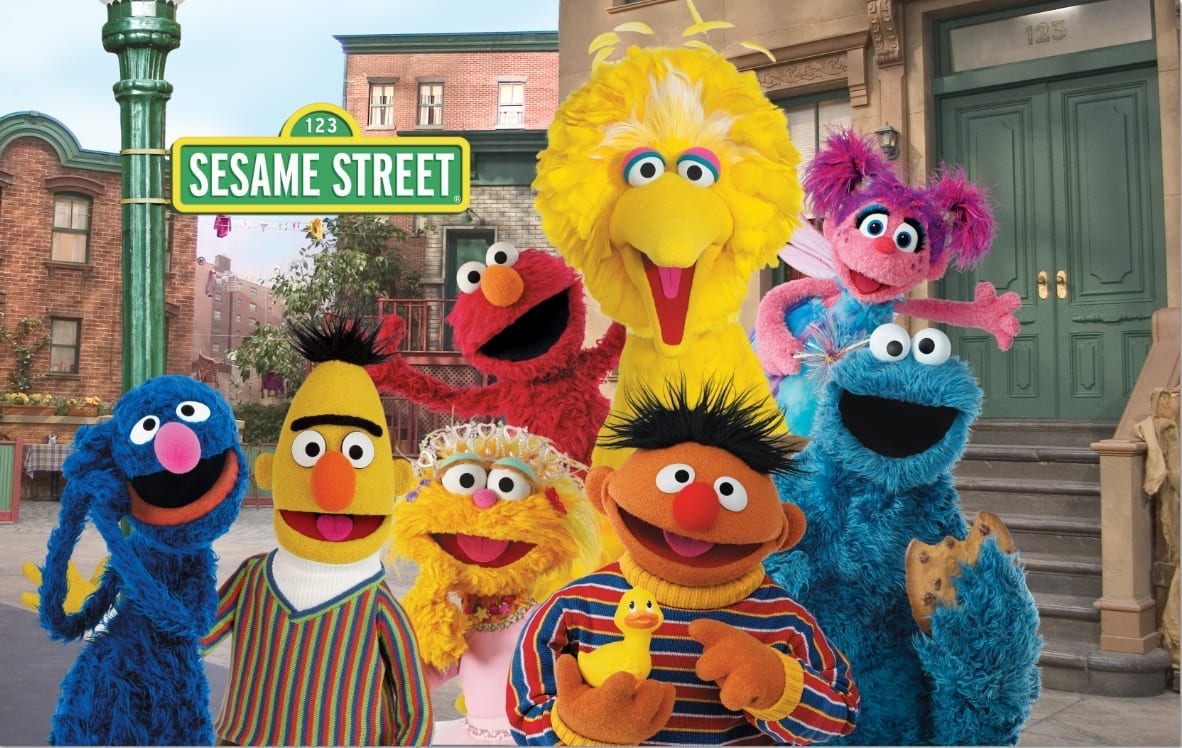
    Sesame Street Asia is expanding its fashion and lifestyle offerings with new apparel and accessory collections.

    Cookie Monster, Elmo and the rest of the gang from the Sesame Street children’s television series have been interpreted by regional fashion labels. These include:

    • Lalabobo. The premium casualwear brand has already introduced a Sesame Street capsule collection in its 200-plus stores in China. The collaboration features pieces for women and children including sweatshirts, sweaters, bomber jackets, jeans, down garments and dresses.
      • B.Duck. The Hong Kong-based retailer launches a Sesame Street collection for adults and children this month, including graphic t-shirts, sweatshirts and pants.
      • Tyakasha. The Shanghai-based fashion label this month introduces a collection of Sesame Street apparel and accessories including lunch boxes, umbrellas and mobile-phone cases via its online shop.
      • Chocoolate. The Hong Kong-based fashion label will debut a line of Sesame Street t-shirts, hoodies and tote bags next month to be sold also in Canada, China, Macau, Singapore and Taiwan.
      “Collaborating with these fashion labels allows our brand to continue expanding and growing as we approach our landmark 50th anniversary,” says Sesame Workshop senior VP Ed Wells, who also head up international media and education.
  • Vietnamese spend big on foreign high-street clothes

    Vietnamese spend big on foreign high-street clothes

    Huong, an office worker in Hoang Mai district in Hanoi, said she reserves a budget of VND2-3 million for buying new clothes every month. But she does not want products bearing Vietnamese brands, but preferably orders Zara and Mango products from overseas shops online.

    Huong said that the foreign high-street products are now affordable for office workers like her.

    “Why don’t you choose foreign brands if they have diverse design, good materials and reasonable prices?” she said.“Manufacturers and distributors often launch sale promotion campaigns with big discount rates. I can buy many products at the prices just equal to or even cheaper than Vietnam’s export products,” she explained.

    Oanh, an account executive in Hanoi, said she looks for Zara, H&M, Mango and Uniqlo products regularly, which allows her to buy high-quality products at reasonable prices.

    Sometimes she can buy products at just VND1 million or lower in sales campaigns.

    “I never buy Vietnamese goods during sale promotion campaigns because I am not sure about the actual value of the goods,” she said. “Meanwhile, no need to worry about this when you buy products from these brands. And the prices are very good”.

    Huong and Oanh order the products online and pay fees to have the products shipped to Vietnam. There are many shipping agents in Hanoi, who are in charge of receiving products, carrying to Vietnam and delivering to clients.

    Thuy Linh, one of the agents, commented that Vietnamese clients mostly order clothes and footwear, and 80 percent of ordered products bear high-street brands such as Zara, Mango, and Forever 21, while the remaining 20 percent are luxury brands.

    Linh said she is always busy so Vietnamese tend to favor foreign high-street brands. A T-shirt with Zara or Mango brand can be bought at VND180,000 only, including fees, which is cheaper than Chinese products.

    Understanding the Vietnamese taste and realizing the rapid increase of middle-income earners in Vietnam, a lot of high-street brands have been conquering the local market. Zara, the fashion brand from Spain, has been present in Vietnam since mid-2016. Mango, which targets customers aged 18-40, has been present in Vietnam since 2004 through a franchise contract signed with Maison JSC.

    In the latest news, H&M has begun employing workers to prepare for its landing in Vietnam. The Swedish brand’s first shop would be in Hanoi, cover an area of 2,000 square meters and employ 100 workers. The recruitment will also be implemented in HCMC.

  • Right time to outshine China in shoes and clothes

    Right time to outshine China in shoes and clothes

    India is witnessing a ‘historic opportunity’ to take over China in the apparel, leather and footwear sectors but it is being outrun by its neighbouring East Asian economies, the Survey has said.

    The survey touched upon India’s declining share in global cattle population and exports of cattle hides. The Survey said that limited availability of cattle for slaughter in India is leading to a loss of potential comparative advantage due to underutilisation of the abundantly available natural resource“ for the leather sector.

    The Survey added that in spite of significantly lower wages than China, countries such as Bangladesh, Vietnam and Myanmar have outpaced India in these sectors. “The window of opportunity is narrowing and India needs to act fast if it is to regain competitiveness and market share in these sectors,” the Survey said.

    The monthly wages for semi-skilled workers in India ranges between $81 and $119, while in China its $250-300. India’s wage costs are even less compared with Vietnam and Indonesia but challenges of logistics, labour regulations, tax and tariff policy have put India at a disadvantage in a global scenario.

    These difficulties have led to several Indian firms choosing to relocate to Bangladesh, Vietnam, Myanmar and Ethiopia. All of these factors have brought India’s share in global exports of apparel, footwear and leather to less than 5%, falling behind countries such as Bangladesh and Vietnam.

    Being labour intensive, apparel and leather sectors have been provided subsidy by government for increasing employment but a lot more needs to be done if India wants to create more jobs and opportunities for exports and growth.

    The Survey said the government needs to take up a number of labour reforms to overcome the obstacles of employment generation and also bring in the Goods and Services Tax (GST) for tax rationalisation.

    Noting that all economic growth take-off in East Asia has had a direct correlation with the clothing and footwear exports, the Survey said India has underperformed in these sectors.

    At a GDP growth rate of 7-10% in East Asian economies, the average annual growth of apparel exports was between 20% and 50%, while it was more than 25% in case of leather. For India, this figure has been 12.7% and 5.4% respectively, showing a huge untapped potential.