Retail News CRM

Tag: clothes

  • H&M collaborates with Chinese designer Angel Chen

    H&M collaborates with Chinese designer Angel Chen

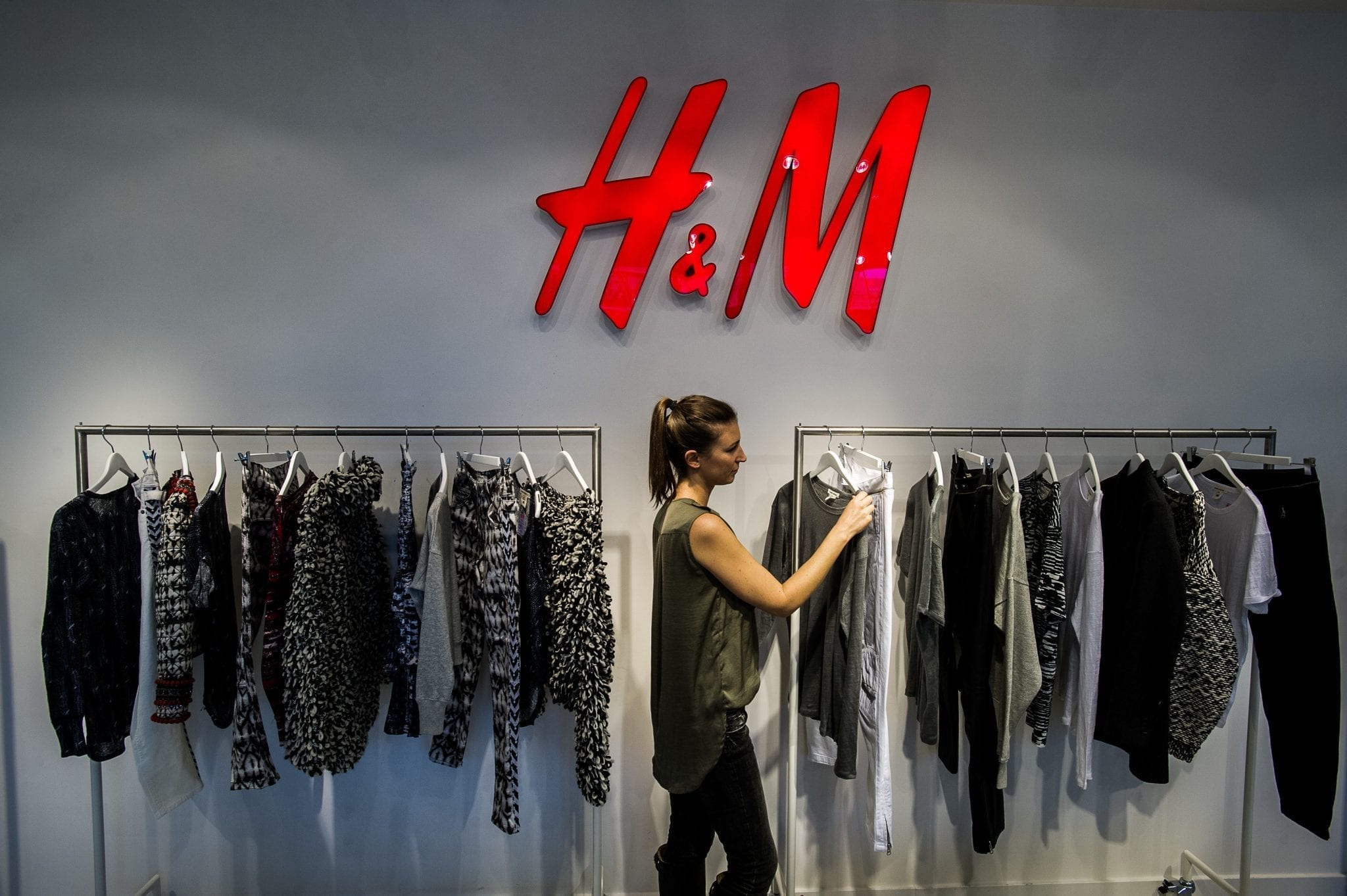
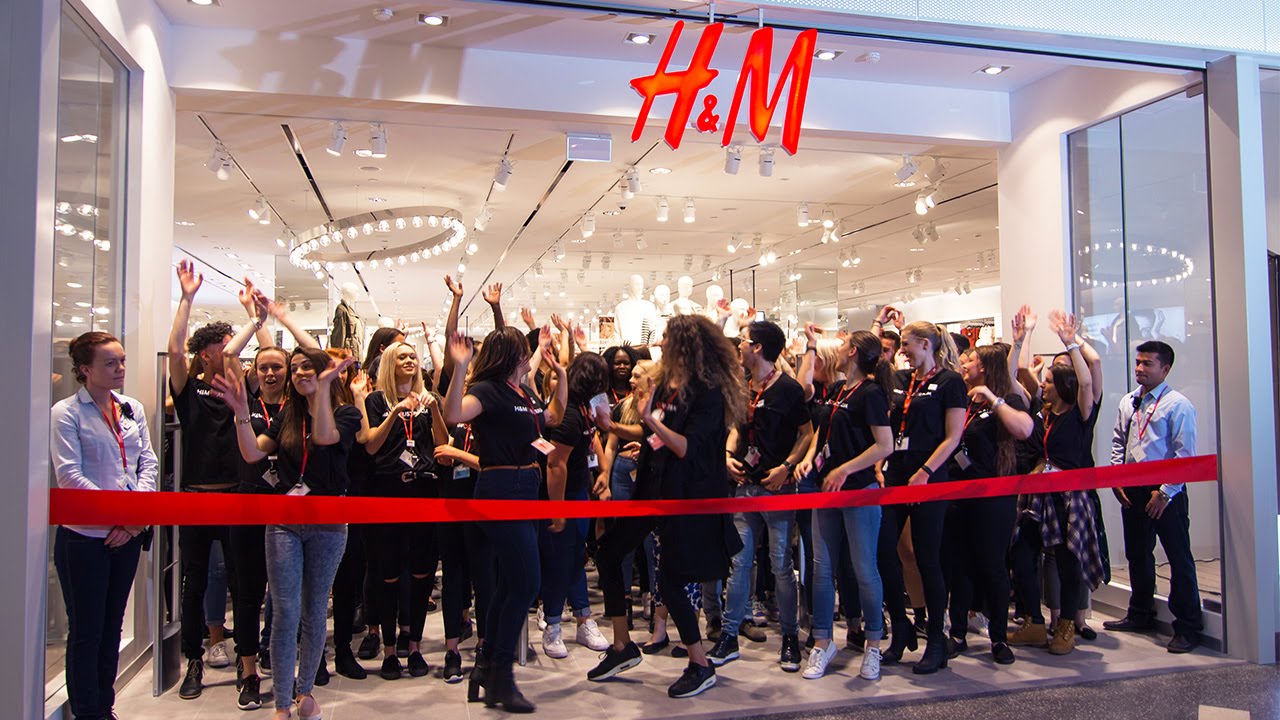
    H&M has teamed with Angel Chen in a capsule collection – the fast-fashion label’s first partnership with a Chinese designer.

    The Angel Chen x H&M collection will be available in selected stores and online in Mainland China, Hong Kong, Taiwan, Singapore, Malaysia and Canada this September, as well as online in Macau and the Philippines. It will also be sold on H&M’s Tmall flagship store.

    “With lines for both women and men, this collaboration perfectly encapsulates the essence of Angel’s signature styles,” says Pernilla Wohlfahrt, H&M assortment manager for collaborations and special collections.

    Heavily influenced by Angel’s design ethos of East meets West, this capsule collection features an urban wardrobe of versatile pieces with strong Chinese elements in colours like Oriental red, bubble-gum pink and bright yellow.

    Embroidered details, from dragons to cranes and pine trees, are used across the entire collection. Traditional dragon and floral embroidery are also weaved into Angel Chen’s logo that is featured on sweatshirts, hoodie dress and jackets.

    Chinese characters such as “Yuan Qi” (energy) and “Kung Fu” written in brush calligraphy is also featured on a denim boiler suit and satin shirt.

    Statement pieces include a knitted mesh suit in a vivid all-over dragon and crane print, a sequin maxi dress with crane motif and a bubble-gum pink faux-fur coat. Other items include accessories such as the phone case sling, faux fur bag, and unisex boots.

    “With the development of global market, more Chinese designers are stepping on the international stage,” says Angel Chen. “And I hope that through this collaboration, more people will pay attention to Chinese designers, and also the Chinese culture and spirit behind their designs.”

    Chen moved from her native Shenzhen to study in London aged 17 and graduated from Central Saint Martins. Chen launched her own label in 2015.
  • Dickson Concepts reveals Hilfiger business deal

    Dickson Concepts reveals Hilfiger business deal

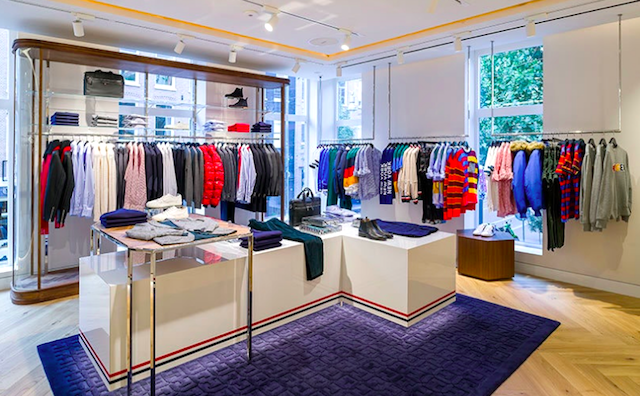
    Dickson Concepts has revealed details of the termination of its licence to sell Tommy Hilfiger products in Hong Kong, Macau, Taiwan, Singapore and Malaysia.

    The move, announced in March, is party of an international plan by Tommy Hilfiger’s parent PVH Corp to regain direct control of the brand in markets where it previously worked through third parties, like Dickson Concepts.

    The termination of the licence took effect on Monday of this week and resulted in PVH paying Dickson Concepts US$52.6 million, being the estimated terminal payment of $63.8 million less a deducted aggregate escrow of $11.2 million.

    PVH Corp, which also counts Calvin Klein, Van Heusen, Izod, Arrow, Warner’s, Olga and Geoffrey Beene in its portfolio, said the deal is in line with the company’s strategy of gaining more direct control over its brands.

    “This transaction demonstrates our commitment to making strategic investments to support the long term growth of PVH and our Tommy Hilfiger business, while leveraging our well-established infrastructure, our leadership expertise and strong brand momentum across both our Tommy Hilfiger and Calvin Klein businesses in the region,” said Emanuel Chirico, PVH Corp’s chairman and CEO at the time the move was announced.

    Dickson Concepts chairman and founder Dickson Poon in a stock exchange filing that the group “will continue the development of its other luxury brand name businesses and actively seek new investment opportunities to diversify and broaden its earnings base”.

  • Zara India reports drop in profit

    Zara India reports drop in profit

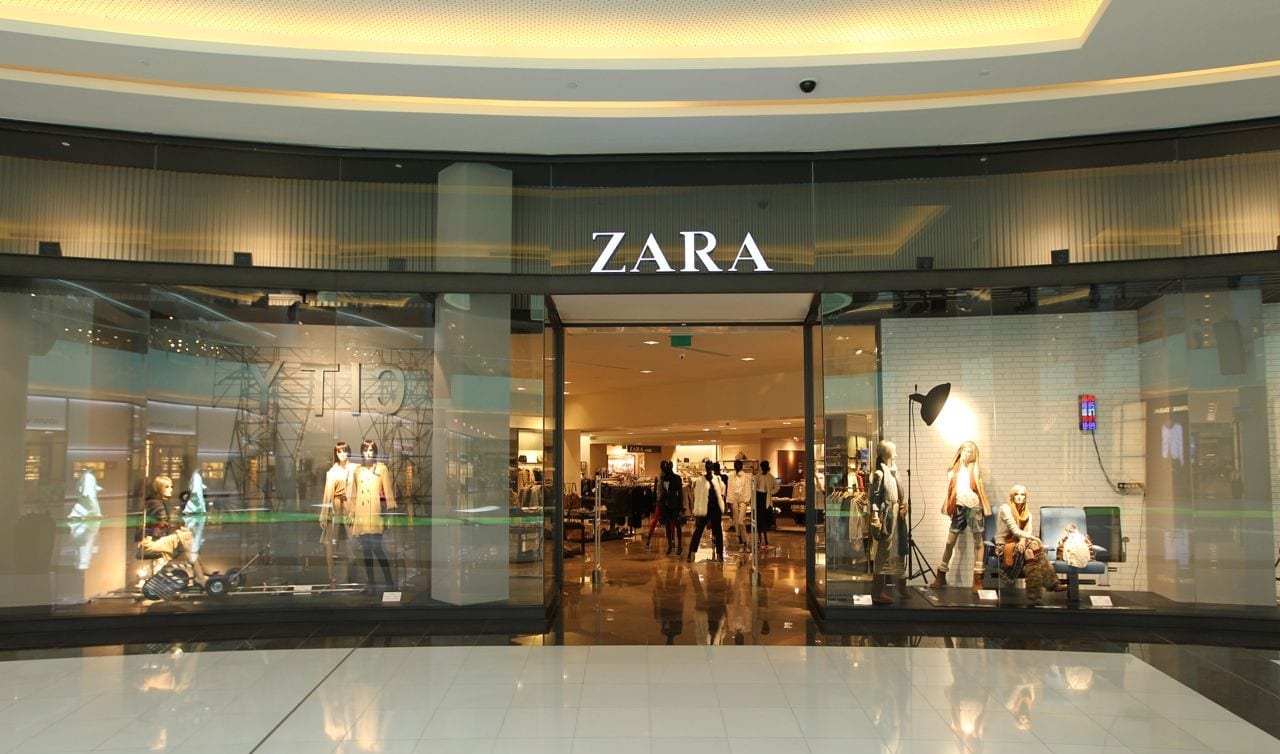
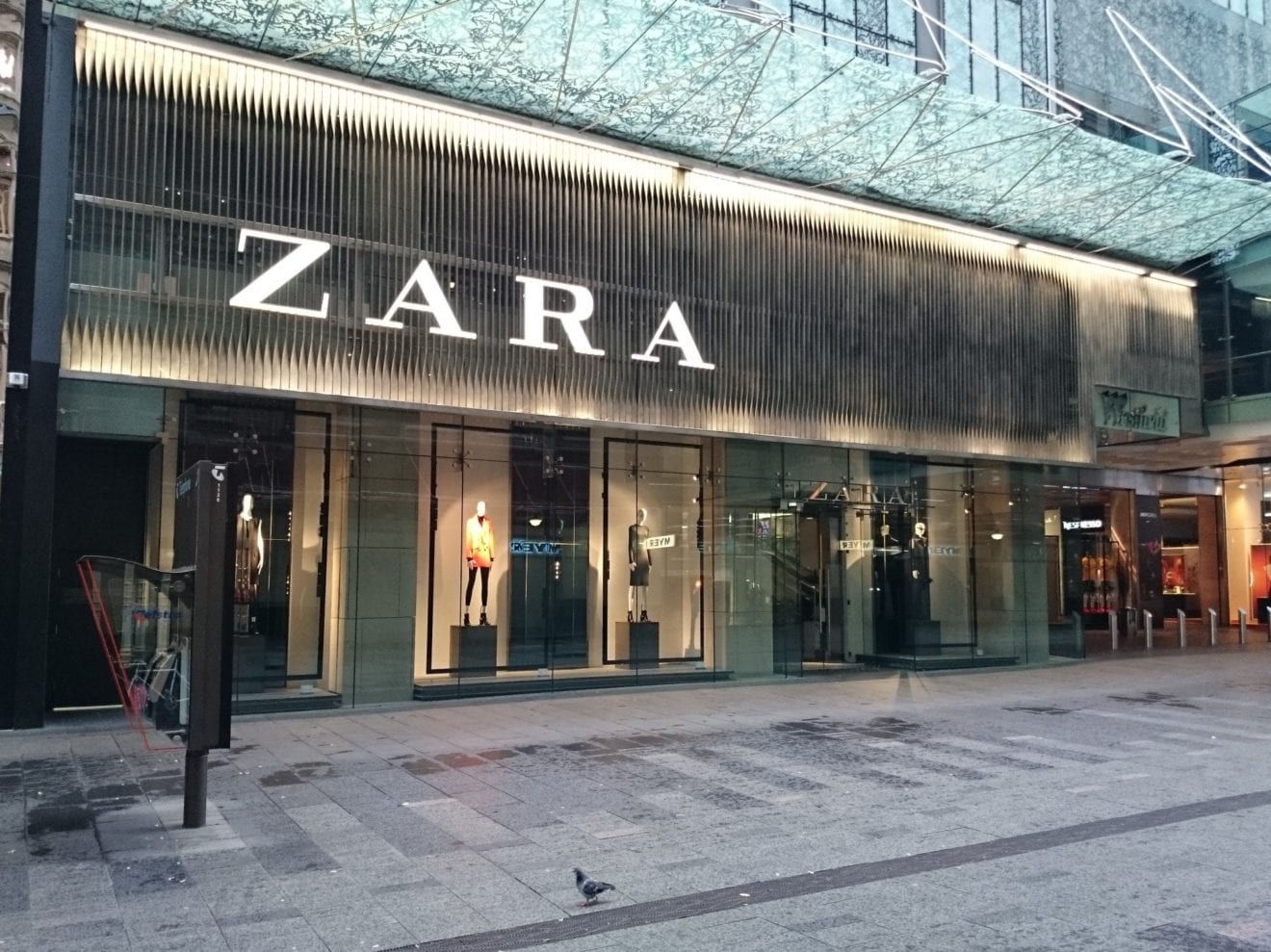
    Fashion retailer Zara India has reported a 13.4-per-cent drop in net profit over the last financial year, reflecting increased competition and a drop in demand during the period.

    The loss came despite a 17.7 percent increase in sales over the year to  ₹1438 crore (US$208 million), which suggests the company has been heavily discounting to maintain stock turnover.

    Two years ago, Zara India saw a 40-per-cent drop in profits after ruthlessly slashing prices to beat competitors.

    The brand opened two new stores in the territory and expanded its presence to a total of 10 Indian cities during the last financial year.

    “The numbers could reflect a dip in same-store sales growth,” noted an Indian retail industry commentator. “Also during the year, India saw no major new net mall additions in large cities for a brand such as Zara to open add more stores”.

    A spokesperson for Zara’s local partner Trent maintained that the primary challenge to the brand’s faster expansion is the availability of high-quality retail spaces that could be expected to generate reasonable sales throughput.

  • Tata Group Launching first fast-fashion chain

    Tata Group Launching first fast-fashion chain

    Zara’s Indian partner Tata Group is launching its own fashionable apparel chain in the territory with prices well below Zara levels.

    Tata’s retail offshoot Trent Ltd has launched an “extreme-fast-fashion” model that brings new styles from the runway to the store within two weeks, similar to Zara’s own timeline.

    Trent is seeking to launch 40 locations the flagship Westside chain per year as well as hundreds of mass-market Zudio stores for budget items. The chain is targeting fashion-conscious Indian consumers without the means to afford Zara items, with a view to becoming as ubiquitous in Asia as Zara is in Western markets.

    The firm has a strong focus on fashion-savvy staff, and spends 65 per cent more on personnel per square foot than its local competitors.

    “The middle class is growing, incomes have grown, Indians are traveling more and they have more money to spend,” said chairman Noel Tata. “Now that we’ve built this capability and this model that’s working so well, it’s time to grow faster … The value proposition we offer is much stronger than the international brands.”

    Less than a quarter of Indian households earnt US$8500 or more last year.

  • Fresh capital for Vestiaire Collective to fund Asian expansion

    Fresh capital for Vestiaire Collective to fund Asian expansion

    Pre-owned luxury fashion retailer Vestiaire Collective has completed a €40 million round of financing led by BPIFrance and new CEO Max Bittner.

    The new round is expected to facilitate the launch of new technology solutions for the fashion ecosystem, empower its community through the lens of its platform, and fuel continued international growth.

    The investment will sustain Asian growth momentum where Vestiaire sees a 140 per cent GMV growth in the second quarter of this year, as well as the recent launch of numerous new markets including Taiwan, Thailand, Indonesia, India, Malaysia, UAE, Saudi Arabia, Israel, Brazil and Mexico.

    Vestiaire Collective has expressed ambitions to revolutionise the industry, and will soon be launching tech and data-driven solutions to empower its global community, brands and retailers in driving the adoption of sustainable and circular consumption. The firm believes that resale holds a pivotal role in driving the fashion ecosystem towards a more sustainable behaviour.

    This new round of funding confirms investor confidence in a large global opportunity for Vestiaire Collective’s business model. Currently, 79 per cent of the French-headquartered company’s transactions are already generated cross-border.

    With the funding, Vestiaire Collective also plans to expand its international recruitment drive. Since the arrival of Max Bittner, the company has successfully recruited 120 new talents from more than 20 nationalities across six offices, with a specific emphasis on growing the tech and data teams.

    Bittner said he plans to scale the business and continue to revolutionise the fashion industry together with co-founders Fanny Moizant and Sophie Hersan and the rest of the team.

    “We want to build an international tech and data first company, leveraging Vestiaire Collective’s incredible brand and fashion DNA”

    “Vestiaire Collective is uniquely positioned to thrive from the shift of consumer behavior towards a circular economy and digital,” added BPIFrance principal Charlotte Corbaz. “We are delighted to support Max and his team in the transformation of the fashion industry. We strongly believe its approach to combine tech and data to the fashion DNA of the company will allow them to become the worldwide leader in its market.”

  • Vestiaire Collective raises €40 million additional funding to provide technology solutions for the fashion ecosystem

    Vestiaire Collective raises €40 million additional funding to provide technology solutions for the fashion ecosystem

    Vestiaire Collective, the global community for luxury and premium pre-owned fashion, announced today the completion of a €40 million round of financing led by Bpifrance and new CEO, Max Bittner. The new round will facilitate the launch new technology solutions for the fashion ecosystem, empower its community through the lens of its platform and fuel continued international growth, and beyond.

    Under the guidance of CEO, Max Bittner, Vestiaire Collective has huge ambitions to revolutionize the industry and will soon be launching innovative tech and data driven solutions to empower its global community, as well the brands and retailers alike in driving the adoption of sustainable and circular consumption. Resale is holding a pivotal role in driving the fashion ecosystem towards a more sustainable behaviour.

    This new round of funding confirms investors’ belief in the large global opportunity for Vestiaire Collective’s business model and will allow for further acceleration of its international business beyond the countries where the company’s community is already well established. Currently, 79% of the French headquartered company’s transactions are already generated cross-border.

    The investment will sustain Asian growth momentum where Vestiaire Collective sees a 140% GMV growth in Q2 2019, as well as the recent launch of numerous new markets including Taiwan, Thailand, Indonesia, India, Malaysia, UAE, Saudi Arabia, Israel, Brazil and Mexico.

    With the funding, Vestiaire Collective plans to expand its international recruitment drive. Since the arrival of Max Bittner, the company has successfully recruited 120 new talents from more than 20 nationalities across six offices, with a specific emphasis on growing the tech and data teams.

  • Lagerfeld’s legacy: double-digit growth and €10 billion

    Lagerfeld’s legacy: double-digit growth and €10 billion

    Fashion icon Karl Lagerfeld delivered French maison Chanel a stunning legacy in the final year of his life. Chanel, privately owned, has revealed financial information only twice in its 109-year history. But yesterday, finance chief Philippe Blondiaux took the extraordinary step of announcing the brand had achieved global sales of almost €10 billion last year, in an apparent tribute to the designer, who died in February, aged 85. Profit exceeded €3 billion.

    The company also achieved double-digit sales growth “with great performances in leather goods and ready-to-wear”. But that was all the notoriously secretive company revealed, other than to reassert the company was not for sale, thus dashing any interpretation the details were released to pique the interest of prospective bidders.

    Chanel is owned by the Wertheimer family. Geneva-based Gerard Paul Philippe Wertheimer, 69, controls the business in partnership with his brother, Alain, 70. The former has an estimated worth of US$15.3 billion, with the pair ranking fourth and fifth on France’s rich list and among the 40 wealthiest people on the planet.

    Lagerfeld died of cancer, but reportedly worked until the end, such was his passion for his craft.

    Analysts estimate Chanel to be worth in the vicinity of $20 billion, making it one of the world’s most valuable fashion brands, and certainly one of the largest still in private ownership.

    In turnover, it is catching archrival Louis Vuitton, whose sales exceeded $10 billion last year.

    Far from resting on its laurels, Chanel invested an estimated $1 billion in digital innovation last year, embracing online, social media and seamless online/offline integration and in-store technology.

  • ABCDior pop-up Opening in Singapore

    ABCDior pop-up Opening in Singapore

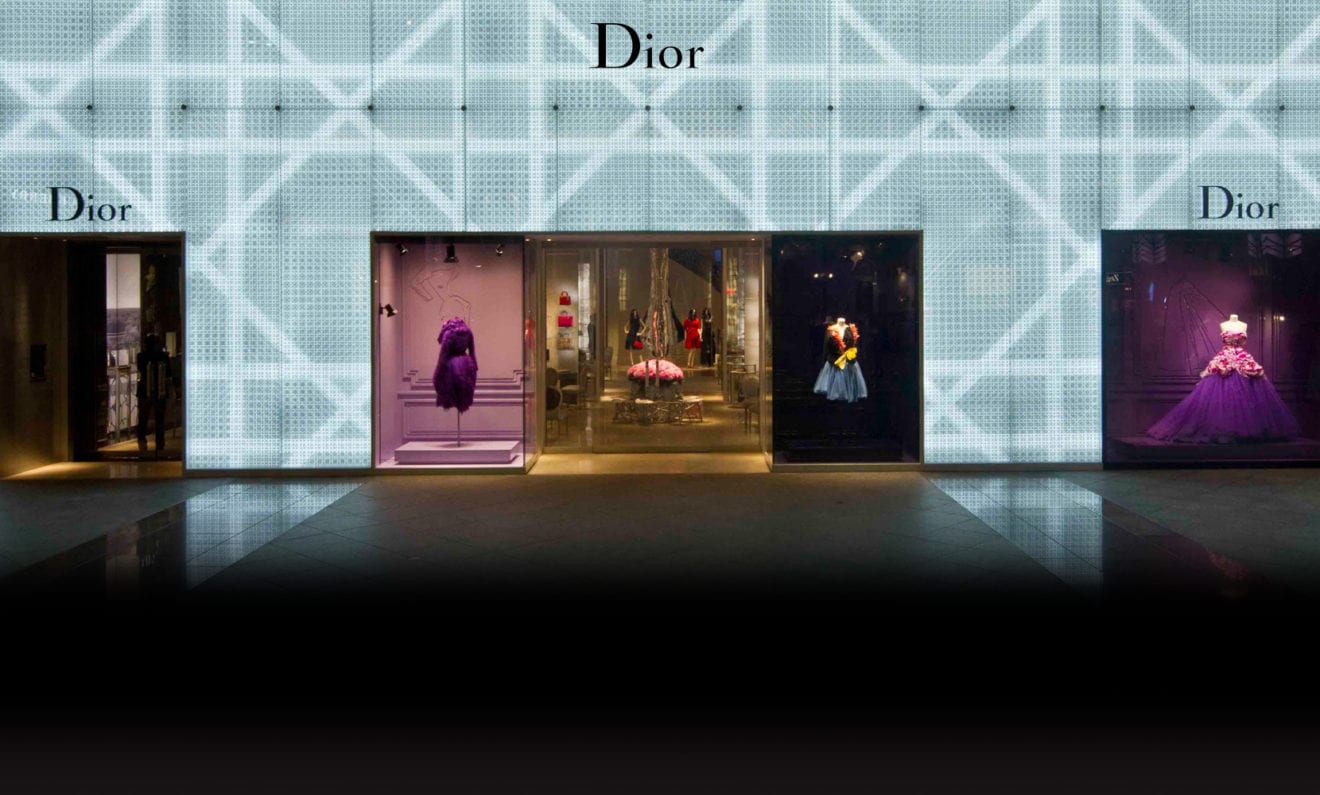
    French fashion house Dior will launch its personalised ABCDior pop-up store in Singapore.

    Located at the Dior boutique in Marina Bay Sands, the pop up will allow customers to embroider their names, initials or letters on a selection of Dior goods, ranging from its Book Tote, the Diorcamp bags, as well as the Walk ‘n’ Dior sneakers.

    These items are made in the Oblique canvas, featuring the interlocking Dior logo.

    The pop-up will run from June 20 to July 14.

  • Gentle Monster launching kids collection

    Gentle Monster launching kids collection

    Gentle Monster Kids makes its debut in Singapore at its Marina Bay Sands flagship.

    Inspired by young creators and “little kids with big dreams”, the collection includes six designs: Chapssal, Eastmoon, Jackbye, Newturtle, Peggy, and Ribbon.

    The Chapssal tortoise cat-eye frames feature narrow, UV protection lenses with raised corners, etched with the Gentle Monster logo.

    These designs are shrunken versions of the brand’s signature pieces from its 2019 range, and are made through a campaign that features Coco Pink Princess, an eight-year-old Instagram style icon from Japan.

  • Zara owner Inditex’s omnichannel strategy helps boost sales

    Zara owner Inditex’s omnichannel strategy helps boost sales

    Clothing retailer Inditex has posted record first-quarter sales and a rise in profits helped by the retailer’s push of stitching together its online and physical businesses.

    The fashion retailer’s online business, which accounts for 12 per cent of its net sales, and expansion plans have contributed to its robust first quarter sales of €5.927 billion ($10.18 billion), up 5 per cent from last year’s €5.654 billion ($9.56 billion).

    Net profit amounted to €734 million ($1.26 billion), up more than 10 per cent in the first quarter of 2018. The company’s net cash position increased by 9 per cent to €6.66 billion ($11.44 billion).

    The retailer, which owns the brands Zara and Pull & Bear, said its in-store and online sales showed a 9.5 per cent increase in local currencies between May 1 and June 7 – up from the 6.5 per cent in the previous corresponding period.

    “The figures demonstrate the solidarity of the company’s model, whose profitability and cash flow generation continues to grow owing to the group’s commitment to customer-driven quality fashion,” said Pablo Isla, Inditex’s chairman and outgoing CEO.

    Isla underscored the strong momentum in the digital transformation of the integrated store and online sales platform and sustainability as key pillars of the company’s strategy.

    Last month, the retailer has named chief operating officer Carlos Crespo as its new chief executive to spearhead a bigger push into e-commerce.

    Crespo will continue in his existing position until his appointment as CEO becomes effective in July, when he will begin taking some of the responsibilities currently held by executive chairman and current CEO Pablo Isla, the company announced.

    The appointment of Crespo, who oversaw the integration of Inditex’s online and bricks-and-mortar stores, puts an emphasis on the retail giant’s digital efforts amid changing consumer habits.

    Last year, Isla announced all products from all Inditex’s brands will be made available online by 2020, including markets where it does not have any stores.

    Other than Zara and Pull & Bear, the world’s largest clothing retailer also sells the brands, Massimo Dutti, Bershka, Stradivarius, Oysho and Uterque across its network of almost 7,500 physical shops. It also operates online in 49 markets.

    Isla also said all of the group’s brands will be adopting an integrated stock management system by 2020 in all the countries where there is a physical store presence.

  • H&M’s & Other Stories Launching on Tmall

    H&M’s & Other Stories Launching on Tmall

    H&M Group’s womenswear brand & Other Stories will launch a Tmall flagship store in the fall, making the Alibaba Group-owned B2C online marketplace the label’s first official sales channel in China.

    The Tmall store will offer collections designed by its three ateliers in Paris, Stockholm and Los Angeles, ranging from shoes, bags and jewelry to accessories and ready-to-wear items, according to a release.

    “This collaboration marks another important milestone in our long-standing partnership with H&M Group brands, and we look forward to continue working together to bring elevated shopping experiences to Chinese consumers,” said Jessica Liu, GM of Tmall Fashion and Luxury.

    & Other Stories will be the fourth H&M brand to join Tmall, following the Swedish fashion group’s namesake H&M brand and home-accessories brand H&M Home last year. H&M’s street-style label Monki opened a flagship store in 2016. The fast-fashion giant also owns denim lines Weekday and Cheap Monday, boutique-style label Cos, as well as the fashion-and-lifestyle brand Arket.

    “We look forward to the launch this autumn and can’t wait to get to know our Chinese customers and seeing their interpretations of our wardrobe treasures,” & Other Stories MD Sanna Lindberg said.

    Launched in 2013, & Other Stories operates 70 stores worldwide, while its online shop currently delivers to 15 countries in Europe, the U.S. and Korea.

  • Calvin Klein has a new CEO

    Calvin Klein has a new CEO

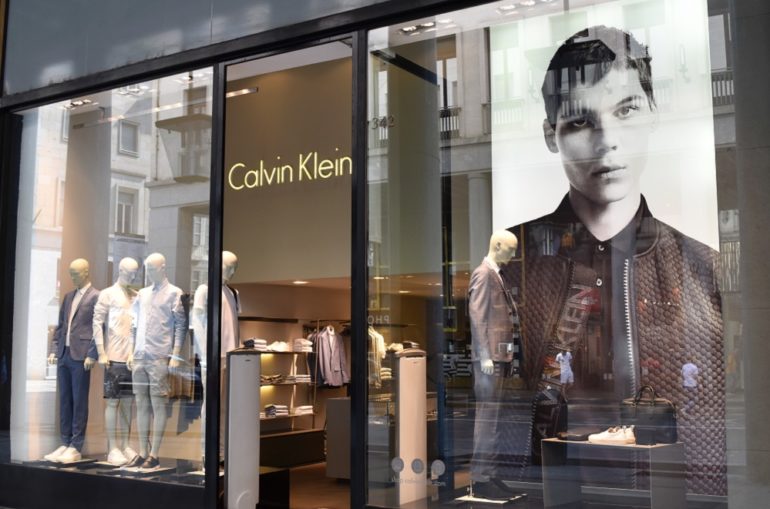
    PVH Corp has named Cheryl Abel-Hodges as the new Calvin Klein CEO, replacing Steve Shiffman.

    Abel-Hodges had previously served as group president, Calvin Klein North America and The Underwear Group. In her new role, she reports to Stefan Larsson, PVH’s president.

    Since joining PVH in 2006, Abel-Hodges has held various leadership positions across the organisation. As group president for Calvin Klein North America, she helped set the strategic direction for the brand, driving a consumer-centric approach. Within The Underwear Group, Abel-Hodges led the development of PVH’s underwear platform, overseeing design, merchandising, product development and planning for all of PVH’s underwear and women’s intimates businesses.

    “I have great confidence that Cheryl is the right person to lead the Calvin Klein brand,” said PVH Corp chairman and CEO Emanuel Chirico. “Her strong management abilities, together with her consistent track record for operational excellence, will provide strong direction for the Calvin Klein team. I believe this leadership change, coupled with our incredible management teams around the world, will allow us to capture the brand’s long-term growth potential.”

    Outgoing Calvin Klein CEO Steve Shiffman is leaving the company to pursue other interests.

    PVH’s brand portfolio includes Calvin Klein and Tommy Hilfiger.

  • Zara Posts Dramatic Growth in Vietnam

    Zara Posts Dramatic Growth in Vietnam

    Zara is outpacing archrival H&M in one of their fastest-growing markets, Vietnam.

    Zara Vietnam’s revenue reached US$73 million last year, six times the 2017 figure.

    The Spanish fast-fashion retailer has opened two stores in Vietnam – one in Hanoi and one in Ho Chi Minh City.

    During three years of operations, Zara Vietnam has achieved US$128 million. Rival H&M, which runs seven Vietnam stores, reportedly achieved revenue of $33 million last year, double that of its first year in the country.

    Along with three other Inditex’s brands, Massimo Dutti, Pull & Bear and Stradivarius, Zara is distributed by Indonesia’s Mitra Adiperkasa Group.

    According to Mitra Adiperkasa’s financial report, Zara remains its main revenue earner and Vietnam is its second-largest market after Indonesia.

    The company’s revenues in Vietnam last year were almost double the previous year’s figure and four times higher than its sales in Thailand.

  • Versace to expand Asian store network

    Versace to expand Asian store network

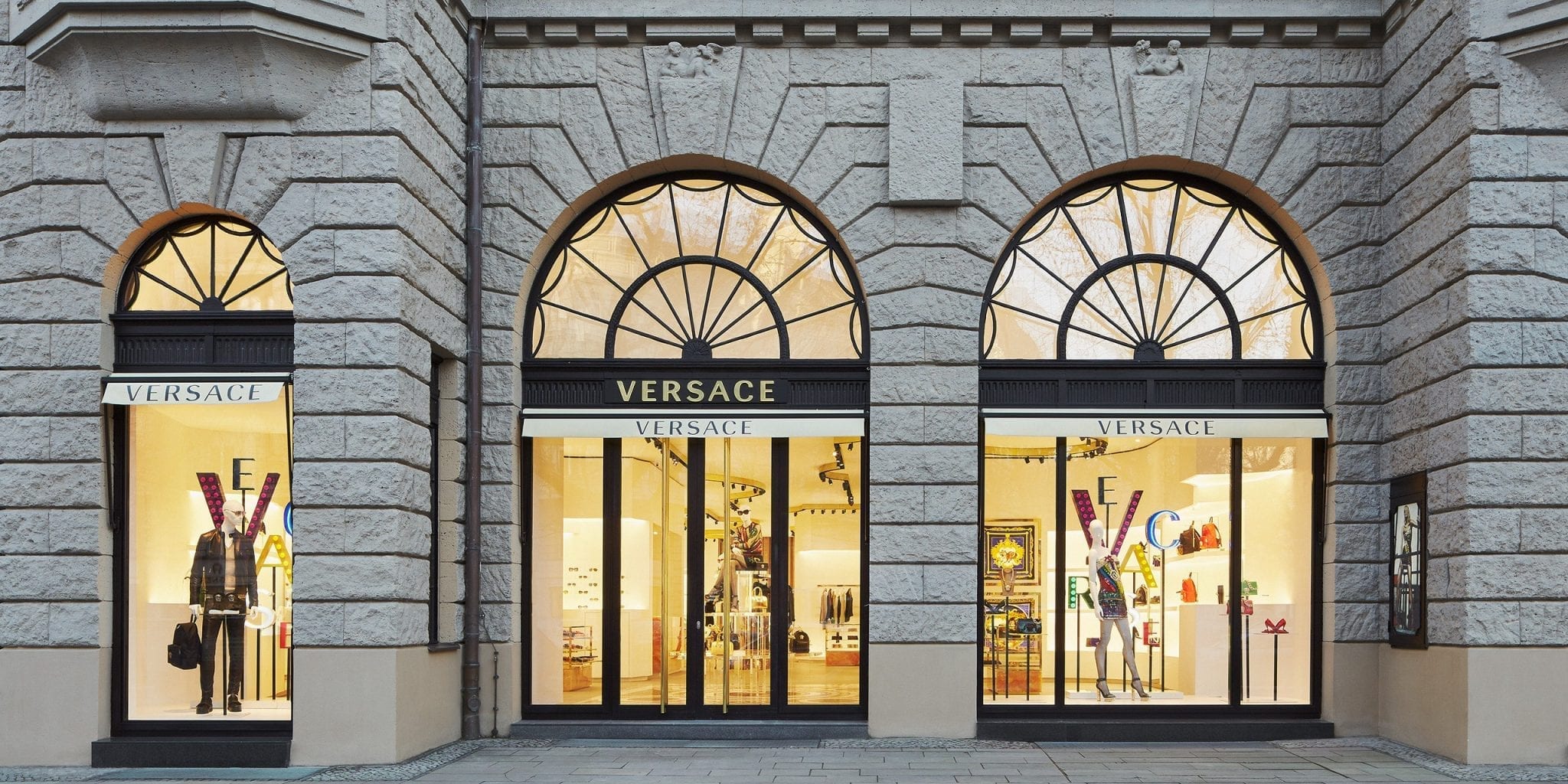
    More stores, broader range, fewer brands as fashion icon tries to double sales. Versace will open its largest store yet in China this week, part of a concerted plan by the fashion label’s new owners to expand its footprint globally.

    Capri Holdings, which also owns Michael Kors and Jimmy Choo, bought Versace from Donatella Versace late last year for US$2.2 billion. It is now implementing a plan to double the label’s worldwide sales with at least 112 new stores scheduled by 2022 along with a refurbishment program for the existing network. The new Beijing store – details of which are scant at present – is a key step in that plan.

    Worldwide, Versace has 188 stores currently and wants to reach 300 within three years. Asia will be a big benefactor from the plan, already accounting for more than half the network. China alone has 40.

    Along with new openings and revamps of existing stores, Versace will boost its product offer, adding more handbags, footwear and leather goods to its high-end clothing range. Accessories currently account for just 35 per cent of Versace’s sales and the company wants to lift that to 60 per cent.

    “It’s very clear: The productivity in our stores is not what it should be,” CEO Jonathan Akeroyd told an investors briefing this week. He plans to double the sales per square foot across the network.

    “We need to rapidly increase productivity and this will really be the real driver to take us to our US$2 billion revenue target.”

    Versace’s marketing strategy will be revised, with less focus on fashion shows in favour of a stronger social media presence.

    The company has quietly dropped its diffusion brands Versace Collection and Versace Versus and new stores will all bear the core Versace brand name alone.

  • Prada reveals ‘Code Human’

    Prada reveals ‘Code Human’

    Chinese artist Cao Fei has entered into a collaboration with Prada on a special project, “Code Human”, starring Chinese idol Cai Xu Kun to showcase the Prada Fall/Winter 2019 menswear collection.

    The project, which explores “the meaning of iconography, idolatry, fandom and adoration in our super-media age”, is part of a long-standing program of cross-media Prada campaigns and projects spanning the fields of design, architecture, cinema, and art. Prada continues in this campaign to collaborate with leading creative practitioners to explore the intersection of different cultural disciplines and experiences.

    “Upon reflection, nobody is as crazy as Miuccia Prada to think of this pairing, asking a Chinese artist to photograph a Chinese ‘idol’,” said Cao Fei. “I was excited for many days afterward I received the proposal, not only because of Cai Xu Kun, but about the project itself, to have this opportunity to plumb these cultural depths, using a real-life ‘idol’ to communicate with the tens of millions of followers behind him. As an artist, you cannot ignore those who stand behind him. How should I represent somebody else’s idol?”

    “Code Human” debuted on June 1 to coincide with Prada’s Spring/Summer 2020 fashion show in Shanghai.