Retail News CRM

Tag: clothes

  • Superdry licensing deal signed with IMG

    Superdry licensing deal signed with IMG

    British fashion brand Superdry has appointed IMG to develop a strategic licensing program to extend the brand into select new product and lifestyle categories.

    The Superdry licensing deal will see IMG negotiating partnerships which broaden its product portfolio into such items as luggage and travel-related goods, personal accessories, consumer electronics and sporting goods, in accordance with Superdry’s brand ethos.

    “We look forward to working with IMG and partnering with other brands as Superdry enters the next stage of its growth,” said Superdry CEO and founder Julian Dunkerton. “IMG’s extensive licensing experience with fashion brands makes it the ideal partner and we are excited to explore creative opportunities that best resonate with Superdry’s brand.”

    Superdry is known for its distinctive designs blending vintage Americana with Japanese-inspired graphics. It is a fast-growing brand with a geographically and demographically diverse customer base.

    “With an instantly recognisable identity and a powerful brand personality that embodies fun and individual empowerment,” said IMG’s SVP of licensing Matthew Primack, “we see many opportunities to apply the Superdry style and philosophy to products of relevance and we are delighted to be working with the Superdry team.”

  • Karen Millen stores closing down

    Karen Millen stores closing down

    Administrators have been appointed to wind down the Australian arm of Karen Millen, after the business fell into administration in Britain last month.

    The UK fashion brand, which turned over approximately $19 million in Australia last year, operates seven independent stores and eight concessions in David Jones and Myer department stores.

    Deloitte partners Richard Hughes, Tim Norman and Michael Billingsley, who have been appointed joint and several administrators, said they would conduct a controlled wind-down of the business in the coming weeks.

    Approximately 80 employees, many of them casuals, will be impacted by the closure.

    “If quick, shoppers can expect some bargains with discounted stock being sold from stores and online until the end of this month,” administrators said in a statement.

    The local shut-down follows the collapse of Karen Millen in the UK last month. Administrators there are in the process of closing more than 200 bricks-and-mortar stores, putting at risk more than 11000 jobs. Head office staff have already been made redundant.

    Karen Millen’s online business was bought by global e-commerce fashion giant Boohoo for £18 million, a move that left some scratching their heads.

    “I don’t get it,” the CEO of an upmarket fashion retailer saidcontrasting Karen Millen’s relatively high-priced garments with the £5 fast fashion items sold by Boohoo.

    Boohoo has a local online presence in Australia. It is unclear whether it will launch a local online presence for Karen Millen going forward.

    Karen Millen has stores in:

    • DFO South Wharf, VIC
    • Emporium, VIC
    • Chadstone, VIC
    • Doncaster, VIC
    • QVB, NSW
    • Chatswood Chase, NSW
    • Burnside Village, SA
    • David Jones concessions in Sydney and Melbourne CBDs
    • Myer concessions in Sydney, Melbourne, Brisbane CBDs, Bondi, Chadstone and Perth

    Customers holding gift cards or who are members of loyalty programs will have their benefits honored. Administrators advise those consumers to refer to the Customer FAQ section of the Karen Millen website for further details.

  • Uniqlo hitted by South Korean consumer boycott

    Uniqlo hitted by South Korean consumer boycott

    Fast-fashion chain Uniqlo is suffering from the South Korean consumer boycott of Japanese goods.

    “We can confirm that there has been an impact on the sales in Korea,” a spokeswoman for Uniqlo owner Fast Retailing told Reuters. She declined to release any figures, however.

    The two countries are involved in a diplomatic row relating to disagreements over the compensation for forced laborers during Japan’s occupation of Korea during the second world war. That dispute has spilled over into the populations with Japanese products in South Korea being boycotted by shoppers as a form of protest.

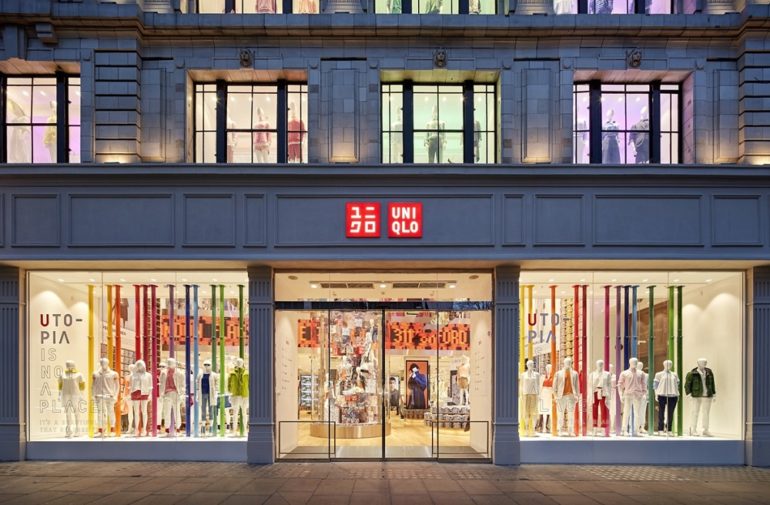
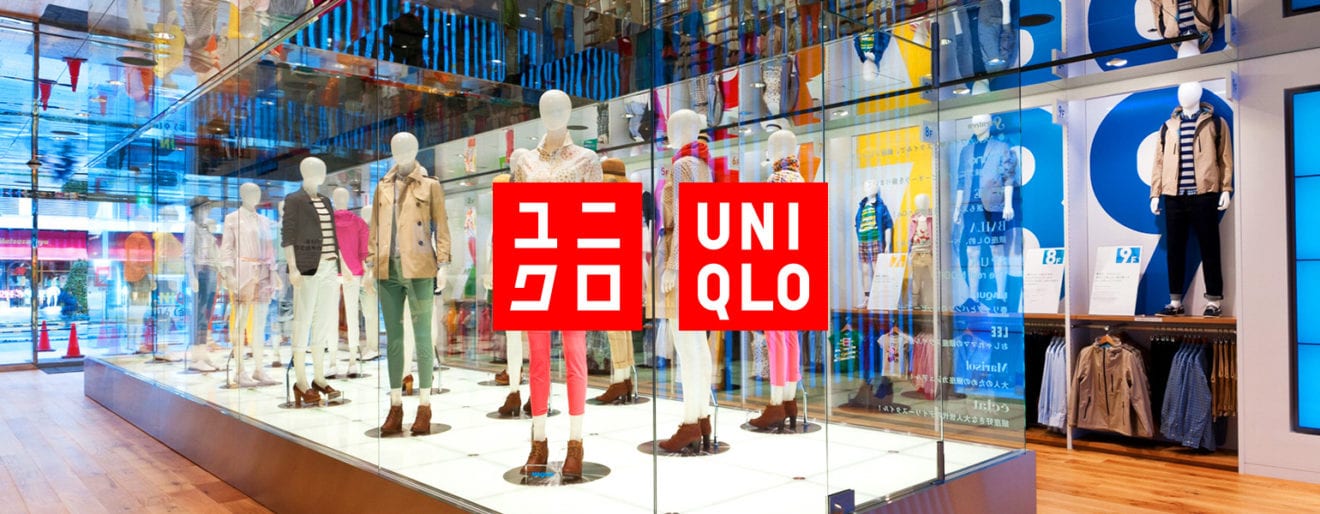
    Uniqlo has nearly 200 stores in South Korea, selling around US$1.3 billion worth of clothing annually, equal to about 6.6 percent of its total sales. The South Korean consumer boycott may lead to delays in new stores opening if it continues

  • Cecilia Woo opens outlet in Hong Kong

    Cecilia Woo opens outlet in Hong Kong

    The first store for California fashion label Cecilia Woo opens in Hong Kong, targeting an international audience at the new K11 Musea.

    The brand’s founder Cecilia Woo says that since the business was set up in late 2014 in California, the brand has been leveraging its concept to serve the specific needs of modern women. Over the years, Cecilia Woo has built a foundation in key mainland cities such as Beijing, Shanghai, and Chongqing, developing a significant following through physical and online channels.

    “Hong Kong is Asia’s world city,” said Woo. “This place is highly relevant for light luxury brands in terms of fashion trends and ways of life. The city also attracts travelers from around the globe. It is an ideal landing point for us with solid international opportunities.”

    She added that the company considers now is the right time to develop the brand across global markets.

    “We appreciate the spirit of women here as well as the work-hard culture, which is very much the essence of this city,” said Woo. “Our brand is dedicated to serving modern women. We cannot think of anywhere else that is more relevant than Hong Kong to develop our Muse concept for women.”

    “Hong Kong’s international status adds value for foreign investors targeting global markets,” commented the brand’s associate director-general of investment promotion, Dr. Jimmy Chiang. “In addition, we offer comprehensive systems such as a low tax regime, an effective legal system and an availability of experienced sales and marketing professionals, making our city the ideal place for brands that want to promote their products and concepts to the world. We are confident that Cecilia Woo can prosper in Hong Kong and thrive in the world markets.”

  • Forever 21 may seek bankruptcy protection in court

    Forever 21 may seek bankruptcy protection in court

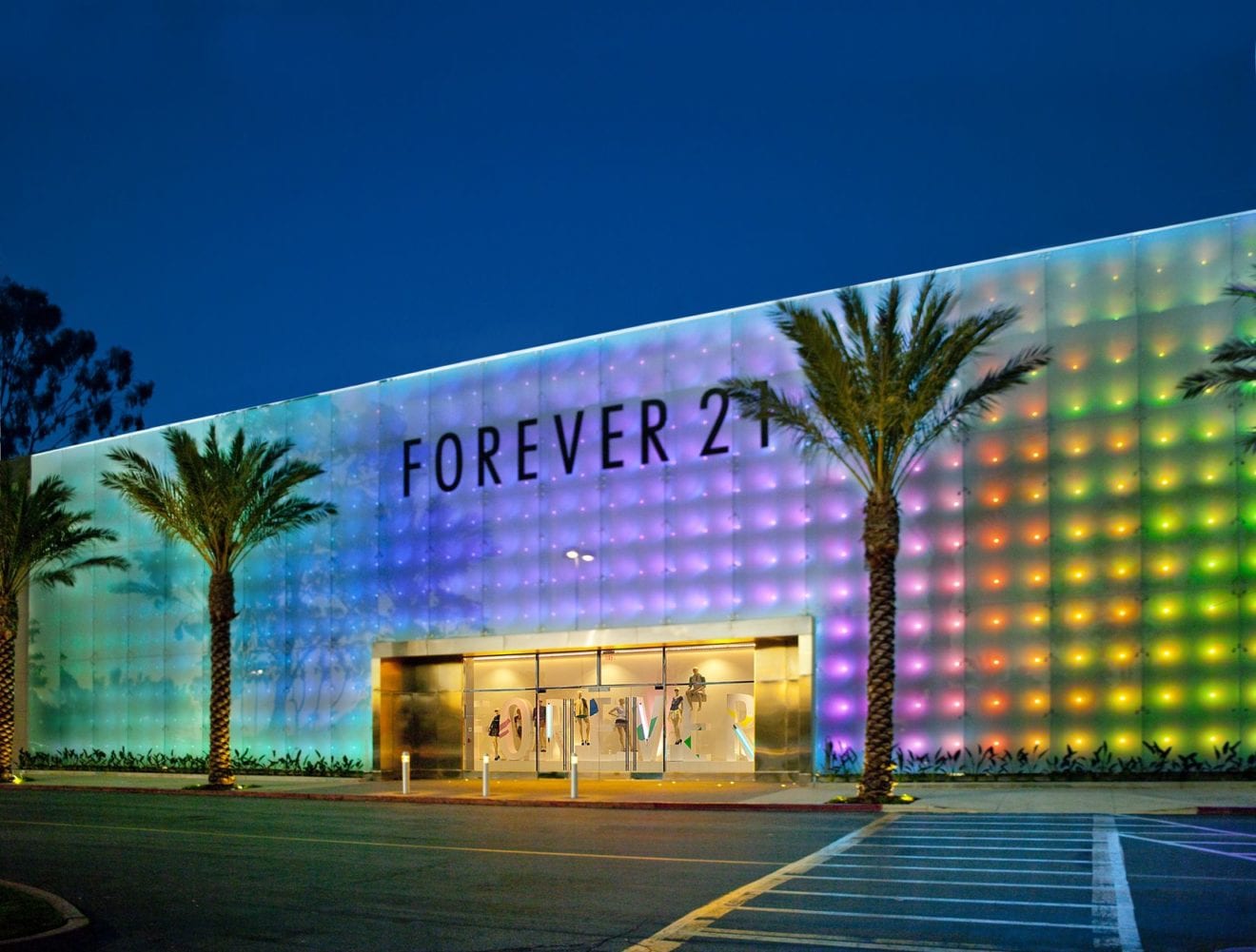
    Californian fast-fashion retailer Forever 21 is reportedly preparing to file for bankruptcy protection after failing to reach a deal to refinance its heavy debt load.

    Citing people with knowledge of the plans, Bloomberg has reported that the company has been in talks for additional financing and working with a team of advisers to help it restructure its debt, but negotiations with possible lenders have so far stalled.

    There are reports that a major barrier to any deal being reached is the unwillingness of co-founder Do Won Chang to accept less than a controlling interest in the business in return for investment which could place the retailer on a firmer financial footing.

    Now the company is believed to be looking to secure a so-called ‘debtor-in-possession loan’ which would allow it to file for Chapter 11 bankruptcy protection.

    With more than 800 stores in the Americas, Asia and Europe Forever 21 grew from a single store in Los Angeles in 1984 opened by Chang and his daughter Jin Sook. While its international growth trajectory was rapid in the 2000s, in later years it has failed to keep pace with European rivals H&M and Zara and Japan’s Uniqlo, leading it to shutter flagship stores like the giant, three-story space in Hong Kong’s Causeway Bay.

    It no longer has a store in Hong Kong, but sells online there. In Asia, its network covers the Philippines, South Korea, Japan, Malaysia, Singapore, Indonesia, and India.

    Like a raft of other troubled US retailers entering Chapter 11 protection, Forever 21 would have the ability to close unprofitable stores, reduce its payroll and recapitalize the business.

  • Uniqlo Indonesia plans several new stores

    Uniqlo Indonesia plans several new stores

    Japanese clothing retailer Uniqlo in Indonesia is set to launch new outlets in Batam, as well as Jakarta and Bekasi next month.

    The Batam store, opening in the Grand Batam mall in Penuin, Lubuk Baja, will be the first Uniqlo in Indonesia to be located in the city. The company hopes it will help locals avoid travelling to other cities to purchase the brand’s collections.

    The new Jakarta outlet is slated for Mall of Indonesia in Kelapa Gading, while the Bekasi opening is at Grand Galaxy Park – bringing the total number of locations in the territory to 29 stores in nine cities.

    “The addition of stores in Jakarta and Bekasi will further strengthen our presence in providing our Lifewear products and services in these cities,” said Uniqlo Indonesia’s president director of PT Fast Retailing Naoki Kamogawa.

  • Cosmo Lady’s CEO leaves

    Cosmo Lady’s CEO leaves

    Chinese fashion label Cosmo Lady’s CEO Zheng Yaonan has resigned. The resignation took effect as of yesterday, with Zheng remaining as the chairman of the board and an executive director of the company. He is replaced by new CEO Siu Ka Lok, who has been appointed to the position with immediate effect.

    Zheng was chairman, CEO and an executive director of the company since its Hong Long Stock Exchange listing in June 2014. He voluntarily resigned his post as CEO for the purposes of improving the firm’s operating results and enhancing the corporate governance of the group, splitting the roles of chairman and CEO, according to a company stock-exchange filing.

    As CEO, Siu’s major duty will be to manage the intimate wear business of the group, responsible for planning the group’s strategic development, implementing the resultant strategies, policies and regulations, and supervising the daily work of core senior officers.

    Siu was formerly the senior VP of Adidas Greater China.

  • Tarocash, owner of YD looking to expand

    Tarocash, owner of YD looking to expand

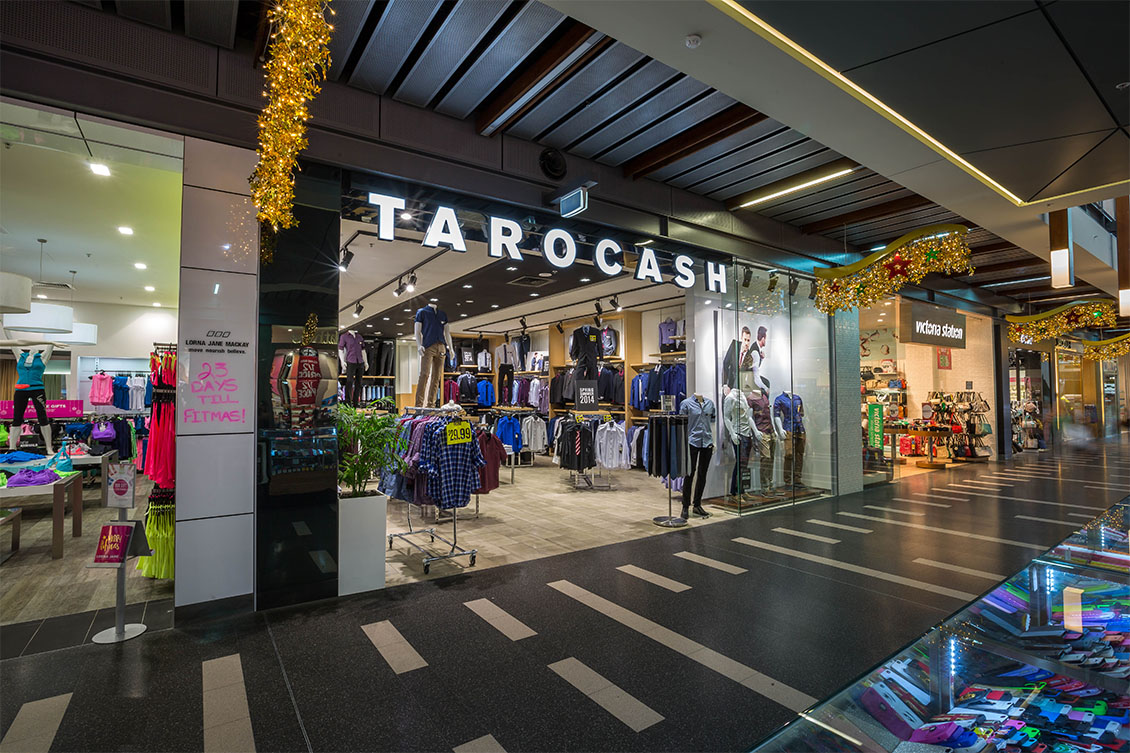
    Retail Apparel Group-owner The Foschini Group has lauded the Australian retail market and indicated it is gearing up for further expansion throughout Australia and New Zealand.

    The South African retail group, which owns local brands such as yd., Connor, Tarocash, Johnny Bigg, and Rockwear, said topline growth in Australia is in the double-digit, and it’s planning to introduce more of its brands to the region – namely jewelry brand American Swiss.

    TFG chief executive Anthony Thunström told a media roundtable the company sees significant opportunity in the Australian and New Zealand market.

    “Australia has not been in a recession since 1990 – it is almost the polar opposite to SA with unemployment also at record lows,” Thunström said.

    “Retail is not by any means easy there with the high costs around rentals and other operational costs, so there is little margin for error to get it right or wrong.”

    While David Jones-owner Woolworths Holdings has struggled in the Australian market, having recently booked a $437.4 million impairment against the department store due to economic headwinds, The Foschini Group has found success in multiple markets by focusing on delivering a more niche offering.

    Thunström said the business doesn’t dictate from afar what will be successful in the Australian market but instead purchased the business with strong leadership teams in order to allow them to steer the local offering.

    “If we went to Australia or the UK and tried to run the business ourselves, we would end up in tears,” Thunström said.

    “There are too many local nuances.”

    According to Business Report, the retail group said it will inject R500 million ($48 million) into technology in order to get ahead of the changing retail market – having witnessed its online sales increase 57.2 percent over the year to March.

  • Uniqlo Philippines opens first roadside store

    Uniqlo Philippines opens first roadside store

    Uniqlo in the Philippines has opened its first roadside store, stepping outside of its traditional shopping-mall base.

    The new 1518sqm outlet at Westgate Alabang, situated 22 km south of Manila, is surrounded by local communities with residential areas, office buildings, restaurants, and schools. The store carries a full range of Uniqlo LifeWear items for men, women, kids, and babies.

    “Uniqlo in the Philippines is embracing a new business model by transforming from a mall-only business to newer various types of store for rapid expansion,” said Uniqlo Philippines COO Masayoshi Nakamura.

    “Uniqlo in the Philippines aims to boost the vitality of the local area by becoming a lifestyle and cultural hub and a driver of local economic development and prosperity. The first roadside store in the Philippines aims to closely engage with the local community by improving convenience for customers and attracting new and sustainable businesses to the area.

    Nakamura said the fast-fashion retailer is now planning to open Uniqlo roadside stores outside Japan in markets including South Korea, Taiwan, and Thailand.

  • Fashion label launches Hello Kitty clothing line

    Fashion label launches Hello Kitty clothing line

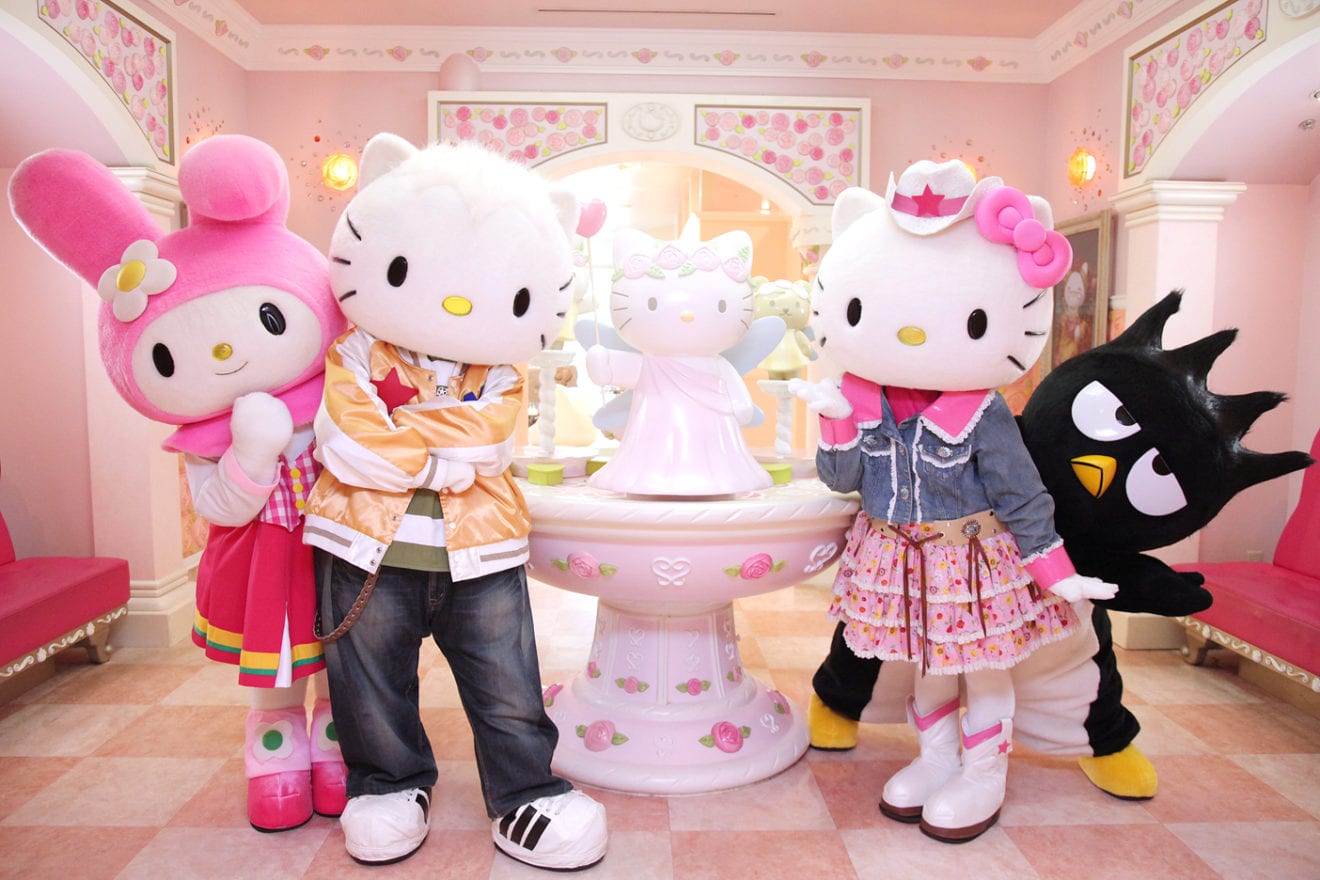
    Local fashion label Ruby is launching a limited-edition collection of Hello Kitty-licenced products, including t-shirts, sweatshirts, oversized hoodies and activewear.

    The collection, Ruby x Hello Kitty, will be available in stores and online from August 16, and is expected to take the brand’s customers on a trip down memory lane.

    “This collection with Sanrio has been so exciting,” said Deanna Didovich, Ruby’s creative director, said in a statement.

    “Growing up I collected anything Hello Kitty! There’s no doubt Ruby x Hello Kitty will be one to remember,” she said.

    The collection also includes several non-licensed products, including a satin skirt and bomber jacket set designed to be mixed and matched with the streetwear pieces, as well as a denim jacket and mini-skirt.

    The Hello Kitty activewear set is made from econyl fibre, which is nylon that is 100 per cent regenerated from recovered fishnets and nylon waste. This helps to reduce the global warming impact of nylon by up to 80 per cent.

    Ruby and its sister label, Liam, are increasingly incorporating sustainable materials into their collections.

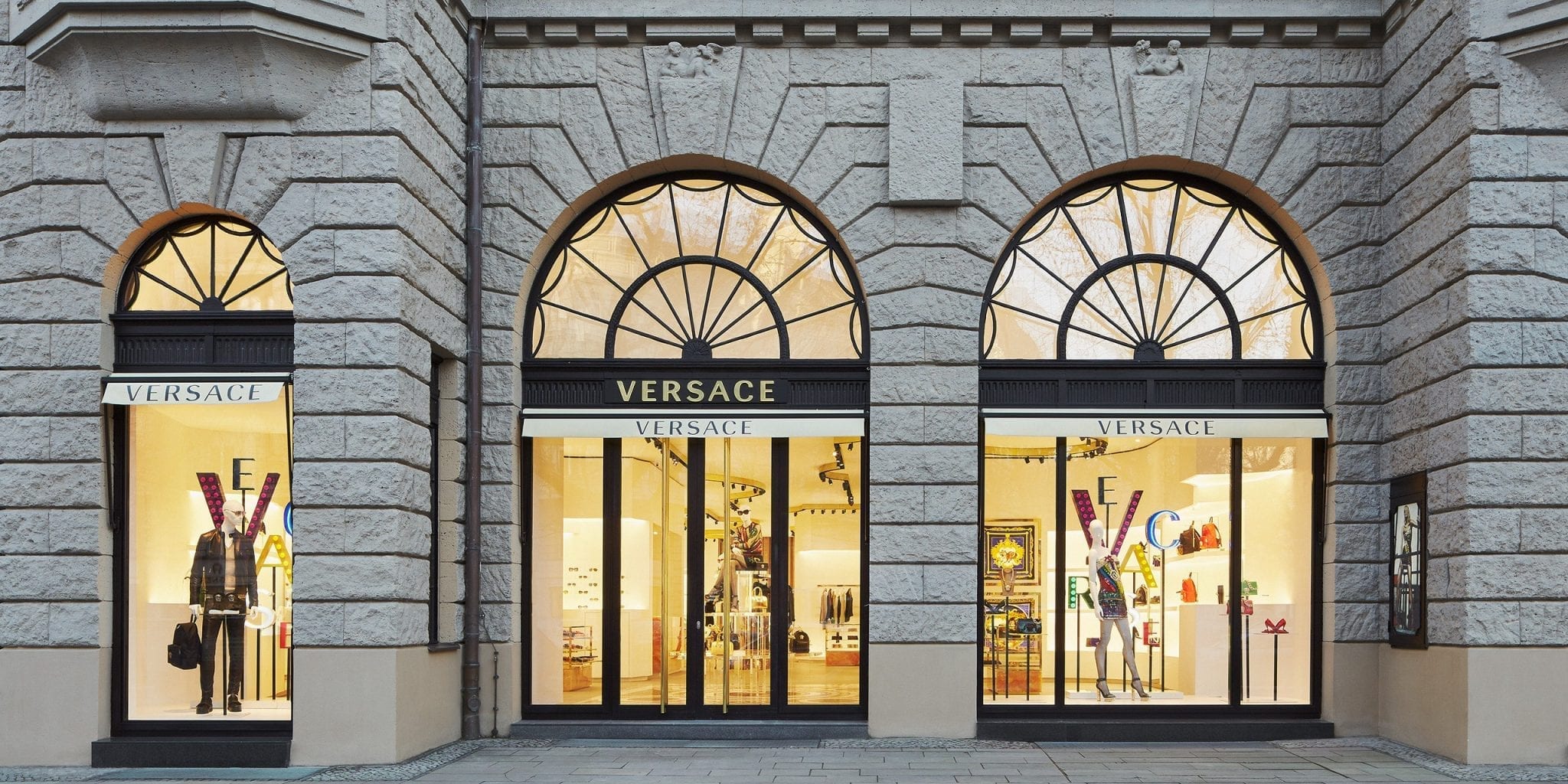
  • Versace adds gloss to Capri results

    Versace adds gloss to Capri results

    At headline level, the latest Capri results looks to have been a good quarter for the fashion retail owner, with revenues up by a solid 11.9 percent.

    However, the results are far from spectacular. The uplift in revenue is all a function of the inclusion of sales from Versace, which was not part of the group at this point last year. Revenue at the two other brand houses – Michael Kors and Jimmy Choo – both fell significantly.

    Moreover, margins at both divisions declined, contributing to a 70.2 percent dip in operating income. All the metrics are going in the wrong direction and run counter to Capri’s business plan for strengthening profitability as it advances to being an US$8 billion business.

    Michael Kors is the most problematic part of the business and the brand starts the new fiscal year in the same way as it ended the last one – with a decline in overall revenue. The difference from last year is that the pace of decline has accelerated, underpinned by a modest deterioration in comparable sales. As much as Capri blames the poor performance on its efforts to rebalance the brand, the weak numbers have more to do with a lack of underlying enthusiasm from some of the audiences it wants and needs to reach.

    Part of the issue is the baggage that Michael Kors still carries from the days when it expanded to the point of ubiquity: there are still lingering perceptions that the brand is unsophisticated and lacks the refinement of labels like Coach. None of this is aided by the fact that Michael Kors deliberately plays up its edgy nature with some bold and occasionally gaudy designs supported by marketing and promotion that can appear gauche. These things may differentiate the brand from more conservative rivals, but they do little to increase its appeal.

    To be fair, Michael Kors also has products that are elegant and its newer menswear ranges are designed to be fashionable and functional and so come across as more conservative. However, these get lost in the wider image of the company and make the offer look unfocused and schizophrenic. Michael Kors is still a brand that is unsure of its identity and this does not bode well for future growth.

    Jimmy Choo’s heritage is more conservative, and its backstory is one of the elegant products with interesting fashion twists. However, the influence of Michael Kors is starting to rub off and the brand is becoming more focused on the bling with a pinch of ostentatiousness thrown in for good measure – as is exemplified by the new logo and some of the new non-footwear product launches. Attempts to amplify the brand are not necessarily wrong, but the methods being used have the potential to alienate existing customers and drag the brand into territory where it cannot thrive.

    The integration of Versace represents an opportunity for Michael Kors and in terms of styling and brand attitude, the division is a good fit for the ethos of the whole group. The challenge is to bring discipline to a logo that is larger than life, but which often lacks focus and coherence. We are generally supportive of the vision to grow share in menswear and activewear and to expand the store footprint. However, a lot of work on the overall brand vision is still needed to create a compelling offer for the customer.

    Overall, Capri is fulfilling its vision to create a house of luxury brands. Unfortunately, it currently has a collection of brands that need a lot of work in order to reach their potential. We reserve judgement on whether current management can deliver the long-term growth plans they have set out.

  • Pomelo Purpose range now features recycled PET fabrics

    Pomelo Purpose range now features recycled PET fabrics

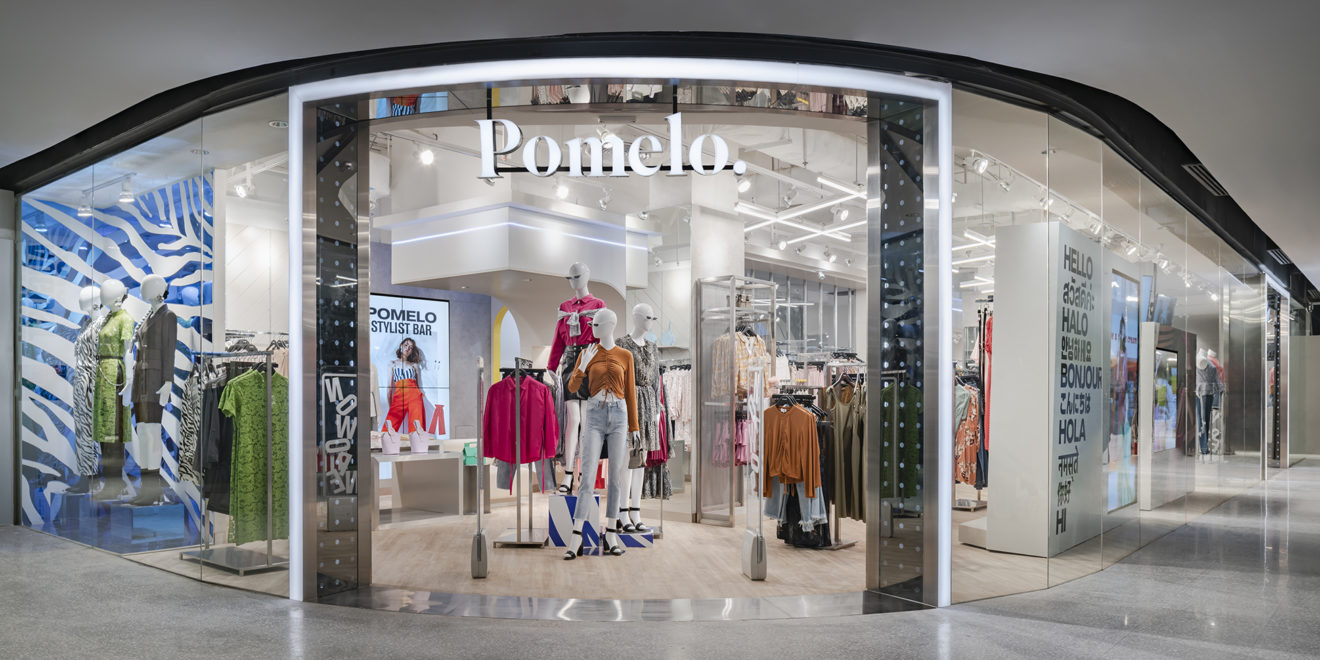
    Omnichannel fashion brand Pomelo has released a third collection for its permanent sustainable line Purpose.

    Seeking to lead the sustainability charge in the Southeast Asian fashion industry, the brand will be introducing Recycled PET (RPET) material to its Pomelo Purpose production processes for the first time.

    As with the brand’s previous Pomelo Purpose collection, which placed a focus on clothing made exclusively from organic fabrics, dyes and cruelty-free materials, this collection intentionally incorporates eco-friendly practices from within the supply chain. Aiming to bring awareness to the importance of building sustainable fashion futures, the latest addition to the Purpose line is produced using RPET material and organically-sourced fabrics including linen, cotton, and natural dye.

    RPET material, which is obtained from EcoMax, one of the few Asian suppliers of environmentally-friendly renewable fabric, is made from 100-per-cent post-consumer PET bottles that would otherwise enter landfills or pollute natural habitats. By incorporating RPET material into the production of Purpose pieces, Pomelo hopes to create higher-quality, lasting pieces that ease production pressures on finite natural resources.

    Pomelo is encouraging its customers to drop off used clothing at its select partnered locations and offline stores, including the newly-opened Singapore flagship store at 313@Somerset. Pomelo Purpose shoppers can also schedule free pick-ups by scanning a QR code stitched into their Purpose products. All collected clothing is then redistributed to underprivileged partner communities, organisations and charities in Thailand, Singapore and Indonesia.

    “Purpose by Pomelo has led the way for the fashion industry in the region to adopt environmentally-friendly practices through sustainable materials and processes,” said Pomelo CEO David Jou. “With this launch, we are hoping to make an even bigger impact by providing all Pomelo shoppers an opportunity to start their recycling journey using our free pick up service. We’re very excited to continue bringing innovation to this very important topic.”

    From now until September 5, all Pomelo online customers in Singapore, Thailand and Indonesia will be able to book a free pick-up for up to 3kg of used clothing via the Pomelo App. After the promotional period, free pick-ups will be limited to first-time Pomelo Purpose shoppers only.

  • Simone Rocha opens store on Hong Kong

    Simone Rocha opens store on Hong Kong

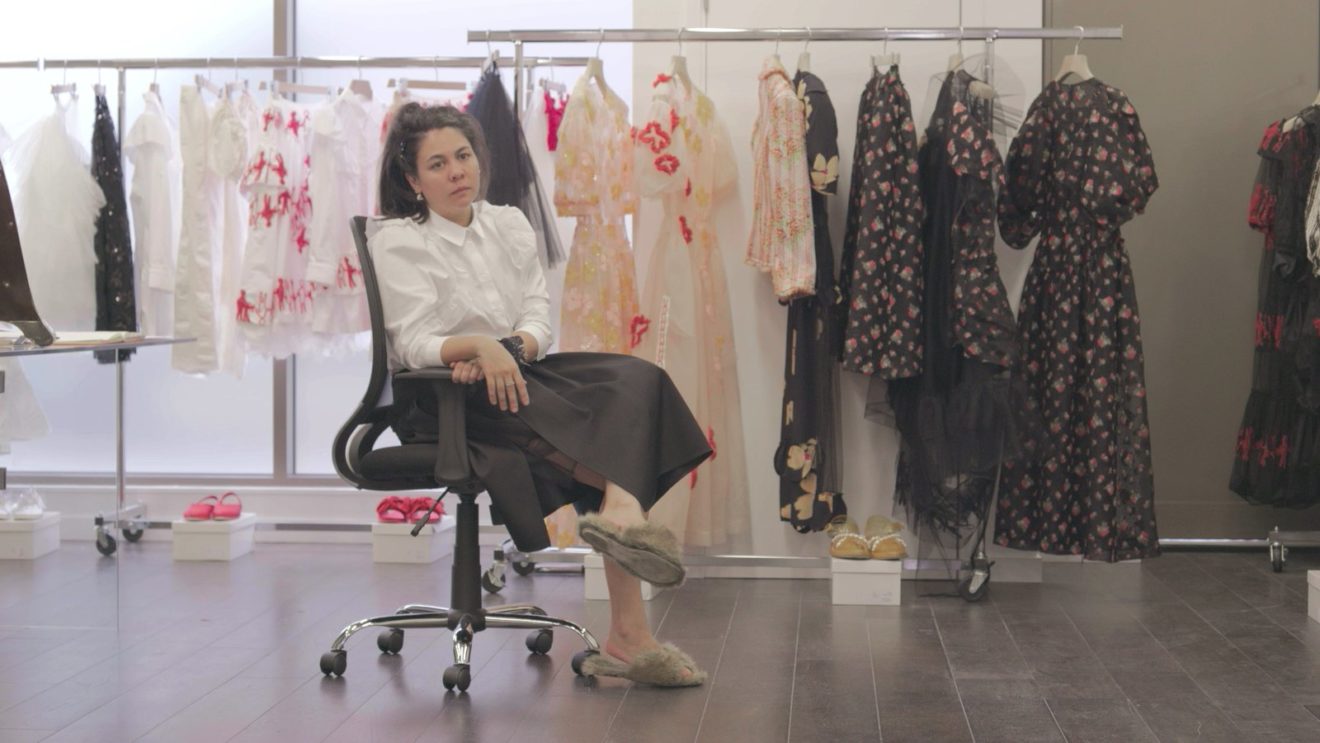
    Fashion label Simone Rocha has launched a brand-new store in Central.

    The store is only the third standalone Simone Rocha outlet in the world since its first opening in London in 2015, which was followed by a store New York two years later. Each new store is designed to invoke an intimate and unique retail atmosphere, offering customers a chance to engage with the clothes physically and to experience and understand the fabrics up close.

    “I am very proud to be opening my first stand-alone store in Hong Kong,” said designer Simone Rocha, “with the support of I.T Group after our long-term relationship of eight years. Their belief in my vision and creativity makes me very excited for our upcoming journey together.”

    The 900sqft store is located on Ice House Street. It features Simone’s signature perspex furniture and hand-made sculptures, a balance of craft and modern materials that will be reimagined within the store each season. Alongside these interiors are hand-molded floral cornicing, pink marble and curated art pieces.

    “The unique aesthetic and brand values of Simone Rocha have always been in line with the philosophy and vision of I.T Group,” said I.T Group executive director and CEO Kar-Wai Sham.

    “We see great potential in the brand’s development in the Greater China market, and it gives us great delight to partner with Simone Rocha in opening the label’s first store in Asia.”

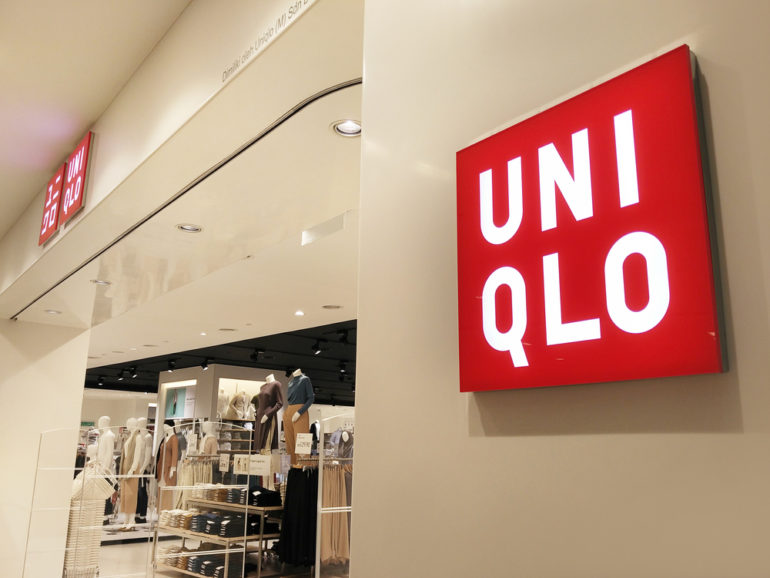
  • Uniqlo India set to open first three stores

    Uniqlo India set to open first three stores

    Uniqlo India is counting down to the launch of its first three stores in India.

    The Japanese fast-fashion retailer first announced plans to open in India in late 2017 and it has taken more than 18 months to secure necessary approvals, locations and prepare operations.

    The stores will open in Delhi-NCR, with the first 35,000sqft outlet due to start trading in three months’ time. The move is part of the brand’s global strategy to gain ground on rival brands Zara and H&M.

    “The opening of our first store, Uniqlo Ambience Mall Vasant Kunj, followed by a second and third store a little later represents a significant step in our company’s global strategy,” said Uniqlo founder and Fast Retailing chairman, president and CEO Tadashi Yanai.

    A Uniqlo India spokesperson added: “Given the size and fast growth of the Indian market, the launch will for the first time involve three separate stores to be able to offer LifeWear to as many people as possible”.

    “We have to do the best price point based on our quality,” said the firm’s head of research & development Yuki Katsuta. “I have confidence in our price and also our value. Of course, we know, maybe our price point is slightly more expensive than your local market. People feel that it’s a little bit more expensive to what they’re used to buying. But at the same time, we have confidence that once they buy it we don’t let them down.”

    Uniqlo India has been helped by the government’s relaxation of sourcing restrictions for single-brand retailers, which currently stand at 30 per cent mandatory local sourcing.

  • World-first Homme Plisse Issey Miyake flagship opens in Tokyo

    World-first Homme Plisse Issey Miyake flagship opens in Tokyo

    The world’s first flagship store dedicated to the Homme Plisse Issey Miyake label has opened in the Tokyo suburb of Aoyama.

    The 225sqm space was designed by Tokujin Yoshioka in a distinctly minimalist Japanese style heavily dominated by bare concrete.

    Space at the rear of the shop houses a pleating machine, press and sewing machines, as found in the factory. Here, visitors can see the Japanese fashion label’s unique production method called seihin pleats (product pleats), in which pleats are made in fabric which is cut and sewn to 1.5 times the normal size.

    Stock on display includes a limited-edition long-sleeve t-shirt range under the Colors label, sold in 10 shades. The clothes are made using the pleating machine located in the store and complement the full Homme Plisse collection.

    The bold and bare concrete floors and pillars and exposed utilities in the space help create a factory feel and helps the brightly coloured apparel stand out. Stock is hung from steel racks and matching display counters.

    “We hope that this shop not only delights customers but also brings a sense of the joys of the “monozukuri no gemba (workshop)” to the public for the first time,” said a Homme Plisse Issey Miyake spokesperson.