Retail News CRM

Tag: clothes

  • Forever New grows US presence

    Forever New grows US presence

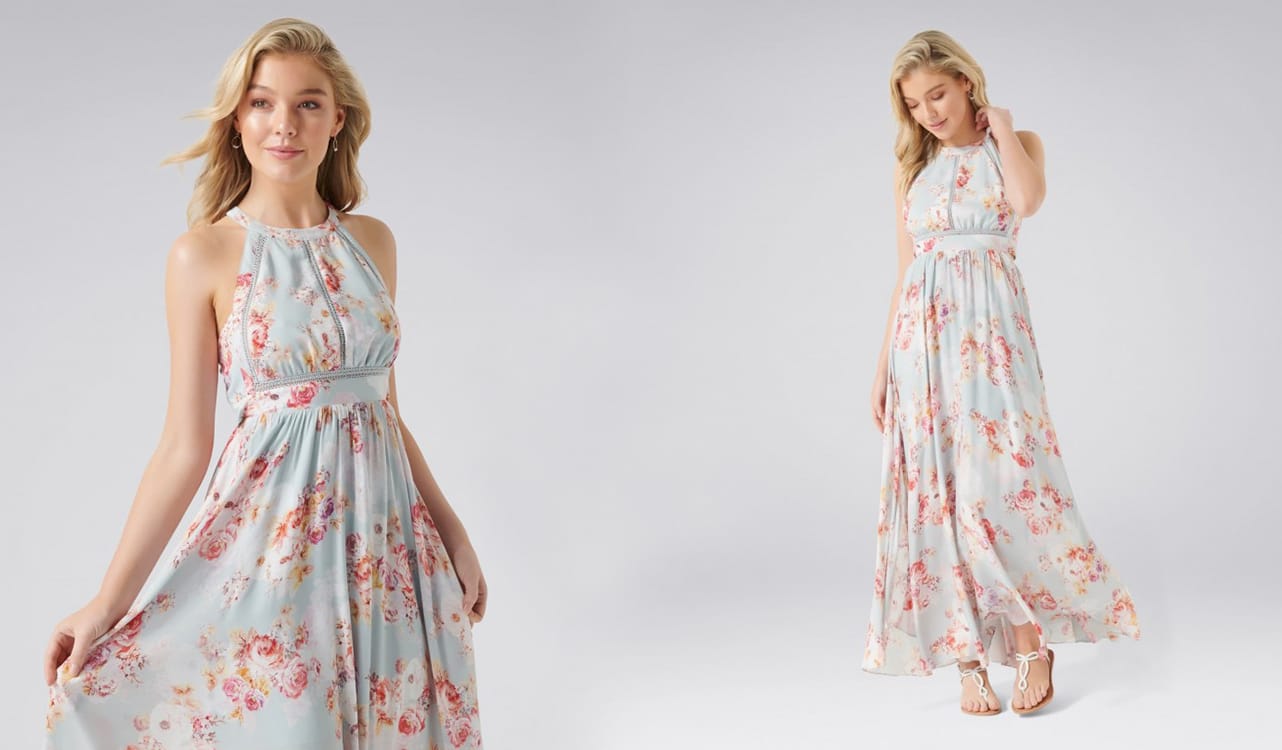
    Australian womenswear brand Forever New has launched a standalone e-commerce site in the US, catering to increased demand from local customers with around 50 new products dropping online every week.

    The website marks an expansion of the brand’s presence in the US, where it currently sells through Nordstrom.com, as well as through concessions in Bloomingdales and Neiman Marcus.

    “We are excited to be expanding in North America and a branded US website was the next step on our journey,” Carolyn Mackenzie, Forever New’s managing director, said in a statement.

    “We have had a lot of demand for our product in the US so we are happy to give our US customers one more way to shop with us.”

    Launching on Thursday, the US website features a range of styles currently available in North America, with about 50 new items being added to the site each month. It is branded under Forever New’s North American trading name, Ever New.

    This is just the latest step in the Forever New’s global digital expansion, which sees the brand selling on Asos and Next in the UK, Zalora in Singapore and Zalando in Europe, and through its own recently relaunched global e-commerce site.

    At the same time, Forever New continues to expand its global bricks-and-mortar presence. The fashion brand has more than 200 stores in Canada, Singapore, China, India, South Africa and New Zealand, and concessions in the US, Singapore and the Middle East. and plans to open a new store in November in Vancouver, Canada.

    Revenue from overseas operations accounted for 40 per cent of Forever New’s sales of around $300 million in 2018.

    Mackenzie previously said that standalone stores in the US are not out of the question.

    “Being an agile and fast-moving business means there is always the possibility…” she said.

    Broader transformation underway

    The ramp-up overseas is just part of the multi-faceted transformation currently underway at Forever New.

    Already this year, the retailer has unveiled two first-to-market digital initiatives – a reserve-in-store option and visually-similar product recommendation tool – and launched a “connected change room” pilot in its store in Highpoint Shopping Centre.

    The retailer has also rolled out a plus-size range called Forever New Curve and a new high-end store concept designed by Hecker Guthrie, featuring terrazzo tiled floors, brushed brass detailing and fluted glass panels.
  • Stripe buys Vietnam fashion chain Vascara

    Stripe buys Vietnam fashion chain Vascara

    Japanese clothing firm Stripe International has purchased a majority stakeholding in Vietnamese firm Global Fashion.

    The 70-per-cent shareholding will give Stripe a controlling interest in Vietnamese brand Vascara. It is the second Vietnamese apparel company to be acquired by the firm since its purchase of Nem Group two years ago.

    “We see the potential of the Vietnamese fashion market, especially the footwear and bags industry,” said Stripe Saigon general director and CEO Harigae Tsutomu.

    “Vascara is a brand that has great potential for development, so we believe that the experience and technology accumulated from many markets around the world will accompany and support Vascara to accelerate development, expand the system of stores and serve millions of Vietnamese consumers.”

  • Forever 21 leaves Hong Kong amid bankruptcy predictions

    Forever 21 leaves Hong Kong amid bankruptcy predictions

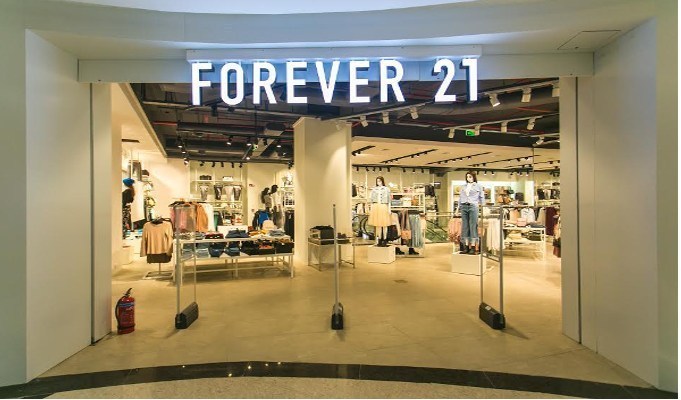
    Once, Forever 21 had one of the largest flagship stores in Hong Kong. Now it has exited the market altogether.

    The California-headquartered fast-fashion retailer has closed its three-story Mong Kok store, eight years after it opened a massive six-story flagship in the heart of Causeway Bay, which is now home to Victoria’s Secret.

    In April, Forever 21 closed its Chinese e-commerce website and withdrew products for sale on Tmall and JD.  At the same time it closed one physical store on the mainland and was widely reported to be planning to exit the market altogether.

    Last month, it was reported by Bloomberg to be preparing to file for bankruptcy protection after failing to reach a deal to refinance its heavy debt load but as recently as 10 days ago its owners discounted that course, saying the business would trade on.

    With more than 800 stores in the Americas, Asia and Europe Forever 21 grew from a single store in Los Angeles in 1984 opened by co-founder Do Won Chang and his wife Jin Sook. While its international growth trajectory was rapid in the 2000s, in later years it has failed to keep pace with European rivals H&M and Zara and Japan’s Uniqlo, leading it to shutter flagship stores like the one in Causeway Bay.

  • Calvin Klein and Tommy Hilfiger about to open first standalone stores in NZ

    Calvin Klein and Tommy Hilfiger about to open first standalone stores in NZ

    A mixture of international and local fashion and beauty retailers will be opening new stores in Commercial Bay when it opens next year.

    American clothing brands Calvin Klein and Tommy Hilfiger, and Dutch fashion retailer Scotch & Soda, will open their first New Zealand standalone retail stores at the centre. Both Calvin Klein and Tommy Hilfiger will be offering a combination of apparel, fragrance, accessories and homewares.

    The Australian brand R.M. Williams, surf apparel Rip Curl and sportswear retailer Asics have also signed up to open flagship stores at the centre.

    Womenswear brand Kookai and local fashion brand Twenty-seven Names will be joining other local brands at the centre alongside outdoor retailer Icebreaker and local brand Storm.

    According to Precinct Properties, the city centre specialists behind the Commercial Bay development, the recent update takes the leasing of Commercial Bay to 95 per cent.

    “We’ve given a lot of thought to curating an outstanding retail offering in the heart of the city,” said Scott Pritchard, Precinct Properties CEO.

    Pritchard said each retailer has been closely considered to ensure Commercial Bay provides the ultimate shopping experience for Aucklanders, visitors from around New Zealand and international guests to the city.

    “Commercial Bay will be a welcoming place with something for everyone,” he said. “I’m confident our retail mix, combined with a truly world-class food and beverage offering will be a great draw card.”

    Precinct Properties said Whitcoulls bookstore and a handful of beauty and wellness brands have also given the nod to launch stores at the centre. The beauty and wellness retailers include nail salon Art of Nails, haircare store Shampoo and Things, men’s barber Gentry and skincare salon Skintopia.

    Lovely by Skin Institute will open its fifth retail store in the country in Commercial Bay, its first store in central Auckland, along with New Zealand natural wellness brand Harker Herbals.

    According to Precinct Properties, the overall development will feature a mix of more than 100 retailers from fashion to food and beverage to beauty and specialty retail.

    The newly announced stores will be joining the previously mentioned ones Sandro, Maje, Kate Spade, Furla, Federation, Superette and Rodd & Gunn, among others.

    The $690 million development, which is being built by Fletcher Properties, has revised the opening date of the retail centre from September of this year to March 2020, and the opening date of the PwC office tower from December of this year to April 2020.

    Precinct Properties originally expected the retail centre to be done in October 2018 and the office tower in mid-2019, but it has continued to push back the opening dates due to “slippage” in the construction of the project.

  • H&M opening fourth retail store in Auckland

    H&M opening fourth retail store in Auckland

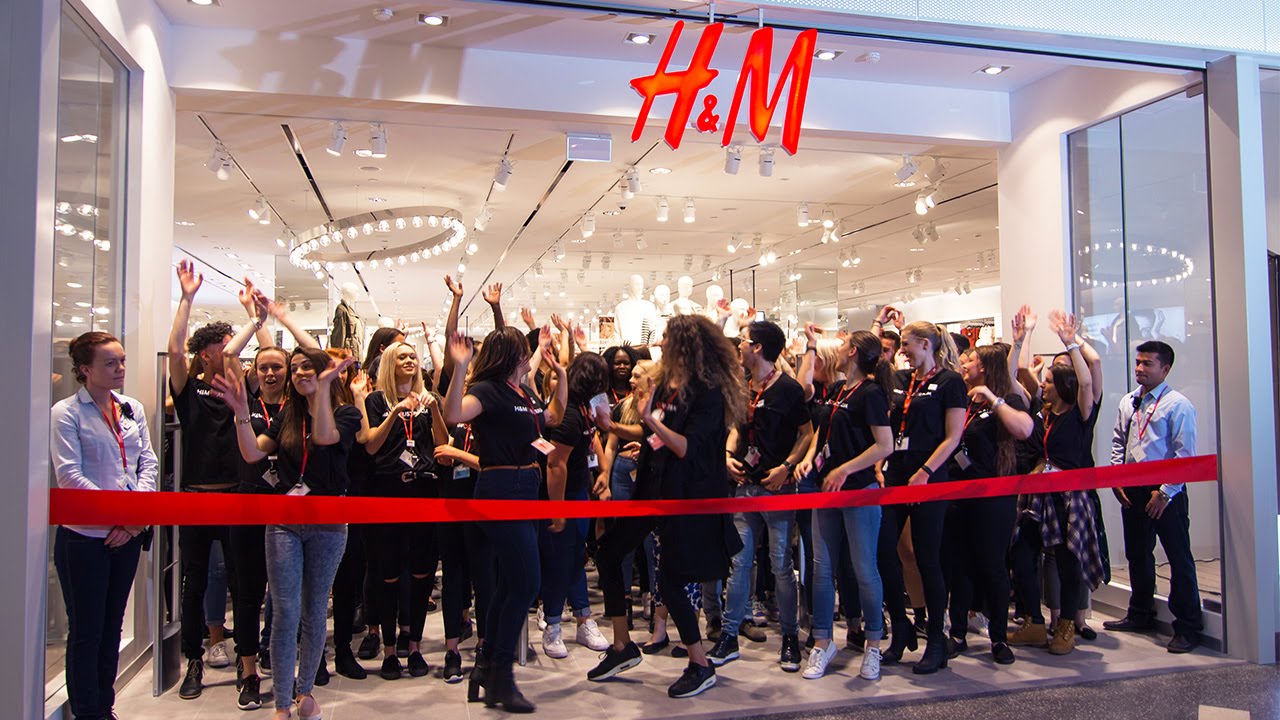
    Swedish fashion giant H&M announced it will open its fourth store in Auckland at Westfield Newmarket on December 12.

    The 2300sqm store, the retailer’s ninth store in New Zealand, will have two levels and will feature a range of apparel and accessories for men, women, youth, kids and baby, as well as the retailer’s home concept.

    “We are thrilled to be a part of the much-anticipated Westfield Newmarket.” said Daniel Lattemann, Country Sales manager for H&M New Zealand.

    Lettemann said they are also delighted to be able to finally offer a second Auckland location for their H&M home concept.

    “We have seen such a demand since launching the concept in our Commercial Bay store last year,” he said.

    According to H&M, recruitment for approximately 50 employees is underway.

    The fashion retailer, which entered the New Zealand market in 2016, now has seven stores nationwide located in Sylvia Park, Commercial Bay, and Botany Town Centre in Auckland, The Crossing in Christchurch, Queensgate in Wellington, Tauranga Crossing, and Chartwell Shopping Centre in Hamilton.

    The recently announced store opening is the eighth and is set to open in Westfield Riccarton on November 7, 2019.

  • Off-White launches new store opening at Windows flagship

    Off-White launches new store opening at Windows flagship

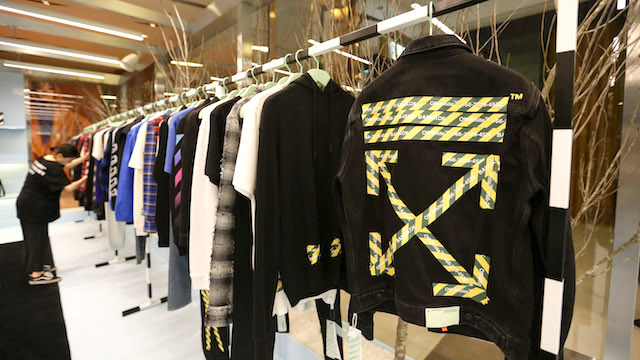
    Off-White has opened a new space at the brand’s “Windows” flagship location in Singapore‘s Orchard Road.

    The new Off-White space launched swiftly after the brand announced a new opening in Las Vegas.

    The space will be completely dedicated to Virgil Abloh‘s Off-White womenswear collections and will feature luxurious interiors decked out in pink hues. It is designed with pink herringbone-patterned, fluted wooden walls paired with a pink marble floor. Brass decor is featured to add warmth to the store.

    Clothing at the new Off-White space is displayed on bronze shelves, and metal cage silhouette chairs are matched with marble tables with cage legs, fitting into the outlet’s theme. The changing room is fitted with draping pink velvet curtains, bright lights, and infinity mirrors.

    Other key highlights include minimalist plant pots made of smooth metal and rounded tables for displaying bags.


  • French Connection sales fail to inspire customers

    French Connection sales fail to inspire customers

    The latest French Connection sales figures will do little to inspire prospective bidders as the company searches for a white knight.

    Pippa Stephens, retail analyst at GlobalData, says that despite the French Connection sale process being extended by three months in June, the ailing retailer has prolonged this further, as it continues talks with “several interested parties”.

    Group sales for the first half were down £7.1 million – by 12.2 per cent – to £51 million, and underlying profit remains in the red.

    “Its performance is doing little to assure prospective buyers of its future potential, however new ownership should allow for an essential revamp of its ranges and store estate to try to regain appeal among shoppers,” says Stephens.

    “French Connection’s product offer lacks originality and direction, with limited newness across seasons, lagging behind other premium competitors like Whistles and Reiss, so a fresh perspective from its design team is crucial to reignite shopper interest.”

    Although group sales are still declining due to store closures and a shift in wholesale orders into the second half of the year, the retailer’s UK/Europe like-for-like sales show an improvement having shuttered nine underperforming locations in the first half, including two off-price outlets.

    “French Connection must continue to review its remaining estate and carefully plan to transition customers to its online platform to avoid shopper desertion – especially its department store concession customers,” says Stephens.

    “Its new concept store in London, which opened in July, has shown reassuring results, with exclusive products, a large homewares offer and a coffee shop supporting footfall. If successful, this should be rolled out to a handful of its large regional stores to help reinvigorate the brand and improve shopper perception.”

    French Connection sales online have continued to decline, down £600,000, or 9.6 per cent, during the first half, despite the UK online clothing market forecast to grow by 7.4 per cent this year.

    “With a greater focus previously put on third party operations, such as Next and Asos, French Connection must ensure that this does not cannibalise its own sales. It needs to invest in its own website, with shorter delivery lead times, and enhanced style inspiration to increase engagement,” concludes Stephens.

  • Another huge loss for retailer Esprit

    Another huge loss for retailer Esprit

    More writedowns and restructuring costs have seen fashion retailer Esprit post another full-year loss, but the company is adamant its recovery plan is beginning to show results.

    With fewer stores, sales were down in all of its markets, but executive chairman Dr Raymond Or told shareholders in results filed overnight that the second half-year showed a significantly reduced operating loss.

    Group sales for the year to June 30 were HK$12.9 billion (US$1.65 billion), down from $15.5 billion last year. The group recorded a loss attributable to shareholders of $2.14 billion, an improvement on last year’s $2.55 billion.

    Or said the group’s underlying operations (before exceptional items, interest and taxation; its LBIT) improved from $909 million last year to $587 million this year.

    Esprit has launched a multi-year strategic plan to turn around its losses by improving the product, right-sizing its store network and restructure behind-the-scenes operations. Or said that plan only started to take effect in the second half of the year, when the LBIT was down from $773 million to $255 million.

    “This improvement in performance was primarily the result of our proactive and decisive cost control initiatives highlighted by actions to eliminate loss-making stores as well as bold measures to right-size the organization and our global distribution network, including the downsizing of corporate offices so as to achieve savings across all key cost lines. Taken as a whole, these initiatives resulted in savings in regular operating expenses of $1.742 million or 16.6 percent in local currency terms; thus we are well on track to achieve the targeted annualized expenses savings of $2 billion over two years from the 2017/18 level.

    “These savings have significantly reduced our cost base and will provide a leaner platform that we can leverage in the future as we embark on top-line growth,” said Or.

    “The last financial year marked a year of significant changes for the group and will be remembered as being pivotal towards the turnaround and restoration of … Esprit.”

    He said retailer Esprit now has a clear strategic plan and the right team in place to return Esprit to sustainable growth and profitability.

    The bottom line was heavily impacted by one-off restructuring costs which accounted for the bulk of $1.493 billion in exceptional expenses for the year.

    After several years of multi-billion dollar losses, one of the reasons Esprit has survived when other fashion retailers might have collapsed is that the group is debt free. At the end of June it still had a $3.282 billion cash balance.

  • Kathmandu posts record profit

    Kathmandu posts record profit

    Strong sales growth in Kathmandu’s Australian business and North American wholesale operations drove another year of record profit for the outdoor apparel and equipment retailer.

    Just days after announcing it has become the biggest B Corp in ANZ, the retailer on Wednesday reported a 9.7 percent increase in total sales to NZ$545.6 million ($505 million).

    Gross profit was up 5.4 per cent to NZ$332.5 million ($307.8 million), and earnings before interest, tax, depreciation, and amortization increased 10.9 per cent to NZ$99.6 million ($92.2 million). Net profit after tax was up 13.6 per cent to NZ$57.6 million ($53.3 million).

    Excluding Oboz, the North American hiking boot brand that Kathmandu acquired in April 2018, sales were up 2.1 percent at constant exchange rates in FY19.

    In Australia, Kathmandu’s largest market, total sales were up 4.5 percent year on year and same-store sales were up 2.7 percent. Total sales fell 3.1 percent and same-store sales dropped 3.9 per cen in New Zealand, where the brand was founded in 1987.

    Oboz saw a 30 per cent sales increase on a pro forma basis to US$44.6 million ($65.1 million), as Kathmandu expanded its wholesale operations in North America. Earnings before interest and tax increased 38.6 per cent of US$7.9 million ($11.5 million) on a pro forma basis.

    “We’re really happy with those numbers,” Xavier Simonet, Kathmandu CEO, said on a media call on Wednesday.

    Simonet said the retailer had maintained its momentum in the first seven weeks of FY20, with 6.1 percent growth in same-store sales, though the crucial trading period in the first half is yet to come.

    Kathmandu would continue to focus on driving sales and profit growth in its core markets of Australia and New Zealand, Simonet said, and on enhancing the customer experience through digital.

    The retailer reported online sales growth of 9.2 percent at constant exchange rates. E-commerce now accounts for 10.1 percent of direct-to-consumer sales, up slightly from FY18, when online accounted for 9.4 percent of sales.

    Kathmandu had 2.2 million members in its Summit Club loyalty program as at June 30, 2019, a 12.4 percent increase on the previous corresponding period. Simonet called the program an “immensely powerful tool”, with members spending 29 percent more per transaction than non-members.

    Total operating expenses increased 3.7 percent to NZ$234 million ($216.6 million) in FY19, including an NZ$11.8 million ($10.9 million) incremental increase related to the first full-year inclusion of Oboz and the establishment costs for Oboz North America. As a percentage of sales, however, operating expenses fell 2.5 percent to 42.9 percent, reflecting the benefits of diversification into wholesale.

    The retailer spent NZ$15.7 million ($14.3 million) on new stores and refurbishments and paid down NZ$14 million ($13 million) of net debt in FY19. Kathmandu had NZ$19.3 million in net debt as at July 31, 2019.

    Kathmandu declared a final dividend of NZ$0.12 ($0.11) per share, taking the full-year dividend to a record NZ$0.16 ($0.15) per share.The final dividend will be fully imputed for New Zealand shareholders and fully franked for Australian shareholders.

  • Sales at H&M stores sees strong growth

    Sales at H&M stores sees strong growth

    Sales at H&M stores worldwide rose by the steepest rate in three years in the third quarter.

    “Well-received summer collections and increased market share confirm that the H&M group is on the right track with its transformation work,” the company said in a statement.

    Net sales rose by 12 per cent to US$6.48 billion in the three months to August 31, marking the company’s fifth consecutive quarterly increase. Excluding currency fluctuations, sales were up by 8 per cent.

    However, analysts took a little of the gloss off the figures pointing out that during the comparable period a year ago, the company’s turnover was hit by difficulties implementing a new logistics system in some markets.

    Besides its namesake brand, H&M operates Arket, Weekday, Cos, Monki, and & Other Stories.

    Full-year results will be released on October 3.

    While the global third-quarter result was strong, sales at H&M stores in the UK have plummeted, leading to a 71.2-per-cent crash in full-year pre-tax profits to £10.72 million, according to figures obtained by Retail Gazette.

  • Inditex achieves record first-half sales

    Inditex achieves record first-half sales

    Zara parent Inditex achieved record revenue and profits during the first half of this year.

    Net sales rose 7 per cent year on year to €12.82 billion, while net profit rose 10 per cent to €1.55 billion.

    According to Inditex executive chairman Pablo Isla, the results reflected strong first-half performance, with like-for-like growth across all brands and geographies.

    “The investments we have made in the stores as well as in logistics and technology have been key elements in the development of our customer focused integrated online and offline store platform,” Isla said.

    However, gross margin stayed steady at 56.8 per cent, up from 56.7 per cent. According to Isla, the business works to maintain gross margin, rather than maximise it.

    “We are always thinking about the medium and the long-term evolution of the company,” Isla told analysts.

    “Gross margin is a combination of many different things. You have, of course, the like-for-likes as growth. You have the product mix. You have the fashion trends. You have currencies. You have raw material costs. There are many, many elements involved.”

    Inditex said it opened, enlarged and refurbished stores across all regions during the half year, and continued to expand its online platform into new markets – seeing 7420 stores open across 96 markets, with 62 sporting the group’s online platform.

    During the beginning of its second half, Inditex has seen sales in local currencies increased 8 per cent for the period between August 1 and September 8.

    The business expects like-for-like sales growth of between 4 and 6 per cent for the full year.

  • H&M Fall 2019 Conscious Collection extends sustainability approach

    H&M Fall 2019 Conscious Collection extends sustainability approach

    H&M’s Fall 2019 Conscious Collection has exemplified the firm’s commitment to only use sustainably sourced materials by 2030 with pieces made from recycled materials or materials that have less impact on the environment.

    H&M’s Fall 2019 Conscious Collection has exemplified the firm’s commitment to only use sustainably sourced materials by 2030 with pieces made from recycled materials or materials that have less impact on the environment.

    From the softly tailored check separates to the animal print dresses and oversized hoodies, all in a colour palette of light neutrals, black and pops of orange-red, H&M’s new vibe is laid back yet sophisticated.

    The H&M Fall 2019 Conscious Collection launches in September and will be available worldwide, in store and online. Recycled polyester, most often made from used PET bottles, is the key material for the collection, found in the dresses, shirts, knitwear, outerwear and tailored pieces.

    “The H&M Fall 2019 Conscious Collection is all about the timeless classics and wardrobe staples you never get tired of,” said H&M’s head of design womenswear Maria Östblom. “Long-lasting design in more sustainable materials and the autumn must-haves you need to update your wardrobe.”

    “We want to use our size to lead the change towards circular and renewable fashion,” said the firm’s global sustainability manager Pascal Brun. “The H&M Fall 2019 Conscious Collection is an amazing example of how far we have come with technology and innovations replacing conventional materials with recycled alternatives.”

    From the softly tailored check separates to the animal print dresses and oversized hoodies, all in a colour palette of light neutrals, black and pops of orange-red, H&M’s new vibe is laid back yet sophisticated.

    The H&M Fall 2019 Conscious Collection launches in September and will be available worldwide, in store and online. Recycled polyester, most often made from used PET bottles, is the key material for the collection, found in the dresses, shirts, knitwear, outerwear and tailored pieces.

    “The H&M Fall 2019 Conscious Collection is all about the timeless classics and wardrobe staples you never get tired of,” said H&M’s head of design womenswear Maria Östblom. “Long-lasting design in more sustainable materials and the autumn must-haves you need to update your wardrobe.”

    “We want to use our size to lead the change towards circular and renewable fashion,” said the firm’s global sustainability manager Pascal Brun. “The H&M Fall 2019 Conscious Collection is an amazing example of how far we have come with technology and innovations replacing conventional materials with recycled alternatives.”

  • Laura Ashley appoints IMG as licensing partner for China

    Laura Ashley appoints IMG as licensing partner for China

    Fashion and home-furnishings retailer Laura Ashley has appointed IMG to exclusively license the brand in Mainland China, Hong Kong, and Taiwan.

    Home decor and furnishings will be the initial core focus for Laura Ashley’s entry into Mainland China with future extensions into women’s apparel, fashion accessories, and personal care – all product areas that the Laura Ashley brand has developed over the course of its history in the UK, Europe and the US.

    “We are delighted to have appointed IMG on an exclusive basis to help us develop our brand presence in China, Hong Kong, and Taiwan,” said Laura Ashley COO Sean Anglim. “We look forward to working closely with IMG to build a strong and sustainable business in these territories over the years to come.”

    “The Laura Ashley brand is loved around the world for its quintessentially English heritage and romantic floral designs,” said IMG president of licensing Bruno Maglione. “China has long been the furniture production capital of the world for export, but now with urbanization and a growing middle class, expenditure in home furnishings and decor has become an increasing priority of the Chinese consumer. This is an ideal time for a brand like Laura Ashley to enter the market with its distinctive design aesthetic.”

    Increased purchasing power in China has led to the growth of the furniture market, according to the National Bureau of Statistics – total sales of furniture manufacturing enterprises grew 10 percent year-on-year to more than US$130 billion in 2017.

  • Esprit unveils its future proof store design in Beijing

    Esprit unveils its future proof store design in Beijing

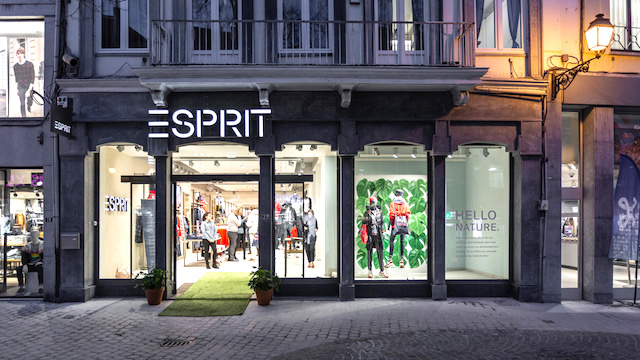
    Fashion label Esprit has unveiled a new concept store in Beijing as it continues its long journey of reinvention.

    “Our new store in Beijing is a showcase for the Esprit brand,” said Esprit Group CEO Anders Kristiansen. “With surprising and functional design details and bright and social spaces, we think this is a great expression of the spirit of Esprit.”

    Hong Kong-listed Esprit sees China as a key market in its bid to resurrect its brand reputation, sales and profitability: it wants to open 220 stores on the mainland by 2023 and as many as 80 elsewhere in Asia.

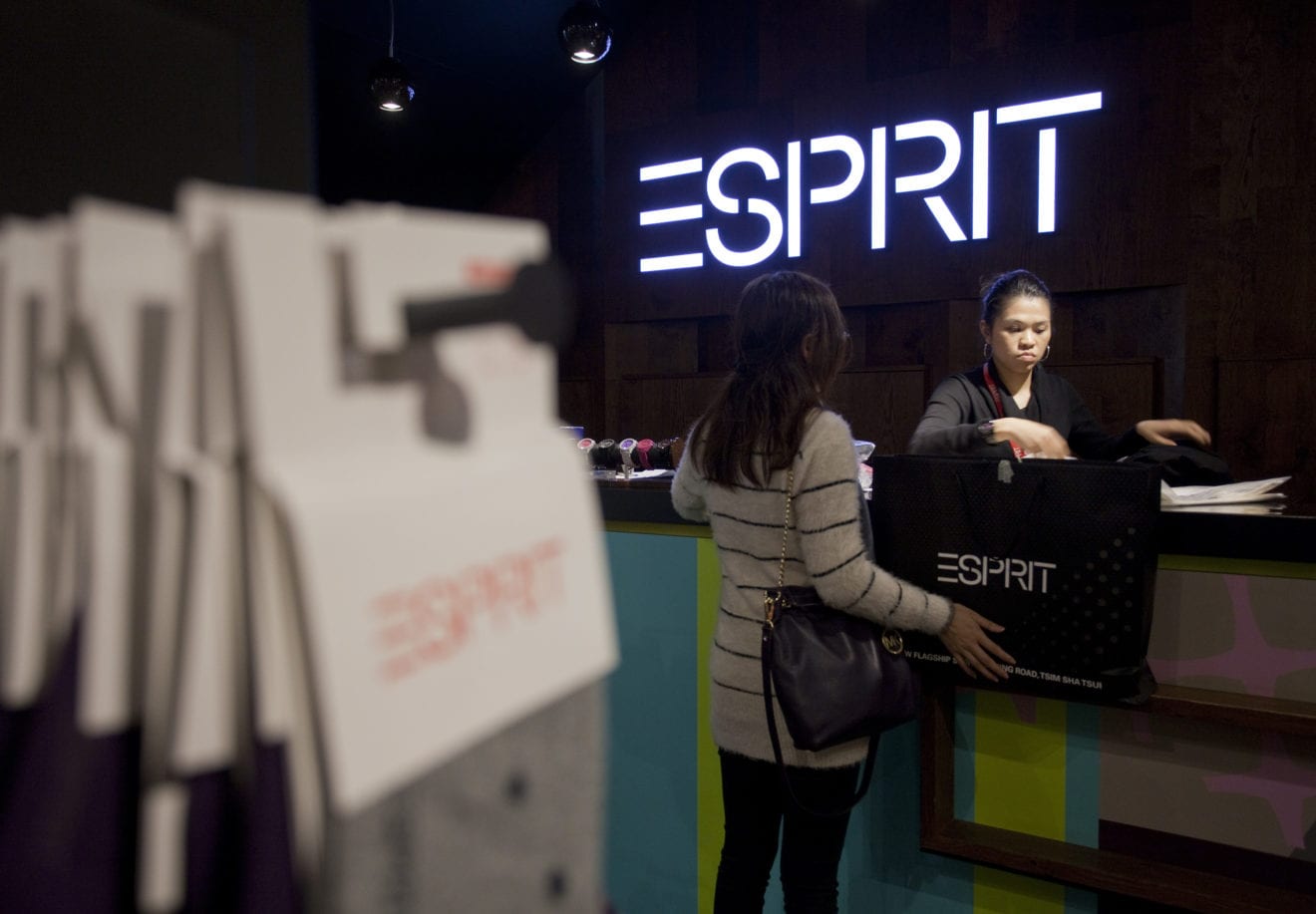
    The most remarkable feature of the Beijing store which opened last week is the huge prominent opaque brand name across the store’s glass street frontage. Inside the design has been described as a blend of “California cool”, bold graphics and bright colours. The store was designed by Ettore Sottsass.

    A strategic change to the store layout is the relocation of the cashier’s counter into the middle of the store, a move aimed at optimising the interaction between store staff and customers.

    “This forms a social hub that invites customers to stay, converse and relax and further experience the Esprit brand,” said a spokesperson.

    Across the whole store, the space is clean and uncluttered, putting the focus back on the product.

    “Open areas encourage exploration and give space to create stories around the collections,” the spokesperson said.

    While features of the store are likely to be rolled out across Esprit’s global markets, for now the company wants to assess the impact on sales and customer engagement to refine the model.

  • Zimmermann opens another US store

    Zimmermann opens another US store

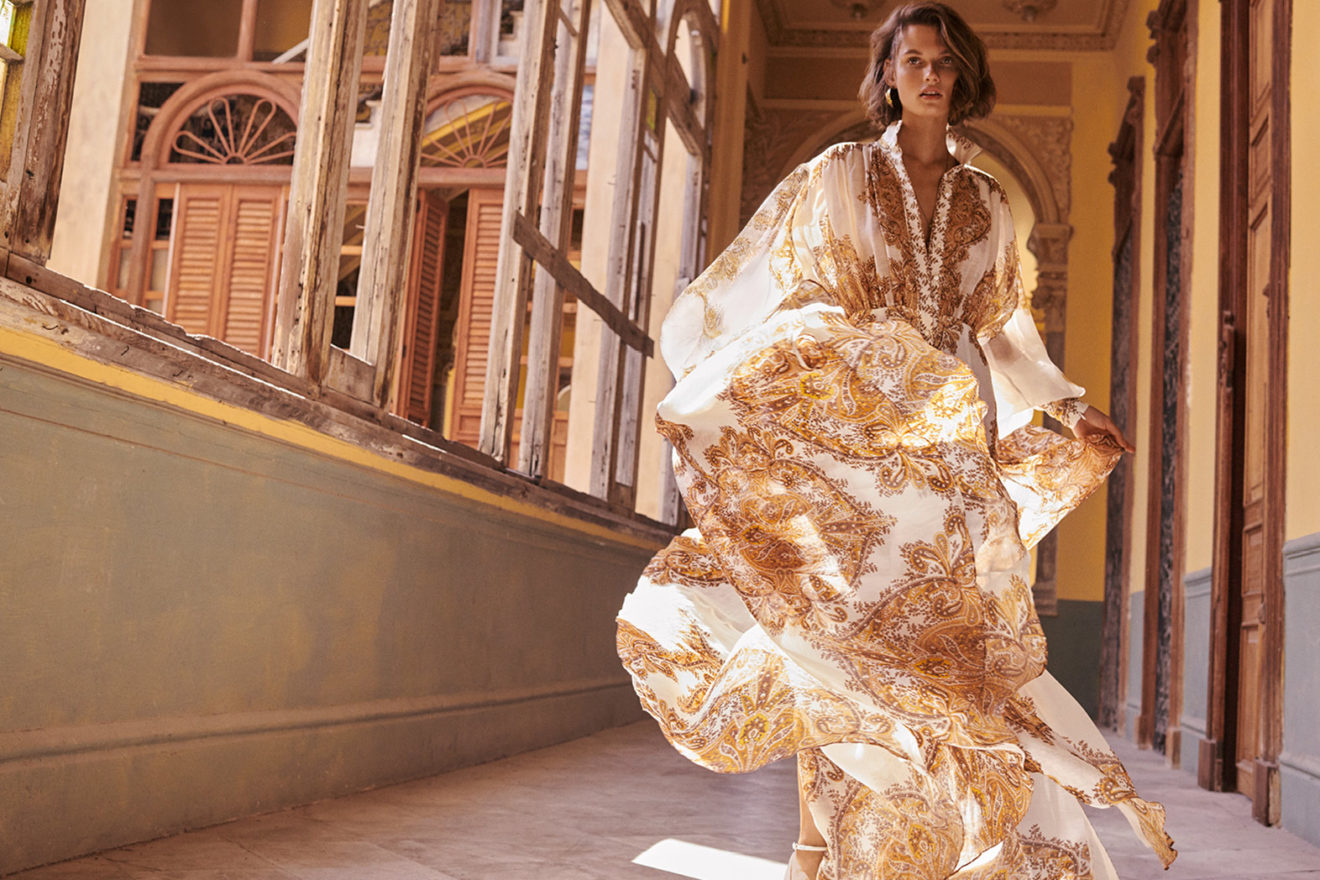
    Australian designer brand Zimmermann has opened its 12th store in the US and its third in New York City with the launch of a new boutique on the Madison Avenue.

    The prestigious shopping street is home to the likes of Carolina Herrera, Christian Louboutin, Ralph Lauren, Valentino and other designer brands.

    The 160sqm store, which opened last week, was designed by Australian designer and architect Don McQualter of Studio McQualter to create the feeling of a local apartment, with each room in the heritage-listed 1940s building styled to frame the collection.

    The store includes a mix of vintage pieces, such as a 1960s Murano glass Italian chandelier and 1930s De Coene desk, with handmade floor and wall tiles and custom metalwork, light fixtures, display tables, millwork and virtual merchandising fixtures designed by Studio McQualter.

    The store is meant to be a physical embodiment of the Zimmermann brand, conveying a relaxed femininity, air of freshness and light and unyielding optimism.

    Co-founders Nicky and Simone Zimmermann celebrated the new Madison Avenue store and upcoming Spring 2020 collection by co-hosting an in-store cocktail event followed by an intimate dinner nearby at Flora Bar at the Met Breuer with VIPs and close friends of the brand.

    “New York is like a second home for us. I have spent a lot of time in the city over the years and we’ve always loved the energy Madison Avenue brings. We are excited to now be a part of the Uptown community,” Nicky Zimmermann, creative director and co-founder, said.

    The brand plans to open a second boutique in Florida in Palm Beach in November 2019.