Tag: clothes

  • J Crew Hong Kong stores shutters after failed Asian foray

    J Crew Hong Kong stores shutters after failed Asian foray

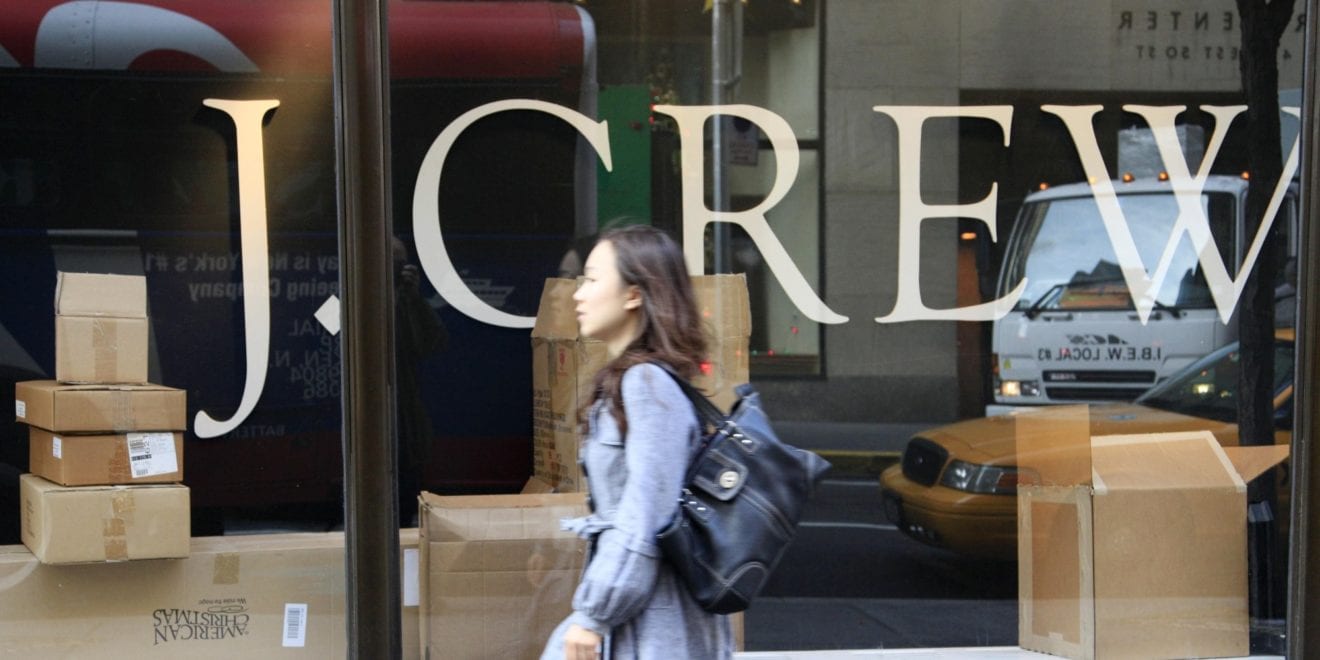
    American fashion brand J Crew is to close its two Hong Kong stores later this month, six years after it chose the city as the launchpad for a failed Asian foray.

    Notices have been posted on the doors of the two J Crew Hong Kong stores – at Times Square in Causeway Bay and On Lan Street in Central – advising customers of the pending closure. At Times Square it is promoting 50 percent off remaining stock.

    A staff member of the Times Square store told the South China Morning Post the stores would close on February 23.

    Like other international retailers in Hong Kong, J Crew was battered by the social unrest which gripped Hong Kong from June to December last year and has now been impacted by a dearth of mainland Chinese visitors resulting from the growing coronavirus crisis which has all but closed the border with the mainland.

    J Crew is the headline brand of J Crew Group, which also operates the denim brand Madewell.

    Announcing its move into brick-and-mortar stores in Asia in early 2014, J Crew was expected to open in major cities across the region. However, a licensing agreement with Itochu in Japan, which at last count had about 76 stores, will soon be the only remaining physical presence in the region.

    The company designs and sells menswear, womenswear, and childrenswear including apparel, shoes, and accessories.

    The company has experienced turbulent times of late, avoiding bankruptcy protection in 2017 after reaching a debt-for-equity swap arrangement with bondholders. In November 2018 CEO James Brett stepped down and was replaced by a group of four senior executives sharing the role until in April last year when the president and COO Michael Nicholson assumed the title.

    Last month, the company announced Jane Singer, a previous CEO of Victoria’s Secret would replace Nicholson.

    Between 2016 and 2018, J Crew shuttered almost 100 stores in the US and as a further part of a restructure in November 2018, the company’s J Crew Home, Mercantile and Never even brands were shut down allowing the company to focus on its core fashion offer.

    After the Hong Kong store closures, J Crew will have about 450 retail stores trading in the US along with its Japanese license. It also sells online shipping globally.
  • Landlords collaborate with Authentic Brands Group to rescue Forever 21

    Landlords collaborate with Authentic Brands Group to rescue Forever 21

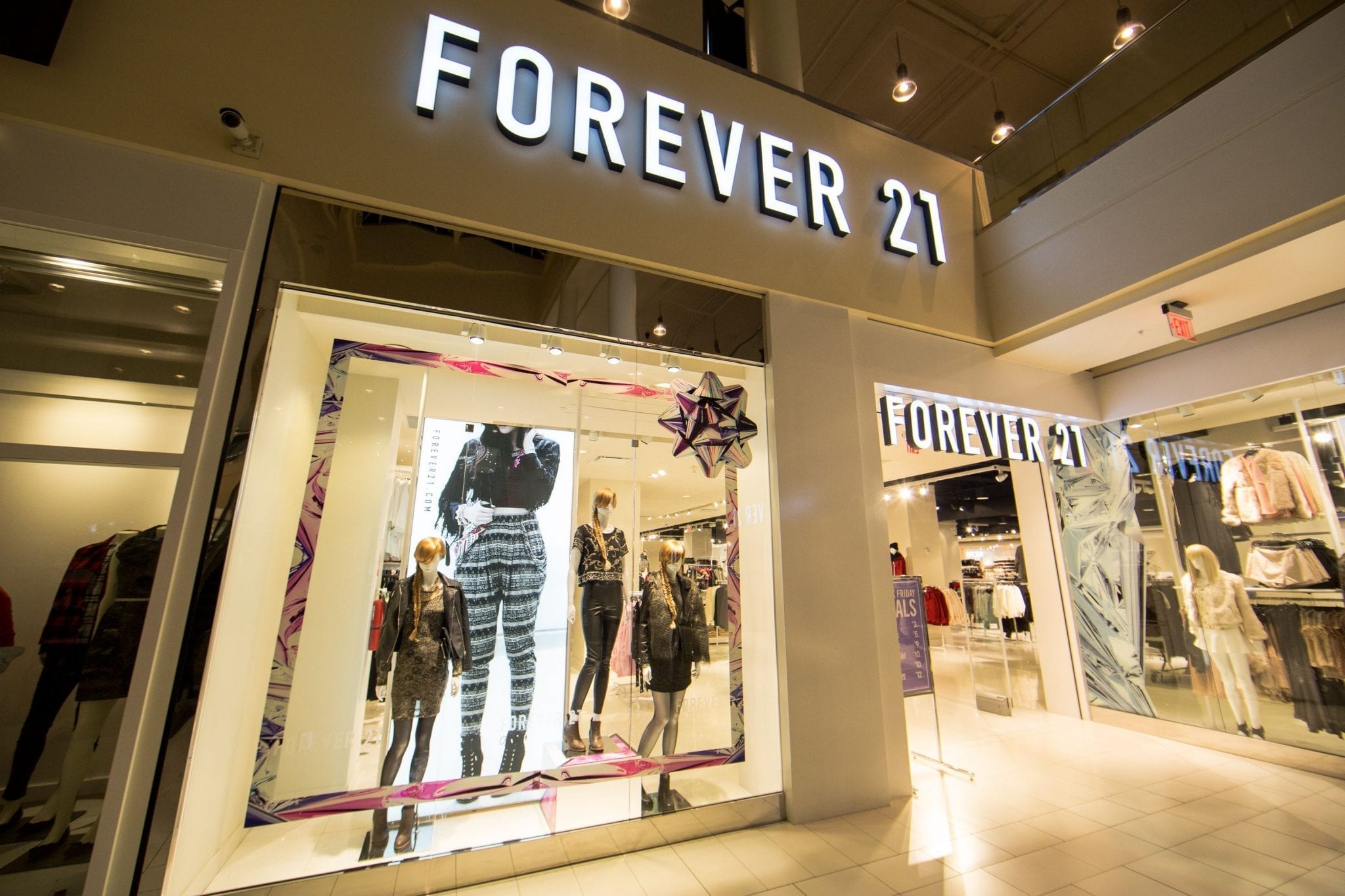
    Control of collapsed Californian fast-fashion chain Forever 21 is about to be handed over to a consortium of creditors led by property companies.

    According to recently filed court documents, Simon Property Group and Brookfield Property Partners along with Authentic Brands Group have agreed to pay US$81 million for Forever 21’s assets, which include its beauty store brand Riley Rose and its online store.

    That’s a stark contrast to Forever 21’s global sales at its peak in 2015 at $4.4 billion and $3.4 billion in 2017.

    Forever 21 is said to owe millions in unpaid rent to Simon and Brookfield and the deal will likely allow the mall operators to keep the stores trading as tenants.

    Authentic Brands Group, which describes itself as “brand owners, curators, and guardians”, has 50 labels in its portfolio, including Nine West, Aeropostale, and Juicy Couture, all rescued from near collapse. Nautica, Muhammid Ali, Spyder, Jones New York, Frye, and Barneys New York are also under its management.

    Forever 21 was founded in 1984 by Korean immigrants Do Won Chang and his wife Jin Sook Chang. It filed for bankruptcy in September last year and has since closed about 100 stores.

    However, in January the company announced a new partnership with e-commerce specialist Global-e to launch a new international online store supporting nearly 100 currencies and more than 150 local and alternative payment methods, along with localized tax collection and duties calculations. The site will feature 21 languages and signals a shift away from physical stores to a strong online presence to protect the brand in the future.

  • BlinQ to offer Yoox catalogue in SE Asia

    BlinQ to offer Yoox catalogue in SE Asia

    Bob Chua, founder and CEO of BlinQ​, says the partnership will give Southeast Asian consumers easy access to thousands of new products from high-end brands. “We have been growing quickly, and this partnership provides a greater depth of brands and products to our users in the Southeast Asian region.”

    Chua says BlinQ has more than 30,000 users joining the platform every month and it now boasts high-end brands including Prada, Off-White and Kenzo.

    For Yoox, which has 3 million customers worldwide, the deal will allow it to expand its Southeast Asian customer base.

    The Yoox deal closely follows BlinQ’s launch of a pre-loved offer and Asean Houz – a collection of high-end fashion brands from around the region.

  • Key Esprit hire quits after just one year in the role

    Key Esprit hire quits after just one year in the role

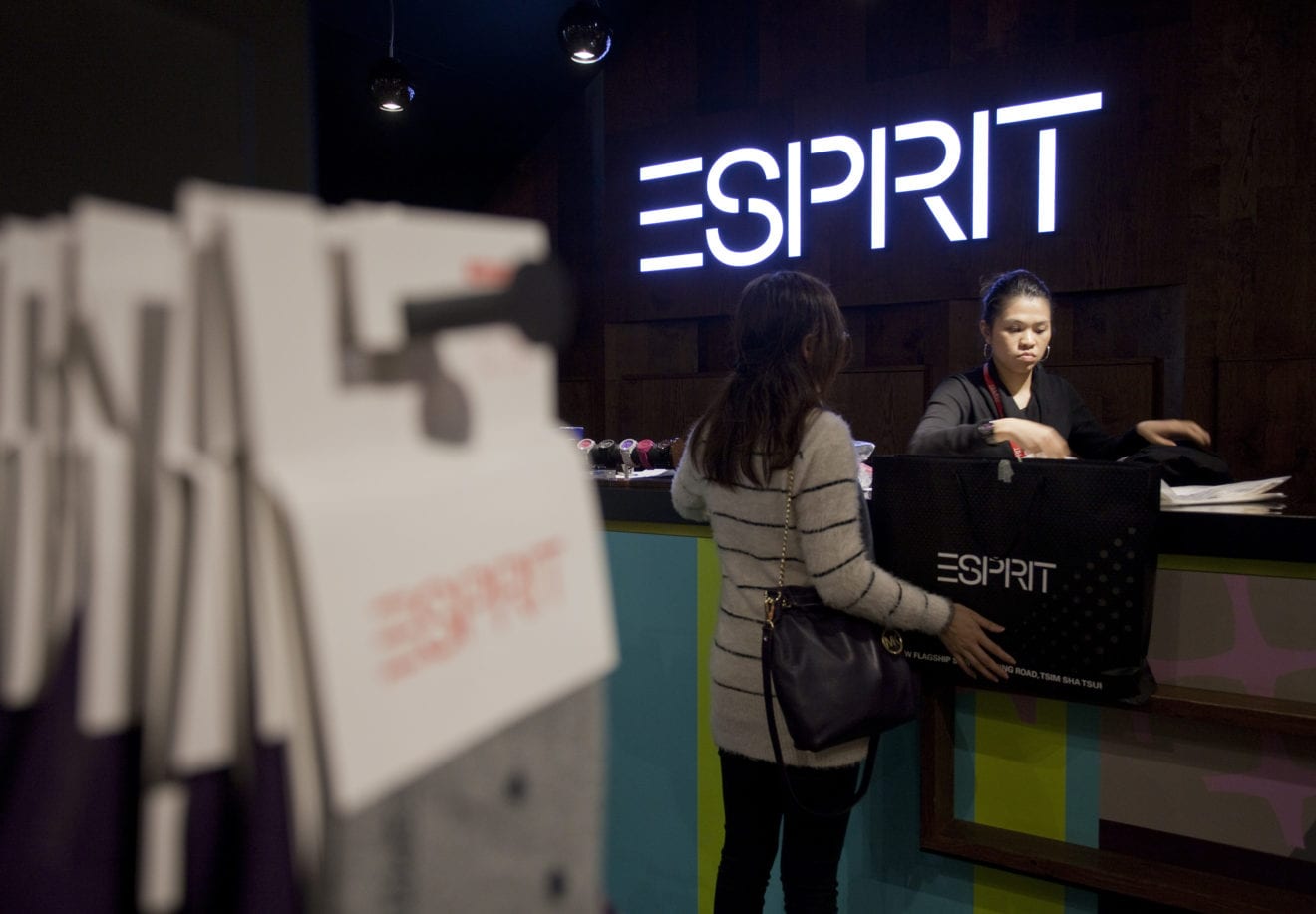
    A key executive hired as part of fashion label Esprit’s turnaround plan has quit unexpectedly after just one year in the role.

    The company revealed in a stock-exchange announcement that chief product and brand officer Mia Ouakim has stepped down from her role at the group to pursue her career outside the company.

    The former Burberry and Tommy Hilfiger executive took the position early last year as part of the struggling fashion retailer’s turnaround plan. The firm said that during her tenure, Ouakim unified the brand and product teams under one strategy and led improvement in product performance by reducing options and establishing “a clear collection architecture”. She additionally spearheaded the development of “important brand-building capsules and collaborations”.

    Esprit’s board has appointed Daniel Mayer, previously the head of wholesale Europe and Americas SVP within the company, as the firm’s incoming CPO.

    “Mayer has a unique understanding of Esprit’s core customer and markets and brings a proven track record in strategy, product development, sales and leadership,” said Esprit.

  • Hugo Boss sales soar in China and online

    Hugo Boss sales soar in China and online

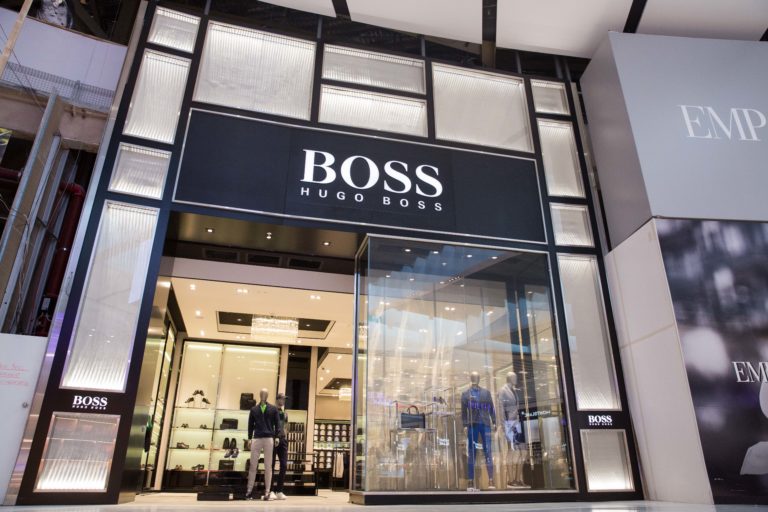
    Fashion label Hugo Boss has reported a staggering 52-per-cent leap in online sales which helped drive a 9 percent boost in operating profit.

    The German brand, which has been struggling lately, says the fourth-quarter sales growth of 4 percent to euro 825 million reflects the impact of store renovations and a new focus online.

    Operating profit for the quarter was euro 122 million, which compensated for a decline in the preceding three quarters.

    The company said the retail market in Hong Kong remained “difficult” in the latest quarter, but the company achieved double-digit sales growth in Mainland China.

    Currency-adjusted sales in the Americas fell by 7 percent after, which was a 1-per-cent improvement on its third-quarter performance there.

  • H&M launches Monki stores in the Philippines

    H&M launches Monki stores in the Philippines

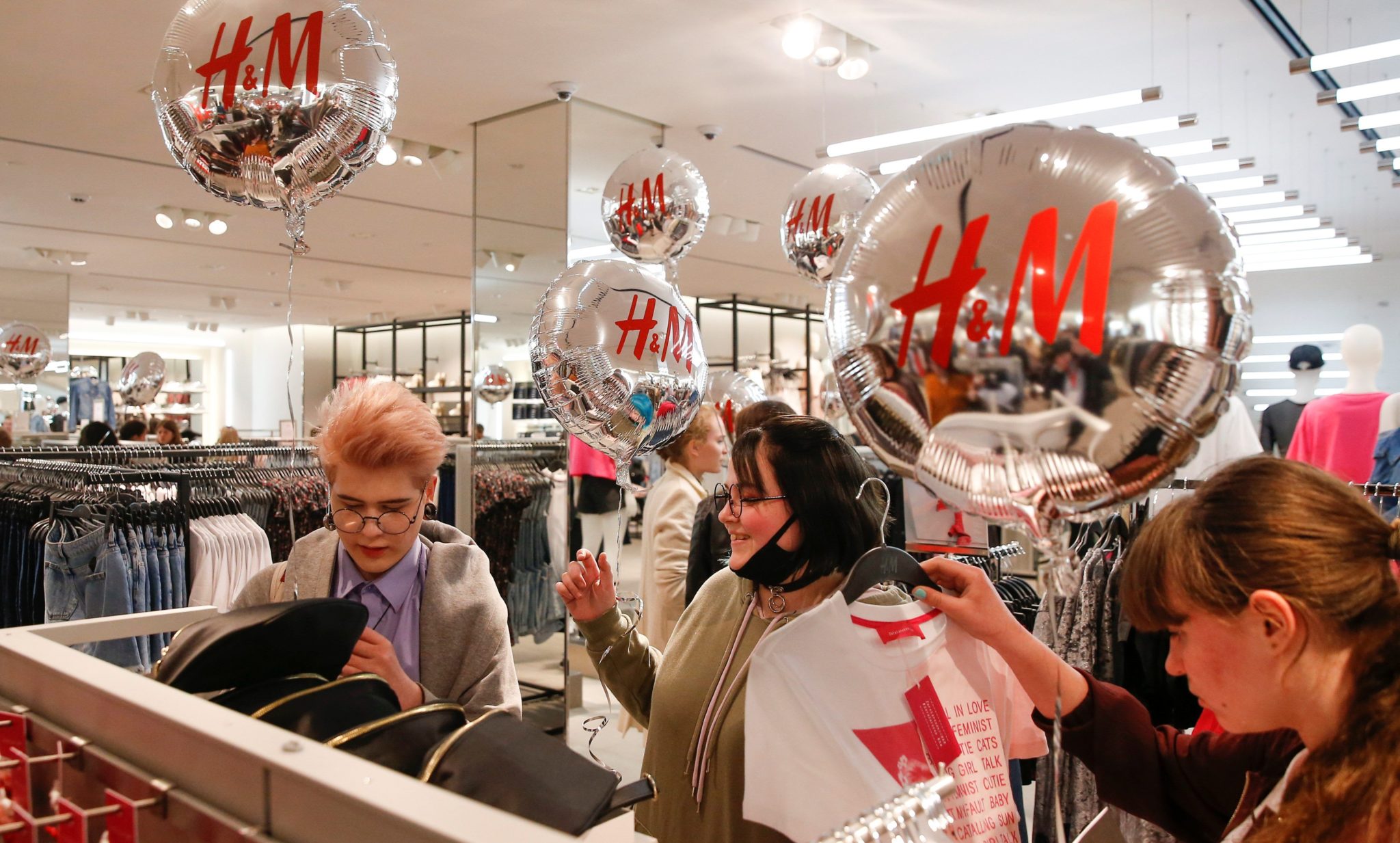
    H&M Group is to launch Monki in the Philippines, the second Southeast Asian market for the Swedish fashion group’s diffusion brand.

    The first store for Monki in the Philippines will open later this year at SM Megamall in Manila and will be followed by a second at SM Mall of Asia.

    “Monki’s mission is to empower young women everywhere and help them feel good about themselves,” said Jennie Dahlin Hansson, MD at Monki. “We can’t wait to get to know a new market and welcome new customers to our global family.”

    Monki in the Philippines’ first store will be designed with glitter, mirrored walls and scallop detailing, in line with the brand’s format in Europe, according to a spokesperson.

    Founded in 2006 in Sweden, Monki joined the H&M group two years later. The company operates 127 stores across 19 countries and regions. The Philippines is the brand’s second destination in Southeast Asia after Malaysia.

  • LG TV lets you shop fashion you see in TV shows

    LG TV lets you shop fashion you see in TV shows

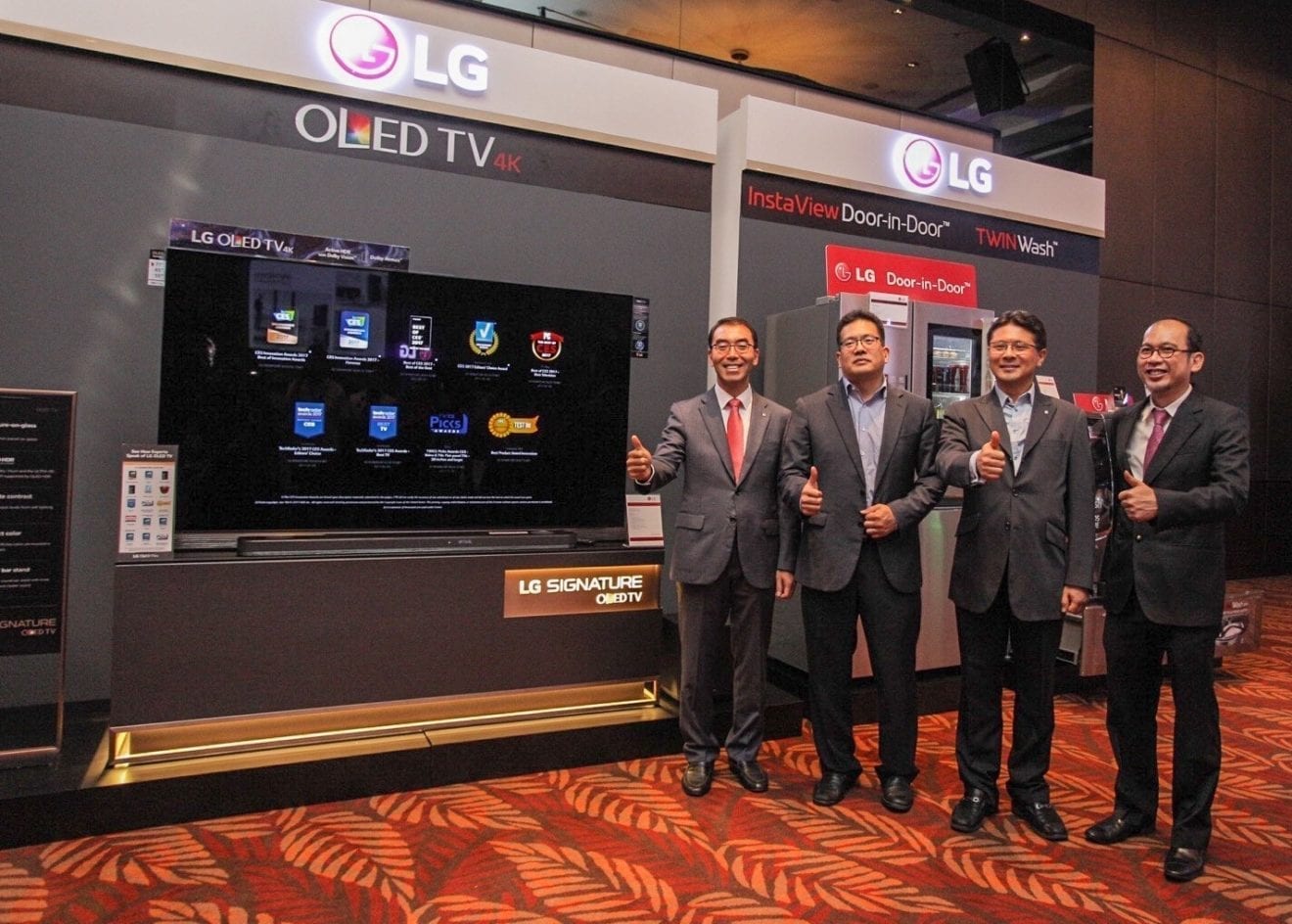
    Video commerce firm TheTake has partnered with smart TV manufacturer LG Electronics and a range of media companies to allow viewers to “shop shows” for fashion, accessories, homeware, tech devices and even menu and recipe items.

    Beginning this spring, owners of LG’s webOS Smart TVs will be able to purchase hundreds of different products identified and tagged by TheTake’s proprietary technology, which has scanned and identified hundreds of items per television episode and film.

    “Shoppable video has been talked about since the days of Rachel’s sweater on ‘Friends’,” said TheTake co-founder and CEO Tyler Cooper. “Previous solutions haven’t addressed the long-tail opportunity where each individual viewer wants to shop for something different. Shoppable video isn’t just about Rachel’s sweater, but also Chandler’s jacket, Joey’s sunglasses, Monica’s couch and so on. To address the full breadth of consumer interest, we leverage machine learning to make more than 500 products shoppable in a given episode of television. We’re excited to bring our AI-powered solution to viewers with LG and our various content partners.”

    With a record amount of TV content produced last year, TheTake’s machine-learning algorithms enable product identification and tagging at scale. TheTake’s technology can currently identify several hundred million products from thousands of retail partners when and where they appear in various TV episodes and movies.

    “The ability to seamlessly shop for the items we see in our favorite shows and movies is something we’ve long wanted to bring to LG smart TV users,” said LG Electronics US head of home entertainment brand marketing Michelle Fernandez. “Now, in partnership with TheTake, we’re introducing the feature on LG’s 2020 smart TVs for the easiest and most consumer-friendly experience for shopping the looks from TV and movies.”

    TheTake’s AI feature will be available on all 2020 LG OLED, LG NanoCell and UHD smart TV models installed with the webOS smart TV platform. TheTake has negotiated an agreement with a large US MVPD to roll out the technology across millions of set-top boxes later this year. And TheTake has also partnered with WarnerMedia, A+E Networks, Crown Media Family Networks, NBC Universal and others to roll out the technology over their various channels throughout the year.

  • H&M’s Cos China to launch clothing rentals with YCloset

    H&M’s Cos China to launch clothing rentals with YCloset

    H&M Group’s higher-end clothing brand Cos is to trial renting out its clothes in China through rental platform YCloset.

    Swedish retail company H&M Group said it has partnered with YCloset to run a three-month trial to explore the circular business model.

    “The rental subscription has an additional sustainable aspect to it, as customers will be able to buy the product for a reduced price when the rental period is over, giving them another chance to enjoy the garments,” said the company.

    Cos MD Marie Honda said that the brand’s quality will lend itself well to the rental system. The brand is described by the group as one that merges high fashion attributes with ground-level pricing.

    “Cos collections are designed and made to last; longevity has been an integral part of the Cos design ethos since the brand began 12 years ago,” she said.

    H&M Group said YCloset’s 15 million registered users will enable the group to learn more about Chinese customers and their demographics.

    In November, H&M launched a rental service through its Stockholm flagship store, which also offers repair services with an atelier where customers can get their fashion favorites mended or upgraded.

    The clothing rental service market was estimated at US$1 billion last year.

  • China’s Xtep arrives in five more Indian cities

    China’s Xtep arrives in five more Indian cities

    Hong Kong activewear firm Xtep will open new locations in five Indian cities by the end of next year.

    The firm launched in Bengaluru last year, going on to open stores in Chennai, Gurugram, and Thrissur (Kerala). It is expected to open its new locations in Hyderabad, Goa, Kochi, Pune, and Mysuru.

    According to an Economic Times report, the brand’s local director Vijay Chowdhary said the firm will expand next year by “introducing products through a mix of exclusive and multi-brand outlets”.

    Xtep India is preparing to “bring high-tech consumer sports technology and after that will invest in sports infrastructure after assessing the market demand”.

    Xtep currently operates outlets in 20 countries

  • Hong Kong leather label Rabeanco opens its fifth store in Singapore

    Hong Kong leather label Rabeanco opens its fifth store in Singapore

    Hong Kong leather specialist brand Rabeanco has opened a new flagship store at Changi Jewel, its fifth store in Singapore.

    The new store features a selection of travel convertible bags which can be used as both backpack and shoulder bags. Rabeanco also offers a full range of leather footwear crafted in premium leather including mules, slingbacks, and heels.

    “We design our products for women who are constantly on the go and in need of highly functional yet chic designer leather products,” says Rabeanco’s spokesperson. “We are one of the first brands to introduce premium light-weight leather. This way, women can look stylish without feeling the weight on their shoulders.”

    The price of leather footwear products range from SG$180-330.

    Founded in 1992, Rabeanco operates more than 30 outlets across four markets including Singapore, Hong Kong, Macau and China.

  • Missoni opens flagship store at Singapore’s Marina Bay Sands

    Missoni opens flagship store at Singapore’s Marina Bay Sands

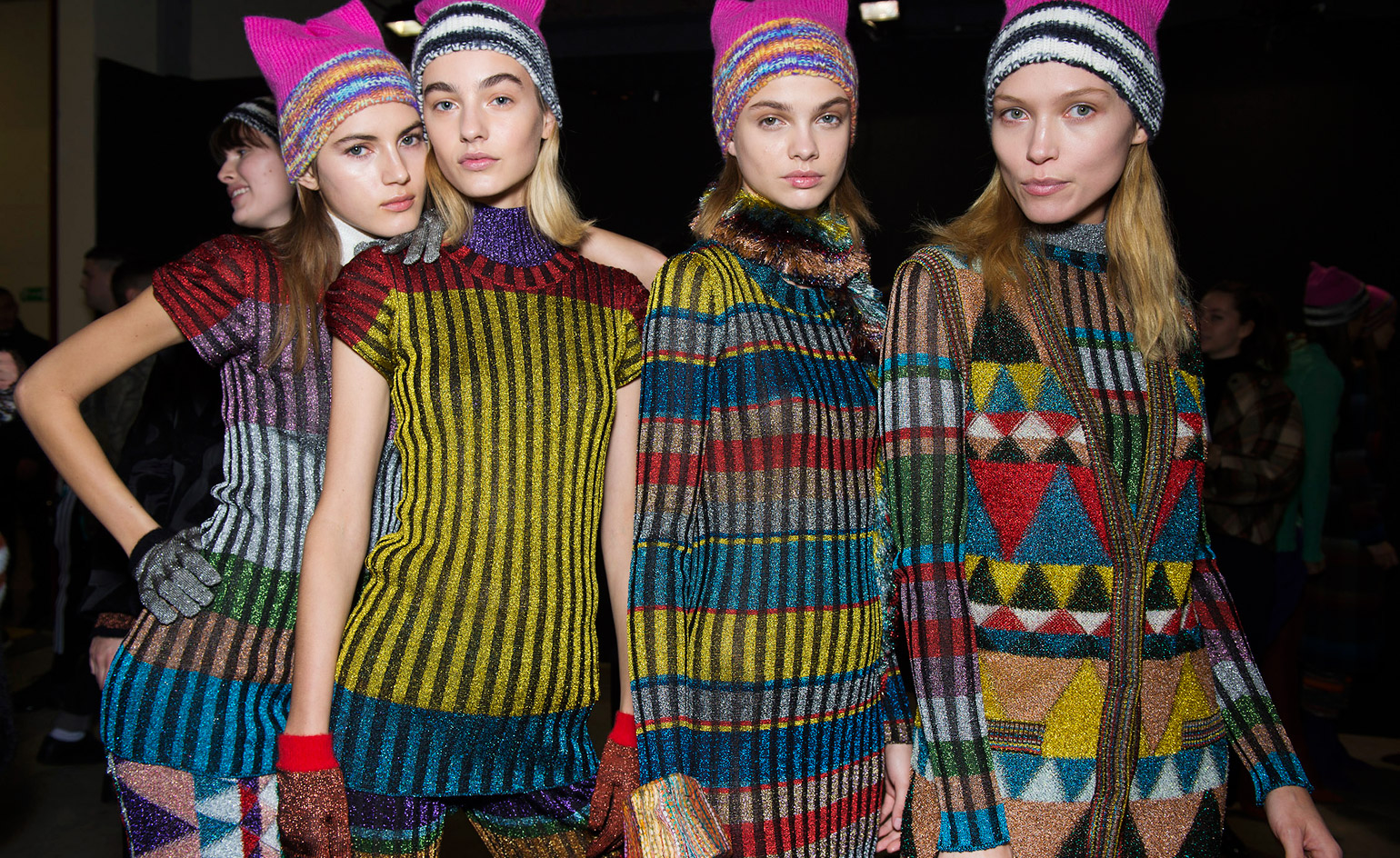
    Luxury fashion retailer Missoni has launched a flagship store at Marina Bay Sands in Singapore

    The 150sqm store stocks a range of womenswear, menswear, beachwear and accessories. A central product featured at the launch is the brand’s new M Missoni collection, created by designer Margherita Maccapani Missoni.

    The launch was celebrated with a cocktail party, attended by local media and celebrities as well as the firm’s creative director and president Angela Missoni.

  • Gap’s outlook is gloomy due to week profits

    Gap’s outlook is gloomy due to week profits

    There is no real surprise from Gap’s third-quarter figures released last week: sales are poor, profit is weak – although marginally better than forecast – and the outlook remains gloomy.

    Given the relative lack of effort from management on resolving the underlying issues plaguing the company, it would be unreasonable to expect a different outcome. However, there is some hope that the recent change in the CEO may result in a more aggressive pace of advancement. (Art Peck stepped down from the role earlier this month after five years in the role and a replacement is being sought).

    The biggest problem within the company is the Gap brand. Here total sales within the US fell by 6.6 percent over the prior year, while global comparable sales fell by 7 percent. As much as Gap remains a sizeable business, it continues to suffer from customer attrition as shoppers defect or reduce the amount they spend at Gap in favor of other retailers. The reason for this is relatively simple: assortments are dull, and every new season Gap churns out more of the same bland product rather than innovating and trying new things. This makes it very easy for consumers to overlook Gap.

    It used to be the case that, in the absence of compelling ranges, Gap could use discounting as a mechanism to drive customer interest and footfall. However, over the past half-year, this has become far less effective. Part of this is down to the fact that discounting has become a lot more prevalent elsewhere in the market, which means shoppers have a lot more choice of stores they can visit to get discounted goods. But part also is down to fatigue with Gap itself: offering 40- or 50-per-cent off may have once been eye-catching, but Gap has educated consumers to expect this to be offered as standard.

    Unfortunately, there is no real remedy to the discounting-drug other than for Gap to rebuild its proposition and give customers new reasons to buy.

    While the Gap story is an old one, Old Navy’s recent slide from grace is a more interesting tale. Previously Old Navy had been motoring along nicely, posting consistently good sales results. However, last quarter US sales shrunk and these quarter sales are flat.

    Admittedly, Old Navy has been lapping tough prior year comparatives, however, we believe there is more to the waning performance. Extensive discounting elsewhere in the market has been unhelpful, especially as it has pulled some more price-sensitive family shoppers away from Old Navy. But the biggest reason for underperformance has been a series of missteps on assortments. Usually, Old Navy can be relied upon to produce good seasonal edits that reflect fashion trends. Over the past two seasons, these have largely been absent, and the range has become tired and relatively bland.

    In a highly competitive environment, this isn’t good enough to drive growth and it leaves Old Navy exposed to players like Target which has been making excellent progress in apparel. Unfortunately, question marks over the future of Old Navy are unhelpful when Gap Inc is looking to spin the business off.

    In a rare turn of events, Banana Republic is the star of the show with a 4.3-per-cent uplift in total sales in the US. Improvements to the quality and some better pieces within the assortment have helped to lift conversion and basket sizes from existing customers. A continued recovery at the brand will be helpful to the group, not least because within the US Banana Republic’s sales are now only a fraction behind those of Gap – so it is able to make a more meaningful contribution to the top line.

    Overall, Gap remains in a very weak position and the spin-off of Old Navy will do nothing to remedy this. The change of management provides the company with an opportunity to shift its mindset. Whether it grasps it remains to be seen.

  • Uniqlo Korea sparks controversy

    Uniqlo Korea sparks controversy

    Uniqlo Korea has sparked yet another round of controversy, this time by distributing free Heattech shirts as part of a new marketing offensive.

    The Japanese apparel company, as part of its 15th Anniversary promotional event, is giving away 100,000 heat-tech shirts on a first-come, first-served basis to all customers purchasing a product, regardless of the price, at Uniqlo Korea offline stores.

    Since the promotion can end early if daily quotas are reached, it wasn’t difficult to find people lining up at stores early in the morning, causing an uproar on South Korean social media.

    Despite the negative reaction, Uniqlo distributed a press release to promote the giveaway, demonstrating its intention to address the public head-on by turning it into ‘noise marketing’.

    South Koreans are increasingly divided over the issue as social figures are joining the debate.

    “The number of customers at Uniqlo soared ever since the giveaway, despite the fact they can’t choose the size or color of the shirt,” said Prof Seo Kyung-duk from Sungshin Women’s University, a Korean PR activist.

    “Why do we have to go there, out of all places, to get free clothes?”

    In contrast, others implicitly argue that, while they respect one’s own belief, the boycott movement should not be forced on anyone.

    The fact that Uniqlo products are being sold online, while offline stores are empty, shows there is a large population of so-called ‘shy Uniqlo’, ‘shy Japan’ consumers in the country.

    Uniqlo Korea sales have plunged in recent months due to an ongoing boycott of Japanese brands and retail networks relating to a lack of apology over the occupation of Korea during the Second World War.

  • Tigerlily finally unveils new look across stores

    Tigerlily finally unveils new look across stores

    After a much-anticipated wait, the Australian designer brand Tigerlily has today unveiled a new look and branding across its stores, website and social media, alongside the launch of its dreamy resort 2020 campaign.

    In December, the retailer will open its flagship store at Melbourne Emporium, the first to reflect the brand’s new direction. The store design was inspired by exotic hotels and faraway holidays.

    Tigerlily began teasing customers with its relaunch almost two weeks ago when it wiped the contents of its entire Instagram and began slowly posting sneak peek preview videos and imagery.

    “Tigerlily feels like it has traveled the world and it is inviting us to come along on holidays”, Tigerlily CEO Chris Buchanan said in a statement. “And, as we expand into new markets and grow with our consumer, comes a refreshed look and perspective for the brand.”

    “She is a curious explorer with an adventurous spirit;a dreamer enchanted by discovery who lives for the experience. Each collection we create is aspirational but accessible for women, who embrace curiosity for exploring the new things.”

    The new resort 2020 campaign was inspired by the tropical holiday vibe of 1960s Hawaii and showcases the brand’s vibrant prints and effortless silhouettes.

    According to Buchanan, under the brand transformation, Tigerlily’s collections will take on a more sophisticated approach and next year, it will start delivering two collections per season to better serve international customers.

    Its ready-to-wear collection will feature more elevated and contemporary designers at high price points, while its Holiday Edit collection will focus on swimwear and over swim.

    “I think everyone remembers Tigerlily as a swimwear brand, but for 15 years, we’ve been a clothing brand. There’s no better way to celebrate 20 years of being one of Australia’s most iconic brands than to start a new journey and really create some clarity around who we are and what we do,” Buchanan said

  • Hong Kong streetwear retailer Popcorn General Store opens in Manila

    Hong Kong streetwear retailer Popcorn General Store opens in Manila

    Hong Kong urban fashion retailer Popcorn General Store has launched in the Philippines at Ayala Mall Manila Bay in Pasay City.

    A PhilStar report lists a range of popular streetwear brands available at the store such as Supreme, ASSC, Chinatown Market, Rip N Dip, Wood Wood, Magic Stick, Ise, FR2, Carrots FDNMTL, and BBC.

    Popcorn also retails lifestyle products such as limited edition phone cases, skateboard decks, lighters, caps and keychains.