Retail News CRM

Tag: clothes

  • AI fashion-tech firm Odd Concepts receives $6 million

    AI fashion-tech firm Odd Concepts receives $6 million

    South Korean AI-based fashion-tech firm Odd Concepts has raised US$6 million in Series B funding, taking the company’s accumulated investments to about US$10 million.

    The funding is expected to allow the business to expand its growth into Asia-Pacific markets, applying its proprietary machine learning technologies to other industries.

    Fashion-tech firm Odd Concept’s fashion-styling service PXL is based on the firm’s own algorithms for recognizing, analyzing and searching images and recommends personalized fashion products based on an analysis of products that interest consumers. Around 100 e-commerce firms in Korea and other countries in the region use the service, with about 9 million unique users.

    Participants in the funding round included KB Securities, HB Investment, Kiwoom Investment-Shinhan Capital, Korea Development Bank and SBI Investment Korea.

    “We decided to invest in Odd Concepts because the company’s own technology clearly verifies the class of excellence in the popular field of fashion commerce,” said KB Securities assistant manager Jeong Seong-hoon.

    “I expect Odd Concept’s proprietary machine-learning technologies would be applied to other industries extensively.”

  • Gap cuts capital spending and hunkers down to survive coronavirus crisis

    Gap cuts capital spending and hunkers down to survive coronavirus crisis

    Apparel retailer Gap Inc has revealed precautionary measures it is taking to bolster its financial flexibility during the coronavirus outbreak.

    The measures include drawing down its US$500 million credit facility, suspending this year’s quarterly dividends, reducing capital expenditure this year by $300 million and reviewing all operating expenses to reduce spending.

    “We entered 2020 in a strong financial position,” said Gap Inc president and CEO Sonia Syngal. “However, in this time of unprecedented disruption to the retail sector, we are proactively taking prudent actions to further strengthen our financial liquidity and flexibility.”

    The company had declared earlier that its first-quarter fiscal year dividend would be delayed until late April depending on the condition of the outbreak, among other factors. Gap will now review its quarterly cash dividend policy as the situation develops.

    The firm’s US North American stores are now closed in compliance with actions to slow the spread of the virus, while the firm continues to trade online.

  • H&M to supply protective equipment for hospitals

    H&M to supply protective equipment for hospitals

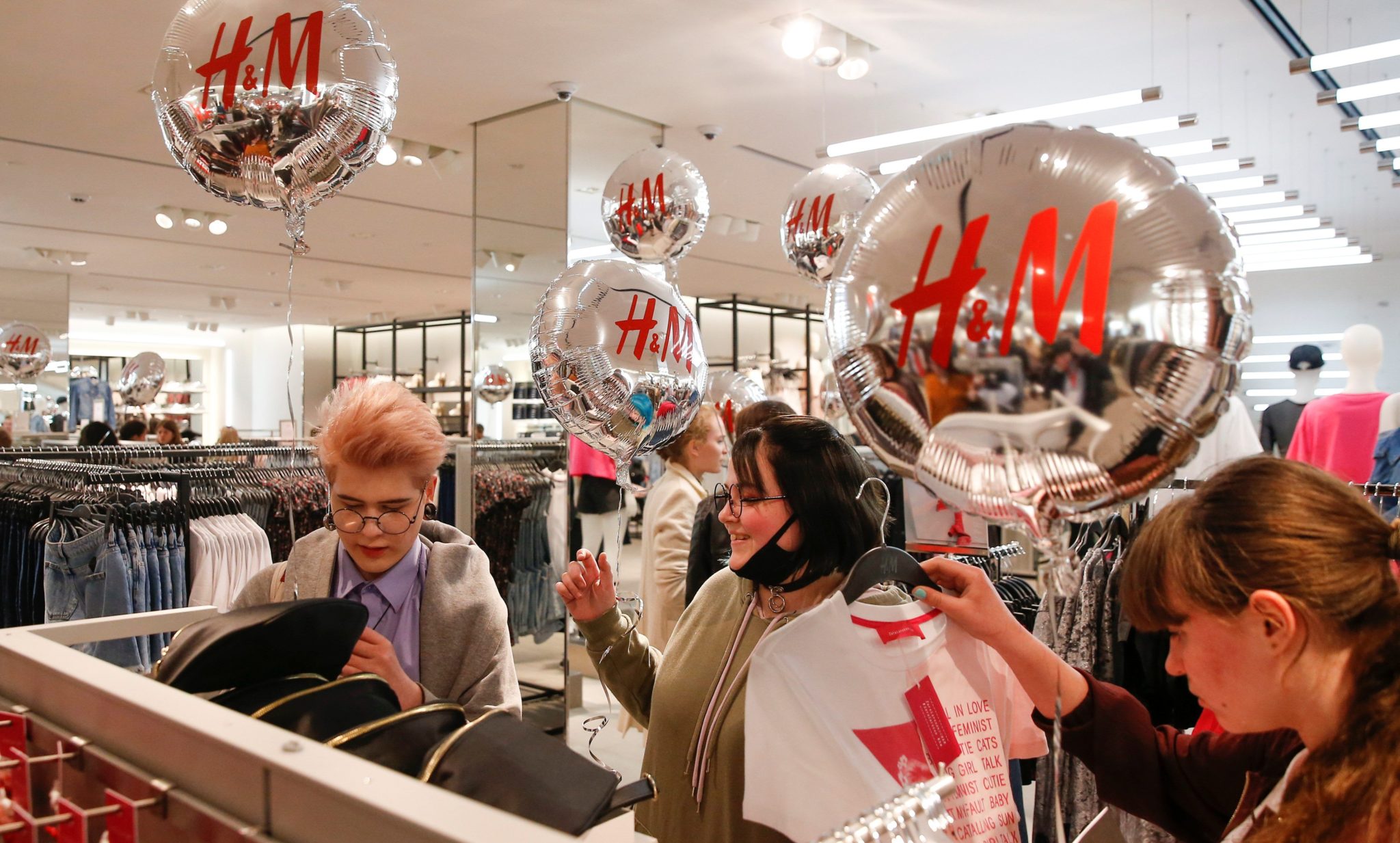
    Sweden fashion retailer H&M is to supply protective equipment to hospitals as they fight the coronavirus outbreak.

    The company said it reached out to the European Union to understand the needs and offer help, which includes opening up its purchasing operations and logistics capabilities.

    “The coronavirus is dramatically affecting each and every one of us,” said Anna Gadda, head of sustainability of H&M. “H&M Group is, like many other organizations, trying our best to help in this extraordinary situation.

    “We see this is as the first step in our efforts to support in any way we can. We are all in this together, and have to approach this as collectively as possible,” she said.

    Recently, the group also donated US$500,000 to the Covid-19 Solidarity Response Fund created by the UN Foundation to support coronavirus prevention

  • Shanghai Fashion Week goes digital with Alibaba

    Shanghai Fashion Week goes digital with Alibaba

    Shanghai Fashion Week is partnering with Alibaba’s B2C marketplace Tmall to hold its first fully digital event due to restrictions on gatherings caused by the coronavirus outbreak.

    The entire roster of runway shows will be streamed online on Tmall from March 24–30. More than 150 international brands and designers will showcase their latest autumn-winter collections via the Alibaba Group digital platforms.

    Readers can watch the opening show of Shanghai Fashion Week here tonight (March 24) at 6pm Beijing time via Taobao Live from your phone or computer watchers of this year’s Shanghai Fashion Week can immediately purchase the items they see on the runway without having to wait for the collections to hit the shelves.

    “We have integrated some of Alibaba’s most advanced technologies to bring a new and elevated experience to consumers,” said Tmall Fashion and FMCG GM Mike Hu. “This partnership with Shanghai Fashion Week allows us to leverage our experience in digitizing brick-and-mortar retail stores and explore a new format for the brand and product launches, bringing together technologies like live-streaming, short-form videos, DingTalk and Tmall Flagship Store 2.0 in a full-chain solution.”

    Covid-19 has forced the cancellation and rescheduling of many global fashion events, including the Milan Fashion Week originally scheduled for February

    Tmall intends for its “cloud launch” format to broaden out the reach and appeal of traditional product-launch events this year. According to material released by the firm, brands will interact with consumers virtually across an extended timeline and physical locations, from warm-up previews to the live broadcast and post-event interviews.

    The platform plans to team up with global brands to launch 360-degree marketing campaigns that cater to Chinese audiences, said Hu.

  • Esprit warns of big loss as Europe shuts down

    Esprit warns of big loss as Europe shuts down

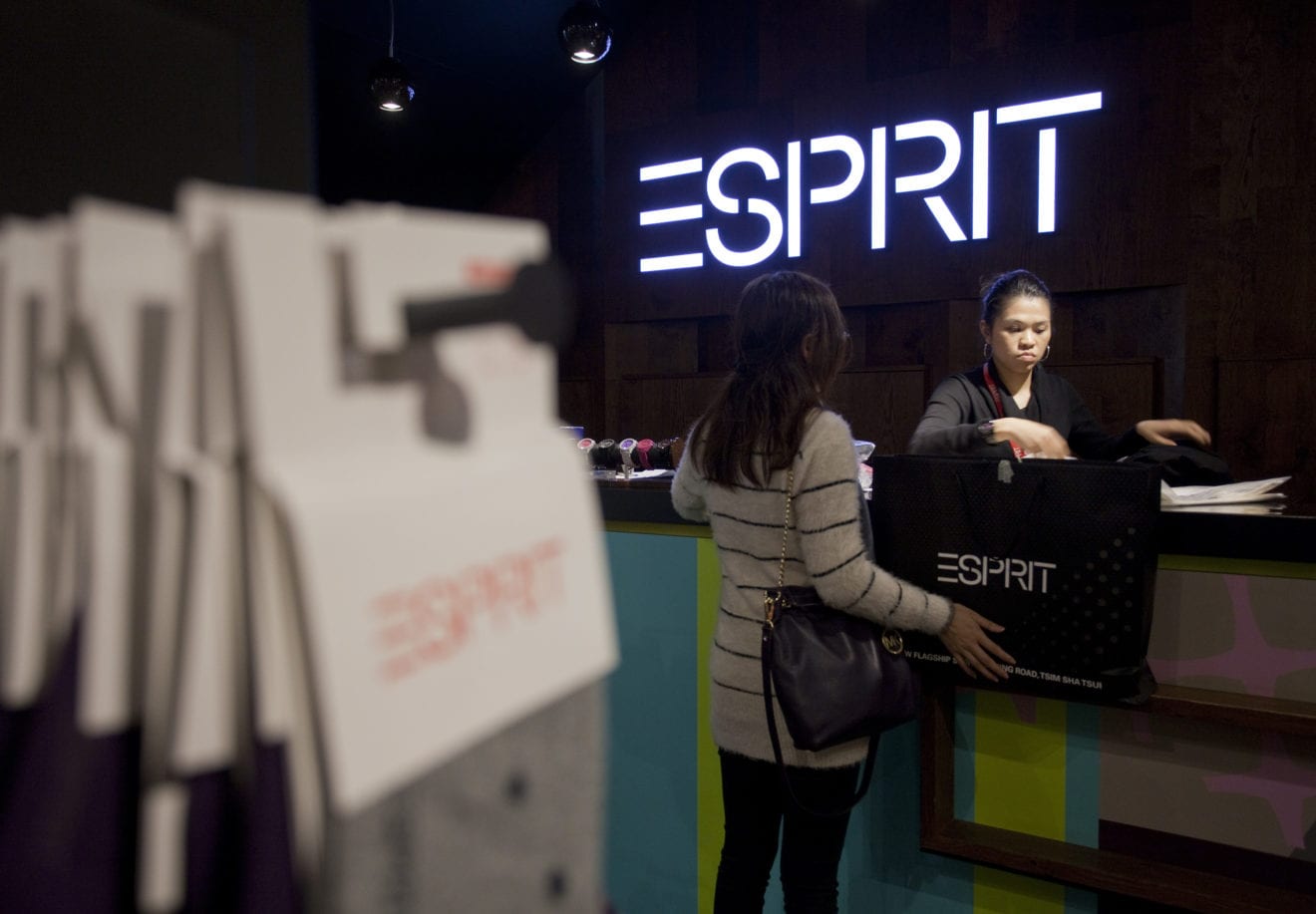
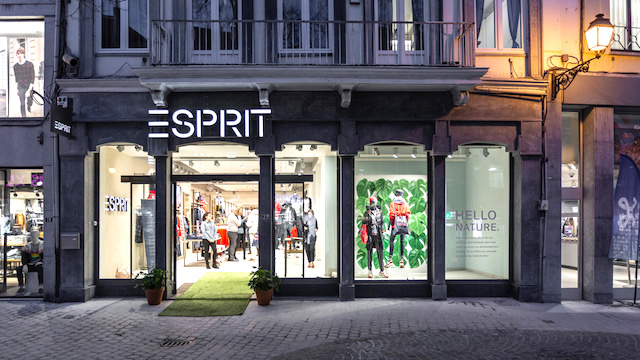
    Fast-fashion retailer Esprit says foot traffic into its stores worldwide have evaporated in the wake of the coronavirus pandemic and warned shareholders to expect a “considerable loss”.

    Public health initiatives enacted in many countries across the world aimed at slowing the spread of the pandemic have resulted in the closure of “a significant number of stores,” said Esprit company secretary Ophelia Lo.

    Public life has been locked down in France, Italy, Spain, Poland and Austria with other European countries most likely to follow, she said. All of those are important markets for Esprit which as part of a major restructuring plan is refocusing its business on Europe.

    “Obviously apparel retail sentiment is at its lowest level possible and store traffic in the group’s retail stores and its partners’ points of sale has subsided entirely,” said Lo.

    “In addition, the logistics of the supply chains of merchandise shipments are significantly affected.”

    Esprit expects the pandemic will “significantly adversely impact the sales of the group” in the second half of the current financial year, ending June 30.

    “As a result, management expects the group to incur a considerable loss in the second half,” said Lo.

    Right now, Esprit management cannot quantify the actual impact of the pandemic on the group’s business performance, given the inability to predict the speed and extent to which the pandemic will spread in markets in which the group and its suppliers operate in, and with no reliable estimation on when the pandemic may be over.

    “The company will continue to diligently assess the impact of the pandemic on the group’s business performance and will make appropriate announcements on updates as and when necessary,” she said.

    Meanwhile, the company will take “all practicable measures to cope with the challenges ahead,” including using working capital management and cost-control measures, and exploring financial support provided by local governments.

  • Esprit warns of big loss as Europe shuts down

    Esprit warns of big loss as Europe shuts down

    Fast-fashion retailer Esprit says foot traffic into its stores worldwide have evaporated in the wake of the coronavirus pandemic and warned shareholders to expect a “considerable loss”.

    Public health initiatives enacted in many countries across the world aimed at slowing the spread of the pandemic have resulted in the closure of “a significant number of stores,” said Esprit company secretary Ophelia Lo.

    Public life has been locked down in France, Italy, Spain, Poland and Austria with other European countries most likely to follow, she said. All of those are important markets for Esprit which as part of a major restructuring plan is refocusing its business on Europe.

    “Obviously apparel retail sentiment is at its lowest level possible and store traffic in the group’s retail stores and its partners’ points of sale has subsided entirely,” said Lo.

    “In addition, the logistics of the supply chains of merchandise shipments are significantly affected.”

    Esprit expects the pandemic will “significantly adversely impact the sales of the group” in the second half of the current financial year, ending June 30.

    “As a result, management expects the group to incur a considerable loss in the second half,” said Lo.

    Right now, Esprit management cannot quantify the actual impact of the pandemic on the group’s business performance, given the inability to predict the speed and extent to which the pandemic will spread in markets in which the group and its suppliers operate in, and with no reliable estimation on when the pandemic may be over.

    “The company will continue to diligently assess the impact of the pandemic on the group’s business performance and will make appropriate announcements on updates as and when necessary,” she said.

    Meanwhile, the company will take “all practicable measures to cope with the challenges ahead,” including using working capital management and cost-control measures and exploring financial support provided by local governments.

  • Giordano looking for global expansion

    Giordano looking for global expansion

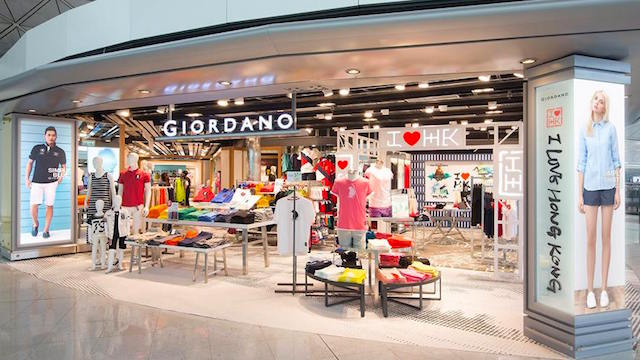
    Giordano group sales fell 11.9 percent last year to HK$4.852 billion (US$624.6 million).

    Sales from physical stores fell by 9.6 percent, while sales to franchisees declined by 24.2 percent, partly due to the tightening of the company’s credit policy in light of weakening economic conditions.

    Excluding the impact of a change in accounting standards to allow a direct comparison of year-on-year results, Giordano would have recorded a profit for the year of HK$289 million ($37 million) for the year, down 39.8 percent. But the group’s gross margin slipped by just 0.3 percent to 58.7 percent.

    In a stock-exchange filing, the company said multiple factors including the Sino-US trade war, social unrest in Hong Kong, and an unseasonably warm winter impacted on sales by dampening consumer sentiment. The worst-hit markets were Hong Kong and Mainland China.

    One of Giordano’s biggest challenges was its e-commerce business on the mainland, where sales dropped 15 percent to HK$267 million ($34.4 million) due to “ferocious competition on established third-party platforms”.

    But e-commerce in other regions recorded strong growth. In Hong Kong “substantial growth” was achieved as the group launched on local third-party platforms such as HKTV Mall.

    “Management is determined to further develop our e-commerce business in all regions by improving the product mix and collaboration with emerging online platforms, the company said.

    In the year ahead, Giordano plans to expand its global footprint. Four franchised stores opened in Mauritius in the second half of last year and this year the company plans openings in India and Kenya. The Middle East and Indonesia businesses recorded sales growth last year, making them “critical markets” for short-term expansion.

    Meanwhile, the company expects the coronavirus outbreak to affect its business “significantly” in the first quarter of this year. “Nevertheless, with a secure brand positioning and quality merchandise, management is confident of overcoming the challenges ahead. Management will further strengthen the group’s financial position through a combination of strategies and actions.”

    The group plans a more cautious approach in Mainland China and Hong Kong this year and will instead focus on overseas markets, especially the Middle East and developing markets in Southeast Asia – Vietnam and Indonesia.

  • Le Saunda profit downhill as store network slashed

    Le Saunda profit downhill as store network slashed

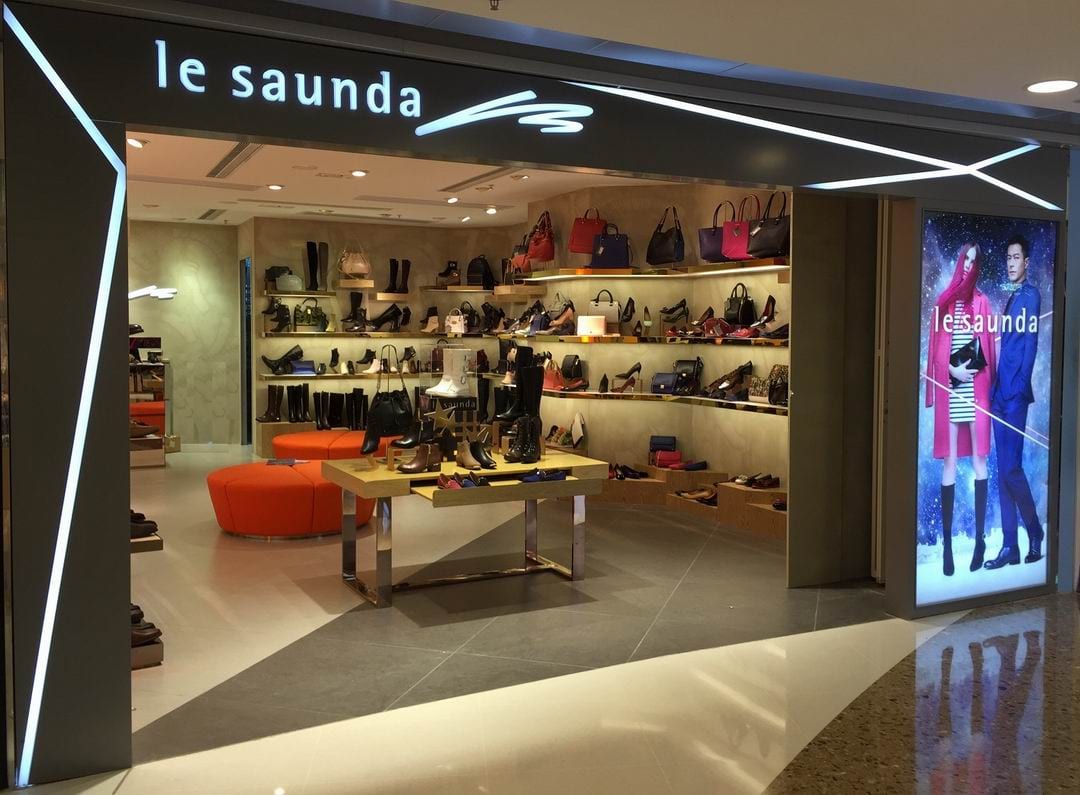
    Le Saunda sales slumped in the latest quarter as the Hong Kong footwear retailer slashed its store network.

    In a stock-exchange announcement covering the fourth quarter, Le Saunda sales declined by 30.9 percent for the three months to February. It also noted a same-store sales decline of 18.5 percent, compared to last year.

    Le Saunda currently operates 441 outlets in Mainland China, Hong Kong and Macau, including 55 franchised outlets – 85 fewer stores than it held as of February last year.

    Despite the drop in sales at Le Saunda’s physical stores, the firm’s e-commerce business saw a total growth of 7.2 percent compared to last year.

  • Influencers interested in The R Collective x Net-A-Porter campaign

    Influencers interested in The R Collective x Net-A-Porter campaign

    Upcycling fashion label The R Collective has unveiled a new campaign highlighting the advances in sustainability through its upcycling projects across Asia.

    The campaign features global fashion influencers promoting how creativity and sustainable design can reduce waste in the fashion industry, at a time when global fashion weeks are facing consumers’ continued protests about fashion’s environmental impact.

    It has been launched to support The R Collective’s new upcycled collection created exclusively for Net A Porter’s ​Net Sustain program.

    The R Collective collects excess textiles from luxury brands, mills, and manufacturers that may otherwise have ended up in landfills, incinerated or converted into the stuffing. The label uses the fabrics in new designs.

    Influencers involved in the campaign include Thai actress and singer Mint Pattarasaya as well as fashion stylist Justine Lee and Peony Lim, Fabienne, Cherry Mui and Victoria Onken from the UK, Hong Kong and the Netherlands. They all wear apparel created from ‘rescued fabrics’.

    “Fashion reflects our times,” said fashion writer Susie Lau. “Over the years, I’ve been watching the next generation of sustainable designers drive change. When you look at these The R Collective designs, you can sense a certain language from the designer. By rethinking fashion at the drawing board and reusing unwanted fabrics, there is a real sense of purpose to this collection. With our collective changing attitude towards sustainability in fashion a better fashion industry is not a distant hope, but a distinct reality.”

    Mint Pattarasaya said it was inspiring to witness the collection being sewn in her home city, Bangkok.

    “For this video, I witnessed firsthand the designers’ visions transformed by local garment workers, showing that fashion can be good for all.”

    The fashion industry continues to battle to reduce its 92 million tons of industrial textile waste generated every year and its estimated 10 percent contribution to global greenhouse gas emissions.

  • India is now H&M’s fastest-growing market

    India is now H&M’s fastest-growing market

    Fast-fashion retail giant H&M has labeled India its fastest-growing emerging market.

    The firm is now targeting ₹2,000 crores (US$280,000) in turnover from the territory, a goal it is likely to achieve by the end of this year despite signs of reduced domestic consumption.

    H&M’s growth in the region has benefitted from both online and offline efforts, along with its collaborations with local partners and the affordability of the brand. It operates 47 outlets in the country, compared to 22 run by rival firm Zara, with financial figures suggesting it may have a leading edge in terms of sales.

    According to a report in the Business Standard, H&M India country head Janne Einola has indicated H&M will target tier-II and -III markets for future store locations. It is expected to launch up to 10 new Indian stores this year, as well as diversify its product range into different sectors such as home furnishings and beauty, as well as traditional Indian clothing.

  • Embattled Esprit posts another loss as sales tumble SE Asia

    Embattled Esprit posts another loss as sales tumble SE Asia

    Embattled fashion label Esprit posted another loss in the December half-year, as sales plunged by HK$1 billion – largely due to a major store cull in Asia.

    Esprit recorded a loss of HK$331 million (US$42.46 million) for the period, compared with a $1.773 billion (US$227 million) deficit in the December 2018 half. The previous year’s figures were impacted by one-off restructuring costs and write-downs associated with implementing its strategic plan.

    Global sales were down from $6.766 billion ($867.931 million) to $5.763 billion ($739.249 million). In Asia, the company reported a sales decline of 40 percent, as it heavily rationalized its store network.

    Despite the red ink, Esprit’s management says the execution of its strategic plan to restructure the company and revitalize the brand “has continued to progress well and is on track”.

    “Overall, the management is pleased with the performance of the group for the six months … as we have delivered financial results in line with management expectation despite the challenging market conditions,” it said in a results filing.

    Asia, where Esprit has stores in China, Singapore, Malaysia, Taiwan, Hong Kong, Macau, Thailand and the Philippines, accounted for just 7.2 percent of group sales in the period. Sales across the region fell 40 percent year on year, mainly due to a 36-per-cent reduction in the trading area as unprofitable stores were closed.

    The Asian network was culled from 82 standalone stores on January 1 to just 55 by December 31 and concession counters from 111 to 75. All 33 outlet stores in the region were closed last year.

    “Consumer traffic remains one of the biggest problems for retail in the region which recorded a decline in comparable consumer traffic of approximately 23 percent. Comp-store sales in the region declined by 16.9 percent,” the company said.

    In China, Esprit entered into a partnership with Mulsanne Group to manage the market, which it says will create a strong base for the brand, improve the relevance and accelerate growth.

    In Europe, which now accounts for 45 percent of its sales, the company has increased the proportion of stock sold at full price, improved its gross profit margin and grew comp-store sales in three of the six months.

    Global operating costs were slashed by 20 percent during the half-year, and underlying operations “almost broke even” with a loss of HK$15 million (US$1.9 million).

    “Today the group’s business is in a much better state than 12 months ago,” the company said in its results filing. “It is leaner, quicker, fitter, more agile, and is well along the way to creating a new culture which is all about empowering and having fun while delivering results.”

  • Online focus pays off as Sabina sales surge

    Online focus pays off as Sabina sales surge

    An aggressive online focus saw listed Thai lingerie retailer Sabina achieve 14.3 percent sales growth last year.

    Sabina CEO Bunchai Punturaumporn, pictured above, said the company’s performance last year outperformed expectations, despite declining consumer purchasing power due to a slowing economy and falling confidence.

    Sales totaled US$103.5 million and net profit reached $13 million.

    In Thailand, Sabina opened two new stores, at Central Village and Samyan Mitrtown, and home-market same-store sales rose 3.7 percent last year.

    But the real growth engine was online, with sales up 32.3 percent year on year.

    “At the end of last year, Priceza studied online sales and found that lingerie was the best-selling product in the fashion category and that Sabina had earned the highest sales online, especially during the 11.11 and 12.12 shopping festivals held in November and December last year,” said Punturaumporn.

    Last year was the first that Sabina had participated in the shopping festivals. Apart from experiencing online success, the company also developed new lingerie collections it says caters to changing demands and requirements of today’s consumers.

    Outside Thailand, Vietnam was a standout market, with Sabina achieving 25.7 percent year-on-year growth there. Cambodia, Laos, and Myanmar also saw good growth, he said.

    Sabina also manufactures products for European retailers, but that side of its business posted a lackluster result, with sales up a mere 0.1 percent.

    Meanwhile, the company says that last year 37 percent of its products were made in China through sub-contract manufacturing with local factories, the majority 63 percent made in its own Thai factories. But since the coronavirus hit this year, Sabina has migrated some contract manufacturing from Mainland China to Vietnam, spreading its risk factor as well as becoming a base for the Vietnamese market, which has shown strong growth potential.

  • Fashion brands urged to ‘tread carefully’ over veganism claims

    Fashion brands urged to ‘tread carefully’ over veganism claims

    Brands and retailers have been warned to tread carefully when embracing the growing veganism trend.

    “Veganism is increasingly becoming a lifestyle choice for many people, with the number of vegans in Great Britain quadrupling between 2014 and 2019, according to The Vegan Society,” says Beth Wright, apparel correspondent at GlobalData. “With this rise comes a likely surge in demand for vegan-friendly clothing and footwear.”

    Wright says it should come as no surprise that apparel and footwear companies want to be seen to be embracing veganism. But she warns that there are many issues brands and retailers must consider before declaring products free from animal-derived materials or ingredients.

    “While there are a great many gains to be made from entering the vegan fashion market, industry players must do their homework and identify the risks before joining the fray.”

    Sourcing vegan fashion products goes further than simply bypassing wool, leather and natural silk as raw materials, says Wright. Retailers must also take care to guard against the use of a number of dyes, glues and chemicals that are derived from animals.

    To help address and tackle these complexities, the British Retail Consortium (BRC) has created new guidelines to help retailers and brands sourced vegan fashion products, setting out steps and questions to ask both internally and of suppliers. The ‘Voluntary Guideline on Veganism in Fashion’ sets out a sequence of steps brands and retailers should take to verify their raw material ingredients.

    It aligns with previous advice from testing, inspection and certification specialist SGS Softlines Services, which notes the materials used in the production of vegan products must be robust and maintain the qualities of the animal-based materials they are replacing.

    Among the companies that have launched vegan products are Topshop, Asos and New Look, which last summer became the first high-street fashion retailer to register ranges with The Vegan Society’s Vegan Trademark.

    “Fashion brands and retailers must heed the advice from industry bodies such as the BRC in sourcing vegan products and do their due diligence,” says Wright.

    “Building a relationship between internal sourcing and buying teams and suppliers is key in not only instilling confidence along the supply chain but among consumers too.”

  • Ralph Lauren fears coronavirus will cut sales by $70 million

    Ralph Lauren fears coronavirus will cut sales by $70 million

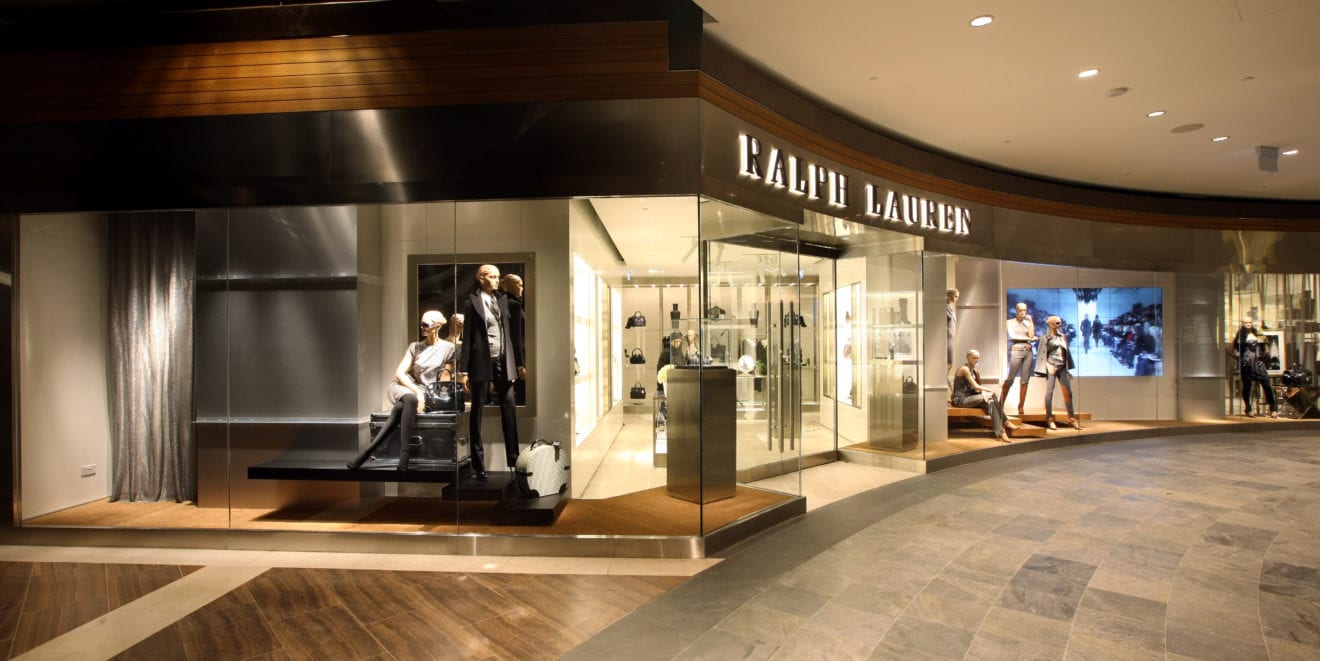
    Luxury group Ralph Lauren Corp fears the coronavirus will reduce its March-quarter sales by between US$55 million and $70 million, due to falling store footfalls in Mainland China, South Korea and Japan.

    The company says it expects “broader impact across its businesses in China and parts of Asia due to significantly reduced travel and retail traffic.” It also warned there may be some disruption to its supply chain due to the virus.

    In a bleak outlook, the company said the sales decline would reduce its operating income for Asia by between $35 million and $45 million, potentially resulting in a loss given the company reported a $38 million surplus in the same quarter a year ago.

    Asia drove $273 million in revenue this time last year

    Ralph Lauren has closed about two-thirds of its stores in Mainland China since the coronavirus broke out.

    “Our dedicated teams are operating with agility in a highly dynamic situation, and we will continue to assess the implications for our business across retail, corporate and our supply base,” said Patrice Louvet, president and CEO, in a statement.

    “While the health crisis creates near-term uncertainties, the fundamentals of our business are strong, and we continue to see significant long-term opportunities for growth in China and across Asia.”

    The company’s founder Ralph Lauren expressed sympathy for those affected by the outbreak.

    “Our hearts are with the many impacted by this virus. Our number one priority is keeping our teams, partners and consumers safe.”

  • Under Armour Asia-Pacific sales surge, but coronavirus impact looms

    Under Armour Asia-Pacific sales surge, but coronavirus impact looms

    Under Armour Asia-Pacific sales surged 9.8 percent in the December quarter – a far greater growth rate than the global 3.7 percent.

    The sportswear brand, which is struggling to turn around its sagging North American business, also suffered a $15 million net loss for the quarter, largely due to a $23 million tax expense.

    Under Armour Asia Pacific sales rose to $183 million and were up 11 percent on a currency-neutral basis, while global sales reached $1.44 billion, up 4.1 percent after currency adjustment.

    The company says the improved performance in Asia was due to growth in just wholesale volumes and direct-to-consumer (DTC) sales. However, the company noted that DTC performance was softer than expected due to poor performance in “key e-commerce moments” of 11.11 and 12.12 sales.

    CEO Patrik Frisk told an analyst conference call he was “not satisfied with where we are today” despite improvements in systems and infrastructure serving the wholesale and retail network.

    The company’s share price fell 17 percent after the results were released in the US yesterday, accompanied by an admission the company was considering closing its Fifth Avenue flagship store as part of further restructuring initiatives to boost performance.

    “As a brand, we see a paradox of two challenges in front of us,” Frisk said during the call. “Continued softer demand in North America, as we work through our elevated inventory and multiple years of discounting, and a highly committed cost structure which is taking longer to unpack and is limiting us from being able to spend as aggressively as we would like to increase brand consideration.”

    He also warned that the coronavirus crisis in China would significantly impact results in the current first-quarter and may cause supply-chain challenges for the full year. Some 600 stores – two-thirds of its Asia-Pacific network – are currently closed in China and Frisk expects Under Armour Asia-Pacific sales to fall by between $50 million and $60 million due to the virus.

    “Given the ongoing uncertainty, it is possible that this situation could have a significant material impact both financially and operationally on our full year, including the potential for additional top-line contraction for Under Armour.”