Retail News CRM

Tag: clothes

  • Australian brand house Gazal bought by PVH

    Australian brand house Gazal bought by PVH

    PVH has finalised the acquisition of Gazal Corporation, the Calvin Klein and Tommy Hilfiger-owner’s long-term partner in Australia, showing an increased commitment to the region.

    The acquisition gives PVH ownership of the Calvin Klein, Van Heusen, Nancy Ganz, Pierre Cardin, Fred Bracks, and Paramount brands in the region, and supports the group’s strategy to have a more direct hand in the direction of its brands in the Asia-pacific region – having recently re-purchased the licence in Hong Kong, Macau, Singapore, Malaysia and Taiwan.

    “Our decision to acquire Gazal is aligned with PVH’s strategic priority to expand our worldwide reach by assuming more direct control over our brands’ regional licensed businesses,” PVH chairman and chief executive Emanual Chirico said in a statement.

    “By joining forces now, we believe we’re well positioned to capture the significant growth in the Australia and New Zealand markets.

    “We are pleased to welcome Gazal into our PVH family and continue driving our business forward together.”

    As part of the acquisition, four key members of Gazal’s executive team are expected to remain in their respective roles for at least two years, having entered new employment agreements.

    According to Tommy Hilfiger global chief executive Daniel Grieder, this strategy will allow the brand to introduce a wider range of product lines, as well as offer an elevated and more immersive brand experience.

    “Building on our strong existing regional foundation, we plan to accelerate the growth of the Tommy Hilfiger business and invest further in driving the expansion of the brand,” Grieder previously said.

    Calvin Klein has also been expanding its focus in Australia, opening its first multi-brand store in Queensland’s Sunshine Plaza – the brand’s 32nd in Australia – as well as a more directed digital strategy.

    Steven Shiffman, chief executive officer at Calvin Klein, recently unveiled a number of initiatives meant to push the brand forward, while tailoring it to changing consumer wants and needs.

    One of these initiatives is a dedicated, regional e-commerce strategy, as well as the potential for as many as 100 stores opened across Australia and New Zealand.

    This decision was made in order to minimise the brands’ reliance on the Australian department store sector.
  • Lacoste launching shoppable TV during Tennis – French Open

    Lacoste launching shoppable TV during Tennis – French Open

    French fashion retailer Lacoste will give viewers of the 2019 French Open an opportunity to purchase its products during the first NBC televised match of the brand’s ambassador Novak Djokovic.

    NBCUniversal will launch its shoppable TV experience with Lacoste during the French Open from Roland-Garros, giving viewers a chance to shop the Lacoste X Novak Djokovic Collection in real time through “on-air shoppable moments”.

    Viewers will have the opportunity to purchase the products alongside NBCUniversal stories, shows and sporting events.

    According to NBCUniversal, this is the first time this technology will be used on national television to activate direct sales, combining the scale and reach of television and the ease of e-commerce to reinvent the commerce experience.

    Throughout Djokovic’s televised matches, NBC Sports will alert viewers to hold their phone cameras up to the screen during an “On-Air Shoppable Moment” to purchase pieces from the Lacoste X Novak Djokovic Collection.

    The shopper will then be taken directly to www.lacoste.com to complete the purchase. Djokovic will wear two statement outfits – one in bright orange and one in black and white, which will be available through ShoppableTV alongside other pieces in the collection.

    “For the first time ever fans can shop the Lacoste X Novak Djokovic Collection while watching him play in real time,” said Josh Feldman, executive vice president, head of Marketing and Advertising Creative, NBCUniversal.

    “And this is just the beginning. ShoppableTV will revolutionise the way millions of viewers will watch television and purchase the brands they love across the entire NBCUniversal portfolio.”

    NBC will have live coverage of the 2019 French Open from Roland-Garros this weekend.

  • Abercrombie & Fitch Closing Shops

    Abercrombie & Fitch Closing Shops

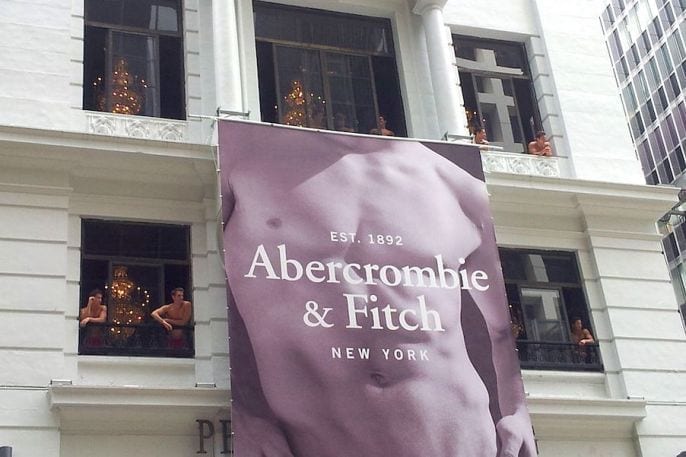
    Fashion retailer Abercrombie & Fitch is continuing to shutter Hollister and A&F flagship stores across the globe, with its Fukuoka store in Japan one of the next three on the list.

    Starting with the high-profile Pedder Street store in Hong Kong’s Central in the first quarter of the 2017 financial year, Abercrombie & Fitch embarked on what it describes as a “global store network optimization” program.

    Overnight, the company said it will close its SoHo Hollister flagship store in New York City and has exercised kick-out clauses for its A&F flagship locations in Fukuoka and Milan, Italy.  “Today’s announcements build on the closures of the Hong Kong and Copenhagen, Denmark A&F flagship locations. These actions represent important ongoing steps in the company’s global store network optimization efforts as it continues to pivot away from large format stores to smaller, omnichannel-focused brand experiences,” the company said in an earnings statement.

    While the Pedder Street store was vacated two years ago – and remains empty to this day – it took until this year for the company to close its second, in Copenhagen, Denmark. Now the flagship-closure program is gaining pace.

    The Hollister store will close in the second quarter of the current fiscal year and the Milan store by year’s end. The Japanese store will close in the second half of next year.

    “In aggregate, the Copenhagen, SoHo, Milan and Fukuoka locations represented less than 1 percent of total net sales in fiscal 2018. The SoHo and Fukuoka closures are expected to result in pre-tax lease-related net charges in the second quarter of fiscal 2019 of approximately US$45 million. The charges related to the Copenhagen and Milan closures are not expected to be significant in fiscal 2019,” the company said.

    But Abercrombie & Fitch stressed it was not reducing its store network.

    “The company remains on track to deliver approximately 85 new experiences through new stores, remodels and right-sizes this year.”

    First-quarter loss reduced

    Meanwhile, the company reported worldwide net sales rose by 2 percent to $734 million in the first quarter to May 4. Comp sales rose by 1 percent following a 5 percent increase in the same period last year and the company posted an operating loss of $27.3 million, less than half that of last year’s first quarter.

    “We achieved our seventh consecutive quarter of positive comparable sales fuelled by ongoing strength at Hollister and a return to positive comps at Abercrombie,” said CEO Fran Horowitz.

    “This contributed to top-line growth, operating margin improvement and a net loss reduction compared to last year.”

    Horowitz said the company remains focused on its transformation initiatives, with global store network optimization a key priority.

    “We continue to believe in stores and are committed to delivering intimate, omnichannel brand experiences that closely align with our customers’ needs.”

  • Little Yellow Bird Raised Half Million Dollar in Crowdfunding Campaign

    Little Yellow Bird Raised Half Million Dollar in Crowdfunding Campaign

    Little Yellow Bird has raised over $440,000 in an equity fundraising campaign – having passed its minimum funding figure of $300,000, and becoming New Zealand’s self-professed ‘first community-owned ethical fashion brand’.

    The campaign has only hours left, has attracted over 220 backers, and will see Little Yellow Bird scale itself up with the aim of increasing market reach, growing sales and its leadership team, and expanding into new markets.

    Expansion plans also include a clothes recycling program, which the company calls a “crucial next step for sustainable change” in its industry.

    “We’re more than just a clothing brand,” Little Yellow Bird founder Samantha Jones said.

    “We’re telling the story about where and how our products are made and are working tirelessly to provide employment opportunities in the communities where our clothes come from.”

    At the end of the funding period, the ownership of the business’ shares will be split between campaign investors, Jones, and female-founder focused Lightning Lab XX at $1 a share.

    The brand uses rain-fed, organic cotton grown without the use of pesticides or chemicals, while its factories use zero-waste initiatives. The business is working to minimize waste and utilizes closed loop systems to do this.

  • Poney flagship Store in KL opens at Central iCity

    Poney flagship Store in KL opens at Central iCity

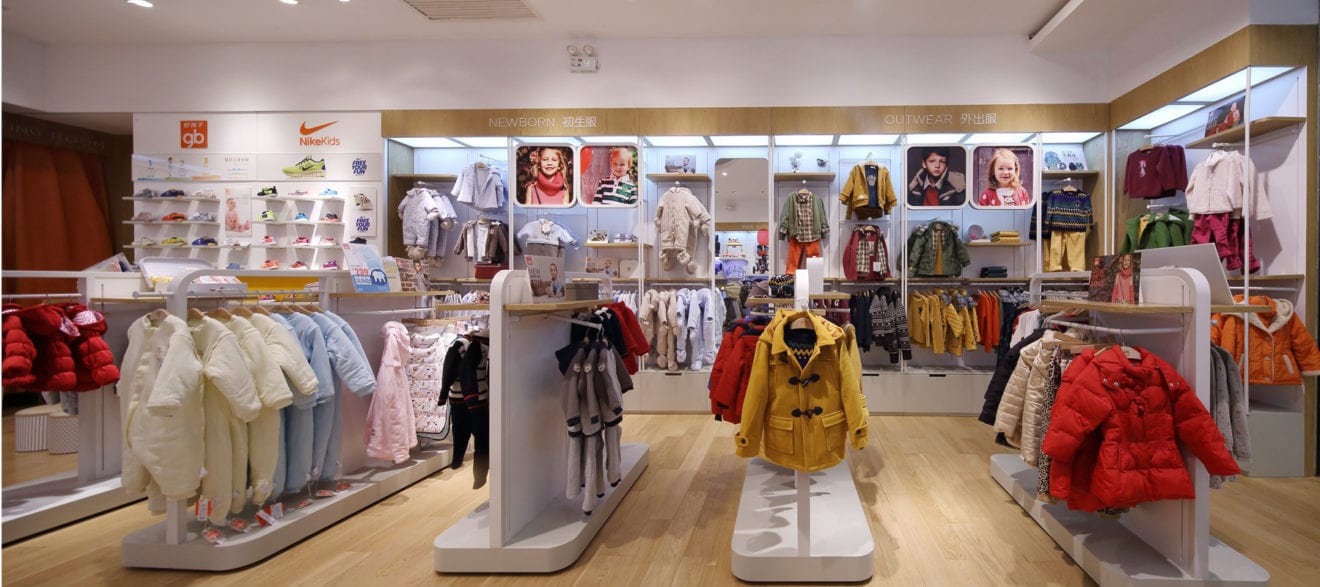
    Malaysian childrenswear retailer Poney has opened a flagship store in the new Central iCity shopping centre.

    Poney Group has three brands – Poney, Baby Poney and Poney Enfants, offering apparel and accessories for newborns, toddlers and children aged up to 12 years old.

    The new boutique displays the full range in a bright, light setting, located next to Trudy & Teddy.

    Central iCity is the first shopping centre in Malaysia’s capital city to be opened by Thailand’s Central Group. It also features a Sogo department store and Malaysia’s 500th (and the world’s 15,000th) AS Watson store.

    Founded in 1992 by Albert Tan and his wife Sharon Ng, Poney Group began with consignment counters inside department stores before opening its first boutique in The Mines Shopping Mall in 1997. A flagship store opened in Suria KLCC two years later.

    The company has since expanded in Malaysia and offshore into markets including Singapore, China, Indonesia and the Middle East.

  • Goodbaby opens Chengdu Flagshop Store

    Goodbaby opens Chengdu Flagshop Store

    Goodbaby International has opened two flagship stores in Chengdu, China.

    One of the new stores is located at International Finance Square (IFS), the other at Chengdu Joy City. Both opened last Saturday.

    The stores represent the parenting-products retailer newest offline store model and were designed by an unnamed “well-known designer” who has previously cooperated with many globally renowned luxury concept stores.

    “The key to mom-and-child products lies in experience,” said Goodbaby China CEO Jiang Rongfen.

    “The new global flagship stores are designed with both the sensitive and sensible factors of the consumers’ shopping behaviors in mind.”

    The designer aimed to create an immersive, scenario-based smart lifestyle environment for parenting families, where consumers can experience and interact with the products to make better shopping decisions with the help of AI, VR and AR technologies, as well as making one-stop shopping convenient.

    “Our goal is to make every customer willing to share their satisfactory experience with their friends,” Jiang said.

    With Chengdu considered an up and coming fashion hub in China, Goodbaby decided to launch its new Hey Box smart products at the two flagship stores.

    “It is usually said that winning Chengdu’s consumers is a big step towards winning China’s consumers,” said Jiang.

    Goodbaby was set up in China 1989 as a global company with local operations in China, Germany and the US. At the core of its range are baby carriages and child car seats.

  • Amazon accelerates Australian Online Fashion Offerings

    Amazon accelerates Australian Online Fashion Offerings

    Amazon Australia has been connecting with fashionistas in Sydney this week, where thousands of designers, retailers, celebrities and fans have gathered to see the latest looks at the Mercedes-Benz Fashion Week Australia (MBFWA).

    As an official sponsor of the event, along with the likes of Moet & Chandon, Swarovski and Superga, Amazon has built an Instagram-worthy pop-up at Carriageworks.

    Visitors can try on some of the local brands available on Amazon and capture the perfect ‘selfie moment’ against four different backdrops, including a mint green oasis based on the products available through Amazon’s Travel range, a Bonds jungle, and a resort-style changing room.

    Amazon said the activation is designed to provide a memorable and educational experience for both industry and consumer guests.

    “We are really excited to be a part of the Mercedes Benz Fashion Week, alongside established and emerging brands,” Angela Langmann, head of Amazon Fashion, said in a statement.

    Since launching in December 2017, Amazon Fashion has rapidly grown its range. It now has tens of millions of products across clothing, shoes and accessories from over 1000 brands.

    In addition, the number of Australian brands on the platform has quadrupled from 33 to 150, with that number continuing to grow, according to Langmann.

    “At Amazon Fashion we celebrate local Aussie brands and build a shopping experience that helps our customers discover emerging and established Australian brands,” she said.

    Some of the more established Australian fashion brands on the platform include Talulah, Stevie May, Senso, Oroton, Three of Something, Finders, Bendon, Review and Lorna Jane, alongside small and medium-sized local businesses like sunglasses brand Local Supply, hat brand Will & Bear and footwear brand Wild Rhino.

    “One of the most powerful things about Amazon Fashion is that a customer can shop from major brands like Calvin Klein and Levis, buy from small and medium-sized local businesses like Local Supply, Will & Bear and Wild Rhino and from more established Aussie brands like Talulah, Stevie May, Senso, Oroton, Three of Something, Finders, Bendon, Review and Lorna Jane,” Langmann said.

    In terms of what’s next for Amazon Fashion in Australia, Langmann said the company is constantly looking for new ways to innovate within the fashion space and is exploring various avenues.

    In the US, the e-commerce giant has launched services like Prime Wardrobe, which gives customers seven days to order clothes and shoes and try them on at home, before they need to pay for the items they want to keep.

    This service so far is not available in Australia.

  • Esprit’s restructuring shows first Results

    Esprit’s restructuring shows first Results

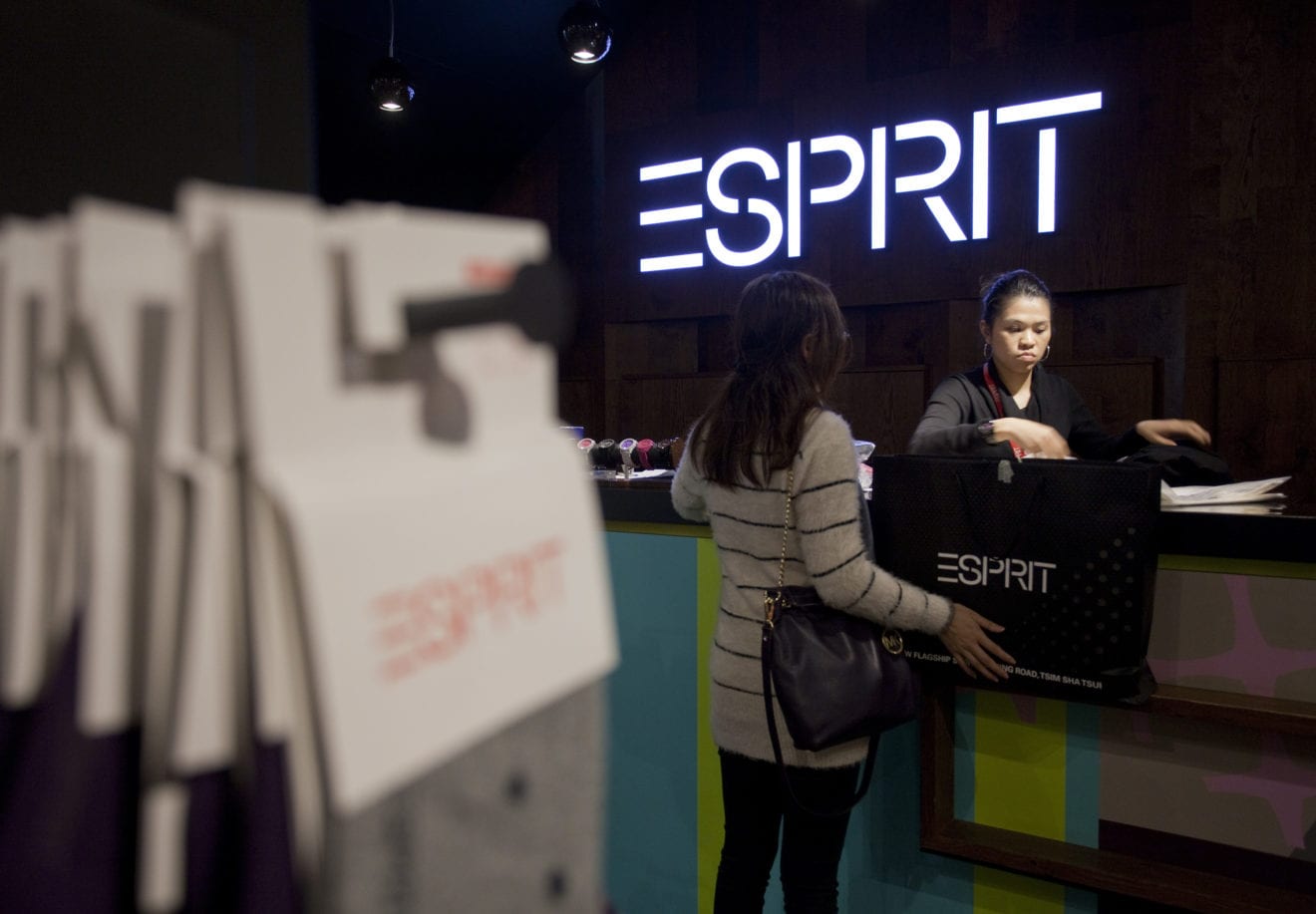
    Esprit’s restructure is beginning to pay off, the company says, despite another quarterly same-store-sales decline.

    For the three months to March 31, Esprit sales were HK$3.156 billion (US$402.3 million), down 11.6 per cent in local currency on the same period a year earlier. However, the company said that marks an improvement on the 12.4 per cent reduction in retail space occupied by the fashion brand.

    “This is the first-time since the first quarter of 2017-18 where the group recorded a quarterly revenue decline that is less than the corresponding space reduction,” the company said in a stock-exchange filing.

    “It is worth noting that while the quarter recorded a revenue decline, the rate of decline has continued to narrow quarter-on-quarter, reflecting a positive trend of improvement.”

    During the first quarter to September 30, sales declined 16.2 per cent, in the next quarter by 12.5 per cent and now to 11.6 per cent.

    The “improvement” was mainly driven by Germany which accounted for the largest share of the group’s sales. For Asia Pacific, the higher rate of revenue decline in the second quarter and third quarter was mainly due to the group exiting Australia and New Zealand, where all stores were closed by the end of last September as part of Esprit’s restructure.

    The company said it remains focused on the execution of its Strategy Plan to restore Esprit to sustainable growth and profitability.

    “Management is encouraged by the quarter-on-quarter improvements seen in different aspects of the business … and the progress of the strategic initiatives are progressing well and on track.

    The group is encouraged by the initial progress achieved during the early stages of the Strategy Plan, and this gives us confidence that we are on the right track. However, it is important to appreciate that the strategic closure of loss-making stores will exert pressure on our top-line in the short term, and as other initiatives are still work-in-progress at this stage, it will require time to make the corresponding improvements in brand and product visible to our customers for attracting them back into Esprit stores.”

  • Marks & Spencer Singapore store opens at Jewel Changi

    Marks & Spencer Singapore store opens at Jewel Changi

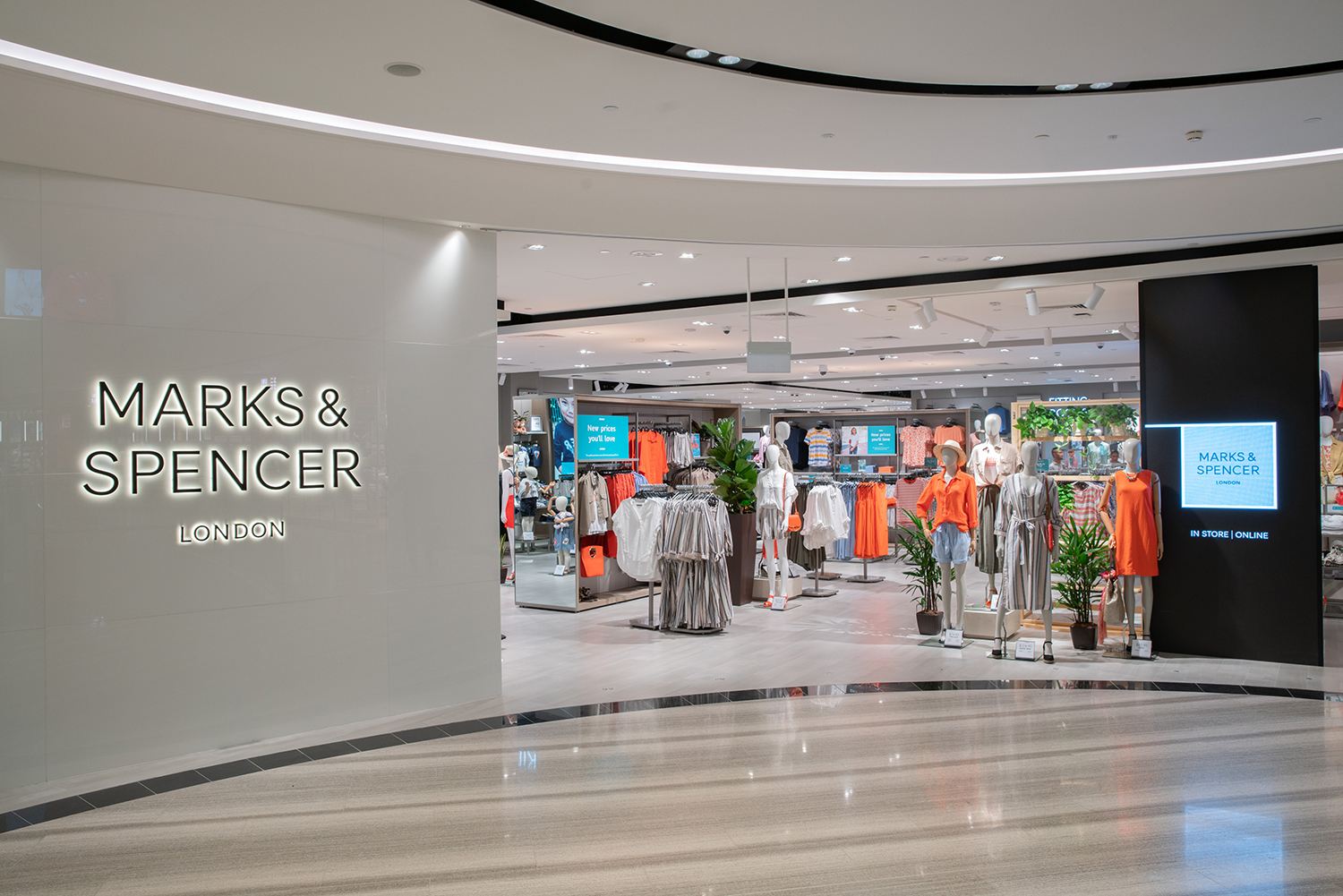
    Marks & Spencer Singapore will open its Jewel Changi store this Wednesday.

    The 13,000sqft space offers M&S’s clothing and accessories across womenswear, menswear, lingerie and kidswear.

    The store also features Food Hall which will include nearly 3000 lines of food and drinks, including international award-winning wines.

    Customers can expect a variety of chilled food and drinks including fresh sandwiches, prepared salads, fruit and vegetables, meat and dairy, prepared meals, inspired by world cuisines.

    The new store also features an M&S in-store bakery, selling coffee-to-go and patisserie goods.

    “Our new store at Jewel Changi Airport will combine the best of our clothing collections and high-quality food with an inspiring shopping environment and exceptional customer service, offering a truly special experience,” said Christine Choi, Marks & Spencer Asia CEO.

    A new feature of the Jewel Changi store will be unique name badges for staff which bear ‘Singlish’ taglines such as ‘I am Stylo Milo, ‘I am Tok Kong’, and a few other variations embracing local culture.

    From April 17 to June 11, shoppers can enjoy special offers including lucky draws and free M&S cooler bags.

  • Uniqlo Parent Cuts Financial Outlook

    Uniqlo Parent Cuts Financial Outlook

    Uniqlo parent Fast Retailing has cut its annual operating forecast amid heavy discounting to offload winter clothes.

    The apparel company has struggled with a shortage of popular winter items in the past, and overcompensated last winter by ordering too much inventory.

    The unseasonably warm weather hit sales of winter clothes which led to the decline of Fast Retailing’s first quarter profit.

    The company is undergoing the biggest revamp of its logistics and supply chain network to resolve the challenge it faced over winter.

    The Japanese retailer said it now expects an operating profit of  ¥260 billion (A$3.2 billion) for the financial year through August, compared to its previous forecast of  ¥270 billion in January. The revised outlook would still be a record high and represent a 10 per cent year-on-year rise.

    For the quarter ending February, Fast Retailing posted a double-digit increase in sales and profit in China, which has helped the brand turn in a better-than-expected rise in operating profit to ¥68 billion.

    The company reported declines in both revenue and profit in the first half of fiscal 2019, with revenue totaling ¥491.3 billion yen, down 5 per cent from the previous corresponding period, and operating profit totaling ¥67.7 billion yen, down 23.7 per cent from the previous year.

    First-half same-store sales, including online sales, declined 9 per cent.

    Online sales, which now account for 9.9 per cent of Uniqlo sales in Japan and 20 per cent in China, rose 30.3 per cent in the first half.

  • Uniqlo Opening New Store in New South Wales

    Uniqlo Opening New Store in New South Wales

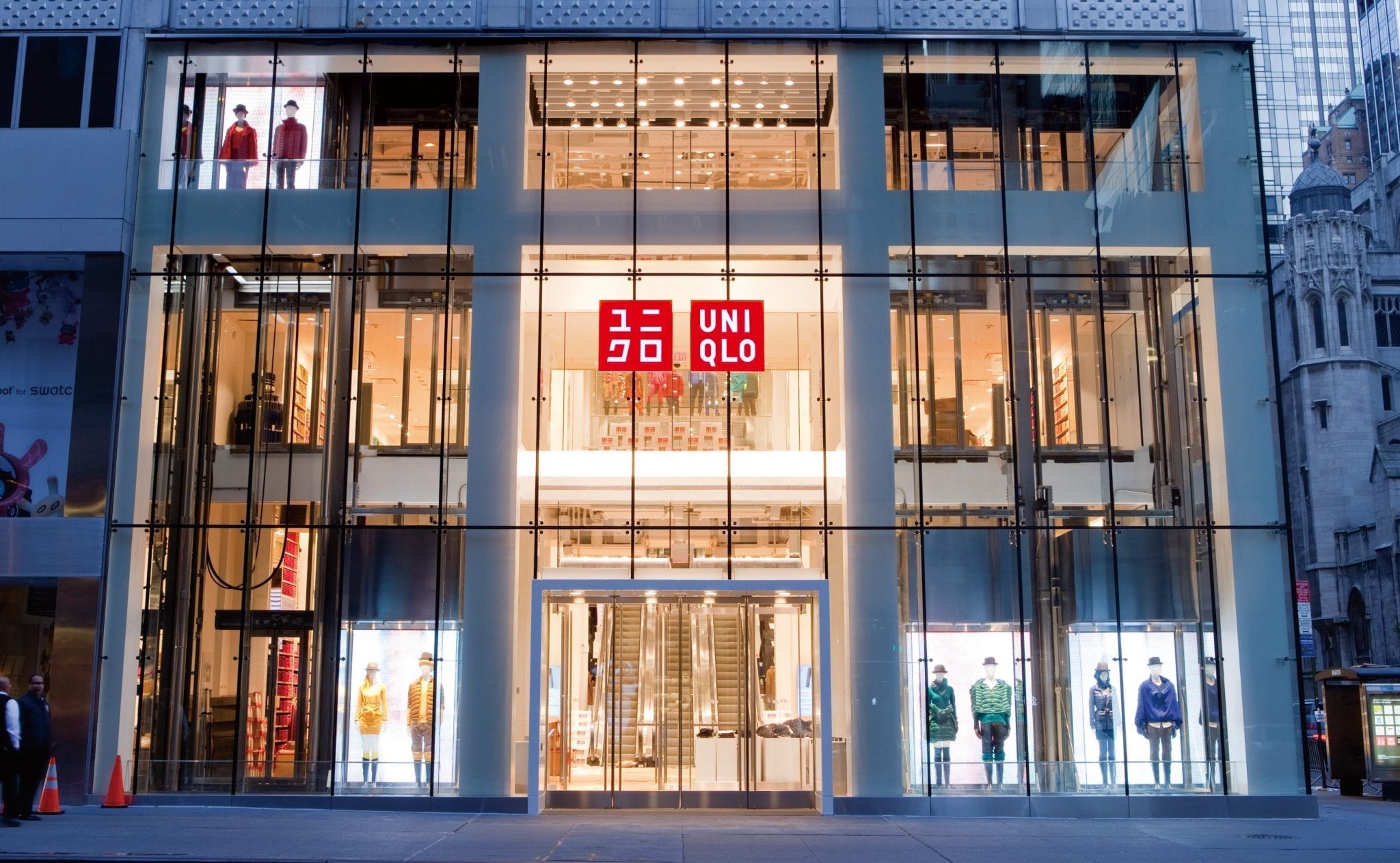
    Japanese global apparel retailer Uniqlo will open its sixth store in New South Wales tomorrow at Westfield Hornsby.

    The new store, Uniqlo’s 17th in Australia, will feature a full line-up of the retailer’s LifeWear apparel for men, women, kids and babies.

    Uniqlo said the new store underlines the brand’s commitment to growing Australia as a key market in the Asia Pacific region.

    “The opening of our sixth site in New South Wales at Westfield Hornsby demonstrates our commitment to extending our LifeWear message to all Australians by offering exemplary customer service and high quality products at an affordable price,” said Kensuke Suwa, chief operating officer for Uniqlo Australia.

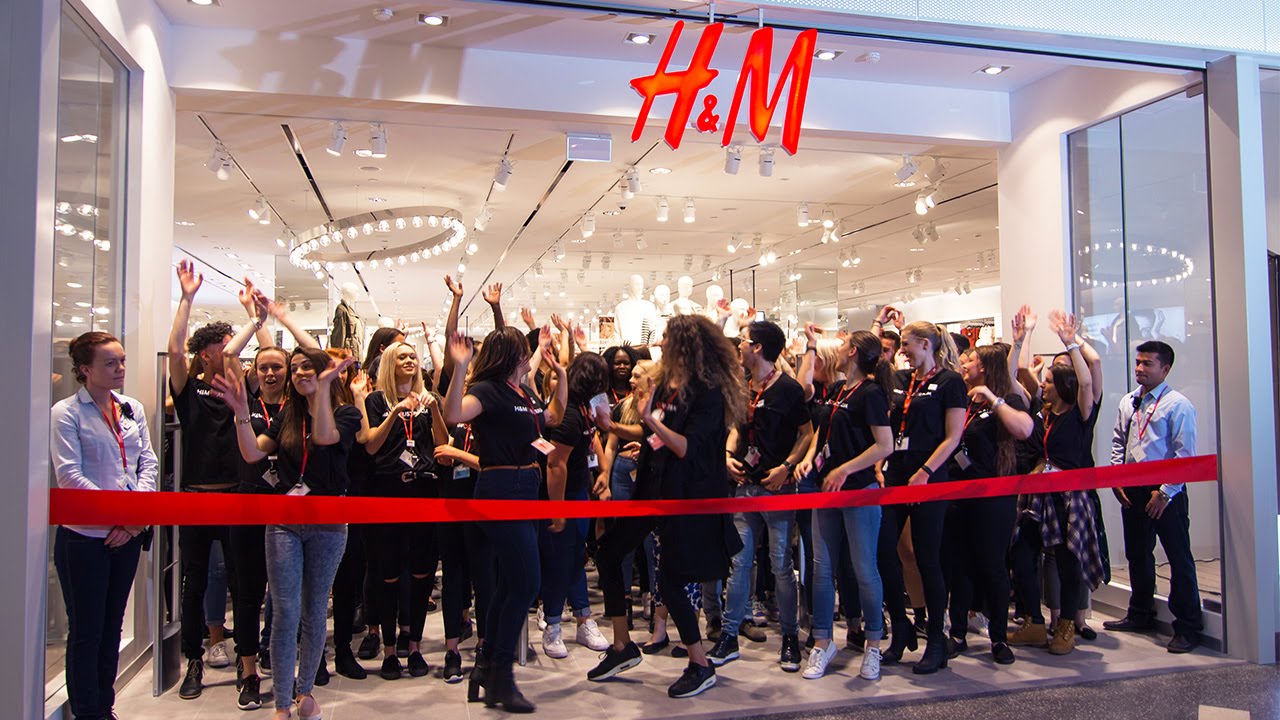
    The doors to the new store will open to consumers at 10am after an official ribbon cutting ceremony and Japanese drumming celebration.

  • H&M tries its luck in billion dollar 2nd Hand Clothing Market

    H&M tries its luck in billion dollar 2nd Hand Clothing Market

    Fast-fashion brand H&M is testing its fortunes in the fast-growing used-clothing market.

    The Swedish brand has commenced sales of second-hand clothing in response to consumer concerns about the environmental impact of the fashion industry.

    H&M’s head of sustainability Anna Gedda says the program is being piloted in Sweden with a view to a more substantial rollout in future.

    “It comes back to the whole circular vision,” she said. “It just makes great sense to look into this business. We see this as a growing part of the industry, with great opportunities both for consumers and not least for the environmental impact, and how we can drastically reduce that by extending the life of the products.”

    The used-clothing market is expected to reach US$51 billion, double its current size, within the next five years.
    Last year, a BBC documentary portrayed fashion as one of the world’s most polluting industries.

  • Superdry in chaos as co-founder gets back in office

    Superdry in chaos as co-founder gets back in office

    UK clothing firm Superdry’s board of directors has resigned following the re-election of the brand’s co-founder Julian Dunkerton to the board.

    Dunkerton was made interim CEO following the immediate resignation of the four board directors and notice given by four non-executive directors in protest of the reappointment, blaming the former board member for the firm’s poor financial performance. Superdry brokers UBS and Investec have also resigned.

    Dunkerton has been publicly critical in recent months of the firm’s management following his departure a year ago.

    The co-founder was reinstated after a slim majority vote of 50.75 per cent. Former Boohoo and Selfridge’s boss Peter Williams has been appointed the firm’s new chairman based on a 50.74 per cent vote.

    “We are very pleased to be joining the board of this great British company,” said the two appointees in a joint statement. “We look forward to rebuilding the Superdry brand and the business.”

  • H&M disclosing to customers where their clothes were made

    H&M disclosing to customers where their clothes were made

    Swedish fast fashion retailer H&M announced it will add more information to its products on its website later this month as part of a move to create greater product transparency.

    The new information will allow H&M customers to find out which factory produced a given garment, the material composition and solutions for re-using and recycling products that are worn-out, the company stated on its latest sustainability report.

    According to H&M, the company is making strong progress toward its goal to use 100 per cent recycled or other sustainably-sourced materials by 2030.

    H&M said it saw a 35 per cent increase in its goal to use recycled and other sustainably sourced materials for products, with 57 per cent of all materials classified as “sustainable” in 2018.

    The equivalent figure for cotton was 95 per cent, close to the company’s goal to reach 100 per cent next year.

    “Recycled materials are truly a win-win: they stop waste material from going to landfill and reduce the use of virgin raw materials,” said Cecilia Brännsten, H&M’s environmental sustainability manager.

    “However, for many types of textiles, viable recycling solutions either do not exist or are not commercially available on a large scale.”

    Brännsten said the company has been collaborating with scientists and innovators to increase alternative sustainably sourced materials as quickly as possible.

    H&M has also reported it has reduced its CO2 emissions from operations by a further 11 per cent and has set additional green goals, such as reducing the absolute greenhouse gas emissions in the company’s operations by another 40 per cent by 2030.

    The new goals, which are part of H&M’s vision to become climate positive by 2040, were approved by the Science Based Targets Initiative.

    The company said it also wanted all packaging used to be made of 100 per cent recycled or sustainably sourced materials by 2030, a goal which is part of a newly developed packaging strategy.

  • Fashion Brand Alexander McQueen joins Tmall

    Fashion Brand Alexander McQueen joins Tmall

    British fashion house Alexander McQueen — known for its unique tailoring and audacious designs — has soft-launched a virtual store on the Tmall Luxury Pavilion, Alibaba Group’s platform for luxury and premium brands.

    It will be the first online store in China that’s directly run by the house itself, rather than through a local partner, giving it full creative control over the look and feel of the site, the Pavilion said.

    The luxury brand was founded in 1992 by the late Lee Alexander McQueen, known for combining a respect for traditional craftsmanship with provocative, darkly romantic designs. Today, his eponymous label remains hugely influential, seen as synonymous with modern British couture. Following his death in 2010, Sarah Burton was appointed creative director of the house. Burton, who worked alongside McQueen for 14 years, currently oversees the creative direction of all the brand’s collections.

    The Alexander McQueen brand oversees a network of 73 directly operated brick-and-mortar boutiques, as well as several franchises and specialty stores worldwide, with flagships stores due to open in Shanghai and Hong Kong in 2019, per its parent Kering Group.

    The Tmall Luxury Pavilion Alexander McQueen store will officially launch on April 16, featuring items that incorporate images from the John Daekin Archive as part of the designs. The archive manages the work of John Daekin, the 20th-century British photographer who captured the lives of his artist and poet friends in London’s bohemia, Soho.

    Alexander McQueen is the third Kering-owned luxury brand to join the Pavilion, following Hong Kong-based jeweller Qeelin and Italian fashion house Bottega Veneta. Launched in 2017, Tmall Luxury Pavilion now offers more than 100 brands, ranging from apparel and beauty items to watches and luxury cars, including Valentino, Burberry, Tod’s, Versace, Stella McCartney, Moschino, Giuseppe Zanotti, MCM, La Mer, Maserati, LVMH-owned Rimowa, Guerlain, Givenchy, Tag Heuer and Zenith.

    Sherry Lang, MD of Tmall’s luxury division, said the Pavilion helps maisons and premium brands engage with China’s younger generation of consumers, delivering the same brand exclusivity and tailored shopping experience online that they would get in a brick-and-mortar store.

    “We also want to help luxury brands expand their reach in smaller cities and rural areas, where purchasing power is growing, but offer limited access to luxury goods,” said Lang. “The Pavilion is well-positioned to fill that gap.”

    The growth of the Pavilion comes as Chinese consumers drive global high-end spending, with Mainland China’s luxury sales growing 20 per cent to €23 billion ($25.8 billion) last year, according to Bain & Co. The consulting firm forecasts that by 2025, Chinese consumers will account for 46 per cent of the global market, up from 33 per cent last year.