Retail News CRM

Tag: Clothing

  • Uniqlo Plans Major Expansion in India: 100 New Stores by 2031

    Uniqlo Plans Major Expansion in India: 100 New Stores by 2031

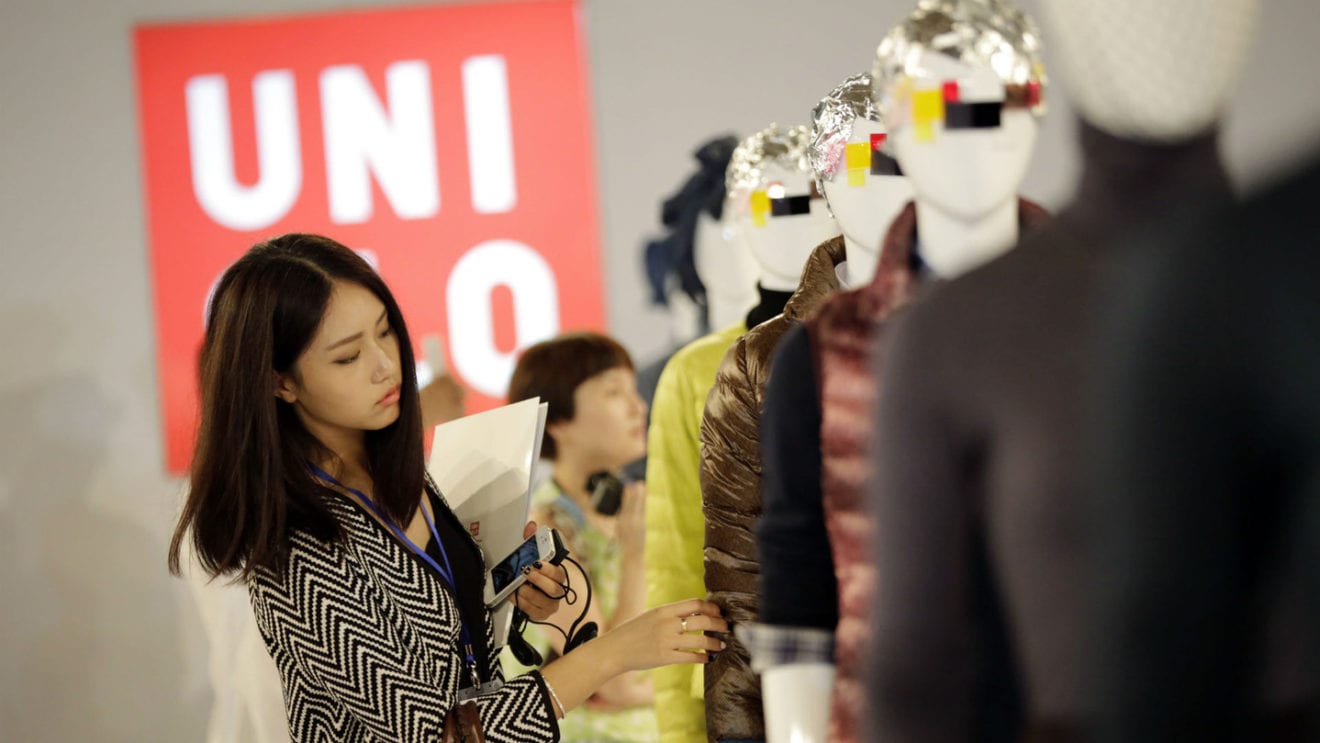
    Uniqlo, a renowned clothing brand, is set to significantly extend its footprint in India. The company’s ambitious expansion plan aims to increase its store network in the country by five times, amounting to over 100 stores within the next five years.

    Expansion Strategy and Local Production

    Uniqlo’s primary expansion target will be New Delhi and other major Indian cities. The company has a comprehensive strategy in place, which includes importing apparel from its Asian factories. However, in accordance with local regulations, Uniqlo will also initiate production within India.

    Uniqlo, a subsidiary of Japanese retail mogul Fast Retailing, boasts a presence in over 25 global markets and a network of more than 2,500 stores worldwide. The brand made its entry into India in 2019, and as of June this year, it had 20 stores operating across the nation, notably in major cities like New Delhi, Mumbai, and Bengaluru.

    This expansion forms a part of Uniqlo’s business strategy to reinforce its presence in the Global South, encompassing South Asia and Southeast Asia.

    Focus on Southeast Asia

    Uniqlo’s operational presence in Southeast Asia is already substantial when compared to its Indian market. The brand has 81 stores in the Philippines, 78 in Indonesia, 73 in Thailand, 60 in Malaysia, and approximately 30 each in Singapore and Vietnam.

    The combined sales of Uniqlo in South Korea, Southeast Asia, India, and Australia have witnessed a robust increase of 32% for the first nine months ending in May. The growth in sales in India and Southeast Asia alone has continued to exhibit a sustained double-digit increase.

    Takeshi Okazaki, CFO of Fast Retailing, stated that the company views Asia as the next major global growth center for the long term. He added that, similar to successful strategies implemented in the US and Europe, Fast Retailing aims to enhance its brand power in Asia by improving its product lineup and store operations.

    Questions & Answers

    What is Uniqlo’s expansion plan in India?
    Uniqlo aims to expand its store network in India fivefold, reaching over 100 stores within the next five years.

    Where will the expansion primarily focus?
    The primary focus of the expansion will be in New Delhi and other major cities in India.

    What is the company’s strategy for product sourcing in India?
    Uniqlo plans to import clothes from its factories in Asia and also initiate production within India, in accordance with local regulations.
  • Keppel & Uniqlo Parent Ink Deal for Exciting Retail Expansion in Asia-Pacific

    Keppel & Uniqlo Parent Ink Deal for Exciting Retail Expansion in Asia-Pacific

    Singapore’s Keppel Corporation and Japan’s Fast Retailing, Uniqlo’s parent company, have entered into a Memorandum of Understanding (MOU) to investigate the potential for retail-oriented real estate opportunities throughout the Asia-Pacific region.

    Key Signatories

    Christina Tan, CEO of fund management and chief investment officer at Keppel, and Takayuki Miki, group executive officer at Fast Retailing, were the signatories to the agreement.

    Promising Collaboration

    The partnership is already bearing fruit with Uniqlo set to become a tenant in Keppel’s forthcoming Hanoi Centre in Vietnam. Slated to open next year, the Hanoi Centre is expected to be the city’s largest shopping destination.

    Uniqlo first made its entrance into the Vietnamese market in 2019 and has since established 30 stores nationwide. These are primarily located within major malls and shopping centres.

    A Year of Record Profits

    Fast Retailing recently announced record profits for the year ending in August. The company also forecast a fifth straight year of record earnings for fiscal 2026, attributing this predicted success to its aggressive expansion in North America and Europe.

    Questions & Answers

    What is the purpose of the MOU between Keppel Corporation and Fast Retailing?
    The MOU signifies the two companies’ intent to explore retail-focused real estate opportunities in the Asia-Pacific region.

    What is the first visible outcome of this collaboration?
    The first notable outcome of this partnership is that Uniqlo is set to become a tenant in the Hanoi Centre, a major retail mall being developed by Keppel in Vietnam.

    How is Fast Retailing performing financially?
    Fast Retailing recently reported a record profit for the year ending in August, and anticipates a fifth consecutive year of record earnings by fiscal 2026, largely due to its rapid expansion in North America and Europe.

  • Misto Holdings Bounces Back in Q3: North American Revamp Fuels Revenue Rise in Sportswear and Golf Ventures

    Misto Holdings Bounces Back in Q3: North American Revamp Fuels Revenue Rise in Sportswear and Golf Ventures

    Misto Holdings, previously known as Fila, has reported a robust performance for the third quarter, attributing the positive results to the successful implementation of its restructuring efforts in North America. This strategic move improved profitability across its sportswear and golf sectors.

    Financial Performance

    Misto Holdings unveiled a consolidated revenue of US$741.2 million, along with an operating profit of $89.8 million, marking an increase of 3.7 per cent and 41 per cent respectively on a year-over-year basis.

    Subsidiary Acushnet, which houses brands like Titleist and FootJoy, posted a revenue of $617.4 million, exhibiting a 7.5 per cent surge compared to the same period last year. This growth trajectory is primarily attributed to the high demand for Titleist’s Pro V1 and Pro V1x golf balls, as well as the increasing popularity of the Pro V1 Left Dash model.

    The Misto segment, on the other hand, contributed $123.1 million to the overall quarterly revenue.

    Brand Repositioning & Restructuring

    In a bid to reposition its brand, Misto Holdings launched the Echappe series in Korea and also inaugurated a new experience center in Biella, Italy.

    The company noted that the restructuring measures, which were implemented towards the end of last year in North America, have helped in significantly cutting down losses and augmenting consolidated profitability.

    In a statement, CFO Ho Yeon Lee acknowledged the challenges faced by the company but expressed satisfaction over the stable performance in the third quarter, which was facilitated by disciplined operations and solid brand fundamentals.

    Lee also highlighted the company’s ongoing pledge towards transparent and shareholder-friendly management, revealing, “The fourth consecutive special dividend demonstrates our long-term commitment to value creation.”

    Rebranding Initiative

    The company underwent a rebranding process earlier this year, transitioning from Fila Holdings to Misto Holdings. This change was reflective of its expanded global brand portfolio and the strategic aim of “Redefining Boundaries.”

    Questions & Answers

    What are the factors contributing to Misto Holdings’ strong third quarter performance?
    The company’s successful restructuring efforts in North America, disciplined operations and solid brand fundamentals were key contributors to its robust performance in the third quarter.

    What strategic steps has Misto Holdings taken for brand repositioning?
    For brand repositioning, Misto Holdings launched the Echappe series in Korea and opened a new experience center in Biella, Italy.

    Why did the company rebrand from Fila Holdings to Misto Holdings?
    The company rebranded to Misto Holdings to reflect its broader global brand portfolio and to align with its strategic direction of “Redefining Boundaries.”

  • Cos makes Indian debut in New Delhi

    Cos makes Indian debut in New Delhi

    Cos, the fashion label under the H&M brand, has unveiled its first retail outlet in India, situated in the Select Citywalk Mall, New Delhi, marking its entrance into the burgeoning South Asian marketplace.

    Store Design and Sustainability Efforts

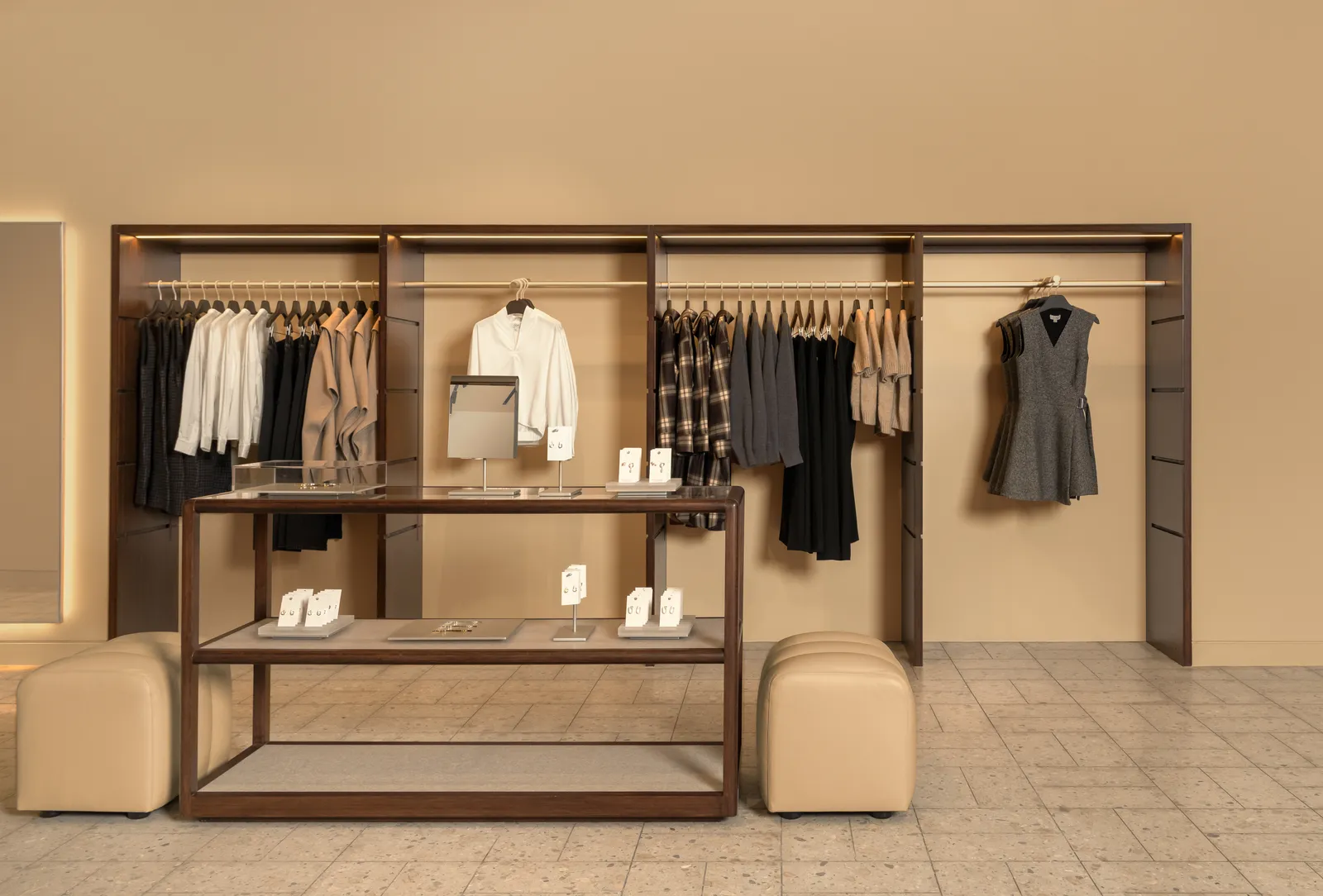
    Cos boasts a store aesthetic that was crafted completely in-house. It features a harmony of intricate architectural nuances and eco-friendly materials, resulting in a stylish, welcoming ambience. The exterior of the store is adorned with Armourcoat clay lime plaster, a material that according to the fashion brand, acquires a unique patina from its interaction with water minerals during its application.

    The store’s floors are fitted with terrazzo tiles from Grassi Pietre, which are made from 90% recycled material. These tiles are further enhanced with hand-tufted wool rugs by Kasthall.

    Interior Arrangements and Furniture

    The interior of the store presents ready-to-wear garments and accessories, showcased on aluminium railing systems and recycled shelving units from Smile Plastics. These displays are augmented by a sculptural table by Paper Factor that is constructed from recycled cellulose fibres and natural pigments.

    The store also features an array of specially curated furniture from esteemed international design houses. These pieces include the Scarpa 925 chair, crafted by Cassina and Karakter, the Offset coffee table by Resident, Bon Bon lamps designed by Helle Mardahl, and the iconic Pumpkin sofa, a creation of Pierre Paulin for Ligne Roset.

    New Collection Launch

    Coinciding with the store’s launch is the release of Cos’s Autumn/Winter 2025 collections for men and women. These collections showcase the brand’s distinctive minimalist tailoring and high-quality fabric use.

    Questions & Answers

    Where is Cos’s first store in India located?
    Cos’s first store in India is located in the Select Citywalk Mall in New Delhi.

    What materials have been used in the design of the store?
    The store design incorporates sustainable materials such as Armourcoat clay lime plaster, terrazzo tiles composed of 90% recycled material, and recycled shelving units. It also features a sculptural table made from recycled cellulose fibres and natural pigments.

    What collections has Cos launched with the store opening?
    Cos has launched its Autumn/Winter 2025 collections for men and women, featuring the brand’s signature minimalist tailoring and premium fabrics.

  • Lilysilk Marks 15th Anniversary With Debut Hong Kong Store, Championing ‘conscious Elegance

    Lilysilk Marks 15th Anniversary With Debut Hong Kong Store, Championing ‘conscious Elegance

    Renowned silk clothing retailer, Lilysilk, recently launched its debut store in the Harbour City of Hong Kong, situated in the bustling shopping region of Tsim Sha Tsui.

    Gateway Arcade Welcomes Lilysilk

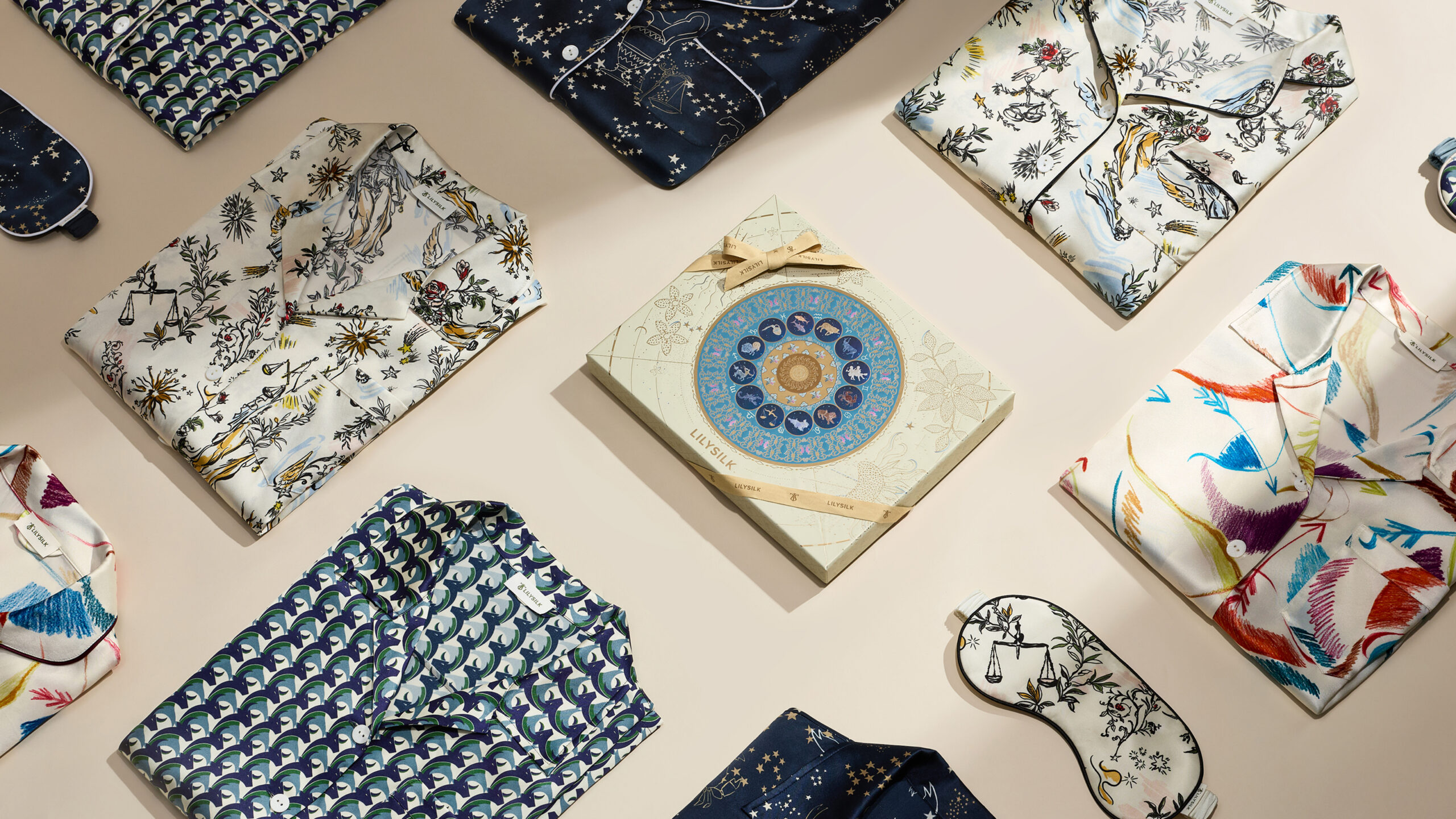
    Located on the second floor of the Gateway Arcade, the grand opening of the store coincided with Lilysilk’s 15th anniversary celebrations. The store brings a fresh shopping experience for locals and tourists alike, offering a plethora of clothing, accessories, homewares, and bedding. The merchandise, made predominantly from mulberry silk and other organic materials, highlights the brand’s commitment to sustainability and ‘conscious elegance.’

    Lilysilk’s Commitment to Sustainability

    Lilysilk ensures its fabrics are not only luxurious but also sustainable. The company prides itself on promoting ‘conscious elegance,’ a philosophy rooted in sustainable and environmentally-friendly practices. This is reflected in its commitment to using organic materials and ensuring its products are certified for sustainability.

    Celebrating a Significant Milestone

    David Wang, the CEO of Lilysilk, expressed his exhilaration about the significant milestone. “The opening of our very first flagship store in Asia is not just a milestone, but the start of an exhilarating new journey,” Wang stated.

    Since its inception in 2010, Lilysilk has established a strong foothold in North America and Europe. It ventured into the Chinese market in 2022 and earlier this year, the brand launched its first concept store in New York’s Meatpacking District.

    Questions & Answers

    Where is the new Lilysilk store located in Hong Kong?
    The new Lilysilk store is located on the second floor of the Gateway Arcade in the Harbour City of the Tsim Sha Tsui shopping district.

    What kind of products does the Lilysilk store offer?
    The store offers an array of products including clothing, accessories, homewares, and bedding. All products are predominantly made from mulberry silk and other organic materials.

    What does the philosophy ‘conscious elegance’ mean to Lilysilk?
    The philosophy ‘conscious elegance’ implies Lilysilk’s commitment to sustainability and environmentally-friendly practices. They ensure their fabrics are not only luxurious but also sustainable, using organic materials and obtaining necessary sustainability certifications.

  • LVMH’s Bernard Arnault Challenges Proposed Billionaire Tax, Sparking Controversy in France’s Wealth Debate

    LVMH’s Bernard Arnault Challenges Proposed Billionaire Tax, Sparking Controversy in France’s Wealth Debate

    In a robust defense of wealth and economic freedom, Bernard Arnault, the chairman and CEO of LVMH and France’s wealthiest individual, has vehemently criticized a proposed 2% tax targeting billionaires, labeling it a direct threat to the nation’s economic stability.

    The proposed tax aims to levy a charge on fortunes exceeding 100 million euros (around $117 million) and has garnered increasing political momentum in France. Prime Minister Sébastien Lecornu is under pressure from the Socialist Party to integrate the measure into the 2026 budget, with failing to do so possibly leading to a confidence vote that could destabilize his government.

    Arnault did not hold back in an interview asserting, “This is clearly not a technical or economic debate, but rather a clearly stated desire to destroy the French economy.” He directed his ire at the proposal’s main architect, economist Gabriel Zucman, dismissing him as “first and foremost a far-left activist” leveraging “pseudo-academic competence” to undermine the economic system he believes is essential for societal welfare.

    In a spirited rebuttal, Zucman, who teaches at France’s École Normale Supérieure and the University of California, Berkeley, defended his position. “I’ve never been an activist for any movement or party,” he stated on X, emphasizing that his research is based on empirical analysis rather than ideological bias.

    Though Zucman has been affiliated with left-leaning economic initiatives, he has consistently argued that the super-wealthy are often paying a disproportionately lower share of taxes compared to average citizens. The proposed tax, according to Zucman, seeks to bridge that widening divide.

    Public sentiment appears to sway in favor of the tax, with an Ifop poll commissioned by the Socialist Party revealing an impressive 86% approval rate among respondents. This support highlights a growing desire for equity in the tax system, indicating a potential shift in societal perspectives toward wealth distribution in France.

    Questions & Answers

    What is the proposed billionaire tax in France?
    The proposed 2% tax would apply to fortunes exceeding 100 million euros ($117 million) and is aimed at addressing perceived inequities in the tax burden among the ultra-wealthy.

    Who is Gabriel Zucman, and what is his stance on the wealthy’s tax contributions?
    Gabriel Zucman is a prominent economist advocating for the tax, arguing that the ultra-rich pay a lower tax rate relative to their wealth compared to average citizens, and he believes the proposed tax would help close this gap.

    What level of public support does the tax have?
    Recent polling indicates strong public backing for the tax, with 86% of respondents approving of the initiative, reflecting a potential shift in attitudes toward wealth distribution and tax fairness in France.

  • Off-white Set To Enter Indian Market: A $5m Investment And Partnership With Brand Concepts

    Off-white Set To Enter Indian Market: A $5m Investment And Partnership With Brand Concepts

    In the first quarter of the upcoming year, the renowned Italian luxury streetwear brand, Off-White, is set to make its debut in the Indian market. This move is a result of an exclusive distribution partnership with Brand Concepts, a prominent fashion retail house.

    Investment and Expansion Plans

    Over the next few years, an estimated investment of US$5 million is anticipated to establish the Off-White brand across India. This follows the sale of the brand last year from LVMH to Bluestar Alliance.

    Abhinav Kumar, co-founder and CEO of Brand Concepts, stated, “Until now, our primary focus has been on accessories within the premium segments. The launch of Off-White will see us venturing into two new arenas: the luxury segment and the mainstream apparel business.”

    Product Range and Retail Platform

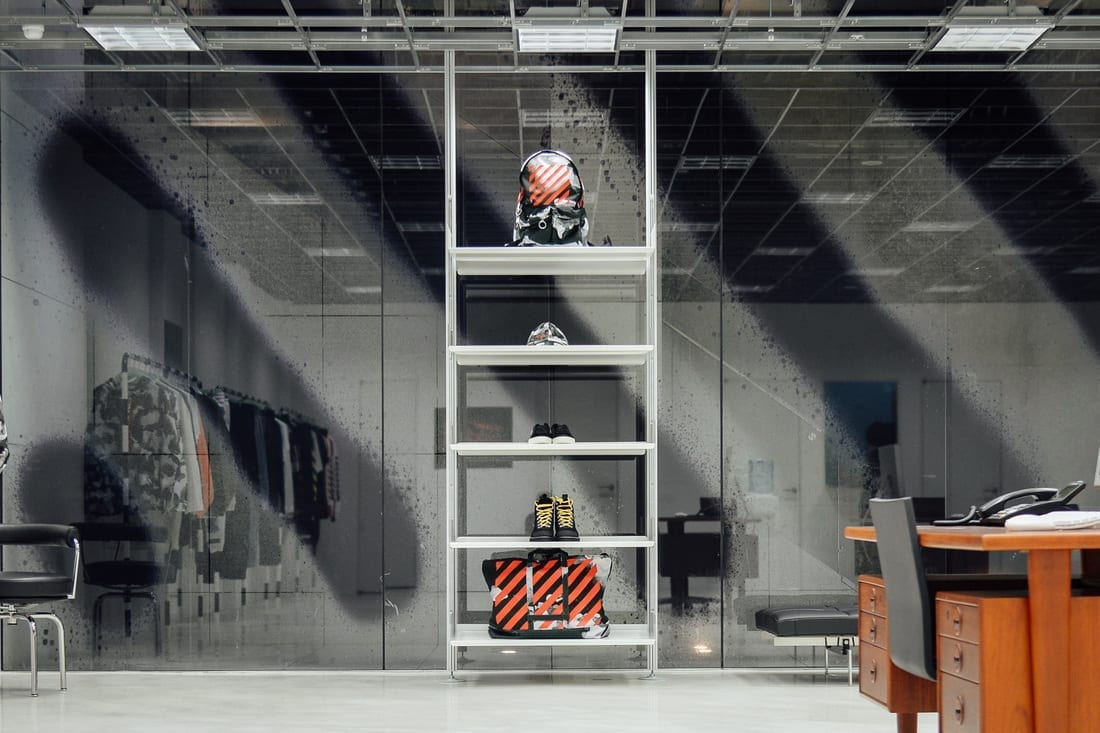
    The brand’s diverse product range, which includes apparel, bags, wallets, and a comprehensive footwear line, will be launched under the premium multi-brand store, Bagline. This retail platform currently showcases brands such as Tommy Hilfiger Travel Gear, United Colors of Benetton, and Juicy Couture.

    Commenting on the current market trends, Kumar remarked, “The streetwear culture in India is burgeoning, which is evident in the escalating sneaker movement across the country. India, being home to one of the world’s youngest populations, has a timely and relevant demand for streetwear, making it an ideal market for expansion.”

    Future Visibility and Presence

    As part of its growth strategy, Off-White aims to bolster its visibility in luxury multi-brand destinations like The Collective and Iconic. Additionally, there are plans to inaugurate two outlets in key metropolitan cities and to launch a bespoke e-commerce platform.

    Kumar added, “In the following two to three years, we aim to establish five to six flagship stores, backed by a broader shop-in-shop presence. We anticipate Off-White to be available across 25-30 points of sale in India.”

    To bring Off-White to the Indian market, Brand Concepts will collaborate with Sportlux General Trading, a global distributor of luxury brands.

    Questions & Answers

    When is Off-White expected to enter the Indian market?
    Off-White is set to debut in the Indian market in the first quarter of next year.

    How will Off-White’s products be introduced in India?
    Off-White’s product range will be launched under Brand Concepts’ premium multi-brand store, Bagline.

    What are the plans for Off-White’s visibility and presence in India?
    Off-White plans to increase its visibility in luxury multi-brand destinations, open two outlets in key metropolitan cities, and launch its own e-commerce platform.

  • Uniqlo Shakes Up Retail With Eco-friendly, Limited-edition Collection Launch

    Uniqlo Shakes Up Retail With Eco-friendly, Limited-edition Collection Launch

    Frenzy is building in the retail sector as Japan’s premium fashion retailer, Uniqlo, introduces a sensational limited-time event expected to shake up the market. From November 3 to November 6, 2023, shoppers can get their hands on exclusive pieces during the awaited “Uniqlo U Special Edition” collection launch. Each item is designed by creative director Christophe Lemaire, known for his cutting-edge designs and a knack for blending functionality with high fashion.

    Exclusive Designs and Eco-Friendly Initiatives

    The collection boasts a vibrant array of wardrobe staples that blend contemporary aesthetics with sustainability—a trend that has become increasingly significant in Asia’s retail landscape. Lemaire has utilized innovative materials in this special line, reinforcing Uniqlo’s commitment to eco-friendly practices. Notably, consumers can expect a palette that fuses seasonal colors with timeless cuts, ideal for layering as the winter chill approaches.

    Limited-Time Only! An Expectation of Success

    Shoppers are bracing themselves, not just for fashion but for an experience. Last year’s similar pop-up event caused quite a stir—think long lines and excited chatter as fashion enthusiasts snapped up their favorite pieces. This year, expectations are skyrocketing. While the official details on the exact quantities released remain under wraps, insiders hint at a strategic release to create a sense of urgency and excitement amongst consumers. Who couldn’t use a bit of adrenaline while shopping for warm winter attire?

    The Future of Retail in Asia

    As Uniqlo continues to carve out its niche in the competitive Asian market, this event signals a potential shift toward more experiential retail initiatives. Consumers today seek not only products but memorable interactions with brands. Uniqlo is stepping up to the plate, positioning itself as a forward-thinking player that recognizes this evolving landscape. Retailers across Asia will undoubtedly keep a close eye on the event’s success, as it could dictate strategies for the upcoming holiday season.

    Questions & Answers

    What is the significance of the Uniqlo U Special Edition collection?
    The collection, designed by Christophe Lemaire, combines premium fashion with sustainability, highlighting Uniqlo’s dedication to eco-friendly practices while providing stylish, functional clothing.

    How did last year’s event influence expectations for this year?
    Last year’s pop-up created a strong buzz with long lines and significant shopper enthusiasm, setting high expectations for this year’s event as customers eagerly await another exciting release.

    What does this event indicate about retail trends in Asia?
    The event suggests a shift towards more experiential retail strategies, where brands engage consumers not just through products but through memorable shopping experiences that resonate with the modern shopper’s demands.

  • South Korean Fashion Retailer Musinsa Teams Up With Anta Sports To Expand Into China

    South Korean Fashion Retailer Musinsa Teams Up With Anta Sports To Expand Into China

    Musinsa, a fashion retailer from South Korea, has recently expanded its operations into China, thanks to a collaboration with Anta Sports. By creating a joint venture known as Musinsa China, the two companies aim to stimulate growth in both online and physical store outlets. Majority ownership (60%) of the joint venture will be held by Musinsa, while Anta Sports will possess the remaining 40%.

    Advancing Korean Fashion in China

    Musinsa currently collaborates with over 1500 brands on its platform and intends to use this new venture to assist Korean designer labels in making their debut in China. According to Musinsa’s CEO, Joonmo Park, this alliance merges Musinsa’s knowledge of fashion with Anta’s expertise in retail and brand management.

    Park enthusiastically shared his vision for the partnership, stating that it would utilize diverse retail channels to provide Chinese consumers with unique brand experiences. He expressed eagerness to captivate young consumers in the vibrant Chinese market.

    Roles and Responsibilities

    The implementation of Musinsa Standard, the retailer’s private-label line, and the Musinsa Store will be managed by Musinsa China. Meanwhile, Anta Sports will oversee strategic and financial aspects of the venture through its representatives on the joint venture’s board.

    Co-CEO of Anta Sports, Wu Yonghua, believes that the agreement aligns perfectly with Anta’s ‘Single-Focus, Multi-Brand, and Globalisation’ strategy. He stated their intention to integrate sportswear with fashion-forward design to better cater to the preferences of China’s younger generation.

    Anta Sports aims to use its value chain capabilities and successful ‘Brand + Retail’ operating model to empower Musinsa China. The goal is to deliver standout, style-conscious products to consumers interested in sports and lifestyle.

    The business transaction is set to be finalized by the end of the month, subject to approval from regulatory bodies.

    Questions & Answers

    What is the purpose of the partnership between Musinsa and Anta Sports?
    The partnership aims to advance the growth of both online and offline channels in China by creating a joint venture, Musinsa China.

    How does this partnership fit into Anta Sports’ business strategy?
    The collaboration aligns with Anta’s ‘Single-Focus, Multi-Brand, and Globalisation’ strategy, allowing them to integrate sportswear with fashion-forward design to cater to China’s younger generation.

    Who will oversee the operations of this new venture?
    Musinsa China will manage the implementation of Musinsa Standard and the Musinsa Store, while Anta Sports will handle strategic and financial oversight through its representatives on the board of the joint venture.

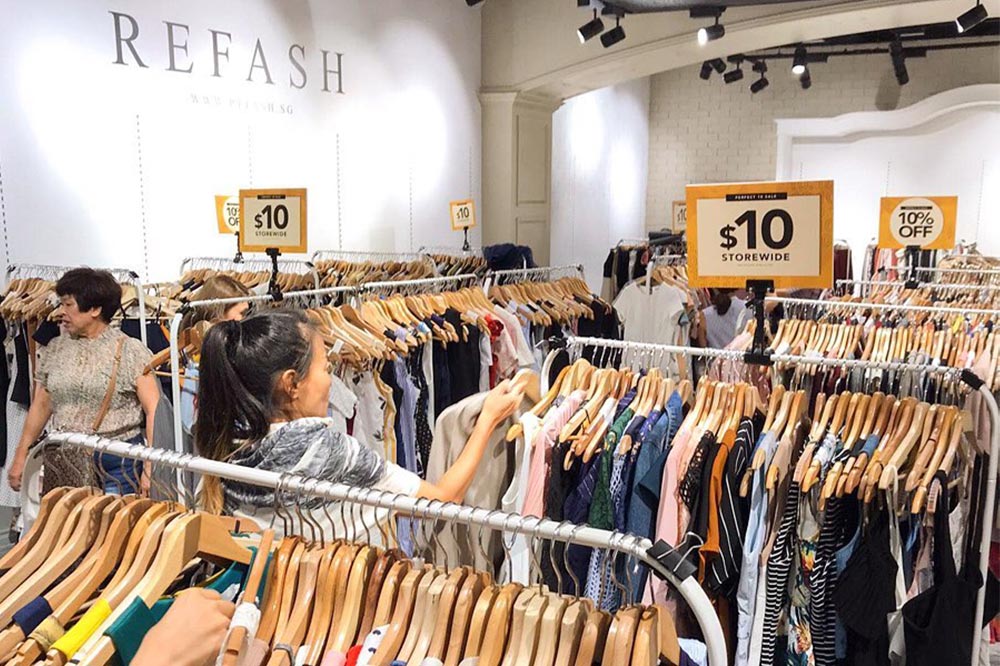
  • Booming Secondhand Market In Asia Signals New Era For Sustainable Shopping

    Booming Secondhand Market In Asia Signals New Era For Sustainable Shopping

    The ongoing transformation in the retail landscape across Asia takes a tantalizing turn as reports emerge about the booming secondhand clothing market, particularly in countries like South Korea and Japan. This rise, spurred by a growing thrift culture and shifted consumer attitudes, signals a new era in sustainable shopping practices. Shoppers are no longer just looking for bargains; they are becoming increasingly mindful of their consumption habits and the environmental implications of their purchases.

    Secondhand Shopping Takes Center Stage

    The phenomenon of thrifting has captured the hearts of many, with platforms like Carousell, Depop, and Mercari leading the charge. In Japan, where the concept of ‘mottainai’—a term expressing a sense of regret regarding waste—resonates deeply, consumers are diving headfirst into used goods. South Korea is not far behind, with its vibrant “seconhand” market thriving amidst a cultural shift toward sustainable fashion.

    As discussions of environmental impacts become more prevalent, retailers and brands are aligning their values with those of eco-conscious consumers. Notably, this shift has turbocharged sales in thrift stores, which are witnessing a remarkable uptick in foot traffic and online engagement. It’s almost as if shopping for used clothes has become the new black.

    Corporate Moves to Support Sustainability

    Major brands are also recognizing this trend. For instance, companies like Uniqlo are launching recycling programs, encouraging customers to bring in old garments in exchange for store credits. These initiatives not only lower waste but also foster a sense of community as shoppers engage in a circular economy. With reports indicating a 40% increase in secondhand purchases from the previous year, it’s clear that both consumers and businesses are embracing this evolution.

    The Thrifting Experience: More Than Just a Trend

    The allure of secondhand shopping goes beyond mere savings; it’s about the thrill of discovery and the unique stories woven into each vintage piece. It’s not uncommon for shoppers to stumble upon rare finds—from classic designer pieces to quirky local designs—that offer a glimpse into the past and a sustainable future. In the words of one dedicated thrifter, “It feels like a treasure hunt, but with less stress and more style!”

    Challenges Ahead: Bridging Quality and Affordability

    Despite the growth, the secondhand sector faces challenges. Quality control and standardization remain critical as this market expands. Consumers demand not just affordability but reliability; they want to trust that what they’re purchasing meets certain standards. As platforms and retailers grapple with these expectations, innovation will be vital in smoothing the shopping experience while keeping sustainability at the forefront.

    The journey towards a greener retail landscape is undeniably on the upswing in Asia, with secondhand shopping leading the charge. As more consumers opt for sustainable choices, the retail industry is poised for an exciting transformation.

    Questions & Answers

    What factors are driving the growth of the secondhand market in Asia?
    A combination of rising awareness about sustainability, changing consumer behavior, and innovative online platforms has propelled the secondhand market forward, making it a popular choice among eco-conscious shoppers.

    How are major fashion brands responding to this trend?
    Brands like Uniqlo are implementing recycling programs to encourage customers to give back old clothing, thus aligning with the growing consumer demand for sustainable practices and contributing to a circular economy.

    What challenges does the secondhand market face as it continues to expand?
    Quality control and standardization are significant hurdles for the expanding secondhand market as consumers increasingly seek reliable products that provide value and assurance.

  • Uniqlo Unveils Ambitious Expansion Plan Amid Rising Demand In Asia

    Uniqlo Unveils Ambitious Expansion Plan Amid Rising Demand In Asia

    In a recent shake-up within the retail sector, the iconic Japanese fashion retailer, Uniqlo, has confirmed plans to expand its presence in Asia, unveiling an ambitious strategy to open 50 new stores across key markets in the region over the next year. This move comes as the company seeks to capitalize on the rising demand for affordable yet trendy apparel among Asia’s rapidly growing middle class.

    Accelerated Growth Amid Global Challenges

    Despite facing headwinds from global supply chain constraints and the lingering effects of the pandemic, Uniqlo’s executives remain optimistic. In a statement, the company highlighted its commitment to sustainable practices and innovative product offerings, which are expected to be central to its new store openings. As the world becomes increasingly eco-conscious, Uniqlo plans to leverage its reputation for quality and affordability to attract a loyal customer base.

    A Unique Brand Experience

    What sets Uniqlo apart from its competitors is its philosophy of “LifeWear”—a commitment to creating functional, everyday clothing that seamlessly blends style with comfort. The company is not just about selling clothes; it’s about crafting an experience that resonates with consumers’ lifestyles. With its latest initiatives, Uniqlo intends to enhance its in-store environment, incorporating technology that allows customers to engage with the brand in more meaningful ways. Imagine scanning a QR code and instantly discovering outfit inspirations!

    Responding to Consumer Trends

    The surge in online shopping during the pandemic has prompted Uniqlo to bolster its digital presence, complementing its physical stores. With a robust e-commerce strategy in place, the retailer is ensuring that its customers can enjoy a seamless shopping experience, whether online or in-store. In fact, with investments in AI and personalized marketing, shoppers may even find themselves greeted by name on their next visit. Talk about a warm welcome!

    Looking Ahead

    As the retail landscape evolves, Uniqlo’s expansion plans embody its belief in the resilience of brick-and-mortar stores, especially in vibrant markets like Asia, which brims with lifestyle enthusiasts eager to explore new fashion trends. The excitement around this expansion is palpable, and as many have noted, maybe it’s time to make some room in your closet!

    Questions & Answers

    What regions will Uniqlo focus on for its new stores?
    Uniqlo is concentrating on expanding in key markets across Asia, tapping into the growing demand for affordable fashion.

    How is Uniqlo adapting to changes in consumer behavior?
    The retailer is enhancing its digital presence and integrating technology into its shopping experience, allowing customers to engage with the brand more actively.

    What is the core philosophy behind Uniqlo’s product offerings?
    Uniqlo’s philosophy, known as “LifeWear,” emphasizes creating functional, everyday clothing that combines style and comfort, catering to the lifestyle of contemporary consumers.

  • Lululemon and employer branding

    Lululemon and employer branding

    Lululemon Athletica Inc. is beefing up benefits to attract and retain workers, offering full-time employees from three to six months of paid parental leave. The gender-neutral benefit awards three months of paid leave to full-time workers who have been at the yogawear company for two years. Employees with five or more years at the firm qualify for six paid months off. At Lululemon, workers are considered full-time if they work 24 hours a week.

    “When you think about an investment, there’s also all of those areas where it’s really hard to quantify because of the contribution and the return,” said Susan Gelinas, senior vice president for people and culture at Vancouver-based Lululemon. “We just see this as something that’s right to do for our people.”

    In the U.S., without any federal requirement for paid parental leave, it’s up to individual companies to offer a benefit, and about 35 percent do, according to a survey from the Society for Human Resource Management. Still, 84 percent of workers in the U.S. don’t have access to paid family leave, according to data from the Bureau of Labor Statistics.

    The majority of Lululemon’s full-time staffers in the U.S. have been with the company for two or more years, while one-fifth have worked there five or more years. As of January 2018, about 60 percent of Lululemon’s 13,400 workers were based in the U.S. The company declined to say how much the new policy would cost.

    Employees working in Canada already receive some paid parental leave, a portion of which comes from the government’s unemployment insurance program. That compensation is partial, and Lululemon’s offer there is a “paid top-up,” Gelinas said in an interview.

  • Peggy Hartanto debuts first standalone store, in Jakarta

    Peggy Hartanto debuts first standalone store, in Jakarta

    The fashion brand Peggy Hartanto has achieved a significant landmark in its retail journey with the inauguration of its first independent store in Plaza Senayan, Jakarta.

    Reflecting the Brand’s Aesthetic

    The store’s design draws on the brand’s aesthetic, harmoniously blending dark brown and powder blue hues to craft a warm, grounded ambiance. The minimalist nature of the space is characterised by the balance between clean, structural lines and delicate, organic forms. The inclusion of clay walls adds an earthy, tactile aspect, underscoring the brand’s dedication to craftsmanship and materiality.

    More Than a Retail Space

    Peggy Hartanto, the brand’s creative director, shared her perspective on the design of their premier standalone store. She expressed the desire to offer more than just a shopping space. Their vision was to establish a habitat that encapsulates the brand’s language and philosophy, utilising elements of minimalism, materiality, and colour. The aim was to create an environment that is immersive, calm, and focused, devoid of the commonly overwhelming functions and distractions found in retail architecture.

    Peggy Hartanto was established in 2012 by sisters Peggy, Petty, and Lydia Hartanto. The Jakarta-based label has gained a reputation for its contemporary womenswear, characterised by bold silhouettes, meticulous construction, and a forward-thinking design philosophy. The brand’s garments strive to empower today’s women by embodying both femininity and strength.

    Acknowledged Internationally

    Peggy Hartanto has received international acclaim, which includes being named on Forbes Asia’s ’30 Under 30 – The Arts’ list in 2016 and being chosen as a finalist for the International Woolmark Prize Asia in 2017.

    Questions & Answers

    What is the design philosophy behind Peggy Hartanto’s first standalone store?
    The store reflects the brand’s language and philosophy, featuring a minimalist design that balances clean, structural lines with soft, organic shapes. The colour palette and tactile elements like clay walls underline the brand’s commitment to craftsmanship and materiality.

    What characterises the clothing offered by Peggy Hartanto?
    Peggy Hartanto’s clothing is defined by bold silhouettes, precise construction, and a progressive design ethos. The brand’s pieces aim to empower modern women by embracing both femininity and strength.

    What are some of the recognitions received by the fashion label Peggy Hartanto?
    Peggy Hartanto has been internationally recognised, including being listed in Forbes Asia’s ’30 Under 30 – The Arts’ in 2016 and selected as a finalist in the International Woolmark Prize Asia in 2017.

  • H&M Founding Persson Family Increases Stake, Sparking Privatization Rumors

    H&M Founding Persson Family Increases Stake, Sparking Privatization Rumors

    The Persson family, one of Sweden’s wealthiest clans, has made quite the splash in the fashion world. Since 2016, they’ve poured over US$6.6 billion into H&M, claiming nearly two-thirds ownership of the brand. This move has sparked lively speculation about a possible return to private ownership, even though the family asserts otherwise, as reported by Bloomberg.

    Increasing their stake through Ramsbury Invest, the Perssons have offered minimal insight into their intentions, merely stating their unwavering belief in H&M.

    Despite their denials about taking H&M private, their steady accumulation of shares is raising eyebrows among minority shareholders. “This is something we’ve been discussing for years, and few would doubt that this is the direction things are headed,” remarked Sverre Linton, chief legal officer and spokesperson for the Swedish Shareholders’ Association.

    Linton urged the family to clarify their intentions and consider halting their share acquisitions if they truly aren’t planning a switch to private ownership.

    Thanks to reinvested dividends, the Perssons have inflated their H&M stake from 35.5% to nearly 64% over the past nine years. When considering extended family holdings, the Perssons command about 70% of the capital and roughly 85% of the voting rights, according to H&M’s own website.

    In an interview with Bloomberg last year, H&M Chairman Karl-Johan Persson, the founder’s grandson, brushed aside rumors of privatization, asserting, “There are no plans. We just buy because we believe in the company.”

    However, competition is heating up, with H&M wrestling against heavyweights like Zara and the rapid-fire fashion disruptor Shein. Last year, this iconic Swedish brand, nearly 80 years in the making, dropped its margin targets for 2024 as higher discounting, increased costs, and stiff competition eroded their operating profits, as Reuters reported.

    Analysts, such as Niklas Ekman at DNB Carnegie, speculate that the family’s ongoing share purchases might signify intentions that extend beyond mere confidence. In a recent note to clients, he indicated a buyout could materialize within two years if the family’s current pace continues, with the potential for a delisting after reaching 90% ownership.

    Ekman mused that a transition to private ownership would likely stem from “emotional rather than financial motives,” given the family’s existing dominance and historical penchant for prioritizing their vision over that of minority shareholders.

    At the heart of this drive is Stefan Persson, 77, who transformed H&M into a global fast-fashion behemoth during his 16-year CEO stint and subsequent two decades as chairman. He remains heavily engaged in the brand’s future. With a fortune of $18.6 billion, largely in H&M stock, he stands as Sweden’s wealthiest individual, according to the Bloomberg Billionaires Index.

    As H&M’s shares have plummeted by about 60% since peaking a decade ago, the company now holds a valuation of around US$23 billion, a stark contrast to its former glory.

    Questions & Answers

    What is the Persson family’s current stake in H&M?
    The Persson family’s stake has risen from 35.5% to almost 64% over the past nine years, giving them control of around 70% of the capital.

    Why are minority shareholders concerned?
    Their concerns stem from the family’s ongoing share purchases, which some believe could indicate intentions to take H&M private, despite family denials.

    How has H&M been performing recently?
    H&M has struggled against fierce competition and has dropped its margin targets for 2024 due to increased costs, higher discounting, and declining operating profits.

  • Guess Jeans to launch in India

    Guess Jeans to launch in India

    GUESS? Inc. is bringing its California-based denim lifestyle label, Guess Jeans, in India.

    The move comes as part of a long-term strategic franchise partnership with Tata Group’s multi-category e-commerce platform, Tata CLiQ, operated by Tata UniStore Limited.

    Under the partnership, Tata CLiQ will serve as the exclusive retailer for Guess Jeans in India, offering the brand’s products through both physical stores and online platforms. The collaboration is aimed at establishing an omnichannel presence, providing Indian customers with seamless access to the latest collections.

    The partnership is expected to drive significant growth for Guess Jeans by expanding its retail footprint across the country.