Tag: Clothing

  • H&M to shut high-profile Singapore store

    H&M to shut high-profile Singapore store

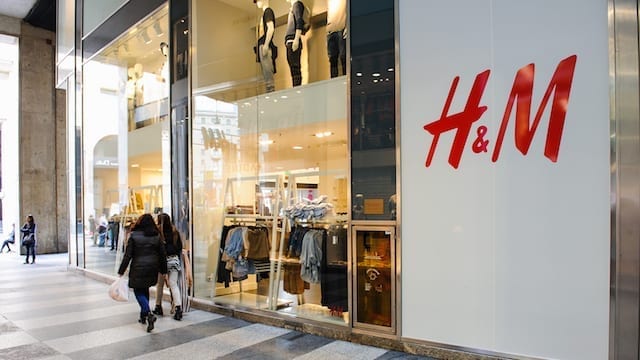
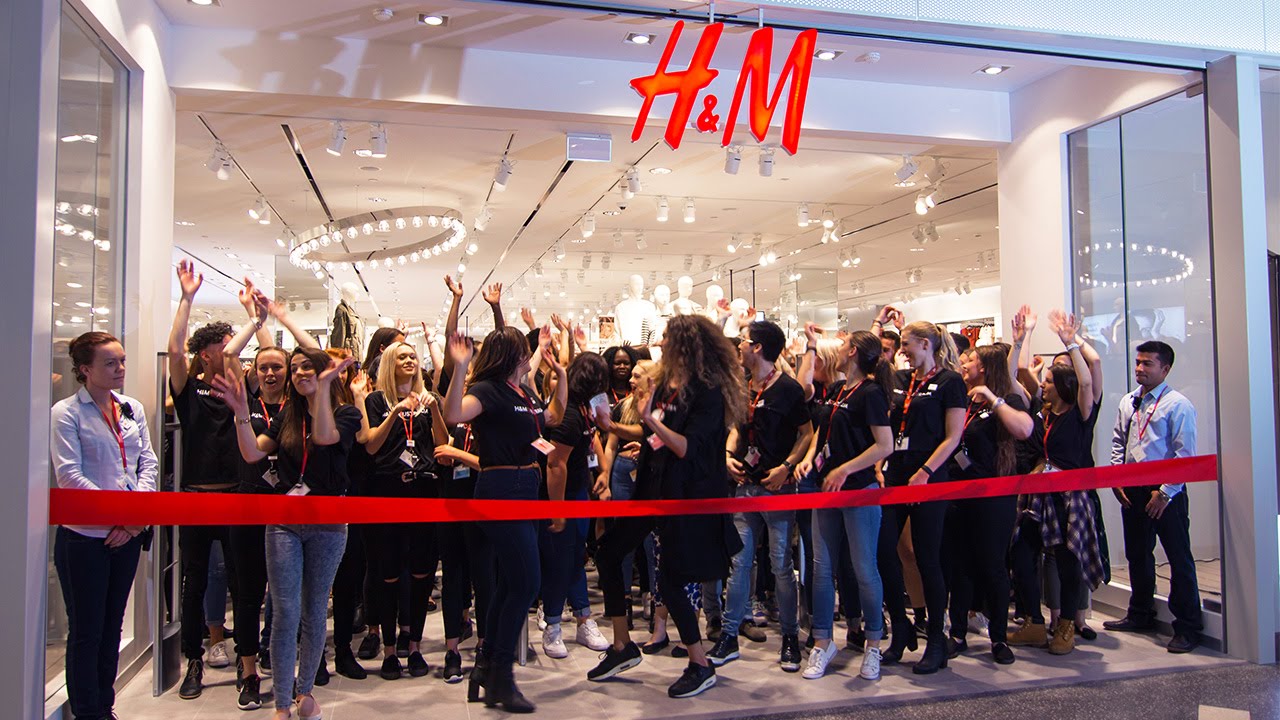
     H&M’ s two-storey Ion Orchard outlet is closing in March, after a run of more than a decade.

    Opened in 2012, the store’s last day of operations is on March 12, according to a Facebook post by the Swedish fast-fashion brand on Feb

    The post added: “But don’t worry. We’ll meet in other places.” The retailer, which currently has nine outlets in Singapore, shuttered two outlets in recent years.

    H&M’s Tampines Mall outlet was shut in August 2020, while its Waterway Point outlet in Punggol closed in January 2021.

    The Straits Times has contacted H&M for comment.

    H&M entered the Republic in 2011 with a flagship store at Somerset.

    The world’s No. 2 fashion retailer – behind Inditex, which owns Zara – has had a spate of closures in Europe, spurred by factors such as the Ukraine-Russia conflict and high inflation.

    According to media reports, one in five of its Britain-based stores had closed in the past few years, with four more stores earmarked to close this year citing “a rapid change in customer behaviour”.

    In October 2020, the retailer said it planned to cut 250 of its stores globally. As at Nov 30, 2022, it had 4,465 outlets worldwide.

    Luxury brands have weathered factors such as the Ukraine-Russia conflict far better than their high-street counterparts.

    While H&M saw its net profit fall 68 per cent from 2021 to 3.6 billion Swedish kronor (S$450 million), French multinational LVMH – which owns brands including Tiffany & Co, Christian Dior and Sephora – had a record year in 2022, raking in a 23 per cent jump to hit €79.2 billion (S$112.9 billion) in 2022.

  • Myntra launches fashion label Kenneth Cole in India

    Myntra launches fashion label Kenneth Cole in India

    Myntra announces the launch of global designer-led fashion brand, Kenneth Cole, further boosting the portfolio of international brands available on its platform. A brand with huge international repute, Kenneth Cole offers unique premium products catering to an urban and socially conscious audience between the age group of 22-35 years to begin with, the brand will offer over 140 SKUs across categories like T-shirts, shirts, jeans, and winter wear.

    Founded in 1982, the American fashion house, Kenneth Cole, is one of the leading fashion brands worldwide and is available across stores as well as online. The brand’s unique collections include Techni-Cole, Conscious-Cole will also be available as a part of EORS 17 offerings, which is scheduled to be held between Dec 10 to 16, this year. The Techni-Cole collection uses technical fabrics, making it more flexible and functional, while the Conscious-Cole collection uses sustainability-led fabrics and organic cotton, along with Kenneth Cole’s unique take on modern work-wear, appealing to a product-conscious cohort. Kennethism, which are quotes from Kenneth Cole himself, helps drive the brand message to the audience, further augmenting the brand’s salience among shoppers.

    Kenneth Cole’s launch on Myntra will help Kenneth Cole reach and engage with diverse targetaudiences and amplify its presence in the country. The association allows our in-house speciality teams to design, manufacture and distribute Kenneth Cole apparel, accessories and footwear digitally in India. Men’s and Women’s Apparel from Kenneth Cole is live on Myntra, with other categories launching in the upcoming seasons. Kenneth Cole will further have its own Online Brand Store (OBS) on Myntra, allowing shoppers quicker access and a richer shopping experience.

    Talking about the launch, Nandita Sinha, CEO, Myntra, said, “Kenneth Cole has created a mark for itself over the years, among global fashion and lifestyle consumers. We are delighted to welcome Kenneth Cole on Myntra and are confident of the brand being able to build deeper salience with the millions of shoppers across the country, especially with Kenneth Cole’s product-driven approach and Myntra’s wide reach and popularity with India’s fashion-forward consumer base.” Speaking on the launch, Kenneth Cole, said, “We are excited to announce this initiative which is intended to firmly establish our footprint in the Indian market. Myntra is one of the leading platforms in the fashion and lifestyle space and we are looking forward to partnering with them to meet the
    hyper-growing stylish aspirations of Indian consumers.”

    Myntra’s EORS-17, is set to bring offerings from over 6000 brands across a whopping 17 lakh styles.
    As a part of the event, Myntra is also presenting EORS specials and Kenneth Cole will be a part of the
    EORS specials this edition. First-time shoppers can expect a flat ₹500 off on their initial transaction,
    along with free shipping on their first four orders, while also receiving exciting coupons for future use.

  • Ralph Lauren launches cafe in Pavilion KL

    Ralph Lauren launches cafe in Pavilion KL

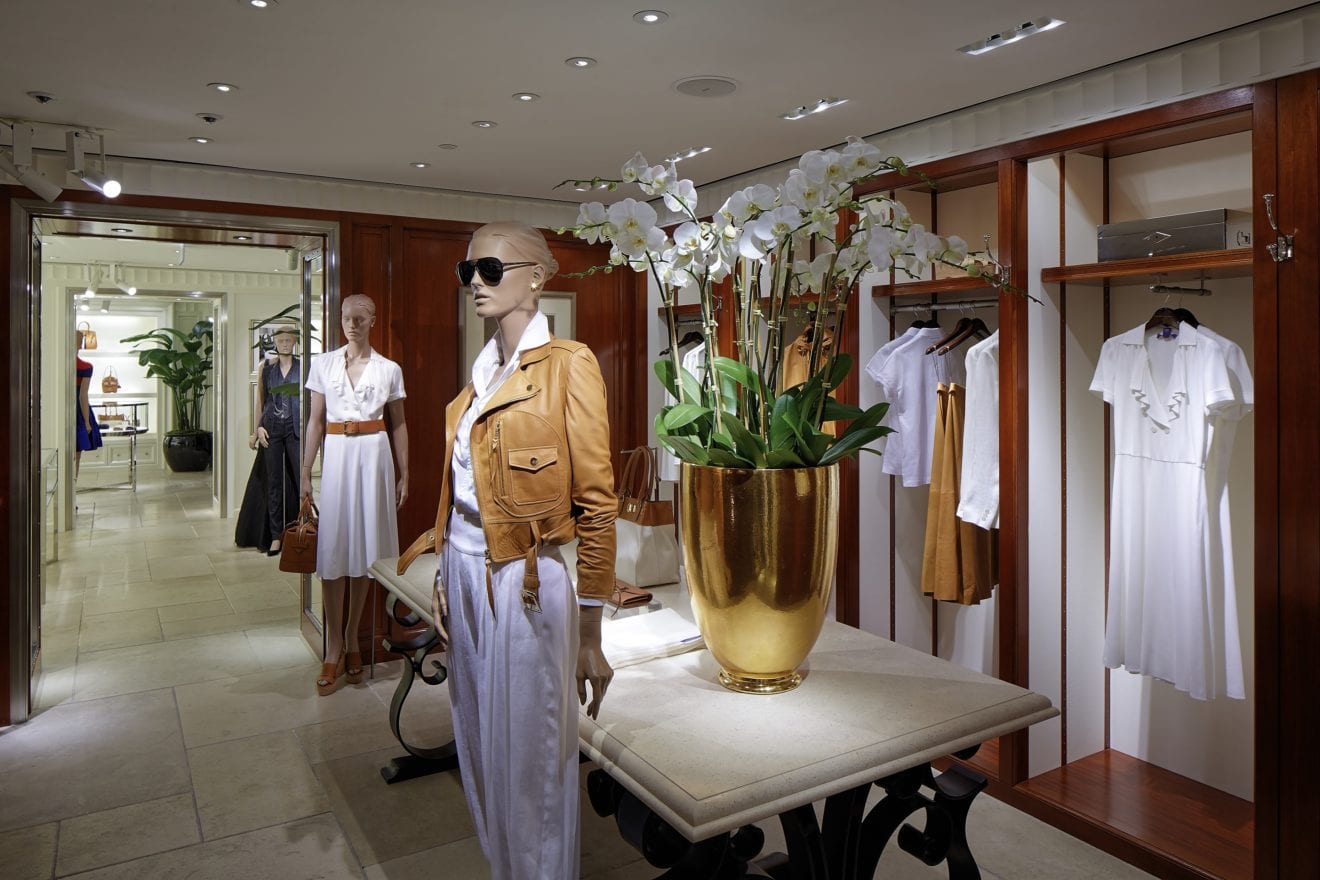
    US luxury fashion label Ralph Lauren has launched a cafe in Malaysia, part of its plan to strengthen its presence in the Southeast Asia market.  The new coffee shop is located at Pavilion Kuala Lumpur, right next to its fashion retail space. It provides both on-site and takeaway services and is adorned in Ralph Lauren’s signature white and green. Customers can purchase the brand’s exclusive blends, including Ralph’s Roast, Decaf, and Espresso, which are roasted and packaged in Phil

    The new coffee shop is located at Pavilion Kuala Lumpur, right next to its fashion retail space. It provides both on-site and takeaway services and is adorned in Ralph Lauren’s signature white and green.

    Customers can purchase the brand’s exclusive blends, including Ralph’s Roast, Decaf, and Espresso, which are roasted and packaged in Philadelphia by La Colombe and use ethically cultivated beans from Central America, South America, and Africa.

    Ralph Lauren was established in 1967 and specializes in the creation, promotion, and sale of high-end lifestyle goods across five different categories, including clothing, home goods, fragrances, and hospitality.

    In 2014, Ralph Lauren launched its first coffee shop in New York City. Since then, it has expanded its network of coffee shops and Ralph’s Coffee trucks.

    Opening its first Asia outlet in Hong Kong in 2018, the company just opened a new store in the region in July, expanding its portfolio in Mainland China. Ralph Lauren also has operations in Japan and France.

  • Burberry closes prominent Hong Kong flagship

    Burberry closes prominent Hong Kong flagship

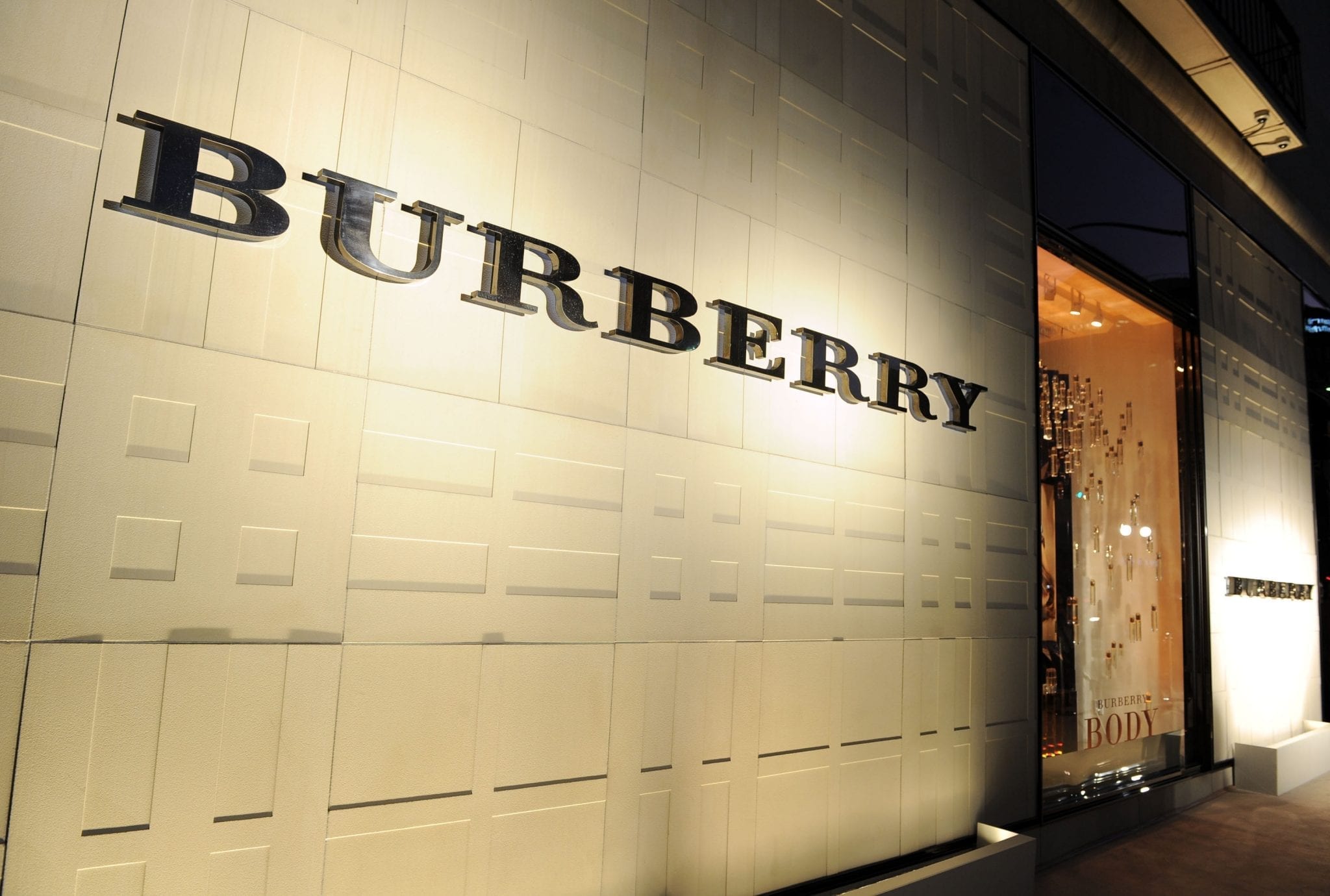
    British luxury fashion house Burberry is the latest luxury brand to withdraw from Hong Kong’s famous shopping street Canton Road.

    The closure of the three-storey store came after Burberry shut its prominent Russell Street flagship last year, highlighting its struggles in a market still heavily impacted by Covid-19 restrictions.

    Canton Road is known as a hub for luxury brands and is home to the giant Harbour City shopping mall. The street was a common destination for Mainland tourists before the advent of Covid-19 and the closure of the border with the mainland. The Burberry Canton Road flagship opened in 2011 and was reported by WWD to have a monthly rent of US$1.12 million.

    The luxury retailer currently has 10 stores across the territory.

    Prior to Burberry, several luxury brands shut stores along the Canton Road retail strip due to the lack of tourists including Valentino, Tiffany & Co, and Coach. Earlier this year, Hong Kong introduced its strictest Covid-19 measures due to the spread of the Omicron variant, resulting in widespread retail and foodservice closures.

  • H&M closes Shanghai flagship after Covid lockdowns

    H&M closes Shanghai flagship after Covid lockdowns

    H&M has shut its flagship Shanghai store, its latest closure in China where consumer demand has slumped amid COVID-19 lockdowns and the fast-fashion retailer has borne the brunt of a backlash against companies that refuse to use Xinjiang cotton.

    Although it was open earlier this month, the three-storey building in downtown Shanghai was on Friday boarded up with its H&M signage gone.

    The world’s second-biggest fast-fashion retailer entered China in 2007 with the opening of the Shanghai flagship store and rapidly expanded. It had more than 500 stores in mainland China early last year but its website currently only lists 376, including the flagship Shanghai store.

    The company declined to comment, citing a blackout period prior to its first-half earnings report on June 29.

    Although nearly a month has passed since Shanghai lifted a strict two-month lockdown, consumers have yet to return to malls in significant numbers.

    Chinese consumers have also beat a retreat from its products after a letter in which H&M expressed concerns about allegations of forced labour in the Xinjiang region came to light in 2021.

    Other brands that publicly disavowed Xinjiang cotton such as Inditex’s, Zara, Nike and Adidas have also suffered with Chinese netizens calling for boycotts and Chinese celebrities refusing to work with them.

    But the backlash against H&M, the first foreign retailer to express concerns, has been particularly harsh. Unlike other brands, its products remain unavailable on major Chinese e-commerce sites such as Tmall and JD.com.

    UN experts and rights groups estimate over a million people, mainly Uyghurs and other Muslim minorities, have been detained in recent years in a vast system of camps in China’s western Xinjiang region.

    Many former inmates have said they were subject to ideological training and abuse in the camps. China denies all accusations of abuse.

  • Uniqlo owner to raise prices on fleece products due to weak yen

    Uniqlo owner to raise prices on fleece products due to weak yen

    The owner of Japanese clothing brand Uniqlo said on Tuesday it will raise prices on some goods this fall, reflecting increasing cost pressures from the weak yen and logistical hurdles.

    Prices on fleece goods and down jackets in the fall/winter product lines will go up by 1,000 yen (US$7.54), a spokesperson confirmed, after an earlier report by the Jiji news service. The company is also increasing the use of recycled polyester in its fleece products to keep costs down.

    Consumer prices are surging in Japan after decades of deflation, driven by the yen’s drop to a 20-year low against the dollar and soaring energy costs.

    Fast Retailing has competed on low-cost basics like socks and underwear for decades, but its executives have warned recently that rising production costs would necessitate price hikes.

    Founder Tadashi Yanai in April railed against the decline in Japan’s currency, saying there was “absolutely no merit” in a weak yen.

  • Uniqlo set to come to Hai Phong

    Uniqlo set to come to Hai Phong

    Japanese fashion brand Uniqlo plans to open its first store in the northern city of Hai Phong this summer.

    It will be a 2,000-square-meter outlet at Aeon Mall Le Chan.

    Uniqlo, which came to the Vietnamese market two years ago, now has 10 stores in Hanoi and HCMC.

    Globally, it has over 2,300 in 25 countries and territories.

    German research firm Statista estimates Vietnam’s fashion industry to grow at an average annual rate of 22.5 percent in 2017-22 to reach US$988 million.

  • China and South Korea boost Burberry sales

    China and South Korea boost Burberry sales

    Double-digit sales growth in China, South Korea, and the Americas underpinned a 37-per-cent lift in first-half sales for luxury fashion group Burberry to US$1.63 billion.

    The lift reflected a recovery in-store sales as Covid-related lockdowns and trading restrictions eased in the six months to September 25, compared with the same period a year earlier when a swathe of stores was closed across key markets.

    “We have made strong progress in the half,” said Burberry chair Gerry Murphy in a statement.

    “Full-price sales are growing at a double-digit percentage, driving margin expansion and strong free cash generation. We are seeing an acceleration in performance in countries less impacted by travel restrictions and we remain confident of achieving our medium-term goals.”

    The company reported an adjusted operating profit of $263 million, up 16.2 percent year on year.

    While the Americas, Korea, and China buoyed sales, the company said other regions continued to be impacted by reduced tourist levels.

    The company said its new store format – of which 15 are now complete with a target of 50 by the end of next March – was drawing higher-spending customers through the doors. Online sales were performing well with sales of goods at a full price almost doubling year on year.

    During the six months, Burberry announced its CEO Marco Gobbetti was to stand down early next year, to be replaced by Jonathan Akeroyd in April.

    Murphy paid tribute to Gobbetti’s “vision and leadership” during Burberry’s transformation and said the board expects Akeroyd will build on the strong foundations to accelerate growth and deliver further value for shareholders.

  • Uniqlo’s Beijing global flagship store opens doors

    Uniqlo’s Beijing global flagship store opens doors

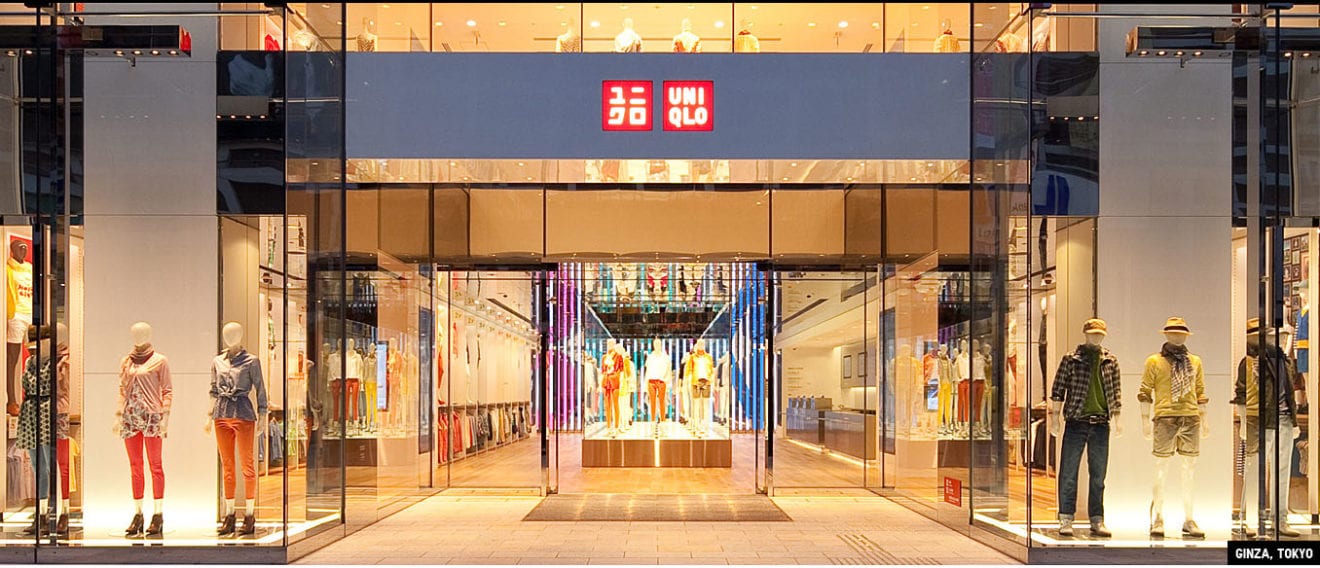
    Global apparel retailer UNIQLO today announces that UNIQLO BEIJING SANLITUN Global Flagship Store will open on Saturday, November 6. The company’s third global flagship store to open in Mainland China and the first in Beijing, the new store will engage with Chinese traditions and society, incorporating technology, art, culture, creativity, and sustainability to create China’s first in-store curated LifeWear experience. UNIQLO will also feature a preview of the new store at the China International Import Expo (CIIE) 2021, taking place in Shanghai from November 5 to 10.

    “Over the past nearly 30 years, UNIQLO has grown together with our customers and partners in China. The UNIQLO BEIJING SANLITUN Global Flagship Store, our first global flagship store in Beijing, is the latest achievement of this relationship,” said Tadashi Yanai, UNIQLO Founder and Chairman, President & CEO of the Fast Retailing Group. “We are very pleased to be offering customers in Beijing with the ever-evolving concept of LifeWear that meets the daily lifestyle needs of people everywhere. The new Beijing store is an important step in our vision to become a truly global digital consumer retailing company,” he added.

    The new UNIQLO BEIJING SANLITUN Global Flagship Store will provide customers inventive and unique shopping experiences through installations conveying the functionality of representative UNIQLO products, art displays, and Mainland China’s first UNIQLO FLOWER, which offers fresh flowers and potted plants as another way to brighten up the lives of everyone.

    As an extension of the UNIQLO Miao Embroidery Project – a sustainability initiative created to preserve the traditional embroidery techniques of the Miao people that helps ensure important cultural traditions are not lost – a huge Miao embroidery titled “Life and Growth in Nature” will be showcased for the first time at the store. The one-square-meter work created by Students from Tsinghua University in Beijing and Miao embroiderers expresses humanity’s desire to live sustainably for the benefit of nature and future generations.

    The new store features Beijing’s first special UT floor, where a range of popular global contents express the power of pop culture and creativity through t-shirts and other items, as well as Beijing’s first UTme! customization workshop, where customers can design their own UT using thousands of specially designed contents, including Chinese-style Universal Studios and Disney motifs, and Chinese-calligraphy-themed patterns.

    UNIQLO will also debut “New Culture Style,” the first UT collection created in collaboration with Chinese artist Lao Shu (real name Liu Shuyong), who specializes in depicting contemporary life with ink painting. Three dedicated artworks have been created for the new collection – “Genuine Affection,” “Benevolent Love,” and “Beautiful Thing” – to capture the traditional Asian aesthetic and philosophy of truth, virtue and beauty in this special collaboration.

    As a global flagship store, UNIQLO BEIJING SANLITUN will carry the full lineup of UNIQLO LifeWear, including Uniqlo U and such 2021 fall/winter collaboration collections as “UNIQLO and White Mountaineering”. The store will also carry limited-edition fleece available in 11 colors for the opening, as well as the Premium Cashmere Collection, seasonal essentials made from 100% cashmere to provide unparalleled softness and warmth.

    UNIQLO opened its first store in China in September 2002, and currently the company is operating nearly 850 retail locations throughout the mainland. Participating in the China International Import Expo (CIIE) for the second year, UNIQLO will demonstrate its commitment to the Chinese market and showcase innovative apparel created through the Art and Science of LifeWear at its 1,000-square meter “Tomorrow Wonderland.”

  • Love Bonito seals $50 million funding round expands into multiple countries

    Love Bonito seals $50 million funding round expands into multiple countries

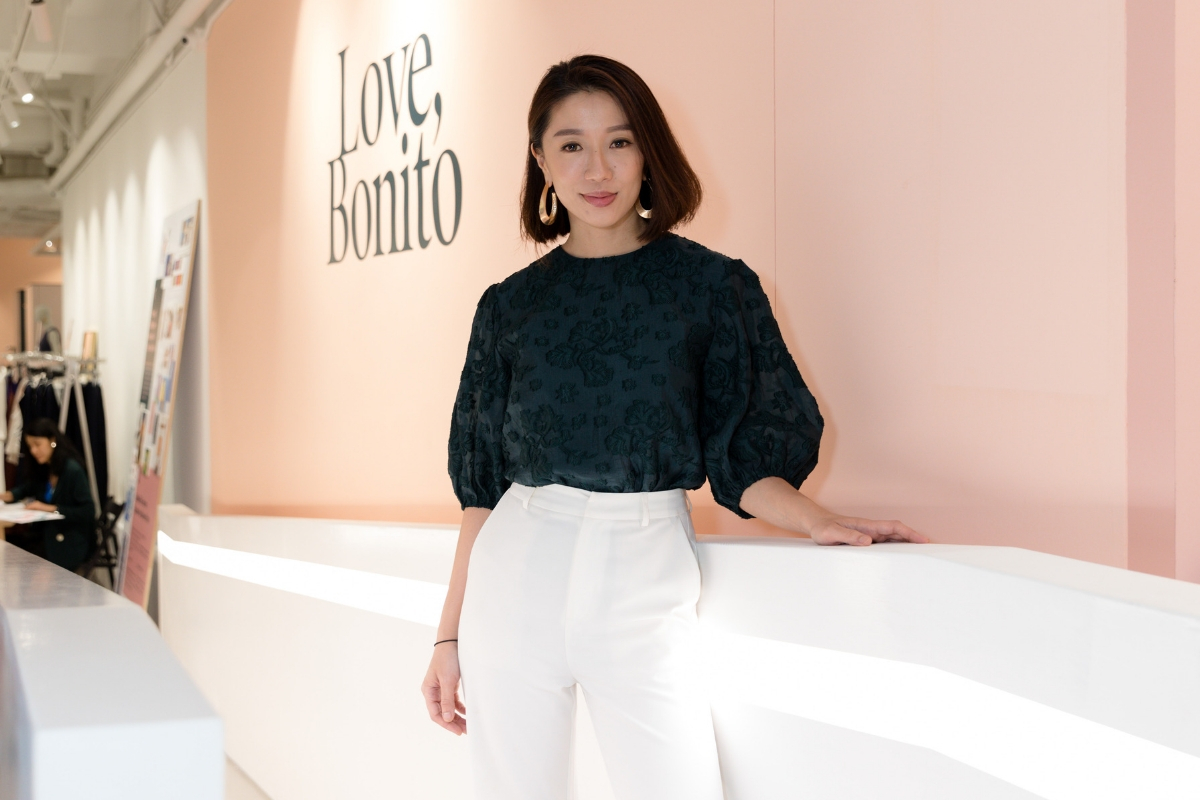
    Love, Bonito today announced the close of its Series C funding round, raising a total of US$50Million. The round was led by Primavera Capital Group, a global investment firm whose previous investments include Alibaba, ByteDance, Yum China and Mead Johnson China. Adastria and Ondine Capital participated in the round too. Love, Bonito’s current investors include Openspace Ventures and Kakaku.com.

    Proceeds from the fundraising will enable the brand to bolster efforts in existing omnichannel markets and supercharge international expansion in markets that collectively are experiencing triple digits year-on-year (YoY) growth. These key markets include Hong Kong, Japan, Philippines and the US. Furthermore, the company is exploring categories outside of fashion as part of its plan to create a female ecosystem.

    Since its launch in 2010, Love, Bonito has achieved impressive growth, expanding into 10 key markets which include those in Southeast Asia, namely Singapore, Malaysia, Indonesia, Philippines, Cambodia, and East Asia markets, namely Taiwan, Hong Kong, Japan as well as Australia and the US.

    To date, Love, Bonito has achieved overall growth of over 120 percent YoY in international markets, and overall growth of 208 percent for its online sales. The company believes the Asian diaspora communities have extremely high potential, especially in the US, where online revenue growth exceeded 1,200 percent YoY as of September 2021.

    With the latest funding, the brand will double down efforts within markets such as Singapore, Indonesia, and Malaysia that have an omnichannel presence, while other markets such as Hong Kong, Japan, the Philippines, and the US will see an expansion in omni-channels, new business verticals, strengthening of local community engagement and key collaborations, as well as the continuous optimization of user experiences.

    “I am more excited than ever for what is to come in the next decade,” said Rachel Lim, Co-Founder of Love, Bonito. “The growth we see today would not have happened without #TeamLB and our #LBCommunity who consistently strive to support women in the different seasons of their lives. Being in the business of women has been our mission since day one, and we are finally venturing outside of fashion to bolster our offerings.”

    In line with the brand’s mission to empower the everyday Asian woman, plans are in place to increase offerings within the fashion line to include active apparel and accessories. The brand is also looking to venture into a content platform (LiBrary) as well as an exploration into new categories (LaB) which will include wellness.

    The category and product expansion strategy is informed and driven by data and community feedback garnered from several platforms, including the brand’s soon-to-be-launched artificial intelligence that delivers personalization at scale for women globally, through data and machine-learning models. Other existing platforms that contribute to the insights and knowledge gathering include:

    “We have built a strong foundation in understanding the everyday Asian woman in order to be pre-emptive in catering to her needs,” said Dione Song, CEO of Love, Bonito. “We are primed to become a true life partner for our community of women, in and beyond fashion. We have yet to see a womenswear brand from the region stand proud on the world stage amongst industry heavyweights and we want to be the first brand to achieve that, by being purpose-driven, community-focused and innovative.

    “We want to extend our heartfelt thanks to our existing and new investors who bring deep consumer investment experience and recognize the potential of the Asian consumer, both within and outside of the region,” added Dione.

    Lead investor Primavera provided a statement: “Love, Bonito has proven itself to be a one-of-a-kind, purpose-driven brand for women across all life-stages. Consumers are drawn by what the brand stands for and its mission to empower women around the world. Primavera is deeply impressed by how much the team has achieved over the last decade and looks forward to tapping into our understanding and experience in the global consumer sector to help elevate Love, Bonito to the next level. We are thrilled to join Dione and the rest of the team on this path-breaking journey.”

    Love, Bonito’s first external institutional investor, Openspace said: “From day one, we believed in what the brand could achieve as a business-led by women, for women. We are thrilled to now work alongside esteemed investors like Primavera to help write the brand’s next chapter.”

    Series B lead investor Kakaku.com added: “We are delighted to be on the global stage with Love, Bonito, and will continue to support the brand’s data and tech strategies, especially on their entry into the Japanese market.”

    In the next phase of its growth, Love, Bonito aims to shake up the fashion industry by creating a more meaningful impact on its community across all life stages. The brand is setting its sights on creating a thoughtful and well-rounded female ecosystem, supporting different facets of women’s needs within Asian countries and reaching further into the Asian diaspora communities across the globe.
  • Esprit chief exits after less than a year

    Esprit chief exits after less than a year

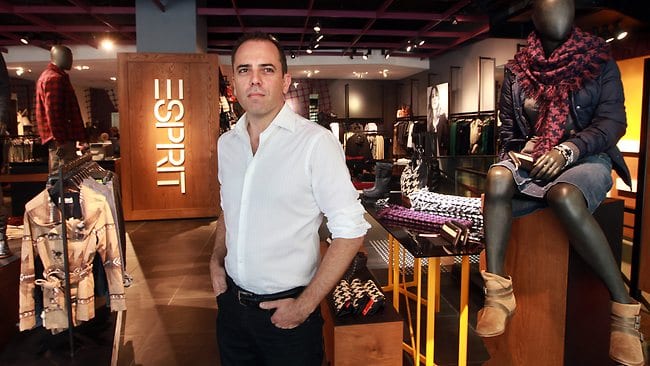
    Esprit CEO, president, and executive director Mark Daley has exited the company after less than a year at its helm due to personal family matters.

    “Mr Daley has confirmed that he has no disagreement with the board and there are no matters in relation to his resignation that need to be brought to the attention of the shareholders of the company,” the retailer announced on Thursday.

    Daley, who was previously CEO of Billy Reid and group president of Ralph Lauren’s Asia-Pacific region, was appointed to the top job at Esprit at the beginning of 2021 as part of a major restructuring at the business which had suffered from years of revenue decline.

    Daley joined as part of a shake-up that saw the departure of then-CEO Anders Kristiansen, who had been at the helm since 2018, as well as then-chief financial officer Johannes Schmidt-Schultes.

    “The board would like to take this opportunity to express its sincere gratitude to Mr Daley for his contribution to the company during his tenure of office,” Esprit said.

    William Eui Won Pak, who joined the company in September as executive director and chief operating officer, will take on the CEO position on an interim basis.

    He is a New York attorney with over a decade of experience in leading companies in the financial services and fund management industry, and also has expertise in technology, alternative energy, mining, and real estate.

    Pak is also the spouse of Esprit’s executive director and chair, Christin Su Yi Chiu.

  • Uniqlo owner Fast Retailing forecasts profit recovery as pandemic abates

    Uniqlo owner Fast Retailing forecasts profit recovery as pandemic abates

    Japan’s Fast Retailing expects continued recovery in sales and profits in the year to August 2022 as the pandemic abates, the owner of clothing brand Uniqlo said on Thursday.

    The company said it expects operating profit to climb 8.4% to 270 billion yen ($2.4 billion) in fiscal 2021-22.

    For the year ended in August, it reported 249 billion yen in operating profit, topping the 245.7 billion forecast in a Refinitiv poll of 13 analysts.

    “Vaccinations are being carried out all over the world to control the spread of the disease, and the economy is growing in earnest,” chief executive Tadashi Yanai told reporters.

    Fast Retailing expects the pandemic will still drag on results in the first half of the fiscal year but will then recover in the second half as shopping habits return to normal.

    The company said it expects some negative effects from production or logistic delays, problems that have plagued major clothiers and their global supply lines in recent months.

    In September, Fast Retailing said The company said in late September that its clothing releases will be delayed due to COVID-19 lockdowns at partner factories in Vietnam some clothing releases would be delayed due to pandemic-related lockdowns at partner factories in Vietnam.

    That followed crises in Myanmar and China that upset supply lines and created reputational challenges.

    Fast Retailing halted operations at some partner facilities in Myanmar as a military coup led to social unrest and lockdowns. In China, the company and other foreign brands faced a customer backlash over criticisms of alleged human rights abuses in Xinjiang province.

    Fast Retailing operates about 800 Uniqlo stores on the Chinese mainland, about the same number as in Japan.

    Yanai said the company carried out regular inspections of production sites and had built up a team to improve monitoring of how it gets raw materials for its clothes.

    “In the future, we will ensure a higher level of traceability of the materials we procure, including the farmers who produce the raw goods,” Yanai said.

  • H&M to open first store in Cambodia next year

    H&M to open first store in Cambodia next year

    Swedish multinational clothing retail company Hennes & Mauritz AB (H&M) has announced the opening of its first store in Cambodia next year, according to a press release issued in early July.

    The firm, however, did not disclose the specific date and location of this first store.

    H&M already has a large presence in the region with 11 stores in Vietnam and 43 in Thailand.

    The decision to expand its stores to Cambodia was made after the company assessed the potential of Cambodia given the gradual increase of local purchasing power.

    The firm has been manufacturing its products in Cambodia since the 1990s.

  • China sales help Armani bounce back from pandemic

    China sales help Armani bounce back from pandemic

    Sales at Giorgio Armani jumped 34% in the first half of 2021 as business in China and the United States helped the Italian fashion group bounce back, although it said it could be next year before it fully recovers from the pandemic.

    “The goal is to return to pre-pandemic levels by 2022, with… over 2 billion euros in direct consolidated revenues,” Chairman and CEO Giorgio Armani said on Sunday in a statement announcing 2020 results and the trend for January-June.

    The luxury group said consolidated net sales had fallen 25% last year to 1.6 billion euros ($1.9 billion), with most of the decline occurring in the first half of 2020.

    Luxury goods sales around the world fell sharply last year for the first time in years as the pandemic forced shop closures and brought international tourism to a virtual halt.

    “The drop in revenues in 2020 should be read not only as a consequence of the pandemic but also in line with Giorgio Armani’s own strategic principle of ‘less is more’,” said Armani Deputy Managing Director Giuseppe Marsocci.

    The Milan-based group did not give the value of total sales in January-June but said the positive sales trend so far this year pointed to a much better profitability scenario for 2021.

    For the whole of last year the group made a consolidated net profit of 90 million euros but an operating loss (EBIT) of 29 million euros.

    It also said on Sunday that its financial position improved significantly in the first half with net cash and cash equivalents of 1.088 billion euros “ensuring the financial resources necessary for the Group’s medium to long-term stability and growth”.

    Speculation about succession plans at Armani has come to the fore recently, especially after the 87-year-old designer said he could consider teaming up with another Italian company.

    Sources said earlier this month that John Elkann, scion of Italy’s Agnelli family, had explored a possible tie-up as part of plans to build a luxury conglomerate.

  • H&M back to profit again, China sales hit by boycott

    H&M back to profit again, China sales hit by boycott

    Fashion retailer H&M’s global sales growth slowed in the second half of June and the Swedish company took a sales hit in China after its concerns over alleged human rights abuses in Xinjiang led to a social media-inspired boycott by shoppers.`
    The world’s second-largest fashion retailer aon Thursday reported a stronger-than-expected profit for its March-May quarter, after a loss in the same quarter last year.

    In China, sales were down 23% in local currencies when H&M was wiped off Tmall and domestic phone makers app stores in March after the retailer expressed concerns about the alleged Xinjiang human rights abuses.

    “With regards to China the situation remains complex. Beyond that we refer to what we have said before,” Chief Executive Helena Helmersson said, as H&M quantified for the first time the impact of the China boycott, which started on social media.

    H&M in late March said in a statement it was dedicated to regaining the trust of customers and partners China and that its commitment to the country remained strong.

    Helmersson said H&M was closely following the situation in Bangladesh – another main supplier – after a spike in coronavirus cases prompted the country to enforce a strict lockdown, although garment factories remain open.

    Group sales for June 1-28 were up a quarter year-on-year but 4% lower than in pre-pandemic 2019 as growth slowed from mid-June, highlighting a patchy recovery from the pandemic.

    Helmersson, speaking to analysts and reporters, attributed the easing in the second half of June to a combination of factors, including tough year-ago and 2019 comparisons, cold weather last week in some European markets, and how coronavirus restrictions were being eased.

    “We see signals of a strong recovery also in June, and that customers appreciate our collections,” she said.

    Analysts said the figures implied sales were down 9% on 2019 in the latter two weeks of June, and noted that rival Primark has also said trading was currently very volatile from week to week.

    “Recent weeks of trading highlight a mixed demand rebuild,” said Jefferies analyst James Grzinic.

    Quarterly pretax profit was 3.59 billion crowns ($419 million) against a year-earlier loss of 6.48 billion.

    “As more and more people are vaccinated and restrictions are eased, the world is gradually opening up and customers can once again visit our stores,” Helmersson said. “Online sales have continued to develop very well even as the stores have opened.”

    H&M said 95 of its 5,000 stores globally remained temporarily closed, against 1,300 at the start of March.

    Chief Financial Officer Adam Karlsson said the company was not unaffected by rising freight rates due to a global shipping backlog but it expected to mitigate them.

    H&M said prospects of paying a dividend for 2020 in the autumn were now very good after it failed to propose one at its annual general meeting in May.