Tag: Clothing

  • Uniqlo launches initiative to recycle its products

    Uniqlo launches initiative to recycle its products

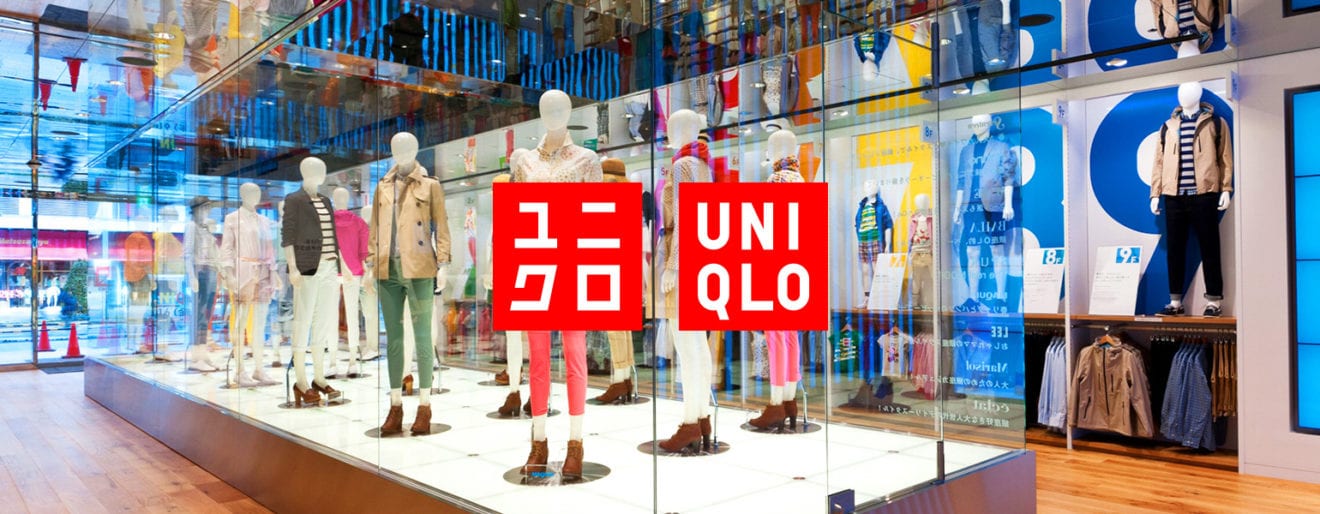
    Japanese apparel business Uniqlo has launched a recycling initiative aimed at reducing the footprint of its products being improperly disposed of.

    Called Re.Uniqlo, the program enables the business to recycle old clothes into new clothes, redistributing old clothes to people in need, and, in Japan only, recycling old clothes into fuel and materials.

    Goods to be recycled can be taken into Uniqlo stores and deposited within Re.Uniqlo boxes. All Uniqlo items are accepted, but the business asks that customers wash clothing beforehand and ensure there are no personal belongings included.

    “We collect second-hand Uniqlo clothes in stores for reuse and deliver them to people in need worldwide in the form of emergency clothing aid for refugee camps and disaster areas together with the United Nations Refugee Agency, NGOs and NPO,” Uniqlo said on its Re.Uniqulo website.

    “And recently, we have been actively recycling clothes into clothes, starting with our own products.”

    The business’s first recycled product, a down jacket, will be on sale later this month.
  • Arc’teryx Shanghai opens first global flagship

    Arc’teryx Shanghai opens first global flagship

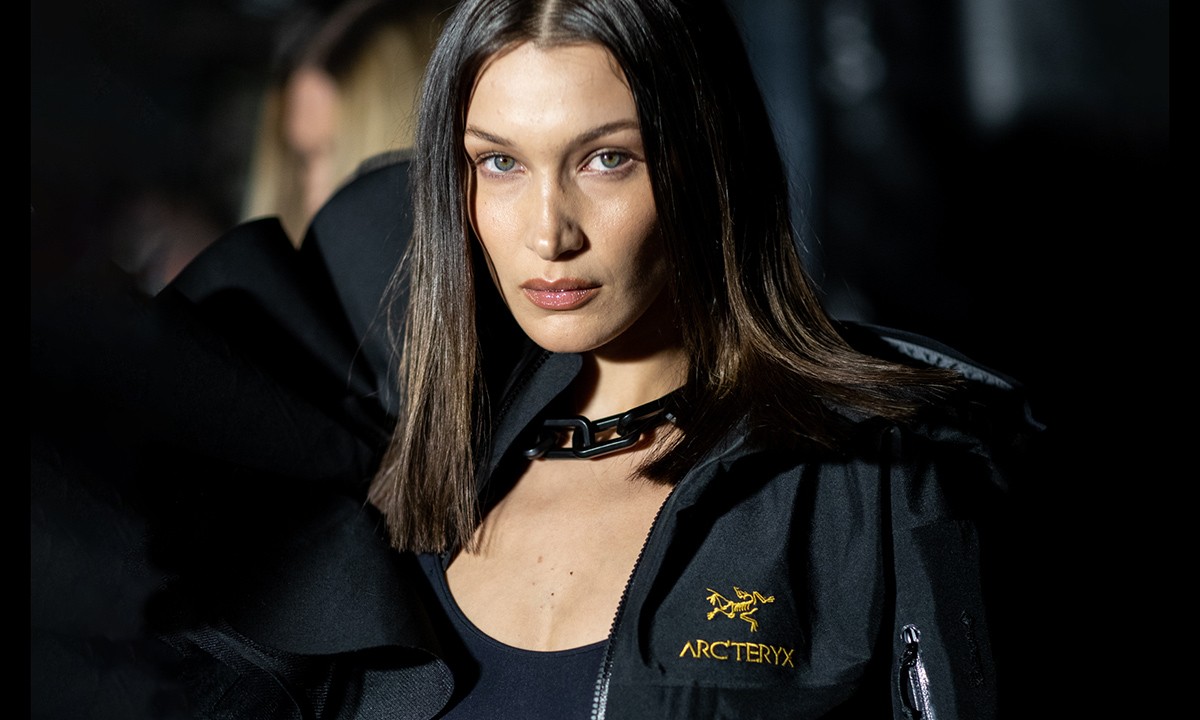
    Performance apparel brand Arc’teryx has opened its first global flagship store in Shanghai, its largest store to date.

    Called the Arc’teryx Alpha Center, the store occupies an 8000sqft area, offering what the brand describes as an “experiential design and apparel from each of the brand’s performance, lifestyle, and Veilance collections”.

    “We wanted to create a shopping experience that was unique not only to our brand but also to our customers as well,” said Megan Cheesbrough, VP of Retail, Arc’teryx. “As a brand, we want to encourage everyone to enjoy the outdoors, and with this in mind, we’ve decided to bring the outdoors in by incorporating the concept of hut-to-hut touring into our store design.”

    The flagship features four different experiential huts. The Hardshell Hut is located at the store’s front, featuring a triangular kaleidoscope LED screen displaying views of the sweeping Canadian mountain landscape. The Gore-tex Hut features a “rain room,” allowing customers to try on and water-test the technical functions of Gore-tex products.

    While the Hardgoods Hut houses a selection of the brand’s hardgoods, the Brand Hut features a virtual reality module that changes seasonally, a community lounge, and an events board.

    “We want to create an unparalleled shopping experience at Arc’teryx Alpha Center, and one of the ways we could do this is to offer a selection of different products serving different purposes, all in one space,” said Cheesbrough. “Whether you’re looking for a pair of trail running shoes and a climbing harness, or an insulated hardshell and an urban-style coat, we want Arc’teryx to be available to everyone.”

    Arc’teryx operates 30 retail stores across China – 22 branded stores and seven factory outlets.

  • Bossini results in freefall as Covid-19 hits the entire fashion industry

    Bossini results in freefall as Covid-19 hits the entire fashion industry

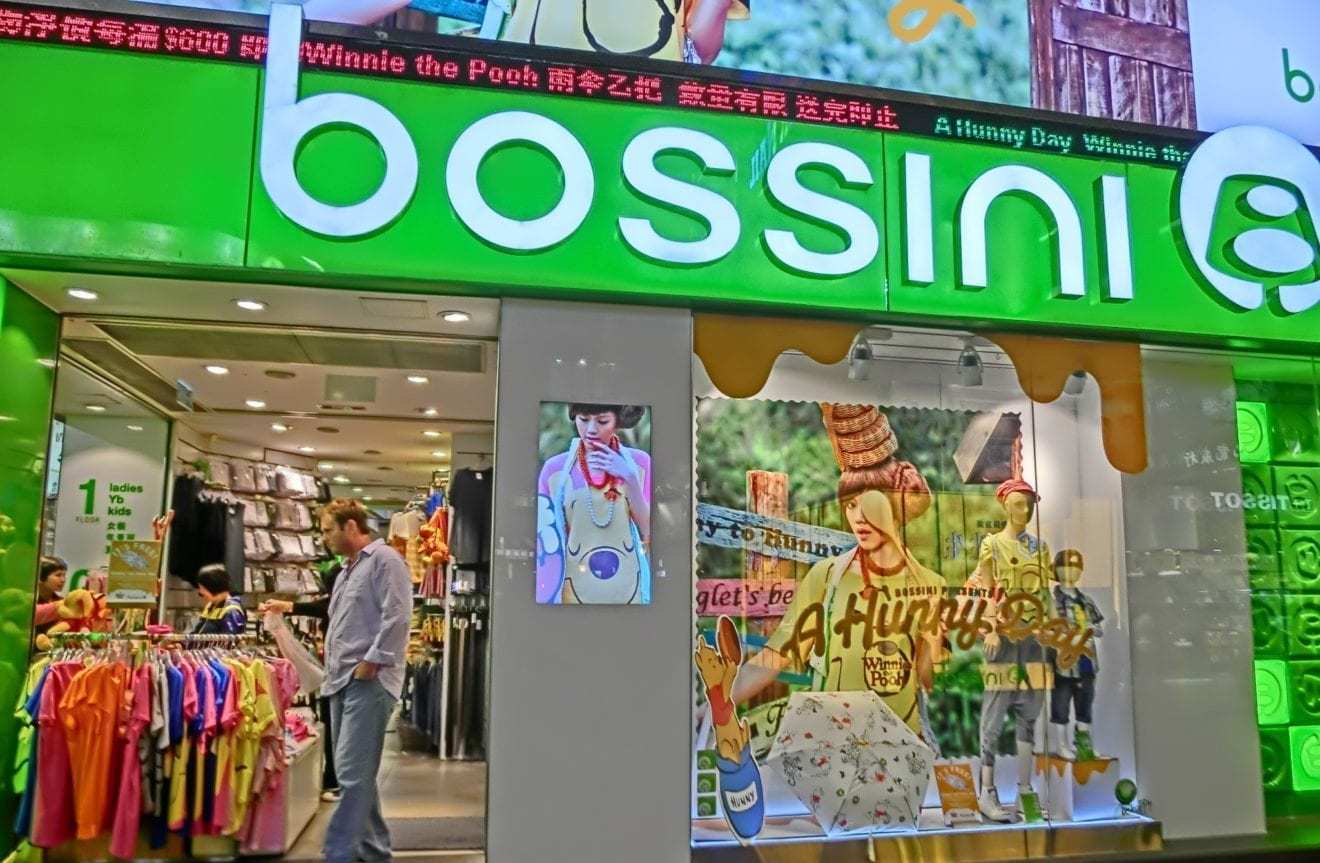
    Covid-19 has increased Hong Kong-listed apparel group Bossini’s loss attributable to shareholders by 174 percent from last year to US$48.85 million.

    Sales for the 12 months to June 30 hit $141 million, down by 27 percent, and gross margin fell to 49 percent, from 52 percent last year.

    “Since 2019 the economic environment of the core markets in which the group operates, comprising Hong Kong and Macau, Mainland China and Singapore, has been adversely affected by the Sino-US trade tensions, the local social incidents in Hong Kong and the global outbreak of Covid-19,” the business said.

    “Social distancing, lockdowns, curfews, and changing quarantines have created immense challenges for our retail operations. Moreover, major banks continue to tighten our credit facilities, and it is difficult to predict whether additional measures will  be implemented by the banking sector in the future.”

    In response, the business is working to reduce its costs by “streamlining business operations”, and reviewing inventory levels and its store portfolio in an effort to exit loss-making sectors. Bossini said its rental expenses are “very unreasonable”, that it will focus on renegotiating leases, and that should landlords be reluctant to drop rent it will close stores.

    Bossini’s new owner, Viva China Holdings, said it expects to continue facing headwinds in the short-term and that there isn’t enough information for it to form an optimistic opinion for the foreseeable future.

  • H&M says it’s straightening its back from Covid-19

    H&M says it’s straightening its back from Covid-19

    Global fashion retailer H&M had warned its preliminary third-quarter results may well be below that of the previous corresponding period – but it beat profit forecasts and has recovered much faster than expected.

    The company’s pre-tax profit for the quarter to August 31 was US$227.3 million, well below the $570 million from the previous corresponding period. H&M attributed the success to selling more goods at full-price, combined with strong cost controls.

    “As a result of appreciated collections together with rapid and decisive actions, the H&M group’s recovery is better than expected,” the retailer said in a statement.

    For the period, H&M group’s net sales decreased by 16 percent in local currencies compared with the corresponding period last year.

    The company said the improving sales through the quarter reflected the Covid-19 situation: at the beginning of the quarter, about 900 of the group’s more than 5000 stores were temporarily closed. At the end of the quarter, the other stores had reopened and only about 200 stores remained temporarily closed.

    The final results for the third quarter will be published on October 1.

    Meanwhile, the company denied it had any ties with a Chinese yarn producer over accusations of “forced labor” that involves ethnic and religious minorities from China’s Xinjiang province, according to a report.

    The report stated the fashion retailer specified it didn’t work with any garment factories in the area and would no longer source cotton from Xinjiang, China’s largest cotton-growing region.

  • Textile firms survive on weekly export orders

    Textile firms survive on weekly export orders

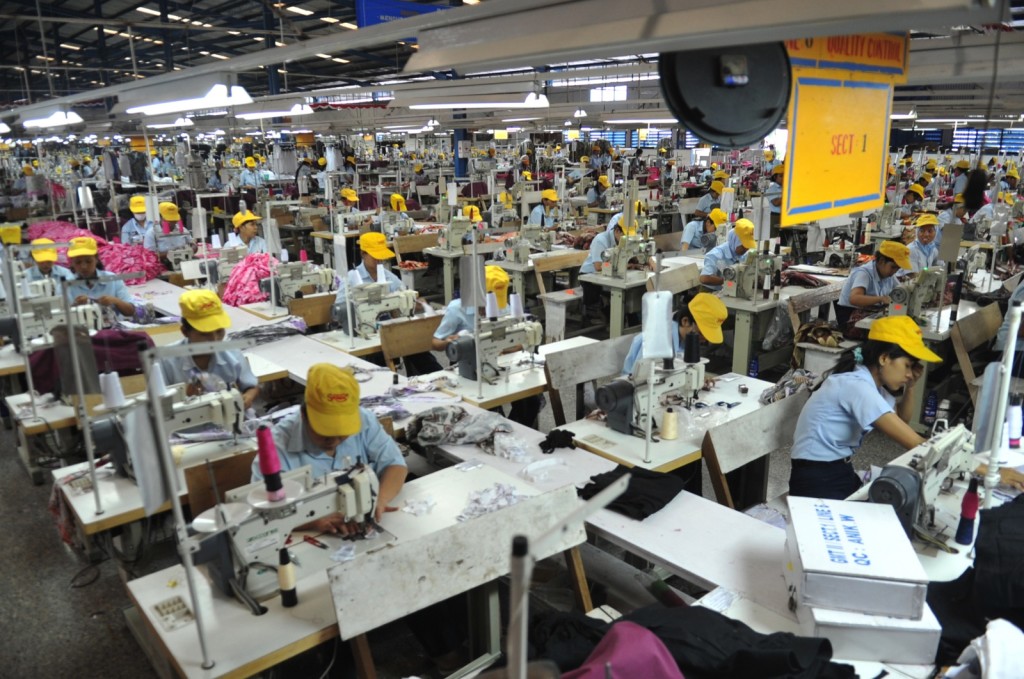
    The textile and garment industry continues to be hurt by the Covid-19 pandemic with only weekly orders coming in due to uncertain demand. Shipments of textile and garment, Vietnam’s third-largest export earner, fell 11.6 percent year-on-year in the first eight months to $19.6 billion because of the pandemic, the Ministry of Industry and Trade said in a recent report.

    Producers receive orders by the month or even week because of the plunging global demand due to Covid-19, whereas in previous years by this time they would have received orders for the first half of the following year, the report said.

    Some producers have seen September orders drop by 40-50 percent, while orders have not been confirmed for the rest of the year and 2021, it added.

    Global demand for textile and garment products in the third quarter has not shown signs of reviving, as consumer confidence remains low in the U.S., the E.U. and Japan, three of Vietnam’s largest buyers.

    This has affected producers like Vietnam National Textile and Garment Group (Vinatex). Cao Huu Hieu, its deputy CEO, said the company forecasts a 20 percent fall in revenues this year.

    “We have barely received orders for the last quarter, which is a major challenge for our production plans. Prices of masks have dropped to just enough to cover costs.”

    Companies are doing all they can to survive. Garment 10 Corporation Jsc (Garco10) is working to get long-term orders to ensure cash flows and retain jobs, while Vinatex seeks to boost domestic sales.

    Truong Van Cam, deputy chairman of the Vietnam Textile and Apparel Association (VITAS), said the domestic market is promising amid the pandemic though revenues from it would not be high since consumers are also trying to cut down spending.

    Companies want the government to delay loan repayments to banks.

    There are around 6,800 textile and garment businesses in the country. Last year their exports were worth $32.85 billion, increasing 7.8 percent year-on-year.

  • H&M’s Cos launches online reseller marketplace

    H&M’s Cos launches online reseller marketplace

    H&M’s subsidiary Cos has launched a pre-owned fashion platform called Resell.

    Resell allows the brand’s customers to buy and sell their used Cos pieces, “re-inventing their wardrobe in a considered and sustainable way,” according to a statement from H&M.

    The launch is part of the brand’s program of developing circular fashion and renewable solution strategies.

    “Resell reinforces Cos’ ambition and journey to becoming fully circular and renewable, developing innovative ways to continue the brand’s commitment to quality and longevity by re-imaging the lifecycle of each pre-loved piece,” the company said.

    Resell will charge a 10-per-cent commission to cover “operational costs” for every item sold on the platform. The digital platform is now available in the UK and Germany and will go global this Autumn.

    “By extending the life cycle of your Cos item, we believe we can work together to make better environmental choices,” the company said.

  • Dunhill opens new outlet in Macau

    Dunhill opens new outlet in Macau

    British luxury menswear label Dunhill has opened a new store at Wynn Palace in Macau.

    The Dunhill Wynn Palace opening is part of the brand’s expansion strategy in Asia, according to the company.

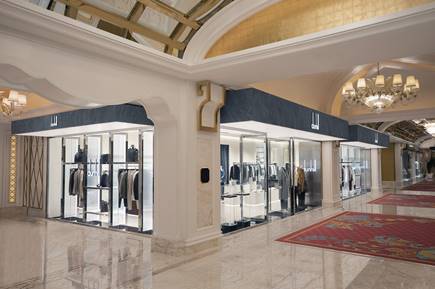
    The store features a contemporary yet elegant design with modern elements such as its signature marble, leather, and metal details.

    Inspired by the Dunhill’s 1950s South Rodeo Drive store, the Wynn Palace store’s facade features the brand’s logo under a grey marble background and floor-to-ceiling glass walls.

    The store also houses a walnut burl cabinet and table inspired by the original furniture from London’s Duke Street and Paris’ Rue de la Paix stores.

    The Dunhill store in Macau offers a selection of luxury menswear by creative director Mark Weston, including ready-to-wear, leather goods, and accessories.

  • Esprit set to post US$503 million loss

    Esprit set to post US$503 million loss

    Enfeebled clothing retailer Esprit has just advised shareholders it expects to post a loss of US$503.2 million when it releases its annual results late next month.

    With its European subsidiaries operating under a form of statutory administration and its shares trading for 12 cents each in Hong Kong today, many investors must by now be wondering if the chain has any reason to continue trading.

    The company said the loss was primarily attributable to the impact of Covid-19 which it blamed for a 24-per-cent decline in revenue from $1.66 billion last financial year to about $1.277 billion this year and another $310 million in impairments on trademarks, property, plant and equipment, provisions for store closures and severance payments.

    Falling sales and massive losses are not the company’s only worries right now. On July 8, Karen Lo of the family that founded Vitasoy called a special meeting of shareholders to vote on the immediate removal of Esprit’s CEO Anders Christian Kristiansen along with CFO and director, Dr Johannes Georg Schmidt-Schultes from the board.

    Lo’s investment vehicle North Point Talent Ltd had spent $17 million boosting its stake in the company from 4.93 percent to just under 13 percent, making it the single largest shareholder before it lodged the requisition. That was withdrawn on July 21 by which time North Point had built its stake to 20.1 percent.

    In an apparent compromise, the board appointed North Point nominees Marc Andreas Tschirner, Christin Chiu Su Yi and Wong Hung Wai as additional executive directors of the company and subsequently declared it had “strong confidence in the Group CEO and Group CFO as well as their management team”

    Earlier in July, Esprit said it would axe 1100 jobs, mostly in Europe, and close another 50 German stores under its court-protected administration process. The company had closed all its Asian by the end of June in an earlier round of cuts as it attempted to reverse years of losses driven by a long-standing inability to design clothes that appeal to its core customer base.

  • H&M has created a jacket that gives the wearer a hug

    H&M has created a jacket that gives the wearer a hug

    Much has been made of the way technology has helped people stay connected since the introduction of social distancing measures and travel bans due to the global coronavirus pandemic.

    But anyone who has been separated from a loved one knows that even a video call falls short of the feeling of being together in real life. Many people have spoken about just wanting to give their friends or family members a hug.

    With a new jacket created by H&M Lab, the fast-fashion giant’s innovation hub in Berlin, they just might be able to.

    Earlier this month, the lab unveiled a new denim jacket with flexible sensors built into the shoulder areas, which gives the wearer the feeling of being hugged when the sensors are activated.

    Every jacket comes with a registration code that the user can share with their loved ones via an accompanying app. Only those with the registration code will be able to activate the sensors to let the jacket-wearer know they are thinking of them. Contacts can also create an individual touch pattern, so it’s clear who the hug has come from. The sensors are activated via the app by Bluetooth.

    The lab is calling the concept “Wearable Love”. It released a video about the invention earlier this month, but it is not yet clear when or where the jacket will be available for purchase, or how much it will cost.

    H&M is not the first apparel brand to explore the possibilities of wearable technology. Levi’s has also put sensors in a denim jacket, but they were geared towards more functional tasks, such as answering a phone call without having to take your mobile device out of your pocket. The context of the coronavirus has created an opportunity to explore new use cases for wearable tech.

    “Whether long-distance relationship or social distancing – no matter why you can’t have your loved ones around you: wearable love helps you to overcome boundaries and brings together what belongs together,” H&M Lab said on its website.

    H&M Lab created the Wearable Love jacket together with Boltware, a Berlin startup whose mission it is to turn analog garments into modern tech devices.

  • Hong Kong leads ‘drastic’ drop in sales for Giordano

    Hong Kong leads ‘drastic’ drop in sales for Giordano

    A “drastic” drop in sales has led apparel retailer Giordano International to record a US$22.6 million loss in the six months to June, of which $13.2 million alone was attributable to its Hong Kong operations.

    The company said in a stock-exchange filing that post-June 30, sales have begun to recover, but while it continues to assess the impact of the Covid-19 crisis on its operations it is too soon to project its full-year performance.

    Last year’s first half saw the company report a net profit of $20.8 million.

    Group-wide sales fell by 44.4 percent for the half-year to $182 million, with the impact of Covid-19 beginning in January in Mainland China, leading to a ban on cross-border travel from Mainland China into Hong Kong and Macau.

    Non-cash provisions relating to Hong Kong accounting laws also contributed to the loss.

    Online sales surged 93.8 percent during the six months to $17.9 million, accounting for 9.8 percent of total group turnover, nearly double the share of the same period last year.

    Giordano’s chairman and CEO Peter Lau said the group will continue to focus on third-party online platforms for future growth.

    Giordano operated 2187 stores at the end of June.

  • H&M suspends employees over use of racial slur

    H&M suspends employees over use of racial slur

    Fashion giant H&M says it has suspended a number of employees over the use of a racial slur relating to the name of a hat to be sold at stores of its & Other Stories brand.

    CNN Business, which first reported the incident, said that the slur, in an internal H&M document, related to a hat that appeared on a list of items and accessories to be sold in the autumn/winter collection.

    “We are deeply sorry to have discovered that one of our brands, & Other Stories, used a racist slur in an internal product overview,” H&M spokeswoman Ulrika Isaksson said in a written comment to Reuters.

    “We take the use of racially offensive language extremely seriously. While internal and external investigations are taking place, we have suspended the team and managers responsible for this area of the business.”

    H&M, the world’s second-biggest fashion retailer, did not say how many employees had been suspended.

    In 2018, the Swedish company was forced to apologize for an advert that was widely perceived as using racist language and in its statement on Thursday H&M acknowledged that it had “challenges with the diversity of some of our own teams”.

    It said it would also take further measures including specific targets for boosting diversity in its major markets by the end of 2020 and the creation of an external advisory council to consult on its business direction.

    According to H&M’s website, & Other Stories has 70 stores in 17 markets in Europe, the United States and Asia.

  • AmorePacific launches selected brands on Amazon

    AmorePacific launches selected brands on Amazon

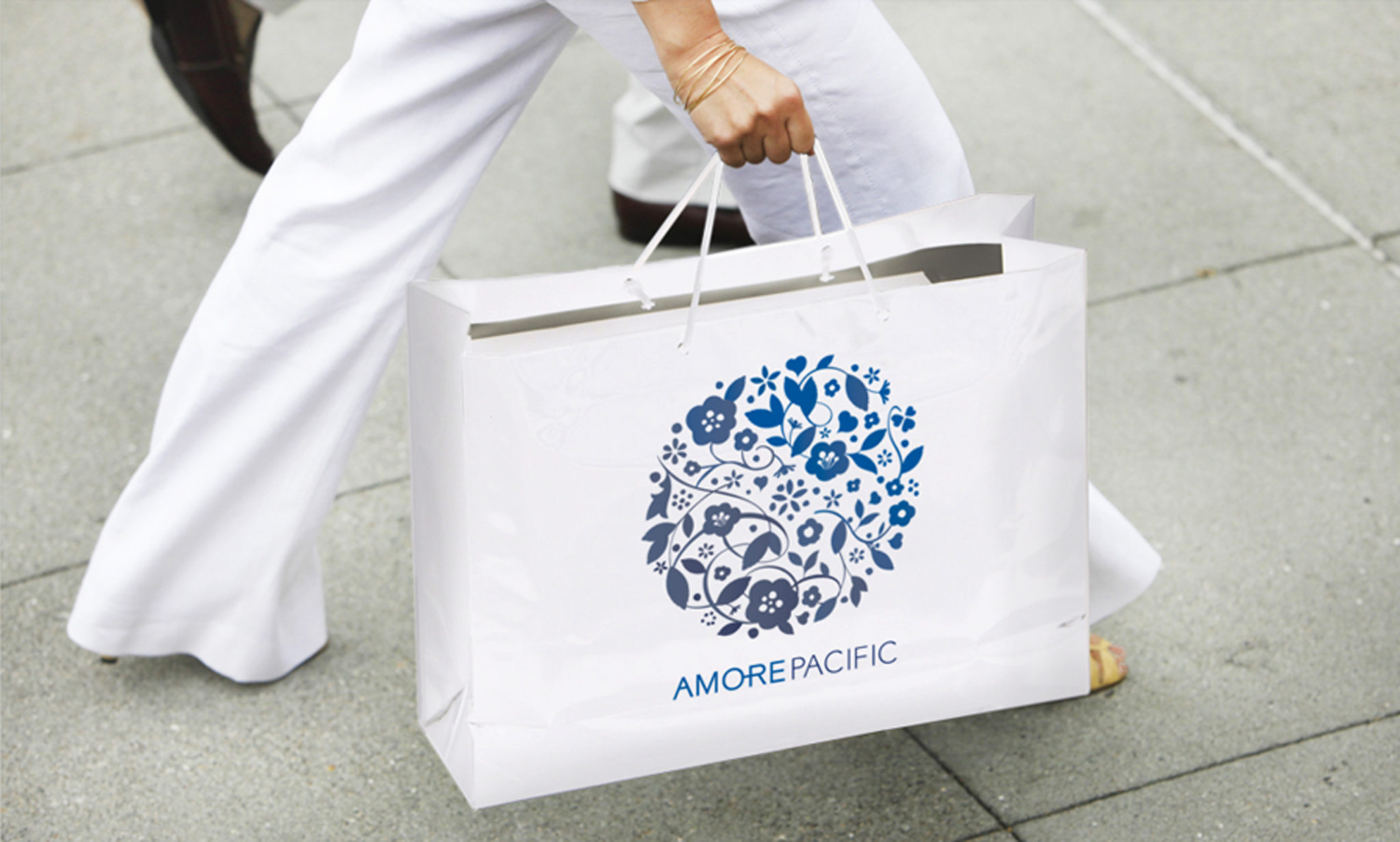
    South Korean beauty group AmorePacific has launched two key brands on Amazon’s Premium Beauty store in the US as it looks to build its online presence. The beauty firm has introduced the AmorePacific and Mamonde brands on Amazon, including skincare and makeup.

    AmorePacific’s green tea skincare essentials – the Treatment Enzyme Peeling Cleansing Powder, Vintage Single Extract Essence, and Time Response Skin Reserve Creme.< “As the leader in Korean beauty, we are thrilled to collaborate and bring Korea’s best known, performance-driven brands to Amazon customers,” said Brian Lee, head of business development at AmorePacific US. “We strive for our portfolio of brands to continue significant growth in the digital space as more and more US customers pursue the convenience of online shopping.” The skincare and makeup range launched on Amazon include the AmorePacific’s Vintage Single Extract Essence and Mamonde’s Petal Spa Oil to Foam Cleanser. “AmorePacific’s brands cater to US customers’ continued enthusiasm for premium skincare with natural ingredients, as well as their latest interest in beauty routines as a form of self-care,” the company said in a statement.

  • Ralph Lauren revenue deep in red

    Ralph Lauren revenue deep in red

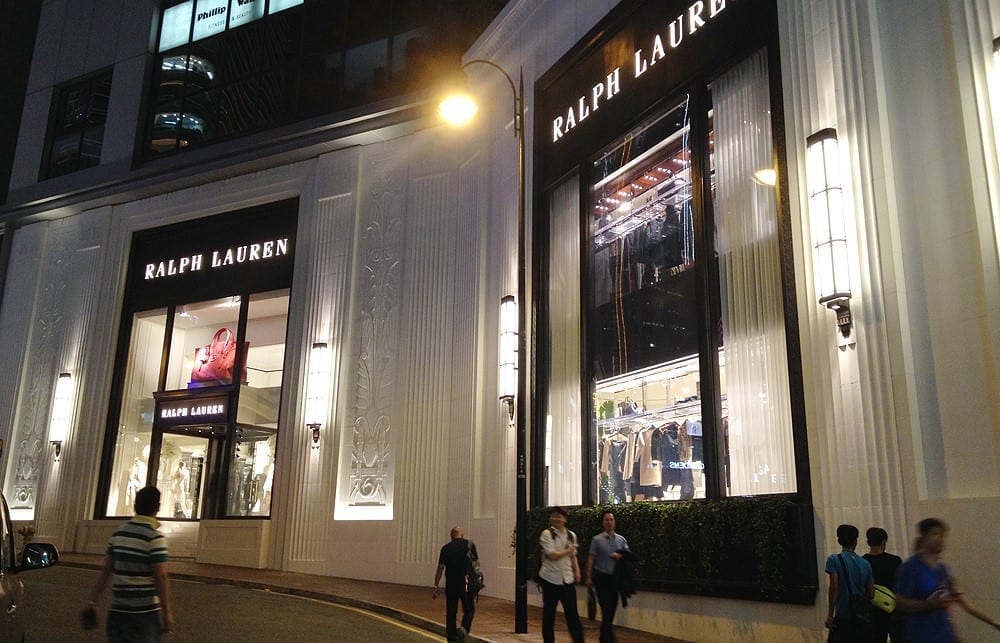
    Ralph Lauren Corp said on Tuesday its quarterly revenue plunged by nearly US$1 billion, as it struggled with coronavirus-led store closures and a slowdown in demand for luxury goods across the world.

    The big drop in revenue and a larger-than-expected loss pushed shares of the New York-based fashion house down nearly 7 percent in trading before the bell.

    The company’s revenue slumped 77 percent in North America, with analysts saying demand for high-end handbags, apparel and accessories is not expected to rebound quickly as the global economy enters a recession.

    Ralph Lauren is more exposed to the health crisis than other apparel companies as its jackets, coats and dresses are designed for social or formal occasions, said Neil Saunders, managing director of research firm GlobalData Retail.

    “While some customers have been prepared to pay premium dollars for luxury apparel, many middle-income shoppers have de-prioritized their spending on clothing in favor of spending on the home – an area where Ralph Lauren does play, but not nearly as strong as it should,” Saunders said.

    Ralph Lauren’s net revenue fell 66 percent to $487.5 million, missing analysts’ average estimate of $615 million, according to IBES data from Refinitiv.

    Sales at European luxury goods giants LVMH , Kering and Hermes fell between 38 percent and 44 percent – much slower than those posted by the company.

    Ralph Lauren also reported a mere 3-per-cent rise in North American online sales, a far cry from triple-digit sales increases recorded by a number of US retailers.

    The company reported a net loss of $127.7 million in the quarter to June 27, compared with a profit of $117.1 million, or $1.47 per share, a year earlier.

  • Uniqlo same-store sales up 4 percent in July on stay-at-home demand

    Uniqlo same-store sales up 4 percent in July on stay-at-home demand

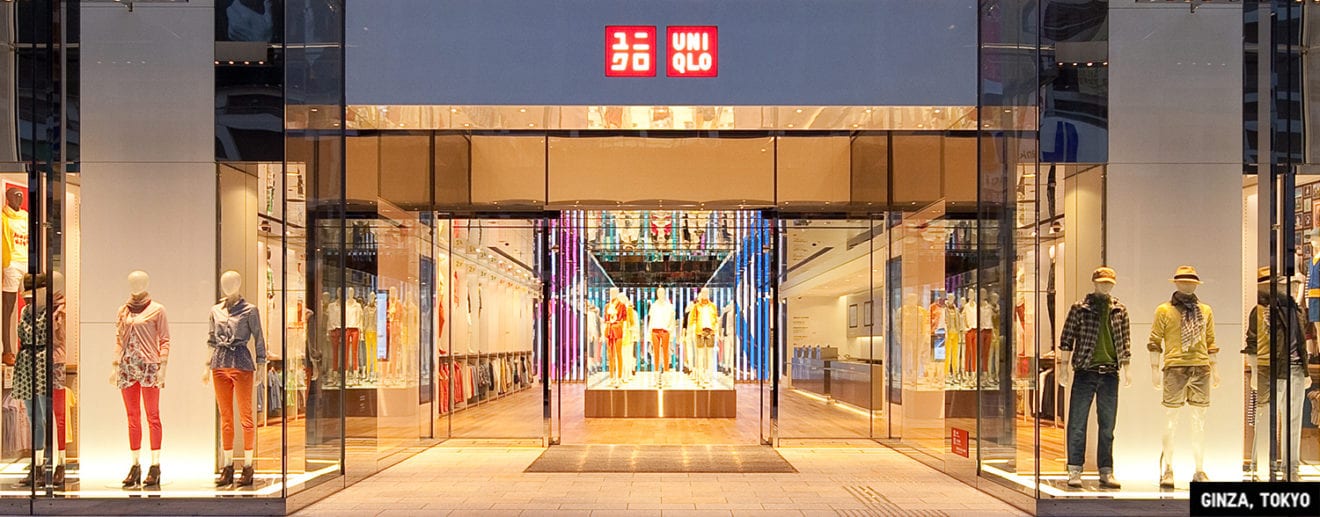
    Casual fashion brand Uniqlo’s Japanese same-store sales rose 4 percent year on year in July as consumers stocked up on comfortable “stay at home” clothes amid the novel coronavirus pandemic, its owner, Fast Retailing Co, said.

    The rise in domestic same-store sales, including online purchases, followed a 26-per-cent jump in June, which came after a three-month slump when the coronavirus outbreak kept shoppers at home and tourists away.

    “Stay at home demand” lifted July sales, with items such as stretchy jogging pants and oversized T-shirts proving popular, the company said.

    Analysts have said Uniqlo’s focus on practical, everyday clothes rather than more on-trend fashion may help it weather the coronavirus downturn better than global peers.

  • Nike opens House of Innovation in Paris, France

    Nike opens House of Innovation in Paris, France

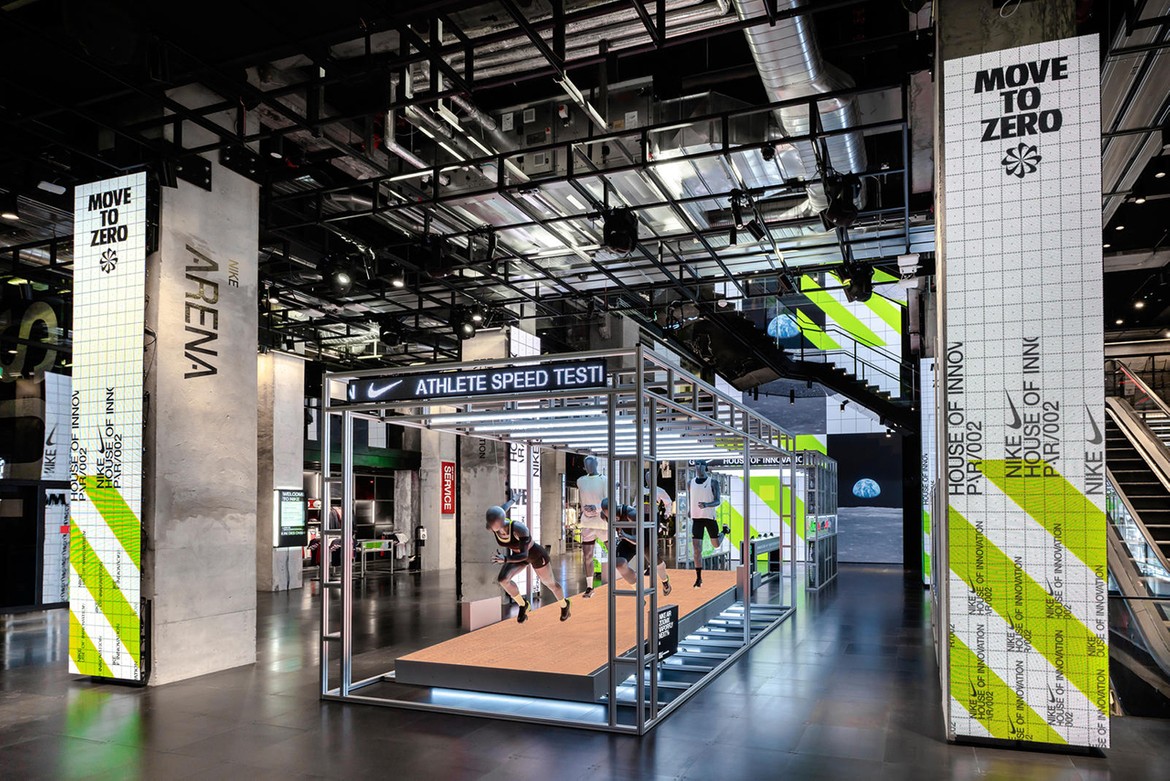
    Nike has opened the brand’s largest House of Innovation yet, in Paris, focusing on delivering a digital retail experience. Located at number 79 on the famous Avenue des Champs-Elysees, the House of Innovation 002 spans four floors and occupies a 2400sqm area.

    According to the company, Nike Paris will focus on four areas: uniting shoppers to a global sports community, innovative services and products for women, more kids’ experiences and seamless end-to-end consumer experience.

    “When consumers step into Nike Paris, they will experience our largest, most digitally connected and immersive retail concept in the world,” said Heidi O’Neill, president of consumer and marketplace.

    The House of Innovation in Paris features a wall-to-wall installation called Mission Control, connecting customers to the global sports community.

    Female shoppers can receive a fit recommendation using Nike Fit technology for any of its bras and information on their precise shape can be saved for future store visits.

    Nike Paris houses a destination for kids called Kids Pod, featuring interactive gaming and trial station such as a 360 virtual runners experience inspired by Parkour.

    “The strength of our digital portfolio combined with product innovation and amazing physical spaces will connect members to the community of sport and to one-of-a-kind experiences, serving them in an incredibly personal way,” O’Neill said.

    At the House of Innovation Paris, more than 85,000kg of sustainable material is woven into the fabric of the store design and display fixtures. The store is fuelled by a clean-energy wind farm in Spain.