Tag: Clothing

  • Guess Asia sales up, but store closures loom

    Guess Asia sales up, but store closures loom

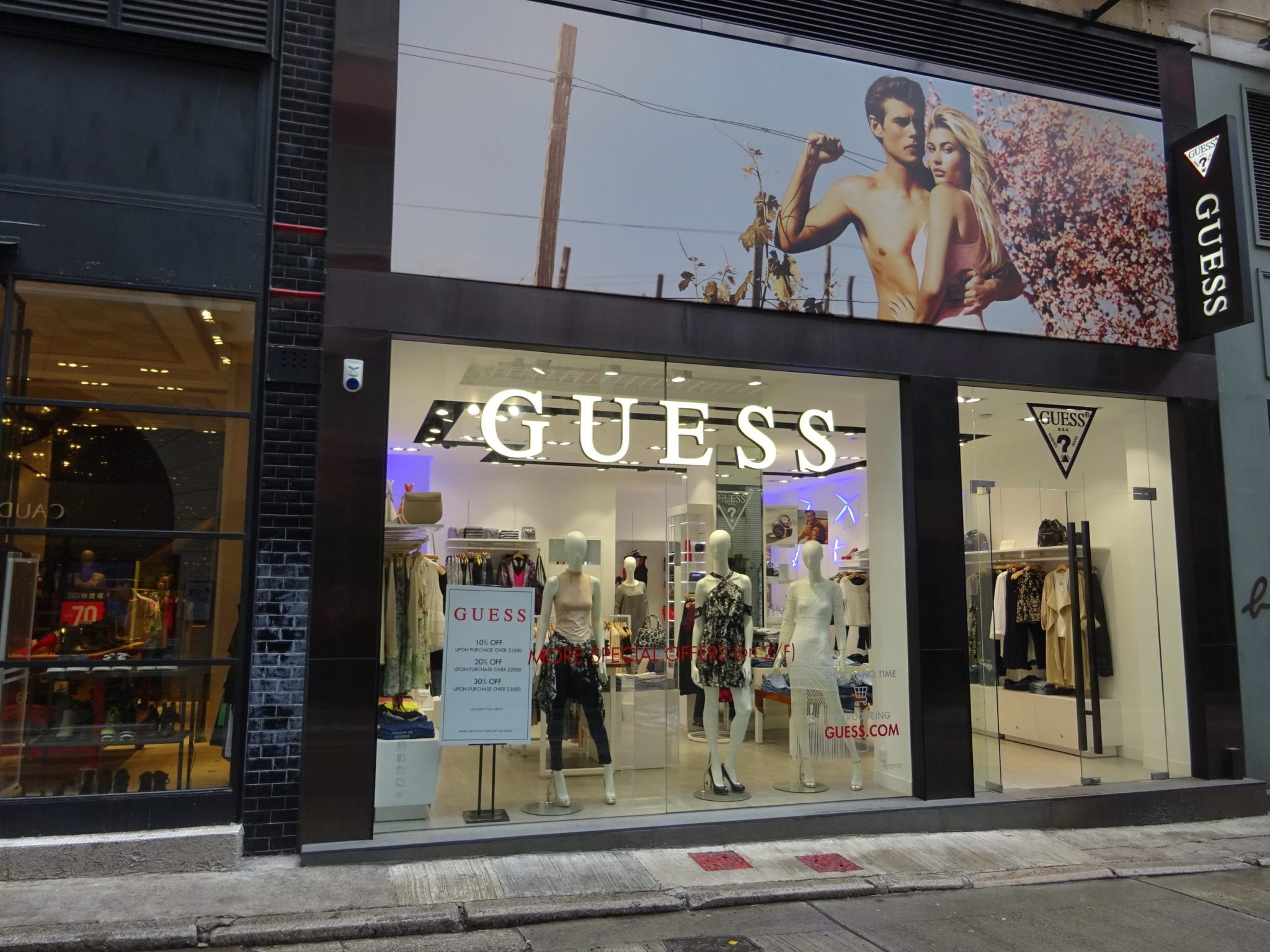
    Guess Asia sales are recovering post-Covid-19, but the company will be exiting some stores in the region when leases come up for renewal, as part of a worldwide network trim of 100 outlets.

    The store closures represent about 9 percent of the global fleet and will take place over the next 18 months.

    CEO Carlos Alberini said last week that about 75 percent of the fashion retailer’s leases come up for renewal within the next three years, representing an opportunity to cut back unprofitable stores. Guess has 1169 company-operated shops along with 560 operated by partners.

    In the quarter to May 2, Guess sales globally fell by 51.5 percent to US$260.3 million, compared with $536.7 million in the same prior-year quarter. The company recorded an adjusted net loss of $118.9 million, compared to $19.6 million for the first quarter a year ago.

    In Asia, sales fell by 52.6 percent in US dollars and by 50.6 percent in constant currency terms.

    The Guess Asia regional operating margin decreased by 52.6 percent to negative 56.4 percent in the first quarter, due mainly to the negative impact of the Covid-19 pandemic which resulted in significantly higher inventory reserves.

    Since the end of the quarter, all Guess-run stores have now reopened, however, they continue to experience significant reductions in traffic and therefore, sales. The company said its e-commerce sites have experienced lower traffic, but this has been partially offset by a strengthening in conversion.

    Alberini said the Covid-19 crisis had a material impact on the company, including operations and financial results.

    “To minimize our loss and protect our liquidity, we challenged every aspect of our business which was being significantly impacted by extensive store closures and lower customer demand.”

    With all stores open in Asia, more than 400 in Europe and 180 stores in the US and Canada, Alberini says he is encouraged by initial trading results, which have been better than anticipated. “Our sales productivity for re-opened stores for the second quarter to date has reached roughly 75 percent in the US and Canada and 70 percent in Europe as compared to last year’s level.”

    He said the company was continuing to focus on improving its omnichannel platform centered around the consumer, and improving efficiencies in its global operations.

    “I fully expect to be on the other side of this crisis with a more efficient business model, a more focused and consistent global brand strategy, and a more nimble and agile organization.”

  • Lululemon comes unharmed out of the Covid-19 Crisis

    Lululemon comes unharmed out of the Covid-19 Crisis

    Lululemon has emerged from the Covid-19 crisis as one of its greatest retail survivors, posting an operating surplus in the first quarter while almost all of its apparel contemporaries were bleeding red ink.

    Net revenue was US$652 million, a decrease of ‘just’ 17 percent at a time when apparel brands like Guess dropped by 51.5 percent, and Puma by 50 percent.

    Lululemon reported $32.8 million income from operations in the quarter to May 3, down 75 percent on the same period last year, but an outlier in the industry.

    “Lululemon has managed through the crisis better than every company in our coverage universe (with Nike perhaps the lone exception),” analysts led by Sam Poser wrote, reported by Marketwatch. “Lululemon has cemented its position as the best publicly-traded company in the specialty retailer sector, in our view.”

    In its results statement, Lululemon said Covid-19 forced the closure of all of its company-operated stores in North America and Europe, with others in some Asia-Pacific markets over differing periods during the pandemic.

    But direct-to-consumer revenue soared 70 percent on a constant-currency basis as the company targeted housebound consumers eager to buy comfortable exercise wear in place of their normal office attire.

    Direct to consumer net revenue represented 54 percent of total sales compared to 26.8 percent for the first quarter of last year.

    “We are learning more every day about our guests — how they enjoy interacting with us online and what makes them comfortable as stores reopen,” said CEO Calvin McDonald.

    “Our strong digital business demonstrates the strength of our guest connection and the long-term opportunity to create further omni experiences going forward.”

    Perhaps the most alarming downside to the quarter was an increase in inventories of 41 percent to $625.8 million.

  • Smart clothing set to become a US$11bn market

    Smart clothing set to become a US$11bn market

    Annual sales of integrated fitness apparel – smart clothing – is set to multiply from around US$1 billion this year to $11 billion in 2025.

    Analysis by Juniper Research revealed that explosive growth is likely to see smart clothing become the largest fitness wearable sector in terms of revenue, as traditional consumer wearables are overtaken.

    The firm’s report finds that wearables have been diversifying for several years, developing to analyze cadence, exercise form and precise positioning during exercise.

    Recent technological innovations delivering personalized health-and-fitness insights have threatened the established position of leading manufacturers such as Fitbit, which continue to emphasize the breadth of features over personalized offerings, to their detriment

    Traditionally, subscription models have not been an effective approach to the health and fitness wearables industry, but devices providing coaching and feedback are likely to change this. As the market changes, such additional opportunities in terms of business approach will become more available to vendors, according to Juniper.

  • Ecoalf opens first Japanese flagship

    Ecoalf opens first Japanese flagship

    Spanish fashion brand Ecoalf has opened its first Japanese flagship store, in Tokyo.

    Located in Shibuya district, the Ecoalf store spans two floors and offers a wide selection of products including the label’s latest collection.

    Designed by Japanese architect Yohei Sakamaki, the store features a sustainability concept ‘Sharing Ecology’, using natural materials such as Japanese bamboo, stone and sand. Interior features include a giant rock named “Date-Kanmuri-Ishi” and wooden panels to create a warm yet modern ambiance.

    A black staircase leads customers to the upper floor which is dedicated to #Actnows, a monthly event held by the brand to raise awareness of sustainability issues.

    “Our aim is to raise awareness of the need to protect the planet and we will continue to accelerate this message,” said Javier Goyenechem, president and founder of Ecoalf.

  • FJ Benjamin launches five online stores

    FJ Benjamin launches five online stores

    Southeast Asian fashion group FJ Benjamin opened five new online stores for recognized international fashion labels, with more to come, as it pivoted online in the wake of trading restrictions during the Covid-19 crisis.

    Brand owners typically grant distributors only brick-and-mortar rights and prior to the pandemic, FJ Benjamin had e-commerce rights for only Superdry, the British streetwear brand. So when stores were shuttered due to government social-distancing measures, the Singapore company could not immediately turn online to compensate for suspended in-store sales.

    However, the company has since sealed deals with Guess, Casio, Pretty Ballerina, and Anti-Social Social Club to sell online. FJ Benjamin’s IT staff worked around the clock to develop stores for the brands and get them up and running as permission was granted by brand owners.

    Further sites are imminent for US Polo Association, Rebecca Minkoff, Moby, Lancel, Axel Arigato, Barbara Sturm, and “a well-known European lifestyle cosmetics brand,” said FJ Benjamin Group COO Douglas Benjamin.

    Superdry launched online in Singapore in June last year and in Malaysia last January. “The results were very encouraging,” Benjamin said.

    When the pandemic hit, FJ Benjamin-run stores in Singapore, Malaysia, and Indonesia were shuttered for much of the past two months. So Benjamin quickly pursued e-commerce rights for other brands.

    “We are pleased that we are now able to offer the convenience of e-commerce to our customers for five brands, and will be able to do so very soon for at least seven more, including some new labels which will make online debuts only,” he said.

    “In the future, we may consider opening brick-and-mortar stores if it proves to be a viable option depending on the Covid-19 situation, performance of the brand online, and future rental expectations,” he said.

    Benjamin said overseas brand principals understood the challenges faced by the group amid the pandemic and readily agreed to release the online channel rights in its markets.

    He says a new focus online will not see less attention to physical stores, although the closure of some non-performing outlets in the three markets is inevitable.

    We will definitely be culling stores that are not performing to expectations, where we cannot be profitable either because of high cost or low volume.”

    However, he believes physical stores will always be relevant in the fashion industry.

    “People still want to go down to stores to touch and feel, but there is a new comfort that has emerged among consumers with regards to shopping online.”

    FJ Benjamin has adopted a click-and-pick omnichannel approach to its online stores which allows customers to buy online and collect or return items in physical stores, where they are available.

    Benjamin expects consumers will continue to shop online once the pandemic passes as consumers have got used to the channel.

    “We believe this shift to online shopping, although hastened by the Covid-19 pandemic, will be sustainable and scalable.”

    Those advantages include being able to shop 24-seven with different access points to their preferred brands.

  • Mulberry to cull global workforce

    Mulberry to cull global workforce

    Mulberry is culling about 25 percent of its staff worldwide as it right-sizes in the wake of the Covid-19 pandemic. In a statement, the UK-based fashion brand said that while it has been able to reopen most of its stores in China and South Korea – and some in Europe and Canada – the majority remain closed.

    “We reacted swiftly to manage the impact of Covid-19 and continue to execute a well-developed plan to manage capital, reduce costs and maintain a robust liquidity position,” said CEO Thierry Andretta.

    However, despite the good performance of Mulberry’s sector-leading digital and omnichannel presence, and a global network of concessions, the shutting of physical stores has had – and will continue to have – a marked effect on the business.

    A consultation process on proposals to reduce employee numbers across the global business has begun.

    “This has been an incredibly difficult decision for us to make, but it is necessary for us to respond to these challenging market conditions, protect the maximum number of jobs possible and safeguard the future of the business. We remain confident in the strength of the Mulberry brand and our strategy over the long-term,” said Andretta.

    While digital channels have continued to trade without interruption throughout the pandemic and their sales were good, they could not fully offset the decrease in demand experienced from store closures.

    In the UK, Mulberry will begin to phase the reopening of stores from June 15, but with additional safety standards and procedures put in place to ensure they operate safely.

    The brand has also taken steps to manage its inventory levels in line with anticipated lesser demand.

    “Given the uncertainty as to the impact and duration of Covid-19 on the company and the wider economy and the consequential effect on demand, we expect the recovery in our overall sales levels over the medium term to be gradual. Even once stores reopen, social-distancing measures, reduced tourist and footfall levels will continue to impact our revenue,” the company said.

    Cutting staff levels would help Mulberry to manage its operations and cost base to ensure the company is the correct size and structure to reflect market conditions, said Andretta.

  • Uniqlo opens new Vietnam store, goes online in the Philippines

    Uniqlo opens new Vietnam store, goes online in the Philippines

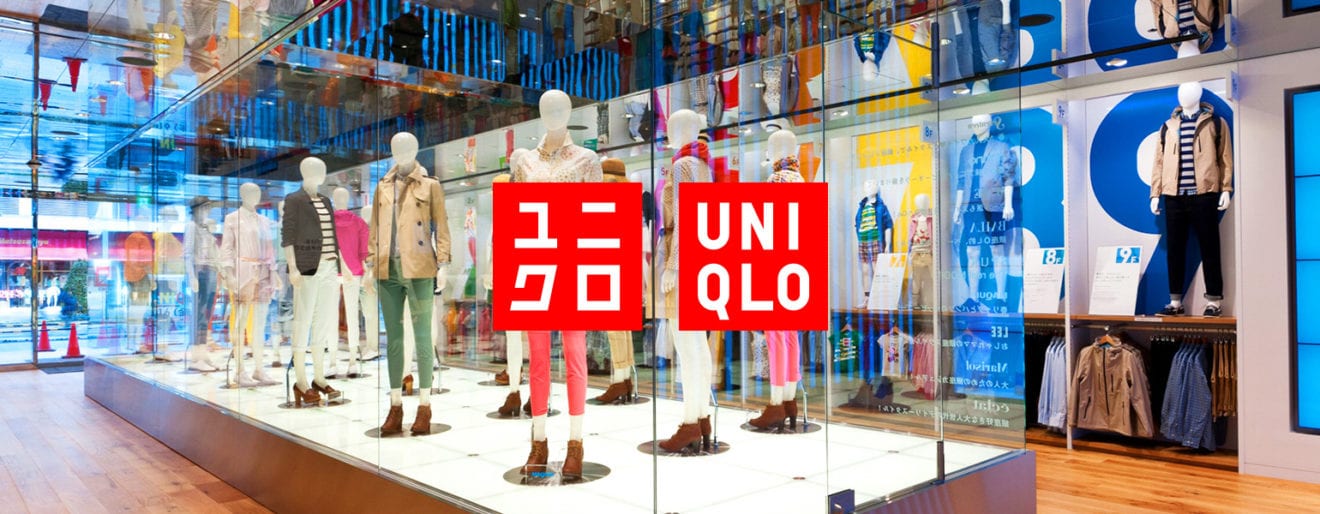
    Japanese fast-fashion retailer Uniqlo is to open its third store in Ho Chi Minh City this week and will debut online in the Philippines.

    Less than a month after the opening of the Ho Chi Minh’s second store at SC Vivo City, Uniqlo Vietnam is to launch another store in the country’s tallest building Landmark 81 this Friday (June 5).

    Occupying a 2000sqm area, the Uniqlo Landmark 81 store features the brand’s LifeWear products for males, females and kids. The store also features Uniqlo’s latest collections including the Billie Eilish x Takashi Murakami UT. To celebrate the opening, Uniqlo Landmark 81 is running several promotions such as giving away Uniqlo’s mugs and Landmark 81 SkyView tickets.

    Meanwhile, in the Philippines, the fast-fashion brand says it will launch online in the second half of this year.

    “An online store will provide local Uniqlo customers a faster and easier way of purchasing their favorite LifeWear items,” said Masayoshi Nakamura, COO at Uniqlo Philippines.

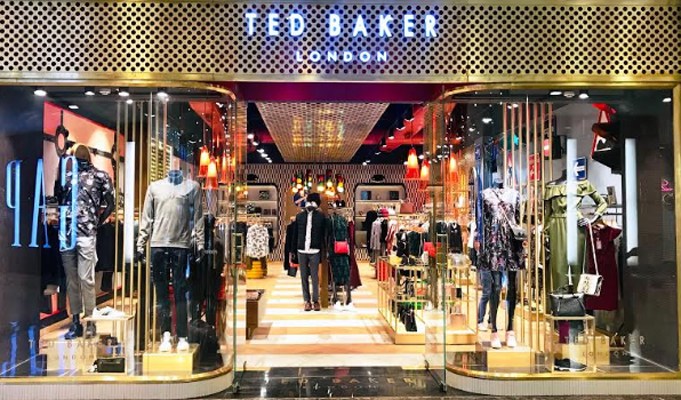
  • Ted Baker plots new heading after hefty loss

    Ted Baker plots new heading after hefty loss

    British lifestyle brand Ted Baker is seeking to raise £95 million to strengthen its balance sheet in the wake of the Covid-19 pandemic and fund a strategy for expansion dubbed ‘Ted’s Formula for Growth’.

    The plan was revealed along with its results for the year to January 25 during which global sales slipped 1.4 percent to £630.5 million, which the company attributed to discounting to remain competitive against its rivals.

    Wholesale revenue rose by 9.6 percent on the back of expansion into footwear, without which it would have slipped 3.7 percent on a like-for-like basis. Store sales were down by 5.3 percent and licensing revenue down 14.1 percent.

    Recently appointed CEO Rachel Osborne says the new strategy and recapitalization plan will strengthen the company as it rides out the Covid-19 crisis which has had significantly more impact on global retailing since Ted Baker’s financial year closed. Revenue was down 36 percent during the 14 weeks from January 26 to May 2 as stores were shut down in many parts of the world.

    “The Ted Baker brand is much loved, it has a unique personality and character built up over many decades, and that provides us with a remarkably strong foundation from which to continue our international growth,” said Osborne.

    “Over the past six months, our new executive team has pulled together and undertaken a thorough review of the business, identified key opportunities, and acted decisively in a number of areas. I am confident that our transformation plan will enable us to capitalize on our opportunities and deliver value for all of our shareholders.”

    Ted Baker reported a loss of £79.9 million for the year, a significant turnaround from a £30.7 million profit for the year prior. The company said the deficit was due to £84.6 million of non-underlying expenses, mainly an inventory write-down, store asset impairments, and a £7.6 million loss related to the sale of the Asian business.

    The strategy Osborne will now lead, Ted’s Formula for Growth, will focus on making the most of the company’s strong brand, its diversified channel footprint, (retail, wholesale and license channels; multiple product categories and geographic spread), combined with substantial investments during the past five years in IT, CRM, logistics, and infrastructure.

    The company will focus first on stabilizing the foundations of the current business, which has been disrupted in recent months by multiple executive changes, driving growth, and achieving operational excellence.

    The company wants to re-energize the brand, increase engagement, and encourage more people to consider purchasing the brand. It seeks to attract more customers and “gain a higher share of wallet and lifetime value through deeper and broader relationships with new and existing customers” using technology to increase customer acquisition and retention, and increase conversion online.

    The company wants to expand its product range and relevance to make clothing more relevant to all-day occasions, and drive accessories, footwear, and large license partner categories.

    In an outlook note, the company said it plans to cut the number of its suppliers from more than 150 to 100, reduce its stock cycle from three years to two, and reduce staff costs at both head office and in stores.

    By 2023, Ted Baker expects to achieve sales growth of around 5 percent and a pretax earnings margin of between 7 and 10 percent.

    Emily Salter, retail analyst at GlobalData, said that although Ted Baker’s sales are likely to start improving in the next few weeks as stores across Europe start to re-open, recovery will be slow for it as many consumers will be unwilling to return to shopping locations and economic uncertainty will be high, reducing the propensity to spend on premium brands.

    “Prior to the onset of Covid-19, Ted Baker’s sales were suffering as the appeal of the brand was waning as it struggled to resonate with shoppers, with the store and online revenue falling by 5.3 percent and 2.4 percent respectively for the year to February. Although the retailer blamed discounting for this decline, the fact that it was unable to drive growth online points to problems with the relevance of the brand.

    “It now has a permanent CEO and CFO to help address these issues but turning the business around will not be an easy feat as consumer shopping habits are likely to change in the long term due to Covid-19, with shoppers purchasing less frequently and increased spend shifting online,” she said.

  • H&M launches menswear clothing line using intelligent fabrics

    H&M launches menswear clothing line using intelligent fabrics

    Sweden fashion retailer H&M launches an intelligent fabric this week, deploying fashion technology for menswear which keeps the wearer cool in the summer heat.

    Called Coolmax, the intelligent fabric absorbs moisture and allows air to pass through.

    “We see fabric innovation as pushing menswear forwards in new ways,” said Ross Lydon, head of menswear design at H&M. “Coolmax is our first collection that optimizes everyday clothing with high-performance materials. It is a segment of the market that we will continue to explore and focus on in the future.”

    Coolmax fabric will be used in clothing such as polo shirts and crewneck T-shirts or jeans. The hero of the new Coolmax collection is a two-button tailored slim-lapel jacket, pictured at the top of the screen, which retails for €69.99. T-shirts are priced at €9.99 and polo shirts at €14.99.

  • Japanese clothing firm Renown collapses

    Japanese clothing firm Renown collapses

    Heritage Japanese clothing firm Renown has filed for bankruptcy. The company is best known for its D’Urban and Arnold Palmer brands, although business has been in decline since its heyday in the 1990s due to increasing competition and the rise of e-commerce. It was once one of the largest apparel manufacturers on the globe.

    According to a report in Nikkei, the 118-year-old firm – now under the majority ownership of Chinese textiles and clothing firm Shandong Ruyi – has become Japan’s first such victim of the Covid-19 pandemic, cauterized from its revenue stream by the closures of department stores and regular retailers.

    The bankruptcy was approved on Friday, the same day it was filed with the Tokyo District Court, listing ¥13.9 billion (US$130 million) in liabilities. Renown had previously posted a net loss of ¥6.7 billion ($62.55 million) in the last financial year. Shares in the firm are now likely to be delisted from the first section of Tokyo’s stock exchange.

    Analysts expect the clothing firm Renown to take about a month before the company identifies a turnaround partner to enable it to resume business.

  • AmorePacific buys Australian luxury skincare brand

    AmorePacific buys Australian luxury skincare brand

    South Korean beauty firm AmorePacific has acquired a substantial minority stake in Australian luxury skincare brand Rationale.

    The investment is aimed at boosting AmorePacific’s credentials in the high-end personalized cosmetics market and will help Rationale expand across Asia, focusing on South Korea, Hong Kong, and Singapore initially during the next five years. The deal also effectively gives AmorePacific a manufacturing facility in Australia.

    Rationale currently operates 15 flagship stores in Australia, sells via its own online site and also through a network of about 50 medical agencies including dermatologists and plastic surgeons.

    Under the deal, AmorePacific will secure an advisory role and voting rights on Rationale’s board.

    “With a truly shared innovation vision, Rationale and AmorePacific will take personalized skincare solutions to a new level,” said Saehong Ahn, president of AmorePacific, in a statement.

    “AmorePacific will continue to look into mergers and acquisitions and partnerships with promising companies and secure opportunities for future growth.”

    Richard Parker, who founded Rationale in 1992, described the alignment between the two companies as “intuitive”.

    “Rationale is acknowledged worldwide as the environmental skincare authority and leader in epigenetic research, and we are thrilled to be empowered to expand this vital work with AmorePacific.

  • Cafe de Coral warns of 90-per-cent profit plunge

    Cafe de Coral warns of 90-per-cent profit plunge

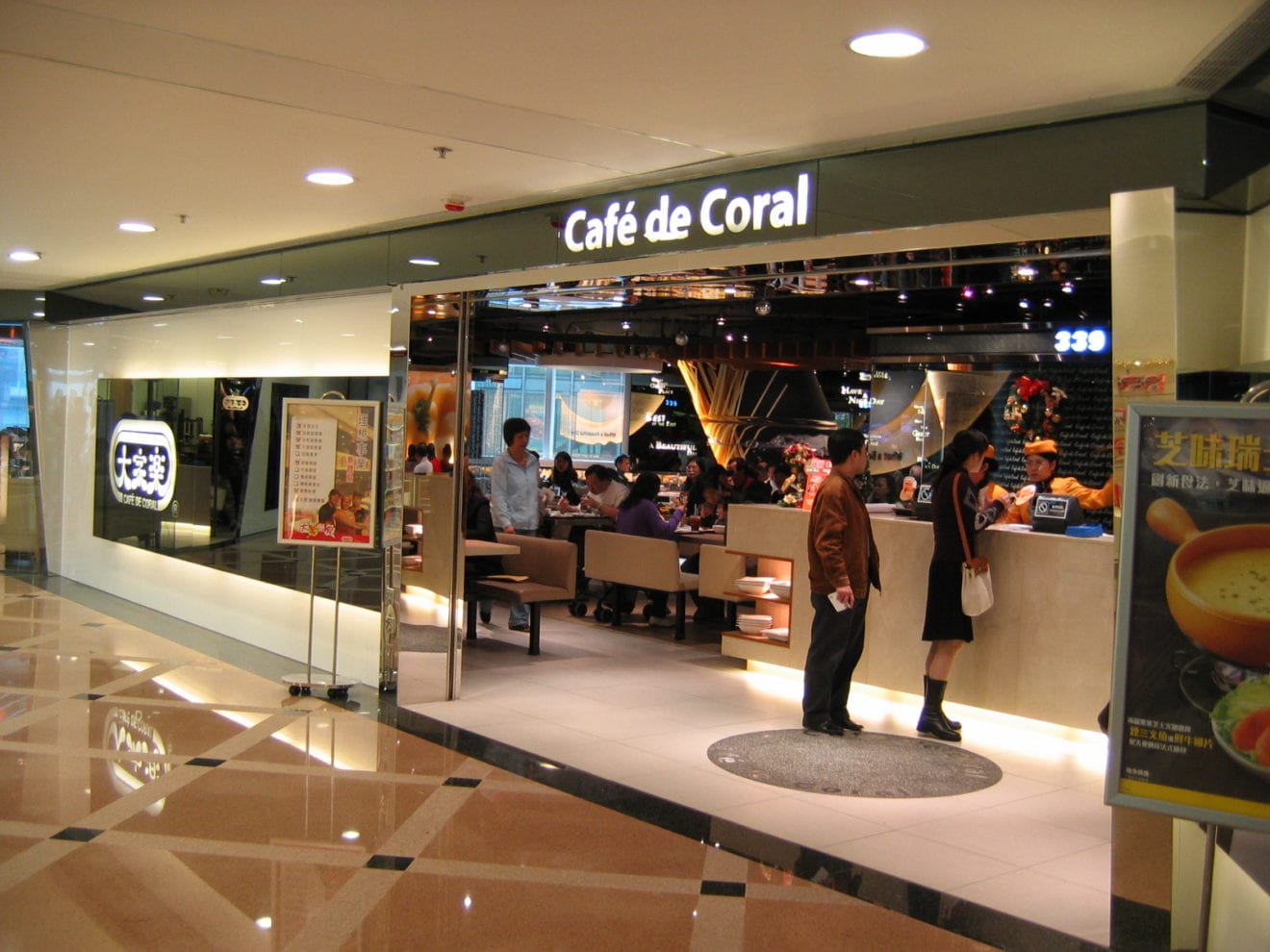
    Cafe de Coral group expects its full-year profit to plunge by up to 90 percent for the March year as the Covid-19 crisis and last year’s protests dented customer traffic.

    In a profit warning to shareholders, chairman Sunny Lo said that during the fourth quarter, the group entered into the deficit when the outbreak of Covid-19 occurred.

    “Business operations and consumer spending in the group’s key operating territories have been severely impacted by the outbreak of Covid-19 since January,” he said in a stock-exchange filing. “The group’s business performance, which had already been impacted by poor market conditions and weak consumer sentiment during the first half of the year, was even more significantly impacted during the fourth quarter when our business and operations were further affected by Covid-19.”

    Besides its namesake brand, Cafe de Coral Holdings operates chains including The Spaghetti House, Oliver’s Super Sandwiches, Super Super Congee & Noodles, Shanghai Lao Lao and Mixian Sense.

    During the six months to September 30, Cafe de Coral group recorded a decline in profit of 34.5 percent. Full-year results are expected to be released in mid-June.

    Lo said the group has been closely monitoring market conditions and has adjusted its business strategies and operations to minimize losses. In an attempt to increase sales, the Cafe de Coral group has introduced simplified menus featuring low price meals and extensive promotions.

    “Adapting to social-distancing trends, marketing focus on takeaway and home delivery have increased,” said Lo.

    “The group has also implemented proactive cost control measures on rent, labor and food – and is stringently managing working capital to ensure healthy cash flow and a strong cash position to weather the currently difficult operating environment.”

  • H&M tops fashion transparency

    H&M tops fashion transparency

    Fashion Revolution has crowned H&M the most transparent fashion business in the world in 2019, scoring 73 percent of a possible 250 points in its annual Fashion Transparency Index.

    The index ranks the world’s largest fashion brands according to how much they disclose about their social and environmental policies, practices and impacts across a number of topics, including animal welfare, forced labor, gender equality, living wages, waste and recycling, and more.

    Following H&M was C&A at 70 percent, and Adidas and Reebok at 69 percent each. The average overall score across the 198 brands reviewed landed at 25 percent, 3 percentage points higher than 2019.

    However, an ongoing issue remains that brands tend to disclose more about the policies in a vacuum, and not touch on how these policies are put into action and detailing outcomes, results, and progress.

    And the types of information that is used on brand websites and documents are generally repeated and slightly altered for each document or page, generally with no substantive difference in what is said.

    “Some brands use a large number of filler words and fluffy explanations and details that obscure what information or data is actually relevant and useful for external stakeholders. We’ve even found instances of conflicting facts and statistics,” Fashion Revolution wrote.

    “It can be counterproductive to transparency and accountability. Not everyone has the hours and days it can sometimes take to decipher what brands are actually disclosing and how to use this information in an effective way.”

    After ranking 220 of the biggest fashion brands in the world, Fashion Revolution laid out actions to be taken in the industry over the next 12 months to improve transparency further.

    Firstly, brands should publicly disclose their suppliers beginning with the first tier, but should continue all the way down to the raw material level.

    Secondly, honoring contracts and paying suppliers through the COVID-19 crisis will help keep supply chain workers employed and supported.

    There should also be more information published about brands’ environmental impacts, including the number of carbon emissions, water consumption, pollution and waste created, as well as what is being done to address these concerns.

    And, finally, Fashion Revolution urges brands to answer customer questions on social media or email with practical information, not just with policy information and brand principles. This way, customers can join brands on their sustainability journeys and help to hold them accountable.

    “Transparency is the first step towards a different culture, one where brands become open and accountable, and customers are ready to become vigilant and ask, ‘who made my clothes?’,” said Fashion Revolution co-founder Orsola de Castro.

  • Cath Kidston to close UK stores and stronger focus on Asia

    Cath Kidston to close UK stores and stronger focus on Asia

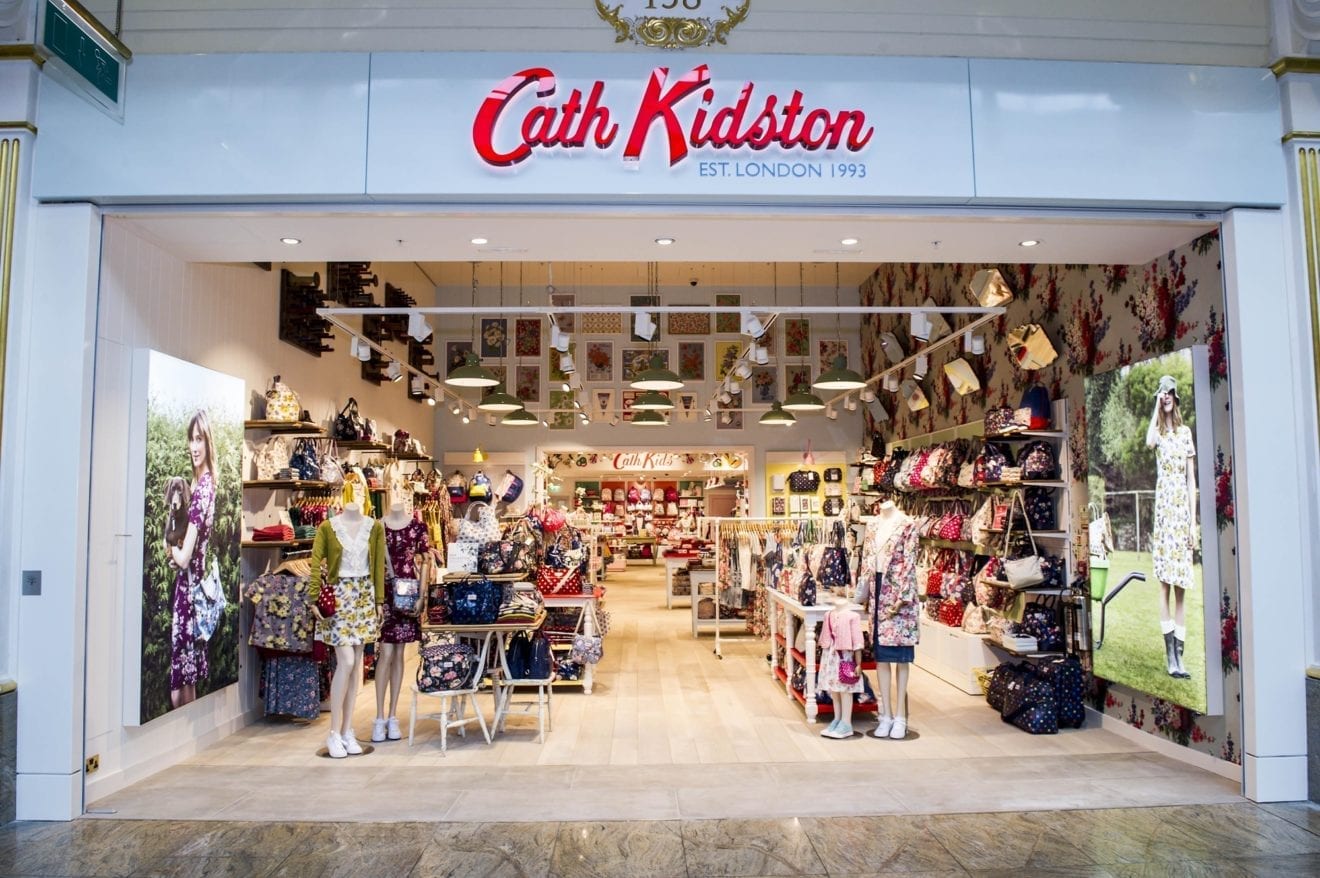
    British home-furnishings and apparel retailer Cath Kidston will permanently close all 60 of its stores in the UK, realigning itself as a wholesaler and online brand.

    The locations, currently shuttered due to the coronavirus lockdown, will not reopen once the crisis is over following its parent company Baring Private Equity Asia securing a pre-pack administration deal under which it bought back the brand and online operations.

    The firm’s stores in Asia, including Malaysia, will continue to trade as normal after lockdowns are lifted.

    The closure of physical stores in Britain has put 908 staff out of work, with only 32 positions spared.

    Measures to revive the flailing business were apparently working before the emergence of the coronavirus outbreak.

    “While we are pleased that the future of Cath Kidston has been secured, this is obviously an extremely difficult day as we say goodbye to many colleagues,” said Cath Kidston CEO Melinda Paraie. “Despite our very best efforts, against the backdrop of Covid-19, we were unable to secure a solvent sale of the business which would have allowed us to avoid administration and carry on trading in our current form.

    The brand will live on in the territory as a digital business.

    “Going forward we will continue to help the company grow through its e-commerce platform and international wholesale and franchise businesses,” said a spokesperson for Baring Private Equity Asia, adding that the firm’s management had established “a viable future for the business in the UK.”

  • AI fashion-tech firm Odd Concepts receives $6 million

    AI fashion-tech firm Odd Concepts receives $6 million

    South Korean AI-based fashion-tech firm Odd Concepts has raised US$6 million in Series B funding, taking the company’s accumulated investments to about US$10 million.

    The funding is expected to allow the business to expand its growth into Asia-Pacific markets, applying its proprietary machine learning technologies to other industries.

    Fashion-tech firm Odd Concept’s fashion-styling service PXL is based on the firm’s own algorithms for recognizing, analyzing and searching images and recommends personalized fashion products based on an analysis of products that interest consumers. Around 100 e-commerce firms in Korea and other countries in the region use the service, with about 9 million unique users.

    Participants in the funding round included KB Securities, HB Investment, Kiwoom Investment-Shinhan Capital, Korea Development Bank and SBI Investment Korea.

    “We decided to invest in Odd Concepts because the company’s own technology clearly verifies the class of excellence in the popular field of fashion commerce,” said KB Securities assistant manager Jeong Seong-hoon.

    “I expect Odd Concept’s proprietary machine-learning technologies would be applied to other industries extensively.”