Tag: cloud

  • Globe Business Harnesses Data-Driven Strategies to Fuel Growth in the Digital Marketplace

    Globe Business Harnesses Data-Driven Strategies to Fuel Growth in the Digital Marketplace

    As the digital economy rapidly transforms industries across Southeast Asia, the Philippines is strategically positioning itself to become a pivotal hub for innovation, data, and connectivity. With soaring digital consumption and an advantageous location, the country stands at the forefront of this technological wave.

    In an exclusive interview with Telecom Review Asia, Raymond Policarpio, Vice President and Head of Strategy Management and Business Investments at Globe Business, the corporate arm of Globe Telecom, shed light on the Philippines’ journey to becoming a cornerstone in the global digital economy.

    Charting the Philippines’ Path in the Global Digital Economy

    The Philippines is primed to emerge as a major regional digital hub, bolstered by soaring data consumption rates. Among international data consumers, Filipinos rank high, particularly on platforms like Meta and YouTube. However, to fully realize this potential, robust infrastructure development is essential.

    While neighboring Southeast Asian nations such as Malaysia, Indonesia, Singapore, and Hong Kong are stepping up as regional leaders, the Philippines offers unique advantages, including a strategic location and a sizeable, predominantly working-age demographic. The pivotal challenge lies in enhancing the country’s infrastructure capabilities.

    At Globe Business, addressing this infrastructure gap is a top priority. The company is heavily investing in modernizing its digital infrastructure, encompassing expansive domestic fiber networks and international subsea cables. Additionally, investments in cable landing stations (CLS) and data centers are paramount to ensure the infrastructure remains modern, reliable, and prepared for future needs. These developments are critical not just for technological progress, but positioning the nation in the global digital landscape.

    The Role of Data Centers and Subsea Cables in Digital Advancement

    In today’s data-driven world, information is the new gold, yet it requires the right storage and access solutions. The adage “build it and they will come” rings true—the current volume of data already flowing through the Philippines promises to multiply as we introduce enhanced data centers. Access to this information hinges on robust cable systems, both domestically and internationally.

    Globe Business is actively developing these vital data centers through its subsidiary, STT GDC Philippines, while also forming strategic partnerships for broader infrastructure cooperation. This initiative promises to propel the nation’s digital transformation.

    In the past year, the company launched a domestic submarine cable network to handle rising local data traffic. On the international front, the Asia Link Cable (ALC), expected to connect the Philippines with regional powerhouses Singapore and Japan by 2026/2027, exemplifies these efforts. With several additional cable systems in progress, Globe is focused on scaling infrastructure to keep pace with America’s data surge.

    Infrastructure Investments: Balancing Profit with Purpose

    At Globe Business, the evaluation of infrastructure investments encompasses not only financial returns but also broader societal impact. Leading the Strategy Management team means emphasizing the importance of value creation. Policarpio highlights that when establishing subsea cables, for example, it can take five to seven years for them to come online, necessitating forward-thinking vision to unlock their true potential, not just for Globe but for the entire country.

    The company opts to prioritize sustainability and nation-building, focusing on expanding accessibility for consumers and enterprises alike. This strategic value-driven approach underpins their infrastructure investments.

    The Cloud Revolution: Embracing Trends in Local Business

    Data remains the linchpin, propelling the rise of cloud adoption among businesses. The burgeoning data ecosystem not only fuels interest in cloud computing but also in cybersecurity and artificial intelligence.

    Large enterprises are increasingly embracing cloud solutions, yet what’s particularly intriguing is the rapid cloud uptake among small and medium-sized enterprises. Many SMEs may not fully grasp the intricacies of cloud technology, but they unknowingly leverage it through AI-driven tools and cloud applications from providers like Google and Microsoft.

    Globe Business is responding with comprehensive solutions spanning connectivity, cloud services, and security while offering guidance to SMEs navigating their digital transformation journeys. Helping these businesses thrive is integral to Globe’s mission, as the adoption of cloud and AI technologies becomes an everyday reality.

    Collaboration: The Key to Infrastructure Growth

    Within the competitive telecommunications landscape, collaboration stands crucial at Globe Business. Policarpio asserts that authentic infrastructure growth can stem only from cooperative partnerships, aligning shared objectives among global and local players alike.

    Ongoing Projects to Fortify the Digital Landscape

    Globe Business is diligently engaged in enhancing the country’s digital infrastructure through various significant initiatives. A cornerstone project is the Philippine Domestic Submarine Cable Network, built in partnership with local collaborators to create a fiber-rich and reliably modern backbone tailored to the archipelago’s diverse connectivity needs.

    The company continues to expand its fiber network across the nation while establishing more cable landing stations to meet rising data demands from global titans such as Microsoft, Google, and Meta. The upcoming ALC will link the Philippines to regional hubs like Singapore and Japan, reflecting shifting internet traffic trends driven by geopolitical dynamics. Furthermore, sustained investments in data centers are vital to nurturing this thriving digital ecosystem.

    Questions & Answers

    How is Philippines’ digital infrastructure progressing and what role does Globe Business play?
    The Philippines is advancing as a digital hub, with Globe Business investing heavily in infrastructure such as data centers and subsea cables to support its burgeoning data consumption.

    What impact do data centers have on the country’s digital growth?
    Data centers act as essential receptacles for the ever-increasing data flow, enhancing access and storage capabilities crucial for the Philippines to thrive digitally.

    How does Globe Business measure the success of its infrastructure investments?
    Globe Business emphasizes sustainability and societal value over mere profitability, measuring success by how its investments contribute to accessibility and nation-building.

  • Transforming the Cloud: How Data Centers Propel Adoption Across Indonesia and Malaysia

    Transforming the Cloud: How Data Centers Propel Adoption Across Indonesia and Malaysia

    As the digital landscape accelerates across Asia, data centers are emerging as the backbone of telecom cloud adoption. These facilities are not just brick-and-mortar structures; they act as critical nodes where telecommunications companies converge, interlinking with various cloud and IT providers to enhance service delivery.

    Cloud Demand Soars in Indonesia and Malaysia

    In Indonesia, the cloud market is poised for impressive growth, expected to swell from USD 2.44 billion in 2025 to USD 4.80 billion by 2030, achieving a compound annual growth rate (CAGR) of 14.52%. An intriguing twist? A staggering 52% of businesses report improved operational efficiency post-cloud adoption, prompting 73% of those yet to embrace cloud solutions to plan their leap within the next two years.

    Meanwhile, in Malaysia, public cloud revenue is set to rise to USD 2.82 billion by 2025, propelled by an anticipated CAGR of 30% through 2030. Malaysian enterprises have already transitioned 48% of their application portfolios to public cloud services, with plans to boost this figure to 64% by 2025.

    Malaysia’s MYDIGITAL strategy is further fueling demand for data centers, which currently operates at about 800 megawatts, a number forecasted to quadruple by 2030. Johor is swiftly evolving as a digital corridor, thanks to its affordable land, substantial space, and improved connectivity. Upcoming data center initiatives in Greater Kuala Lumpur are set to fortify the nation’s cloud capabilities, reinforcing essential infrastructure.

    In a notable development, the newly established “Malaysia West” cloud region will enhance core services such as Azure and Microsoft 365, heralding a significant leap in local cloud performance. This strategic expansion aligns perfectly with Malaysia’s aspirations to become a leading data hub in the region, while the Cloud-First Policy further catalyzes public sector cloud adoption.

    Strategically Placing Cloud Regions for Impact

    The need for low-latency and cloud-native infrastructure is on the rise, and data centers serve as the foundation for deploying virtualized network functions (VNFs), 5G cores, edge computing nodes, and AI-driven services. Currently, Indonesia is home to around 80 operational colocation facilities, predominantly gathered in Jakarta, the nation’s bustling capital. The market thrives on wholesale colocation, a solution well-suited to facilitate large-scale cloud and AI deployments.

    Key players in the field, such as DCI Indonesia, Telkom Indonesia, NTT DATA, and ST Telemedia Global Data Centres, have made substantial investments in data centers. Additionally, major global cloud providers like Amazon Web Services, Microsoft, and Google Cloud are expanding their presence in Jakarta, reinforcing the nation’s strategic significance in the cloud ecosystem.

    In a groundbreaking commitment, Microsoft has announced a USD 2.2 billion investment to create its inaugural cloud region in Malaysia by Q2 2025, which will include the construction of three hyperscale data centers in Greater Kuala Lumpur and Johor.

    This robust ecosystem is drawing in an influx of new digital infrastructure players, with Equinix, Google, and Bridge Data Centres rapidly establishing or growing their operations across Johor, Selangor, and Cyberjaya, which have emerged as pivotal data center hubs, thanks to their land availability and fiber access.

    How Data Centers Supercharge Telco Cloud Services

    The modern telecommunications landscape demands infrastructure that can pivot swiftly. Rather than sinking capital into physical assets with lengthy setup times, telcos can harness data center services for immediate virtual resource deployment.

    Within a data center environment, virtual routers, firewalls, and software-defined wide area network (SD-WAN) nodes can be operational in mere hours. Utilizing telco cloud points of presence (PoPs) allows on-demand services like SD-WAN and content delivery networks to thrive with ultra-low latency, enhancing performance across various regions.

    Data centers serve as vital interconnection hubs, facilitating smooth access to leading cloud service providers such as AWS and Azure. This connectivity enables telcos to integrate hybrid services, deploy AI-driven applications, and manage IoT initiatives efficiently.

    Interestingly, although Equinix’s Singapore campus is not located in Indonesia or Malaysia, it significantly supports both countries’ data infrastructure. With robust connections to 14 submarine cables and over 255 cloud service providers, it positions Southeast Asia for low-latency, high-performance services. Its Jakarta facility is optimized for high-density power and liquid cooling, particularly catering to machine learning workloads.

    Charting the Future of Cloud in Southeast Asia

    Fostering digital transformation, Indonesia and Malaysia are rapidly solidifying their reputations as powerhouses in the data center landscape. Their evolving infrastructures are not just keeping pace with increasing data volumes but are also vital for advanced cloud capabilities that can elevate digital economies across the region.

    The burgeoning investments underline a regional shift toward cloud-focused infrastructures that enhance connectivity, attract global interest, and transform the industrial landscape across Asia.

    Questions & Answers

    What is driving cloud growth in Indonesia and Malaysia?
    The expanding cloud markets in both countries are fueled by rising operational efficiencies among businesses that adopt cloud technologies, along with strong governmental initiatives like Malaysia’s MYDIGITAL strategy.

    How significant is Microsoft’s investment in Malaysia’s cloud infrastructure?
    Microsoft’s USD 2.2 billion investment is a game-changer, as it will establish the company’s first cloud region in Malaysia, constructing three hyperscale data centers that will bolster local cloud services.

    Why are colocation facilities preferred in Indonesia?
    Wholesale colocation facilities are favored for their scalability, enabling support for large-scale cloud and AI deployments, which are essential in modern telecommunications.

  • AIS Unveils Groundbreaking Homegrown Hyperscale Cloud Platform, Revolutionizing Digital Infrastructure in Thailand

    AIS Unveils Groundbreaking Homegrown Hyperscale Cloud Platform, Revolutionizing Digital Infrastructure in Thailand

    Thailand is making waves in the tech world with the launch of its first hyperscale cloud infrastructure, developed entirely by a homegrown company. This bold step from AIS Business comes at a crucial time, as the demand for artificial intelligence (AI)-ready platforms continues to surge. The service, named ‘AIS Cloud powered by Oracle Cloud Infrastructure,’ is backed by a robust initial investment of THB 4 billion, aimed at establishing locally governed data centers across the nation.

    Building Digital Sovereignty

    In an age where digital identity is as valuable as gold, Phupa Akavipat, Chief Enterprise Business Officer at AIS, emphasized the necessity of nurturing Thailand’s own AI capabilities. “We firmly believe that Thailand must have its own AI capabilities to ensure long-term technological sovereignty and resilience,” he stated. Akavipat sees the new infrastructure as a cornerstone for national development, reinforcing Thailand’s place in the global digital landscape.

    A Localized Cloud Experience

    AIS Cloud is designed with local users in mind, offering Thai-language contracts and transactions in Thai baht, allowing businesses to sidestep potential currency fluctuations. It also promises enhanced support, featuring Thai-speaking experts ready to assist. The platform boasts advanced capabilities like auto-scaling for heavy workloads and full compatibility with emerging technologies such as machine learning (ML) and big data analytics, making it an appealing option for local enterprises eager to innovate.

    Government Backing and Certification

    The launch has garnered significant support from the Thai government. Dr. Passakon Prathombutr of the Digital Economy Promotion Agency (DEPA) highlighted a landmark achievement, announcing that AIS Business is the first Thai provider to receive the prestigious dSURE 3-Star certification. This accolade, the highest national standard for cloud services, guarantees secure, local data storage without cross-border transfers, aligning perfectly with Thailand’s ambitions for a thriving digital economy.

    Enhancing National Cloud Policy

    Wisit Wisitsora-at, Permanent Secretary of the Ministry of Digital Economy and Society, expressed strong endorsement for the initiative, identifying it as a key element of the national cloud policy. He stressed that collaboration between government and industry is vital for enhancing the country’s digital infrastructure and developing a skilled talent pool that meets modern demands. In a landscape often fraught with uncertainty, this partnership could be the secret ingredient to a brighter digital future for Thailand.

    Questions & Answers

    What is the significance of AIS Cloud in Thailand’s tech landscape?
    AIS Cloud represents a crucial advancement toward digital sovereignty, providing Thailand with independent AI capabilities and enhancing the country’s overall technological infrastructure.

    How does AIS Cloud address the needs of local businesses?
    The platform offers features like Thai-language contracts and transaction support in Thai baht, catering specifically to local companies and helping them navigate currency fluctuations.

    What role does the government play in supporting AIS Cloud’s launch?
    The Thai government has actively backed the initiative, with notable officials endorsing the project as a cornerstone of national digital policy and emphasizing the need for collaboration between the public and private sectors.

  • Nokia Unveils Autonomous Networks Fabric: A Game-Changer in AI-Driven Automation for Retail Solutions

    Nokia Unveils Autonomous Networks Fabric: A Game-Changer in AI-Driven Automation for Retail Solutions

    Nokia has unveiled its groundbreaking Autonomous Networks Fabric, claiming the title of the industry’s first suite of telco-trained artificial intelligence models integrated with security and AI applications. This innovation is set to transform network automation, granting operators the tools to deploy new services with unprecedented ease.

    A Unified Approach to Network Management

    The Autonomous Network Fabric acts as a central intelligence layer, seamlessly connecting observability, analytics, security, and automation across various network domains. It aims to ensure that networks function as cohesive adaptive systems, irrespective of their vendor, architectural style, or deployment method.

    Though operators have been gradually moving toward fully autonomous networks, many have struggled with outdated systems, siloed processes, and fragmented data. With the introduction of the Autonomous Network Fabric, Nokia addresses these challenges head-on by providing a fully integrated suite that boasts unified data management, comprehensive observability, and explainable AI. Think of it as giving operators a Swiss Army knife for handling their network intricacies.

    Streamlining Automation for Efficiency

    By enhancing automation at scale, Nokia’s Autonomous Network Fabric simplifies the complexity associated with automated processes. This empowers operators to boost reliability while simultaneously achieving significant operational cost savings. The system allows for rapid experimentation and integration of ideas that yield tangible benefits, a game-changer in the fast-paced world of telecommunications.

    Key capabilities embedded in the Autonomous Network Fabric promise to reshape operators’ approach to network management:

    Unified Data Management: The platform gathers, organizes, and publishes relevant network data as data products using a data-mesh architecture. By facilitating the rapid design and construction of new data products in a low-code/no-code environment, operators can harness AI and machine learning to create sophisticated data assets that fuel automation.

    360-Degree Observability: The solution promotes the federated use and distribution of data and AI throughout the organization, ensuring a meticulous chain of custody. This maintains high standards of quality and consistency in automation efforts.

    Explainable AI: The Autonomous Network Fabric is powered by robust, telco-trained large language models that not only support automation but also provide clarity on data interpretation, issue analysis, and action recommendations, making the inner workings of AI more transparent to users.

    Teaming Up with Google Cloud for Greater Reach

    Nokia’s offering will be available as a software-as-a-service (SaaS) application through Google Cloud, as well as on-premises via Google Distributed Cloud and in hybrid cloud settings. This strategic partnership leverages Google Cloud’s generative AI, including Vertex AI and BigQuery, to create workflows designed to enhance network operations.

    Through real-time monitoring of network traffic patterns and proactive anomaly detection, Nokia’s Autonomous Network Fabric aims to elevate subscriber experiences, allowing for zero-touch remediation of performance issues and robust disaster recovery options.

    “As networks become more complex and susceptible to vulnerabilities, there’s a clear demand for fully autonomous systems where good data is paramount. Our Autonomous Network Fabric establishes a foundation by combining Nokia’s extensive network expertise with Google Cloud’s AI capabilities,” stated Kal De, SVP of Product and Engineering at Nokia.

    The collaboration not only facilitates the deployment of Nokia’s 5G core network on Google’s cloud infrastructure but also aims to foster a space where developers can innovate and scale network automation efficiently. Muninder Singh Sambi, Vice President and General Manager of Networking and Security at Google Cloud, emphasized this partnership’s goal: to enhance network reliability, preemptively address issues, and turn data into actionable insights for high-performing networks.

    Questions & Answers

    What is Nokia’s Autonomous Networks Fabric designed to achieve?
    The Autonomous Networks Fabric is intended to revolutionize network automation by providing a fully integrated suite of tools that enhance data management, observability, and AI capabilities for operators.

    How does the collaboration with Google Cloud enhance Nokia’s offering?
    By integrating with Google Cloud, Nokia can leverage advanced AI tools for enhanced network operations, including real-time monitoring, anomaly detection, and disaster recovery, ultimately leading to improved service delivery.

    What benefits does the Autonomous Networks Fabric offer to telecommunications operators?
    Operators can expect reduced complexity in automation, increased reliability, operational cost savings, and the ability to test and implement new ideas rapidly, significantly improving the efficiency of their network management.

  • Cloud innovations transforming UCC market

    Cloud innovations transforming UCC market

    Growing demand for custom solutions that seamlessly integrate with third-party business software is fueling the development of service-based business models in the unified communications and collaboration (UCC) market, according to Frost & Sullivan.

    Innovation in cloud communications is breaking the IP telephony and UC as a Service (UCaaS) silo, enabling players in the UCC market to expand their service portfolios. Multi-level disruption at the pricing, packaging, feature, functionality, and business model levels is also accelerating innovation and intensifying competition.

    “Diversified solutions portfolios and more holistic approaches are a necessity to support business transformation, but simultaneously maintaining core competencies is the key to success,” Frost & Sullivan digital transformation principal analyst Robert Arnold said.

    “Mobility, device independence, social capabilities, mashups and personalization will be significant elements of future-proof cloud communications solutions.”

    The challenges for companies operating in the global UCC space include continuing reliance on unamortized and premises-based solutions, preference for newer operating expenditure-based business models, and security and reliability concerns surrounding cloud-based deployments.

    Market majors, such as Vonage, Orange, AT&T, BT, Cisco, Slack, IBM, Vodafone, Microsoft, Tata, and others are attempting to overcome these issues by offering solutions with the deployment and integration flexibility customers increasingly require for UCC integration with workflows, along with the high quality and reliability that are expected of mission-critical services.

    This will validate for customers that making UCC integral to their digital transformation efforts will result in the best return on investment (ROI) as demonstrated through uninterrupted productivity, agility of business operations, and performance efficiency.

    “Cloud communication services adoption is accelerating as premises-based equipment markets decline,” observed Arnold.

    “Mergers and acquisitions in all market tiers and into adjacencies will persist as competitors seek scale and financial stability to round out their portfolios, enhance development resources, increase reach, and grow installed bases.”

  • WorkJam Brings Next-Gen AI to the Frontline Workforce with Google Cloud

    WorkJam Brings Next-Gen AI to the Frontline Workforce with Google Cloud

    WorkJam Brings Next-Gen AI to the Frontline Workforce with Google Cloud

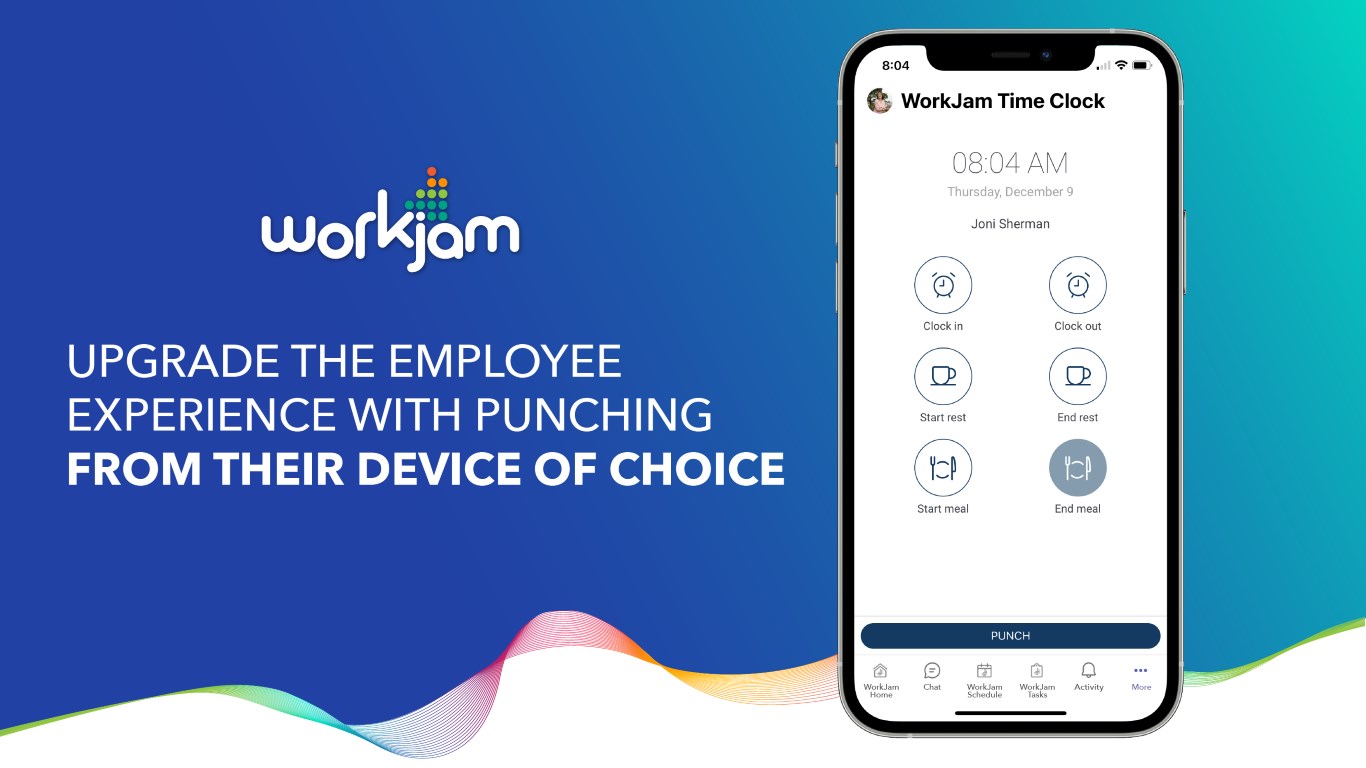
    WorkJam, the world’s leading digital frontline workplace, today announced an expansion of its strategic collaboration with Google Cloud to deliver enterprise-ready AI solutions built specifically for frontline teams. WorkJam already offers AI Agent, powered by Google’s Gemini models and cloud infrastructure, which is revolutionising how frontline organisations operate—bringing intelligent automation, productivity, and engagement to a new level and this feature will be the first of an innovative road map that will be AI-driven.

    Built on Google Cloud’s Industry-Leading AI Infrastructure

    WorkJam’s AI roadmap is engineered on Google Cloud, providing unmatched scalability, performance, and global reliability. With built-in enterprise-grade security and compliance, it is ready to meet the demands of complex industries such as retail, healthcare, logistics, and manufacturing.

    Powered by Google’s Gemini Models: Multimodal Intelligence for Real-World Impact

    Leveraging Google’s Gemini models, WorkJam delivers intelligent and conversational AI that understands text, voice, and visual inputs—creating more natural, intuitive user experiences for frontline employees. From task automation and knowledge retrieval to in-the-moment support, WorkJam’s AI Agent supercharges productivity and reduces friction in everyday operations.

    An AI Vision for the Future of Frontline Work

    WorkJam’s vision is to continue to transform the frontline experience by integrating Google’s Gemini models to deliver real-time intelligence, automation, and intuitive support directly into daily workflows. By combining voice, text, and visual understanding, WorkJam empowers frontline employees with instant access to knowledge, adaptive training, and seamless task execution—regardless of language or role. This reduces friction, streamlines operations, and unburdens managers to focus on high-value work. AI will enable intelligent labour utilisation, and ensure the right people are deployed at the right time, maximising productivity, engagement, and customer impact for every customer.

    A Collaboration Driving Innovation

    This collaboration enables WorkJam to co-innovate alongside Google Cloud, gaining early access to AI advancements and accelerating delivery of cutting-edge capabilities to global customers.

    Steven Kramer, CEO, WorkJam said, “By integrating the powerful reasoning capabilities of Google’s Gemini models into the WorkJam platform, we’re redefining labour utilisation for frontline teams across the APAC region. This isn’t just about smarter scheduling—it’s about giving managers and employees real-time support to make better decisions, balance workloads, and drive productivity. With Gemini models, WorkJam ensures the right people are in the right place at the right time, improving operational efficiency while creating a more engaging and productive work environment.”

    About WorkJam

    WorkJam was founded in 2014 to improve the lives of frontline workers. As the world’s leading digital frontline workplace, WorkJam combines communication, task management, scheduling tools, learning, and more – all on one app. It is the only complete and unified system designed to revolutionize the way HQs and their frontline work together, boosting efficiencies and productivity. Available in 50 languages with in–line translations, the app helps organizations bridge language barriers and create a more inclusive working environment for all. WorkJam introduces Total Workforce Orchestration®. To learn more, visit WorkJam.com or follow us on LinkedIn.

  • CMC Steals the Spotlight at World IT Show 2025 with Impressive Showcase

    CMC Steals the Spotlight at World IT Show 2025 with Impressive Showcase

    CMC Makes a Significant Impact at WIS 2025, Strengthening Korea-Vietnam Tech Ties

    Asia’s Premier Technology Showcase

    The World IT Show (WIS) 2025, organized by Korea’s Ministry of Science and ICT, recently concluded with a resounding success, drawing significant attention across the tech community. With the theme “The Next Wave,” this prestigious event hosted in Asia saw an overwhelming turnout of over 100,000 visitors, including tech aficionados and business executives. The stage was set for over 500 companies, including global titans such as Samsung, LG, KT, SK, and Hyundai, making it a hotspot for the latest innovations in technology.

    CMC’s Standout Performance: Highlighting the ASEAN Region

    Vietnamese tech enterprise CMC showcased a vibrant presence at WIS 2025, capturing the essence of the event’s theme “Beyond Digital.” With its booth teeming with visitors, CMC engaged in numerous impactful discussions and meetings with potential Korean partners over the event’s three days. Their compelling digital solutions and technology prowess spotlighted the company’s readiness to take on substantial roles in global digital transformation initiatives.

    Innovations That Caught the Eye

    A visitor’s comment encapsulated the success of CMC at the event: “The company displayed a comprehensive technology ecosystem… I was particularly impressed by their internationally certified team…”
    CMC’s offerings such as the Comprehensive Security Platform, CMC Cloud, and Managed Services, drew particular interest. These products promise proactive defense and seamless integration, optimizing costs and adding sustainable value across sectors, including manufacturing, BFSI, healthcare, and e-commerce.

    Expansion and Future Prospects

    In August 2024, CMC took a significant step in their global strategy by establishing CMC Korea. Their participation in WIS 2025 is a testament to their commitment to nurturing long-term collaborations with Korean and global businesses. A company representative shared, “Our success at WIS 2025 underscores our global mindset and dedication to propelling Vietnamese technology on the world stage, fostering a greener, safer, and more sustainable digital future.”

    Impact on the Retail Sector and Consumer Trends

    CMC’s stride in WIS 2025 is set to bolster consumer confidence and trust in Vietnamese technology solutions globally, particularly in critical sectors like digital security and cloud services. These advancements signify a significant leap in tech consumer trends and brand expansion, influencing the broader retail and technology landscapes profoundly. As CMC continues to chart its global journey, its innovations are expected to reshape consumer experiences and enterprise tech solutions markedly.

  • Alibaba Cloud Expands Thai Presence with New Data Center

    Alibaba Cloud Expands Thai Presence with New Data Center

    Sean Yuan, Vice President of International Business and General Manager of Thailand, Indonesia, Japan, the Philippines, and the South Pacific Region at Alibaba Cloud Intelligence, stated, “Our latest data center strengthens our commitment to providing reliable, secure, and high-performance cloud services tailored to the needs of local businesses. With enhanced local infrastructure, we aim to empower enterprises to leverage the full potential of cloud technology, especially in generative AI applications.”

    With the addition of this new data center, Alibaba Cloud now operates 86 availability zones across 28 regions globally, solidifying its position as a leading cloud service provider in Southeast Asia. The first data center in Thailand was launched in 2022. Alibaba Cloud has over 140 security and compliance accreditations worldwide, ensuring top-tier protection and resilience for its cloud services. With two data centers in Thailand, Alibaba Cloud can provide scalable, elastic, and highly available cloud computing products with enhanced disaster recovery capabilities, all while adhering to strict security and regulatory standards.

    Alibaba Cloud is expanding its range of services to support businesses in Thailand, including elastic computing, storage, database, security, network products, data analytics, and artificial intelligence (AI) services. These services are designed to address specific challenges faced by different industries. By leveraging AnalyticDB’s cloud-native vector engine, businesses in Thailand, especially in the fintech and retail sectors, can create solutions that enhance customer interactions through customized large language model (LLM) applications. This allows companies to efficiently manage structured and unstructured data, develop chatbots, and provide personalized product recommendations, ultimately improving the customer experience.

    Alibaba Cloud’s Container Compute Service (ACS) simplifies workload deployment using Kubernetes, offering a serverless container environment that helps businesses scale their operations efficiently and focus on innovation while managing costs effectively. Alibaba Cloud offers industry-specific solutions tailored to digital-native clients in sectors such as fintech, retail, and public services. These solutions include the Elastic Desktop Service (EDS), eKYC solutions, a SuperApp equipped with development capabilities, and AI-driven sustainability solutions.

    Through partnerships with local companies like True Digital Group, Yell Group, and Codium, Alibaba Cloud has helped enhance operations and services using cloud computing products. These collaborations aim to improve efficiency, scalability, and innovation in various industries. Alibaba Cloud is actively working with local partners and universities in Thailand to support the digital transformation of businesses and foster digital talent. Initiatives include workshops, certified courses, and collaborations with universities to provide training in cloud computing and generative AI, as well as the launch of a global skills center at Chulalongkorn University to offer free training courses, boot camps, AI competitions, and leadership development programs. These efforts aim to enhance educational resources and promote a thriving digital landscape in Thailand.

  • IFC and Partners Invest USD 900 Million in Malaysia Data Center

    IFC and Partners Invest USD 900 Million in Malaysia Data Center

    The consortium, which includes DBS, Deutsche Bank, Global Infrastructure Partners (BlackRock subsidiary), HSBC, ING, and Natixis CIB, joined IFC in funding the first phase of the project in Johor Bahru. This initial 98-megawatt facility is part of a larger 72.5-acre campus that aims to deliver 300 megawatts of critical IT capacity upon completion. Once operational, the campus is expected to become one of the largest and most advanced data centers in the Asia Pacific, addressing the region’s surging demand for data processing capabilities.

    In May, 2024, the IFC initially announced a USD 150 million financing package for the project, which included a USD 50 million bridge loan that proved to be instrumental in advancing the development and attracting additional funding from the consortium. The IFC has now committed its second tranche (totaling USD 100 million) as part of this latest financing round, marking a significant milestone in the project’s development.

    “Our Johor campus is a landmark development for Yondr and will become an important part of Asia’s infrastructure as demand for capacity continues to grow in the region, driven by the acceleration of artificial intelligence (AI) and digital services,” said Chester Reid, Chief Financial Officer at Yondr. “Our success in securing a substantial loan facility to help complete the first phase of this campus highlights trust in the Yondr brand from leading financial institutions, following a number of major project milestones we have delivered this year in Europe and North America.”

    The hyperscale data center campus in Johor Bahru will be certified under the Excellence in Design for Greater Efficiencies (EDGE) program—the IFC’s flagship green building certification system. The certification highlights the project’s commitment to resource efficiency and sustainable design.

    The IFC served as the mandated lead arranger (MLA) for the financing package, with DBS, Deutsche Bank, HSBC, ING, and Natixis CIB also acting as MLAs, underwriters, and bookrunners.

    This marks IFC’s third investment in Malaysia since establishing its operations in the country in 2023.

    Judith Green, the World Bank Group’s Country Manager for Malaysia, is satisfied with the IFC’s commitment to a second tranche of financing for Yondr’s data center campus in Malaysia, stating, “This project will not only help to accelerate the digital transformation of the wider Asia-Pacific region, but also serves as a strong example of how IFC’s tailored financing solutions can de-risk projects and drive private-sector investment into emerging markets.”

  • NTT Com’s Osaka 7 Data Center Earns NVIDIA DGX-Ready Certification

    NTT Com’s Osaka 7 Data Center Earns NVIDIA DGX-Ready Certification

    This certification validates the data center as a secure location for enterprises to run AI and other demanding applications using NVIDIA-accelerated computing infrastructure. The certification was awarded to the Osaka 7 Data Center (OS7) in Ibaraki City, Osaka Prefecture.

    The NVIDIA DGX-Ready Data Center program certifies data centers’ ability to host high-density accelerated computing systems like the NVIDIA DGX platform and accommodate supercomputer clusters like NVIDIA DGX SuperPOD, considering storage and cooling facilities.

    NTT Com has also joined the NVIDIA Partner Network as a data center provider. Within the OS7 data center, NTT Com offers high-quality network services, exceptional connectivity with Internet Exchange (IX) points, and optimal network environments. The facility can accommodate the high-density racks needed for applications like generative AI (GenAI), making it ideal for operators looking to host cutting-edge and large-scale computing systems.

    OS7 plans to become a Green Nexcenter® colocation data center equipped to support liquid-cooling systems for high-density and accelerated computing systems. NTT Com also offers the “APN Dedicated Line Plan powered by IOWN” service, which connects data centers with ultra-high-speed wide bandwidth, cloud-based NVIDIA GPU services, and other networking and storage facilities.

    OS7, operational since December 2019, features a server room area of approximately 4,600 m2 and has plans to expand its surface area to around 9,500 m2.

    To meet the increasing demand for generative AI and other advanced applications, NTT Com plans to equip more data centers with Green Nexcenter® facilities. The first of these will be offered at the Yokohama 1 Data Center in March 2025, along with OS7 in the Kansai region.

    Additionally, Green Nexcenter® will be standard equipment at the Keihanna Data Center, scheduled to open in March 2026 in Seika-Cho, Kyoto Prefecture. Overall, NTT Com is committed to providing state-of-the-art data center facilities to support the evolving needs of enterprises in the digital age.

  • Innovations in Green Cloud Computing and Sustainable Solutions

    Innovations in Green Cloud Computing and Sustainable Solutions

    Green cloud computing integrates advanced cloud technologies with sustainable practices to achieve energy efficiency and reduce environmental impact. A key strategy includes server virtualization, which significantly reduces the number of physical servers needed, thus, lowering energy consumption and utility bills. Additionally, the use of renewable energy sources, such as solar and wind power, helps to further diminish the carbon footprint associated with cloud services.

    One of the most significant benefits of green cloud computing is its role in promoting sustainable architecture. Data centers designed with minimal environmental impact in mind can operate more efficiently, using less power and generating less waste. This approach also supports remote work, which reduces the carbon emissions linked to commuting. Furthermore, green cloud computing encourages paperless operations, leading to decreased paper use and deforestation, and minimizing electronic waste by reducing the reliance on extensive hardware.

    Transitioning to green cloud computing involves several strategic steps. Organizations should start with a comprehensive assessment of their current IT infrastructure to evaluate their energy consumption and carbon footprint. Setting clear, measurable goals for reducing energy use and increasing the adoption of renewable energy is essential for successful implementation.

    For example, Globe Telecom partnered with Red Hat to modernize its IT infrastructure, leveraging open-source technologies to enhance scalability, agility, and efficiency. This move comes as the Asia-Pacific cloud infrastructure market is set to soar, projected to reach USD 593.7 billion by 2032.

    Selecting cloud service providers committed to sustainability is a crucial practice. Leveraging server virtualization and adopting energy-efficient computing practices can optimize resource usage. Enhancing data center efficiency and continuously monitoring performance are also vital to ensure that environmental goals are met. Engaging stakeholders and educating them about the importance of green cloud computing can drive effective implementation and foster a culture of sustainability.

    Notably, Alibaba Cloud has launched its “Green Data Center” initiative, using renewable energy sources and advanced cooling technology to reduce carbon emissions. Tencent is also focused on building green data centers with AI-driven energy efficiency, particularly through its Tianjin data center, which operates utilizing natural cooling and renewable energy.

    Green computing techniques are diverse and leverage energy-efficient hardware designs, renewable energy sources, and methods like data deduplication and network virtualization. These techniques are integral to enhancing sustainability and operational efficiency. For instance, energy-efficient hardware designs reduce power consumption and extend the lifecycle of equipment, while data deduplication minimizes data redundancy and storage needs.

    For example, Intel’s Sapphire Rapids processors focus on delivering high performance with lower power consumption, incorporating energy-saving features like dynamic power management. Additionally, AMD’s EPYC processors are designed to maximize performance per watt, making them ideal for cloud and enterprise environments, significantly lowering energy costs.

    Innovations in green cloud computing also focus on advanced cooling techniques, which are crucial for maintaining data center efficiency. Strategies such as hot-and-cold aisle containment and liquid cooling systems can significantly reduce the energy required for cooling data centers. Huawei’s FusionServer Pro series optimizes power usage through AI-driven energy management and smart cooling systems, reducing energy consumption in data centers.

    Major cloud providers are making substantial commitments to carbon neutrality. Google aims to achieve net-zero emissions across its entire operations and value chain by 2030, targeting a 50% reduction in its Scope 1, 2, and 3 emissions from a 2019 baseline. The company plans to operate its facilities on 24/7 carbon-free energy and invest in both nature-based and technology-based carbon removal solutions. Google’s approach to climate action involves a science-based strategy and ongoing transparency outlining its progress.

    AWS is also dedicated to sustainability and has, thus far, achieved 100% renewable electricity usage seven years ahead of its 2030 goal. The company focuses on maximizing energy efficiency through advanced data center design, cooling innovations, and power management technologies. AWS’s infrastructure is reported to be up to 4.1 times more efficient than traditional data centers, with their Graviton4 and Inferentia2 chips contributing to enhanced performance and energy efficiency.

    Microsoft has set a bold goal to become carbon negative by 2030 and remove all historical emissions by 2050. Their strategy includes reducing emissions, investing in new carbon removal technologies, and supporting global carbon reduction efforts. Microsoft plans to fund carbon removal technologies, help suppliers cut their carbon footprints, and enhance transparency through annual environmental reports. The company also advocates for supportive public policies and engages employees to drive innovation in carbon reduction.

    The future of green cloud computing promises further advancements, with emerging technologies like AI-driven energy management and edge computing. AI can optimize energy use by predicting and adjusting power consumption in real-time, while edge computing reduces the need for data transmission to central servers, thus, lowering energy consumption and latency.

    Green cloud computing represents a shift towards balancing technological innovation with environmental responsibility. Given that data centers are major consumers of global electricity and contributors to carbon emissions, adopting sustainable cloud solutions is essential. The integration of energy-efficient practices, renewable energy sources, and advanced cooling techniques can significantly reduce the environmental impact of cloud services.

    As organizations and individuals increasingly prioritize environmental responsibility, green cloud computing will be at the forefront of efforts

  • Google Drive update adds new option to restrict access to folders

    Google Drive update adds new option to restrict access to folders

    Google announced this week that its Drive app is getting an important update that adds the ability to restrict access to folders. Normally, Google reveals new changes to its apps when these changes are rolled out to everyone, but this seems to be an exception.

    This particular update comes as a beta, but it can still be accessed by admins managing Google Drive. But what exactly this update does? According to Google, the latest version of Drive allows shared drive managers to restrict folders to specific users within a shared drive.

    The new feature is meant to offer shared drive managers more flexibility when it comes to keeping relevant content within a single shared drive, while restricting access to shared folders that might contain sensitive information.

    Once the update lands, admins can turn limit access to specific folders. The folders with “limited access” can only be opened by people who have been added to it directly. This means that Google Drive users with general access to the shared drive or shared folder will be able to see the restricted folder in Drive, but they will not be able to open it.

    As mentioned earlier, this feature is only available in beta. However, admins who want to start using it before it reaches “stable” status, can use the form that Google made available in order to express interest in the beta.

    Google says that all eligible customers will receive an email confirmation prior to the feature being enabled in their specified domain. The search giant will start accepting domains into the program in the coming weeks.

    It’s also worth noting that folders with limited access are available in both shared drives and My Drive. This means that shared drive managers will always be able to access folders with limited-access, while folder owners will always be able to access limited-access folders in their My Drive.

    As far as availability goes, this feature is eligible for Google Workspace customers with Business Standard / Plus, Enterprise Standard / Plus, Essentials Starter / Enterprise Essentials / Enterprise Essentials Plus, Education Fundamentals / Standard / Plus / the Teaching & Learning upgrade, and Nonprofits.

  • Google Drive gets automatic captions for video uploads with new update

    Google Drive gets automatic captions for video uploads with new update

    Google Drive is now rolling out a useful feature for videos you upload: automatically generated captions. It seems the new feature is widely rolled out.

    The feature is available for personal Google Accounts and uses speech recognition tech to transcribe the audio. To use the feature, users should request automatic captions after uploading a video to Drive. On the other hand, for Google Workspace users, the captions are enabled automatically, unless their admins disable it.

    To generate captions for a video, you can right-click on the video and then click on Manage caption tracks, and then generate automatic captions. On mobile, tap the three-dot menu on the top right, and then go for Manage caption tracks and generate automatic captions, but this has to be done when a video is already playing.

    It takes some time for the request to process. Then, the automatic captions will be available in a YouTube-esque player by tapping “CC”.

    Having captions is also great for searching for videos based on content, while they also improve the accessibility of media stored in Drive. For now, English is the only language that is supported, with other languages planned “in the future”.

  • Microsoft brings its Xbox Cloud Gaming service to Amazon Fire TV

    Microsoft brings its Xbox Cloud Gaming service to Amazon Fire TV

    he best deals in the gaming industry, Xbox Game Pass, will soon be available on Amazon Fire TV. Microsoft has just announced it has teamed up with Amazon to bring its Xbox Cloud Gaming service to over 25 countries where Xbox Game Pass Ultimate is available.

    This will allow Xbox Game Pass Ultimate subscribers to play games directly from the Xbox app on select Fire TV devices via cloud gaming. Obviously, you’ll need an exceptional internet connection, but you won’t have to pay for a console or download anything on your Fire TV device.

    Basically, you’ll only need a Fire TV Stick, a Bluetooth-enabled wireless controller, and an Xbox Game Pass Ultimate subscription to gain access to hundreds of high-quality games, including Forza Horizon 5, Starfield, and Senua’s Saga: Hellblade II.

    Microsoft announced that the Xbox app will be released on the Fire TV Stick 4K Max (2023) and Fire TV Stick 4K very soon. Here is what you’ll have to do to start playing games:

    • Install and launch the Xbox app from your Fire TV device.
    • Sign in with your Microsoft account to play.
    • If you haven’t already, you can join Xbox Game Pass Ultimate for one low monthly price.
    • Connect a Bluetooth-enabled wireless controller (i.e Xbox Wireless Controller, Xbox Adaptive Controller, PlayStation DualSense, DualShock 4)
    • Start playing!

    It’s worth mentioning that even if you don’t have an Xbox Game Pass Ultimate membership, you’ll still be able to play some games that are free such as Fortnite.

    For those who just want to see how smooth the cloud gaming experience is and if it’s worth paying for it, can pay $1 for 14 days. Subscription continues automatically if not canceled during the 14-day trial. The cost of Xbox Game Pass Ultimate is $16.99 per month, but it covers all platforms (PC, console, and cloud gaming).

  • Google Photos adding option to tailor your memories based on your activity

    Google Photos adding option to tailor your memories based on your activity

    Google Photos is adding another feature intended to make your cherished memories more easily accessible and enjoyable. In addition to the recently expanded rollout of automatic Stacks (which organize similar photos together), Google has unveiled a new setting called “Activity-based personalization.” This powerful feature enhances the app’s “Memories” section.

    The “Memories” section, which you might recognize as that carousel of photos and videos at the top of the Google Photos app, can now be set to learn from your actions within it. Activity-based personalization learns about the way you engage with Memories — those you linger on and those you may skip — and uses that information to make them more relevant.

    Activity-based personalization is by default enabled, ensuring that you get the most out of Memories right away. However, you can easily disable this setting at any time. If you do, data about your Memories interactions from the last 18 months will be deleted. Don’t worry, though; this won’t affect your photo library, other Memories, or the Creations that Google Photos generates.

    For now, it appears that setting can only be accessed from the web version of Google Photos, although it isn’t appearing for everyone yet. That said, the Memories carousel is present on both the web and mobile (Android and iOS) versions of the app, so whatever setting you choose for it will affect your experience throughout.

    To check if the feature has rolled out to you and to tweak it, you’ll need to head to photos.google.com on your computer, then click on “Settings” at the top right of the page. From there, you’ll need to scroll down to the “Memories” sub-section to find the “Activity-based personalization” toggle, which should be grouped with the “Time-based memories” and “Themed memories” toggles for featured memories.

    Google Photos is a great app for backing up and enjoying photos and videos, and this new feature joins a range of options already available to personalize your experience. It’s great to see that the app continues to get better and offer more options to those who choose it as the keeper of their previous memories.