Tag: coffee

  • Bo’s Coffee plans big expansion ahead

    Bo’s Coffee plans big expansion ahead

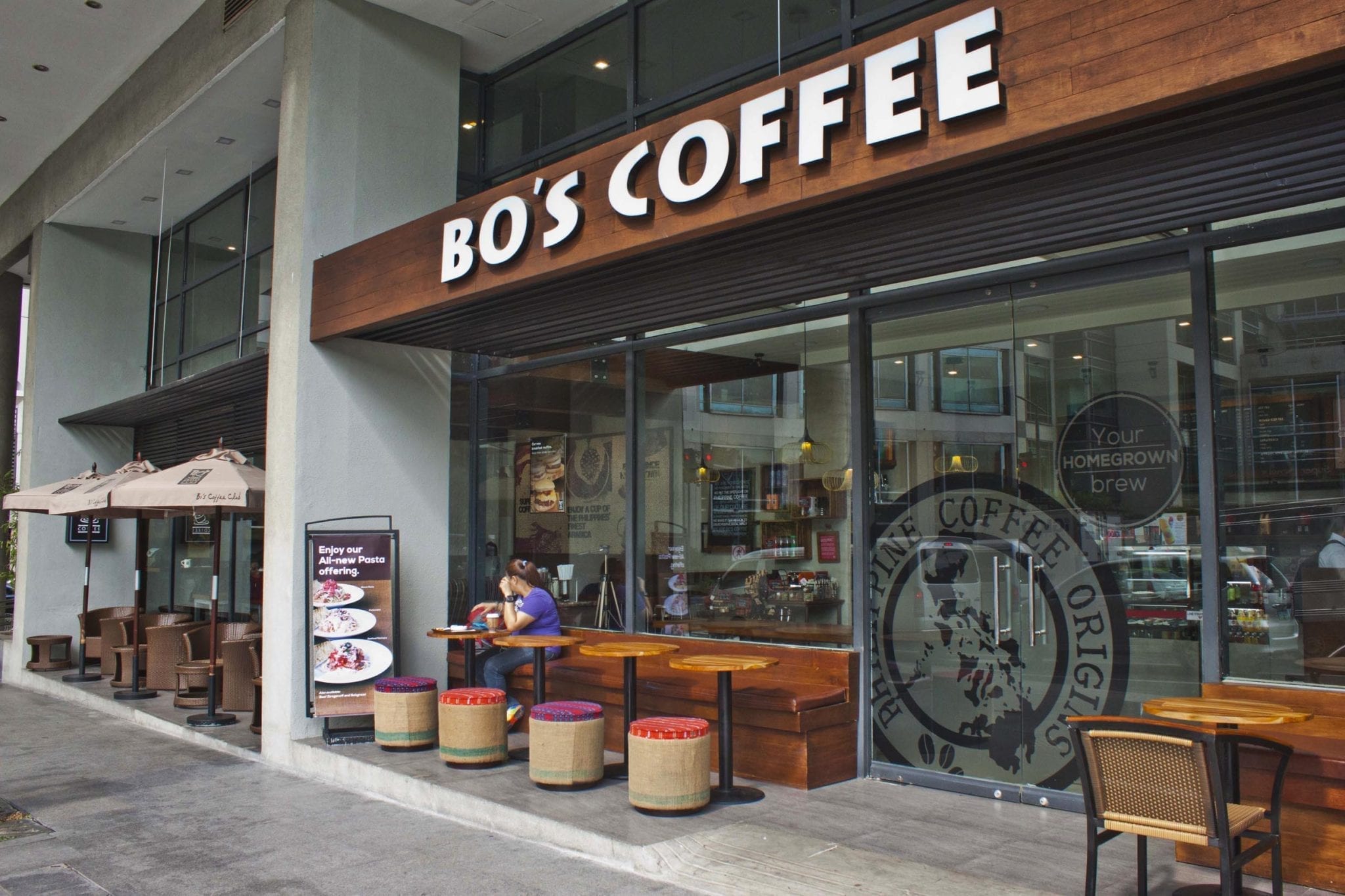
    Filipino cafe chain Bo’s Coffee plans to more than double its store network within four years and is also eyeing expansion into the Middle East. In an interview, founder Steve Benitez says the ambitious growth plan has been fuelled by strong local demand. With 103 cafes currently, Benitez is targeting between 200 and 250 by 2022.

    “Our job is to make sure that we are able to popularize coffee and be able to supply so much, not only in the Philippines but globally,” he said.

    In its home market, Bo’s Coffee, which was founded in 1996, will be targeting Luzon, especially given the brand has “only scratched the surface” there to date.

    In the Middle East, Bo’s Coffee plans to open a second store in Qatar shortly, followed by three more within two years. Other markets in the region are now in its sights.

    The expansion plans will be accelerated following an investment by Philippine-focused Navegar Fund which was attracted to Bo’s Coffee by its efforts to support local coffee-growing communities.

    “Seventy to 80 per cent of our coffee beans are sourced locally,” said Benitez. “We were trailblazers. We started featuring Philippine coffee and the other shops followed after.”

    Bo’s Coffee recently opened a 300sqm flagship store in Cebu which supports social enterprises by partnering with local micro-small entrepreneurs in their store interiors, products, and merchandise inside.

  • Vietnam Jan-Nov coffee exports up 23 pct, rice 4.8 pct

    Vietnam Jan-Nov coffee exports up 23 pct, rice 4.8 pct

    Vietnam’s coffee export volumes from January to November have grown 23 percent year-on-year and rice exports have risen by 4.8 percent, official data shows.

    Coffee

    Coffee exports from Vietnam will climb an estimated 23 percent between January and November from a year ago to 1.725 million tonnes, equal to 28.75 million 60-kg bags, the General Statistics Office said in a report on Thursday.

    Coffee export revenue for Vietnam, the world’s biggest producer of the robusta bean, will edge up 2.9 percent to $3.3 billion in the 11-month period, the report said.

    November coffee exports were estimated at 140,000 tonnes, worth $264 million.

    Rice

    Rice exports in January-November from Vietnam were forecast to rise 4.8 percent from a year ago to 5.7 million tonnes. Revenue from rice exports in the period was expected to grow 16.8 percent year-on-year to $2.86 billion.

    November rice exports from Vietnam, the world’s third-largest shipper of the grain, were estimated at 450,000 tonnes, worth $218 million.

    Energy

    Vietnam’s January-November crude oil exports were seen plunging 42.5 percent year-on-year to an estimated 3.6 million tonnes.

    Crude oil export revenue in the first 11 months of 2018 were expected to decline 20.4 percent to $2.1 billion.

    Oil product imports in the 11-month period were estimated at 10.7 million tonnes, falling 8.1 percent from the same period last year, while the value of product imports rose 15.4 percent to $7.3 billion.

    Vietnam’s January-to-November liquefied petroleum gas imports were seen increasing 1.5 percent from a year earlier to 1.3 million tonnes.

  • Cafe Amazon preparing Coffee Shop concept to challenge Starbucks

    Cafe Amazon preparing Coffee Shop concept to challenge Starbucks

    Thai oil company PTT plans to spin off its Cafe Amazon division and build a coffee chain it says will one day rival Starbucks. The company says it will open 20,000 cafes globally, nearly 10 times the current network of 2300 outlets in Thailand, the Philippines, Laos, Cambodia, Myanmar and Japan.

    PTT will invest US$1.3 billion in the Cafe Amazon brand over the next five years to develop the franchise business.

    “We aim to build the Cafe Amazon into a top 10 global brand over the next five years,” said PTT Oil and Retail CEO Jiraporn Khaosawas.

    The move signals PTT’s turn towards the retail business at a time when it stands poised to be floated next year, initially into China and the Middle East via franchise partnerships.

    PTT announced plans earlier this year to sell off half of its retail holdings, which generate 20 per cent of the group’s profits, including takings of THB10 billion (US$303 million) from Cafe Amazon last year. The firm has declined to reveal how much it expects to raise in the floatation, although experts have valued the firm’s retail unit at roughly THB120 billion ($3.6 billion).

    PTT’s executive VP for the retail oil business Suchat Ramarch said: “We will not only expand Cafe Amazon, but we will also expand our petrol stations and our lube oil retail business. However, Cafe Amazon will be the highlight, with strong potential to grow.”

    Informed estimates suggest it would cost about THB2.3 million ($70,000) to open a Cafe Amazon shop in a PTT gas station, and from $100,000 to $300,000 for a stand-alone outlet.

  • Niche market of coffee lover in Korea

    Niche market of coffee lover in Korea

    South Korea’s cafe market is notoriously crowded pushing some large players to the brink and suffering from price attacks from convenience store operators. Yet niche is still a nice place to be, judging by the experiences of a small Seoul startup.

    Two young entrepreneurs have shared their vision of launching a coffee franchise called That Coffee Roasters.

    Co-CEOs Chin Kyo-hwa and Lee Chang-hoon reported that redecorating their first coffee shop to appeal more to female customers was key to their initial success.

    According to Chin, low early revenues escalated after the change.

    “It took more than three years for our coffee shop to gain popularity,” he said. “The store’s monthly sales more than doubled in the past two months on the back of word-of-mouth online and the new interior design.

    “The store is tiny and small, but we hope to launch at least three more stores in less than five years in Seoul.”

    Chin and Lee also run a roastery factory in Guro, Seoul for direct sale to clients. While the business currently serves a small client base, the pair are already planning to expand operations as the company gains more traction.

  • Coffee Day India Q2 net profit plunges

    Coffee Day India Q2 net profit plunges

    Coffee Day Enterprises Ltd Wednesday reported a 59.78 percent fall in consolidated net profit at Rs 23.83 crore for the September quarter due to higher expenses. The company had reported a net profit of Rs 59.26 crore in the corresponding period of the previous fiscal.

    According to a report, Its total income grew to Rs 1,015.13 crore during the quarter under review, up 12.42 per cent, as against Rs 902.9 crore in the corresponding quarter of the year-ago period, Coffee Day Enterprises said in a BSE filing.

    Expenses during the quarter stood at Rs 1,014.99 crore, up 13.83 per cent, as against Rs 891.6 crore a year ago.

    The company said board of directors, at its meeting held on 14 November 2018, discussed the potential restructuring of the company’s business to segregate its coffee business and its subsidiaries from their non-coffee businesses (including integrated multi-nodal logistics, financial services, development and management of commercial space, hospitality services and investment operation).

    “No decision to undertake any restructuring has been taken by the board at this stage,” it added.

  • Starbucks Tokyo Reserve opening date revealed

    Starbucks Tokyo Reserve opening date revealed

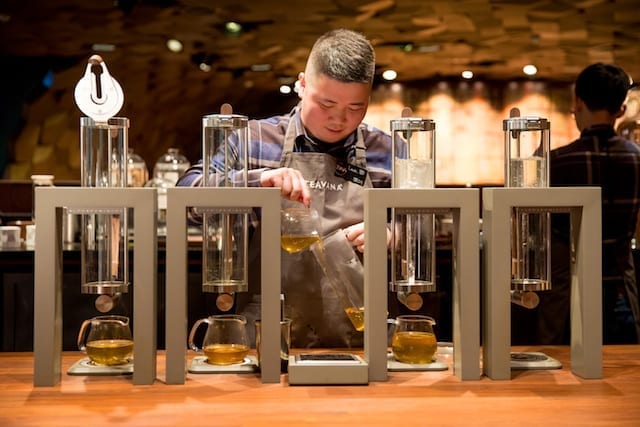
    The planned Starbucks Tokyo Reserve Roastery will open on February 28 next year. The outlet will launch in the Nakameguro district as the brand’s fifth global Reserve Roastery, designed and constructed in partnership with architect/Kuma Lab founder Kengo Kuma.

    Starbucks will build 100 new stores in Japan every year over the following three years, bringing its total stores to 1700 within the territory.

    Starbucks president and CEO Kevin Johnson said: “We continue to thoughtfully evolve within Japan’s elevated coffee culture to maintain a leadership position and achieve profitable growth for the long-term.”

    The firm recently launched a delivery program in Japan in partnership with Uber Eats, as well as a partnership with Japanese social media platform Line that is expected to result in a digital payment system.

  • China’s Luckin Coffee worth $2 billion after just less than a year

    China’s Luckin Coffee worth $2 billion after just less than a year

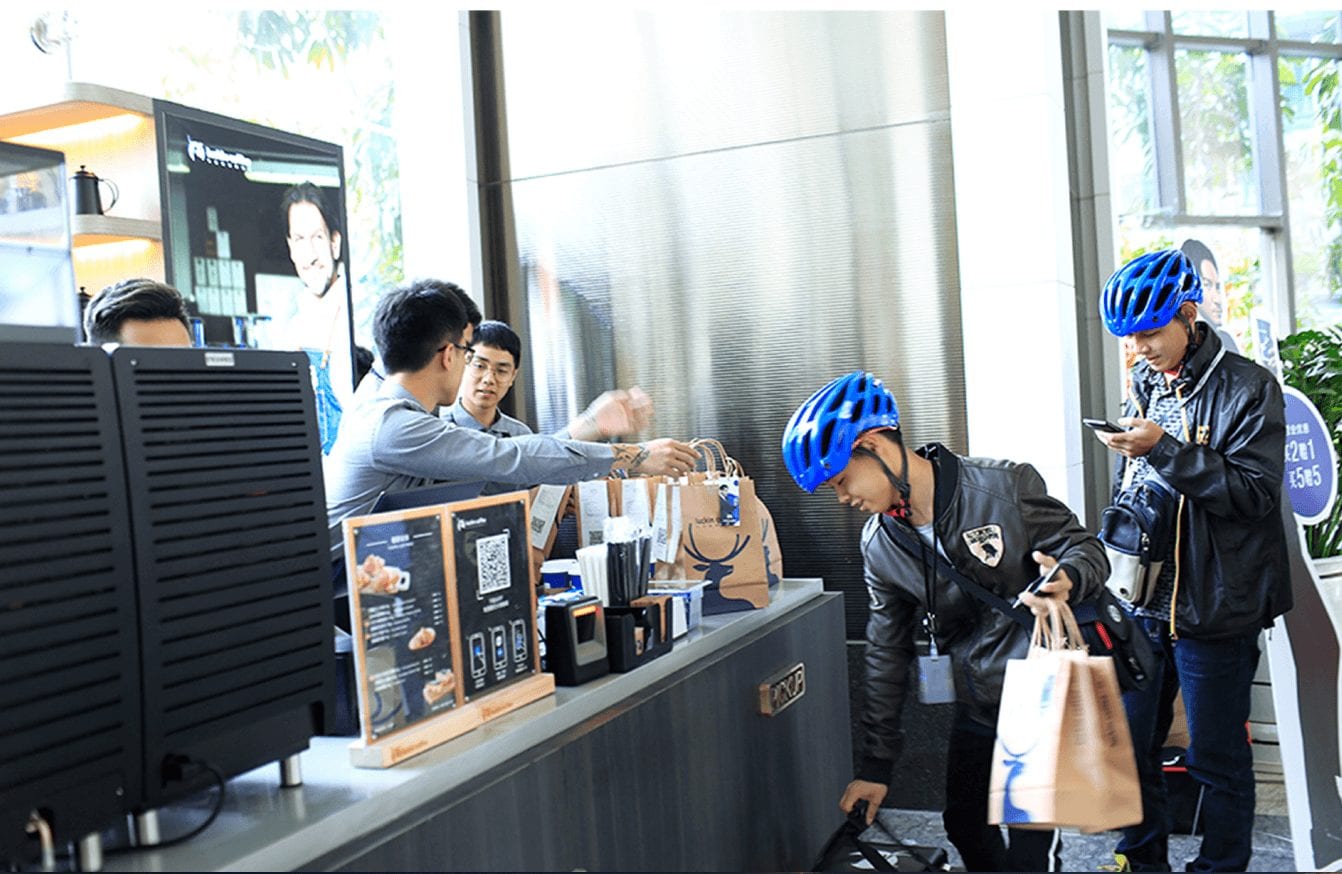
    Fast-growing Chinese coffee chain Luckin Coffee is seeking a new round of funding which would value it at US$1.5–2 billion. Launched only this year, the company has already opened more than 1400 outlets in 21 mainland locations, its rapid growth based on its inexpensive delivery service concept and online ordering system. Luckin’s aggressive competitive strategy involves an IT-focused approach whereby all customers must purchase coffee via an app, with which they can then monitor brewing progress via livestream.

    Its expansion has been backed by multiple investors, including Singapore’s GIC. It is currently seeking up to US$300 million in additional funding to continue its momentum.

    Starbuck currently operates 3400 stores in China, which is its second-largest market worldwide. It intends to increase that number to 6000 stores within three years. The brand recently partnered with Alibaba to establish a coffee delivery service, foreshadowing Luckin’s own recently-signed partnership with Alibaba rival Tencent.

    Some reports have suggested that Luckin may be in discussion with investment banks to launch an IPO overseas, most likely in either New York or Hong Kong.

  • Blue Bottle Coffee makes debut in South Korea

    Blue Bottle Coffee makes debut in South Korea

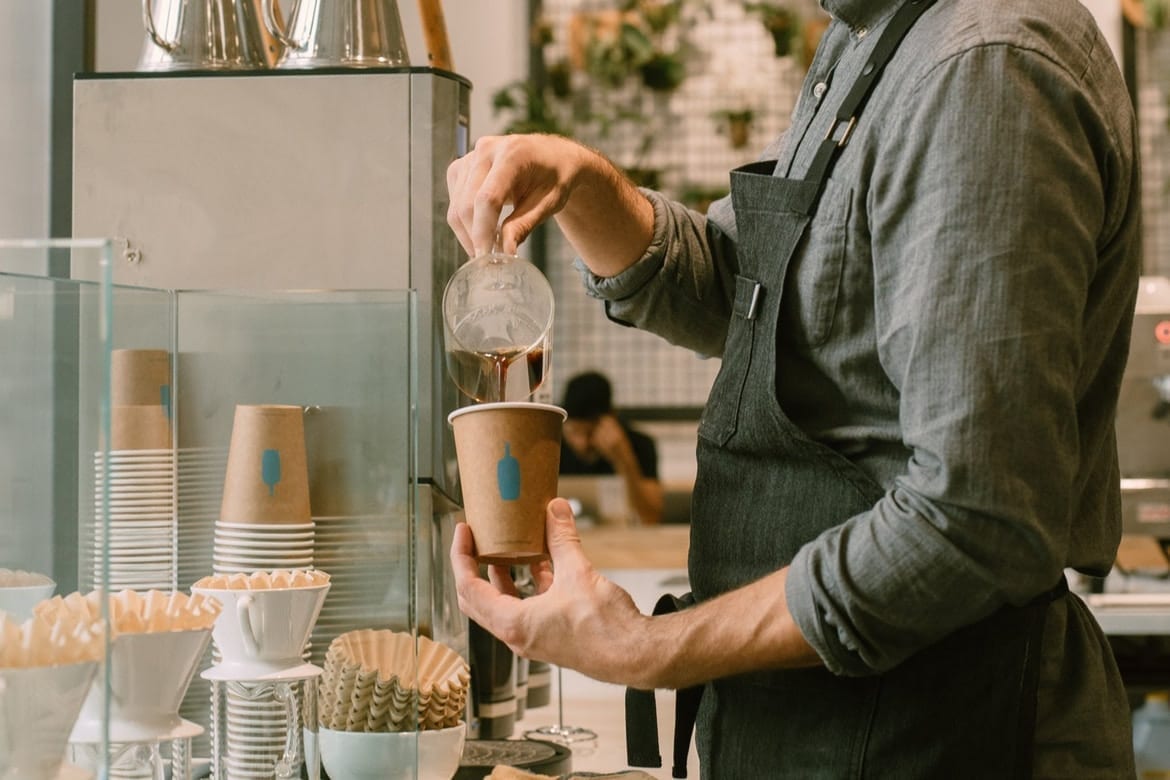
    Blue Bottle Coffee Co an upscale US coffee chain operator, says it will open its first South Korean shop in Seoul in the second quarter of next year as the company moves to expand its presence in the Asian market. It said the new cafe and a roastery will open in Seoul’s eastern Seongsu neighbourhood, a trendy hangout spot where young artists and designers have renovated existing buildings into art spaces, fine restaurants and cafes.

    The move will mark Blue Bottle’s second international launch since it opened its shop in Tokyo in 2015. Blue Bottle said it will directly enter the South Korean market as Blue Bottle Coffee Korea Ltd.

    “We feel very close to our South Korean guests, having known them for years in our cafes in the US and Japan and on social media,” said Bryan Meehan, CEO of Blue Bottle Coffee. “Now, Blue Bottle Coffee will no longer be just a tourist destination for them but a part of the fabric of Seoul.”

    Founded in 2002, the Oakland-based roaster now has 56 cafes in the US and 10 in Japan. Swiss food giant Nestle bought a 68 per cent stake in the company last year.

    According to government data, the size of South Korea’s coffee market stood at 11.7 trillion won (US$10.8 billion) in 2017, up more than threefold from a decade earlier.

  • Robust demand for robusta to boost Vietnam’s coffee exports

    Robust demand for robusta to boost Vietnam’s coffee exports

    Vietnam’s coffee exports can hit a record high this year because of high global demand for the robusta variety. Coffee exports this year could top over 1.8 million tons, said Do Ha Nam, deputy chairman of the Vietnam Coffee and Cocoa Association.

    “The world market has consumed all the coffee shipments from Vietnam. Supply has been insufficient to meet demand,” Nam said.

    The shortage comes as global’s demand for instant coffee is expected to rise this year, especially in developing markets.

    Global consumption of robusta, mainly used by big companies including Nestle SA to make instant coffee, is forecast to climb to a record high this season.

    The worldwide market for instant coffee is set to expand 4.7 percent a year through 2023 to $14 billion from $10.4 billion in 2017, market research firm IMARC said in a recent report.

    Higher demand has boosted domestic coffee prices.

    The price of coffee in the Central Highlands, Vietnam’s major coffee-growing belt, hit VND35,300-36,100 ($1.51-1.54) per kilogram in early October, higher than that VND32,500-33,300 ($1.39-$1.43) per kilogram in early September.

    Coffee exports from Vietnam grew at an estimated 21.5 percent between January and October from a year ago to 1.58 million tons, according to the General Statistics Office.

    Coffee export revenues for Vietnam, the world’s biggest producer of the robusta beans, rose 1.1 percent to $2.98 billion in this year’s 10-month period, the office said.

  • Which are Vietnam’s most successful coffee chains?

    Which are Vietnam’s most successful coffee chains?

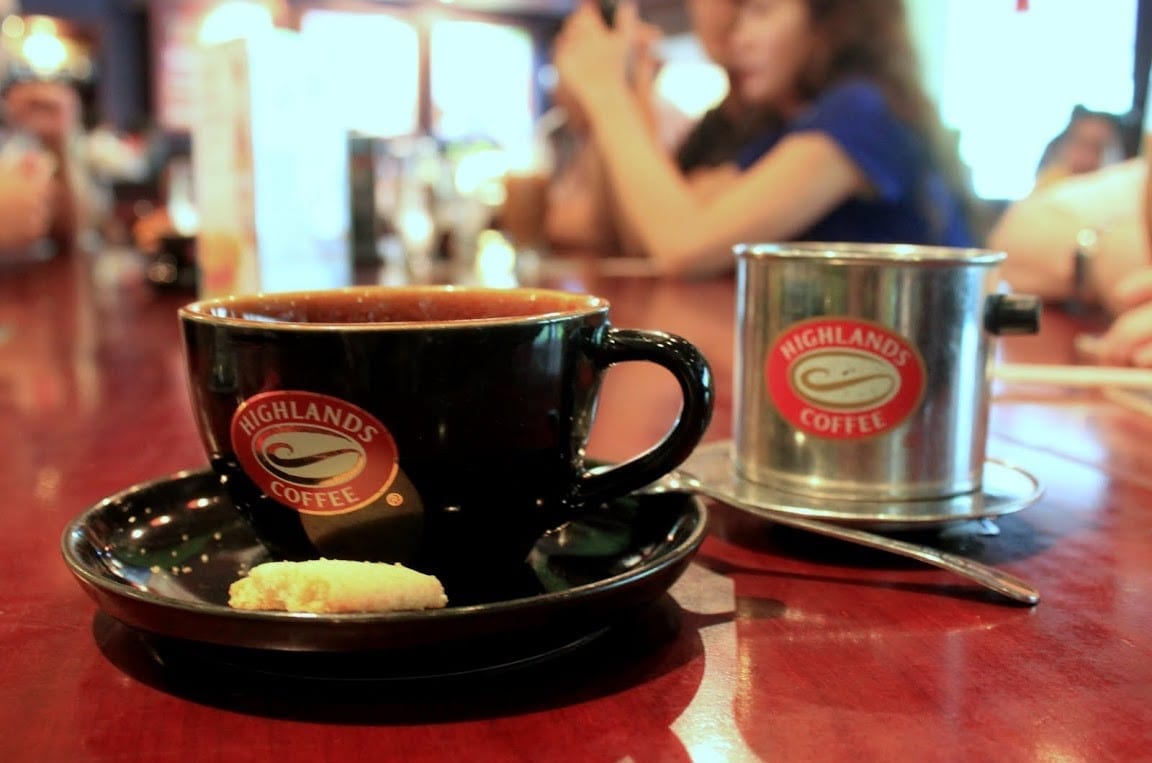
    Highlands Coffee reported sales of VND1.24 trillion ($53.23 million) last year making it Vietnam’s largest coffee chain in terms of revenues. The figure was four times that of Phuc Long’s, eight times that of The Coffee House’s and thrice that of Starbucks’.

    Founded in 2002 by a Vietnamese-American and sold to Philippine fast food giant Jollibee in 2012, Highlands Coffee now has 230 stores mostly in well-known buildings and malls.

    Local chain The Coffee House saw revenues double last year. Nguyen Hai Ninh, its founder, said the chain received over 20 million visitors.

    It now has over 100 stores nationwide, and Ninh said each store can serve 500 – 1,000 visitors on average daily. “We expect to double the number this year, and are looking to open 700 more across Vietnam in the next five years, at an average of 10 per month.”

    The chain’s differentiating factor is that the emphasis is not renting the best locations; rather, it seeks to attract clientele with a modern, striking shop design that appeals to younger customers.

    Its drinks are priced moderately, which helps it attract a wide range of customers.

    It recently bought the coffee business of Da Lat-based Cau Dat Farm and simultaneously launched a flagship store in downtown Saigon, The Coffee House Signature.

    Local brand Trung Nguyen’s highest revenue from any store is VND2-3 billion ($86,200-129,300) per month, while most make an average of VND400-500 million ($17,200-21,500).

    By the end of this year Trung Nguyen is expected to have a total of 100 outlets.

    Phuc Long, though a coffee chain associated with milk tea, has seen annual revenues grow at 7 percent in recent years, predominantly from the latter drink.

    With the rapid growth of coffee chains, coffee consumption by Vietnamese has also risen sharply.

    According to a study by BMI Research, a subsidiary of ratings firm Fitch, consumption grew from 0.43 kg per person in 2005 to 1.38 kg in 2015. This is the highest growth rate of any global coffee exporter, and the figure is forecast to reach 2.6 kg by 2021.

  • Japan’s % Coffee to open in China

    Japan’s % Coffee to open in China

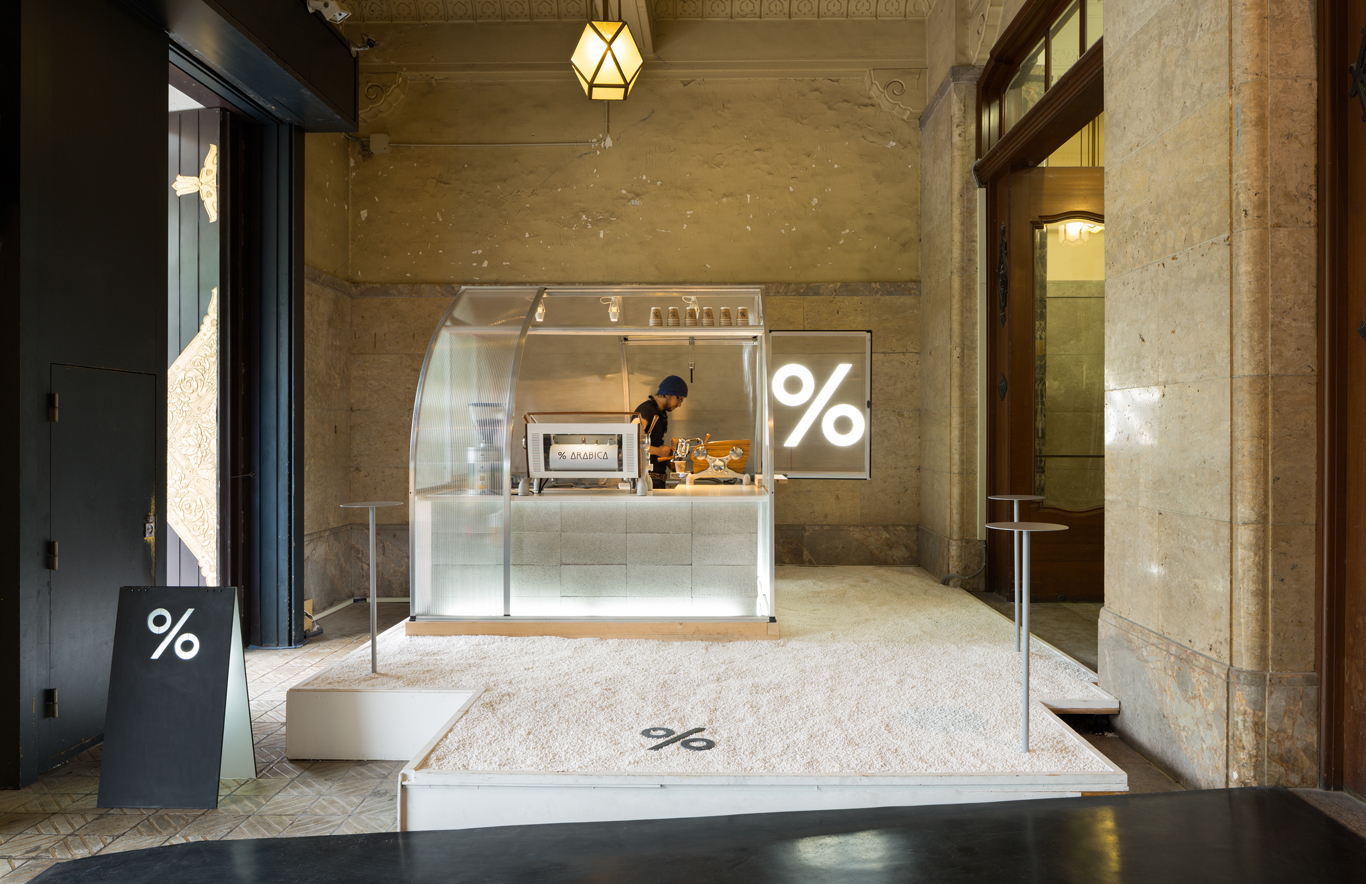
    Japanese cafe chain % Coffee is preparing to launch new locations in China and Hong Kong. The business is planning to open its fourth Hong Kong store at Monster Mansion in the middle of next month, its 27th location worldwide. Meanwhile, the franchise’s head roaster Takahiro Uemisha is stationed in Shenzhen preparing for the opening of three locations in the city, scheduled to open within the coming months.

    Shanghai will see two % Coffee stores emerging in Xintiandi and Fangsuo Bookstore. Both locations are being designed by the brand’s new architect Alexis Dornier.

    The Kyoto-headquartered coffee chain is preparing to open its first store in Singapore as well as plotting expansion into Indonesia, Malaysia and India.

    With its slogan “See the world through coffee”, % Coffee has built a strong following via social media. As well as its Asian foray, the company has outlets in Germany and several Middle East markets, with plans for France, Morocco and Canada.

    The Japanese cafe chain was founded in 2014 by Japan-born Kenneth Shoji who grew a love for the beverage while studying in California.

  • Starbucks Coffee Korea boosts cashless store ranks

    Starbucks Coffee Korea boosts cashless store ranks

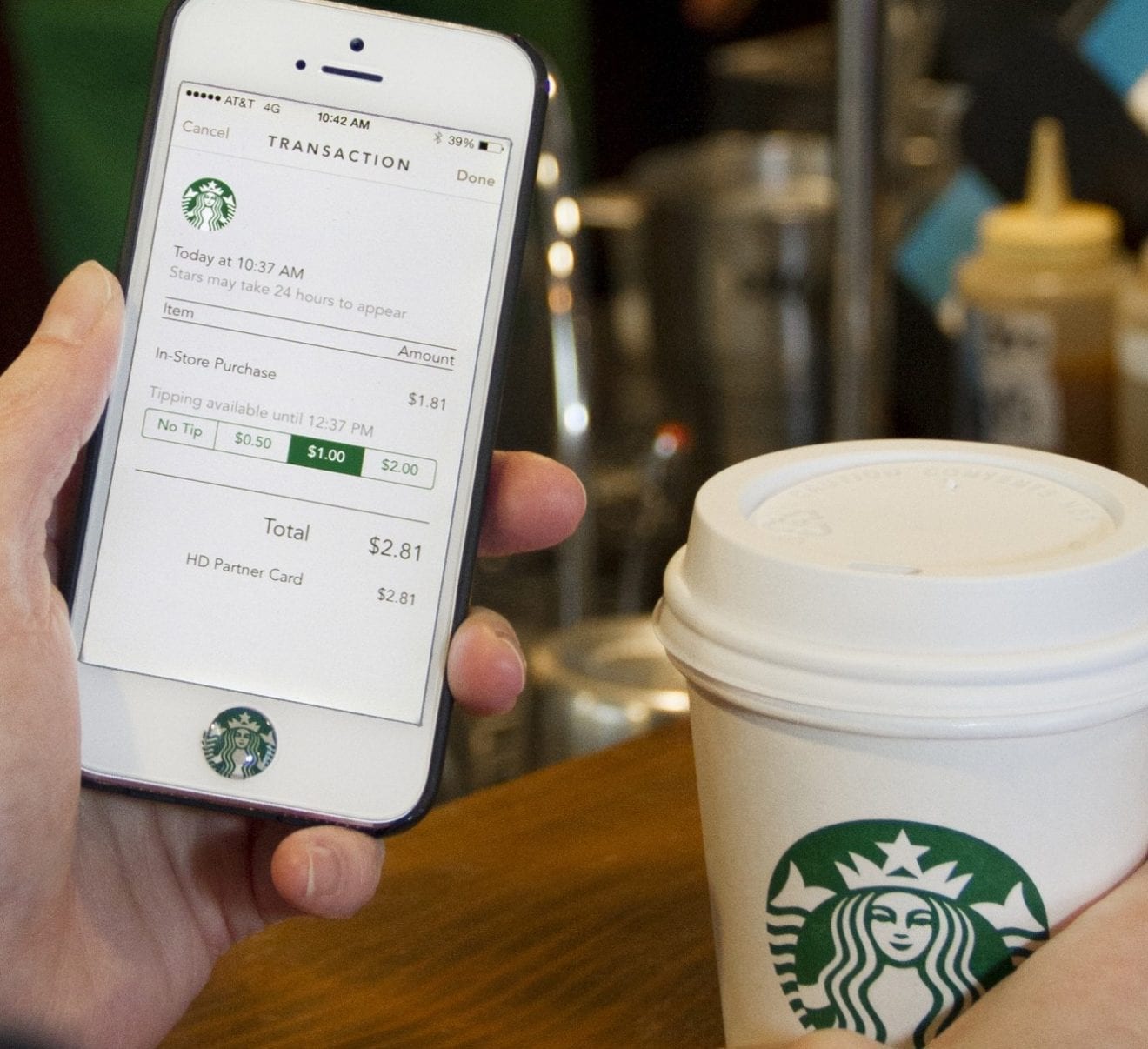
    Starbucks Coffee Korea is adding 300 more ‘cashless shops’ in addition to the 103 stores currently in operation, starting on Monday. Cashless stores require customers use a means of payment other than cash. The company noted that adding 300 more cashless stores would amount to one-third of the 1200 Starbucks shops in South Korea.

    “Instead of cash, customers will be asked to use credit cards, Starbucks cards, mobile transactions and other means of payment,” a company representative added.

    Over the past three months, Starbucks reduced the ratio of cash transactions at its stores from 3.4 per cent to 0.2 per cent on average. The average number of cash transactions per store dropped from 19 to 1.1 per day.

    “Cashless stores can better focus on customer satisfaction since employees don’t have to spend time going to the bank to balance cash,” Starbucks Coffee Korea said.

  • New product helps Vietnam’s canned coffee market

    New product helps Vietnam’s canned coffee market

    One of the largest beverage makers in the world is hoping to ‘capture’ Vietnamese taste with its new canned coffee product. Coca-Cola, one of the two biggest players in the Vietnamese carbonated beverages market, has entered the canned coffee market with Georgia Coffee Max.

    Though Vietnam is the second largest exporter of coffee in the world, its ready-to-drink coffee market has not attracted much attention from major players.

    Coca-Cola’s move could breathe life into it, but the challenge is not a small one, industry insiders said.

    For instance, at a supermarket on Quan Hoa Street in Hanoi’s Cau Giay District, canned coffee products do not have their own section, but are placed among other carbonated and energy drinks.

    Four brands of this rarely-seen product — Birdy, Nescafe, Highlands Coffee, and My Café — sit inconspicuously among dozens of other beverages.

    According to the shop assistants, canned coffee is hardly purchased, and sometimes is not bought for weeks at a time.

    The market for canned coffee came to existence 10 years ago with the entry of Birdy Coffee from Japan’s Ajinomoto.

    A year later Nestlé, which wanted a piece of the action, established a canned coffee production line at its plant in the southern Dong Nai Province.

    Other early birds included local dairy giant Vinamilk, which started putting up ready-to-drink coffee production facilities, followed by two then-emerging brands, Tan Hiep Phat and Highlands.

    Though initially many of the brands ran aggressive marketing campaigns, the market gradually fizzled out. Many products disappeared completely within a short time.

    In 2013 local coffee giant Trung Nguyen launched a range of fresh coffee products in bottles and cartons in sizes ranging from 500 ml to a liter. Within two years these too disappeared from grocery store and supermarket shelves.

    Today only a few names are left in the market, like PepsiCo, Highlands Coffee, Nestlé, Ajinomoto, and the new entrant, Coca-Cola.

    The real challenge for producers is no longer getting market share but changing consumer habits.

    Industry insiders quoted customer feedback as saying canned coffee is like fast food, sweet and lacking the authentic coffee taste.

    Speaking at the launch of the new product, a Coca-cola executive said though there are other brands in the market, their research showed the pie is large enough for new players to enter.

    Le Trung Tin, director of the Georgia Coffee Max line, said the secret to success is capturing the Vietnamese taste in the canned coffee.

  • Coffee shop in South Korea start closing down

    Coffee shop in South Korea start closing down

    South Korea’s once burgeoning franchised coffee shop market has reached saturation point – and the fallout has become extreme. According to a report, one in 10 South Korea coffee shops closed their doors last year – the equivalent of more than 1000 stores.

    Lee Kyung-hee of the Korea Business Strategy Institute described the situation as “a coffee war”.

    “While restaurants and even convenience stores are adding coffee on the menu to sell, the coffee war is intensifying as now even offices own espresso machines,” he said.

    Citing local corporate tracker CEO Score, the paper reported that the number of franchisees in Korea hit 87,540 as of the end of last year, based on a list of 118 franchise brands registered with the Korea Franchise Association.

    Of those, 11,198 were coffee and beverage stores, representing the third largest sector of the South Korean franchise market behind convenience stores and fried chicken restaurants.

    South Korea coffee franchises are being hit by convenience stores developing takeaway coffee services at prices as low as 1000 won (US90 cents) in the case of 7-Eleven, or about a quarter of the price of a Starbucks coffee. The country’s 1000+ Starbucks stores are not included in the data because they are company owned.

    Local chains have been cutting store networks and staff numbers to remain competitive.

    Seven-year-old chain Cafe Droptop, which has 240 stores, has cut its employee count by about one fifth. Caffe Bene applied for court protection from bankruptcy early this year having struggled in both its home market and abroad and is closing domestic stores.

  • Minor takes The Coffee Club to Vietnam

    Minor takes The Coffee Club to Vietnam

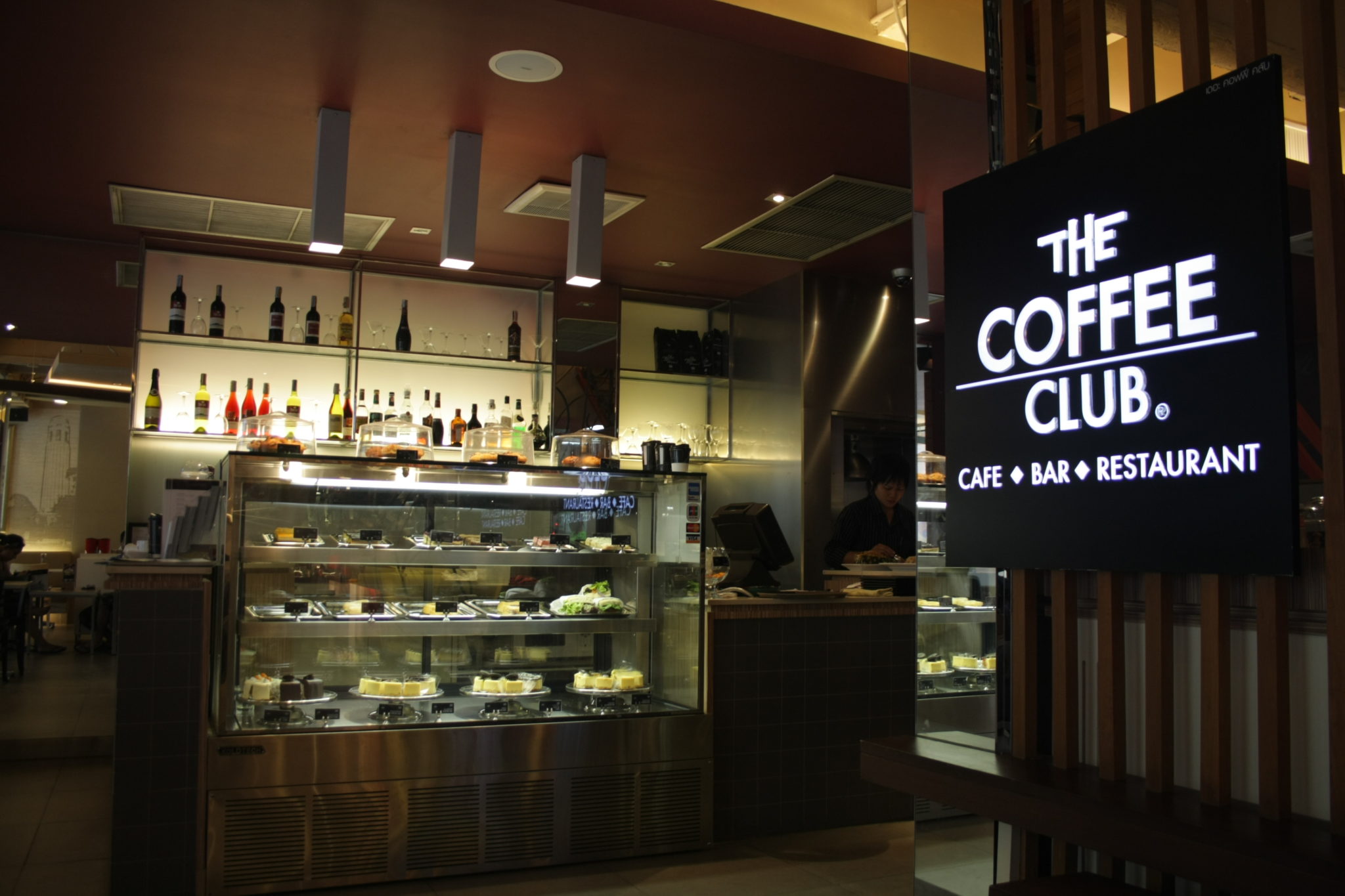
    Vietnam Investment Group (VI Group) has signed a master franchise agreement with Minor International’s subsidiary Minor Food to bring The Coffee Club to Vietnam. Under the joint venture, VI and Minor plan to open 100 The Coffee Club outlets over the next five years.

    “With the flourishing coffee market and favourable macro trend, we are very optimistic about the opportunity to strengthen our presence in the country and grow The Coffee Club brand nationwide,” said Paul Kenny, CEO at Minor Food.

    According to Chaiyapat Paitoon, deputy chief financial officer and strategic planning for Minor International, restaurant businesses show strong potential in Vietnam because people “want a wider variety of cuisines, paving the way for foreign players to come in and offer different choices in addition to traditional, local and street food”.

    “The Coffee Club offers a distinctive restaurant experience with great selections of food and beverages menus, excellent coffee and a welcoming relaxed atmosphere enriching the contemporary lifestyles of the Vietnamese consumers,” said David Do, VI Group MD.

    The joint venture plans to open 20 The Coffee Club restaurants next year.

    Minor is no stranger to Vietnam’s F&B market. It first established its restaurant footprint there  in 2009 launching three casual-dining restaurant brands, including The Pizza Company, Swensen’s and Thai Express. It now has 83 outlets nationwide across those brands, 60 of them under the Pizza Company banner.

    Apart from The Coffee Club, Minor is also looking for opportunities to launch other restaurant brands into Vietnam at a later stage.

    Opening its first store in Brisbane in 1989, The Coffee Club claims to have become Australia’s largest home-grown cafe group with more than 400 outlets throughout Australia, New Zealand, the Maldives, Seychelles, Thailand, Indonesia and the UAE. Thai-headquartered Minor International owns 50 per cent of The Coffee Club.

    Analysis: Fit for Vietnam?

    Entering Vietnam market means The Coffee Club is competing with fast-growing coffee chains like local operators The Coffee House and Highlands, and international chains such as Starbucks and The Coffee Bean and Tea Leaf, the latter of which has struggled to gain critical mass in the market and several months ago closed its flagship in downtown Ho Chi Minh City. Fellow Australian restaurant chain The Hog’s Breath Cafe also gave up last year after about seven years in the market.

    If The Coffee Club’s Vietnam outlets follow the Australian format, they will focus more on lunches, brunches and dinners than coffee as their name might suggest, although it does serve coffee on site and for takeaway.

    The company faces challenges in sourcing ingredients, many of which will come from offshore, and finding real estate at an affordable price. Those two factors combined will create price pressure for the brand, despite the affordability of labour in Vietnam.