Retail News CRM

Tag: Company

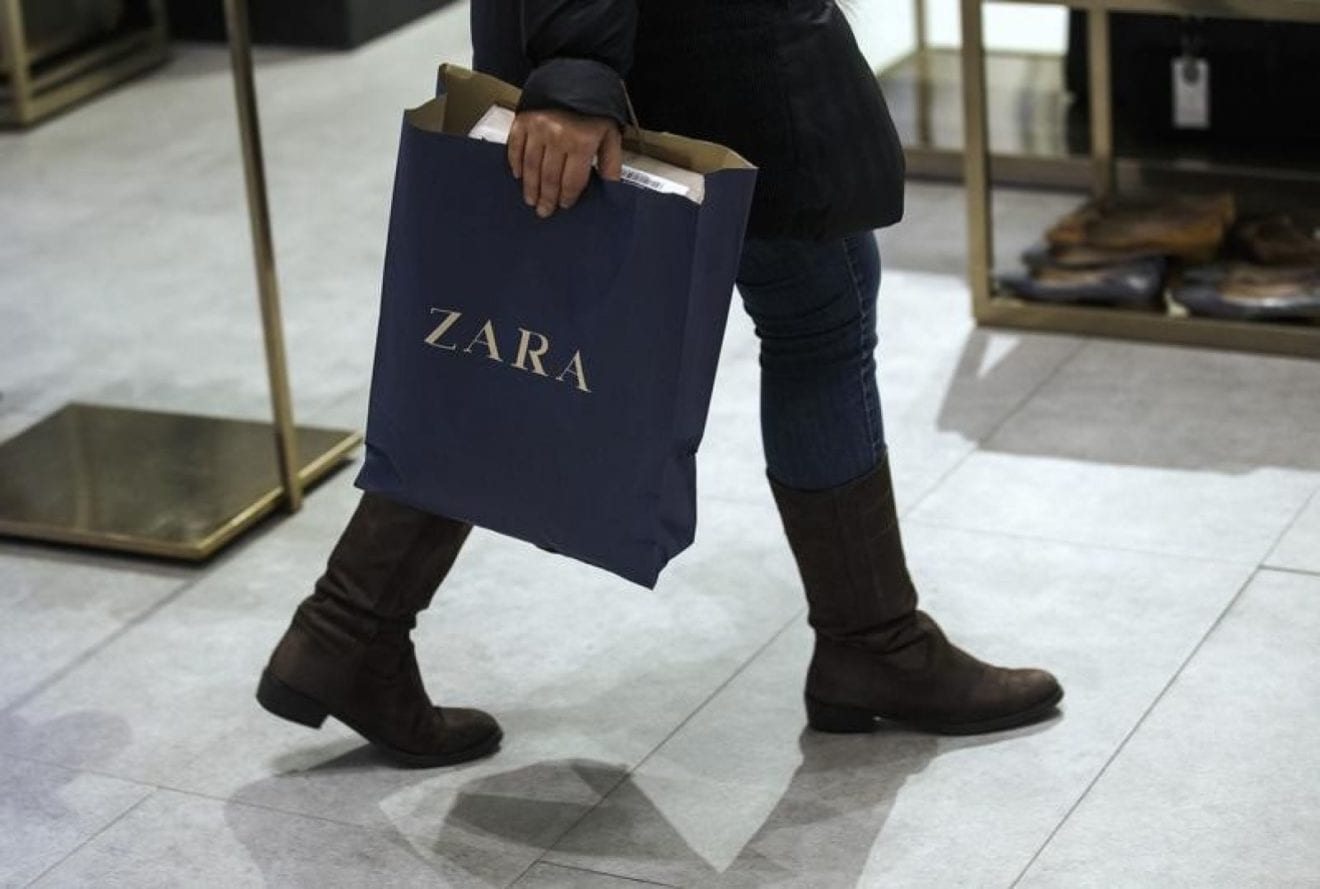
  • Inditex, Parent Company of Zara, Leverages In-Store Strategy to Drive Continuous Growth

    Inditex, Parent Company of Zara, Leverages In-Store Strategy to Drive Continuous Growth

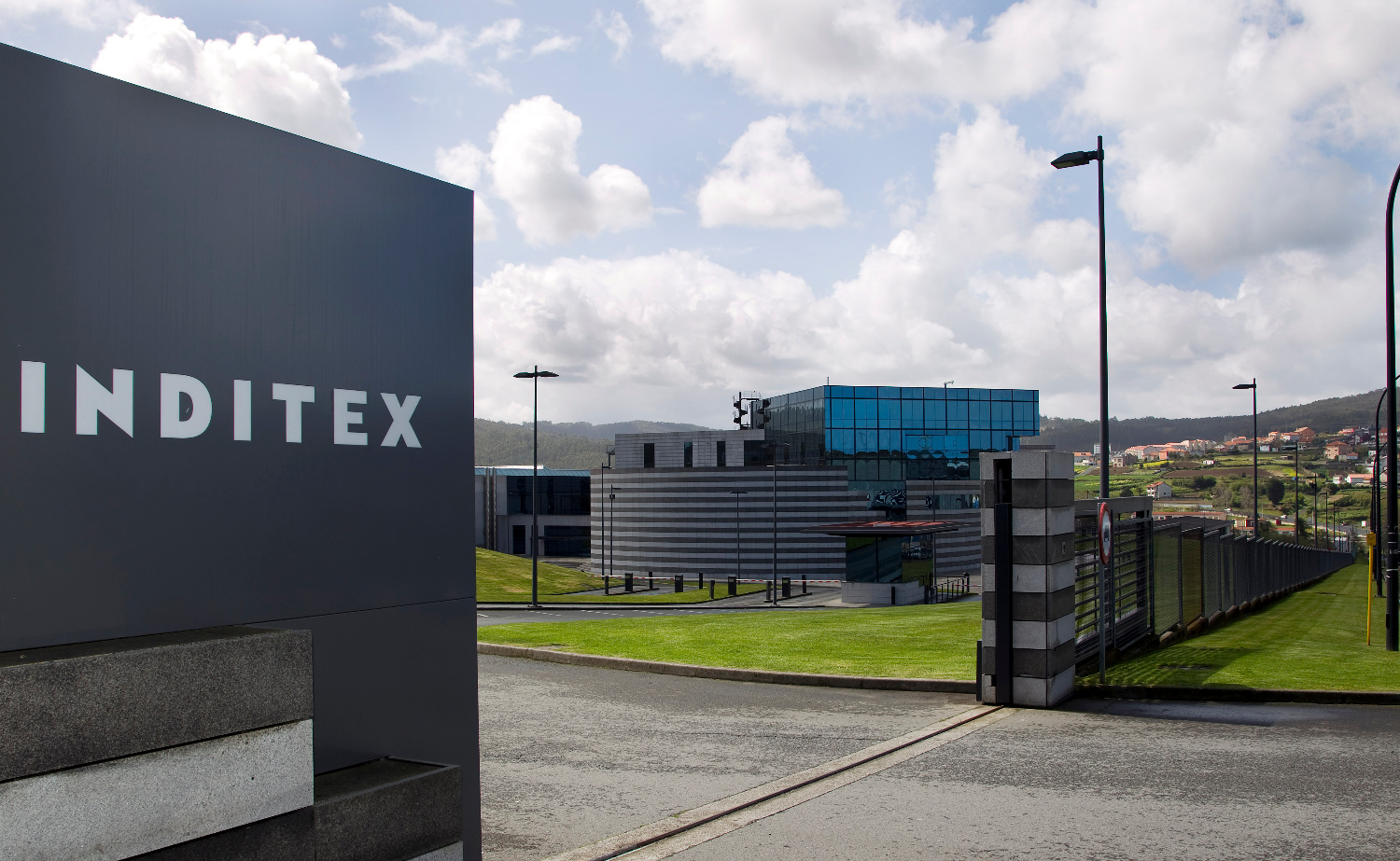
    Inditex, the multinational retailer that owns fashion brands like Zara, Bershka, and Stradivarius, has reported continued growth in its sales, a result attributed to its store-centric strategy.

    As the largest fashion retailer globally and headquartered in Spain, Inditex initiated its fiscal year with an impressive $10.1 billion in first-quarter sales. This resulted in a net profit of $1.6 billion. These figures represent a growth rate of 5.75 percent and 5.36 percent, respectively.

    By the end of the quarter, Inditex owned a total of 5456 stores worldwide. This included 1495 Zara stores, a decrease from the 5562 stores it held at the same time the previous year.

    Investment and Innovation Drive Growth

    Inditex has attributed its growth to continuous investments in its store network, developments in online sales channels, and improvements in logistics platforms, all with a keen focus on innovation and technology.

    The company’s Asia-based store network prominently features its Zara, Massimo Dutti, and Zara Home brands. Online, the company has a significant presence in the region with brands such as Pull and Bear, Bershka, Stradivarius, and Oysho.

    Inditex operates across 215 markets and, despite its relatively low share in a highly fragmented sector, the group sees robust growth opportunities. “The optimisation of stores is ongoing, and we expect this to drive further gains in store productivity,” they remarked.

    The group aims to grow its retail floorspace by approximately 5 percent by 2026. It has earmarked capital expenditure of $2.7 billion over the next three quarters to achieve this.

    Questions & Answers

    What is the reason behind Inditex’s continued growth in sales?
    The company says that its growth is due to ongoing investment in its store network, advancements in its online sales channels, and improvements to its logistics platforms, with a focus on innovation and technology.

    How many stores does Inditex own worldwide, and what is the breakdown of these stores?
    Inditex owns a total of 5456 stores worldwide. Of these, 1495 are Zara stores.

    What are Inditex’s future growth plans?
    Inditex plans to increase its retail floorspace by about 5 percent by 2026. It has allocated capital expenditure of $2.7 billion over the next three quarters to achieve this goal.
  • Uniqlo Parent Company, Fast Retailing, Predicts Record Earnings Amid Global Expansion and Strong Quarter

    Uniqlo Parent Company, Fast Retailing, Predicts Record Earnings Amid Global Expansion and Strong Quarter

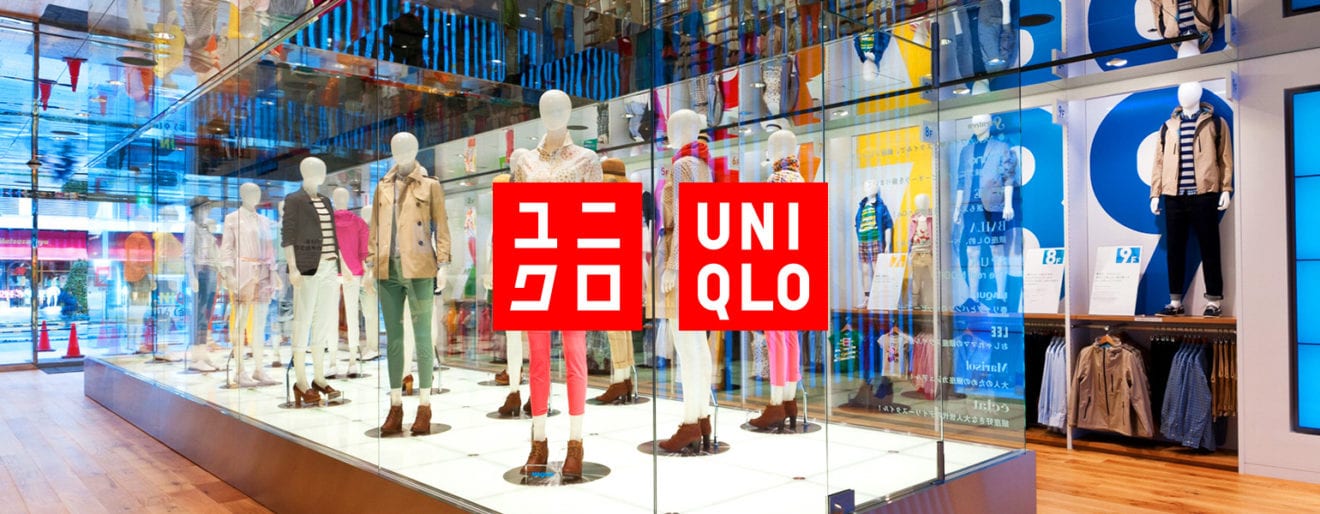
    Fast Retailing, the Japanese company that owns global clothing brand Uniqlo, has revised its full-year forecast, indicating yet another year of record growth. This comes on the back of a stronger-than-expected surge in quarterly earnings, attributed to international expansion.

    Surpassing Expectations

    Fast Retailing reported a 29.4 per cent increase in its operating profit for the quarter ending February, reaching 189.8 billion yen (US$1.19 billion). This impressive figure outperformed the average estimate of 161.6 billion yen. As a result, the company has revised its full-year operating profit forecast upwards to 700 billion yen. This puts the retailer in line for a fifth consecutive year of record earnings.

    Anticipated Impact of Middle East Crisis

    Fast Retailing stated that it does not anticipate any significant repercussions from the Middle East crisis on its production and logistics for its fiscal 2026 year. The company’s second quarter had ended just before the commencement of US-Israeli airstrikes on Iran. This conflict has been instrumental in causing a rise in oil prices and disrupting supply chains. Investment and trading circles are currently on high alert due to uncertainties regarding a potential permanent peace agreement.

    How Uniqlo Could be Affected

    Investors will be closely monitoring how the Iran crisis may influence the expense for Uniqlo, a brand renowned for its affordable clothing basics, including many items made with polyester. Fast Retailing’s shares in Tokyo closed down by 0.5 per cent before these results, but have escalated by more than 18 per cent in 2026.

    Teijin Frontier, a supplier to the company based in Japan, announced recently that it will increase its polyester fiber prices by 20 per cent due to rising oil costs. This echoes warnings from European retailers that a drawn-out Middle East conflict could inflate prices and impact consumer demand.

    Global Expansion and Performance

    Fast Retailing, with its nearly 900 stores in Japan and mainland China, serves as a benchmark for consumer expenditure in these areas. From its origin as a single store in Japan’s Hiroshima city in 1984, Uniqlo now has a presence in over 2500 global locations. The brand has been aggressively expanding in Europe and North America, aiming to diversify its reach beyond China, its largest overseas market.

    Corporate Outlook

    The company’s North American and European operations have seen an annual sales growth of 30-50 per cent since fiscal 2022. Anticipated annual revenue from these regions is projected to reach 3 trillion yen each over the medium term. Meanwhile, a tourism surge driven by a weak yen has bolstered the company’s domestic sales in Japan. However, growth in China has decelerated due to weak consumer sentiment, leading to store closures and restructuring.

    On China, Fast Retailing’s CFO Takeshi Okazaki commented: “We’re pushing forward with structural reforms … I think it’s fair to interpret that the results are now beginning to show in our performance.”

    Questions & Answers

    What is Fast Retailing’s revised full-year operating profit forecast?
    Fast Retailing has increased its full-year operating profit forecast to 700 billion yen.

    How might the Middle East crisis influence costs for Uniqlo?
    If the Middle East crisis leads to sustained high oil prices, the cost of polyester and air freight could increase, potentially impacting Uniqlo’s production costs.

    What are Fast Retailing’s plans for structural reforms in China?
    CFO Takeshi Okazaki did not detail specific reforms but expressed optimism about the positive impact of ongoing changes on the company’s performance.

  • Inditex, Zara’s Parent Company, Reports Stellar Sales Boost Across All Brands in Annual Profit Surge

    Inditex, Zara’s Parent Company, Reports Stellar Sales Boost Across All Brands in Annual Profit Surge

    Inditex, the parent company of Zara, has seen considerable increases in its gross and net profits, fueled by robust sales across all its brands.

    The company’s total net revenue for the fiscal year ending January 31, 2025, climbed 3.2 per cent to €39.9 billion (US$46 billion). Taking into account the currency exchange, sales experienced a 7 per cent rise. Over the past three years, Inditex’s sales have surged by 22 per cent, with a concurrent decrease in the number of retail outlets by 6 per cent. This demonstrates the firm’s constant growth despite a decrease in physical retail presence.

    All brands within the Inditex group enjoyed sales growth throughout the fiscal year. The primary Zara enterprise, inclusive of Zara, Zara Home, and Lefties brands, saw a 1 per cent sales increase, reaching €28 billion.

    Profitable Performance By Other Brands

    Among other Inditex brands, Oysho topped the growth chart with a 15 per cent surge, closely trailed by Stradivarius and Bershka, each boasting over a 12 per cent rise. Additionally, Pull&Bear and Massimo Dutti each reported growth rates of 3.1 per cent and 3 per cent respectively.

    Inditex’s gross profit saw a 3.9 per cent increase to €23.2 billion, while the gross margin improved by 42 bps, bringing it to 58.3 per cent. Net income for the same period rose by 6 per cent to €6.2 billion.

    CEO of Inditex, Óscar García Maceiras, praised the company’s teams for their ability to maintain the trust of their customers across their eight commercial formats. He emphasized the importance of connecting with customers, understanding their needs, and providing top-tier products and services in driving long-term growth expectations.

    Positive Outlook

    At the conclusion of FY2025, Inditex managed 5460 stores across 214 markets. The company has continued to perform well into the new fiscal year, recording a 9 per cent increase in store and online sales between February 1 and March 8, after adjusting for the constant currency.

    Questions & Answers

    What was Inditex’s total net revenue for FY25?
    Inditex’s total net revenue for FY25 was €39.9 billion (US$46 billion).

    Which brand under Inditex reported the highest sales growth?
    Oysho, an Inditex brand, reported the highest sales growth with a 15 per cent increase.

    What was the net income for Inditex for the fiscal year ending January 31, 2025?
    Inditex’s net income for the fiscal year ending January 31, 2025, increased 6 per cent to €6.2 billion.

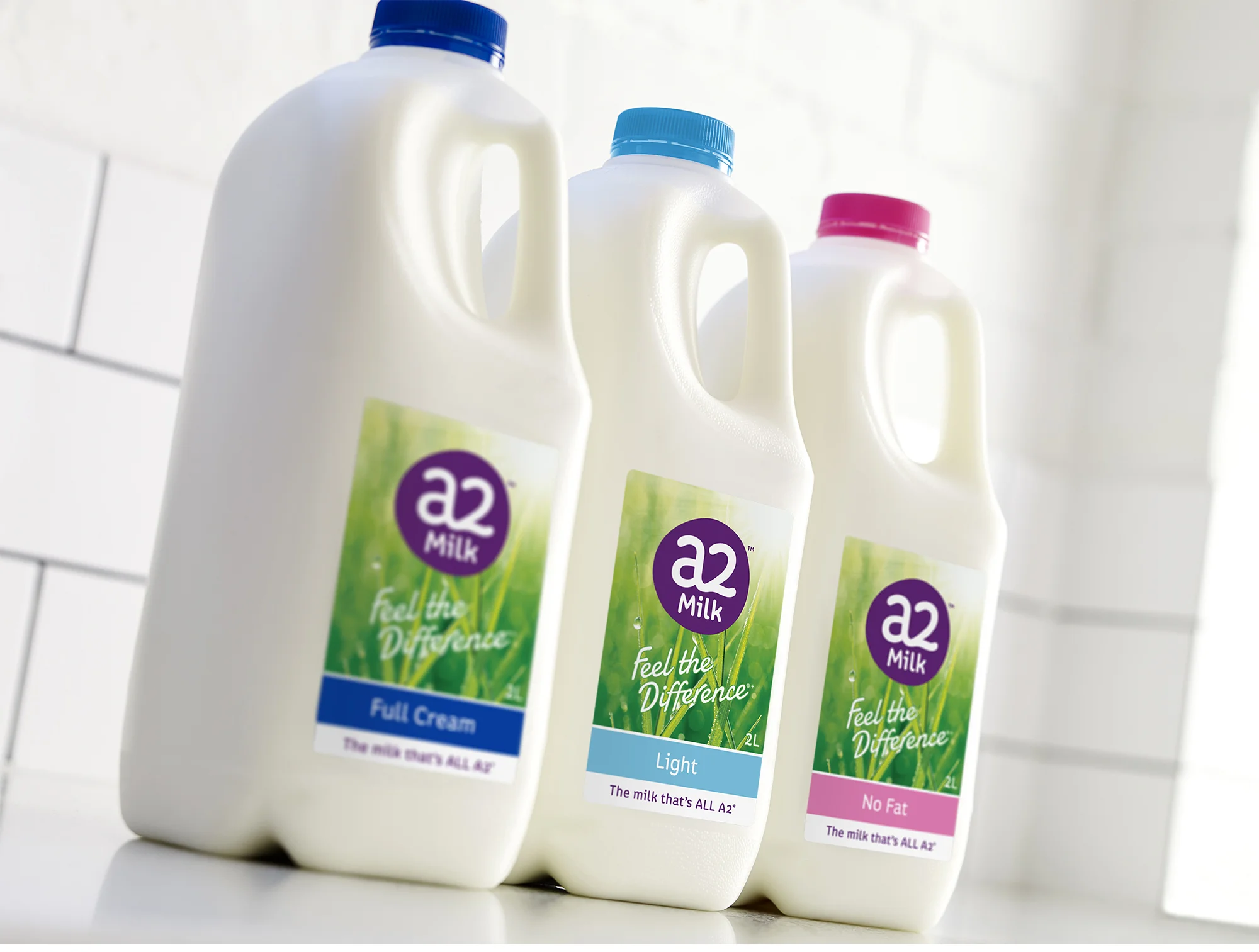
  • A2 Milk Company Rides High on Double-digit Growth in China, US Markets: A Peek Inside the Success Story

    A2 Milk Company Rides High on Double-digit Growth in China, US Markets: A Peek Inside the Success Story

    The A2 Milk Company has announced robust sales growth in the double digits for the first half of the fiscal year. This growth has been driven largely by the company’s strong performance in both the China and US markets.

    Revenue for the six-month period ending December 31 grew by 18.8% to reach NZ$993.5 million ($845 million). This growth spanned all segments and product categories.

    Strong Market Performance in Asia and the US

    In the “China & other Asia” segment, sales saw an increase of 20.3%, spurred primarily by the growth of English label Infant Milk Formula (IMF) and other nutritional products. Meanwhile, the US segment experienced a considerable surge, with growth registering at 29.1%, thanks largely to the success of its core and Grassfed liquid milk products.

    The ANZ region also experienced an increase, albeit a more modest one, with a growth rate of 8.8%. This was mainly driven by the growth of Australian liquid milk. Daigou channel sales within this region appear to have stabilized.

    Growth across Various Product Categories

    When considering sales by category, total IMF sales experienced a growth of 13.6%. This has been attributed to the strong health of the brand and effective sales execution. English label revenue saw a sizeable growth of 20.9%, driven by the company’s performance within the CBEC and O2O channels.

    Sales of China-label products also saw a rise, with a growth rate of 6.5%. In addition, liquid milk sales grew by 18.5%. Other nutritional products saw a significant surge of 42.9%. This increase was largely due to growing contributions from children’s and seniors’ fortified milk powder products.

    In terms of earnings, EBITDA increased by 18.4% to reach NZ$155.0 million, while the EBITDA margin remained steady at 15.6%. NPAT from continuing operations saw an increase of 9.4% to reach NZ$112.1 million.

    Recent Transactions and Partnerships

    In August, the company made the announcement that it had acquired a fully integrated nutritional manufacturing facility in Pokeno. Additionally, it disclosed the divestment of MVM in an effort to optimize its asset footprint and financial performance. Both transactions were carried out during the half.

    The company also signed a long-term agreement with Fonterra for the supply of A1 protein-free milk from the North Island in New Zealand.

    A2 Milk has revised its outlook for the full year, anticipating revenue growth in the mid double digits and an EBITDA margin of approximately 15.5-16%.

    Questions & Answers

    What drove the growth of A2 Milk Company in the first half of the fiscal year?
    The growth was driven by a strong performance in the China and US markets across all segments and product categories.

    Which product categories experienced the most significant growth?
    Other nutritional products saw the most significant surge of 42.9%, with growing contributions from children’s and seniors’ fortified milk powder products.

    What does A2 Milk anticipate for its full-year outlook?
    The company expects mid double-digit revenue growth and an EBITDA margin of approximately 15.5-16%.

  • China’s Luxury Market Primed for Modest Rebound in 2026: A Bain & Company Insight

    China’s Luxury Market Primed for Modest Rebound in 2026: A Bain & Company Insight

    China’s personal luxury goods market is anticipated to experience moderate growth in 2026, according to global management consulting firm, Bain & Company. However, they also caution that this recovery may be unstable and variegated across various brands and product categories.

    A Fragile Recovery

    In 2025, China’s luxury market contracted by 3-5%, showing some recuperation after a decline of 17-19% in 2024. Bain & Company forecasts that China, as the world’s second-largest economy, will persist as a crucial contributor to the growth of the luxury market.

    Brands that cater to the affordable luxury and ultra-premium segments have thrived, providing what the consultancy perceives as ‘true value’.

    China’s consumer confidence, which comprises approximately 25% of luxury expenditure, has been impacted by an extended property crisis and employment concerns. These factors have compelled luxury brands to reassess their strategies within the world’s second-largest economy.

    Despite consumer sentiment appearing cautious for much of 2025, the luxury sector indicated signs of stability from the third quarter onwards. Bain & Company cites a stronger stock market and improved consumer confidence, recovering from the weak economic base of 2024, as catalysts for this stabilisation.

    Future Outlook

    The firm anticipates a ‘modest’ expansion in 2026, facilitated by a burgeoning middle class, escalating consumer confidence, and policy measures intended to boost domestic consumption. However, Bruno Lannes, a senior partner, stated that this growth will remain ‘segment-specific’.

    2025 was viewed as a year of ‘recalibration’ for the world’s second-largest luxury market, with consumers becoming more discerning and gravitating towards items offering ‘true value’.

    Emerging Local Brands

    The study also reveals a preference for travel and wellness experiences over material purchases. The consultancy further highlighted the rise of local players as a significant trend in 2025. Emerging Chinese brands are attracting the attention of consumers with innovative and culturally relevant offerings, positioning them as robust competitors.

    Performance varied across different categories, with beauty being the most resilient, rebounding to growth of 4-7%. Conversely, demand for fashion declined by 5-8%, while the demand for leather goods dropped by 8-11%, partly due to price increases.

    Demand for watches plummeted by an estimated 14-17% as consumers shifted towards investments or second-hand alternatives. The jewellery sector’s decline narrowed to up to 5%.

    The Resilience of Desirable Brands

    Brands that preserve strong desirability and provide clear value through innovation and targeted pricing strategies have proven to be more resilient, according to the report.

    Domestic spending made up 65% of Chinese luxury consumption in 2025, which signifies a reversal of the recovery in overseas demand observed over the previous two years.

    A weaker currency and narrowing global price differences have driven more purchases back to the domestic market, despite a recovery in outbound travel.

    The secondhand luxury sector witnessed growth of 15-20%. Meanwhile, ‘daigou’ sales, a term referring to purchases made on behalf of others and a long-standing pillar of Chinese luxury spending abroad, showed signs of slowing as brands tightened control over unofficial channels.

    Questions & Answers

    How did China’s luxury market perform in 2025?
    In 2025, China’s luxury market experienced a contraction of 3-5%, showing signs of recovery from a more significant decline of 17-19% in 2024.

    What factors are expected to support the growth of China’s luxury market in 2026?
    The expected growth in 2026 is predicted to be supported by an expanding middle class, increasing consumer confidence, and policy measures aimed at stimulating domestic consumption.

    What trends were observed in China’s luxury market in 2025?
    In 2025, a significant trend was the rise of local players, with emerging Chinese brands capturing consumer attention through innovative and culturally relevant offerings. Additionally, consumers showed a preference for travel and wellness experiences over material purchases.

  • Singapore Injects $466,000 Lifeline Into Workforce: Relief for Workers Stranded by Company Liquidations

    Singapore Injects $466,000 Lifeline Into Workforce: Relief for Workers Stranded by Company Liquidations

    Between 2023 and 2025, the Singapore government allocated SGD600,000 (US$466,000) from its short-term relief fund to provide financial aid to 260 employees who were left without pay when their companies went into liquidation. The relief fund aims to support employers who genuinely cannot meet their salary obligations due to business failure, according to Manpower Minister Tan See Leng.

    Regulations and Protections

    Companies that intentionally refrain from paying wages despite having the resources to do so will potentially face legal consequences for violating employment laws when their businesses are liquidated, Minister Tan pointed out. While his ministry does not actively monitor the total count of workers left unpaid as a result of corporate liquidations, he highlighted the government’s understanding of the crucial nature of employees’ salary claims during such circumstances.

    Support Beyond Financial Aid

    Apart from offering aid via the short-term relief fund, the government also assists impacted workers in finding and securing new opportunities with promising long-term prospects through career-matching services and training programs.

    The SkillsFuture Jobseeker Support scheme provides eligible workers who lose their jobs involuntarily with up to SGD6,000 over a six-month period. For lower-income households that require assistance with basic expenses, they can seek financial support from their local social service office.

    Minister Tan emphasized the government’s encouragement and support for Singaporeans to maintain their career health and remain relevant in their professional roles.

    Labour Market Outlook

    Minister Tan also shared insights about the labour market. The financial and insurance services, professional services, and information and communications sectors have been actively hiring and seeing wage growth for professionals, managers, executives and technicians.

    As of September 2025, these sectors had 14,200 job openings, a rise from 12,600 in the previous year. The roles within these sectors are suitable for fresh graduates, according to Tan. He further noted that real median incomes in these sectors in 2025 grew at a rate that exceeded the overall median income increase of 4.3%.

    Questions & Answers

    What is the purpose of the Singapore government’s short-term relief fund?
    The fund is designed to assist employers who genuinely cannot pay their employees’ salaries due to business failure.

    What kind of support does the government provide for workers affected by corporate liquidations, apart from financial aid?
    The government offers career-matching services and training programs to help these workers find and secure new jobs with promising long-term prospects.

    What are the job prospects in Singapore’s labour market according to Manpower Minister Tan See Leng?
    According to Minister Tan, the financial and insurance services, professional services, and information and communications sectors are actively hiring and seeing wage growth, making them promising sectors for job seekers.

  • Heineken CEO Dolf van den Brink Announces Exit, Readies Company for Next Chapter of Growth

    Heineken CEO Dolf van den Brink Announces Exit, Readies Company for Next Chapter of Growth

    Heineken’s chief executive officer, Dolf van den Brink, has announced that he will be relinquishing his position on May 31, putting an end to his near six-year tenure as the leader of the renowned Dutch brewer.

    Career Overview of an Esteemed Leader

    Van den Brink boasts of a remarkable history with Heineken, spanning more than 28 years. During his time with the company, he climbed the corporate ladder to spearhead the organization through a global expansion phase and a crucial strategic reorientation. His forthcoming departure aligns with Heineken’s ongoing implementation of its EverGreen Strategy 2030, which concentrates on sustainability, premiumisation, and digital transformation across principal markets. Van den Brink has committed to continue providing guidance in an advisory capacity for eight months to ensure a seamless transition of leadership.

    In a statement on his LinkedIn account, van den Brink expressed his gratitude, saying, “Having the opportunity to lead Heineken has been the most significant honour of my professional life, and this decision was undoubtedly one of the most difficult I’ve had to make. Over the last six years, we have instigated a substantial transformation of the business and successfully delivered EverGreen 2025, all the while navigating a challenging external landscape. Having recently introduced the bold EverGreen 2030 strategy, I believe it’s the right time for a leadership shift to further actualize this vision.”

    Commendation and Succession Planning

    Peter Wennink, the chair of Heineken’s Supervisory Board, lauded van den Brink’s leadership and announced that the board is now initiating a global search for his replacement. Wennink stated, “The next phase will be centered around bringing this strategy to life through disciplined execution of our strategic growth ambitions. With this in mind, the Supervisory Board agrees it is the appropriate time to commence the succession process to secure robust leadership for the future.”

    However, Heineken has not yet disclosed a timeline for the appointment of its new CEO.

    In October, Heineken revealed a refreshed five-year plan that aims to drive growth with fewer resources by focusing on core brands and markets. Under this strategy, Heineken anticipates a mid-single-digit annual organic net revenue growth through 2030.

    Questions & Answers

    What is Dolf van den Brink’s tenure period with Heineken?
    Van den Brink has been with Heineken for more than 28 years, serving as CEO for nearly six years.

    What is the EverGreen Strategy 2030?
    The EverGreen Strategy 2030 is Heineken’s plan focusing on sustainability, premiumisation, and digital transformation across key markets.

    What does Heineken’s updated five-year plan entail?
    Heineken’s updated five-year plan targets growth with fewer resources by concentrating on key brands and markets, expecting a mid-single-digit annual organic net revenue growth through 2030.

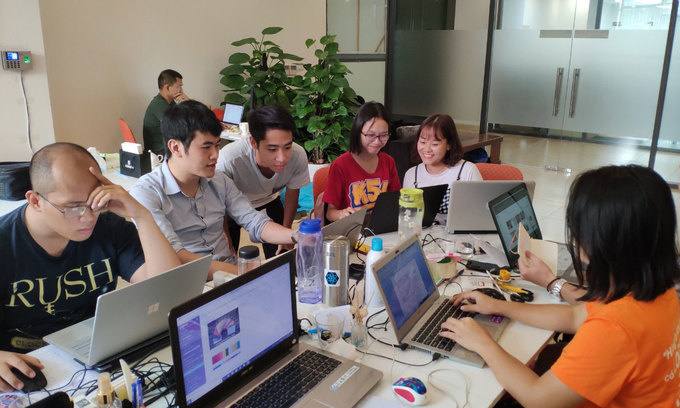
  • Unveiling Vietnam’s Top 100 Workplaces in 2025: New Faces Emerge in Annual Ranking

    Unveiling Vietnam’s Top 100 Workplaces in 2025: New Faces Emerge in Annual Ranking

    The 2025 version of the ‘Vietnam 100 Best Places to Work’ list has introduced several newcomers, including KienlongBank and Duy Tan Recycling. Global consumer goods corporation Unilever managed to retain its top spot in the large business category in the 12th annual iteration of this esteemed list.

    Top 10 Contenders

    Other prominent names in the top 10 comprise American drinks manufacturer Coca-cola, Japanese food producer Acecook, retail giant AEON, and Vietnamese powerhouses Vingroup and FPT.

    Leading Medium-sized Enterprises

    When it comes to the medium-sized enterprise category, American beverage producer Foods secured the number one position for the third year in a row.

    The list also welcomed fresh faces like paint manufacturing company TOA Paint, German pharmaceutical firm STADA Pymepharco, fitness equipment brand Yes4All operating out of the United States, Duy Tan Recycling, KienlongBank, and materials production company Phenikaa Group.

    Survey Details

    The list was compiled after assessing over 650 businesses across 18 different industries. The procedure included polling nearly 73,000 employees and students.

    This year’s survey marked the first instance of students’ participation in order to accommodate the interests of the younger workforce seeking transparent working conditions.

    CEO of Anphabe, Thanh Nguyen, expressed that the survey provides critical data which assists companies in improving their strategies for attracting and retaining talent. Anphabe is a company that offers employer branding solutions and plays a significant role in market development for platforms like Meta’s Workplace and LinkedIn.

    Questions & Answers

    Who topped the ‘Vietnam 100 Best Places to Work’ list in the large business category for 2025?
    Unilever retained its position at the top of the list in the large business category.

    Which new companies made it to the list in 2025?
    Newcomers to the list included KienlongBank, Duy Tan Recycling, TOA Paint, STADA Pymepharco, Yes4All, and Phenikaa Group.

    Who led the medium-sized enterprise category?
    The American beverage producer, Foods, held the top spot in the medium-sized enterprise category for the third consecutive year.

  • Ikea Acquires Us Tech Firm Locus To Reinforce Delivery Services And Optimize Online Shopping Experience

    Ikea Acquires Us Tech Firm Locus To Reinforce Delivery Services And Optimize Online Shopping Experience

    Swedish furniture giant Ikea has announced the acquisition of US-based logistics technology company, Locus. This strategic move is aimed at enhancing Ikea’s delivery services and facilitating a faster and more streamlined online shopping experience.

    The Strategic Acquisition

    The acquisition is part of a broader $2.2 billion strategic investment by the Ingka Group, the world’s largest Ikea franchisee, in the US market. In the highly competitive US retail sector, Ikea is up against major players like Wayfair and Walmart, while also grappling with increased costs due to higher import tariffs.

    While the specifics of the deal have not been made public by Ikea, Locus was valued at $300 million during its most recent investment round in 2021. Ikea’s decision to acquire Locus is projected to simplify its logistics framework and decrease delivery costs by an estimated 100 million euros ($117.41 million) globally each year.

    Utilizing Artificial Intelligence

    Locus employs artificial intelligence to optimize the grouping of orders and define routes that reduce time spent in traffic by delivery vehicles. This is a significant improvement over the current manual planning process carried out by Ikea employees, according to Parag Parekh, Chief Digital Officer at Ingka Group.

    In addition to delivering faster, Locus will also facilitate Ikea in providing customers with more delivery windows and options. Shoppers will also receive live updates on the location of their packages. Initially, Ikea plans to pilot this technology in the US and UK before implementing it worldwide.

    Improving the Customer Experience

    “Apart from the aspect of speed, the flexibility and the ability to track will significantly improve customer experience,” explained Parekh. As part of the agreement, Locus will continue operating independently and servicing clients beyond Ikea.

    Expansion in the US Market

    With a reputation for its large, blue suburban stores featuring an array of furniture in a maze-like layout, Ikea has been shifting its focus towards its online business and investing in smaller city-center stores to attract younger, urban shoppers.

    Online sales constituted 28% of Ikea’s total retail sales in the 2024 financial year, a significant increase from 11% in 2019. This strategic acquisition follows Ingka Investments’ purchase of a Manhattan building for $213 million, indicating a commitment to US expansion, despite higher furniture import tariffs.

    Questions & Answers

    What is Ikea’s aim with the acquisition of Locus?
    Ikea aims to enhance its delivery services and facilitate a faster, more efficient online shopping experience with the acquisition of Locus.

    How will Locus’ technology benefit Ikea’s operations?
    Locus’ artificial intelligence technology will allow Ikea to optimize the grouping of orders and define delivery routes, reducing delivery times and associated costs. It also enables Ikea to offer customers more delivery options and real-time tracking of their packages.

    What impact has the focus on online sales had on Ikea’s business?
    The focus on online sales has significantly boosted Ikea’s retail sales, accounting for 28% of total sales in the 2024 financial year, up from 11% in 2019.

  • Huawei Defies U.S. Sanctions: Unveils Harmonyos And New 5g Chipset For Flagship Phones

    Huawei Defies U.S. Sanctions: Unveils Harmonyos And New 5g Chipset For Flagship Phones

    Back in 2012, concerns about national security led the U.S. House of Representatives’ Intelligence Committee to label tech giants Huawei and ZTE as potential threats. These fears stemmed from allegations that Huawei was spying on U.S. consumers and corporations, though Huawei consistently denied these claims. By 2019, Huawei was added to the U.S. Entity List.

    Huawei’s Position on the Entity List

    The Entity List is maintained by the U.S. Department of Commerce’s Bureau of Industry and Security (BIS). It stipulates that U.S. firms must obtain a government license before exporting any “U.S.-origin” technology to a listed company. This move effectively cut Huawei off from its U.S.-based supply chain, including tech giant Google. Consequently, Huawei could no longer use Google’s proprietary version of Android, though it managed to pre-install the open-source version of Android on its handsets.

    However, this version of Android does not offer the Play Store, nor does it include the default Android apps developed by Google.

    U.S. Restrictions and Huawei’s Response

    A year after being added to the Entity List, the U.S. Commerce Department revised the Foreign-Produced Direct Product Rule. This amendment enabled it to stop Huawei from obtaining any advanced chips produced by a foundry using American-made equipment. Many speculated that this could spell the end for Huawei. Although the company led global smartphone shipments during the second quarter of 2020, surpassing Apple and Samsung, it began to witness a decline by the fourth quarter of the same year.

    In response to these challenges, Huawei needed to adapt. As Tao Jingwen, the company’s president of quality, business process, and information technology, stated at an event in Guiyang, Huawei “built an ecosystem entirely independent of the United States.” Its first significant step was the creation of the HarmonyOS operating system, which includes the company’s App Gallery app store.

    The Emergence of HarmonyOS and Huawei Mobile Services

    By 2021, Huawei had launched its own ecosystem, Huawei Mobile Services. Despite the loss of Google’s support, Huawei appeared to be managing well internally. However, outside of China, particularly in Europe, the absence of Google was keenly felt. The company also needed to find a way to access 5G chips. After depleting its inventory of 5G Kirin application processors, U.S. chip designer Qualcomm obtained a license from the U.S. Commerce Department to supply application processors to Huawei. However, these chips were modified to work with 4G signals, not 5G.

    Overcoming Sanctions: Huawei Mate 60 Pro

    Despite the challenges, Huawei continued to innovate. The tech world was taken by surprise in August 2023 when Huawei introduced the Huawei Mate 60 Pro. For the first time since 2020, a Huawei flagship phone was powered by an application processor designed by Huawei itself, the Kirin 9000S. Built by China’s largest foundry SMIC using its 7nm process node, the chipset reintroduced 5G support to a Huawei flagship phone for the first time since the Mate 40 series in 2020.

    Questions & Answers

    Why was Huawei added to the U.S. Entity List?
    Huawei was added to the Entity List due to concerns about national security. It was alleged that the company was spying on U.S. consumers and corporations.

    What impact did being on the Entity List have on Huawei?
    Being on the Entity List cut Huawei off from its U.S.-based supply chain, including Google. This meant that Huawei could no longer use Google’s proprietary version of Android.

    How did Huawei respond to the U.S. sanctions?
    Huawei developed its own operating system, HarmonyOS, and created an ecosystem independent of the United States. It also managed to design its own application processor for its flagship phone, reintroducing 5G support.

  • The A2 Milk Company Reports Robust Financial Growth Amid Challenges; Declares First Dividends

    The A2 Milk Company Reports Robust Financial Growth Amid Challenges; Declares First Dividends

    The A2 Milk Company has reported a significant increase in its revenue for the current financial year. The group’s revenue rose by 13.5 per cent, reaching $1.9 billion, a notable increase from last year’s $1.67 billion.

    Financial Growth and Profit

    This upward trend can also be seen in the company’s EBITDA, which increased by 17.1 per cent to $274.3 million. Furthermore, the company’s net profit after tax saw an impressive boost of 21.1 per cent, reaching $202.9 million.

    In China, a key market for the company, revenue grew by 18.9 per cent, totalling $1.3 billion. The company’s EBITDA also saw substantial growth, increasing by 14.6 per cent to $332.4 million. This growth has solidified the company’s position as a top-four brand in China’s infant formula market.

    Segment Performance

    The A2 Milk Company’s infant formula business reported a 10 per cent growth overall, largely propelled by its English label business that saw an increase of 17 per cent.

    However, the company’s Australia and New Zealand (ANZ) segment experienced a slight dip, with revenue declining by 0.4 per cent to $316 million. The ANZ segment’s EBITDA also fell, decreasing by 8.7 per cent to $57.5 million.

    In contrast to the ANZ segment, the company saw significant growth in the US, with revenue increasing by 22.5 per cent to $139.3 million. Despite this, the company did report losses in its EBITDA, though these were reduced to $9.3 million, down from the previous financial year’s $15.5 million.

    Company Milestones and Acquisitions

    “I’m proud of what our team has achieved this year, reporting record sales of $1.9 billion and double-digit earnings growth in our 25th year since The A2 Milk Company was formed,” said CEO David Bortolussi.

    The company has achieved a significant milestone this year, declaring its first-ever dividends with a 71 per cent payout ratio. This marks a significant moment for the company’s shareholders.

    In addition, the company has acquired Yashili New Zealand’s fully integrated nutritional manufacturing facility located in Pokeno, New Zealand. The facility comes with two existing China Label product registrations. Bortolussi described the acquisition as a pivotal moment for the company and a crucial part of their supply chain transformation strategy.

    Future Outlook

    Looking ahead, the company expects single-digit revenue growth in the next financial year. The company also anticipates an EBIDTA margin between 15 and 16 per cent and a similar net profit after tax as the current financial year.

    Questions & Answers

    What was the percentage increase in the company’s group revenue?
    The A2 Milk Company’s group revenue increased by 13.5 per cent.

    What was the growth rate of the company’s infant formula business?
    The company’s infant formula business saw a growth rate of 10 per cent.

    What does the company expect for the next financial year?
    In the next financial year, the company anticipates single-digit revenue growth, an EBITDA margin between 15 and 16 per cent, and a similar net profit after tax as the current financial year.

  • Samsung ‘shock’ as profits start to droop

    Samsung ‘shock’ as profits start to droop

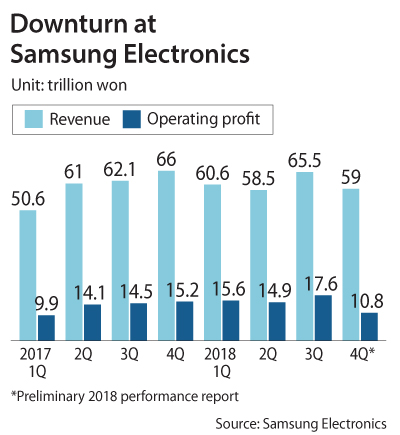
    Samsung Electronics announced sharply lower earnings for the fourth quarter, an earnings “shock” that suggested that the “supercycle” in the global semiconductor market is nearing an end. Preliminary 2018 performance numbers released Tuesday predicted the local IT giant’s operating profit between October and December of last year would be 10.8 trillion won ($9.6 billion), down 28.71 percent year on year.

    This is the lowest figure since the first quarter of 2017’s 9.9 trillion won. Between those two quarters, operating profit had consistently stayed in the 14 to 17 trillion won range.

    Revenue for last year’s fourth quarter slumped 10.58 percent year on year to 59 trillion won. Last year’s third quarter saw record quarterly highs of 65.5 trillion won in revenue and 17.6 trillion won in operating profit.

    Local analysts had expected 13.4 trillion won in operating profit for the fourth quarter and 63.2 trillion won in revenue, according to the stock information provider FnGuide.

    Samsung did not reveal performance figures for different business divisions, but the company cited “slow demand” in semiconductors as a major factor in a public announcement the same day. The IT giant has three major business divisions: chips, smartphones and home electronics.

    The results for all of 2018 showed that the company had a record high operating profit of 58.89 trillion won, a 9.77 percent jump from last year, and 243.5 trillion won in revenue, up 1.64 percent year on year.

    Before starting to slow, semiconductors were the main contributors to Samsung’s high performance over the last two years.

    In the announcement, the company added that demand from data center clients in the fourth quarter had fallen short of expectations.

    “Shipping of memory chips retreated from the third quarter, and the price decline turned out to be bigger than what we expected earlier this year,” it said.

    One reason is because companies with data centers such as Amazon, Facebook and Microsoft bought large amounts of dynamic random-access memory (DRAM) chips during the last two years, which are now piling up.

    DRAM prices started to fall after more than a year of increases – another factor that is affecting demand as companies anticipate more price cuts.

    Slow growth in smartphone sales and one-off expenses including the company’s offering of incentives to staff at the year’s end also affected the profit level.

    Worries that the semiconductor supercycle was ending have surfaced for years, but Samsung and other chipmakers have reported strong earnings – until the fourth quarter.

    December’s chip exports from Korea retreated for the first time in 27 months. The general consensus among local analysts is that Samsung’s revenue will continue to shrink in the first half of this year.

    But they have a more positive outlook for the second half.

    “Memory chip prices will bounce back in the second half of 2019,” said analyst Lee Jae-yun of Yuanta Securities. “Because the supply growth rate of major chipmakers in 2019 will be 19 percent [year on year], whereas demand growth is expected to reach 20 percent.”

  • Luk Fook sales drop 10 per cent in latest quarter

    Luk Fook sales drop 10 per cent in latest quarter

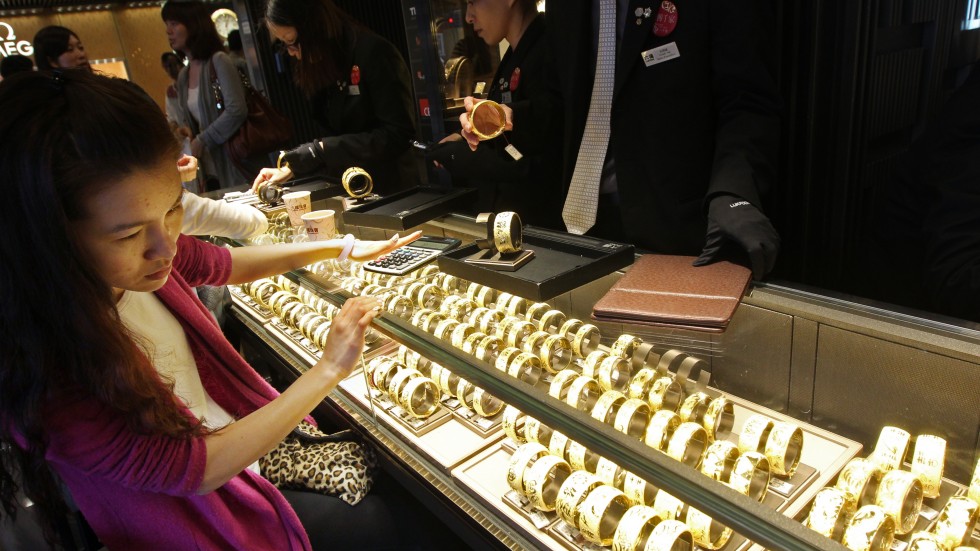
    Luk Fook sales in the third quarter fell 10 per cent on a same-store basis. “Recent market sentiment has been adversely impacted by the US-China trade war, the depreciation of Renminbi, and downward pressure in the stock and property markets,” said chairman Wai Sheung Wong ina  stock exchange filing. Luk Fook says same-store sales of gold products fell by 9 per cent and of gem-set jewellery by 8 per cent.

    The company’s disappointing figures come in the same week as rival jeweller Chow Tai Fook reported an 11 per cent decline in sales across Mainland China, Hong Kong and Macau.

    Wong said the Renminbi’s depreciation led to higher tendency for customers to purchase lower-value items, resulting in a double-digit drop in the average selling price of gem-set jewellery products.

    Same-store Luk Fook sales in Mainland China fell by 14 per cent, with gold products down 16 per cent and gem-set jewellery down 5 per cent.

    As at December 31 the company operated 221 of its own Lukfook stores, including 150 on the mainland, 49 in Hong Kong, 11 in Macau and 11 overseas. It supplied 1573 licensed shops on the mainland, one in Cambodia and one in the Philippines, making a total of 1796 worldwide.

  • Farfetch Expands Into Korean Market Through Alliance With E-commerce Giant Coupang

    Farfetch Expands Into Korean Market Through Alliance With E-commerce Giant Coupang

    The premier luxury e-commerce platform, Farfetch, is set to broaden its business operations into the Korean market. This move is made possible through an alliance with Coupang, which is Korea’s principal e-commerce company.

    Facilitating International Fulfilment

    As part of the collaboration, Coupang will be managing all overseas fulfilment for Farfetch. On the domestic front, RLux, a high-end shopping application owned and operated by Coupang, will provide free delivery service for all items purchased within Korea.

    Enhancing Customer Convenience

    In a move aimed at improving customer convenience, Farfetch will integrate all customs duties and additional fees into the product prices. This means that customers will see the total cost upfront, making it easier for them to make informed buying decisions.

    Stephen Eggleston, Farfetch’s Chief Commercial Officer (CCO), expressed his enthusiasm for the expansion. He highlighted this as a special chance for brands in partnership with Farfetch to reach out to Korean luxury customers directly.

    Rescue from Financial Uncertainty

    In 2023, Farfetch found itself on the brink of bankruptcy. This financial calamity was averted when the company was acquired by Coupang.

    Diverse Brand Portfolio

    Now, Farfetch boasts a diverse portfolio of 1400 brands, boutiques and department stores. The company caters to customers in no less than 190 countries around the globe.

    Questions & Answers

    What new markets is Farfetch expanding into?
    Farfetch is broadening its business operations into the Korean market.

    Who will manage Farfetch’s overseas fulfilment in Korea?
    Coupang, Korea’s principal e-commerce company, will handle all overseas fulfilment for Farfetch.

    What measures is Farfetch taking to improve customer convenience in Korea?
    To enhance customer convenience in Korea, Farfetch will include all customs duties and additional fees in the product prices.

  • Thai Investors Reap $1.3 Billion in Dividends from Leading Vietnamese Firms

    Thai Investors Reap $1.3 Billion in Dividends from Leading Vietnamese Firms

    Data compiled reveals that Thai investors have been thriving on their stakes in a variety of Vietnamese companies, particularly in the dairy, beverage, plastics, and retail sectors. The spotlight is on Vinamilk, a dominant player in the dairy market, which has showered its Thai shareholders with a staggering VND16.1 trillion in dividends since 2013.

    Vinamilk and Its Sweet Returns

    Vinamilk, which boasts the largest share of the dairy market, has garnered significant attention, especially from Fraser & Neave, a beverage giant that holds a 20.4% stake in the company. In a strategic move, Sirivadhanabhakdi’s TCC Holdings acquired Singapore-based Fraser & Neave back in 2013. Last year alone, Vinamilk dished out VND1.85 trillion in dividends to Fraser & Neave. Despite several attempts in recent years to increase their stake further through the stock market, those plans have been thwarted by challenging market conditions.

    Sabeco: A ‘Crown Jewel’

    Sirivadhanabhakdi’s investment strategy doesn’t stop at Vinamilk. He maintains a controlling interest in Sabeco, one of Vietnam’s leading breweries. In 2017, ThaiBev, operating under Sirivadhanabhakdi, splurged $4.8 billion to acquire 53.6% of Sabeco from the Vietnamese Ministry of Industry and Trade. Over eight years, ThaiBev has raked in over VND14 trillion in dividends from Sabeco, with 2024 marking a record payout of VND3.44 trillion. At a press conference in September 2022, Thapana Sirivadhanabhakdi, CEO of ThaiBev, characterized Sabeco as a “crown jewel,” highlighting its unique value in the crowded regional beer market.

    Diverse Investments Across Sectors

    Beyond the dairy and beverage arenas, TCC Holdings also made headlines with its $704 million acquisition of the Metro supermarket chain, repackaging it as Mega Market. This reflects the breadth of Thai investment in Vietnam, with the acquisition of Binh Minh Plastics standing out as particularly lucrative. Nawaplastic, a subsidiary of Thailand’s SCG Group, took control of Binh Minh in 2018, purchasing 24.2 million shares from the State Capital Investment Corporation and reportedly benefiting from VND2.5 trillion in dividends since 2012.

    SCG’s interests extend further into Vietnam, controlling companies such as Tan Bien Packaging and Duy Tan Plastics while also operating a major petrochemical complex in Ba Ria – Vung Tau Province. This facility, costing over $5 billion, has a remarkable annual capacity of 1.4 million tons of products. As the Thai footprint deepens, they are also eyeing sectors like finance and retail. The Siam Commercial Bank is involved with Home Credit Vietnam, and Central Retail Group boasts brands like GO! (formerly Big C) and Nguyen Kim, solidifying Thailand’s formidable presence in the Vietnamese retail landscape.

    Trust in Vietnam’s Economic Prospects

    Thai investment continues to flourish, with a 2024 HSBC survey revealing that 66% of Thai businesses are keen on investing in Vietnam. The confidence level among Thai investors stands at a robust 93%, just behind Vietnam (98%) and Singapore (94%). Data from the Foreign Investment Agency highlights that Thailand has been Vietnam’s 13th largest investor since 1988, with total investments exceeding $14.7 billion, primarily fueling the manufacturing sector, which receives 74% of their financial commitment.

    Could this surge of investments make Vietnam the Silicon Valley of Southeast Asia? Only time will tell!

    Questions & Answers

    How much have Thai shareholders made from Vinamilk since 2013?
    Thai shareholders have benefitted from a remarkable VND16.1 trillion in dividends from Vinamilk since 2013.

    What characterizes ThaiBev’s investment strategy in Vietnam?
    ThaiBev’s strategy is focused on long-term growth, with plans to dominate the beer market and expand across Southeast Asia, as evidenced by their significant stake in Sabeco.

    What sectors do Thai investors primarily focus on in Vietnam?
    Thai investors predominantly invest in the manufacturing sector, with 74% of their capital directed towards this area, reflecting their strong interest in production capabilities within Vietnam.