Retail News CRM

Tag: Company

  • Indonesia’s Legendary Tea Producer Declared Bankrupt

    Indonesia’s Legendary Tea Producer Declared Bankrupt

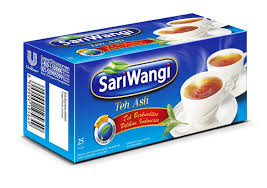
    When Indonesians enjoy a cup of hot black tea,  they are often reminded of one particular brand that seems to have been around forever: Sariwangi. The brand, established by Johan Alexander Supit in 1962 and introduced by the Sariwangi Agricultural Estate Agency in 1973, has been a household favorite for decades.

    The company based in Gunung Putri, a subdistrict of Bogor, West Java, started as tea trader, but soon diversified its business to become a tea producer. Its products were initially in sold in loose-leaf style under a different brand before the introduction of teabags, which changed the way Indonesians drink their tea.

    During the 1980s, the company also started exporting its products to other countries in the region and even as far afield as Eastern Europe, Australia and the Middle East.

    In 1989, the local unit of multinational consumer goods giant Unilever saw a business opportunity and acquired the brand, changing the styling of the name to SariWangi, and introducing several variants, including jasmine tea, green tea and circular teabags.

    The company was still expanding and selling up to 8 million tons of tea per year before it faced an unexpected downturn in 2015. This resulted in Sariwangi and its affiliate, Maskapai Perkebunan Indorub Sumber Wadung (Indorub), reportedly accumulating more than Rp 1 trillion ($66 million) in debt, owed to several lenders.
    In the same year, Bank ICBC Indonesia, HSBC Indonesia, Bank Panin Indonesia, Bank Rabobank Internasional and Commonwealth Bank took legal action against Sariwangi to recover the outstanding debt.

    This prompted Sariwangi to file a petition for a debt postponement in September 2015. In March the next year, the company filed for bankruptcy in the Central Jakarta District Court, but the court did not reach a verdict at the time.

    In August 2016, Bank ICBC Indonesia filed another lawsuit against Sariwangi and Indorub, claiming that the company and its affiliate did not have any intention to repay the Rp 322.7 billion they owed the lender.

    On Oct. 16, the court declared Sariwangi insolvent.

    Unilever Indonesia corporate secretary Sancoyo Antarikso said on Thursday last week that the consumer goods company was in no way affiliated with either Sariwangi or Indorub.

    Unilever said it once partnered with the original company to supply it with tea, but that the partnership had ended long ago.
  • Dunkin’ to be seen as coffee place in future

    Dunkin’ to be seen as coffee place in future

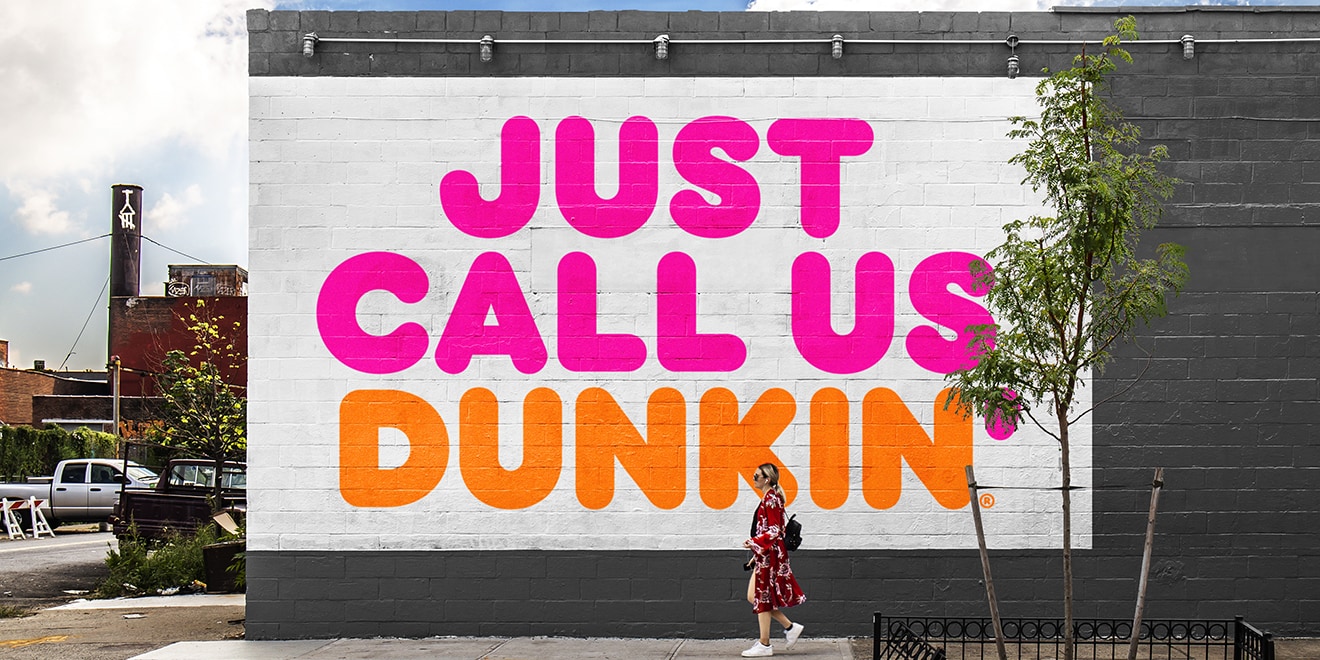
    Global fast-food chain Dunkin’ plans to reposition itself as a coffee chain – but it will still sell fresh donuts. Just a month after Dunkin’ Donuts unveiled rebranding, including dropping ‘Donuts’ from its name, the company has announced a strategy to put quality coffee at the core of its menu

    Dunkin’ has previously revealed a US$100 million budget to revive its market position in its core US home market. Now it says half of that investment will be spent on espresso machines and other restaurant equipment enabling it to accelerate its beverage-led strategy. The company says Dunkin’ franchisees are also making a substantial investment in the initiative, which is focused on growing its market share of the hot and iced espresso category.

    “Espresso is one of the fastest-growing coffee categories, particularly among younger consumers, and with our coffee credentials we believe we have a tremendous opportunity to improve our awareness and credibility among espresso drinkers,” said Tony Weisman, chief marketing officer at Dunkin’ US.

    The company is promising “an entirely new espresso experience for customers” in its US restaurants by the coming holiday season, featuring new state-of-the-art espresso equipment, a new espresso recipe, extensive restaurant training and new espresso cups.  Dunkin’ will serve “handcrafted hot and iced espresso beverages” – including lattes and cappuccinos – “featuring a rich, smooth, balanced taste that meets the profile preferred by espresso customers, and in particular younger espresso drinkers,” the company said in a statement.

    Dunkin’ will support the launch with a comprehensive marketing campaign. New espresso cups are bright orange and feature an exclamation point, a symbol the company says positions the espresso beverages as bold, new and exciting.

    “Relaunching espresso in our restaurants nationwide has been a tremendous undertaking, from installation of the new espresso machines, to the creation of the new, bolder taste profile, to the extensive employee training,” said Dunkin’ US COO Scott Murphy. “This is a transformative initiative, and it would never have happened without the total alignment and support of our franchisees.”

    All espresso beverages served at Dunkin’ US restaurants will continue to be made with 100-per-cent espresso beans sourced from Rainforest Alliance-certified farms.

  • Equity gains see SK Telecom record good quarterly results

    Equity gains see SK Telecom record good quarterly results

    SK Telecom, Korea’s top mobile carrier, said Tuesday that its third quarter net profit rose 32.4 percent from a year earlier.

    Net income reached a record high of 1.04 trillion won ($910.4 million) in the July-September period, compared with a profit of 793 billion won for the same period the previous year, the company said in a regulatory filing.

    SK Telecom said shareholding gains from SK Hynix. gave a boost to its quarterly bottom line. SK Telecom holds a controlling 20.1 percent stake in the world’s second-biggest chipmaker by sales.

    SK Hynix’s third quarter net profit surged 53.6 percent on-year to 4.69 trillion won on record sales of 11.4 trillion won.

    Still, SK Telecom said its operating profit fell 22.5 percent on-year to 304.1 billion won in the third quarter, while sales dropped 5.77 percent to 4.18 trillion won over the cited period.

    Shares in SK Telecom fell 2.54 percent to 269,000 won.

  • Bankrupt US retail giant Sears owes Vietnamese firm $4 million

    Bankrupt US retail giant Sears owes Vietnamese firm $4 million

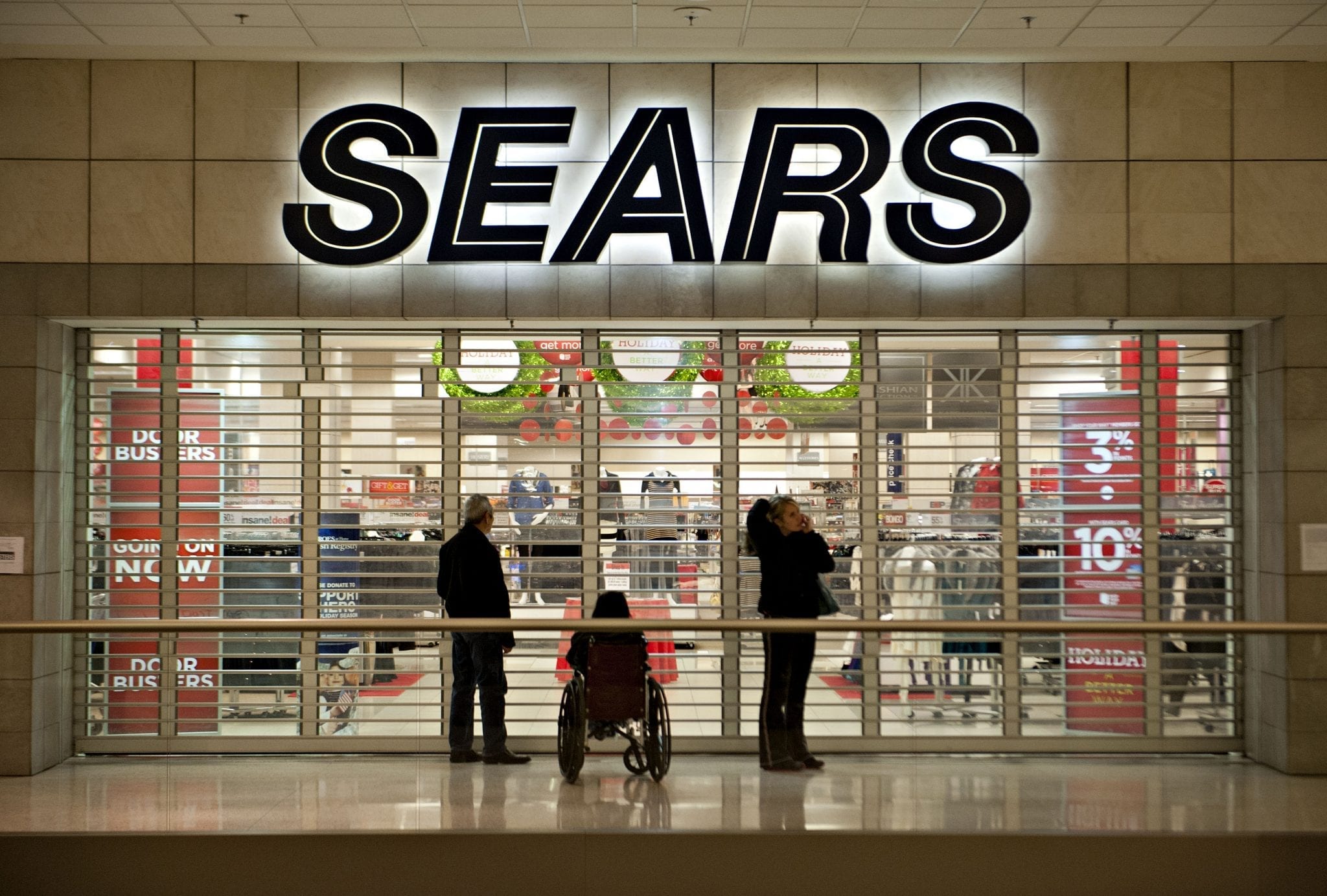
    Sears, a U.S. retail titan that has filed for bankruptcy, owes a Vietnamese textile company upwards of $4 million. Sears Holdings filed for bankruptcy on October 15 after failing to make a $134 million debt payment tranche. Its subsidiaries, Sears, Roebuck and Kmart are partners of Vietnamese textile firm Thanh Cong, contributing about 7 percent to the textile firm’s revenue every year.

    Last year, Sears contributed VND220 billion ($9.38 million) to Thanh Cong’s revenues of VND3.2 trillion ($136.5 million). Sears remaining debt to Thanh Cong is VND95 billion ($4 million), or 3 percent of the textile firm’s total assets, according to Vietnamese company’s  third quarter report.

    Thanh Cong CEO Lee Eun Hong said that his company was seeking to participate in the process and retrieve its money.

    The hearing is scheduled for November 15.

    Thanh Cong Textiles, established in 1967, has reported accumulated revenues of VND2.82 trillion ($120.3 million) in the first nine months of this year, up 15 percent year-on-year.

    Exports account for 88 percent of the firm’s revenue.

    The bankruptcy filing by Sears follows a decade of revenue declines, hundreds of store closures, and years of deals by billionaire Eddie Lampert in an attempt to turn around the company he acquired in 2005 for $11 billion.

  • Visa buys payment authentication company

    Visa buys payment authentication company

    Visa has arranged to to acquire e-commerce payment authentication provider CardinalCommerce to improve the company’s cross-platform payments security capabilities.

    The transaction, which is subject to the customary closing conditions, is expected to close in Visa’s second fiscal quarter 2017. Financial terms have not been disclosed.

    Visa already provides Cardinal’s services to merchants and acquirers through its CyberSource merchant and acquirer enablement platform. Additionally, Visa will draw upon its global relationships and presence to drive international expansion of Cardinal’s products and services.

    As Visa plans to integrate tokenization into Visa Checkout over the next 18 months, the addition of Cardinal is expected to allow closer integration of 3-D Secure and delivery of new fraud mitigation capabilities to merchants.

    Cardinal will continue to operate and serve all of its clients as a wholly-owned subsidiary of Visa, and its authentication platform will continue to support a broad range of payment brands and partners across the industry. Co-founders Tim Sherwin and Chandra Balasubramanian will stay on as leaders of the Cardinal team.

    “This strategic acquisition combines Visa’s industry expertise and Cardinal’s critical role in payment authentication to bring added security to online transactions, reduce fraud and support digital commerce, which is the fastest growing commerce segment today,” Visa SVP of risk and authentication products Mark Nelsen said.

    “By helping merchants, acquirers, and issuers better distinguish between good and bad transactions, Visa is in an even better position to strengthen consumer trust in digital payments, help merchants grow their businesses, and accelerate innovation in commerce.”

  • More companies delaying payments, says Singapore Commercial Credit Bureau

    More companies delaying payments, says Singapore Commercial Credit Bureau

    Fewer Singapore companies are paying their bills on time, according to data released on Monday by Dun & Bradstreet Singapore’s (D&B Singapore) Singapore Commercial Credit Bureau.

    Prompt payments fell 8.9 percentage points from 51.1% in 3Q15 to 42.2% in 3Q16. At the same time, slow payments increased by 8.1 percentage points to 46.4% from 38.3% a year ago.

    Compared with the previous quarter, prompt payments fell by 3.8 percentage points to 42.2%, and slow payments rose by 3.8 percentage points to 46.4%.

    Partial payments increased by 0.8 percentage points to 11.5% from a year ago but fell by 0.03 percentage points over 2Q16.

    The data was compiled from over 1.6 million payment transactions of Singapore firms operating through the bureau.

    Prompt payment is defined as having 90% or more of total bills paid within the agreed payment terms while slow payment is defined as having more than 50% of total bills paid later than 30 days beyond the agreed credit terms.

    Delays in payment increased across all industries — construction, wholesale trade, services, manufacturing, and retail — during the quarter.

    However, the biggest proportion of slow payments came from the construction sector, where payment delays increased by 10.8 percentage points from a year ago and by 4.2 percentage points from a month ago to 50.8%.

    On a quarterly basis, special trade contractors had the greatest increase in slow payments of 5.9 percentage points to 48.8%, while the heavy construction sector had the highest proportion of slow payments of 52.7%. Delayed payments also increased in the building constructor sector by 4 percentage points to 52%.

    The wholesale trade sector had some of the greatest increases in payment delays due to the declines in local and foreign wholesale trade. Slow payments increased 4 percentage points over the quarter and 8.3 percentage points over the month to 41.2%.

    In particular, slow payments by wholesalers of durable goods jumped by 4.5 percentage points q-o-q to 41.4%, while that of wholesalers of non-durable goods rose by 2.5 percentage points q-o-q to 40.4%. per cent in Q3 2016.

    Retail had the second highest proportion of slow payments, but registered the smallest q-o-q increase during the current quarter, after a large spike in 2Q16. Delayed payments rose 2.9 percentage points q-o-q and 6.8 percentage points y-o-y to 49.4%.

    Retailers of building materials and garden supplies had the highest increase in slow payments from 53.1% in 2Q16 to 61.2% in 3Q16, followed by retailers of general merchandise, with a 6.8 percentage point increase and automobile retailers with a 6.3 percentage point increase.

    Audrey Chia, D&B Singapore’s Chief Executive Officer, noted that the weaker performance in payment was a “clear indication that firms here are feeling the impact of a credit crunch”.

    To provide some relief to cashflow problems, Chia added that firms should seek alternative measures including rigorous credit checks on customers and the diversification of funding through non-traditional financing institutions.

  • Apple re-crowned world’s prime model—however watch Alibaba, Fb

    Apple re-crowned world’s prime model—however watch Alibaba, Fb

    Apple has reclaimed its crown because the world’s most dear model, value a staggering $247 billion, in line with WPP and Millward Brown.

    The tech behemoth triumphed within the promoting businesses’ annual prime 100 most respected international manufacturers report, revealed on Wednesday. The report ranked model worth by taking a look at views of potential and present consumers of a model, plus monetary knowledge.

    “Apple is obvious on what it stands for, and by no means stops refreshing its message to maintain the distinction that makes it so fascinating,” stated Doreen Wang, Millward Brown’s international head of BrandZ, within the report.

    Regardless of the recognition of the Apple Watch, Wang and colleagues stated that the iPhone 6 was the primary driver of Apple’s 67 % year-on-year bounce in model worth.

    “Apple continues to ‘personal’ its class by innovating and main the curve in a method that generates actual advantages for shoppers,” stated Wang.

    Apple’s success pushed Google again into second place, with its model worth rising 9 % over the yr to $174 billion.

    Fb was the fastest-growing model, attaining 99 % progress on account of its success in buying and integrating different platforms corresponding to Instagram and WhatsApp.

    West to East shif

    Chinese language e-commerce chief Alibaba made its first look within the BrandZ rankings, with its model value $66 billion. This put it aboveAmazon, the subsequent most useful retail model, and Walmart.

    Apparently, the world’s two most respected retail manufacturers each lack bodily shops.

    “Europe’s model powerhouses stagnate as Chinese language manufacturers develop and U.S. manufacturers make a comeback,” stated the BrandZ report.

    Learn ExtraThe Shopper Electronics Present heads to Shanghai

    This yr, 14 Chinese language manufacturers ranked within the prime 100, up from only one in 2006. A lot of the manufacturers that have been pushed out the rankings have been from Europe, stated the BrandZ report, with simply 24 European manufacturers remaining.

  • Made-in-China.com increases website traffic with cloud

    Made-in-China.com increases website traffic with cloud

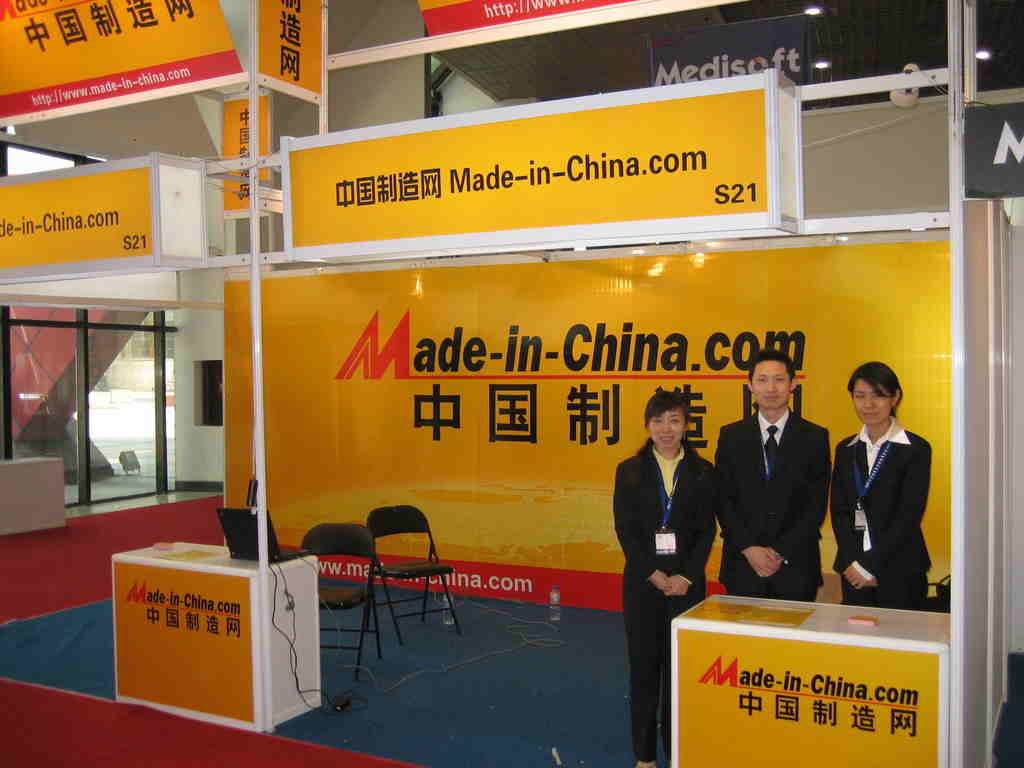
    Made-in-China.com, a global trade commerce company, has grown its website traffic over 2000 percent using a managed cloud portfolio.

    The dedicated hosting solution from Backspace, which is part of its managed cloud offering, allows the company to have full control over its servers while also enjoying high levers of speed and performance.

    “As an ecommerce company that connects worldwide buyers with Chinese suppliers, it is critical that we provide a user-friendly and quality experience to our customers around the world,” said Tao Yan, IT Manager, Made-in-China.

    The company started working with Racks[ace in 2006 and has since then grew its website traffic from 1 to 2 million to 25 to 35 million today. Revenues also increased from CNY43 million (USD6.9 million) annually in 2006 to approximately CNY500 million (USD80.5 million) a year today.

    “Because of the company’s support, we’ve been able to focus on growing our business year-over-year, as opposed to investing our time handling IT issues, as we did with our previous provider,” Tao Yan added.

    In the eight years that Made-in-China has worked with Rackspace, the company’s infrastructure has also grown dramatically, from just two servers in 2006 to a total of 23 servers hosted in the US, as well as seven cloud servers hosted in Hong Kong.

    While Made-in-China is based in Nanjing, China, over 70 percent of Made-in-China’s web traffic comes from overseas, meaning it needed a reliable hosting provider that could support its business globally.

    “With more and more China-based companies expanding West, demand has spiked for stable and flexible hosting solutions that can manage traffic around the globe,” said Ajit Melarkode, managing director, Rackspace Asia-Pacific.

  • American Apparel bans work romances

    American Apparel bans work romances

    What do you do if you manage a company that has just ousted its founder following a string of sexual harassment allegations? The answer is to ban workplace romances – at least according to the fashion chain American Apparel.

    The retailer has barred managers from relationships with “subordinates”, while any romantic entanglement between staff “where one person may have perceived or actual influence over the other’s terms of employment must be disclosed by the participants to the Human Resources Department”, according to the group’s new code of conduct.

  • Jollibee, partner to operate Dunkin’ Donuts stores in China

    Jollibee, partner to operate Dunkin’ Donuts stores in China

    Philippine fastfood giant Jollibee Foods Corporation (JFC) and its partner, Asian investment firm RRJ Capital Master Fund II LP, have sealed the deal with Dunkin Donuts Franchising LLC to operate Dunkin’ Donut stores in China.

    In a disclosure to the Philippine Stock Exchange (PSE) on Tuesday, JFC said the franchise agreement grants the newly formed joint venture firm Golden Cup Pte. Ltd. the exclusive right to develop Dunkin’ Donuts in Hong Kong, Macau, Fujian, Hunan, Jianxi, Guangdong, Hainan, Guanxi, Beijing, Tianjin, Hebei, Shangxi, Chongqing, Guizhou, Sichuan, Yunnan, Heilongjiang and Jilin.

    Golden Cup Pte. Ltd. is the joint venture company formed by Jollibee Worldwide Pte. Ltd. (a wholly owned subsidiary of JFC) and Jasmine Asset Holding Ltd. (a wholly owned subsidiary of RRJ Capital Master Fund II, L.P.).

    In an earlier disclosure to the PSE on 19 December, JFC said “the Dunkin’ Donuts deal provides the JV with an excellent opportunity to operate and expand one of the leading global coffee chain brands in the 2nd largest economy in the world.”

    JFC said it will invest USD300 million in the venture, USD180 million of which will be contributed by JPWL. In the first 12 months of operations, JPWL’s initial investment would be about USD18 million.

    As of December 2014, Jollibee operates 811 stores in the Philippines and 101 stores overseas. Dunkin’ Donuts, on the other hand, has nearly 11,000 restaurants in 33 countries worldwide.