Retail News CRM

Tag: Company

  • AEON Thailand Foundation donation proceeded

    AEON Thailand Foundation donation proceeded

    Last week, Mr.Kiyoyasu Asanuma (4th from left), Chairman of AEON Thailand Foundation, and Ms.Suporn Wattanavekin (3rd from left), Vice Chairman of AEON Thailand Foundation, together with Mr. Nuntawat Chotvijit (2nd from left), Director of Marketing, AEON Thana Sinsap (Thailand) Public Company Limited and Mr.Veerawat Ariyaviriyanant (left), President & CEO of Data Products Toppan Forms Ltd. donated 1,000,000 Baht from the “AEON Charity Bowling Competition You are a HERO” to Ramathibodi Foundation in support of “New Innovation for treatment of cancer ” program. The donation was received on behalf of the foundation by Prof. Dr. Suradej Hongeng (4th from right), Executive Director of Ramathibodi Foundation and the research team from the Ramathibodi Hospital.

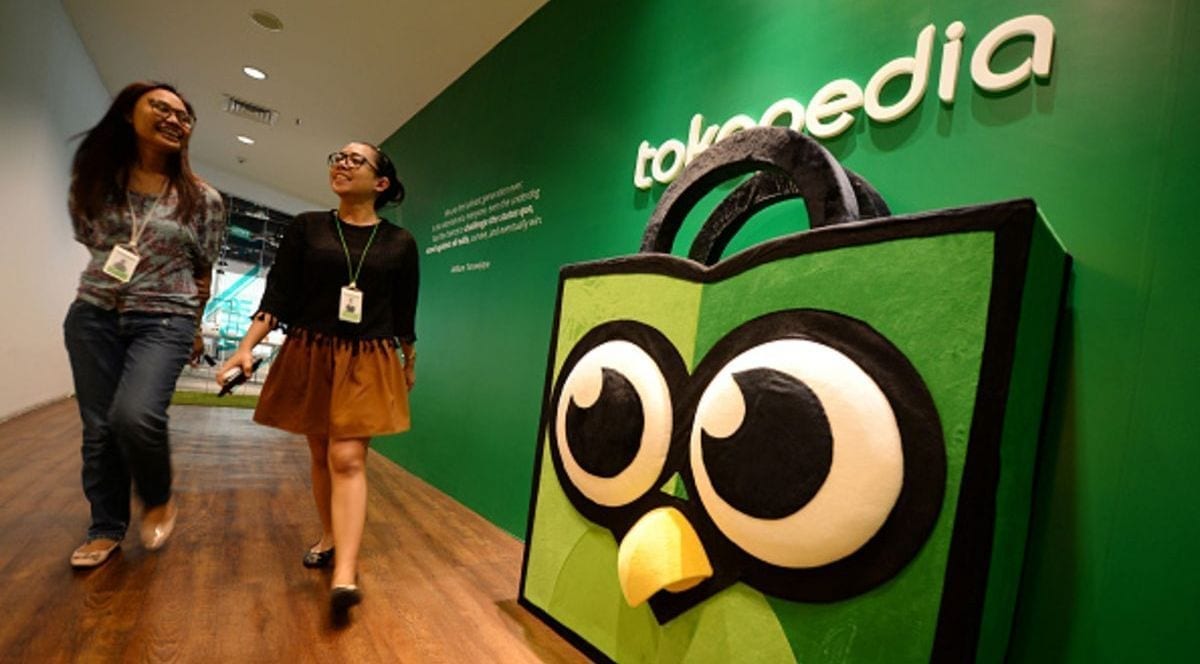
  • Indonesia’s Tokopedia Secures $1.1b From Alibaba, SoftBank

    Indonesia’s Tokopedia Secures $1.1b From Alibaba, SoftBank

    Indonesian e-commerce company Tokopedia said on Wednesday that it had secured $1.1 billion in its latest funding round led by Chinese e-commerce giant Alibaba Group Holding and Japan’s SoftBank Group. This follows a similar investment in 2017, also led by Alibaba, which has been expanding rapidly into Southeast Asia amid slowing growth in China’s e-commerce market.

    Tokopedia said it planned to use the funds to invest in technology and infrastructure, adding that the firm would continue to focus on the Indonesian market and drive economic development and financial inclusion in the country.

    The investment would help “broaden Tokopedia’s scale and reach” besides improving its operational efficiency, chief executive and co-founder William Tanuwijaya said in a statement.

    Tokopedia did not confirm a valuation following the round. However, news website TechCrunch citing an unnamed source said the company was valued at around $7 billion.

    The latest funding boosts Alibaba’s share of the fast-growing Indonesian e-commerce market. The Chinese company is also the majority owner of Lazada, which is the Tokopedia’s top competitor in the market.

    Indonesia is also increasingly becoming a proxy battleground for Alibaba and JD.com, China’s second-largest e-commerce company, which has invested heavily in building a logistics network in the archipelago.

    Founded in 2009, Tokopedia is currently Indonesia’s largest online marketplace, drawing comparisons to Alibaba’s Taobao.

    The latest round includes investments from Softbank’s Vision Fund as well as Softbank Ventures Korea and Sequoia Capital.

    The company, which delivers to around 93 percent of Indonesian districts, says it has quadrupled its sales in the past year.

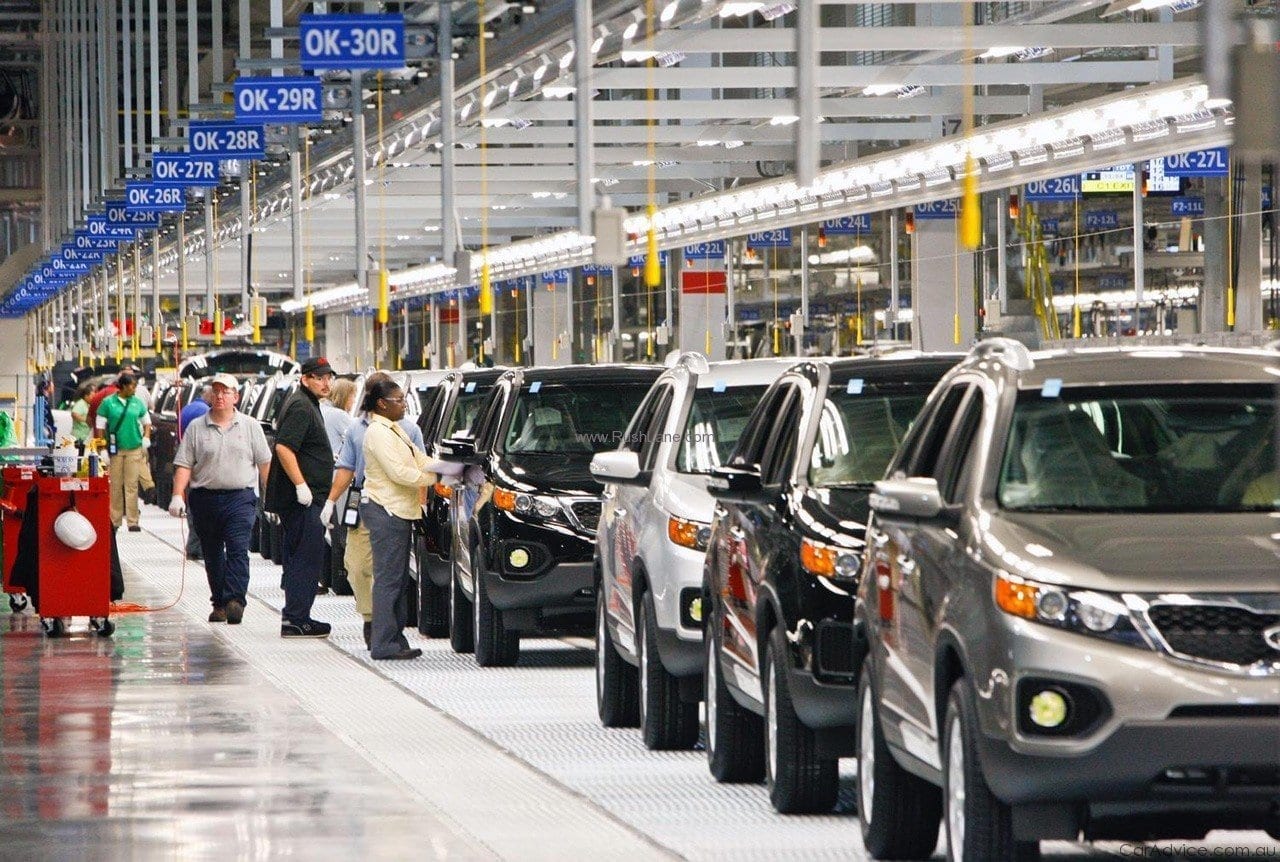
  • Korea’s auto exports on the rise, but local industry still struggling

    Korea’s auto exports on the rise, but local industry still struggling

    Attractive prices and returns have seen the number of Chinese customers buying high-end apartments in HCMC soar this year. Duong Thuy Dung, senior director of real estate market research firm CBRE Vietnam, said at a recent forum that 31 percent of high-end apartment buyers in HCMC in the first nine months were Chinese. This figure increased from only 2 percent in 2016 and 4 percent last year.

    In the last two years, Chinese were sixth among all buyers, but this year, they have surpassed Vietnamese to rank first.

    Only 24 percent of high-end home buyers are Vietnamese, CBRE data shows.

    Stephen Wyatt, country head of property service firm JLL Vietnam, said the number of Chinese buyers has been increasing because Vietnam has an attractive price compared to other markets like Hong Kong, Japan, Singapore, South Korea and Taiwan.

    Chinese people often compare prices in Vietnam with Shanghai when they buy properties, he said, adding that they hope to gain profit from higher property prices in Vietnam in the future.

    A high-end apartment in the city costs around $5,000 per square meter, but the same one in Hong Kong could cost four times, said Nguyen Khanh Duy, director of residential sales at real estate service provider Savills HCMC.

    Nguyen Hoang, director of research and development at real estate firm DKRA, said that the number of Chinese and South Korean buyers in HCMC started to increase last year.

    Chinese from Shanghai and Hong Kong are buying properties as investments (not to stay in). “Most projects that foreigners bought in the last two years are under construction,” he said.

    Other industry insiders said that the high returns that HCMC high-end apartments offer is attracting many foreign buyers.

    The rate of return is 5-6.5 percent in Thao Dien ward and Thu Thiem Peninsula in District 2, while in other Asian countries, this rate is only 3.7-5.2 percent, Duy said.

    CBRE senior director Dung added that it was not just Chinese, but foreign buyers in general who are showing an increasing interest in HCMC real estate.

    Dung said that each foreigner group has a different preference for high-end apartments. Customers from mainland China, Hong Kong and Taiwan prefer large-scale projects near the downtown HCMC.

    South Koreans like to buy apartments in the southern District 7 that hosts a large community of South Koreans, while Western buyers often look for a quieter lifestyle in eastern District 2.

    Dung said HCMC is estimated to receive 40,000 new apartments in the 2018-2020 period, 60-70 percent of these in the high-end segment.

    In the last three years 35,000 luxury apartments have come into the market, CBRE said.

    This is a major increase from 2012-2014 when fewer than 10,000 units were on offer, CBRE said.

  • Best companies for French citizens to work for in 2019

    Best companies for French citizens to work for in 2019

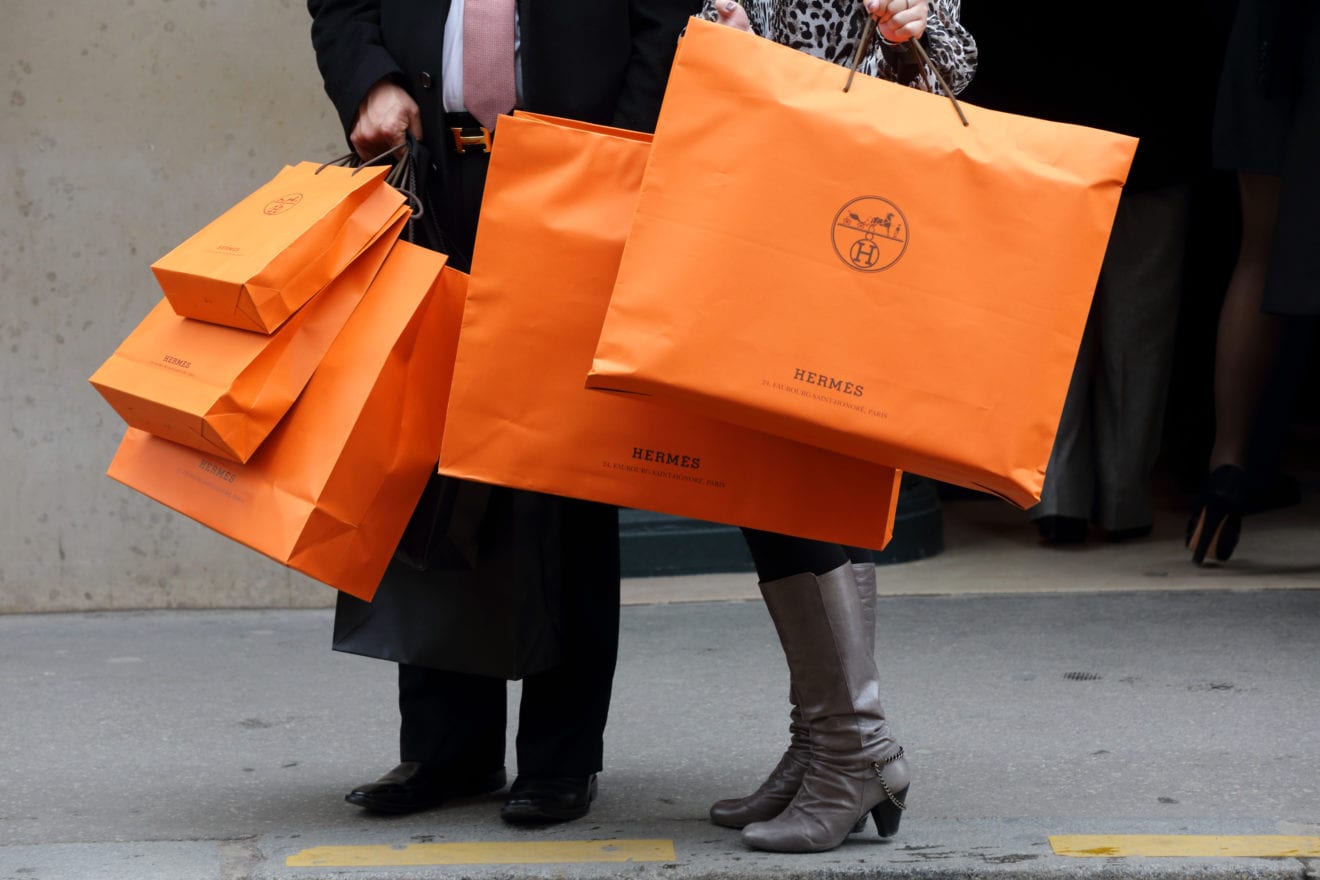
    In its fourth year of running a top employers list for France, Glassdoor has seen several companies — like Thales and Airbus — make a reappearance over the years. This December however, the company that’s been hailed as the best place to work for 2019 is a newcomer to France’s list: fashion designer Hermes.

    It’s fair to say that France is renowned for its luxury brands, yet Hermes is the only group from this field to make it into this year’s top 10, with Louis Vuitton and L’Oreal coming in at 11 and 16 respectively.

    Instead, a few other industries fill the top 10, including transportation and retail.

    To compile, Glassdoor assessed the input that workers give when offering feedback, in addition to recent ratings, which are on a scale from 1 to 5.

    The top 10 firms found in this Glassdoor list surpassed the average global rating of 3.4; with each group receiving a figure of 4.2 or higher.

    Below are the top 10 firms for this year’s ranking.

    10. Amazon

    Coming in at number 10 is e-commerce titan Amazon.

    With a global workforce of more than half a million, Amazon is renowned for its job creation with the e-commerce group stating that in the past five years, it’s created over 125 jobs every day in the States alone.

    While office perks vary from country to country, some benefits mentioned include access to medical care and career development programs.

    9. Leroy Merlin

    Another retailer that’s winning over workers as well as consumers is French-headquartered Leroy Merlin.

    The DIY group’s operations are featured in about a dozen countries, with 100,000 staff members employed to keep the retailer functioning around the clock.

    Having placed on Glassdoor’s “Best Employers” for France since the survey began in 2016, the retailer attributes one reason why it remains popular among employees, is that it sees people as the “central resource” of the business.

    8. Thales

    Moving up from last year’s no. 24 spot, Thales is all about being a responsible leader in the transport, security and defense spheres.

    While Thales has attributed “acting responsibly” as a crucial quality to its long-term success, it’s not the only qualities it aims to foster.

    Inside the firm, Thales is dedicated to supporting its staff, through promoting diversity, team collaboration and career development — it even has an in-house university to support employees through any part of their profession.

    7. AUTO1 Group

    From its small beginnings in 2012, AUTO1 Group has now become Europe’s leading car trading platform with its operations taking place in over 30 countries.

    Inside the company, more than 3,500 people from over 55 nationalities are employed — which AUTO1 attributes as one of its key strengths when it comes to keeping the company thriving on a financial level.

    6. onepoint

    When hiring, onepoint looks for talent that holds “cutting-edge skills, (a) strong commitment to the Group and an open frame of mind.”

    In return, onepoint dedicates a large amount of time on an employee’s first few weeks with its integration period strategy; which can include introducing them to partners, training and different teams.

    On Glassdoor, reviews indicate that the company offers an innovative atmosphere with a strong, upbeat culture.

    5. Saint-Gobain

    With more than 180,000 people hired worldwide, Saint-Gobain asks its large workforce to abide by five key values during each workday: to be agile, uphold the open and engaging culture, foster strong relationship with clients, constantly innovate and embrace their entrepreneurial abilities.

    In return, staff members have a range of work benefits on offer. In France, this can include personalized training and commercial discounts.

    4. Adrexo

    Making its debut in Glassdoor’s rankings for France, Adrexo is considered a leading private operator of advertising print in the country, having collaborated with the likes of McDonald’s and Haribo.

    Inside the firm, over 20,000 individuals in France have been employed by Adrexo and no matter what level they are at, the company wants to make sure it promotes each person’s leadership and entrepreneurial capabilities.

    3. Ubisoft

    The business that’s seen success from the likes of “Assassin’s Creed” and “Far Cry,” is winning over its employees as well as consumers.

    With more than 14,000 workers running its ship, Ubisoft is keen on hiring individuals who are innovative and ooze creativity.

    While game design is an important role at the videogaming firm, it’s not the only job in town, with Ubisoft offering a whole host of divisions including marketing, programming, finance and quality control.

    2. Criteo

    Last year’s winner Criteo has moved down to second place for 2019, yet the ad firm remains a top favorite — with employees applauding the staff who’ve been employed and the strong overall management seen, Glassdoor reviews reveal.

    From what began as a start-up in the mid-2000s, Criteo has now transformed into a business with dozens of international offices and several “success stories,” such as partnering up and helping the likes of Office Depot, Sephora, and Microsoft.

    1. Hermes

    When people think of this high-end luxury brand, the iconic, top-dollar Birkin bag often comes to mind. Yet that’s not the only product on offer at Hermes.

    The luxury group sells jewelry, fragrances, watches, accessories and more to customers across the globe, both in brick-and-mortar stores and online.

    Inside this designer world, over 12,000 people work hard to keep the brand running at full speed and are hired to keep true to its values: high standards and authenticity, imagination and daring, elegance and simplicity.

  • New Hanoi taxi merger to fight Grab on the streets

    New Hanoi taxi merger to fight Grab on the streets

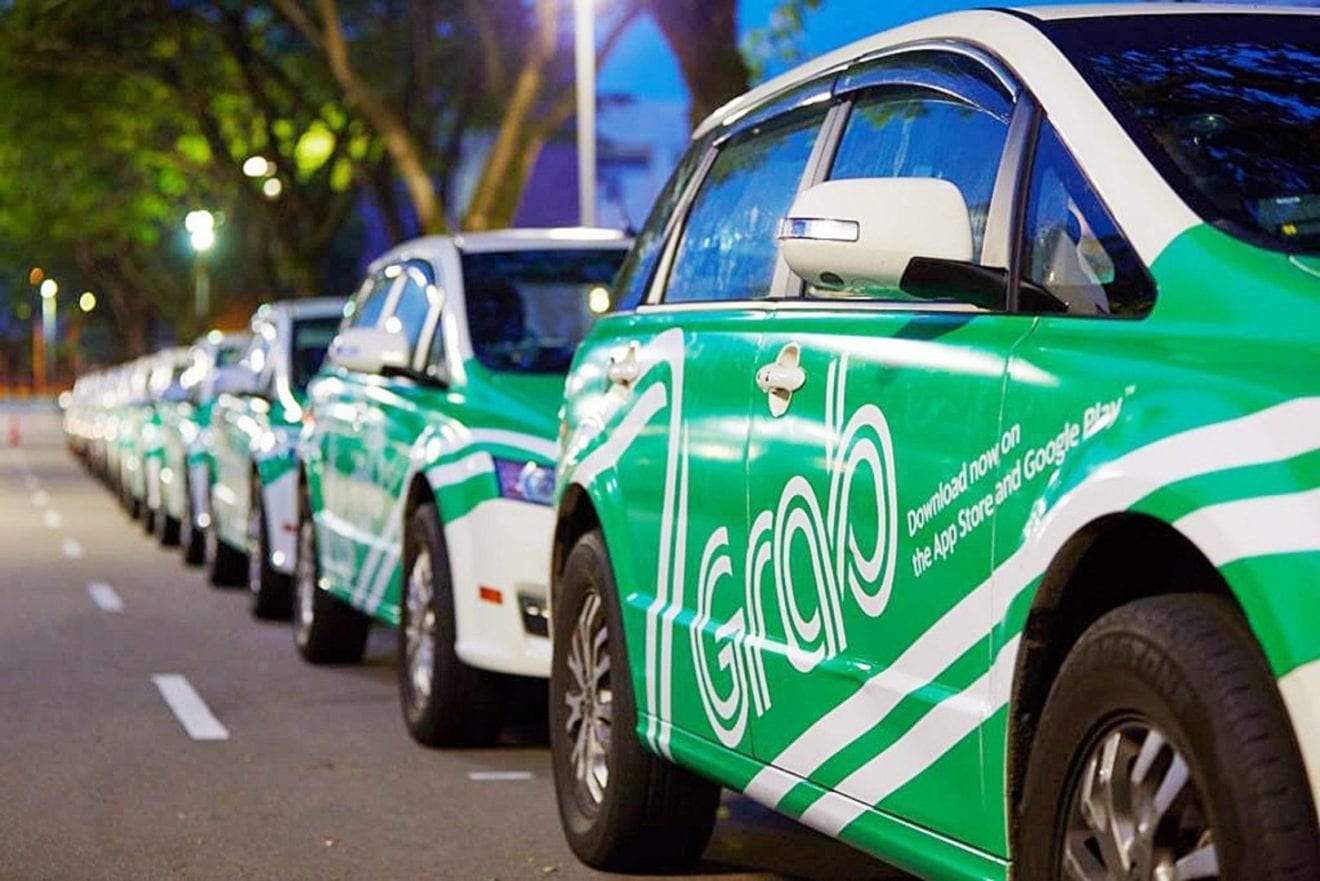
    Three Hanoi operators have banded together to create the largest taxi business in the capital and compete with Grab. The union, named G7 Taxi, has been able to undercut the fares of Grab, at least over short distances, and it may be looking to bring still more players into its group.

    G7 was formed in October by Thanh Cong, Ba Sao, and Sao Hanoi. Together, they have about 3,000 cars, accounting for around 20 percent of taxis in the Hanoi area.

    The G7 base fare is VND9,900 (43 U.S. cents) for the first one km, while Grab charges VND20,000 (86 U.S. cents) for the first two km.

    The entrance of the new brand is expected to increase competition between traditional taxis and raid hailing firms like Grab.

    Earlier, Nguyen Cong Hung, chairman of the Hanoi Taxi Association, had said: “Traditional taxis, each with their own app, are now trying to compete with Grab. But we are divided, therefore we need to unite.”

    Before Thanh Cong, Ba Sao, and Sao Hanoi teamed up, annual sales at the three companies had declined by 10-15 percent on average over the past few years.

    The number of taxi companies in Hanoi has also fallen down to 70 taxi now, from 115 in 2010.

    Joining the fight

    The taxi trio is not alone in pushing back against the ride-hailing industry.

    In March, southern taxi firms ComfortDelgro Savico and Vinataxi had merged with the same purpose.

    Vinataxi, the third largest taxi firm in HCMC, was confident the merger would increase its growth six-fold this year.

    Mai Linh, Vietnam’s No. 1 taxi operator, has developed a smartphone app similar to that of Grab. Meanwhile, second-ranked Vinasun has launched a ride-hailing service using Facebook’s Messenger app, enabling customers to hail cars and make complaints and requests directly, much like Grab.

    But Grab, the dominant player in the ride-hailing business in Vietnam, is also working on strategies to compete better with local taxi firms.

    Several months ago, it introduced Grab for Business in Vietnam, a service that helps a company track the trips its employees make to limit unnecessary trips and control expenses.

    Grab is also deploying various policies to attract drivers by offering bonuses and opening stops with free wifi and coffee.

  • KKR to acquire significant stake in V3, TWG Tea

    KKR to acquire significant stake in V3, TWG Tea

    Private equity company KKR is to invest as much as S$500 million (US$366 million) into V3, the parent of cafe chain TWG Tea and massage chair retailer Osim, to fund regional expansion. In a deal which mixes equity and financing, KKR will take an unspecified “significant stake” in V3, which is effectively valued at S$1.7 billion. V3 is the company which resulted from last year’s restructuring of once-listed Osim International after plans for an IPO were shelved.

    Keith Magnus, chairman of Evercore Asia, which advised V3 on the deal said that the investment by KKR represents a more than 50 per cent increase in enterprise value compared to when the group was taken private.

    “This is a phenomenal premium for [Ron] Sim,” said Magnus.

    Sim remains the chairman, chief executive and controlling shareholder of V3. Sim, who remains chairman, CEO and controlling shareholder of the business added in a statement: “I am extremely pleased to welcome KKR as a significant shareholder in V3. I am confident this investment will position the company for our next phase of growth, starting with the immediate expansion of TWG Tea in Japan and the US and of Osim in China.

    “We would also be looking into M&A opportunities that are earnings accretive.”

    V3 also owns the rights to retail GNC nutritional supplements in Singapore, Malaysia, the Philippines and Taiwan.

    Sim says V3’s revenue cleared S$600 million last year and profit was also up.

  • Hong Kong retail rent rises (too) fast

    Hong Kong retail rent rises (too) fast

    Prime Hong Kong street-shop rents rose 4 per cent in the first three quarters of this year, ahead of the up-to 3 per cent rise prediction by Savills a year ago. In a third-quarter real estate briefing released yesterday, Savills said shopping-centre retail rents, which Savills expected would fall as much as 5 per cent, have actually risen 2 per cent year to date.

    Savills expects prime Hong Kong street-shop rents and shopping centre rents will rise by about 2 per cent next year.

    “In the retail market, despite the headwinds of a weaker RMB, more competition from regional cities and elevated new supply in the New Territories, rents will rise modestly,” the company predicted.

    “New infrastructure in the form of the High Speed Rail Link and the Macau Bridge will improve accessibility for mainlanders, while domestic consumption expenditure is expected to remain reasonably robust. Online retail continues to make limited gains in the Hong Kong market.”

    Savills said prime street shops proved the only real estate category in Hong Kong to post a decline in sale value on a per square foot basis, falling 3 per cent – a stark contrast to the 10-12 per cent rise in flatted factories and warehouses, and 8 per cent rise in luxury apartments.

    The company predicts prices for prime high street shops are likely to fall by up to 5 per cent next year.

  • Vietnam Airlines eyes stock market listing in 2019

    Vietnam Airlines eyes stock market listing in 2019

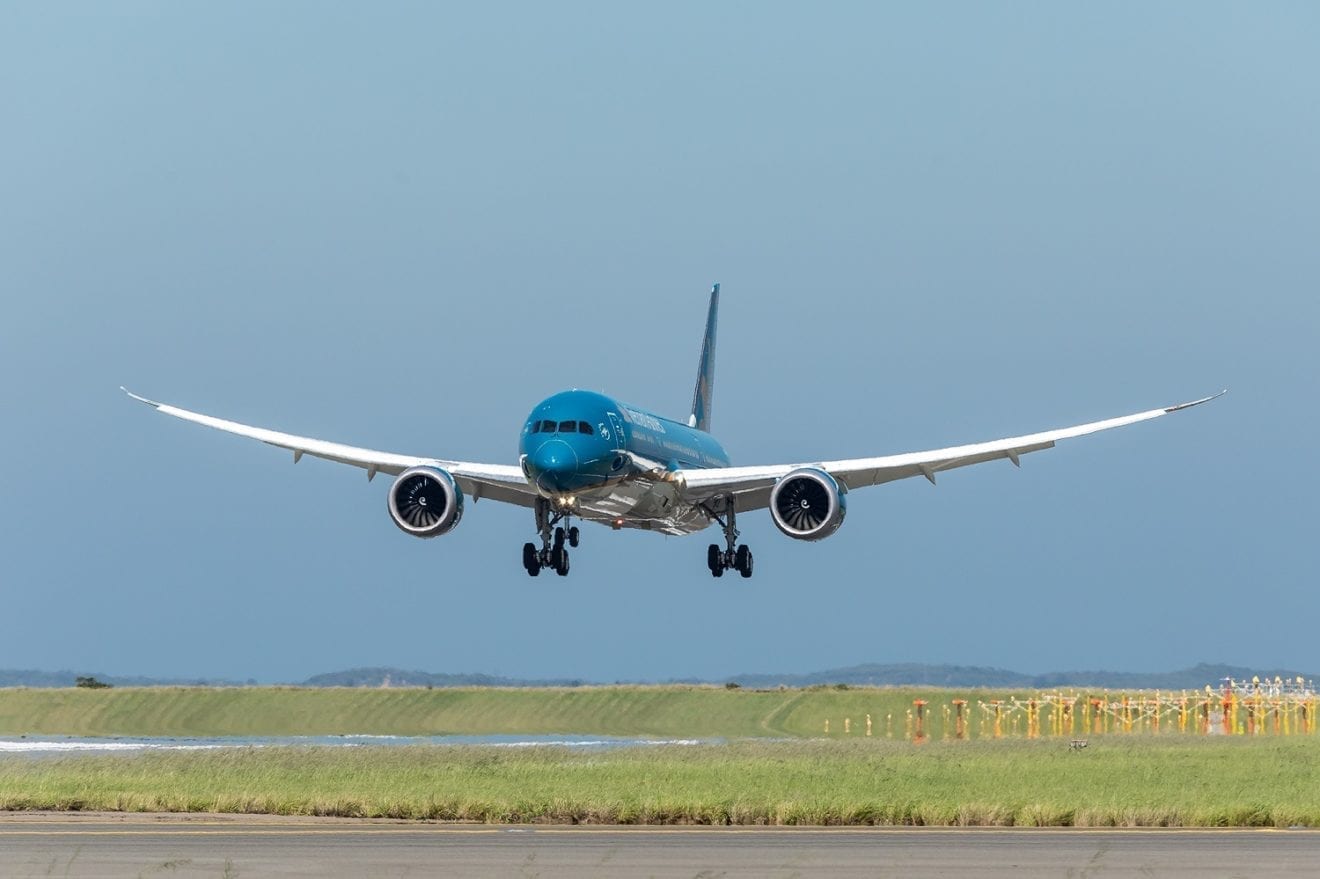
    Vietnam Airlines plans to list its shares on the Ho Chi Minh City Stock Exchange next year amidst rising competition of low-cost carriers. “Vietnam Airlines will go public in the first quarter of next year,” its chief executive, Duong Tri Thanh said. “We are making our target the first quarter of next year, and I think it is feasible.”

    But he admitted the final decision rests with the government.

    The carrier’s shares are traded on Hanoi’s Unlisted Public Company Market (UPCoM) and it has a market capitalization of more than $2 billion.

    The government currently owns around 86 percent of Vietnam Airlines, but has said it wants to reduce this to 51 percent by 2020.

    The country’s largest airline by passengers carried now faces rising competition from budget carrier VietJet Aviation and others. Last month Vietjet became the second most valuable airline in Southeast Asia by market cap behind only Singapore Airlines.

    With the domestic market showing signs of saturation, Vietnam Airlines seeks to expand overseas. In October it started a daily service from central Da Nang City to Osaka City to add to the 70 weekly flights from Vietnam to Japan. In 2020 it plans to begin a direct service to the U.S.

    Vietjet launched a daily service from Hanoi to Osaka last month to take its total number of international routes to 64 in 11 countries. It plans to add two more routes to Japan by next month.

    Other airlines are also jostling for market share. Bamboo Airways, Vietnam’s newest airline, received a license last month and is set to make its maiden flight on December 29.

    Experts said the listing of Vietnam Airlines would allow it to compete with other carriers by attracting more investors.

    “This would be a major Vietnamese company joining the stock exchange, which would interest international investors and potentially enable Vietnam Airlines to raise funds more easily to compete with the likes of VietJet and Bamboo,” the Financial Times quoted Tony Foster, a partner at Hanoi law firm Freshfields, as saying.

    Vietnam’s international aviation market, driven by the rapid growth in tourism, has been expanding at more than 30 percent a year, according to the CAPA Centre for Aviation, an Australian consultancy.

    Vietnam welcomed 14.1 million international tourists from January to November, up 21.3 percent year-on-year, according to the General Statistics Office. As many as 11.4 million of them came by plane, up 15.3 percent, it added.

    Vietnamese carriers transported 45.1 million passengers between January and November, up 11.9 percent year-on-year, and 369.2 million tons of goods, up 18.6 percent, according to the General Statistics Office.

    There are five carriers in Vietnam: Vietnam Airlines, Vietjet Air, Bamboo Airways, Jetstar Pacific and VASCO. Vietnam Airlines owns VASCO and has a 70 percent stake in Jetstar Pacific.

  • Zomato India to expand food delivery business to 100 cities

    Zomato India to expand food delivery business to 100 cities

    Online restaurant guide and food ordering firm Zomato on Friday said it is expanding food delivery services to 100 cities over the next week.

    The company’s food delivery services are currently present across 93 cities and lists over 75,000 restaurants on the platform, Zomato said in a statement.

    “… the food delivery business is ramping up really well with the growth in main markets, as well as the reception in tier II tier III cities,” Deepinder Goyal, Founder and CEO, Zomato said.

    Founded by Goyal and Pankaj Chaddah in 2008, Zomato is a restaurant search and discovery platform providing in-depth information for over 1.4 million restaurants across 24 countries and serves more than 50 million users every month.

  • Vingroup’s smartphone launched soon

    Vingroup’s smartphone launched soon

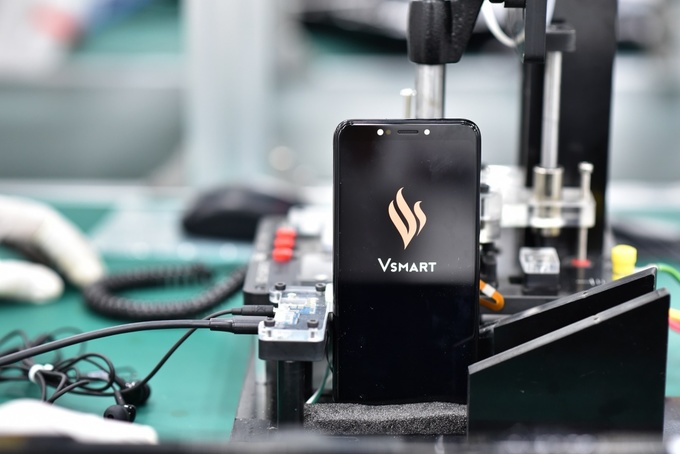
    Vietnam’s largest private conglomerate, Vingroup, will introduce its first smartphones on December 14 as part of its tech expansion. The company will launch four new models under the brand name “Vsmart,” at the Landmark 81 skyscraper in Ho Chi Minh City.

    The phones are produced at Vingroup’s factory in the northern city of Hai Phong, which is capable of making five million phones a year in its first phase of operations, a Vingroup statement said.

    The company will utilize Spanish experts for product development as it owns 51 percent of Spanish technology firm BQ.

    “We hope that Vsmart phones, alongside VinFast cars, will contribute to the development of Vietnam industry and bring Vietnamese brands to the world,” said Nguyen Viet Quang, vice chairman and chief executive officer of Vingroup.

    Vingroup became the country’s first full-fledged domestic car maker two months ago, introducing three new car models. In June, it established the VinSmart Co. to produce smartphones and other smart electronic devices with a registered capital of VND3 trillion ($131.54 million).

    VinSmart is also working with Qualcomm and Google’s Alphabet Inc to “update to the most advanced technology in the smartphone sector,” the statement said.

    The company will be the newest phone maker seeking success in Vietnam, a country of 95 million people. The market is currently dominated by Samsung and Apple phones. Vietnam is the largest smartphone production base for Samsung Electronics.

    Vingroup said its VinSmart factory will also produce smart TVs and other smart products in the future.

  • KFC Thailand benefits from transforming franchise model

    KFC Thailand benefits from transforming franchise model

    Fast-food restaurant chain KFC Thailand is on track to achieve double digit year-end sales growth since transforming itself into a 100-per-cent franchised model, exceeding business expectations.The largest restaurant chain in Thailand is also set to accomplish a record high of 75 new outlet openings this year, 39 per cent above target and pushing the total number of outlets in Thailand past 700, including 65 drive-through branches.

    GM for KFC, Yum Restaurants International (Thailand) Waewkanee Assoratgoon said Yum Thailand has successfully transformed itself into a 100-per cent franchisor business in only one year.

    “Our organisation is now in a good shape with an effective structure so that we can expect the most efficiency within the entire business operation.”

    KFC Thailand franchise operator Yrit secured the No 1 position and top-of-mind QSR brand as surveyed by Thai business magazinesMarketeer and Brandage, as well as picking up awards for social media penetration.

    Thailand is KFC’s eighth largest international market.

  • Biggest car rental company heading to Vietnam

    Biggest car rental company heading to Vietnam

    Vietnam is the first stop for Enterprise Rent-A-Car in Asia, after 85 locations in Europe and the Americas. The world’s largest car rental servicer, Enterprise Holdings, recently announced that its Enterprise Rent-A-Car service is now available in Vietnam. The move is part of Enterprise Holdings’ goal to expand its car rental services across the Asia Pacific region.

    Enterprise Rent-A-Car will operate in Vietnam through its Vietnamese franchise partner MP Logistics.

    Cuong Dang, general director of Enterprise Rent-A-Car Vietnam, said the company currently has 300 rental cars, from 5 to 47 seaters, available in Ho Chi Minh City. The service is scheduled to be expanded to Hanoi and central Da Nang City in the first quarter of 2019.

    Rent-A-Car’s initial strategy will be to grow a base of corporate customers, foreign employees of multinational companies with operations in Vietnam. The initial emphasis will be on long-term rentals with a chauffeur.

    Later, it will expand its services to include short-term, chauffeur-driven options, self-drive rentals and leisure hire at popular tourist destinations likes Da Nang.

    Cuong said he believes that there is great demand in Vietnam’s car rental market but inadequate supply, and that in the future, this market will thrive.

    There are two reasons Vietnam’s car rental market will grow, he said.

    First, FDI growth will be maintained for the next 10 years, which will attract an increasing number of foreign workers.

    Second, the middle class is seeing strong growth. The younger generation does not accord much priority to saving to buying luxurious cars and big homes, but tend to pay more attention to quality of life and experiences, and as such would be more willing to rent cars.

    However, Cuong noted that the Rent-A-Car model brought to Vietnam would take longer to recoup capital and profits than in the U.S.

    “The price of buying a car in Vietnam is twice that in the U.S., but the rental price is the same in both markets, so the business risk will be higher,” Cuong said.

    Todd Prister, regional director for the Enterprise Franchise Asia-Pacific said that the company is excited about the potential of Vietnam’s economy.

    “Vietnam not only has one of the highest growth rates in the world as well as attractive business markets, but also is a prominent destination in Southeast Asia. Combining these factors, Vietnam will be a brilliant opportunity for us,” said Todd.

    Enterprise is the largest car rental company in the U.S. and is the 13th largest private enterprise in the country.

    Todd Prister said Enterprise is also the largest car rental company in the world in terms of vehicles owned, employees and sales.

    The company is present in 85 countries, 10,000 locations, owns over two million vehicles and has an average annual turnover of about $22 billion.

  • Malaysia Airlines’s progress in line with recovery plan

    Malaysia Airlines’s progress in line with recovery plan

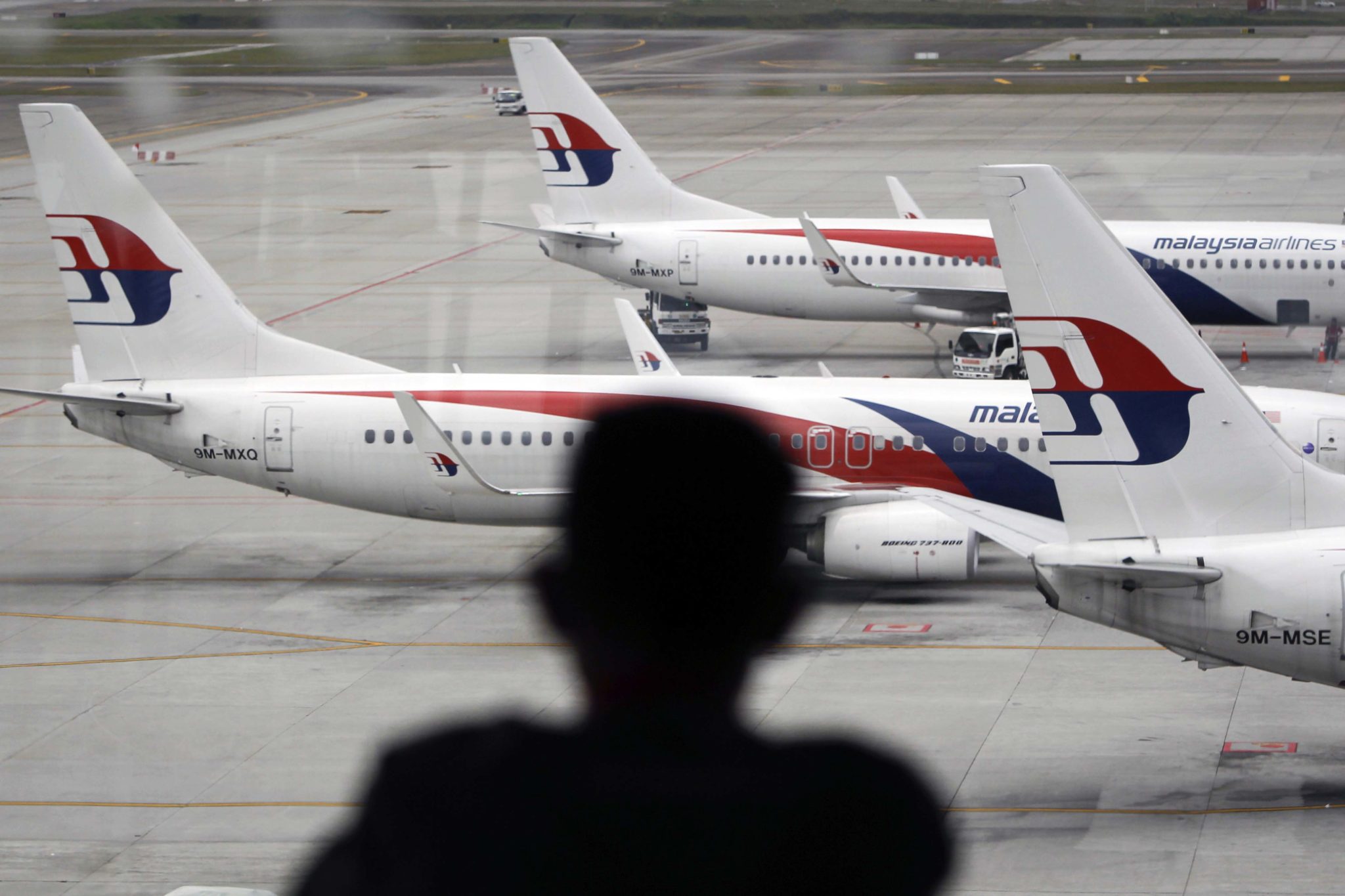
    Although relatively little is being said and publicised about Malaysia Airlines Bhd’s (MAB) recovery plan, a substantial amount of progress has actually been achieved in its business operations in line with the plan, which aims to revive the country’s national carrier and sustain its profitability.

    Group CEO Captain Izham Ismail said improvements in terms of cost base, productivity, information technology (IT) systems and customer experience were among the achievements chalked up by the company, thanks to the five-year Malaysia Airlines Recovery Plan.

    In an interview with Bernama, he said plans had been put in place to address the airline’s performance going forward and this had yielded improved performance for the first half of this year.

    The airline performed stronger in the first six months of this year than in the same period of 2017, adding that the key focus for the airline in financial year 2018 included driving revenue.

    “This will be underpinned by continuous improvement in customer experience, product quality and operational excellence while maintaining a productive and competitive cost base,” he said.

    According to Izham, MAB’s cost base has been significantly changed to bring it in line with its peer network airlines.

    As of today, the group has one of the lowest cost bases among its peer network airlines on a cost per available seat kilometre basis.

    The company has also seen material gains in productivity with a more competitively sized workforce, which is further complemented by a commitment towards continuous talent development.

    “A stronger local talent pool has now been established,” he said.

    On the group’s IT system, which is an integral part of overall airline operations, Izham said the complete overhaul had now been completed.

    He said the new Passenger Service System and migration to a cloud-based data centre had improved reliability and cyber security, as well as enhanced agility and better time-to-market.

    He said customer experience had also improved with market-driven metrics based on the company’s customer survey and net promoter measures showing significant positive gains over the last two financial years.

    On the operational front, Izham said the supply chain in engineering had been significantly tightened, which had helped the airline’s on-time performance, although it was still impacted by external factors beyond its control.

    “Since the set up of NewCo (MAB, which took over the operations, assets and liabilities of Malaysian Airline System Bhd or MAS) in 2015, we are showing progress and have recorded a double-digit compound annual growth rate growth (of 21%) over the last three years.

    “That is improvement straight to the bottomline,” he explained.

    MAB managed to record “steady year-on-year (y-o-y) performance” in the second quarter of 2018, with a marginal yield improvement, while revenue per available seat kilometre remained steady with a growth of 2% y-o-y.

    Going forward, Izham said MAB would continue to focus on the customer while making sure to deliver a strong schedule and great service for its customers.

    The airline also aimed to build a diverse Asia-Pacific network with a simplified fleet structure and operations to ensure consistency, and removing complexity in service delivery as well as pursuing a gradual and progressive growth strategy across markets, he said.

    Commenting on Khazanah Nasional Bhd’s plan to relist the national carrier as part of the recovery plan sometime from now until 2020, he said “the plan has always been to re-list Malaysia Airlines”.

    “We are working hard to stabilise the company and return it to profitability before any initial public offering plans can be considered,” he added. Khazanah owns 100% equity interest in MAB.

    In 2014, the sovereign wealth fund had injected investments amounting to RM6 billion to support the airline’s five-year turnaround plan with the aim of returning MAB to profitability by late 2017 and to relist the company by 2018 or 2019.

    Khazanah de-listed MAS from Bursa Malaysia on Dec 31, 2014.

  • Vietnamese government will share risks with startups, PM assures

    Vietnamese government will share risks with startups, PM assures

    The Vietnamese government is willing to make changes in regulations to facilitate timely funding of startups, Prime Minister Nguyen Xuan Phuc said. Addressing at the Youth Startups Forum 2018 in Hanoi on Thursday, he acknowledged the challenges that Vietnamese startups have highlighted, saying that it is the task of authorities to find a breakthrough solution for creative entrepreneurs to start and run a business.

    He asked the Ministry of Planning and Investment, the Ministry of Science and Technology, the Ministry of Finance and the State Bank of Vietnam to create more favorable conditions for startups by making changes in the legal framework.

    “We need a breakthrough innovation in policies from government bodies to help startups succeed with their ideas,” he told the forum, which attracted 300 entrepreneurs from across the country.

    The government is willing to share a part of the risks with startups, the PM added.

    He asked relevant ministries and other agencies to report in detail next month on the solutions they have identified for the problems that industry insiders have highlighted.

    Vietnam has seen an increasing number of startups in recent years. The country’s speed of startup development ranks third among ASEAN members. But regulatory obstructions are hindering their ability to attract funds they need to establish themselves and thrive in the market, entrepreneurs said at the forum.

    Thach Le Anh, founder of Vietnam Silicon Valley, a government-backed organization aiming to stimulate the growth of startups, said that angel investors are reluctant to invest due to a lack of incentives in tax and policies. Angel investors are people who inject money into a new business in the early stage.

    The early financial support is crucial for a startup to succeed, Anh said.

    Nguyen Manh Dung, a representative of the investment fund CyberAgent Veuntures in Vietnam, also said that many investors want to invest in Vietnam’s startups, as larger markets like the U.S., Japan and China require bigger capital and fewer opportunities.

    Investors are also reluctant about later stage investments, when profits can be extracted, because of slow administration procedures, he said.

    Disbursement procedures in Vietnam could take from six months to a year while the very nature of startups is that they need to act fast, he added.

    Dung also said that divestment was one the main concerns that investors have.

    “These challenges take opportunities away from startups,” he said.

    Dam Quang Thang, CEO of AgriTech Village, a company which assists local startups in agriculture, said that although startups often use new technological solutions, they have to go through a traditional testing method, which is more time consuming than it should be.

    A representative of Vietinbank, Vietnam’s fourth-biggest listed bank by market capitalization, said tight bidding procedures and long financial checks were preventing the bank from investing in a tech startup.

    “Startups struggle to sell their products to investors as they have to go through the traditional process. There must be a better way for them to sell their new solutions,” the representative said.

    Last year, Vietnamese startups received $300 million in investments in 92 different deals, according to startup accelerator program Topica Founder Institute (TFI).

  • Restructuring continue benefits 7-Eleven Malaysia

    Restructuring continue benefits 7-Eleven Malaysia

    New store openings are maintaining a modest 7-Eleven Malaysia sales growth rate – but improved margins are driving solid profit improvement. The listed convenience store operator released its third-quarter results on Friday, which showed third-quarter sales growth of 1 per cent and year-to-date growth of 1.3 per cent. But net profit was up 4.1 per cent for the quarter and 13.3 per cent year to date.

    CEO Colin Harvey said net profit grew 27.6 per cent quarter on quarter.

    “However, this is only the first step in the right direction towards where the organisation should be, and there is scope for improvement. I am confident that our strategy roadmap focussed on strengthening the key areas of, assortment, supply chain, operational excellence, store base, and digitally enabling the organisation will bear fruit in terms of financial performance, and overall customer shopping experience.”

    He said the group’s net revenue of RM1.66 billion year to date was driven by growth in new stores and consumer promotion activity.

    Continued store expansion has taken the network to 2259 stores.

    7-Eleven Malaysia expects trading conditions for the next quarter to improve with the anticipated heightened consumer sentiment.

    “We expect to see further improvements in the next quarter by pursuing our core strategy pillars of operations excellence, cost management and commercial innovation,” the company said.