Tag: Company

  • CapitaLand forms JV to acquire prime CBD in Shanghai for RMB2.75 billion

    CapitaLand forms JV to acquire prime CBD in Shanghai for RMB2.75 billion

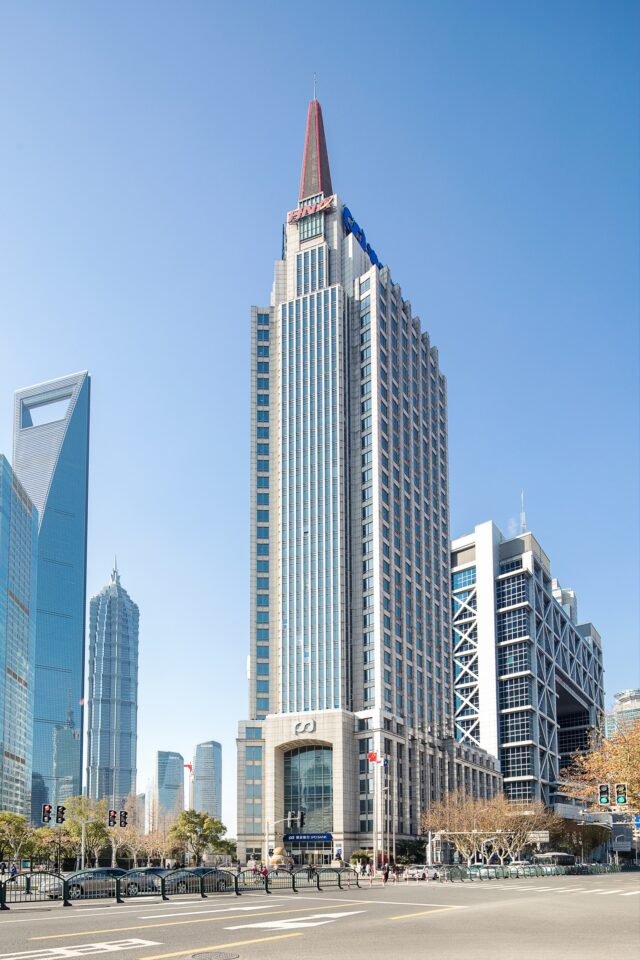
    CapitaLand has formed a 50:50 joint venture with an unrelated third party to acquire approximately 70% of Pufa Tower in Shanghai, China, for RMB2,752 million (about S$546.3 million). The operational office property has been identified as a seed asset for a value-add fund which CapitaLand is setting up to invest in commercial real estate in key gateway cities in Asia. The acquisition also marks the Group’s first office property in Shanghai’s core Lujiazui central business district (CBD) in Pudong New Area.

    Pufa Tower is 34-storey tall with three basement levels of car park. Post transaction, CapitaLand and its joint venture partner will own levels 8 to 19 and levels 21 to 32 with a total gross floor area (GFA) of 41,773 square metres (sq m), as well as 61 car park lots with property title. Pufa Tower’s ground floor lobby and refuge floor on level 20 are co-owned with Shanghai Pudong Development Bank, which owns the rest of the building.

    Lujiazui CBD, where Pufa Tower is located, is Shanghai’s most coveted office location for financial and professional services companies. With an unabating demand for office space and limited new supply, Lujiazui CBD commands the highest office rents in the city. In view of a sharp decline in Pudong’s office supply from 2019, office rents in Lujiazui CBD are expected to continue trending upwards over the next few years.
    Mr Lucas Loh, President (China & Investment Management), CapitaLand Group, said: “We are pleased to enter Shanghai’s core Lujiazui CBD soon after securing our third Raffles City development in the city. Shanghai is the top investment destination in China, with strong end-user demand for commercial properties. The acquisition of Pufa Tower, an operational asset, will immediately contribute to the Group’s recurring income. It will also strategically diversify CapitaLand’s commercial portfolio into a key CBD to capture new growth, while entrenching the Group’s leadership as the foreign developer with the largest portfolio under management in Shanghai.”

    Mr Loh added: “Continual high demand for quality commercial properties in China’s top tier cities, coupled with low supply, have made the renewal of ageing commercial assets a compelling investment strategy in these markets. Pufa Tower is a prime asset to be seeded into the commercial value-add fund we are raising. We see significant potential in enhancing its asset value by upgrading specifications, tenant mix and improving operational efficiencies. By tapping on third party equity, we are driving capital efficiency to provide CapitaLand with the financial impetus to further accelerate our growth.”
    2

    Mr Puah Tze Shyang, Chief Investment Officer, CapitaLand China, said: “Pufa Tower has not had a major renovation since its completion in 2002. While the building is properly maintained, the interior finishes offer room for improvement. After acquisition, we will focus on extracting greater value from the property through a comprehensive asset enhancement initiative. Leveraging CapitaLand’s asset enhancement capabilities and track record, we are confident of rejuvenating Pufa Tower in ways that will increase and maximise the efficiency of this well-located property.”

    With more than 1,300 multinational companies headquartered in Shanghai, the city continues to power ahead as China’s financial and business centre. In 2017, Shanghai became the first Chinese city to top GDP of RMB3.0 trillion1, of which contribution from Pudong accounted for about 30%2. The continual expansion of Shanghai’s financial sector is expected to drive the demand for prime office space in Pudong2.

    Including this latest acquisition, CapitaLand now owns/manages 21 commercial properties in Shanghai that span close to 1.9 million sq m in GFA. Shanghai is part of the five core city clusters under CapitaLand’s China strategy, which comprises Beijing/Tianjin, Shanghai/Hangzhou/Suzhou/Ningbo, Guangzhou/Shenzhen, Chengdu/Chongqing/Xi’an, and Wuhan.

    In 2018, CapitaLand actively reconstituted its portfolio to enhance its readiness to seize new growth opportunities. During the year, CapitaLand divested close to S$2 billion worth of assets in China, including a group of companies that held 20 non-core retail assets. CapitaLand subsequently redeployed the capital into a mixed-use site Chongqing, one mixed-use site and two residential sites in Guangzhou, as well as a stake in Shanghai’s tallest twin towers – the Group’s third Raffles City development in the city – through Raffles City China Investment Partners III.
  • The Coca-Cola Company completes acquisition of Costa

    The Coca-Cola Company completes acquisition of Costa

    The Coca-Cola Company has announced that it has completed the acquisition of Costa Limited from Whitbread PLC. The US$ 4.9 billion transaction follows approval from regulatory authorities in the European Union and China. The acquisition was first announced on August 31, 2018. Costa, which has operations in more than 30 countries, gives Coca-Cola a significant footprint in the global coffee business. Worldwide, the coffee segment is growing 6 percent annually. Costa has a scalable platform across multiple formats and channels, from the existing Costa Express vending system to opportunities to introduce ready-to-drink products.

    “We see great opportunities for value creation through the combination of Costa’s capabilities and Coca-Cola’s marketing expertise and global reach,” said James Quincey, CEO of The Coca-Cola Company. “Our vision is to use the strong Costa platform to expand our portfolio in the growing coffee category.”

    “We wish our friends and colleagues at Costa all the very best for their future success,” said Alison Brittain, Whitbread Chief Executive. “Whitbread acquired Costa 23 years ago, when it had only 39 shops. Costa has grown to become a leading, international coffee brand, and Coca-Cola is the right partner to take Costa to the next stage of expansion.”

  • South Korean convenience store openings slow down

    South Korean convenience store openings slow down

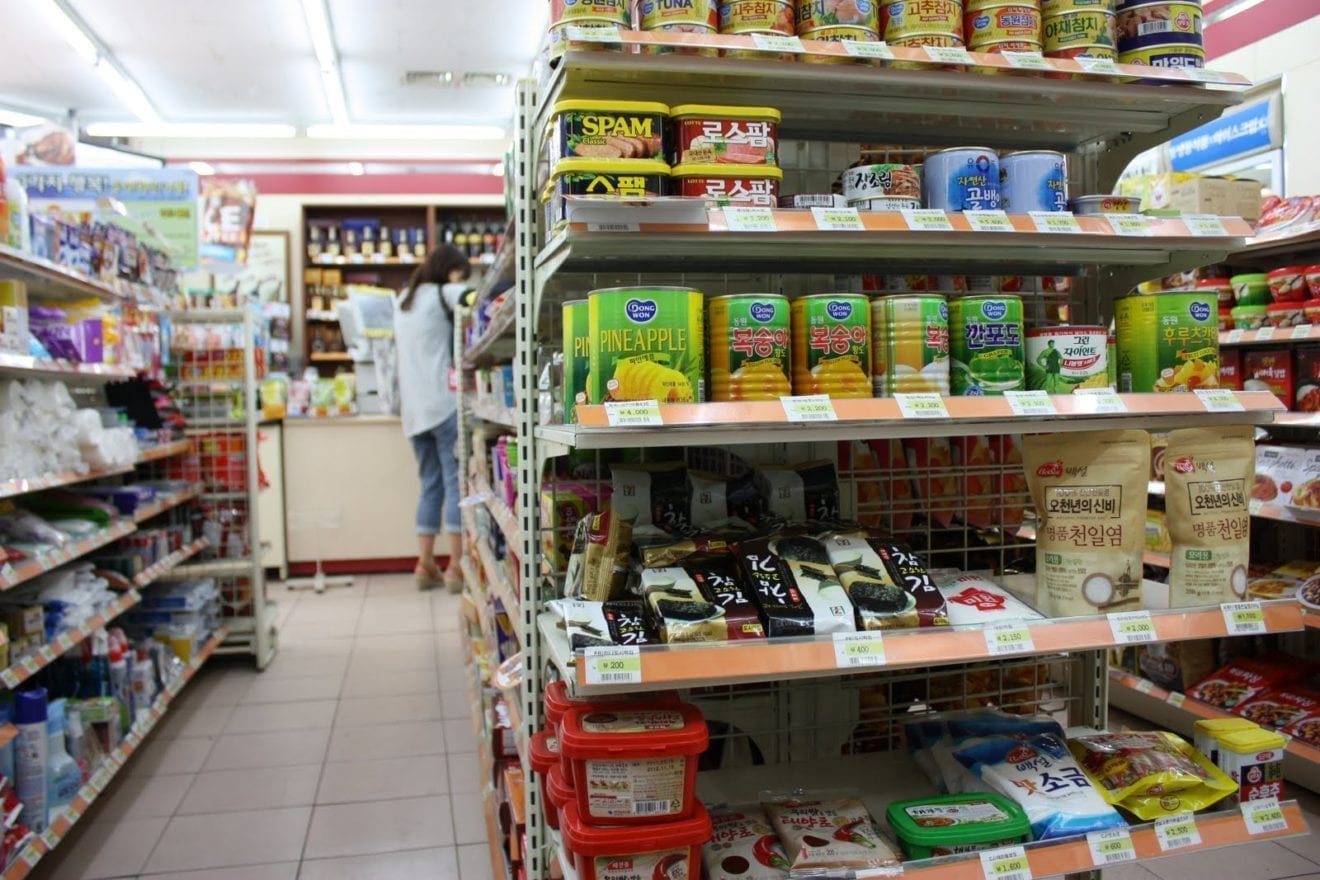
    South Korean convenience store openings in South Korea fell last year, according to industry data. Thought to be the effect of increasing labour costs and market saturation, the slowdown has manifested amongst several industry operators – including BGF Retail’s CU, which opened 980 fewer stores than the previous year’s total of 1646; and GS25, which opened 1023 fewer stores last year after launching 1701 outlets in 2017.

    A government advisory to chain stores to maintain more of a distance between competing branches signals a likely continuation of the downward trend, as well as new laws mandating higher levels of paid leave to staff and a higher minimum wage. The same pressures have seen 19 per cent of convenience stores closing at night rather than operate 24 hours, compared with 10 per cent in 2017.

    A statement issued by CU said that the firm is prioritising profitability of existing stores over opening new locations.

  • Singapore company seeks to increase stake in Vietnam’s largest dairy firm

    Singapore company seeks to increase stake in Vietnam’s largest dairy firm

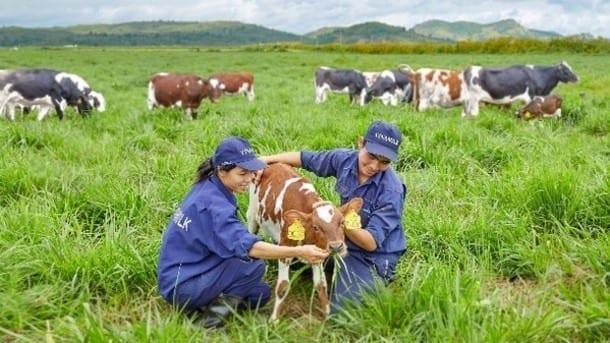
    A Singaporean shareholder in Vinamilk is seeking to increase its stake in Vietnam’s largest dairy firm. Jardine Cycle & Carriage Ltd has registered to buy 17.41 million shares between January 9 and February 7 through its wholly-owned local subsidiary, Platinum Victory, which will enable it to increase its ownership in Vinamilk from over 10 percent to 11.62 percent.

    At a proposed price of VND125,000 ($5.38) per share, the transaction will be worth VND2.17 trillion ($94.42 million).

    Last year Jardine, Vinamilk’s third largest shareholder, had registered on six different occasions to buy 14-17 million shares to increase its stake to above 11 percent, but was unsuccessful due to unfavorable market conditions.

    It first bought a 3.3 percent stake in Vinamilk in November 2017. Within a month it raised its ownership to over 10 percent.

    In April last year a representative of Jardine’s parent company, Jardine Matheson, became a Vinamilk board member.

    Hong Kong-based Jardine Matheson is one of Asia’s biggest conglomerates with interests in luxury hotels, motor vehicles, property, food retail, transport financial services, and agribusiness and revenues of almost $16 billion in 2017.

    F&N Dairy Investments, a subsidiary of Singapore-based Fraser & Neave Ltd, which is backed by Thai tycoon Charoen Sirivadhanabhakdi, owns a 17.31 percent stake in Vinamilk.

    Vietnam’s dairy industry reported revenues of more than VND100 trillion ($4.4 billion) in 2017, with Vinamilk commanding more than a 50 percent market share.

    According to a report by the EU-Vietnam Business Network, the market is expected to double in size by 2020 as the country’s population, personal incomes and dairy consumption increase.

  • Domestic, foreign e-commerce players should be treated alike: CUTS India

    Domestic, foreign e-commerce players should be treated alike: CUTS India

    The Government needs to create a level-playing field for both domestic and foreign e-commerce platforms through a comprehensive e-commerce policy, said Pradeep S. Mehta, Secretary General, CUTS International on Sunday. He noted that the current norms for the segment are applicable to foreign online retailers and this might create a discriminatory environment towards the domestic players.

    “The Government may not be wrong in its clarificatory policy on Foreign Direct Investment (FDI) in e-commerce, as it was a case of backdoor entry in multi-brand retail trade. But vital issues remain to be resolved to promote healthy economic democracy”, said Pradeep S Mehta, Secretary General, CUTS International.

    “However, the issue of creating a level-playing field between domestic and foreign players in retail sector is yet to be resolved, for which a comprehensive National E-Commerce Policy is need of the hour”, he said.

    The Department of Industrial Policy and Promotion (DIPP) recently had said that 100 percent FDI is permitted in the market place model of e-commerce and not in the inventory-based model or the multi-brand retail segment.

    The Commerce Ministry in December revised the FDI policy for e-commerce players whereby it barred online retail firms such as Amazon and Flipkart from selling products of companies in which they have stakes. It also prohibited e-tailers from mandating any company to sell its products exclusively on its platform only.

    Mehta said: “The new guidelines are stricter for e-commerce companies with FDI providing marketplace, but there are no such restrictions for companies without FDI.”

    He also observed that there is no need for a separate regulator for the e-commerce segment.

    “India does not need a separate regulator for e-commerce, which would be yet another parking place for retired babus who are generalists and turn into controllers.

    Most of the malpractices adopted by e-commerce platforms, for instance, discrimination among its vendors, deep discounts etc, can be dealt by the Competition Commission of India. If need be, the Competition Act, 2002 can be tweaked for which the process is going on,” he said.

    The Consumer Protection Bill, 2018, which is likely to be passed soon by the Rajya Sabha, also has specific provisions on e-commerce, he added.

  • Indonesia’s BRI Signs Partnership Agreement With Alipay

    Indonesia’s BRI Signs Partnership Agreement With Alipay

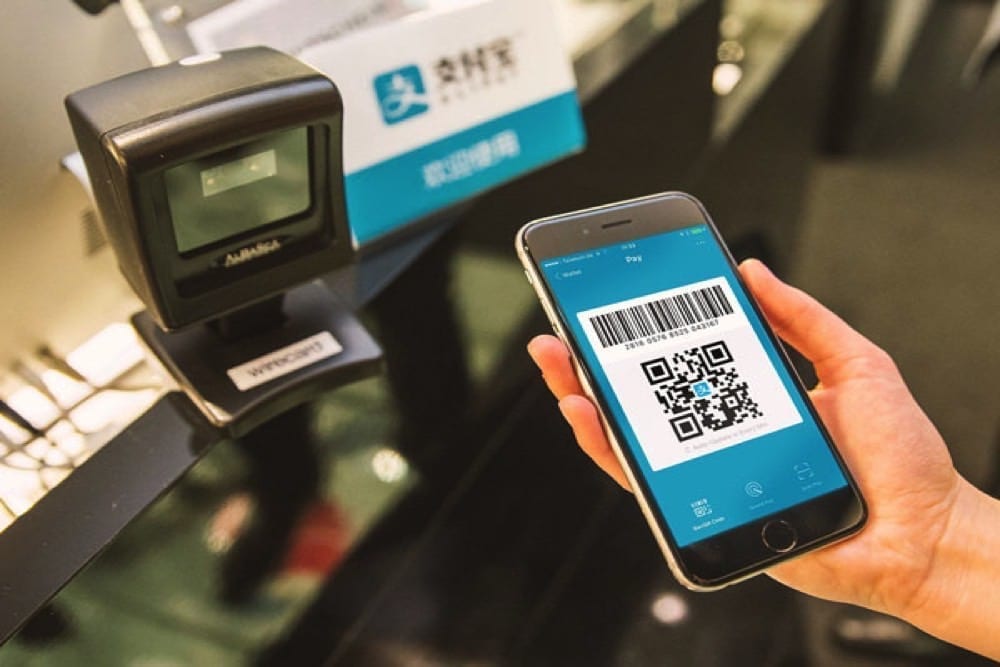
    Bank Rakyat Indonesia, Indonesia’s biggest state-owned lender, started the year with key strategic announcements, including an alliance with Chinese payment platform Alipay and plans to acquire a local insurance company and a small lender. BRI signed a memorandum of understanding with Alipay, a subsidiary of Chinese technology giant Alibaba, on Thursday to secure an opportunity to serve the growing number of Chinese tourists visiting Indonesia.

    “As China has its own payment system, we must be able to facilitate their [Chinese tourists’] needs. This move is aimed at supporting the country’s tourism industry,” Handayani, consumer director at BRI, said after an extraordinary shareholder meeting on Thursday.

    He said there are several matters that must still be discussed, including the acquisition of a permit.

    “We are currently integrating the business operation. We are now developing the IT system [for the service],” Handayani said, adding that the payment service will be launched in tourism areas, such as Bali, first.

    About 2 million Chinese tourists visited Indonesia between January and November last year, representing a 14 percent increase from the corresponding period in 2017.

    Insurance Company

    In addition to the partnership with Alipay, the lender has also set aside Rp 1.5 trillion ($105 million) this year to acquire an insurance company focused on covering property damage. BRI currently only has a life insurer, BRI Life.”This year, we want to have an insurance company. We are going to have a complete service in the financial industry,” BRI president director Suprajarto said.

    He said BRI was still observing the market and exploring several candidates before making a choice. The acquisition is slated for completion in the first half of this year, he added.

    Suprajarto said the acquisition of a general insurer would take precedence over the plan to acquire a small lender.

    This is because the Financial Services Authority (OJK) has asked BRI to acquire a lender in the categories BUKU I (banks with core capital below Rp 1 trillion) or BUKU II (banks with core capital between Rp 1 trillion and Rp 5 trillion).

    “It requires a large amount of funding, so we are now focusing on organic growth [instead of acquiring another lender],” Suprajarto said.

    BRI posted Rp 23.5 trillion in net profit in the first nine months of last year, which was 15 percent higher than the same period in 2017, thanks to a 17 percent surge in loan growth to Rp 809 trillion between January and September.

    BRI Appoints Deputy President Director

    BRI also announced the appointment of Sunarso as deputy president director and the dismissal of Jeffry J. Wurangian as commissioner and Kuswiyoto as director of corporate banking.Handayani said the changes were subject to approval by central bank.

  • Vietnam’s PV Power to list with billion-dollar market cap

    Vietnam’s PV Power to list with billion-dollar market cap

    PV Power, the country’s second largest power producer, will list on the Ho Chi Minh bourse this month with a market capitalization of $1.5 billion. The Ho Chi Minh Stock Exchange (HoSE) has approved that the firm lists 2.34 billion shares (trading code POW) on January 14 at VND14,900 (64 cents) per share. This would bring the market capitalization of PV Power to VND34.9 trillion ($1.5 billion).

    PV Power finished its last transaction on UPCoM, the market for unlisted public companies, on December 27 at VND16,000 (69 cents) per share.

    PV Power was established in 2007 with 100 percent capital from the state. The company finished equitization in the middle of last year with a charter capital of VND23.42 trillion ($1 billion).

    State-owned oil and gas giant PetroVietnam remains PV Power’s largest stakeholder, with 79.94 percent of its charter capital. Foreign investors currently own 14.3 percent. The company is subject to a foreign ownership cap of 49 percent.

    PV Power produces and sells electricity. It also imports and distributes coal and operates five electricity plants. It is the second largest power producer in the country after national utility Vietnam Electricity.

    In the 2016-2018 period, PV Power’s revenues were VND28-30 trillion ($1.2-1.29 billion), 96 percent of which came from selling electricity.

    As of September 30, 2018, its total asset value was VND61.4 trillion ($2.64 billion) and its equity was VND26.55 trillion ($1.14 billion).

    Its dividend rate for last year is expected to be 3 percent and is set at 6 percent this year.

  • Mr DIY mulls US$362 million float

    Mr DIY mulls US$362 million float

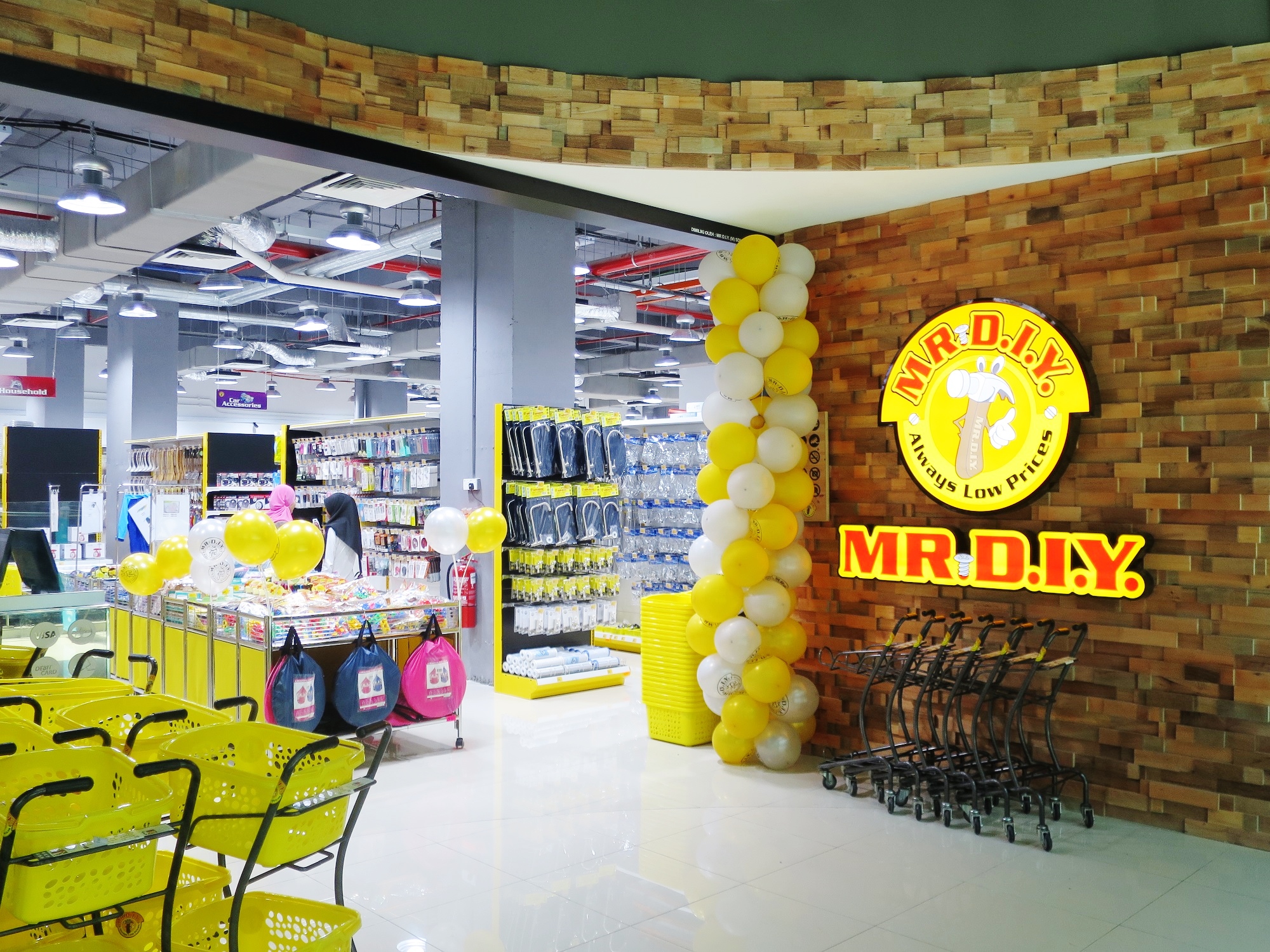
    Malaysian home improvement brand Mr DIY is considering an IPO to raise about MYR1.5 billion (US$362 million). An industry source has revealed that the firm intends to list its domestic operations later this year on either the Malaysian or Hong Kong exchange with backing from Malaysian private equity firm Creador, which invested in the brand over two years ago.

    A report stated the IPO could bring Mr DIY to a market value of MYR10 billion (US$2.426 billion).

    Mr DIY operates around 600 locations in Southeast Asia. Last October, the company revealed plans to open at least 1000 branches by 2020.

    Head of marketing Andy Chin said then: “We feel that our home improvement retail business model, offering a variety of goods at affordable prices, is suitable for better business growth in the country as well as the Asean market. At the end of this year, we target 700 global branches, and the number may reach 1000 or more by 2020. These will be based on an organic growth.”

    He added that the company’s prospect of Asean-level expansion will be focused on Indonesia, Thailand and the Philippines”.

    Mr DIY is the largest home appliance retailer in Malaysia with more than 20,000 SKUs.

  • Time is running out for Sears offer

    Time is running out for Sears offer

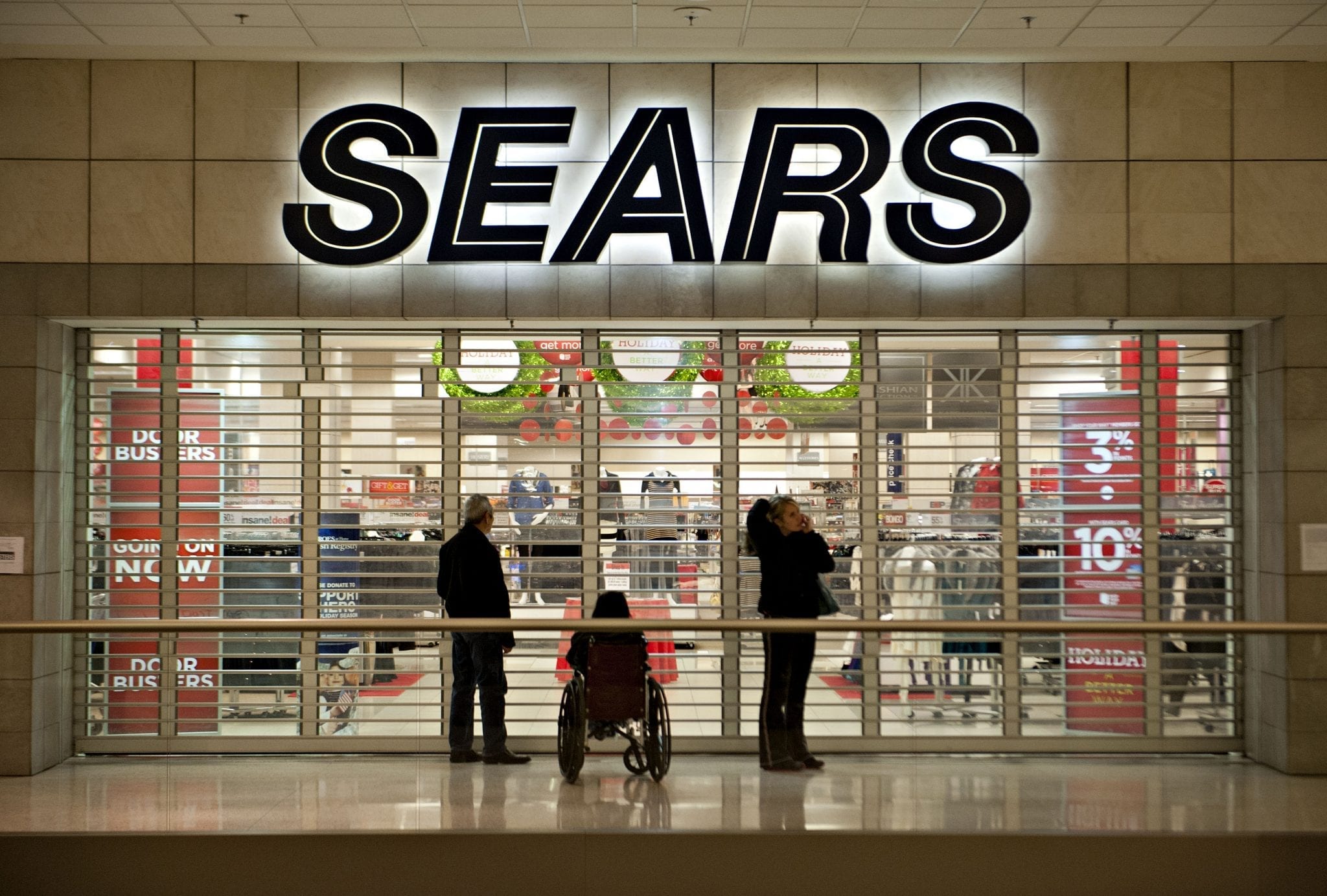
    Sears chairman Eddie Lampert’s last minute plans to save the bankrupt retail chain are set to be terminated on Friday afternoon, New York time, should they be determined to not be a “qualifying bid”. The first plan, a US$4.4 billion offer to purchase Sears, would provide ongoing positions for 50,000 employees and is the “best outcome for the debtors and their creditors and other stakeholders,” according to documents filed with the US Securities and Exchange Commission.

    The second plan, however, is an offer to acquire at least 250 stores as a going concern, as well as certain assets across the home services division and certain intellectual property.

    Earlier this week the business confirmed a further 80 stores would be closing by March, alongside the 40 already announced, with liquidation sales expected to begin in early January 2019.

    GlobalData Retail managing director Neil Saunders mused that the brand had hit rock bottom and was “essentially worthless” in its current state.

    “Ultimately, reinventing Sears now would be akin to raising the Titanic and making is seaworthy again: a thankless and rather pointless task,” Saunders said.

    Lampert stepped down as company chief executive when it filed for bankruptcy in October.

  • Vietnam to see slower growth in 2019

    Vietnam to see slower growth in 2019

    Vietnam’s economic growth is expected to slow down this year though it will remain a regional outperformer, according to leading global analysts. Fitch Solutions, an arm of Fitch Ratings, said in a report released Wednesday it expects Vietnam’s GDP growth to slow to 6.5 percent in 2019 in line with a wider trend of slowing global growth, but added the country would remain one of the fastest growing economies in Southeast Asia.

    The economy grew by 7.1 percent last year, the fastest rate of expansion in 11 years, according to official data. This was well above the 6.5-6.7 percent target set by the National Assembly.

    “Its increasing openness and reliance on foreign investment suggests that it is unlikely to be spared from the global growth slowdown arising from rising trade protectionism and tighter financial conditions.

    “Although we believe that Vietnam’s manufacturing sector and economy will continue to outperform the region over the coming quarters, growth is likely to face headwinds stemming from rising global trade disruptions and tightening financial conditions, which will negatively impact global economic growth and risk sentiment,” Fitch Solutions stated.

    The World Bank Group in its bi-annual report on Vietnam issued last month said the country’s GDP growth is likely to slow from 6.8 percent in 2018 to 6.6 percent this year as the global economy weakens.

    Weaker global demand for exports and reduced investment and trade flows as the U.S. Federal Reserve raises interest rates are other risks for Vietnam’s economy, Sebastian Eckardt, the World Bank’s lead economist for Vietnam, said.

    The Asian Development Bank (ADB) in a forecast released last month for the East Asia and Pacific region projected Vietnam’s growth at 6.8 percent for 2019, slightly lower than the 6.9 percent it expected for 2018. These rates are the second highest in the forecast behind only India’s.

    Disbursed foreign direct investment (FDI) in Vietnam reached a record $19.1 billion in 2018, up 9.1 percent year-on-year. With exports rising by 13.8 percent to $244.72 billion and imports at $237.51 billion, the country achieved its highest ever trade surplus of $7.21 billion last year.

    Fitch Solutions said in 2019 the manufacturing sector would remain a key economic growth driver and outperform the region.

    Vietnam has grown to become a manufacturing powerhouse, particularly in electronics, due to its relatively cheap and large workforce, geographical advantages, attractive tax breaks, stable political environment, and open trade policies.

    The opening up of the Vietnamese economy also came at an opportune time as China began to shift away from lower-end and export-oriented manufacturing to focus on the domestic economy.

    Vietnam’s continued commitment to economic liberalisation will also attract foreign manufacturers seeking to leverage its preferential trade deals.

    The country is a signatory to 10 bilateral and multilateral free trade agreements (FTAs), with six more trade pacts in the offing, including the highly touted Vietnam-EU FTA.

    Fitch Solutions added that trade tensions between China and the US would continue to drive up costs for manufacturers operating in China, pushing companies to outsource to its neighbor Vietnam, which is more competitive in terms of wages.

  • Crabtree & Evelyn Singapore closes all stores

    Crabtree & Evelyn Singapore closes all stores

    Crabtree & Evelyn Singapore is in the process of closing all of its 12 stores on the island and will move exclusively online. The closures follow the placing of the Canadian business into bankruptcy protection last month, resulting in the closure of its 19 stores there as it liquidates its stock. Crabtree & Evelyn was founded in the US in 1972, expanding to the UK in 1980. It was sold to a Malaysian company in 1996, with its US subsidiary entering bankruptcy protection in 2009, resulting in the closure of about a quarter of its store network.

    The business was bought by Hong Kong investment company Khuan Choo International in mid 2012 for US$155 million before being sold to the current owner, another Hong Kong company, Nan Hai Corporation, four years later. Listed on the Hong Kong stock exchange, Nan Hai’s primary business focus is operating cinemas and digital entertainment services, mostly in Mainland China. It has no other specific retail or cosmetics investments.

    In March last year Nan Hai said it had invested in expanding and revitalising the Crabtree & Evelyn product range and that it would expand the brand into the mainland: “Crabtree & Evelyn will fully enter the PRC market in 2018 and the development of [an] e-commerce platform and membership system will be its business focus for 2018, thereby creating synergy with the e-commerce and membership strategies of the group’s cinema operations, which would be beneficial to the long-term development of the group,” the company said in a stock exchange filing.

    Online expansion was also planned in Australia, Singapore and Malaysia, but it made no mention of closing stores and it is not clear in which markets it owns its retail operations and in which it has distribution partners.

    According to a report, the business there filed for bankruptcy citing “significant losses” due to changing consumer demand, rising competition online and an ongoing decline in footfall in its stores.

    Crabtree & Evelyn Singapore is expected to continue trading from two stores in the city – Ngee Ann City and Paragon – until January 31, where it will honour gift vouchers. It has wound down its offline loyalty program in favour of a new online version.

  • Vietnam’s largest brewer is now a foreign owned business

    Vietnam’s largest brewer is now a foreign owned business

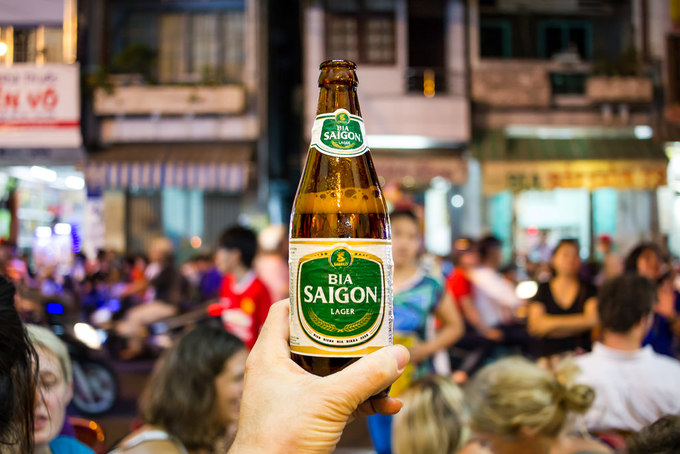
    After a $4.78 million debt restructuring, Vietnam’s largest brewer Sabeco is now owned by a Thai company. In December 2017, Thai Beverage (ThaiBev) acquired a 53.59 percent stake in Sabeco from Vietnam’s Ministry of Industry and Trade for $4.78 billion through a local entity, Viet Beverage (VietBev). VietBev, which had 100-percent Vietnamese ownership at the time with VND682 billion ($29.33 million) in charter capital, was loaned VND111.21 trillion ($4.78 billion) by ThaiBev to complete the transaction.

    VietBev was used as a financial vehicle to get around a 49 percent foreign ownership cap in place at the time.

    The $4.78 billion loan was then converted to shares under a debt-to-equity conversion agreement between VietBev and ThaiBev. As a result, VietBev now has a chartered capital of VND111.89 trillion ($4.81 billion), increasing ThaiBev’s ownership in VietBev to 99.39 percent.

    The adjustment in capital was approved by local authorities, and made possible after authorities raised Sabeco’s foreign ownership cap to 100 percent at the end of 2018. The conversion was completed a few days ago.

    ThaiBev has since announced it is committed to ensuring shareholders’ benefits on share prices and annual dividends after this restructure.

    With a charter capital of VND111.89 trillion, VietBev is among a few businesses in the country with chartered capital of hundreds of trillions of dongs, along with state-run oil & gas giant PVN (VND285 trillion or about $12.26 billion); Vietnam’s sole power distributor and biggest producer EVN (VND163.8 trillion or $7.04 billion); and telecoms provider Viettel (VND121.52 trillion or $5.23 billion).

    Recently, Sabeco was caught up in legal trouble with tax authorities, who blocked its bank accounts in order to withdraw VND3.1 trillion ($135.73 million) to collect overdue special sales tax from 2007 to 2015 and penalties for administrative violations. However, this enforcement action proved futile as accounts handed over to the tax authorities were empty.

    After the recent share conversion, the Prime Minister has directed the tax agencies to suspend their enforcement, in order to carefully consider regulations as it involves “foreign factors.”

  • Korean gaming firm could go up for sale at $7 billion

    Korean gaming firm could go up for sale at $7 billion

    The founder of Korea’s top gaming company Nexon has put the company up for sale, according to a local media outlet, in what could be the biggest such deal in Korean history. According to a report, Kim Jung-ju, chairman of NXC, the de facto holding company of Nexon, will sell a 98.64 percent stake in NXC worth around 8 trillion won ($7.1 billion). NXC owns a 47.98 percent stake in Nexon, worth about 6 trillion won.

    The shares include Kim’s holdings, at 67.49 percent, and those held by his wife, at 29.43 percent, as well as 1.72 percent held by Wise Kids, a software company Kim owns.

    Deutsche Bank and Morgan Stanley have been selected to oversee the sale, according to the report.

    A spokesperson for NXC responded to the report, saying that the company is in the process of confirming the news.

    “We are checking whether the report is true,” the spokesperson said, “It takes some time because of [the rules concerning] electronic disclosure. The official announcement will be unable to come out today.”

    As for the rationale behind the decision to sell, some media reports citing anonymous sources at Nexon point to Kim’s reluctance to deal with the government’s hefty regulations on the gaming industry.

    NXC, however, said that the reports are groundless, adding that “Chairman Kim hasn’t complained about government regulations.”

    While it is immediately hard to verify Kim’s motivations, financial reasons are unlikely to be the cause. Nexon, which trades on the Tokyo Stock Exchange, has shown strong earnings performance. Sales rose 18.7 percent in 2017 on year to 234.9 billion yen ($2.2 billion). Entering 2018, the company maintained steady growth with the third quarter seeing a 15 percent jump in revenue compared to the same month last year.

    Local media reports suspect that the potential buyer could be China’s Tencent Holdings or U.S. video game publisher Electronic Arts, given the massive size of the sale. Tencent already stands as the sole local publishing partner in China for Dungeon Fighter Online, a multiplayer video game developed by Nexon subsidiary Neople. The Chinese internet giant holds a sizable stake in Korea’s major game and entertainment units, including Netmarble and Kakao.

    Another focus of the deal is how NXC will process the sale of non-gaming affiliates.

    Non-gaming holdings owned by both NXC and Nexon span a wide range of industries.

    A Nexon affiliate took over Stokke, a Norwegian company famous for baby strollers, in 2013. NXC acquired a 65 percent stake in Korean cryptocurrency exchange Korbit for 91.3 billion won more recently in 2017 and Bitstamp, a Europe-based cryptocurrency exchange, last year.

    The founder could either split them from the sale or bundle them together.

    Built in 1994, Nexon made its name known with The Kingdom of the Winds, a 2-D fantasy massively multiplayer online role-playing game (Mmorpg). The game was recognized as the longest-running commercial graphical Mmorpg by the “Guinness World Records” in 2011.

  • Samsung signals big 5G equipment push, again, at factory

    Samsung signals big 5G equipment push, again, at factory

    Samsung Electronics Vice Chairman Lee Jae-yong’s first appearance in the field this year was to celebrate the start of production at a 5G network equipment factory Thursday. His field visit comes as the company puts more weight this year on the 5G network-equipment business, which involves components used in 5G networks. These components are supplied to telecommunications companies.

    Lee and several other top executives, including Koh Dong-jin, CEO and president of the IT & mobile division, were present at the celebration ceremony held at the company’s factory and office complex in Suwon, Gyeonggi.

    “The 5G market is a new field, and we have to build competence with the mindset of a challenger,” Lee told employees during the event.

    Lee and the team of executives stopped by the cafeteria of the complex for lunch, resulting in posts on Instagram featuring Lee and employees.

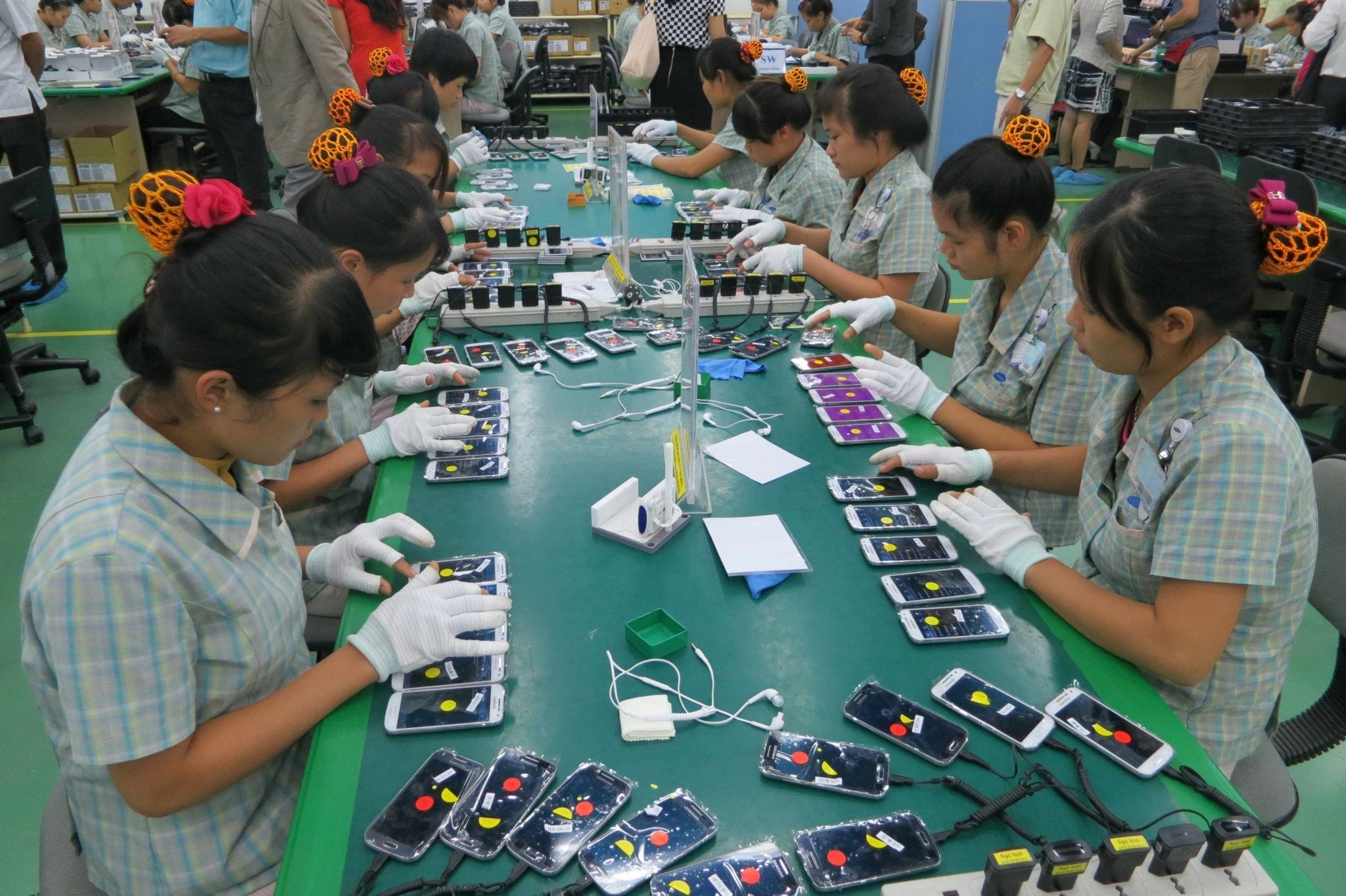
    The manufacturing line for 5G equipment in Suwon is the first in the industry to be designed using “smart factory” principles. It utilizes 5G connections to enhance productivity and reduce the rate of defects.

    The company originally manufactured 5G network equipment in Gumi, North Gyeongsang, but had the production line relocated to Suwon, the site of its R&D center. This was done to help create synergies between the manufacturing and R&D facilities, said a spokesman.

    Samsung signaled last August that 5G connectivity is one of its four growth engines for the future when it announced a plan to invest $161 billion by 2021.

    The business area is receiving considerable attention from global technology companies. 5G connectivity is vital not only to telecommunications in the future, but will also be an essential component of other, related state-of-the-art technologies, such as autonomous cars, AI-powered robots and virtual reality.

    Samsung’s presence in the global telecommunications equipment market is relatively low, with a share of around 11 percent for fourth-generation LTE equipment, according to market research firm Dell’Oro. The larger players include Huawei, Ericsson and Nokia, all with shares of more than 25 percent.

    The company’s current goal is to hit a 20 percent market share in the 5G equipment market next year.

    Samsung has been expanding its client base for 5G equipment mainly in Korea and the United States. Names on the list include SK Telecom, KT, AT&T and Verizon. Samsung hopes to leverage those client relationships to attract other customers.

    The company plans to release the Galaxy S10 in March. It will be its first smartphone to support 5G connections.

    Kim Young-ki, Samsung’s president of network business, said at an event last November that the company will invest a total of $22 billion to develop 5G-network technology.

  • How technology will play a big role in retail in 2019

    How technology will play a big role in retail in 2019

    Technology has penetrated in every sphere of our lives. We live, love, eat and sleep on #technology now. Each year, we see technology moving deeper and deeper into our existence. It’s good and bad – both. Good because it helps us in doing more in less time and efforts. Bad because interweaving of tech in our lives has left us dependent, vulnerable and very anxious. Let’s see what 2019 has in store for us – specifically 5 technology leaps to look out for in retail.

    Omnichannelisation – The technology approach to seamlessly tie all sales channels in a see-anywhere-buy-anywhere way in picking up steam with mainstream brands and retailers. Omni channel technology is also being used as a strategic advantage by multichannel stores and small brands/retailers to scale their operations while centralizing the inventory. The main advantage is higher brand loyalty due to “all touch point” approach – and much lower active inventory requirements. In 2019, we expect omni channel to penetrate deeper into all spheres of retail through simplification and customization of omni-tech.

    Cashier-Less Shopping – Yes, it all started with #Amazon GO, a proprietary technology that eliminates the need of checkout registers and cashiers. Customers can activate a geo-sensed resident app (Amazon GO app), walk in, pick up what they need and walk out – and all transaction happens in the backdrop through something what Amazon calls “Just Walk Out” (JWO) Technology. Ease of use, time savings and low cost operations are at the core of this technology. In 2019, you’ll see Amazon and a few other technology providers opening more of these JWO stores worldwide.

    Virtual Retail Experience – According to #emarketer report, two thirds of US customers were interested in using Virtual retail experience – where you could get near-real brand and store experiences using head mounted or holographic hardware. 2019 could see a surge in virtual-reality based retail experiences. The upside? No (or very low) rentals and really easy reconfiguration of virtual stores.

    Hyper-Local Retail – Hyperlocal retail refers to the technology where consumers can find and buy products near to them using an app that runs on geolocation. A catalog of products from local stores is uploaded on the app and the customers can discover and buy products from nearby stores. It’s a great cusp between purely online and purely offline retail experience. This is very useful for daily needs products, appliances and electronics. It’s awesome for the retailer since it allows for expansion of product-discovery while minimizing store footfall. Overall, a win-win for retailer and consumer. In 2019, watch out for companies like #nearbuy and #zopper making it big in India.

    AI-based Consumer Insight – Artificial intelligence and machine learning is growing leaps and bounds in almost every segment. Retail is no exception. In 2019, AI and ML is expected to grow manifold in terms of demand forecasting, inventory planning, customer service bots, natural language based customer engagement and customer’s next purchase (and time) prediction. Though it may sound a bit nerdy, but the more data flows through the AP engines, the more powerful they get at predicting consumer behavior; and provide more powerful strategic advantages to the brands and store. Watch out! If you have that weird feeling that your phone purchase was somehow orchestrated – but cannot put a finger on anything concrete, you may have been Artificially Driven into that purchase!