Tag: Company

  • American fund acquires stake in Vietnamese organic food firm

    American fund acquires stake in Vietnamese organic food firm

    The Seaf Women’s Opportunity Fund has acquired a 30 percent stake in Organica, promising the Vietnam all-round support. While not mentioning the specific investment value, Jennifer Buckley, SEAF’s senior managing director, said the fund will support Organica in operations, distribution, and network expansion. In addition to being a strategic shareholder, the fund will also give Organica a 5-year loan so that it has sufficient resources to finance expansion plans in the future.

    “This is the first organic food company in Vietnam we have decided to invest in, even though the market [for organic products] is still small,” said Jennifer Buckley. She added that if the company performed well, the fund may acquire it in full in the future.

    Pham Phuong Thao, CEO of Organica, said that the current investment will be enough for the company to implement a 2-3 year plan. In particular, it plans to open more retail stores, improve online sales systems, IT systems and human resources, Thao said.

    Organica is an organic groceries chain established in 2013 with the first store in Ho Chi Minh City. It now has 5 stores in Ho Chi Minh City, Hanoi and Da Nang. Currently, the company has 10 farms in the South and the Central Highlands, totalling a combined area of 300 ha.

    SEAF (Small Enterprise Assistance Funds) is an international investment management group that provides growth capital and business assistance to small and medium enterprises (SMEs) in emerging and transition markets.

    It currently operates in 30 countries and has investments in over 300 small businesses.

  • Samsung ranks second in 2018 U.S. patent grants

    Samsung ranks second in 2018 U.S. patent grants

    Samsung Electronics grabbed the No. 2 spot in U.S. patent grants among global corporate giants in 2018, industry data showed Thursday. Samsung Electronics, the world’s top smartphone and memory chip maker, received 5,850 U.S. patent grants last year, up 13 from the previous year, according to the data from IFI Claims Patent Services, provider of a top global patent data platform.

    IBM topped the list with 9,100 grants, up 1 percent from a year earlier, maintaining the U.S. company’s position as top patent leader for a 26th consecutive year.

    Canon followed Samsung with 3,056. Intel came next with 2,735 then LG Electronics with 2,474. All registered declines from a year earlier.

    Other Korean firms included Samsung Display, which ranked 14th with 1,948 grants. Hyundai Motor placed 19th with 1,369.

    Last year, U.S. patent grants totaled 308,853, down 3.5 percent from the previous year.

    By country, the United States took up the largest share, at 46 percent, followed by Japan with 16 percent, Korea with 6.5 percent, Germany with 5 percent and China 4 percent.

    China was the only major patenting country to report an on-year increase in the 2018 patent grants.

  • Judge extends Sears lifeline to mid-January

    Judge extends Sears lifeline to mid-January

    Embattled US department store Sears has been granted yet another lifeline, with a bankruptcy auction now scheduled for January 14. That will give billionaire hedge fund operator Edward Lampert, Sears biggest shareholder and former CEO, one final opportunity to preserve the business. At Monday’s auction, he will bid against rival parties seeking to liquidate the business, described by GlobalData Retail MD Neil Saunders as “more like a patient in a coma than a fully functioning retailer”.

    Sears filed for Chapter 11 bankruptcy protection in October and the independent directors of the 126-year-old company are seeking its liquidation, seeing it as the only means by which creditors can retrieve some of the $5 billion in debts it owes. Lampert wants the remaining 425 stores trading under the Sears and Kmart banners to remain open, convinced it can return to viable trading.

    Saunders disagrees and says talk of a potential liquidation of the company suggests the much-storied retailer is now at the end of its long road to collapse.

    “Its recent journey to this point has been characterised by incredibly poor strategic decisions, chronic underinvestment, and continuous financial machinations designed to keep the company afloat. All of this impacted trading, which has remained dire.”

    Saunders says while Lampert has worked hard to rescue the remains of his empire, there is simply not enough financial firepower left in the company to persuade investors of his bid. Indeed, the terms of the deal put forward by Lampert would only likely delay the inevitable and make it far more difficult for creditors to extract their money.

    “Moreover, his track record in putting the company on a sound financial footing has been less than impressive, and we believe this has undermined his credibility with stakeholders.”

    Saunders says there may be interest from people who see value in elements of Sears business such as the automotive side, the online operations, the brands, and the various home services. Those operations include brands like Kenmore appliances, DieHard batteries and Wrangler jeans. “As such, parts of Sears could live on even if the company as we know it will disappear.”

    According to The Wall Street Journal, Sears, which merged with rival Kmart in 2005, has been losing money for seven years under Lampert’s leadership. Sine April 2007, the company has shed 200,000 staff, lost $30 billion in shareholder value and closed more than 1700 stores, leaving it with less than 700 now.

    Saunders says Sears will act as a case study in how not to run a retail operation.

    “It also serves as an example that even the once most powerful and cutting edge of brands can easily fail in a retail environment where change and evolution are the order of the day.”

  • Maybank Malaysia bags ‘The Banker’s Bank’ award

    Maybank Malaysia bags ‘The Banker’s Bank’ award

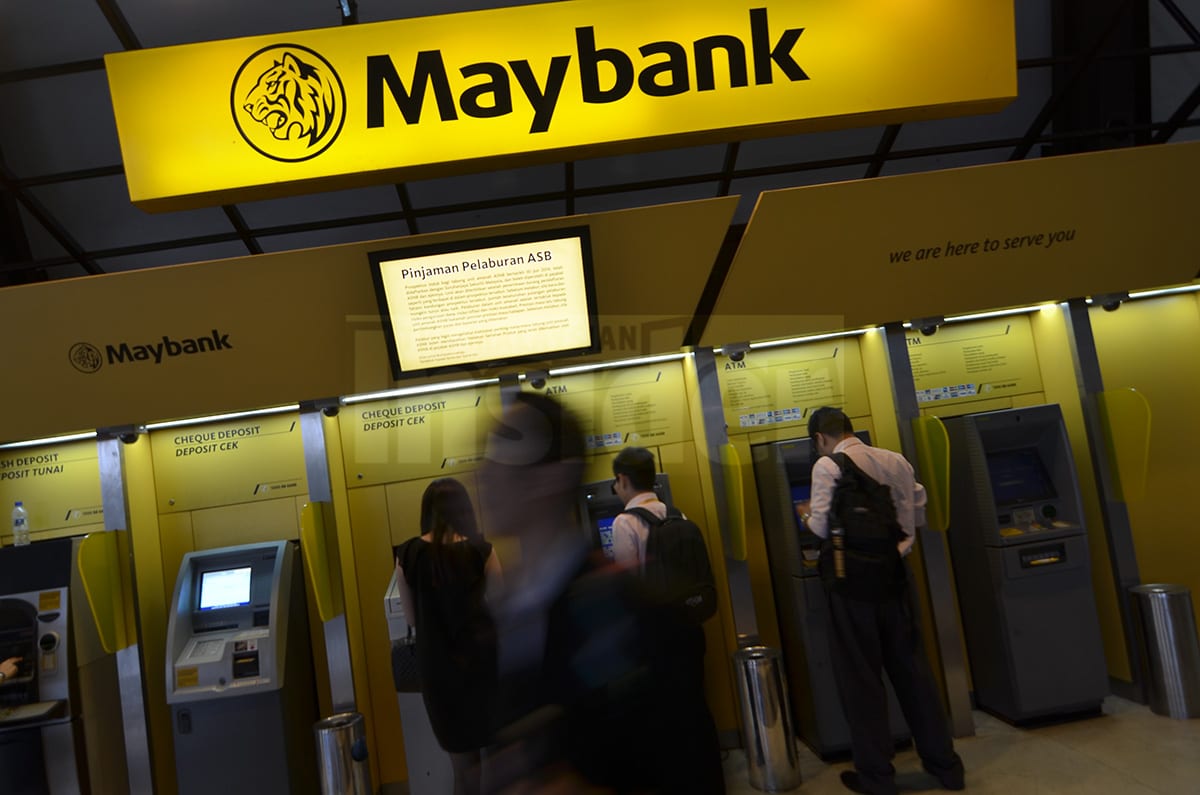
    Malayan Banking Bhd (Maybank) clinched The Banker’s Bank of the Year 2018 in Malaysia award with its fresh thinking on how to provide the best service quality to previously underserved consumers. In a statement, The Banker Editorial said Maybank launched HouzKEY, an innovative rent-to-own product, the first of its kind in Malaysia, recognising a gap in the market to provide services to Islamic banking customers.

    “With a growing demand for affordable homes in the country, Maybank created this alternative solution, which allows for home ownership through a leasing scheme that does not require a deposit.

    “Customers have a flat rate rental payment for five years, and at the end of that time, have the option to purchase the property at a price agreed at the start of the contract, continue to rent with a 2% annual rent increase, or to terminate the contract with no obligation,” it said.

    The scheme is Shariah-compliant, being based on the Ijarah principle of leasing.

    Maybank president/CEO Datuk Abdul Farid Alias said the bedrock of its success is predicated on the bank’s mission of humanising financial services, which drives it to innovate and offer financial solutions that enrich the lives of customers.

  • Confidence Returns to Indonesia’s Financial Markets

    Confidence Returns to Indonesia’s Financial Markets

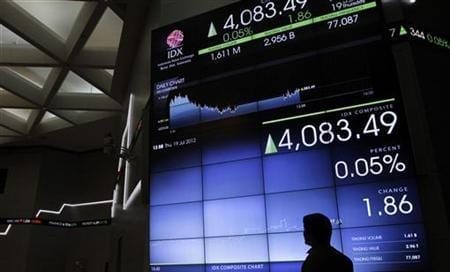
    After a steep correction last year and pressure on the rupiah, Indonesia expects stability to return to its financial markets this year as foreign capital starts flowing back into the domestic market. The first bond offerings of the year last week were more than three times oversubscribed, with interest mainly coming from foreign investors, who also bought more local stocks than what they sold over the past two weeks, reversing a net selling trend that persisted throughout last year, according to Indonesia Stock Exchange (IDX) data.

    For Bank Indonesia Governor Perry Warjiyo, the return of foreign capital inflows came as no surprise. The central bank has been aggressive in raising its benchmark interest rate – the seven-day reverse repo rate – which was increased by 175 basis points to 6 percent over the past nine months in response to tightening by the United States Federal Reserve.

    As it now seems more likely that the US central bank may raise the federal funds rate only twice this year instead of three times, Indonesia’s financial markets have become more attractive to foreign investors as a destination to park their funds.

    “The US dollar is not king anymore this year,” Perry said during a meeting with editors of the country’s largest media groups on Monday.

    Pressure on the rupiah has also eased. The currency currently trades at 14,031 to the greenback, having appreciated 8 percent from its weakest level of 15,253 four months ago, Bank Indonesia data showed.

    Bank Indonesia took measures in concert with the central banks of Malaysia and Thailand on Jan. 2 to reduce dependency on the dollar in bilateral trade. The arrangement will involve Indonesian trade with the two countries, which amounts to about $33 billion per year, being settled in the countries’ respective currencies, instead of the US dollar.

    Indonesia’s current-account deficit, the main culprit for the weakness in its currency, is expected to narrow to 2.5 percent of gross domestic product this year, compared with 3 percent last year.

    American multinational investment bank Morgan Stanley said lower oil prices should help Indonesia lower its current-account deficit.

    “With Brent down 36 percent from its September highs, we should see some relief on the trade balance, which has been weighing on the current account and, in turn, [become] a drag on confidence in equities and performance,” analysts Sean Gardiner and Aarti Shah wrote in a recent note to clients.

    They said oil prices, with the combined effects of the election stimulus, recovering loan growth, dovish monetary policy and rising company earnings have cemented Morgan Stanley’s bullish views on Indonesian stocks.

    The New York-based bank’s top picks include conglomerate Astra International, state-owned gas utility company Perusahaan Gas Negara, state-owned telecommunications company Telkom Indonesia, and lenders Bank Central Asia and Bank Mandiri.

    Bank Indonesia is confident that the country’s economy may grow by between 5.0 percent and 5.4 percent this year, compared with an estimated 5.2 percent last year. Household consumption is also expected to expand by between 5.1 percent and 5.5 percent and investment by between 6.5 percent and 6.9 percent, the central bank governor said.

    Perry said bank loans will maintain their expansive pace of 12 percent this year, in line with an increase of between 8 percent and 10 percent in third-party funds.

    However, one source of concern this year is lower commodity prices, which will affect Indonesia’s export earnings. Perry said the country should therefore increase its exports of manufactured goods, seek new markets for its products and encourage tourism.

    He said Bank Indonesia is comfortable with its current policy and that it can afford to maintain its benchmark rate until March.

    “We are optimistic that 2019 will be better than 2018,” Perry said.

  • LG H&H buys Avon factory in China

    LG H&H buys Avon factory in China

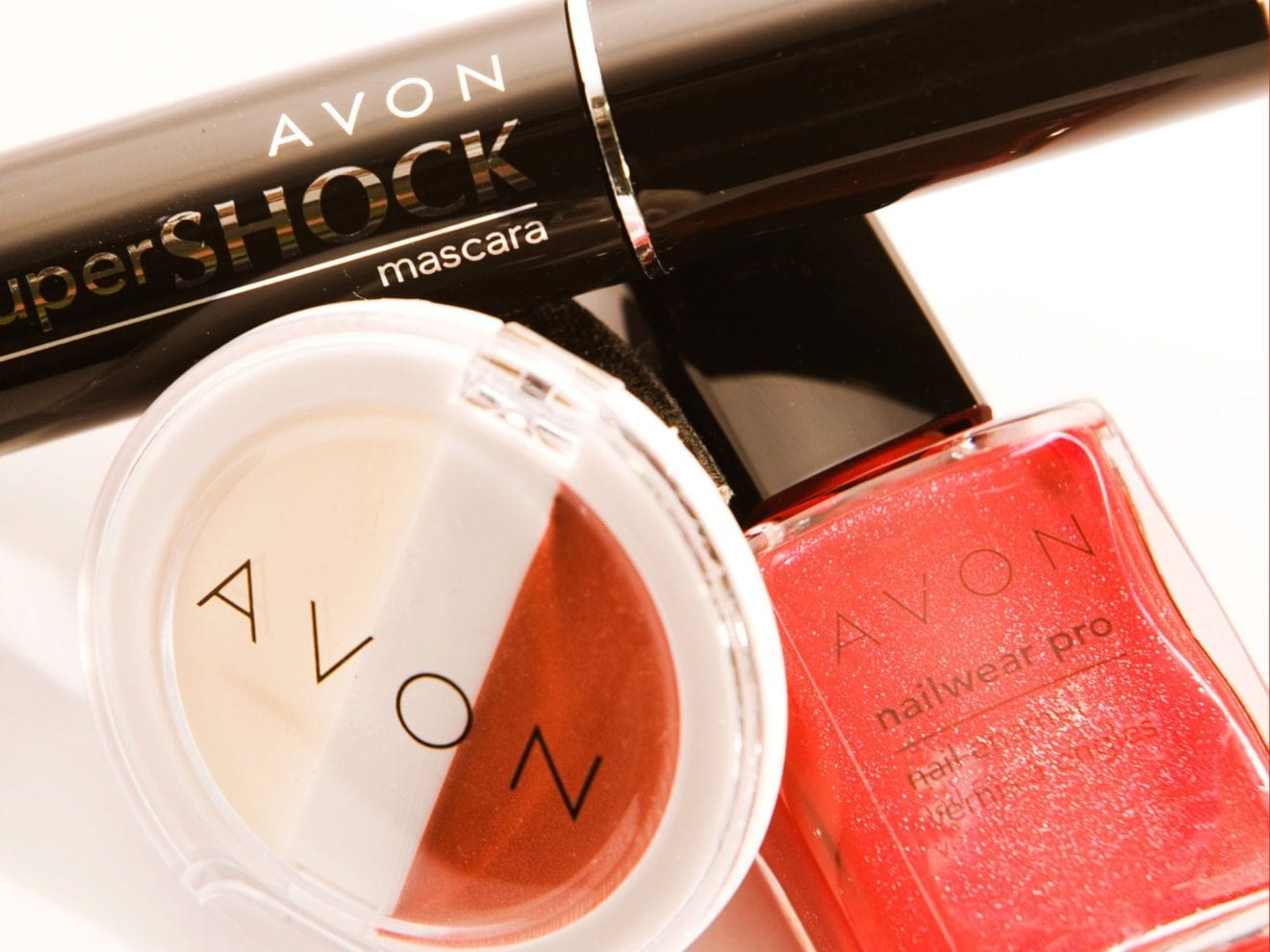
    LG Household & Health Care announced Wednesday it is buying Avon’s Chinese factory in an effort to expand production facilities. According to LG Household, subsidiary The Face Shop will purchase the London-based cosmetics firm’s factory in Guangzhou, China, for around 79.3 billion won ($70.8 million). Avon’s 49,500-square-meter (12.25-acre) factory in Guangzhou, China is capable of producing 13,000 tons of cosmetics and hair care and body products every year. Its facilities meet cGMP (current Good Manufacturing Practice) regulations, which are enforced by the U.S. Food and Drug Administration.

    LG Household will use the Guangzhou factory to manufacture LG products like The Face Shop branded goods for its Chinese and other Asian businesses while continuing to produce Avon products as well. Avon employees will remain at the factory.

    The buyout deal is expected to be finalized in February after Chinese authorities approve the transaction.

    The move comes less than a year after LG Household purchased Avon’s Japanese operation for around $96 million last April. Avon said it hopes the Guangzhou factory sale will help increase its operational flexibility.

    “This transaction is a significant step forward in our effort to ‘Open Up Avon’ by operating more efficiently, with a leaner, more agile global infrastructure,” said Jan Zijderveld, CEO of Avon. “We know [LG Household] well and believe that they will continue to be a strong partner for Avon.”

    “We are pleased to … add a state-of-the-art facility with powerful capabilities to deliver quality products for the fast-growing local market,” added Suk Cha, CEO of LG Household.

  • Temasek plans to sell AS Watson stake

    Temasek plans to sell AS Watson stake

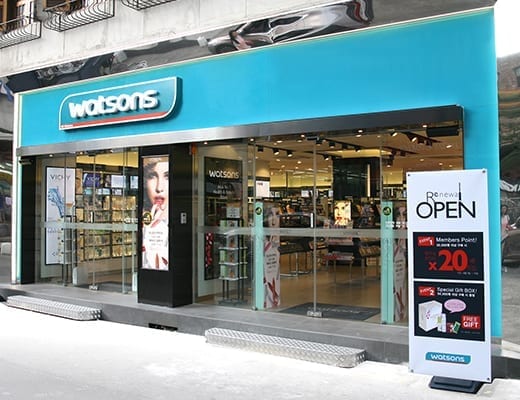
    Singapore’s Temasek Holdings is reportedly looking to quit its stake in Hong Kong-headquartered beauty products retailer AS Watson. Temasek spent US$5.6 billion to acquire a 25 per cent share of AS Watson in 2014 from Hong Kong’s CK Hutchison, which retains the majority stake. According to report, Temasek made the investment expecting the business to be listed within three years. But softening investor sentiment towards retail sector listings has weakened since that plan was first envisaged. Investors are spooked by the demise of a slew of brick-and-mortar-focused brands across developed markets.

    AS Watson has some 14,500 stores in 24 markets around the world, and has market leadership in 15 of those. That could make the business an attractive target for private equity funds, despite the company appearing to be focused more on opening new stores than migrating online, where consumers are buying more beauty and healthcare products.

    Bloomberg says in an analysis published online, that a private equity business would be among the more likely buyers for the Temasek stake, given the amount of industry money that’s sitting idle.

    “That said, any acquirer will still be in a minority position, even if the entire 25 per cent is sold. Along with the business’s poor growth prospects, the absence of control is likely to be reflected in the valuation. This is one retail sale that will need a discount to be attractive.”

  • Malaysian office space to remain vibrant despite influx of new supply

    Malaysian office space to remain vibrant despite influx of new supply

    The Klang Valley office market is expected to remain vibrant this year, despite the influx of new buildings which is expected to affect occupancy rates, said Knight Frank Malaysia. “Due to the influx of new buildings, particularly in TRX, occupancy rate in Kuala Lumpur city is expected to decline marginally. However, rental rates will continue to hold steady as newer buildings tend to command higher rental rates,” it said in its Real Estate Highlights 2nd Half 2018 report.

    The report highlighted the trend of co-working and shared services as a sweet spot in the challenging office market environment.

    Labelled “space as a service”, the rising popularity of this market segment is demand driven by freelancers, start-ups and small and medium sized entrepreneurs. Knight Frank expects to see active take-up by co-working, shared services and IT related industries this year.

    “Moving into 2019, occupancies in selected sub-office office markets are expected to be under pressure due to heightened competition from impending and existing office stock while rentals will continue to hold steady as newer buildings tend to command higher rates.

    “We continue to observe active enquiries and leasing activities in the co-working and IT related segments. Also, an increasing number of older buildings are looking into repositioning and refurbishment to meet current occupier needs,” said Knight Frank Malaysia executive director of corporate services Teh Young Khean.

    Dated but well located office buildings such as Menara Weld, Menara Standard Chartered, Menara Maxis and Menara Milenium will reportedly be undergoing repositioning/upgrading works to improve their market competitiveness in terms of rental and occupancy levels.

    Knight Frank noted that the new government’s concerted efforts to implement numerous regulatory reforms will augur well for the business operating environment and this is expected to be positive for the country’s economic and property market performance over the longer term.

    Looking back at 2H2018, the cumulative supply of purpose-built office space in Kuala Lumpur and Selangor stood at 103.17 million sq ft following the completion of six buildings with a combined space of 1.84 million sq ft.

    In 1H2019, office buildings slated for completion include The Exchange 106, Menara Prudential, Menara Star 2, 1Powerhouse and Symphony Square.

    Overall occupancy rate for Kuala Lumpur city was about 78.7% in 2H2018 compared with 79% in 1H2018. The overall occupancy rate for decentralised office locations in Kuala Lumpur fringe fell to 82.2% from 83.8% during the same period.

    In Selangor, overall occupancy was slightly lower at 78.3% in 2H2018 compared with 79.2% in 1H2018.

    The average rentals in Kuala Lumpur fringe and Selangor rose marginally in 2H2018 to RM5.75 psf and RM4.22 psf respectively compared with RM5.72 psf and RM4.20 psf respectively in 1H2018.

    However, average rental in Kuala Lumpur city remained flat at RM7.15 psf as owners and landlords of newer office buildings offered competitive rental and attractive tenancy terms to improve take-up.

  • Limited share price upside seen for Malaysian property sector

    Limited share price upside seen for Malaysian property sector

    Rising interest rates, Malaysia’s slowing gross domestic product growth and unfavourable government policies will limit share price upside for Malaysian property development companies, said CGS-CIMB.Although it expects the property companies in its coverage universe to post positive earnings growth this year, CGS-CIMB said share price upside will be limited and the sector is unlikely to re-rate to peak levels last seen in 2014.

    “The property sector has garnered more interest lately due to its attractive valuations, but we believe the sector is cheap for a reason and this could be a false dawn. We believe developers could miss their new property sales targets for 2018, and are likely to set lower new sales targets for 2019. We think it’s a signal that the 2019 property market is likely to see lower new property sales and weaker buying sentiment,” it said in its report.

    According to its analysis, the medium 40% and bottom 40% (B40) households face difficulty in buying properties as the average house price is above both groups’ affordability range and despite government incentives and policies to address this issue, the oversupply in the property market has continued to rise since 2012.

    “Likewise, property stocks have fallen from their peak valuations in 2014, some to the trough levels in 2008, making them attractively priced at the moment, in our opinion,” it added.

    CGS-CIMB does not see much room for housing loan growth given the existing low interest rate environment, limited buyer’s affordability and possible interest rate hike.

    In addition, restrictive government policies are still in place and it does not see any incentive for consumers to purchase property given the weak rental market and subdued property market.

    Given the limited domestic affordability, higher real property gains tax and restrictive policies on foreigners, the property oversupply issue is expected to persist. Note that in 1H2018, properties priced below RM1 million accounted for 93% of total unsold residential property inventory.

    “We expect the housing market to remain challenging in the near term, unless there is a meaningful surge in household income, decline in house prices or more positive measures are introduced,” it said.

    Although lower property prices are possible, developers would be at the losing end if they were to lower prices at the expense of profit margins to spur new property sales demand or remove rebates/freebies to protect margins, which could result in weaker new sales.

    “Even if new house prices are cut by 20%, we think the prices would still be unaffordable for the B40 households. Instead of focusing on increasing affordable housing supply and ownership, we believe a better way to approach the housing glut is to increase Malaysians’ household income in a meaningful way,” it said.

    CGS-CIMB maintained its “neutral” call on the sector with an estimated dividend yield of 3% on average in 2019.

    Sime Darby Property Bhd remains its top pick as the company has shown continuous improvement in its property development division and new property sales since its demerger in November 2017.

    “We believe the group’s healthy balance sheet and massive land bank are advantages in addressing the change in future product demand,” it said.

  • Miroglio and Workplace keep collaboration in fashion

    Miroglio and Workplace keep collaboration in fashion

    Miroglio Fashion is the women’s clothing arm of Miroglio Group – a 71-year-old Italian conglomerate operating in 22 countries. The group joined Workplace in 2016. Since then, says CEO Hans Hoegstedt, it has “revolutionized our way of working.” “Over the last few years, the role of the CEO has changed. It is crucial for a CEO today to create culture, to remove filters and blockers so there can be a transparent and constructive dialogue between everyone. I was confident that Workplace was a platform that would help us achieve this,” he explains.

    “We chose Workplace because everyone in the company knows how to use Facebook. And they just instinctively ‘got it’. Right from the first day, people began to spontaneously interact with each other in a genuine way with no training required. We launched Workplace at our annual convention two years ago. Over 1,100 stores in our various brands swung into action along with the head office. We set up all the Workplace groups that we use for various parts of the business, like visual merchandising, product, innovation, communication and so on”.

    The result was instant. Within a short space of time, barriers and distances disappeared. People who had found it difficult to make themselves heard by head office suddenly had a direct, filter-free channel. It has given the company a more innovative and efficient way of working.

    “A clear example is the visual merchandising team. Before Workplace, the team would create a model window and send it out to all the stores by email. With Workplace, the VM team now posts the image of the model window into a group. All the shops reply with their versions, comments, and suggestions. The VM team then provides instant feedback for the stores.

    This allows to have hundreds of examples of how to dress the window instead of just one, and people can take ideas and inspiration from the others. There is a better dialogue and smarter collaboration that results in better window displays.

    Hoegstedt continues “There are functions we did not use at the outset that have now become core features for us. Auto Translate was crucial when we extended the platform to our colleagues in Russia. Everyone posts in their own language and Workplace auto translates. Simple and effective. It’s a powerful way to create a vast international network, and we’ll be relying on the translations as we deploy Workplace in Romania, Spain, and France. We also now use Live Video whenever we present a new collection”.

    “For me, as a CEO, it is also a way of ‘taking the pulse’ of the company. Of getting a quick sense of how people are feeling. It’s a kind of mass collective intelligence.”

    From frontline to back office to HQ, Workplace connects entire retail organisations so they can share, collaborate and transform the customer experience with next-generation technology.

  • Fonterra India appoints Ishmeet Singh CEO

    Fonterra India appoints Ishmeet Singh CEO

    Fonterra Future Dairy Pvt Ltd, a new joint venture between global dairy nutrition company Fonterra Co-operative Group and new age FMCG company Future Consumer Limited, announced the appointment of Ishmeet Singh as its CEO, effective from January 7, 2019.

    Singh, a seasoned leader with a proven track record of profitable growth and business expansion, joins the business to deliver its ambition to bring high value and innovative dairy products to Indian consumers.

    Singh was a member, Western Region Committee (WRC) of the American Chamber of Commerce. He is a physics graduate, and has a Master’s in Management Studies from Mumbai’s Sydenham Institute.

    Singh says, “Over the next seven years dairy consumption is set to increase by 82 billion litres – seven times the forecasted growth for China. I feel extremely privileged to be able to lead this new opportunity as we look to bring an enhanced dairy experience to Indian consumers. I firmly believe through Fonterra Future Dairy we have a huge opportunity to challenge and change the market, combining Fonterra’s global dairy innovation, manufacturing and nutrition expertise with Future Group’s leadership in retail and distribution expertise and infrastructure.”

    Leading the growth and expansion of some of the world’s largest, trusted flagship brands in the Indian market, is familiar territory to Singh, having worked over the last 25 years at top multinational and FMCG companies such as Mattel, Vodafone, Hindustan Unilever, and Coca-Cola.

    Most recently, he led the business at Mattel, largest toy manufacturer in the world, as its Country Manager for India and the SAARC region. Previously, he held the role of Business Head at Vodafone India for over 5 years, leading remarkable revenue growth and retail expansion in many circles including Mumbai and Maharashtra.

    Managing Director Future Consumer Limited and Board Member of Fonterra Future Dairy, Ashni Biyani says, “We’re delighted to have someone of Ishmeet’s calibre to lead the business. As a sales and marketing professional at heart, we see him being instrumental in helping us build a brand that Indians love.”

    Fonterra’s Managing Director of Sri Lanka and the Indian Subcontinent, Chairman of Fonterra Future Dairy, Sunil Sethi said, “As our exciting growth phase picks up steam, it is critical that people with the right experience, values and drive are in place to steer the business forward. We are in the process of putting together a first-class team to build a fantastic legacy for the business. Through the ambition we have set, we believe the learning experience and possibilities here at Fonterra Future Dairy are limitless. Ishmeet is a proven and highly accomplished professional with a passion for leading teams to transformative success and growth. With his vision and deep personal commitment to society, we are confident that he will bring immense value in delivering on our ambition.”

  • Amway forays into the herbal oral care segment

    Amway forays into the herbal oral care segment

    Amway India, the country’s largest FMCG direct selling company has announced the launch of its latest innovation – ‘Glister Herbals Toothpaste’, to mark its entry into the herbal oral care market. Building on the success of its globally popular Rs 100 crore brand – Glister, the new herbal oral care product is a seamless blend of numerous herbal ingredients with appealing taste and pleasing color to suit everyone’s palate. With this new and advanced product, Amway aims to target the flourishing Rs 1,980 crores oral care segment in India.

    Announcing the launch of Glister Herbals, Sundip Shah, Chief Marketing Officer, Amway India, said, “Glister has been one of our most popular global brands. A bestseller for over five decades, it has won the trust of millions of consumers worldwide and has been an integral part of their oral hygiene routine. Keeping with our commitment of offering highest quality products and addressing the increasing demand for natural and herbal alternatives for long-term healthy living, Glister Herbals is an expansion of our flagship brand and indigenously developed for our Indian consumers.”

    He further added, “The industry for herbal oral care products has grown significantly in recent years, fueled by consumers’ preference for herbal solutions and trust in their long-term benefits. However, our research empirically highlights the need for likeable sensorials – a gap that exists in the available offerings in the market currently. This often leads to consumers shifting to regular and non-herbal products. Glister Herbals’ has the goodness of herbs with great taste and appealing colour. With this powerful mix, we aim to transform the product usage experience and long-term adoption of herbal toothpastes in the market and I am confident in our latest innovation and its potential to transform the category”

    Anisha Sharma, Category Head, Beauty & Personal Care, Amway India, added, “Glister Herbals is best defined as the herbal oral care solution from Amway offering great taste with the goodness of herbs. This multi-action toothpaste is enriched with 11 ingredients such as spearmint, clove, ginger, neem, mulethi, among others, which are known for their benefits and great taste. It also has biodegradable microbeads of essential oils comprising clove and tea tree to ensure maximum efficacy of the constituents. The goodness of herbs promises 12-hour germ protection and fresh breath benefits along with remineralization and teeth whitening.”

    She further added, “We are excited with the business opportunity offered by the market. In order to ensure national wide reach and to engage consumers, we are introducing digital activations across platforms and organizing dental camps in key markets. As ingredient story and taste is key to the success of our new herbal offering, we have begun taste challenges for our direct sellers for which we have received an overwhelming response. We are sure that the Glister Herbals will receive favorable response from the consumers.”

    Glister Herbals follows the thriving success of Amway’s Nutrilite Traditional Herbs in its Nutrition and Attitude Be Bright Herbals in beauty categories last year.

    Amway Glister Herbals is sold exclusively by Amway Direct Sellers across India and can be easily ordered on the company’s website.

  • Malaysian businesses less optimistic on prospects for next six months

    Malaysian businesses less optimistic on prospects for next six months

    Malaysian businesses are displaying less optimistic sentiment on prospects for the next six months as the RAM Business Confidence Index (RAM BCI) fell to its lowest level since its inception two year ago. RAM said in a statement today that the corporate and the SME indices of the RAM BCI declined to 55.1 and 51.0 respectively, although the reading above 50.0 still denotes positive sentiment.

    The RAM BCI is a comprehensive survey jointly conducted by RAM Holdings Bhd and RAM Credit Information Sdn Bhd, on business sentiment in Malaysia. Released quarterly, the index is based on data from a survey of close to 3,500 SMEs and corporates across five main industry segments respectively.

    The cooler sentiment is attributable predominantly to the weak economic prospects in the next six months, with a number of firms citing this as the main challenge, rising to 41.2% and 41% both corporate and SME segments.

    Decelerating domestic growth, uncertain global demand and investment activities and a lack of positive catalysts, including the relatively neutral Budget 2019, all play a part in the generally weaker business sentiment on the next six months.

    On a sectoral basic, the construction sector appeared the least bullish with the SME sector recording a reading at 49.7 while the corporate sector declined for the third time in a row to 53.0.

    Without any new growth catalyst amid the property overhang, plus the shelving of new big-ticket infrastructure projects, it is not surprising that the construction sub-indices have hit record lows, RAM said.

    Another sector that showed pessimism in the Q1-Q2 2019 survey is SME retail as its performance outlook slipped back into negative territory after a brief expansionary momentum that had been aided by the tax-free window from June to August 2018.

    “Faced with uncertain global and domestic economic prospects, consumers are once again more prudent with their spending, leading to weaker sentiment on retail consumption in 2019,” it added.

    On the back of weaker prospects, the firms are also holding back from capacity building with the sub-indices tracking corporate business expansion, capital investment and hiring recording a fall in three consecutive surveys.

    Likewise, the capacity-building sub-indices for SMEs pulled back from the last survey and remain below those of corporates.

    RAM noted that firms’ expressed reticence on capacity building remains the most prominent downside risk, as it could weigh on the momentum of economic growth in 2019 and potential economic output over the longer run. This is particularly true in respect of SMEs, which are more vulnerable and sensitive to immediate economic challenges.

    “That said, more guidance on future economic policies that will shape the overall business environment will be crucial to building business confidence among firms, potentially being the game changer for a more resilient growth trajectory this year,” it added.

  • Mothercare Malaysia retailer seeks IPO

    Mothercare Malaysia retailer seeks IPO

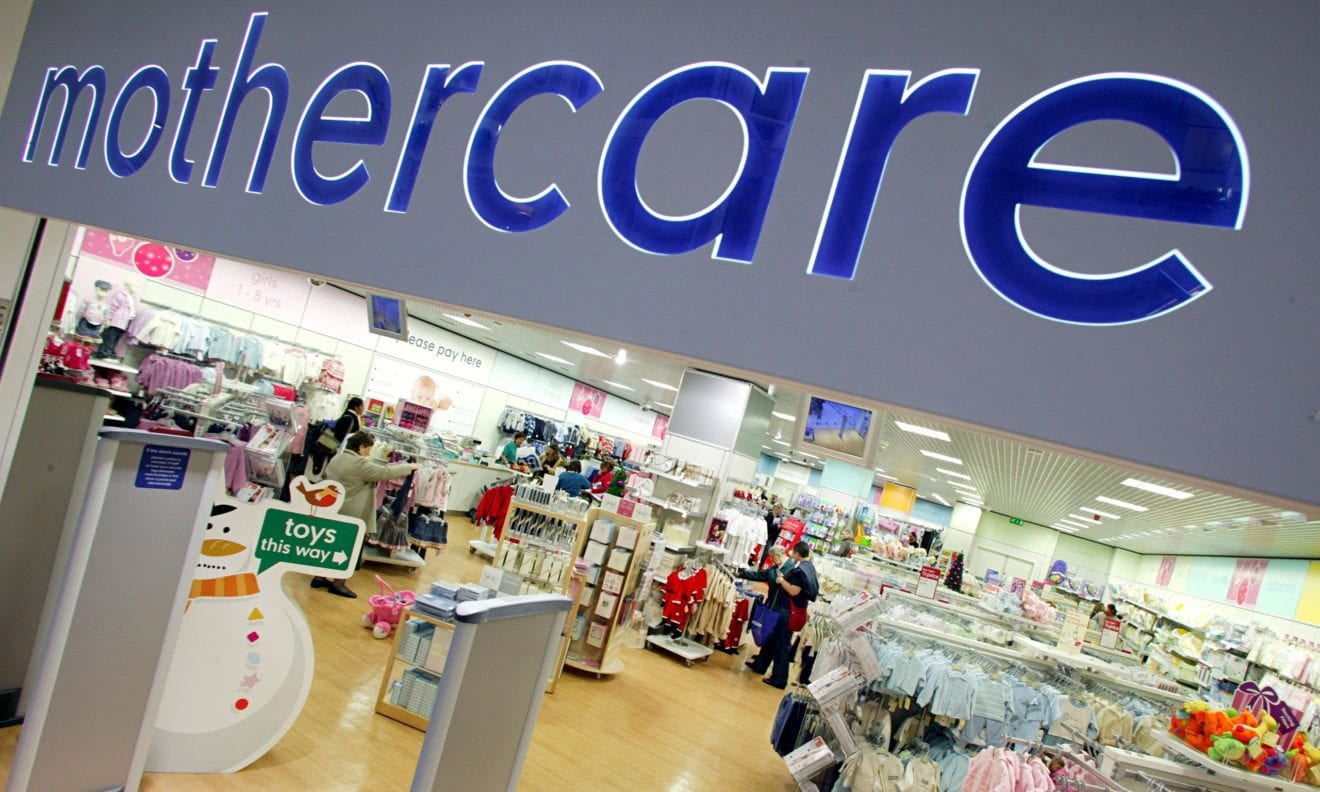
    Kim Hin Joo, operator of ELC and Mothercare Malaysia, is preparing for an IPO on Bursa Malaysia’s ACE Market. The move, expected to generate funding for the group’s further expansion and expenditure, will see a public issue of 76 million new shares (20 per cent of its enlarged share capital) and an offer of 57 million existing shares (15 per cent of its enlarged capital). Of those shares, 47 million will be reserved for selected investors. Pricing has yet to be decided.

    The firm’s non-executive chairman Pang Kim Hin will see his personal stake reduced to 62.3 per cent after the IPO from his current 90.3 per cent.

    Kim Hin Joo has 16 Mothercare locations and 11 ELC SIS in several major Malaysian centers, with 599 distribution points nationwide and 10 overseas. It plans to open four to five new Mothercare stores within the next three years in Kuala Lumpur, Johor Bahru, and outside the Klang Valley area.

    “We are in the midst of finalising a development agreement with toy retailer The Entertainer UK which will grant us the exclusive rights to open and operate The Entertainer toy outlets, and sell a broad range of toys,” the company said in a statement.

    “We target to conclude the discussions and sign the development agreement by the first half of 2019.”

    The group is also planning to concurrently revamp and upgrade its e-commerce platform by replacing its back-end IT infrastructure system and to expand its distribution portfolio.

  • Tablez to launch Build-A-Bear in India

    Tablez to launch Build-A-Bear in India

    To meet an ever-increasing demand for an engaging retail environment, Tablez India announces the partnership with Build-A-Bear, a global experiential retailer. U.S.-based, customized stuffed-animal retail-entertainment brand Build-A-Bear aims to reach as many as 9 million households in the top 15 cities in India by 2025. Besides standalone stores, shop-in-shop formats of Build-A-Bear would be launched within Toys“R”Us as part of Tablez, the retail arm of LuLu Group International.

    Adeeb Ahamed, MD, Tablez said, “The Build-A-Bear concept is a one-of-a-kind retail experience, and we are thrilled to bring it to India. We believe that children who come to our stores will be able to enjoy a different shopping experience that includes participation in creating stuffed animals of their own choice.”

    He also added, “At Tablez, we are continuously striving to meet the increasing demand for high-quality specialty toys, and we look forward to opening more Build-A-Bear and Toys”R”Us stores across India, as our company continues to grow.”

    On this occasion, Dorrie Krueger, Build-A-Bear Workshop Chief Strategy Officer, said, “We look forward to embarking on this new partnership with Tablez India and helping establish and grow the Build-A-Bear brand in this important global market. As our international franchise portfolio continues to expand, we are further assured that the hug of a teddy bear is understood in any language.”

    Established in 1997, Build-A-Bear has helped millions find their own meaning in a new furry friend. The brand has nearly 500 stores worldwide, and more than 175 million furry friends have been made globally in its 21-year history. Build-A-Bear helps guests mark special occasions, start friendships, and inspires people to make their own adventures. At Build-A-Bear, one is empowered to feel that anything is possible.

    The ‘Choose Me’ wall at every Build-A-Bear store is where the empowerment journey begins as each guest chooses an unstuffed animal to bring to life. Accessories give customers the reins to customize their creation. The heart ceremony is where one can add special wishes to their friend. During the stuffing process, a heart is placed in the bear along with special wishes, and the guests promises to care for their new furry friend. This signature ceremony brings each stuffed animal to life in a personal way, further ensuring a greater attachment. Guests find meaning in each of the animals designed – they are friends, playmates, heroes, look-a-likes and evidence of special memories. Dogs, cats, bunnies and even unicorns complement the timeless teddy bear to ensure there’s a furry friend for everyone.

    Tablez launched the first Toys“R”Us store in Bangalore in 2017. Before end of 2018, 4 stores will be operational, and another 20 stores are expected to be launched in 2019. In February 2019, Build-A-Bear will be launched as part of Toys“R”Us in Phoenix Marketcity, Bangalore. Further, a Build-A-Bear shop-in-shop format will follow in Vega City Mall, Bangalore; City Centre Mall, Mangalore and Phoenix Marketcity, Pune. The 20 additional standalone stores of Toys”R”Us are expected to be launched in major locations starting January 2019. Build-A-Bear plans to expand to as many as 65 shop-in-shop format stores and 20 standalone stores in India over the next 10 years.