Retail News CRM

Tag: Company

  • LG Electronics supports Ethiopian entrepreneurs

    LG Electronics supports Ethiopian entrepreneurs

    LG Electronics announced on Thursday that it has opened an entrepreneurship center for young people at an existing technical and vocational education center run jointly by LG and the Korea International Cooperation Agency (Koica) in Addis Ababa, Ethiopia.

    The existing job training center, the LG-Koica Hope TVET (Technical and Vocational Education and Training) College, was established in Addis Ababa in 2014 to help Ethiopia achieve economic growth by offering quality education to young Ethiopians and helping them acquire the foundations of financial independence.

    The new center has been named the LG Social Campus Business Incubator Center. It provides graduation candidates of LG-Koica Hope TVET with the opportunity to receive help building a business model and launching their own company. The center will offer office and co-working spaces, as well as training in law, marketing, leadership and business administration.

    “We hope that a socially-recognized company will be born in Ethiopia with the support of the LG Social Campus,” said Yoon Dae-sik, president of the government relations division at LG Electronics.

    “We will keep up with efforts to help Ethiopian youngsters step up their competitive edge and independence.”

    The Korea International Cooperation Agency is a state-run organization devoted to supporting socio-economic development in developing countries.

  • SK’s Chey says group is committed to U.S. society

    SK’s Chey says group is committed to U.S. society

    The chairman of Korea’s SK Group was in Washington on last Wednesday, vowing to make a commitment not only to the U.S. market but also its people and society. Chey Tae-won, who heads Korea’s third-largest conglomerate by assets, formally opened the Washington office of chipmaker SK Hynix in the presence of dozens of American dignitaries, including former U.S. Secretary of State Colin Powell.

    What was initially meant to be an opening ceremony was expanded under the name “SK Night” to provide a platform for Chey to explain the group’s current operations and investment plans in the United States, group officials said.

    “Past years, every different SK subsidiary … opened up their branches in the East Coast and West Coast, Texas … but they never actually [had] real communication with society,” Chey said in a speech.

    “Well this time, we will be investing in the U.S. about more than $7 billion here and there,” he said, citing as an example the planned construction of an electric vehicle battery plant in Jackson County, Georgia.

    “That’s going to be a $1.6 billion investment, and we’re going to hire right now more than 1,400 people,” he added to applause. “But within five years and if the market allows us, then we can expand [investment to] $5 billion and hire more than 6,000 employees there.”

    The plant is to be built by the group’s energy-chemical business, SK Innovation. On Monday, SK Biopharmaceuticals said it has applied to the U.S. Food and Drug Administration to win approval for sales of a newly-developed epilepsy treatment drug.

    Chey has pushed to expand SK’s presence in North America this year to add to business networks in China, the Middle East and Southeast Asia. During his stay here, he met with American business partners and local subsidiaries to help expand their presence on the continent.

    “[By opening up] the Washington office, I’m trying to show our commitment not only [to the] business side but also social value and commitment to society,” Chey said, adding that the group’s target is to “grow together” with U.S. society.

  • L’Occitane might be an interest for Advent

    L’Occitane might be an interest for Advent

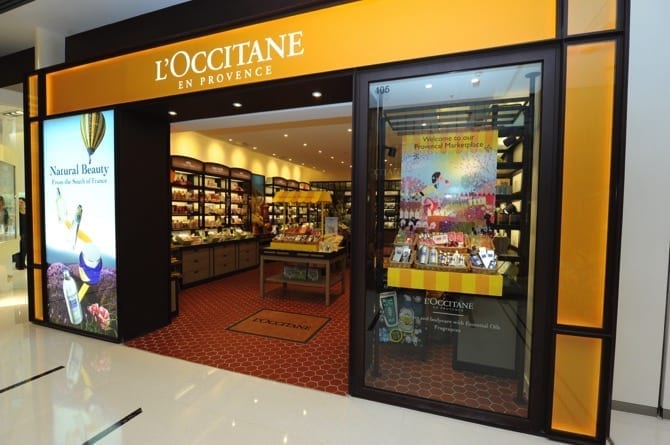
    Hong Kong-listed beauty products retailer L’Occitane may be taken private after at least one expression of interest in the business from a private equity investor. London-based private equity group Advent International has reportedly enquired about acquiring the company, which has an estimated US$2.7 billion market value.

    L’Occitane’s appeal has grown since listing on the HKSE eight years ago in a move to pursue Asian customers. While none of the parties involved have commented, sources close to L’Occitane have confirmed to European business media that “a number of potential buyers” are showing signs of interest.

    L’Occitane is thought to be well-positioned to take advantage of a fast-growing cosmetics and skincare market in the region, brought on by the expansion of the middle class and the Chinese tourism boom.

    L’Occitane’s is chaired by Austrian investor Reinold Geiger, who has overseen its growth internationally to 1555 outlets in 90 countries. The firm is experiencing sales growth in Hong Kong and China, as well as the US.

    It recently unveiled new concept stores in Canada and New York showing its future direction.

  • Vietnam’s blue chips fall faster than stock market plunge

    Vietnam’s blue chips fall faster than stock market plunge

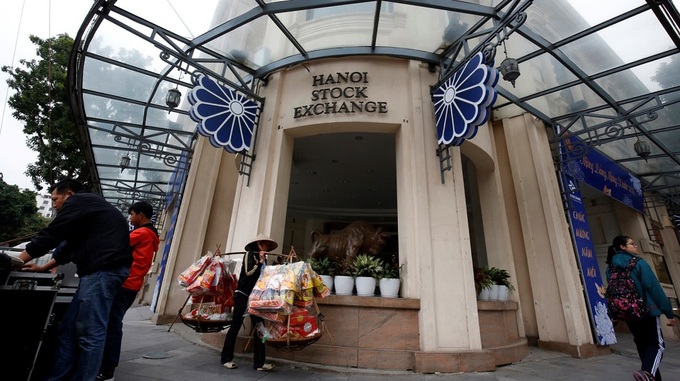
    As business results fall short of targets, Vietnamese blue chips are falling faster than the stock market’s continued plunge. Vietnam’s benchmark VN-Index dropped 23.5 percent to 917.97 points on Friday from its April peak over 1,200 points. In corresponding comparison, the fall in value of blue chips stocks has been more than twice as high. A share of Vietnam’s leading stone manufacturer Vicostone (VCS) on Friday was worth VND75,000 ($3.2), down 47 percent from its peak on April 4 at VND141,600 ($6.06).

    Analysts at that time called the stock a “phenomenon,” as its value surged 50 times from VND3,000 (13 cents) in mid-2014 on the Hanoi Stock Exchange (HNX).

    Vicostone’s profits also rose over 50 percent a year from 2014 to 2017, while its revenue increased from VND2 trillion ($85.64 million) to VND4.35 trillion ($186.27 million) in the same period.

    But this year, maintaining double-digit growth seems to be a challenge for the company as its revenue has stayed the same year-on-year at VND3.2 trillion ($137 million), while net profit fell 7 percent to VND790 billion ($33.82 million) in the first nine months of this year.

    Although the company has reassured shareholders that business is normal and that Vicostone plans to buy its own shares to stop the falling momentum, investors have been selling their holdings at increasing speeds.

    A similar situation can be seen at the Vietnam Prosperity Joint-Stock Commercial Bank (VPBank). Its stocks on Friday morning closed at VND21,950 (94 cents), dropping 48.7 percent from its peak on April 9 at VND42,826 ($1.83).

    Last year, as it focused specifically on consumer finance, the bank’s stocks was one of the most sought-after when it was listed on the Ho Chi Minh City Stock Exchange (HOSE) in August.

    But its stocks value has been dropping this year because business results are not as expected, analysts say.

    The company gained a consolidated net profit of VND4.9 trillion ($209.82 million) in the first nine months, up nearly 9 percent year-on-year, but only 60 percent of the year’s target.

    Securities firm Viet Capital Securities (VCSC) said in its recent report that the bank is not likely to meet targets set earlier this year. It said its own forecast on VPBank’s profit and stock prices for the year could be revised downwards 15-20 percent.

    Major plastic stocks are also falling in value.

    Binh Minh Plastic (BMP) and Tien Phong Plastic (NTP), the country’s two leading plastic producers, had their stock values plunge 50 percent from their peak last year.

    The two companies recorded high growth from 2010-2016. Binh Minh Plastic’s revenues went up from VND1.4 trillion ($59.95 million) to almost VND3.7 trillion ($158.43 million), with gross margin going up to nearly 30 percent.

    In the same period, Tien Phong Plastics also doubled their revenue and had its gross margin rise to almost 36 percent.

    Both companies were able to achieve this growth thanks to cheap materials and continual expansion.

    But as investors started to lose faith in the potential of the plastic industry and the entrance of foreign companies along with higher material costs, the plastic manufacturers had to reduce their profit margins.

    Last year, Binh Minh Plastic’s gross margin dropped to below 23 percent, while that of Tien Phong Plastic fell to 33 percent.

    Other stocks in the country have also fallen. The HNX-Index on the Hanoi Stock Exchange on Friday closed at 104.271 points, down 24.4 percent from its peak in April.

    The UPCoM-Index for unlisted companies on Friday closed at 51.872 points, 16 percent lower from its peak in March.

  • Murphy Oil said to be in talks to sell Malaysian oil & gas assets

    Murphy Oil said to be in talks to sell Malaysian oil & gas assets

    Murphy Oil Corporation is in talks to sell its Malaysian oil and gas assets after an unsolicited bid that could fetch between US$2 billion to US$3 billion (RM8.4 billion to RM12.6 billion), people familiar with the matter said, in the latest energy merger and acquisition deal in the Southeast Asian nation.

    The independent US oil and gas exploration and production company has tapped banks for the potential sale of its majority interests in eight separate offshore production sharing contracts in Malaysia, said the people, who declined to be identified because the matter is confidential.

    “Murphy wasn’t considering a sale but was approached by a party that put forward a very compelling bid. They are in negotiations,” said one of the people.

    Murphy, which has been in Malaysia since 1999, could agree on a deal in a couple of weeks, the person said. Others familiar with the matter suggested Spanish oil major Repsol, whose presence in Malaysia is focused on its upstream business, or other global majors could be potential buyers for Murphy’s assets.

    The possible transaction comes as M&A activity is heating up in Malaysia’s oil and gas sector, where international companies pursuing expansion plans are spotting opportunities.

    Repsol and Murphy declined to comment on any potential transaction or talks. There was no response to a query to Malaysian state-owned Petroliam Nasional Bhd (Petronas), which partners Murphy in Malaysia.

    “This is a good, balanced portfolio and offers a smart way for someone looking to grow quickly in the region. Otherwise, it’ll take a decade to start from scratch,” said Alex Siow, upstream oil and gas analyst at energy research firm Wood Mackenzie.

    “The buyer will be buying into an operatorship position with Murphy’s stake, therefore having the know-how and will to be an operator is important,” he said.

    Murphy produced nearly 46,700 barrels of oil equivalent a day in the quarter ended Sept 30 in Malaysia, the company said in response to the query.

  • H&M announces closure of Cheap Monday

    H&M announces closure of Cheap Monday

    H&M is to close its Cheap Monday brand business to refocus on “core activities”. “Cheap Monday has a traditional wholesale business model, which is a model that has faced major challenges due to the shift in the industry,” H&M said in a statement announcing the closure.

    “There has been a negative trend in the Cheap Monday’s sales and profits for a long time.”

    The progressive closure process will start immediately, with the aim of being complete by June 30. The Cheap Monday retail store in London and Cheap Monday’s online store will close on December 31.

    “We need to constantly develop our business and what we choose to invest in,” said Anna Attemark, head of new business at H&M.

    “We see very good opportunities and great potential for all of the other brands within the new business [division], which all are developing positively both digitally as well as through physical stores,” she concluded.

    About 80 employees will be affected, however many are expected to be encouraged to apply for other positions within the group.

    H&M acquired Cheap Monday in 2008 from Swedish apparel company Fabric Scandinavien, a second hand store for high fashion and exclusive denim. The brand was originally founded to offer customers a more affordable denim option for customers and soon grew into a wholesale brand.

  • Amazon in advance stage to buy stake in Future Retail

    Amazon in advance stage to buy stake in Future Retail

    Online retailer Amazon is in advanced stage of talks to buy around 9.5 percent stake in Kishore Biyani-led Future Retail, according to sources. According to a report: A final shape to an agreement between the two parties is expected to take place within the next 10 days, the sources said although in case of last minute hurdles the deal could be announced as late as January 2019.

    When contacted, Amazon declined to comment while messages sent to Future Group Founder and Group CEO Kishore Biyani remained unanswered by the time of filing story.

    According to a media report, the Amazon-Future Group deal is initially estimated to be around Rs 2,000 crore executed under foreign portfolio investor (FPI).

    The agreement could also include Amazon buying out Biyani and promoter group’s entire holding in future subject to applicable regulations in India.

    As of September 2018, promoter and promoter group had 46.51 percent share of Future Retail Ltd, which operates hypermarket and supermarket under brands which include- Big Bazaar, Easyday, Foodhall, HyperCity, FBB, Heritage fresh, ezone and WH Smith.

    It has presence in 250 cities across the country.

    Leading e-commerce major Amazon, which is looking to expand its presence in India, already has stake in Shoppers Stop and More.

    If the deal is through, this would be the third investment by the US-based company in the Indian brick-and-mortar retail ecosystem.

    Last year, retail major Shoppers Stop had announced raising Rs 179.26 crore from Amazon through an issue of equity shares on preferential basis. The deal with Amazon.com Investment Holdings LLC translated into just over 5 per cent shareholding for Amazon in Shoppers Stop.

    In September this year, Amazon said it has co-invested in Witzig Advisory Services, the entity that is acquiring Aditya Birla Retail’s ‘more’ chain of stores in India.

    According to market watchers, this deal is expected to help Amazon strengthen its play in the Indian retail market that is still dominated by offline retailers.

    The move would also intensify competition further between Amazon and Walmart-backed Flipkart that are locked in an intense battle for leadership in the Indian e-commerce market.

    The US’ largest retailer Walmart had picked up 77 percent stake in Flipkart for US$ 16 billion, the largest deal in the Indian e-commerce space so far.

    Both Amazon and Flipkart are pumping in millions of dollars towards building infrastructure, and expanding operations in the country.

  • Plum food delivery to cut entire staff

    Plum food delivery to cut entire staff

    Food delivery startup Plum has laid off its entire staff, casting doubt on its continued operations in Singapore and its home market of Hong Kong. According to a report, Plum co-founder Desmond Clinton Cheung, who is also the company’s GM, said full-time contracts for all 110 workers, including his own, had been terminated. The company is creating a new structure which would give staff who wish to remain with the company an equity ownership.

    “In the past, they were salaried staff and they would become shareholders,” he said.

    Plum was founded in Hong Kong a year ago and Cheung said it may have grown “a bit fast”.

    Efforts to reduce losses, including laying off 40 staff several months ago, had not worked and Cheung said he believed the new company structure offered an opportunity for the company to continue trading on a more sustainable basis.

  • Cover Story to launch accessories line soon

    Cover Story to launch accessories line soon

    Kishore Biyani-led Future Retail launched fast fashion brand Cover Story almost two-and-half years back with an aim to take international brands like Zara and H&M head on. The company then proceeded to set up a design house based out of London to develop cutting edge fast fashion. This design house was dubbed Future Style Lab, a wholly-owned subsidiary of Future Group, which developed and procured styles for Cover Story. And since then there has been no looking back.

    According to Manjula Tiwari, CEO, Future Style Lab, a fantastic growth has been seen for the brand, in terms of its popularity with customers and retailers alike. “Being just a 2.5 year old brand, Cover Story has established itself as a formidable competitor in the fast fashion space to international players. The brand is among one of the very few Indian brands to be present on ground floor locations across the leading malls in India, a great indication of the journey so far.”

    “We place customers in the centre of all that we do. Our product is a blend of latest trends and suitability in the Indian context and that has struck the right chord with our customers,” she adds.

    Target Audience

    The target audience of the fast-fashion brand is the 23 to 40 year old, financially independent woman with a rising disposable income which she loves to splurge on frequent shopping trips.

    “She thrives on social media, is a traveller in spirit and embraces new experiences. She frequently seeks to refresh her wardrobe. Feminine and eclectic, she switches effortlessly between Indian and western wear. Dressing up for her is a form of self-expression. She is modern but rooted,” says Tiwari.

    Store Design

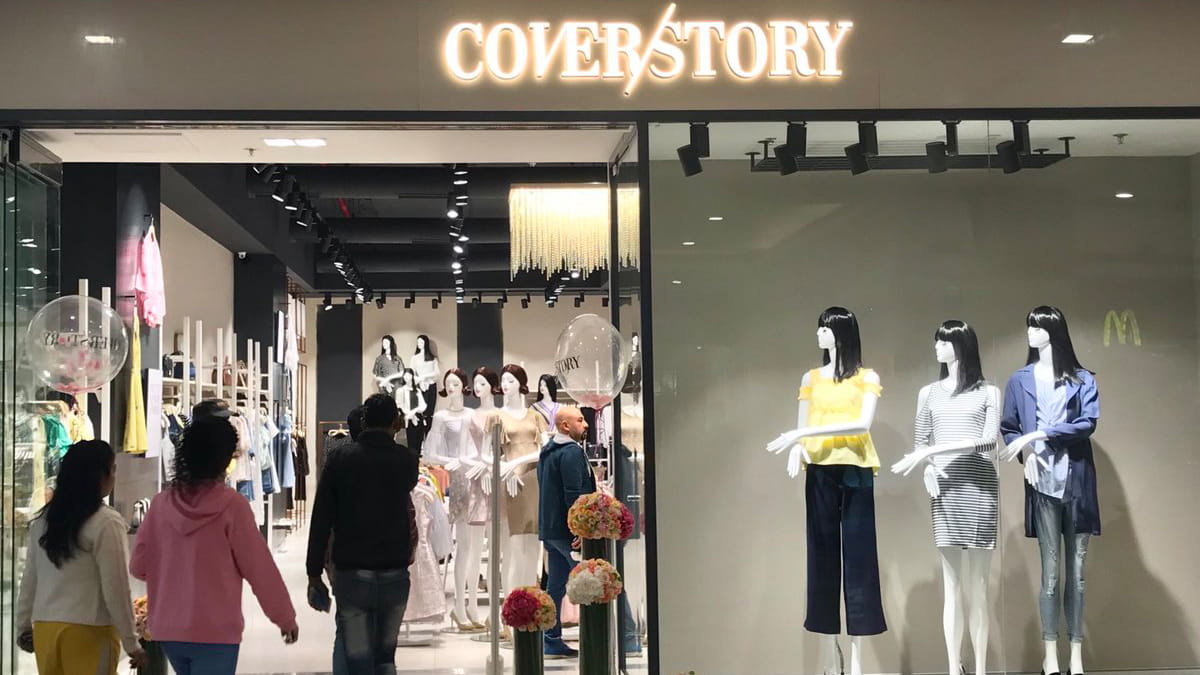
    All Cover Story outlets are designed to recreate the intimate boutique and provide a comfortable shopping experience. The layout is layers of transparency with opacity, which encourages a sense of discovery while shopping.

    “A warm and neutral palette has been chosen for the store as well as all the equipment in it. Colours such as Rose Gold have been opted for, to give the place a feminine touch, to help women identify with the store,” states Tiwari.

    The display panels in the store are designed to look like magazine editorials. Exclusive fashion clusters display merchandise as if they were stories, luring women into reading them.

    Visual merchandising is done by and premium in-store windows are designed by London stylists on the lines of international luxury brands. The cash counter mimics a woman’s vanity bag, while changing rooms have seating for the comfort of waiting friends and family.

    “Customers can browse tablets with fashion content and styling tips. Cover Story’s in-store ‘selfie booths’ are bound to create brand excitement. Consumers can browse through stores and merchandise, share their personal information, and then have their shopping home delivered,” asserts Tiwari.

    Shoppers can even make a request for sizes not currently available at the store. A personal shopper then locates the size from other outlets and delivers it to consumer.

    Product Category

    The brand offers around 450 SKUs per season under the categories like dresses, tops, tees, trousers, skirts, shorts, jackets and sweaters.

    “We also do footwear and bags and are planning to launch a jewellery and accessories line,” reveals Tiwari.

    “Dresses and tops are our fastest moving categories because we provide a wide variety in both categories for all occasions. Also these categories are generally the most sought after categories by women in general,” she adds.

    Marketing Strategy

    The marketing strategy of the brand is a healthy mix of generating brand awareness and driving traffic to the stores to convert to sales.

    According to Tiwari, “We ensure our campaign imagery is of high quality and for that we shoot internationally to bring forth the true image of the brand, being designed in London. Locally, we rely on heavy mall activations and branding to steer the customer to our stores. We also turn to Instagram as a great tool to highlight our fashion authority in the market along with a lot of support from celebs and influencers.”

    “We believe the future of consumer engagement is to get personal – create a connect with the consumer through great experiences. We intend to bring our customers a connect to our London designers with regular events and interaction, and to create constant content around international fashion and style to establish Cover Story as a go to fashion authority for the Indian consumer,” she adds.

    Future Plans

    The brand, which has 23 EBOs, 61 SIS across the country and presence on 5 online channels, will cross 100 doors by the end of this year.

    “We have been more than doubling the turnover every year and same store sales growth has been in the health double digits. Currently online contributes 5 percent to the overall revenue and we see it growing significantly in the times to come,” concludes Tiwari.

  • Luxury footwear label A.Testoni bought by Hong Kongese group Sitoy

    Luxury footwear label A.Testoni bought by Hong Kongese group Sitoy

    Hong Kong leather goods manufacturer Sitoy Group has acquired Italian luxury brand A.Testoni. Sitoy’s investment allows A.Testoni to maintain its brand identity and maximise on its artisanal heritage in a long-term strategy to drive the brand’s ongoing development.

    Sitoy’s chairman Michael Yeung Wah Keung said: “We are very pleased to welcome A.Testoni as a part of the Sitoy Group and work together to realise the full potential of the brand. As we celebrate our 50th anniversary this year, the acquisition marks an important milestone in the transformation of our retail and brand management business into a global dimension.”

    CEO of A.Testoni Bruno Fantechi said the acquisition comes after many years of fruitful partnership in Mainland China, where Sitoy has been a key partner in developing the brand’s distribution.

    “It recognises the inherent value in the brand’s unique levels of quality, craftsmanship and innovation which will drive significant future growth and development.”

  • Nike appointed two new leaders

    Nike appointed two new leaders

    Nike Inc is bolstering its executive management with its two latest hires. The U.S. sports giant has announced earlier in the month that Carl Grebert, currently the Vice-President, General Manager of the Global Jordan Brand, will become the company’s new Vice-President, General Manager of its Asia Pacific and Latin America (APLA) geography, effective December 1.

    In his prior role at Jordan, Grebert worked for 18 months and drove the basketball brand’s global product engines and marketing, merchandising, and oversaw Jordan category management teams for the brand, pushing the business into a position for the next phase of growth.

    Before Jordan, Grebert headed up the Japan geography team as Vice-President, General Manager of Nike Japan.

    He has also held senior roles in marketing and ran territory business units in Europe.

    Grebert replaces Ann Hebert, who will become the new Vice-President, Global Sales, after working as APLA head for two and a half years.

    Hebert will be responsible for driving Nike’s global sales teams and partnering with Nike Direct “to build a seamless Nike network that will continue to elevate service to consumers around the world,” said Nike in a statement.

    She replaces Mike Best, who has decided to retire after a nearly 30-year career stint at Nike.

    Likewise, Hebert has been at Nike for 23 years and served in various leadership roles.

    Prior to her APLA role, the Nike veteran was VP of the Global Nike Direct Partner business and led the North America sales team as the VP, North America Sales.

    Both new management roles will report to Elliott Hill, Nike’s President of Consumer and Marketplace.


  • TM posts RM175m net loss in Q3

    TM posts RM175m net loss in Q3

    Telekom Malaysia Bhd (TM) suffered a net loss of RM175.59 million during the third quarter ended Sept 30 compared with a net profit of RM211.82 million a year ago, due to an impairment loss on network assets recognised during the quarter.

    In a filing with Bursa Malaysia, TM said it recognised a provision of RM934.8 million during the quarter for the impairment of fixed and wireless network assets following the continued pressure from challenging business, industry and economic conditions.

    It said that the impairment losses were projected based on an assessment of the recoverable value in use of the affected network assets at respective entity levels and it will continue reviewing the economic circumstances revolving around these assets in coming periods to reflect any potential impairment or recoverable value.

    Its core net profit, excluding non-operational items, stood at RM266.4 million, a 71% improvement sequentially while revenue for the quarter rose marginally to RM2.95 billion from RM2.94 billion a year ago on the back of higher data as well as other telecommunication related services revenue.

    During the quarter, UniFi recorded a loss of RM808.3 million compared with a profit of RM56.7 million a year ago, due to the impairment loss on network assets while revenue fell 2% to RM1.33 billion from RM1.36 billion a year ago due to lower revenue from voice services in line with a decrease in customer base and usage.

    This was partially offset by higher UniFi revenue in line with increase in customer base at 1.24 million as at end-September compared with 1.04 million a year ago.

    TM ONE recorded a 13.2% drop in profit to RM147.5 million during the quarter from RM170 million a year ago due to high operating costs, including the allocated impairment loss of network assets.

    Revenue for the segment rose 1.9% to RM1.12 billion from RM1.10 billion a year ago due to higher revenue from customer projects.

    As for TM Global, profit rose 9.1% to RM103.3 million from RM94.7 million a year ago due to lower operating costs while revenue rose 2.6% to RM562.8 million from RM548.4 million a year ago due to higher revenue from voice services.

    For the nine months ended Sept 30, net profit plunged 87.21% to RM83.5 million from RM652.74 million a year ago while revenue fell 1.74% to RM8.73 billion from RM8.89 billion a year ago.

    “The recent industry and market challenges have had major impact to the overall revenue estimates and earnings of TM Group in the financial year. TM anticipates that the challenging environment will persist for both our retail and wholesale segments,” the group said.

    In the midst of these challenges, TM said it will continue to focus on strengthening the performance of its core business and operations.

    In a separate filing, TM announced a revised dividend policy of distributing yearly dividends of 40-60% from its net profit, effective from the next dividend declaration.

    The group said that dividends will be paid depending on overall business and earnings performance, capital commitments, financial conditions, distributable reserves and other relevant factors.

  • Xiaomi aims at 5,000 stores in India by the end of 2019

    Xiaomi aims at 5,000 stores in India by the end of 2019

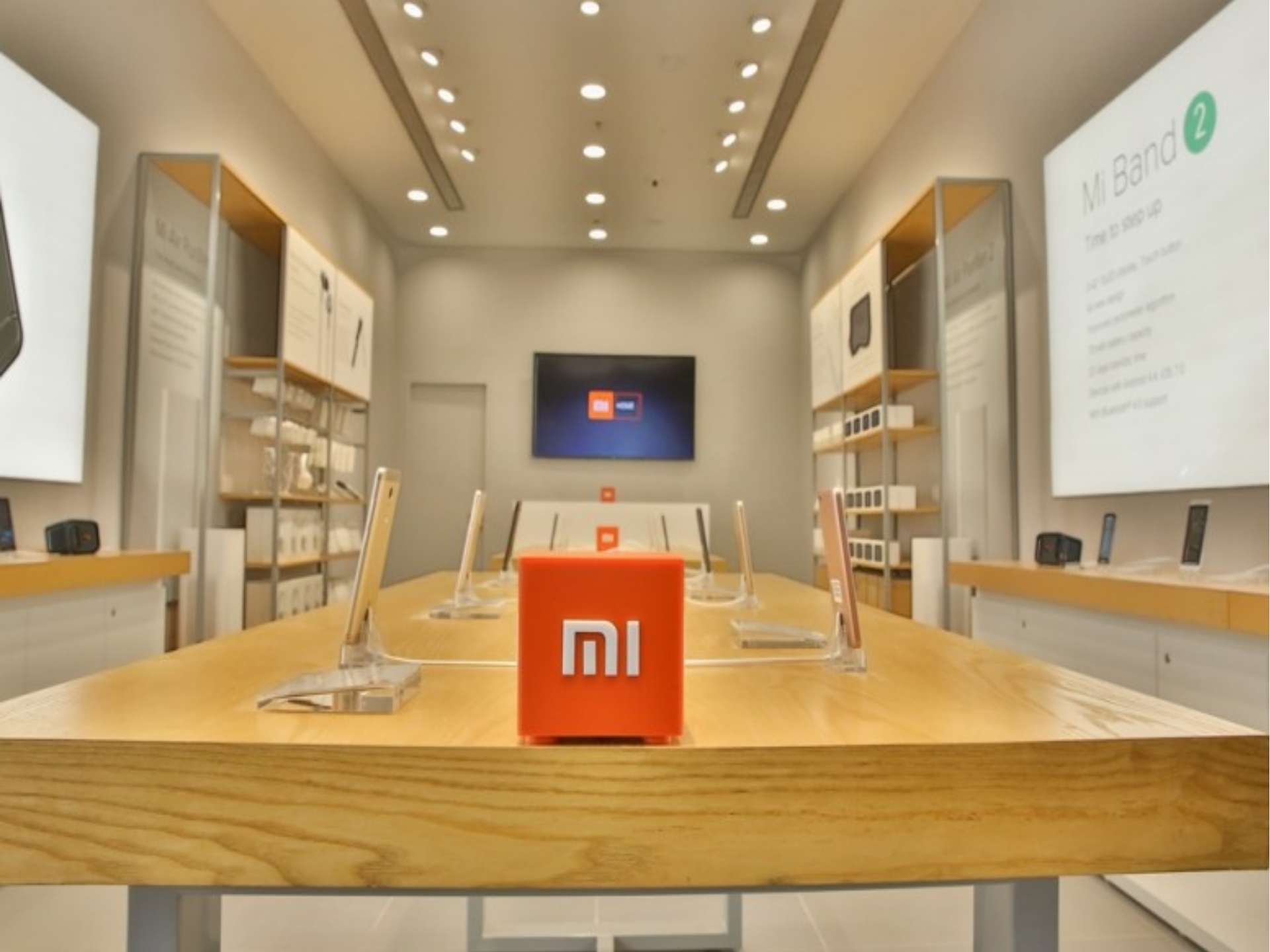
    Chinese tech giant Xiaomi is looking to cement its status as India’s leading smartphone provider by opening thousands of stores before the end of 2019. The company announced it would increase its presence in India from 500 retail stores to 5,000 by 2020. “It’s been over a year since we started offering our products through offline retail and we have seen strong growth there,” said Manu Jain, Xiaomi vice president and managing director for India.

    “Offline retail is a huge segment in our country with nearly 40 percent of the offline market focused in rural regions, and all of this should increase our offline sales and account for 50 percent of the company’s revenue by the end of next year.”

    In a Twitter post, the smartphone maker invited people to apply to run one of the franchised stores, which will be based on its Mi retail model.

    “It’s been over a year since we started offering our products through offline retail and we have seen strong growth there,” – Manu Jain

    “Mi store is the ‘new retail’ model for rural India that gives flagship store experience to our rural customers,” Xiaomi said on Twitter, adding that the new stores would generate more than 15,000 jobs.

    India is one of Xiaomi’s fastest-growing markets, according to Reuters, where it has had success with its budget Redmi phone series.

    The firm is the country’s leading smartphone provider, with 30 percent of market share. It entered the market in 2014 as an online-only retailer, before opening physical stores across India. Samsung and Vivo are its closest competitors there.

    Xiaomi was awarded a Guinness World Record on Tuesday for opening the largest number of retail stores in India simultaneously. The company also operates in Asia, Europe, the Middle East, Africa, and Mexico.

  • Food firms hope to feast on snack sales in Vietnam

    Food firms hope to feast on snack sales in Vietnam

    Vietnamese companies are hoping to make big bucks selling popular foods like fried chicken and crispy pork skin. Nguyen Ngoc An, general director of Vietnam Livestock Industry Company (Vissan), sees great potential in the snacks market. He is not referring to potato chips, but to fresh food made with chicken and pork.

    “Deep-fried pork skin, seaweed dried chicken and pha lau (pork meat and offal braised in a spiced stock) are favorite dishes among young people,” he said.

    “Such snacks will be a good source of revenue for the company in the near future.”

    Already in the market, Saigon Food JSC has released more than 10 fresh snack products, including rice paper pancakes, corn fried shrimps, and tamarind fried balut eggs, which are selling very well.

    Le Thi Thanh Lam, deputy general director of Saigon Food, said that the company’s products are sold at 7-Eleven convenience stores in Ho Chi Minh City.

    “In the near future, we will be exploring new product lines that fit the tastes of consumers to expand the snacks segment,” she said.

    A leading producer of poultry eggs, Ba Huan JSC has also latched on to this trend, launching a group of snack products including spicy chicken legs, skewers, sausages, and omega 3 flan.

    Pham Thanh Hung, deputy general director of the company, said these snacks are new to the market, but sales are quite high. Most of the products are sold in supermarkets or convenience stores. Spicy chicken legs are most liked, he said.

    Vinh Dat Food JSC, which introduced fresh snacks into the market before any of the above companies, said that initially, processed egg products such as balut egg stew, preserved black eggs and braised eggs saw slow consumption.

    But by 2017, explosive growth of this segment forced the company to invest in more production facilities to meet demand. In the coming months, the company will develop more soft-boiled egg products and wholesale various types of braised eggs to restaurants.

    The latest survey carried out by market research firm Decision La shows that on average Vietnamese youth spends VND13 trillion ($556.53 million) on snacks every month.

    And according to statistics by London-based market research firm Euromonitor, by the end of 2016, Vietnam had about 149,000 food kiosks on the streets, including mobile vans or fixed in front of houses, which earn about VND46.9 trillion ($2.01 billion) per year.

  • Businesses in Vietnam close down at increasing rate

    Businesses in Vietnam close down at increasing rate

    The number of enterprises closing down in the year to date hit 67,000, double the number in the same period last year. Chu Tien Dung, chairman of the HCM City Business Association said that this number is unusually high but can be explained by problems that have existed for years.

    The government’s target of having 1 million enterprises by 2020 is to blame in no small measure since it has led to policies that encourage quantity rather than quality, he said.

    Typically, this has seen sole traders registered as one-man limited companies and a big start-up movement in major cities such as HCM City and Hanoi.

    “The procedures for setting up a limited company have been greatly simplified so that anyone can become a boss. If within a few years or even months the owner finds the business line to be unsuitable or does not like the company name, it is not difficult to dissolve and establish a new business.”

    Statistics from the Department of Business Registration show that of the enterprises closing down each month the rate of those with charter capital of below VND10 billion ($426,350) is overwhelming.

    The reason lies primarily in the fact that small and medium- sized enterprises (SMEs) lack resources and also have difficulty accessing credit.

    The liberalization of the law on investment is being used by some to profit illegally, he said. Many enterprises have announced insolvency due to heavy losses.

    According to the World Bank, starting up in Vietnam now involves only eight steps which can be completed in 17 days while it takes 26 days on average in East Asia and the Pacific to complete formalities and enter the market.

    Tran Thi Hong Minh, director of the Department of Business Registration, said: “Dissolution and bankruptcy is the natural, objective law of the economy. The market will eliminate and purge weak businesses to replace them with those of better quality.

    “Vietnam is considered a dynamic economy with rapidly developing science and technology and so the pressure on businesses is of an equivalent magnitude.”

    Pham Chi Lan, former chairwoman of the Vietnam Chamber of Commerce and Industry (VCCI), said business owners had expressed concern the business climate had not improved much.

    Even in the case of single-door administrative procedures, where all documents are meant to be submitted and received at one office, an applicant has to go through many other doors, she said.

    “While we are talking about creating new tools and policies, old, defunct procedures are still not scrapped. As such, Vietnamese businesses are very worried about their future.”