Retail News CRM

Tag: Company

  • Zen Corporation Thailand completes IPO

    Zen Corporation Thailand completes IPO

    Thai restaurant operator Zen Corporation secured THB975 million (US$31.35 million) via an IPO issued last Wednesday. The firm sold all 75 million shares on offer, representing 25 per cent of its registered capital, at THB13 each. Its stock price grew 17.69 per cent over the course of its trading debut, as strong demand pushed the value per share up to THB15.30 on the first day.

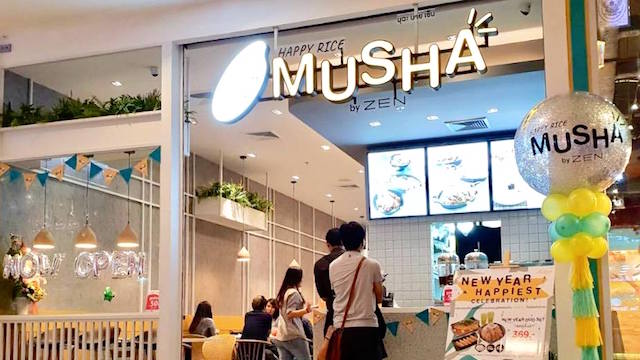
    Zen Corporation is known for its various restaurant chains, including its eponymous brand as well as Musha by Zen, Sushi Cyu Carnival Yakiniku, AKA, On the Table Tokyo Cafe, Tetsu and de Tummour.

    The firm also operates food delivery, catering, restaurant management and consultancy services, as well as food retail operations.

  • Foot Locker boosts capital expansion

    Foot Locker boosts capital expansion

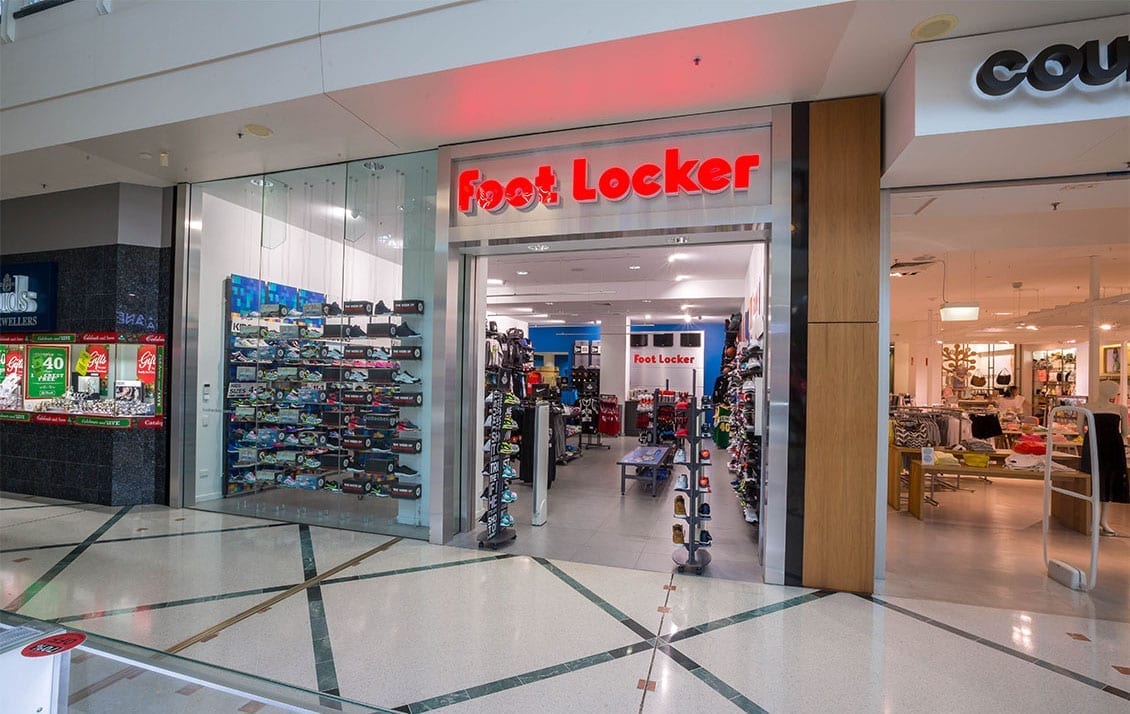
    Foot Locker has announced a US$275 million capital expenditure program for this year, with Asia singled out as a target market. The investment is $75 million more than the US-headquartered sports-shoe and apparel retailer allowed for last year. “The capital spending planned for this year reflects increased investments in the company’s store fleet in all existing regions, including Asia, and in its digital initiatives,” the company said in a statement.

    “In addition, the company will continue to spend capital to build out its supply chain and other infrastructure capabilities.”

    Chairman and CEO Richard Johnson said Foot Locker sees “exciting opportunities” to invest in the business this year. The capital commitment followed decisions to launch a share buy-back program and to pay a dividend to shareholders.

    “Taken together, these actions demonstrate that our board is confident that Foot Locker can simultaneously deliver strong financial results, invest in the long-term growth of the business, and provide meaningful returns to our shareholders,” he said.

    Foot Locker currently operates 3221 stores in 27 countries in North America, Europe, Asia, Australia and New Zealand.

    In Singapore, Foot Locker opened three stores last year, in Jem Mall, Century Square and Suntec City.

  • Swire Properties’ community ambassadors visit Taikoo Dockyard retirees in HK

    Swire Properties’ community ambassadors visit Taikoo Dockyard retirees in HK

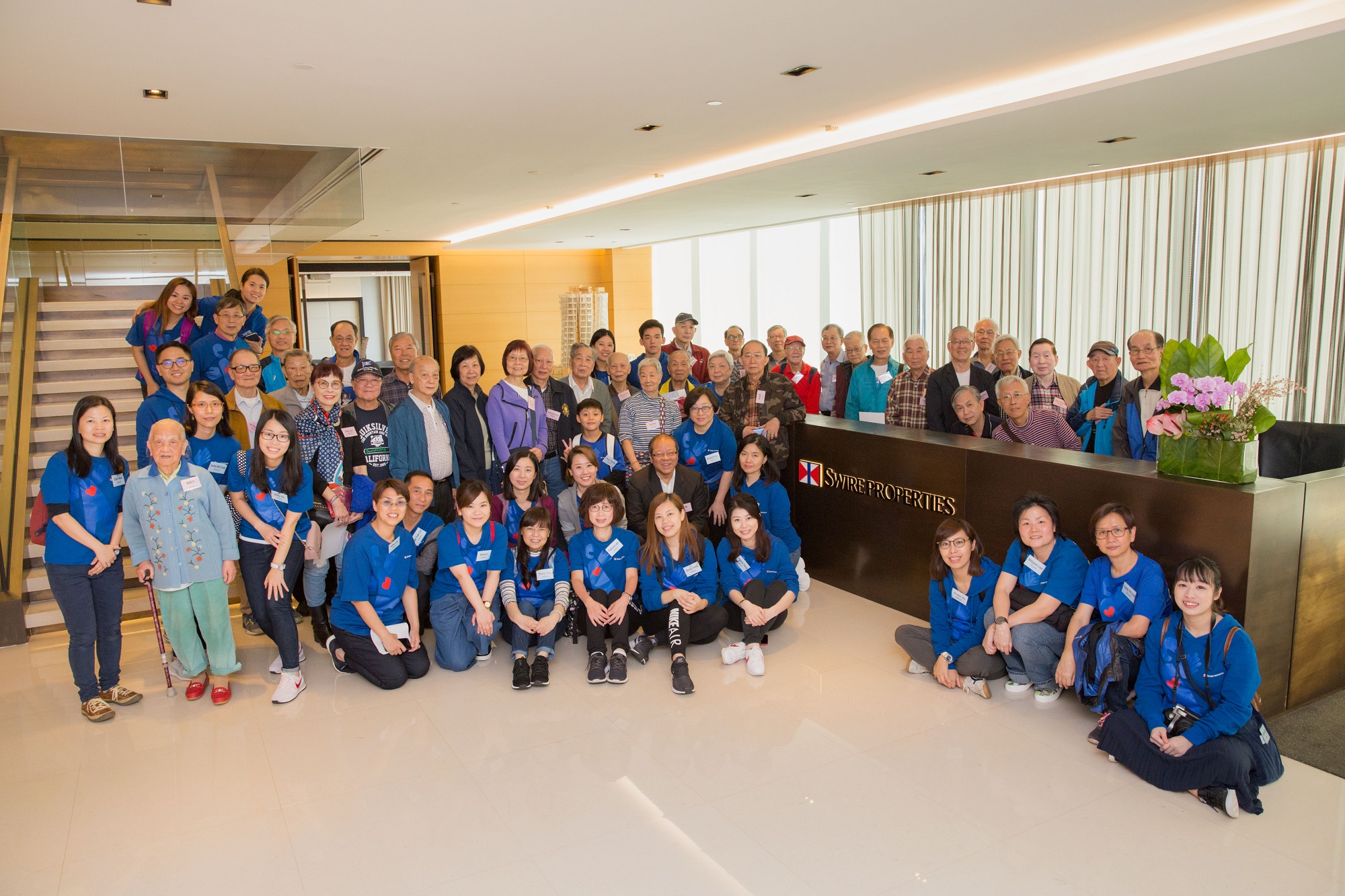
    Swire Properties’ Community Ambassador held a gathering with some 40 retirees of Taikoo Dockyard. It has been a tradition to organise such gatherings during Chinese New Year since 2015 to stay in touch with the old Swire staff and foster friendship across generations. Hosted by Mrs Elizabeth Kok, Director & Senior Advisor at Swire Properties, the old staff of the Swire group shared their fond memories of working in the Island East area, where the Swire group once operated the largest shipyard in Hong Kong for over a century.

    The sharing session was followed by a visit to the LEGO model of Taikoo Dockyard at Cityplaza, which reminisced about working lives in the area. While looking back to the good old days, the old staff are also amazed by the transformation of the area which is now developed into a blue-chip private housing estate and a major commercial area, against the backdrop of Hong Kong’s rapid development in the past decades.

    Many of the participants had spent their entire career life in Swire for more than 40 years. Mr Lam, aged over 90, was in charge of electric machine room of Taikoo Dockyard. Bringing along his old staff card to the gathering as a way to share his memory, he treasured the rare opportunity to gather with his former colleagues and the Community Ambassadors.

    Mrs Elizabeth Kok, Director & Senior Advisor at Swire Properties, welcomed the veterans in the gathering. She remarked that the event was so meaningful that it offered the old staff a chance to revisit their former workplace at Cityplaza.

  • Vietjet to ink $13 billion Boeing deal during Trump-Kim summit

    Vietjet to ink $13 billion Boeing deal during Trump-Kim summit

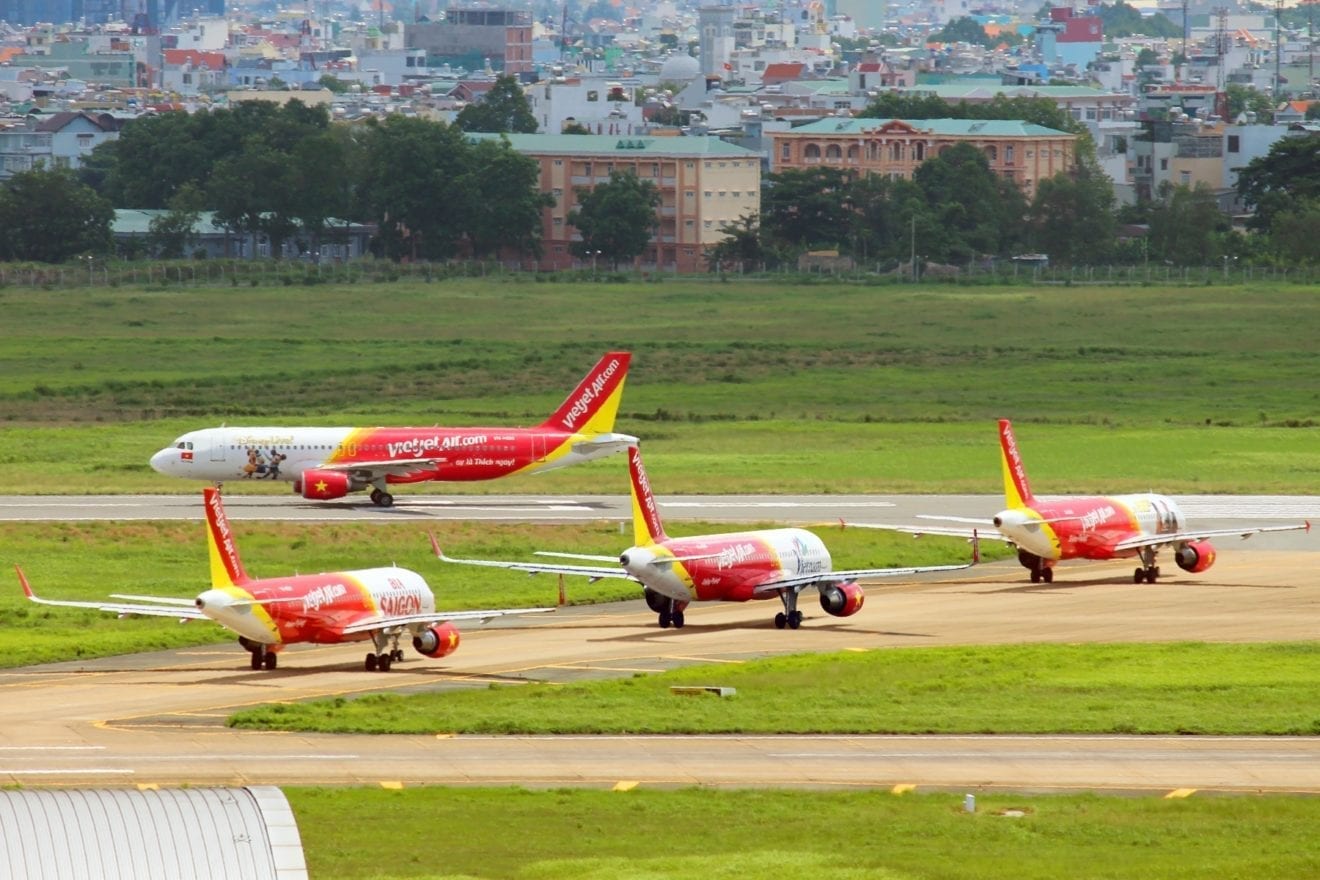
    Vietnamese budget airline Vietjet will sign next week a deal to buy 100 narrow-body Boeing aircraft. The signing will take place on the sidelines of the upcoming Trump-Kim summit, sources said. The sources also said Vietjet will finalize next week a provisional deal agreed last year to buy 100 narrow-body Boeing 737 MAX jets worth almost $13 billion at list prices.

    The U.S. Federal Aviation Administration (FAA) last week gave Vietnam a Category 1 safety rating, allowing local airlines to operate direct flights to the U.S.

    Vietjet, along with other local airlines, had previously expressed interest in operating direct flights to the U.S.

    The carrier, the largest private airline in Vietnam, had also signed a deal to buy Boeing 737 MAX narrow-body jets when former U.S. President Barack Obama visited Hanoi in 2016.

    It also finalized a deal in November last year with Airbus for 50 A321neo jets during a visit to Hanoi by French Prime Minister Edouard Philippe.

    Vietjet currently operates 40 domestic routes and 66 international routes. It has 385 flights daily within Vietnam and to places such as Japan, Hong Kong, South Korea, Taiwan, Singapore, mainland China, Thailand, Myanmar and Malaysia.

  • Godiva sells Asia business to South Korea’s MBK for $1bn

    Godiva sells Asia business to South Korea’s MBK for $1bn

    Belgian chocolatier Godiva has sold select assets to MBK Partners as part of a global strategy to grow the business fivefold. Under the terms of the transaction, MBK will purchase the retail and distribution operations in four of Godiva’s more than 100 markets: Japan, South Korea, Australia and the future rights to develop New Zealand. The transaction, anticipated to close mid year, includes consumer packaged goods (CPG), digital commerce, travel retail (for Japan and South Korea) and more than 300 retail stores, as well as the Godiva production facility in Brussels that supplies product to these markets. All remaining 100-plus markets will continue to be owned and operated by Godiva.

    While the terms of the deal were not disclosed and completion is conditional on the necessary approvals, once settled Godiva Chocolatier will retain exclusive brand ownership in all global markets, granting a perpetual license to MBK Partners. Godiva will continue to source its products from the Belgian facility together with the production facility it owns in the US, and its affiliate facilities in Istanbul, Turkey.

    “Since 2008, we have been very pleased with the performance of Godiva, having nearly doubled its revenue and the number of stores operating globally, and we continue to see tremendous upside for this brand moving forward,” said Murat Ulker, chairman of Godiva’s owner Yildiz Holding.

    “Realising the potential ahead, together with Godiva leadership, we conducted a strategic review to explore new ways for generating the necessary cash flow to fuel the robust growth. This transaction is an ideal solution that provides the momentum to fuel expansion in other high potential areas of our portfolio.”

    “We believe this deal is a win-win for everyone,” added Godiva CEO Annie Young-Scrivner. “It gives us the financial flexibility we need to execute our fivefold growth strategy by accelerating efforts in new and existing markets and supporting the plan of opening of more than 2000 cafes globally, while preserving our Belgian legacy, quality, and craftsmanship that have helped to make our brand iconic.”

    Among Godiva’s various markets, Japan, South Korea, Australia and New Zealand collectively have some of the strongest brand equity and include more than 300 retail stores, making these regions the most compelling areas for monetisation. In Japan, Godiva has almost 90 per cent aided brand awareness and is the number one retail brand in the country, with the highest premium time spent in stores, according to 2017 research by the Nikkei Marketing Journal.

    At the same time, Yildiz sees significant unrealised opportunity for the brand that, when coupled with the infusion of capital, infrastructure and capabilities from MBK Partners, is expected to deliver a strong return on investment.

  • Malaysia’s BLand earmarks RM1.05b property launches this year

    Malaysia’s BLand earmarks RM1.05b property launches this year

    Berjaya Land Bhd (BLand) plans to launch some RM1.05 billion worth of properties in 2019, mainly The Tropika in Bukit Jalil and Timur Bayu in Shah Alam, after a two-year hiatus. The group, via its subsidiary Berjaya Golf Resort Bhd, launched The Tropika over the weekend, a mixed development project with a gross development value (GDV) of RM720 million, comprising 868 residential units across four towers.

    BLand senior general manager of property marketing Tan Tee Ming expects The Tropika in Bukit Jalil to be the main revenue contributor for the group’s property segment this year.

    The Tropika is located on 6.5 acres of freehold land in Bukit Jalil. There are four different types of units, namely Type A, Type B, Type C and Type D measuring 732 sq ft, 974 sq ft, 1,318 sq ft and 1,251 sq ft respectively.

    Tan said units of the first tower is priced at RM725 psf and every subsequent tower will increase RM50 psf.

    “There are two market segments that we want to cater for in The Tropika. We thought of the buyers in mind and the first segment is young families. We also want to focus on investors. We know that there will be a rental market for the apartments that we build here,” Tan told the media.

    The Tropika is within close proximity to SJKC Lai Meng, International Medical University and Asia Pacific University, as well as the Bukit Jalil Complex, the Bukit Jalil Recreational Park and the Bukit Jalil Gold & Country Resort.

    Surrounding the four residential towers of The Tropika is a 2.9-acre deck equipped with 68 types of facilities.

    The commercial space of the project features a 23,695 sq ft grocer along with a two-storey dual frontage office lots ranging from 3,316 sq ft to 3,814 sq ft and retail space ranging from 752 sq ft to 1,677 sq ft.

    Completion of the commercial component will take two years while the residential towers will take four years.

    Tan said BLand is also planning to develop the 12-acre land next to The Tropika, where the Berjaya Property Gallery sits on, into a 1,500-unit residential project with managed healthcare.

    Meanwhile, he said the Timur Bayu development in Shah Alam has a GDV of RM330 million, consisting of high-rise and low-rise residential units. It is expected to launch the project in the third quarter this year.

  • Korean Air plans to make 16 trillion won in sales by 2023

    Korean Air plans to make 16 trillion won in sales by 2023

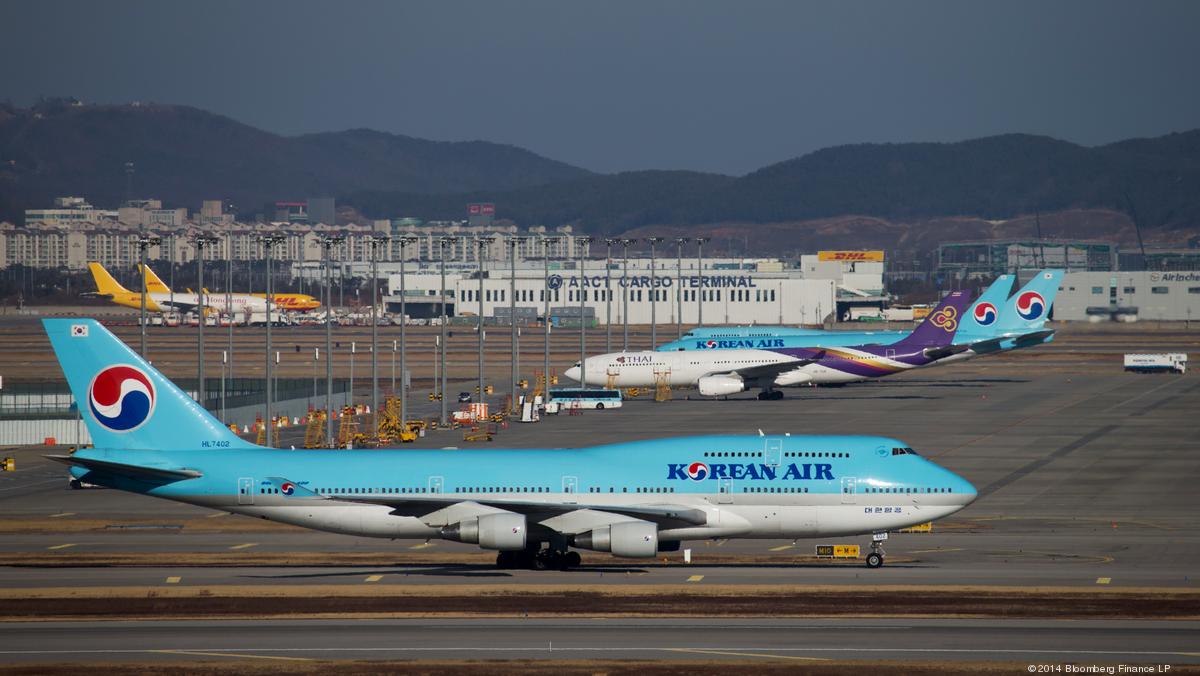
    Korean Air unveiled its mid-term business strategy Tuesday, saying it aims to record 16.2 trillion won ($14.4 billion) in sales by 2023. The goal comes as the airline’s March shareholders’ meeting draws near. Korean Air Chairman Cho Yang-ho’s term at the country’s largest airline ends this year and shareholders will vote on his re-election. To achieve the sales target, it needs to grow by an average 5.1 percent every year. Last year, the airline inked 12.7 trillion won in sales.

    Its operating profit target for 2023 is 1.7 trillion won, about 2.5 times more than last year’s 692.4 billion won.

    The company said it will work to raise the profitability of its business to reach a 10.6 percent profit to sales ratio. Last year, the ratio stood at 5.5 percent. Along with improved profits, the company plans to lower its debt ratio to below 400 percent from last year’s 699 percent.

    To expand sales, Korea’s largest full-service carrier plans to expand routes connecting America and Asia through a joint venture inked with U.S. airline Delta Air Lines last year. The partnership enables the two companies to share revenue, costs, flights and sales networks with antitrust immunity on their trans-Pacific operations.

    The airline also plans to open up new flight routes headed to Europe and Southeast Asia, both growing as popular travel destinations.

    As for its cargo business, the airline plans to bolster its business with emerging markets like Vietnam, India and Central and South America.

    In the aerospace business, the company said it will develop new technologies to build parts for passenger aircraft and start mass producing unmanned aerial vehicles to secure future growth engines.

    This year, Korean Air proposed a target of 13.2 trillion won in revenue and 1 trillion won in operating profits.

  • Warm weather blamed for worsening Bossini International loss

    Warm weather blamed for worsening Bossini International loss

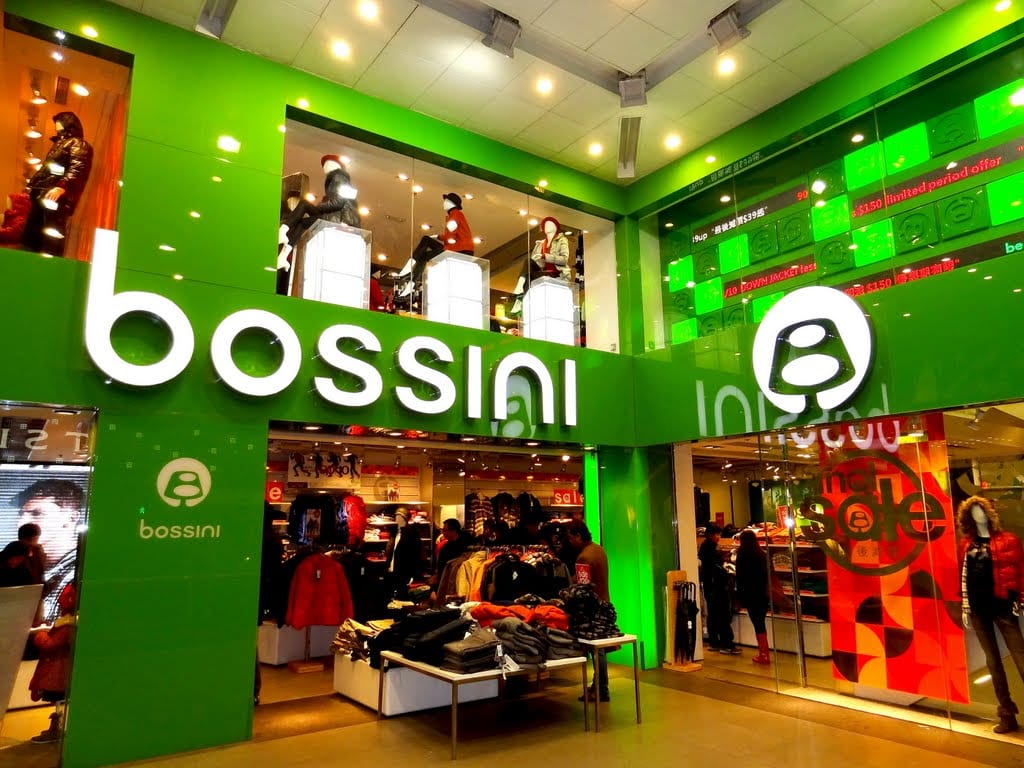
    An unseasonably warm winter and weak consumer sentiment in core markets has been blamed for a more than doubling of losses for Bossini International in the six months to December. The casual-fashion retailer reported a 10 per cent decline in group revenue to HK$875 million (US$111.5 million) and a 5 per cent drop in same-store sales for the period. Gross profit fell 11 per cent and the loss attributable to shareholders ballooned from $12 million in the same period a year earlier to $26 million (US$3.3 million).

    Operating profit in the key Hong Kong and Macau market, where Bossini has 39 stores, improved, despite a 5 per cent decline in same-store sales.

    In Singapore, sales plummeted 23 per cent due to store closures. Same-store sales there fell by 6 per cent, in Taiwan by 7 per cent and in Mainland China by 3 per cent. Group-wide same-store sales fell by 5 per cent, worse than the 2 per cent of the December 2017 half.

    As at the end of last year, Bossini International had a total net retail floor area for directly managed stores of 362,000sqft, about 4000sqft less than a year earlier, across 295 stores, (11 more than a year earlier). It opened 114 franchised stores in markets outside Hong Kong and Macau, taking the total franchised network to 768.

    Hong Kong challenge

    Bossini chairman Man Kuen Bess Tsin said the significant decline in retail sales growth in Hong Kong since July and the negative impact of the devaluation of the Renminbi had impacted on the company’s sales in its home market, which accounts for 66 per cent of group revenue.

    “The Hong Kong retail market presented a cautious optimism if not a mixed picture. Strong inbound tourism, especially from Mainland China, was recorded in Hong Kong. Nevertheless, the consumption per capita started to drop in the third quarter, despite the annually increasing numbers of tourist arrivals in Hong Kong.”

    The group’s total net retail floor area in Hong Kong and Macau reduced from 125,800sqft to 121,600sqft, a decrease of 3 per cent, while sales per square foot slipped 5 per cent to $7200 (from $7600). Operating profit in Hong Kong and Macau was $17 million, up from $12 million for an operating margin of 3 per cent (compared with 2 per cent a year earlier).

    Mainland China revenue decreased 2 per cent.

    Bossini Singapore posted an operating loss of 5 million, 20 per cent more than the comparable period and the operating margin was negative 9 per cent.

    Cautious outlook

    Tsin said Bossini International management is “cautiously optimistic” about the year ahead.

    “However, in face of the complex and volatile global economy and geopolitics, the outlook is full of uncertainties. As an open economy, Hong Kong is particularly vulnerable to the impact of the global situation. At the same time, the local economy and consumption structure are also gradually changing.

    Challenges and opportunities coexist. The group is fundamentally strong with a healthy financial position, which is capable of facing the potential challenges.”

    Tsin said the export franchising business is a main focus of the group.

    “We will further expand and optimise the distribution network, leveraging the economy of scale in market reach and profitability.”

    The company will focus on introducing more new products and designs, with a focus on functionality at the core of its product strategy. Alongside the young adult segment, the company will develop more childrenswear lines to broaden its customer base and it will strengthen supply chain management to improve operational efficiencies.
  • BreadTalk buys out joint venture partner in Thailand

    BreadTalk buys out joint venture partner in Thailand

    Minor Group has sold its half share in BreadTalk Thailand to the bakery’s Singapore-listed owner. According to the Straits Times, BreadTalk paid US$5.15 million for the stake, which Minor Group is expected to use to expand its other food and beverage brands in the kingdom, including The Coffee Club.   The BreadTalk Thailand joint venture, called BTM Thailand, was set up in 2014.

    Minor Group’s other brands in Southeast Asia include ThaiExpress, Xin Wang Hong Kong Cafe, Swensens and the Pizza Restaurant Company.

  • US opens doors to Vietnamese mango after years of attempt

    US opens doors to Vietnamese mango after years of attempt

    The US’s Animal and Plant Health Inspection Service has given the green light for the import of mangoes from Vietnam. The license comes exactly 10 years after Vietnam applied for it. To export fresh mangoes to the U.S., farmers and business will need to meet stringent standards. APHIS will inspect each shipment thoroughly before granting phytosanitary certificates.

    Mango is Vietnam’s sixth fresh fruit licensed to be imported into the U.S. after dragon fruit, rambutan, longan, lychee, and star apple fruit.

    Some 96 percent of Vietnam’s mango production is consumed domestically, with the rest exported currently to 40 countries either as fresh fruit or in processed form.

    The main market is China. The other important ones are Europe, South Korea, Japan, Australia, and New Zealand.

  • China’s Fosun makes bid for Tom Tailor

    China’s Fosun makes bid for Tom Tailor

    Hong Kong-listed Chinese trading group Fosun has launched a Tom Tailor takeover bid. Fosun has long held a cornerstone stake in the German-listed fashion retailer, which has several thousand stores, franchises and shops-in-shops around the world, trading under its own name selling men’s and women’s fashion and under the womenswear label Bonita. Its core markets are Germany, Austria, Switzerland, Southeastern Europe and Russia.

    Fosun said in a stock exchange filing that the Tom Tailor takeover bid follows an increase in its shareholding which will take its stake above the 35 per cent level which triggers a mandatory takeover offer under German law.

    In a statement, Fosun said it would benefit from the target company’s long-term growth potential.

    “The company considers the transaction to be an attractive investment in its sector as it sees economic potential in Tom Tailor.”

    Founded in Hamburg in 1962, Tom Tailor has encountered challenges in recent years. Its share price has plunged 80 per cent since January last year.

    The company focuses on mid-priced casual wear for men, women and children, accessories, and home textiles.

    Fosun has been expanding its interests in Europe in recent times, acquiring Lanvin last year, along with Austrian luxury lingerie brand Wolford. It also has a stake in menswear label Caruso.

  • No more loss for Hong Kong’s Cathay

    No more loss for Hong Kong’s Cathay

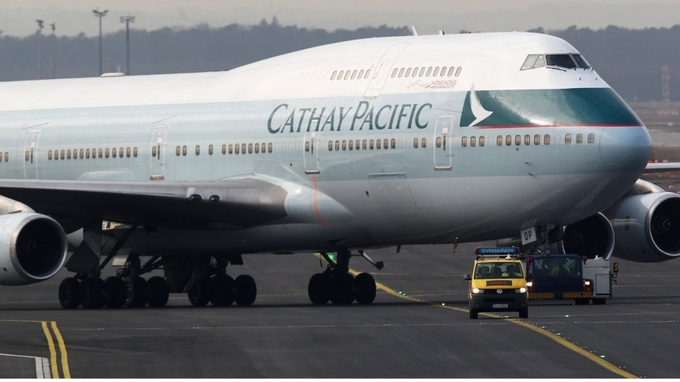
    Hong Kong flag carrier Cathay Pacific said on Wednesday it is expected to have swung back to profit in 2018, ending two successive losses as it embarks on a massive overhaul. The recovery also came in a year that saw it suffer an embarrassing data breach that dented its reputation and could could prove costly. The airline said it expects to record a consolidated profit of around US$293 million (RM 1.2 billion) for 2018, compared with US$160 million (RM651 million) losses the year before, according to a preliminary profit alert.

    The company’s share price jumped more than seven percent after the announcement as investors took comfort in the turnaround after two grim years for Asia’s largest carrier.

    “In 2018, the passenger business benefited from capacity growth, a focus on customer service and improved revenue management,“ the company said in a statement, adding its cargo sector was also “strong”.

    Cathay has been overhauling its business after posting its first losses in eight years in 2016, firing more than 600 workers and paring overseas offices and crew stations as it faced stiff competition from budget rivals on the mainland.

    It also added international routes and better services on board its flights in a bid to compete with well-heeled Middle Eastern long-distance carriers.

    The profit alert suggests those moves have paid off.

    The airline narrowed its losses to US$33.5 million for the first half of 2018 – a tenth of what their losses were for the same period in 2017. But the second half of the year appears to have brought Cathay squarely back into the black.

    Dickie Wong, an analyst with Kingston Securities, said Cathay is expected to further benefit from the end this year of costly fuel-hedging contracts.

    “I would say the unfavorable impact to Cathay would continue to reduce,“ he said.

    Wong said the introduction of premium economy had attracted new customers while ticket discounts helped it compete against budget carriers. But he said the company still had “much room to improve in their luxury classes” if it wants to take on Middle Eastern rivals.

    Cathay will announce its full-year result next month.

    But the year was not without trouble.

    In October it sparked outrage when it admitted to a massive breach five months after hackers made off with the data of 9.4 million customers, including some passport numbers and credit card details.

    The airline faces potentially steep payouts in Europe, which boasts strong protection laws and financial penalties for companies that do not swiftly own up to data breaches.

    British-based law firm SPG Law has already launched a group action against the carrier over the breach to help customers seek compensation.

    This year Cathay’s website mistakenly offered first and business class flights for a fraction of their value in two high-profile and costly blunders.

  • PepsiCo franchise rights to be acquired in South, West India

    PepsiCo franchise rights to be acquired in South, West India

    PepsiCo India’s bottling partner Varun Beverages Monday said its board has approved plans to acquire franchise rights of the beverages and snacks major in South and West regions. The board has approved the company’s intent to enter into a binding agreement with PepsiCo India Holdings to acquire franchise rights in the two regions for a national bottling, sales and distribution footprint in seven states and five UTs, Varun Beverages Ltd (VBL) said in a regulatory filing.

    According to a report, upon completion of these acquisitions, VBL will be a franchise of PepsiCo beverages business across 27 states and seven Union Territories (UTs), it added.

    “The proposed acquisitions are in line with the company’s strategy to expand into contiguous territories and will help to acquire greater scale, operational productivity and efficiency leading to higher revenues and profitable growth,” it said.

    VBL, however, did not disclose financial details of the proposed acquisitions.

    The company further said its board will meet on February 26 to consider raising of capital through Qualified Institutions Placement (QIP).

    Last year in January, VBL had entered into a pact with PepsiCo to sell and distribute the latter’s entire Tropicana range of juices along with Gatorade and Quaker Value-Added Dairy in North and East India.

    VBL already held manufacturing, sales and distribution rights for Tropicana Slice and Tropicana Frutz in the two regions.

    PepsiCo had then stated that North and East regions together accounted for 80 percent of the juice market in India and VBL’s contiguous reach would help it more than double the distribution reach in these states.

  • Samsung to invest more in education programs

    Samsung to invest more in education programs

    Samsung Electronics will expand investments to develop youth education programs, it said Monday. The company’s three division heads sent an in-house broadcast to employees that day to share a newly set mission: “Enabling people,” which means to help people discover and develop their innate potential. A particular target will be put on developing programs for teens. The theme that will lay out the direction for this corporate social responsibility campaign is “Education for future generations.”

    Samsung has conducted corporate social responsibility (CSR) activities in the past, but this is the first time the company has publicly announced its mission. It comes a month after Samsung de facto leader and Vice Chairman Lee Jae-yong pledged to fully commit in taking on social responsibility as Korea’s leading conglomerate in a meeting with President Moon Jae-in at the Blue House.

    The No. 1 local company by market cap, Samsung Electronics already has a vast lineup of ongoing CSR programs, including educational ones. The designation and public announcement of the new mission, however, signals that the company will be expanding investment in the sector.

    Although there are no concrete plans at the moment, a spokesman explained there will be an increase in programs for teens. Now that there is a fixed mission, the programs will also be organized in a more “structured” way instead of the company and affiliates independently devising programs on their own.

    “We should realize a new model for future education that is based on our know-how in technology and innovation,” said Samsung President Kim Hyun-suk, who leads the consumer electronics division.

    In Monday’s message, there was a repeated emphasis on Samsung’s increased role in society. President Koh Dong-jin, who heads the mobile device business, for example, stressed that no company can communicate with customers if they do not consider social values.

    The word social responsibility has become increasingly common at Samsung recently, including in statements for the launch of a research center for fine dust and an official apology to former workers in November who got sick working at chip factories. The drive is particularly evident since Vice Chairman Lee returned to the company’s helm after his release from prison last year, which some industry watchers say is a move to improve the conglomerate’s public image.

  • Looking at Omnichannel presence in India: IKEA

    Looking at Omnichannel presence in India: IKEA

    Swedish home furnishings major IKEA Thursday said it plans to have an Omnichannel presence in India going forward, reiterating its long-term commitment to the country. Last year, the company opened its first store in Hyderabad, spread over 13 acres of land and has a built up area of 4 lakh sq.ft. “We are long term committed to India. We are planning to have omni-channel presence here. We will have three formats — big stores, online and smaller stores here,” Peter Betzel, CEO, IKEA India said.

    According to a report, the presence in three formats is to bring the customers closer, he added. The Hyderabad store is the first of 25 such outlets planned to be set up in India by 2025.

    The company will be opening big stores in India, starting with a store in Mumbai this year, followed by one in Bengaluru in spring-2021 and then in Delhi-NCR, Betzel said.

    However, he did not provide any timeline for the opening of the store in Delhi.

    IKEA will have its online presence in Mumbai and will also expand smaller stores category there, he added.

    When asked how the company plans to fund the expansion, Betzel said: “It will be through our own money.”

    In 2013, IKEA received nod from the government to invest Rs 10,500 crore in single-brand retail out of which it had invested Rs 4,500 crore in its different ongoing projects in India.

    IKEA has been present in India for 30 years, sourcing many different products for IKEA stores worldwide.