Tag: connectivity

  • Revolutionizing Taiwan’s Connectivity: Chunghwa Telecom Spearheads North Asia’s First O3b mPower Ground Station with SES

    Revolutionizing Taiwan’s Connectivity: Chunghwa Telecom Spearheads North Asia’s First O3b mPower Ground Station with SES

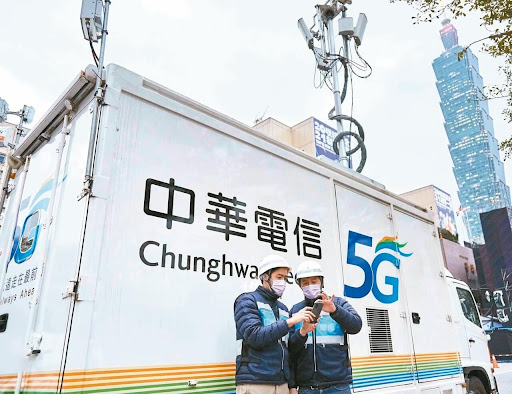
    Chunghwa Telecom, a Taiwan-based telecommunications company, has officially partnered with SES, a satellite operator based in Luxembourg. The two companies have struck a Memorandum of Understanding (MoU) to develop the first second-generation O3b mPower ground station in North Asia, located in Taiwan.

    The Aim of the Agreement

    The primary objective of this cooperation is to substantially improve Taiwan’s Medium Earth Orbit (MEO) satellite data transfer capacity and service performance. The project expects to provide faster, more reliable, and highly robust satellite connectivity. In addition to enhancing the data transmission, the project also seeks to strengthen Taiwan’s vital communication infrastructure. To achieve this, it will ensure that essential traffic information is landed directly within the country, thereby supporting network sovereignty and resilience.

    Collaboration’s Contributions

    As part of their collaboration, SES will use their system deployment and operational expertise from their Satellite Innovation Centre in The Hague, the Netherlands. The partnership will highlight the advanced applications that satellites can offer. These include the integration of multi-orbit satellite communications, connectivity to the cloud, edge computing, data analytics for the Internet of Things (IoT), and automated machine vision.

    Furthermore, Chunghwa Telecom and SES are looking into the possibility of establishing a Satellite Innovation Lab in Taiwan. This proposed undertaking will have demonstration sites and certification processes meant to aid domestic companies in speeding up the validation of technology and the adoption of products. By aligning with SES’s global ecosystem, Taiwanese firms might have the opportunity to penetrate international supply chains and gain commercial opportunities.

    Benefitting Taiwan’s Global Stature

    This collaborative effort utilizes Taiwan’s proficiency in semiconductors and avant-garde manufacturing to create a cooperative hardware-and-software ecosystem. This will further reinforce Taiwan’s strategic position in the global satellite and space technology sector.

    Jia Chung-Yung, President of Chunghwa Telecom’s Network Technology Group, shared that the company continues to amalgamate diverse communication resources to build a new-generation network architecture. This structure marries high resilience and technological innovation. He assured that the company will continue to invest in the development of next-generation communication technologies and promote diversified services and application innovations. Furthermore, he emphasized the company’s commitment to its ESG sustainability goals, laying a long-term foundation for Taiwan’s communication resilience.

    Questions & Answers

    What is the primary aim of the collaboration between Chunghwa Telecom and SES?
    The collaboration primarily aims to improve Taiwan’s Medium Earth Orbit (MEO) satellite data transfer capacity and service performance, and strengthen Taiwan’s essential communication infrastructure.

    What will be SES’s contribution to this collaboration?
    SES will leverage its system deployment and operational expertise from their Satellite Innovation Centre to highlight advanced satellite-enabled applications such as cloud connectivity, edge computing, and IoT data analytics.

    What is the purpose of the proposed Satellite Innovation Lab in Taiwan?
    The Satellite Innovation Lab aims to provide demonstration sites and certification processes to aid domestic firms in speeding up the validation of technology and product adoption, potentially opening up access to international supply chains and commercial opportunities.

  • Arirang 6 Satellite: South Korea’s High-Tech Hope Battles New Launch Setbacks

    Arirang 6 Satellite: South Korea’s High-Tech Hope Battles New Launch Setbacks

    South Korea’s multipurpose practical satellite, Arirang 6, has experienced another postponement in its launch schedule, further emphasizing the nation’s dependence on foreign launch services and the consequential lack of control over scheduling. The Korean AeroSpace Administration (KASA) has been informed of the delay by the European launch service provider Arianespace. Initially set for launch in early 2025, the launch of Arirang 6 is now slated for the third quarter of 2026 or later.

    Arirang 6: A High-Resolution Satellite

    Arirang 6, also known as KOMPSAT-6, is a high-resolution synthetic aperture radar (SAR) Earth observation satellite that can operate irrespective of weather conditions or time of day. The satellite boasts the capability to identify objects as small as 50 centimeters in both horizontal and vertical dimensions. This has led the South Korean government to invest around KRW 370 billion in the program, acknowledging its significance in national security, disaster response, and environmental monitoring.

    Despite the completion of its development several years ago, the satellite has not yet entered orbit owing to recurring delays associated with foreign launch vehicles. The latest delay is due to problems affecting Platino-1, Italy’s high-resolution SAR satellite, slated to share the launch on Arianespace’s Vega C rocket.

    European Payloads Take Priority

    As the Vega C is a European-developed launch vehicle spearheaded by the Italian Space Agency, European payloads are given priority. This means that the launch timeline of Arirang 6 remains dependent on the progress of Platino-1’s development. In the previous year, issues related to Platino-1 resulted in an earlier delay of the Korean satellite’s launch.

    Arirang 6 finished the final assembly and space environment testing in August 2022, marking the culmination of a development effort that commenced in 2012. Since then, the satellite has been stored at the Korea Aerospace Research Institute’s satellite development facility in Daejeon, awaiting a confirmed launch window.

    Multiple Disruptions

    The mission has encountered several disruptions over the past few years. Initially, South Korea planned to launch Arirang 6 from Russia in 2020, but development delays moved the schedule to the latter half of 2022. The Russia-Ukraine conflict subsequently made Russian launch options impossible, compelling Seoul to look for an alternative provider.

    In 2023, South Korea chose Arianespace’s Vega C rocket for the launch. However, another setback occurred when Vega C had a mission failure in December 2022, leading to a suspension of flights and a thorough safety review. These concerns resulted in further postponements: first to December 2024, then to the latter half of 2025, before the most recent delay pushed the timeline to 2026.

    Industry experts caution that countries without independent launch capabilities are extremely susceptible to schedule disruptions in the international launch market. Major providers like SpaceX and Arianespace prioritize domestic or strategic payloads, often leaving foreign customers vulnerable to delays beyond their control.

    Although South Korea has improved its domestic launch capabilities through the Nuri (KSLV-II) rocket program, analysts observe that the country has not yet fully incorporated its indigenous launch systems with high-value, operational satellites like Arirang 6.

    Questions & Answers

    What is Arirang 6?
    Arirang 6, also known as KOMPSAT-6, is a high-resolution synthetic aperture radar (SAR) Earth observation satellite that can operate irrespective of weather conditions or time of day.

    Why has the launch of Arirang 6 been delayed?
    The launch of Arirang 6 has been postponed due to recurring delays related to foreign launch vehicles. The most recent delay is due to problems with Italy’s high-resolution SAR satellite, Platino-1.

    What challenges is South Korea facing in its satellite launch capabilities?
    Although South Korea has improved its domestic launch capabilities, the country has not yet fully integrated its indigenous launch systems with high-value, operational satellites. This has left it vulnerable to schedule disruptions in the international launch market, as seen with the repeated delays in the Arirang 6 launch.

  • Wi-Fi 7 Revolution: Ushering in the New Era of High-Speed, High-Capacity Connectivity

    Wi-Fi 7 Revolution: Ushering in the New Era of High-Speed, High-Capacity Connectivity

    The progressive evolution of digital ecosystems and escalating user demands for seamless high-speed connectivity have pushed Wi-Fi technology to new frontiers. The next significant milestone in wireless networking is the emergence of Wi-Fi 7, grounded in the IEEE 802.11be standard. Compared to its predecessors — Wi-Fi 6 and Wi-Fi 6E, Wi-Fi 7 brings to the table appreciable enhancements in speed, reliability, capacity and responsiveness.

    Dissecting the Capabilities of Wi-Fi 7

    Wi-Fi 7, or Wi-Fi CERTIFIED 7™, represents the most sophisticated generation of Wi-Fi technology to date. It builds on the base established by its predecessors, offering capabilities designed to meet the rigours of increasingly demanding digital environments. The prime objective of Wi-Fi 7 is to amplify data throughput, latency, and network efficiency to support a broad range of applications, from immersive media to mission-critical enterprise systems.

    Wi-Fi 7 is distinguished by a range of technological advances, including wider channel bandwidth of up to 320 MHz that doubles the maximum channel width of Wi-Fi 6 and 6E, facilitating significantly higher raw data rates. Multi-link operation (MLO) enables devices to use multiple frequency bands simultaneously (2.4 GHz, 5 GHz, and 6 GHz) to improve throughput, reliability, and latency by dispersing traffic across several links. Wi-Fi 7 uses higher modulation through 4096-QAM to pack more data into each transmission, thereby increasing efficiency and overall throughput compared to earlier standards. Multi-user handling is also improved, enabled by enhanced MU-MIMO and OFDMA techniques that allow more devices to share the network simultaneously without performance degradation. Collectively, these advances can deliver theoretical peak speeds surpassing 30 Gbps, a substantial leap over Wi-Fi 6E, and much lower effective latency suited to real-time applications.

    Implications for the Consumer Market

    For consumers, Wi-Fi 7 has the potential to redefine the home wireless experience by addressing the proliferation of connected devices and the surging demand for high-bandwidth use cases. A key benefit for consumers will be improved support for 4K/8K video streaming, cloud gaming, and immersive media such as augmented reality (AR) and virtual reality (VR). With wider channels and increased throughput, Wi-Fi 7 can stream ultra-high-definition content with fewer buffering interruptions, particularly in homes with multiple users and devices.

    Smart homes are also witnessing a rapid increase in device density, from security cameras to smart appliances. Wi-Fi 7’s multi-user management and deterministic latency ensure these IoT devices can function reliably alongside high-data-rate traffic. Wi-Fi 7 also offers features that reduce power consumption in battery-powered devices by coordinating communication windows more efficiently.

    Wi-Fi 7 and the Enterprise Market

    However, despite the promise, the rollout of Wi-Fi 7 in the consumer market faces challenges. The full benefits of Wi-Fi 7 require both routers/access points and client devices to support the standard. Early products may only implement basic features, and device compatibility remains limited. Upgrading the infrastructure can also be costly, as households may have to replace legacy Wi-Fi equipment to unleash the full potential of Wi-Fi 7 speeds and capabilities.

    For enterprises, Wi-Fi 7 offers opportunities beyond simply improving network performance. It can act as the backbone for digital transformation initiatives that depend on robust, high-capacity wireless connectivity. Modern workplaces often have thousands of connected devices that place heavy demands on network infrastructure. Wi-Fi 7’s increased capacity and advanced interference mitigation ensure stable performance even under heavy load, reducing network bottlenecks common in large offices or campuses.

    Support for IoT and Industrial Systems

    Industries such as manufacturing, logistics, and healthcare increasingly rely on connected devices for automation, inventory tracking, telemedicine, and robotic systems. Wi-Fi 7’s enhanced reliability and scalability make it well-suited for these applications, where deterministic performance is mission-critical. However, enterprises face real challenges in planning for the adoption of Wi-Fi 7. Legacy infrastructure can bottleneck performance and undermine the theoretical benefits of Wi-Fi 7.

    Security and Future Proofing

    Wi-Fi 7 supports enhanced security protocols such as WPA3, providing protection against modern threats. As digital demands escalate, driven by cloud computing, collaboration tools, AI, and immersive content, enterprise networks that adopt Wi-Fi 7 can ensure their infrastructure supports next-generation use cases without compromising performance.

    While Wi-Fi 7 promises to drive digital transformation by enabling scalable, high-performance networks, it’s adoption will be gradual. Compatibility, cost, and infrastructure readiness remain barriers. However, as device ecosystems grow and digital demands intensify, Wi-Fi 7 is set to become the infrastructure backbone for the next era of connected living and working.

    Questions & Answers

    What makes Wi-Fi 7 different from its predecessors?
    Wi-Fi 7 offers substantial improvements in speed, reliability, capacity, and responsiveness compared with previous generations. It’s distinguished by advances such as wider channel bandwidth, multi-link operation, higher modulation, and improved multi-user handling.

    How does Wi-Fi 7 benefit the consumer market?
    Wi-Fi 7 enhances the home wireless experience by supporting a proliferation of connected devices and high-bandwidth uses such as 4K/8K video streaming, cloud gaming, and immersive media. It also improves the functionality of IoT devices and reduces power consumption in battery-powered devices.

    What challenges do enterprises face in adopting Wi-Fi 7?
    Enterprises face challenges in planning for the adoption of Wi-Fi 7, including compatibility and cost issues and the readiness of existing infrastructure. Legacy infrastructure can bottleneck performance and undermine the theoretical benefits of Wi-Fi 7.

  • Telkomsat Joins Forces with Space42: A Game-changing Leap Towards Universal 5G D2D Connectivity

    Telkomsat Joins Forces with Space42: A Game-changing Leap Towards Universal 5G D2D Connectivity

    Space42 and PT Telkom Satelit Indonesia (Telkomsat) have agreed upon a memorandum of understanding (MoU) that intends to investigate the potential of direct-to-device (D2D) connectivity collaboration. The partnership will utilize Equatys, a joint initiative of Space42 and Viasat, which was created to ensure seamless 5G connectivity across both satellite and terrestrial networks. This partnership aligns with the objectives of both companies to enhance D2D connectivity beyond conventional infrastructure, leading to a unified communication experience.

    Equatys: Bridging Connectivity Gaps

    Equatys was launched in September 2025 to solve connectivity issues by implementing a 3GPP Release 17+ non-terrestrial network (NTN) framework. It supports over 100MHz of harmonized global mobile satellite services (MSS) spectrum, which allows standard smartphones and IoT devices to connect directly with satellites. This extends seamless 5G access to over 180 markets globally.

    Exploring Potential Collaboration Areas

    The MoU signed by Telkomsat and Space42 is a commitment to explore potential collaboration areas related to NTN and D2D connectivity. This includes examining the possibilities of technical integration to assess the feasibility of technical, commercial, and regulatory cooperation related to D2D and satellite-enabled communication services. This will involve adjusting network infrastructure to ensure a seamless handover between terrestrial and satellite systems without the need for additional hardware and setting service benchmarks for latency, bandwidth, and reliability. Moreover, the partnership will also help to develop new 5G NTN capabilities, ensure local regulatory and security compliance, and uphold data privacy to meet both regional and international standards.

    Joint Innovation Labs and Pilot Programs

    In addition to the above, joint innovation labs and pilot programs will be established to test new technologies, enhance service capabilities, conduct field trials, and assess interoperability with existing 4G and 5G networks. Equatys will be the medium through which Telkomsat can provide improved user experiences, supporting its leading market position as a technology provider.

    Executives’ Statements

    Ali Al Hashemi, CEO of Space Services at Space42, highlighted the importance of this partnership, stating that Equatys represents the future of global connectivity as it addresses current gaps that leave billions unserved by terrestrial networks. On the other hand, Lukman Hakim Abd Rauf, CEO of Telkomsat, reiterated that satellite-based connectivity is crucial to the national network architecture, especially to ensure reliable communication in distant areas.

    The Future of Universal Connectivity

    Operating as a shared “space tower” company, Equatys uses a multi-tenant towerco model that minimizes redundant capital expenditure while offering cost-efficient capacity to multiple operators. Its architecture is designed to serve three market segments through a scalable, infrastructure-grade network, namely D2D, IoT, and MSS. By incorporating this scalable infrastructure with Telkomsat’s accessible markets, Equatys will transition from a mere concept to a commercial venture, transforming universal connectivity into a shared growth opportunity.

    Questions & Answers

    What is the purpose of the partnership between Space42 and Telkomsat?
    The partnership aims to explore potential collaboration areas related to non-terrestrial network (NTN) and direct-to-device (D2D) connectivity.

    What is Equatys and what is its role in this partnership?
    Equatys is a joint initiative between Space42 and Viasat designed to provide seamless 5G connectivity across both satellite and terrestrial networks. It will be a key tool in this partnership, allowing Telkomsat to offer enhanced user experiences.

    What is the significance of this partnership?
    The collaboration between Space42 and Telkomsat represents a new model for universal connectivity and has the potential to transform universal connectivity into a shared growth opportunity.

  • Revolutionizing Connectivity in Southern Philippines: Globe’s Groundbreaking Mindanao Submarine Cable Project Begins 2026

    Revolutionizing Connectivity in Southern Philippines: Globe’s Groundbreaking Mindanao Submarine Cable Project Begins 2026

    Globe Telecom has announced plans to implement a new submarine cable system in Mindanao, set to begin in early 2026. This advancement highlights the ongoing commitment to strengthen network resilience and extend capacity in Southeast Asia’s archipelagic markets.

    Project Details

    The forthcoming project involves the installation of a 48-core, 175-kilometer submarine cable that will link Zamboanga to Isabela City in Basilan, with an extension to Sulu. According to Globe, the infrastructure will bolster both broadband and mobile services by incorporating submarine and inland cable systems, landing stations, fronthaul facilities, and core and access network nodes.

    Survey activities for the submarine cable are slated to commence in early 2026, with full construction anticipated by mid-2027. The operational hub in Isabela City is set to function as a regional aggregation point for high-capacity internet traffic. This will enhance redundancy and service stability in parts of Mindanao and the broader southern Philippines region.

    This innovative initiative aligns with the Philippine government’s National Broadband Plan. It reflects the concerted regional effort to extend digital infrastructure to remote and underserved communities, a persistent challenge for many ASEAN countries with dispersed island geographies.

    More than Infrastructure

    Carl Cruz, President and Chief Executive Officer of Globe Telecom, emphasized the significance of the project beyond its physical infrastructure. He stated, “This is more than infrastructure; it is a bridge to opportunity.” Cruz added that the average monthly data consumption has skyrocketed beyond 30 gigabytes per user, necessitating sustained investment in fiber and broadband networks to support digital services, small businesses, and economic participation.

    The Mindanao submarine cable is part of Globe’s broader network modernization program, which has already transitioned more than 600 towns across 70 provinces to full-fiber infrastructure. This shift from legacy copper networks has enhanced service reliability and reduced energy usage, aligning with regional operators’ sustainability goals.

    Impact on Communities

    Jowin Marquez, Senior Director and Territory Lead for Globe’s Network Technical Group, highlighted the transformative potential of reliable connectivity. He noted that it empowers communities with access to education, bolsters local businesses, and fosters greater participation in the digital economy.

    In the past three years, Globe has invested PHP 228 billion in capital expenditures and PHP 236 billion in operating expenses to fortify and future-proof its network. Its GFiber Prepaid service – a reloadable, no-contract broadband offering – experienced a 53% growth in early 2025. It currently serves approximately 400,000 households nationwide, contributing to Globe’s total broadband subscriber base of 1.83 million.

    Questions & Answers

    What is the purpose of Globe Telecom’s new submarine cable system?
    The new submarine cable system aims to strengthen network resilience and expand capacity in archipelagic markets, particularly in Mindanao, Philippines.

    What does the project entail?
    The project involves the deployment of a 48-core, 175-kilometer submarine cable connecting Zamboanga to Isabela City in Basilan, with an extension to Sulu. It will enhance both broadband and mobile services.

    How does this initiative align with broader efforts in the region?
    The project is consistent with the Philippine government’s National Broadband Plan and mirrors a wider regional effort to extend digital infrastructure to geographically isolated and underserved communities.

  • Starlink Soars into South Korea: A Game-Changer for Maritime, Aviation, and Emergency Connectivity

    Starlink Soars into South Korea: A Game-Changer for Maritime, Aviation, and Emergency Connectivity

    SpaceX’s Starlink has officially extended its services to South Korea, building upon its global Low Earth Orbit (LEO) satellite system. This expansion has positioned it as a crucial facilitator of consistent connectivity for South Korea’s maritime, aviation, and emergency-response sectors.

    Starlink Korea’s Offerings

    Starlink Korea has initiated nationwide subscriptions through its official platform, providing services to both residential and enterprise customers. The residential package costs KRW 87,000 (USD 59) per month and offers unlimited data with projected download speeds of 135 Mbps and upload speeds of 40 Mbps. The pricing for customer hardware is set at KRW 550,000.

    Experts believe that Starlink’s most significant market potential in Korea is beyond residential use. Given that Korea already operates one of the world’s fastest terrestrial networks, with an LTE speed averaging 179 Mbps, LEO satellite broadband is likely to function as an additional layer in areas with limited ground-based coverage.

    The demand is anticipated to increase in the maritime, aviation, and emergency-response sectors, where traditional satellite services are expensive and provide slower performance. Despite Korea’s global rank of fifth in commercial shipping capacity, numerous vessels still encounter difficulties maintaining real-time connectivity at sea. LEO constellations, which orbit the Earth significantly closer than geostationary satellites, offer lower latency and more stable connections for ships and aircraft, thereby bolstering digital operations and mission-critical communication.

    Enterprise Services

    Starlink’s enterprise offerings aim at land-based mobile and fixed commercial users. The plans begin at KRW 90,000 per month for 50 GB and go up to KRW 755,000 for 2 TB. Data caps result in throttling to 1 Mbps download speeds and 0.5 Mbps upload speeds, although users have the option to purchase more data. These business packages incorporate prioritized bandwidth and service-level guarantees.

    Sales and technical support will be managed by local operators SK Telink and KT Sat. They will also create bespoke offerings for commercial vessels, low-cost airlines, and government agencies.

    Korea’s Strategic Direction

    The launch of Starlink also aligns well with Korea’s strategic intent to enhance disaster-resilient networks. LEO connectivity, which remains operational even when terrestrial base stations are compromised, offers a crucial backup layer for remote or mountainous areas or places with challenging infrastructure, as stated by the Electronics and Telecommunications Research Institute (ETRI).

    “This is the inception of a multi-layered communications architecture that integrates terrestrial and satellite networks,” said Song Young-geun, Head of Future Strategy at ETRI.

    Globally, Starlink operates over 7,600 satellites and caters to more than 8 million users across 115 countries, highlighting its increasing role in next-generation connectivity ecosystems.

    Questions & Answers

    What is the cost of Starlink’s residential package in Korea?

    The cost of the residential package is KRW 87,000 (USD 59) per month, which includes unlimited data with expected download speeds of up to 135 Mbps and upload speeds of up to 40 Mbps.

    Which industries are projected to benefit from increased demand for Starlink’s services in Korea?

    The maritime, aviation, and emergency-response sectors in Korea are projected to see increased demand for Starlink’s services due to their need for high-availability connectivity.

    What is the role of local operators SK Telink and KT Sat in Starlink’s operations in Korea?

    SK Telink and KT Sat will manage sales and technical support for Starlink in Korea. They will also develop tailored offerings for commercial vessels, low-cost airlines, and government agencies.

  • Starlink Powers Up South Korea: A New Era of Maritime, Aviation, and Emergency-Response Connectivity

    Starlink Powers Up South Korea: A New Era of Maritime, Aviation, and Emergency-Response Connectivity

    SpaceX’s satellite internet service, Starlink, has officially commenced operations in South Korea. By doing so, the company is expanding its worldwide low-Earth orbit (LEO) satellite coverage. It is positioning itself to be a crucial provider of high-availability connectivity across the country’s maritime, aviation, and emergency-response sectors.

    Starlink’s Korean Launch

    Starlink Korea has begun accepting nationwide subscriptions through its official website, introducing both residential and business offerings. The residential plan is priced at KRW 87,000 (USD 59) per month, providing unlimited data with anticipated download speeds of 135 Mbps and upload speeds of 40 Mbps. The cost for customer hardware is established at KRW 550,000.

    Analysts believe that Starlink’s greatest market potential in Korea is outside the domestic arena. Given that the nation already operates one of the fastest terrestrial networks globally, with LTE speeds averaging 179 Mbps, LEO satellite broadband is anticipated to serve as an additional layer in areas where ground-based coverage is limited.

    Maritime, Aviation, and Emergency-Response Sectors

    The demand is expected to increase in the maritime, aviation, and emergency-response sectors, where traditional satellite services are expensive and operate at a slower speed. Despite Korea’s ranking as the fifth largest commercial shipping capacity worldwide, many vessels continue to face difficulties in maintaining real-time connectivity at sea. LEO constellations, which orbit much closer to Earth than geostationary satellites, offer lower latency and more reliable links for ships and aircraft, supporting digital operations and crucial communication.

    Enterprise Offerings

    Starlink’s enterprise offerings are targeting land-based mobile and fixed business users. Packages start at KRW 90,000 per month for 50 GB and go up to KRW 755,000 for 2 TB. Once the data limits are reached, the speeds are reduced to 1 Mbps download and 0.5 Mbps upload, although users have the option to purchase additional data. The business packages include prioritized bandwidth and service-level guarantees.

    Local operators SK Telink and KT Sat will manage sales and technical support, as well as develop customized offerings for commercial vessels, budget airlines and government agencies.

    Aligning with National Strategy

    This initiative is in line with South Korea’s strategic aim to reinforce disaster-resilient networks. According to the Electronics and Telecommunications Research Institute (ETRI), satellite links, which remain operational even if terrestrial base stations are damaged, provide an essential backup layer for remote, mountainous, or infrastructure-challenged areas.

    Globally, Starlink operates over 7,600 satellites and provides service to more than 8 million users across 115 countries, emphasizing its growing significance in the future of connectivity ecosystems.

    Questions & Answers

    What are Starlink’s offerings in South Korea?
    Starlink has introduced both residential and business internet services. The residential plan provides unlimited data with download speeds of 135 Mbps and upload speeds of 40 Mbps. The business plans range from 50 GB to 2 TB with prioritized bandwidth and service-level guarantees.

    What sectors could benefit from the launch of Starlink in South Korea?
    The maritime, aviation, and emergency-response sectors in South Korea are expected to benefit from this launch due to the high-availability connectivity that Starlink provides.

    What is the strategic significance of Starlink’s launch in South Korea?
    The launch aligns with South Korea’s strategic push to enhance disaster-resilient networks. Satellite links can remain operational even when terrestrial base stations are damaged, providing a crucial backup layer for remote or infrastructure-challenged areas.

  • StarHub and NeutraDC Collaborate on Quantum-Secure Connectivity, Boosting Regional Digital Ecosystem

    StarHub and NeutraDC Collaborate on Quantum-Secure Connectivity, Boosting Regional Digital Ecosystem

    StarHub, in partnership with NeutraDC, a division of Telkom Indonesia specializing in data centers, has announced the signing of a Memorandum of Understanding (MoU). The agreement is set to improve their joint efforts on quantum-safe connectivity solutions, which incorporates quantum-resistant encryption, post-quantum cryptography, and secure network infrastructure for the next generation. The intention behind these efforts is to bolster the digital services ecosystem in the region.

    Enhancing Regional Connectivity

    As part of their strategy to enhance regional connectivity, StarHub plans to establish a point of presence (PoP) at NeutraDC’s SNG-3 location in Singapore. This entails the integration of StarHub’s Low-Latency Data Centre Connect solution within NeutraDC’s digital infrastructure network. The result of this would be the enablement of enterprises to enjoy low-latency interconnectivity between data centers, cloud platforms, and essential business applications.

    This joint effort further bolsters Singapore’s role as a regional digital hub, providing enterprises with seamless, efficient, and secure access to data resources across Southeast Asia.

    Low-Latency Data Centre Connect Solution

    In the current digital economy, enterprises require a high-performance data exchange system between multiple data centers, cloud platforms, and applications. StarHub’s Low-Latency Data Centre Connect solution offers ultra-low-latency interconnect in Singapore, featuring a path with less than one millisecond to cable landing stations (CLS) for extensive regional reach.

    Quantum Security Adoption

    With the rise in security threats, quantum security is progressively being adopted as a substitute for current encryption standards. The collaboration between StarHub and NeutraDC aims to encourage the broad adoption of quantum-encrypted connectivity.

    Through the PoP at NeutraDC’s SNG-3, customers can benefit from direct CLS connectivity. This includes a fully comprehensive regional access route from data center to CLS to subsea cable, as well as software-defined networking (SDN) features like network slicing, multi-tenancy portals, and bandwidth-on-demand for dynamic scalability with data-intensive workloads. Additionally, quantum-safe encryption using post-quantum cryptography offers future-proof data protection, along with service orchestration that enables faster service provisioning and improved network agility.

    Tan Kit Yong, Chief of Regional Enterprise at StarHub, said, “Enterprises are currently facing unprecedented data demands. They require infrastructure that can match their growth pace. By collaborating with NeutraDC, we aim to simplify the process for businesses to move, protect, and scale their data. This will help them gain real performance advantages and expedite their digital transformation across the region.”

    NeutraDC Singapore’s CEO, Sendang Praptomo, expressed excitement about the collaboration with StarHub. He stated, “This strategic initiative strengthens NeutraDC’s strategy of providing seamless, secure, and cloud-ready connectivity to our regional Neutra Compute GPU clouds. Quantum-secure connectivity represents the new frontier of security, overcoming the limitations of current encryption standards. This will empower our customers to stay ahead of emerging threats and meet evolving business requirements.”

    Questions & Answers

    What is the aim of the MoU signed between StarHub and NeutraDC?
    The Memorandum of Understanding (MoU) aims to enhance collaboration on quantum-safe connectivity solutions, with a focus on quantum-resistant encryption, post-quantum cryptography, and next-generation secure network infrastructure.

    How will the collaboration between StarHub and NeutraDC benefit enterprises?
    The collaboration will provide enterprises with low-latency interconnectivity between data centers, cloud platforms, and critical business applications. This will effectively strengthen Singapore’s role as a regional digital hub and offer efficient and secure access to data resources across Southeast Asia.

    What does the quantum-safe connectivity solution entail?
    Quantum-safe connectivity includes quantum-resistant encryption, post-quantum cryptography for future-proof data protection, and service orchestration for faster service provisioning and enhanced network agility.

  • Google Cloud Boosts Asia Pacific Connectivity with TalayLink Subsea Cable and New Hubs in Australia and Thailand

    Google Cloud Boosts Asia Pacific Connectivity with TalayLink Subsea Cable and New Hubs in Australia and Thailand

    Google Cloud has unveiled TalayLink, an innovative subsea cable system that connects Australia and Thailand. This system represents a significant move towards bolstering digital infrastructure and network resilience throughout the Asia Pacific region.

    Strengthening Regional Network Resilience

    TalayLink is as an extension of the interlink cable previously introduced under the Australia Connect initiative last year. The cable system is designed to follow a diverse route through the Indian Ocean, positioned west of the heavily trafficked Sunda Strait. This strategic routing will not only provide Thailand with a new, resilient international gateway but will also enhance the integration of Google’s global network.

    Bikash Koley, Vice President of Google Global Infrastructure at Google Cloud, explains that TalayLink is named after the Thai word for sea or ocean, ‘talay’. The new subsea cable path will establish a more diverse linkage to Thailand through the Indian Ocean, west of the Sunda Strait. This route will contribute to further integrating future data centers and cloud regions in Thailand into Google’s global network.

    Future-Proof Connectivity Hubs

    Google has also declared plans to establish new connectivity hubs in Mandurah, Western Australia, and South Thailand, in its recent announcement. These hubs aim to secure future regional connectivity and support advanced digital and AI services by facilitating cable switching, content caching, and colocation capabilities. The Mandurah hub will diversify Western Australia’s landing points beyond Perth, while the South Thailand hub will take advantage of existing infrastructure in an essential subsea crossroads.

    Pratthana Leelapanang, Chief Executive Officer of AIS, commends the strategic partnership with Google in supporting the connectivity hub in Southern Thailand. The collaboration of Google’s diverse submarine cable path and AIS’s high-reliability colocation capabilities will enhance the region’s digital infrastructure and support the country’s AI strategy.

    Preeyaporn Tangpaosak, President of ALT Telecom, also expressed enthusiasm about the International Gateway Company (IGC), a subsidiary of ALT Telecom PLC, being a crucial Google partner in landing a new submarine cable in Thailand. This new piece of digital infrastructure is pivotal in accelerating Thailand’s ambitious digital economy development strategy.

    National Importance of Deployments

    The significance of these implementations for the nation’s long-term competitiveness is underscored by Thailand’s Board of Investment (BOI). Narit Therdsteerasukdi, Secretary General of the Thailand Board of Investment (BOI), highlights the role of the TalayLink cable as a key piece of digital infrastructure. It enhances Thailand’s connectivity and resilience and, in conjunction with Google’s upcoming Google Cloud region and data center in Thailand, will significantly expand regional network and computing capacity. These forward-looking investments position Thailand as a critical digital gateway for next-generation cloud and AI innovation in Southeast Asia.

    Upon completion, the TalayLink and new connectivity hubs will boost network resilience across Australia, Africa, and Southeast Asia. Coupled with previously announced hubs in the Maldives and Christmas Island, the new system will enhance onward connectivity across the Indian Ocean and the Middle East.

    Questions & Answers

    What is the TalayLink subsea cable system?
    TalayLink is an innovative subsea cable system developed by Google Cloud that connects Australia and Thailand, strengthening digital infrastructure and network resilience in the Asia Pacific region.

    How will the new connectivity hubs in Mandurah and South Thailand function?
    These hubs aim to enhance regional connectivity and support advanced digital and AI services. They will facilitate functions such as cable switching, content caching, and colocation capabilities.

    What is the significance of the TalayLink cable to Thailand?
    The TalayLink cable serves as a pivotal piece of digital infrastructure, enhancing Thailand’s connectivity and resilience. It will significantly expand regional network and computing capacity while positioning Thailand as a critical digital gateway for next-generation cloud and AI innovation in Southeast Asia.

  • China’s 5G-Boosted M2M & IoT Market Set for 7% CAGR Surge by 2030: The Future of Mobile Connectivity

    China’s 5G-Boosted M2M & IoT Market Set for 7% CAGR Surge by 2030: The Future of Mobile Connectivity

    The cellular machine-to-machine (M2M) and Internet of Things (IoT) connectivity market in China is projected to experience considerable expansion over the next decade. Projected growth rates estimate an increase in subscriptions at a compound annual growth rate (CAGR) of 7% from 2025 to 2030. The driving factors behind this growth include the emergence of new applications across diverse industries, the development of 5G infrastructure by telecommunications firms, and their comprehensive M2M/IoT service offerings.

    Increasing Adoption of M2M/IoT Technology

    The China Mobile Broadband Forecast for the third quarter of 2025 suggests that M2M/IoT subscriptions will constitute approximately 30% of all mobile subscriptions in the nation by 2030. This statistic underscores the escalating adoption of this technology and its growing significance as a revenue stream for telecom firms.

    China’s vast manufacturing base and pervasive digitalization in the sector support the growth of the M2M/IoT market. The advent of digital factories, which require extensive automation and connectivity for real-time monitoring and predictive maintenance, will bolster this growth.

    Expanded Use Cases

    Telecom Analyst Hrushikesh Mahananda points out that the expansion of use cases beyond the manufacturing sector will also benefit the market. Applications in the utilities sector, such as smart grids and smart metering, along with vehicle-to-vehicle and vehicle-to-infrastructure applications in the automotive and transportation sector, are notable examples. Additionally, connected devices and patient monitoring in healthcare and smart city initiatives involving smart buildings, traffic control, and public safety systems show promising potential.

    Government backing for the integration of M2M/IoT technology into manufacturing, smart cities, and public infrastructure projects aligns with national strategies like Made in China 2025 and China 2035. This alignment highlights the technology’s increasing relevance in the country.

    5G Infrastructure and M2M/IoT Expansion

    The creation of a robust 5G infrastructure and advancements in 5G-Advanced technology, which support large-scale IoT deployments, will further boost the M2M/IoT sector in China. For instance, the Chinese telecom regulator MIIT plans to establish over 10,000 5G factories during the 14th Five-Year Plan (2021-2025) to enhance industrial applications of 5G, primarily in manufacturing.

    Mahananda concludes that the growing prominence of M2M/IoT has led China’s leading mobile operators to design comprehensive service offerings that are fueling growth in M2M/IoT connectivity subscriptions. These operators have also developed advanced M2M/IoT platforms that streamline deployment, integration, and management of M2M/IoT ecosystems across industries, further enhancing connectivity, device management, edge, and AI capabilities.

    Questions & Answers

    What factors are driving the growth of M2M/IoT connectivity in China?
    The growth is driven by new use cases across various sectors, advancements in 5G infrastructure by telecom companies, and their comprehensive M2M/IoT service offerings.

    What percentage of mobile subscriptions in China will M2M/IoT subscriptions make up by 2030?
    According to the China Mobile Broadband Forecast (Q3-2025), M2M/IoT subscriptions will account for approximately 30% of all mobile subscriptions by 2030.

    What role does the Chinese government play in the growth of M2M/IoT connectivity?
    The government supports the integration of M2M/IoT technology into the manufacturing sector, smart cities, and public infrastructure projects, which aligns with national initiatives like Made in China 2025 and China 2035.

  • Renewed Confidence in Asian Trade: HSBC Reveals Progress in Intra-Region Connectivity and Policy Certainty

    Renewed Confidence in Asian Trade: HSBC Reveals Progress in Intra-Region Connectivity and Policy Certainty

    Recent reports indicate that trade policy uncertainty in Asia has lessened, largely due to ongoing adjustments within supply chain structures that boost intra-regional connections. This is an important development considering the unpredictable global business climate, exacerbated by persistent geopolitical tensions. However, there is now evidence of adaptation and stabilization in the sector, a stark contrast to the anxiety prevalent in the early months of 2025, during the height of the “Liberation Day” fear.

    Revelations from the Trade Pulse Report

    Based on the findings of the “Global Trade Pulse” report by HSBC, approximately 68% of Asian respondents expressed a higher degree of certainty about the effects of trade policy compared to their sentiments six months prior. Looking forward, an average of 13% predict a negative impact on their revenue in the upcoming two years, a decrease from the 18% who held similar concerns half a year ago.

    Reconfiguration as a Means of Adaptation

    One of the key strategies to alleviate these concerns has been the reconfiguration of supply chains, particularly within the Asian region. Southeast Asia emerged as the top choice for Asian firms seeking to increase their dependencies, with 41% of companies making this shift. This is followed by East and North Asia (34%), and South Asia (29%).

    Aditya Gahlaut, HSBC’s Regional Head of Global Trade Solutions in Asia, provides further insight into these trends. He notes that the data suggests a positive adaptation from Asian companies to the shifting trade environment. While there is a noticeable easing of concerns about potential revenue loss, companies are still actively identifying and managing risks. The uncertainty around tariffs has, in fact, stimulated the Asian markets. Additionally, a growing sense of certainty is empowering companies to make more informed decisions, better preparing them for the future.

    Questions & Answers

    What is the key finding of the “Global Trade Pulse” report?
    The report found that 68% of Asian respondents feel more certain about the impact of trade policy compared to six months ago.

    How are firms in Asia adapting to the uncertain trade environment?
    Firms are adapting by reconfiguring their supply chains, particularly within the Asian region. Southeast Asia has become the leading destination for this change.

    What has been the impact of tariff uncertainty on Asia?
    While the uncertainty has galvanized the region, it has also stimulated the markets and created a growing sense of certainty that is enabling companies to make more informed decisions and plan better for the future.

  • Turbocharging Malaysia’s Connectivity: The MVNO Market Boom and its Potential in 2030

    Turbocharging Malaysia’s Connectivity: The MVNO Market Boom and its Potential in 2030

    The mobile connectivity market in Malaysia is at full capacity. By the beginning of 2025, there were approximately 43.3 million mobile connections, representing about 121% of the country’s population. Amid this scenario, mobile virtual network operators (MVNOs) serve as significant value creators, unlocking new market segments, introducing differentiated offerings, and ultimately enhancing mobile connectivity throughout Malaysia.

    The Prospect of MVNOs in Malaysia

    According to recent industry reports, the size of the Malaysian MVNO market was approximately $0.8 billion in 2025, and it is projected to reach $1.06 billion by 2030, growing at a compound annual growth rate (CAGR) of 5.75% during the forecast period (2025-2030).

    The continual transition towards a dual-wholesale 5G model has eliminated the unclear pricing that previously hindered the growth of virtual operators, providing a new impetus for the MVNO market in Malaysia. Operators are now resorting to cloud-native operational support systems/business support systems, eSIM-only distribution, and satellite-terrestrial convergence to venture into new markets and reduce operational costs.

    Increased digitization in the enterprise sector is consequently enlarging the average revenue per user in the business-to-business (B2B) market. Simultaneously, ultra-low-cost prepaid plans have boosted subscriptions on the consumer side. Government initiatives like JENDELA are keeping infrastructure expansion on track, reaffirming the possibility for the Malaysian MVNO market to sustain moderate compound growth throughout the decade.

    Regarding deployment models, cloud accounted for 70.51% of the revenue in 2024, with a forecasted CAGR of 10.14% through 2030. As for operations, reseller and light MVNO formats held a 62.33% share in 2024, but full MVNO structures are predicted to grow at a CAGR of 19.19% through 2030.

    Successful Model for Malaysia

    An MVNO offers mobile services to customers by leasing the network capacity from an existing mobile network operator (MNO), thereby eliminating the need for owning infrastructure. This approach presents several advantages in Malaysia:

    – MVNOs facilitate market entry for new service providers, encouraging existing MNOs to innovate their strategies, satisfy niche market needs, foster competition, and provide consumers with more choices.
    – As 4G improves and 5G is introduced, MNOs with extra network capacity can collaborate with MVNOs to utilize this surplus, thus helping them recover some of the costs associated with building and maintaining their networks.

    This year, MVNOs have gained considerable traction in Malaysia. In particular, CMLink, an MVNO by China Mobile International Limited (CMI), was launched on the Maxis network in Malaysia, allowing CMI to offer services like “one card, multiple numbers” and data sharing between China and Malaysia. This demonstrates how MVNOs can cater to cross-border and traveler markets.

    Impact on Connectivity and Market Dynamics

    The growth of MVNOs in Malaysia impacts the broader connectivity ecosystem in several ways. By allowing new and specialized brands to enter the market, MVNOs can cater to groups that are often overlooked, whether due to location, age, or service needs. More competition in the market gives consumers more options and compels MNOs to offer better prices, unique packages, and improved customer service.

    For MNOs, collaborating with MVNOs enhances returns on their network investments. For example, U Mobile’s 5G network already covers 54.9% of populated areas, with higher coverage in urban areas. This ensures optimal utilization of the network’s capacity and supports investments in further coverage and new services.

    Looking Ahead: Key Points to Consider

    For MVNOs to realize their full potential in Malaysia, the industry needs to concentrate on a few crucial areas:

    – Wider Wholesale Access and Fair Pricing: MNOs need to continue expanding open and transparent wholesale access to enable more MVNOs to thrive in Malaysia.
    – Consistent Network Experience: Regulators and the industry must ensure that MVNO customers receive the same service quality as MNO customers, especially during peak times.
    – Sustainable Differentiation: MVNOs offering more than just basic plans, like value-added, niche or cross-border services, are more likely to succeed.
    – Targeting Underserved Regions: MVNOs can help bridge the connectivity gap, particularly in rural Malaysia, using a shared infrastructure model.
    – Regulatory Support: The government and regulatory bodies can aid MVNOs’ growth by simplifying licensing and endorsing consumer-friendly policies.

    In conclusion, by leveraging the established infrastructure of major network operators, Malaysian MVNOs are expanding connectivity to underserved demographics, reducing costs, and sparking innovation in niche segments. This diversification enhances competition and consumer choice, aligning with the national connectivity goals outlined in the Malaysia Digital Economy Blueprint (MyDIGITAL), which targets near-universal connectivity by 2030.

    Questions & Answers

    What is the projected growth rate of the Malaysian MVNO market?
    The market is expected to grow at a compound annual growth rate (CAGR) of 5.75% from 2025 to 2030.

    What impact do MVNOs have on the mobile connectivity market in Malaysia?
    MVNOs facilitate market entry for new service providers, stimulate competition, provide consumers with more choices, and help MNOs recover some of the costs of building and maintaining their networks.

    What are some key areas the industry needs to focus on for MVNOs to realize their full potential in Malaysia?
    Key focus areas include wider wholesale access and fair pricing, ensuring consistent network experience for MVNO customers, enabling sustainable differentiation in MVNO offerings, supporting MVNOs in targeting underserved regions, and offering regulatory support.

  • Revolutionizing Connectivity: Globe and Nokia Launch 5G mmWave for Enhanced Broadband Performance in the Philippines

    Revolutionizing Connectivity: Globe and Nokia Launch 5G mmWave for Enhanced Broadband Performance in the Philippines

    Globe has announced the successful completion of 5G mmWave trials using Nokia’s Fixed Wireless Access (FWA) technology alongside Wi-Fi 7 equipment. The trials achieved peak download speeds of up to 4.3 Gbps. According to the operator, this level of performance can bolster mission-critical services, optimize enterprise operations, and improve broadband connectivity for end-users.

    5G FWA Subscriptions Projected to Double by 2030

    Gerhard Tan, Senior Director and Head of Technology Strategy and Innovation at Globe, shared his perspective on the development. He emphasized the company’s forward-thinking approach and commitment to pushing connectivity boundaries. The successful implementation of the 5G mmWave and Wi-Fi 7 with the Philippine Marines demonstrates how advanced connectivity can revolutionize mission-critical operations. Moreover, this technology paves the way for a truly digital and interconnected Philippines.

    Field tests in Zamboanga City yielded consistent outcomes even in complex settings. The trial conducted at the Marine Battalion Landing Team-1 headquarters in Naval Station Rio Hondo clocked 4.3 Gbps at a distance of 2.1 kilometers. Another test site, approximately 9 kilometers away, registered speeds nearing 1 Gbps.

    The Philippine Marines are the inaugural users of the system, utilizing Globe’s 5G mmWave platform to fortify communications for national security and public service.

    Lt. Col. Nepthalie Papa, Commanding Officer of Marine Battalion Landing Team-1 of the Philippine Marines, expressed gratitude to Globe for their continued support in providing reliable communication solutions. Through Globe’s commitment to innovation, connectivity has been bolstered even in the most challenging environments.

    The Philippines’ Broadband Transformation: The Impact of Fiber and 5G FWA

    Globe has confirmed that 5G mmWave sites are now operational in Zamboanga City, Quezon City, and the Rizal province. The company plans to extend the deployment in response to increasing device compatibility.

    According to Globe, the expansion will support applications such as high-speed broadband in urban and rural areas, private 5G networks, industrial automation, and secure enterprise communications.

    Questions & Answers

    What was the result of Globe’s 5G mmWave trials using Nokia’s Fixed Wireless Access (FWA) technology?
    The trials achieved peak download speeds of up to 4.3 Gbps. Such performance can bolster mission-critical services, optimize enterprise operations, and improve broadband connectivity for end-users.

    Who are the inaugural users of the 5G mmWave platform?
    The Philippine Marines are the inaugural users of the system, utilizing Globe’s 5G mmWave platform to fortify communications for national security and public service.

    What applications will the expansion of the 5G mmWave sites support?
    The expansion will support applications such as high-speed broadband in urban and rural areas, private 5G networks, industrial automation, and secure enterprise communications.

  • Unlocking Connectivity: The Rising Impact of MVNOs on Malaysia’s Mobile Market

    Unlocking Connectivity: The Rising Impact of MVNOs on Malaysia’s Mobile Market

    The Malaysian mobile connectivity market is thriving with approximately 43.3 million active cellular mobile connections, a figure that represents a remarkable 121% of the country’s total population. Mobile Virtual Network Operators (MVNOs) play a crucial role in this bustling market by offering unique services, unlocking fresh demographics, and ultimately widening the scope of mobile connectivity throughout the country.

    The Growth Prospects of MVNOs in Malaysia

    The Malaysian MVNO market demonstrated significant growth in 2025, reaching a value of USD 0.8 billion, and it is projected to hit USD 1.06 billion by 2030. This estimate is based on a Compound Annual Growth Rate (CAGR) of 5.75% during the forecast period of 2025 to 2030.

    The recent shift towards a dual-wholesale 5G model has helped fuel this growth by eliminating previous pricing ambiguities that hindered the growth of virtual operators. Strategies such as implementing cloud-native OSS/BSS stacks, using eSIM-only distribution, and employing satellite-terrestrial convergence are being utilized by operators to penetrate new markets and reduce operational costs.

    As digitalization increases in the commercial sector, the average revenue per user in the business-to-business (B2B) segment has grown. On the consumer front, the proliferation of ultra-low-cost prepaid plans has led to a spike in subscriptions.

    Government programs like JENDELA bolster the infrastructure expansion and confirm the Malaysian MVNO market’s ability to sustain mid-single-digit compound growth throughout the decade.

    In terms of deployment models, cloud technology contributed to 70.51% of the revenue in 2024 and is predicted to register a CAGR of 10.14% until 2030. On the operations front, reseller and other light MVNO formats held a 62.33% share in 2024. However, full MVNO structures are tipped to expand at a CAGR of 19.19% until 2030.

    MVNOs: A Winning Strategy for Malaysia

    MVNOs offer mobile services to customers by leasing network capacity from an existing Mobile Network Operator (MNO), rather than owning its own infrastructure. This business model has several benefits for the Malaysian market:

    MVNOs enable new service providers to break into the market, fostering competition among established MNOs to innovate and cater to niche markets. As a result, consumers benefit from increased options.

    As 4G connectivity improves and 5G becomes more widespread, MNOs with surplus network capacity can partner with MVNOs to utilize this excess capacity, thereby offsetting some of the costs associated with building and maintaining their networks.

    In August 2025, China Mobile International Limited (CMI) partnered with Maxis to launch CMLink, CMI’s MVNO, in Malaysia. This partnership allowed CMI to offer services such as the “one card, multiple numbers” feature and data sharing between China and Malaysia, catering to students and professionals who frequently travel between the two countries.

    In October 2025, U Mobile entered a five-year wholesale access agreement with a new MVNO, Eastel, enabling Eastel to use U Mobile’s 4G and 5G networks for data, calls, SMS, roaming, and number portability.

    The Impact and Future of MVNOs in the Malaysian Market

    The rise of MVNOs in Malaysia is shaping the wider connectivity ecosystem. By facilitating the entry of new and specialized brands into the market, MVNOs can reach demographics that are often underrepresented.

    Increased competition in the market benefits consumers by offering them more choices and prompting MNOs to provide better prices, unique bundles, and superior customer service.

    For MNOs, collaborating with MVNOs helps maximize returns on their network investments.

    The Malaysian Communications and Multimedia Commission supports network sharing, encouraging the sharing of infrastructure. Under this model, MVNOs can add value by introducing new services to lower-income or hard-to-reach groups using the same networks.

    Looking ahead, the industry needs to ensure wider wholesale access, fair pricing, consistent network experience, sustainable differentiation, focus on underserved regions and regulatory support for MVNOs to thrive in Malaysia.

    Questions & Answers

    What is the projected growth for the Malaysian MVNO market by 2030?
    The Malaysian MVNO market is expected to reach USD 1.06 billion by 2030, growing at a CAGR of 5.75% during the forecast period (2025-2030).

    How are MVNOs contributing to the growth of the mobile connectivity market in Malaysia?
    MVNOs are contributing to the growth of Malaysia’s mobile connectivity market by unlocking new customer segments, introducing unique propositions, and facilitating broader mobile connectivity across the country.

    What are the key areas of focus for the Malaysian MVNO industry to reach its full potential?
    For MVNOs to reach their full potential in Malaysia, the industry needs to focus on wider wholesale access, fair pricing, consistent network experience, sustainable differentiation, targeting underserved regions, and gaining regulatory support.

  • China Mobile Boosts Global Connectivity with Pioneering 2Africa and SEA-H2X Submarine Cable Initiatives

    China Mobile Boosts Global Connectivity with Pioneering 2Africa and SEA-H2X Submarine Cable Initiatives

    In the first half of November 2025, China Mobile achieved substantial growth in its underwater cable investments, strengthening its influence in promoting worldwide digital connectivity.

    China Mobile Activates 2Africa Submarine Cable

    In Nairobi, Kenya, China Mobile spearheaded a significant event to mark the activation of the 2Africa submarine cable’s eastern sections, connecting South Africa, Kenya, Djibouti, Marseille, and Egypt. The event aimed to showcase next-generation infrastructure and intelligent connectivity platforms, designed to speed up digital transformation for African service providers and businesses.

    Guo Haiyan, the Ambassador of the People’s Republic of China to Kenya, emphasized that digital cooperation is becoming a crucial component of collaboration between China and Africa. The activation of the 2Africa submarine cable’s eastern section and the introduction of China Mobile’s AI+ Cloud-Network Convergence Industry Solutions are a testament to the robustness of China-Africa digital collaboration.

    Furthermore, she noted that Kenya is a crucial ally for China in pursuing digital transformation and pledged to continue sharing expertise to bolster Africa’s digital economy. Guo expressed hope that both nations would intensify collaboration to create an open and inclusive digital governance ecosystem that encourages mutual growth and prosperity.

    Simultaneously, Hon. William Kabogo Gitau, Kenya’s Cabinet Secretary for Information, Communications, and the Digital Economy, hailed the 2Africa project as a significant achievement in China-Africa collaboration. He believed the activation of the eastern section would greatly improve East Africa’s international communications capacity and strengthen digital connections between China and Africa.

    Li Huidi, Executive Vice President of China Mobile, stressed that AI and 5G technologies are powering Africa’s economic transformation and expressed readiness to cooperate closely with Kenya and other African countries to establish an intelligent foundation by integrating 2Africa cable resources and enhancing AI computing capabilities.

    SEA-H2X Cable Reaches Hong Kong

    In another notable achievement, China Mobile successfully completed the landing of the Hong Kong segment of the Southeast Asia-Hainan-Hong Kong (SEA-H2X) international submarine cable, marking an important milestone in the construction of the high-capacity network system.

    As the principal initiator and primary investor of the SEA-H2X project, China Mobile oversaw the Hong Kong landing, ensuring its smooth and timely execution.

    China Mobile’s investment in the SEA-H2X project strengthens its core capabilities in digital communication in the Asia-Pacific region and improves its overall competitiveness in global telecommunications. This venture laid a robust network foundation for the long-term growth of the regional digital economy and injected sustained impetus into worldwide digital interconnectivity.

    Questions & Answers

    What is the significance of the 2Africa submarine cable’s activation?
    The activation of the 2Africa submarine cable’s eastern sections presents a crucial step in enhancing digital collaboration between China and Africa. It will significantly improve East Africa’s international communications capacity and strengthen digital connections between the two regions.

    What is the SEA-H2X international submarine cable?
    The SEA-H2X is a high-capacity network system connecting several strategic locations across Asia. China Mobile successfully completed the landing of the Hong Kong segment of the SEA-H2X cable, marking a key milestone in its construction.

    How does China Mobile’s investment in SEA-H2X impact the company and the region?
    China Mobile’s investment in the SEA-H2X project solidifies its core strengths in digital communication in the Asia-Pacific region, enhancing its competitiveness in global telecommunications. It provides a robust network foundation for the growth of the regional digital economy and boosts worldwide digital interconnectivity.