Retail News CRM

Tag: connectivity

  • Etihad Cargo and SF Airlines Boost Global Trade: Amplifying Seamless Connectivity in Major Chinese Logistics Hubs

    Etihad Cargo and SF Airlines Boost Global Trade: Amplifying Seamless Connectivity in Major Chinese Logistics Hubs

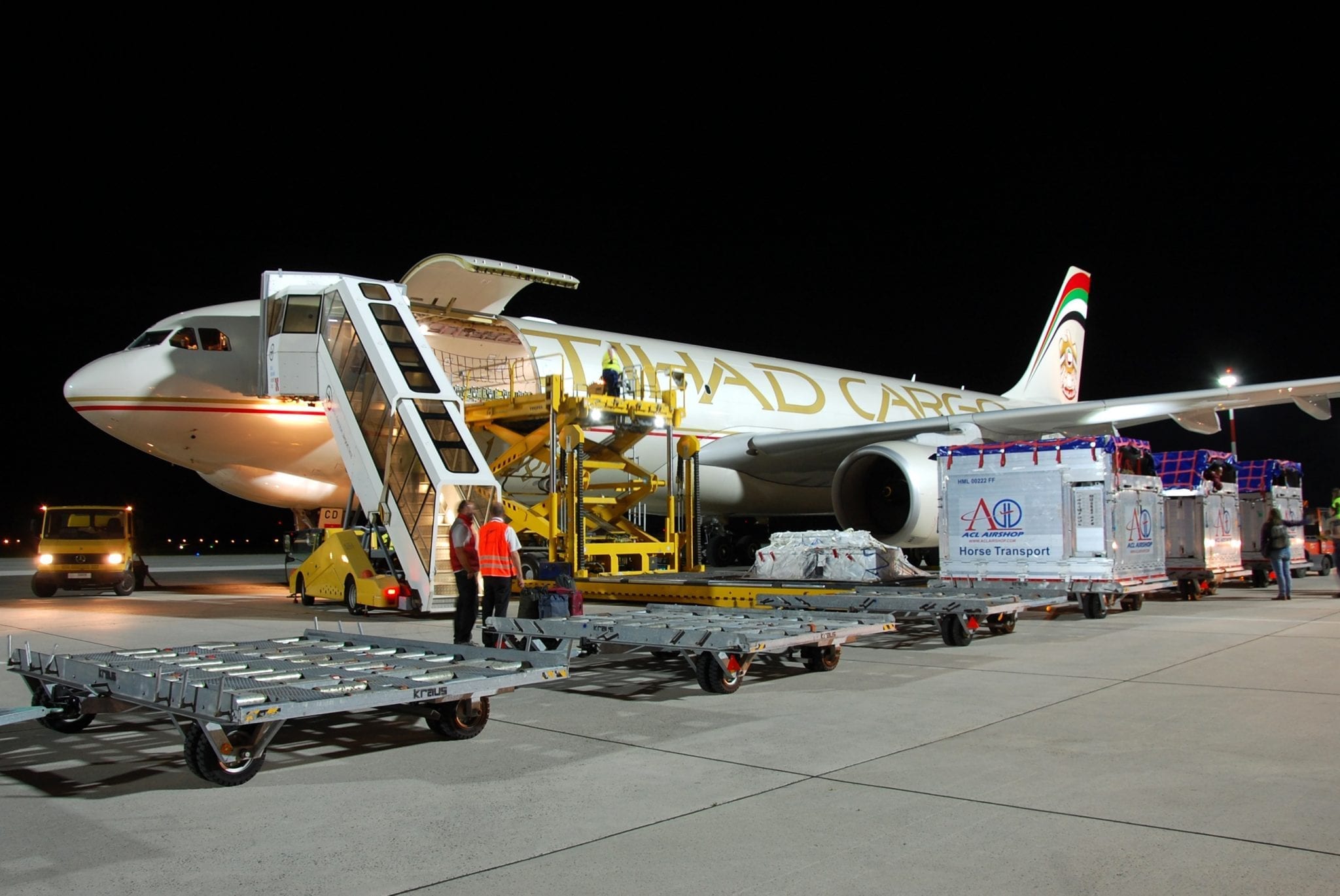
    Etihad Cargo, the freight and logistics division of Etihad Airways, and SF Airlines, China’s premier air cargo provider, have recently unveiled a significant capacity expansion as part of their Joint Business Agreement (JBA). This collaboration will establish a streamlined, mutual network, bolstering connections between Abu Dhabi and Chinese logistics powerhouses Shenzhen and Ezhou.

    Enhanced Connectivity Between Logistics Hubs

    Through the integration of freighter services from both Etihad Cargo and SF Airlines, the JBA delivers a combined total of nine weekly flights to Shenzhen, China’s first international cargo station operating round-the-clock. This setup at Shenzhen Bao’an International Airport allows for swift turnaround times, enhancing the overall customer experience.

    Furthermore, the collective number of flights to Ezhou, recognized as Asia’s first dedicated cargo airport, has increased to seven per week. Located in the Hubei Province, Ezhou Huahu Airport provides unmatched domestic reach and ever-increasing international connectivity.

    Collaborative Business Agreement

    The agreement was formalized in June by Antonoaldo Neves, CEO of Etihad Airways, and Li Sheng, Chairman of SF Airlines. Operating on a metal-neutral basis, both airlines will jointly market and combine their airfreight services, align service standards, and establish coordinated pricing.

    The collaboration is aimed at supporting burgeoning markets like cross-border e-commerce and pharmaceuticals. The alignment of Etihad Cargo’s SecureTech and PharmaLife solutions with SF Airlines’ robust domestic distribution network facilitates the smooth transport of electronics, time-critical goods, and precision equipment across Asia, the Middle East, and further afield.

    The consolidated Shenzhen and Ezhou figures include additional weekly flights recently introduced by Etihad Cargo as part of their winter 2025 schedule.

    Driving Global Trade Opportunities

    Stanislas Brun, Chief Cargo Officer of Etihad Airways, expressed, “Shenzhen and Ezhou are among China’s most dynamic and effective logistics hubs. Our joint business agreement connects our customers with China’s main distribution hub and an expanded global network. In strengthening our partnership with SF Airlines, we anticipate facilitating new trade opportunities and connecting more businesses and communities beyond borders.”

    Echoing these sentiments, Li Sheng, Chairman of SF Airlines, stated, “This strategic collaboration is projected to yield substantial business efficiencies, support revenue growth, and enhance customer satisfaction. By synergizing their strengths, Etihad Airways and SF Airlines are poised to deliver top-tier air cargo solutions that meet the dynamic needs of the global logistics industry.”

    This partnership aims at establishing stronger global connections to facilitate the movement of goods and ideas more effortlessly, thereby empowering the people and businesses behind each shipment. Both Etihad Cargo and SF Airlines are setting a new benchmark for international trade by promoting growth through collaboration and innovative ways to transport cargo globally.

    Questions & Answers

    What does the Joint Business Agreement between Etihad Cargo and SF Airlines entail?
    The agreement facilitates the integration of freighter services from both airlines, aligns service standards, and establishes coordinated pricing. It also involves a significant increase in the weekly flights to Chinese logistics hubs, Shenzhen and Ezhou.

    How does the partnership impact burgeoning markets?
    The collaboration supports growing markets like cross-border e-commerce and pharmaceuticals. The alignment of Etihad Cargo’s SecureTech and PharmaLife solutions with SF Airlines’ robust domestic distribution network enables seamless transport of goods across Asia, the Middle East, and beyond.

    What are the long-term goals of this collaboration?
    The long-term objectives of this strategic collaboration are to yield significant business efficiencies, support revenue growth, enhance customer satisfaction, and establish stronger global connections. It aims to facilitate new trade opportunities and connect more businesses and communities globally.


  • Elon Musk’s Starlink Takes Flight in Maharashtra: A Game-changing Leap for Rural Connectivity in India

    Elon Musk’s Starlink Takes Flight in Maharashtra: A Game-changing Leap for Rural Connectivity in India

    In an unprecedented move to combat the digital divide in India, the state of Maharashtra has pioneered a partnership with Elon Musk’s Starlink, a satellite-based internet service. The state government formalized this collaboration by signing a Letter of Intent (LoI) with Starlink Satellite Communications Private Limited. This is the illustrious debut of the SpaceX-affiliated venture in India.

    Expanding Internet Access

    The plan is to install Starlink’s satellite broadband across rural and remote sections of Maharashtra, thus offering high-speed, low-latency internet access to government bodies, public facilities, and neglected districts. This includes locations such as Gadchiroli, Nandurbar, Dharashiv, and Washim. This initiative is in line with the state’s Digital Maharashtra Mission, which seeks to ensure digital inclusivity across the state and enhance various sectors such as e-governance, education, healthcare, and intelligent agriculture.

    Devendra Fadnavis, the Chief Minister of Maharashtra, expressed his excitement about Starlink, stating it is a leading company in the ICT sector. He expressed his honor at welcoming the company to India and its partnership with Maharashtra.

    Improving Connectivity

    The collaboration between Maharashtra and Starlink is anticipated to dramatically improve connectivity in regions with challenging landscapes and inadequate telecommunication infrastructure. By utilizing low-Earth orbit (LEO) satellites, Starlink is capable of providing stable internet in areas where installing fiber or setting up mobile towers is not economically or logistically feasible. Officials have stated that the service will also heighten disaster response and emergency communication networks, especially in areas prone to floods or forested regions.

    As Starlink prepares to fully launch in India by the beginning of 2026, it plans to construct nine satellite gateway stations across India, including in Mumbai, Noida, Kolkata, Chandigarh, and Lucknow, to ensure uninterrupted national coverage. Starlink operates the world’s largest communications satellite network, boasting over 6,000 LEO satellites in orbit and providing broadband access in more than 70 countries.

    Competing in the Broadband Market

    Starlink is set to directly challenge Jio Satellite Communications and Eutelsat OneWeb, who are both undertaking comparable rural and enterprise broadband projects in India. Industry experts view the partnership between Maharashtra and Starlink as a significant development in India’s digital inclusion efforts, especially as the government is expediting the BharatNet project and advocating for universal high-speed internet access. If Maharashtra’s strategy proves successful, it could serve as a model for other Indian states and could potentially widen Starlink’s reach across the country’s most secluded regions.

    Questions & Answers

    What is the aim of Maharashtra’s partnership with Starlink?
    The goal of the partnership is to provide high-speed, low-latency internet access to rural and neglected areas in Maharashtra, aiding in the digital inclusion efforts of the state.

    How will Starlink improve connectivity in remote areas?
    Starlink aims to improve connectivity by using low-Earth orbit satellites to provide stable internet in areas where it is not feasible to install fiber or establish mobile towers.

    What are the broader implications of this partnership for India?
    If successful, the partnership could serve as a model for other states in India, expanding high-speed internet access and digital inclusivity efforts across the country.

  • Undersea Superhighways: The Future of Digital Connectivity in Asia

    Undersea Superhighways: The Future of Digital Connectivity in Asia

    The majority of today’s internet traffic is transmitted via undersea fiber-optic cables, rather than through satellites or overland networks. The National Bureau of Asian Research reports that over 97% of transoceanic telecommunications—including financial, voice, and internet data—are facilitated by these underwater cable systems. This is especially true in Asia, where many countries are separated by bodies of water, making these cables crucial for digital connectivity.

    The Evolution of Submarine Cables

    Undersea cables have come a long way from their origins as colonial-era telegraph lines. They have developed into high-capacity systems capable of transmitting terabits of data per second. Modern technologies, such as optical amplification and dense wavelength division multiplexing (DWDM), allow these cables to stretch thousands of kilometers across oceans.

    Asia’s Digital “Bridges”

    These undersea cables, often referred to as digital “bridges,” are now jointly funded and operated by consortia of telecom firms, governments, and major tech companies. In managing these cables, these entities must balance commercial interests, abide by various regulations, and mitigate geopolitical risks.

    Asia’s most significant subsea cables include the Asia-Africa-Europe 1 (AAE-1), Asia-America Gateway (AAG), Asia Pacific Gateway (APG), Asia Submarine-Cable Express (ASE), South-East Asia-Japan Cable 2 (SJC2), SEA-ME-WE 6, and the PEACE Cable. These cables link various Asian countries with each other and the rest of the world, providing high-capacity connectivity across continents.

    The Importance of Undersea Cables in Asia

    Undersea cables are particularly crucial in Asia. Island nations, such as the Philippines and Indonesia, depend on these cables to connect to continental networks. Conversely, landlocked or peninsular states like Laos and Myanmar rely on terrestrial links that connect to undersea systems.

    The expansion of undersea cable capacity and routes promotes digital inclusion, reduces latency, and improves connectivity for remote and rural communities. Research indicates that doubling the capacity of these cables can decrease internet prices in a country by 30-50%, enabling wider online access.

    Fostering Connectivity and Cultural Exchange

    Submarine cables serve as the backbone of Asia’s digital regionalism. They facilitate the exchange of culture and knowledge across borders, enabling various professionals and creators to connect, learn, and collaborate with ease.

    Moreover, these undersea cables highlight Asia’s growing digital interdependence. No country can thrive alone; data, trade, and communication freely cross borders, uniting societies. Much like physical bridges, submarine cables connect Asia beneath the ocean, enabling the free flow of ideas and opportunities.

    Challenges and Considerations

    While undersea cables significantly enhance connectivity, they also come with their own set of challenges. If landing stations are monopolized or interconnection is gated, it may lead to the exclusion of certain actors such as small businesses or rural communities. Additionally, like physical bridges, submarine cables are vulnerable to sabotage, which could lead to significant disruptions in connectivity. Therefore, it is crucial to establish protective measures and governance to manage these risks.

    Questions & Answers

    What is the role of submarine cables in digital connectivity?
    Submarine cables facilitate the majority of transoceanic telecommunications, including financial transactions, voice calls, and internet data. They play a crucial role in connecting different countries and enabling the exchange of information across continents.

    How do submarine cables impact internet accessibility and costs?
    Expanding undersea cable capacity can significantly reduce internet prices in a country, thereby enabling wider online access. However, monopolization can undermine these benefits.

    What are the potential risks associated with submarine cables?
    Potential risks include monopolization of landing stations, sabotage of cables, and the possibility of cables being used as political tools in disputed sea regions. Therefore, protective measures and governance are vital to manage these risks.

  • Japan’s Telecom Titans: Pioneering Global Connectivity with Next-Gen Technologies

    Japan’s Telecom Titans: Pioneering Global Connectivity with Next-Gen Technologies

    As the international telecommunications sector experiences significant changes, companies from Japan are harnessing the power of emerging technologies, their established brands, and strategic partnerships to establish a foothold in the Asia Pacific and various emerging global markets. The Japanese approach is a blend of innovative thinking, collaboration, and long-term strategic planning, all aimed at enhancing regional connectivity.

    Japan’s Telecom Landscape

    In Japan, over 150% of the population owns a mobile phone. However, as the population ages and decreases in size, telecom operators are finding fewer opportunities to attract new subscribers within the country. As a result, they are looking beyond the Asia Pacific for growth opportunities. In terms of global positioning, Japan’s leading telecom companies hold strong. The NTT Group is ranked fifth worldwide with a brand value of $37.1 billion USD, SoftBank sits at 11th with $13.9 billion USD, and au by KDDI is 14th with $10.9 billion USD. These rankings illustrate the robustness of Japan’s telecom sector and highlight the need for these companies to penetrate new markets to maintain their growth. While domestic innovation will persist, international projects, consultations, and partnerships will drive Japan’s global initiatives.

    Leading the Charge in 6G and Intelligent Network Development

    Japan is at the forefront of the development of next-generation wireless technology, making it a primary focus for exports. Leading companies such as NTT DOCOMO, SoftBank, and KDDI are spearheading the profitable development of 6G technology. In December 2024, NTT DOCOMO announced a new 6G initiative following approval from the 3GPP Madrid meeting. Supported by 56 global companies, the project aims to standardize 6G technology, align with UN objectives, and accelerate AI-powered connectivity.

    In July 2025, SoftBank and Nokia conducted Japan’s first 7 GHz 6G outdoor trial, testing centimeter-wave frequencies in Tokyo. The project aims to compare 6G and 5G urban coverage, thereby providing key insights before the ITU-R WRC-27 discussions. Additionally, KDDI Research and Samsung signed a MoU to further AI-driven innovations for 6G. The partnership’s goal is to enhance D-MIMO systems, boost speeds, and broaden coverage using AI. The companies share a vision of a user-centric, AI-integrated 6G network.

    Technology as a Tool for Regional Leadership

    In 2024, Japan demonstrated its leadership in advanced communications with a significant Beyond 5G/6G research project, spearheaded by top firms and selected by the National Institute of Information and Communications Technology (NICT). This project aims to create seamless user connections across cloud data centers, improve fault tolerance, and advance all-photonics networks in rural areas, thereby bolstering Japan’s global standing in next-gen ICT.

    In the same vein, SoftBank unveiled a new AI system for wireless signals in 2025 based on the Transformer model. This AI system, part of the Artificial Intelligence Radio Access Network (AI-RAN) project, boosted 5G speeds by 30% in live tests, thus enhancing Japan’s role in developing AI-powered telecom and next-generation networks.

    Japan’s New Role in the Telecom Ecosystem

    Japan’s leading telecom companies are transitioning from being local market leaders to regional connectivity influencers. By exporting technology, expertise, and ethical standards, they are shaping Asia’s digital landscape. Japan’s influence, powered by 6G innovation, rural networking, and global collaborations, extends beyond its borders, fostering the development of smart, interconnected societies.

    The success of these regional strategies hinges on balancing ambition with caution, and innovation with teamwork. Japan’s telecom industry has set its sights on larger goals, aiming to connect Asia and beyond by focusing on quality, trust, and ongoing innovation.

    Questions & Answers

    What is the current state of Japan’s telecom industry?
    Japan’s telecom industry is robust and globally recognized, with leading telecom companies like NTT Group, SoftBank, and au by KDDI holding strong positions worldwide. However, due to Japan’s aging and declining population, these companies are looking for growth opportunities beyond the Asia Pacific.

    How are Japanese telecom companies advancing 6G technology?
    Japanese telecom companies such as NTT DOCOMO, SoftBank, and KDDI are spearheading the development of 6G technology. They are undertaking numerous initiatives, from standardizing 6G technology to conducting outdoor trials to comparing 6G and 5G urban coverage. They are also focusing on using AI to improve network systems, speed up connectivity, and broaden coverage.

    What is the future outlook for Japan’s telecom industry?
    Japan’s telecom industry is set to evolve from a domestic leader to a regional influencer, shaping Asia’s digital landscape and extending its impact beyond its borders. The industry is also aiming to connect Asia and the rest of the world by focusing on quality, trust, and ongoing innovation. The balance of ambition with caution and innovation with teamwork will be key to the success of these strategies.

  • Apple Set To Extend Proprietary 5g Modem Use To Iphone 18 Series: A Strategic Shift

    Apple Set To Extend Proprietary 5g Modem Use To Iphone 18 Series: A Strategic Shift

    Apple has been known to use its proprietary C1X 5G modem specifically in the iPhone Air, while still utilizing a Qualcomm modem for the iPhone 17 and iPhone 17 Pro. However, indications are emerging that the tech giant is set to alter this approach with the forthcoming iPhone 18.

    Expansion of Apple-Branded Cellular Modems

    In a recent move towards an increased use of Apple-manufactured cellular modems across a broader product range, indications are strong that the iPhone 18 and its Pro version will be the next items on the list. Arun Mathias, Apple’s Vice President of Wireless Software Technologies and Ecosystems, hinted at this ambition during a recent dialogue with CNBC.

    Mathias responded to queries about the lack of Apple modems in the iPhone 17, 17 Pro, and 17 Pro Max by explaining that the company’s focus had been on meeting the requirements for the iPhone Air. Nevertheless, Mathias added that the iPhone 17 and 17 Pro remain excellent products, and Apple’s proprietary cellular solutions will feature more prominently in future devices. Mathias said, “While our concentration has been primarily on the iPhone Air, we acknowledge the excellence of our iPhone 17 and iPhone 17 Pro. Over time, we anticipate seeing more products equipped with Apple’s cellular solutions.”

    Apple’s Move Towards Greater Control

    Mathias’ statement aligns with emerging speculations that the upcoming iPhone 18 Pro will feature Apple’s 5G modem. This shift presents Apple with an opportunity to gain further control over their devices, potentially leading to multiple enhancements.

    Apple has previously used its in-house C1 modem in the iPhone 16e, symbolizing a departure from Qualcomm’s modems. In a curious parallel, Samsung has been providing cellular modems for the Pixel 10 devices, while relying on Qualcomm’s modems for its own Galaxy S25. This might also change with the anticipated Galaxy S26 if Samsung decides to incorporate the Exynos 2600.

    Perceptible Differences for Users

    While Apple’s move away from Qualcomm is noteworthy, the typical user may not observe a significant difference in connectivity unless there is a major technological advance or failure. This does not render the change insignificant; rather, it suggests that it may not result in any noticeable improvements for the average iPhone user.

    Questions & Answers

    Why has Apple not used its own modems in the iPhone 17 and 17 Pro?
    Apple’s focus was on the needs of the iPhone Air. However, the company plans to use its own cellular solutions in more devices in the future.

    What change can we expect in the iPhone 18 and iPhone 18 Pro?
    It is highly likely that Apple’s 5G modem will be used in the iPhone 18 and iPhone 18 Pro, giving Apple more control over its devices.

    Will users notice a difference in connectivity with the use of Apple’s own cellular modems?
    Unless there’s a major technological development or failure, most users may not notice any significant changes in connectivity.

  • Revamping IP Strategies Amid IPv4 Limitations: Navigating Today’s Telecom Challenges

    Revamping IP Strategies Amid IPv4 Limitations: Navigating Today’s Telecom Challenges

    As demand for high-performance connectivity surges across the Asia Pacific, telecom operators are feeling the heat. The increasing appetite for data, coupled with expanding subscriber bases, has resulted in a pressing need for enhanced network infrastructures. However, the looming specter of global IPv4 exhaustion has many operators leaning heavily on carrier-grade network address translation (CGNAT) as a temporary solution. While CGNAT has allowed for immediate growth without necessitating a shift to IPv6, it is beginning to expose its limitations—and they are not pretty.

    CGNAT: What’s Working and What’s Not

    CGNAT effectively enables numerous users to share a single public IPv4 address, allowing operators to delay the costly transition to IPv6. It has proven particularly beneficial for low-usage subscribers in mobile and residential broadband sectors. However, this strategy brings several critical challenges that can no longer be overlooked.

    Firstly, performance issues arise due to NAT translation overhead, which increases latency and diminishes throughput, especially during peak usage times. Secondly, the compatibility of applications takes a hit; services like Voice over Internet Protocol (VoIP), online gaming, virtual private networks (VPNs), and smart home devices often stumble under shared IP scenarios. Lastly, compliance becomes a maze, with the need for detailed record-keeping to meet regulations in markets such as India and Singapore.

    For some operators, these complexities are proving to be cost-prohibitive. Maintaining CGNAT compliance often means logging every user’s port and timestamp activity for months, accumulating terabytes of data daily for large subscriber bases. One study estimated that 10,000 users could produce almost 4.7 TB of logs each year—an astonishing amount that complicates regulatory compliance and erodes any initial cost savings.

    IPv4 Leasing: A Clever Pivot

    As an innovative response, telecoms are beginning to pivot towards IPv4 leasing as a more flexible and scalable alternative. “Leasing offers operators access to clean, reputation-safe IPs on demand, restoring end-to-end connectivity for essential services and customers without locking them in for the long haul,” explains Ramutė Varnelytė, CEO of IPXO.

    IPXO, a global marketplace for IPv4 lease and management, enables internet service providers (ISPs) to efficiently lease address space from various regional internet registries (RIRs). Equipped with tools for resource public key infrastructure (RPKI), geolocation updates, and reputation monitoring, this approach not only simplifies address management but also accelerates deployment timelines, enhances customer experience (CX), and meets compliance requirements.

    A Real-World Success Story

    The APNIC’s 2024 survey highlights a shift across the Asia-Pacific, where organizations are adopting alternative strategies to combat the scarcity of IPv4 addresses. While 45% are deploying NAT and 40% are turning to IPv6, an impressive 15% are opting for IPv4 leasing. Notably, organizations in East Asia, at 27%, are the most inclined to lease addresses.

    In one striking case, a regional ISP in Southeast Asia, with over a million users, was overwhelmed with complaints related to CGNAT—from latency to failed peer-to-peer services. Rather than investing heavily in new CGNAT infrastructure or costly IP acquisitions, the ISP chose to lease 50,000 IPv4 addresses. This strategic decision liberated them from many complications associated with shared IPs, providing allocated IPs for business clients, remote workers, and high-usage residential subscribers. Within just six months, the ISP noted a remarkable 35% drop in CGNAT-related support tickets and an uptick in performance metrics.

    The Case for a Balanced Hybrid Approach

    While CGNAT still serves its purpose for light usage—think messaging, browsing, and occasional video watching—it can’t cope with latency-sensitive applications and real-time services that demand reliability. A hybrid model allows operators to employ CGNAT for everyday traffic while leveraging leased IPv4 addresses for business-to-business (B2B) clients, gamers, and others who depend on stable connectivity.

    This approach not only optimizes network performance but also sidesteps potential service quality issues, making it a savvy solution amid growing demands.

    Operational Efficiency without Commitment

    The economic and operational benefits of leasing are especially appealing. Operators can mitigate capital expenditures (CapEx) while enjoying the flexibility to expand their address space in line with market needs—without the burden of long-term asset ownership. Many leasing platforms seamlessly include adherence to compliance measures such as RPKI signing and reputation management, allowing operators to focus on growth rather than paperwork.

    Leased IPs can also smoothly integrate into cloud environments like AWS, Azure, or Google Cloud, enhancing consistency for cloud-native applications. For telecoms venturing into 5G or edge deployments, flexible access to IP resources is crucial, ensuring that essential IoT workloads and low-latency services operate smoothly, free from IPv4 limitations.

    Is It Time to Rethink the IP Strategy?

    With skyrocketing demand, the limitations of CGNAT, and the slow march toward IPv6 adoption, telecom operators across Asia are at a crossroads. IPv4 leasing emerges as a viable method to alleviate network strain, foster new services, and uphold customer satisfaction. Far from being merely a temporary solution, IPv4 leasing can be integral to a broader, more adaptable IP strategy that bridges the gap as the industry transitions.

    Questions & Answers

    How does CGNAT impact network performance?
    CGNAT can cause latency issues and reduce throughput due to the overhead involved in Network Address Translation, especially during peak usage times.

    Why are telecom operators moving towards IPv4 leasing?
    Leasing provides operators with immediate access to clean IP addresses without the hefty investments required for IPv4 acquisitions, allowing for scalability and improved customer connectivity.

    What are the benefits of a hybrid model in IP management?
    A hybrid model allows operators to use CGNAT for general traffic while allocating leased IPv4 addresses to users with higher demands, ensuring efficient network operation without compromising service quality.

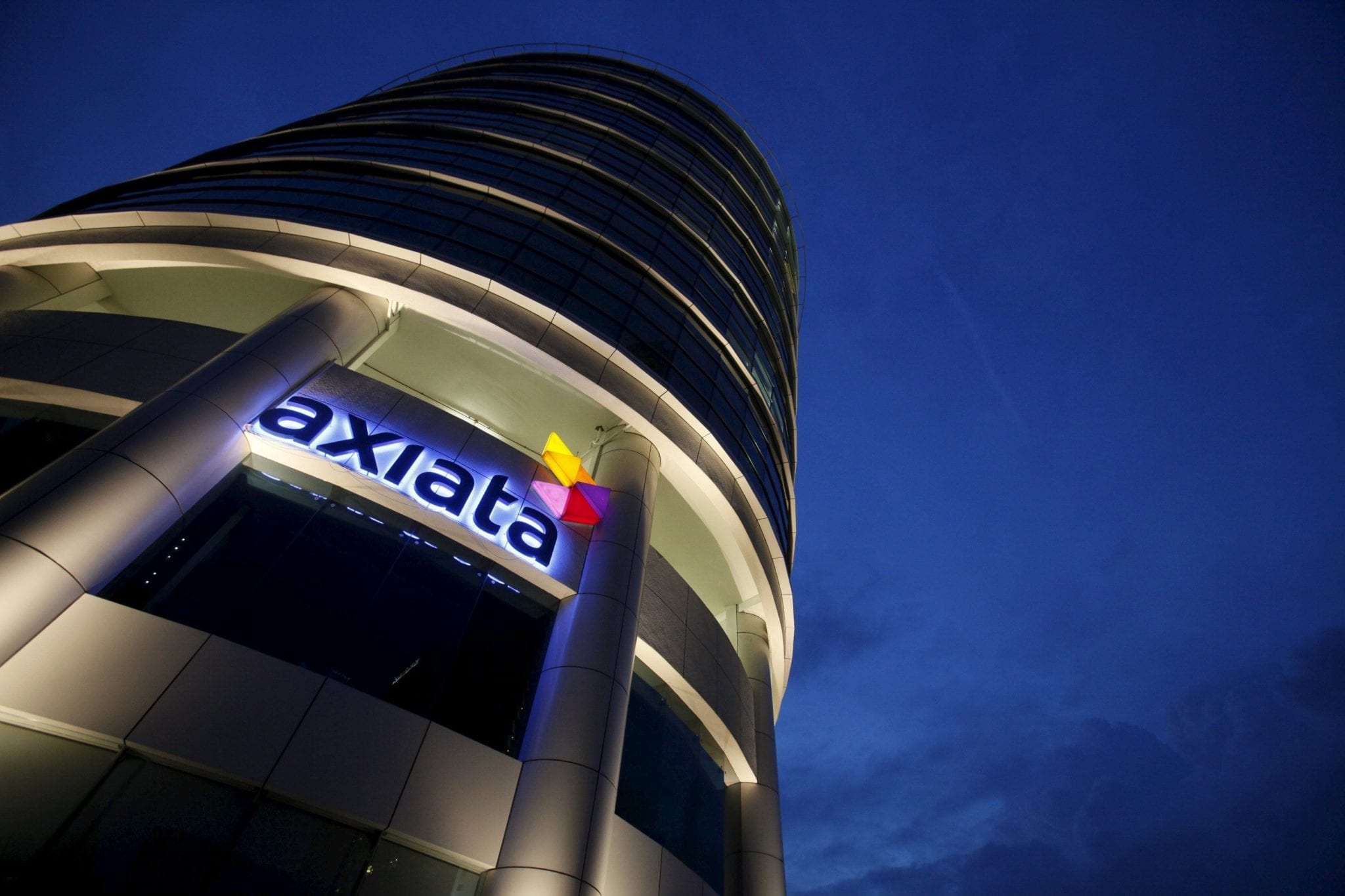
  • Axiata Achieves MYR 431 Million Profit Amid Strategic Realignment and Focused Execution

    Axiata Achieves MYR 431 Million Profit Amid Strategic Realignment and Focused Execution

    Axiata Group Berhad has unveiled a remarkable profit after tax and minority interest (PATAMI) of MYR 430.7 million for the first half of 2025, more than doubling from last year. This impressive growth showcases the company’s disciplined approach to cost management, bolstered cash flow, and significant debt reductions, alongside gains from its ambitious 5*5 strategy.

    Dividends and Financial Highlights

    The board has announced a first interim dividend of 5.0 sen per ordinary share, reflecting Axiata’s dedication to shareholder returns. Operating free cash flow (FCF), after leases, surged over 90% year-on-year to MYR 868.7 million, with the company’s cash reserves standing at a healthy MYR 4.9 billion. While revenue experienced a slight decline of 0.9% year-on-year on a constant currency basis, earnings before interest, taxes, depreciation, and amortization (EBITDA) grew by 2.3%. The underlying PATAMI rose by 39% to MYR 203.7 million, driven by stronger earnings before interest and taxes (EBIT) and reduced finance costs.

    Leadership Insights on Strategy and Growth

    Chairman Tan Sri Shahril Ridza Ridzuan attributed the robust performance to Axiata’s strategic clarity and disciplined execution, expressing optimism about progress in key markets and asset portfolios. He noted that the MYR 1 billion in dividends received year-to-date reflects the company’s strong financial footing and commitment to rewarding shareholders.

    Group CEO and Managing Director Vivek Sood also emphasized the positive outcomes of the company’s realignment strategies, stating, “Axiata’s performance reflects the strength of our strategic realignment and disciplined execution, with a focus on operational excellence and a fortified balance sheet.” He underscored the significance of the XLSMART merger and the exit from Myanmar as crucial elements of the 5*5 strategy, aimed at minimizing structural risks and enhancing financial flexibility.

    Future Outlook: Focusing on Earnings and Dividends

    As Axiata looks ahead, Sood highlighted that improvements in cash flow and shareholder yield will be prioritized in the latter half of 2025. “Our key priorities will include driving operational performance and executing strategic portfolio adjustments to ensure optimal capital allocation,” he affirmed, emphasizing the goal of enhancing dividend yields.

    Questions & Answers

    What were Axiata’s PATAMI figures for the first half of 2025?
    Axiata reported a profit after tax and minority interest (PATAMI) of MYR 430.7 million, which more than doubled compared to the previous year.

    How has Axiata’s financial performance affected its dividends?
    The board declared a first interim dividend of 5.0 sen per ordinary share, showcasing the company’s ongoing commitment to delivering shareholder returns as part of its strong financial performance.

    What strategies has Axiata implemented for future growth?
    Axiata’s future growth strategies include prioritizing cash flow improvement, executing necessary portfolio moves, and enhancing operational performance to optimize capital allocation and boost dividend yields.

  • Pushing Boundaries: Real-World Trials Fuel the Future of 5G and Wi-Fi Innovation

    Pushing Boundaries: Real-World Trials Fuel the Future of 5G and Wi-Fi Innovation

    The telecom industry stands at a crucial crossroads as 2025 approaches. On one side, the demand for faster and more reliable connectivity reaches unprecedented heights. On the other, telecom operators are grappling with escalating financial and operational pressures. Equipment revenues plummeted by approximately 11% in 2024 and are expected to remain stagnant this year, highlighting a slow-down in the initial wave of 5G investments that energized the market.

    Pressure Points in a Growing Market

    Despite these challenges, the adoption of next-generation technology clings to a robust trajectory. Ericsson projects that by the end of 2025, the globe will host nearly 3 billion 5G subscriptions, amounting to about one-third of all mobile users. As we approach 2030, that number could double, with 5G networks projected to carry around 80% of global mobile data traffic. Meanwhile, mobile data consumption continues to climb, showcasing a staggering year-over-year increase of nearly 20% in early 2025. A shining example of this insatiable hunger for speed can be seen in fixed wireless access (FWA), now extended by over 80% of global operators. With more than half offering tiered-speed home plans over 5G, industry experts predict FWA will account for over a third of all new broadband connections by 2030.

    This pull between constricting budgets and soaring demand highlights a new urgency for real-world testing platforms across the sector.

    Operators now need to demonstrate technology performance under real-world conditions, confronting the complexities of dense urban environments and remote rural areas. By doing so, they can not only validate their technical capabilities but also uncover new strategies for monetization in an industry striving to balance investment and returns.

    Pioneering Real-World 5G Trials

    This necessity was particularly evident in the Philippines in August 2025, when Globe Telecom orchestrated the country’s first live pilot of 5G-Advanced in Bonifacio Global City. Unlike sterile lab environments, this trial produced a peak throughput of around 2.5 gigabits per second, showcasing the potential of standalone 5G core technology alongside massive MIMO and the aggregation of three component carriers (3CC), which collectively delivered 210 megahertz of bandwidth.

    The impact on everyday users was immediate—offering faster downloads, seamless cloud gaming, and the capability to run advanced applications such as extended reality (XR) and AI-driven analytics. Not only did this trial amplify performance, but it also positioned the Philippines as a thriving player in the regional telecom scene, joining the ranks of operators like Singtel in Singapore and AIS in Thailand as early adventurers in the 5.5G landscape.

    In Sri Lanka, Dialog Axiata PLC unveiled that the 5G journey isn’t simply about faster data speeds. In a landmark 2025 trial, the operator successfully completed the nation’s first voice over new radio (VoNR) test on a live 5G standalone network, pushing fully-native 5G voice services closer to reality. The trial revealed uninterrupted connectivity and high-definition voice calls, building on a previous proof of concept from 2023.

    “Dialog’s achievements here underscore our commitment to advancing Sri Lanka’s 5G technology,” remarked Ranga Kariyawasam, Group CTO of Dialog Axiata, highlighting that VoNR opens up exciting avenues for enhanced daily communication by embedding video, augmented reality (AR), and advanced messaging into voice services.

    Wi-Fi’s New Wings: The Buzz from South Korea

    While 5G captures the limelight, Wi-Fi also enters a renaissance of performance. In South Korea, SK Telecom has led the charge by being the first operator to deploy Wi-Fi 7 on public transport, outfitting 100 city buses across Seoul and Gyeonggi Province with state-of-the-art wireless access points. Initial tests reveal that average download speeds surged from 429 Mbps on Wi-Fi 6/6E to between 715 and 1,003 Mbps on the new standard—an eye-popping increase of about one and a half times. Commuters can revel in smoother video streaming and faster downloads, a boon on Seoul’s bustling routes, where data usage per device has surged by 20-30%.

    Wi-Fi 7 achieves these remarkable efficiencies by utilizing wider channels and advanced modulation techniques that allow for simultaneous uploads and downloads across various frequency bands.

    By tapping into the 2.4 GHz, 5 GHz, and 6 GHz spectrum concurrently, Wi-Fi 7 minimizes interference and maximizes capacity.

    Satellite Technology Joins the 5G Ensemble

    Testing outcomes extend beyond mere speed improvements; they reflect operators’ newfound abilities to package differentiated service tiers, offering not just “faster internet” but distinct experiences with guaranteed latency or premium speeds. These tangible results form solid foundations for monetization strategies, responding to industry leaders’ calls for innovation and precision.

    However, as terrestrial trials illuminate urban potential, they also push connectivity into uncharted territories. In May 2025, an allied consortium demonstrated the first end-to-end 5G non-terrestrial network transmission at the Singapore Pavilion of World Expo in Osaka. This ambitious project transmitted a 5G signal from Singapore to a geostationary satellite operated by SKY Perfect JSAT, bouncng it back to a ground station in Japan connected to a live 5G base station. This groundbreaking endeavor confirmed the potential for existing satellites to support 3GPP-standard 5G New Radio.

    Engineers also introduced electronically steered antennas designed to maintain connectivity across maritime routes and moving vehicles. With robust digital twin testbeds, the experiment enabled comprehensive modeling of performance and quality of service before committing to costly infrastructure.

    In a world where universal coverage remains elusive, real-world NTN testing paves the way for global hybrid networks, seamlessly blending terrestrial 5G with satellite enhancements, ensuring resilience and reach.

    Emphasizing the Value of Real-World Testing

    These initiatives spotlight why real-world testing platforms are crucial. They provide compelling proof that theoretical advancements can evolve into meaningful user experiences, from uninterrupted streaming to essential connectivity. Operators can explore new business models, such as premium FWA tiers or enterprise-grade private networks, without committing to extensive rollouts. This testing also enables operators to carve out leadership roles in their markets, fostering consumer confidence.

    Yet the road ahead is riddled with challenges. With tightening budgets, operators cannot afford a haphazard approach. Every trial must yield insights that justify targeted investments. Conversely, the opportunities are equally compelling. By 2030, with billions more migrating to 5G and its successors, operators that successfully validate performance in real-world settings will be uniquely positioned to monetize this technology and secure their networks’ future.

    Questions & Answers

    What are the key drivers of 5G adoption by 2025?
    Demand for faster and more reliable connectivity, coupled with increased mobile data consumption rates and fixed wireless access offerings, are driving 5G adoption to nearly 3 billion subscriptions by the end of 2025.

    How does real-world testing impact the telecom industry?
    Real-world testing allows operators to validate performance under actual conditions, providing tangible evidence that can lead to innovative monetization strategies and enhanced user experiences.

    What recent innovations have emerged in satellite connectivity?
    Recent tests demonstrated 5G non-terrestrial network transmission between Singapore and Japan, indicating that existing satellites can support 3GPP-standard 5G New Radio, broadening the scope for communications beyond traditional terrestrial networks.

  • Meta Unveils Ambitious Plan for Multi-Gigawatt Data Centers to Boost AI Innovation

    Meta Unveils Ambitious Plan for Multi-Gigawatt Data Centers to Boost AI Innovation

    Meta is gearing up for a groundbreaking leap in its artificial intelligence (AI) capabilities, announcing an ambitious investment of USD 72 billion to establish a series of formidable data centers across the globe. This extensive initiative is set to bolster the company’s efforts in developing super-intelligence and artificial general intelligence (AGI), with the first data center projected to come online next year.

    Revolutionary Data Centers on the Horizon

    The flagship of this initiative is Prometheus, a multi-gigawatt data center anticipated to begin operations in 2026. Meanwhile, another powerhouse center, Hyperion, is designed to scale up to an impressive 5 gigawatts in the subsequent years. Remarkably, these centers will be developed as “clusters,” featuring a colossal capacity that positions them among the largest data centers globally.

    Zuckerberg’s Vision for the Future

    Mark Zuckerberg, CEO of Meta Platforms, elaborated on the company’s grand vision, asserting that these sprawling titan clusters will encompass a footprint that rivals significant urban landscapes, such as a substantial portion of Manhattan. With this staggering scale, Meta aims to set a new standard in the data center landscape.

    R&D Powered by Cutting-Edge Infrastructure

    This major investment comes on the heels of Meta’s commitment to advancing research and development in AI. As the tech giant endeavors to push the boundaries of intelligence through AGI, these data centers will become critical to facilitating groundbreaking advancements and innovative solutions in the realm of AI.

    The landscape of artificial intelligence is set to get a major upgrade, and who knows — these futuristic hubs could soon be the breeding ground for the next big thing in tech, perhaps even an AI that finally understands why cats seem to rule the internet. Stay tuned!

    Questions & Answers

    What is the total investment Meta is making in its new data centers?
    Meta plans to invest USD 72 billion in the development of several massive data centers to enhance its artificial intelligence efforts.

    When is the first of Meta’s new data centers expected to be operational?
    The first data center, named Prometheus, is expected to come online in 2026.

    How is Meta transforming its approach to data centers?
    Meta is constructing its data centers as “clusters,” which will feature a significant capacity, some even capable of rivaling large areas like parts of Manhattan.

  • Vietnam Sets the Stage for 4G and 5G Growth with 700 MHz Spectrum Re-Auction

    Vietnam Sets the Stage for 4G and 5G Growth with 700 MHz Spectrum Re-Auction

    Vietnam is gearing up for a pivotal moment in its telecommunications landscape, re-launching the auction of two crucial frequency bands in the 700 MHz spectrum. This re-auction follows an earlier attempt that did not meet expectations, indicating a renewed urgency to boost 4G and 5G mobile services in the nation. The Ministry of Science and Technology has announced that the B1-B1’ (703–713 MHz/758–768 MHz) and B3-B3’ (723–733 MHz/778–788 MHz) bands are now available for bidding, starting at over VND 1.95 trillion (approximately USD 75 million). Licenses will grant operators rights for a period of 15 years.

    A Crucial Step for Connectivity

    This auction is more than just numbers on a spreadsheet; it serves as a crucial step in enhancing mobile network coverage, particularly in rural and underserved regions of Vietnam. The 700 MHz spectrum is internationally recognized for its long-range and high-penetration capabilities, making it an ideal candidate for improving service quality, not just in bustling urban centers but also in remote areas where connectivity can feel like a pipe dream.

    Notable Absence in the Bidding

    Interestingly, state-run Viettel Group, which snagged the B2-B2’ band in May 2025 in a spirited two-round bidding session, will sit this one out. That prior victory, which also spans 15 years, forms part of Viettel’s strategy to bolster nationwide 4G and 5G connectivity, essential for pioneering initiatives like smart cities and intelligent agricultural systems that could make even farmers do a double-take.

    Ready or Not, Here Come the Bidders

    Operators interested in tapping into this new wave of opportunity have 30 days from the official auction notice to validate their eligibility. This strategic reallocation of the 700 MHz band comes on the heels of Vietnam’s switch from analog to digital TV broadcasting, unlocking valuable spectrum for the mobile telecommunications sector.

    Racing Ahead with 5G

    As of January 2025, Viettel reported hitting a remarkable milestone of 4 million 5G subscribers in a mere few months after launching its service in October 2024. The telecommunications giant’s 5G network, supported by around 6,500 base stations, boasts impressive speeds of up to 1 Gbps and near-zero latency. With ambitious plans to install over 20,000 additional 5G stations by the close of 2025, Viettel aims to provide comprehensive coverage to 99% of the population by 2030.

    Innovation in the Lab

    In tandem with its ambitious rollout, Viettel has established two dedicated 5G labs in Hanoi and Ho Chi Minh City. These innovation hubs allow developers to experiment with new 5G and Internet of Things (IoT) technologies tailored for local applications. The telco’s infrastructure supports both standalone (SA) and non-standalone (NSA) architectures, covering a stunning array of over 130 use cases across various sectors, including logistics, healthcare, and energy.

    Competition Heats Up

    Viettel isn’t alone in this race; competitors such as VNPT and MobiFone have also stepped into the 5G arena. VNPT launched its 5G services in December 2024, followed by MobiFone in March 2025, utilizing the 3.8–3.9 GHz frequency band. Both operators are deploying a mix of NSA and SA 5G models, ensuring that the competition remains fierce and consumers stand to benefit.

    Looking Ahead to the Auction

    As Vietnam prepares for the renewed 700 MHz auction, industry insiders anticipate a wave of interest from operators eager to broaden their mobile reach and upgrade the nation’s digital infrastructure. The stakes are high, but so are the rewards — a vibrant, connected future awaits just around the corner.

    Questions & Answers

    What significance does the 700 MHz spectrum hold for Vietnam’s mobile services?
    The 700 MHz spectrum is essential for enhancing mobile network coverage, particularly in rural areas, as it offers long-range and high-penetration capabilities that improve service quality.

    Why is Viettel Group not participating in the upcoming auction?
    Viettel Group, which previously secured the B2-B2’ band, is ineligible to bid in this auction, allowing other operators a chance to expand their networks.

    How is Viettel planning to expand its 5G infrastructure?
    Viettel aims to install over 20,000 additional 5G base stations by the end of 2025, with an ambitious goal of covering 99% of the population by 2030 following rapid subscriber growth.

  • YTL Debuts 4G MOCN Site in Penang, Boosting Mobile Connectivity Along the Coastline

    YTL Debuts 4G MOCN Site in Penang, Boosting Mobile Connectivity Along the Coastline

    In a significant step towards enhancing mobile connectivity in Malaysia, YTL Communications has launched a fully functional multi-operator core network (MOCN) 4G base station in Gertak Sanggul, a picturesque coastal suburb of George Town. This initiative aligns with the government’s ambitious plan to promote infrastructure sharing and ensure comprehensive mobile coverage along key roadways.

    The new facility, powered by ZTE’s advanced radio equipment, was developed in collaboration with infrastructure partner Konsortium Jaringan Selangor (KJS), which remarkably completed the deployment within a month. This rapid execution is particularly impressive given the site’s challenging coastal engineering conditions, including sandy, unstable soil and the looming threat of saltwater corrosion.

    Bridging Connectivity Gaps

    This MOCN base station is not just a technological achievement; it’s a lifeline for over 500 residents and 350 daily commuters in the area. Previously, underserved fishing communities struggled with unreliable mobile service. Now, they can access crucial connectivity as they go about their lives and work.

    “By using Yes network equipment and spectrum to host all of Malaysia’s major mobile telcos, we have demonstrated that this innovative network infrastructure sharing approach can effectively enhance coverage nationwide for the benefit of the Rakyat,” said Wing K. Lee, CEO of YTL Communications, during the launch event. It’s safe to say that the days of hanging up on dead zones may soon become a thing of the past—not that anyone misses those awkward silences.

    Driving Digital Inclusion

    This project is part of the Malaysian government’s “Di Mana Ada Jalan, Di Situ Ada Internet” (Where There’s A Road, There’s Internet) campaign, aimed at eradicating mobile coverage gaps in the country. Under the broader Network Infrastructure Sharing Framework (NISF), Communications Minister Fahmi Fadzil revealed that telcos are required to adopt a “6-Way 4G MOCN” model to expedite equitable connectivity for all.

    Fadzil, who was present for the launch, highlighted that the Malaysian Communications and Multimedia Commission (MCMC) is actively collaborating with the Malaysian Highway Authority (Lembaga Lebuhraya Malaysia, LLM) to pinpoint around 50 kilometers of roadways still lacking mobile coverage. “There are several key locations currently under discussion, and my hope is that these can be included in Phase Two of the National Digital Network Plan (JENDELA), as many of these areas will likely require new tower construction,” he added.

    Questions & Answers

    What is the significance of the new MOCN base station in Gertak Sanggul?
    The MOCN base station enhances mobile connectivity for over 500 residents and 350 daily commuters, addressing previous coverage gaps that affected underserved fishing communities.

    How does the “Di Mana Ada Jalan, Di Situ Ada Internet” campaign work?
    This government initiative aims to eliminate mobile coverage gaps by requiring telecommunications companies to implement a “6-Way 4G MOCN” model, improving connectivity nationwide.

    What are the future plans for mobile coverage in Malaysia?
    The Malaysian Communications and Multimedia Commission is working with the Malaysian Highway Authority to identify additional roadways lacking coverage, with hopes to address these gaps in Phase Two of the National Digital Network Plan.

  • EdgePoint Philippines’ CEO Champions Digital Infrastructure Growth, Empowering Retail Innovation in the Nation

    EdgePoint Philippines’ CEO Champions Digital Infrastructure Growth, Empowering Retail Innovation in the Nation

    In the rapidly evolving digital landscape of Southeast Asia, EdgePoint Philippines is making significant strides to close the connectivity gap that has hindered many underserved communities. With the rise of digital demand, the company is ambitiously rolling out next-generation infrastructure and leveraging innovative shared models along with advanced technologies like 5G.

    Accelerating Growth in the Philippines

    During an exclusive interview with Telecom Review Asia, CEO William Walters elaborated on EdgePoint’s strategic approach to infrastructure in emerging markets. Since its entry into the Philippine market in 2022, EdgePoint has quickly established itself as the country’s fourth-largest independent tower company, boasting over 3,000 active sites and partnerships with more than 3,300 tenants, including built-to-suit projects. Though primarily based in Luzon, the company has also expanded its operations into the Visayas region, enhancing digital connectivity across the archipelago.

    “Our growth strategy revolves around key partnerships, particularly with a major cellular operator like Smart PLDT,” Walters explained. “Through this collaboration, we focus on organic site development and co-location offerings.” The co-location model not only minimizes costs for mobile network operators (MNOs) but also boosts deployment speed and network efficiency. With the enactment of the common tower policy in 2020, EdgePoint is seizing the moment to further drive scalable development, enabling MNOs to share tower assets effectively.

    Building a 5G-Ready Future

    Walters underscored the vital role of 5G in transforming connectivity and emphasized EdgePoint’s commitment to creating robust infrastructure capable of supporting this leap forward. “Digital infrastructure providers like us are crucial in the 5G landscape; we supply the physical sites and connectivity solutions needed for efficient deployment,” he stated, showcasing the company’s proactive involvement in filling infrastructure gaps.

    Utilizing data analytics to pinpoint areas with high unmet demand, EdgePoint collaborates closely with both customers and local authorities to optimize network enhancements. Remote Monitoring Systems, powered by strategic partnerships, bolster real-time visibility and maintenance, enhancing operational efficiency while reducing costs.

    Connecting Communities: A Priority Initiative

    EdgePoint’s commitment extends beyond infrastructure; the company aims to tackle the pressing issue of the digital divide. “Bridging this gap is not just an obligation; it’s an opportunity,” noted Walters, commenting on the unique challenges posed by the Philippines’ geography.

    The Connectivity for Communities (CFC) program is a testament to EdgePoint’s philosophy. Having established 12 digital classrooms that benefit over 6,500 students across Southeast Asia—three of which are located in the Philippines—the initiative facilitates access to online learning, healthcare, and employment opportunities. With plans to double this outreach by year’s end, EdgePoint is determined to empower marginalized groups through reliable internet access and digital literacy.

    Moreover, the company has released a white paper advocating for policy reforms to address connectivity challenges across the region, stressing the need for robust telecommunications infrastructure and increased government financing for rural connectivity.

    Local Insights Fueling Regional Strategy

    As EdgePoint expands across Southeast Asia, it remains focused on tailoring its approach to meet the unique needs of each local market. “Sustainable growth is about understanding the specific dynamics at play,” Walters asserted. The company prioritizes hiring local teams who have valuable insights into customer preferences and regulatory frameworks, ensuring that operations are both effective and culturally relevant.

    “For instance, in the Philippines, the demand for renewable energy solutions is critical, and we are already deploying 24 solar hybrid sites to meet this need,” he added. By combining local understanding with regional expertise, EdgePoint can create a meaningful impact beyond mere network coverage.

    Questions & Answers

    What distinguishes EdgePoint’s growth strategy in the Philippine market?
    EdgePoint’s growth strategy is anchored in strategic partnerships, particularly with cellular operators like Smart PLDT, focusing on the development of organic sites and co-location opportunities that enhance operational efficiency.

    How is EdgePoint addressing the digital divide in underserved communities?
    Through initiatives like the Connectivity for Communities program, EdgePoint is providing reliable internet access and digital literacy tools to underserved populations, significantly impacting thousands of students and their communities.

    What role do local teams play in EdgePoint’s operations across Southeast Asia?
    Local teams are crucial in EdgePoint’s strategy, as their insights into regulatory landscapes and customer preferences ensure that the company effectively tailors its solutions to address the unique challenges of each market.

  • Starlink Poised for Final Approval to Launch in India, Revolutionizing Connectivity!

    Starlink Poised for Final Approval to Launch in India, Revolutionizing Connectivity!

    Elon Musk’s satellite internet venture, Starlink, is on the verge of a breakthrough in India, nearing the final regulatory stamp of approval needed to commence operations. The Indian National Space Promotion and Authorization Centre (IN-SPACe) has issued a draft agreement, which awaits Starlink’s signature before granting formal authorization.

    Competition Heats Up in the Satellite Arena

    This pivotal step places Starlink in the same competitive league as established players like Eutelsat OneWeb and Jio Satellite, both of which are already licensed to provide satellite communication (SATCOM) services throughout the country. Recently, Starlink secured its Global Mobile Personal Communication by Satellite (GMPCS) licence, becoming the third entity authorized to offer SATCOM services in India.

    Awaiting Ground Infrastructure Before Launch

    However, don’t expect Starlink to flip the switch immediately. The company needs to develop ground infrastructure, including satellite gateways and a control center, along with proving its compliance with security protocols — a non-negotiable step for all SATCOM operators. To date, neither OneWeb nor Jio Satellite has ticked this important box, with both providers recently having their trial spectrum extended by six months for ongoing testing.

    Security Concerns and Regulatory Requirements

    Concerns have been raised by security agencies regarding the unregulated use of Starlink terminals in border regions. In March, the Ministry of Home Affairs directed the Department of Telecommunications (DoT) to probe Starlink’s hesitance in sharing essential operational data. Compliance with Indian regulations mandates that all SATCOM traffic be routed through Indian gateways, with monitoring of transmissions and the establishment of buffer zones along international borders.

    Pricing Rules Could Shape Industry Dynamics

    Meanwhile, the DoT is finalizing pricing schemes for satellite spectrum, with the Telecom Regulatory Authority of India (TRAI) suggesting a five-year administrative allocation that includes an annual fee of 4% of adjusted gross revenue (AGR). Urban users might have to pay ₹500 per year, but those in rural areas could find themselves exempt from these fees — a move that may well tantalize new subscribers.

    Starlink’s Vision for Connectivity

    Communications Minister Jyotiraditya Scindia recently engaged with SpaceX officials to explore partnerships in satellite technology. Should all approvals come through, Starlink could become a transformative player in enhancing internet connectivity across India, particularly in areas where access is limited. As the demand for reliable internet continues to grow, the prospect of Starlink bringing connectivity to the remotest corners of India is certainly one to keep an eye on.

    Questions & Answers

    What key regulatory step is Starlink approaching in India?
    Starlink is close to receiving the final regulatory approval required to commence its satellite internet operations in India, pending the signing of a draft agreement by IN-SPACe.

    What infrastructure must Starlink develop before launching its services?
    Before launching, Starlink needs to establish its ground infrastructure, which includes satellite gateways and a control center, and demonstrate compliance with security requirements.

    How is the pricing structure for satellite spectrum being determined in India?
    The DoT is finalizing pricing rules that include an annual fee of 4% of adjusted gross revenue for providers, with urban users potentially paying ₹500 annually while rural users may be exempt.

  • Vodafone Idea and AST SpaceMobile Launch Groundbreaking D2D Satellite Connectivity in India

    Vodafone Idea and AST SpaceMobile Launch Groundbreaking D2D Satellite Connectivity in India

    Vodafone Idea (Vi) is set to embrace a new frontier in connectivity by partnering with U.S.-based AST SpaceMobile to roll out direct-to-device (D2D) satellite connectivity in India. This bold move places Vi in a strategic race alongside competitors Reliance Jio and Bharti Airtel, both of which have recently struck deals with Elon Musk’s SpaceX to deliver Starlink services to Indian consumers.

    Innovative Satellite Solution for Enhanced Connectivity

    The partnership aims to synergize Vi’s extensive mobile network with AST’s state-of-the-art satellite technology, allowing users to receive signals directly to their standard smartphones—no special apps or hardware needed. While most smartphones aren’t currently equipped to communicate with low-Earth orbit (LEO) satellites, AST’s innovative approach aspires to change that dynamic.

    Building a Breakthrough Communication Network

    Together, the companies will create the ‘SpaceMobile Satellite System,’ a revolutionary space-based cellular broadband network intended to expand Vi’s reach into remote and inaccessible areas. AST SpaceMobile will oversee the design, manufacture, and management of the satellite constellation, while Vi will manage spectrum operations and regulatory access in India, seamlessly integrating satellite capabilities into its terrestrial network.

    “Vi is committed to harnessing technology to connect every Indian, and we view satellite communication as an essential enhancement to terrestrial connectivity,” remarked Avneesh Khosla, Chief Marketing Officer at Vi. He expressed enthusiasm about ushering in a new era of reliable connectivity through this innovative solution.

    Addressing Diverse Market Needs

    The partnership between AST and Vi extends beyond connectivity, as they plan to co-develop commercial solutions targeting various sectors, including consumer mobile, enterprise services, and Internet of Things (IoT) applications. “India, with its vast and dynamic telecom market, is the ideal place to demonstrate how our space-based cellular broadband can seamlessly complement terrestrial networks,” noted Chris Ivory, Chief Commercial Officer of AST SpaceMobile. He added, “We’re not just expanding coverage; we’re breaking down barriers to connectivity, making it possible for everyday smartphones to connect to 4G and 5G networks directly from space.”

    AST SpaceMobile envisions deploying 60 LEO satellites between 2025 and 2026, with ambitions stretching to markets like the United States, Europe, Japan, and of course, India. While Starlink boasts a significantly larger fleet of over 6,000 satellites, AST’s direct smartphone connectivity focus offers a compelling and unique advantage.

    Sky’s the Limit for India’s Mobile Users

    With India’s mobile subscriber base soaring past 1.1 billion—predominantly making use of 4G and emerging 5G networks—satellite connectivity promises to extend services into rugged terrains and remote locations, thus becoming a crucial support to the existing ground networks. As they say, in the world of connectivity, the sky may not be the limit—it could be just the beginning.

    Questions & Answers

    How will the partnership between Vi and AST SpaceMobile enhance mobile connectivity in India?
    The partnership will integrate Vi’s network with AST’s satellite technology, enabling direct connectivity to smartphones, thereby expanding coverage in remote and challenging locations.

    What unique advantage does AST SpaceMobile offer compared to Starlink?
    AST SpaceMobile focuses on direct-to-device satellite connectivity, allowing standard smartphones to access 4G and 5G networks directly from space, offering a unique proposition in the market.

    When does AST SpaceMobile plan to deploy its satellites, and how many will there be?
    AST SpaceMobile plans to deploy 60 low-Earth orbit satellites between 2025 and 2026, targeting regions including the United States, Europe, Japan, and India.

  • Telkomsel Unveils Enhanced 5G Network Expansion in Batam: A Boost for Connectivity!

    Telkomsel Unveils Enhanced 5G Network Expansion in Batam: A Boost for Connectivity!

    Telkomsel is making waves in Batam, Indonesia, with its latest expansion of 5G network infrastructure, enhancing high-speed connectivity in bustling residential and commercial districts such as Harbour Bay, Nagoya, Batam Center, Engku Putri, and Hang Nadim Airport. This initiative, executed in collaboration with long-time partner Ericsson, has increased the number of Telkomsel’s 5G base transceiver stations (BTS) in Batam City to an impressive 112.

    Indra Mardiatna, Telkomsel’s Network Director, describes this upgrade as a pivotal move aimed at delivering seamless 5G coverage while stimulating economic growth and fostering digital transformation in the region.

    A Strategic Location for Digital Investment

    Batam’s close proximity to Singapore and its status within the Indonesia-Malaysia-Singapore Growth Triangle free trade zone have positioned it as a burgeoning hub for digital investment. Since its designation as a special economic zone (SEZ) in 2021, Nongsa Digital Park has emerged as a magnet for businesses, serving as a key data center and innovation center.

    Powering Smart Manufacturing with 5G

    Telkomsel’s expanded infrastructure is designed to support both public and private 5G applications. A standout project involves powering Pegatron Group’s smart factory in Batam with a private 5G standalone (5G SA) network. By utilizing 1,200 Telkomsel Internet of Things (IoT) SIM cards, the facility connects thousands of machines and sensors in real time, facilitating predictive maintenance, performance monitoring, and remote production control, all delivered with ultra-low latency. Talk about a machine’s dream!

    With this network expansion, Telkomsel reinforces its “Hyper 5G” services, crucial for bolstering the island’s rising manufacturing sector. The operator emphasizes its dedication to enhancing productivity, operational efficiency, and competitiveness among industrial players, aligning with Indonesia’s broader Industry 4.0 vision.

    Speed and Performance Upgrades

    Thanks to the newly deployed BTS units, Telkomsel subscribers in Batam can now enjoy download speeds surpassing 610 Mbps—four times faster than 4G—upload speeds eclipsing 100 Mbps, and a latency as low as 14 milliseconds. These enhancements cater to high-demand applications like ultra-HD video streaming, cloud gaming, real-time communication, and AI-enabled enterprise tools.

    AI-Enhanced Performance Management

    Currently, 23% of Telkomsel’s subscriber base in Batam uses 5G-compatible devices, with an average monthly data consumption of 24 GB per user. To further optimize performance, Telkomsel has seamlessly integrated artificial intelligence into its network management system. This AI framework automatically detects disruptions and dynamically adjusts the network in real time, resulting in improved reliability, efficiency, and overall customer experience.

    Beyond Batam, Telkomsel has launched 5G services in Denpasar-Badung, Jabodetabek, Surabaya, and Makassar, with ambitious plans to expand into major Sumatran cities including Medan, Pekanbaru, Padang, and Palembang. Currently, the operator boasts over 3,000 5G BTS units across 56 cities in Indonesia.

    Questions & Answers

    What is the significance of Telkomsel’s expansion in Batam?
    The expansion enhances connectivity in key areas, bolstering economic growth and supporting digital transformation, particularly vital for the island’s manufacturing sector.

    How does Telkomsel’s network support industrial applications?
    The 5G infrastructure underpins private applications, exemplified by powering Pegatron Group’s smart factory, connecting thousands of devices for efficient production processes.

    What are the key performance metrics of the new 5G network?
    Subscribers can expect download speeds exceeding 610 Mbps, upload speeds above 100 Mbps, and latency as low as 14 milliseconds, enhancing experiences across various high-demand applications.