Tag: convenience stores

  • Filipinos Tighten Belts as Financial Pressures Mount, Study Finds

    Filipinos Tighten Belts as Financial Pressures Mount, Study Finds

    Filipino households are exercising greater caution in their spending habits, as global and political instability intensifies pressure on family finances. This trend is leading consumers to prioritize cheaper products and purchase smaller quantities, according to the Shopperscope 2026 study by Worldpanel by Numerator.

    The study indicates that Filipinos anticipate a decline in their financial and socioeconomic conditions over the next year. This marks a reversal from 2025, when there were indications of improvement. Many households are now concerned about simply covering daily expenses.

    Shifting Consumer Sentiment And Spending

    Laurice Obana, Worldpanel’s shopper insights director, noted that Filipinos are reverting to a state of financial constraint after a brief period of improvement. This pressure is widely felt across various financial segments: those who are comfortable may see their buffers shrink, managing households could face shortfalls, and struggling families may fall deeper into debt. This increased caution is already evident in consumer spending, with the local fast-moving consumer goods sector showing no growth from March to May compared to the previous year.

    To manage their budgets, consumers are actively looking for promotions and discounts, opting for more economical items, and reducing the size of their purchases. Shopping behaviors are also adapting across different retail channels. Discounters are seeing increased sales of frozen meats and non-sweet snacks, while online platforms are key for baby diaper purchases. Convenience stores, however, experienced double-digit growth in sales of snacks, ice cream, and bread.

    Retailers Must Adapt To New Demands

    For retailers, mere proximity is no longer sufficient to retain customers. Shoppers are now carefully evaluating a store’s product range and the value it offers. This shift necessitates a deeper understanding of how and why Filipino consumers make their purchasing decisions for essential goods.

    Retailers across Southeast Asia frequently encounter similar shifts in consumer sentiment during periods of economic uncertainty. Tracking these changes in purchasing priorities and channel preferences is vital for brands and operators in markets like the Philippines, Vietnam, and Indonesia, which often show parallel trends in consumer resilience and adaptability. Understanding these local nuances allows for more targeted strategies and product offerings.
  • 7-Eleven Unveils First Concept Store in Macau, Emphasizing Experiential Retail

    7-Eleven Unveils First Concept Store in Macau, Emphasizing Experiential Retail

    7-Eleven has opened its first concept store in Macau, bringing an experience-focused retail format that combines a broader shopping experience with traditional convenience offerings. This expansion follows similar successful concept store launches by the brand in Hong Kong and signals a strategic move to differentiate its presence in the region.

    The new Macau store aims to serve both residents and visitors, positioning itself as a destination for exploring trend culture, unique products, and diverse food options. RetailNews Asia has observed a growing trend among convenience store operators in Asia to evolve their formats, moving beyond basic transactions to offer enhanced consumer experiences, particularly in competitive urban markets.

    Expanding The Retail Experience

    The new 7-Eleven outlet is structured around three core pillars: an innovative retail design, an exploratory shopping journey, and an expanded selection of ready-to-eat food. Its product mix includes a variety of trendy toys, collectibles, and specialty items, alongside the usual food and beverages.

    The store features 7-Eleven’s signature green tones, complemented by soft, natural lighting. An open layout is created by shelving positioned along both side walls, designed to guide customers through different product zones. This deliberate design aims to encourage discovery and longer dwell times.

    Specialty Products And Food Offerings

    A key highlight of the Macau concept store is a dedicated section for collectibles and blind boxes. This zone shows collectible toys, trading cards, and trending accessories, including popular brands like Beyblade X, JOGUMAN, and Sanrio blind boxes. The store also carries exclusive items such as the “7-Eleven meets niko and …” collaboration collection. Also, it will launch Macau-themed clicker toys styled after mahjong tiles, with plans to introduce limited-edition products periodically.

    The food and beverage selection includes 7CAFÉ and Tsat Jai Sik Dong, offering local favorites such as siu mai, fish balls, stirred noodles, and milk tea. Patrick Lui, managing director of 7-Eleven Hong Kong & Macau, indicated that the company sees significant potential in Macau for this elevated retail approach. This strategy mirrors 7-Eleven’s earlier concept store openings in Causeway Bay, Kai Tak, and Tseung Kwan O, which have successfully established themselves as neighborhood attractions.

  • No-Frills Noodles See Surge in Japan as Consumers Seek Value Amid Rising Prices

    No-Frills Noodles See Surge in Japan as Consumers Seek Value Amid Rising Prices

    Major Japanese convenience store and supermarket chains are significantly increasing their offerings of no-frills noodle products. This strategic shift aims to cater to consumers actively seeking more affordable food options as inflation continues to impact household budgets across the nation.

    Lawson, a prominent convenience store operator, introduced two types of frozen noodles without toppings in late June 2026, priced at ¥297 (US$1.90) each. This represents a more than 20% price reduction compared to its existing frozen noodle products that include toppings. The company had previously found success with a line of cup noodles without toppings launched in October 2024, which sold over 5 million units due to their focus on quality broth and customizability.

    Retailers Adapt To Shifting Consumer Habits

    Kanako Ochi, an official in Lawson’s product division, highlighted the importance of responding to evolving consumer needs as shoppers become more budget-conscious. The expansion of no-frills options allows the company to offer new product angles while maintaining competitive prices. Similarly, supermarket giant Aeon began selling fried noodles without toppings such as pork and cabbage in April 2025. This product, priced at just ¥320, contains three times the noodle quantity of its standard fried noodle offering.

    Initially launched in select regions, including the Tokyo metropolitan area, the no-frills fried noodles proved immensely popular, selling ten times more than anticipated. This success prompted a nationwide rollout. An Aeon spokesperson attributed the strong performance to consumers appreciating the cost benefits during a period of increased cost of living. Following this, Aeon also launched topping-free soba noodles in July 2026, featuring double the quantity of its regular product.

    Inflation Drives Demand For Value

    The trend towards value-focused products underscores the ongoing impact of inflation in Japan. According to research firm Teikoku Databank, approximately 18,000 products have either seen price increases this year or are slated for increases by November 2026. This pervasive inflationary environment is expected to ensure the continued popularity of no-frills options among Japanese consumers. RetailNews Asia observes this trend as indicative of broader shifts in consumer spending across the region, where economic pressures often lead to a renewed focus on essential, value-driven purchases, prompting retailers to innovate their product portfolios to meet these demands.

  • Alfamart to add 200 PHL stores

    Alfamart to add 200 PHL stores

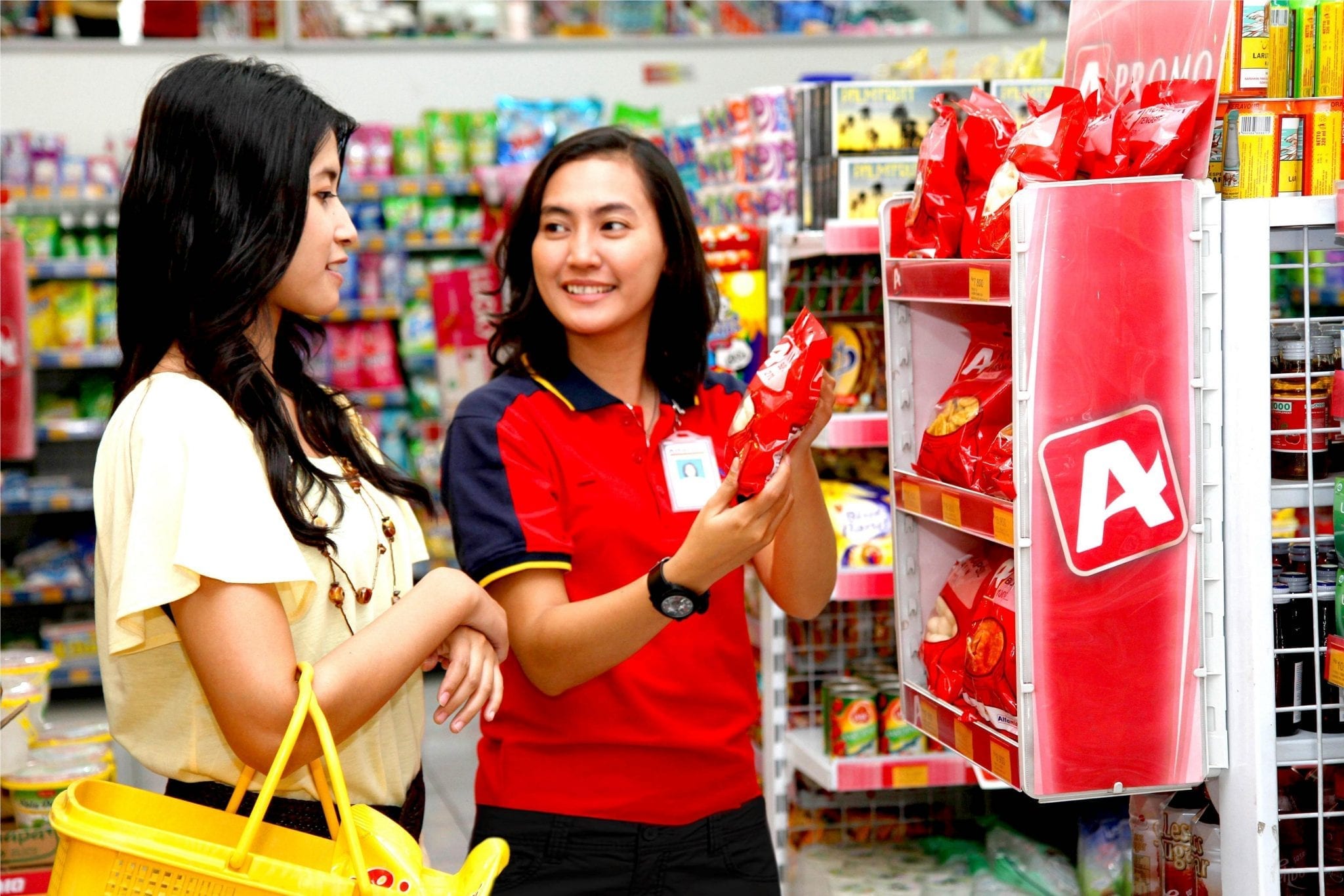
    Mini-mart chain Alfamart will open 200 new stores in the Philippines next year, according to a Fitch Ratings report. It said Alfamart Philippines stores already has 400 stores in the country, of which 180 were opened this year in partnership with local operator and majority stakeholder SM Group. The 200 new stores will take its total network to 600 locations in the Philippines by the end of next year.

    “Alfamart’s investment risk for its Philippine expansion is mitigated by the strong presence of SM Group in the country … Fitch expects Alfamart to have access to SM Group’s large business network and tap its widely known brand”.

    SM Retail operates 1729 stores nationwide. Alfamart’s Indonesian parent has a 35 per cent stake in the Alfamart Philippines business.

    According to the report, “Both Indonesia and the Philippines are consumer-driven markets with young populations and expanding middle classes. Both economies have similar income levels of GDP per capita of US$3000-$4000. Consumers in both markets also prefer to buy small amounts of bundled products rather than filling grocery carts”.

    It described the mini-mart sector in the Philippines “as untapped and having limited competition … the existing players mostly operate convenience stores that carry more limited products. Alfamart’s stores offer additional products, such as fresh and frozen food, personal care and small household appliances, giving the company some competitive advantage in grabbing market share.

    “Alfamart chose to expand in the Philippines as it believes it has more potential than other Southeast Asian markets, such as Thailand and Vietnam.”

  • Convenience Stores Boom as Korea’s Households Change

    Convenience Stores Boom as Korea’s Households Change

    The rising number of single-person households in South Korea is helping to fuel a boom in neighborhood convenience stores, one of the few bright spots in the nation’s sluggish economy.

    The number of convenience stores has jumped by more than half over the past five years, to 32,000 this year, according to the Korea Association of Convenience Store Industry.

    Analysts point to single-person households, which are expected to account for about a third of Korean households by 2030, up from 20% in 2005, according to the official Statistics Korea.

    “Convenience stores have more appeal to single households compared to other local businesses such as supermarkets and drug stores,” said Kim Moon-tae, a senior researcher at the Hana Institute of Finance. Goods at supermarkets are a bit too big for small households and drug stores focus on beauty products, Kim said.

    The trend has been great for BGF Retail Co., the largest convenience store chain in Korea, which is likely to surpass 5 trillion won $4.3 billion in revenue in 2016, according to a Bloomberg survey of analysts. That would be up 16% from 4.3 trillion in 2015. Its stock price has more than doubled since it was listed in 2014, according to data compiled by Bloomberg.

    “Single households can buy as much as they need at the closest convenience store without feeling restrained, wearing anything they’d like, 24 hours a day, and I think this is one of the factors helping convenience stores grow,” said Kim Chulsik, a researcher at Yonsei University’s Institute of East and West Studies.

    Convenience stores are adapting to the needs of single people, said Park Byung-su, who runs a 66-square-meter store in Seoul’s Sageun neighborhood where the number of those living alone rose 39 percent from 2010 to 2015, according to Statistics Korea.

    Park said he and his brother expanded the store’s offerings five years ago when hardware shops around the neighborhood started to disappear and people began dropping by in search of electric supplies. “Before then, most of our goods were just snacks,” he said.

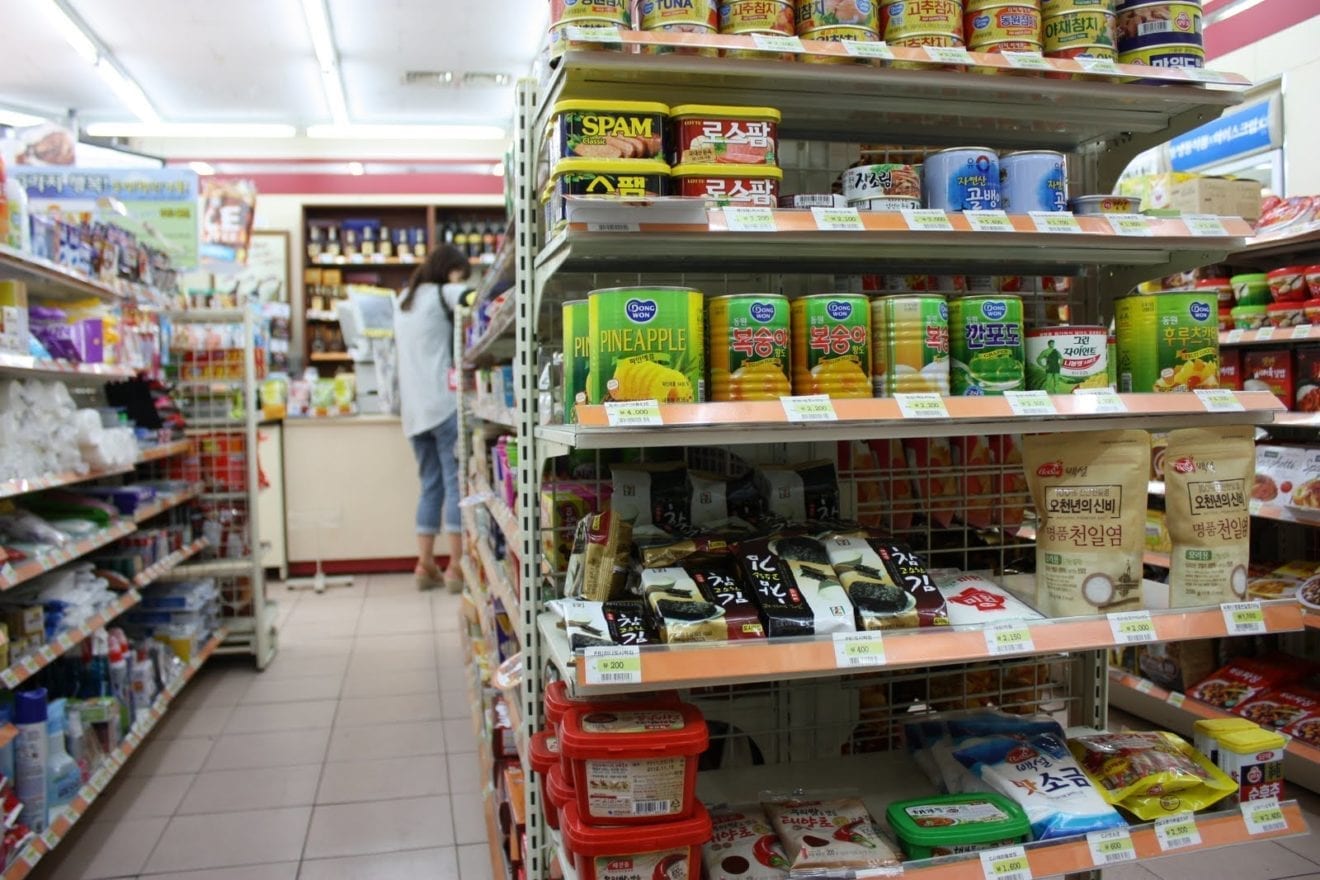
    Now Park’s store sells nail clippers, garbage bags, brewed coffee, light bulbs, hair gels, wet wipes, towels and electric alarm clocks. At other convenience stores, shoppers can pay bills, drop off or pick up a parcel and even rent a car.

    Kim Young-kyu, 33, who lives alone near Seoul’s Hongdae neighborhood, said he visits the same convenience store almost every day for breakfast.

    “I’d rather go to a convenience store than a nearby gimbap restaurant,” Kim said, referring to small restaurants that sell rice wrapped in seaweed. “There is much more to choose from. They have lunch boxes, bread, ramen and a lot more.”

  • Jetro helping convenience stores

    Jetro helping convenience stores

    Four major convenience store chains in Japan are teaming up with a government-related body to work on expanding their businesses overseas.

    FamilyMart, Lawson, Ministop and 7-Eleven Japan have formed a council with the Japan External Trade Organization (Jetro) to accelerate their establishment of branches overseas after the Trans-Pacific Partnership (TPP) goes into effect, reports the Sankei Shimbun.

    With the TPP easing restrictions on foreign distributors entering into the markets of partner countries such as Vietnam and Malaysia, the convenience stores hope to devise a system that will enable them to sell Japanese processed food products and commodities in overseas markets.

    Jetro’s task will be to work with foreign governments to resolve problems and collect relevant retail information. It will also help the convenience store chains find partner companies in Asian countries.