Tag: convenience stores

  • Fanta and Snapchat Launch Map Campaign with 7-Eleven in Australia

    Fanta and Snapchat Launch Map Campaign with 7-Eleven in Australia

    Fanta and Snapchat have partnered with 7-Eleven across Australia on an interactive map retail campaign. The promotion runs through October 4, 2026, offering a 10,000 Australian dollar travel voucher prize.

    Users are directed into physical 7-Eleven stores to drive sales of the newly released Fanta Fantasies drink range.

    How the in-store map mechanic works

    Snapchat brought its Promoted Places format to Australia for the campaign. The app displays a floating bottle icon on the Snap Map over 7-Eleven storefronts. Users open the map to find nearby stores, visit with friends, and take a screenshot within the application while on site. Customers then scan a QR code on the Fanta Fantasies packaging to submit their screenshot on a landing page.

    Map pins are paired with full-screen takeovers, including First Snap and First Story formats that launch when a user opens the platform. EssenceMediacom handled media planning. Ogilvy Australia created the campaign creative, featuring creator-led video content.

    “What Snapchat offers is something genuinely different: more than 8 million Australians already on the platform, already using Snap Map to find their friends and decide where to go next.”

    Active users on the mapping tool exceed 8 million monthly in Australia and 450 million globally, according to Snap. Entry is open once per person daily. No retail purchase is necessary to participate.

    Shifting convenience foot traffic from screens to aisles

    Convenience operators across Asia-Pacific face rising digital customer acquisition costs. They still need younger shoppers walking through physical doors. Smartphone location triggers remove friction between seeing an online drink ad and grabbing a can from an impulse chiller. For 7-Eleven, turning storefronts into active map nodes tests whether geolocated mobile mechanics can lift basket sizes beyond single drink units.

    Drink makers like Coca-Cola face a fragmented convenience retail market. Younger demographics regularly ignore standard endcap displays and static transit posters. By requiring shoppers to physically enter a 7-Eleven to complete entry, Fanta shifts marketing spend from passive impressions to verified foot traffic. Conversion at the shelf remains the primary risk, since free entry terms do not guarantee a register sale.

    Pushing digital utility across retail networks

    Across the region, convenience chains are investing in digital inventory visibility and gamified mobile loyalty tools. Retailers in Japan, South Korea, and Southeast Asia have tested augmented reality and app check-ins to defend foot traffic against on-demand delivery apps. Tying sponsored map pins to physical store footprints gives national chains an edge over independent grocers who lack single-network media scale.

    Entries close at 11:59pm AEDT on October 4. Judging for the 10,000 Australian dollar squad travel prize takes place on October 12, 2026.
  • 7-Eleven Japan Expands In-Store Pizza Size by 30 Percent at Unchanged Prices

    7-Eleven Japan Expands In-Store Pizza Size by 30 Percent at Unchanged Prices

    7-Eleven Japan expanded the surface area of its in-store baked pizzas by approximately 30 percent across its network on 15 September. Retail prices stayed flat.

    Customers still pay 780 yen for the Margherita option. The Teriyaki Chicken variation remains 880 yen.

    Baking Specs and Packaging Adjustments

    Each revised pizza measures roughly 23 centimetres across. That is an increase in diameter of about three centimetres, or 15 percent. The operator raised dough moisture levels to produce a denser, chewier crumb while maintaining baseline crust thickness. Staff bake the items on demand using dedicated high-heat ovens behind store counters.

    Alongside the resizing, the chain replaced its custom octagonal takeaway box with a standard square carton. The change simplifies assembly and trims packaging overhead. That helps offset the cost of the larger dough portion.

    Convenience Stores Pressing into Quick Service

    Convenience operators across East Asia are pushing deeper into territory traditionally held by quick-service restaurants. Baking fresh items on site rather than relying strictly on chilled commissary meals helps 7-Eleven capture higher ticket averages during evening meal hours. The pizzas also feed directly into the proprietary 7NOW app, which handles local delivery from store inventory.

    Operational risks remain at the store level. Adding bulky bakery items and dedicated ovens squeezes prep space in standard Japanese convenience store footprints. At the same time, labour shortages limit staff availability during peak lunch and dinner rushes.

    Prior Formats and Menu Testing

    Seven & i Holdings continues to push prepared-to-order hot foods across its domestic network. The company opened its next-generation SIP format store in March 2024 to test broader fresh food assortments. It followed that launch with expanded trials of western-style items, including specialised bakery goods and hot sandwiches.

    Management is monitoring consumer uptake across urban outlets. Future store equipment orders will tie directly to 7NOW delivery volume through the final quarter.

  • Universal Robina Launches Great Taste Premium Roast Instant Coffee at PHP 12.95

    Universal Robina Launches Great Taste Premium Roast Instant Coffee at PHP 12.95

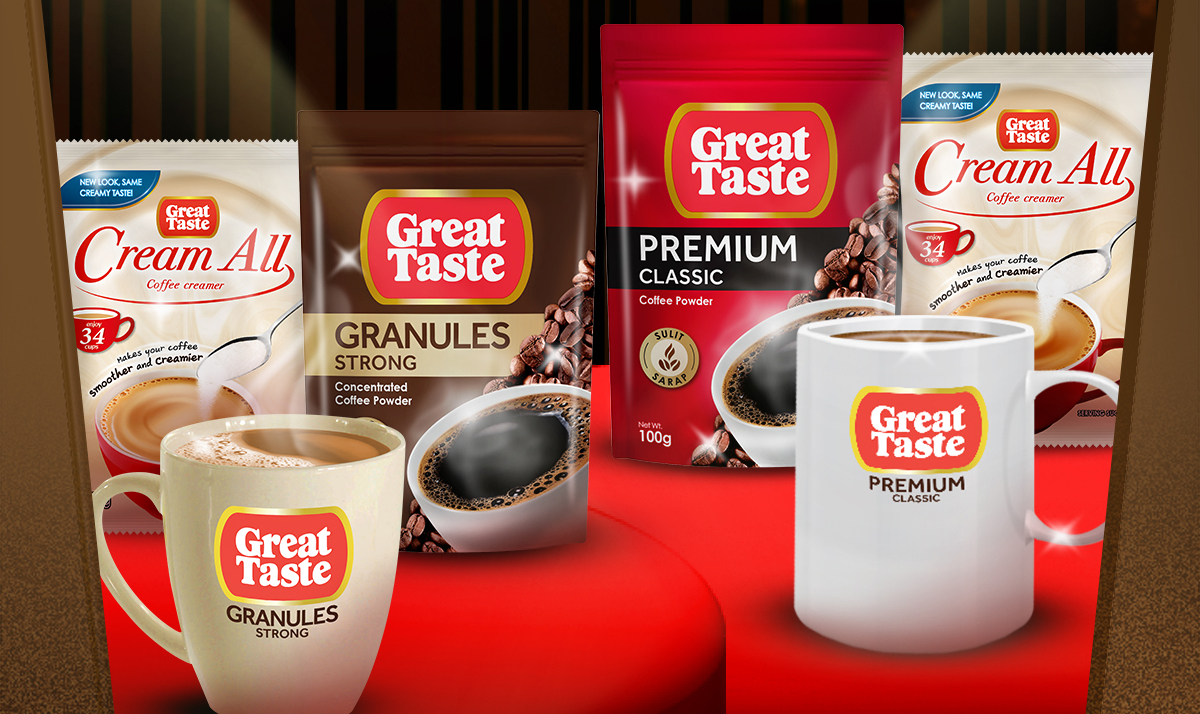
    Universal Robina Corporation rolled out Great Taste Premium Roast Coffee Mix across the Philippines on September 23. The single-serve sachets retail at PHP 12.95 each.

    The instant blend offers a bolder roast profile. URC is pitching it to commuters, blue-collar workers and office staff who need extra caffeine during transit and shifts.

    Sachet Pricing and Market Reach

    Each PHP 12.95 pack combines dark roast extract with a creamer base. URC designed the sachet format for neighborhood sari-sari stores, convenience chains and supermarkets across Luzon, Visayas and Mindanao.

    Distribution runs through URC’s nationwide logistics network to reach thousands of micro-retailers. These small shops generate most FMCG sales in the Philippines. Single-serve portions drive local coffee revenue as consumers manage tight daily cash budgets.

    Expanding the Instant Coffee Mix

    This rollout follows the earlier debut of Great Taste White Sugar Free Coffee. That formulation targeted urban consumers who wanted to cut sugar intake without abandoning white coffee.

    Developing high-caffeine and low-sugar options helps the company defend shelf space against multinational rivals. The Great Taste lineup now covers standard three-in-one mixes, sweet white coffee, sugar-free variants and dark roast blends.

    Rivalry in the Philippine Beverage Sector

    Competition in the local coffee aisle remains fierce. Nestlé Philippines holds substantial volume through its Nescafé lines, while PT Mayora Indah’s Kopiko brand commands heavy market share in white and high-caffeine categories.

    For sari-sari stores, inventory turnover hinges on brand loyalty and prices between PHP 10 and PHP 15 per pack. Rising costs for robusta beans and dairy substitutes squeeze margins. Still, producers must keep shelf prices steady so shoppers do not switch brands.

    Product Diversification Across Regional Markets

    Across Southeast Asia, the launch fits a broader pattern of FMCG category expansion. URC has rolled out extensions in snacks, biscuits and ready-to-drink beverages across Thailand, Malaysia and the Philippines in recent quarters.

    Fourth-quarter sales across convenience stores and general trade outlets will show whether Philippine consumers trade up to premium roast mixes in sachet format.

  • GS25 Shifts Top-Selling Meal Box Lineup to 6,900 Won Across 18,000 Stores

    GS25 Shifts Top-Selling Meal Box Lineup to 6,900 Won Across 18,000 Stores

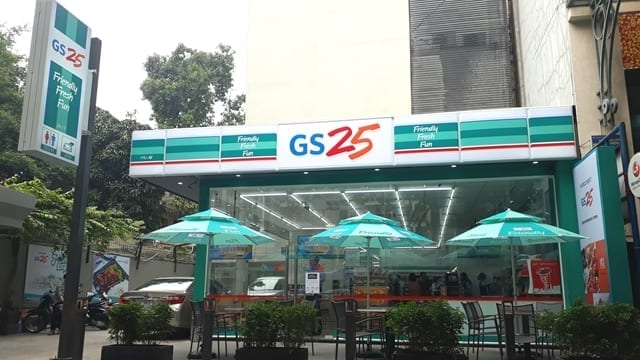
    GS Retail has revamped its ready-to-eat dosirak lineup across 18,000 GS25 convenience stores in South Korea, shifting its core recipe strategy to authentic domestic dishes while seeing its most popular price point rise to 6,900 won.

    Min Jung-hwan, a merchandiser with GS Retail’s Fresh Food Team, said in a Sept. 7 interview that the convenience chain launched a renewal of its meal boxes earlier this month to meet shifting consumer tastes across domestic stores and overseas branches in Vietnam and Mongolia.

    Rising dining prices have pushed daily lunch traffic toward convenience chains, where dosirak and fresh food items rarely exceed 7,000 won ($5.21). GS25 features approximately 20 different dosirak varieties each month, moving away from options priced below 6,000 won toward higher-quality banchan combinations and seasonal produce like spring cabbage bibimbap.

    Pricing shift and recipe pipelines

    Development cycles for new boxed meals at GS Retail take roughly 12 weeks from consumer trend analysis to store delivery. Culinary teams develop the banchan combinations, balance the flavor profiles, and run sample batches through lot testing at commercial factories before authorizing mass distribution.

    Rather than developing separate, milder product formulations for foreign tourists or overseas markets, the retailer is keeping core recipes consistent across territories. Outlets in Vietnam and Mongolia stock the same marinated bulgogi, dakgangjeong fried chicken, and japchae glass noodles sold in central Seoul.

    Even at GS25 stores in Vietnam and Mongolia, visitors are interested in authentic Korean-style dosirak. We try to meet such expectations so that they can feel they are inside a Korean convenience store.

    Marketing partnerships have accelerated this product turnover. GS Retail introduced co-branded meal boxes with chef Choi Kang-rok and runs a recurring monthly release schedule alongside its long-running Hyeja Dosirak line, an actress-fronted value brand active since 2010. Customer survey data from an early September brand renewal now dictates recipe adjustments rather than short-lived social media fads.

    Production across nine manufacturing plants

    Supplying daily fresh inventory to 18,000 domestic stores requires an industrial logistics network. GS Retail operates nine dedicated food manufacturing plants nationwide, delivering uniform meal boxes every morning. Consistency across regions remains the operational priority, from rice texture to the moisture absorption of bakery packaging.

    South Korea’s convenience sector now exceeds 53,000 outlets across competing operators, forcing chains to compete heavily on fresh food quality. When Japanese bento concepts first entered the domestic market decades ago, local operators lacked specialized food containers and processing equipment. Korean suppliers have since built proprietary packaging technology, including specialized containers that preserve seaweed crispness on triangular gimbap and trays designed for multi-sauce dishes.

    The regional convenience battle

    For convenience store operators across Asia, GS Retail’s refusal to localize recipes marks a clean departure from standard retail practice. Most regional operators adjust spice, sweetness, and protein ratios when entering Southeast Asian markets. GS25 is betting that global familiarity with Korean pop culture makes authentic recipes a stronger selling point than localized menus.

    This unified product approach gives GS Retail scale advantages in ingredient procurement and packaging development, but it concentrates operational risk. If consumer appetite for Korean food cools in overseas markets, franchisees in cities like Ho Chi Minh City or Ulaanbaatar face direct margin pressure from menus that cannot easily pivot to local staples. Rival chains like CU and 7-Eleven continue to mix regional items with imported lines in competing territories.

    Automation limits on the factory floor

    Factory automation remains the operational bottleneck across GS Retail’s manufacturing footprint. While the retailer has automated ingredient mixing, cooking, and container sealing across its nine plants, banchan packing still requires manual labor on assembly lines.

    Mechanical arms and robotic pickers cannot match the speed or dexterity of human workers when arranging delicate side dishes into compartmentalized trays. High labor dependency keeps factory overhead linked directly to minimum wage increases, capping how far production margins can expand without further packaging redesigns.

    GS Retail plans to maintain its 12-week development pipeline while rolling out faster batch runs for fast-moving social media food trends. The retailer is monitoring sales volumes across its domestic network and its Southeast Asian franchise footprint as the 6,900-won price tier establishes itself as the new commercial standard.

  • Ferndale Foods Takes Jila into 16,500 South Korean Stores

    Ferndale Foods Takes Jila into 16,500 South Korean Stores

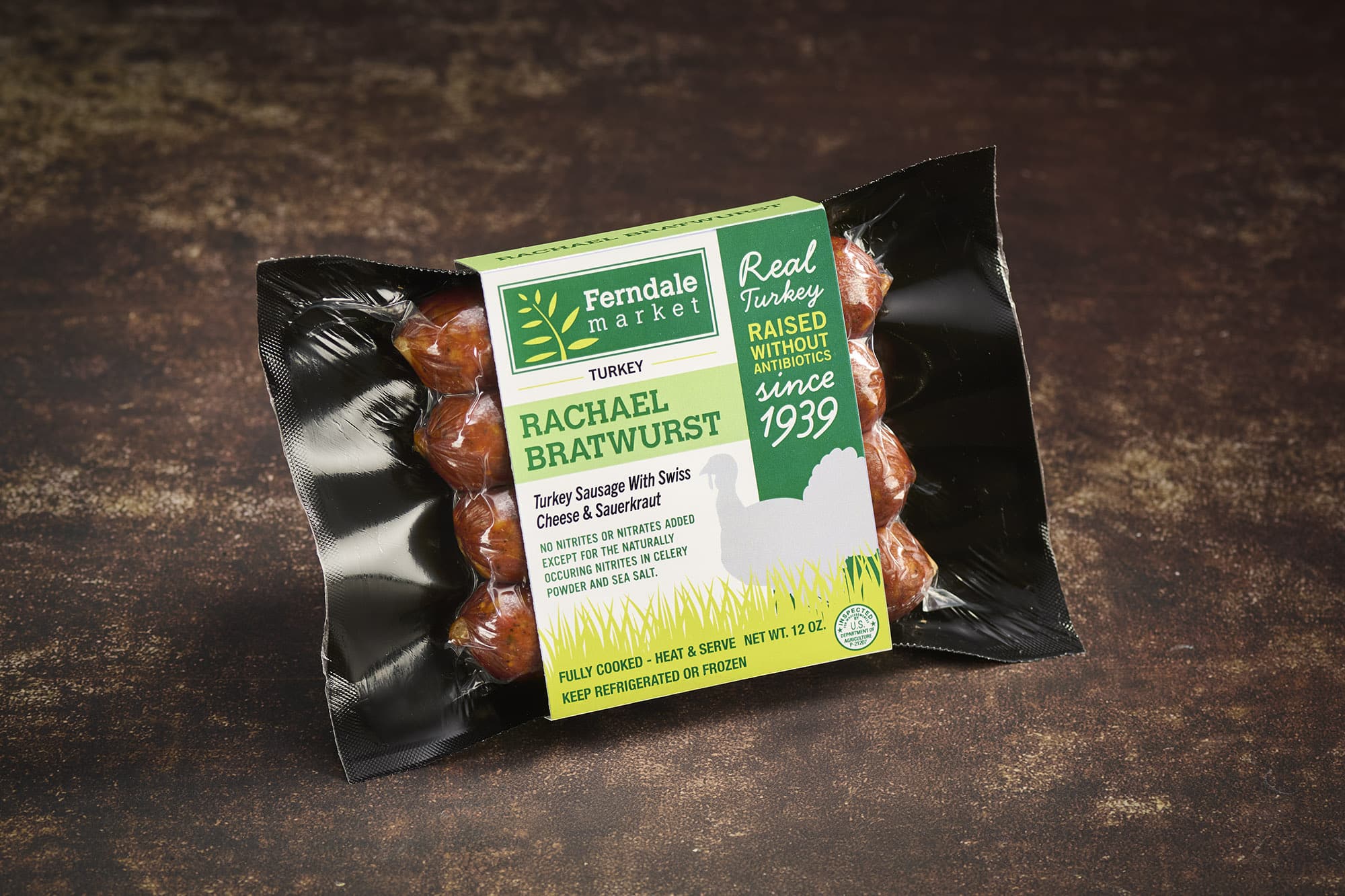
    Ferndale Foods Australia secured its largest international deal in September 2026, launching four Jila confectionery products across 16,500 South Korean retail outlets.

    The Ballarat-based manufacturer rolled out the range across CU convenience stores and Olive Young health and beauty locations nationwide.

    Distribution across CU and Olive Young

    Initial shipments introduce four stock-keeping units from the Jila range, led by sugar-free gum, directly into high-traffic retail points across the peninsula.

    CU operates one of South Korea’s largest convenience store footprints, while CJ Olive Young dominates the domestic health and beauty sector with prime foot-traffic locations in commercial centres and transit hubs.

    Convenience retail dynamics in Seoul

    South Korea represents one of the densest convenience store markets per capita globally, where checkout counter space dictates brand visibility and repeat impulse buying.

    For imported confectionery makers, securing immediate nationwide distribution through established convenience and drugstore chains eliminates the friction of building fragmented regional sales routes.

    Export expansion beyond domestic borders

    The agreement marks a major geographic expansion for Ferndale Foods, which manufactures its sugar-free confectionery and mints out of regional Victoria.

    Ballarat production facilities will supply the South Korean network directly, testing the manufacturer’s export packaging and high-volume supply chain logistics across North Asia.

    Targeting 45,000 doors by June

    Ferndale Foods is targeting 45,000 retail doors in South Korea by June 30 next year.

    Talks are currently under way with additional major Korean convenience store operators to secure the remaining shelf space needed to meet that distribution target.

  • South Korea Partners with Shin-Line on Food Cluster and 70 CU Stores

    South Korea Partners with Shin-Line on Food Cluster and 70 CU Stores

    South Korea’s food cluster agency signed a partnership on Tuesday with Kazakhstan’s Shin-Line Group to build an industrial food hub and expand bilateral market cooperation.

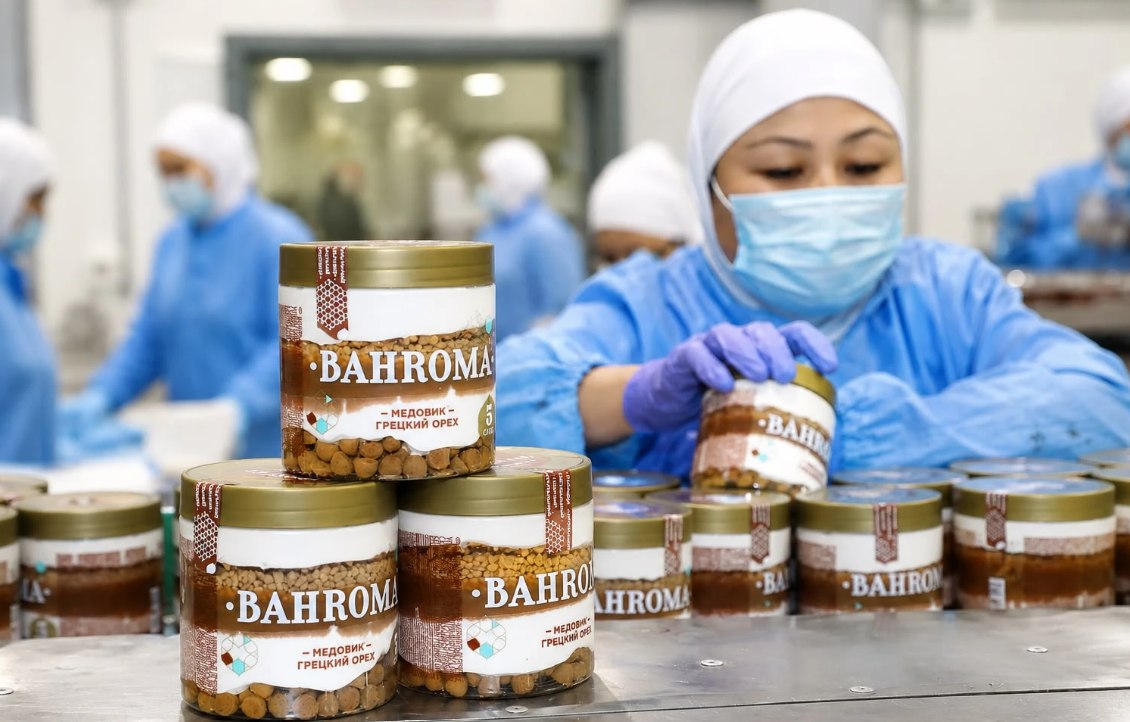
    The agreement opens a pathway for food producers from the National Food Cluster in Iksan to gain access to Central Asia’s largest ice cream manufacturer and its network of about 70 CU convenience stores.

    Advisory terms and network access

    Korea Food Industry Cluster Promotion Agency Chairperson Kim Deok-ho and Shin-Line Group Chairman Andrei Shin signed the memorandum of understanding at the Four Seasons Hotel in Seoul during the Korea-Kazakhstan Business Roundtable. Under the agreement, the Korean agency will consult on operating strategies, infrastructure planning, and enterprise support programs for the planned food cluster.

    Packaged goods made by tenants at South Korea’s National Food Cluster will flow directly into Shin-Line’s retail footprint. The company operates local production plants, cold-chain routes, and roughly 70 CU franchised convenience stores across Kazakhstan.

    Supply chains push into Central Asia

    For Korean packaged food manufacturers, the deal tackles their toughest operational bottleneck in Central Asia: shelf space and cold-chain logistics. Exporters entering Kazakhstan typically face fragmented wholesale channels and unpredictable refrigerated transport. Partnering with Shin-Line gives suppliers an immediate pipeline into modern convenience retail.

    Operational risk centers on product fit and price positioning. Central Asian consumers embrace Korean pop culture, but everyday convenience store spending remains sensitive to freight costs and local purchasing power. Shin-Line must balance higher-margin imported Korean inventory with high-turnover domestic staple foods. That balance keeps store traffic steady.

    Expanding the Iksan blueprint

    In North Jeolla Province, the Korean agency runs the National Food Cluster in Iksan, providing research, development, and pilot production support to domestic food processors. The Kazakhstan project exports that state-managed industrial model. It also secures captive export destinations for cluster tenants.

    This agreement provides an opportunity to expand food industry cooperation with Kazakhstan by drawing on our experience operating the National Food Cluster.

    Store counts and development timeline

    Teams from both sides will now set working schedules for technical consultations on the industrial park and outline vendor requirements for Korean exporters. The key early milestone is tracking how quickly National Food Cluster packaged lines reach shelves across Shin-Line’s 70 CU stores in Kazakhstan.

  • 7-Eleven Malaysia Launches Four Michelin-Crafted Ready Meals at RM15.90

    7-Eleven Malaysia Launches Four Michelin-Crafted Ready Meals at RM15.90

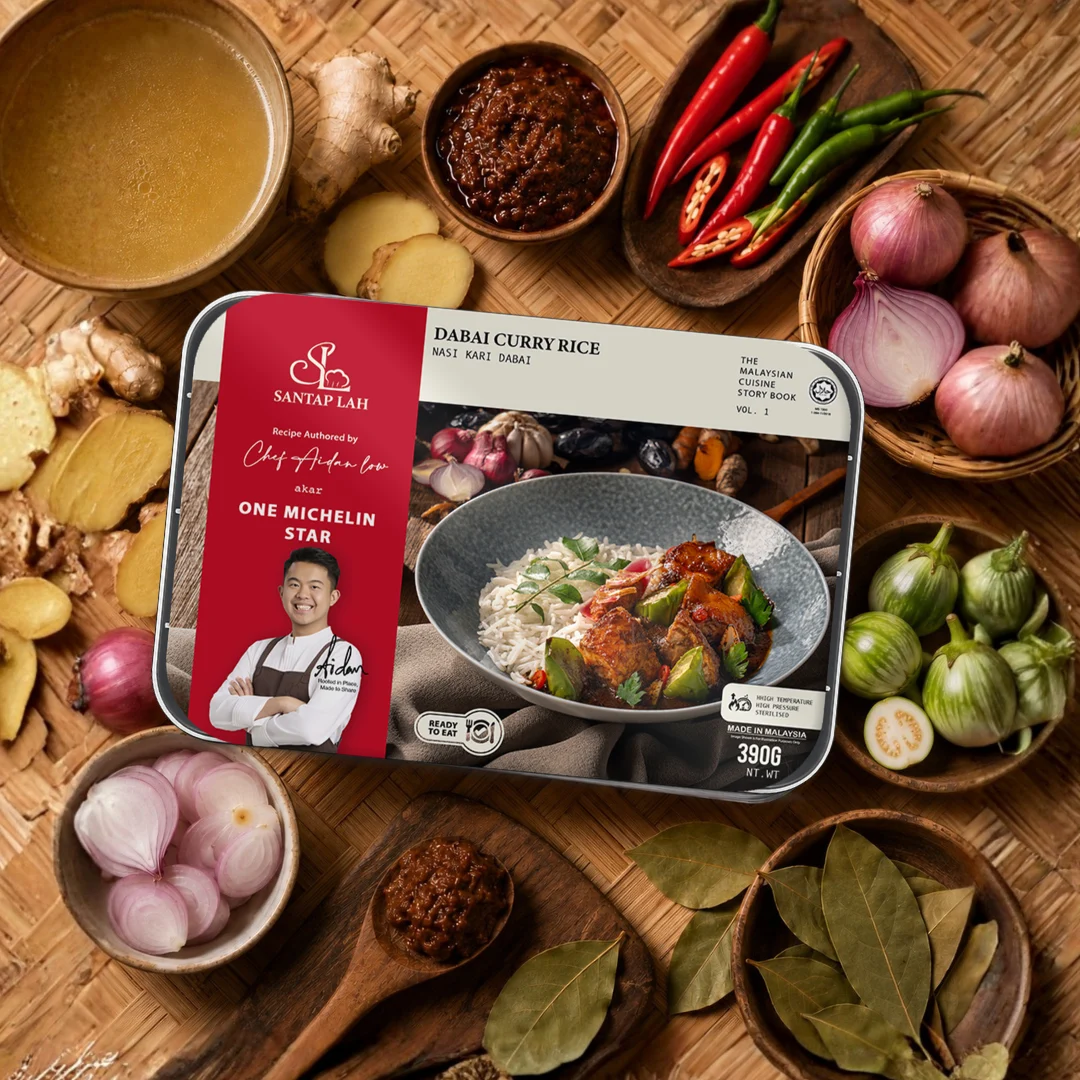
    In September 2026, 7-Eleven Malaysia rolled out a four-dish ready-to-eat meal range developed with Michelin Guide chefs. Each counter-served rice dish costs RM15.90.

    Branded as Santap Lah, the collection is available exclusively across the chain’s CAFÉ by 7-Eleven store format in Malaysia. Every meal is halal-certified and made without preservatives. Staff heat each portion directly at the service counter.

    Star chefs take to the convenience counter

    The lineup pulls recipes directly from high-end kitchens in Kuala Lumpur and Penang. Raymond Tham, chef at one-star Beta KL, developed the Kadok Chicken Rice. Aidan Low of one-star akar contributed the Dabai Curry Rice. Penang-based Kim Hock Su from one-star Restaurant au Jardin created a vegan option, Hericium Mushroom Rendang with Rose Water Rice. A fourth dish, Rose Chicken with Buttered Rice, comes from Nurilkarim of Michelin-selected Jawi House.

    Selling fine-dining recipes in plastic trays requires rigid cold-chain controls and tight commissary standardisation. The retailer is using shelf-stable heating techniques and preservative-free recipes to tackle the quality drop common in mass-produced convenience food.

    The margin fight in fresh food

    Convenience operators across Southeast Asia are leaning heavily on proprietary ready meals to defend gross margins against grocery discounters and food delivery platforms. Ready-to-eat lines yield higher gross margins than packaged consumer goods. However, they carry sharp inventory risks if off-peak sales drop.

    In Malaysia, 7-Eleven faces stiff competition in fresh food from FamilyMart. That rival built its local market share on hot snacks, oden, and chilled lunch boxes. By putting Michelin-starred names on its menu, 7-Eleven aims to capture office workers looking for quality lunches without paying full restaurant table rates.

    Expanding the cafe footprint

    This rollout ties into the chain’s broader conversion of standard convenience outlets into the larger CAFÉ by 7-Eleven format. These stores dedicate more floor space to seating, barista coffee, and ready-to-eat meals.

    Customer uptake across suburban locations outside central Kuala Lumpur will test the Santap Lah range next. Spending power is tighter in these areas, where standard hawker meals still sell well below the RM15 mark.

  • FamilyMart Plans 10 AI-Developed Desserts by End of Fiscal Year

    FamilyMart Plans 10 AI-Developed Desserts by End of Fiscal Year

    FamilyMart will release its first generative AI-developed dessert in Japan later this month. The company aims to roll out roughly 10 algorithm-assisted products before the current fiscal year ends.

    Store buyers want faster development cycles for fresh sweet counters. They are using machine learning to parse consumer demand patterns and speed recipes straight to shelves.

    Building on July Pilot Sales

    Executives cleared the wider rollout after a limited run in July. Strong customer uptake for an AI-recommended cream sandwich during that trial convinced management to expand the pipeline across the chilled dessert category.

    That push slashes the months normally required to pitch, test and approve new confectioneries for nationwide distribution.

    Shifting Shelf Battles in Tokyo

    Japanese convenience chains compete fiercely on chilled sweets, where weekly turnover drives regular foot traffic and protects basket margins against inflation. Rivals such as 7-Eleven and Lawson pour heavy investment into proprietary foods. Generative design cuts development lead times down to weeks.

    Suppliers face tighter turnaround windows as retail buying teams swap conventional seasonal planning for continuous, data-driven formulation. Manufacturers will need flexible production lines capable of switching ingredients rapidly to meet shorter product life cycles.

    Next Pipeline Milestones

    September’s launch sets the operational template for the remaining automated recipe rollouts scheduled across the rest of the financial year.

    FamilyMart will track repeat purchase rates and sales velocity from this month’s debut before locking in the final batch of AI recipes due on shelves before the fiscal year closes.

  • FamilyMart Launches AI-Designed Desserts to Speed up Product Cycles

    FamilyMart Launches AI-Designed Desserts to Speed up Product Cycles

    Japanese convenience store operator FamilyMart will roll out its first dessert formulated by generative artificial intelligence in September 2026, aiming to cut product development workloads by 20 per cent.

    The Tokyo-based chain is deploying algorithm-driven recipe creation across its chilled dessert counters to capture fast-moving consumer tastes faster than human product teams can test them.

    Automating Recipe Formulation

    FamilyMart is using generative AI platforms to analyse consumer social discussions and purchase patterns, generating finished dessert recipes directly from raw trend data. The software evaluates ingredient combinations, texture profiles, and flavour pairings before human development teams test the formulations for mass production.

    Sweets and chilled bakery items generate disproportionate store traffic compared with daily staples like rice balls and bento meals. Convenience store operators in Japan rotate novelty desserts every few weeks, creating intense pressure on research teams to find fresh flavour profiles that stand out on shelves.

    Rival Pressures Across Japanese Convenience Chains

    Convenience retailers across Japan face shrinking domestic margins and high labour costs, pushing operators to automate back-office operations and supply chain decisions. Seven & i Holdings and Lawson have similarly turned to algorithmic demand forecasting, but using automated systems directly for consumer recipe design shifts technology from logistics into core merchandising.

    For food ingredient suppliers and packaging manufacturers, shorter development timelines will require more agile production lines. Suppliers that cannot adjust ingredient batches within tight AI-driven launch schedules risk losing shelf space to more flexible competitors.

    The Timeline for Store Rollouts

    FamilyMart has spent recent quarters testing automated shelf-stocking tools and digital signage across its store network to trim operational overhead. Applying generative technology to food product design represents the next stage of that operational overhaul.

    The company will track sales performance and inventory waste for the September 2026 AI dessert before deciding whether to expand automated development into its wider bento and prepared beverage lines.

  • Chinese Shoppers Ditch Supermarkets for Small Community Stores

    Chinese Shoppers Ditch Supermarkets for Small Community Stores

    Chinese consumers are ditching traditional supermarkets in favour of small neighbourhood community stores that offer low prices and instant delivery services.

    In Guangzhou, 20-something shopper Cindy Wang now stops by a local community store after work, finding it cheaper than a standard supermarket and better stocked than convenience chains like 7-Eleven.

    Discount Pricing at the Doorstep

    On an early September evening, Wang bought a bottle of milk for 7 yuan (US$1), a beer for 2.5 yuan, and mangoes priced at 10 yuan per kilogram at the newly opened outlet near her home.

    These residential outposts carry a wider assortment of fresh produce and pantry goods than traditional convenience chains like 7-Eleven. They also eliminate the commute and layout friction associated with sprawling edge-of-town hypermarkets.

    Pressure Mounts on Hypermarket Operators

    Traditional big-box chains across mainland China face structural headwinds from this shift. Large hypermarkets built on multi-tier lease models and high supplier listing fees cannot easily match the ultra-lean operating costs of ground-floor residential shops. For commercial real estate landlords, shrinking footfall at anchor supermarket tenants weakens foot traffic across entire suburban retail developments.

    Instant-delivery networks also shift bargaining use toward smaller operators. Neighbourhood storefronts function simultaneously as walk-in retail units and micro-fulfilment hubs, cutting last-mile delivery times down to minutes without the capital expense of dedicated dark stores.

    The Next Front in Grocery Competition

    The transition follows years of aggressive online penetration by instant grocery apps and group-buying platforms across major metropolitan areas. As consumer spending turns more value-conscious, physical proximity and clear price transparency carry greater weight than brand loyalty.

    Retail operators now race to secure high-density residential leases across southern China to protect market share before legacy grocery chains can reconfigure their floor space.

  • China Aims for $8.94 Trillion in Retail Sales as Price Wars Persist

    China Aims for $8.94 Trillion in Retail Sales as Price Wars Persist

    China’s physical retailers are retooling floor space into leisure and entertainment hubs to counter entrenched price competition as Beijing targets $8.94 trillion in annual consumer sales by 2030.

    First-half retail sales reached $3.7 trillion, but Bain & Company partner Weiwen Han warns the market will stay muted over the next three years as discounting continues to squeeze operating margins across shopping centres and supermarket chains.

    Experience Costs and Margin Pressures

    Official policy guidelines urge store operators to blend standard shopping with immersive dining, social spaces, and entertainment. The strategy shifts the industry away from chasing raw foot traffic toward extracting higher margins from shoppers who do enter. Transforming selling space into experience zones raises the fixed cost per square metre, penalising operators whose foot traffic fails to convert at the cash register.

    The policy combines experience-led flagships in commercial districts and transit hubs with neighbourhood infrastructure upgrades dubbed 15-minute life circles. These local clusters focus on daily essentials through convenience stores, supermarkets, and wet markets.

    Digital Convergence and Supply Chains

    Pure physical retail has ceased to exist in the Chinese market. With online sales of physical goods rising 4.8 per cent year to date compared to 1.3 per cent growth for total retail sales, shoppers routinely compare shelf prices against live e-commerce listings on their phones within seconds.

    Instead of trying to defeat digital platforms on pricing, operators are adopting automated inventory systems, drone delivery, and private-label merchandise. Developing proprietary private-label lines allows chains to offer price value directly without slashing headline gross margins on national brands.

    “They are asking stores to be worth visiting for reasons beyond price,” said Jotham Lim, head of global marketing at Beijing Taomi Technology Co. Ltd.

    Winners and Structural Consolidation

    Mid-sized domestic grocery, convenience, and food and beverage operators stand to gain the most from planned regional deregulation, which removes long-standing barriers preventing chain retailers from expanding across provincial borders. Independent single-store merchants face steep hurdles absorbing the capital expenditure required for digital traceability and store fit-outs, accelerating industry consolidation into regional chains.

    Financing rules now allow qualifying retail operators to raise capital through asset-backed securities and commercial real estate investment trusts, alongside interest subsidies from commercial banks. Landlords and property-owning retailers can tap these vehicles to fund store refits without burning operating cash flow.

    The retail sector entered this transition carrying heavy overcapacity in commercial floor space following decades of rapid mall construction across second- and third-tier cities. Moojing Market Intelligence recorded a steady increase in consumer discussions regarding in-store price checking against e-commerce platforms between the first half of 2024 and the first half of 2026.

    Market operators now face the rollout of regional licensing reforms and the government target to lift retail sales from ¥24.87 trillion to ¥60 trillion over the next four years.

  • Waterdrop Rolls Out Hydration Cubes Across 150 7-Eleven Stores

    Waterdrop Rolls Out Hydration Cubes Across 150 7-Eleven Stores

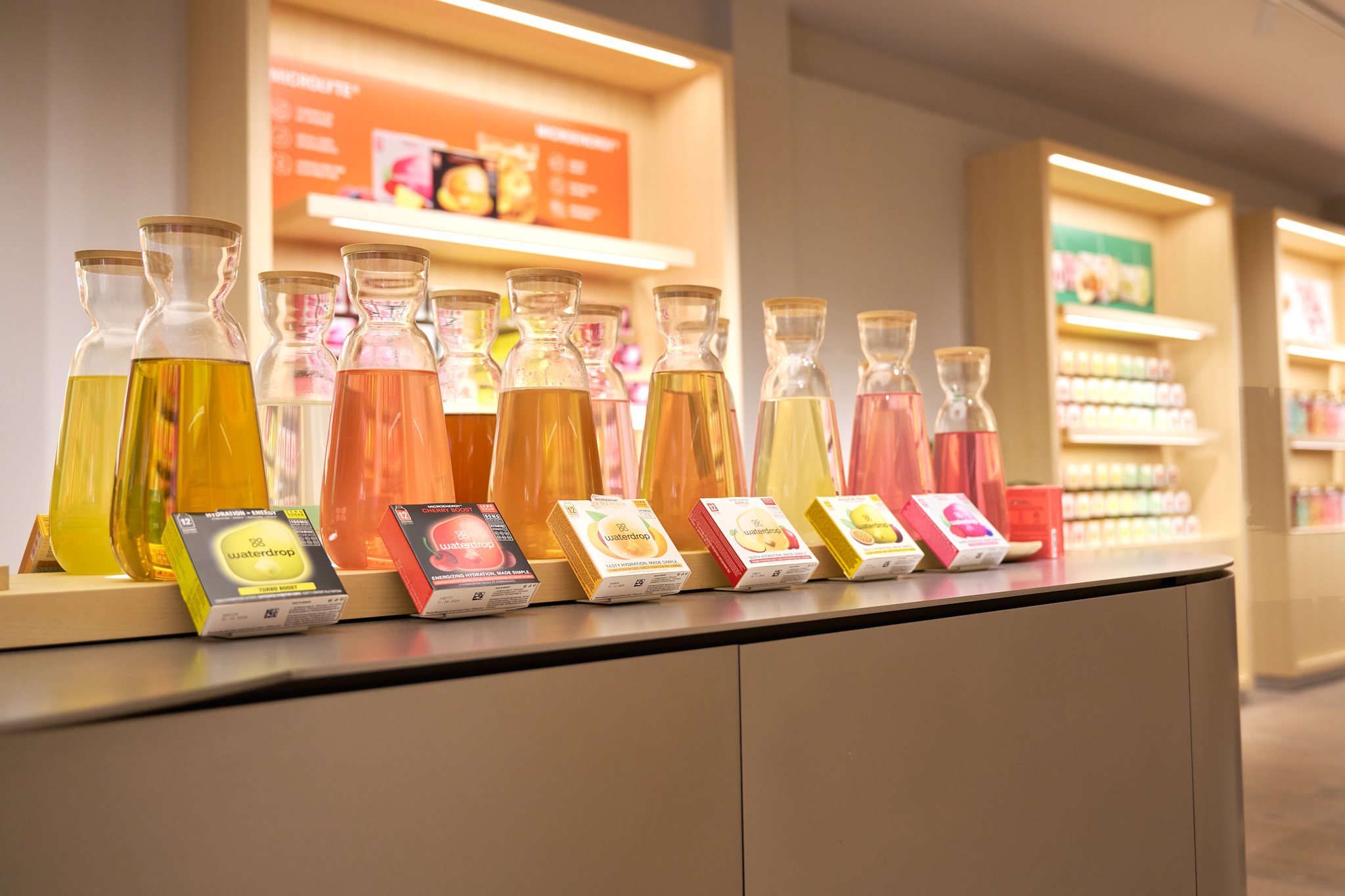
    Vienna-based hydration brand Waterdrop expanded its functional beverage line into 150 7-Eleven stores nationwide in September 2026.

    The rollout features three-pack units of Berry Recharge and Vitamin Apple priced at $7. Berry Recharge provides essential electrolytes and vitamins for rapid rehydration, while Vitamin Apple is formulated with natural fruit and plant extracts.

    Convenience Formats Challenge Bottled Drinks

    Convenience stores typically dedicate cold vaults to heavy ready-to-drink plastic bottles and energy cans. Placing lightweight, ambient dissolvable cubes on front-of-counter shelves alters the revenue math per square centimetre for franchise operators.

    A three-pack footprint takes up less than a tenth of the shelf space required by three 600ml beverage bottles. For 7-Eleven, the compact format delivers higher gross margins per unit while appealing to urban commuters who carry reusable bottles to avoid single-use plastics.

    Pricing and Channel Strategy

    At $7 for three servings, Waterdrop costs roughly $2.33 per prepared drink. That price point undercuts imported sports drinks and functional sodas in Australian convenience fridges, which regularly retail between $4.50 and $6.00 per bottle.

    Consumer habit presents the primary obstacle. Selling dissolvable cubes in convenience retail requires shoppers to plan ahead rather than grabbing a cold drink for instant thirst. Competitors in sports hydration have largely stuck to ready-to-drink bottles or multi-serving tubs sold through grocery chains and specialty supplement shops.

    Expanding Beyond Direct-to-Consumer Channels

    Waterdrop built its initial business through direct-to-consumer online sales and dedicated brand kiosks in European and North American transit hubs. The push into Australian convenience stores shifts the company toward everyday impulse foot traffic in the Asia-Pacific region.

    Early sales will test whether convenience shoppers adopt compact cube formats without extensive educational marketing at the counter. Performance across these first 150 7-Eleven sites will decide whether the brand expands into the retailer’s wider network of more than 750 stores nationwide.

  • China’s Meiyijia Opens Two Ohmee Stores at Petrolimex Stations in Hanoi

    China’s Meiyijia Opens Two Ohmee Stores at Petrolimex Stations in Hanoi

    Chinese convenience chain Meiyijia has opened two Ohmee Express stores at Petrolimex petrol stations in Hanoi following its entry into Vietnam in April. The pilot tests a forecourt retail model in the chain’s first overseas market.

    The tie-up links China’s largest convenience operator with Vietnam’s dominant petroleum distributor. Meiyijia runs more than 40,000 stores in its domestic market.

    Pilot Sites on Hanoi Arteries

    Both outlets operate on Ngoc Hoi and Nguyen Quy Duc streets in Hanoi. They stock packaged food, drinks and daily necessities alongside standard fuel station services.

    Petrolimex deputy general director Nguyen Ngoc Tu said the partnership supports plans to convert traditional petrol stations into multi-service commercial hubs. The strategy responds to shifts in vehicle energy use and digital payments.

    Fuel Forecourt Competition in Vietnam

    Forecourt retailing gives convenience operators a direct way to bypass street-level real estate bottlenecks in Southeast Asia. Securing prime roadside retail space in Hanoi and Ho Chi Minh City carries steep rents and heavy competition from players like Circle K, WinMart+ and GS25. Partnering with a state-backed fuel network gives Meiyijia immediate roadside access and built-in vehicle traffic without negotiating individual retail leases.

    Customer conversion presents the main operational challenge. Petrol buyers in Vietnam make brief refuelling stops on motorbikes. Basket sizes stay modest unless the forecourt store offers quick food service or payment utilities that draw riders off their bikes.

    Cross-Border Expansion from Guangdong

    Meiyijia entered Vietnam in April under the Ohmee banner, selecting the country for its first international expansion. Founded in Guangdong in 1997, the company built its domestic network on a low-cost franchise model. It penetrated lower-tier Chinese cities before expanding into higher-density urban centres.

    Results from the two Hanoi pilot stores will determine whether Meiyijia and Petrolimex roll out the Ohmee Express format across the fuel distributor’s nationwide network of filling stations.

  • Ice Cream and Food Drive 45 Percent Surge in Philippine Convenience Store Sales

    Ice Cream and Food Drive 45 Percent Surge in Philippine Convenience Store Sales

    Philippine convenience store sales jumped 45 percent year on year in January, propelled by heavy consumer spending on food and packaged goods, according to Kantar Worldpanel data.

    Food purchases accounted for 59.3 percent of all fast-moving consumer goods transactions across the format, up from 58.8 percent in the previous year.

    Ice cream retained the top spot among individual product categories, followed by milk, packaged snacks, and alcoholic beverages. Beverages accounted for 23.8 percent of overall basket value, dipping from 25.6 percent in 2014. Personal care items captured 13.5 percent of sales, marking the largest category share expansion with a 2.2 percentage point gain. Household care products took a 4.3 percent share, up from 3.5 percent.

    Shifting Baskets and Fast Growth

    Consumer baskets also showed new priorities during the tracking period. Diapers, bottled water, and fabric cleaners entered the top ten bestselling categories by sales value, while coffee and hair care products dropped out of the list. Diapers climbed straight into fifth place, sitting just behind alcoholic beverages and ahead of biscuits, soft drinks, bottled water, fabric cleaners, and fruit juice.

    The convenience channel outpaced every competing modern trade format in the country over the 12-month period. Convenience store sales growth reached 45 percent, compared with 31 percent for direct sales and 11 percent for drugstores.

    Regional Shopper Divergence

    Household penetration widened alongside value growth. Kantar tracked 3,000 urban and rural households and found that 18.5 percent bought goods from convenience stores, up from 16.1 percent a year earlier. That shift brought an estimated 566,991 new families into 24-hour retail chains such as 7-Eleven, Ministop, and FamilyMart.

    Shopper behaviour varies sharply by geography. The National Capital Region accounts for the highest shopper volume, with 34 percent of homes using convenience stores, but residents there visit only five times a year on average. Mindanao holds fewer total convenience shoppers, yet those households visit nine times annually, making them the most frequent spenders in the country.

    Format Expansion Pressures

    Operators face higher inventory management demands as convenience stores shift from late-night snack stops into daily grocery replenishment hubs. Stocking bulky items like diapers and laundry detergents requires tighter shelf space allocation in stores that average only one to two checkout counters. Chains that fail to optimize their stock mix risk losing margin to traditional sari-sari neighbourhood stores that hold lower overheads.

    Philippine operators are matching this shift by accelerating store expansion beyond Metro Manila into secondary cities in South Luzon and Mindanao. Kantar new business development head Lourdes Deocareza attributed the channel expansion to faster consumer lifestyle routines across urban centers.

    Store counts across the major three chains continue to rise toward regional footprint targets, with full-year channel penetration and repeat trip frequency serving as the key benchmarks to watch.

  • F&N Magnolia Launches Sanrio Ice Confection Line Across Singapore

    F&N Magnolia Launches Sanrio Ice Confection Line Across Singapore

    F&N Magnolia rolled out a limited-edition strawberry and yoghurt ice confection across Singapore retail channels on September 3, priced at S$2.20 for single sticks and S$8.40 for four-packs.

    The launch pairs the heritage dairy brand with Sanrio characters My Melody and Kuromi across impulse and take-home formats. Alongside the stick multipacks, the company introduced a repackaged My Melody and Kuromi raspberry ripple ice cream tub priced at S$6.42.

    Channel Distribution and Pricing

    F&N split the product formats by channel to target distinct shopping occasions. Convenience stores carry the single-serve stick line at S$2.20, while leading supermarket operators stock the four-stick multipacks at S$8.40 and the redesigned tubs at S$6.42. All items carry halal certification to serve the broader domestic market.

    To drive basket size in grocery aisles, the brand attached a gift-with-purchase promotion running through the end of October 2026. Shoppers who buy two multipacks receive a branded travel organiser set valued at S$19.90, subject to stock availability.

    Character Licensing in Dairy Retailing

    Packaged food manufacturers across Southeast Asia rely heavily on co-branded character tie-ups to drive short-term volume in crowded freezer cabinets. Licensing recognizable IP allows legacy dairy labels to capture younger demographics and impulse buyers without reformulating entire permanent portfolios.

    The promotion runs across participating supermarket chains until October 31, 2026, or until premium gift stocks are exhausted.