Retail News CRM

Tag: convenience

  • Robotic Revolution: Hong Kong Unveils First 24/7 Convenience Store Operated by Humanoid

    Robotic Revolution: Hong Kong Unveils First 24/7 Convenience Store Operated by Humanoid

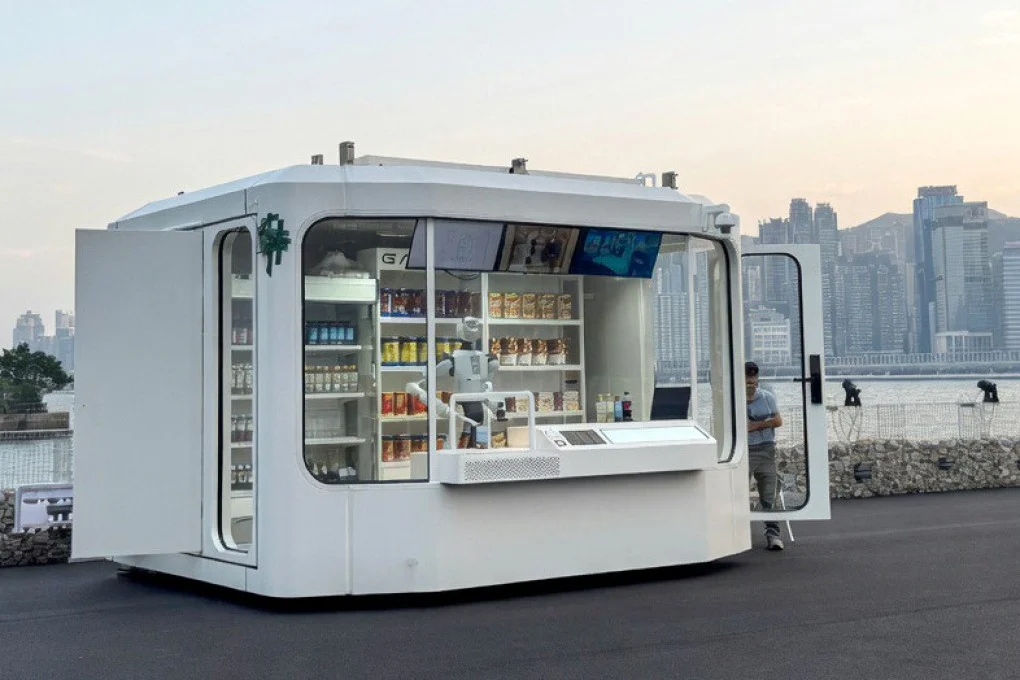
    The bustling city of Hong Kong is all set to welcome its inaugural 24-hour convenience store managed entirely by a humanoid robot. This groundbreaking project denotes the initial venture outside Mainland China for Beijing-based robotics firm, Galbot.

    Situated along the waterfront of Hung Hom, the robotic store is financially supported by the Hong Kong Investment Corporation (HKIC). A 9 square meter capsule store, it will be supervised by ‘Xiao Gai’, a G1 humanoid robot model standing tall at 173cm. The robot is equipped with a 190cm arm span, specifically engineered to restock shelves, select inventory items and manage customer checkouts with ease.

    A New Era of AI in Retail

    The store is designed to cater to high-demand retail categories such as snacks, lifestyle merchandise, and over-the-counter pharmaceuticals. The upcoming launch of this humanoid robot-managed store in Hong Kong highlights a rapidly evolving trend: the integration of artificial intelligence (AI) into our everyday lives.

    As the HKIC stated, their active promotion of AI development extends beyond the goal of enhancing industries and bolstering economic competitiveness. It also aims to provide residents with a unique, AI-enabled convenience experience while simultaneously fostering new areas of growth and opportunity.

    Galbot’s forecasts predict that this automated storefront model could boost local foot traffic by a significant 30 to 40 percent, owing to its novelty factor.

    Global Expansion on the Horizon

    Following the initial pilot in Hong Kong, Galbot reportedly has plans to introduce this innovative capsule store format on an international level. The ambitious expansion plan targets rollouts across ten major cities worldwide.

    Questions & Answers

    What is the size of the Hong Kong capsule store?
    The Hong Kong capsule store spans 9 square meters.

    Who is the humanoid robot managing the store?
    The store will be managed by a G1 humanoid robot model named ‘Xiao Gai’.

    What are Galbot’s future expansion plans?
    Galbot plans to introduce the capsule store format globally, targeting rollouts across ten major cities.

  • KK Mart Announces Massive IPO: A Game-Changer in the Malaysian Convenience Store Industry

    KK Mart Announces Massive IPO: A Game-Changer in the Malaysian Convenience Store Industry

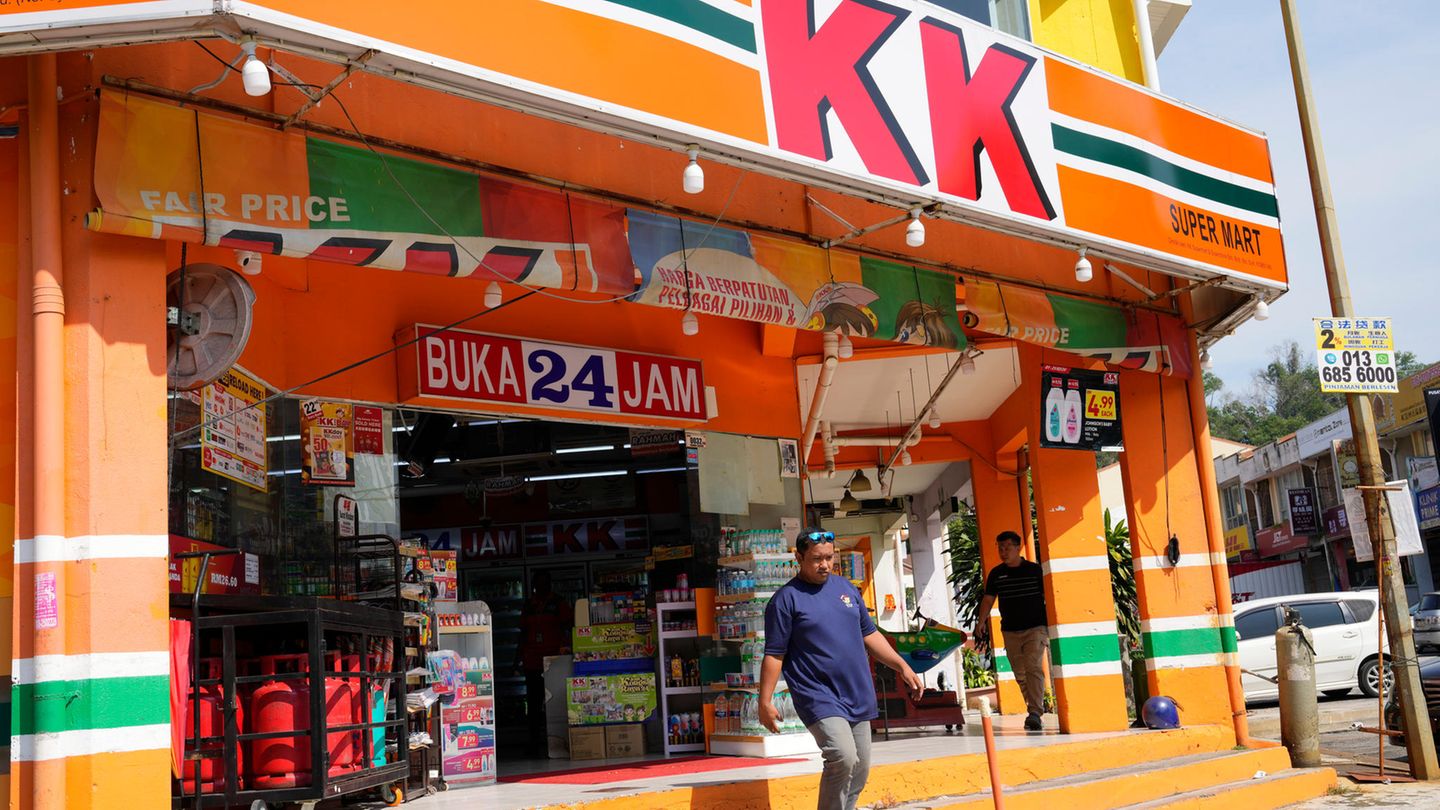
    KK Mart Retail Bhd, the parent company running the KK Super Mart and KK Mart convenience store chain, has revealed plans for an initial public offering (IPO) on Bursa Malaysia. The news came as the company filed a draft prospectus with the Securities Commission Malaysia earlier this week.

    Details of the IPO

    Although the prospectus does not provide specific details about the IPO price, overall fundraising size or listing schedule, it does confirm that the IPO will involve up to 840 million shares. This sum includes the sale of as many as 630 million existing shares, along with the issuing of 210 million new shares.

    Current Operations

    At present, KK Mart operates 996 convenience stores throughout Malaysia. The stores provide customers with everyday essentials and services, such as bill payments and mobile top-ups.

    Use of IPO Proceeds

    The funds raised from the new shares will be allocated to various areas of the business. These include expanding store operations and distribution centers, investing in the digital sphere and IT capabilities, repaying bank loans, and covering the expenses associated with listing.

    The Maybank Investment Bank will serve in multiple roles for this offering, including as the principal advisor, the sole bookrunner, underwriter, and placement agent.

    Questions & Answers

    What is the expected IPO price and total fundraising size for KK Mart Retail Bhd?
    As of now, the company has not disclosed any specific details about the IPO price or the total fundraising size.

    How many convenience stores does KK Mart currently operate?
    KK Mart currently operates 996 convenience stores across Malaysia.

    How will the proceeds from the new shares be used?
    The proceeds from the new shares will be used for expanding store operations and distribution centers, investing in digital and IT capabilities, repaying bank loans, and covering listing-related expenses.

  • Viva Energy reports convenience sales decline in third quarter

    Viva Energy reports convenience sales decline in third quarter

    Viva Energy’s Convenience and Mobility (C&M) division has experienced a decrease in both convenience sales and fuel volumes in the third quarter. This shrinkage is attributed to the ongoing challenges within the retail fuel industry, as well as a reduction in the number of operational stores.

    Fall in Convenience Sales

    The company has reported a 12.5% drop in convenience sales, slipping down to $392 million from $448 million compared to the same period last year. However, excluding tobacco sales, the figures remained stable. Tobacco sales, on another note, witnessed a 15% dip year on year, consistent with the overall declining trend for the product category. However, the tobacco sales remained consistent on a month-to-month basis for this quarter.

    Margin Increase and Cost Reductions

    Despite the drop in sales, the convenience gross margin saw an increase to 41%, a rise of 3.5 percentage points. This increase was primarily driven by alterations in the product mix, range, and pricing. Consequently, the company assured that it remains on target to achieve $35 million in cost reductions and synergies during the second half of the fiscal year, achieved through system and organization consolidation.

    Store Openings and Future Plans

    The company has opened 21 new On The Run (OTR) stores this year, with an additional 15 currently under construction, expected to be completed by the end of the year. Six conversions of Liberty Convenience are also planned for the fourth quarter, with a few openings rescheduled to January to better match seasonal demand.

    C&M also plans to expand its Scan Pump Save app across its express network during the fourth quarter, aiming to provide customers with a unified digital experience and the ability to pay at the pump at company-controlled sites.

    Leadership Changes

    In related news, Jennifer Gray has been appointed as the interim CEO of the C&M division. As the company begins the search for a permanent CEO, Gray will be supported by independent non-executive director John Joyce. Her primary focus will be to drive top-line growth, capture synergies and cost reductions, and leverage common systems to improve operational performance.

    Questions & Answers

    What caused the decline in Viva Energy’s convenience sales and fuel volumes?
    The decrease in both convenience sales and fuel volumes is attributed to the ongoing challenges within the retail fuel industry and a reduction in the number of operational stores.

    What is the key cause of the increase in the convenience gross margin?
    The increase in convenience gross margin was primarily driven by alterations in the product mix, range, and pricing.

    What is the future plan of the C&M division regarding the Scan Pump Save app?
    C&M plans to expand its Scan Pump Save app across its express network during the fourth quarter to provide customers with a unified digital experience and the ability to pay at the pump at company-controlled sites.

  • Budget bakery boom as Koreans turn to convenience store bread

    Budget bakery boom as Koreans turn to convenience store bread

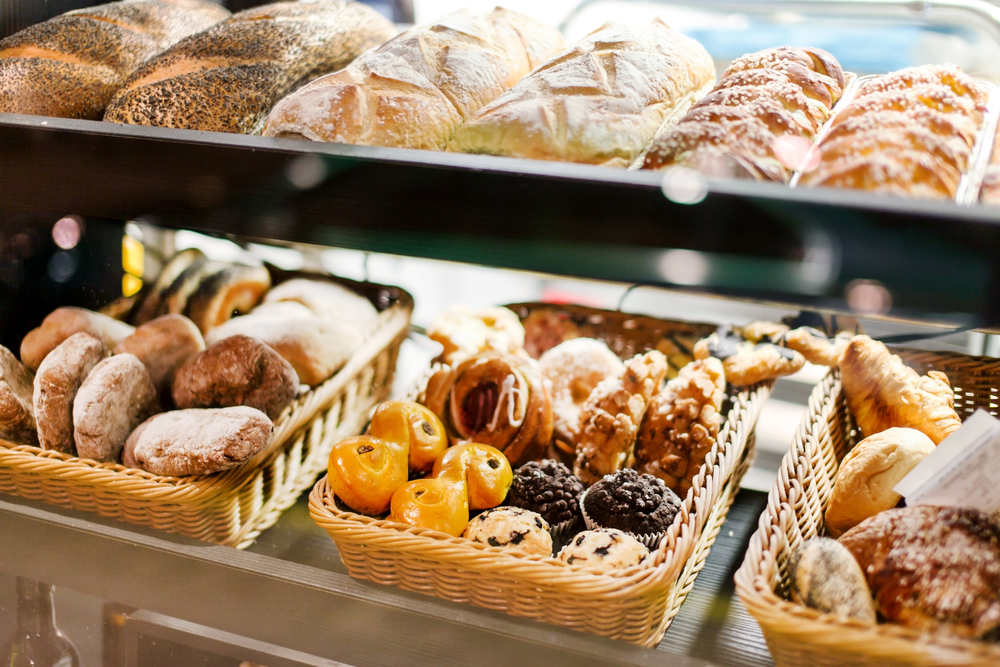
    In response to escalating prices in bakery franchises, that can exceed 10,000 won for just a few items, South Korean consumers are progressively seeking out more affordable private label (PB) bread. These are readily available in convenience stores and large retailers. As a consequence, the rise in sales of PB bread has prompted industry insiders to refer to the phenomenon as a ‘budget bakery boom’.

    The Surge of Private Label Bread

    Major convenience store chains report that PB bread now constitutes over 20 percent of all bakery sales. The market share of CU’s PB products has more than doubled from 9.4 percent in 2023 to 21 percent between January and September 2025. Similarly, GS25 experienced a rise from 21.1 percent to 24.9 percent, and 7-Eleven increased its PB ratio from 15 to 20 percent within the same timeframe.

    Due to this growing trend, retailers have been quick to introduce new in-house bakery brands. CU’s ‘Bakehouse 405’ launched in August 2023 and currently offers around 30 products. GS25 operates two PB lines, ‘Breadyque’ and ‘Seongsu’, which were launched in 2021 and 2024 respectively. These lines have sold 70 million and 3 million units to date. The ‘Seven Select’ range offered by 7-Eleven features approximately 40 varieties, and Emart24’s ‘Bakery of the Day’ (BOTD) was introduced in June with an initial selection of seven products.

    Price Versus Quality

    The primary attraction for consumers is the price tag. Items from CU’s Bakehouse 405, such as a sweet pastry, are priced at just 1600 won. Similarly, GS25’s bun is priced at 2100 won, and 7-Eleven’s honey hotteok is a mere 1500 won. Even on the higher end of the price scale, Emart24’s apple pie retails for 2400 won, which is less than a third of the price of similar pastries in high-end bakeries.

    In addition to the cost savings, the stores have also expanded their product ranges. Their selections now include a wide variety of items such as bagels, cream buns, baguettes, roll cakes, and even pizza rolls. Retailers stress that PB bread is not only affordable, but also of high quality. This is attributed to their partnerships with small manufacturers, which help to cut out middleman costs and marketing expenses.

    Supermarkets Join the Trend

    Large supermarkets are also following the trend. Homeplus runs ‘Mont Blagé’ bakery corners in over 120 stores nationally, offering traditional red bean, custard, and soboro buns for around 2000 won each. Lotte Mart’s ‘Poongmiso’, which was launched in 2022, is also growing its reach. Meanwhile, Emart has been selling imported ready-made cakes and dough under its ‘No Brand’ and ‘Peacock’ ranges since 2024, highlighting the advantages of affordability and convenience.

    Industry pundits believe that the popularity of PB bread highlights a shift in consumer thinking, driven by continuous inflation. Consumers are prioritising practicality and taste over brand prestige.

    Questions & Answers

    What is causing the ‘budget bakery boom’ in South Korea?
    The ‘budget bakery boom’ is due to rising prices in bakery franchises, prompting South Korean consumers to seek out more affordable private label bread from convenience stores and large retailers.

    How is the industry responding to the increased demand for private label bread?
    The industry is responding by introducing new in-house bakery brands. These brands offer a wide variety of products at a fraction of the cost of high-end bakeries.

    What are the advantages of buying private label bread?
    The main advantages of buying private label bread are affordability and quality. These breads are more inexpensive due to partnerships with small manufacturers that reduce costs. The quality of the bread also remains high, providing consumers with a cost-effective alternative to higher-priced branded products.

  • Familymart Accelerates Taiwan Expansion: 100 New Stores And Revamped Food Section Planned For 2022

    Familymart Accelerates Taiwan Expansion: 100 New Stores And Revamped Food Section Planned For 2022

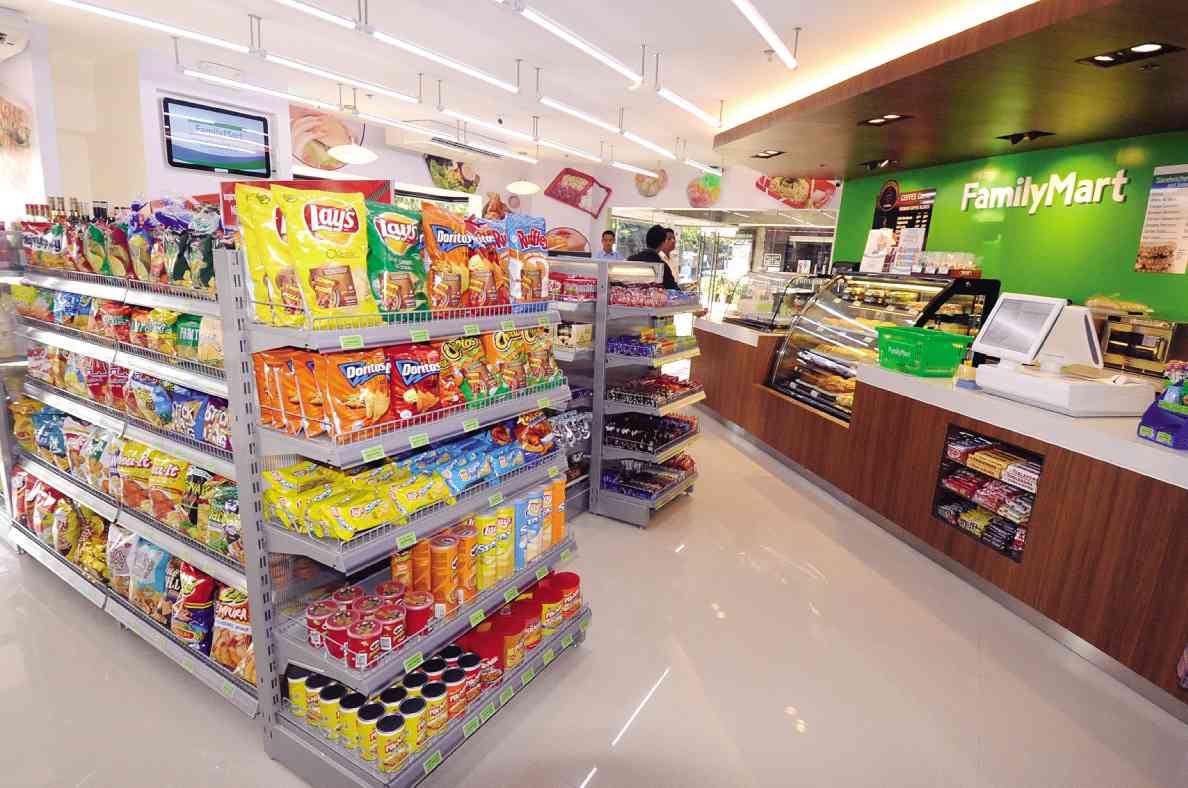
    FamilyMart, a renowned convenience store chain, is stepping up its growth strategy in Taiwan. The company has announced plans to inaugurate 100 new outlets this year, a significant step towards their long-term objective of establishing 5000 stores by 2029.

    Currently, FamilyMart operates around 4400 stores across the nation. Last year, the company added 80 new stores to its portfolio, and it now anticipates increasing the pace of expansion to approximately 150 stores annually in the forthcoming years.

    Reinventing Food Offerings

    In alignment with its comprehensive growth plan, FamilyMart is revitalizing its food section to keep pace with evolving consumer preferences. The company plans to introduce a wider range of customizable bento meals and increase its array of microwave-friendly dishes. The new offerings are aimed at catering to busy urban customers and to make the store an appealing destination beyond traditional meal times.

    Customer Experience Strategy

    In another strategy to enhance the customer experience, FamilyMart Taiwan will continue to keep dining spaces in their stores. The company views these areas as a crucial element of the customer journey, fostering longer stays, facilitating informal gatherings, and promoting additional purchases.

    FamilyMart ventured into the Taiwan market in 1988 with its first store in Taipei Station’s shopping district. Operated by Taiwan FamilyMart Co, the brand has now become one of the top convenience store chains in the country, competing with the likes of 7-Eleven and Carrefour.

    Questions & Answers

    What is FamilyMart’s expansion goal in Taiwan by 2029?
    FamilyMart aims to operate 5000 outlets in Taiwan by 2029.

    How is FamilyMart planning to modify its food offerings?
    FamilyMart plans to roll out more customizable bento meals and expand its selection of microwave-ready dishes, targeting urban consumers and beyond traditional meal times.

    What is FamilyMart’s strategy to enhance customer experience?
    FamilyMart Taiwan will continue to maintain dining areas in their stores as they see them as a key aspect of the customer experience, encouraging longer stays, informal meetings, and additional purchases.

  • Marquise Baby Expands Retail Reach: Baby Essentials Now More Accessible In Australian Convenience Stores

    Marquise Baby Expands Retail Reach: Baby Essentials Now More Accessible In Australian Convenience Stores

    Marquise Baby, a well-known Australian baby care brand, is set to increase its retail reach by making its products more readily available in convenience store chains throughout the country.

    Expansion Into Convenience Stores

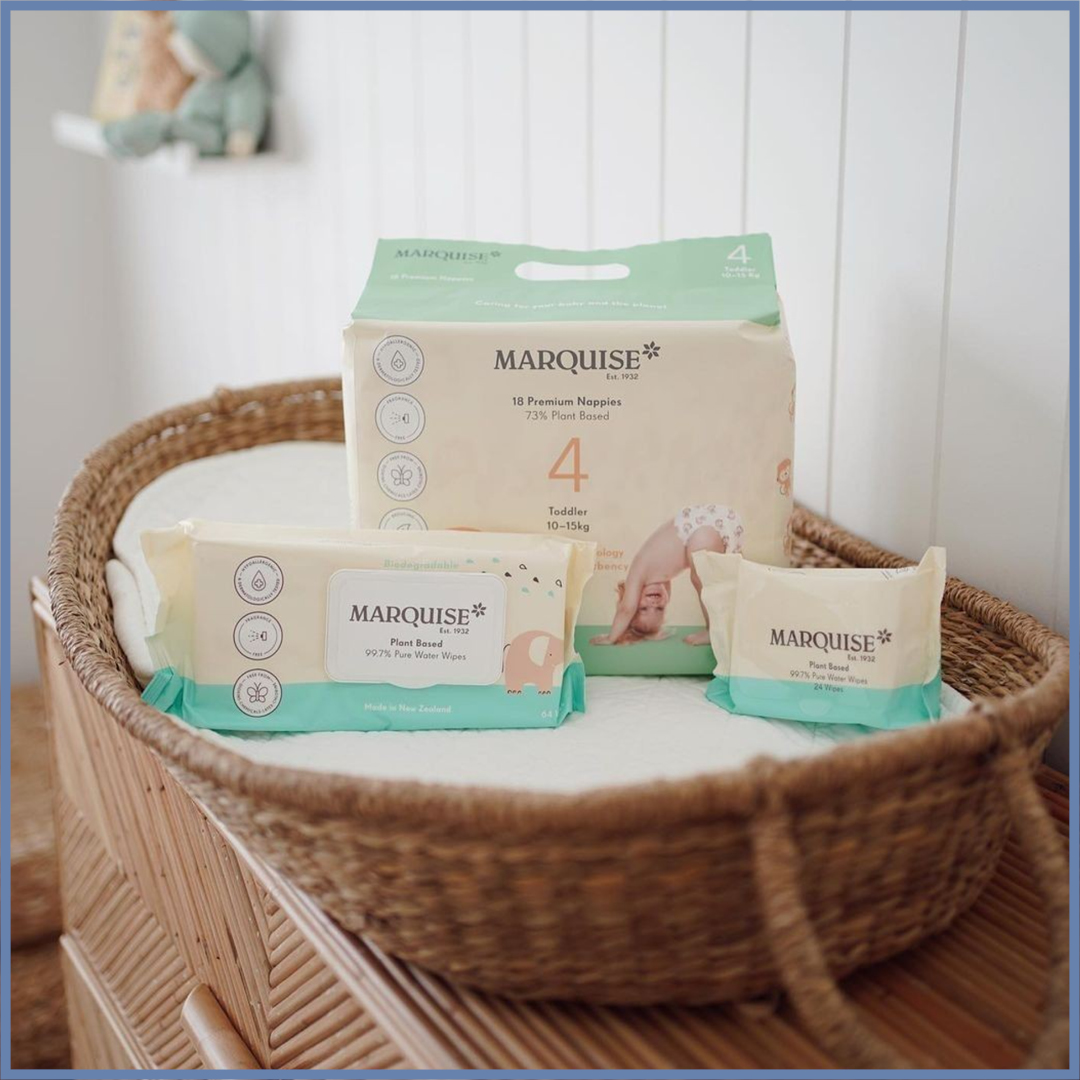
    The brand has initiated the distribution of its main line of nappies across Ampol service stations nationwide. The distribution expansion also includes the ongoing rollout of both nappies and wipes to as many as 700 7-Eleven stores across Australia.

    Meeting Customer Demand

    This strategic move by Marquise Baby is in response to a growing demand from parents for more conveniently accessible baby essentials.

    Sam Griffin, the director of Marquise Baby, expressed the company’s commitment to catering to the evolving needs of today’s busy parents. He emphasized the brand’s dedication to being available to consumers wherever they need them the most. This includes offering services such as direct-to-consumer subscriptions, availability in thousands of convenience stores across the country, and delivery services through retail partners via platforms like Uber Eats and DoorDash.

    Brand Legacy and Recognition

    Having been in the market for over nine decades, Marquise Baby has built a reputation for its minimalist, sensitive skin-friendly products. Their baby wipes, composed of 99.7 percent water and manufactured in New Zealand, have become one of the brand’s most purchased products.

    The company’s commitment to quality has been acknowledged with several awards in the recent past. These include the Silver for Best Nappy at the 2025 Mum Central Awards, the Silver for Best Baby Wipes at the Clean & Conscious Awards, and two Expert Choice Awards at the Kiindred Awards.

    Questions & Answers

    What is the reason for Marquise Baby’s expansion into convenience stores?
    The company has noted an increase in demand from parents for easily accessible baby essentials, which motivated them to make their products more readily available in convenience stores nationwide.

    What are some of the other services offered by Marquise Baby?
    The brand is keen on meeting the needs of its customers wherever they are. As such, Marquise Baby offers direct-to-consumer subscriptions, availabilities in local convenience stores, and a delivery service through its retail partners via platforms like Uber Eats and DoorDash.

    What awards has Marquise Baby recently won?
    Marquise Baby has been recognized with several awards, including the Silver for Best Nappy at the 2025 Mum Central Awards, the Silver for Best Baby Wipes at the Clean & Conscious Awards, and two Expert Choice Awards at the Kiindred Awards.

  • South Korean Retailers Combat Rising Food Prices With Ultra-affordable Products

    South Korean Retailers Combat Rising Food Prices With Ultra-affordable Products

    In South Korea, the rise in food prices has led to an increase in demand for ultra-low-cost products, specifically those priced under 1000 won. This surge in demand has prompted convenience stores to grow their range of super-value items.

    7-Eleven’s Affordable Coffee Selection

    On the 30th of July, the famous convenience store chain, 7-Eleven, introduced two new coffee products to its line: “Seven Select Black Coffee” and “Seven Select Cafe Latte.” Retailing at only 900 won each, these offerings are approximately 36% cheaper than the average market price of 1400 won for similar items. The black coffee offers a clean, Americano-style flavor, while the cafe latte provides a lightly sweet taste and aroma that appeals to a wide range of customers.

    This addition to 7-Eleven’s product line follows the mid-July release of “Seven Select Venti Coffee” in 600ml PET bottles. Available in black and hazelnut varieties, these beverages retail at 1800 won, making them 33% less expensive than typical 500ml bottled coffees. These products experienced a 70% increase in sales from July 18 to 25, compared to the preceding month, indicating robust consumer interest in large volume, low-cost options.

    According to 7-Eleven, reflecting the wider economic pressures, sales of all differentiated products priced under 1000 won increased by 30% from July 1 to 25 compared to the same period the previous month.

    CU Embraces the Ultra-Value Trend

    CU, another popular convenience store chain, has also responded to the ultra-value trend. In preparation for Korea’s traditional midsummer days, CU introduced two affordable traditional chicken dishes to its private-label “Duktem” series. These are the “Samgyetang Chicken Breast,” priced at 1900 won, and the “Samgyetang Whole Chicken Leg,” available for 3500 won.

    Easily prepared in a microwave in under two minutes, these dishes offer a cost-effective alternative to Samgyetang. This traditional Korean chicken soup, generally considered a restorative dish, has become increasingly expensive. Data from Korea Price Information shows the cost of making Samgyetang at home has risen to 9000 won per serving, while dining out costs an average of 17,654 won, a 4.6% increase from the previous year.

    Other Retailers Join the Trend

    Large retailers, such as Emart, Homeplus, and Lotte Mart, have also recognized this trend and begun offering aggressive promotions on fresh poultry and ready-to-eat health foods. For instance, Emart offered two antibiotic-free young chickens for 3580 won with a member card, while Homeplus sold first-grade whole chickens for 3650 won each with bulk purchases.

    As consumer spending power declines and economic uncertainty persists, ultra-affordable, high-value products are fast becoming a key strategy for retailers. The aim is to attract cost-conscious shoppers looking for reasonably priced alternatives to expensive meals and beverages.

    Questions & Answers

    What effect is the rise in food prices having in South Korea?
    South Koreans are increasingly seeking ultra-low-cost products. This demand has prompted convenience stores to expand their range of super-value items.

    How have 7-Eleven and CU responded to this demand?
    7-Eleven has introduced affordable coffee products, while CU has released cost-effective traditional chicken dishes to cater to this growing demand.

    What is the overall retail strategy in response to these economic pressures?
    Retailers, recognizing the need for affordable options amid declining consumer spending power and economic uncertainty, are focusing on providing ultra-affordable, high-value products to attract cost-conscious shoppers.

  • South Korean Convenience Stores See Sales Boom Following Government-issued Consumption Vouchers

    South Korean Convenience Stores See Sales Boom Following Government-issued Consumption Vouchers

    In the week following the introduction of government-issued consumption vouchers, South Korea’s convenience store chains reported a significant rise in sales. The four major chains – CU, GS25, 7-Eleven, and Emart24 – witnessed an increase of more than 10% in weekly sales from July 22 to 28 as compared to the same period in the previous month. Middle-aged consumers and families were primarily responsible for the surge in sales, using the vouchers to make large purchases, especially within the ₩20,000–₩30,000 range.

    Redemption Points at Convenience Stores

    Department stores and hypermarkets were not directly eligible for the voucher scheme due to their corporate-owned structure. On the other hand, convenience stores, which are mainly franchise-based, served as accessible redemption points. This led to a noticeable increment in basket sizes, with customers spending considerably more than the average pre-voucher spend of approximately ₩7000 per visit.

    Emart24 experienced a sales growth of over 10%, while GS25 observed a comparable rise in average transaction value. More customers were using shopping baskets and purchasing a broader range of products such as fresh food, daily necessities, and even rice and meat – items not usually associated with convenience stores.

    Beverages and Cigarettes Sales

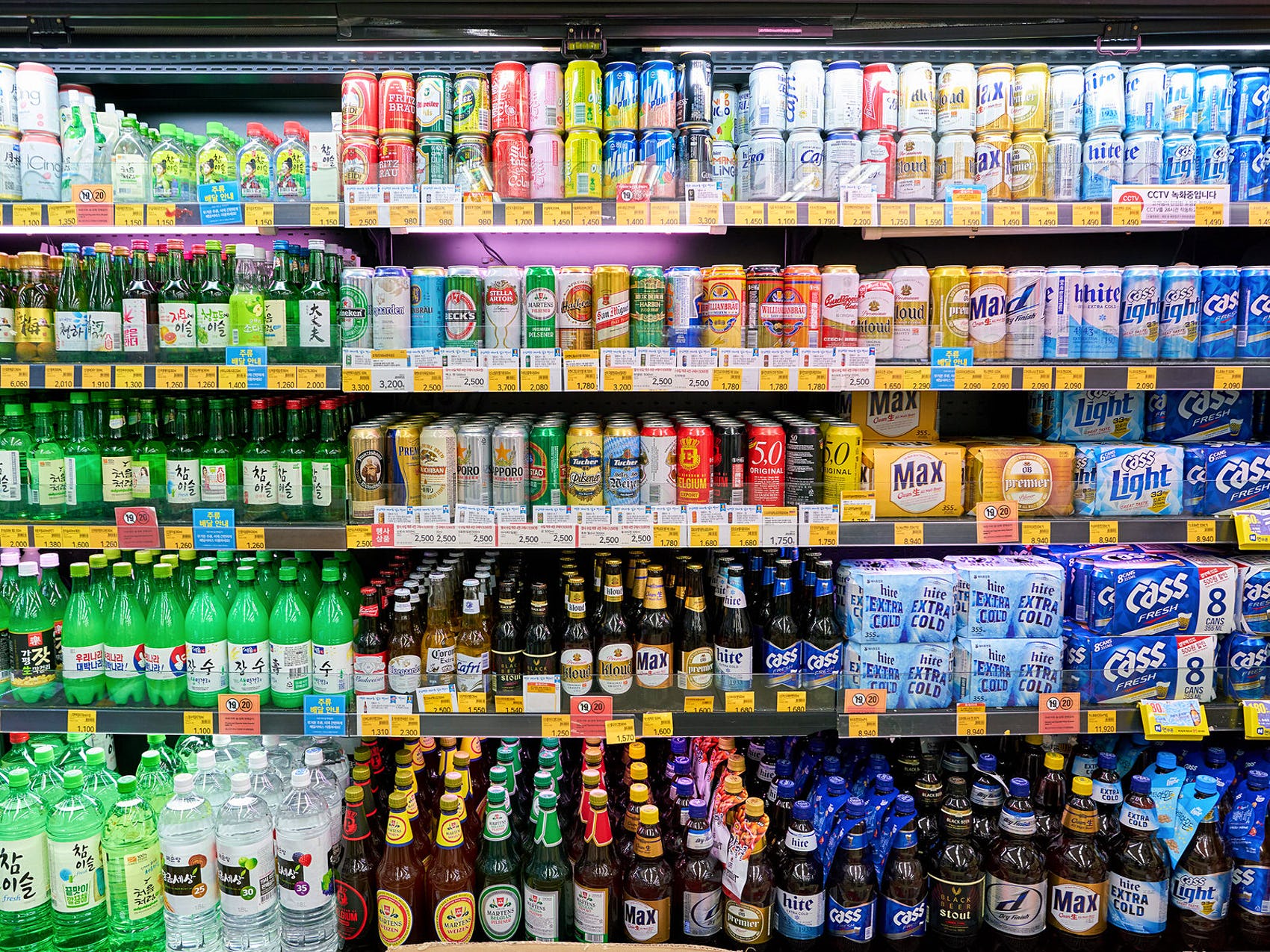
    Sales of alcoholic beverages, specifically beer and soju, saw a significant increase. Beer sales were up by 31.7% at GS25, 30.0% at 7-Eleven, 29.2% at CU, and 20.0% at Emart24. Soju sales increased by 16.2% at GS25 and 12.4% at CU. Overall, liquor sales were up by over 10%.

    Cigarettes, which were also eligible for voucher use, reported a rise in sales with more customers buying full cartons instead of single packs. However, due to potential concerns surrounding “stockpiling” and illegal resale for cash, the exact figures were withheld due to the sensitivity of the product.

    Increased Demand for Health Supplements and Meal Replacements

    Voucher-driven expenditure also led to a surge in demand for health supplements and meal replacements, categories that convenience stores have been emphasizing in their long-term growth strategies.

    According to retail analysts, this trend underlines a significant shift in consumer behaviour. With an increase in single and two-person households, more people have been turning to grocery shopping at convenience stores. The introduction of government vouchers has accelerated this shift, causing large retailers to worry about the potential loss of customers permanently.

    Questions & Answers

    Why did the government issue consumption vouchers?
    The government-issued vouchers were part of a stimulus strategy to boost consumer spending and support local businesses impacted by the COVID-19 pandemic.

    What impact did these vouchers have on convenience stores?
    The launch of these vouchers led to a significant increase in sales at convenience stores, with customers making larger than average purchases and buying a broader range of products.

    Are larger retailers affected by this change in consumer spending habits?
    Yes, larger retailers are concerned about losing customers permanently as the introduction of government vouchers has accelerated a shift towards shopping at local convenience stores.

  • Aldi Australia Embraces Digital Era: Launches First Grocery Delivery Trial With Doordash

    Aldi Australia Embraces Digital Era: Launches First Grocery Delivery Trial With Doordash

    Aldi Australia Goes Digital

    Aldi’s low-cost, no-frills approach has distinguished it in Australia’s hyper-competitive supermarket industry. However, the German supermarket chain is transitioning into a new era that emphasizes comfort, while preserving its fundamental principles.

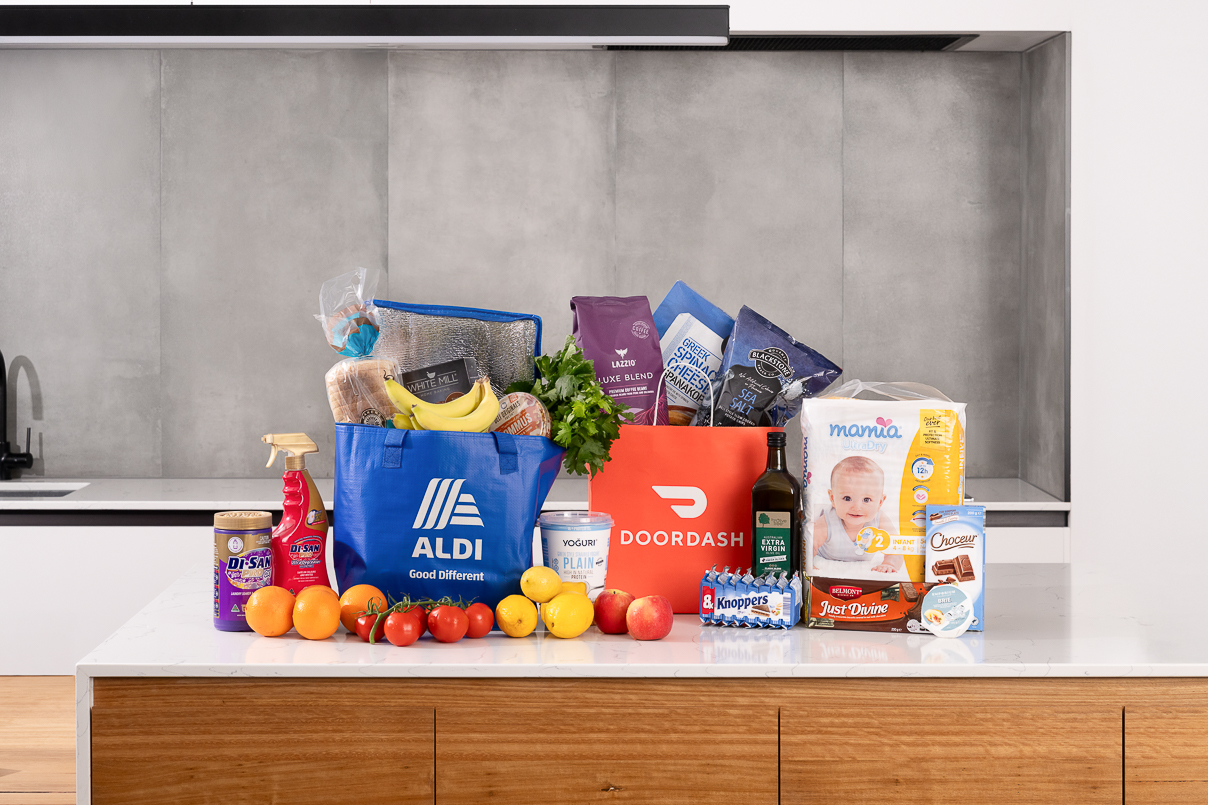
    In a surprising move, Aldi Australia is trialling its first grocery delivery service, collaborating with DoorDash to provide on-demand shopping to customers in Canberra.

    The pilot program began on July 8, allowing ACT residents to use the DoorDash app or website to order a selection of over 1800 Aldi products. These range from fresh produce and meats to home necessities, all of which can be delivered directly to customers’ homes.

    This trial denotes a notable strategic evolution for Aldi, a company that has traditionally maintained a distance from digital channels. It also brings up an intriguing query: how can a brand like Aldi, renowned for its simplicity, adapt to a world where an omnichannel approach is mandatory?

    Aldi Australia’s Chief Commercial Officer, Jordan Lack, stated that Aldi’s mission since entering the Australian market has been to offer high-quality groceries at the lowest possible prices for Australian households, and this aim remains steadfast. He expressed his excitement for Canberra customers to shop with Aldi from the comfort of their homes, bringing their “Good Different” shopping experience to a wider audience with the click of an app.

    Cost-effective Convenience

    Aldi’s approach to this trial is calculated. Instead of investing in expensive logistics infrastructure or in-house e-commerce capabilities, the retailer has transferred the complexity to DoorDash. DoorDash’s delivery contractors, known as Dashers, will select, package, and deliver orders from local stores. This model enables Aldi to maintain operational effectiveness and cost control.

    This third-party approach is capital-light and allows for rapid expansion of the trial if it proves successful, without the strain of warehousing or internal fulfilment logistics.

    Anticipating Market Shifts

    Teresa Sperti, founder and director of digital consultancy Arktic Fox, believes Aldi’s move into e-commerce mirrors wider changes in how Australians shop for groceries and their expectations from retailers.

    On the other hand, Aldi’s decision to partner with DoorDash holds on to its famously lean cost base. However, it also comes with both strengths and strategic limitations.

    Aldi’s model may not build the same customer loyalty as major supermarkets that use proprietary data to personalize experiences, and help understand preferences to drive repeat sales. In Aldi’s case, DoorDash owns the shopping basket and the customer relationship, not Aldi.

    There are also potential challenges around pricing transparency. Aldi will need to navigate this carefully as historically, grocery and supermarkets offering different pricing in-store vs online, have eroded customer trust.

    Strategic Moves in Digital Transition

    Unlike its competitors, Coles and Woolworths, Aldi’s digital transition has been slower but seemingly intentional. Aldi’s every digital step, from checkout upgrades to delivery trials, has been meticulously planned and operationally efficient.

    Aldi has also been trialing self-checkout kiosks in 10 stores across New South Wales since 2021, indicating another strategic move for a retailer known for thin profit margins and high staff productivity.

    Last-mile delivery may attract new customer segments such as busy professionals, young families, and urban residents who appreciate Aldi’s low prices but lack the time to shop in person. By partnering with DoorDash, Aldi can offer convenience without the financial burden of infrastructure.

    This trial will not only examine operational feasibility but also gauge customer appetite. It remains to be seen if Aldi can replicate its in-store experience online or maintain its low prices while sharing the margin with DoorDash.

    Questions & Answers

    What is Aldi’s strategic shift in Australia?
    Aldi has begun a trial of home grocery delivery in Canberra, a notable shift from its traditional approach of keeping digital channels at arm’s length.

    How does Aldi’s partnership with DoorDash work?
    DoorDash’s delivery contractors, known as Dashers, will select, pack, and deliver orders from local Aldi stores to customers’ homes. This third-party approach enables Aldi to maintain operational efficiency and cost control.

    What challenges might Aldi face with its move into e-commerce?
    Aldi’s business model may not build the same level of customer loyalty as other supermarkets that use proprietary data to personalize experiences. Additionally, there may be challenges around pricing transparency, an important cornerstone of Aldi’s brand.
  • Watsons opens 8000th Asia store in Manila

    Watsons opens 8000th Asia store in Manila

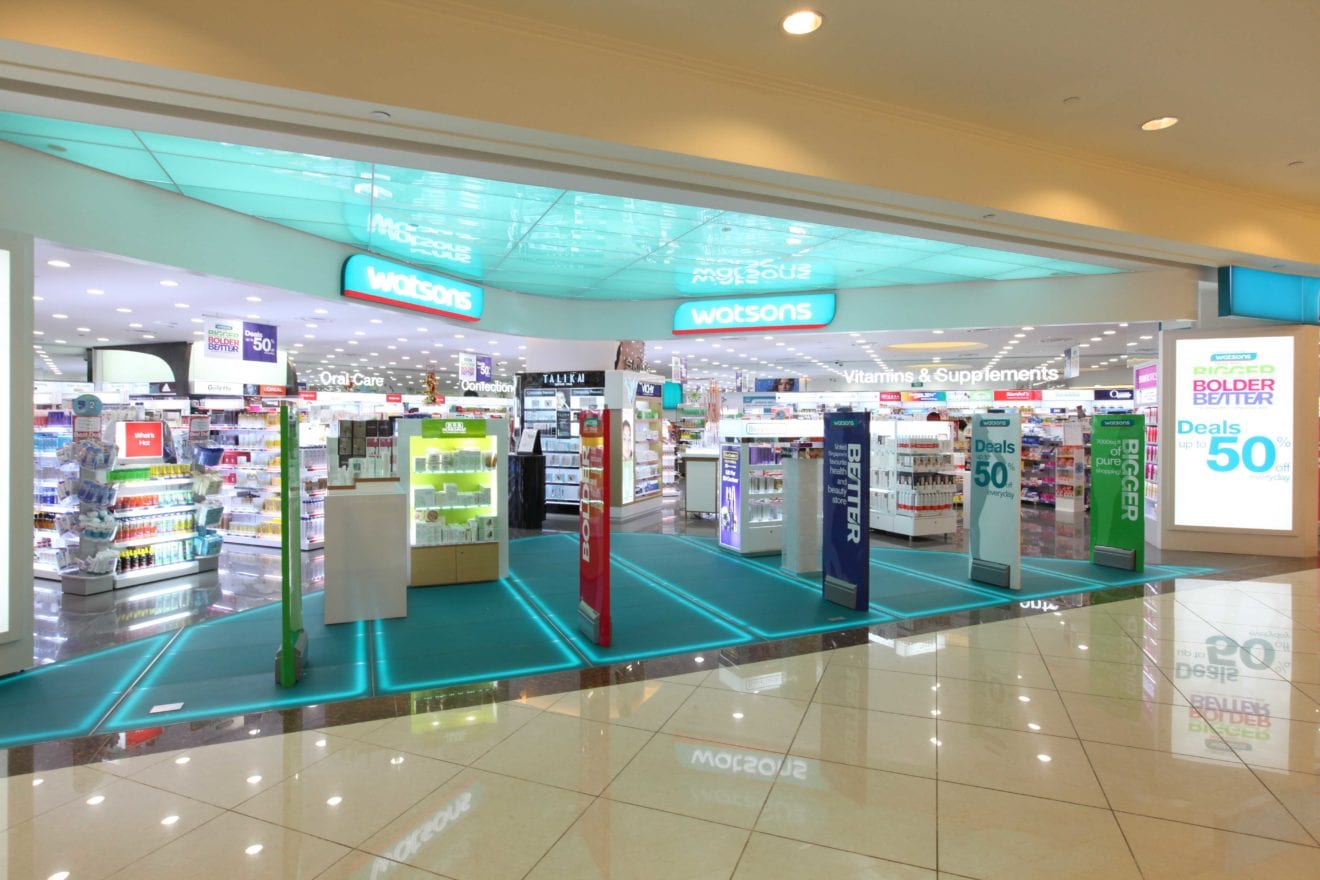
    Health and personal care retailer Watsons has opened its 8000th Asia store at SM Mall of Asia in Manila.

    “The Philippines has been selected for this momentous occasion because it’s one of the fastest-rising economies in Asia and a strategic market for AS Watson,” said Malina Ngai, CEO of AS Watson Group.

    “This vibrant and highly potential market has a young demographic that increasingly focuses on health and beauty, aligning perfectly with Watsons’ expertise.”

    The new store forms part of the company’s commitment to enhancing its offline plus online customer experience.

    Watsons currently operates 8000 stores and more than 1500 pharmacies in Asia, Europe, and Middle East.

  • South Korean c-store chain CU launches in Kazakhstan

    South Korean c-store chain CU launches in Kazakhstan

    South Korean convenience store chain CU is setting its eyes on the Central Asian region, entering Kazakhstan under a partnership with CU Central Asia, the c-store operation arm of local ice cream manufacturer Shin Line.

    CU’s first store there is set to open next year. The chain’s parent company BGF Retail said it plans to open more than 500 locations in the country in the next five years and is also considering expanding into neighbouring markets.

    The company expanded into Malaysia in 2020 through a 10-year franchise agreement with MyNews. Since then, the chain has opened more than 130 stores in the country. Before Malaysia, BGF Retail also launched the CU chain in Mongolia and currently operates about 320 stores in the market.

    Founded in 2012 by BGF Retail, CU is one of South Korea’s biggest c-store chains with more than 16,000 outlets as of last year, according to Statista.

    BGF Retail reported a 6.5 per cent increase in net income for the first quarter of this year, reaching 27.7 billion won (US$20.6 million).

  • Yata to launch convenience-store concept in Hong Kong

    Yata to launch convenience-store concept in Hong Kong

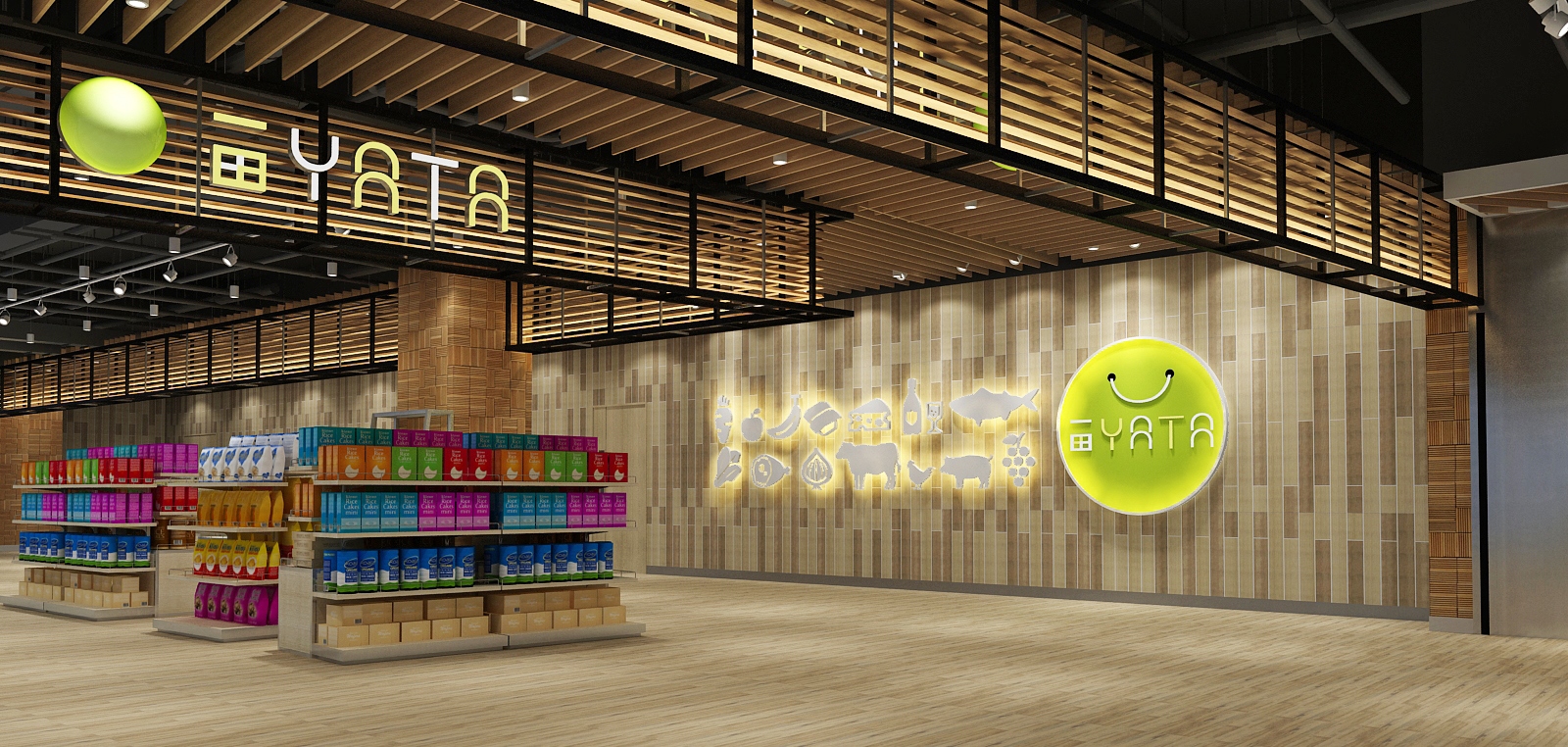
    Japanese-themed Hong Kong department store and supermarket chain Yata is set to unveil its first-ever convenience store format in Hong Kong.

    Dubbed the ‘Konbin by Yata’’ (also Japanese for convenience store), the new format will be smaller than its usual department store standing at 3777sqft.

    Located within Sha Tin’s Hotel Sav, the store will be styled on a ‘quick’ shop, a cook-and-eat concept with an array of Japanese merchandise, self-checkouts, and instant dining spaces for the time-pressed Hongkongers.

    Yata has also formed an exclusive arrangement with Hokkaido convenience store Seicomart to stock more than 70 SKUs of its private-label range.

    Yata’s parent group (historically known as Seiyu Department Store until 2008), is known to have invested US$774,000 into the new concept.

    Yata has reported strong performance in recent times with its sales up 16 percent year on year. Its grocery arm has experienced a 39-per-cent surge during the Covid-19 crisis.

    With restaurant bans and the third wave of coronavirus infection keeping consumers at home, there has been a natural surge and uplift in grocery sales from cooking at home.

    Yata CEO Susanna Wong believes the convenience store will break new even in three years and is predicting an average basket spend of between $6-10.

  • 7-Eleven marks it’s milestone with the 71,100th store in Seoul

    7-Eleven marks it’s milestone with the 71,100th store in Seoul

    7-Eleven has hit a new milestone with the opening of its 71,100th store, located in Seoul, the capital of South Korea.

    “7-Eleven’s iconic orange, green and red stripes are easily recognized in 17 countries around the world,” said 7-Eleven President and CEO Joe DePinto.

    “The company got its start because an entrepreneurial ice-dock employee saw his customers had a need and came up with a creative way to serve them. A lot has changed in how, when, and where 7-Eleven does business. But one thing that hasn’t changed is our commitment to putting customers at the forefront of all we do.”

    The brand opens a new store somewhere in the world roughly every 3.5 hours. Early last month, the first 7-Eleven in Hunan, China broke the international opening-day sales record for the company brand, reporting US$70,310 of turnover.

    With the new 7-Eleven milestone passing, the growth shows no signs of slowing. Master franchisees for India and Cambodia are expected to be taken up soon. In Asia, 7-Eleven already has networks in China, Hong Kong, Singapore, Thailand, Malaysia, Japan, South Korea, and Vietnam.

  • South Korean convenience stores in delivery-service battle

    South Korean convenience stores in delivery-service battle

    Competition among South Korean convenience stores over delivery services is heating up.

    One chain, GS25, recently launched delivery services from seven stores in Seoul in partnership with food-delivery service Coupang Eats operated by e-commerce giant Coupang.

    First of all, the South Korean convenience store company plans to implement delivery services through Coupang Eats at seven stores in Seoul before expanding the scope of the service to franchise stores nationwide.

    Through the service, customers can receive about 200 products at home, including prepared lunches, sandwiches, and beverages that are being sold at convenience stores.

    Meanwhile, GS25 had already launched a delivery service for store products in cooperation with another delivery company, Yogiyo, in April of last year.

    It is running a pilot project at 10 direct management stores, and the service has been especially popular with workers during lunch and dinner time. In the nine months since the service was introduced, the monthly average number of orders reached 3000.

    Furthermore, CU, another convenience store chain, is also working with Yogiyo to provide delivery services at 3000 stores across the country.

    CU plans to increase the number of delivery service stores to 5000 within the first quarter and introduce around-the-clock delivery at some stores centered in the Gangnam area.

    Emart24, a convenience store chain run by large discount store chain E-Mart, on the other hand, has also joined the market by offering delivery services at 35 stores since earlier this year.

    South Korean convenience stores are scrambling to expand its delivery service area due to a growing number of customers accustomed to online orders and deliveries.

    The delivery service also serves as a growth engine in increasing sales at convenience stores. Additional sales are generated from deliveries, and the service is quite popular especially in rainy or cloudy weather.

    “We are planning to expand the number of stores that offer delivery services through various delivery platforms and partnerships to increase sales and secure customers,” a GS25 official said.

  • FamilyMart Japan reveals results of shorter trading-hours test

    FamilyMart Japan reveals results of shorter trading-hours test

    A trial to reduce business hours has resulted in a 59 percent drop in operating profits for FamilyMart Japan.The trial by the traditionally 24-hour convenience-store chain operator was conducted from October to December at around 600 FamilyMart outlets to assess the effect of cutting late-night hours of business.

    While average labor costs fell 11 percent at participating stores, the average drop in sales of 6.7 percent led to the operating profit declines, according to a Jiji Press report. 41 percent of the outlets recorded growth in profits.

    FamilyMart Japan has now announced that it will allow its franchises to apply to reduce their hours permanently beginning in June.

    “From now, we will ask franchise store owners to decide whether to shorten service hours,” said FamilyMart VP Toshio Kato.

    Stores will be allowed to close late-night and early-morning operations daily or on Sundays only.