Retail News CRM

Tag: convenience

  • Convenience stores in Vietnam quadruple in six years

    Convenience stores in Vietnam quadruple in six years

    The number of convenience stores in Vietnam has quadrupled over the last six years, according to global data analytics firm Nielsen released at a press conference on Thursday.

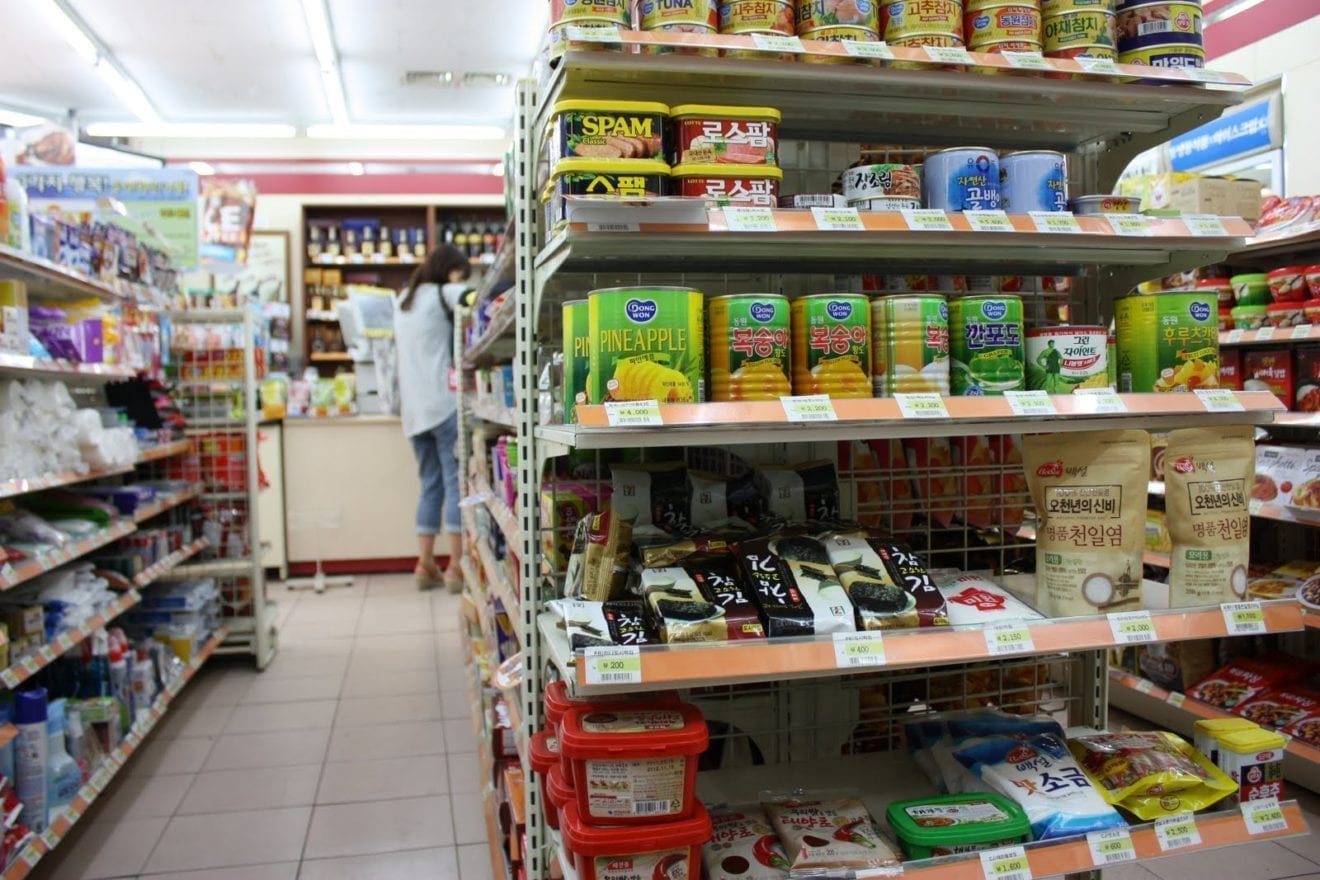
    “Convenience stores in Vietnam have become popular destinations for young consumers to shop and hang out, as the stores provide them with an air-conditioned environment, well-organized shelves and seating areas, high quality products and, in some stores, free Wi-Fi. It is also easier to get licenses for stores under 500 square meters, which is why retailers have been expanding to gain market share,” said Nick Miles, head of Asia-Pacific at international grocery research organization IGD last month.

    “Thanks to the rapid increase in the number of stores, modern trade has a much higher growth rate than traditional trade in Vietnam,” said Nielsen’s executive director Nguyen Anh Dung, as heard in the press release.

    The number of modern urban trade stores in Vietnam increased by 10.7 percent on-year during Q1 2018, compared to a decrease of 2.6 percent for traditional stores, according to Nielsen’s Market Pulse report, which looked at 31 fast-moving consumer goods categories in Vietnam.

    Dung also said that the number of stores which focus on beauty and health products has doubled over the last two years in Vietnam.

    “We also expect the number of small-scale supermarkets in Vietnam to significantly grow in the future,” said Dung.

    As of the end of March, Ho Chi Minh City has over 1,800 convenience stores and small-scale supermarkets, an increase of 5.1 percent compared to last year, said a Q1 report on Vietnam’s property market by Chicago-based real-estate firm Jones Lang LaSalle.

    Vietnam is forecast to be the fastest-growing convenience store market in Asia by 2021 with a growth rate of 37.4 percent, according to IGD, followed by the Philippines and Indonesia.

  • Profits up for Circle K Hong Kong

    Profits up for Circle K Hong Kong

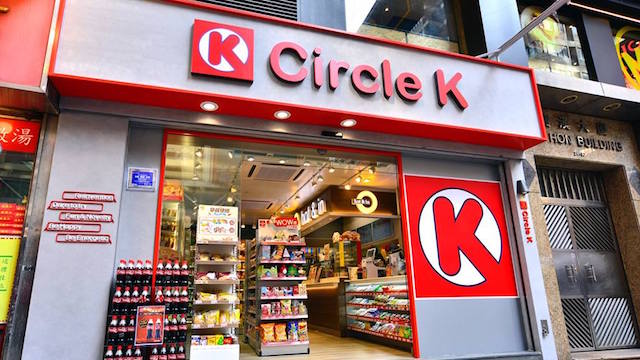
    As the retail sector finally rebounds, the CEO of Circle K Hong Kong owner Convenience Retail Asia (CRA), Richard Yeung, says the company has reinvented itself.

    He says profits have grown over the past year, while strong customer loyalty and marketing initiatives and an O2O business strategy have positioned the group for long-term growth.

    By moving its convenience store and bakery businesses toward an O2O-centric business strategy has led to a highly sustainable business model. “The strategy has been a resounding success in terms of driving customer engagement, foot traffic and sales.”

    Despite a challenging business environment, the group’s convenience store and bakery businesses had achieved satisfactory comparable-store sales growth in Hong Kong.

    Core operating profit and net profit increased by 7.4 and 7.7 per cent respectively, mainly attributable to the effectiveness of the CRM program and strong marketing campaigns by Circle K together with improved performance from Saint Honore cake shops.

    Growth has been driven by the group’s digital initiatives, led by its O2O CRM programs that saw its “OK Stamp It” and “Cake Easy” memberships exceeding 1 million and 300,000 respectively.

    During the year the group obtained the franchise for Japan’s fast-fashion eyewear chain Zoff, opening the brand’s first store in Hong Kong.

    Group turnover grew 4.6 per cent to HK$5 billion.

    Turnover for the Circle K Hong Kong business was HK$4 billion (US$5 billion), representing growth of 5.4 per cent. Turnover for the Saint Honore Cake Shop business across Hong Kong, Macau and southern China was $1 billion, an increase of 1.9 per cent.

    Core operating profit increased 7.4 per cent to $183 million while net profit grew 7.7 per cent to $150 million.

    Satisfactory comparable-store sales growth in the group’s core market of Hong Kong and improvements to the Saint Honore factory business led to a rise in gross margin and other income as a percentage of turnover from 36.6 to 36.9 per cent, despite intense retail market competition and high manufacturing costs, says the group.

  • Competition heats up as convenience stores race for dominance in Vietnam

    Competition heats up as convenience stores race for dominance in Vietnam

    With a slate of brands operating nearly 2,000 stores, the remaining space for expansion is limited. The first outlet of 7-Eleven, the largest convenience store chain in Japan, opened in Vietnam last week with a lot of fanfare.

    Thousands of people lined up and squeezed into the small shop in downtown Ho Chi Minh City, trying to buy snacks and light meals.

    The chain has said it will open around 20 outlets in Vietnam by the end of this year and 100 in the next three years.

    The important question here is not about whether similarly big crowds will be coming to its stores in the future. It’s where to put these stores.

    7-Eleven is entering a market that has become increasingly packed in recent years. Its arrival is intensifying the heated competition for both customers and for retail space.

    After all, the choice of location can make or break a convenience store. In big cities, many of the best spots are either too expensive or already taken.

    Crowded market

    The A.T. Kearney’s Global Retail Development Index this month named Vietnam the sixth most attractive retail market. The country made headlines worldwide when it topped this list in 2008.

    The market has drawn a lot of foreign players who are now occupying 70 percent of the convenience store segment.

    The American chain Circle K is operating around 250 stores, mostly in the country’s two biggest cities Ho Chi Minh and Hanoi.

    FamilyMart, Japan’s second largest convenience store chain, now has 130 stores in Ho Chi Minh City, the nearby resort town of Vung Tau and in Binh Duong Province. It aims to expand the network to 150 locations by the end of this year.

    Southeast Asian chains Shop&Go and B’s mart are running another 300 stores.

    The dominant local player VinMart+, an offshoot of conglomerate Vingroup, has quickly expanded its network from 500 outlets in 2015 to around 900 last year. The chain plans to round up the number to 1,000 this year or next.

    According to industry insiders, setting up a convenience store is much simpler than a supermarket but in order to launch a profitable chain, it takes a lot of money and efforts.

  • Convenience, food safety matters to Vietnamese consumers

    Convenience, food safety matters to Vietnamese consumers

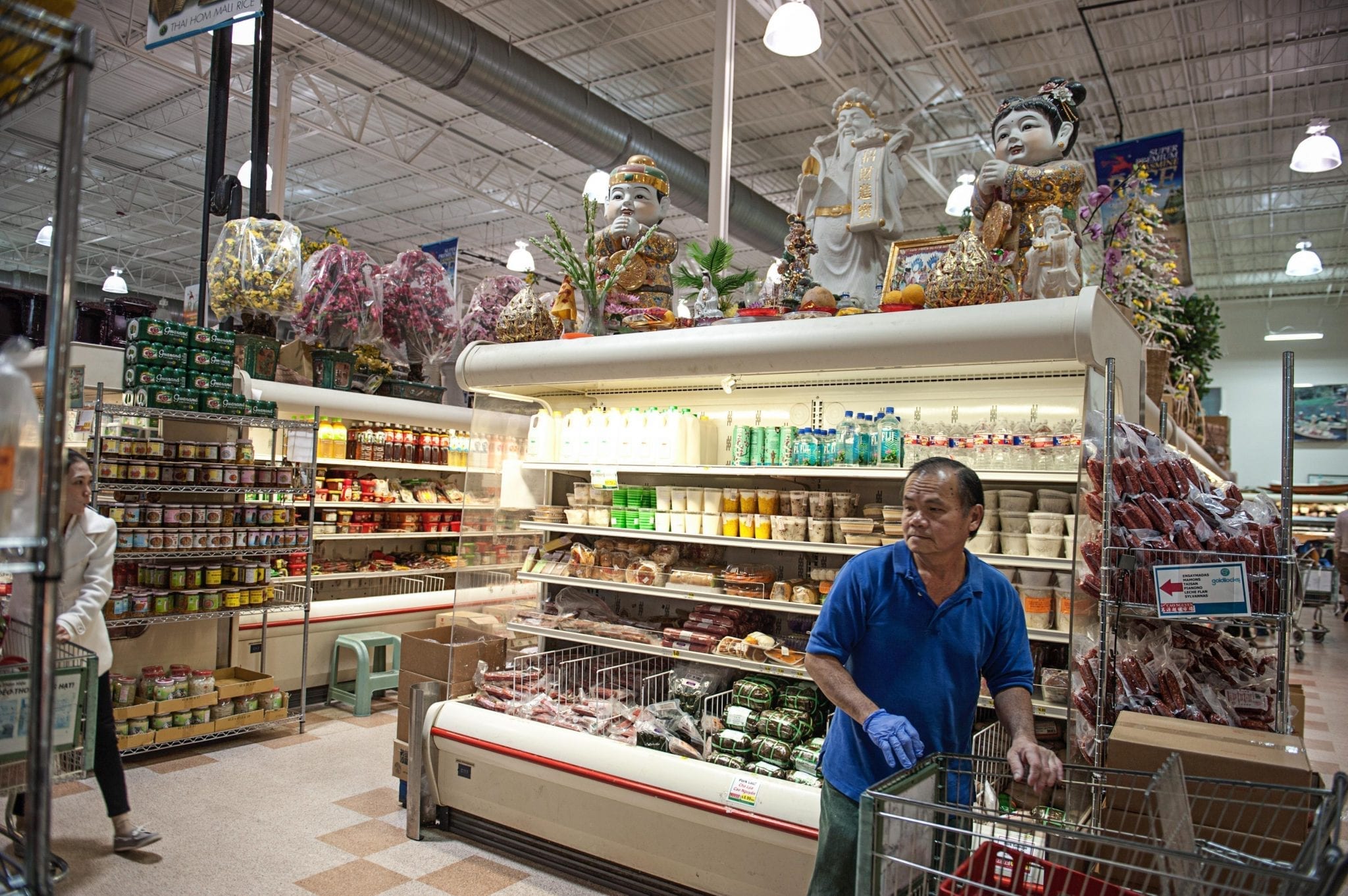
    The retail market in Vietnam is quickly shifting away from traditional live markets to more modernized trade, said Nick Miles, head of Asia-Pacific at IGD, with convenience stores showing the strongest growth prospects.

    There are several factors driving this including a positive economic outlook for the country, a significant increase in gross domestic product per capita and rapidly changing shopper habits.

    The segment has also experienced a shift in shopping behaviours as younger consumers with higher disposable incomes typically make smaller, but more frequent purchases rather than splashing out on a big weekly shop.

    Of note, Mr Miles said young consumers prefer to shop in an air-conditioned environment that has products well-organized on the store shelves and provides seating areas.

    With higher take home pay they are also looking for and willing to pay for higher-quality products than can be found in most traditional live markets.

    While free trade agreements such as the ASEAN Economic Community have given rise to a race for larger supermarkets throughout the country, many stores and individuals have opted to open smaller mini-supermarkets and convenience stores.

    It is also easier to get licences for stores under 500 square metres, said Mr Miles noting that this explains why retailers have been able to expand so speedily in the large metropolitan areas such as Hanoi.

    The study said it expects to see convenience stores in Vietnam to champion innovative new products and formats such as food to go, and begin working collaboratively to develop coordinated supply chains to ensure they are making the most of their growth prospects.

    Vietnam is undergoing an organized retail revolution, explained Luong Quang Thi, general director of domestic refrigerated transport specialist ABA Cooltrans.

    Convenience stores and mini-marts are popping up everywhere, Mr Thi noted, adding that as of last June there were 1,500 mini marts across the country mostly in the larger urban areas.

    Those numbers are expected to continue to mushroom over the next few years, which in turn is fuelling a heightened demand for chilled and frozen foods, setting the stage for the cold chain industry to soar.

    ABA Cooltrans hopes to put itself at the forefront of the Vietnam cold chain expansion, he added.

    The company’s 200 reefer trucks handled 54,000 metric tons in 2016, and a newly acquired 15,000 pallet-capacity cold storage facility in Hanoi saw throughput of 100,000 metric tons.

    Convenience and food safety matters to a typical young Vietnamese consumer nowadays, said Mr Thi, adding that freezing some foods for short or long term use, is essential to prevent foodborne illness.

  • Vietnam convenience stores enjoy boom

    Vietnam convenience stores enjoy boom

    Convenience stores and minimarts have become increasingly popular in the country, with more than one third of households shopping there regularly, according to some analysts’ estimates. If they reduce their prices further, they would have even more opportunities to grow, they said.

    Le Viet Nga, deputy head of the Ministry of Industry and Trade’s domestic market department, said convenience stores have got a good reception from the market, and now make up the fastest growing retail segment with double-digit growth.

    “This is a modern trading channel, selling goods with clear origins and having good management. Convenience stores offer good opportunities for small and medium-sized enterprises and farmers to bring their products into the market.”

    According to the ministry, investors are also favouring convenience stores since their return on investment is much higher than traditional supermarkets or hypermarkets and investment is lower.

    Besides, getting licences for convenience stores and minimarts is much easier than for supermarkets since opening retail outlets of less than 500sq.m is not subject to the economic needs test (ENT), it said.

    Traditional retail channels still account for 72 per cent of the market but this is forecast to reduce to 60 per cent by 2020, it said.

    In China there is one convenience store for every 21,000 people, while the figure is 1,800 in South Korea and 69,000 in Viet Nam, meaning there is immense potential for the segment to grow in Viet Nam, it said.

    The steady increase in incomes and changes in consumer behaviour are other big factors, it added.

    Intense competition

    The number of convenience stores more than doubled in 2012-14 to 348. The number of minimarts went up from 863 to 1,452.

    In 2015 and 2016 convenience stores continued with their impressive performance, with local and foreign players like Saigon Co.op, Satra, Vingroup, B’s mart, Shop&Go and Circle K beefing up their presence as shoppers eyed convenience while a robust economy increased their spending power.

    For instance, Saigon Co.op, which owns Co.opmart, Co.opXtra and Co.op Food, last year launched Co.op Smile, a new retail model.

    Saigon Co.op general director Nguyen Thanh Nhan said plans are in the works to increase the number of Co.op Smile stores to 200-300 by the end of this year from just 20 outlets last year.

    Satra, which has a joint venture with Heineken in Viet Nam, also plans to expand its retail system, with a focus on developing its convenience store chain Satrafoods to create a distribution channel for its subsidiaries like meat producer Vissan and Vietnamese producers in general.

    This year it will open 55 Satrafoods stores, including 10 in the Mekong Delta city of Can Tho alone, raising the total number to 172.

    According to the ministry, foreign enterprises have a 70 per cent market share of convenience stores, 17 per cent of malls and supermarkets, 15 per cent of minimarts and 50 per cent of the online shopping channel.

    According to insiders, the biggest disadvantage for convenience stores and minimarts is their higher prices compared to supermarkets, traditional markets, and grocery stores.

    To improve their competitiveness, they must reduce prices and sell quality local products, they said.

    Vu Vinh Phu, chairman of the Ha Noi Supermarkets Association, said domestic producers and distributors should develop closer links to cut intermediary costs.

    According to the Global Retail Development Index (GRDI) from consulting firm A.T. Kearney, Viet Nam has been in the top 30 most attractive retail markets since 2008.

  • Corner stores still dominate Asia retail

    Corner stores still dominate Asia retail

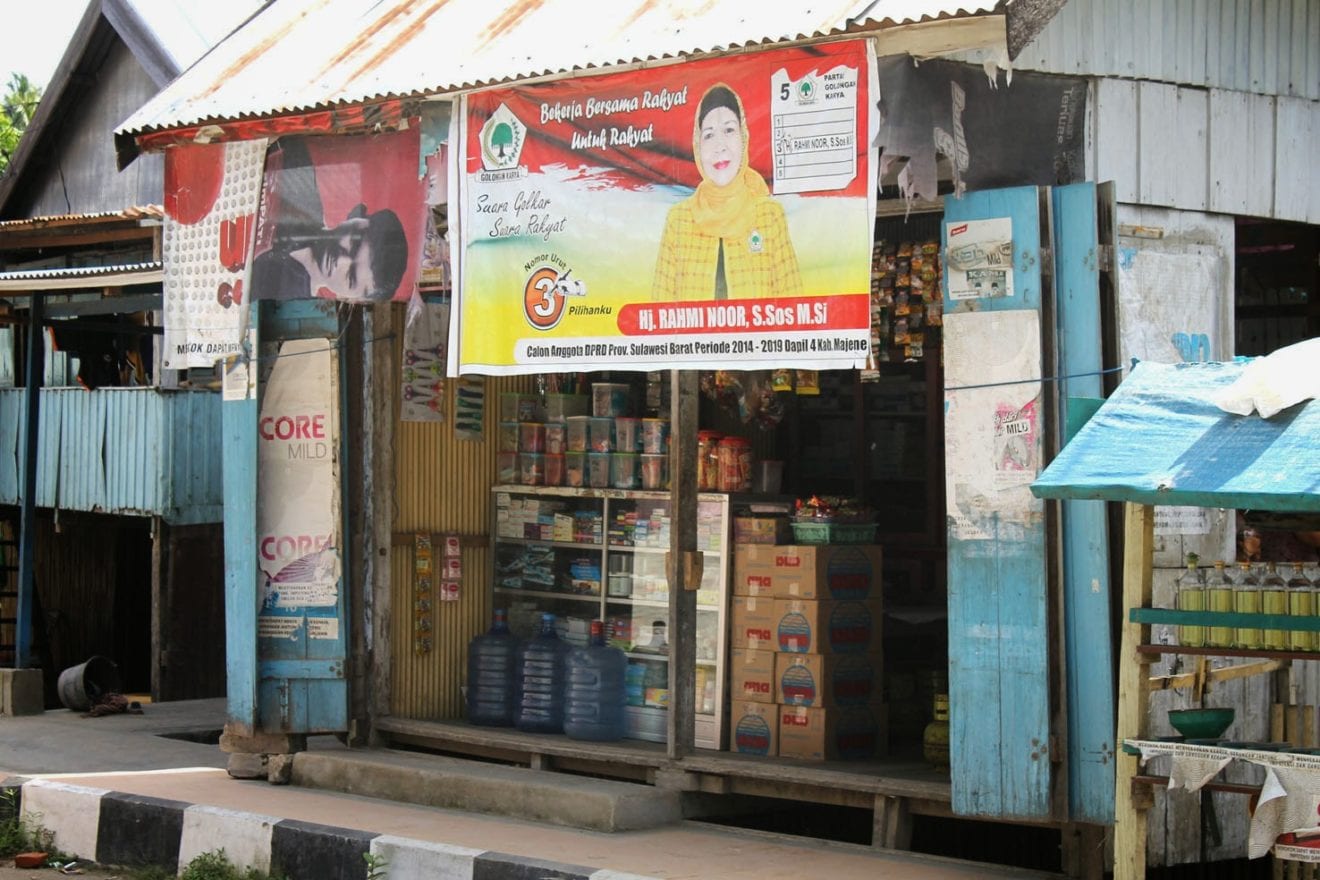
    In Asia retail, the humble corner store is an essential ally to fast-moving consumer goods in the battle for market share and customer loyalty, according to a new report from global performance management company, Nielsen.

    The whitepaper, Maximising Traditions – The Shop. Shopper. Shopkeeper, argues that a better understanding of this fragmented yet ubiquitous traditional trade channel – which comprises more than 5 million outlets in Southeast Asia alone – has the potential to drive sales by putting brands in front of more consumers.

    Nielsen’s research suggests that to better maximise sales, brands should consider a more thorough analysis of their market segmentation, and tap into the understanding of the shopkeeper and shopper.

    Traditional trade channels account for almost half of all grocery sales in Asia and India. In 2014, 47.9 per cent of all retail sales were made through traditional trade channels, compared to 17.2 per cent for supermarkets which account for the second-largest proportion of sales.

    The paper’s author, Connie Cheng, Nielsen’s executive director of shopper solutions for Southeast Asia, North Asia and Pacific, says traditional trade accounts for up to 70 per cent of all retail sales in key markets such as Jakarta, Indonesia, and Ho Chi Minh City, Vietnam.

    “While there’s been a headlong rush into the hypermarket and supermarket retail formats throughout most of Southeast Asia, there are untapped loyalties between brands and consumers shopping at traditional trade stores on every street corner, in every town, village and city,” said Cheng.

    “With almost 50 per cent of retail sales in Asia made at a small, independent grocery store, the research suggests that FMCG brands are leaving money on the table. The key to maximising sales through traditional trade channels is to focus on the relationships between the shopkeeper and the shopper,” she said.

    Maximising Traditions finds that the humble warung in Indonesia, the Philippines’ sari-sari, Malaysia’skedai runcit and Vietnam’s cử a hàng tạp hóa are used by consumers in similar ways. The majority of consumers shop at traditional trade stores for daily meals, snack foods and beverages for immediate consumption, while they are less important for top-up or main shopping trips.

    The whitepaper reveals that the majority of consumers plan their trips to the most conveniently located store in advance, and have a specific brand in mind. Such behaviour highlights opportunities for brands to vary pack formats or leverage loyalty for premium lines to increase basket size.

    When it comes to commonly purchased products, powdered coffee blends, coffee and carbonated drinks top the list in Indonesia, the Philippines and Vietnam, respectively.

    While shoppers clearly tend to view the traditional trade store as an extension of their kitchen pantry, sales of homecare and personal care lines are also common purchases. Laundry items, shampoos, makeup, vitamins, baby-care lines and general household products are the most frequently purchased items at grocery stores in Indonesia, the Philippines and Vietnam.

    The report suggests that marketers need to undertake a more thorough segmentation analysis to maximise market share. Although traditional trade grocery outlets are plentiful in Indonesia, Malaysia, the Philippines, Thailand and Vietnam, the market is fragmented.

    Cheng suggests extending segmentation and tapping shopkeepers for their intimate understanding of hyper-local consumer behaviour.

    “Information on demographics, psychographics and shopper behaviour can help provide actionable information for sales teams,” she adds.

    A better understanding of grocery shoppers can also assist in brand strategy and modelling, potentially unlocking value for brands in regions with a higher average GDP. This may help overcome issues in a fragmented market.

    “There’s an unfortunate and unnecessary disconnect between the desires of brand managers, who may think that bigger is better, and the demands of shoppers utilising Southeast Asia’s most popular channel for purchasing groceries,” continues Cheng.

    “Traditional format stores are as relevant now as they have ever been. By better tapping into consumer behaviour, brands can discover what most Southeast Asians already know; that bigger doesn’t always equate to better.”