Retail News CRM

Tag: cosmetics

  • Asia’s War-Driven Price Surge: From Instant Noodles to Cosmetics, Consumers Brace for Impact

    Asia’s War-Driven Price Surge: From Instant Noodles to Cosmetics, Consumers Brace for Impact

    As the conflict in Iran intensifies, both consumers and businesses across Asia are bracing for a potential crisis. The war is causing a squeeze in oil and plastics supplies, leading to an increase in prices on a broad range of products, from ramen noodles to cosmetics.

    Impact on Plastic Industries

    Choi Gun-soo, manager of a 57-year-old South Korean factory producing plastic films, gives an insight into the harsh realities of the situation. The factory, which caters to farmers for crop coverage and television manufacturers, is dealing with a substantial hike in raw material prices and shortages. Some suppliers have escalated prices by as much as 50%, while others have completely run out of stock. The next couple of weeks are likely to be critical; if the shortage of raw materials continues, it will force a systematic shutdown of the machinery.

    While the company has previously managed to survive oil shocks and the Covid-19 pandemic, the current crisis due to the Iran war is unparalleled. Choi shares that they have reduced their production to merely 20-30% of the regular output, marking the first time they have been hit this severely.

    The Strait of Hormuz: A Key Factor

    A vital cog in the supply chain disruption is the Strait of Hormuz, a narrow water channel off Iran’s southern coast. Around one-fifth of the world’s oil and liquefied natural gas usually passes through this strait. Asia, which is heavily dependent on crude oil, gas, fuel, and fertilizer from the Middle East, is most susceptible to supply disruptions.

    Currently, the most critical shortages are in oil derivatives like naphtha, predominantly sourced from the Gulf and used in refineries across Asia to produce plastics and other petrochemicals. These materials are integral to almost every manufactured product.

    Soaring Prices

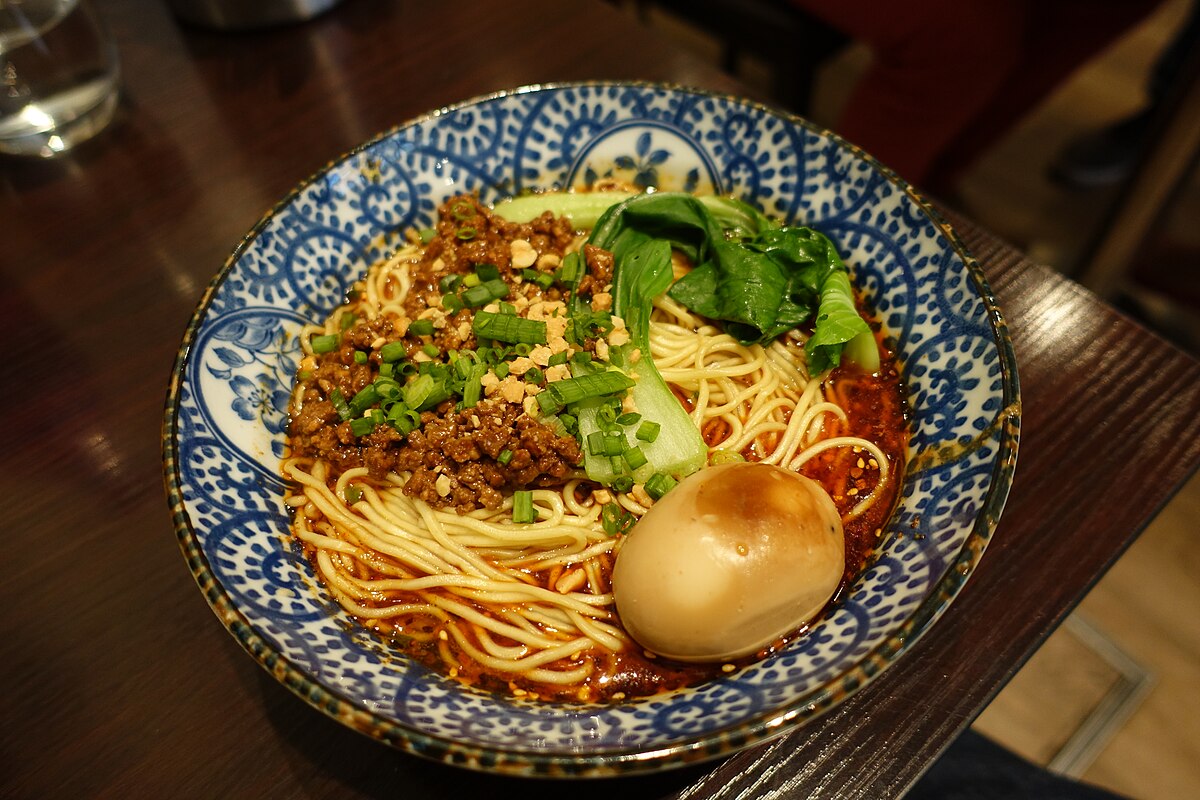
    Prices for essentials of modern life, including plastic and rubber, are reaching record highs. South Korea’s Samyang Foods, the manufacturer of the renowned spicy Buldak instant ramen noodles, warns of a potential shortage of packaging materials and increased costs due to the ongoing conflict.

    Rival ramen producer Nongshim is preparing for the possibility of prolonged warfare by maintaining two to three months’ worth of packaging material inventory.

    The Cosmetic Industry’s Struggle

    Yonwoo, a container producer for L’Oreal and K-beauty firms like Amorepacific, is scrambling to secure stocks of plastic resin, a key material in manufacturing pots used for skincare and cosmetics. The company fears little visibility on material supply beyond June.

    Global Impact

    The conflict has instigated fuel shortages worldwide, with businesses ranging from airlines to supermarkets and used car dealers struggling with challenges such as rising costs, weakening demand, and disrupted supply chains.

    In Japan, department store operator Takashimaya has expressed concern that if the crisis persists, it could lead to price increases and supply issues spreading to clothing and household appliances.

    China’s Struggle with Raw Material Shortages

    China, the world’s largest synthetic rubber producer, is also feeling the strain. Shortages of naphtha, essential for synthetic rubber production, are impacting the supply chain and forcing manufacturers of goods like tires and gloves to consider raising prices or shifting to natural rubber.

    Effect on the Toy Industry

    Liu Chaonan, who owns a toy company that supplies to major U.S. retailer Walmart, revealed the escalating raw materials costs are taking a toll on the toy industry.

    Panic Buying due to Supply Concerns

    The crisis has also led to panic buying among consumers, resulting in them hoarding goods like garbage bags. With supermarkets reporting shortages and limiting purchases, consumers like South Korean student Ryu June-ho are buying in bulk in anticipation of price hikes.

    Questions & Answers

    What factors are contributing to the increased prices of goods in Asia?
    Increased goods prices in Asia are primarily due to the ongoing conflict in Iran, which is causing disruptions in oil and plastic supplies.

    How is the conflict in Iran affecting industries in Asia?
    The conflict is causing a crisis in various industries, including food, cosmetics, and manufacturing, due to increased raw material costs and supply shortages.

    How are consumers reacting to the escalating prices and supply shortages?
    Consumers are reacting with panic, leading to hoarding of goods such as garbage bags and ramen noodles in anticipation of further price increases and shortages.
  • Hyundai Duty Free Unveils AI-Driven Personalized Beauty Hub in Seoul: A New Era of Cosmetics Shopping

    Hyundai Duty Free Unveils AI-Driven Personalized Beauty Hub in Seoul: A New Era of Cosmetics Shopping

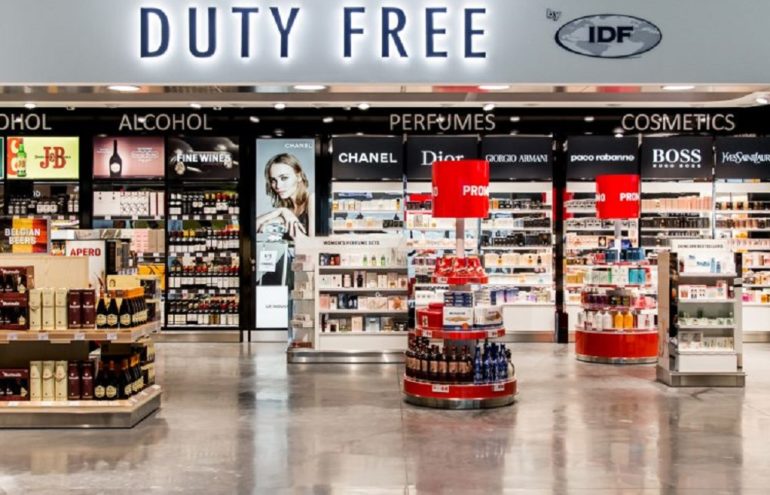
    Hyundai Duty Free recently announced the launch of an artificial intelligence (AI) powered beauty analysis zone at its Trade Centre location in Seoul, South Korea. The innovative space, known as ‘AI Beauty Trip’, offers customers unique, personalized skincare and makeup advice through cutting-edge digital tools.

    AI Beauty Trip: A Personalized Beauty Experience

    Situated on the ninth floor of the Trade Centre, the AI Beauty Trip will be operational until April 15th. The zone features two AI-powered devices that provide a sophisticated level of personalization for customers.

    The ‘Makeup AI’ device, a standing unit, uses photo imaging technology to analyze a patron’s facial structure, proportions, and individual color tones. Its counterpart, the ‘Skin Pro AI’, is a mirror-style device designed to evaluate skin conditions. It assesses factors such as pore size, oil levels, wrinkles, and signs of skin aging.

    After customers have undergone these detailed assessments, they can access a comprehensive diagnostic report and tailored product suggestions by scanning a QR code displayed on the screen.

    Participating Brands and Incentives

    Hyundai Duty Free has confirmed that 36 beauty brands participating in the store are integrated with this system. This means that customers have access to information on approximately 800 distinct products, helping to generate highly personalized product suggestions.

    In addition, customers spending at least US$50 on beauty products from participating brands at the Trade Centre store will receive a prepaid gift card worth 10,000 won. This gift card can be used immediately, offering an extra incentive for customers to engage with the AI Beauty Trip experience.

    Technology and Retail: A Perfect Blend

    This latest initiative from Hyundai Duty Free highlights the retailer’s commitment to integrating advanced technology with traditional in-store shopping experiences. As competition within the duty-free retail sector intensifies, and consumer preferences continue to evolve, such innovative approaches aim to boost customer engagement and satisfaction levels.

    Questions & Answers

    What is the ‘AI Beauty Trip’ initiative?
    The ‘AI Beauty Trip’ is an AI-powered beauty analysis zone at Hyundai Duty Free’s Trade Centre store in Seoul. It offers customers personalized skincare and makeup advice through innovative digital tools.

    What are the ‘Makeup AI’ and ‘Skin Pro AI’ devices?
    The ‘Makeup AI’ is a stand-type device that uses photo imaging technology to analyze facial structure, proportions, and color tones. The ‘Skin Pro AI’ is a mirror-style device that evaluates skin conditions such as pore size, oil levels, wrinkles, and signs of aging.

    What incentive does Hyundai Duty Free offer customers who engage with the AI Beauty Trip experience?
    Customers spending at least US$50 on beauty products from participating brands at the Trade Centre store will receive a prepaid gift card worth 10,000 won. This gift card can be used immediately.

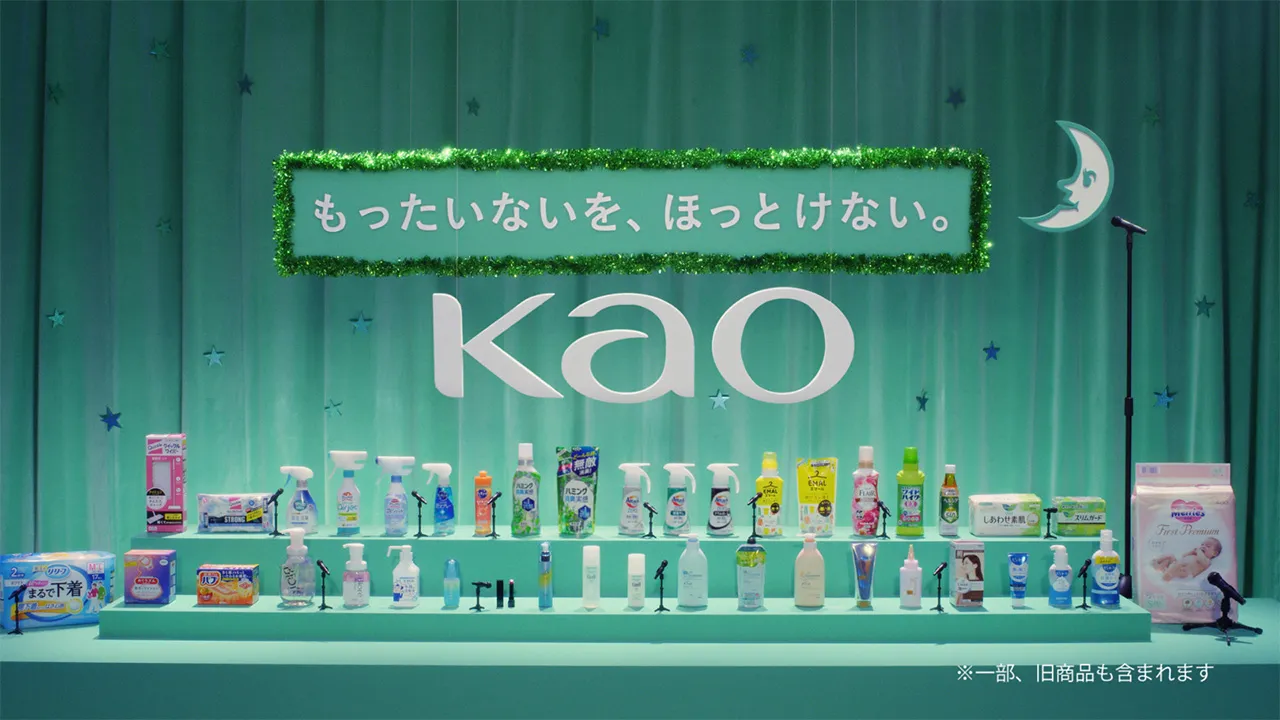
  • Kao Corporation Targets $2.68b In Sales With Major Cosmetics Business Revamp

    Kao Corporation Targets $2.68b In Sales With Major Cosmetics Business Revamp

    Kao Corporation, a Tokyo-based company specializing in chemicals and cosmetics, has recently revealed plans to revamp its cosmetics business. The strategy will focus on the growth and expansion of its six core brands.

    The New Strategy

    Kao’s primary goal is to achieve a net sales target of 400 billion yen (US$2.68 billion), alongside an operating margin of 15 percent, as early as possible after 2030. To this end, the company will concentrate its growth and development efforts on six brands: Sensai, Molton Brown, Kanebo, Sofina, Curel, and Kate. The expansion strategy will be tailored to the specific markets where these brands meet consumer demands.

    As part of this reorganization, skincare brand Curel is expected to experience accelerated growth. The company plans to increase Curel’s store presence in Europe by sixfold, aiming to generate 50 percent of the brand’s total sales outside Japan by 2027.

    Focusing on the European and Asian Markets

    Sensai and Molton Brown, two brands that have proven successful among European consumers, will pivot their growth strategy to target the Asian luxury market. The company’s ambitious aims include a 150 percent increase in Sensai sales and a doubling of Molton Brown sales in Asia by 2027.

    For Kanebo and Kate, Kao plans to adapt their expansion to the distinctive characteristics of each Asian market, using Thailand as the initial target market. The company hopes to boost sales of these two brands by 150 percent in Thailand by 2027.

    In a simultaneous move, Kao intends to consolidate Sofina and its sub-brands under one umbrella. The aim is to enhance Sofina’s sales in Asia by 50 percent by 2027.

    Enhancing Profitability and Long-Term Growth

    Beyond brand-specific expansion plans, Kao’s revamp includes a broader focus on improving profitability and fostering long-term growth. This will involve the implementation of core technologies, cost reductions through improved supply chain management, and the application of digital and AI technologies.

    The restructuring process will be spearheaded by Tomoko Uchiyama, executive officer and president of global consumer care – cosmetics business, who began her role in January.

    Uchiyama emphasized the company’s adaptability in the face of change, explaining, “Our cosmetics business has the flexibility to respond to changing times and market dynamics with a diverse portfolio of brands.” She assured that, coupled with the robust foundation of the Kao Group, the company is well-positioned to pioneer advancement of globalization.

    In addition to cosmetics, Kao’s business segments also include hygiene living care (which counts Attack and Laurier among its brands), health beauty care (owner of Biore, among others), and chemical products.

    Questions & Answers

    What are the core brands Kao Corporation is focusing on?
    Kao Corporation will be focusing on the expansion of Sensai, Molton Brown, Kanebo, Sofina, Curel, and Kate.

    What are the business goals of Kao Corporation under the new strategy?
    The company aims to achieve a net sales target of 400 billion yen (US$2.68 billion) and an operating margin of 15 percent, as early as possible after 2030.

    Who will be leading the restructuring process at Kao Corporation?
    The restructuring process will be led by Tomoko Uchiyama, executive officer and president of global consumer care – cosmetics business.

  • Kolmar Korea Takes the Global Stage with Its Expansive Line of Natural K-Beauty Products

    Kolmar Korea Takes the Global Stage with Its Expansive Line of Natural K-Beauty Products

    In a bold move that underscores its commitment to innovation, Kolmar Korea is cementing its foothold in the global skincare arena by harnessing the power of traditional Korean ingredients. The rising tide of consumer interest in natural, ingredient-centric beauty products has given Kolmar the perfect platform to showcase its pioneering creations.

    Global Success Forged by Tradition

    Among its standout products is the Mung Bean pH-Balanced Cleansing Foam, developed in collaboration with skincare brand Beplain. This remarkable cleanser taps into a 1,000-year-old tradition of using mung beans for skin care and has witnessed staggering global sales, surpassing 10 million units. Its popularity has soared not just in South Korea, but also in the United States, France, China, and Vietnam, proving that ancient wisdom can indeed ride the wave of contemporary beauty trends.

    Deep Clean with a Local Touch

    Another flagship offering is Kolmar’s Relief Mud Mask, crafted with over 30% Boryeong mud and ultra-fine particles designed to deliver a deep cleanse. This product reflects Kolmar’s dedication to merging local resources with scientific advancement, ensuring a skincare experience that is both effective and uniquely Korean. One could say that Kolmar is digging deep—literally and figuratively—into the beauty pot!

    Commitment to Innovation and Research

    Behind Kolmar’s burgeoning success lies a robust focus on research and development, with more than 30% of its workforce dedicated to this crucial area. The company allocates an impressive 6% of its annual revenue to R&D efforts. Recent innovations include demonstrating the anti-aging properties of Spiraea Salicifolia and the potential for Sophora flavescens to prevent hair loss. These groundbreaking studies exemplify Kolmar’s mission to merge nature with science in the pursuit of beauty.

    Bringing Nature’s Fragrance to Consumers

    In addition to skincare, Kolmar is keen on commercializing the mesmerizing scents of Korean flora. By introducing fragrances from plants like the Rose of Sharon and lotus, the company aims to enhance sensory appeal in its product lineup. It’s an exciting endeavor that not only showcases Korea’s rich botanical heritage but also tantalizes the olfactory senses of consumers worldwide.

    Questions & Answers

    How has Kolmar Korea integrated traditional ingredients into its products?
    Kolmar Korea leverages centuries of traditional practices by incorporating ingredients like mung beans in their cleansing foam, which has garnered massive global popularity.

    What significant investments is Kolmar making in its future?
    The company invests 6% of its annual revenue in research and development, focusing on innovative products and new ingredient discoveries.

    What makes Kolmar’s Relief Mud Mask unique?
    It contains over 30% Boryeong mud and ultra-fine particles, designed for deep cleansing that reflects a blend of local resources and scientific research.

  • Lush launches a 24-hour vending machine

    Lush launches a 24-hour vending machine

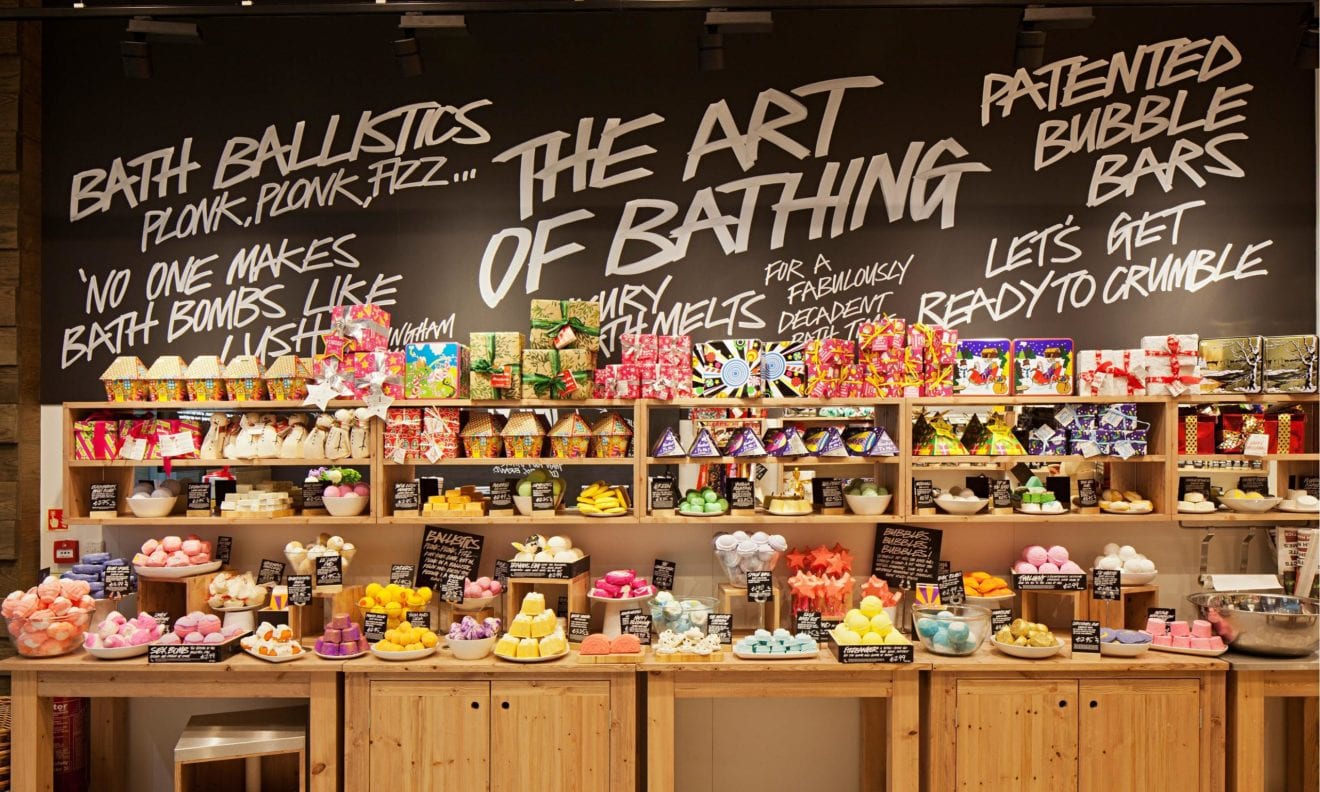
    Cosmetic brand Lush has opened its first 24-hour vending machine, located in Coal Drop’s Yard at King’s Cross in London.

    Lush said it aims to provide customers with a distinctive retail experience by allowing them to purchase its products at any time of the day.

    The machine is shaped like a circular kiosk. Customers walk around to and view the products, which include wrapped gift boxes. Moreover, it is sustainably designed, running on low energy.

    The Ilocker vending machine is designed by Anmac, whose owners are Andrew Alpine and his wife Gemma Jackson, a couple well known for designing numerous film and television series sets, including for The Piano, The Beach, Bridget Jones’ Diary and Game of Thrones.

    “Lush has always strived to dazzle our customers, from our product innovations through to bringing our core values into every aspect of our retailing,” said Charlotte Howe, a member of the Lush Group retail team.

    “Using the highest quality of automated retail machines with our partner, Anmac, we are able to surprise and delight with a micro store that is open 24 hours a day. It is a retail theatre that never sleeps – live glow on the go.”

    The London pop-up will run for six months during which time the company will change the product range and merchandising design to ensure ongoing customer interest.

  • Shiseido sees ‘turning point’ ahead in tourism sales

    Shiseido sees ‘turning point’ ahead in tourism sales

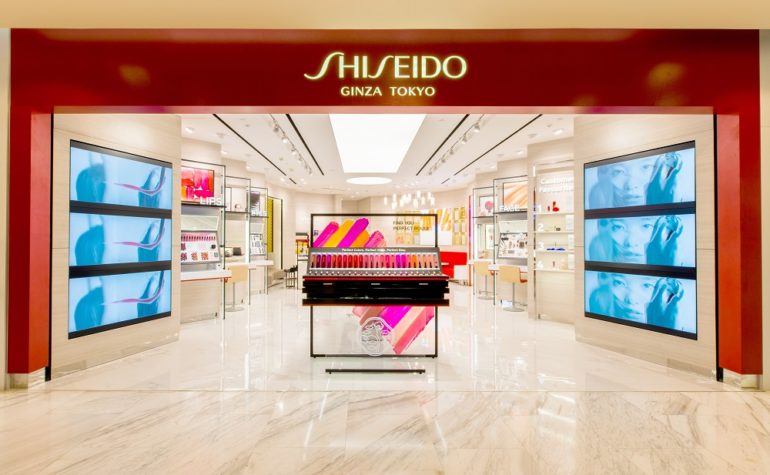
    The chief executive of Japanese cosmetics giant Shiseido Co believes inbound tourism will return next year as the pandemic abates, beginning a gradual recovery in sales of high-end goods to travelers.

    A halt in tourism amid the COVID-19 pandemic has cut off sales to Chinese visitors, a critical segment in years past. China may start to ease travel curbs after hosting the Winter Games in Beijing, and a reciprocal opening in Japan would start a “welcome back” of tourist shoppers, Chief Executive Masahiko Uotani said.

    “Next summer will be a turning point,” he said in an interview.

    Like other companies in the luxury sector, Shiseido has been hit hard by COVID-19 related lockdowns that shuttered department stores and airport shops. Operating profit plunged 87% to 15 billion yen ($131.7 million) in the year through December 2020. The company is expecting a partial recovery to 27 billion yen this year.

    Shiseido is aiming to reach 15% operating margin by 2023 and become the global leader in skincare by 2030. To get there, the company is divesting of some lower-priced brands.

    In February, it announced the sale of skincare and shampoo brands to private equity firm CVC Capital Partners for 160 billion yen. Shiseido said in August it would sell three make-up brands for $700 billion to U.S.-based investor Advent International.

    “When we made the plan last year, no one thought that the corona situation in Japan would last this long,” Uotani said. “If economic activity in Japan reaches the level of Europe and the U.S., I think the cosmetics industry will recover all at once.”

    “What I’m hoping for is the spring of next year,” he added.

    On mainland China, there are signs of economic slowdown and concerns of tighter regulation, but the market remains an attractive overseas market.

  • South Korean sees jump in perfume sales despite shrinking cosmetics market

    South Korean sees jump in perfume sales despite shrinking cosmetics market

    Perfume sales in South Korea have gone up despite the suspension of perfume testing at department stores. Last December, South Korean retailers suspended all practices of testing cosmetic samples at offline vendors in accordance with government regulations, which has led to a plunge in cosmetics sales at department stores.

    Cosmetics sales at Lotte Department Store and Hyundai Department Store last month dropped by 22 percent and 8.6 percent, respectively, compared to the same month last year.

    As protective masks have become a new norm, demand for color cosmetics had already dropped before the new ban on the use of samples tightened consumption even further.

    In contrast, perfume sales at the two department stores jumped by 34 percent and 49.7 percent.

    “Consumers are replacing cosmetics with perfumes as a way of expressing themselves in the pandemic era,” Lotte Department Store said.

    Bans on testing perfumes at offline vendors have led to a sales jump among online perfume sellers.

    S.I. VILLAGE, a luxury shopping platform run by the country’s leading retailer Shinsegae Group, saw last month’s perfume sales jump by a whopping 772 percent compared to the same month in the previous year.

    Another major online shopping mall Gmarket saw a 711 percent spike in January sales of perfume, compared to the same month last year.

    “More consumers are buying perfumes as they are beginning to use them as an everyday accessory,” an industry official said.

  • Shiseido plans sale of consumer product lines for over $1.45 billion

    Shiseido plans sale of consumer product lines for over $1.45 billion

    Japanese cosmetics firm Shiseido Co Ltd said on Friday it was in talks to sell its lower-priced skincare and shampoo lines to private equity firm CVC Capital Partners in a deal reported to be valued at over $1.45 billion.

    Shiseido said it was in talks to sell its “personal care” business in the first half of the year to CVC but that no decision had been made.

    The business includes its Tsubaki shampoo and Sea Breeze deodorant brands which are sold at drugstores and convenience stores throughout Asia.

    The talks were first reported by Bloomberg News, which put the value of the deal at between 150 billion to 200 billion yen ($1.45 billion-$1.93 billion).

    Shiseido said it was considering taking a stake in the business and remaining involved in its development.

    The talks come as Shiseido has been eyeing possible asset sales to focus on premium cosmetics, including its namesake line and brands such as Cle de Peau and NARS sold at department store counters.

    Global private equity firms such as CVC and Carlyle Group have recently been looking to expand in Japan, taking advantage of large Japanese companies coming under pressure to sell non-core assets and improve returns to shareholders.

    CVC last year raised $4.5 billion for its fifth Asia Pacific fund.

    Like other companies in the luxury sector, Shiseido was hit hard by the coronavirus as people shopped less and wore less make-up. A halt in tourism has been particularly painful as the company depended heavily on Chinese visitors.

    The company said in November that it expects a net loss of 30 billion yen in 2020, worse than a previous forecast loss of 22 billion yen.

    Shiseido shares rose 4% in morning trade on the Tokyo Stock Exchange. A CVC representative declined to comment.

  • NYX shutting down all of its Malaysian stores

    NYX shutting down all of its Malaysian stores

    NYX Cosmetics is to close its retail operations in Malaysia after three years in the market. According to a report by Marketing-Interactive, the US cosmetics firm – a L’Oreal subsidiary – has permanently closed outlets in Suria KLCC, Sunway Pyramid, and Midvalley Megamall as of last month, three years after opening its flagship store at IOI City Mall Putrajaya. That outlet, as well as those in Fahrenheit 88 and Genting, will be shuttered by the end of this month.

    The NYX flagship featured interactive beauty bars and a digital community wall. It also displayed digital images and social media content throughout the store.

    “We sincerely thank you for all the love, energy, passion, and enthusiasm from our fierce beauty junkies community,” read the brand’s Facebook post announcing the departure from the Malaysian market. “There were many incredible moments with lots of glitters, color, and amazing makeup artistry.”

    The store will continue its e-commerce operations in the territory through to the end of September.

    However, the brand will not exit the market completely. It is understood it will still be available in Sephora stores and potentially other multi-brand channels.

  • Hong Kong Cosmetics retailers Lush and Bonjour sued for unpaid rent

    Hong Kong Cosmetics retailers Lush and Bonjour sued for unpaid rent

    Two Hong Kong cosmetics retailers have fallen victim to the coronavirus crisis facing legal action over unpaid rent.

    British-headquartered chain Lush has been sued by its landlord, Shun Cheong Properties Management, for three months of allegedly unpaid rent on its Lockhart Road, Causeway Bay store. Lush signed on the outlet at Shun Hei Causeway Bay Centre in July 2017 at a monthly rate of HK$380,000 (US$49,000). The retailer had received rental relief of $170,000 since February but has not paid for the last three months, owing to a total of $780,000.

    Lush opened a new Lush Naked concept store on Great George Street, also in Causeway Bay, last year in addition to a new store inside K11 Musea at Tsim Tsa Tsui. There are now 12 Lush stores in Hong Kong.

    Another cosmetics retailer Bonjour Holdings has also been taken to court by its landlord Giant Manor Investment Limited, allegedly owing six months rent and management fees for its Nathan Road, Mong Kok, store.

    The Hong Kong cosmetics retailer had signed a lease agreement for three years in September 2017 at a monthly rent of $1.28 million and now allegedly owes a total of $7.8 million in rent, plus $100,000 in interest.

    Bonjour recently reported an 18.7-per-cent sales to decline for last year, citing falling numbers of inbound Mainland Chinese visitors in the wake of protests.

  • Kiko Milano expanding store network in India

    Kiko Milano expanding store network in India

    Italian cosmetic brand, Kiko Milano, is to expand its retail network in India next year.

    Kiko Milano India plans to open six stores across the country, including two new stores in the national capital Delhi.

    “We will focus on having more points of sale, whether exclusive outlets, online or shops-in-shops,” said Abhishek Bhattacharya, country director at Kiko Milano.

    He said the company aims to launch two more outlets in Delhi, and one each in Lucknow, Mumbai, Guwahati (the first in northeast India), and Kolkata.

    “Initially we thought of opening just the retail stores, but we have understood that in Indian market, it has to be a mix of retail and other modes of expansion. We have our shop-in-shop concept, and we are also going to tie with more departmental stores, in addition to exclusive brand outlets,” he added.

    Founded in 1997, Kiko Milano has put Italy on the beauty map with more than 900 stores in 18 countries and the online capability to deliver to 36 countries.

  • South Korean cosmetics exports soars

    South Korean cosmetics exports soars

    South Korea is aiming to become the third-largest cosmetics exporter in the world by 2022. The move will be made through extensive investment in research and development and concerted marketing efforts, the government said Thursday.

    “The goal is to ship out more than KRW9 trillion (US$7.6 billion) worth of cosmetic products annually and have at least seven of the world’s top 100 makeup companies, from four at present,” the ministry said.

    It added that another goal is to have 276 local cosmetics companies with annual sales exceeding KRW5 billion ($4.2 million) in the target year, up from 150 now. Such growth will contribute to the creation of 73,000 new jobs in the sector.

    On the research and development front, Seoul will provide small-and-medium enterprises with KRW7.7 billion ($6.5 million) in support next year, with KRW20-30 billion ($16.86–25.3 million) to be injected in this field from next year onward.

    In regard to marketing, the ministry said more emphasis will be placed on the vast Southeast Asian market, where South Korean products are in high demand. The Southeast Asian market is attractive as it can generate overseas sales that have taken a hit after South Korean relations with China snagged since Seoul deployed the US Terminal High Altitude Area Defense (THAAD) on its soil in early 2017.

    However, as more Chinese consumers are taking an interest in the components contained in cosmetic products, South Korean cosmetic brands are infiltrating the Chinese market using their reputation for using ‘good recipes’.

    Venndata, a Chinese market research agency, reported that 45 percent of Chinese consumers were found to purchase cosmetics after carefully looking into the components. This trend is leading more Chinese consumers to buy products from South Korean cosmetic brands, which are renowned for using natural components to make their products.

    Trade data showed that in 2014, South Korea’s cosmetics exports stood at just $1.8 billion, but this has risen to $6.3 billion last year, placing it in fourth in the world overall.

    Its main overseas markets are China, Hong Kong, the US, Japan, Vietnam and Thailand, with total numbers of makeup manufacturing companies and retailers standing at 12,000.

  • Natura chooses Malaysia for Asian debut

    Natura chooses Malaysia for Asian debut

    Global cosmetics firm Natura has launched its business in Malaysia with a pop-up store in Sunway Pyramid, Petaling Jaya.

    The pop-up store will serve to introduce the brand and its products to consumers via a series of interactive experiences, including a skincare interactive wall, free skin and hair analysis, a fragrance personality analyzer, and a pampering hand massage during a VR adventure through the Amazon forest.

    In Malaysia, Natura products will be available to customers through the brand’s online store, with plans to launch a social selling channel now underway. The brand also engages in relationship selling and will open physical stores.

    Around 300 items from the Natura portfolio will be offered under the brands Ekos, Chronos, Lumina, Mamae e Bebe and Natura Homem – as well as fragrances from the Brazilian Perfumery House. All the firm’s products are 100 percent vegan.

    “We see great opportunity for Natura in Malaysia, with its millions of diverse consumers which have for decades been purchasing through many different channels,” said Natura International head Daniel Silveira. “We are confident that our omnichannel strategy will be well-received in Malaysia, bringing a wide variety of products to customers as well as providing a great platform for growth for our business across the region. More importantly, we are excited about working with local partners across Asia as a force for change to build a more sustainable future.”

    The brand is now looking at building its business across Asia. Last year Natura bought the Australian skincare brand Aesop, which already has an extensive network of stores across Asia.

  • Cosmetics startup La Bouche Rouge makes Hong Kong its trial market

    Cosmetics startup La Bouche Rouge makes Hong Kong its trial market

    French cosmetics startup La Bouche Rouge has chosen Hong Kong as its first Asian market ahead of a regional rollout.

    Founder Nicolas Gerlier introduced the firm’s eco-friendly lipstick line in an interview with the Hong Kong Trade Development Council.

    The concept of the brand came about when Gerlier realized that up to 1 billion used lipstick tubes are thrown away every year, contributing to plastic pollution.

    “I believe that it is impossible to create a new beauty house today without thinking of the environment, without giving meaning, without becoming part of a socially responsible project,” said Gerlier. The idea developed in his mind “until the day I decided to launch my own model”.

    Gerlier was inspired to develop an eco-friendly brand based on his work under Ezra Petronio at L’Oreal Luxe, who is now the firm’s co-founder and creative director.

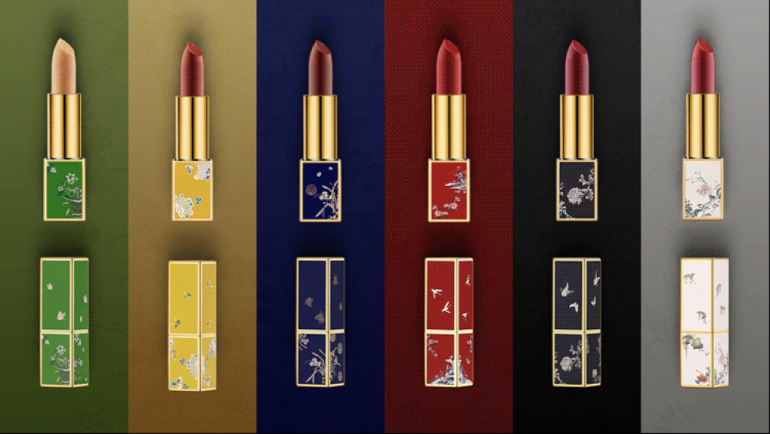
    La Bouche Rouge lines include the Metiers d’Art Collection – personalizable artisan-crafted lipstick cases – and products in leather pouches which customers refill by purchasing more lipstick at the outlet or online. There is no need to discard cases.

    “At La Bouche Rouge we talk about being ‘beautifully sustainable’,” said Gerlier. “We believe in creating the desire to consume differently and we are convinced that this is achievable through designing beautiful and easy objects. There should not be any compromise between sexiness and sustainability.”

    The firm also has a line of vegan products, which do not use beeswax or any other animal-derived material, soon to be made available in Hong Kong.

    Gerlier says Hong Kong was a natural choice when La Bouche Rouge decided to expand beyond Europe and the US. “Hong Kong is a living and dynamic economy, with the whole aura of Asia in its globality,” Gerlier said. “I am convinced that sustainability combined with luxury in makeup is our future and we are very proud to be launching so far from France just a year and a half after our launch.”

    At present, La Bouche Rouge sells at Lane Crawford in Hong Kong, its first Asian outlet. The firm plans to develop other points of sale in Hong Kong as well as in Japan and Korea.

    With its strong international connections and large French community, La Bouche Rouge finds Hong Kong a good base for its move into Asia. “Our team here is made up of French people who have lived in Hong Kong for a long time. The cosmopolitan city lets us connect with a lot of different nationalities and customers.”

  • Lush opens the world’s first language-free concept store in Japan

    Lush opens the world’s first language-free concept store in Japan

    Foreign Lush customers in Japan can now shop without language barriers as the brand launches the first language-free concept store in Shinjuku district.

    By using AI technology, the UK cosmetics retailer helps its customers enjoy their retail experience without words as they use digital functions, including interactive walls and app-controlled lighting, to locate and choose their favorite products.

    “Shinjuku represents the ultimate version of what we want from a shop. Importantly, it was the first time our tech warriors and brand and shop design teams collaborated to create a retail space in a digital age,” said Adam Goswell, tech R&D manager at Lush.

    Besides being its first language-free concept store, Lush Shinjuk