Tag: cosmetics

  • Aptar Beauty Shifts Focus to India and Southeast Asia as Market Hits 4% Growth

    Aptar Beauty Shifts Focus to India and Southeast Asia as Market Hits 4% Growth

    Aptar Beauty is shifting its product development and manufacturing footprint toward India and Southeast Asia as global beauty demand stabilises at 4 per cent annual growth.

    The dispensing systems supplier developed its Nouvelle airless dispenser specifically in India to capture surging demand for premium skincare before exporting the design across the region. Aptar plans to roll out the Indian-made packaging line into Thailand and Indonesia, tapping markets where consumer adoption is rising alongside trading up to higher-end product formats.

    Localising production across India and Southeast Asia

    International beauty brands in China face softer sales while domestic players gain ground, prompting packaging suppliers to diversify their regional revenue base. To support Asian fragrance demand, Aptar took a stake in Chinese manufacturer Goldrain to produce perfume pumps tailored to local price points and design preferences.

    Regional production sites in India, Thailand, and China also insulate the company against trade barriers and US tariffs. Operating plants across seven countries allows the group to supply multinational brands locally rather than shipping components across borders.

    For retailers and beauty brands across the Asia-Pacific region, packaging suppliers are moving away from adapting Western designs for Asian shelves. Aptar, like competitors Berry and Silgan, is now engineering packaging in Asia for local climate conditions, viscous formulations, and regional cost targets before distributing those formats globally.

    Engineering pumps for new cosmetic formulas

    Formulation changes are forcing mechanical redesigns across beauty dispensers. Skincare brands are replacing silicones with short-chain alkanes, which cause standard polyolefin plastics to swell and jam pump mechanisms.

    Fragrance houses are also introducing water-based, alcohol-free sprays that standard pumps cannot atomise properly. Aptar developed customised dispensing hardware for formulations like Guerlain’s Aqua Allegoria Perle skincare fragrance, while engineering its GSA platform for high-viscosity creams and expanding refillable systems such as its Gaïa airless line used by Clarins.

    The supplier is now eliminating polyoxymethylene and per- and polyfluoroalkyl substances across its catalogue ahead of the enforcement of the European Union’s Packaging and Packaging Waste Regulation.


  • Star Leap Overhauls Beauty Sourcing as Global Markets Fragment

    Star Leap Overhauls Beauty Sourcing as Global Markets Fragment

    Hong Kong supply chain distributor Star Leap has revamped its cosmetics procurement model to target regional divergences across Southeast Asian, European, and American beauty retail markets.

    The company confirmed that global demand patterns no longer align across key consumer territories, forcing wholesalers to match stock directly to local channel mechanics rather than relying on global brand awareness.

    Shifting Channel Demands Across Regions

    Market dynamics are splitting along regional lines. In Vietnam and across wider Southeast Asia, multinational cosmetics labels face stiff competition from domestic brands, producing a price-sensitive consumer base with distinct SKU preferences.

    Western territories show different retail drivers. United States retailers are tying physical store sales directly to artificial intelligence tools and virtual testing setups, while European buyers are shifting purchasing budgets toward South Korean and Japanese beauty imports at the expense of traditional domestic lines.

    Matching Inventory to Local Channels

    Distributors must balance unit costs against shelf-life constraints and regional stock velocity. Star Leap tracks purchasing costs, batch codes, and SKU assortments against specific distribution channels to prevent unsold stock sitting in secondary markets.

    Cross-border beauty logistics across Asia Pacific historically relied on moving excess inventory between territories when domestic demand slowed. Rising import compliance standards and the rapid growth of domestic Southeast Asian brands have largely closed those secondary arbitrage routes.

    Procurement teams are now locking in smaller, localized batch orders as retailers prepare their mid-year stock allocations across Asian department stores and regional e-commerce platforms.

  • China Beauty Market Targets 6 Percent Annual Expansion Through 2028

    China Beauty Market Targets 6 Percent Annual Expansion Through 2028

    China’s beauty market will expand at a 6 percent compound annual growth rate between 2024 and 2028, according to projections from consultancy McKinsey. The forecast follows a 3 percent expansion recorded in 2023 across the country’s cosmetics and skincare sectors.

    A 2025 survey showed that 75 percent of beauty executives are pushing to increase sales despite softer volume growth caused by inflation and cautious household spending. Retailers face rising customer acquisition costs across domestic e-commerce channels alongside extended product lifecycles.

    Squeezed Margins and Price Pressures

    Downward pricing pressures intensified over the past year across Chinese retail platforms. Consumers increasingly hunt for value, forcing brands to adjust promotional calendars and discount structures to defend shelf space.

    Foreign and domestic beauty brands are rethinking their operating models in response. Companies such as Changsha-based S’Young International are expanding integrated operations hubs to manage distribution and localization more efficiently.

    Shift Toward Capability Hubs

    International brands previously treated mainland China primarily as a volume driver for global sales. Today, rising domestic competition and fragmented digital channels require dedicated local research, formulation and supply chains within the market itself.

    The critical metric for brand managers in the coming quarters is whether average selling prices stabilize across major retail platforms before margins erode further.

  • Rose All Day Cosmetics Secures US$5.41 Million Series A Round

    Rose All Day Cosmetics Secures US$5.41 Million Series A Round

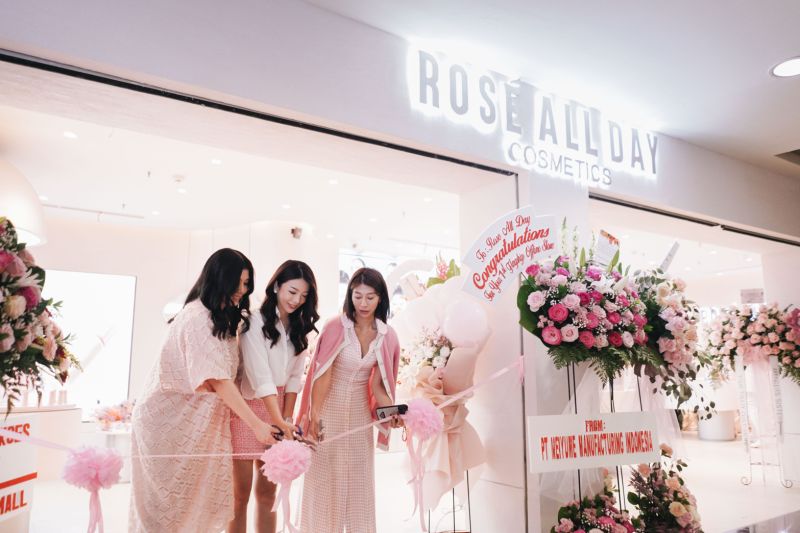
    Indonesian beauty brand Rose All Day Cosmetics raised US$5.41 million in a Series A funding round to finance its retail rollout and product line expansion. The company secured the financing as local cosmetics makers push for larger shares of Southeast Asia’s beauty and personal care market.

    The direct-to-consumer label plans to deploy the capital toward scaling its omnichannel retail footprint, improving product formulation pipelines, and bolstering distribution infrastructure across regional retail channels.

    Capital for regional distribution

    Founded to offer accessible daily beauty and skincare products, the brand built its initial customer base through online channels before expanding into physical retail counters, department stores, and beauty specialty chains. Direct-to-consumer beauty brands across Indonesia increasingly rely on physical shelf space to protect margins against rising digital acquisition costs.

    Offline distribution networks remain essential for consumer conversion in Southeast Asia, where physical storefronts and modern trade outlets still generate the bulk of personal care purchases. Securing shelf space in multi-brand retail chains gives local brands immediate access to foot traffic outside major metropolitan centres.

    Direct brand competition in Southeast Asia

    Venture investors continue backing local beauty startups in Indonesia, betting that domestic brands can defend domestic market share against legacy multinational operators. Similar consumer brand funding rounds across the region have targeted supply chain localization and regional export capabilities into neighbouring markets such as Malaysia and Vietnam.

    RetailNews Asia tracking shows that homegrown beauty labels in Jakarta face steepening competition for floor space in premium shopping malls and modern trade outlets. The next operational test for Rose All Day Cosmetics will be proving its unit economics across physical retail partners while managing regional inventory rollouts.

  • South Korea’s APR Targets W500b in Europe After First-Half Sales Surge

    South Korea’s APR Targets W500b in Europe After First-Half Sales Surge

    South Korean beauty company APR raised its full-year European sales target to 500 billion won ($358 million) after regional revenue jumped 363 per cent in the first half of 2026.

    European sales reached 228.9 billion won ($163.8 million) during the six-month period, accounting for roughly 17 per cent of the Seoul-based firm’s total revenue.

    Amazon Stores and Sephora Shelves

    Online momentum built quickly after APR launched official storefronts on Amazon in the UK, France, Germany, Italy and Spain late last year. Average monthly sales across those five country portals grew more than eightfold between January and June, lifted by demand during Amazon’s Prime Day event.

    Physical retail followed a parallel trajectory. APR secured shelf space at Sephora in March, driving its first-half offline revenue in Europe up more than ninefold compared with the same period a year earlier. To support the retail push, the company increased its available stock-keeping units in the region by more than five times.

    Korean Beauty Footprint Abroad

    The European push shows how quickly Asian beauty brands can convert digital traction into physical shelf space once regional distribution networks open up. While domestic Korean cosmetics demand remains steady, major operators in Seoul increasingly rely on Western department store chains and global e-commerce portals to absorb rising production volumes.

    APR is preparing to open dedicated Amazon storefronts in additional European countries while negotiating terms with regional department stores and specialty beauty chains to widen its physical distribution network before the end of the year.

  • Weleda Expands Skin Food Line into Clinical Skincare and Daily Care

    Weleda Expands Skin Food Line into Clinical Skincare and Daily Care

    Swiss natural beauty producer Weleda plans to expand its flagship Skin Food franchise into medical-grade skincare and daily personal care across global markets. The century-old product line generates approximately 20 per cent of Weleda’s global turnover, led by sales in Australia, Japan, the United States, and the United Kingdom.

    First formulated in 1926 using chamomile, calendula, rosemary, and viola tricolor, the original multi-use cream remained unchanged for decades. The company has since adapted the blend into night creams, body oils, lip care, and face serums. A dedicated eye cream recently joined the range, with a hand wash and hand lotion scheduled to roll out in the first quarter of 2026.

    New Categories and Clinical Formulations

    Weleda is collaborating with professional makeup artists to refine formulas for high-definition photography and screen production. Beyond cosmetic skin prep, the group has initiated longer-term research and development targeting chronic dermatological conditions.

    Over the next five to ten years, Weleda plans to test Skin Food formulations for acne, rosacea, eczema, and psoriasis. Jayn Sterland, Country Manager for the UK and Ireland, noted that product development will hinge on regulatory compliance across different jurisdictions. The company is also working on mineral UV protection formulations, though executives confirmed those products remain in testing.

    Packaging Shifts and Digital Demand

    Supply chain adjustments accompany the product rollout. Weleda has transitioned its packaging back to aluminium tubes, replacing temporary post-consumer recycled plastic with 100 per cent recycled aluminium worldwide.

    In Asian retail channels, where multi-step skincare routines dominate department stores and specialty beauty chains, multi-purpose European heritage creams have found a distinct niche. While traditional drugstores stock the core green tubes, growth in Japan and Southeast Asia is shifting toward digital platforms. Social media campaigns on TikTok have drawn younger consumers who bypass brick-and-mortar shelves entirely.

    Regulatory filings for the first wave of therapeutic claims across international beauty registries will determine how quickly Weleda can clear its clinical skincare line for retail distribution.

  • Asian Teams Secure Four of Six Finalist Spots in L’Oréal Brandstorm

    Asian Teams Secure Four of Six Finalist Spots in L’Oréal Brandstorm

    Asian teams took four of the six global finalist spots at the 34th L’Oréal Brandstorm competition at Vivatech, following pitches drawn from 400,000 proposals across 64 countries.

    The competition centered on luxury fragrance innovation, drawing record participation from Gen Z applicants across Asia who pitched formats ranging from artificial intelligence formulations to wearable scent patches.

    New Formats and Layering Concepts

    Contestants focused on shifting perfume away from standard alcohol spray bottles. Finalist entries incorporated primary packaging designed for fragrance layering, skin patch applicators, and AI tools built to reconstruct scent memories.

    Although the United States team won the overall competition with a melting patch concept called Capturé, Asian teams dominated the final stage. The trend reflects a broader consumer shift across Asian markets, where younger buyers are adopting fragrance wardrobes and personalized scent layering practices traditionally concentrated in the Middle East.

    Green Extraction and Sensory Tech

    L’Oréal used the Paris show to highlight Osmobloom, an air-capture extraction technology developed through a nine-year partnership with Cosmo International Fragrances. The solvent-free process extracts volatile scent molecules from flowers without heat or water, preserving delicate plant structures.

    The group also revealed 12 custom scents developed for the Dataland museum in Los Angeles, pairing algorithmic art with sensor-equipped diffusion necklaces that release fragrances based on visitor movement.

    For retailers and beauty operators across Asia-Pacific, the competition results point to where product pipelines are heading: portable application formats, waterless extraction, and customizable scent wardrobes built for first-time luxury fragrance buyers.

  • Loft Returns to Hong Kong with 3,500-Product Pop-Up at Moko

    Loft Returns to Hong Kong with 3,500-Product Pop-Up at Moko

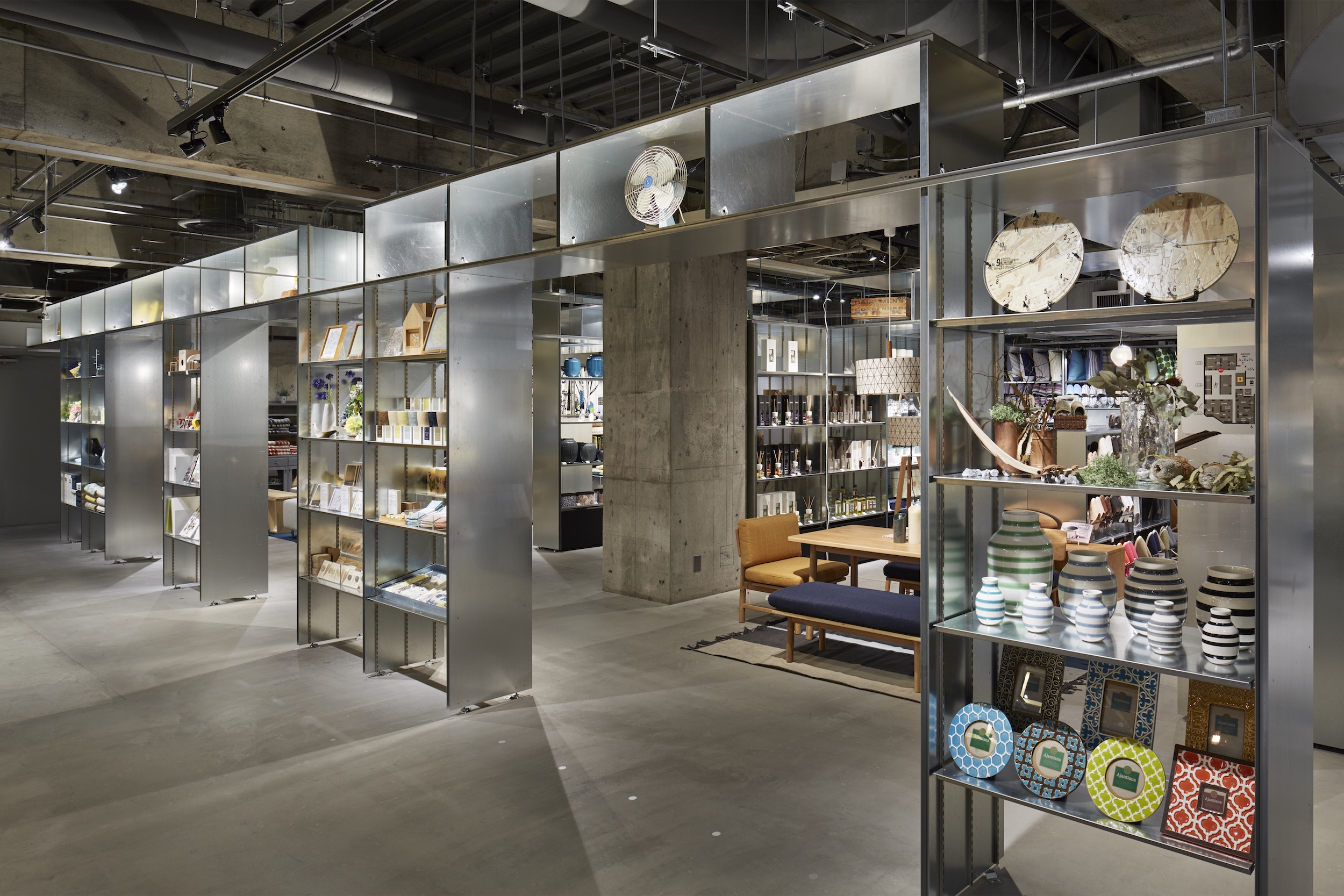
    Japanese lifestyle chain Loft returned to Hong Kong on August 22, opening a 3,500-product pop-up store at the Moko shopping mall in Mong Kok.

    The one-year temporary location is run by local retail operator Yaichi under a pricing model pegged directly to Japanese domestic rates. The store carries inventory across stationery, cosmetics, homeware, gifts and seasonal items, reviving the Japanese brand’s presence in the territory following an earlier exit.

    Merchandise lineup and price matching

    Yaichi built the retail concept around a Japan Price Match guarantee to counter gray-market importers and cross-border shopping. The outlet stocks exclusive items including the Loft Limited Tote Bag, B-Side Label vinyl stickers, and beauty lines such as Vim Beauty, a cosmetics label developed by Japanese creator Marilyn.

    Alongside shelf pricing, the operator rolled out a dedicated membership tier called Yaichi Loft Tomo. The programme offers members discounted pricing and promotional perks during the pop-up’s stay at the Sun Hung Kai Properties-owned retail complex.

    Testing demand through local franchise partners

    Japanese variety and lifestyle chains have adjusted their overseas playbooks across Greater China, using franchise and distribution partners rather than heavy direct capital investments. Loft previously opened its first direct flagship in Shanghai in mid-2020, but the Hong Kong format relies entirely on Yaichi to manage local stock and lease commitments.

    The Moko pop-up is scheduled to trade through August 2027, giving the brand a 12-month window to gauge consumer response before committing to permanent standalone stores in the city.

  • Coty Full-Year Revenue Drops Five per Cent to US$5.8 Billion Ahead of Gucci License Loss

    Coty Full-Year Revenue Drops Five per Cent to US$5.8 Billion Ahead of Gucci License Loss

    Coty posted a five per cent decline in full-year net revenue to US$5.8 billion as the beauty group prepares to surrender its lucrative Gucci license.

    Fourth-quarter adjusted EBITDA dropped 26 per cent to US$93.6 million, dragging operating margins down 270 basis points to 7.4 per cent. Like-for-like sales in the final quarter slipped one per cent to US$1.3 billion, prompting Coty shares to fall 7 per cent in after-hours trading after management withheld financial guidance for fiscal 2027.

    Markus Strobel, Coty executive chairman and interim chief executive, designated fiscal 2027 a transition year focused on lowering fixed overheads. The departure of Gucci Beauty will trigger an additional drop in revenue and profit in fiscal 2028.

    Fixed costs and new fragrance licenses

    Management plans to counter the Gucci exit by cutting fixed corporate costs and expanding newer licensing contracts. The pipeline relies on cosmetics under Marc Jacobs Beauty alongside fragrance agreements with Swarovski, Etro and Marni.

    GlobalData managing director Neil Saunders noted that replacing Gucci volume requires stronger performance from remaining prestige lines, especially across department stores and travel retail networks. Retail OCD chief executive Barney Stacher cautioned that cost reductions cannot compensate for weak brand heat across mass colour cosmetics lines such as CoverGirl, Rimmel and Max Factor.

    Mass beauty shelf pressure

    Fragrance sales continue to generate cash across Asian metropolitan markets, but Coty’s mass cosmetics portfolio faces intense shelf competition from nimble regional and domestic beauty labels. Rebuilding brand visibility in physical retail and digital storefronts requires targeted product development rather than broad promotional discounting, according to Pepperdine Graziadio Business School marketing professor Kimber Maderazzo.

    Coty will deliver the final decisions from its strategic review of the Consumer Beauty unit by the end of 2026 before the Gucci transition takes effect in fiscal 2028.

  • Adore Beauty Expands Physical Network to 20 Stores in Omnichannel Shift

    Adore Beauty Expands Physical Network to 20 Stores in Omnichannel Shift

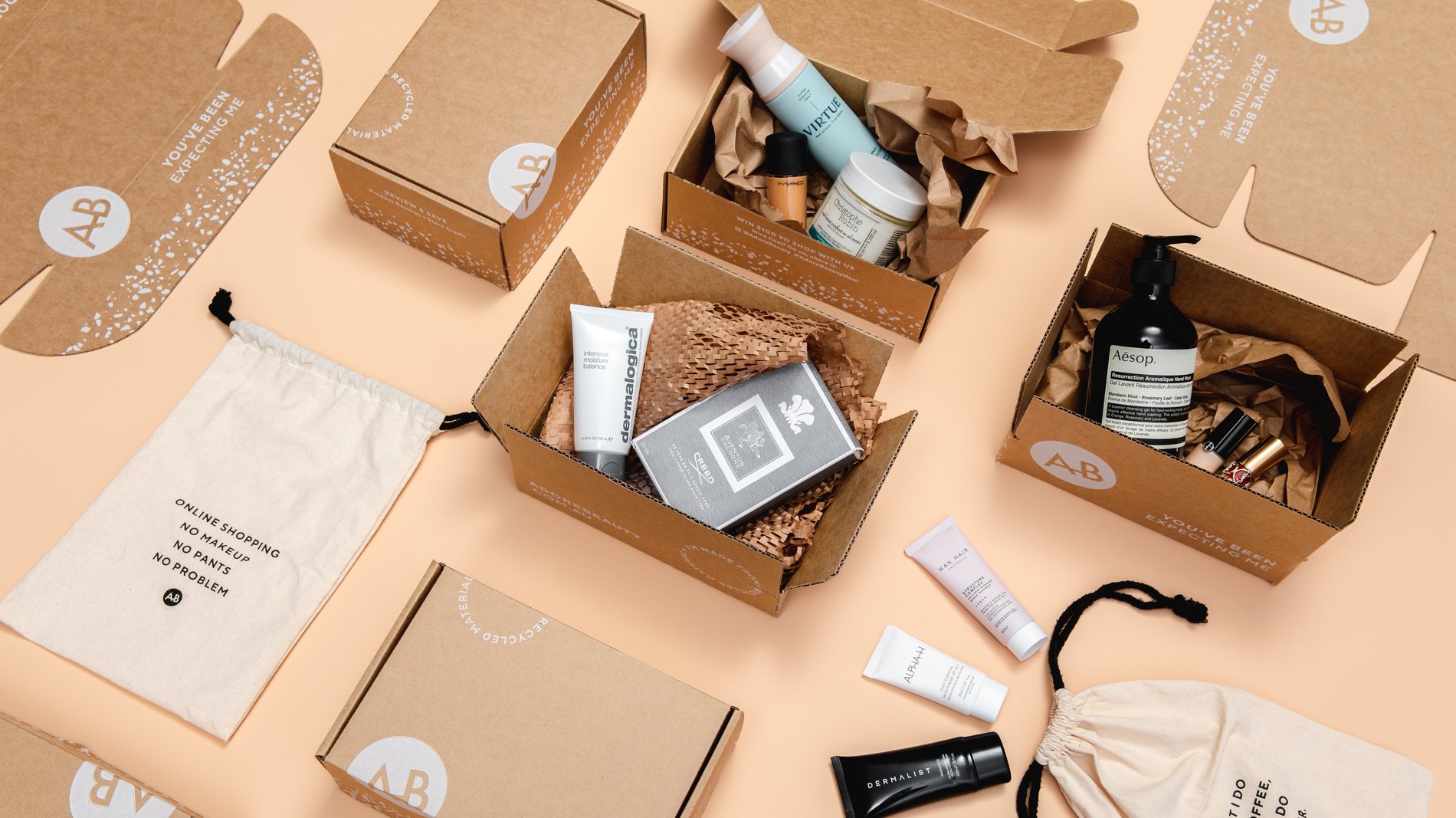
    Adore Beauty opened 13 physical stores during fiscal 2026. The Melbourne online retailer now has 20 locations across Australia.

    This expansion more than doubled its brick-and-mortar footprint. The brand had operated primarily as a pureplay digital platform for 26 years.

    Store Rollout Across Two Banners

    Openings included 11 flagship Adore Beauty storefronts and two locations under the IKOU brand. Group management committed tens of millions of dollars during the year to fund retail leases, supply chain infrastructure and expanded warehouse capacity.

    Those physical storefronts trade alongside the digital platform. Customer retention efforts helped expand the Adore Rewards loyalty program to 538,000 active participants during the financial year.

    Shifting Channel Economics

    Pureplay online beauty retailers across the Asia-Pacific region face climbing digital customer acquisition costs. Physical networks give digital operators direct access to foot traffic and higher-margin basket sizes, mirroring omnichannel rollouts across regional markets.

    Another five physical stores are scheduled to open as the company builds out its national retail pipeline.

  • Adore Beauty Hits Record Sales of $207 Million as Store Costs Cut Profit

    Adore Beauty Hits Record Sales of $207 Million as Store Costs Cut Profit

    Adore Beauty lifted full-year revenue 4.3 per cent to a record $207.3 million for the 12 months ended June 30, but heavy physical expansion cut underlying earnings by more than half.

    Underlying EBITDA fell to $3.8 million from $8.1 million a year earlier. Physical stores contributed $18.6 million to total revenue, while gross margin declined 52 basis points to 34.8 per cent.

    The Cost of Opening 13 Stores

    The Australian retailer added 13 locations during the financial year, comprising 11 Adore Beauty outlets and two Ikou shops. That took its national footprint to 20 doors after years of operating as a pure-play digital platform. New customer numbers climbed 14 per cent over the period.

    Alongside lease and fitout costs for an immature store network, the company funded a new national distribution centre, an enterprise resource planning software overhaul, and broader technology upgrades. Weak consumer sentiment in the fourth quarter added further pressure on margins.

    Adore Beauty expects store drag to ease as locations mature over an 18 to 24 month cycle. Pure-play e-commerce operators across the Asia-Pacific region have faced similar margin friction when transitioning into physical storefronts, trading immediate cash flow against long-term customer acquisition.

    Targets for the New Fiscal Year

    Chief executive Sacha Laing said the group has completed its core infrastructure overhaul on budget and on schedule, positioning the business for operational use.

    “The foundations to support our scaling omnichannel operations are now in place,” Laing said.

    Management has set an underlying EBITDA target of $9 million to $13 million for FY27, predicated on top-line revenue expanding by at least 10 per cent.

  • China’s Proya Cosmetics Enters US Market with Ulta Partnership

    China’s Proya Cosmetics Enters US Market with Ulta Partnership

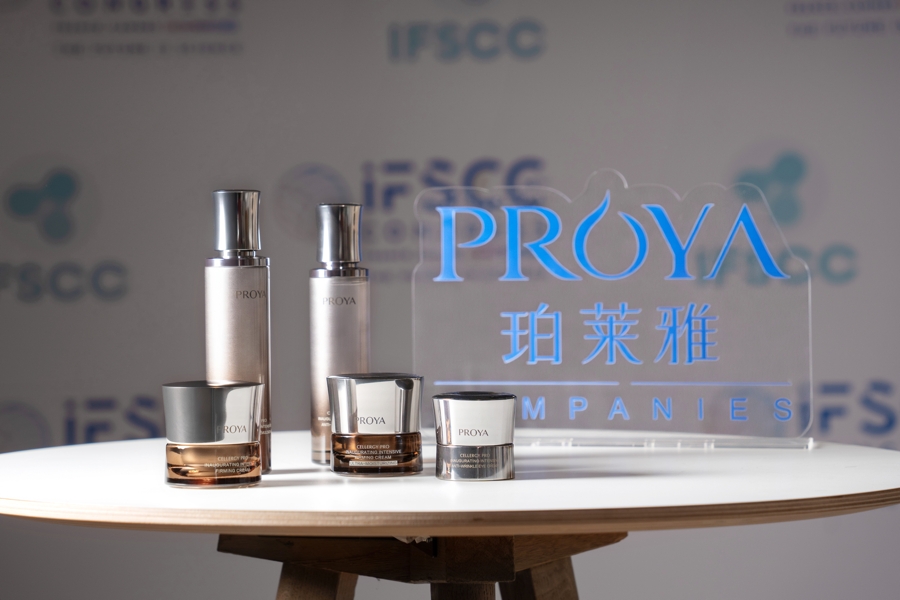
    China’s largest cosmetics firm, Proya Cosmetics, is preparing to enter the United States market through a partnership with Ulta Beauty. The collaboration will see two of Proya’s product lines distributed across 400 Ulta retail locations and its online platform, marking a significant step in the company’s international expansion strategy.

    This initiative comes as Proya faces intense competition within its domestic Chinese market, prompting the company to seek growth opportunities abroad. While Chinese beauty brands rarely achieve mass distribution in Western markets, this partnership with Ulta represents a notable effort to penetrate a major retail channel.

    Strategic International Expansion

    The move into the US follows Proya’s successful test of a similar business model in Southeast Asia. In April, the Hangzhou-based company signed an agreement with Guardian, Malaysia’s leading beauty and personal care chain. This deal has made Proya’s flagship products gradually available in more than 200 Guardian brick-and-mortar stores across Malaysia, demonstrating a phased approach to international market entry.

    Proya’s focus on international and multi-brand expansion is evident in its recent acquisitions, including a 51% majority stake in the popular brand Flower Knows for approximately €45 million. Despite these strategic moves, Proya Cosmetics reported operating revenue of 10,597 million yuan (about $1.5 billion) in fiscal year 2025, a slight year-over-year decline of 1.68%. This dip highlights the pressures within China’s beauty sector and the need for new growth avenues.

    Implications for Asian Beauty Brands

    The partnership between Proya and Ulta is unusual. Historically, Chinese beauty brands like Florasis and Flower Knows have found success in Western e-commerce channels but have struggled to secure significant market share against established players such as L’Oréal or Estée Lauder in physical retail. Proya’s direct entry into mass distribution via Ulta could set a new precedent for how Asian beauty brands approach Western markets.

    For Asian retailers and investors, this development signals the increasing maturity and ambition of Chinese consumer brands. It also underscores a broader trend where companies from the Asia-Pacific region are actively pursuing global expansion to diversify revenue streams and build brand recognition beyond their home territories. Such collaborations demonstrate a growing receptiveness in Western retail to products and brands originating from Asia, potentially paving the way for more partnerships of this nature.

  • C-Beauty Brands Accelerate Global Expansion with State Support, as K-Beauty Shifts Focus

    C-Beauty Brands Accelerate Global Expansion with State Support, as K-Beauty Shifts Focus

    Chinese cosmetics companies are significantly accelerating their global expansion, backed by a thriving domestic market and increasing institutional support from Beijing. This surge sees major C-beauty players establishing a strong presence in international markets, shifting the competitive market for beauty brands in Asia and beyond. This aggressive push comes as South Korean beauty brands, or K-beauty, are experiencing a decline in their long-standing dominance within the Chinese market, prompting them to explore new growth regions.

    Chinese Beauty’s Global Offensive

    Proya, China’s largest cosmetics firm, is making a significant move into the US brick-and-mortar retail sector. Following its initial online sales success, Proya is partnering with Ulta Beauty to introduce two of its skincare lines across approximately 400 stores and Ulta’s online platform starting in November. This expansion is part of Proya’s ambitious “Double-Ten” plan, aiming to become one of the world’s top ten cosmetics companies within the next decade. The company has also bolstered its offline network in Southeast Asia, including a major campaign with Guardian in Kuala Lumpur, and acquired a 51% stake in color cosmetics brand Flower Knows, which already operates in markets such as the US, Japan, South Korea, and Southeast Asia.

    Other Chinese brands are also aggressively pursuing international growth. Florasis is using traditional Chinese aesthetics to enter premium markets in Japan and Europe, initially through online channels like Amazon, Shopee, and Lazada, before moving into upscale physical retail. Judydoll built its international customer base via Shopee and TikTok Shop, then accelerated its offline presence, including entry into about 12,000 FamilyMart stores in Japan, becoming the first Chinese color cosmetics brand in that country’s convenience-store channel. Perfect Diary, under Yatsen Holding, quickly became a leading online cosmetics brand across Southeast Asia via Shopee and has expanded its global platform through acquisitions of European brands Galénic and Eve Lom, with plans for further supply-chain integration and overseas market expansion.

    Domestic Strength and Government Backing

    The robust performance of the Chinese domestic cosmetics market is a key enabler for this international expansion. Chinese companies have developed economies of scale, brand recognition, and product expertise at home, providing a strong foundation for global ventures. Despite a broader economic slowdown, China’s cosmetics retail market showed significant growth, with sales reaching approximately $4.20 billion in July, a 6.8% year-on-year increase. Cumulative sales from January to July rose 6.3% to about $40.16 billion, significantly outpacing overall retail sales growth. This strong momentum has been highlighted by the Ministry of Commerce and the China National Commercial Information Center, classifying cosmetics as a consumption-upgrade product with strong demand.

    The Chinese government is actively supporting the domestic cosmetics industry. The National Medical Products Administration (NMPA) recently issued new regulations aimed at promoting innovation and high-quality development. These changes simplify licensing and registration processes for new products, including exemptions from certain toxicity tests and reduced requirements for submitting product documentation. Companies can now reuse existing test data when shifting production locations and choose their own efficacy assessment methods for certain claims, reducing regulatory hurdles and fostering a more agile environment for product development and market entry.

    K-Beauty’s Strategic Re-evaluation

    As Chinese beauty brands gain momentum, the long-standing influence of K-beauty in China is diminishing. South Korean cosmetics giants like Amorepacific (Sulwhasoo, Laneige, Innisfree) and LG Household & Health Care (The History of Whoo) once thrived on the Korean Wave and demand from Chinese tourists and daigou resellers, with China accounting for 53% of South Korea’s cosmetics exports in 2021. However, boycotts, reduced exposure to Korean pop culture, and the impact of the COVID-19 pandemic on duty-free sales have significantly weakened K-beauty’s position. Chinese domestic brands, bolstered by social media marketing and patriotic consumption, have effectively filled this void.

    This shift has prompted a strategic recalibration for South Korean firms. Amorepacific’s sales in Greater China fell 27% year-on-year in 2024, with its Americas sales surpassing China for the first time. Similarly, LG Household & Health Care’s North American sales surged 47.3% to approximately $147 million in the second quarter, exceeding its China revenue of about $126 million. Both companies are now focusing on profitability in their Chinese operations while diversifying their growth strategies across markets like the United States, Europe, and Japan. RetailNews Asia has observed similar moves by other regional players, as companies seek to de-risk their reliance on single markets and build more resilient global portfolios.

  • K-Beauty Retail Sector in South Korea Undergoes Rapid Transformation

    K-Beauty Retail Sector in South Korea Undergoes Rapid Transformation

    South Korea’s K-beauty retail sector is currently undergoing a swift transformation, moving away from its traditional reliance on heavy discounting towards new and diverse sales channels, including pharmacies. This shift signals a broader evolution in how beauty products are distributed and purchased across the country.

    New Retail Channels Emerge

    The established model of beauty retail, which frequently featured steep price reductions and promotions, is being re-evaluated. Retailers are now exploring alternative strategies to reach consumers and differentiate their offerings. Pharmacies, traditionally not primary points of sale for cosmetic products, are emerging as a significant new frontier for K-beauty brands. This expansion into health-focused retail spaces suggests a potential alignment with consumer demand for efficacious and scientifically backed beauty solutions, or simply a strategic move to increase accessibility and visibility.

    Adapting To Market Dynamics

    The rapid changes in the K-beauty market indicate a need for brands and retailers to adapt quickly to evolving consumer preferences and competitive pressures. By diversifying their sales points beyond conventional beauty stores and online platforms, companies can tap into new customer segments and enhance convenience. This strategic pivot underscores a dynamic retail environment where innovation in distribution is key to maintaining market relevance and growth.

    Questions & Answers

    What is the primary change occurring in South Korea’s K-beauty retail sector?
    The K-beauty retail sector in South Korea is rapidly changing, shifting away from its traditional reliance on heavy discounts and expanding into new sales channels, including pharmacies.

    Which new sales channel is gaining prominence for K-beauty products?
    Pharmacies are emerging as a significant new retail channel for K-beauty brands, indicating a diversification of distribution strategies.

    What does this shift signify for K-beauty retailers and brands?
    This transformation suggests that K-beauty retailers and brands are adapting to evolving consumer preferences and market dynamics by exploring new ways to reach customers and maintain relevance.

  • Asia’s War-Driven Price Surge: From Instant Noodles to Cosmetics, Consumers Brace for Impact

    Asia’s War-Driven Price Surge: From Instant Noodles to Cosmetics, Consumers Brace for Impact

    As the conflict in Iran intensifies, both consumers and businesses across Asia are bracing for a potential crisis. The war is causing a squeeze in oil and plastics supplies, leading to an increase in prices on a broad range of products, from ramen noodles to cosmetics.

    Impact on Plastic Industries

    Choi Gun-soo, manager of a 57-year-old South Korean factory producing plastic films, gives an insight into the harsh realities of the situation. The factory, which caters to farmers for crop coverage and television manufacturers, is dealing with a substantial hike in raw material prices and shortages. Some suppliers have escalated prices by as much as 50%, while others have completely run out of stock. The next couple of weeks are likely to be critical; if the shortage of raw materials continues, it will force a systematic shutdown of the machinery.

    While the company has previously managed to survive oil shocks and the Covid-19 pandemic, the current crisis due to the Iran war is unparalleled. Choi shares that they have reduced their production to merely 20-30% of the regular output, marking the first time they have been hit this severely.

    The Strait of Hormuz: A Key Factor

    A vital cog in the supply chain disruption is the Strait of Hormuz, a narrow water channel off Iran’s southern coast. Around one-fifth of the world’s oil and liquefied natural gas usually passes through this strait. Asia, which is heavily dependent on crude oil, gas, fuel, and fertilizer from the Middle East, is most susceptible to supply disruptions.

    Currently, the most critical shortages are in oil derivatives like naphtha, predominantly sourced from the Gulf and used in refineries across Asia to produce plastics and other petrochemicals. These materials are integral to almost every manufactured product.

    Soaring Prices

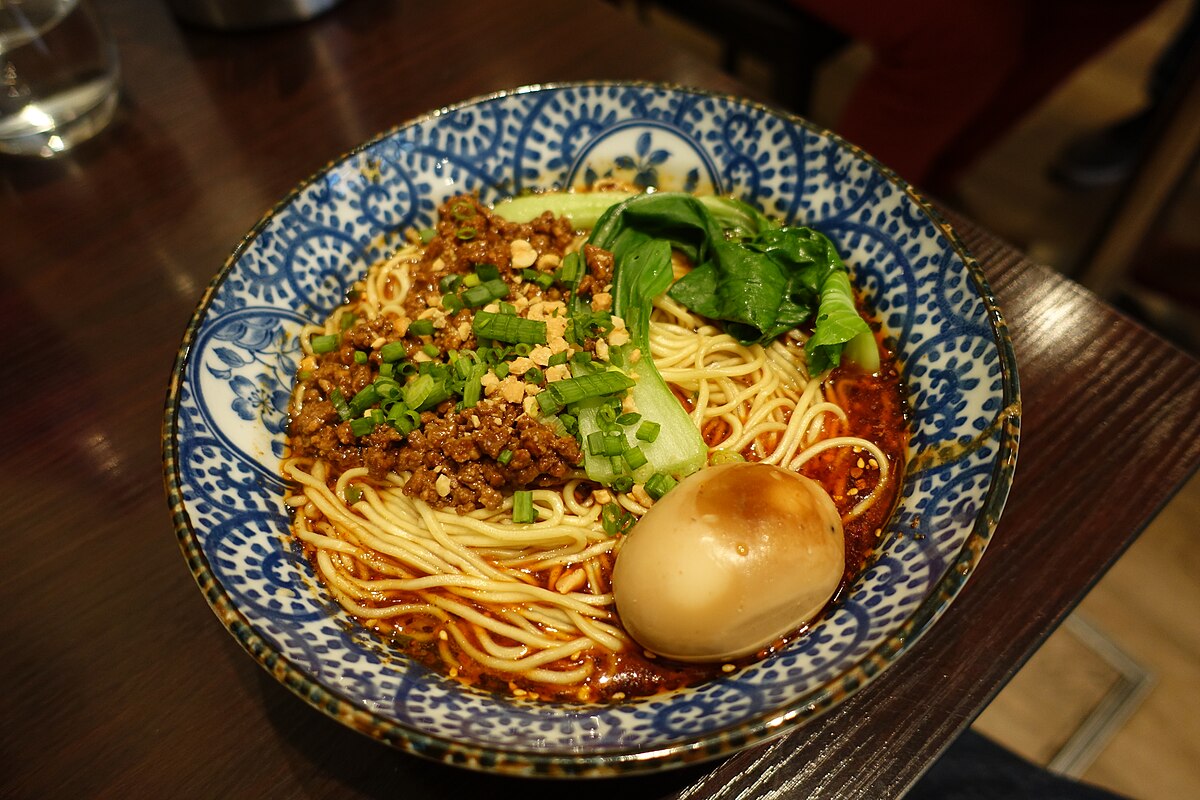
    Prices for essentials of modern life, including plastic and rubber, are reaching record highs. South Korea’s Samyang Foods, the manufacturer of the renowned spicy Buldak instant ramen noodles, warns of a potential shortage of packaging materials and increased costs due to the ongoing conflict.

    Rival ramen producer Nongshim is preparing for the possibility of prolonged warfare by maintaining two to three months’ worth of packaging material inventory.

    The Cosmetic Industry’s Struggle

    Yonwoo, a container producer for L’Oreal and K-beauty firms like Amorepacific, is scrambling to secure stocks of plastic resin, a key material in manufacturing pots used for skincare and cosmetics. The company fears little visibility on material supply beyond June.

    Global Impact

    The conflict has instigated fuel shortages worldwide, with businesses ranging from airlines to supermarkets and used car dealers struggling with challenges such as rising costs, weakening demand, and disrupted supply chains.

    In Japan, department store operator Takashimaya has expressed concern that if the crisis persists, it could lead to price increases and supply issues spreading to clothing and household appliances.

    China’s Struggle with Raw Material Shortages

    China, the world’s largest synthetic rubber producer, is also feeling the strain. Shortages of naphtha, essential for synthetic rubber production, are impacting the supply chain and forcing manufacturers of goods like tires and gloves to consider raising prices or shifting to natural rubber.

    Effect on the Toy Industry

    Liu Chaonan, who owns a toy company that supplies to major U.S. retailer Walmart, revealed the escalating raw materials costs are taking a toll on the toy industry.

    Panic Buying due to Supply Concerns

    The crisis has also led to panic buying among consumers, resulting in them hoarding goods like garbage bags. With supermarkets reporting shortages and limiting purchases, consumers like South Korean student Ryu June-ho are buying in bulk in anticipation of price hikes.

    Questions & Answers

    What factors are contributing to the increased prices of goods in Asia?
    Increased goods prices in Asia are primarily due to the ongoing conflict in Iran, which is causing disruptions in oil and plastic supplies.

    How is the conflict in Iran affecting industries in Asia?
    The conflict is causing a crisis in various industries, including food, cosmetics, and manufacturing, due to increased raw material costs and supply shortages.

    How are consumers reacting to the escalating prices and supply shortages?
    Consumers are reacting with panic, leading to hoarding of goods such as garbage bags and ramen noodles in anticipation of further price increases and shortages.