Retail News CRM

Tag: cosmetics

  • Women arrested after massive haul of counterfeit cosmetics seized

    Women arrested after massive haul of counterfeit cosmetics seized

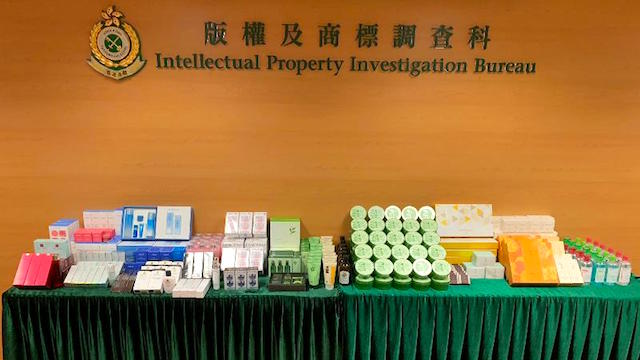
    Two women have been arrested for their suspected involvement in the importation and possession of a massive haul of counterfeit cosmetics and perfumes.

    The women, aged 21 and 23, are reported to have been in possession of more than 16,000 fake products with an estimated street value of more than SG$800,000 (US$577,360).

    On July 25, Singapore Customs inspected a consignment of more than 200 pieces of perfume and cosmetic products believed to be counterfeits, and subsequently referred the case to the Criminal Investigation Department (CID).

    During a 19-hour operation conducted on August 6, CID officers mounted raids at Tampines North Drive and Sunview Road, resulting in the arrests. Preliminary investigations revealed that these counterfeit products bearing falsely applied trademarks would be sold on online platforms. Investigations are ongoing.

    A statement issued by the Singapore authorities stated that Singapore takes a serious view on intellectual property rights infringements and will not hesitate to take action against perpetrators who show blatant disregard for the law.

    It said that anyone found guilty of importing, possessing or distributing goods with falsely applied trademarks for the purpose of trade may be fined up to SG$100,000 (US$72,165), or sentenced to five years in prison, or both.
  • Cosmetics, holiday season bouy China retail sales growth

    Cosmetics, holiday season bouy China retail sales growth

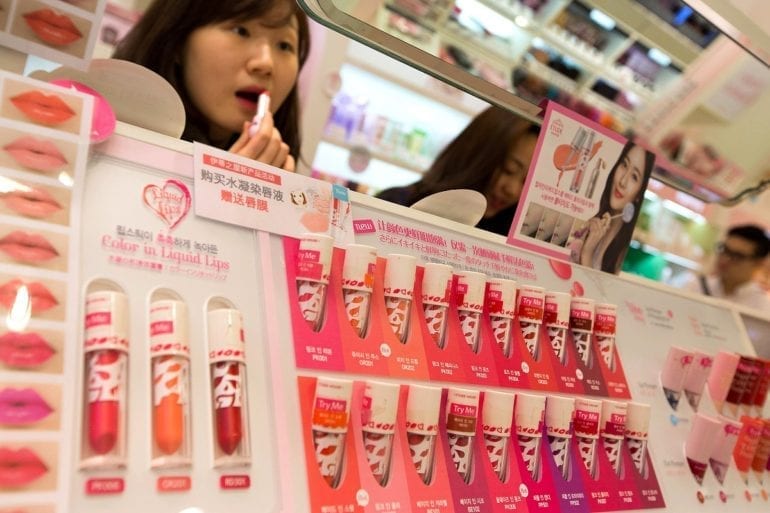
    The rate of China retail sales growth rose for the second consecutive month in May, buoyed by the holiday season.

    According to government data, retail sales rose 8.6 percent, which followed 8.3 percent growth in April and 7.2 percent in March.

    The strongest-performing categories were cosmetics, where sales rose by 16.7 percent, food up 11.4 percent, beverages up 12.7 percent, and daily goods, up 11.4 percent.

    The weakest categories included apparel and footwear, down 4.1 percent, and jewelry, down 4.7 percent.

    Despite efforts by the Chinese government to encourage consumers to upgrade home appliances, that sector remained subdued, growing at 5.8 percent in May and 6.4 percent year to date.

    The growth rate encouraged Jeffries Hong Kong equity analyst Summer Wang to express confidence in Chinese retail companies.

    “We stay bullish on function-led premiumization and content-driven consumption,” she said in a  research note.

    May’s China retail sales growth exceeded the consensus of analysts by about half a percentage point. Excluding inflation, the growth rate was estimated at 6.4 percent in May, following 5.1 percent in April.

    Urban sales rose 8.5 percent, while rural sales were up 9 percent.

    Sales of goods online grew by 21.7 percent in May and now account for 18.9 percent of total China retail sales.

  • Chanel Not For Sale

    Chanel Not For Sale

    Luxury fashion house Chanel has dispelled rumours it was planning a stock market listing after posting higher annual sales and profits on Monday.

    The company also announced it is not for sale.

    The French fashion label, owned by the Wertheimer family, said sales rose to nearly $11.1 billion (A$21.29 billion) in the year under the late designer Karl Lagerfeld who passed away last February.

    This is only the second time the luxury brand has publicly announced its results in its 109-year history.

    According to a CNBC report, Chanel’s chief financial officer Philippe Blondiaux had said the company was not for sale and has denied IPO claims.

    “We’ve got to live with the fact that we are one of the most desirable brands in the market,” Blondiaux said. “These rumours will unfortunately keep coming back on a regular basis.”

    “Chanel needs to remain independent, in order to have the freedom to make choices that go against the grain, such as no longer using exotic animal skins, or by harmonising prices.”

    The fashion house, which was founded by Coco Chanel in 1910, announced it saw a 12.5 per cent increase in its 2018 revenues to $11.12 billion, while net profits rose 16.4 per cent to $2.17 billion.

    The company has seen growth across all of its markets last year, led by Asia Pacific where sales increased 19.9 per cent. Sales in Europe rose 7.8 per cent and in the Americas 7.4 per cent.

    The report indicated strong demand from wealthy Chinese consumers both in Europe and overseas has fuelled higher sales and profits in the luxury industry, in spite of a trade dispute between the United States and China.

    Virginie Viard took over as Chanel’s new creative chief and delivered her first solo collection last month for the brand.

  • Bobbi Brown Sells on Lazada

    Bobbi Brown Sells on Lazada

    Bobbi Brown cosmetics is launching on Lazada Malaysia, Thailand and Singapore this week.

    The flagship stores on Lazada Singapore will see the largest online inventory of products – more than double the selection of the largest existing online distributor.

    Bobbi Brown said its partnership with Lazada will further its mission of bringing “high-touch educational experiences”. The flagship stores will provide consumers tips on selecting the right product for their needs and skin. Customers will also be able to seek advice from the brand’s beauty consultants through Lazada’s instant-messaging feature.

    A live-streaming event tomorrow on the Lazada app will involve makeup tutorials by local beauty influencers. Besides midnight flash sales, there will also be “live” exclusive deals and promotions shoppers can purchase in-app during the livestream.

    The partnership with Lazada will not just extend the reach of its range of products in Southeast Asia, but also to bring more innovative and immersive ways to share educational tips with a larger audience within the shopping experience, according to Bobbi Brown brand manager Yanny Li.

    Bobbi Brown is the fifth brand under Estee Lauder Companies to launch its e-commerce flagship store on Lazada.

  • The Loft heads to China with new store Opening

    The Loft heads to China with new store Opening

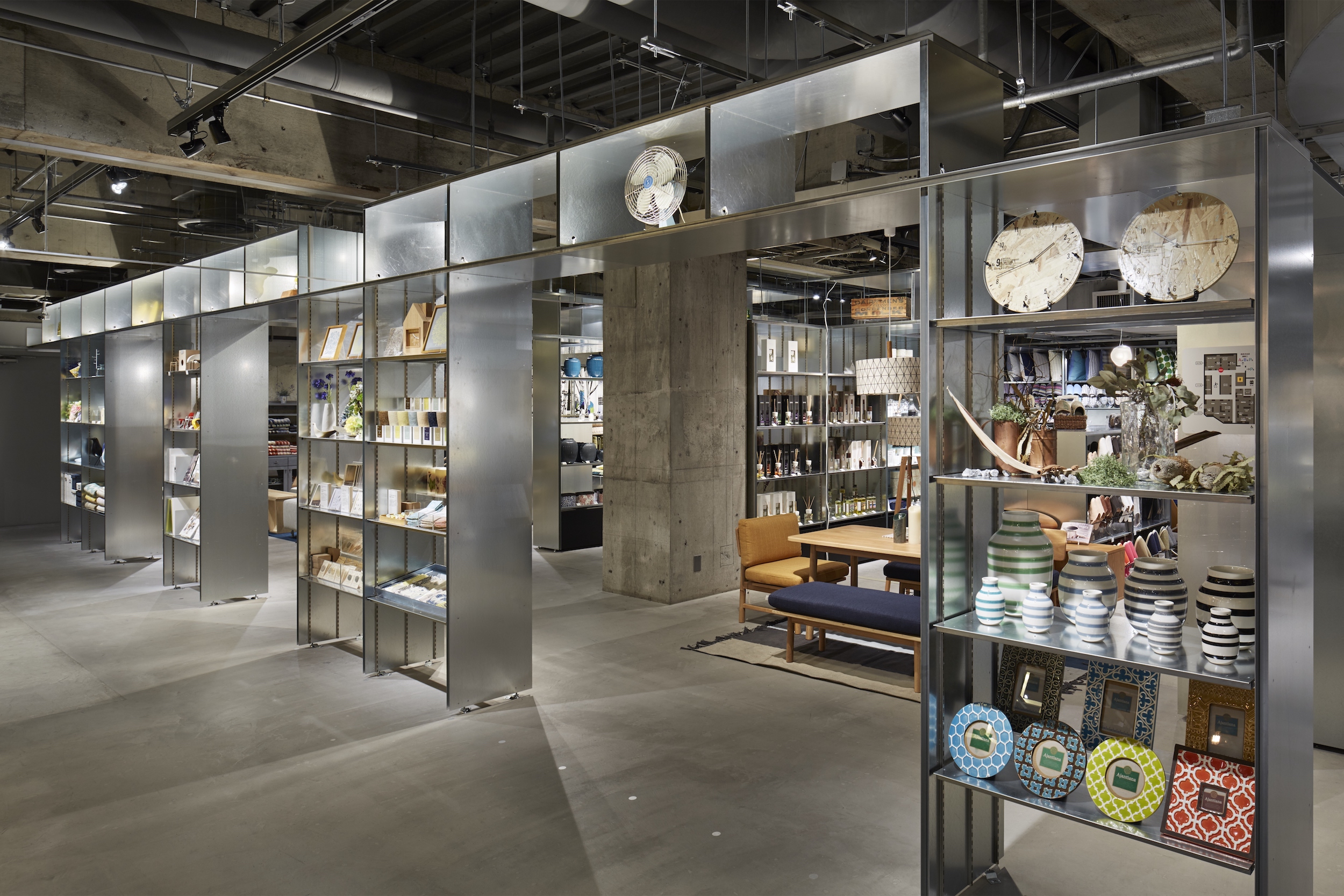
    Japanese household goods store The Loft is preparing to open a new store in China’s Chengdu with local superstore business Chengdu Ito-Yokado.

    The Loft holds a 90 percent stake in the new joint venture, which has registered capital of RMB45 million (US$6.54 million).

    Chengdu Ito-Yokado is a subsidiary of fellow Japanese general merchandise retailer Ito-Yokado, which has 14 stores in Chengdu and Beijing. The Loft entered discussions with the company to form a partnership while it was evaluating opportunities for a long-term corporate strategy in Mainland China. The new joint venture now paves the way for The Loft to prepare to open its directly managed stores in Chengdu and elsewhere in China.

    The Loft, which specializes in display and layout arrangements for household accessories, cosmetics, and stationery, is one of Japan’s largest retailers of household goods with more than 100 stores in Japan. It also has a presence in Thailand. As many Chinese tourists have been visiting Loft stores, particularly Shibuya Loft in the Tokyo metropolitan area, the firm believes its stores in China will be able to attract new local customers.

    The new store is expected to launch in spring next year.

  • Shiseido and AS Watson co-create skincare Beauty Line

    Shiseido and AS Watson co-create skincare Beauty Line

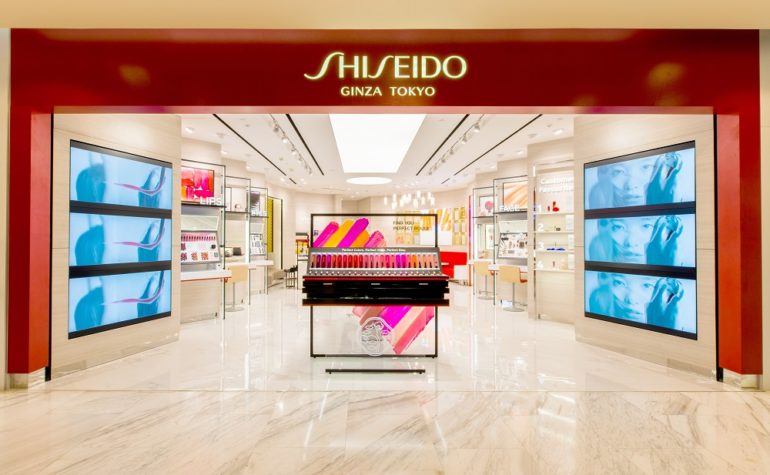
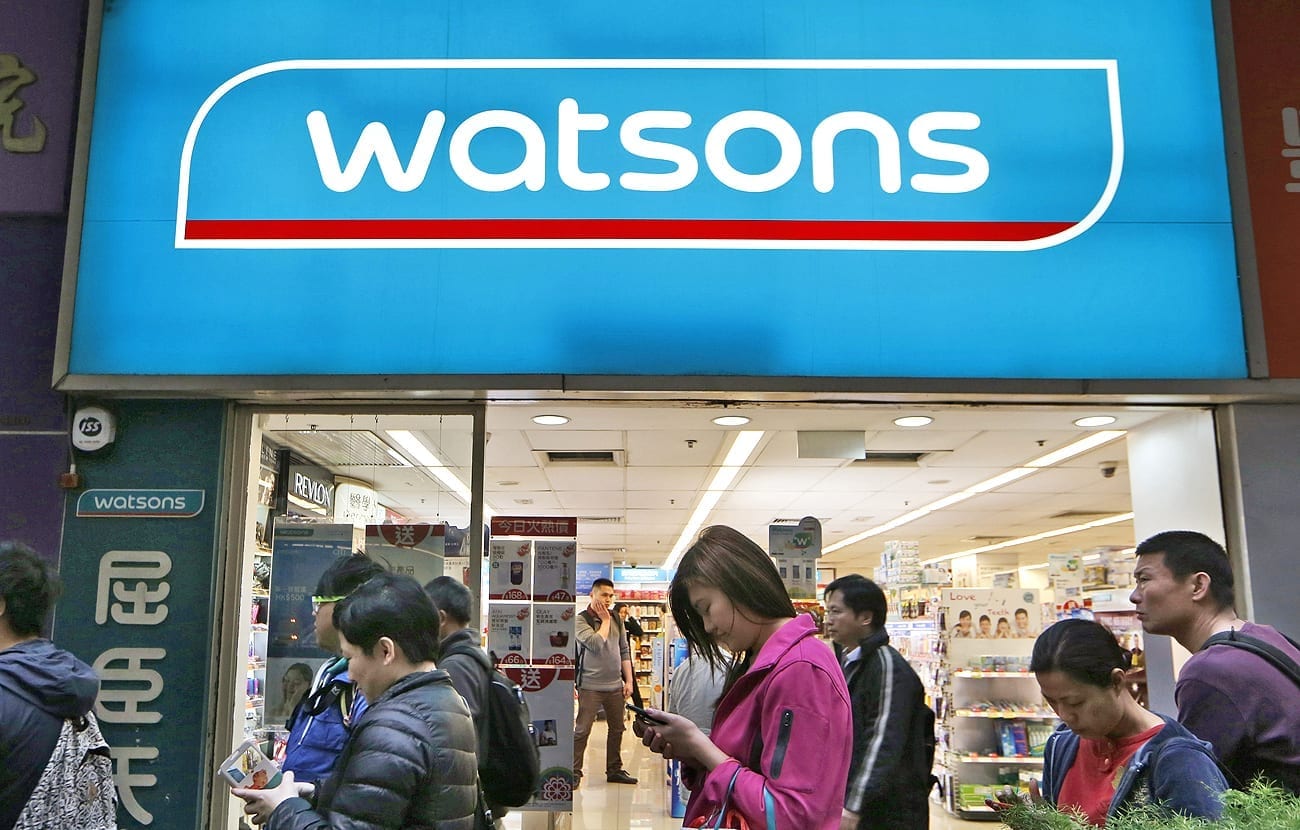
    Global cosmetics company Shiseido and AS Watson, the health & beauty retailer, have collaborated to co-create an exclusive derma skincare range under the “D Program” brand.

    The new Urban Damage Care range has been successfully launched in Thailand and Taiwan and will soon be launched in other Asian markets with Watsons stores.

    The collaboration is in response to a 24-per-cent growth in the derma skincare category in Asia since 2014. As more women are looking for effective derma skincare products, the online search for related topics grew by 117 per cent compared to last year.

    “AS Watson is the largest health and beauty retailer in the world that acts with speed, innovation and vision making them the perfect retailer to bring Urban Damage Care to the high street,” said Shiseido president and CEO Masahiko Uotani.

    “With AS Watson’s extensive distribution network and customer insight of the derma cosmetics category and Shiseido’s expertise in R&D and innovation, this has enabled us to co-create a range that supports our core values of putting the customers’ needs first while ensuring that it is accessible to customers.”

    The project kicked off with customer survey on a selected panel of Watsons members after Watson’s COO Malina Ngai visited Shiseido headquarters in Tokyo 18 months ago.

    “Combined with Shiseido’s 40 years of sensitive skin research and product development technology, we collaborated to develop the range that we believe will be best suitable for modern Asian females to improve their skin to defend against urban pollution,” she said.

    Following positive feedback from customers, “D Program” will be launched in China on 11 April.

  • Shiseido and Alibaba Collaborating to Please Chinese Customers

    Shiseido and Alibaba Collaborating to Please Chinese Customers

    Japanese cosmetics giant Shiseido on Sunday become the world’s first multinational cosmetic company to open a dedicated office in Hangzhou to work with Alibaba Group and co-create products specifically tailored for Chinese consumers.

    The Shiseido and Alibaba office, within walking distance of the Alibaba Xixi headquarters, will house a team of around 20 Shiseido employees by next year. The purpose is to tighten collaboration with Tmall, Alibaba’s B2C marketplace and better position Shiseido in China, said the makeup company’s China region CEO Kentaro Fujiwara.

    “China is Shiseido’s biggest and most-important market [outside of Japan]. By combining Alibaba’s strengths in digitisation and consumer engagement with Shiseido’s world-class standards in research and development, we can create products that can precisely capture the appetite of the Chinese consumer,” he said. “I hope this unprecedented collaboration will pave the way for further innovations for the entire [Shiseido] group.”

    According to Shiseido, its China business saw the fastest acceleration in 2018 with sales growth of 32.3 per cent year-on-year to RMB 11.6 billion (US$1.73 billion). China accounted for 17.4 per cent of Shiseido’s total net sales last year, making it the profitable country market, following its home market Japan. Shiseido said it expects e-commerce to generate 40 per cent of its China sales by next year.

    “Without a doubt, whether it be e-commerce or digital innovation, Alibaba is the leader. Alibaba is one of the most important strategic partners for Shiseido China as well as for the entire group,” said Fujiwara.

    Mike Hu, president of Tmall’s fast-moving consumer goods division, said Shiseido’s leadership position in the industry and its quick adaptation to digital transformation is a common value shared by Alibaba.

    “Our primary mission is to enable others, and we are always eager to work with the world’s leading companies to help them bring their best products into the China market in the most effective and efficient way. This definitely includes Shiseido, a reputable brand that is synonymous with high standard and high quality,” he added.

    “The opening of the Shiseido and Alibaba office represents an important and historical milestone of our long-term collaboration,” Hu said.

    One of Shiseido’s cosmetics brands, Za, opened a Tmall flagship store in September 2011. Since then, 12 flagship shops and 15 major brands also launched on the platform. Fujiwara said there is a plan to bring Shiseido’s mother-and-baby product brand into China later this year via Tmall.

  • Tmall targets 1000 online cosmetics stores this year

    Tmall targets 1000 online cosmetics stores this year

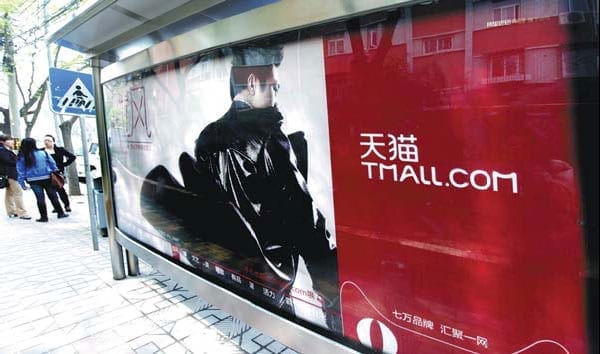
    Alibaba’s Tmall has announced that it expects international and domestic cosmetics brands to open 1000 online cosmetics stores this year to meet burgeoning demand from Chinese consumers. At its annual beauty summit, Tmall announced that seven international cosmetics companies have signed agreements to open flagship stores on Tmall this year. Another five beauty companies signed New Retail partnerships with Tmall during the summit, giving them a complete view of their customer base by integrating insights from digitised offline promotion activities and storefront information with online information.

    “We are honoured to be trusted by 180,000 brands on our platform, empowering them to accelerate their digital transformation and grow their business in China,” said Tmall president Jet Jing. “As China continues its consumption upgrade, more and more people from different age groups and geographic locations are willing to spend on high-quality beauty products. We are looking forward to working with more brands to address the opportunity.”

    Tmall’s sales of beauty products via its online cosmetics stores jumped by more than 60 per cent last year, surpassing the industry’s average growth rate. Online sales of cosmetics, skincare and personal care products grew by 46 per cent, 40 per cent and 37 per cent in China respectively last year, which was also ahead of the whole fast-moving consumer goods sector average of 34 per cent, according to a report jointly released by Tmall and retail market research firm Kantar during the summit.

    The report also highlighted the untapped potential in Generation Z. Aged between 15 to 19 years old, Generation Z female consumers are newcomers to the beauty market and are willing to spend more on high-end lipsticks than women in other age groups, representing an opportunity for cosmetics companies.

    Last year, some 80 per cent of Tmall brands chose the marketplace to launch new products, proof of the platform’s ability to identify new markets and demand. Two new emerging domestic beauty brands were among more than 30 beauty and personal care brands whose sales topped RMB 100 million (US$14.9 million) at last year’s 11.11 Global Shopping Festival.

    Also at the summit, Tmall showcased a one-stop solution, the Alibaba Business Operating System, as part of a new effort to help beauty brands succeed in China. The system helps brands digitally transform themselves in sales, logistics and supply-chain management, payment, marketing, cloud computing and other supporting services.

  • Coty sales, profit best estimates despite supply chain woes

    Coty sales, profit best estimates despite supply chain woes

    Coty Inc announced  its second-quarter results for fiscal 2019, confirming it expects to make in a net profit for the period, despite overall sales taking a dive and supply chain issues. The New York-based cosmetic and luxury fragrance company said net revenues for the second quarter came in at $2,511.2 million, for a decrease of 4.8%, while like-for-like revenues grew 0.7%.

    The company said it was helped by higher sales in its luxury segment, with strong holiday demand for the Gucci, Marc Jacobs and Burberry brands.

    That said, the maker of luxury perfumes recorded a net loss of $960.6 million compared to $109.2 million in the prior-year.

    Adjusted net income was $181.9 million, a decline of 23%, “driven by the lower adjusted operating income and the $41.8 million positive foreign tax settlement in the prior year,” said Coty in press release.

    Excluding certain items, the company earned 24 cents per share, topping expectations of 22 cents, and sending its shares up 20%

    “I must stress that while we are confident that we can return Coty to a path of sustainable growth, we are also realistic that it will take time to achieve this outcome,” Coty’s recently appointed Chief Executive Officer Pierre Laubies, said in a statement.

    Revenues in Asia, Latin American, the Middle East and Africa (ALMEA) totalled $567.4 million, to make up 23% of total revenues. Coty said the region showed solid growth despite impacts from supply chain disruptions. Revenues decreased 5% as reported, but grew 4% LFL, fuelled by strong growth in Luxury and Professional Beauty.

    However, Coty’s consumer beauty Max Factor declined in China.

    North America revenues were unchanged at $742.2 million, or approximately 29% of total net revenues, while Europe remained Coty’s largest market, accounting for close to half of company revenues at $1,201.6 million, down just 1% on last year.

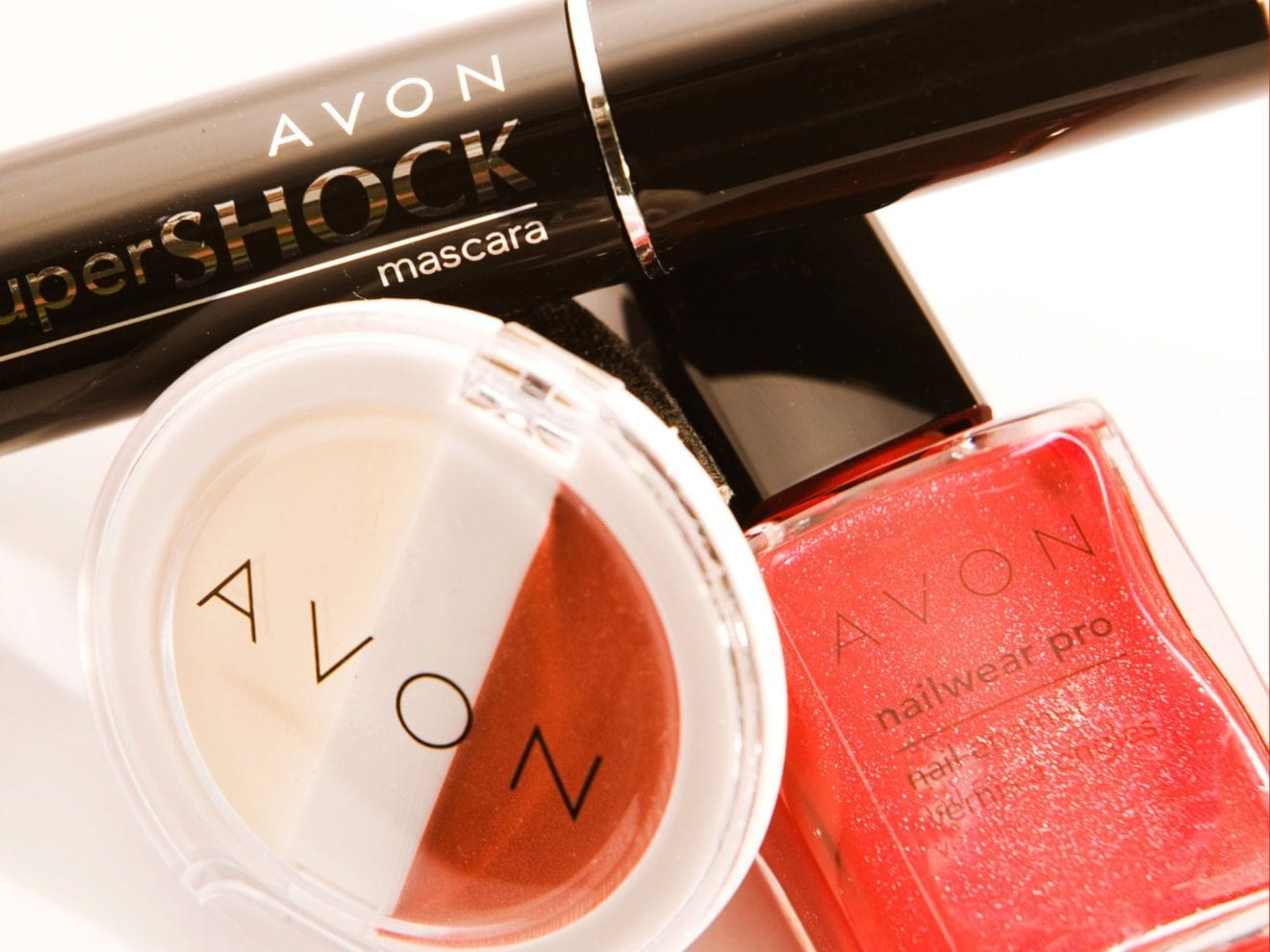
  • Avon 2018 sales dip, culls sales reps globally

    Avon 2018 sales dip, culls sales reps globally

    Avon reported its fiscal 2018 results earlier in the month, saying revenues declined as the beauty giant continued to cull it sales representatives across the globe. The London-headquartered company said total revenue decreased 2% for the twelve months, while like-for-like revenues decreased 3% in constant dollars. The number of Active Representatives declined 5% with decreases reported in all segments, said Avon, with Ending Representatives declining 8% with decreases reported in all segments.

    On a positive note, Avon’s average order increased 10%, while on a like-for-like basis, average orders increased 2%, primarily driven by increases in South Latin America, North Latin America and Asia Pacific, said Avon in a press release.

    Avon reinforced the positives of its “Open Up Avon” strategic plans, addressing falling levels of its representatives.

    “We are in the initial stages of our turn-around plan with fourth-quarter results showing sequential improvement in revenue trends in 4 of our top 5 markets, as well as some early signs of progress against our core strategies,” said Avon’s CEO, Jan Zijderveld.

    “As we look over the course of 2018, we are seeing tangible signs of increased productivity by our Representatives, with sequential increases in Average Representative Sales, Net Price Per Unit and e-commerce.”

    Avon made several cost-reducing decisions in 2018, including the announced sale of its China manufacturing facility. The cosmetic giant more recently announced its intention to reduce the global workforce by an additional 10% in 2019, on top of its already completed 8% reduction in 2018.

    “We have begun to identify repeatable business models in training and recruiting, while reducing our cost structure and taking steps to simplify our business infrastructure,” added Zijderveld.

    Avon reported a diluted loss per share of $0.10. Like-for-like diluted earnings per share was $0.01, compared with $0.06 for 2017.

  • CIMB partners SimplySiti on halal beauty biz

    CIMB partners SimplySiti on halal beauty biz

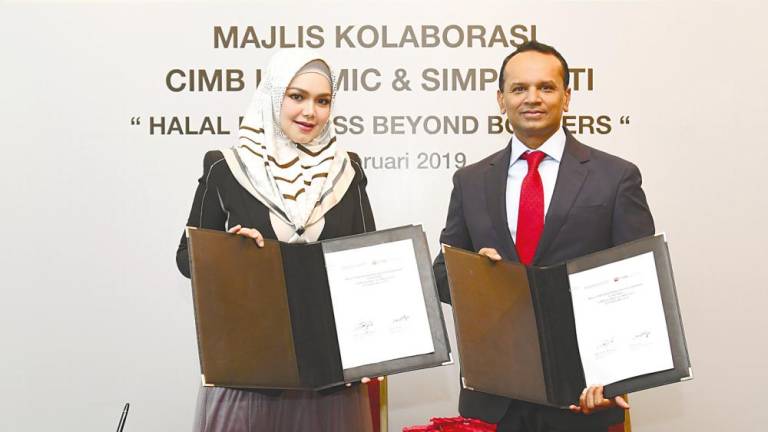
    CIMB Islamic Bank Bhd and local beauty brand SimplySiti have announced a collaboration that will see CIMB Islamic enabling SimplySiti to expand its halal beauty care business beyond Malaysian borders. The homegrown brand will also leverage the end-to-end support of the CIMB-Asean Halal Corridor and CIMB’s strong regional network, to meet the demand for quality halal beauty, cosmetics and skincare products across the region.

    CIMB Group Islamic banking CEO Rafe Haneef said for any homegrown business and SME, opportunities for growth are aplenty but the challenge is always on how to scale up.

    “This is where CIMB Islamic’s expertise, the CIMB-Asean Halal Corridor and CIMB’s regional network provide a strong value proposition to our customers. Through this collaboration, we are excited to facilitate SimplySiti’s move into its next growth phase by reaping the vast halal business opportunities within Asean,” he said.

    The CIMB-Asean Halal Corridor is an enhanced trade network linking halal businesses with trade infrastructure and ecosystems across Asean to take advantage of increasing demand for halal products in the region and beyond.

  • Men make-up driving K-beauty boom

    Men make-up driving K-beauty boom

    Men wearing makeup – once a practice unique to TV stars and celebrities – is becoming a part of popular culture in South Korea. As an increasing number of South Korean men are purchasing clothes, cosmetics, and other beauty products to take care of their looks, cosmetics goods for men are expanding both in terms of variety and sales. Olive Young, a major South Korean cosmetics store, said sales of cosmetics for men increased by 30 per cent last year compared to the year before.

    Cosmetics for men are going beyond BB creams and cushions to include coloured lip balms, eyebrow products, concealers and eyebrow-hair scissors.

    A coloured lip balm for men, for instance, has seen sales skyrocket 16-fold over the last two years, according to Olive Young. Sales of makeup cushions and BB creams have increased by 30 per cent as the number of men wearing make-up burgeons.

    Drawing eyebrows, once a practice unique to women, is now spreading among men, as seen by the fact that sales of eyebrow products for men have increased by 25 per cent over the last two years.

    An increasing number of eyebrow-hair scissors, nipple bands, and body hair removers are being developed for men as well.

    “Makeup is now becoming a tool to express one’s confidence, leading to increased demand for various cosmetic products for men,” said Olive Young.

  • Armani’s pop-up opens in Thailand

    Armani’s pop-up opens in Thailand

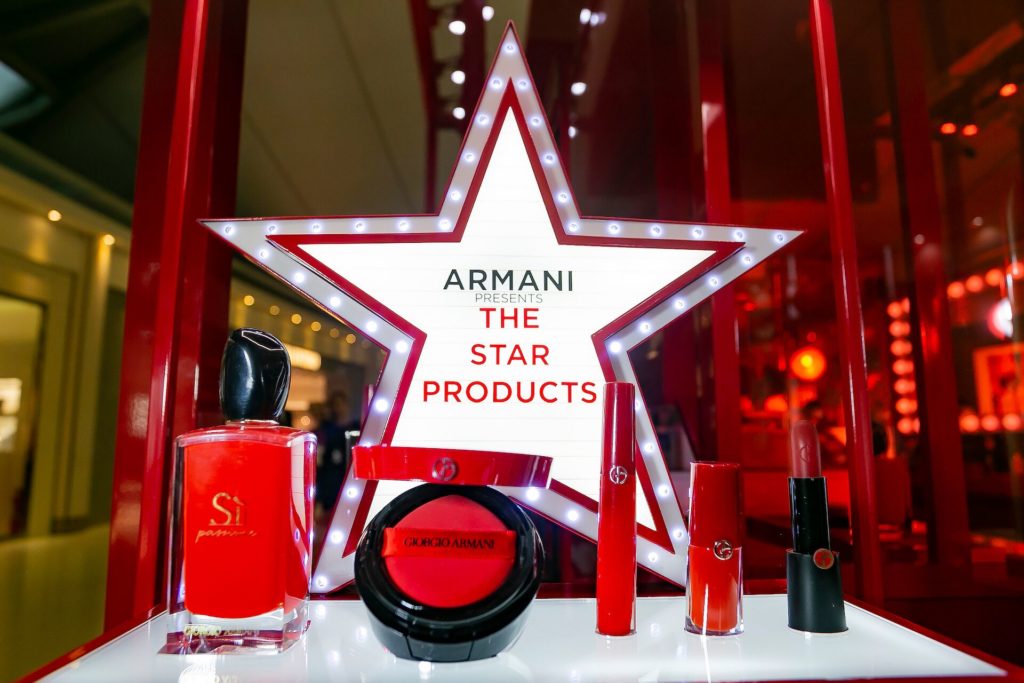
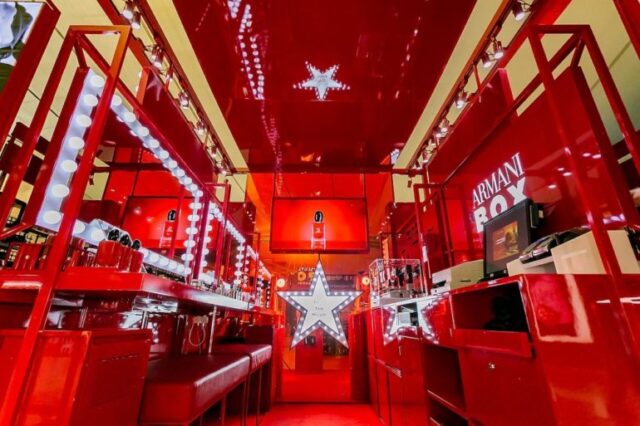
    Giorgio Armani beauty announces the opening of its itinerant pop-up store ARMANI BOX in Bangkok Suvarnabhumi Airport in Thailand. The opening of ARMANI BOX BANGKOK was celebrated on February 11th with a ribbon-cutting ceremony and an exclusive event in the presence of influencers from Thailand and China. During the event, the design of ARMANI BOX BANGKOK was revealed: with its hot red walls and black lighting fixtures, it is full of surprises. A giant gorilla, Uri, welcomes visitors as they enter the store: created by Italian artist Marcantonio Raimondi Malerba, the full-sized golden gorilla is a replica of the black one that resides in Giorgio Armani’s home in Milan. “This resin gorilla is a gift that came from a movie set. He’s called Uri”.

    It is hard to think about Giorgio Armani without bringing cinematic images to mind. The new ARMANI BOX experience allows the visitor to become a movie star with a series of details to explore: from the Walk of Fame digital handprint, to the backstage makeup stations, as well as a red carpet indicating the way. Visitors can also film their very own screen test, entering a director’s booth and playing with their emotions; portrait photos and videos will be available to keep, share and post online.

    The ARMANI BOX is a sensorial and playful immersion in Giorgio Armani beauty’s universe. Visitors can discover product exclusives included a limited edition version of its new lip product Rouge d’Armani Matte #400, and personalize their products with engraving.

  • AS Watson to start selling Amorepacific

    AS Watson to start selling Amorepacific

    South Korean beauty group Amorepacific and AS Watson have expanded their partnership to cover Asia and Europe. The partnership will enable Amorepacific to increase its product presence through Watsons-owned stores and online. Before this, the two had already partnered to launch Amorepacific’s botanical skincare brand Mamonde, haircare brands RYO and Mise-En-Scene across Asia.

    “AS Watson and Amorepacific are both leading players in serving beauty customers. Our customers love Korean beauty products that bring not only innovation but also quality. This is what Amorepacific can provide,” said Malina Ngai, AS Watson Group COO.

    “Through this partnership, we are both passionate and committed to combining our knowledge and capabilities to bring the best products and shopping experience to our customers.”

    Saehong Ahn, president of Amorepacific Corporation and Malina Ngai, group COO of AS Watson Group sign the strategic partnership.

    President of Amorepacific Saehong Ahn said the group “looks forward to developing concrete plans that create synergy and is a win for both companies”.

    “Amorepacific will continue our efforts to expand accessibility for customers globally, and create novel experience for customers this year.”

    AS Watson Group has a store network of more than 14,900 stores under 12 retail brands in 25 markets. Included in that are about 6800 Watsons health and beauty stores in 12 markets in Asia and Europe.

    Core customer groups are relatively young, and K-beauty is experiencing 56 per cent compound sales growth since 2015, and gaining traction in Europe with last year’s growth at 122 per cent.

    Amorepacific is the leading beauty company in South Korea, with more than 70 years of experience in beauty and a wide brand portfolio.

  • Vietnamese women up makeup spending

    Vietnamese women up makeup spending

    More Vietnamese women are wearing makeup and spending more on makeup products, a new survey finds. The survey finds that Vietnamese women spend an average of VND300,000 ($13) on makeup products a month, with those with higher incomes spending even more. This number marks an increase of 5.4 percent from VND284,000 ($12.2) in 2016, says market research firm Q&Me, which carried out the survey.

    Women with higher incomes spend more on makeup products, the survey found. Those with an income of over VND20 million ($865) spend VND442,000 ($19) per month on average, while those with less than VND10 million ($433) spend just VND215,000 ($9).

    Over half, 51 percent, of the respondents said they apply makeup at least once a week, and 30 percent said they do so every day.

    The ratio of those who do not use makeup decreased from 24 percent in 2016 to just 14 percent this year.

    Women with higher incomes make up more often, the survey found. Forty-two percent of those who make more than VND20 million ($865) a month make up every day, while only 24 percent of those who make less than VND10 million ($433) per month do so every day.

    The most popular occasion to wear makeup is for a party, 87 percent of respondents said, followed by hanging out with friends (61 percent) and dating (52 percent).

    Skincare is the most used makeup product, with 73 percent of respondents saying they use it at least once a week.

    Lipstick is the most popular makeup item, carried by 88 percent of respondents whenever they go out of their homes.

    The time taken to make up has increased in recent years, the survey found. The ratio of respondents who make up in 10 minutes or less dropped from 51 percent in 2016 to 33 percent this year, while the percentage of those who take 11-30 minutes increased from 48 percent to 62 percent.

    Online shopping is the most popular way to buy makeup products, with 57 percent of respondents choosing this option, of whom 39 percent said they shop online every month.

    The main reason they shop online is convenience, 44 percent of respondents said, followed by better quality (43 percent) and good price (40 percent).

    The most frequent online shoppers of makeup products are women aged 23-29 with monthly incomes of over VND20 million ($865).

    Shopee as the most popular online shopping service, with 59 percent of respondents saying they have used it before, followed by Lazada (43 percent) and Facebook (40 percent).

    The survey polled 500 women aged 16-39 in Hanoi, Ho Chi Minh City and other localities.