Retail News CRM

Tag: cosmetics

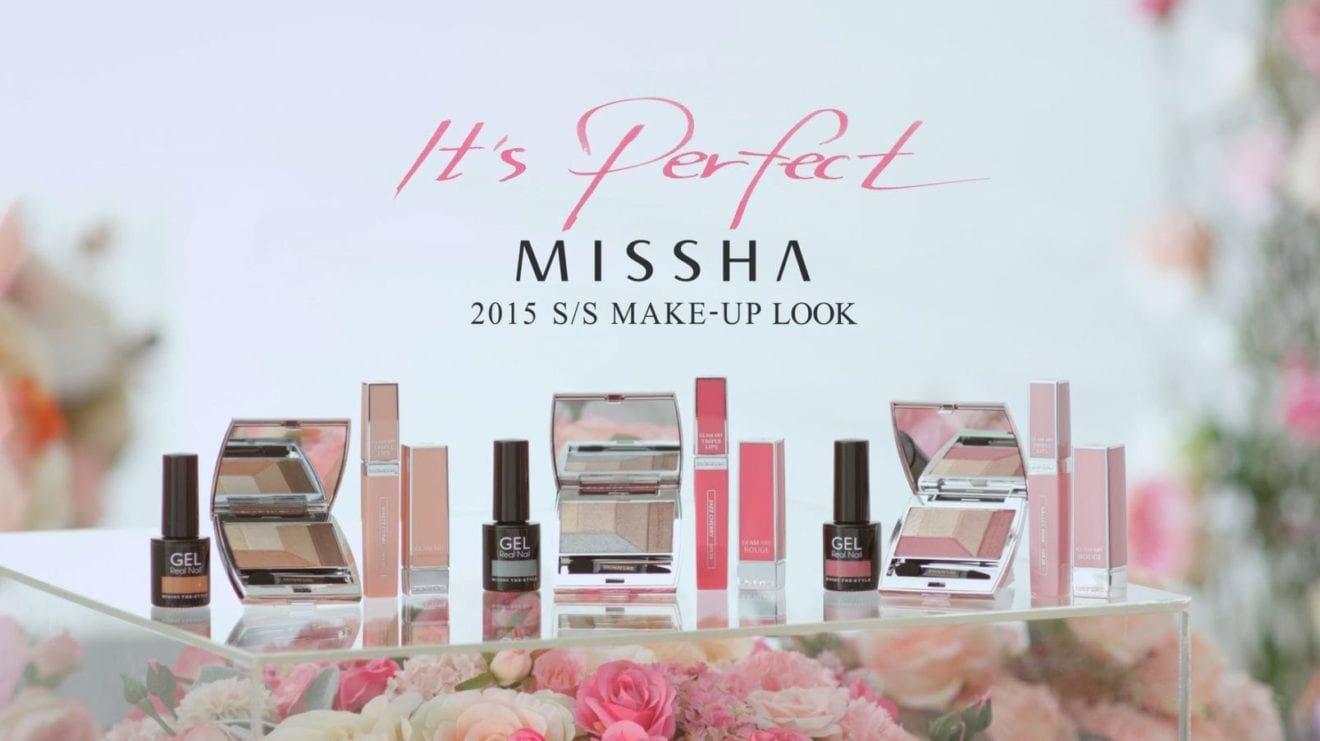
  • Missha expands in Vietnam

    Missha expands in Vietnam

    Korean cosmetics retailer Missha has opened its 15th retail store in Vietnam.

    The newest store, at Cach Mang Thang St in downtown Ho Chi Minh City, is located in a neighbourhood popular with tourists and locals.

    Besides its focus on Vietnam’s most populous city, Missha is expanding in other Vietnamese cities. In April it opened in the holiday resort of Danang

    Missha Korea has 1650 stores in 29 countries including about 110 in Southeast Asian markets including Indonesia, Thailand and Singapore.

    The company says it sold US$570,000 worth of products in Vietnam in the first half of 2015, up 32.5 per cent on the same time last year.

    The Korea Cosmetics Industry Institute predicts Vietnam’s cosmetics markets will grow by 17.5 per cent this year, making it the second fastest growing market in Asia, behind India.

    “With Missha’s main items of makeup cosmetics, including mascaras and BB creams, we will accelerate the market invasion in Vietnam,” said Lee Kwang-sup, chief manager of Missha’s overseas business unit.

    “As Missha has already been established as one of the most popular brands in the country, we will dominate the market in advance by actively expanding stores.”

  • Missha Hong Kong makes return

    Missha Hong Kong makes return

    Korean cosmetics retailer Missha is returning to Hong Kong.

    Some 20 Missha Hong Kong stores were shuttered around New Year’s Eve this year when the previous local retail partner collapsed.

    Now Missha has a new partner – DKSH (DiethelmKellerSiberHegner) – which will apparently help it build a new network.

    Missha entered Hong Kong in 2004, four years after its launch in Korea. But during the last two years it has faced tough competition from new rival brands, including Etude House and Nature Republic.

    Missha’s parent Able C&C said on Tuesday it had signed a contract with Swiss based DKSH Hong Kong giving it exclusive rights to promote Missha in the territory.

    The first two stores quietly opened on June 30 ahead of the formal announcement – counters in DKSH duty free stores in Causeway Bay and Tsim Sha Tsui.

    The following day a standalone store opened inside Yuen Long Plaza.

    DKSH has reached an agreement with Mannings to sell the products through 200 stores by the end of July and in 300 by the end of next year.

  • Louis Vuitton snaps up Singapore start-up

    Louis Vuitton snaps up Singapore start-up

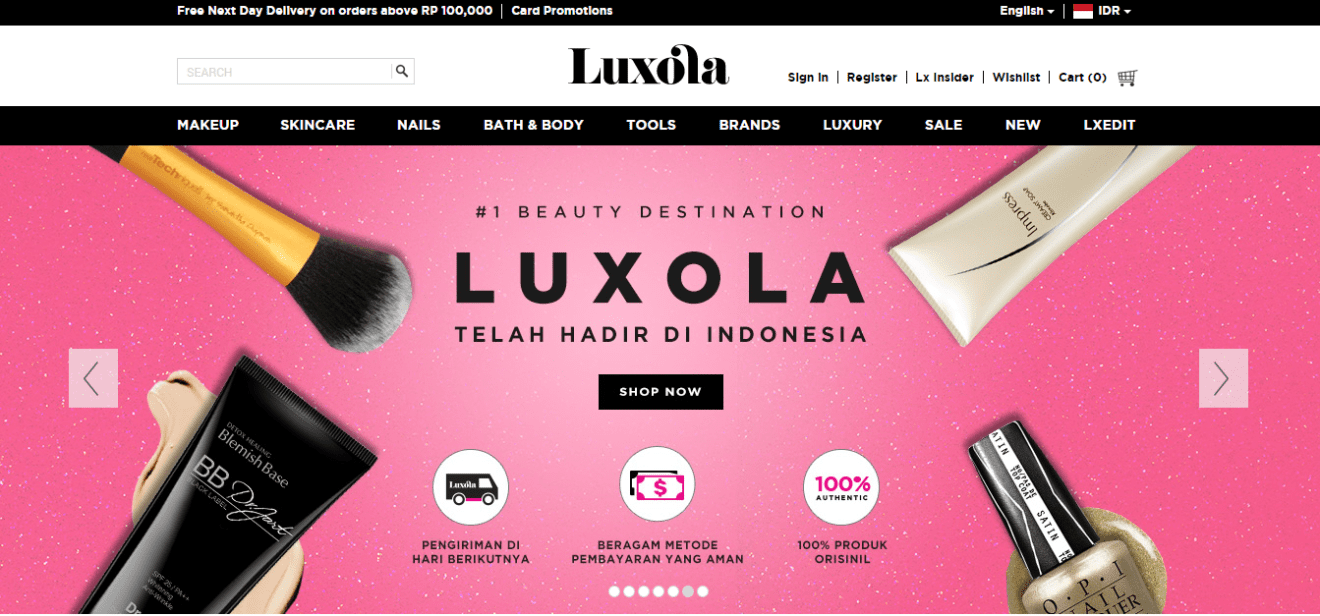
    Louis Vuitton has bought Singapore online cosmetics retailer Luxola and LVMH’s subsidiary Sephora has made a further investment in the business.

    Few details of the transactions have been revealed, including the size of the investments, howeverCrunchbase reports Luxola raised US$15.6 million in four earlier rounds of venture funding.

    Luxola was launched in 2011 by Alexis Horowitz-Burdick, has a staff of 120 and sells a wide variety of beauty products and accessories under 250 brands in 11 markets.

    Horowitz-Burdick, now Luxola CEO, said Sephora’s investment would allow the founders to take the company’s vision further.

    “With greater market reach and brand depth, we will offer an unparalleled customer experience.”

    Sephora Asia president Anne-Veronique Bruel said investing in Luxola gave her brand the opportunity to accelerate Sephora’s growth in Asia and penetrate the growing online beauty market.

    “We are thrilled to welcome Luxola to the Sephora family.”

  • Tonymoly China launch marks big’s subsequent international leap

    Tonymoly China launch marks big’s subsequent international leap

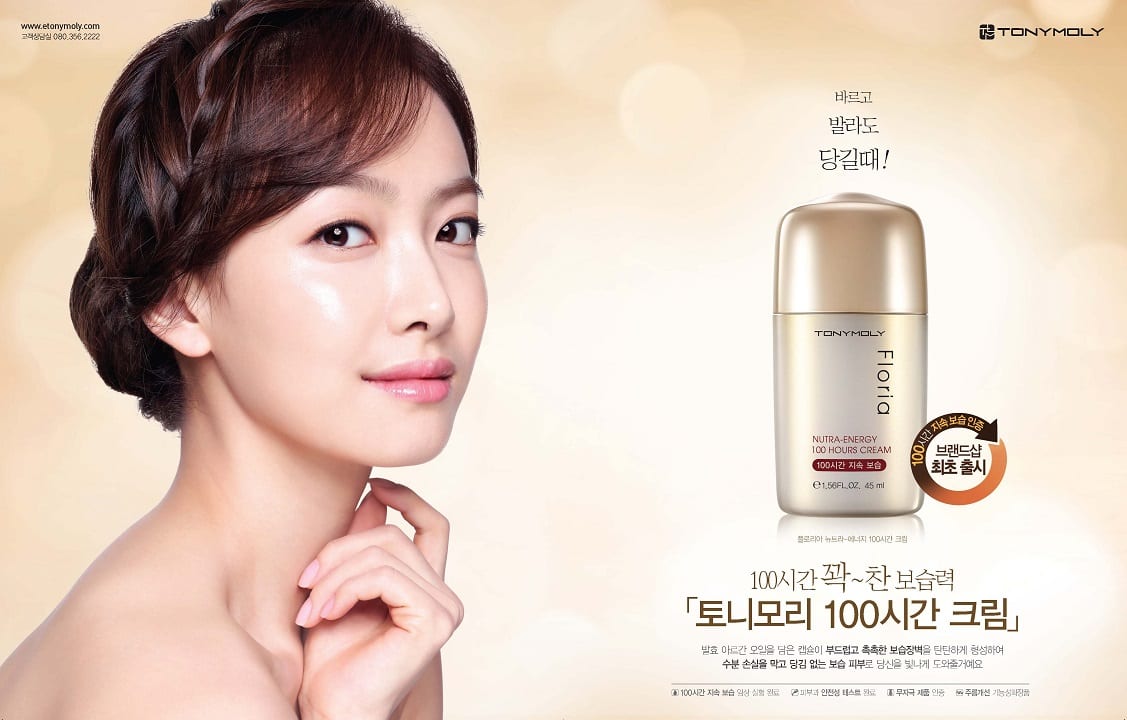
    South Korean beauty maker Tonymoly says it’ll increase its funding in China after a market debut subsequent month, to faucet deeper into the fast-growing magnificence market.

    Tonymoly, Korea’s seventh-largest beauty model by 2014 gross sales, has posted double-digit progress since its institution in 2006 and has about 1800 outlets in 20 nations, together with Hong Kong, the US and Russia.

    Buoyed by strong gross sales, Tonymoly China is getting ready for its debut on July 10, pledging to broaden funding in China driving the ‘Okay-beauty growth’.

    “China has an enormous progress potential. We’ll maximise the expansion potential by immediately getting into the Chinese language market, which has turn out to be the corporate’s second home market,” CFO Hong Hyun-ki stated in a briefing.

    “We’ll construct factories in China to supply quite a lot of beauty manufacturers and open model outlets throughout the nation utilizing the fund from the general public providing.”

    Tonymoly logged 305.2 billion gained (US$275.four million) in gross sales final yr, with 11.four per cent coming from obligation free outlets and shops in Myeongdong, which closely depend on Chinese language shoppers.

    Tonymoly has provided to promote its shares between 26,400 gained and 30,200 gained per share, which might increase between 77.6 billion gained and 88.eight billion.

    A rising variety of Korean beauty companies are eyeing the worldwide market because the home market has turn into saturated and progress has been slowed resulting from fierce competitors and rising advertising prices.

    Whereas native companies discover it more durable to enter European and American markets, they’ve gained big reputation amongst Chinese language shoppers who love Okay-pop stars and are wanting to mimic their types.

    China’s cosmetics market is the world’s third-biggest market value $26 billion a yr, international market researcher Euromonitor stated, anticipating it should develop eight per cent annually from now to 2017.

  • Sa Sa gross sales up, revenue trimmed

    Sa Sa gross sales up, revenue trimmed

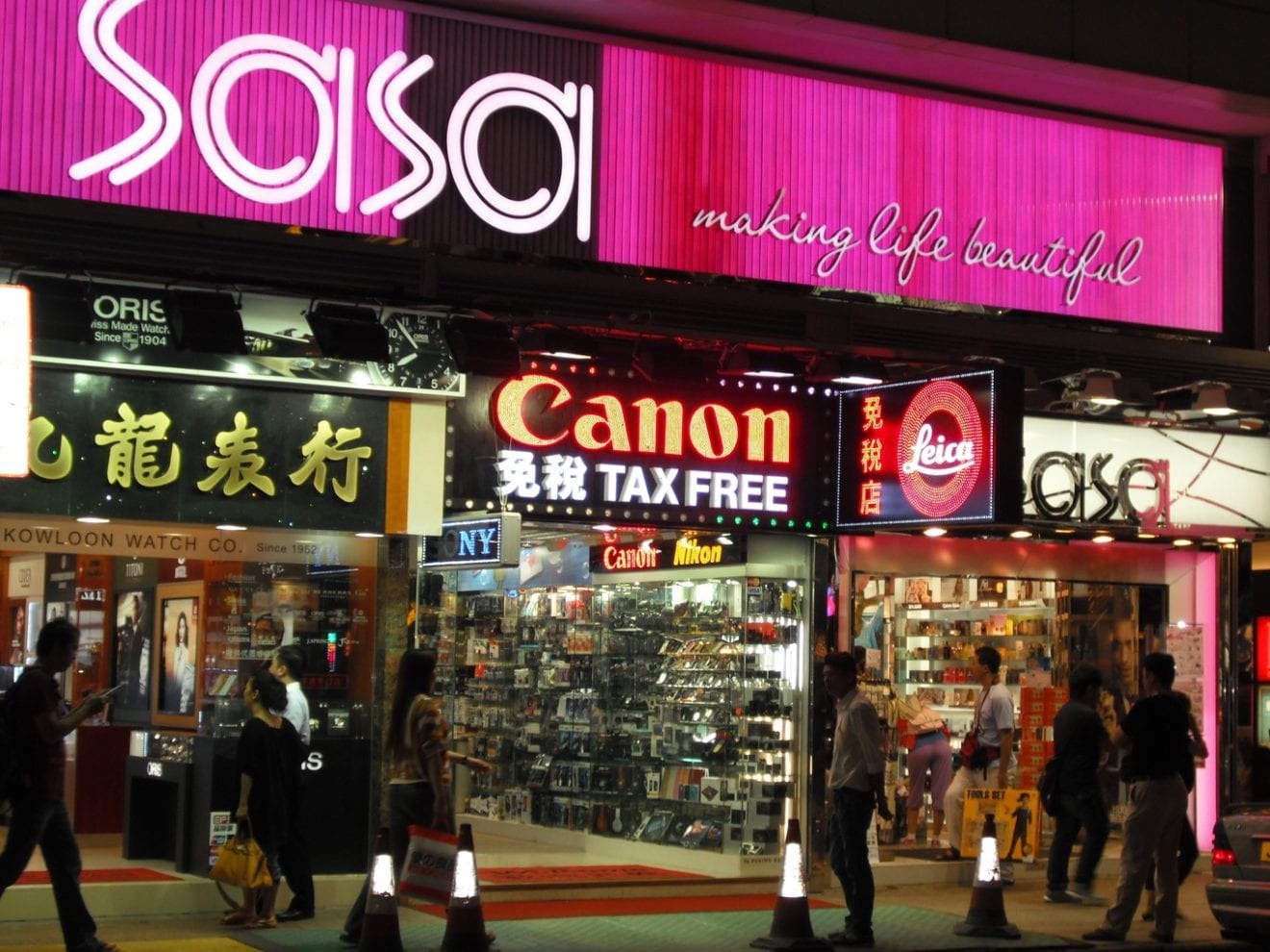
    Hong Kong-based magnificence merchandise retailer Sa Sa has elevated gross sales regardless of the home market challenges.

    The group’s complete turnover elevated by 2.7 per cent from HK$eight.756 billion to HK$eight.993 billion within the yr to March 31.

    Retail gross sales in Hong Kong and Macau elevated by three.three per cent to HK$7.259 billion. However revenue slipped 10.three per cent to HK$838.eight million.

    The high-profile chain added a internet seven shops through the yr taking its community to 287, including only one in Hong Kong.

    In a telling signal of the problem dealing with Hong Kong retailers, because the demographic profile of Mainland Chinese language guests modifications, the variety of transactions in Hong Kong and Macau shops rose by 6.eight per cent, however the common ticket worth fell three.three per cent.

    “To put these figures in context, the variety of transactions of Mainland China vacationers elevated by 17.four per cent, whereas common gross sales worth per ticket decreased by 11.three per cent,” Sa Sa stated in its annual outcome.

    “The variety of transactions by native shoppers declined barely by 2.four per cent with a mean spending improve of four.three per cent. Briefly, gross sales progress for as soon as lagged behind the market.”

    In 2014, Mainland vacationer arrivals rose by a gentle 16 per cent. Similar day customer arrivals have been nonetheless the main engine of progress with a rise of 19.1 per cent, elevating gross sales in non-tourist areas, notably within the New Territories close to the border with the remainder of China.

    “Nevertheless, this was offset by an 11.three per cent drop within the common ticket gross sales of Mainland vacationer clients, which in flip was attributable to the weaker buying energy of vacationers originating from decrease tier cities and having much less spending functionality. One other issue was the growing demand for lower cost level merchandise, similar to Korean merchandise, which nonetheless diluted gross sales progress though driving retailer visitors.”

    Sa Sa stated, as well as, there was a better gross sales combine from day trippers whose spending is usually decrease than in a single day vacationers.

    “The change in consumption patterns was additional exacerbated by the rise of cross border eCommerce, which facilitated a lot quicker market penetration of cheaper and quick to market Korean merchandise with ideas which might be nicely appreciated by Asians, and particularly the more and more prosperous Chinese language shoppers.”

    Whereas Sa Sa reported 10.2 per cent retail gross sales progress within the first half of the fiscal yr, gross sales have been dragged by weaker shopper sentiment within the second half. Gross sales progress slowed within the third quarter and additional deteriorated within the fourth quarter with March 2015 being particularly weak due to anti-parallel items merchants incidents in residential areas, turning an in any other case constructive January to February two months’ interval into destructive territory for the fourth quarter.

    “As well as, the appreciation of the US greenback and the relative power of the Renminbi and Hong

    Kong greenback inspired extra Mainland vacationers to journey to markets with weaker currencies resembling Europe and South Korea. The relief of visa insurance policies by different nations strengthened their

    attractiveness to Mainland vacationers, whereas robust outbound travelling led to weaker native spending.”

    Sa Sa stated the Occupy Motion and anti-parallel items merchants incidents in Hong Kong broken Hong Kong’s profile and discouraged vacationers whereas additionally inflicting a drop in gross sales to native clients.

    Sa Sa’s general gross revenue margin dropped from 46.6 per cent to 44.eight per cent resulting from extra promotions being launched to drive gross sales in a slower market.
  • Jumei buys into Korean cosmetics model

    Jumei buys into Korean cosmetics model

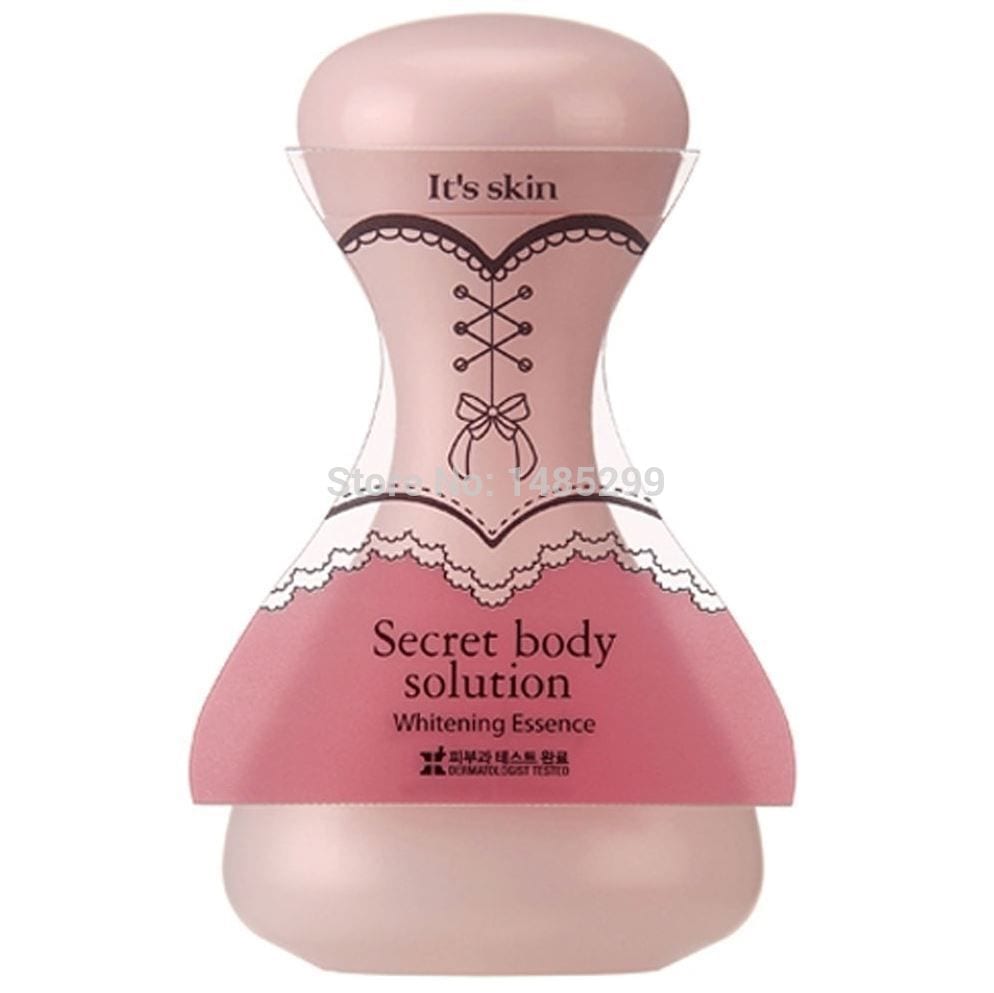
    Chinese language on-line magnificence merchandise retailer Jumei Worldwide has purchased a minority stake in Korean magnificence model It’S Pores and skin.

    It’S Pores and skin is described as “a status Korean magnificence model that has turn into very fashionable amongst Chinese language shoppers”.

    Leo Ou Chen, founder and CEO of Jumei, stated  the recognition of Korean magnificence merchandise in China has grown quickly over the previous few years.

    “With an in depth catalogue of status merchandise, It’S Sin is a perfect companion for Jumei to collaborate with as we construct Jumei International into the most important cross border eCommerce platform in China.

    “It’S Pores and skin will drastically profit from the rising measurement and scale of our platform,” he concluded.

    Jumei, listed on the NYSE, is China’s main on-line retailer of magnificence merchandise as measured by gross merchandise quantity, with a market share of 22.1 per cent in 2013.

  • Pure & natural cosmetics manufacturers lunch idea shops to boost visibility in Asia

    Pure & natural cosmetics manufacturers lunch idea shops to boost visibility in Asia

    China is the most important marketplace for pure & natural cosmetics in Asia, regardless of of many inexperienced manufacturers boycotting the Chinese language market, in line with a brand new research by Natural Monitor. Excessive-end manufacturers are coming into the Chinese language market, interested in the rising buying energy of its shoppers. Japan has the second largest marketplace for pure & natural cosmetics in Asia.

    Rising shopper consciousness of pure and natural merchandise is fuelling product gross sales throughout the area. Asia has one of many quickest rising markets for pure & natural cosmetics, with gross sales revenues projected to exceed USD1 billion within the coming years.

    Idea shops are an important channel for pure & natural cosmetics. Many manufacturers – Western and Asian – are opening stand-alone shops or salons for his or her manufacturers. The American firm Aveda is the frontrunner, working idea salons throughout Asia. A rising variety of Asian manufacturers, corresponding to Forest Necessities, are additionally investing in idea shops to boost visibility and consciousness of their product ranges, says Natural Monitor.

  • Korean cosmetics a hit in China

    Korean cosmetics a hit in China

    Korean cosmetics products are expanding their presence in China on the back of the ‘Korean Wave’.

    Korea is the second biggest source of cosmetics sold in Asia’s second-largest, but fastest growing beauty market, according to data out this week.

    Out of $686.2 million worth of cosmetics China imported in the January-March period, South Korean products accounted for 19.1 per cent, or $131.2 million, coming next to France’s 33.6 per cent market share, according to the data compiled by the Korea International Trade Association (KITA).

    Japanese cosmetics took third with 15.3 per cent, followed by American brands with 11 per cent, KITA said.

    Korea moved up two notches from last year’s spot as China’s imports of Korean cosmetics more than tripled in the first quarter from a year ago, while French and Japanese products surged 10.2 per cent and 37.2 per cent, respectively, in the same period.

    Thanks to strong sales in China, total exports of Korean cosmetics nearly doubled to $582 million in the first three months of this year, which in turn improved their earnings.

    Amore Pacific, the nation’s leading cosmetics firm, posted 320.7 billion won in operating profit in the first quarter, a 50 per cent hike from a year earlier, its regulatory filing showed.

    Operating profits of Kormar, a smaller local rival, jumped 62.9 per cent over the period, far exceeding market expectations.

    LS Cosmetics, which is well-known for face mask sheets, logged 17.5 billion won in operating profit, recording an over 100 times on-year surge. Its shares, which are traded on the secondary KOSDAQ market, jumped 338 per cent this year to become one of the top earners in the local stock market.

    “Korean companies are showing stellar performance in the Chinese market based on the Korean Wave and competitive price ranges and brand lineups,” Na Eun-chae, a researcher at Korea Investment & Securities, said.

    “The outlook for Korean cosmetic makers is positive in the mid- and long- term.”

  • Thailand’s Mangpong turns to attraction of cosmetics

    Thailand’s Mangpong turns to attraction of cosmetics

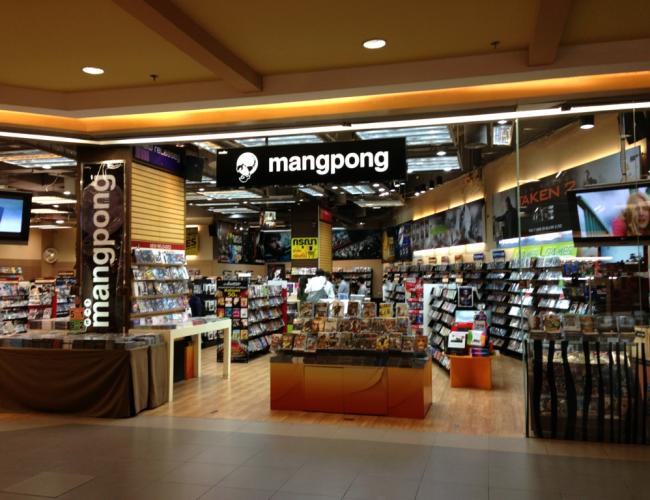
    Thailand’s Mangpong 1989 Plc (MPG) has diversified into the beauty and cosmetics retail chain in a bid to cash in on opportunities from the country’s THB200-billion (USD6.15b) cosmetics market. The company sells and rents home entertainment products.

    It’s looking for new locations to open Stardust beauty shops. It believes the beauty and cosmetics business will generate healthy sales and a good return on investment as Thai women have a modern lifestyle and prefer to be good looking.

    Mangpong has partnered with more than 100 beauty and cosmetics brands to present over 10,000 units from L’Oreal Paris, Anna Sui, Kenzo, Paul Smith and Calvin Klein. The company also plans to launch its own brand in the third quarter this year.