Retail News CRM

Tag: cosmetics

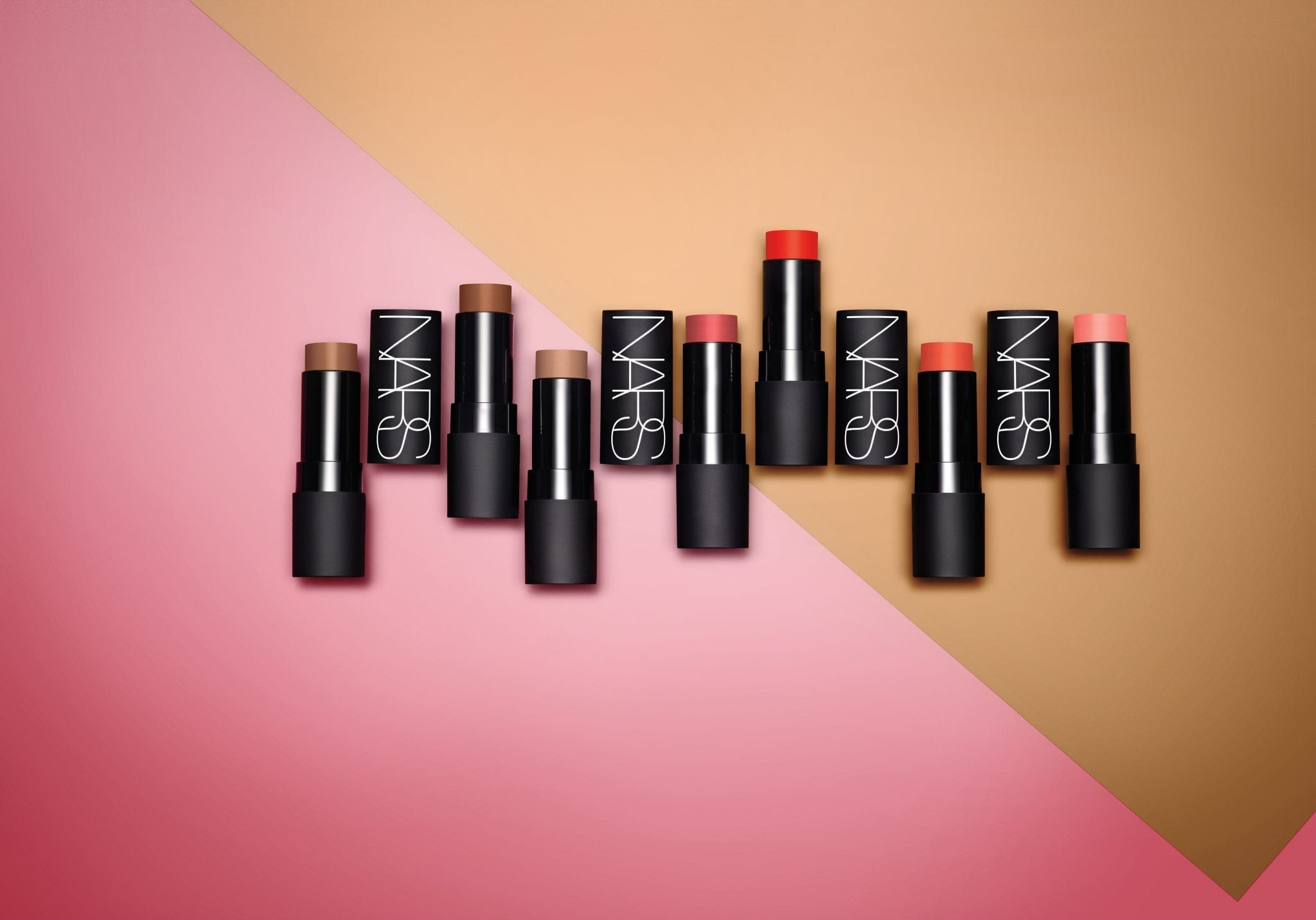
  • NARS Cosmetics makes Malaysian travel retail debut

    NARS Cosmetics makes Malaysian travel retail debut

    Shiseido Travel Retail has partnered with Colours & Fragrances to open a NARS Cosmetics stand-alone boutique at Kuala Lumpur International Airport (KLIA) on 1 June.

    The 16.5sq m boutique, which marks NARS Cosmetics’ introduction to Malaysian travel retail, is located in KLIA’s Satellite Building outside the Colours & Fragrances store.

    The boutique, said to be an expression of the brand’s “audacious and modern” DNA, is designed to guide travellers on their colour journey through a number of in-store concepts. These include the High Five Tower, showcasing the five most popular product sub-categories (concealer, foundation, lipstick, cheeks and eyes); and the Full Power Pout display which sorts NARS’ range of lip products into different shade ‘families’.

    A make-up station will offer the complete NARS assortment, including seasonal launches and travel retail exclusives. A dedicated Traveler’s Exclusive wall will highlight NARS’ first Traveler’s Exclusive collection, NARSissist #Jetsetter, which has been refreshed for 2017.

    To celebrate the opening of the new boutique, a number of promotional activities will take place from 1 to 4 June. These include complimentary make-over services by NARS make-up specialist Roland Choong, who will show travellers how to create a full beauty look using the new NARSissist #Jetsetter collection and other key products in the NARS portfolio.

    Shiseido Travel Retail General Manager – Asia Pacific Kenji Calméjane commented: “The introduction of NARS at KLIA marks a strategic new step for us in the dynamic Malaysian travel retail market as the brand continues to go from strength to strength in the Asia Pacific region. With three successful NARS boutiques in the Kuala Lumpur domestic market, the brand already has a tremendous fanbase of ‘NARSissists’ who eagerly await every new release and limited-edition collection.

    “We believe the new Traveler’s Exclusive NARSissist #Jetsetter will have significant appeal here, and with the support of Colours & Fragrances we are able to offer an exceptional environment to experience the brand’s extensive assortment.”

    Colours & Fragrances Operations Director Datin Azah Bazid said: “With its bold colours, luxurious textures and edgy style, NARS Cosmetics is a refreshing addition to our portfolio of colour cosmetics brands. The opening of the stunning new boutique underlines our commitment to becoming a luxury beauty destination at KLIA and delivering a world-class airport shopping experience to the 52.6 million international passengers passing through KLIA annually.”
  • Sulwhasoo to enter French cosmetics market

    Sulwhasoo to enter French cosmetics market

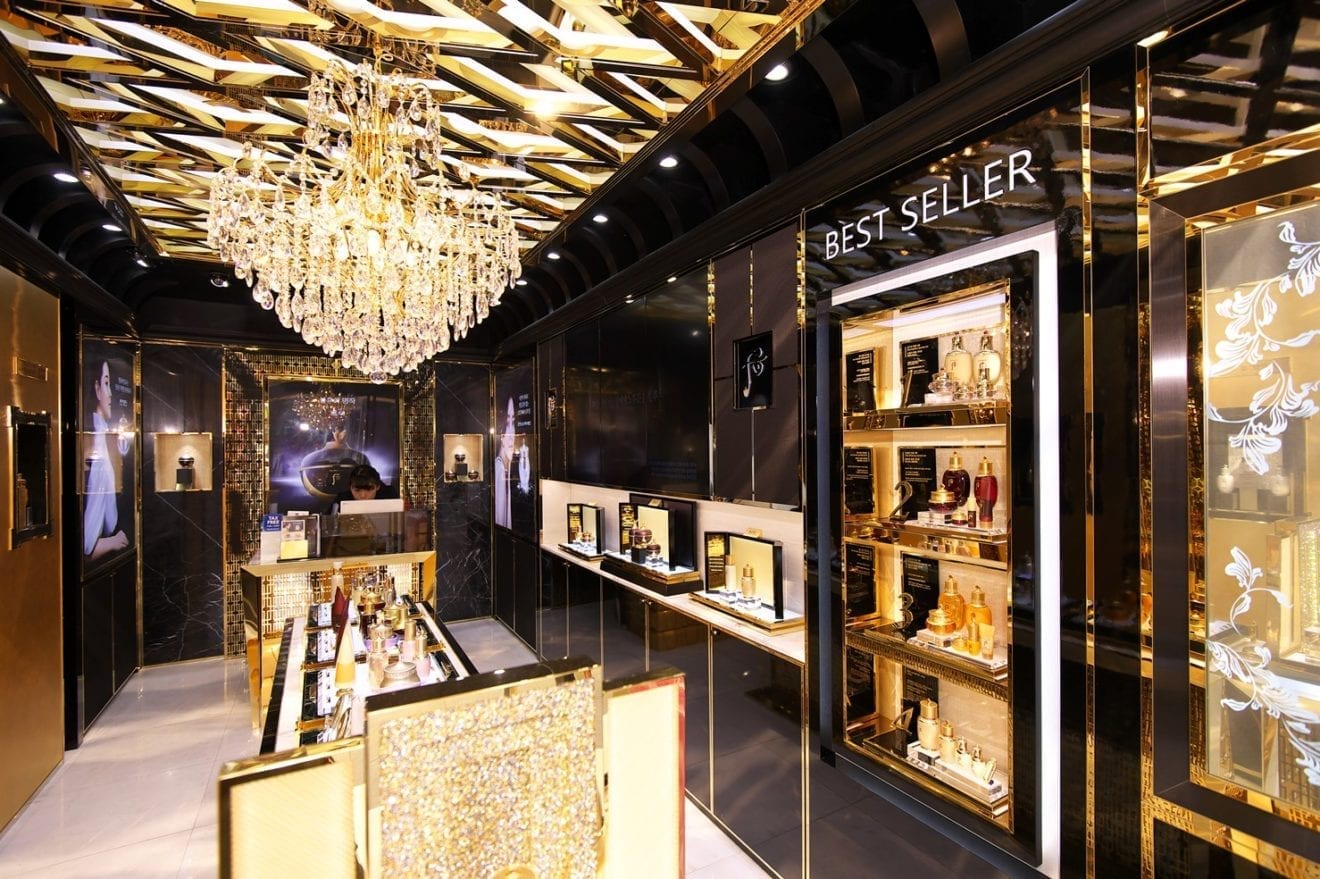
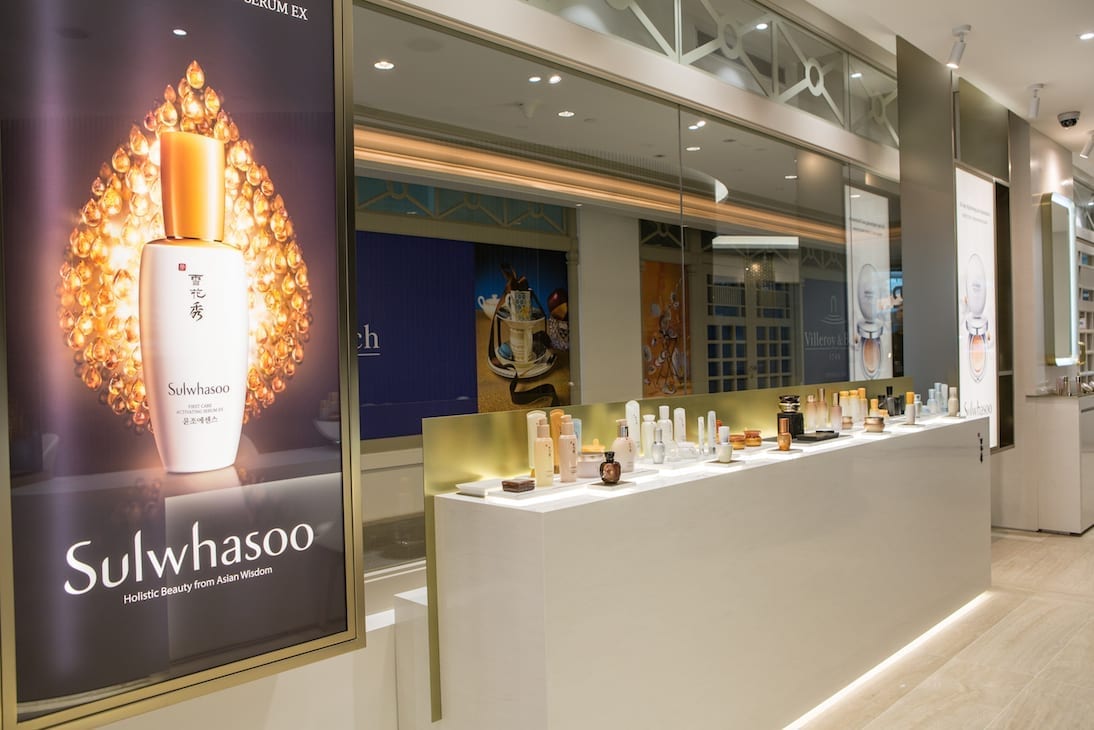
    Amorepacific’s cosmetics brand Sulwhasoo will launch an independent store at France’s largest department store chain Galeries Lafayette this September.

    The French upmarket department store is the largest chain of its kind in the country, and is famous for selling designer labels and luxury beauty brands favored by customers with deep pockets.

    It will offer the brand’s best-selling products, such as its First Care Activating Serum and Concentrated Ginseng Renewing Cream, which are Sulwhasoo’s signature products.

    The store will be designed with oriental herbal medicine motifs, and traditional raw materials such as ginseng displayed, with an aim to attract French customers based on philosophy and authenticity as Korea’s leading cosmetics brand. Sulwhasoo’s products will also be sold on Galeries Lafayette’s online mall.

    The entry into Galeries Lafayette is a meaningful challenge for Amorepacific in that it will target the French market, also known as the birthplace of beauty products. AmorePacific’s first entry into the French market was the export of the “SOON” brand in October 1988.

    In August 1990, AmorePacific established a local corporation in Chartres, produced the Liricos brand and made a discreet foray into France. However, due to the lack of consideration for local customers and the loss of sales rights, the two brands were in a crisis.

    AmorePacific then established a strategy to target the fragrance category in the French cosmetics market. AmorePacific established a factory equipped with ultra-modern facilities in Chartres in April 2004 and took over the luxury brand “Annick Goutal” in August 2011 to strengthen its perfume brand portfolio. The firm is now expanding their perfume business into new overseas markets.

    By entering Galeries Lafayette, Sulwhasoo will continue to strengthen its presence as a true global brand not only in Asia and the Americas but also in the European market, delivering Korean beauty and value throughout the world.

  • Laneige opens first flagship store in Beijing

    Laneige opens first flagship store in Beijing

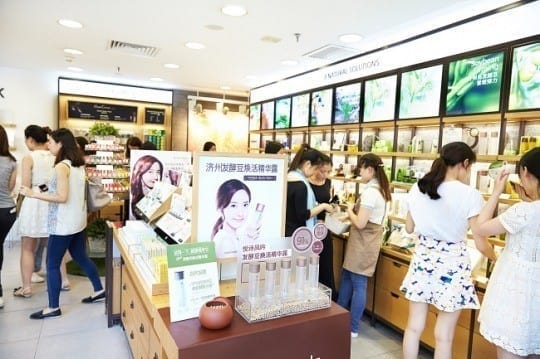
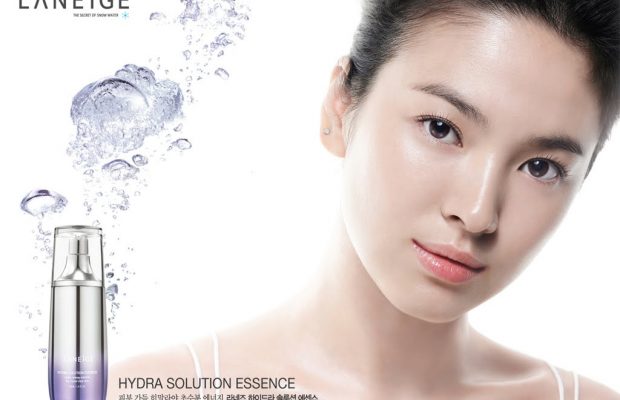
    Cosmetics brand Laneige opened its first brand image concept flagship store at Beijing apm.

    With an area of 139 square meters, Laneige’s new flagship store at apm features the design elements of water and light and the base tone of its overall internal design is blue and pink, which highlights the two product lines of Laneige. Blue represents skin care and it emphasizes water technologies; while pink represents the company’s makeup products series.

    In addition, the store uses popular geometric line elements and spotlights in the display area, aiming to attract young customers.

    There is an exclusive beauty class area in the store and it will hold regular activities for members of Laneige, including brand introductions, new product launches, and popular makeup tutorials. In this area, Laneige will also provide afternoon tea appointment services to VIP customers.

    Moreover, the Beijing apm Laneige flagship store will provide exclusive limited products which are only available in flagship stores. Those products will have unique package designs to provide a unique buying component for high-end consumers.

  • Free trade agreements fuel cosmetics market in Vietnam

    Free trade agreements fuel cosmetics market in Vietnam

    The assessment was released at an event to introduce the Mekong Beauty Show 2017 in Ho Chi Minh City on February 23.

    Statistics show that Vietnam’s cosmetics market is potential with revenue of 26 trillion VND (1.14 billion USD) in 2015 and has maintained a double-digit growth rate for several years.

    While Vietnamese consumers’ spending on cosmetics is still four-five times lower than other regional countries, the middle class, which has high demand for beauty products, is growing strongly and forecast to double its current size to 33 million people in 2020.

    Ly Nguyen Lan Phuong, a representative of the Saigon Cosmetics Corporation, said despite such huge potential, domestic businesses’ technological capacity and financial strength remain modest. As a result, the local market is still dominated by foreign brands.

    Claudia Bonfiglioli, International Director of Informa Beauty, said to compete in the domestic market, aside from improving quality, cosmetics producers of Vietnam should keep innovating.

    Nguyen Van Minh, Vice Chairman of the Vietnam Association of Oils, Aroma and Cosmetics, said to help promote the industry’s development, the association has carried trade and investment promotion activities.

    Among those efforts, the Mekong Beauty Show 2017 is aimed to connect Vietnamese enterprises with other domestic and foreign partners to seek cooperation opportunities. It is also expected to become a leading trade forum on cosmetics and beauty products in the region.

    The show is slated for June 15-17 with the participation of more than 200 companies from the EU, the Republic of Korea, Thailand, Malaysia and Singapore.

  • MSC cruises prepares ‘ambitious retail project’

    MSC cruises prepares ‘ambitious retail project’

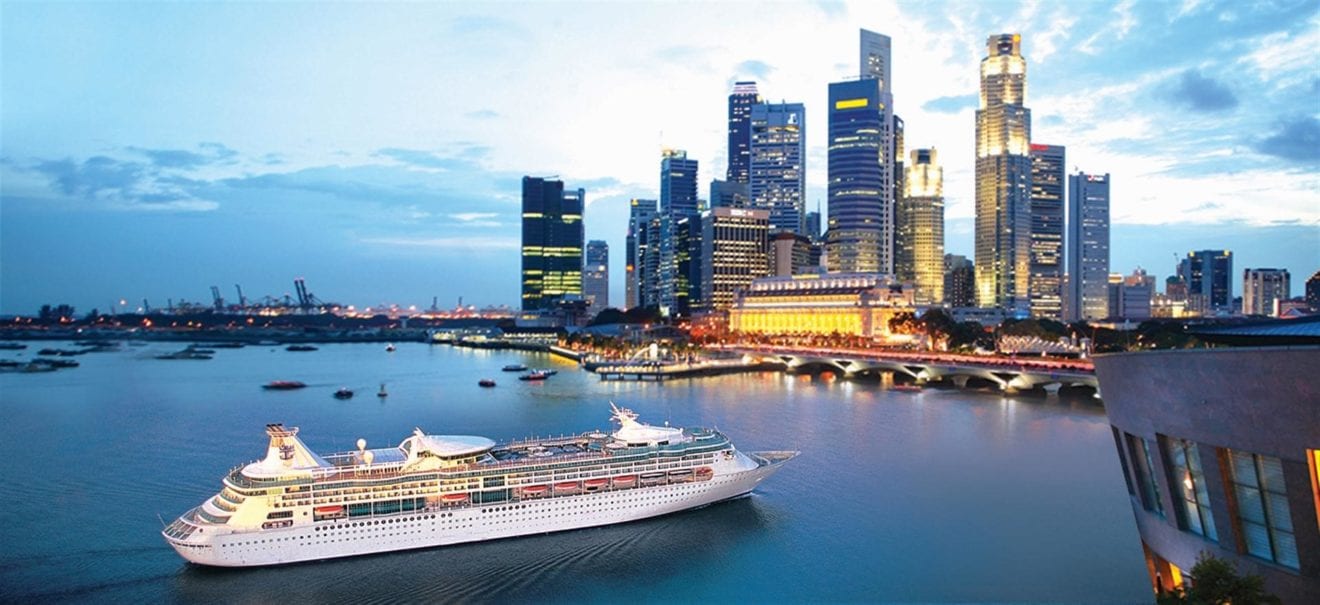
    Swiss-based MSC Cruises, part of the MSC Group, is preparing its MSC Splendida ship for an ‘exciting and ambitious retail project’ later this year after which it will set sail on routes to South Korea and Japan from Shanghai in April 2018.

    Adrian Pittaway, Head of Corporate Retail for MSC Cruises tells that following the successful launch of the company’s first ship in China– the MSC Lirica – it plans to offer an equally ‘elevated retail offer with top luxury brands’ onboard the Splendida.

    MSC Splendida – targeting the Chinese market – will start sailing from Shanghai to destinations in Korea and Japan from April 2018 after being refurbished in November 2017.

    There will be nine shops onboard MSC Splendida offering perfumes, cosmetics, Korean products (especially Korean cosmetics), luxury watches & jewellery, fashion accessories, liquor, tobacco and confectionery alongside some MSC exclusive ranges.

    PASSENGER CAPACITY OF 4,000

    The total retail footprint, the cost of building the new shops and the selection of luxury brands on offer are all still to be confirmed.

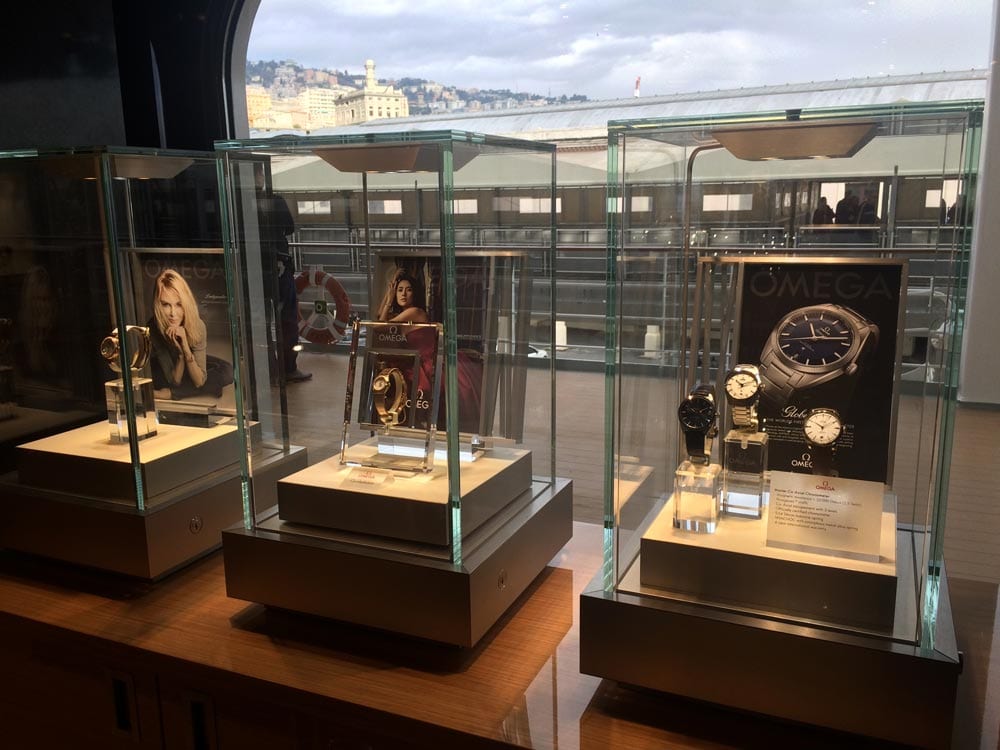
    MSC-Lirica-watches

    Adrian Pittaway, Head of Corporate Retail for MSC Cruises tells TRBusiness that following the successful launch of the company’s first ship in China– the MSC Lirica – it plans to offer an equally ‘elevated retail offer with top luxury brands’ onboard the Splendida.

    MSC Lirica has a passenger capacity of 2000, but the MSC Splendida has double that at 4,000.

    The ‘No 1 cruise line in Europe, South America and South Africa’ commenced a 10-year $10bn investment programme last year, which includes 11 news ships, four extended ships and a private resort island in the Caribbean.

    Founded in 2003, the company currently operates 12 ships carrying 1.6m passengers a year, from 45 different countries.

    IN-HOUSE RETAIL OPERATION

    “From a retail perspective we are really unique in cruise-ship travel retailing,” Pittaway tells TRBusiness. “Unlike most other cruise lines who operate with third party concessions we operate all of the retailing on-board ourselves as an in-house operation.

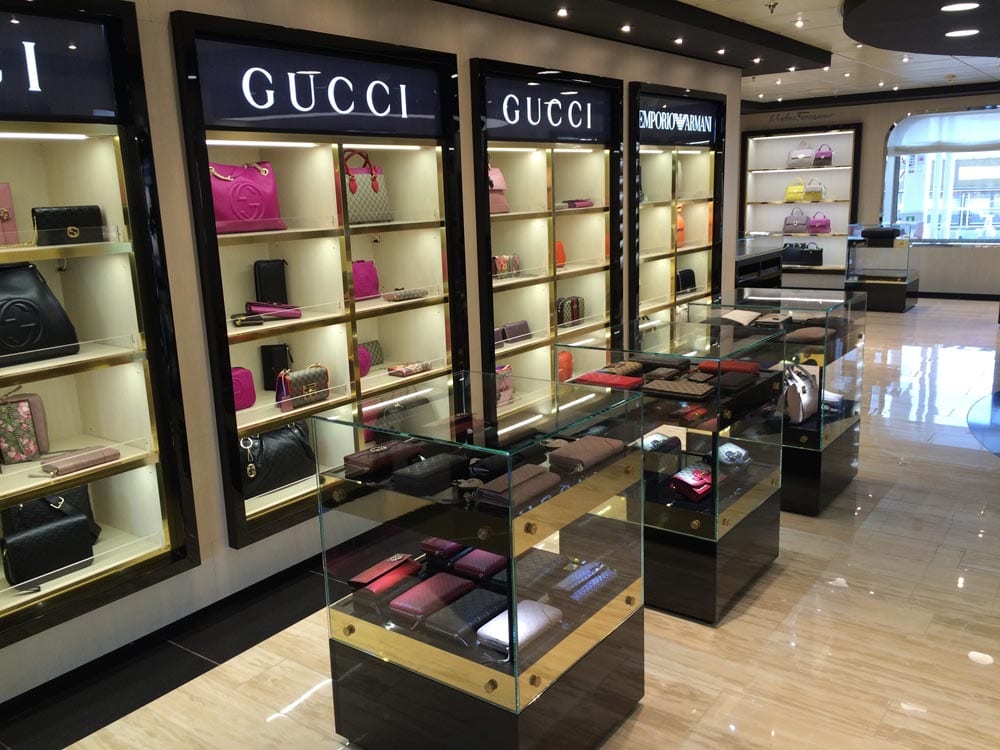
    Gucci-MSC-Lirica

    Gucci boutique onboard the MSC Lirica.

    “We currently operate 110 boutiques across our 12 ships selling watches, jewellery, liquor, tobacco & confections, P&C as well as own brand and luxury goods.”

    MSC started operating in the Chinese cruise market in Tianjin, China from May 2016 with the MSC Lirica, which currently sails to South Korea and Japan.

    “It has been a really positive first 10 months for us from a retail perspective with a unique and adapted offering…[It is run by] an entirely Chinese team and offers unique product ranges only requested by Chinese passengers, such as Korean cosmetics and Japanese Rice Cookers.

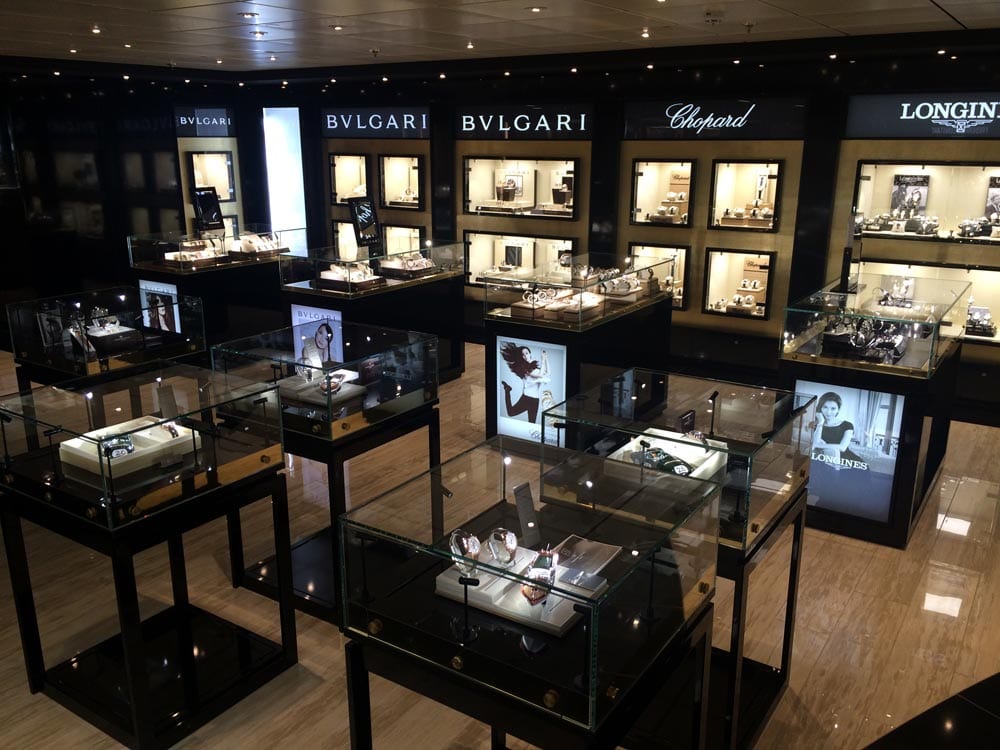
    Bulgari-MS-Lirica

    Watches and jewellery brands on display onboard the MSC Lirica.

    “Alongside the many firsts we have seen we were also the first cruise line to offer Bally accessories and Tudor watches onboard. Alongside these unique elements we have over 150 brands such as Omega, Salvatore Ferragamo, Chopard, Lacoste, Coccinelle, Furla, Swarovski, Bvlgari and Longines.”

    Pittaway says the company was awarded the ‘Best Cruise Ship Shopping Environment’ and the China Cruise Awards in winter 2016 presented by the CCYIA.

  • Vietnam’s beauty and cosmetics industry needs green makeover

    Vietnam’s beauty and cosmetics industry needs green makeover

    Though the market is relatively small, growth in most beauty and personal care categories is expected to continue to expand over the next decade as per capita spending rises commensurate with the upward trend in GDP per person per year and the country moves into the middle-income ranks.

    According to experts at a recent conference in Ho Chi Minh City, the average spending by Vietnamese for items related to body care, colour cosmetics, fragrances, facial care, soap, bath and shower, hair care and sun care remains relatively low.

    They estimated, citing a study by Nielsen that was performed in 2013, that the average per capita spending in Vietnam is slightly more than US$4, which is one-fifth the average spending of US$20 per person per year in Thailand.

    A speaker from the Society of Cosmetics Chemists of Ho Chi Minh City noted a Society report estimates there are roughly 400 cosmetics manufacturers in the country commanding a paltry 10% retail market share.

    The Society report indicates that the foreign sector dominates the cosmetics market with a 90% market share divided up as follows – the Republic of Korea 30%, EU 23%, Japan 17%, Thailand 13%, US 10%, and others 7%.

    Cosmetic products from the ROK have benefited from a good brand image most often associated with the qualities of youth, affordability, and fashion the Society report shows.

    Meanwhile US products are viewed as expensive, good quality and brands for older middle aged people whereas Japanese brands are viewed as economical, possessing good quality and value for the money.

    An additional report by the Vietnamese market research firm Q&Me mentioned at the conference notes on average 44% of Vietnamese women wear makeup once a week while only 24% women use it every day, underscoring the proposition that wearing makeup is not mainstream.

    The report indicates that most cosmetic consumers in Vietnam are women and they base their purchasing decision based on recommendations from friends and internet websites primarily aimed at the female audience such as eva.vn and phunutoday.vn.

    Domestic brands left out to dry

    The most popular domestic brands of Saigon Cosmetic, Thorakao and Lan Hao have had only limited success in both the domestic and foreign markets as they suffer from a cheap low quality brand image.

    Most of the cosmetics made in Vietnam are currently sold only at the traditional live markets while cosmetics imported from abroad are sold in the large retail supermarkets and trade centres, principally located in the large metropolitan areas of the country.

    This dire plight of the domestic sector and its inability to establish a base in the beauty and cosmetics market has left many of its advocates frustrated.

    There has been virtually no foreign investment in the manufacture of beauty and cosmetics says Nguyen Thi Thanh Thao, vice chair of the Cosmetics Society, sombrely and what little there was picked up and moved to Thailand after only a short stint in Vietnam.

    Still other actors in the industry are adamant that the quality of Vietnamese products is on par with that of the foreign sector.

    Though Vietnamese products have only a 10% market share they can easily compete with foreign products in terms of quality, says the deputy chair of Vietnam Essential Oils, Aromatherapy and Cosmetics Association. They just haven’t focused sufficiently on brand development and packaging.

    However, others take an opposing view, saying that the quality just isn’t there. They also suggest that the overwhelming majority of Vietnamese cosmetic manufacturers are only able to produce shampoo, shower gels and similar simple products.

    Representatives of Phuong Mai JSC, a newcomer to the domestic industry, says their company is taking a different tack, focusing on producing natural products with 100% organic ingredients.

    What the domestic beauty and cosmetics industry in Vietnam needs, the reps say— is a green makeover and innovation to get on path to prosperity and sustainability.

  • Korean cosmetics drop in price, shipment volume in China

    Korean cosmetics drop in price, shipment volume in China

    The price of imported Korean cosmetics in China dropped by some 40 percent last year, Chinese customs data showed Thursday, for reasons industry watchers see as driven both politically and by the market.

    Records from the Tianjin Entry-Exit Inspection and Quarantine Bureau indicated an average 40 percent drop in the price of cosmetics shipped in from South Korea. The volume of the imported shipments totaled 2,200 tons last year, down 46 percent from the year before.

    The numbers translate to an average $11 per kilogram of imports, down from the previous $18.The monetary value of the imports reached $23 million, down 69 percent. The import volume, which had nearly doubled in 2015, fell back to the level of 2013, data indicated.

    The two countries’ relations, persistently challenged by the differences in the way their governments deal with North Korea, have recently roiled over Seoul’s decision to host an advanced US missile defense system, known as THAAD, which Beijing argues is also aimed at China. Beijing has retaliated by imposing bans on Korean culture content and a number of import items, and restricting travel to South Korea.

    In November last year, Chinese authorities prohibited imports of 19 South Korean cosmetics products, turning back 11 tons of them.

    Industry officials say that the South Korea-China free trade agreement that took effect in December 2015 and China’s lowering of the consumption tax on cosmetics also pushed down the prices, with competition with global brands stiffening for South Korean companies.

    Market watchers are predicting more price markdowns this year, as some of the Korean exporting companies already have made downward adjustments.

    Amorepacific, South Korea’s biggest cosmetics firm, lowered the price on 327 products by between 3 and 30 percent in January.

    “The cosmetics prices are becoming more transparent as online and direct shopping grow at a fast speed,” an industry official said. “It’s inevitable for foreign cosmetics companies to change their retail prices in China.”

  • China cuts cosmetics consumption tax

    China cuts cosmetics consumption tax

    China will reduce or remove consumption tax on all cosmetic products, the finance ministry said on Friday, as the country looks to stimulate domestic spending to help prop up slowing economic growth.

    The new policy will see consumption tax – previously set at 30 percent for all cosmetics – waived entirely for non-luxury cosmetic products, while the tax rate on more expensive cosmetics will be cut to 15 percent, the finance ministry said in a statement.

    The move, which comes into effect from Oct. 1, fits with China’s drive to make products more affordable to domestic shoppers, many of whom have traditionally looked to buy more expensive products overseas because of high tax rates at home.

    The cuts could be of some help to imported cosmetics brands, analysts said, but are unlikely to have a major or immediate impact because other steep tariffs mean prices domestically will remain high compared to markets overseas.

    “Cosmetic brands could benefit mildly from the tax reduction with more competitive pricing,” said Jefferies analyst Jessie Guo in a note on Friday. She added, though, that it would only “moderately” boost domestic demand.

    Last year, the ministry slashed import taxes on products from skin care to shoes in a bid to “push forward structural reform” as the country looks to shift its economy to consumption from flagging manufacturing and exports.

    The head of the world’s largest advertising firm, Martin Sorrell, said on Thursday the business environment in China was the toughest he had seen in around three decades, especially hitting international brands.

  • The top 10 cosmetics brands in China

    The top 10 cosmetics brands in China

    China’s top 10 selling cosmetics brands have been revealed.

    A report by Kantar Worldpanel concludes the beauty market remains buoyant in China over the first half of 2016 with brands battling it out for market share.

    The cosmetics sector is a major driver of growth in the FMCG market in China. The skincare and colour make-up sector grew by 12 per cent and 10 per cent respectively in the year to June 2016, far higher than the overall 3.1 per cent growth rate of the total FMCG industry.

    Kantar says the value growth is due to Chinese consumers becoming more sophisticated in their selection of beauty products, migrating to premium products.

    This also presents brand new opportunities to both international and domestic players.

    In its 2016 Cosmetics Brand Footprint ranking, Kantar Worldpanel reveals the top 10 best-selling brands in China.

    Dabao leads the ranking with 23.1 per cent of the population choice, on average twice a year, meaning Dabao products were put into shoppers baskets 76.7 million times during the year.

    Pechoin occupies second place and was the fastest riser in terms of consumer touch points, adding more than 3.6 million families to its brand over the last 12 months.

    The next eight places are revealed in the chart below.

    Top 10 cosmetics brands in China

    Despite strong growth, China’s cosmetics market remains incredibly competitive.

    Of the 4000 brands tracked by Kantar Worldpanel, only 40 per cent of them saw an increase in net sales.

    Amongst the top 20 growing brands in the market, a rise in penetration contributed 78 per cent to their collective growth, proving that the continual recruitment of shoppers is the key way to grow sales.

    “Consumers today have unprecedented choices available to them thanks to overseas travel and eCommerce, yet the growth of Chinese brands and Korean/Japanese brands are noticeable,” said Jason Yu, GM at Kantar Worldpanel.

    Brands who advocate health, efficacy and fun are winning consumers’ choices, on the back of unique product and marketing innovation as well as smart Omni-Channel deployment.

    Other key conclusions from the Kantar Worldpanel study include:

    • Premiumisation drove 82 per cent of the market’s total growth.
    • Essence will be the next star segment – products at different price points with different functions are appealing to young consumers.
    • There is still significant potential to drive trials of colour cosmetics, and cushion is becoming the point of market entry.
    • Consumers are embracing natural and safe product concepts.
  • Korea’s Whoo to make debut in Cannes

    Korea’s Whoo to make debut in Cannes

    Korean cosmetics brand Whoo is set to make its debut at TFWA Cannes as parent company LG Household & Health Care Co., Ltd. aims to introduce the Asian oriental medicinal cosmetic brand to the world and “take a leap to a global brand”.

    LG Household & Health Care Co., will introduce Whoo to the travel-retail market as it seeks opportunities to expand beyond Asia.

    As it celebrates its 13th anniversary this year, Whoo, which took its brand name ‘后’(whoo) from the image of fiddle, has already experienced rapid growth in Asia. The brand’s products are based on remedies and formulas popular among emperors and empresses of the historical Korean courts.

    The brand has been present in the top ranks of sales among large duty-free shops in Korea, according to the company, and set a remarkable record reaching $20m of monthly sales in just one store  – Lotte Duty Free Shop Sogong. The company stated this trend continues across the duty-free market with retailers in China, Hongkong and Thailand reporting sales have doubled for the brand compared to the previous year.

    The brand’s best seller is the Whoo Bichup Self-Generating (Jasaeng) Essence, which is an oriental medicinal essence that helps to repair skin balance that has been damaged through aging with  three formulas originated from oriental medicinal remedies Gongjinbidan, Gyeongokbidan, Cheongsimbidan, adding to the Chojahabidan formula.

    The Whoo brand was the first Korean cosmetic brand that participated in The 20th French Louvre Museum Wedding Fair held in Louvre Museum, France in October 2014 where it received a good reception with its court stories of emperors and empresses, and sophisticated design exhibiting Korean beauty.

  • Politics could add to forces working against Korean cosmetics industry

    Politics could add to forces working against Korean cosmetics industry

    Last week the Korean government announced plan to impose duty free limits to stop third party sales of cosmetics in China, and now, in an unrelated move, the China government’s threats to retaliate over Korea’s deployment of new military defence technology seems to be adding to investor fears.

    Korea has taken a decision to deploy a Terminal High Altitude Area Defence (THAAD) battery, which some experts believe is one of the reasons why investors a dumping shares in Korean companies, a sector that is heavily reliant on exports to China.

    Raising the bar on visas and sanitary regulations

    In the first move, perceived to be a retaliatory step by China authorities, officials recently closed a visa agency catering to Koreans, something that will make it harder for Korean companies to obtain multiple entry visas for doing business in China.

    On top of this, the China trade authorities have also stepped up sanitary regulations governing Korean beauty products, a move that is also likely to put a damper on exports of certain products and make the whole process more difficult.

    “Cosmetics and entertainment stocks have plummeted as China has begun taking steps against Korean companies and individuals doing business on the mainland,” said Daniel Cho, head of research at Daishin Securities, speaking to the Korean Times.

    “The recent decline was largely engineered by the potential THAAD backlash.”

    Those duty free regulations

    Simultaneously, speculation has been growing about the impact of proposed duty free regulations, which are being drawn up to protect the industry, but some experts say this has already had an impact on investors and the value of shares in the country’s big beauty players.

    Last week the Korean customs authorities notified all Korean duty-free retail operators, which include three major operators, that each customer would be limited to buy no more than 50 cosmetic and fragrance products.

    The main objective behind the clamp down is to cut out on the emerging market for cosmetics then be sold on to third-party brokers, and then resold on to other retail channels.

    News of the limit was leaked on the previous Friday and when the Korean Stock Exchange re-opened for trading on Monday, stock prices dropped significantly, with Amore Pacific share prices falling over 2% and LG Household & Health falling 6%.

    In the last few years the rise and rise of Korean cosmetics companies has been attributed to a huge appetite from the China market, but with prices of the products being much higher in China, consumers have taken to shopping holidays in Korea to stock up.

    China drives duty-free cosmetics sales

    Sales of Korean cosmetics have been boosted by chic advertising campaigns, Korean pop and a product innovation pipeline that boasts some of the most cutting edge products available anywhere in the world.

    A large part of this success has been the huge influx of tourism from China, many of whom are going on ‘shopping holidays’ with the main aim of buying up their favourite Korean cosmetic products at a cheaper price than they would pay in China.

    Current figures show that cosmetics make up the lion’s share of Korea’s largest duty free retail chain, Lotte, accounting for 58.9% of sales in the first quarter of this year, and that 70.8% of the company’s overall sales came from Chinese visitors. This up from 63.3% compared to the previous year.

  • Korean cosmetics makers fear losses from THAAD deployment

    Korean cosmetics makers fear losses from THAAD deployment

    South Korean retailers and cosmetics companies are closely watching China’s moves after Korea and the US decided to deploy an advance missile defense system in the country on July 8.

    Neighboring China lodged a swift protest against the decision announced in the morning which is expected to further heighten geopolitical risks.

    Local cosmetics makers and duty-free shops are on alert as they worry about losing Chinese market and consumers who account for a growing portion of their revenues.

    Customers shop for cosmetics at a local duty-free shop.

    On the day, cosmetics stocks like LG Household & Health Care and AmorePacific plunged more than 4 percent.

    “The THAAD issue was a huge blow to Cosmetic stocks earlier this year and it happened again,” an official at a cosmetics company said.

    South Korea’s cosmetics exports to China doubled on-year to US$1.08 billion in 2015, which accounts for nearly 40 percent of global sales, according to the Korea International Trade Association. South Korea is the second-largest cosmetics exporter to China following France.

    “There hasn’t been an immediate impact so far as China hasn’t took any trade-related actions but we still have to keep an eye on the issue,” she said.

    If ties between the two countries weakens, China could tighten regulations on safety and tariff issues, experts said.

    Retail companies, which started to see a rebound in the number of Chinese tourists to Korea after a sharp drop due to the Middle East respiratory syndrome outbreak hit the country last year, are in panic mode.

    “We are worried over the possible drop in the number of tourists coming here if political conflicts drag on for long,” said an official at a duty-free store in Seoul.


  • New beauty range in H&M Singapore

    New beauty range in H&M Singapore

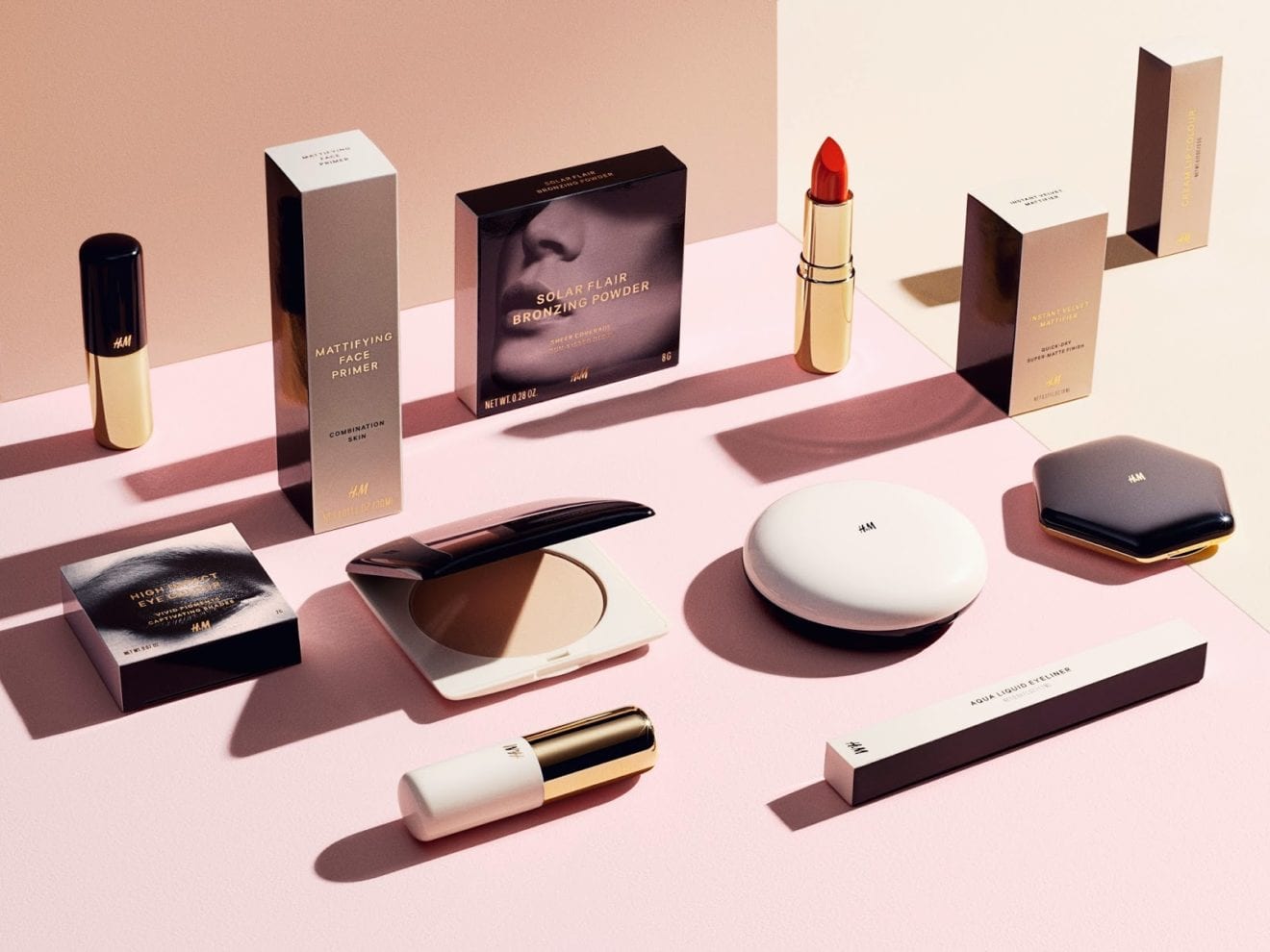
    Fast fashion chain H&M Singapore is to launch its beauty range in its city stores.

    The Swedish company made its debut in the category late last year and in the third quarter of this year Singapore will be the first market in Asia where beauty products go on sale.

    The product line-up includes cosmetics, body, skin and hair care products. The full range will go on sale in the H&M Orchard Building store and H&M Raffles Place will stock make-up.

    “We are very excited to be the first market across Asia to carry the much-anticipated beauty concept,” said Fredrik Famm, country manager of H&M South-east Asia.

    “The H&M philosophy is all about offering shoppers the latest styles and quality fashion while staying affordable, and the upcoming beauty range will stay true to our mission. Similar to our fashion, we hope the extensive selection of our beauty range will allow fans to have fun exploring and creating any kind of look they want.”

    Singaporeans will be able to choose from more than 700 beauty essentials, from nail products to beauty tools.

    Internationally, H&M is about to launch two additional collections within the beauty range: A premium body care line and the Conscious branded range of sustainable products which are Ecocert-approved.

  • Indonesia & Vietnam leading Asian beauty industry growth

    Indonesia & Vietnam leading Asian beauty industry growth

    Indonesia and Vietnam are the fastest-growing markets in the Asian beauty industry.

    According to research from Euromonitor International, Markets of the Future: ASEAN in 2020, the two countries significantly outperform the most obvious contenders, Korea and China.

    Vietnam’s beauty and personal care market experienced healthy value growth in 2015. With the developing of the Internet network and online retailing, more consumers from rural areas can buy products more easily, and it also strongly boosts retail value sales of beauty and personal care due to changing consumer behavior. On the other hand, thanks to dynamic marketing activities by leading manufacturers and media, consumers are aware of the importance of using branded products from reliable sources after many scandals of cosmetics containing toxic ingredients.

    People are willing to spend more on all types of beauty and personal care, instead of using unbranded goods, in order to protect their health.

    Asia beauty chart

    In October 2015, the draft TPP trade pact was signed, which means Indonesia and Vietnam are set to open up to other nations by removing barriers and decreasing tariffs by up to 100 per cent. As a result, it will open significant change in beauty and personal care over the forecast period such as lower pricing and more international companies entering the two markets.

    Countires across Asia were ranked by Euromonitor by actual and forecast growth between 2008 and 2018, as the chart shows.

    The data was revealed by UBM Asia, organiser of Vietbeauty 2016 at Ho Chi Minh City in August, which will showcase products from more than 150 exhibitors from Japan, Korea, Australia, Hong Kong, Thailand, Taiwan, Mainland China, Indonesia, the Philippines, Malaysia, India, Singapore, the US and Europe.

  • Hong Kong Sees Signs of Improving Retail Sales

    Hong Kong Sees Signs of Improving Retail Sales

    The latest figures show retail sales in Hong Kong continued falling in March. However, signs of improvement are in sight, with sales of drugs and cosmetics rising slightly.

    However, the biggest question on the minds of many in Hong Kong is how long the overall downturn in Hong Kong’s economic fortunes is going to continue.

    Retail sales in Hong Kong have been suffering through a year-long contraction, the longest decline since 1999. Overall retail sales are down around 10 percent in March compared to a year ago. However, March’s figures are far better than the 20-percent drop in sales registered through February.

    Through the first quarter of this year, retail sales in Hong Kong have fallen 12.5 percent compared with the same period last year. The Hong Kong government attributes the severe drag on retail sales to the slowdown in inbound tourism.

    However, there are some signs of life for the struggling city. The just-concluded three-day May Day holiday saw tourism numbers from the mainland come in 10 percent higher than most observers had been forecasting.

    At the same time, cosmetics firm Sasa has registered a slight growth in same-store sales. Cheng Wai Hung, Head of Hong Kong’s Retail Management Association, says even though there are signs of improvement, retailers still need to do more to keep people buying.

    “Retailers know it is hard to run businesses this year, so stores will start promotions earlier than usual to make up for the losses. It is likely that we will see sales starting from this month. Even some big brands will follow suit.” However, Banny Lam, co-Head of Research at Agricultural Bank of China International Securities, believes retail sales in Hong Kong are not likely to pick up in the short term.

    “I believe the rate of decline will narrow a little bit, but it won’t be a significant change, and sales won’t get back to positive territory any time soon. The current economic environment is rather weak, which has led to a sluggish overall retail performance. Another factor that’s worth noting is that the Disneyland in Shanghai is going to open soon. So the question is, is this going to affect Hong Kong’s tourism? ”

    At the same time, Deputy Director of Hong Kong Department Stores and Commercial Staff General Union, Tung Cheong Sing, says retailers in Hong Kong have to transform their business models to appeal to the changing demands of mainland tourists.

    “For example, stores should be selling middle or low-range priced watches, rather than luxury ones. Despite a decline in rents, many stores may have to close down some of their branches to adapt to the new environment.”

    Even though times have been tough for Hong Kong retailers, some are performing better than others.

    One store selling Japanese products has witnessed a 30 percent spike in sales through the first three months of this year.

    Store Manager Chuang Tin Chi says they’ve been able to keep their finger on the pulse of what’s been trendy this year.

    “There have been a number of movies released over the past couple of months which have featured a wide range of digital, video products or cell phone accessories. So to capitalize on that, we order in these products right away into Hong Kong from Japan, which has significantly increased our sales.”

    One bright spot for Hong Kong retailers has been the recent rise in the value of the renminbi to the US dollar, as the Hong Kong dollar remains pegged to the value of the greenback.

    This means mainland shoppers are getting a more favorable exchange rate when converting from the yuan into Hong Kong dollars, which may prompt more shoppers to cross the border.