Tag: cosmetics

  • The Lipstick Effect drives South Korea cosmetics sales

    The Lipstick Effect drives South Korea cosmetics sales

    The Lipstick Effect has seen a rise in cosmetics sales despite South Korea’s economic downturn of 2018. The term The Lipstick Effect describes the phenomenon whereby colour cosmetics sales surge during a recession as consumers turn to small-ticket luxuries to lighten their mood.

    Major South Korean health and beauty retailer Olive Young saw a 35 per cent jump in colour cosmetics sales last year – the first time this product range has topped its best-selling category list – as the country struggled with sluggish job markets, conservative corporate investment and overall low consumer spending. Health functional food and hair products grew 32 per cent and 22 per cent respectively over the period.

    The outlook for cosmetics sales looks similarly bright this year as the rest of the South Korean economy is expected to wallow at 2018 levels.

  • The rise of men’s cosmetics

    The rise of men’s cosmetics

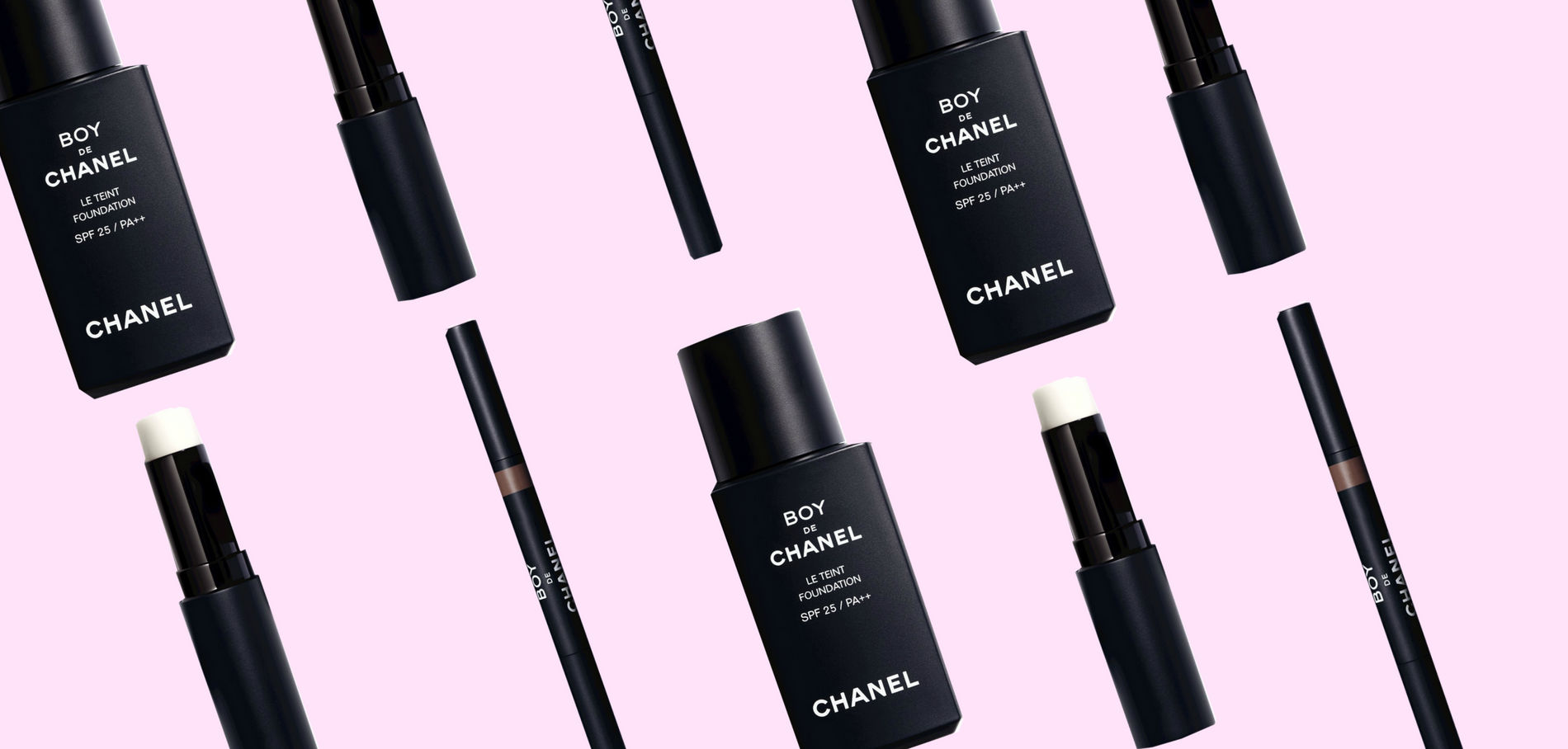
    Chanel is launching a make-up line entirely for men Boy de Chanel collection in 2019, and other brands might follow. Just as Gabrielle ‘Coco’ Chanel rocked the boat by flouting gender dressing rules in order to marry style and comfort in the early 20th century, the iconic fashion house is stirring the waters once again with a male make-up line.

    Striving to rewrite the rules and break free of gender codes, Boy de Chanel will boast three products to add to the luxurious French cosmetics collection in 2019.

    Almost a century after the European empire launched a make-up line for women, Chanel’s first cosmetic collection for men will see the products encapsulate the brand’s classical elegance through its midnight blue and white packaging, highlighting only the essential products.

    Touted as being a name that captures the essence of masculinity, the foundation, lip balm and eyebrow pencil are aimed at boosting confidence and erasing imperfections through a long-lasting formula that creates natural results.

    Chanel says its first make-up line for men “reaffirms the ever-changing codes of an unchanging vision” because beauty is not a matter of gender, it is a matter of style.

    You can expect the SPF 25 foundation Le Teint to have an “undetectable result” as it is described as being invisible to the eye and touch while offering a second skin with natural correction and high protection. It will protect skin from aging while allowing it to breathe through an airy micro-mesh leaving it shine-free.

    Promising to keep lips supple for eight hours, the moisturising lip balm is packed with jojoba oil and shea butter that leave a “featherweight effect”.

    Offering to boost self-confidence in one stroke, the Boy de Chanel eyebrow pencil defines and fills out the brow line with the spiral brush and tapered twist tip.

    Drawing inspiration from the female world of style to craft the timeless products, Chanel strives for inclusivity with “no absolutely feminine or masculine prerequisites” to empower cosmetic fans to be whomever they desire.

  • Kiehl’s X Jonny Wan at Singapore Changi Airport

    Kiehl’s X Jonny Wan at Singapore Changi Airport

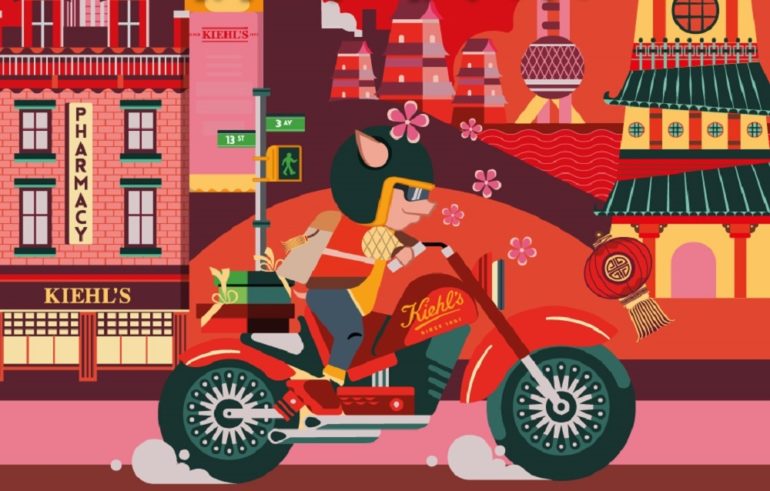
    Known for his bold and diverse style, in his designs Wan has depicted a pig named Lucky who travels from New York City to Singapore to celebrate the Lunar New Year with his family and friends. Born in Sheffield, UK, Johnny Wan graduated from the Manchester School of Art in 2008 and has been working as a freelance illustrator since. With a fascination for all things ancient, he has developed a diverse style working across advertising, editorial and publishing.

    Creating bold and graphic pieces of work that reflect his interest in Art Deco is a process of alchemy Jonny loves exploring. His previous clients have included Ford, Audi, Kidrobot, Microsoft and Nokia.

    The brand’s iconic products, Ultra Facial Cream, Calendula Herbal Extract Alcohol-Free Toner and Creamy Eye Treatment with Avocado, will be available in limited-edition Lunar New Year packaging designed by the illustrator.

    With the pop-up taking place in Singapore, Kiehl’s will be bringing the Merlion statue into Changi Airport especially for the occasion to welcome travelers right after their flight lands. A Lunar New Year-themed virtual reality motorcycle and a fortune card machine will also be on site to engage customers with the most immersive Lunar New Year experience.

    Kiehl’s believes that a worldwide international company must have a purpose for its existence, to go beyond the everyday work, and improve the community that Kiehl’s serves.

    For each purchase at the pop-up store, Kiehl’s will donate 1 SGD to Singapore NPO, ZEROWASTESG. The pop-up will also work alongside the BUY Your Own Bag program (BYOB) to educate and remind shoppers to bring their own reusable bag and to make using reusable bags a social norm.

  • Living Coral proves Color of the Year sells well

    Living Coral proves Color of the Year sells well

    After color forecaster Pantone announced its annual Color of the Year in December, Korean companies, spanning cosmetics brands to hiking-gear makers, have rushed into releasing products in the vibrant hue. According to Pantone, the color was chosen for being “animating and life-affirming” able to energize and enliven with a softer edge. The color, which stands somewhere between pink and orange, is also a reminder of the beauty of coral reefs, “a source of sustenance and shelter to sea life” that is only visible in a healthy environment.

    Coral is already a popular color for many cosmetics brands in Korea, and is annually one of spring’s trendiest colors.

    One of the first local collaborators with Pantone is cosmetics brand VDL. Early this month, the company released its “2019 VDL + Pantone Collection,” including a 12-color eye shadow palette, lipstick, primer and cushion packs, all featuring the trendy hue.

    This is the company’s fifth collaboration with Pantone since 2015; every January, VDL releases a lineup of cosmetics featuring the Color of the Year.

    Olive Young, a chain of health and beauty brands, saw a 45-percent sales increase in their coral- and orange-toned cosmetics from Dec. 17 to Jan. 7.

    According to the company, the major reason behind the increase was Pantone’s annual announcement.

    Unlike previous Color of the Year picks – such as Ultra Violet in 2018 and Greenery in 2017 – which are relatively difficult to apply as makeup, Living Coral goes well with many skin tones, while “naturally brightening” one’s face.

    In recent weeks, YouTube has been dominated with hundreds of videos of beauty bloggers applying Living Coral makeup collections.

    Living Coral is also influencing the design and fashion industries.

    Korean furniture brand Modern House teamed up with Pantone to develop a special series of home goods, ranging from kitchen items and bathroom utensils to home decorations and tumblers in the beginning of the year.

    Casual wear brand Uniqlo Korea set this year’s fashion key word as “24/7 Relax & Comfort” and revealed a series of spring clothing featuring vibrant colors, including Pantone’s Living Coral.

    Sportswear brand MLB has also released a collection of hoodies, puffer jackets, beanies and pants in different shades of coral.

    “Coral [is a very popular] color in various categories – from lipsticks to blush and eye shadows,” Olive Young said in a statement on Jan. 8.

    “The sales of coral-colored products have been increasing since the beginning of the year. ”

  • Shiseido opens new office hub in Singapore

    Shiseido opens new office hub in Singapore

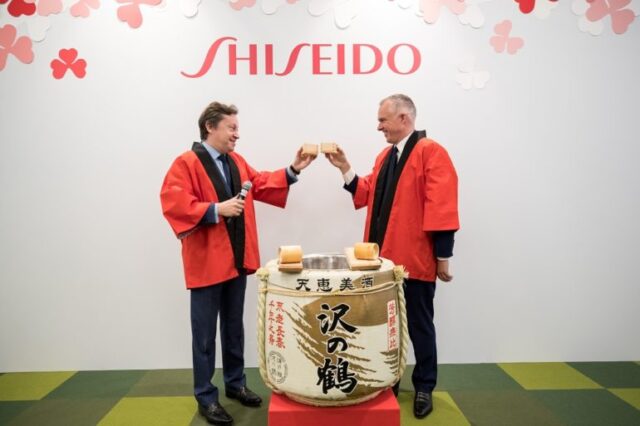
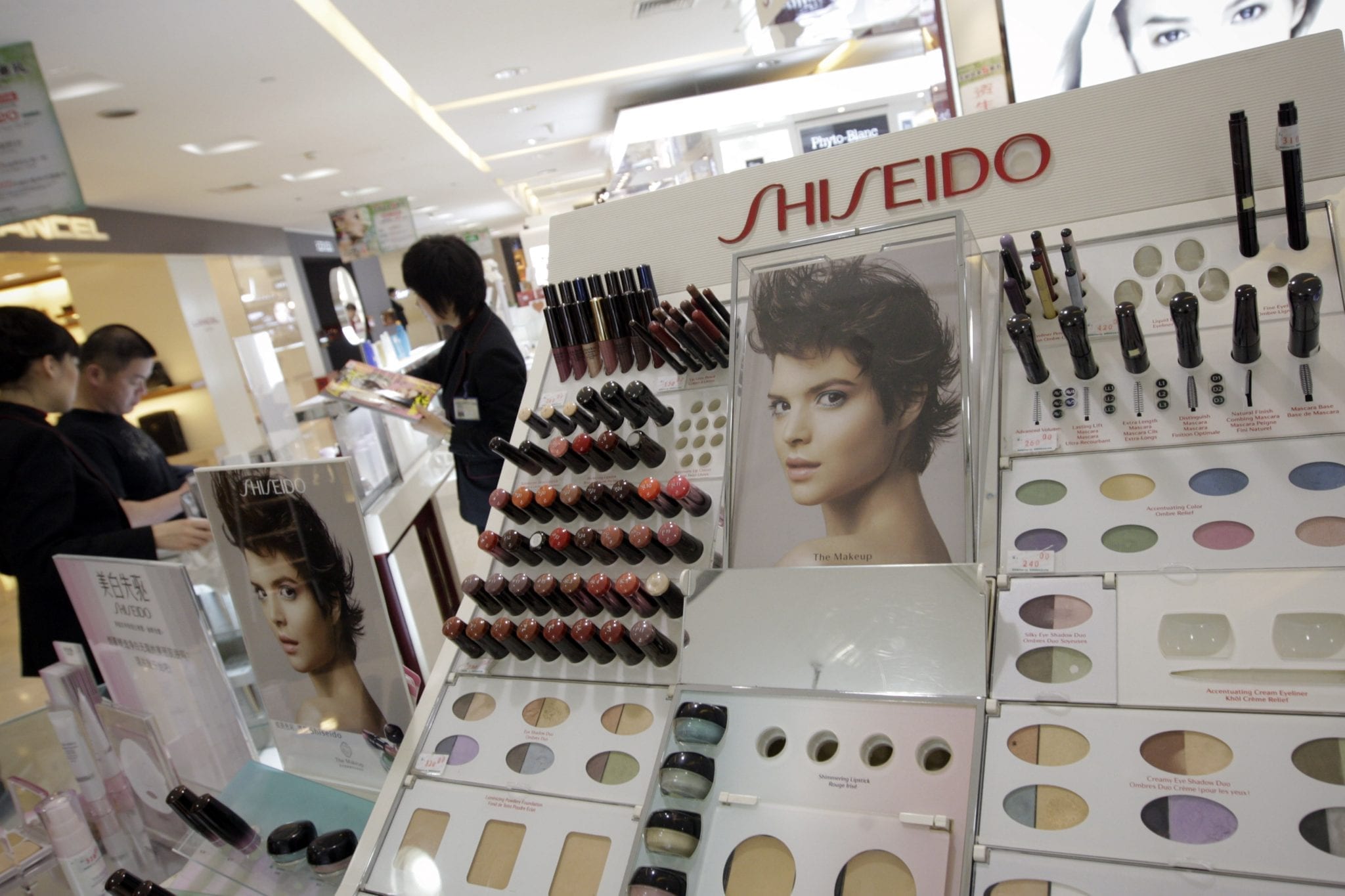
    Shiseido announced the opening of its new office in Singapore, located in the heart of Singapore’s Central Business District. The move is part of Shiseido’s VISION 2020 corporate transformation, as the company focuses on accelerating growth in the second phase of its medium-to-long term strategy. The new office hub will house the regional headquarters of Shiseido Asia Pacific, the global headquarters for Shiseido Travel Retail and the affiliate office of Shiseido Singapore.

    As centres of value creation, this structure facilitates flexible and agile decision making; enabling Shiseido to achieve significant growth through marketing activities attuned to the needs of regional consumers and global travellers.

    As we continue to build for the future, Shiseido is committed to an increased investment in our brands, talent development, beauty innovation and business activities that will positively and sustainably impact society.

    The new office will house three new dedicated facilities:

    • Asia Learning Centre, a first-of-its-kind dedicated training facility that will train approximately 2,000 Shiseido employees from Asia Pacific, Travel Retail, Japan & China each year. Its programmes aim to develop leadership, function-specific and innovation skills and behaviours that are critical in supporting growth and bringing out the best from employees for Shiseido’s continued success.

    • Asia Pacific Innovation Centre, which will enable open-source innovation, Asia Pacific consumer research, as well as create and localize a portfolio of highly specialised products for the Asian market and climate.

    • Life Quality Beauty Centre: As we strive for a society that promotes greater happiness and positivity for everyone, this is a unique facility that provides private, specialized make-up consultations to consumers with significant skin concerns such as port-wine stains, nevus, scars, vitiligo and changes in appearance due to the side effects of medical treatment. Shiseido has helped consumers with serious skin concerns since 1956, when many in Japan suffered from serious skin burns post-war, by developing a foundation called Shiseido Spots Cover.

    Shiseido Asia Pacific and the global headquarters of Travel Retail first established their presence in Singapore in 2016 & 2015 respectively; with the employee base almost doubling to over 250 employees, with nationalities spread across 17 countries.

    The strategic location of the Singapore office puts Shiseido closer to key markets in Asia, enabling the company to leverage the region’s robust potential with its rising middle-class population. Growth in the premium beauty segment in Asia Pacific is forecasted increase by USD$4.4 billion from 2016-2021, while the mass beauty segment is expected to achieve more than triple this amount[1].

    Asia Pacific also represents a key region and engine of growth for the global Travel Retail Channel. Current forecasts estimate that its beauty segment represents a potential market size of USD$26 billion by 2021[2]; the proximity of Shiseido Travel Retail aims to empower and guide the team alongside this growth.

    “Our new regional headquarters is testament to our solid growth in Asia Pacific over the past few years and my commitment to our consumers and employees in the years to come – I am looking forward to our expanded capabilities in leadership & talent development, innovation and harnessing deeper Asian consumer insights. These will play a critical role in accelerating our growth across the region,” said Jean-Philippe Charrier, President & CEO, Shiseido Asia Pacific.

    “As we continue our trajectory towards achieving our Vision 2020 goals, this new modern office for Shiseido Travel Retail aims to be a place of innovation, creativity and collaboration for our global & Asia teams. We hope that this office will be a place to inspire our team and partners in new ways of thinking, continuing our journey in finding new and fresh methods of engaging our hyper connected travelers and pioneering new forms of retail entertainment,” comments Philippe Lesné, President & CEO, Shiseido Travel Retail.

  • L’Oreal brings Cai Xukun and Eiffel Tower to Haitang Bay

    L’Oreal brings Cai Xukun and Eiffel Tower to Haitang Bay

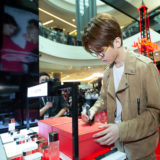
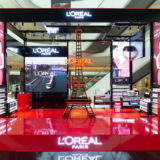
    Known for reinventing extraordinary beauty experience, L’Oréal Paris invites all travelers to Haitang Bay Duty Free Shopping Mall for a first-of-its-kind Parisian experience.  On January 4, together with friend of L’Oréal Paris Mr. Cai Xukun (Kun), a 5-meter-high, bold red Eiffel Tower was revealed at the L’Oréal Paris pop-up, synonymous with East meets West: made-in-Paris chic and a tribute to the Chinese tradition of prosperous red.

    With over 120 million  interactions on Chinese Weibo, the special appearance of renowned young icon Kun attracted a large crowd of Chinese travelers coming to Haitang Bay.  At the event, Kun and Olivier Tessler, General Manager of L’Oréal Paris Travel Retail Asia Pacific, engraved “Kun ♥ L’Oréal Paris” on the iconic Color Riche Moist Matte lipstick, symbolizing for this powerful collaboration.

    Gallery of the event

    The pop-up iinvites holiday travelers to discover L’Oréal Paris’ accessible-luxury products for both men and women, appealing to travelers of all different types of aspirations. The pop-up  will open from January 4 until the end of the month, exclusively in Haitang Bay.

    “To be able to surprise Chinese travelers by bringing an Eiffel  Tower to Haitang Bay is definitely a first for me! L’Oréal Paris is my first choice of beauty brand, and I’m happy to share the brand story with my fans in such a vivid and striking way,” says Cai Xukun.

    “I am enthusiastic  about sharing an extraordinary Parisian experience with Chinese travelers in Haitang Bay! Together with Cai Xukun and CDFG, we are delighted to invite everyone to a celebration of every element of our brand’s DNA – Paris, beauty, creativity, fashion and diversity. Our goal is to lead the way in making beauty trends for all”, says Olivier Tessler, General Manager of L’Oréal Paris Travel Retail APAC.

  • The Body Shop India to open 20 new stores in 2019

    The Body Shop India to open 20 new stores in 2019

    The concept of beauty has evolved dramatically over the last few years. The desire to look attractive and feel good is at an all time high among consumers from all walks of life. Consumers are continuously looking out for products that make them look good. Innovation, ingredients and integrity are the new buzzwords in beauty. Natural and organic has never been more popular. The movement towards healthier, wellness-oriented lifestyles around the world – complemented by a growing consumer awareness of sustainability, naturality, and ethical sourcing, has influenced personal attitudes towards beauty.

    There has been a huge upsurge of consciousness in beauty purchase – Beauty with Responsibility. Today consumers want to buy beauty products which are chemical free, natural, organic, vegetarian and not tested on animals. ‘Ethical and Clean Beauty’ is indeed on the rise.

    Keeping up with the rising demand, many new brands have entered the beauty retail space in India but brands like The Body Shop which have been there in the industry from past 12 years, has carved a niche for itself.

    Vishal Chaturvedi, General Manager-Retail – India, Sri Lanka and Bangladesh, The Body Shop explains how the brand has become a established household name. He says, “The brand is a one stop shop for new and trending beauty products and ingredients. We have ranges across skincare, bath and body, haircare, make-up, men’s grooming range and gifting. Perfected by centuries of wisdom, the brand brings to its cusotmers the finest natural ingredients, refined textures and delicate fragrances, from purifying and firming clays, sensorial and luxury oils, refining natural scrubs and decadent creams.”

    “We are always on the verge of experiments to bring new beauty formats and testing efficacy to bring the very best to our consumers,” he adds.

    All the products of the brand are made exclusively in the UK and supplied across the world. India is one the fastest growing markets and among the top markets for The Body Shop.

    “We have been in India since 2006 and have 175 stores across the country. We have presence in 60+ Indian cities and over 600 towns and cities through own e-commerce channel. The brand is known for its ethical positioning with strength of natural ingredients, community trade programs, animal cruelty free and 100 percent vegetarian products. The Body Shop has a fast growing consumer base. We are expanding into new markets and are a leading global beauty retailer in the country,” asserts Chaturvedi.

    Store Innovations

    The Body Shop keeps the customers at the centre of their business and their location strategy is driven by the endeavour to reach as many customers across a wide spectrum of segments.

    “We choose locations that allow us access to all kinds of beauty consumers and where we can offer our unique The Body Shop experience,” reveals Chaturvedi.

    The brand’s pillars are naturality, animal cruelty free and activism and the stores celebrate this through their ambience and every customer touch point.

    “Through the stores, the brand offers a heightened personalized experience by unique display of products and experiential zones which uplift the sensorial experience of the customers. We have a marquee Community Wall that specifically talks s about our ongoing ethical campaigns and initiatives,” states Chaturvedi.

    “Our greatest innovation is our beauty experts and advisors. They are the true ambassadors of the brand. The advisors undergo rigorous training and each one of them is well equipped to give a 360° experience of the brand,” he adds.

    Future Plans

    The beauty brand has endeared itself not only to consumers in big cities like Mumbai, Delhi, Bangalore, Chennai, Hyderabad, Kolkata but is also hugely popular in Tier II cities like Guwahati, Siliguri, Jammu, Aurangabad, Patna, Nasik, Mysore, Calicut and many more towns and cities.

    “We shall be opening 20 more stores this year in 2019, establishing our footprint in new cities to make ourselves even more accessible to new customers,” he reveals.

    “Apart from physical presence, we have a very strong online presence. E-commerce is our fastest channel of reaching 600+ cities and towns adding almost 30,000 customers to The Body Shop family every year. Our e-commerce business contributes to 10 percent of our business. We are expecting to grow by 12 percent,” he concludes.

  • Sa Sa sales drops in HK, Macau

    Sa Sa sales drops in HK, Macau

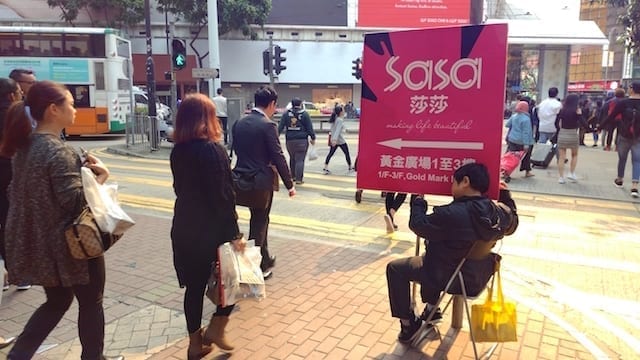
    Sa Sa International sales slipped 2.2 per cent in the latest quarter, with same-store sales in Hong Kong and Macau down 3.7 per cent. The company says that while the transaction volume of mainland tourists rose 5.8 per cent in the three months to December 31, transactions by locals fell 5.2 per cent. However the average sale to tourists fell by 6.1 per cent and just 0.2 per cent to locals.

    Sa Sa International’s retail and wholesale turnover in markets outside Hong Kong and Macau (including Mainland China, Singapore, Malaysia and e-commerce) increased by 1.3 per cent in the third quarter.

    “[Hong Kong] consumer sentiment remained sluggish due to the weaknesses in RMB exchange rate and stock market under the continued shadow of the Sino-US trade war,” said chairman and CEO Simon Kwok in a stock exchange filing.

    “In addition, the new e-commerce law passed by the Chinese government in August came into force early this year and made daigou traders more cautious in running their businesses. The group’s sales performance was affected and negative growth was recorded in both retail sales and same store sales in the Hong Kong and Macau markets in November and December.”

    Kwok said that since the launch of the Hong Kong section of the Express Railway Link, the Group’s SaSa stores located in the Hong Kong West Kowloon station and the neighbouring Tsim Sha Tsui district have been reporting satisfactory sales performance. However, the increased influx of mainland tourists via the new Hong Kong-Zhuhai-Macau Bridge were mainly sightseeing trippers with limited purchasing power and barely contributed to the group’s overall sales in Hong Kong.

    “Nevertheless, the group believes the two mega infrastructure projects will attract more mainland travellers with higher consumption when they are gradually consummated. The group remains optimistic towards the outlook of Hong Kong and Macau markets in the middle to long run under the favourable development of the Greater Bay Area.”

    Kwok said Sa Sa International will strengthen promotional efforts to boost traffic and sales in physical stores to offset a decline in the online-driven daigou business.

    “Digitalisation and information technology enhancement will be sped up to improve operational efficiency and shopping experience. In addition, the group will seize the opportunities brought by the Greater Bay Area to achieve sustainable business development for the group,” he said.

  • Inglot Vietnam makes debut in Vietnam

    Inglot Vietnam makes debut in Vietnam

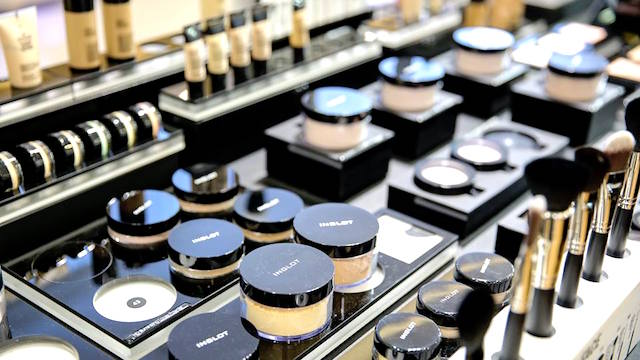
    Polish cosmetics brand Inglot has opened its first Vietnam store, inside Vincom Lieu Giai in Hanoi. Located on the first floor of the shopping centre, the Inglot Vietnam store offers a free makeup area for customers to try its products before purchasing. Makeup artists are available to help customers find the right tones and ‘look’. Inglot Vietnam says the first store is something of a trial by the company before it opens a flagship shop in the nation’s commercial capital, Ho Chi Minh City, by the end of next month.

    Inglot is well known for its bolt shades and its Freedom System, which allows users and makeup artists to arrange eyeshadows, blush and lipsticks into on-the-go palettes. The brand has more than 900 stores in 75 countries.

  • Crabtree & Evelyn Singapore closes all stores

    Crabtree & Evelyn Singapore closes all stores

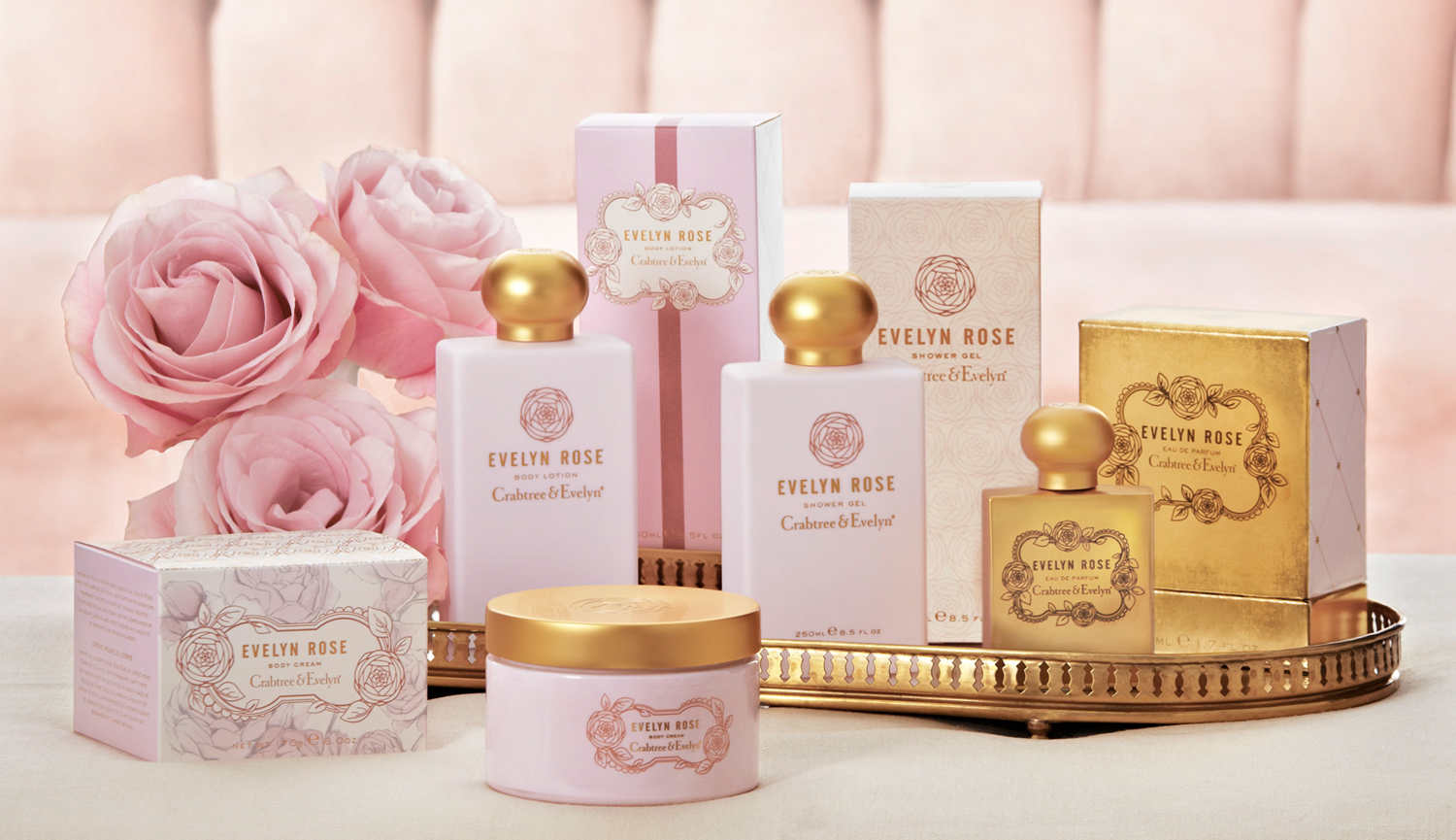
    Crabtree & Evelyn Singapore is in the process of closing all of its 12 stores on the island and will move exclusively online. The closures follow the placing of the Canadian business into bankruptcy protection last month, resulting in the closure of its 19 stores there as it liquidates its stock. Crabtree & Evelyn was founded in the US in 1972, expanding to the UK in 1980. It was sold to a Malaysian company in 1996, with its US subsidiary entering bankruptcy protection in 2009, resulting in the closure of about a quarter of its store network.

    The business was bought by Hong Kong investment company Khuan Choo International in mid 2012 for US$155 million before being sold to the current owner, another Hong Kong company, Nan Hai Corporation, four years later. Listed on the Hong Kong stock exchange, Nan Hai’s primary business focus is operating cinemas and digital entertainment services, mostly in Mainland China. It has no other specific retail or cosmetics investments.

    In March last year Nan Hai said it had invested in expanding and revitalising the Crabtree & Evelyn product range and that it would expand the brand into the mainland: “Crabtree & Evelyn will fully enter the PRC market in 2018 and the development of [an] e-commerce platform and membership system will be its business focus for 2018, thereby creating synergy with the e-commerce and membership strategies of the group’s cinema operations, which would be beneficial to the long-term development of the group,” the company said in a stock exchange filing.

    Online expansion was also planned in Australia, Singapore and Malaysia, but it made no mention of closing stores and it is not clear in which markets it owns its retail operations and in which it has distribution partners.

    According to a report, the business there filed for bankruptcy citing “significant losses” due to changing consumer demand, rising competition online and an ongoing decline in footfall in its stores.

    Crabtree & Evelyn Singapore is expected to continue trading from two stores in the city – Ngee Ann City and Paragon – until January 31, where it will honour gift vouchers. It has wound down its offline loyalty program in favour of a new online version.

  • Lancome pop-up store opens in Pavilion KL

    Lancome pop-up store opens in Pavilion KL

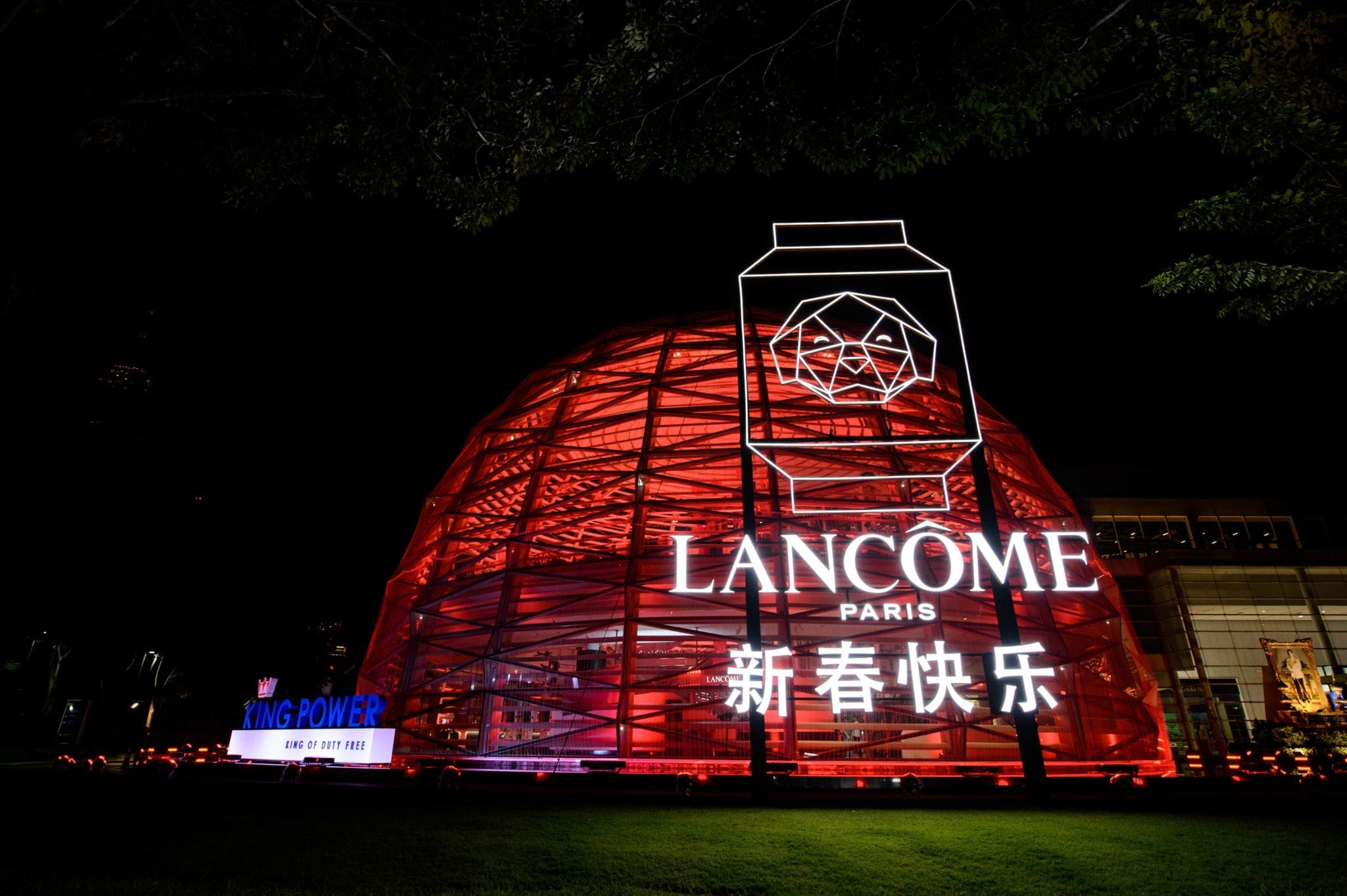
    Lancome is set to launch its first exclusive pop-up store at Pavilion Kuala Lumpur. The Lancome pop-up store will open from January 7 until February 15 in celebration of the Chinese New Year and be promoted via a “Wish Big” campaign offering limited edition beauty products alongside other prizes, including a grand prize trip to Paris.

    Store visitors will be able to sample Lancome’s Advanced Genifique product as well as send personalised CNY e-greetings and enjoy various interactive activities. Shoppers will be able to buy from several limited edition Lancome bestsellers.


  • Japanese cosmetics surges in export number

    Japanese cosmetics surges in export number

    Japan’s cosmetics exports are on track to surpass 500 billion yen ($4.53 billion) for the first time in 2018, marking a sixth consecutive record year, thanks to Asian tourists who continue to buy these products after returning home. Exports in the January-November period grew 44% on the year to 482.8 billion yen, according to a tally of 16 types of cosmetics compiled from trade data by Nikkei. Demand for gifts tends to boost exports in December, and with major cosmetics makers’ plants running at high capacities, the full-year figure is expected to reach around 520 billion yen.

    Mainland China was the top buyer from January through November, accounting for 34.9% of exports by value, followed by Hong Kong at 25.9%, South Korea at 10.3%, Taiwan at 7.3% and Singapore at 7.3%. Asia accounted for 90% of the total.

    Japan’s cosmetics exports have tripled in the last four years along with a rise in visitors to Japan. Exports exceeded imports for the first time in 2016 as inbound tourism creates new customers for high-quality Japanese goods who continue to buy them online or in stores upon returning home.

    Cosmetics exports are likely to keep climbing in 2019. China will implement in January its first e-commerce law, which will require domestic online platforms to register with the government. With the crackdown on illegal marketing, direct exports of Japanese cosmetics are expected to increase as smaller Chinese retailers that sell goods procured directly from shops in Japan decline.

    Top cosmetics makers are also actively expanding their sales. Shiseido plans to begin in 2019 officially selling new products in China from its namesake mainstay brand, which launched worldwide this fall. The company will open a facility for collaboration with Alibaba Group in Hangzhou from January and jointly develop products with the Chinese e-commerce empire.

    Kao plans to double the number of stores in China carrying its popular Freeplus skin care brand to more than 2,000 by 2020. It will also cultivate sales for its makeup brand Kate, which launched a Chinese marketing campaign in December. Kose is accelerating the online sales campaign it began in China this autumn for its luxury brand Decorte.

    Japanese cosmetics makers are increasing the capacity of domestic plants to meet the surging export demand. Shiseido plans to bring a new domestic factory online in 2019 for the first time in 36 years, in Tochigi Prefecture, to produce more items like skin care products. It will also begin operations at a new facility in Osaka Prefecture in 2020.

    Kao will roughly double production for its Freeplus brand from 2017 levels, too, by investing in its main factory in Kanagawa Prefecture. Boosting domestic production is likely to encourage exports further by increasing supplies of “made-in-Japan” cosmetics.

  • HK customs seized counterfeit cosmetics

    HK customs seized counterfeit cosmetics

    Hong Kong Customs has seized more than 1300 items of suspected counterfeit cosmetics after raids on three sites this week. In an anti-counterfeiting operation conducted with the assistance of the trademark owners, customs officers took enforcement action at four dispensaries, five medicine stores and a warehouse. The raids took place in Tsim Sha Tsui, Mong Kok and Sheung Shui.

    The suspected counterfeit cosmetics and skin care products have an estimated market value of about $73,000 and included soothing gel, eyebrow pencils and face powder.

    Eight men and five women were arrested, including seven shop owners and six salespersons, aged from 19 to 60. They have all been released on bail as investigations continue.

    In a statement, Hong Kong Customs said it has been carrying out stringent enforcement against the sale of infringing goods and will continue to step up patrols and enforcement actions against infringing activities during the Christmas season.

    “Customs reminds consumers to procure goods at reputable shops and to check with the trademark owners or their authorised agents if the authenticity of a product is in doubt.”

    Retailers were warned to be cautious and prudent in merchandising since the sale of counterfeit goods is a serious crime and offenders are liable to criminal liability.

    Under the Trade Descriptions Ordinance, any person who sells or possesses for sale any goods with a forged trademark commits an offence. The maximum penalty upon conviction is a fine of $500,000 and imprisonment for five years.

  • LG Household’s History of Whoo makes history

    LG Household’s History of Whoo makes history

    LG Household & Health Care’s skin care brand The History of Whoo generated 2 trillion won ($1.79 billion) in sales this year as of Thursday. This is the first time a Korean beauty brand has reached that threshold. The 2018 record is also a 40.8 percent increase from last year’s annual sales.

    “For us, the achievement is meaningful in that it’s a sign we’re nearly able to compete shoulder-to-shoulder with global beauty brands,” LG said in a statement.

    The 2 trillion won in sales figure is based on manufacturer price. Counting the consumer price tag, the figure jumps up to 3 trillion won. According to market research firm Euromonitor International, the top three global beauty brands – Lancome, Shiseido and Estee Lauder – generate between 4.4 trillion and 5.3 trillion won a year based on the same standard.

    The last time The History of Whoo set a record was in 2016, when the brand made 1 trillion won in annual sales, 14 years after its launch. Breaking the 2 trillion won threshold came just two years later.

    The rapid growth is notable in that Whoo successfully survived a widespread boycott of local brands in China last year, following the installment of the U.S.-led antimissile system Thaad. This is in contrast to a score of other beauty companies like local leader Amorepacific, which have suffered huge blows from the loss of Chinese customers and some have yet to recover to pre-Thaad revenue levels.

    A spokesman explained that the brand kept its positive image thanks to word-of-mouth marketing and repurchases from Chinese customers.

    In terms of strategy, LG believes Whoo’s positioning as a high-end beauty brand has proven effective. Among its wide brand portfolio, The History of Whoo is one of LG’s premium brands with a higher price tag.

    Its main concept is that the products are based on records from Korea’s past dynasties which use oriental medicine as main ingredients. The brand story is also reflected in its product packaging, which emphasizes gold and red, which industry watchers say fits well with Chinese consumers’ taste for glamor.

    “We also concentrated a lot of our marketing activities to target VIP customers that have buying power,” said an LG spokesman.

    For next year, the company plans to continue its drive to push premium brands. Another brand LG is hoping to develop in the price range is SU:M, which is less flashier than Whoo, but emphasizes the use of fermented plants. Although smaller than Whoo, SU:M is also expected to reach 440 billion won in sales this year, a 15.8 percent increase year-on-year. During this year’s third quarter, LG’s three luxury brands – Whoo, SU:M and O HUI – were responsible for more than 60 percent of its beauty revenue.

  • Shiseido makes plans for China

    Shiseido makes plans for China

    Shiseido reinforces the regional headquarters system that oversees the business in China as of January 1, 2019. Moving towards the achievement of its medium-to-long-term strategy, VISION 2020, Shiseido will evolve further to ”Be a Global Winner with Our Heritage” by ensuring sustainable growth in the significantly growing Chinese market.

    Under the new system, Shiseido will reinforce the brand business structure in the China region and its supporting corporate functional structure in order to enhance brand appeal to Chinese consumers and strengthen market execution.

    As to the Brands Business, the management function of the Prestige Brands business in the China region and the CMO function of Cosmetics Brands & Personal Care Brands will be established. Furthermore, the strategic alliance with emerging e-commerce platform companies in the China region will be strengthened under direct control of the CEO of the China region.

    At the same time, Shiseido will proactively support the business strategy and reinforce the corporate functional structure aiming to improve its organizational capability to ensure sustainable business growth.

    Shiseido will continue leading growth through the acquisition of greater competitiveness of the Chinese business and by reviewing the organizational structure to optimize functions for all areas and market characteristics around the world.