Retail News CRM

Tag: cosmetics

  • New Shiseido Travel Retail division set ¥18.5 billion target for FY2016

    New Shiseido Travel Retail division set ¥18.5 billion target for FY2016

    Shiseido is set to create a new travel retail unit, based in Singapore, on 1 May, combining the skin care, make-up and fragrances arms of the Japanese beauty house’s worldwide travel retail business, according to a report published by Travel Retail Business.

    Shiseido Travel Retail has been set a sales target of ¥18.5 billion for the financial year, a considerable jump on the ¥17.2 billion achieved in 2015.

    The new unit will usher in a key account management system, with dedicated regional teams allocated to key customers as well as a new business development function to explore global growth opportunities.

    The new unit is part of the company’s wider 2020 strategy, which will see the company usher in a matrix management structure with six regional entities led by Philippe Lesné.

  • Cosmetics retailers will like the look of China’s online import tax rules

    Cosmetics retailers will like the look of China’s online import tax rules

    China is changing tax rules for imported goods that are sold online in a move that will make beauty products such as eye creams and moisturizing gels from L’Oreal SA’s Lancome and Korea’s Amorepacific Corp. become cheaper for Chinese consumers.

    The government will remove a special tax, or so-called parcel tax, previously levied on imports sold online. Instead, it will charge value-added and consumption duties that are currently imposed on most products sold in China but with a 30% discount, according to a Thursday statement posted on the website of the Ministry of Finance.

    The move came after China in January broadened a pilot program in which a port district in the eastern city of Hangzhou was allowed to trade imported goods at lower taxes. As the world’s second-largest economy pushes its online retail industry and promotes cross-border e-commerce, the country has expanded the program to 13 cities. China’s State Council approved the latest changes which will come into effect on April 8, according to the Thursday statement.

    “Cosmetics will be the biggest beneficiary after the tax adjustment,” said Catherine Tsang, a Hong Kong-based tax partner at PricewaterhouseCoopers LLP. As beauty and personal care is one of the most popular category among imports bought by China’s Internet shoppers, any price cuts will further boost the market, Tsang said in an interview.

    Riding on a wave of popularity from South Korea’s TV dramas and music, Amorepacific’s Etude House and other brands from the country are in demand among Chinese customers. For Korean products, cross border e-commerce has become a more direct and cheaper way to expand in China compared with setting up store networks, Tsang said.

    Online sales of imported goods have grown at a compounded rate of 63% in the five years to 2015, reaching 638 billion yuan ($98 billion) and accounting for 17% of China’s total online retail sales, according to data from Mintel Group Ltd.

    The most popular categories of products being purchased online in China are consumer electronics, clothing and shoes, appliances, food and beverage, and beauty products, according to research firm Euromonitor International.

    Previous changes to promote cross-border e-commerce include:

    • China started pilot program with a zone in Hangzhou in March 2015
    • Trial expanded Jan. 2016 to Tianjin, Shanghai, Chongqing, Hefei, Zhengzhou, Guangzhou, Chengdu, Dalian, Ningbo, Qingdao, Shenzhen, Suzhou
    • Parcel tax in zones set at 10% (food, infant items), 20% (electronics, apparel), 30% (high-end watches), 50% (cosmetics, alcohol)
    • Tariffs waived for items that incur taxes below 50 yuan

    While food and baby items such as diapers may cost more after the April adjustments because of their current lower tax rates, those imports may remain attractive as China’s growing middle-class are becoming more concerned about health and are willing to pay more for quality, daily necessities, PwC’s Tsang said.

    “That’s why the demand for imported goods is increasing so fast,” she said. ”China’s consumer now are less price-sensitive especially to products they eat or use on their skins.”

  • Mix of innovation, soft power drives ‘K-beauty boom’ in China

    Mix of innovation, soft power drives ‘K-beauty boom’ in China

    Eating exotic and wild species is nothing new in China, just like a saying well known in Guangzhou: “Chinese will eat everything with four legs except tables and eat everything that swims except a submarine.”

    Their openness to new ingredients and recipes strikes a similar note, as South Korean cosmetics companies embrace such quirky ingredients as snail slime, horse oil and pig skin collagen as long as they are considered good for the skin.

    With ingredients ranging from an extract from cocoons, goat milk and volcano clay, Korean beauty items come in all imaginable forms. They range from hair mousse styling foam and fruit flavored yogurt to mask sheet packs for the feet and breasts.

    The relentless experimentation may be one of the most decisive factors behind Korean cosmetics’ success in China, which helped spread the “K-beauty boom” beyond Asia to reach Western customers over the past few years.

    South Korea’s cosmetics exports to China doubled on-year to US$1.08 billion in 2015, which accounts for nearly 40 percent of its total global sales, according to the Korea International Trade Association. South Korea is the second-largest cosmetics exporter to China following France.

    Chen Ming, a 30-year-old makeup artist from Guangzhou, says she has tried several basic skin care products and massage packs by Korean brands, which emphasize naturally flawless skin. For the “nude makeup look,” she is willing to try highly functional cosmetics with bizarre ingredients.

    “Let’s say horse oil is known as good for moisturizing and healing for skin, but you don’t want to use it until it is turned into some kind of dermatological formula to apply onto the skin,” the resident of China’s third-largest city on the southern coast said. “Unlike major Western cosmetics, many Korean cosmetics put key ingredients before labels to give a sense of what it is made of. I think it’s an effective way to sell a product.”

    While major cosmetics companies, including No. 1 AmorePacific Co. and its smaller rival LG Household & Healthcare Ltd., have a wide range of luxury and lower-end lines, independent brands put more focus on targeting safety-conscious Chinese consumers who also care about price tags. Most lower-end brands have lineups ranging from $10 to $50 per item, with advanced formulas below $100.

    “In China, cheap products are considered not reliable because they could contain harmful chemicals, while expensive products are just too expensive for ordinary consumers,” Lou Wei, a 46-year-old music teacher in Guangzhou, said. “Korean products are known as cost-effective compared to Western brands. Plus, the skin types are similar between Koreans and Chinese.”

    The unwavering popularity of Korean dramas and entertainment shows has also elevated their brand power to the next level.

    According to a survey by the Korea International Trade Association last year, 70 percent of 1,400 middle-class consumers in major Chinese cities said they have seen Korean dramas and shows. Eight of them evaluated that such experiences positively affected their perception towards Korean products.

    Most recently, “Descendants of the Sun,” a mega hit KBS drama currently on air both in Korea and China, showed how companies can benefit from consumers who want to mimic styles of celebrities.

    Laneige, AmorePacific’s mass brand, saw skyrocketing sales of items used by actress Song Hye-gyo, who starred as a doctor in the drama, which was viewed a combined 1 billion times on iQiyi, its official streaming site in China.

    At 11st Street, a Korean online retailer that runs a Chinese language site, sales of Laneige’s blemish balm pact jumped 10-fold from March 14 to March 20, while a new lipstick sold out three days after its release.

    “As Korean dramas were usually aired in China at least several months later, sales of related products were reflected with time lag,” said Yoo Sang-woo, a sales director at 11st Street’s Chinese shopping page. “As ‘Descendants of the Sun’ is simultaneously aired in Korea and China, the customer reaction is almost instant.”

    While major players have built production lines in China to get ahead in the fast-growing market, smaller brands have raised considerable sales at duty-free shops and through Chinese vendors who buy in bulk in Korea and resell with a margin both online and offline.

    Experts say the biggest hurdle for those who have yet to establish a direct sales network in the mainland is how to tackle the rising number Chinese knock-offs, stressing the need to expand official distribution channels.

    “In the case of best-selling items, consumers are reluctant to buy them at local shops or through private vendors over concerns of fake products. Some of them buy cosmetics in Hong Kong shops or ask a favor of friends visiting Korea,” said a Guangzhou-based trade official. “Chinese prefer products made in Korea because they have safety concerns over food and anything related to the body.”

    In light of such growing calls, the Korea Trade-Investment Promotion Agency (KOTRA) has pledged to provide support to emerging cosmetics companies via overseas marketing efforts jointly with international retail giants.

    On Wednesday, KOTRA held a “K-beauty Summit” with officials from 40 small and medium-sized cosmetics companies and U.S. retail behemoth Amazon. It also agreed with Taobao, the online market place by Chinese e-commerce giant Alibaba, to hold a beauty trade fair in the first half of this year to expand their sales network.

    Experts say online marketing efforts have become ever more important for further expansion to reach out to the growing number of smartphone users in smaller Chinese cities.

    “Despite recent economic slowdown, the Chinese consumer goods market still offers a great deal of opportunities to Korean cosmetics and clothing companies,” Park Hyun-jin, a researcher at the Seoul-based Dongbu Securities, said.

    “The e-commerce market will continue to grow thanks to the popularity of mobile shopping. As the number of smartphone users has sharply risen in smaller cities and urban areas, brand marketing via mobile and online will help boost sales in China.”
  • Korea to legalise customised cosmetics formulation

    Korea to legalise customised cosmetics formulation

    Increasingly, retailers have begun to offer the on-the-spot bespoke mixing of cosmetics from base ingredients (including colours and scents) as a service for consumers eager for personalised beauty.

    In the past few years, Korea has established itself as a global market leader when it comes to cosmetics, particularly within the field of innovation. Until now, however, retailers in Korea have been unable to embrace the growing trend of personalised product formulation, due to the ban imposed as a result of safety concerns.

    The relaxation of the ban will allow Korean beauty players to start pushing the trend within the country, a move that, we reported, “is projected to further diversify and expand the country’s vibrant cosmetics industry.”

    The young demand personalisation

    Younger consumers increasingly expect a level of bespoke personalisation and interactivity in their beauty products and services, with on-the-spot formulation one of the key elements of this.

    In a recent new report, ‘The Impact of Millennials’ Consumer Behaviour on Global Markets ’, market research firm Euromonitor International states that a personalised, immersive shopping experience is key for the demographic, which is swayed by innovations like try-on technology, skin analysis and mirror apps.

    Personalisation and interactivity is important in beauty care for millennials, with a rash of digital solutions emerging to appeal to their need for individual solutions,” the report explained.

    The legal selection

    Korea is currently trialing the bespoke production of cosmetics at select stores, including duty free, across several specific product categories. These are reportedly: four types of fragrance, 10 types of skin care products, and eight types of colour cosmetics, including lipsticks.

    Following the trial, the government will assess the safety of the service, with a view to potentially implementing general legalisation across the country.

  • Canadian entrepreneur takes male make-up line Formen to South Korea

    Canadian entrepreneur takes male make-up line Formen to South Korea

    A Canadian entrepreneur who sells a dedicated line of skin care and make-up products online is preparing to launch onto the South Korean retail market, according to a report published by Canada’s Metro News.

    Andrew Grella conceived the line after his mother helped him to conceal his acne on prom night, and launched while a student at Ryerson University. The products, which include concealer, an under-eye mask and mattifier, are now set to make their debut on the South Korean market, with a launch in Canadian stores slated for next year.

    “A lot of buyers and people interested in skin care for their stores will go to South Korea to see what’s happening and what’s coming down the pipeline,” Grella told Metro News. “Being in South Korea will give you clout as a product or technology that’s on its way.”

    Formen has eschewed the traditional marketing model for male grooming products – highly masculine packaging and the suggestion that use will increase their chances with the opposite sex – instead employing a matter-of-fact approach including make-up tutorials and simple monotone packaging.

  • Watsons pioneers cosmetics takeaway in China

    Watsons pioneers cosmetics takeaway in China

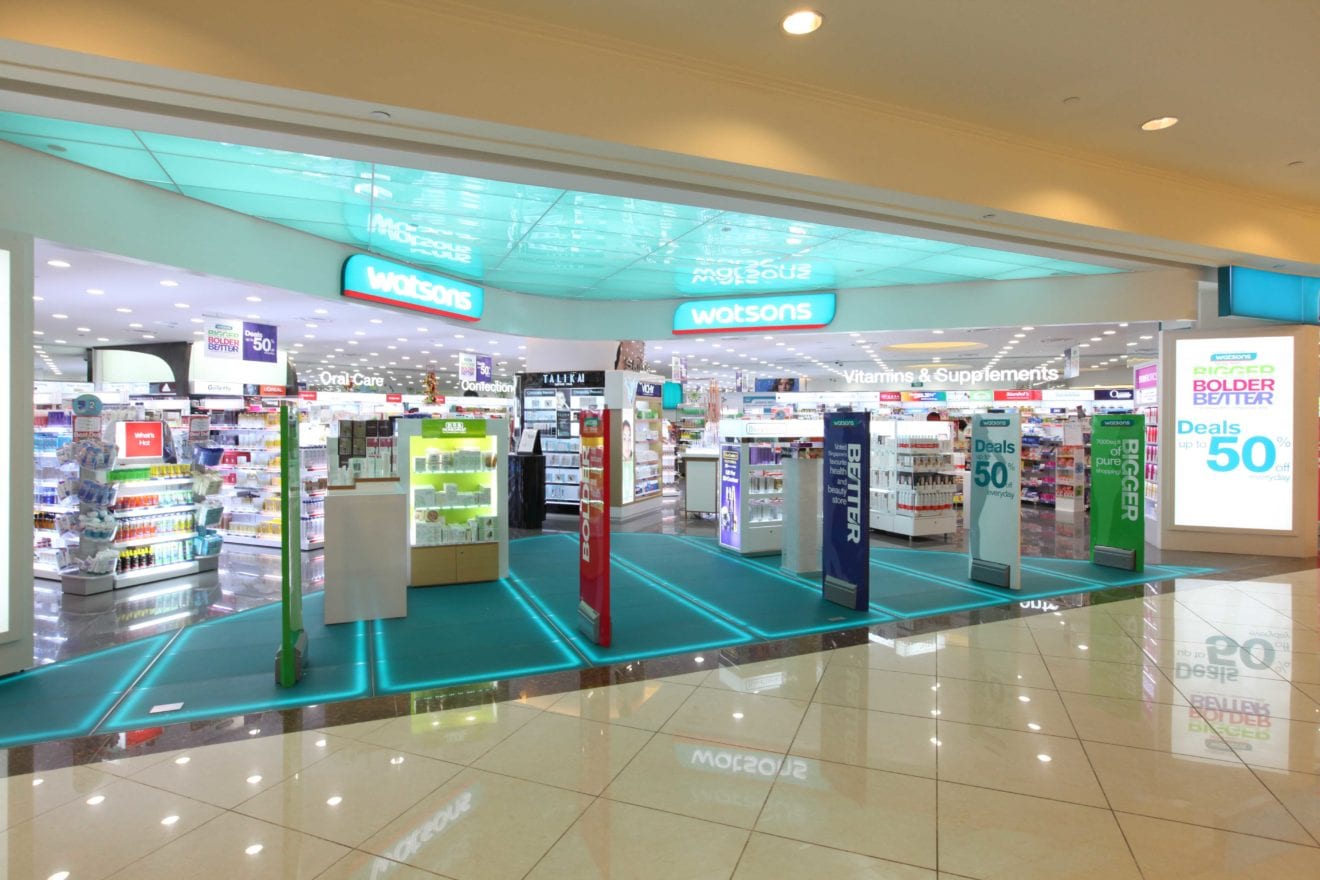
    Watsons has kicked off an initiative for selling and delivering cosmetics and groceries as takeaway via Baidu Waimai (takeaway in Chinese).

    Expanding online to boost sales

    The initiative has been launched in Beijing, Shanghai and Guangzhou and will be extended to all the cities that Watsons operates in. Products on Baidu Waimai include personal care, snack and beverages.

    As the leading Health & Beauty chain in China, Watsons has launched various online initiatives, such as its own online shop, stores on online platforms Amazon, Alibaba and JD.com, as well as Watsons app. The launch of takeaway service aims to attract more customers and generate new revenue streams for the retailer.

    Other initiatives to drive growth

    As the growth slows down and margins being squeezed, Watsons has been focusing on satisfying the needs of the ever-changing consumers.

    • store expansion, especially in third and fourth tier cities to reach more shoppers
    • introducing more local brands to lift profitability
    • launching more loyalty schemes and membership cards to attract young shoppers
  • Sa Sa feels pinch of Chinese policy

    Sa Sa feels pinch of Chinese policy

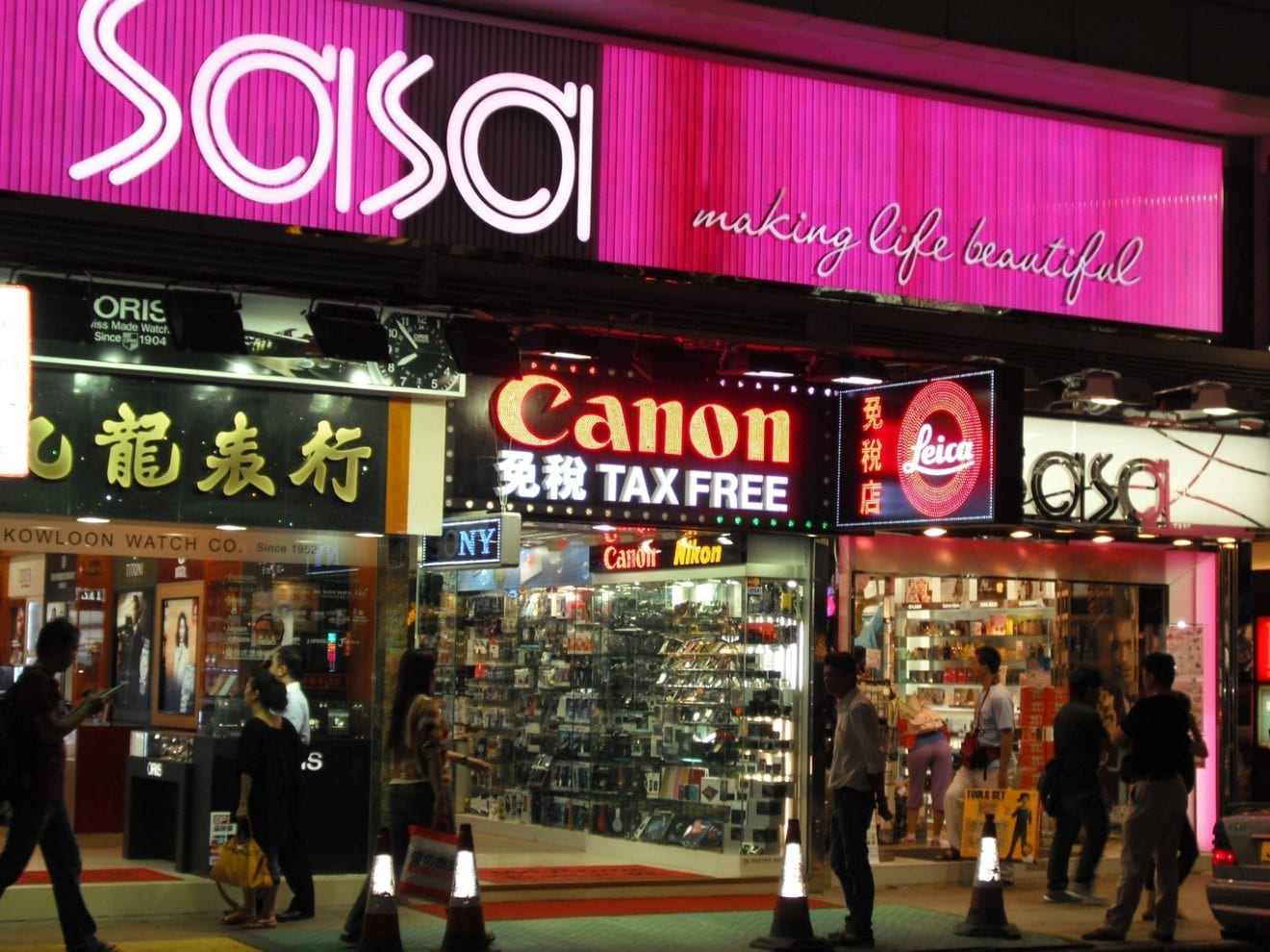
    China’s policy of one trip a week for mainlanders plus the strength of the Hong Kong dollar against a weaker yen have gouged sales for cosmetics retailer Sa Sa International.

    Both its retail and wholesale turnover dropped 14.2 per cent for the third quarter (October 1 to December 31), the company has announced. Turnover declined by 15.8 per cent in the Hong Kong and Macau markets, where same-store sales dropped 12.2 per cent.

    Overall, transactions were 7 per cent weaker, average sales per transaction fell 9.1 per cent and there was a 12.1 per cent dip in same-store sales. The group’s total turnover in other markets, including Mainland China, Malaysia, Singapore, Taiwan and online, dropped 6.7 per cent.

    Chairman/CEO Dr Simon Kwok says the impact of the “one-trip-per-week” policy had gradually gained momentum, leading to a notable year-on-year decline in the number of same-day visitor arrivals.

    “We expect the negative trend will continue to influence the local retail market.”

    In response, he says the group will optimise its product offering and enhance the shopping experience for its customers.

    Back in October, Sa Sa International Holdings already warned that its net profit for the six months to September 30 would be slashed in half because of the sluggish retail scene.

  • Online data disrupts how consumers buy cosmetics in Singapore

    Online data disrupts how consumers buy cosmetics in Singapore

    The global market research firm TSN just released the results of a study—The Connected Life—that found nearly nine out of every ten shoppers (88%) in Singapore research products before making a purchasing decision.

    “It’s unsurprising that Singaporeans are exceptionally good at shopping,” says retail expert Fabio Trabucchi of TNS Singapore, in his recent commentary piece for the Singapore Business Review. “With more high-end malls per capita than anywhere else in Asia, shopping is now a well-entrenched national past-time.”

    Pre-shopping

    A preponderance of personal care items consumers in Singapore investigates products and prices before actually shopping to buy.

    “Ever keen for a bargain, almost eight in ten (78%) shoppers say they do pre-purchase research for personal care products such as skin care, perfume, and cosmetics, and 66% for hygiene items such as deodorant and shower gel,” explains Trabucchi, referring to data from The Connected Life study.

    This marks a shift in consumer behavior that could inform brand strategy to good effect, aligning packaging, branded content and ingredient information with new consumer preferences.

    “Previously these categories used to be a prime area for impulse buying, but thanks to the ease of the internet, Singaporean shoppers are getting savvier about the products they chose and the rationale behind it,” remarks Trabucchi.

    Information age

    Getting informative content in front of consumers is the key to capturing shoppers’ attention and dollars today.

    Multinational companies are ahead of the game, producing beauty content that resonates with consumers. L’Oréal recently opened an in-house branded content studio in Canada , where employees can create dynamic messaging to reach consumers with information that matters.

    “As consumers in Singapore adopt a more considered approach to their purchases, brand owners and retailers can provide the information – and incentives – they need to make up their minds,” confirms Trabucchi in his post for the Singapore Business Review.

    “Whether online or offline, businesses need to understand researching behaviours and ensure they are providing shoppers with relevant content that informs their purchase decisions,” he believes.

    Concluding, “this means they must stop thinking in terms of advertisements and start becoming content providers that offer relevant information and offers at every stage of the shopper journey.”

  • Massive Innisfree China store planned

    Massive Innisfree China store planned

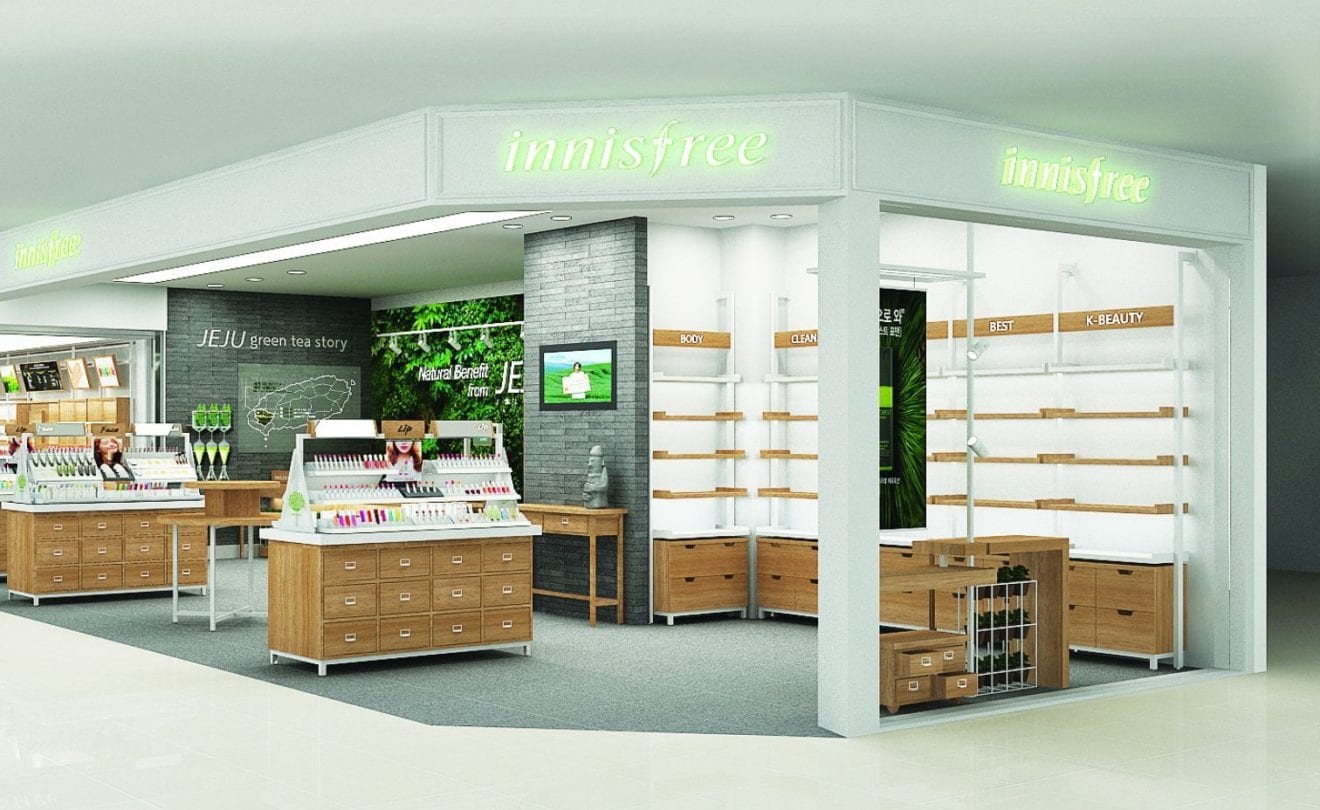
    Innisfree, the Korean natural cosmetics brand owned by Amore Pacific, is to open its largest store yet, in China.

    Amore Pacific announced Innisfree China will open an 827 sqm flagship store in Shanghai.

    This is the largest store among all of Innisfree’s retail locations, and reportedly the largest cosmetics store in China.

    Since Amore Pacific launched an online store in April 2012, it has been operating 200 offline stores all over China, including in Shanghai, Beijing and Shenyang. Innisfree’s ‘Green Tea Seed Serum’ and ‘Volcanic Ash Pore Mask’ are its highest-selling products.

    Management of Amore Pacific said Innisfree is popular among picky Chinese consumers in their 20s and 30s.

    “We think that the concept of our products made from natural ingredients found on Jeju Island, and the trust in Amore Pacific is an attraction to Chinese consumers.”

  • Estee Lauder buys into Korean skin care brands

    Estee Lauder buys into Korean skin care brands

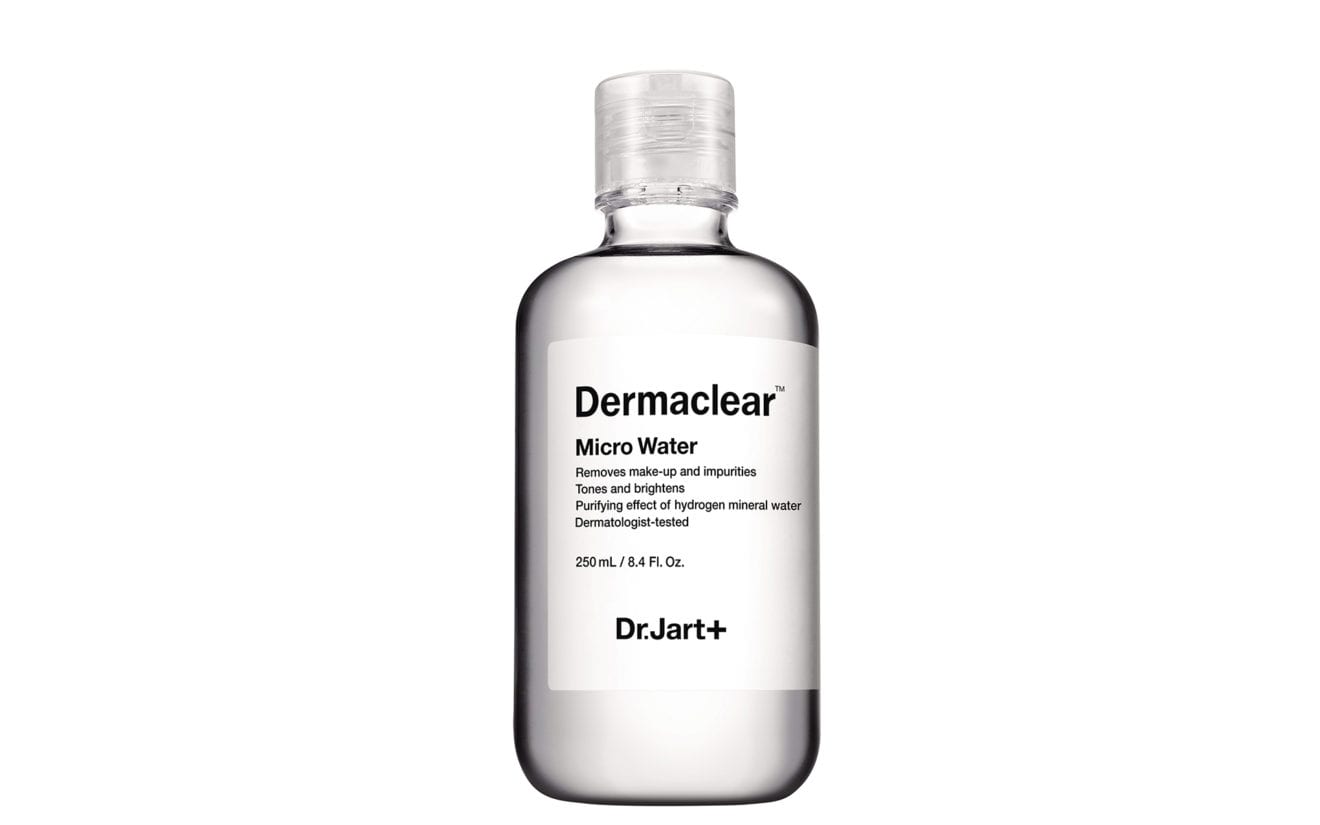
    Estee Lauder has bought an interest in South Korea’s Have & Be, which owns the skin care brands Dr Jart+ and Do The Right Thing.

    The deal is further evidence of the growing market strength and popularity of South Korea’s cosmetics industry.

    Terms of the investment were not disclosed but the deal is expected to be settled in December.

    Launched online in 2005 by ChinWook Lee, Dr Jart+ is a Seoul-based, global high-growth skin care brand featuring quality and innovative products designed to address specific skin care needs. The brand’s unique fusion of dermatological science and art – as reflected in the brand name, which is inspired by the phrase “Doctor Joins Art” – appeals to a broad range of consumers, especially millennials. Dr Jart+ is sold in many countries around the world, primarily in Asia and the US, through various department stores, specialty-multi and eCommerce channels including Sephora.

    “We are thrilled to announce our partnership with Dr Jart+,” said Fabrizio Freda, president and CEO of The Estee Lauder Companies.
    “This investment gives our company a strategic opportunity to develop a partnership with one of Korea’s most promising high-growth skin care brands.

    “ChinWook Lee and his team have built a successful and exciting brand that is at the forefront of the rapidly expanding Korean beauty wave.”
    ChinWook Lee said as the Korean beauty wave “continues to flourish globally”, his company is excited about the additional opportunities, support and guidance The Estee Lauder Companies will bring to the brands.
    “This is a tremendous moment for the Dr Jart+ team and for the continued growth of Korean beauty.”

    The Estee Lauder investment also includes an interest in Do The Right Thing (DTRT), a men’s-focused skin care brand that fuses Korean innovation with a bold New York style. Founded by Lee in 2012, DTRT’s line of cleansers, lotions, moisturisers and serums are sold in Korea through various channels and in the US through Sephora and BirchboxMan.

    “Global consumers look to Korea as a trendsetting market in beauty, and the Dr Jart+ brand is part of the reason why,” said William P. Lauder, executive chairman of The Estee Lauder Companies.

    “Dr Jart+ and The Estee Lauder Companies share an entrepreneurial heritage as well as a commitment to innovation and creativity. We have great respect for this brand, and we appreciate the opportunity to support and advise Mr Lee and his team as they continue to grow Dr Jart+ globally.”

    Estee Lauder’s products are sold in over 150 countries and territories under brand names including: Estée Lauder, Aramis, Clinique, Prescriptives, Lab Series, Origins, Tommy Hilfiger, Mac, Kiton, La Mer, Bobbi Brown, Donna Karan New York, DKNY, Aveda, Jo Malone London, Bumble and bumble, Michael Kors, Darphin, GoodSkin Labs, Tom Ford, Ojon, Smashbox,Ermenegildo Zegna, Aerin, Osiao, Marni, Tory Burch, Rodin olio lusso, Le Labo, Editions de Parfums Frédéric Malle and Glamglow.

  • Missha Barcelona debut

    Missha Barcelona debut

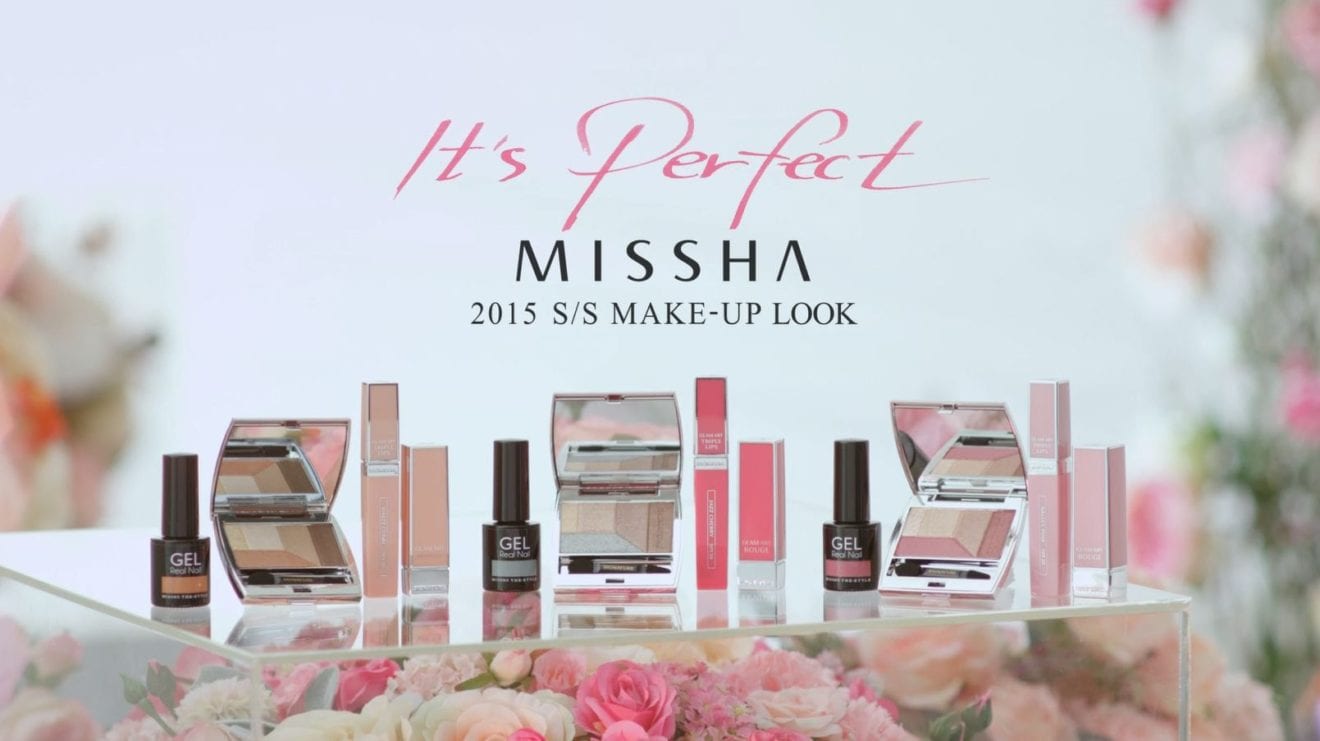
    South Korean cosmetics brand Missha has opened a new store in Barcelona, Spain.

    The new Missha Barcelona store marks the Able C&C-owned brand’s second European market, after it opened a store in Ingolstadt in Germany in February.

    Missha is the first Korean cosmetic brand to open a retail store in Spain.

    While Missha had ‘shop in shop’ stores in Seville and Madrid, the Barcelona store is its first stand alone shop in Spain.

    Missha management say they chose Barcelona as the location for the newest European store because Spain is the fifth largest cosmetics market in Europe.

    “Since the economic slump, the demand for middle-low priced cosmetics has risen. Imports of Korean cosmetics have been increasing, which made us decide to branch out to Spain,” said a spokesman.

    Missha currently manages 2100 stores in 30 countries, and is considering opening more stores in Berlin and Munich, Germany.

  • K-beauty brand Hera uses DFS as testbed

    K-beauty brand Hera uses DFS as testbed

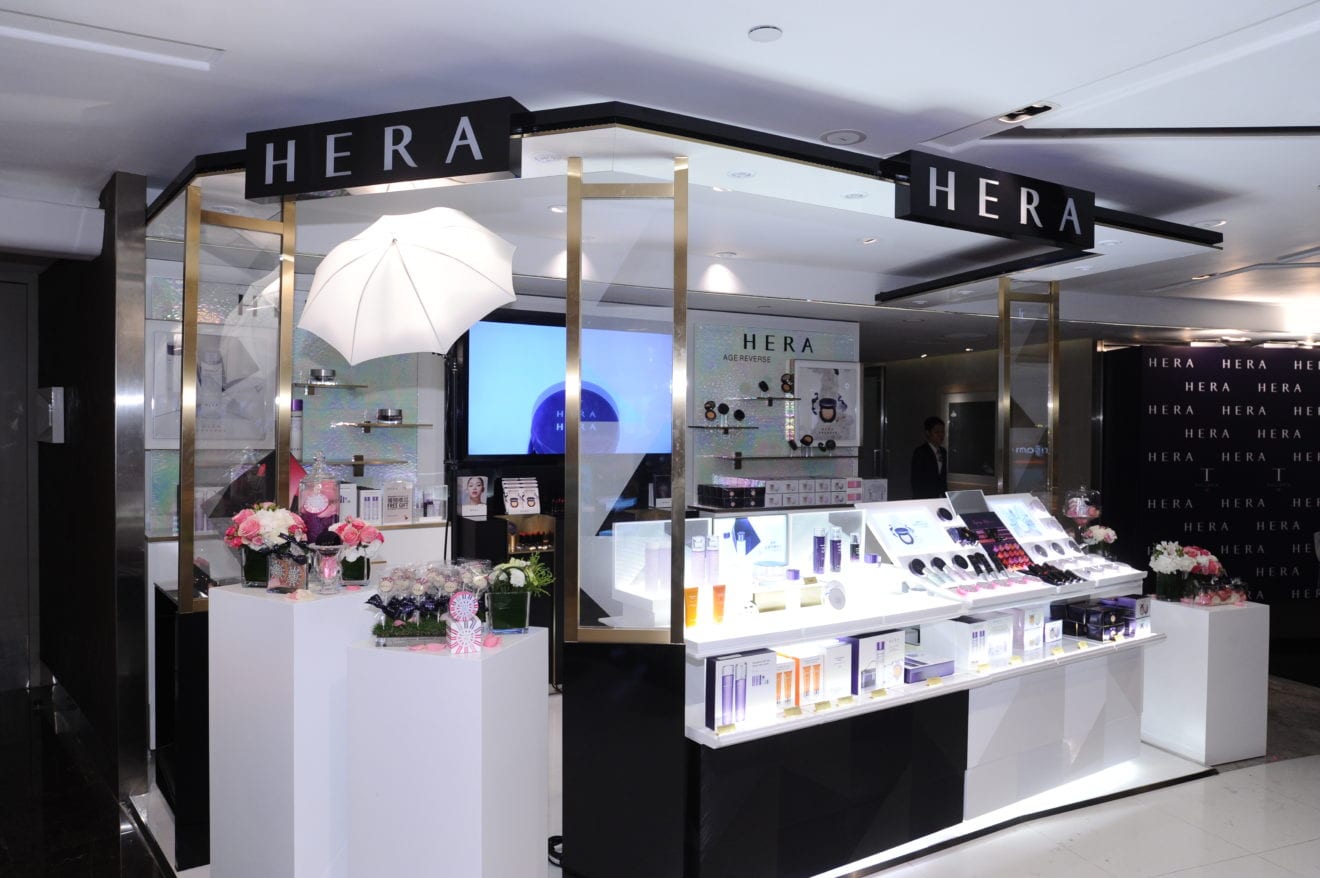
    Luxury duty free and travel retailer, DFS Group, has opened pop-up stores in Hong Kong for the K-beauty brand Hera which the latter is using as a testbed for the global market.

    The T Galleria by DFS on Canton Road houses four pop-ups, with a launch in early August in the presence of Hong Kong actress Charmaine Sheh and Korean movie star Park Eun Hye. Hera’s head make-up artist, Jinsu Lee, was on hand to share beauty tips to achieve the signature K-beauty Seoulista look.

    BRIDGE TO ASIAN MARKETS

    Hong Kong is the largest cosmetics market in Asia and Hera’s first-ever pop-ups are expected to be a bridge to other Asian countries. The DFS units  bestselling fan-favourites, including the Olympia Le-Tan UV Mist Cushion, UV Mist Cushion and Age Reverse Cushion.

    Hera is known in Korea for cutting-edge technology and is popular with women looking to emulate increasingly popular K-beauty styles seen in K-pop music and K-drama TV shows.

    Jinsu Lee will offer Seoulista make-up demonstrations as well as touch-up services to customers with the stores are in place. All four pop-ups will offer a limited supply of product kits to customers with a minimum purchase.

  • EcoWaste Coalition calls for crackdown on fake cosmetics in the Philippines

    EcoWaste Coalition calls for crackdown on fake cosmetics in the Philippines

    The call comes after the watchdog found seven beauty and herbal vendors at the Guadalupe Commercial Complex selling cosmetics that had been banned by the Food and Drug Administration.

    Beauty brands Erna, Jiaoli and S’zitang were among the skin whitening creams found to have dangerously high levels of mercury.

    To curb this illegal trade of dangerous products that had no FDA notification, we request the Makati government seize the unregistered items, issue formal warning against non-compliant vendors and/or shut retail outlets engaged in such illicit business,” says Ecowaste project coordinator Thony Dizo.

    In-organic mercury in face cream is absorbed following application to the skin and toxic levels in the body can develop gradually with prolonged use.

    The signs and symptoms of mild to moderate toxicity due to exposure in skin lightening products may include nervousness and irritability, difficulty with concentration, headache, tremors, memory loss, depression, insomnia, weight loss, fatigue, numbness or tingling in hands, feet, or around the lips.

    Nanotech tracker to change how the industry tackles counterfeit goods

    Sydney-based YPB Group announced last year that it had bought tracer patents developed by China’s Dalian Maritime University to pair with its own scanners to determine counterfeit goods.

    The Australian company claims the cheap tool will initially change how the industry will tackle fake goods from China.

     The nanotech tracer is invisible to the naked eye and can only be read by a YPB-developed scanner that costs about $35. The material can be applied to any product and costs less than 50¢.

    According to John Houston, chief executive YPB Group; “Only two people in the world know the tracer formula.” 

    PB Group also acquired Brand Reporter, a US-based start-up that developed a platform for companies to identify and track counterfeit products in the supply chain and at retail points.

    The tracer can be put into fibers, plastics and inks to determine a product’s authenticity,” Mr Houston said.

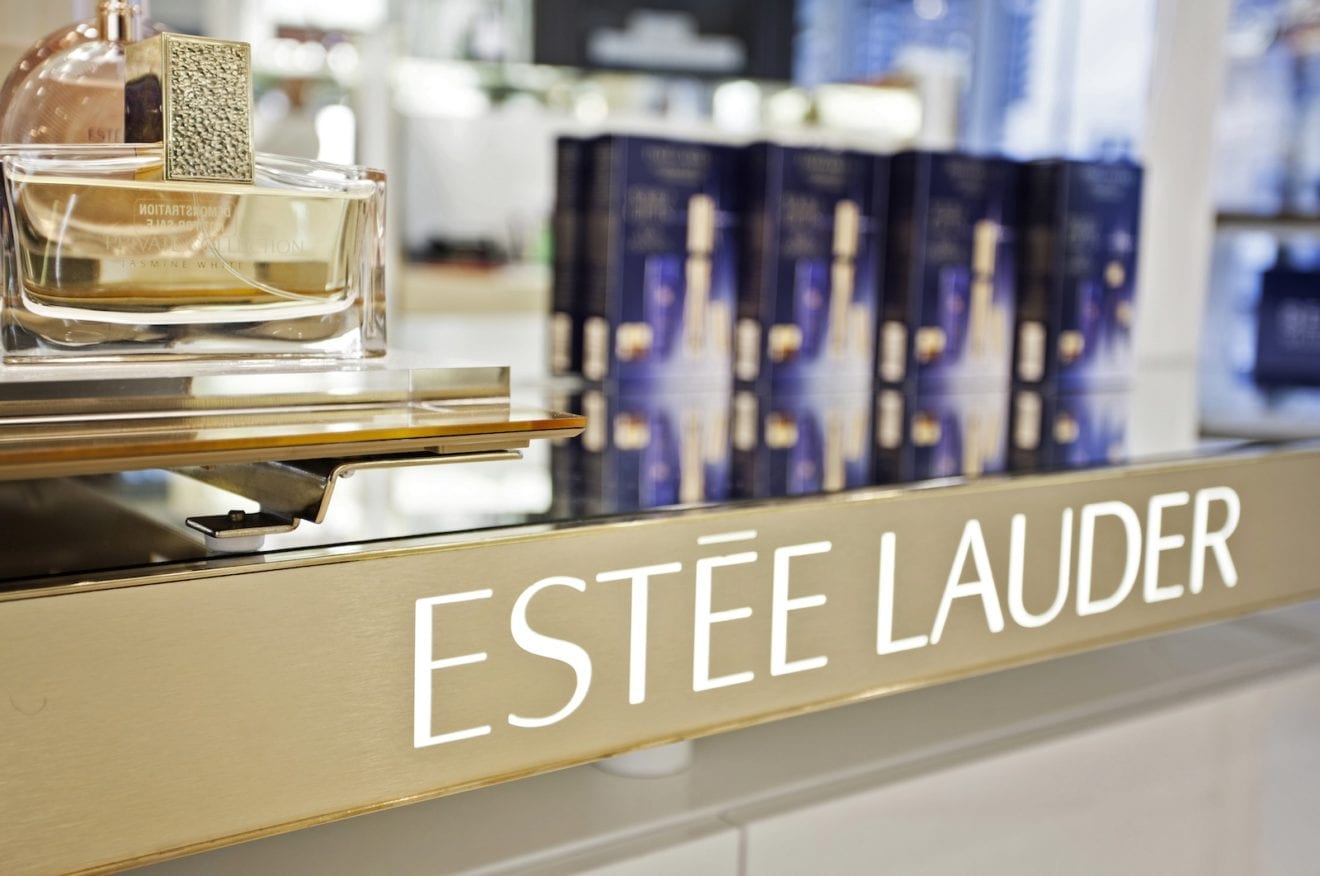
  • Estee Lauder travel-retail revenue falls

    Estee Lauder travel-retail revenue falls

    Cosmetics-giant Estée Lauder Companies reported a decline in travel-retail sales in fiscal year 2015 (ended June 30, 2015), despite an increase in global airline traffic and expanded distribution in the channel.

    The company said that a stronger dollar and the outbreak of Middle East Respiratory Syndrome (MERS), which killed nearly 40 people in South Korea this year, contributed to decline, with travel-retail sales falling by 4% in the last quarter of fiscal year 2015.

    Over 55,000 tourists had cancelled trips to South Korea by the mid-June, according to the World Economic Forum.

    Slower retail growth in Hong Kong and China, as well as a decline in spending by Russian and Brazilian travellers are also expected to impact sales revenue into the 2016 fiscal year.

    The news came as the company also forecasted below-estimated earnings across the whole business for the coming fiscal year, and announced that net sales in the fiscal year ending in June went down to $10.78bn, a 1.7% decrease from $10.97bn the previous year. The company said it missed its 7% growth target because of accelerated sales orders in Latin America and the use of constant currencies to calculate international profits.

    For the three months ended June 30, 2015, the company reported net sales of $2.52bn, compared with $2.73bn the previous year. Skincare products were chiefly affected, with overall sales falling by 16% in Q4.

    However, expanded distribution, including in travel-retail, also helped lift some labels’ revenues. While sales for heritage-brands Estée Lauder and Clinique slumped, the conglomerate’s current global-marketing focus has been on growth for youthful or luxury brands like Smashbox and Tom Ford. Along with Aveda hair-care product, these brands’ expanding travel-retail channels were reported by Estée Lauder Co. to have resulted in year-on-year revenue growth that has helped offset some of this year’s losses.

    The company has said that by adjusting to factors like constant currencies and accelerated orders in the fiscal year 2014, strong underlying growth in the company becomes apparent.

    President and CEO Fabrizio Freda said in the company’s report for the fiscal year 2015 (Q4 and full year): “Together with our powerful brand portfolio and financial discipline we finished our fiscal year with a strong Q4, generating 7% constant currency sales growth, after adjusting for the accelerated sales orders we reported in fiscal 2014.

    He added “For the full year, our adjusted 6% local currency sales growth met our expectations, and we exceeded our earnings per share forecast …Our sales grew at a faster rate than global prestige beauty, due to the success of our multiple engines of growth. Standout performances generated double-digit sales gains in most of our makeup and luxury brands and the online, specialty-multi and freestanding store channels.

    “In fiscal 2016, we expect constant currency net sales growth of 6% to 8% and double-digit earnings per share growth, after adjusting for the accelerated sales orders.”

    Reuters reported on Monday that Estée Lauder Cos Inc shares fell by up to 5.3% to $82.8 per share yesterday, but the value rose to $84.48 today (still down from $90 reported at the beginning of this month). Estée Lauder is currently expanding its travel-retail offering, focusing on colourful, clean brands like Mac and Smashbox, as well as its successful London brand Jo Malone.

  • Shilla launches Miu Miu global travel-retail first in Singapore

    Shilla launches Miu Miu global travel-retail first in Singapore

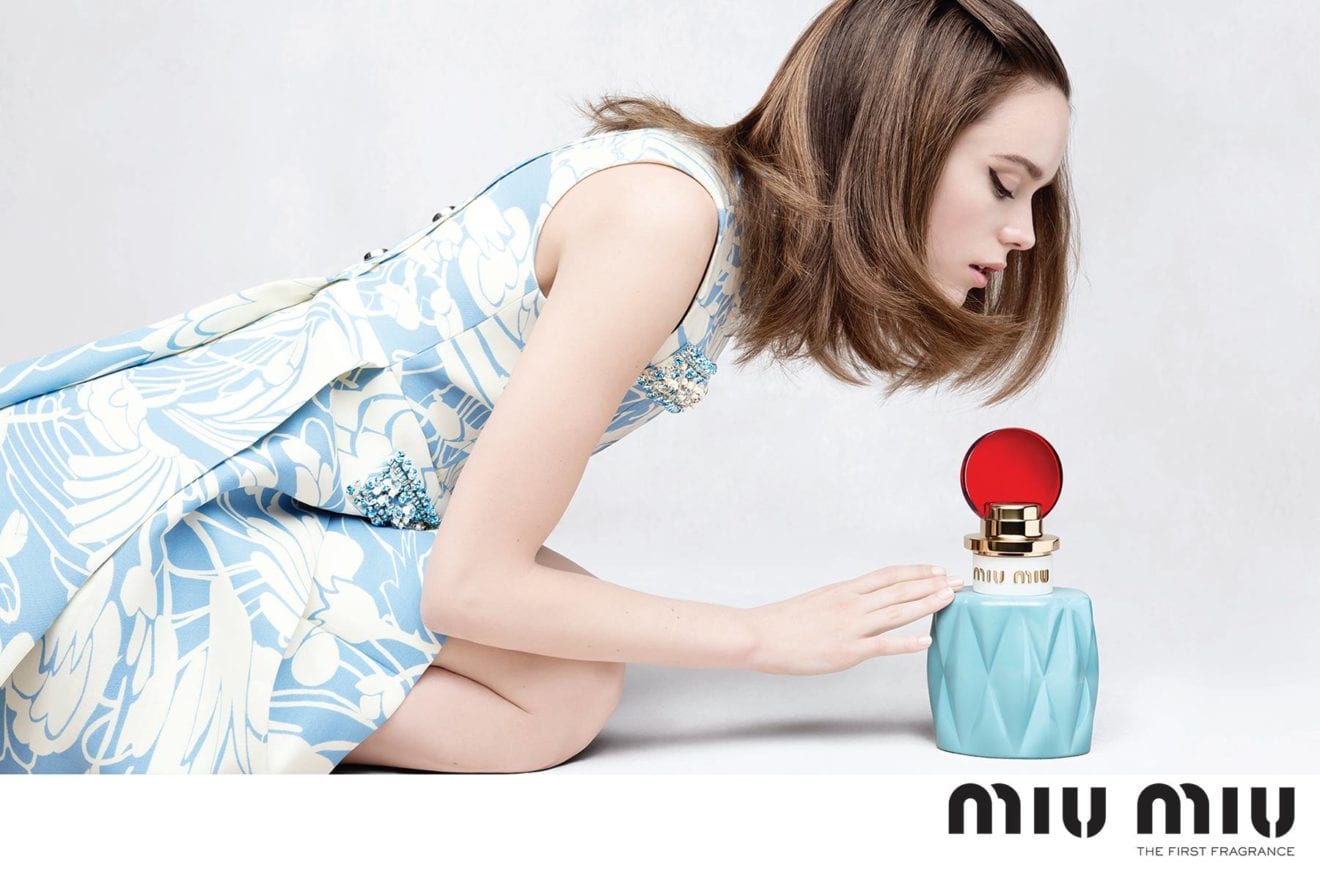
    The Shilla Duty Free has launched the global travel-retail first Miu Miu fragrance at Singapore Changi International airport.

    The global travel-retail exclusive launch from August 1-31 is part of the The Shilla Duty Free’s commitment to continuously present unique and coveted travel exclusives, and to provide world-class shopping experiences to its consumers, according to the retailer.

    Strong partnerships with key brands have resulted in a series of global launches in the form of brand outposts in Changi airport. Similarly, for the launch of Miu Miu’s signature fragrance, a special outpost has been set up beside the terminal one perfumes and cosmetics central store in the transit departure area from August 12 to September 6. Travellers can be among the first to experience the Miu Miu fragrance as have bottles personalised with their initials at the Miu Miu outpost.

    According to the retailer, perfumer Daniel Andrier creates a scent beginning with an elegant, sensual floral, lily of the valley, composed of real jasmine, real rose absolute, and synthetic green notes. The bottle is also described as simultaneously traditional and pop.

    Miu Miu Eau de Parfum (50ml and 100ml) retails at S$113 and S$152 ($80 and $108). Miu Miu Body Lotion (200ml) retails at S$58 ($41).