Tag: Counterfeit

  • EU Slaps AliExpress with Record $629 Million Fine Over Counterfeit Goods Crackdown Failure

    EU Slaps AliExpress with Record $629 Million Fine Over Counterfeit Goods Crackdown Failure

    On Monday, AliExpress, Alibaba’s subsidiary, was slapped with a record-breaking €550 million (US$629 million) fine by the European Union for its failure to address sales of illegal, dangerous and counterfeit items on its platform. This penalty is considered to be the largest to date, issued by the European Commission in line with the EU’s Digital Services Act, a prominent law that mandates online platforms of substantial size to augment their efforts in combating harmful and illicit content.

    This penalty is the third of its kind issued by the European Commission, following charges placed on AliExpress in June of the previous year for non-compliance with a Digital Services Act stipulation. This regulation requires platforms to evaluate and reduce the risk of distributing illegal products. AliExpress was given until October 20 to suggest corrective actions. Should the regulatory body determine in December that the company has failed to meet the requirements of the Digital Services Act, further sanctions may be levied.

    The EU’s tech chief, Henna Virkkunen, expressed concern over this issue, describing it as highly risky for consumers and unfair to companies that abide by the rules. She highlighted the vast user base of AliExpress in Europe, standing at 193 million last year, compared to Shein’s 156 million and Temu’s 130 million. Temu has also been subject to fines under the Digital Services Act, and Shein is currently under investigation.

    AliExpress has voiced its intention to contest the fine, deeming it as excessive. “Today’s decision and disproportionate fine disregards our robust risk management structure and the substantial, proactive improvements we’ve implemented,” AliExpress stated via email. The company also indicated its active collaboration with the Commission to satisfy its evolving expectations.

    Assessment and Criticism of AliExpress’s Risk Management Practices

    The Commission criticized AliExpress for not adequately assessing whether it had sufficient personnel to manage risks and for overestimating the efficacy of its system in identifying and removing illicit products. Furthermore, the Commission took issue with the company’s ineffective penalty policy, which allowed penalized businesses to continue selling illegal products on its platform.

    The regulator also noted that AliExpress’s “brand authorisation” system, designed to deter counterfeit sales, was insufficient and easily bypassed by traders selling fraudulent items. There was also criticism of the company’s advertising and recommender systems for contributing to the spread of illicit products and relying on one quantitative indicator to assess the moderation system’s effectiveness in preventing the appearance or re-emergence of illegal products in similar forms.

    However, the regulator did consider the novelty of the Digital Services Act as a mitigating factor when determining the fine, which could have been even larger. This penalty far surpasses the €120 million fine imposed on Elon Musk’s social media platform X and the €200 million fine on Temu, both for Digital Services Act violations.

    Questions & Answers

    What is the significance of the fine imposed on AliExpress by the European Union?

    This penalty, amounting to €550 million (US$629 million), is a record-breaking fine issued by the European Commission under the EU’s Digital Services Act. It highlights the EU’s stance on ensuring large online platforms take more responsibility in preventing the distribution of illegal and harmful content.

    How has AliExpress responded to the fine?

    AliExpress has expressed its intention to appeal the fine, deeming it as excessive. The company asserts that this penalty neglects the robust risk management framework they have established and the proactive enhancements they’ve implemented in their operations.

    What criticisms has the European Commission voiced regarding AliExpress’s operations?

    The Commission has criticized AliExpress for inadequately assessing risks and overestimating its system’s effectiveness in identifying and removing illicit products. Other criticisms include the company’s ineffective penalty policy, its “brand authorisation” system’s shortcomings, and its advertising and recommender systems’ role in spreading illegal products.

  • Crackdown in Da Nang: Seven Retailers Face Hefty Fines for Peddling Counterfeit Luxury Brands

    Crackdown in Da Nang: Seven Retailers Face Hefty Fines for Peddling Counterfeit Luxury Brands

    The Market Surveillance Department has issued fines totaling VND215 million (US$8,163.74) to seven retail stores in Da Nang, Vietnam for selling fake merchandise from brands such as Gucci and Nike. The shops, located in popular tourist areas Son Tra and Hoi An, have been instructed to dispose of all counterfeit items.

    Counterfeit Items Seized in April Raid

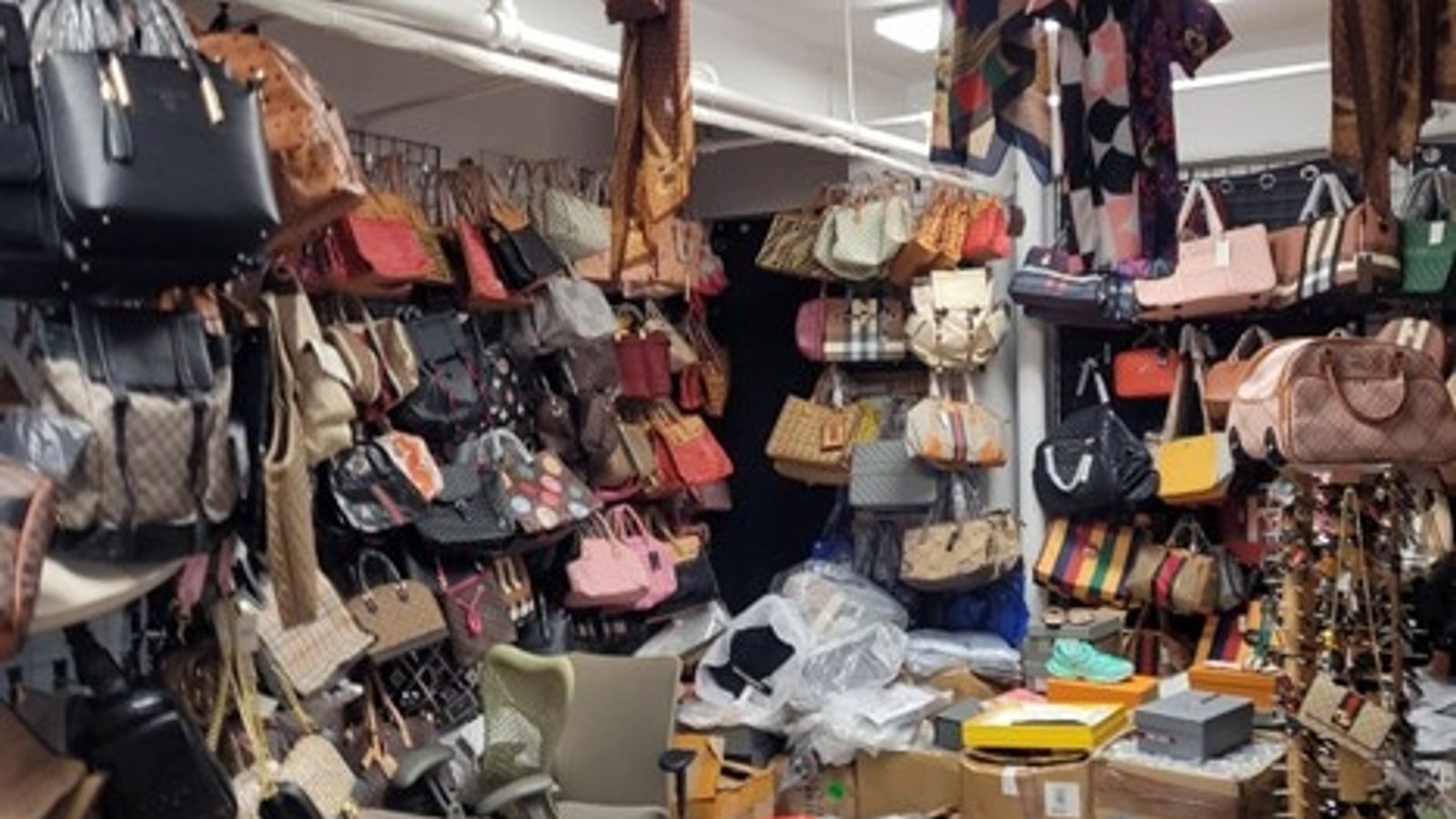
    The fines come as a result of an early April raid, during which authorities seized 295 handbags from brands such as Gucci, Chanel, Hermes, and Fendi, along with 27 pairs of Nike sneakers. All of these items were suspected to be counterfeit.

    The raided establishments were unable to provide proper documents or invoices for these goods, which are estimated to have a value of nearly VND178 million if they were authentically produced.

    Raids Part of Broader Campaign

    These raids are part of a larger initiative leading up to the Da Nang International Fireworks Festival, an annual event that draws large crowds of both local and international tourists.

    The Market Surveillance Department has indicated that they will continue to conduct inspections in shopping and tourist areas. They warned that repeat or serious offenders may be referred to investigative authorities if there is evidence of criminal activity.

    In an effort to further prevent the sale of counterfeit and low-quality goods, authorities are also ramping up public awareness campaigns. These initiatives aim to educate businesses on legal compliance and help consumers identify counterfeit products.

    Questions & Answers

    Why were these retail stores in Da Nang fined?
    They were fined for selling counterfeit merchandise from brands including Gucci and Nike.

    What action was taken after the counterfeit items were discovered?
    The shops were levied with fines and ordered to dispose of all counterfeit goods.

    What measures are authorities taking to prevent the sale of counterfeit goods?
    Authorities are conducting regular inspections, particularly in tourist and shopping areas. They are also running public awareness campaigns to educate businesses about legal compliance and help consumers detect counterfeit and low-quality goods.

  • Vietnam Authorities Crackdown on Counterfeit Luxury Goods: Over 1,800 Fake Gucci, Hermes Items Seized

    Vietnam Authorities Crackdown on Counterfeit Luxury Goods: Over 1,800 Fake Gucci, Hermes Items Seized

    A significant crackdown operation in Vietnam resulted in the seizure of over 1,800 counterfeit luxury items, including fake Gucci glasses and Hermes watches. The operation targeted a store specializing in the sale of counterfeit branded merchandise.

    Vendor Fined for Counterfeit Goods

    The Market Surveillance Department in Quang Ngai Province revealed that a 35-year-old vendor in Tinh Khe Commune faced a hefty fine of VND102.5 million (US$4,200) for showcasing and selling 1,000 counterfeit Gucci glasses and 800 counterfeit Hermes watches. All seized items were confiscated and are slated for destruction.

    The authorities stated that the trademarks in question enjoy legal protection in Vietnam. The imposed penalties form part of a wider initiative to clamp down on the circulation of counterfeit, imitation, and substandard goods in local markets.

    Effects of Counterfeit Goods on the Market

    Market surveillance officials stressed that selling counterfeit branded items not only breaches intellectual property laws but also poses the risk of misguiding consumers and damaging the reputation and operations of genuine businesses.

    Additional Enforcement Operations

    In a separate enforcement initiative, a market surveillance team, in conjunction with the police, discovered a substantial amount of goods that lacked the necessary documentation. In one instance, a distributor was found in possession of 675 water filter cartridges branded as “A Qua” and “OCB” without any invoices or evidence of legal origin.

    Another business, engaged in the trading of electric bicycles and electric motorbikes, was flagged for violating labeling regulations, including the omission of compulsory details like manufacturing dates. The total value of the improperly labeled goods amounted to an estimated VND34.5 million.

    Strict Penalties for Commercial Fraud

    Market surveillance officers and local police appealed to businesses to sell only merchandise with verifiable origins and comprehensive documentation. They warned that commercial fraud for profit would be subjected to stringent penalties, and enforcement actions would only escalate.

    Questions & Answers

    What were the counterfeit items discovered in the operation?
    The operation uncovered over 1,800 counterfeit items, including 1,000 fake Gucci glasses and 800 counterfeit Hermes watches.

    What is the impact of selling counterfeit goods on the market?
    Selling counterfeit branded goods not only infringes on intellectual property laws but also risks misleading consumers and undermining the operations of legitimate businesses.

    What measures are being suggested to businesses to avoid legal issues?
    Market surveillance officers and local police encourage businesses to sell only goods with clear origins and complete documentation. Businesses are also urged to comply with labeling regulations.

  • AliExpress and Specialized Score a Win: Uncover $1.1M Fake Bike Parts Operation in Major Anti-Counterfeit Sweep

    AliExpress and Specialized Score a Win: Uncover $1.1M Fake Bike Parts Operation in Major Anti-Counterfeit Sweep

    AliExpress, the popular Chinese online retail platform, recently played a pivotal role in a successful crackdown on counterfeit bike products. Collaborating with Chinese law enforcement officers, the joint operation resulted in the seizure of fraudulent bicycle products worth over $1.1 million.

    The Operation

    The campaign, which was conducted in March, led to the arrest and prosecution of seven individuals. Confiscated items included counterfeit Specialized Tarmac SL8 road-racing frames, Roval handlebars and wheels, and a variety of other bicycle parts such as seatposts, forks, and around 9500 sticker sets.

    In addition, the operation resulted in the seizure of fraudulent items from other well-known bicycle manufacturers including Pinarello, Cannondale, Cervelo, and Trek. According to AliExpress, the estimated black-market value of all seized counterfeit carbon-fibre bicycle goods surpasses $1.6 million.

    Protecting Consumers and Brands

    Matthew Bassiur, the head of Alibaba International’s global intellectual property (IP) enforcement team, underscored the importance of the operation. He stated, “Safeguarding consumers and upholding brand trust are core to our platform’s integrity.” He stressed that although they promptly remove any infringing listings from their marketplace, achieving lasting impact requires the dismantling of physical operations. This necessitates close collaboration with brands and law enforcement, an approach well demonstrated by this case.

    This operation represents the largest anti-counterfeiting action in the history of Specialized. Andrew Love, the global brand protection manager at Specialized, praised the initiative, noting that these illegal operations not only exploit consumers but also undermine trust in authentic products. He commended Alibaba and Chinese law enforcement for their crucial roles in this significant achievement.

    The Investigation

    The investigation was initiated when Specialized approached AliExpress with concerns about suspected counterfeiters using the e-commerce platform to trade illegal and unsafe bicycle products. Specialized conducted test purchases to verify that the goods in question were indeed counterfeit. Over the past year, AliExpress has cooperated with more than 20 global brands, resulting in the seizure of over $30 million worth of counterfeit goods.

    Questions & Answers

    What was the estimated value of the counterfeit goods seized in the operation?
    The estimated black-market value of the counterfeit bike products confiscated surpassed $1.6 million.

    Who were some of the manufacturers whose counterfeit goods were seized?
    Counterfeit goods from manufacturers including Specialized, Pinarello, Cannondale, Cervelo, and Trek were among those seized.

    What initiated the investigation?
    The investigation began when Specialized provided AliExpress with information on suspected counterfeiters using the e-commerce platform to sell fraudulent and unsafe bicycle products.

  • Ho Chi Minh City Ceo Arrested: Accused Of $570,200 Counterfeit Perfume Operation

    Ho Chi Minh City Ceo Arrested: Accused Of $570,200 Counterfeit Perfume Operation

    In a recent turn of events, a CEO and his spouse based in Ho Chi Minh City (HCMC) have been apprehended by the police on the grounds of allegedly manufacturing and marketing tens of thousands of fraudulent perfume bottles. These counterfeit products bore the labels of well-known luxury brands such as Chanel, Gucci, and Dior, among others. The illicit profits gathered from this illegal enterprise are estimated to be around VND15 billion (US$570,200).

    The Masterminds and Their Accomplices

    The individuals caught in this scandal are Nguyen Ngoc Tho, the CEO of Nguyen Huong, and his wife, Truong Thi Mai Hien. Along with them, nine other people were also taken into custody by the HCMC police on charges related to the production and sale of fraudulent goods.

    The couple has been identified by the authorities as the key instigators behind this significant counterfeit perfume production ring.

    The Raid and Confiscation

    During a recent operation at the company’s production site within the city, the law enforcement officers seized 20,000 imitation perfume bottles carrying the tags of elite luxury brands. The authorities also confiscated various perfume-making equipment and tools used in the fraudulent operations.

    The Counterfeit Scheme

    The authorities have accused the couple of initiating this scheme since the beginning of last year. Apparently, Tho observed a surge in perfume demand and started researching and creating formulas for counterfeit perfumes online.

    Together with his wife, Tho procured machinery, raw materials, and perfume bottles. They rented a production facility and mainly hired family members to blend, fill, label, and package the fake perfumes.

    They promoted these spurious products on social media platforms and distributed them in vast quantities across numerous provinces.

    Questions & Answers

    What are the legal implications of the case?
    Given the scope of the fraudulent operation and the brand value of the companies affected, significant legal implications can be anticipated. This includes potential jail time, hefty fines, and possible lawsuits from the affected brands.

    What was the primary market for these counterfeit products?
    The couple leveraged the internet and social media platforms to market these counterfeit products, targeting customers in several provinces.

    Who were involved in the production process of these counterfeit perfumes?
    The CEO and his wife led the operation, hiring mainly family members in their production facility to create the counterfeit perfumes.

  • Fake Louis Vuitton, Gucci shoes seized in $1.3M Hong Kong counterfeit bust

    Fake Louis Vuitton, Gucci shoes seized in $1.3M Hong Kong counterfeit bust

    In a recent operation, Hong Kong officials intercepted an estimated HK$10 million worth of suspected counterfeit clothing and footwear, featuring labels from major brands such as Louis Vuitton, Gucci, and Nike. The operation, held between October 6 and 17, resulted in the confiscation of approximately 18,000 items and the arrest of two individuals, according to an announcement from the Hong Kong Customs and Excise Department.

    Details of the Seized Goods

    The confiscated merchandise included items bearing the branding of Nike, Adidas, Louis Vuitton, and Gucci. Officials believe these products were headed for foreign markets, specifically in Europe and America, to capitalize on the demand generated by large-scale global events.

    “Large events, such as sports shoe exhibitions, often see collectors and enthusiasts trading items on-site, which escalates the demand for high-quality counterfeit sports shoes,” explained Inspector Yeung Tit-fung from the department.

    Investigation and Legal Consequences

    The investigation into these cases is currently ongoing. The arrested individuals have been released on bail, pending further investigation. The Hong Kong legislation stipulates that importing or exporting products carrying a counterfeit trademark could lead to a maximum of five years imprisonment and fines reaching up to HK$500,000.

    The Customs Department revealed plans to intensify inspections and execute intelligence-driven operations to combat counterfeiting and trademark infringement activities.

    Previous Operations

    The department had previously conducted a week-long operation in late September, which focused on the city’s major shopping districts ahead of the Golden Week holiday. This operation resulted in the seizure of around 2,000 suspected counterfeit handbags, leather goods, and fashion accessories, with an estimated market value of HK$1.3 million.

    Questions & Answers

    What brands were predominantly featured among the seized goods?
    The seized items predominantly featured branding from major labels such as Louis Vuitton, Gucci, Nike, and Adidas.

    What are the legal consequences for importing or exporting counterfeit products in Hong Kong?
    In Hong Kong, the import or export of goods bearing a counterfeit trademark can result in up to five years of imprisonment and fines of up to HK$500,000.

    What measures are the Hong Kong Customs Department taking to combat counterfeiting?
    The Hong Kong Customs Department plans to enhance inspections and implement intelligence-led operations to prevent counterfeit and trademark infringement activities.

  • Vietnamese Jewelry Store Fined For Selling Counterfeit Chanel Items Amidst Gold Price Surge

    Vietnamese Jewelry Store Fined For Selling Counterfeit Chanel Items Amidst Gold Price Surge

    In central Vietnam, a gold and jewelry store has been hit with a substantial fine of VND55 million (US$2,088.08) and has been instructed to obliterate its existing stock for engaging in the sale of falsified Chanel brand jewelry.

    Counterfeit Jewelry Seized

    The Market Management Department of Gia Lai Province reported that they recently discovered bracelets with the logo of Chanel, a renowned French fashion brand that has registered for protection in Vietnam, in the store. The provincial authority refrained from revealing the name of the establishment.

    The estimated total value of the seized goods is around VND35.7 million. The authority highlighted that all the seized jewelry items were counterfeit and lacked the requisite documentation to verify the origin.

    Surprise Raid and Future Plans

    These surprising findings resulted from an unexpected raid. In the aftermath of this event, the department has announced plans to maintain strict vigilance and continue inspecting other gold enterprises to prevent any further violations of intellectual property rights.

    Gold Prices Reach Record High

    In a related development, the prices of Vietnamese gold have witnessed a significant surge of 76% this year, reaching an all-time high of VND148 million per tael (equivalent to 37.5 grams or 1.2 ounces).

    Questions & Answers

    What was the penalty imposed on the jewelry store for selling counterfeit Chanel brand jewelry?
    The jewelry store in central Vietnam was fined VND55 million (US$2,088.08) and was ordered to destroy its existing stock.

    What did the Market Management Department of Gia Lai Province discover during their raid?
    During their surprise raid, the Market Management Department of Gia Lai Province discovered counterfeit Chanel brand bracelets being sold in the store.

    What are the future plans of the Market Management Department of Gia Lai Province?
    Following the discovery of counterfeit jewelry, the department plans to continue monitoring gold businesses to prevent any violations of intellectual property rights.

  • Over Half Of South Korean Consumers Foret Refunds For Counterfeit Online Purchases, Cites Complex Procedures

    Over Half Of South Korean Consumers Foret Refunds For Counterfeit Online Purchases, Cites Complex Procedures

    Over half of South Korean consumers who inadvertently buy counterfeit products online do not pursue refunds, according to a recent survey by the Korea Consumer Agency. The respondents pointed to complex refund procedures and nominal sums involved as the main reasons for not seeking recompense.

    Consumer Responses and Counterfeit Products

    The survey, which included 1,000 consumers using eight leading online platforms, revealed that 58.6% of those who unintentionally bought counterfeit goods did not request a refund. Reasons given were that the refund process was too intricate or time-consuming (60.4%), or that the purchased items were of low value or indistinguishable from genuine products.

    The most frequently bought counterfeit items were bags, with 38.8% of consumers knowingly purchasing them. Shoes, however, were the most common accidental purchase, with 43.8% of consumers having inadvertently bought counterfeit footwear.

    Interestingly, many of the consumers who intentionally bought counterfeit products showed a lack of awareness about intellectual property rights. Almost half of them stated that they were unaware of, or unconcerned about, any possible issues.

    Responsibility and Complaints

    When asked who should bear the responsibility for counterfeit goods, 45.4% of the respondents blamed the sellers. Online platforms came second at 37.3%, while 17.3% of consumers held themselves accountable.

    The Korea Consumer Agency also examined 1,572 consumer complaints lodged between 2022 and February 2025. Handbags were the most frequently reported counterfeit items (21%), followed by shoes, cosmetics, audio devices, and clothing. The majority of complaints involved luxury brands, along with specific products such as Dyson hair dryers and Apple earphones.

    Price Comparisons and Seller Practices

    An analysis of price comparisons revealed further risks. On platforms like AliExpress and Temu, 72.5% of examined products were listed for less than 20% of their official market prices. Instagram and Naver Band also displayed similar steep discounts for over half of their items, with descriptors such as “mirror-grade leather” or “authentic-level” being used. Many sellers used private or external channels, which complicates monitoring efforts.

    Several platforms, including Naver Band, AliExpress, Coupang, and Temu, were criticised by the agency for their lack of clear instructions on how to report counterfeit items. Instead, they necessitated individual inquiries for each case.

    Call to Action

    The agency recommended that authorities and businesses augment their efforts to curb the sale of counterfeit goods. This includes limiting the use of misleading language on social media and enhancing transparency in reporting procedures.

    Questions & Answers

    What is the most common counterfeit item purchased intentionally in South Korea?
    Bags were the most common counterfeit items purchased on purpose, according to the survey.

    Who do consumers believe is most responsible for the sale of counterfeit goods?
    45.4% of respondents believe that sellers are the most responsible for counterfeit items.

    What measures has the Korea Consumer Agency suggested to combat counterfeit sales?
    The agency has suggested strengthening actions against counterfeit sales, restricting the use of deceptive terms on social media, and enhancing the transparency of reporting procedures.

  • Da Nang Retailer Faces $3,800 Penalty for Peddling Counterfeit Gucci and Chanel Goods

    Da Nang Retailer Faces $3,800 Penalty for Peddling Counterfeit Gucci and Chanel Goods

    A store in the central city of Da Nang faced significant penalties for hawking counterfeit luxury goods, including popular brands like Gucci, Chanel, and Dior.

    The Mega Premium Shopping Mall, a family-operated establishment located on Tran Phu Street, was slapped with a fine exceeding VND100 million (approximately US$3,825) after market inspectors uncovered a trove of 232 counterfeit items valued at over VND183 million. The fakes not only featured high-end names such as Bottega Veneta and Celine but also found their way into the hands of unsuspecting tourists.

    Authorities took swift action, destroying the counterfeit goods after seizing them during a series of raids. These operations, which took place in May, targeted several shops in the bustling downtown area where counterfeit items were rampant. Just a stone’s throw from the beach, these unassuming storefronts capitalized on the tourist influx, offering cheap imitations of luxury products.

    Notably, during an inspection at The Black Label shop at 156 Tran Phu, staff took the not-so-subtle approach of barricading the doors, continuing to sell to foreign customers inside. Meanwhile, CoCo Accessory & Bag at 144 Tran Phu offered goods priced from a mere few hundred thousand dong up to VND2 million, luring bargain-hunting shoppers looking for designer labels.

    Two other outlets, Gu at 27 Hung Vuong and Mirror Shop at 15 Nguyen Thai Hoc, were caught displaying an assortment of goods of dubious legitimacy. Collectively, nearly 2,000 counterfeit items were seized, and multiple businesses faced fines. Gu was fined VND77.5 million for selling knockoffs and an additional VND45 million for dealing in unverified products. The Black Label Shop, on the other hand, faced a hefty VND111 million fine and an order to destroy 127 fake items.

    This crackdown comes at the behest of the Ministry of Industry and Trade, which is zealously working to combat smuggling, commercial fraud, and the prevalence of counterfeit goods across Vietnam. In a market where luxury brands should signify quality and prestige, the presence of these knockoffs serves as a cautionary tale for both consumers and the industry alike.

    Questions & Answers

    What prompted the crackdown on counterfeit goods in Da Nang?
    The Ministry of Industry and Trade ordered the crackdown as part of a broader initiative to combat smuggling, commercial fraud, and counterfeit goods across Vietnam.

    How much was the Mega Premium Shopping Mall fined for selling counterfeit items?
    The store faced fines exceeding VND100 million, which is approximately US$3,825, for selling counterfeit luxury goods.

    What types of counterfeit products were being sold in Da Nang?
    The inspected stores offered a range of counterfeit luxury items, including brands like Gucci, Chanel, Dior, Bottega Veneta, and Celine, luring unsuspecting shoppers with the promise of high-end fashion at low prices.

  • Border Authorities Seize 450 Counterfeit Rolex Watches Smuggled from China

    Border Authorities Seize 450 Counterfeit Rolex Watches Smuggled from China

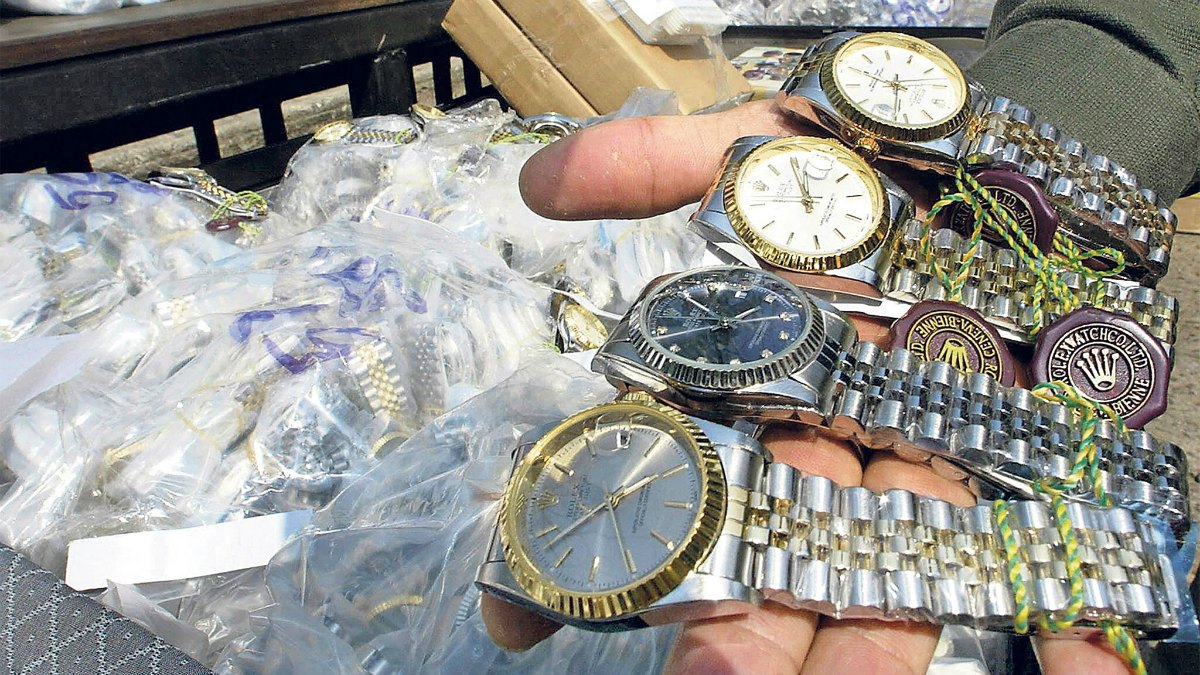
    A customs department anti-smuggling task force seized 450 fake Rolex watches during an inspection Tuesday at Tra Linh in Cao Bang Province on the Chinese border.

    In an impressive show of vigilance, customs officials intercepted the counterfeit luxury watches packed in a container that claimed to hold 24 tons of various consumer goods.

    .Alongside the counterfeit Rolexes, officers discovered a trove of undeclared merchandise including cosmetics, lighters, power banks, bras, and car lights, each packaged more mysteriously than a magician’s best trick.

    The business behind the shipping was unable to furnish any documentation proving legal ownership of the watches, further raising suspicions. A representative from Rolex estimated that if these watches had been real, their value would have soared to approximately VND45 billion (US$1.7 million). The investigation is ongoing, hinting at a deeper web of intrigue.

    This seizure marks a notable uptick in smuggling incidents at the border, with officials reporting five similar cases within the first half of June. Among the contraband were over 5,700 counterfeit clothing items, bags, and athletic shoes donning well-known names like Tommy Hilfiger, Celine, Nike, Louis Vuitton, Lacoste, Adidas, and New Balance, according to Tuoi Tre newspaper.

    Authorities also came across numerous undeclared goods falsely labeled as made in Vietnam, showing a clear pattern of misrepresentation.

    As part of a wider crackdown over the past month, market authorities nationwide have intensified their efforts against smuggling, commercial fraud, and counterfeit goods. Since May 15, they have uncovered over 3,100 violations, imposing fines totaling more than VND32 billion. Notably, violations of intellectual property rights accounted for around 52% of these cases, leading to fines of VND16 billion, while smuggling accounted for 648 cases and over VND6 billion in fines.

    With the battle against fake goods heating up, one wonders if the next luxury watch in your collection might just be a “watch out!” moment.

    Questions & Answers

    What was seized at the border this week?
    450 counterfeit Rolex watches were intercepted during a customs inspection.

    What other goods were found with the counterfeit watches?
    Numerous undeclared items were discovered, including cosmetics, lighters, power banks, bras, and car lights.

    How have authorities responded to smuggling and counterfeit goods recently?
    Authorities nationwide have ramped up efforts against smuggling and fake goods, uncovering over 3,100 cases of violations and imposing fines exceeding VND32 billion since mid-May.

  • Tiktok Influencers Arrested: 800,000 Counterfeit Products Sold In Massive Scheme

    Tiktok Influencers Arrested: 800,000 Counterfeit Products Sold In Massive Scheme

    Le Van Hai, the creator behind a popular TikTok channel boasting 2.6 million followers, has been arrested for a staggering scheme involving the sale of 800,000 counterfeit food and cosmetics products. Alongside his accomplice, Tran Dai Phuc, the duo was apprehended on Monday in the northern province of Ninh Binh.

    The dynamic pair was promoting a range of cosmetic and food items on their TikTok channel, dubbed Hai Sen Family, for the past two years. Among their offerings was Hai Be Syrup, touted as a remedy for stimulating children’s appetites. However, their operation took a nosedive when authorities raided their company and discovered hundreds of products lacking the necessary licenses.

    Upon examination, the contents of the syrup raised eyebrows; tests revealed that the actual concentrations of calcium and vitamins A and C were less than 70% of what the labels advertised. In total, Hai and Phuc managed to distribute a shocking 800,000 products online since last year, including 100,000 boxes of the infamous syrup. The TikTok account has now been suspended, and an ongoing police investigation seeks to unearth the full extent of the operation.

    This incident serves as a vivid reminder that while the social media platform can inspire creativity, it can also provide a stage for deception—who knew the road to digital fame could be paved with imitation goods?

    Questions & Answers

    What charges are Le Van Hai and Tran Dai Phuc facing?
    They are facing charges related to selling counterfeit food and cosmetics products without proper licenses.

    How many products did they sell before their arrest?
    The duo sold over 800,000 products online, which included 100,000 boxes of their Hai Be Syrup.

    What has happened to their TikTok account?
    Their TikTok account has been locked as part of the ongoing police investigation into their activities.

  • Hanoi Retailers Brace for Impact as Owners Close Shops Amid Fears of New Tax and Anti-Counterfeit Measures

    Hanoi Retailers Brace for Impact as Owners Close Shops Amid Fears of New Tax and Anti-Counterfeit Measures

    Retailers in Hanoi are facing a troubling trend as countless shops close their doors amid a surge in e-commerce, increased taxes, and a rigorous crackdown on counterfeit goods. The booming online marketplace has outpaced traditional retail, leading many store owners to rethink their business strategies and pivot away from brick-and-mortar operations.

    The Changing Landscape of Retail in Hanoi

    Chua Boc Street, a once bustling hub for fashion lovers, has become eerily quiet over recent months. Once lined with vibrant shops and throngs of customers, it now showcases “For Rent” signs reminiscent of the social distancing days during the pandemic. With rental prices topping VND1 million (about US$38) per square meter, many retailers are finding it hard to cope with the changing economic environment.

    The shuttering of storefronts extends to Pham Ngoc Thach Street and Nguyen Trai Street, where multiple vendors have resorted to eye-catching discount sales, likely their last cry for continued operations. Hang Bong Street—popular among tourists—is also seeing significant closures as stores slash prices to liquidate inventory, offering bargains as low as VND50,000.

    Not all hope is lost for some retailers, though. A growing number are choosing to maintain a virtual presence; opening their physical locations just enough to manage e-commerce deliveries, only to quickly lock up again. “We are still selling, but mostly online,” shared a vendor from Dao Duy Anh Street, where closures are rampant.

    Economic Pressures and Regulatory Changes

    Market authorities’ intensified scrutiny over product origins to combat counterfeit goods has made trading increasingly challenging. More troubling is the recent tax policy that requires sellers with revenues exceeding VND1 billion to pay a variable percentage instead of a fixed fee. The fear of rising operational costs has driven many to consider shutting down entirely.

    “I closed my shop last week due to the stricter tax laws and concerns over product authenticity,” lamented a distressed retailer.

    While some shops have closed, others have resorted to the less traditional approach of operating in stealth, selling their wares online but keeping their physical appearances under wraps—an ingenious yet risky adaptation to an ever-evolving marketplace.

    As Hanoi’s retail landscape transforms, it seems that adaptability is not just important; it’s essential for survival.

    Questions & Answers

    What is driving the closures of retail stores in Hanoi?
    The closures are predominantly due to the explosive growth of e-commerce, higher taxes, and a government crackdown on counterfeit goods, leading many retailers to rethink their business models.

    How are some retailers adapting to the changing market?
    Many retailers are shifting their operations online, reducing their physical store hours, and handling customer interactions primarily through e-commerce platforms.

    What tax changes are impacting Hanoi’s retailers?
    A new tax policy requires sellers with revenues of VND1 billion or above to pay a percentage based on their income, rather than a flat rate—prompting fears of increased costs and potential shutdowns.

  • Shoppers Navigate Closed Doors as Raids Target Counterfeit Goods in Hanoi and HCMC

    Shoppers Navigate Closed Doors as Raids Target Counterfeit Goods in Hanoi and HCMC

    On the morning of June 6, the usually vibrant streets of Hang Ngang and Hang Dao in Hanoi’s Hoan Kiem District appeared unusually desolate. Once a bustling commercial center, these roads felt eerily quiet, reminiscent of the Lunar New Year holiday lull, with a predominant number of shops shuttered.

    Lan, a 35-year-old local, found herself navigating this stillness, riding her motorbike back and forth, hoping to find an open store. After parking, she ventured on foot, peering through closed shutters in search of familiar fashion outlets. “I usually buy clothes here, and I’m just trying to find something still open,” she explains. Her quest led her to a shop with a barely open roller door. Inside, the owner swiftly closed it behind her, revealing a strategy to avoid the ongoing government raids targeting counterfeit goods.

    With a crackdown on counterfeit and tax evasion intensifying, marketplaces in both Ho Chi Minh City and Hanoi are witnessing closures among fashion, watch, and pharmaceutical retailers. Authorities recently conducted extensive inspections, unveiling thousands of counterfeit luxury items in Ho Chi Minh City, with brands like Rolex, Chanel, and Gucci found without proper documentation. The prices of these counterfeit products far underscored their genuine counterparts.

    Once outside the shop, Lan noted the rapid descent of the shutter, making the store appear closed once more. Finding shoes proved even more challenging as nearly all footwear retailers were also shuttered. Resorting to modern communication, she connected with a store via the Zalo messaging app, hoping to browse styles and place an order since “in-person sales are suspended during this time.” Yet after two hours, her shopping needs remained unfulfilled.

    Unexpected Shopping Experiences

    Similarly, Kieu Tuyet, 45, from Hai Ba Trung District, faced difficulties procuring sleepwear on Hang Dao. After half an hour of searching, she stumbled upon a familiar shop where her purchase took less than ten minutes. “In the past week, it has become a challenge to shop. You either squeeze through barely open doors or place phone orders for pickup or delivery. It almost feels illegal,” she remarked.

    A recent VnExpress survey indicated that around 80% of clothing, footwear, and cosmetics stores along the famed streets and Dong Xuan and Hang Da markets were closed. Meanwhile, other shopping hotspots, such as Chua Boc Street in Dong Da District and Ninh Hiep Market in Gia Lam District, reported similar closures. At the few stores still operating, doors were partly ajar, and staff awaited delivery drivers outside to expedite transactions.

    On social media, shoppers shared amusing snippets of their experiences, showcasing people squeezing through tight slots to gain entry. Nguyen Thi Oanh, a 60-year-old clothing vendor, noted that most businesses had remained closed since June 1 due to fears of inspections. “Some days, I only sell three or four outfits, but that’s better than facing fines. I simply can’t shoulder that burden,” she lamented.

    New Tax Environment Creates Anxiety

    The recent introduction of tax reforms requiring businesses with annual revenues exceeding VND1 billion (about US$38,380) to issue e-invoices linked to tax authorities has left many vendors anxious. Oanh now exclusively takes cash payments, shunning card transactions, particularly with foreign customers, for fear of mismanaging the new requirements.

    Tuyet Hoa, 74, who has operated a tea stall on Hang Ngang Street for nearly a decade, described the current atmosphere as reminiscent of Covid lockdowns. Despite appearances, she affirmed, sales continue quietly inside many stores, often relying on delivery drivers for business. Yet, as foot traffic diminishes, her sales have plummeted, once quite popular among delivery riders, now struggling to reach ten cups of tea daily.

    She anticipates that normal trading patterns may not return until after June 15 when the government’s intensified efforts against counterfeit goods are expected to conclude.

    According to Nguyen Ngoc Tinh, vice president of the Ho Chi Minh City Tax Consultant and Agent Association, the transition to a real-time tax assessment model has left business owners in trepidation, needing to invest in new systems they may not feel comfortable managing. Pham Ngoc Trung, a seasoned voice in the retail industry, echoed concerns over the crackdown on counterfeit goods, noting that many vendors have either suspended operations entirely or cautiously operate behind closed doors, all while hoping to meet essential expenses.

    Questions & Answers

    What are the current shopping conditions in Hanoi’s commercial districts?
    Most shops on key streets like Hang Ngang and Hang Dao are currently closed, with many shoppers resorting to online communication to place orders.

    What is causing the widespread closure of stores?
    Authorities are ramping up inspections to combat counterfeiting and ensure tax compliance, prompting many retailers to temporarily shut down.

    How have vendors adjusted to the new tax regulations?
    Many have switched to cash-only transactions to cope with the complexities of the new e-invoice requirements, leading to a dramatic shift in their business operations.

  • Vendors in Hanoi and HCMC Close Shops as Authorities Crack Down on Counterfeit Goods

    Vendors in Hanoi and HCMC Close Shops as Authorities Crack Down on Counterfeit Goods

    In response to a heightened crackdown on counterfeit goods, a wave of shop closures has swept through bustling markets in Ho Chi Minh City (HCMC) and Hanoi. Authorities have intensified their efforts to eliminate counterfeit products, particularly among fashion accessories, watches, and pharmaceuticals.

    Stalls Go Silent in Ho Chi Minh City

    This week, popular shopping destinations in HCMC, including Saigon Square in District 1, An Dong Plaza in District 5, and the Pharmaceutical and Medical Equipment Trading Center in District 10, saw numerous stalls shuttered. Many shop owners lingered in the marketplaces, anxiously surveying the situation without opening their stores, fearful of a confrontation with inspectors.

    A handful of vendors that chose to keep their doors open found themselves facing a significant drop in customer traffic. “The number of visitors has plunged, and most of them only looked and did not buy,” lamented Hang, a vendor, highlighting the palpable unease that has gripped both customers and sellers alike.

    Hanoi’s Vinh Phat Market Feels the Pinch

    In Hanoi, the once-vibrant Vinh Phat Market, a hub for clothing and fabric, echoed with an unusual stillness this week. Many shops were closed, some even obscured their contact information to evade inquiries, reflecting the pervasive apprehension following several enforcement actions conducted at the end of May.

    Inspections in HCMC unearthed thousands of items flaunting esteemed luxury brand names such as Rolex, Chanel, and Gucci, all lacking the necessary documentation to verify their authenticity. Surprisingly, these counterfeit items were often priced considerably lower than legitimate products, which can be tempting but comes with serious risks.

    Small Vendors Face Big Pressures

    Management at Ben Thanh Market in HCMC voiced concerns about effectively controlling counterfeit goods without addressing the root issue of cross-border smuggling. Similarly, other market operators noted that while the crackdown aims to protect consumers and uphold laws, it places undue pressure on small vendors who may lack the legal knowledge or documentation needed to comply with regulations.

    Vendors at many major markets lamented that meeting these stringent requirements is next to impossible due to limited resources, forcing them to keep prices low to attract buyers. This predicament often results in the sale of non-genuine products, creating a challenging environment for both sellers and consumers.

    In the midst of these closures and cautious shopping behavior, one can’t help but ponder: what’s next for the vendors who have bravely navigated this storm, and will the real deals face the consequences of their counterfeit counterparts?

    Questions & Answers

    Why are stalls closing in HCMC and Hanoi?
    Vendors are closing their stalls due to increasing raids by authorities focused on rooting out counterfeit products, which has instilled fear of potential crackdowns.

    What has been the impact on sales in markets like Saigon Square?
    Sales have plummeted, with vendors reporting that while customers are still visiting, many are merely browsing without making purchases.

    How are small vendors managing under these pressures?
    Many small vendors struggle to meet legal requirements for authenticity due to limited resources, often resulting in the sale of counterfeit goods to keep their prices competitive.

  • Man arrested for making and selling 200,000 counterfeit Nike, Adidas, and Uniqlo socks

    Man arrested for making and selling 200,000 counterfeit Nike, Adidas, and Uniqlo socks

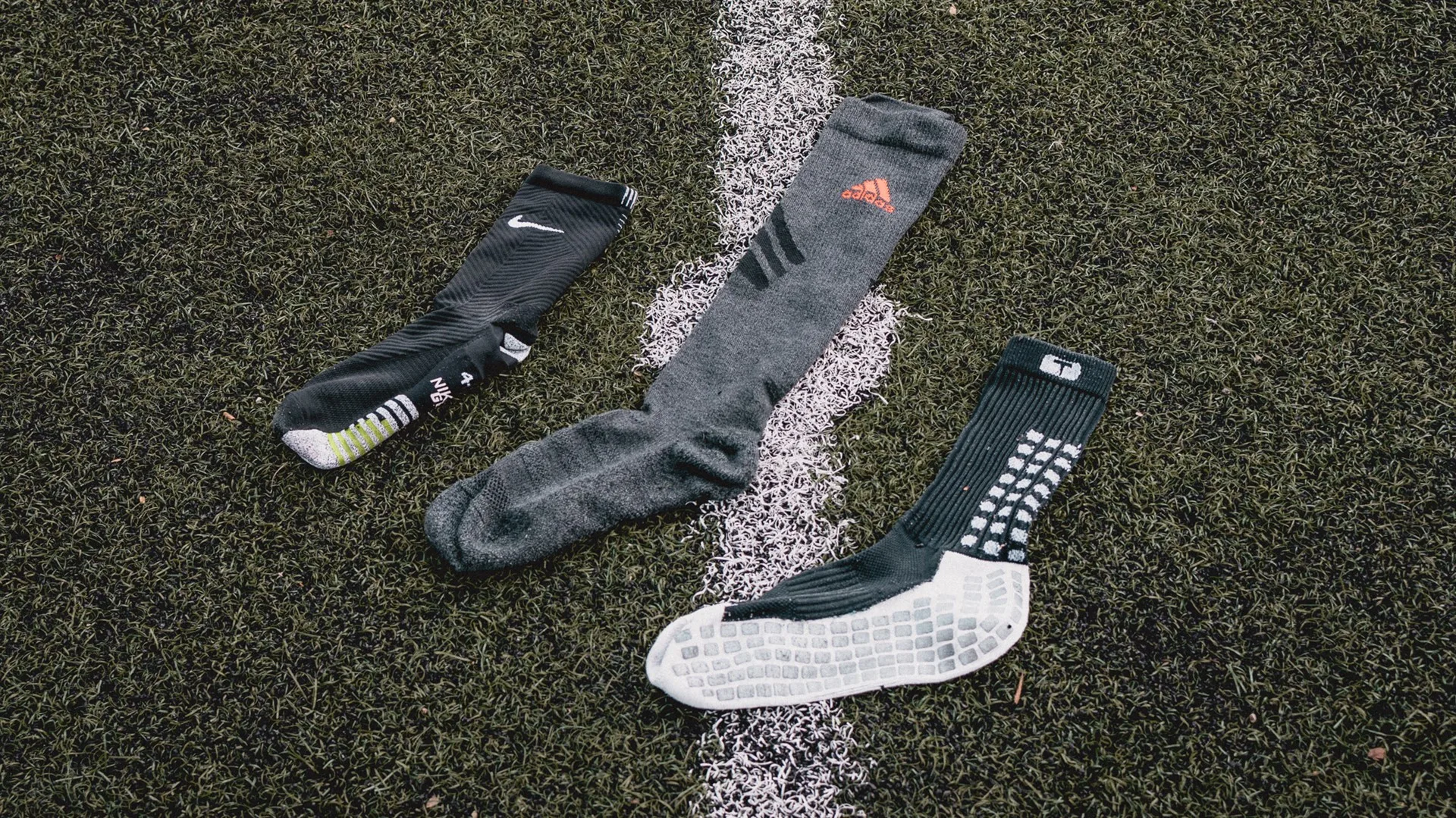
    In a recent case of intellectual property rights violation, a man in Hanoi was found guilty of manufacturing and selling 200,000 fake Nike, Adidas, and Uniqlo socks. The counterfeit items were being retailed at wholesale prices between VND4,500–5,000 (US$0.18–0.20) per pair.

    Investigation and Prosecution

    The Economic Police Department in Hanoi reported the prosecution of Nguyen Van Thien, 51, for the aforementioned offense. The investigation divulged that Thien had initiated a sock manufacturing and trade business in Quoc Oai District in 2015. He initially supplied socks to various companies under his own brand named “Thien Duong”.

    In 2018, Thien observed the surging demand for socks adorned with popular brand logos such as Nike, Adidas, and Uniqlo. Consequently, he started producing counterfeit versions of these highly sought-after socks.

    Fraudulent Business Operations

    Thien arranged for the procurement of knitting machines, instructing the suppliers to pre-install the logos of Nike, Adidas, and Uniqlo into the machine software. He also sourced labels and tags from unregulated producers and hired four workers to operate the machines and manage the packaging process.

    A raid conducted on January 4 unveiled a large stock of counterfeit socks. The authorities confiscated 3,450 pairs of socks with the Adidas logo, 14,400 pairs with the Nike logo, and 2,100 pairs bearing the Uniqlo brand. They also found 1,500 loose socks branded with Nike logo. The authorities seized over 10 machines, 200 heat-molding frames, and nearly 70 kg of labels in total.

    Extent of the Counterfeit Operations

    The investigators discovered that Thien had been producing and distributing counterfeit socks since 2022. He is estimated to have sold around 200,000 counterfeit socks with a total market value of more than VND240 million (US$9,400).

    These fake socks were primarily sold at a profit margin of about 25% via various e-commerce platforms, social media, and suburban markets.

    Questions & Answers

    What was Nguyen Van Thien charged with?
    Nguyen Van Thien was prosecuted for violating intellectual property rights by manufacturing and selling counterfeit Nike, Adidas, and Uniqlo socks.

    How did Thien manage to manufacture the counterfeit socks?
    Thien procured knitting machines and instructed the suppliers to pre-install the logos of Nike, Adidas, and Uniqlo into the machine software. He also procured labels and tags from unregulated vendors and hired workers to manage the production process.

    Where and how were the counterfeit socks sold?
    The counterfeit socks were predominantly sold in bulk through e-commerce platforms, social media, and suburban markets, allowing for a 25% profit margin.