Retail News CRM

Tag: Counterfeit

  • Massive Haul of Counterfeit Rolex and Gucci Items Seized at Saigon Square Mall

    Massive Haul of Counterfeit Rolex and Gucci Items Seized at Saigon Square Mall

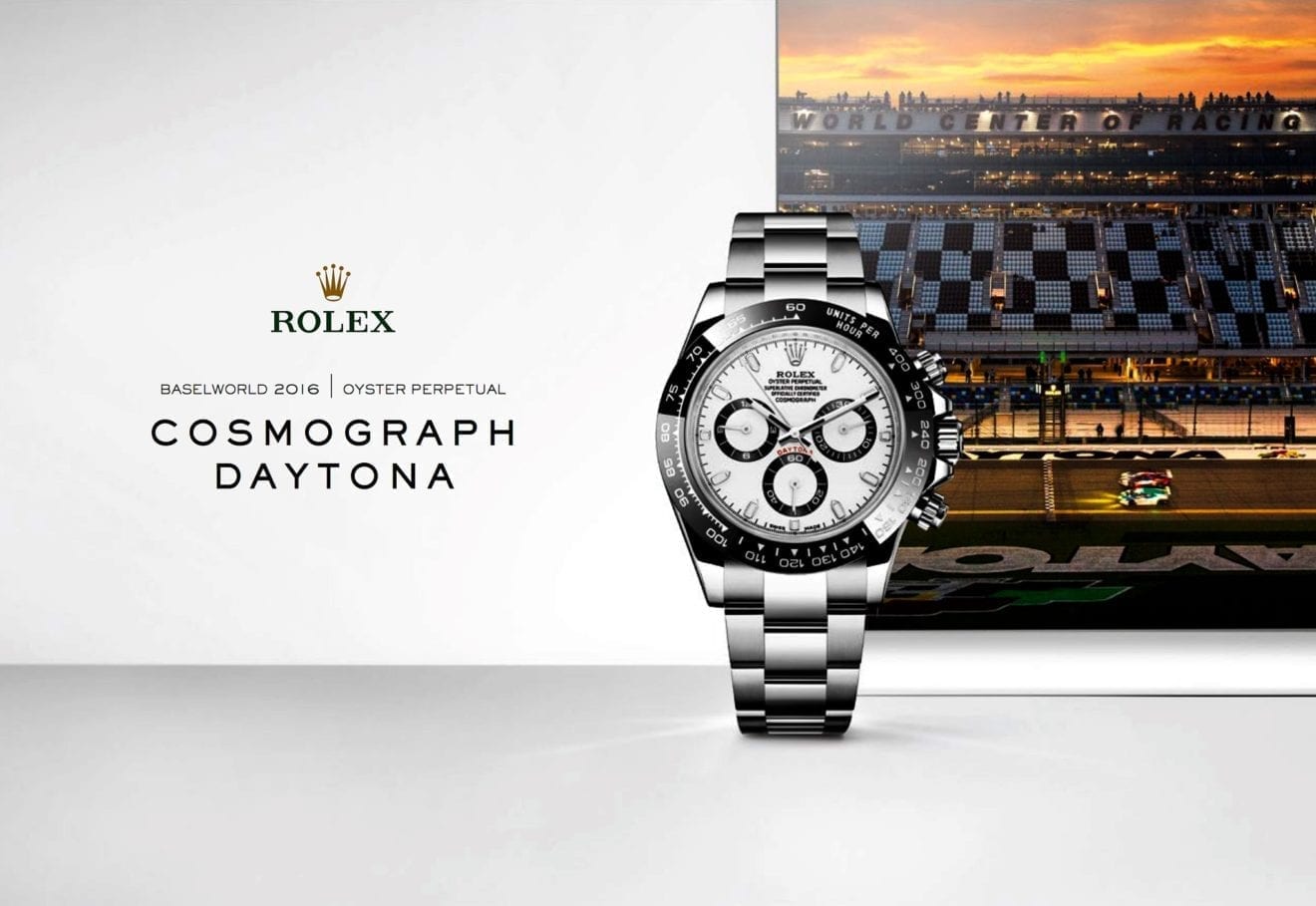
    Market authorities uncovered a trove of counterfeit luxury goods at Saigon Square, a bustling mall in Ho Chi Minh City, during a surprise raid on May 29, 2025. Inspectors targeted a diverse range of items, including clothing, bags, watches, glasses, and suitcases, as they sought to protect both consumers and brand integrity.

    Swift Observations and Quick Reactions

    As six inspection teams moved in on this vibrant marketplace, many kiosk owners attempted to close their stalls in a hurried bid to escape the watchful eyes of the authorities. To complicate matters further, mall management broadcasted the details of the raid over the public address system, hampering the inspectors’ efforts to conduct a thorough investigation. Undeterred, the teams discovered a wide array of products featuring luxury brand names at prices that seemed too good to be true compared to official retail outlets.

    Seizing Counterfeit Goods

    With an earnest commitment to safeguarding consumers and upholding the reputation of registered brands in Vietnam, the inspectors confiscated all goods believed to be counterfeit. This operation underscores the continuous battle against imitation products in a market that has been described as both a “shopping paradise” and a hotspot for potential fraud.

    Saigon Square, established in 2000, has become a vibrant blend of local and tourist culture, offering an extensive variety of merchandise. However, the recent discoveries serve as a reminder that luxury doesn’t always come with a legitimate price tag—and shopping with caution is more important than ever.

    In an unexpected twist, consumers might find themselves questioning whether that “Rolex” is truly ticking an authentic beat after all!

    Questions & Answers

    What luxury brands were affected by the recent raid at Saigon Square?
    Authorities confiscated apparent knockoffs of Rolex, Gucci, Chanel, and other high-end brands during the inspection.

    Why were kiosk owners closing their shops during the raid?
    Many kiosk owners shut down their stalls upon seeing the inspectors approach, likely to avoid having their goods examined.

    What is Saigon Square known for?
    Established in 2000, Saigon Square is a popular shopping destination for both locals and tourists, known for its diverse merchandise and vibrant atmosphere.
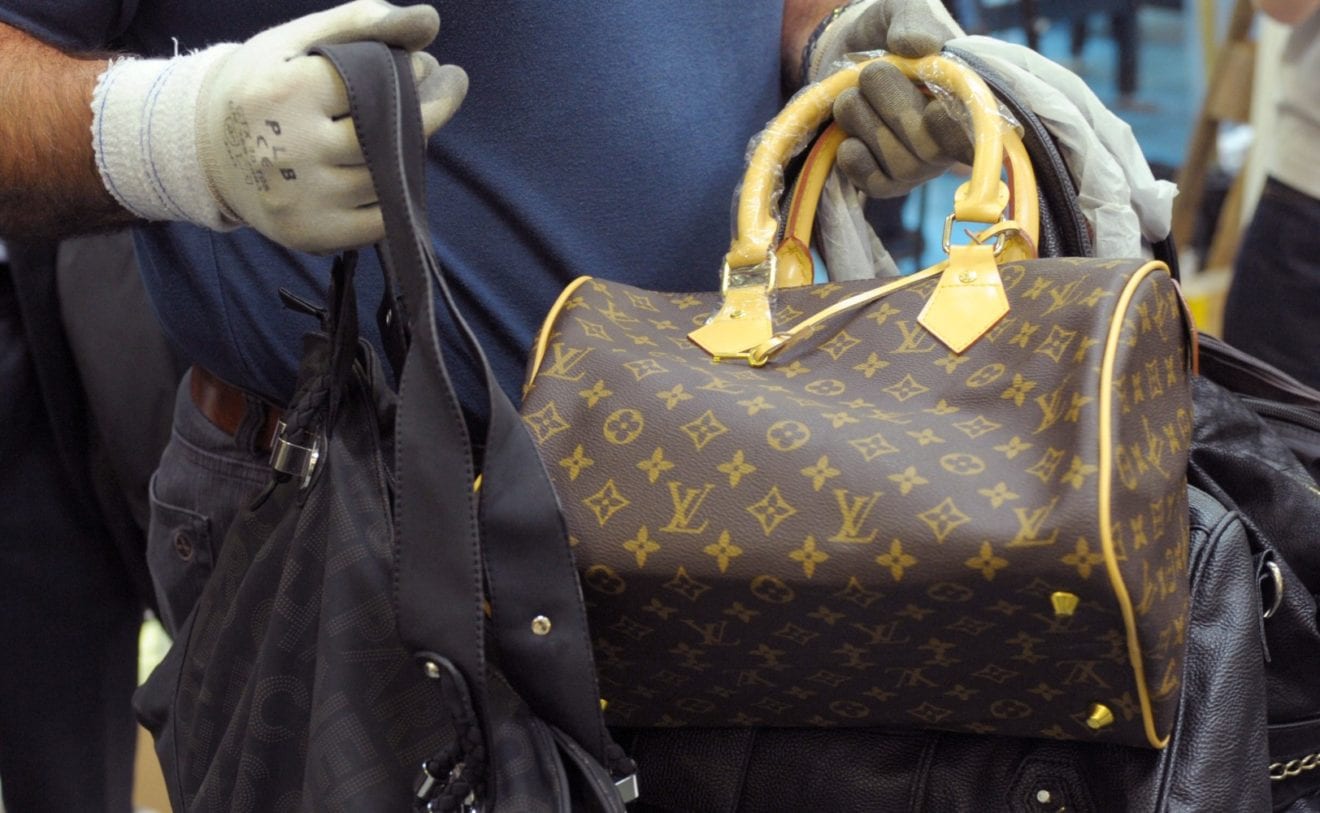
  • Hong Kong Customs seize counterfeit US-bound goods

    Hong Kong Customs seize counterfeit US-bound goods

    Hong Kong Customs has seized some 10,000 counterfeit products destined for the US in a targeted operation to combat cross-boundary counterfeiting activities.

    The goods had an estimated street value of about HKD1.1 million (US$141,000), were seized, including medicines, mobile phones, handbags, shoes and clothing.

    The seizures resulted from a sharing of intelligence with US regulatory authorities, something Hong Kong Customs says it expects to continue as it targets cross-boundary counterfeiting activities to a variety of other countries.

    Under Hong Kong’s Trade Descriptions Ordinance, anyone who imports or exports goods with a forged trademark commits an offense. The maximum penalty upon conviction is a fine of HKD500,000 ($64,400) and imprisonment for five years.

  • Hong Kong Customs seize $2m in fake goods in prime retail strip

    Hong Kong Customs seize $2m in fake goods in prime retail strip

    Hong Kong Customs raided an upstairs showroom in the heart of the city’s prime retail precinct this week, seizing about HK$2 million worth of fake goods.

    They arrested a 71-year-old man on site who was allegedly in charge of the counterfeit retailing business.

    A Customs spokesperson said the showroom had been operating in “a low-profile mode” and mainly served foreign visitors to Hong Kong. Typically in these businesses, tourists are approached by individuals and invited to see luxury goods in hidden-away ‘stores’.

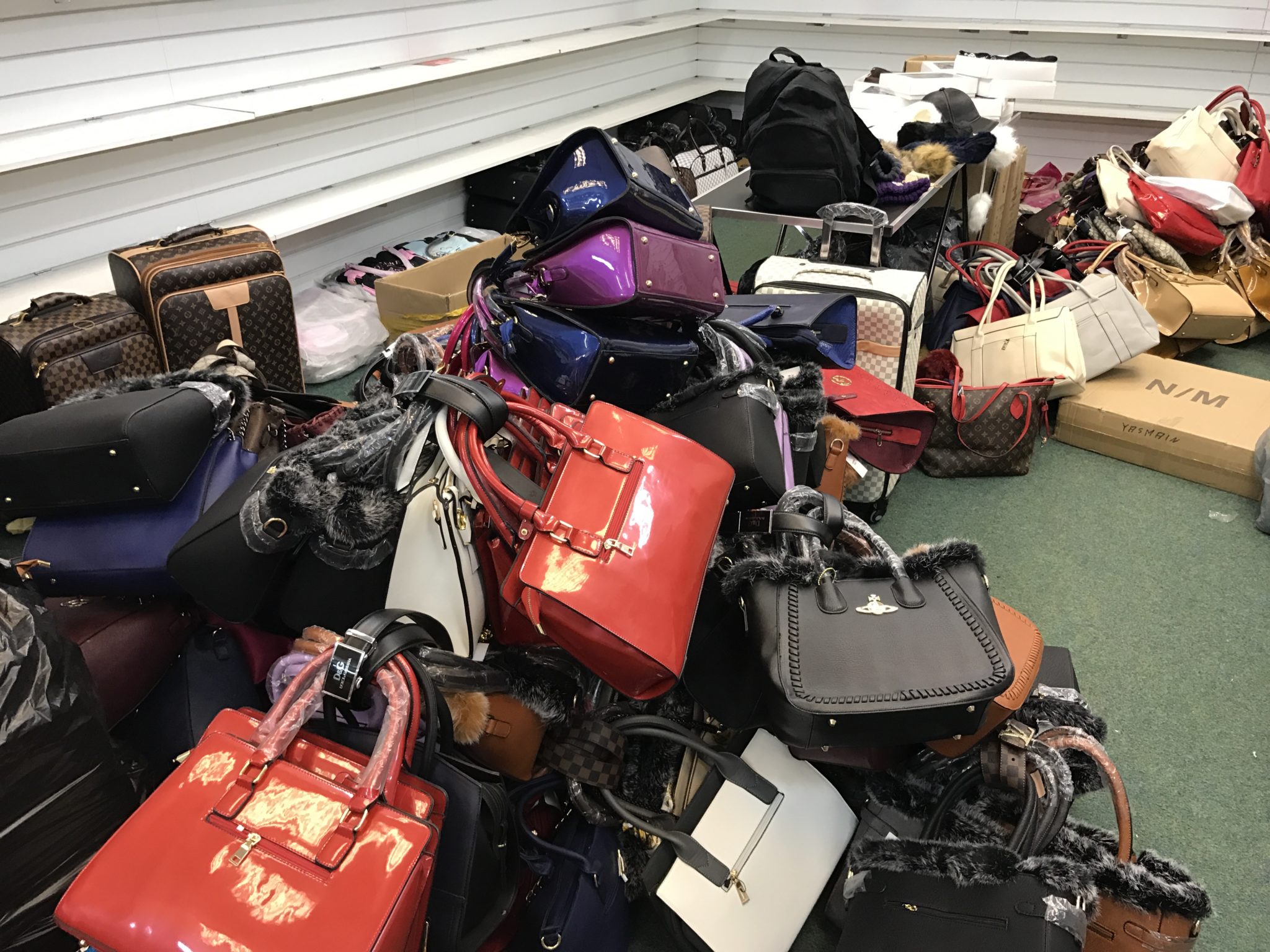
    Customs had earlier discovered an upstairs showroom in Causeway Bay selling suspected counterfeit goods and after an investigation with the assistance of trademark owners, officers took enforcement action on Wednesday. After raiding the showroom they seized about 1700 items including handbags, belts, watches and sneakers.

    “Famous brands were involved and the goods available for sale had a high degree of resemblance,” said the spokesperson.

    Customs says it plans to step up investigations into the sale of counterfeit goods and enforcement of the law in the coming weeks as Christmas approaches.

    The spokesperson reminded traders to be “cautious and prudent” in merchandising since the sale of counterfeit goods is a serious crime and offenders are liable to criminal sanctions. Under the Trade Descriptions Ordinance, any person who sells or possesses for sale any goods with a forged trademark commits an offense. The maximum penalty upon conviction is a fine of $500,000 and imprisonment for five years.

  • Label technology launched to foil counterfeiters

    Label technology launched to foil counterfeiters

    Security-label technology has been launched in South Korea that can prevent “label replacement” on clothing preventing counterfeit items being disguised as genuine.

    The state-run Korea Minting, Security Printing and ID Card Operating Corp (Komsco) say its security-label technology can make labels for clothing using fibers containing special security materials.

    If the label is placed in front of a special security material detector, an alarm sounds to confirm it is genuine.

    On the contrary, fake labels do not generate sound because sensors cannot recognize the presence of security materials.

    The technology can be used not only for labels attached to clothes but also for embroidery attached to uniforms or sports club uniforms, officials from Komsco explained.

    Eco-friendly containers for products such as instant noodles can be developed using eco-friendly cotton fiber of the same type used to make banknotes,

    “The key to money manufacturing is anti-forgery technology,” Komsco CEO Cho Yong-man said, adding that “the technology can be used in various areas of society, not just money”.

  • Hong Kong Customs seizes counterfeit sport shoes

    Hong Kong Customs seizes counterfeit sport shoes

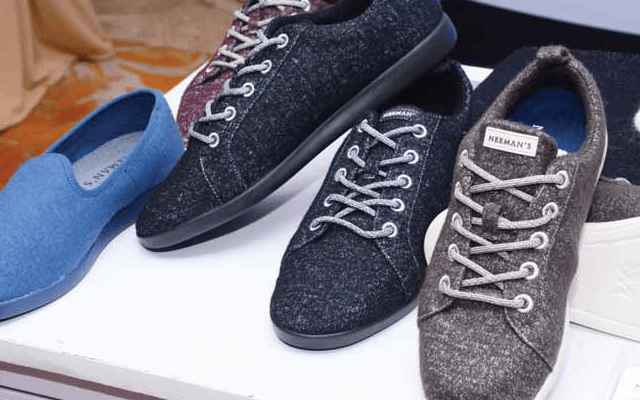
    Hong Kong Customs seized about 12 000 pairs of suspected counterfeit sports shoes on Monday, with an estimated market value of about $1 million.

    The fake goods were discovered in a shipping container at the Customs Cargo Examination Compound of the River Trade Terminal in Tuen Mun.

    However, the shoes were not destined for the local market. Through a routine risk-assessment program, Customs officers inspected a 40-foot-long container destined for the Dominican Republic that arrived in Hong Kong from Huangpu in Guangdong. Upon inspection, Customs officers seized the batch of suspected counterfeit sports shoes in the container.

    The counterfeit sports shoes were not clearly branded in the image released by Hong Kong Customs (above).  Investigations are continuing.

    Under the Trade Descriptions Ordinance, any person who imports or exports any goods to which a forged trademark is applied commits an offence. The maximum penalty upon conviction is a fine of $500,000 and imprisonment for five years.

  • Another Hong Kong counterfeit ring in custody

    Another Hong Kong counterfeit ring in custody

    Customs has smashed another Hong Kong counterfeiting syndicate, this one operating from Tung Choi Street in Mong Kok.

    About 2600 items of suspected counterfeit goods – including handbags, wallets and belts with an estimated market value of about HKD4.3 million (US$548,000) – were seized during the raid of a fixed hawker pitch and a storage facility.

    Customs had earlier received information alleging the sale of counterfeit goods at a fixed hawker pitch in Mong Kok. After an in-depth investigation with the assistance of the trademark owner, Customs officers took enforcement action that culminated in the raid. The batch of suspected counterfeit goods and one tablet for displaying photos of suspected counterfeit goods were seized.

    During the operation, one female syndicate head and one male member of the Hong Kong counterfeit ring, both aged 46, were arrested. The investigation is ongoing.

    Customs says it will continue to step up inspection and enforcement to combat the sale of counterfeit goods, and reminds consumers to procure goods at reputable shops and to check with the trademark owners or their authorized agents if the authenticity of a product is in doubt.

    Customs also reminds traders to be cautious and prudent in merchandising, describing the sale of counterfeit goods as a serious crime with offenders liable to criminal sanctions. Under the Trade Descriptions Ordinance, any person who sells or possesses for sale any goods with a forged trademark commits an offence. The maximum penalty upon conviction is a fine of $500,000 ($64,000) and imprisonment for five years.

  • Women arrested after massive haul of counterfeit cosmetics seized

    Women arrested after massive haul of counterfeit cosmetics seized

    Two women have been arrested for their suspected involvement in the importation and possession of a massive haul of counterfeit cosmetics and perfumes.

    The women, aged 21 and 23, are reported to have been in possession of more than 16,000 fake products with an estimated street value of more than SG$800,000 (US$577,360).

    On July 25, Singapore Customs inspected a consignment of more than 200 pieces of perfume and cosmetic products believed to be counterfeits, and subsequently referred the case to the Criminal Investigation Department (CID).

    During a 19-hour operation conducted on August 6, CID officers mounted raids at Tampines North Drive and Sunview Road, resulting in the arrests. Preliminary investigations revealed that these counterfeit products bearing falsely applied trademarks would be sold on online platforms. Investigations are ongoing.

    A statement issued by the Singapore authorities stated that Singapore takes a serious view on intellectual property rights infringements and will not hesitate to take action against perpetrators who show blatant disregard for the law.

    It said that anyone found guilty of importing, possessing or distributing goods with falsely applied trademarks for the purpose of trade may be fined up to SG$100,000 (US$72,165), or sentenced to five years in prison, or both.

  • Scale of Stanley hawker’s counterfeit goods business surprises Customs

    Scale of Stanley hawker’s counterfeit goods business surprises Customs

    Hong Kong Customs who raided a mobile hawker selling counterfeit goods in Stanley on Friday was surprised by the scale of the operation behind it.

    Some 6900 items of suspected counterfeit goods were seized, including clothing, caps, and shoes, with an estimated market value of $420,000.

    But what made this raid stand out was that it was the first-ever case detected of a single mobile hawker selling counterfeit items using multiple mobile-storage facilities.

    After raiding the single stall they discovered 13 storage facilities in nearby alleys linked to the stall.

    A 44-year-old female stall owner was arrested.

    The enforcement activity followed a tipoff alleging the sale of suspected counterfeit items at Stanley. After an in-depth investigation with the assistance of trademark owners, the raid was carried out.

    A Customs spokesperson said inspection and enforcement activity to combat the sale of counterfeit goods will be stepped up during the summer holiday.

    “Customs reminds traders to be cautious and prudent in merchandising since the sale of counterfeit goods is a serious crime and offenders are liable to criminal sanctions. Customs also reminds consumers to procure goods at reputable shops and to check with the trademark owners or their authorized agents if the authenticity of a product is in doubt.”

    Under the Trade Descriptions Ordinance, any person who sells, or possesses for sale, any goods with a forged trademark commits an offense. The maximum penalty upon conviction is a $500,000 fine and five years imprisonment.

  • Amazon expands anti-counterfeit program

    Amazon expands anti-counterfeit program

    Amazon is expanding its successful anti-counterfeiting program to more countries.

    Transparency is now available to sellers and customers in France, Germany, Italy, Spain, the UK, India and Canada, the e-commerce giant announced on Wednesday. Previously it only operated within the US.

    Online marketplaces are rife with counterfeit products sold cheaper than the genuine product, though often at a much lower quality.

    Fellow online marketplace Alibaba revealed its ‘Anti-Counterfeiting Alliance’, launched in early 2017, has resulted in the arrests of 1277 suspects, the shutdown of 524 manufacturing and distribution locations, and product seizures totalling US$536.2 million.

    EBay, as well, launched a program known as ‘eBay Authenticate’ which allows sellers to have items examined by a third-party to ensure the consumers can be confident they’re getting the real thing.

    Amazon’s Transparency program enables marketplace sellers to apply unique codes to their products when they are manufactured. These codes are scanned before orders are shipped to ensure the products are authentic. Online shoppers can also check the unique codes to verify the products they buy.

    “Counterfeiting is an industry-wide concern – both online and offline,” said Amazon customer trust and partner support vice president Dharmesh Mehta.

    “We created Transparency to provide brands with a simple, scalable solution that empowers brands an dAmazon to authenticate products within the supply chain, stopping counterfeit before it reaches a customer.”

    According to Amazon, more than 4000 brands are enrolled in the initiative in the US, and have generated more than 300 million unique codes, stopping over 250,000 counterfeits from reaching customers.

    The program also allows customers to scan products using a Transparency app, and see unit-level information about a product – though currently the app is only available in the US.

    Inside Retail has reached out to Amazon to see if this initiative will be expanded to Australia.

  • Hong Kong Customs smash two counterfeit cosmetics rings

    Hong Kong Customs smash two counterfeit cosmetics rings

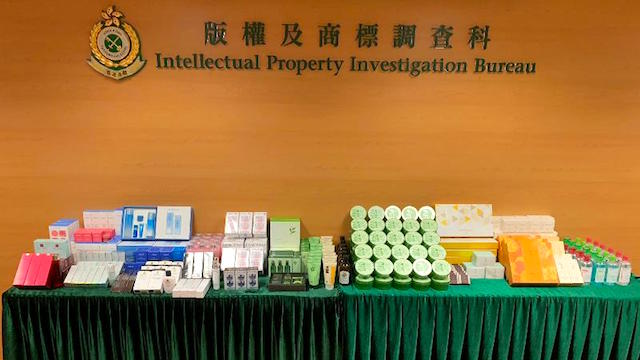
    Hong Kong Customs officers have smashed two counterfeit-cosmetics rings selling makeup and skincare products.

    In a five-day-long anti-counterfeiting operation last week, 12 people were arrested after seven retail stores and three warehouses were raided across the territory. Some 6400 items of suspected counterfeit cosmetics were seized with a market value estimated at HK$590,000.

    The raids followed routine patrols where Customs officers discovered shops selling suspected counterfeit goods.

    “After an in-depth investigation with the assistance of trademark owners, Customs officers took enforcement action in various districts during the above-mentioned period,” a Customs spokesperson said.

    Six retail shops in Causeway Bay, Yau Ma Tei and Sheung Shui were raided first resulting in the seizure of about 1400 counterfeit items. After further investigation, Customs then focused on two suppliers distributing suspected counterfeit cosmetics and skin care products. A retail shop in Sheung Shui and three storage facilities of the two suppliers located in Yuen Long and Fanling were raided. About 5000 items were seized across those locations.

    The products seized included toner, lotion, moisturising gel and sunscreen. Seven of the people arrested were men and five were women. They comprised five directors, one shop owner and six salespersons, all aged between 23 and 46.

    “Investigation is ongoing and all arrested persons have been released on bail pending further investigation,” the spokesperson said.

    Divisional Commander (IP general investigation) of Customs, Peggy Tam, said Customs has been taking stringent enforcement actions against the sale of counterfeit goods. She warned traders to be cautious and prudent in merchandising since the sale of counterfeit goods is a serious crime and offenders are liable to criminal sanctions. She also appealed to consumers to procure goods at reputable shops and to check with the trademark owners or their authorised agents if the authenticity of a product is in doubt.

    Under the Trade Descriptions Ordinance, any person who sells or possesses for sale any goods with a forged trademark commits an offence. The maximum penalty upon conviction is a fine of $500,000 and imprisonment for five years.

  • Operation Octopus cracks down on counterfeit dolls in claw machines

    Operation Octopus cracks down on counterfeit dolls in claw machines

    Hong Kong Customs has conducted a territory-wide operation to combat counterfeit dolls in claw machines.

    Codenamed “Octopus”, the operation proceeded from June 5–13 and resulted in the seizure of about 2700 suspected counterfeit dolls and other relevant items with an estimated market value of about HK$300,000 (US$38,322).

    Customs had earlier received information alleging that the presence of counterfeit dolls in claw-machines shops was widespread in the market. Officers later conducted patrols in different districts.

    After further investigation with the assistance of a trademark owner, Customs officers raided six claw-machine shops in Chai Wan, Lam Tin, Mong Kok, Tuen Mun and Tin Shui Wai as well as a storage facility in San Po Kong. Some 2700 suspected counterfeit dolls and other suspected counterfeit goods, 15 claw machines and five token changing machines were seized.

    During the operation, three men and three women were arrested, including three shop owners and three staff members, aged between 26 and 50.

    The investigation is ongoing.

    Divisional commander (IP general investigation) Peggy Tam told press that Customs would continue to step up inspection and enforcement to fight against the use of counterfeit goods for the purpose of trade. She reminded consumers to check with the trademark owners or their authorised agents if the authenticity of a product is in doubt.

    She also reminded traders to be cautious and prudent in merchandising since the possession of counterfeit goods for any purpose of trade is a serious crime and offenders are liable to criminal sanctions.

    Under the Trade Descriptions Ordinance, any person who sells or possesses for the purpose of trade any goods with a forged trademark commits an offence. The maximum penalty upon conviction is a fine of HK$500,000 ($63,870) and imprisonment for five years.

  • Asean countries fight against Counterfeit Goods

    Asean countries fight against Counterfeit Goods

    Enforcement officials, investigators, and prosecutors from across the Asean region discussed best practices for addressing the trade in counterfeit goods at a workshop on the enforcement of intellectual property rights held in Manila last week.

    The talks covered online business models used for the infringement of IP rights, investigative techniques and intelligence gathering, as well as measures to combat infringement, particularly in the online environment.

    According to a statement released by the workshop, the trade in counterfeit products diverts revenue from legitimate businesses, depletes innovation and development, and underpins organised crime networks. In addition, counterfeits are generally of low quality and are potentially harmful to consumers.

    A wide range of products are affected, including footwear, clothing, electrical machinery, pharmaceuticals, cosmetics, and toys.

    A report released this year by the European Union Intellectual Property Office and the OECD estimates that counterfeit and pirated goods represented up to 3.3 per cent of world trade in 2016. This share has grown significantly, from up to 2.5 per cent estimated in 2013.

    “Strong IP enforcement legislation in the EU provides police and customs agencies with the powers they need to successfully intercept counterfeit goods,” said IP enforcement expert Erling Vestergaard, highlighting a number of EU initiatives that address the issue.

    World Intellectual Property Day is held annually on April 26 to highlight the importance of IP in encouraging innovation and creativity. The global theme for this year is IP and Sports.

  • Counterfeit goods seized in Stanley retail raids

    Counterfeit goods seized in Stanley retail raids

    Hong Kong Customs seized about 1300 fake branded items with a street value estimated at $600,000 during Stanley retail raids yesterday.

    The raid followed an earlier patrol where officers found suspected counterfeit goods were being sold at retail shops in the seaside suburb.

    The goods seized included handbags, leather products and clothing.

    A Customs spokesperson said that with the assistance of trademark owner, Customs officers took enforcement action, raiding two retail shops and one storage facility in the district.

    One man and two women were arrested – a shop owner and two salespersons, all aged between 34 and 47.

    The investigation is ongoing.

    Customs has previously said it will continue to step up inspection and enforcement to combat the sale of counterfeit goods and the number of raids in the territory has increased this year.

    “Customs reminds traders to be cautious and prudent in merchandising since the sale of counterfeit goods is a serious crime and offenders are liable to criminal liability,” said the spokesperson.

    Under the Trade Descriptions Ordinance, any person who sells or possesses for sale any goods with a forged trademark commits an offence. The maximum penalty upon conviction is a fine of $500,000 and imprisonment for five years.

  • Burberry and Louis Vuitton lose counterfeiting appeal in Singapore

    Burberry and Louis Vuitton lose counterfeiting appeal in Singapore

    Burberry and Louis Vuitton have lost their appeal in a trademark dispute against local transport company Megastar Shipping. The luxury brands alleged that Megastar Shipping had handled counterfeit goods in Singapore that were headed for Indonesia, citing the Trade Marks Act that states a trademark is infringed by any person found to import or export goods using that mark without the proprietor’s consent.

    The upper division of the Singapore Supreme Court found this week that Megastar was not the importer of counterfeit goods shipped from China that were seized in March 2013, and was only intended to handle the goods in transit to their final destination in Indonesia. Megastar Shipping had been listed on seaway bills and arrival notices as the consignee of the goods.

    The appeals court ruled that the protection of IP rights had to be balanced against extending liability for infringement to “honest commercial persons who happened to be tangentially involved” in the shipping of counterfeit goods.

  • Lazada to tackle counterfeit Korean products more seriously

    Lazada to tackle counterfeit Korean products more seriously

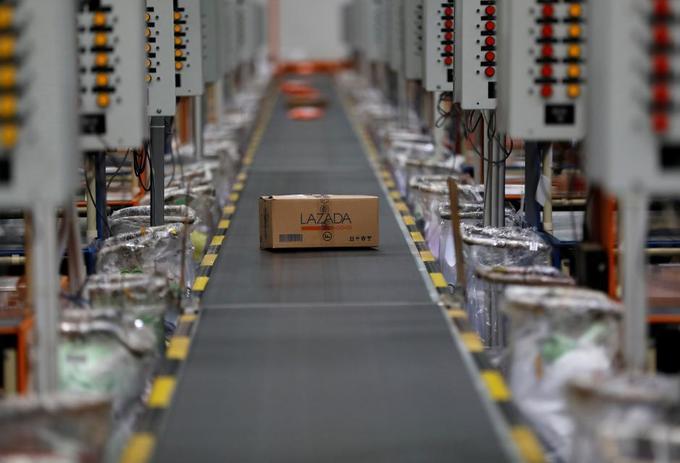
    Lazada has pledged to remove any counterfeit South Korean goods from its platform in a Memorandum of Understanding signed with the Korea Intellectual Property Protection Agency (KOIPA). It is reportedly the first time a Southeast Asian e-commerce company has reached an agreement with the Korean IP regulator and reflects the growing popularity of Korean beauty and fashion products online across Asia.

    Korean brands online and considered at risk from counterfeit products include Etude House, Innisfree, Laneige, Mamonde and 3CE.

    “The combined followers for [those brands’] Lazada flagship stores are more than 200,000,” Gladys Chun, general counsel and head of government affairs at Lazada Group said.

    “Laneige, Mamonde, Innisfree and 3CE were top search terms in Malaysia, Singapore, Thailand, and Vietnam during the recent Lazada 11.11 Shopping Festival.”

    Lazada has undertaken to remove any counterfeit goods from sale on its platform when alerted by brand owners, once it has confirmed authenticity. Sellers caught trying to sell copy goods on its site face blacklisting.

    “Such measures to curb illicit trading of goods on Lazada are aimed at boosting the confidence and preserving the trust of shoppers on our platform,” Chun said.

    “At Lazada, we respect and collaborate with rights holders in safeguarding their IP through a combination of proactive and reactive measures. It is incumbent on us to create that trusted space for shoppers and brands, giving them the peace-of-mind that we will always be acting in their best interests.”