Thailand has recently reported 65,880 Covid-19 cases and three fatalities within a seven-day period, according to an announcement by Thai Public Health Minister Somsak Thepsuthin. This figure signifies a marked reduction from the country’s annual peak. The data, collected between May 25th and 31st, illustrates that the majority of newly identified cases are among individuals aged 30-39, with a reported 12,403 cases. This age group is closely followed by those in their 20s, with 10,368 cases, and individuals who are 60 years old and above, reporting 9,590 cases.
Preparation for Handling the Situation
Minister Somsak has urged healthcare professionals to be ready to manage the ongoing situation. He referred to a report by the Division of Epidemiology, suggesting that the virus’s impact may be lessening, with the peak of the outbreak now behind them.
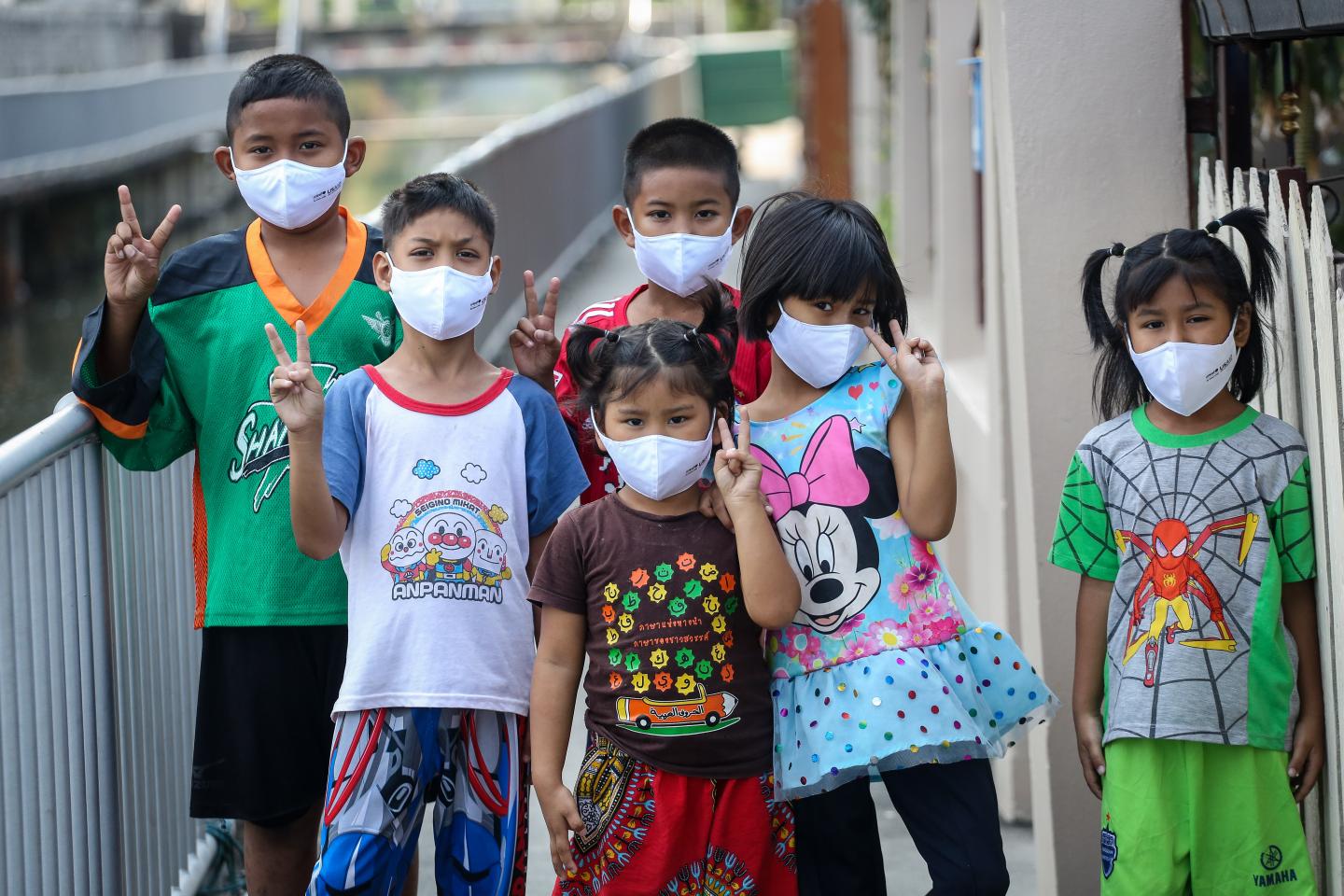
In order to protect themselves and others, Somsak has advised individuals to wear face masks in crowded or high-risk areas and to carry out self-testing to prevent inadvertent transmission to susceptible individuals. Other recommendations include regular hand-washing, consuming thoroughly cooked food, and avoiding touching the face, eyes, nose, and mouth.
Proactive Measures and Other Health Updates
The Public Health Minister stated that he has ordered healthcare professionals to ensure an adequate supply of medication and medical supplies for patients and vulnerable individuals.
In addition, Somsak pointed out that there has been a decrease in influenza cases. The highest number of flu patients are between the ages of five and nine, with the majority of fatalities occurring among elderly patients and those with pre-existing health conditions.
Questions & Answers
What is the recent Covid-19 situation in Thailand?
As per the Thai Public Health Minister, Thailand reported 65,880 Covid-19 cases and three deaths within a week. This is a significant decrease from the country’s annual peak.
What measures has the Public Health Minister suggested to combat the spread of Covid-19?
The Minister has advised individuals to wear face masks in crowded or high-risk areas, carry out self-testing, regularly wash hands, consume thoroughly cooked food, and avoid touching the face, eyes, nose, and mouth.
What is the situation regarding influenza in Thailand?
According to Minister Somsak, there has been a decrease in influenza cases. The disease is most prevalent among children aged five to nine, and the majority of fatalities occur amongst the elderly and those with pre-existing health conditions.
Ho Nhan, the esteemed CEO of Nanogen and a trailblazer in Vietnam’s quest for a Covid-19 vaccine, has passed away at the age of 59. His family confirmed the heartbreaking news early Tuesday, creating a void in the burgeoning biotechnology landscape of Vietnam.
Nguyen Thi Son, his mother-in-law and the founder of the Son Kim Group—a family enterprise with interests spanning real estate and retail—spoke about his health struggles on social media. She revealed that despite battling heart disease and often expressing fatigue, Hnan remained unyieldingly dedicated to his work.
A native of New York, Nhan honed his expertise by obtaining a Ph.D. in biotechnology from the University of Arizona. After years spent researching abroad, he returned home in 1997 and established Nanogen Pharmaceutical Biotechnology Jsc, a pioneering force in the field. He led the company as chairman and CEO until 2021, when he passed the baton to his wife, Nguyen Thi Hong Van. However, just six months later, like a phoenix rising from the ashes, he resumed his role as CEO and continued to drive the company forward until his untimely death.
In 2019, Nanogen was valued at over VND5 trillion (approximately US$193 million), with Nhan holding a commanding 59.6% stake in the company and Van owning 14.6%. Notably, Nanogen was among the few Vietnamese organizations at the forefront of researching Covid-19 vaccines and made history in late 2020 as the first to initiate human trials for its vaccine, NanoCovax. By the following year, the research team reported that a 25-microgram dose provided nearly 52% protective efficacy after 180 days—an impressive feat amid a global health crisis.
Nanogen’s success isn’t solely measured in efficacy statistics; the company has been pivotal in producing pharmaceutical raw materials and injectable drugs utilizing advanced technologies. Adding another layer to Nhan’s rich background, he also brought financial acumen to the table, serving on the board of directors at Vina Securities Company from 2013 to 2016 and earning accolades for his expertise in mergers and acquisitions in the pharmaceutical, hospital, and medical equipment sectors across the U.S. and Hong Kong.
In the wake of his passing, Vietnam not only mourns a leader in biotechnology, but it also loses a visionary who combined passion and resilience to achieve the remarkable.
Questions & Answers
What was Ho Nhan’s role in the development of Covid-19 vaccines in Vietnam? Ho Nhan was the CEO of Nanogen, which was among the first organizations in Vietnam to conduct human trials for a Covid-19 vaccine, NanoCovax.
What were some significant achievements of Nanogen under Ho Nhan’s leadership?
Under Nhan’s guidance, Nanogen became known for producing pharmaceutical raw materials and injectable drugs using cutting-edge technologies, and it achieved a company valuation of over VND5 trillion in 2019.
What other expertise did Ho Nhan possess beyond biotechnology?
In addition to his work in biotechnology, Ho Nhan had a substantial background in finance, including serving on the board of directors at Vina Securities Company and being recognized for his expertise in mergers and acquisitions in various sectors.
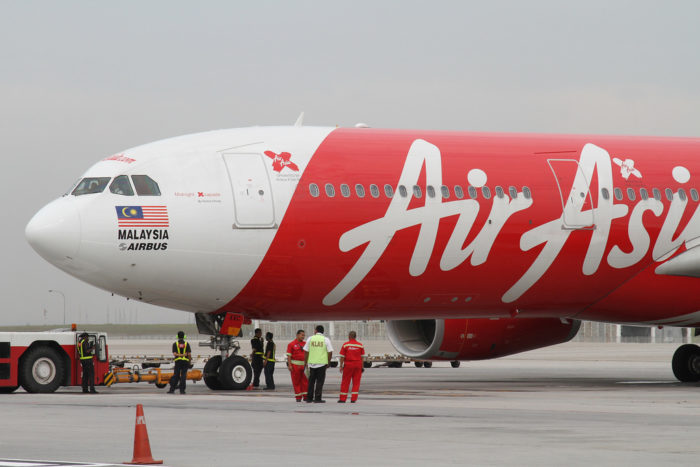
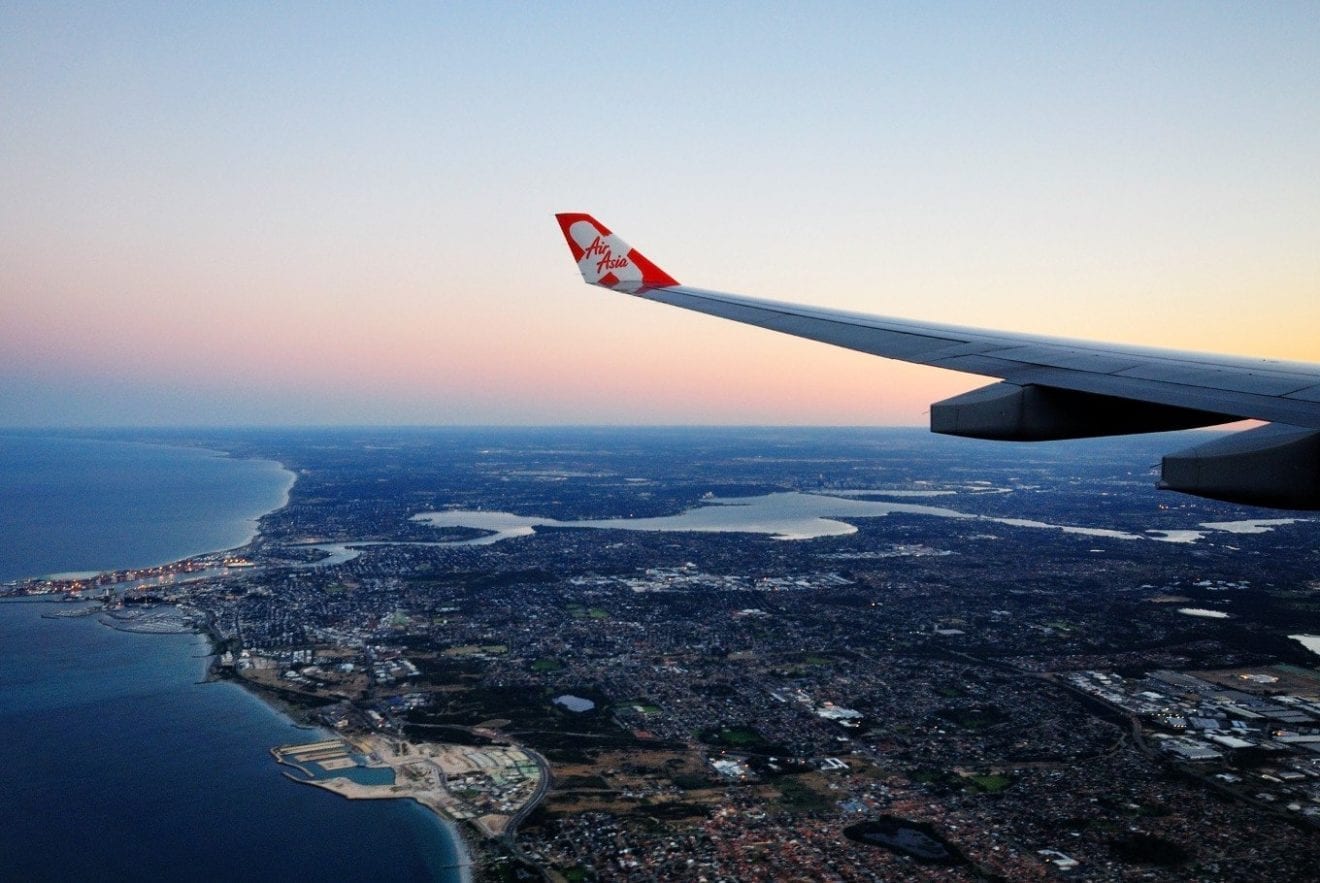
AirAsia Philippines has ended wearing face masks on all domestic flights following the government’s decision to lift the state of public health emergency under Presidential Proclamation 297, filed by the Department of Transportation.
Meanwhile, wearing face masks for flights to international destinations remain subject to the existing health protocols in the destination country. AirAsia destinations Malaysia, Thailand, Japan, South Korea, and Taiwan lifted the face mask requirement as early as Q1 2023.
AirAsia Philippines country head for communications and public affairs and spokesperson Steve Dailisan said deep cleaning and aircraft sanitation will continue after each flight.
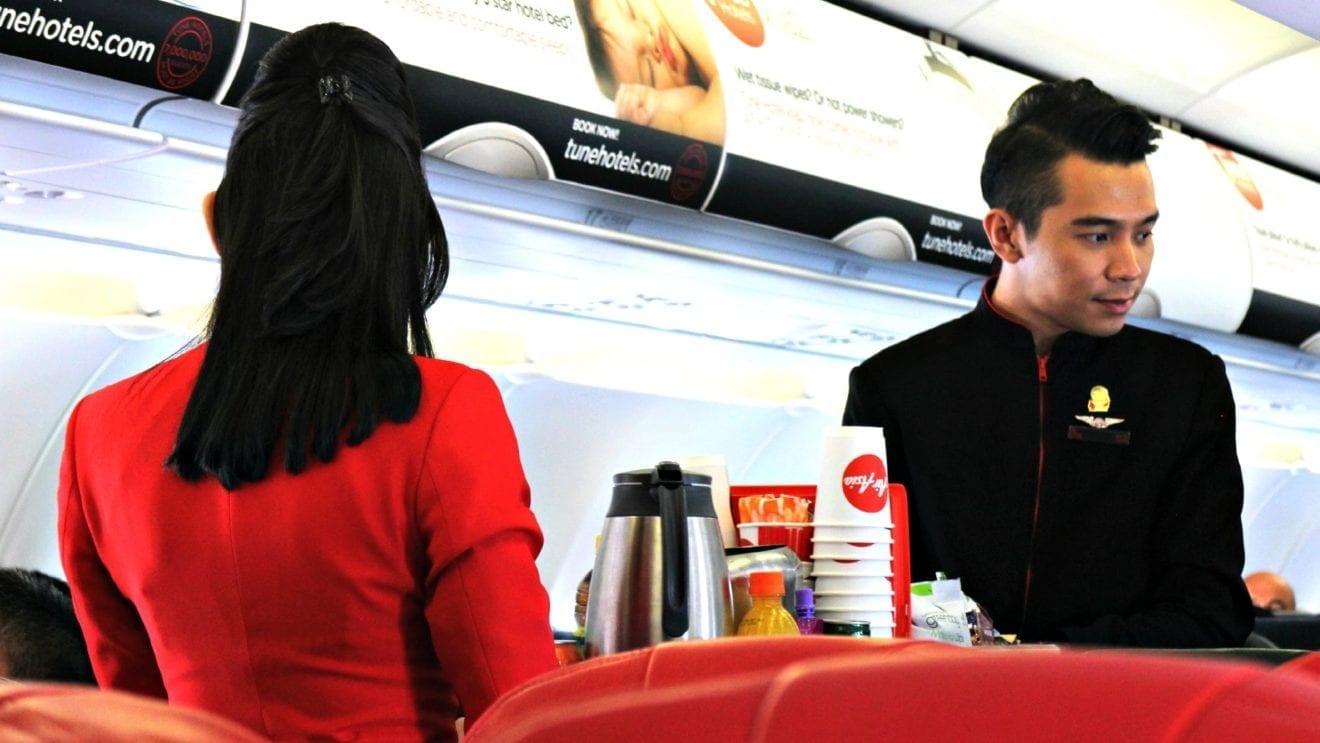
“We want our guests to feel secure when they fly with AirAsia. Although it is no longer a policy, guests and crew may wear face masks whenever necessary. However, we also want to reiterate that our aircraft are equipped with High-Efficiency Particulate Air (HEPA) filters which filter and block 99.97% of airborne particles, including known bacteria and viruses”.
Guests can book a PHP257 one-way base fare for domestic and international flights and a PHP2,293 fare for other international destinations flying thru Kuala Lumpur, to Sydney, Perth, and Melbourne, for travel until 30 September 2023.
It’s a breath of fresh air – almost literally, just in time for our end-of-year travels. While Japan has just announced that visa-free entry will soon open for individual travellers, Hong Kong will end its once-mandatory hotel quarantine from September 26 (next Monday) onwards.
Now, instead of having to spend three days in a self-paid hotel, you will need to go through a polymerase chain reaction (PCR) test upon arrival. You can then happily head off home or go to a hotel of your choice, but just remember to self-monitor for three days after. This also means that you won’t be able to pop by your local bar or favourite restaurants for the same time period. Hong Kong terms this as the “0+3” scheme.
There’s now also no longer a need to show proof for a pre-flight PCR test before flying to Hong Kong – instead, it’s been replaced with the more affordable Antigen Rapid Test (ART).
Just when we thought we got rid of the whole COVID-19 craze, things started to get gloomy again. In the US new cases now clock at around 100,000 per day which is very far from ideal but strangely enough, Apple has decided to ease its mask-wearing policies for corporate employees.
The company’s COVID-19 response team has sent an official email, stating that Apple will no longer require masks at most locations. “We are writing to share an update to our current protocols,” the email reads. “In light of current circumstances, wearing a face mask will no longer be required in most locations.”
However, even though masks won’t be mandatory, employees will have the opportunity to keep on wearing them if they feel like doing so. “We recognize that everyone’s personal circumstances are different. Don’t hesitate to continue wearing a face mask if you feel more comfortable doing so. Also, please respect every individual’s decision to wear a mask or not,” the email continues.
The new BA.5 COVID-19 variant is currently raging around the world, and in the US in particular, actually making San Francisco’s BART metro system bring back the mandatory mask regime. This variant is not only highly contagious, but it can evade immunity from vaccination shots and previous COVID infection.
Apple has been quite polarizing in its COVID policies in the past couple of months, the company even threatened to fire employees if they don’t come back to work in the physical offices, then later softened up the requirement to at least three days per week, just to completely drop it a couple of weeks later.
Hong Kong’s new health chief reportedly spoke about the possibility of quarantine-free travel by November, in time for the city’s global banking summit.
By the time the Hong Kong Monetary Authority hosts the global banking summit scheduled for November 1 and 2, travelers could experience quarantine-free entry into the city, according to an interview with health chief Lo Chung-mau.
But this could entail other conditions including a screening test, the use of a medical surveillance app and initial restrictions to high risk venues such as bars. Quarantine locations could also change from a fixed list of hotels to home isolation.
Listen to what President Xi Jinping said on Hong Kong’s 25th handover anniversary, Lo said. He talked about ‘four necessities’ and the fourth one is very important – he stressed Hong Kong must maintain its own uniqueness and strengths.
While Lo was seeking to loosen border controls, he was also tightening local conditions including the introduction of registration of a real name for the existing medical surveillance app alongside a new color-based function to bar individuals from local premises, similar to the system used in the mainland China. Hong Kong is also reinstating electronic wristband trackers for those in home isolation.
On whether or not such systems were designed to curb freedoms, Lo denied such claims and instead said they were used to enhance freedoms.
We are really acting out of a kind heart and want to help the travelers, Lo said, adding that restricting entry into high risk venues made a reduction in hotel quarantine possible.
On following mainland Chinese policy, Lo noted differences in Hong Kong’s demographics, medical infrastructure and vaccination rates, underlining that the ‘one country, two systems’ approach also applied to the pandemic. And when asked if Hong Kong was replicating Macau’s model with its color-coded app, Lo said that he «never copied others».
The whole purpose [of the health code] is not to trap people, we only hope to identify those who are really at risk Hong Kong is a very international city, we are different from Macau, we have different needs, Lo said.
According to Lo, internal modeling at the Hong Kong government predicted a rebound from the recent fifth wave of Covid and a peak in September with up to 10,000 patients requiring hospitalization. But he also said that actually achieving zero cases of Covid infections was not possible, adding that Hong Kong needs to find our own zero.
Malaysia’s AirAsia is facing a wave of complaints from customers who say they have still not been refunded for flights that were cancelled or rescheduled during the pandemic.
AirAsia and its subsidiary AirAsia X (AAX), both owned by Capital A Berhad, grounded thousands of flights in 2020 and 2021 after the Malaysian government shut state and international borders to curb the spread of COVID-19.
But months after the low-cost carrier resumed flights following the lifting of interstate and international border restrictions for Malaysians in October, hundreds of customers have taken to social media to complain of poor customer service and long waits for refunds.
Rohana Betak, 60, said she requested a refund of 4,000 Malaysian ringgit ($911) after the airline cancelled her flights between Senai and Kota Kinabalu, the capital of Sabah state, following the introduction of a nationwide lockdown in March 2020.
Betak, who planned to visit the area around Mount Kinabalu, Southeast Asia’s highest peak, with her family in October 2021, said the airline’s automated online customer service only offered her the option of travelling on different dates. Betak decided against accepting the offer due to uncertainty over when restrictions would be lifted and concerns about catching COVID-19. Two years later, she says she is still waiting for her money back.
“In my request, I said it was fine to refund me credits for the booking but instead I was reminded in June 2020 that I must board the flight to Sabah on a different date and there would be no refunds,” Betak told Al Jazeera.
“It was not helpful because instead of offering me at least credit in refunds, it told me I had no other choice but to travel on different dates.”
Rohana Betak, pictured in a pink hat in the back row, says she has been waiting two years for a refund from AirAsia [Courtesy of Rohana Betak]
Travel to Sabah before October 2021 was strictly limited to certain categories of travellers, including those travelling for work and those born in the state. Rohana and her family did not fall under any exempted category.
“When it demanded I get on another flight, I asked if they wanted to send me and my family to our deaths?” Betak said. “It’s so frustrating and I am so tired of trying to get my money back so I’ve accepted that I might not get my money back at all.”
Many of the complaints have been directed towards AVA, AirAsia’s online chatbot, which is the only line of communication between customers and the airline for issues involving bookings or flights.
In particular, some have questioned why it is so difficult to reach customer service to request a refund, even for flights booked since the lifting of pandemic restrictions.
Customer Aulia Chaerisa Salleh said she is waiting for a refund for a flight between Batam and Jakarta that was booked earlier this month after she was informed no seat was available.
“I paid for my ticket and it did not register in the system so I tried to get my refund for my tickets. I tried the AVA live chat but it is not helpful at all. It has been days, I haven’t heard from them,” she said.
Under AirAsia’s current refund policy, the airline offers customers a refund, credit or a new travel date whenever a flight is cancelled or postponed.
AirAsia told Al Jazeera the airline is engaged in ongoing dialogue with consumer regulators across the region to ensure compliance with all local regulations.
“AirAsia Group’s policies are in line with many low-cost operators in the travel industry worldwide and are fully compliant with all regulatory requirements and as a customer-centric airline, we have focused on resolving all customer queries during the pandemic as soon as possible,” a spokesperson said.
The airline group said it has resolved more than 90 percent of refund requests and is committed to resolving a small number of outstanding claims as soon as possible.
“In Malaysia for example, our current refund progress is only left with 0.03 percent of the refund requests we received and we are looking forward to completing the refunds exercise for all outstanding queries within the next few months,” the spokesperson said, adding that the past two years had been the most challenging in the history of commercial aviation.
The spokesperson added that “our passengers remain our number one priority” and the airline will “continue to enhance our services to deliver the very best in terms of safe, affordable and reliable air travel”.
Tan Kok Liang, president of the Malaysian Association of Tour and Travel Agents (MATTA), said the refunds backlog is a short-term issue and its 3,100 members will continue to book with AirAsia as long as requested by customers.
“The problem child is AAX and while air connectivity is crucial for tourism recovery, based on media reports, AirAsia should be held more accountable to all stakeholders,” Tan told Al Jazeera.
The hefty compensation paid out to airline co-founders Tony Fernandez and Kamarudin Maranun, who took home close to 30 million ringgit ($6.8m) combined last year, has also raised eyebrows.
Following the release of Capital A’s Annual Report 2021 last month, some social media users vented their frustrations on Fernandez’s personal Instagram accounts, with one comment slamming AirAsia as “the one and only airline that does not have a customer service phone number.”
Despite the generous executive compensation, AAX, the group’s long-haul carrier, was last year forced to undergo debt restructuring to save itself from liquidation after racking up huge debts during the pandemic.
In March, AAX announced it had completed its debt restructuring after creditors earlier agreed to a deal under which the airline would pay just 0.5 percent of outstanding debt and terminate existing contracts to restructureRM33.65 billion(US$8.1 billion) of liabilities.
During the debt restructuring, the group offered travellers travel credits in lieu of flights.
The Malaysian Aviation Commission (MAVCOM), however, urged the airline to reimburse customers for tickets purchased while threatening to exercise its powers under the Malaysian Aviation Commission Act 2015.
Capital A posted revenue of 1.7 billion ringgit ($387m) in the 2021 financial year, down 47 percent from the previous year, as capacity sank to just 36 percent of 2020 levels.
Clothing brand Uniqlo’s Japanese owner said on Thursday its China operation would report a large profit decline in the current fiscal year owing to the country’s Covid-19 restrictions.
Fast Retailing < is a bellwether for how major global retailers are being impacted by Covid-related shutdowns in China, one of the biggest growth markets for many Western brands.
China is Fast Retailing’s biggest foreign market, with 863 stores on the mainland and almost 90 outlets in Shanghai, where stringent lockdown measures, introduced in late March, remain in place to contain the country’s worst outbreak of the pandemic.
The fast fashion retailer said it expects revenue declines and a large drop in profit in its Greater China segment in the second half and for the whole of fiscal 2022 due to Covid restrictions.
Sales in Greater China region which includes Hong Kong and Taiwan struggled in March, as up to 133 stores were temporarily shut down.
Fast Retailing has more Uniqlo stores in China than in its home market of Japan. It opened a flagship store in Beijing in November, its third megastore in mainland China, and plans to open 100 locations in the country each year going forward.
The weakening yen and higher costs for raw materials and shipping have forced Fast Retailing to consider price hikes, a major shift for a company that has long competed on the inexpensiveness of basic items like socks and underwear.
The company reported a record half-year profit on Thursday, buoyed by sales growth in North America, Europe, and other parts of Asia, while revenue and profit declined in China.
Operating profit climbed 18 per cent to 189 billion yen ($1.51 billion) in the six months through February from a year earlier.
The company maintained its full-year profit forecast at 270 billion yen. That compares with a consensus forecast for a
The owner of Japanese clothing brand Uniqlo on Thursday flagged a big profit drop in China due to COVID-19 restrictions, while its chief executive sounded alarm about the weakening yen’s potential to drive up costs.
Fast Retailing is a rare bellwether for both global retailers in China, its biggest foreign market, and consumer demand in Japan, where it has carved out a dominant position by offering casual clothing to famously price-conscious shoppers.
It and other multi-national retailers are now being forced to deal with lockdown measures in China. Fast Retailing has 863 stores on the mainland and almost 90 outlets in Shanghai, where strict measures, introduced in late March, remain in place to contain the country’s worst outbreak of the pandemic.
McDonald’s and Starbucks, which each have dozens of outlets in Shanghai, have also been impacted as has production for retailers such as H&M, and Nike.
Fast Retailing said it expects revenue declines and a large drop in profit in its Greater China segment in the second half and for the whole of fiscal 2022 due to COVID restrictions.
Sales in the Greater China region, which includes Hong Kong and Taiwan, were hit in March, as up to 133 stores were temporarily shut.
It has more Uniqlo stores in China than in Japan. It opened a flagship store in Beijing in November, and plans to open in 100 locations in the country each year.
Separately, luxury brand Hermes said it had a strong start of the year in China until the beginning of March and is confident stores closed in Shanghai will reopen quickly.
But the weakening yen and higher costs have forced Fast Retailing to consider price rises, a major shift for a company that has long competed on price.
“There’s absolutely no merit to a weak yen,” Chief Executive Tadashi Yanai told reporters.
“Japan is engaged in the business of importing raw materials from all over the world, processing them, adding value to them, and selling them. In this context, there is no advantage if the value of a country’s currency weakens.”
The yen has been hammered this year, falling to the weakest level in almost 20 years against the dollar. For many Japanese companies that manufacture offshore – like Fast Retailing – the weak yen is less of a benefit than for traditional exporters.
The company reported a record half-year profit on Thursday, buoyed by sales growth in North America, Europe, and other parts of Asia, while revenue and profit declined in Japan and China.
Operating profit climbed 18% to 189 billion yen ($1.51 billion) in the six months through February from a year earlier.
The company maintained its full-year profit forecast at 270 billion yen. That compares with a consensus forecast for annual profit to total 278 billion yen, according to a Refinitiv poll of 11 analysts.
The Ukraine crisis has created another headwind, leading the company to close its 50 stores in Russia, after it initially resisted calls to exit the market along with other major brands.
Prior to the earnings release, shares in Fast Retailing closed up 2.1%, versus a 1.2% gain in the broader market.
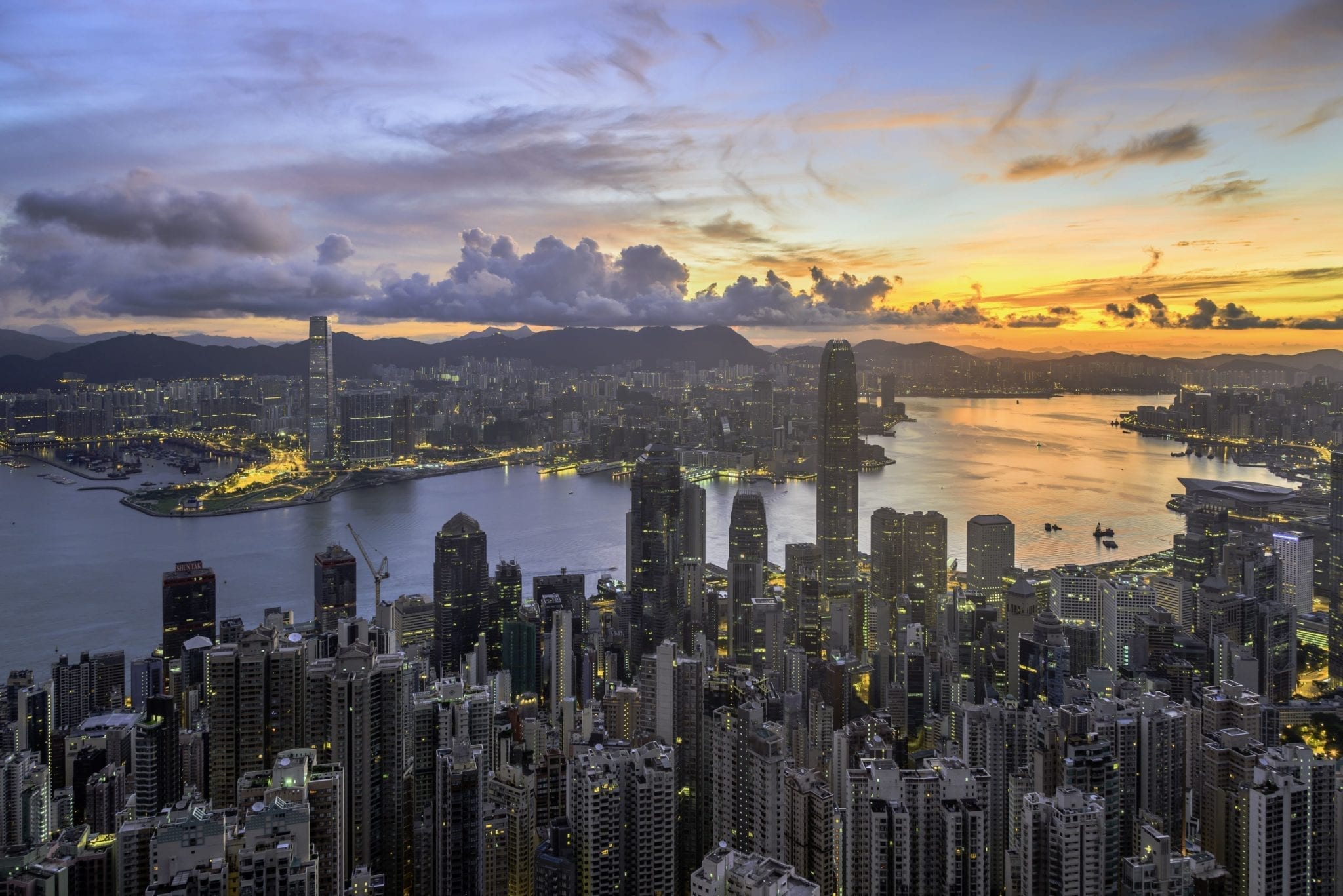
Hong Kong will offer tax breaks, handouts, and subsidies to small businesses and residents, to mitigate the impact of a new wave of social restrictions to curb Covid-19 infections, Finance Secretary Paul Chan said in his 2022-23 budget speech.
The measures were announced as hundreds of bars, restaurants and small retailers warned they were months away from closure, following the imposition of the strictest restrictions since the pandemic began in 2020.
“Our economy and people’s livelihoods have been under immense pressure in recent months”, Chan told legislators via videoconference on Wednesday. “Economic performance in the first quarter is not optimistic.”
Chan said “countercyclical measures” in the budget to support the economy totaled more than HK$170 billion ($21.79 billion), with anti-epidemic measures alone worth more than HK$54 billion.
The global financial hub has doubled down on its “dynamic zero Covid” strategy, which aims to eradicate all outbreaks, following mainland China’s lead even as the rest of the world adjusts towards “living with the virus.”
Given the city is facing thousands of infections a day and the numbers are growing, some analysts predict at least one or two-quarters of economic contraction after recovering last year from the city’s most prolonged recession in 2019-2020.
Bars, gyms, beauty parlors and 12 other types of venues are closed, while restaurants cannot operate beyond 6.00 pm. Apart from grocery stores, most shops are deserted as residents are back working from home. The border is virtually shut with the finance sector complaining this has caused an exodus of talent and made operating a regional hub out of Hong Kong difficult.
The new measures announced on Wednesday include a 100 percent reduction in salaries tax, capped at HK$10,000, handouts of HK$10,000 consumption vouchers, financial aid for the unemployed, and subsidies for directly impacted businesses.
Hong Kong’s economy is expected to grow 2.0 percent to 3.5 percent this year after expanding 6.4 percent in 2021, Chan said.
Swiss financial giant UBS is the latest bank to announce reimbursement plans for employees from Hong Kong’s strict 21-day quarantine for travelers.
For full-time Hong Kong-based employees up to the executive director level, UBS will reimburse up to HK$2,000 ($256) per day to cover quarantine hotel expenses costs to «reunite with immediate family» outside of the city, according to an internal memo.
The reimbursement can total up to HK$42,000 for a single trip only and is available until November 30 next year, barring an earlier relaxation of restrictions by the Hong Kong government.
A spokesperson for the bank confirmed the continues of the memo.
UBS and a number of other global financial institutions have offered financial support to withstand the effects of Hong Kong’s zero-Covid policy.
At $5,384, UBS has taken a slight lead in single payout for quarantine costs, ahead of Morgan Stanley ($5,128), Goldman Sachs ($5,000), and J.P. Morgan ($5,000).
For AirAsia there has been a welcome recovery in Malaysian domestic demand in the last part of 2021 as internal travel restrictions ease in the group’s most important market.
Third-quarter operating statistics made a fairly grim reading for AirAsia. The effects of the COVID-19 delta variant caused the governments in the group’s major Southeast Asian markets to impose limitations on domestic travel. This was particularly true in Malaysia and Thailand, where the AirAsia units based in those countries had to suspend most of their remaining operations.
In Malaysia, the number of new daily cases peaked at more than 600 in late Aug-2021, according to the Our World in Data website. However, the daily case count had fallen again to 173 by 24-Nov-2021.
At the same time, Malaysia’s vaccination rate continues to climb, with 76.3% of the population fully vaccinated as of 25-Nov-2021. The fully vaccinated rate for eligible adults is above 90%.
These two factors combined – daily case numbers and vaccination rate – prompted the government to lift many of its interstate travel restrictions in the fourth quarter.
For AirAsia, this means its Malaysian domestic operation can ramp up, which is important, given that the airline’s international operations remain largely halted.
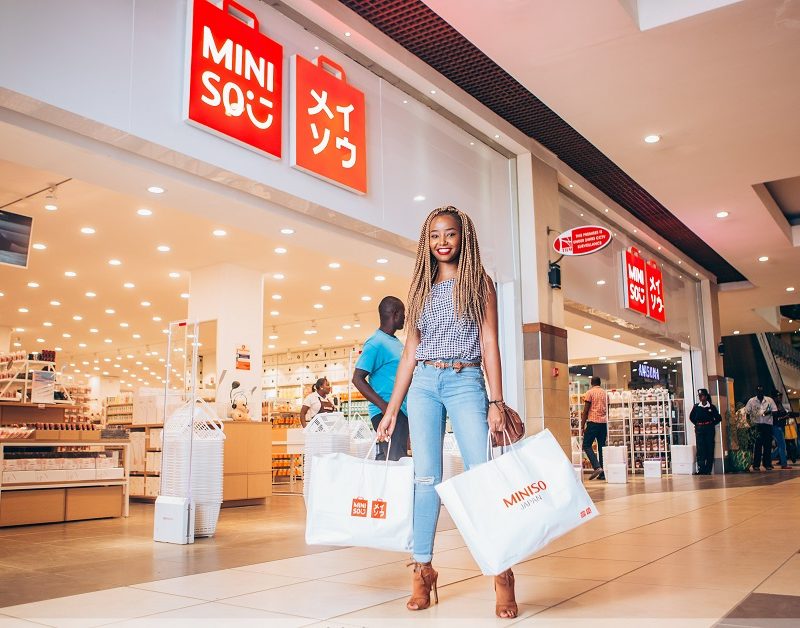
Chinese discount goods retailer Miniso has reported strong first-quarter sales and profit growth for the three months to September 30 as its store network continues to expand internationally.
Sales surged 28.1 percent to US$411.9 million and adjusted net profit to $28.6 million, 80.3 percent higher year on year and 27 percent quarter on quarter.
As of the end of September, Miniso operated 4871 stores, with a net addition of 122 stores during the quarter.
“In spite of the headwinds from the resurgences of the pandemic, rainstorm disaster and weak consumption data in the domestic market in this quarter, we executed our strategies well and our domestic operations recorded an encouraging performance, while our overseas operations moved further along the path of recovery,” said founder, chairman and CEO Guofu Ye.
Part of the growth rate has been attributed to the company’s development of new retail channels, including Top Toy stores, of which 39 opened during the quarter.
While the bulk of the store network is in China (3035), the number of overseas stores grew to 1836.
Footwear maker PouYuen Vietnam, the largest employer in HCMC, faces a shortage of workers after 6 percent quit due to Covid-19 restrictions and resultant problems.
The Taiwanese company, a supplier to Adidas and Reebok, has sought the city’s support for finding new workers, according to the HCMC Media Center.
Its plant, situated in Binh Tan District, was among many required to scale down production during the third quarter as the fourth wave of Covid hit HCMC.
When the city lifted restrictions on October 1, workers who had left for their hometowns returned to work, with more 47,000, or 87.4 percent of the number that left, back as of Nov. 8, it said.
Around 77.4 percent of workers are fully vaccinated.
The American Apparel & Footwear Association, which represents more than 1,000 brands, in July urged the U.S. government to quickly provide vaccines to Vietnam to enable its apparel and footwear industries to resume production.
Vietnam is the second largest supplier of apparel, footwear and travel goods to the U.S., accounting for a fifth of all imports, it said.
Authorities from Hong Kong and China are reportedly nearing a final decision on travel resumption, despite a fresh outbreak on the mainland.
A second meeting is expected soon between Hong Kong and mainland China authorities to make a final decision on travel resumption, according to a report by local media «Sing Tao» citing unnamed sources.
The focus of the discussion is on whether or not Hong Kong will adopt the mainland’s health code system which classifies individuals as red, yellow or green – the latter color being the only classification cleared for travel to the mainland.
Other rules being discussed include initial quarantine-free travel and a «circuit breaker» to immediately suspend the system in the event of an emergency.
The latest update occurs in the backdrop of growing concerns from the international business community that called for Hong Kong to reopen borders to foreign countries and learn to coexist with the virus.
Chief executive Carrie Lam responded by reiterating the city’s two major priorities: reopening with mainland China and a zero-Covid policy.
Meanwhile, China, which has also adopted a zero-Covid policy stance, is reportedly experiencing its worst outbreak since the start of the pandemic with more than 600 local infections recently found in 19 out of 31 provinces.