Retail News CRM

Tag: covid

  • Covid causes first monthly loss for garment giant Thanh Cong

    Covid causes first monthly loss for garment giant Thanh Cong

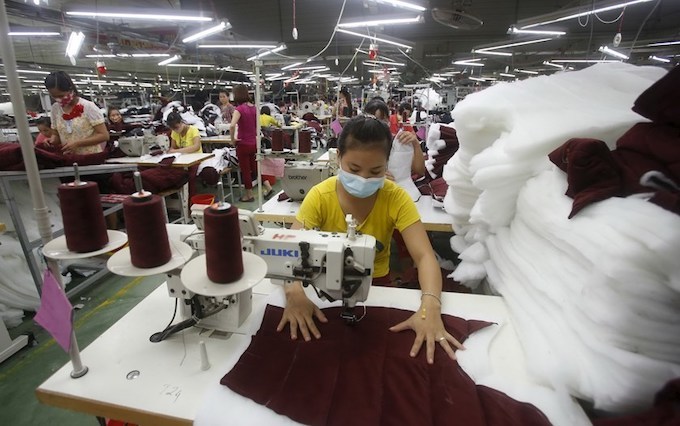
    Major garment company Thanh Cong has reported its first monthly loss this year in August as housing workers at its plants as a precaution against Covid-19 spread increased costs.

    The company, formally known as Thanh Cong Textile Garment Investment, also saw revenues plummet by 26 percent year-on-year to $10 million, and, together with the ballooning expenses, this caused a loss of $282,000 for the month.

    The company said production fell due to a shortage of workers amid the tightened social distancing requirements in HCMC despite having many of them stay on-site.

    Its monthly net profit has not dipped below $600,000 this year. Its year-to-date profit is $5.48 million, only 44 percent of the full-year target.

    Thanh Cong’s biggest export markets are the U.S., South Korea, Japan, and China.

    It is looking for new buyers in Europe and countries that have signed the Comprehensive and Progressive Agreement for Trans-Pacific Partnership.

    It is also pushing head with e-commerce sales after tying up with U.S. e-commerce giant Amazon last year.

  • Experts warn of risks to premature economic reopening

    Experts warn of risks to premature economic reopening

    Reopening the economy is necessary but any untimely decision amid low vaccination rates and high contagion risks could stymie the country’s efforts to defeat Covid-19, experts warn.

    “The premature lifting of the lockdown and reopening the economy while the full vaccination rate remains low, new infections and fatality rates are still soaring and the health system is overburdened may even endanger the economy and people’s lives more badly,” Nguyen Minh Cuong, principal country economist at the Asian Development Bank said.

    But the country stands at a crossroads since lengthening strict social distancing is likely to inflict further socio-economic costs and endanger its medium- and long-term growth prospects, he told VnExpress International in an emailed statement.

    Prime Minister Pham Minh Chinh and Ho Chi Minh City leaders have spoken about letting economic activities resume gradually and how the lockdown “cannot go on forever.”

    Vietnam has been struggling in its Covid-19 fight since the end of April when a fourth wave began and infected nearly 609,000 people and killed over 15,000.

    HCMC, the largest city and major manufacturing and exporting hub, has imposed strict social distancing for over two months but still thousands of new cases are being found every day.

    This is why analysts are reluctant about resuming economic activities now.

    “It is complicated to find the perfect moment to reopen the economy,” Tim Evans, CEO of HSBC Vietnam, said.

    The risks of doing this too early at a time when vaccination is not up to optimum speed and the medical system is overwhelmed could lead to additional Covid cases resulting in a further increase in mortality rates, he said.

    Other experts concurred.

    “In our view, reopening the economy, especially in the epicenter HCMC, is a risky move,” Jason Yek, senior Asia country risk analyst at market research company Fitch Solutions, said.

    The rate of full vaccination in Vietnam is low, and reopening before the outbreak has been suppressed would possibly elicit a lukewarm response from consumers, he said.

    Vietnam has vaccinated 24 percent of its population, but only 5.2 percent have received two doses.

    The country has received 29.8 million doses of vaccine, or only one-fifth of its target of 150 million doses to vaccinate 70 percent of the population.

    This is why a premature opening risks a surge in infections which would overwhelm the healthcare system and could force the government to tighten restrictions again, Yek said.

  • Japan’s retail sales extend gains but Covid-19 challenges persist

    Japan’s retail sales extend gains but Covid-19 challenges persist

    Japan’s retail sales rose for a fifth straight month in July, beating expectations as the consumer sector continued its recovery, although a coronavirus resurgence has cast doubts over the spending outlook.

    A surge in Delta variant cases this month forced the government to widen state of emergency restrictions, which are now threatening to hurt consumer spending and derail a fragile economic recovery.

    Retail sales advanced 2.4% in July from the same month a year earlier, government data showed on Monday, slightly faster than economists’ median forecast for a 2.1% rise in a Reuters poll. It followed a 0.1% increase in June.

    “The recent strength in retail sales is unlikely to last,” Marcel Thieliant, Senior Japan Economist at Capital Economics, said in a note.

    “The severe Delta wave now hitting the country coupled with an ever-expanding list of prefectures under states of emergency resulted in a renewed weakening in consumption this quarter,” Thieliant said.

    The better-than-expected rise in retail sales in July came as authorities struggled to get a defiant public to heed stay-at-home restrictions in major cities like Tokyo, which hosted the Olympics during the month.

    The trade ministry data found strong demand for a variety of items such as cars, clothing, general merchandise, and food while fuel was helped by higher petrol prices.

    Small retail establishments like convenience stores and drug stores saw the biggest sales growth from a year earlier.

    However, growth was also flattered by the comparison with last year’s steep slide, when consumer demand was hurt by the coronavirus pandemic.

    Compared with the previous month, retail sales gained a seasonally adjusted 1.1% as consumption continued the surprising growth seen in the second quarter, helped by the Tokyo Olympics.

    The world’s third-largest economy grew at a better-than-expected rate in the April-June quarter, thanks largely to private consumption, which makes up more than half of the country’s gross domestic product.

    But rebounding consumer activity poses a challenge to policymakers as the more contagious Delta variant of COVID-19 upends the nation’s healthcare system, with state of emergency curbs now covering nearly 80% of Japan’s population.

    “People’s mobility has been decreasing, and consumption may peak out in August,” said Atsushi Takeda, chief economist at Itochu Economic Research Institute, noting that the downward trend could drag until September.

  • Macau retail sales surge after Covid-19 lockdown

    Macau retail sales surge after Covid-19 lockdown

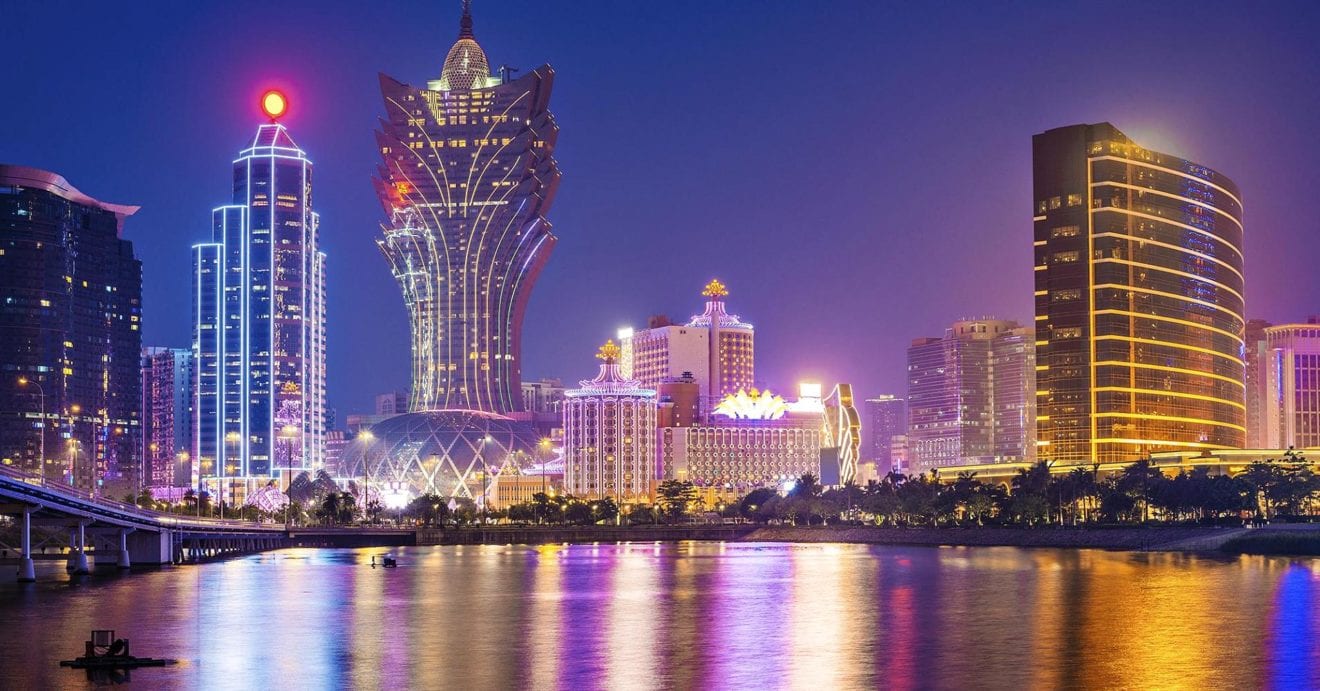
    The value of Macao’s retail sales for the second quarter of 2021 totaled 20.70 billion patacas (about 2.58 billion U.S. dollars), up 200 percent year on year, the special administrative region’s statistic department said on Tuesday.

    The latest report from the Statistics and Census Service (DSEC) showed that among the major retail trade activities, sales values of watches, clocks and jewelry, leather goods, and communication equipment witnessed a notable year-on-year growth of 957.9 percent, 504.0 percent, and 460.4 percent respectively, whereas sales value of supermarkets dropped by 11.3 percent.

    As regards the sales volume index, the indices of watches, clocks and jewelry, leather goods, and communication equipment registered a significant rise, while the index of supermarkets decreased.

    For the first half-year of 2021, the value of retail sales reached 39.46 billion patacas, an uplift of 118.4 percent year on year. Besides, the sales volume index jumped by 130.4 percent.

    The value of retail sales in the second quarter of 2021 rose by 10.3 percent as compared with the revised figure of 18.76 billion patacas in the first quarter. Sales values of department stores and watches, clocks, and jewelry increased markedly, whereas sales values of communication equipment declined.

    Moreover, the sales volume index grew by 9.9 percent quarter on quarter.

    In respect of retailers’ comments, 40.9 percent of the retailers expected the sales volume to stay stable year on year in the third quarter of 2021, 42.9 percent anticipated a decrease, and 16.2 percent forecast an increase. Meanwhile, 78.0 percent of the retailers predicted that the retail prices would remain steady year on year in the third quarter, 15.3 percent foresaw a decrease and 6.7 percent expected an increase.

    As compared with the second quarter of 2021, about 44.7 percent of the retailers envisaged sluggish business in the third quarter, whereas retailers expecting stable performance and those anticipating a favorable outlook together accounted for 55.3 percent of the total.

  • Singapore Relaxes Border Restrictions for Travellers

    Singapore Relaxes Border Restrictions for Travellers

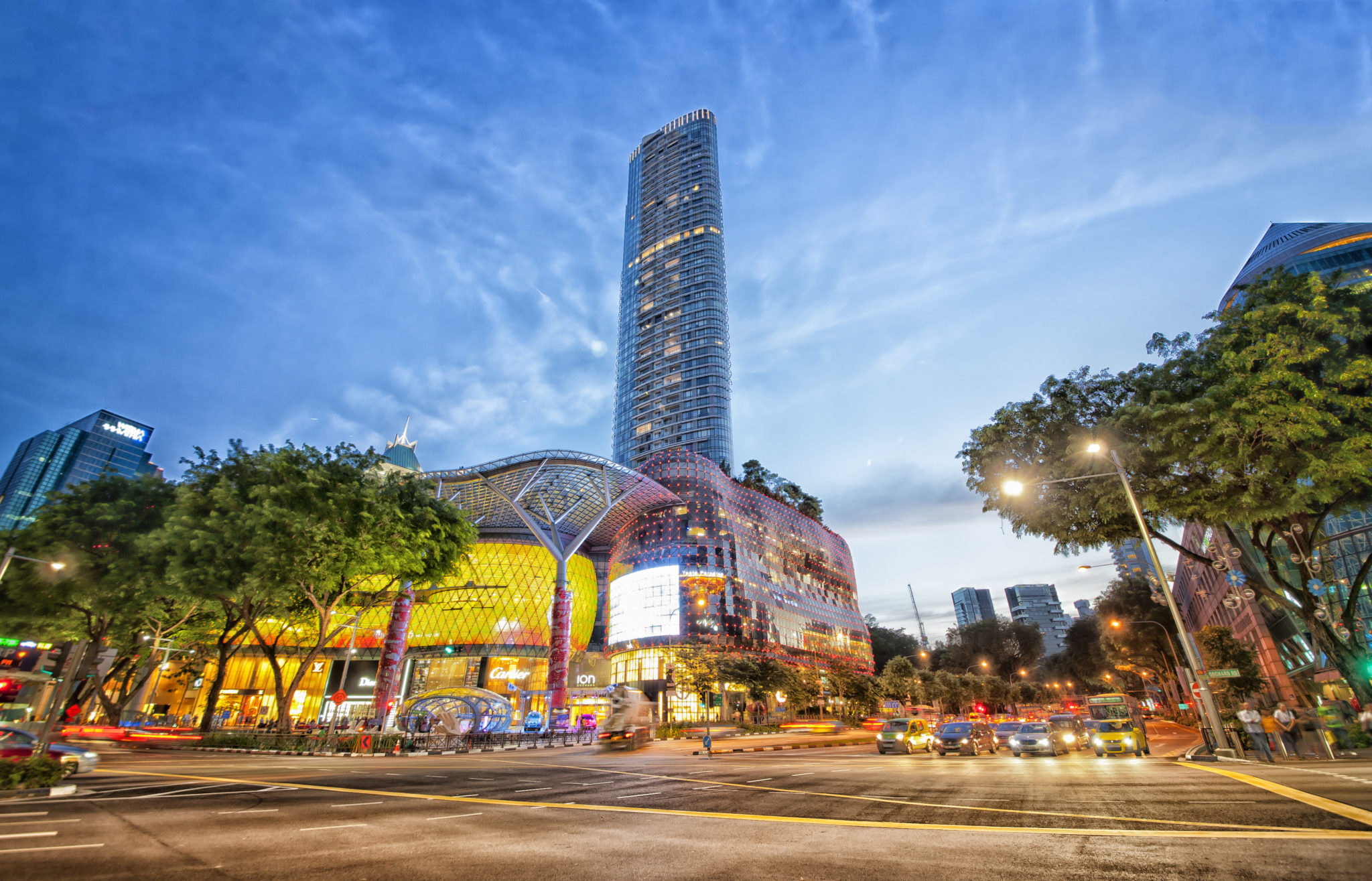
    The city-state will reopen its borders to fully vaccinated travelers from certain countries and is removing stay-home requirements for short-term visitors from several countries.

    Fully vaccinated travelers from Germany and Brunei will be able to come to Singapore without serving a stay-home notice, under a new Vaccinated Travel Lane arrangement announced on Thursday.

    At the same time, all travelers from Hong Kong and Macau, Mainland China, New Zealand and Taiwan, regardless of vaccination status, can enter without serving a stay-home notice, the Civil Aviation Authority of Singapore (CAAS) said.

    Vaccinated Travel Lane visitors will have to meet a set of criteria that includes taking designated flights that serve only vaccinated travelers, not transiting elsewhere, and undergoing PCR tests while in Singapore. Those who arrive on flights not under the Vaccinated Travel Lane will be subject to prevailing quarantine measures upon arrival, CAAS said.

    In response to the relaxed border measures, Singapore Airlines will operate five weekly Vaccinated Travel Lane flights from Frankfurt and Munich beginning September 7.

    Lufthansa, will also increase its flights to Singapore to three weekly, up from one currently – two of these will be for the designated Vaccinated Travel Lane.

    Separately, the Ministry of Transport announced that Singapore and Hong Kong have agreed not to pursue further discussions on the air travel bubble, owing to differences between the two cities in their strategy for managing the Covid-19 pandemic.

    «Both parties agreed that it would not be possible to launch or sustain the air travel bubble in its present form,» the announcement said.

  • Order Management – a lifeline for Asian retailers in a COVID-19 world

    Order Management – a lifeline for Asian retailers in a COVID-19 world

    The ongoing pandemic has changed the way that people purchase and acquire goods. Soaring demand for eCommerce and increased interest in new ways of collecting purchases, such as curb side pickup and click & collect, mean that Asian retailers are now faced with the challenge of recalibrating their business strategy to serve an increasingly complex omnichannel environment. Alongside various city and state lockdowns, many brands have had to get creative and accelerate their journey towards digital services over the last year. However, not all of them have successfully managed the transition.

    To assist, new business-to-consumer distribution models are coming to market, with a core focus on the importance of ‘living’ the omnichannel customer experience, rather than just talking about it. One such model is Order Management Systems (OMS), which integrate all sales and distribution channels into one place, bringing absolute transparency and making it easier for retailers to manage customer orders. An OMS helps retailers to see what inventory they have where, what’s been allocated, what is in transit, what’s been sold, what is available, what needs to be replenished and what’s being returned.

    Optimising order sourcing

    New demands being placed on retailers today have forced innovation to occur at an unprecedented pace. From adding drop-shipped items to websites to quickly beefing up sales, launching quick ‘on ramp’ digital solutions, or streamlining operations to maximise strained employee bandwidth, the need for innovation through technology has never been greater. In fact, in the latest Forrester Wave Report, it was revealed that 39% of retailers increased their investments in technology immediately after the pandemic began to disrupt supply chain operations.

    Without this necessary push towards efficiency-boosting technology, retailers would be left behind their competition. With innovations like OMS, retailers have even been able to review the rules of stock allocation, temporarily giving priority to in-store stock over warehouse stock, thus, freeing up any trapped inventory confined within closed stores. This comes as a great advantage to the many retailers whose physical stores were closed for long periods during lockdowns.

    Optimising order sourcing is a new focus for retailers, allowing brands to use the stock available in their entire network, wherever it is located. A smart OMS allows retailers to use the ‘pool’ of physical stores in large urban areas to offer same day, or next day delivery by couriers, whilst also favouring the warehouse stock for less immediate orders.

    Addressing multiple shipments

    Recent research undertaken by Manhattan Associates has shown that due to the ongoing impacts of the pandemic and its convenience, home delivery is now the preferred delivery option for 69% of online shoppers. Interestingly, 60% of consumers indicated they often receive their online order in multiple shipments and 81% of them said that they think this is an inefficient and unsustainable way of delivering goods. In fact, the same number (81%) also said they would prefer to receive their order at a later date if it meant that it would arrive in one consolidated delivery. These changing consumer preferences pose challenges for retailers and their supply chains to match their inventory and delivery capabilities against what customers actually want. 

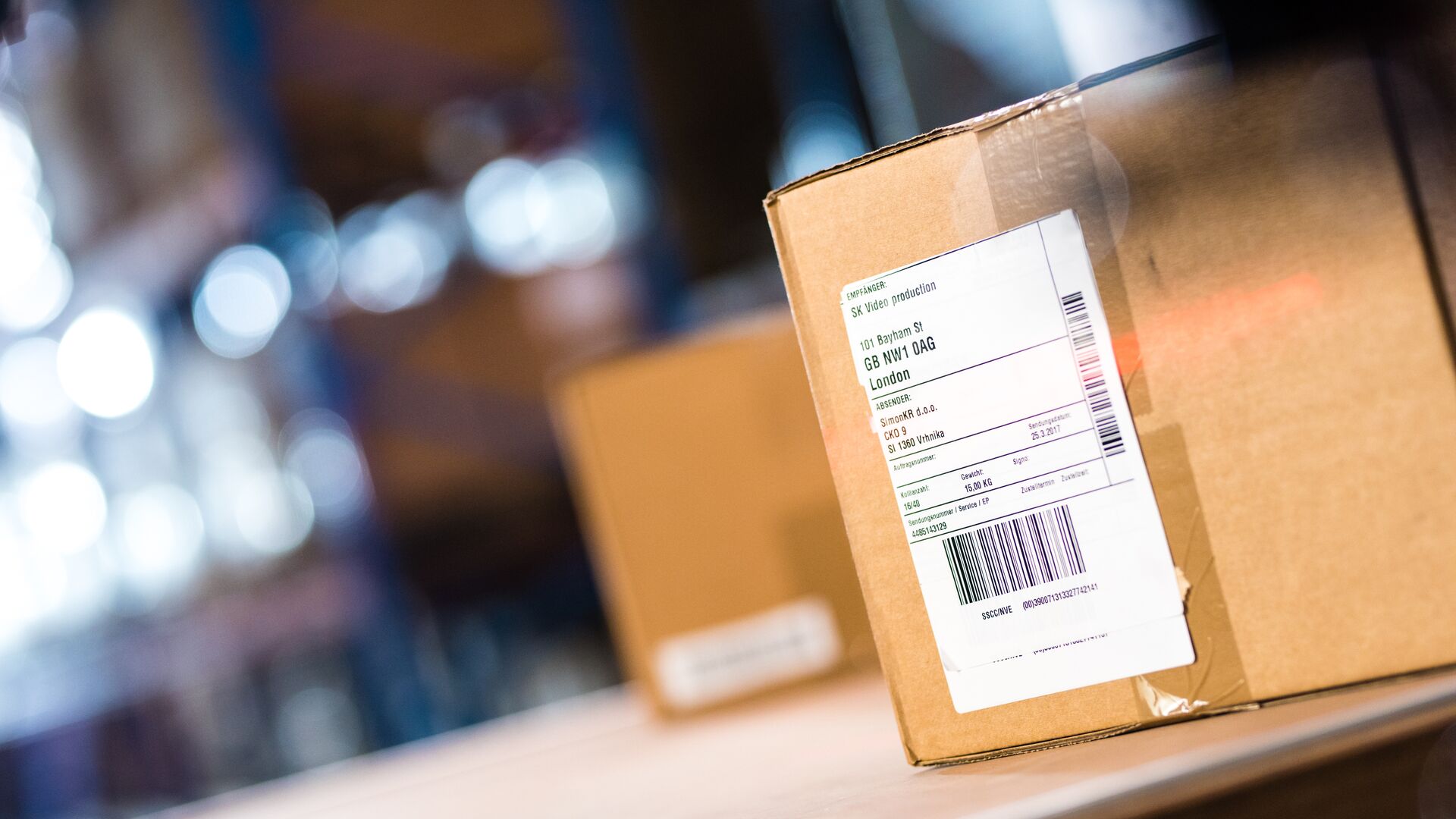
    For those orders that have to be shipped in multiple deliveries, advanced OMS systems allow customers to view the status of all items within an order in a Digital Self-Service order tracking page. If an order is shipped in multiple packages, customers can view all tracking details, estimated time of arrival, and the delivery date of each package from a single page. If all items have not been shipped, the customer can view the status of all items, including items which are in in-process or cancelled. By providing customers with complete order transparency there is less uncertainty around an order’s status, working to substantially reduce customer call volumes to the contact centre to check where an order is.

    Cost-effective omnichannel offerings

     In a recent study, conducted by Manhattan Associates and IHL Group, it was revealed that retailers who optimised their digital customer journey saw their margins improve by three to eight points more than those who didn’t. Additionally, by enhancing the customer journey through the use of technology, retailers are equipped with the knowledge they need to understand what their consumers want, and in turn, they can clearly communicate their promises to consumers – such as delivery dates and returns processes – leading to a positive bump in overall margins.

    According to several independent studies, the conversion rate is said to increase up to 30% when a brand communicates a precise delivery date promise on a product page. However, 50% of consumers agree that they would in fact abandon a purchase if there was no delivery date indicated at the checkout. This is a good signal of the importance of offering total transparency to the customer regarding their order, as without it, consumers are left uneasy about not only the wait time for delivery, but the credibility of the brand itself.

    Turning returns into a positive customer experience

    Since the pandemic, the ability to promote a more efficient returns process for eCommerce purchases in-store has become an increasingly important all-round service for brands looking to maintain an adequate retailer-to-consumer relationship. Using an OMS in-store application, customer service teams can directly search for customers’ original orders and records of the returned items. Then, the products that are in return-worthy condition are immediately integrated into the global stock pool, making them available for sale online, even if the item was not originally listed at the point of sale.

    For consumers who are on-the-go, new QR code solutions exist which allow customers to drop a return item at a carrier location. The QR code can be made available to customers via email. This avoids situations where customers previously had issues printing a return label at home.

    More efficient returns processes enables faster refunds, improved order accuracy, and delivery transparency, develop a greater peace of mind for consumers, and ultimately, improve overall brand advocacy and loyalty – which comes as the biggest advantage to retailers in the long-term.

    Managing order cancellations

    With more online orders being placed, today’s consumers expect to have full visibility of their order’s progress, as well the flexibility to cancel their order if needed. With an advanced OMS, customers can cancel items that are being shipped to their address before the items have been packed, without having to reach out to the contact centre. Customers can view which items are eligible for cancellation, select items and reasons for cancellation, and preview their new order total before confirming the cancellation.

    Supporting order cancellations and changes as late as possible prevents the situation where a customer wants to cancel an item that has already reached the ‘point of no return’ in the fulfilment process. When these situations occur, it causes friction and frustration for the customer who has to receive and return the item, plus time and cost for the retailer who will often have to absorb the shipping and handling costs for both the shipment and the return.

    Order Management for future-proof retailing

    With the everchanging nature of the retail landscape, and the increasing demands and expectations of consumers, enhancing retail operations with innovative technology such as OMS will serve as a way for retailers to optimise their operations for the future, to withstand even the harshest fulfilment, delivery, and customer services challenges.

    By Richard Wright, Managing Director, SEA, at Manhattan Associates

    For more information on Order Management from Manhattan Associates, go to: https://www.manh.com/en-sg/products/order-management


  • Rising food prices make things harder amid Covid woes

    Rising food prices make things harder amid Covid woes

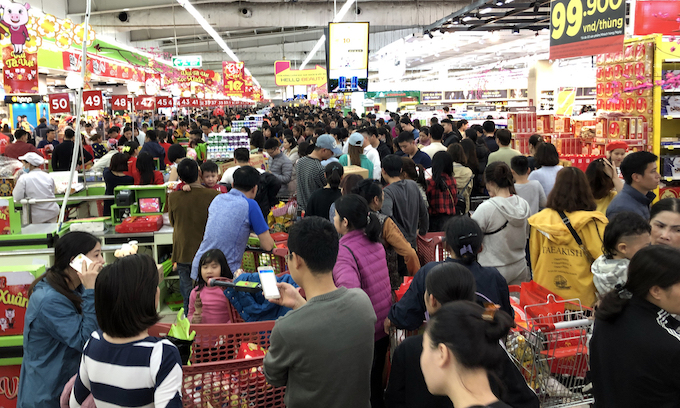
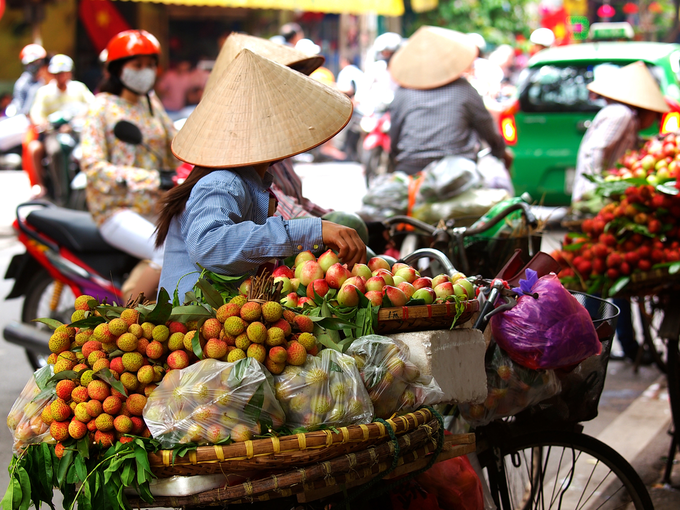
    Surging prices of essential goods are worsening the difficulties for people who have already been hit by job losses and travel restrictions.

    The last time Le Quang Hai of Hanoi’s Cau Giay District went to the market, the prices of eggs and most vegetables had doubled. He already could not afford meat.

    The price increases were a further financial burden for the 23-year-old delivery worker who has been unemployed for two weeks as his company cut the number of staff on authorities’ orders to limit the number of people commuting.

    His only income has been the VND1.5 million ($65) government support, which will soon run out.

    “I might have to borrow money from some friends as Hanoi has imposed social distancing for another two weeks. I hope the outbreak will be contained before I run out of money.”

    In Hanoi’s neighboring province of Hung Yen, Nguyen Hoang Yen, who tends plants in an apartment complex, has seen her work hours reduced by half for a week now due to restrictions on people coming in from outside.

    But rising food prices are creating more challenges for her family of three which depends mainly on the 50-year-old to put food on the table.

    “We try to keep our meals simple. There is not much we can do but to wait for all of this to be over.”

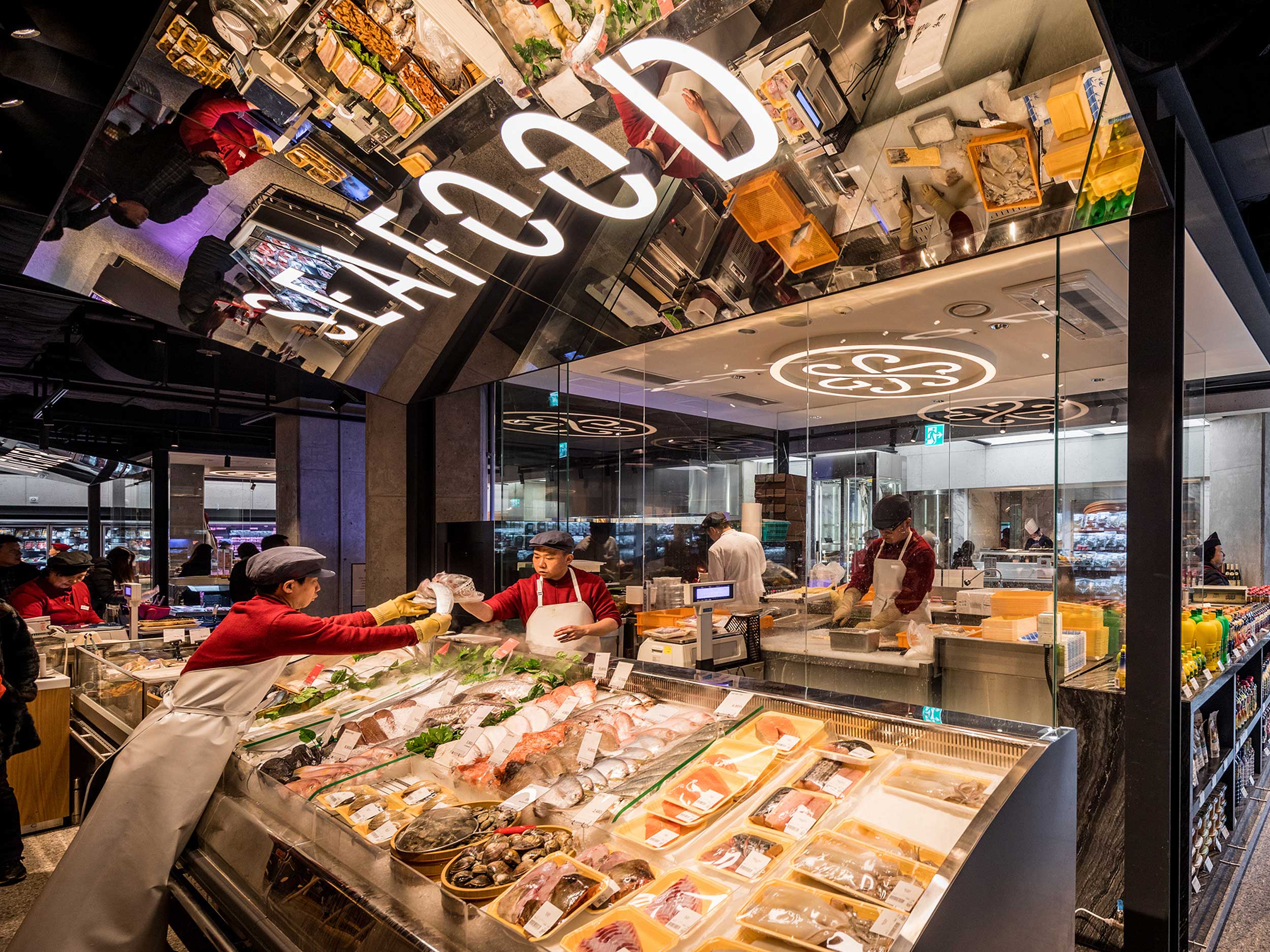
    Rising prices of meat, vegetables and groceries are adding to the challenges for low-income workers.

    Industry insiders say the closure of wholesale markets and retail outlets due to Covid-19 have pushed prices up in the capital.

    In Xuan La Market in Tay Ho District, the price of a kilogram of cabbage and squash have risen by a third to VND15,000 and by 20 percent to VND27,000.

    Hanh, a vegetable vendor, said since earlier this week she has been unable to buy from outside of Hanoi due to transport restrictions.

    Egg prices remain at around 50 percent higher than before the outbreak.

    “Rising demand and limited supply since most eggs are transported to HCMC have caused prices to rise,” Nguyen Thi Kim Dung, director of retail chain Co.op Mart Hanoi, said.

    The price hikes have placed a strain on both blue- and white-collar workers.

    Minh Tu, a graphic designer in Ba Dinh District, has seen his income cut by 30 percent as his company lost contracts.

    “I eat more carbohydrate and less protein to reduce my expenses. For the next few weeks there will be no fruits or desserts,” the 29-year-old said.

    To ensure enough supply and keep prices from rising, the city trade department plans to use bus stations, stadiums and empty plots of land as hubs for food to make up for the closure of wholesale markets.

    The city has also set up several mobile shopping sites to reduce crowds at markets and stabilize prices.

    Dam Manh Tuan, director of retail outlet Aeon Long Bien, said around eight tons of food would be distributed to four such points in Long Bien District at the same prices as at Aeon stores.

    Similar sales points are being set up in downtown districts.

    But for Quynh Anh in Hoan Kiem, who has been laid off from her job as an office receptionist, another two weeks of social distancing means prices will likely increase further.

    And, for the 25-year-old, finding a new job is almost impossible at this time.

    She said: “I’ve cut down spending to a minimum and my savings are almost gone. Things have never been this hard.”

  • Covid shuts HCMC’s biggest wholesale market

    Covid shuts HCMC’s biggest wholesale market

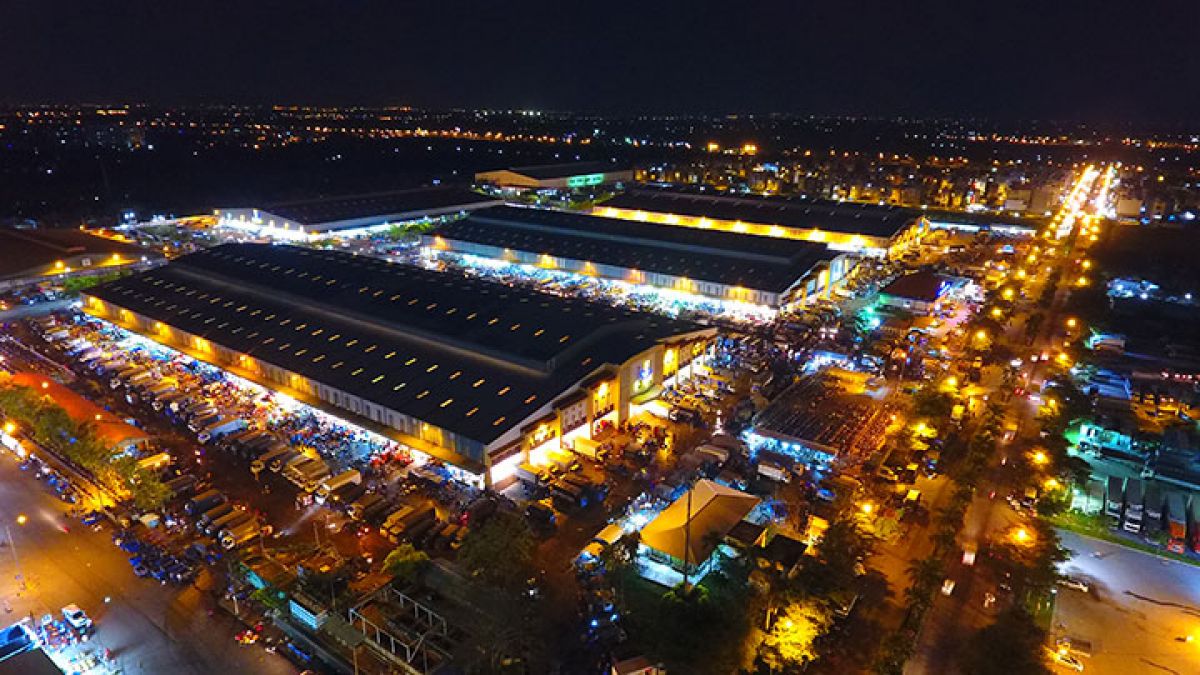
    HCMC’s biggest wholesale market, Binh Dien, which has a growing number of Covid-19 cases linked to it, will shut down on Tuesday.

    Authorities in District 8, where it is situated, said they made the decision after the infection began to spread to other areas from the market. As of July 4, 56 Covid-19 cases have been found to have linkage with Binh Dien market.

    From 8 a.m. no goods can be delivered, and by 8 p.m. all the stocks have to be liquidated.

    The closure will continue until further notice.

    Vendors are starting to change their sales method, instead of meeting customers in the market they will deliver directly to them, market managers said, adding that they have set up a website prior so customers can buy from it.

    With Hoc Mon Wholesale Market shut last week, two of the three major wholesale markets are closed in the country’s Covid epicenter, which has over 6,900 cases confirmed in the latest wave.

  • Nha Trang hotels up for sale as Covid puts paid to tourism

    Nha Trang hotels up for sale as Covid puts paid to tourism

    Hit hard by the successive waves of Covid-19, hotel owners in tourism hotspot Nha Trang are putting up their properties for sale on realty forums.

    They have price tags of VND20-300 billion ($0.9-13 million), but are mostly in the VND30-70 billion range.

    Most are in the downtown area on streets like Tran Phu, Hung Vuong, Tran Quang Khai, Pham Van Dong, and Nguyen Thi Minh Khai.

    A seven-story hotel with 19 rooms on Nguyen Thi Minh Khai Road is now available for sale at VND30 billion. “The hotel is a few dozen meters from the beach, and was built a few years ago,” its owner said on a forum.

    The owner of a newer hotel said: “Our hotel operated for only two months and then stopped due to Covid-19. I want to sell it to repay bank loans and engage in another field of business because I think that the pandemic will prolong.”

    According to insiders, in 2015-19, the heyday of Nha Trang’s tourism and property sectors, many non-tourism businesses and wealthy individuals built or bought hotels in the city and hired people to run them.

    However, since 2020, after tourism has been devastated by Covid with almost no international arrivals and few domestic travelers, many have been forced to sell out to cut losses.

    Some two- and three-star properties with 50 rooms or fewer are on sale partly because they face fierce competition from condotels, Phan Viet Hoang, general secretary of the Khanh Hoa Real Estate Brokerage Association, said, pointing out that few four- and five-star hotels are being sold.

    According to the Khanh Hoa Province Tourism Department, there were only 210,000 visitors in the first quarter of 2021, a year-on-year drop of nearly 67.3 percent. The number of foreigners was down 97.6 percent to 10,000, all people stranded due to Covid.

    Hotels in the province reported an occupancy rate of just 8.6 percent during the quarter.

    As of the end of last year Khanh Hoa had over 1,100 tourist accommodation establishments with nearly 50,000 rooms, including 125 hotels rated between three and five stars with 24,000 rooms.

  • Nextdoor will help you get that COVID-19 jab

    Nextdoor will help you get that COVID-19 jab

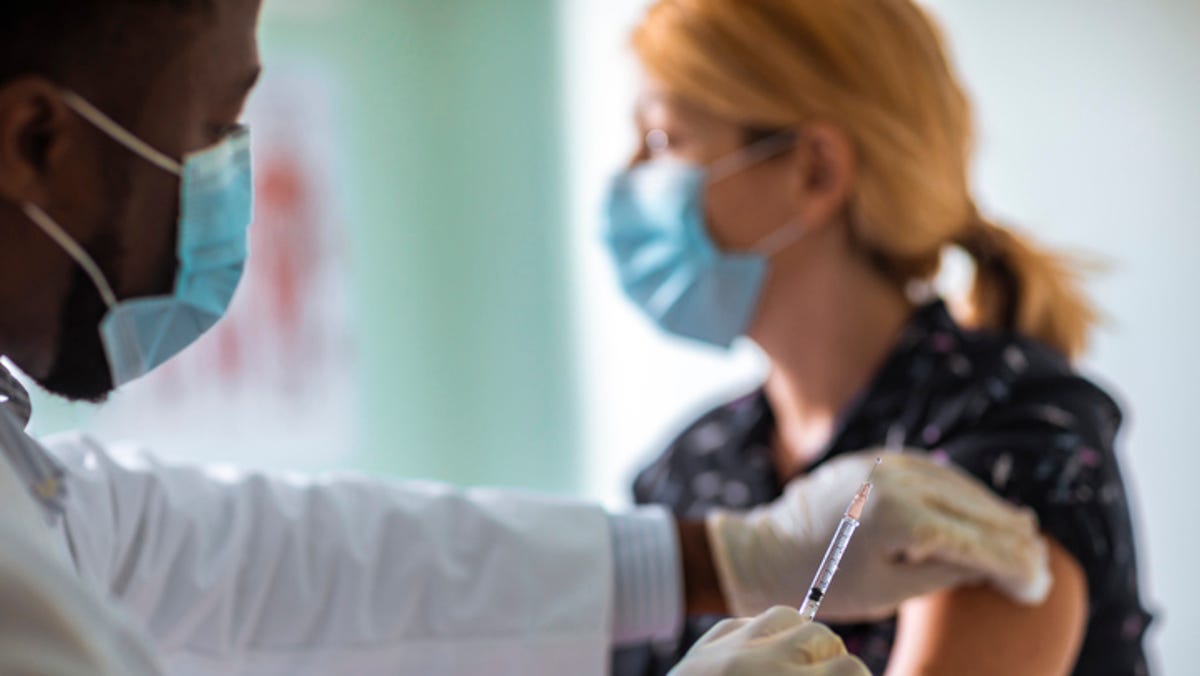
    According to the CDC, about 53% of Americans have received their first COVID-19 shot, and 45% are fully vaccinated. While these numbers are pretty impressive, they’re still far from the 80-85% needed for us to say goodbye to this darn virus once and for all.

    Earlier this year, Uber partnered with Walgreens to offer vaccination appointments and also drive people to the spot when the time comes, and now Nextdoor is following suit. The company announced that it’s launching a special web tool to help more Americans get vaccinated.

    “Vaccine Map will locate nearby vaccine appointment locations, including local Albertsons Companies pharmacy store banners such as Safeway, Vons, Albertsons, and Jewel-Osco, and allow you to schedule an appointment or learn more about the vaccines with educational information from the U.S. Centers for Disease Control and Prevention (CDC).

    You don’t need to install the Nextdoor app, you can just follow the link on your smartphone or PC, punch in your ZIP code and get a map of the nearest pharmacies that offer vaccinations. Then, with a simple click, you can schedule an appointment and get this over with.

  • Airlines carry freight, charter flights to survive Covid hit

    Airlines carry freight, charter flights to survive Covid hit

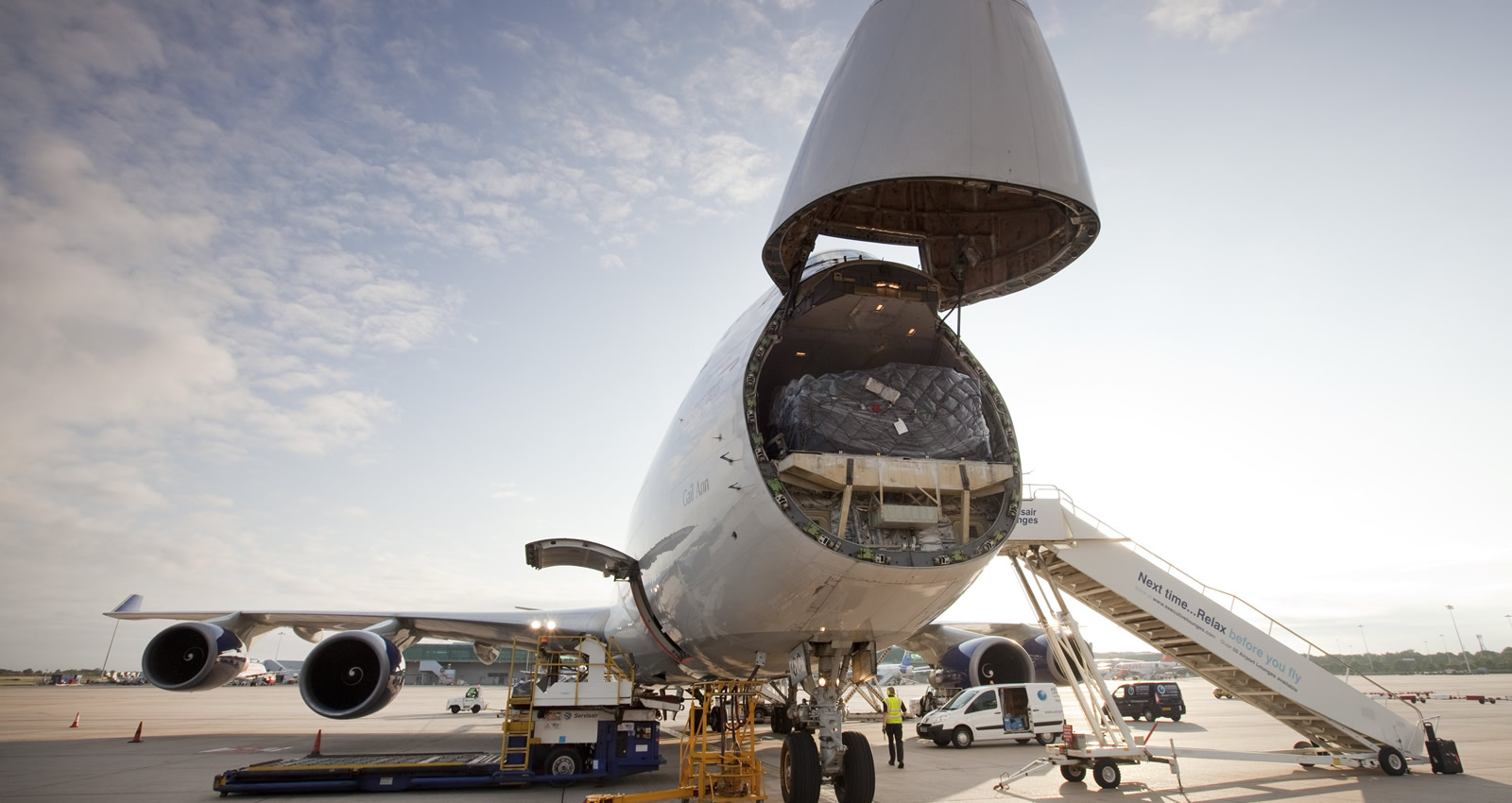
    Airlines have strengthened freight services and offer charter services and discounts on passenger fares as they seek to recover from the slump caused by Covid-19.

    Vietnam Airlines recently converted one of its Boeing 787-9 aircraft to transport 40 tonnes of lychee from Hanoi to Ho Chi Minh City.

    Before the pandemic its Dreamliners had a busy schedule, flying to Europe, Australia and the ultra-busy Hanoi-HCMC sector, and few thought lychees will replace passengers on the modern airplane with a capacity up to 270.

    The carrier has also deployed other planes to transport lychee.

    Budget airline Vietjet has also been offering freight services to compete with leading logistic providers as demand balloons by the day. It has set up an online freight service, Swift247, in which it owns a 67 percent stake.

    In the first three months of 2021, Vietjet transported over 18,000 tonnes of cargo, with its cargo subsidiary contributing nearly 50 percent of total revenues.

    Since May, Bamboo Airways has been offer charter flights.

    To compete in the summer, the high season for air travel, carriers have offered big discounts on fares and promotions like free check-in baggage to attract customers back.

    Bamboo Airways reduced fares by 35 percent when booking five seats or more.

    Vietjet offered free insurance to all domestic passengers, including VND1 million compensation per day for loss of income in case of forced quarantine or Covid-19 infection as a result of traveling with it.

    Newcomer Vietravel Airlines, which has a fleet of three airplanes, is pricing tickets at below breakeven level, according to Nguyen Quoc Ky, its chairman.

    Vietnam Airlines and Vietjet have joined the effort to trial a vaccine passport.

    Next month, Vietnam Airlines will implement the International Air Transport Association’s Travel Pass initiative that allows people to store verified Covid-19 test and vaccination certificates on a smartphone app.

    This is seen as one of the keys to convincing countries to reopen borders to international travelers.

    According to Planespotters, an online database on commercial aviation based in Berlin, Germany, over half of all aircraft in Vietnam are idling in near-empty airports.

    Vietnam Airlines is currently operating only 47 of its over 100 planes, including 15 of its 29 wide-body airplanes (A350 and B787).

    In the case of Vietjet Air, over 50 out of its 74 airplanes are not flying.

    In the first quarter, Vietnam Airlines suffered losses of nearly VND5 trillion ($218,4 million). To generate sufficient cash flows, it is now selling 11 of its A321 CEO planes.

    Bamboo Airways has the least number of idle aircraft, nine out of 27.

  • Industry ministry seeks Covid vaccination priority for retail workers

    Industry ministry seeks Covid vaccination priority for retail workers

    The Ministry of Industry and Trade wants employees at retailers selling essential goods to be prioritized for Covid-19 vaccination, saying they face a high risk of infection.

    It has made the proposal to the Government following demands from large retail chains and the Association of Vietnam Retailers.

    It said workers at supermarkets, convenience stores, traditional markets, and grocery stores come in contact with large numbers of customers on a daily basis. Vaccinating them would also ensure supply chains of essential goods are not disrupted.

    It also urged the Ministry of Health to assist retail businesses with sourcing vaccines and immunizing their workers.

    Some retailers have said they will pay for the vaccines.

    Enterprises in some other sectors like textile and garment, footwear, fisheries, and electronics have also called for prioritizing their workers since most work in industrial zones and face great risk.

    Le Tien Truong, chairman of the Vietnam National Textile and Garment Group (Vinatex), said delayed deliveries could result in contract cancellations and penalties running into billions of dollars, and so textile and garment workers should be prioritized for vaccination, especially in pandemic-hit areas like Bac Ninh and Bac Giang Provinces, HCMC and Hanoi.

    “Vinatex is willing to pay for the vaccines.” He said it is prepared to spend VND100-200 billion ($4.3-8.6 million) for the vaccinations.

    The Private Economic Development Research Board has recommended that the government should allow enterprises to directly buy vaccines from suppliers for their employees.

    Vietnam has had 5,008 Covid cases as of Friday morning in 37 cities and provinces since the new wave began on April 27.

  • Cebu Pacific airlifts more COVID vaccines

    Cebu Pacific airlifts more COVID vaccines

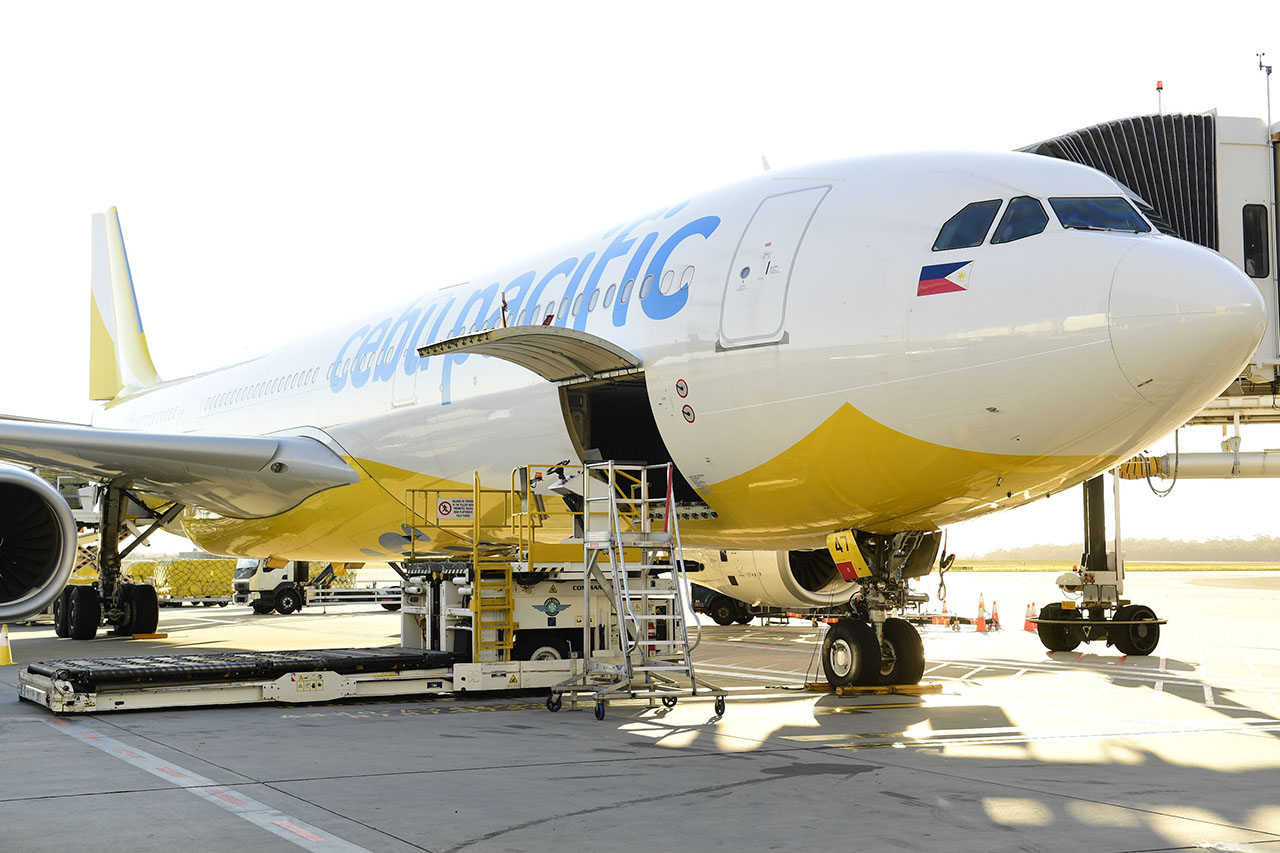
    The Philippines’ leading carrier Cebu Pacific safely delivered some 1.5 million doses of vaccines against coronavirus disease 2019 (COVID-19) in coordination with the Department of Health (DOH).

    The China-made doses recently arrived at the Ninoy Aquino International Airport (NAIA) via 5J 671.

    CEB is in full support of the nation’s vaccination program as it helps ensure these life-saving COVID-19 vaccines are flown safely to the Philippines, and distributed across the rest of the archipelago.

    “This large shipment of COVID vaccines with Cebu Pacific brings us closer to our goal of protecting every Filipino as fast as possible,” said Sec. Carlito Galvez, Jr., chief implementer of the National Task Force against COVID-19. “We are grateful to Cebu Pacific for joining forces with the government to support us in ensuring the success of this vaccine roll-out.”

    “We are thankful for the continued trust of the Philippine government and the DOH, and restate our intention to support our country’s fight against COVID-19 in any way we can. We look forward to picking up more vaccines from across the globe and aid in distributing across our widest domestic network,” Alexander Lao, Cebu Pacific Chief Strategy Officer.

    Upon unloading from CEB’s A330 aircraft, all vaccines were thoroughly inspected by the authorities prior to uplifting to refrigerated trucks via electric forklifts.

    On May 4, Cebu Pacific transported 6,200 COVID-19 vaccines from Manila to Puerto Princesa. Apart from Palawan, the carrier has delivered more than half a million doses of vaccines to six other cities in the country namely Bacolod, Cotabato, Legazpi, Tacloban, Tuguegarao, and Zamboanga.

    Following last week’s shipment of 500,000 Sinovac vaccines from Beijing to Manila, CEB has already transported more than 2.5 million COVID-19 doses since March 2021.

    CEB operates the widest domestic network in the Philippines covering 32 destinations, on top of its six international destinations. Its 74-strong fleet, one of the youngest in the world, includes two dedicated ATR freighters and one A330 freighter.

  • Subway Australia launches 24-seven trading

    Subway Australia launches 24-seven trading

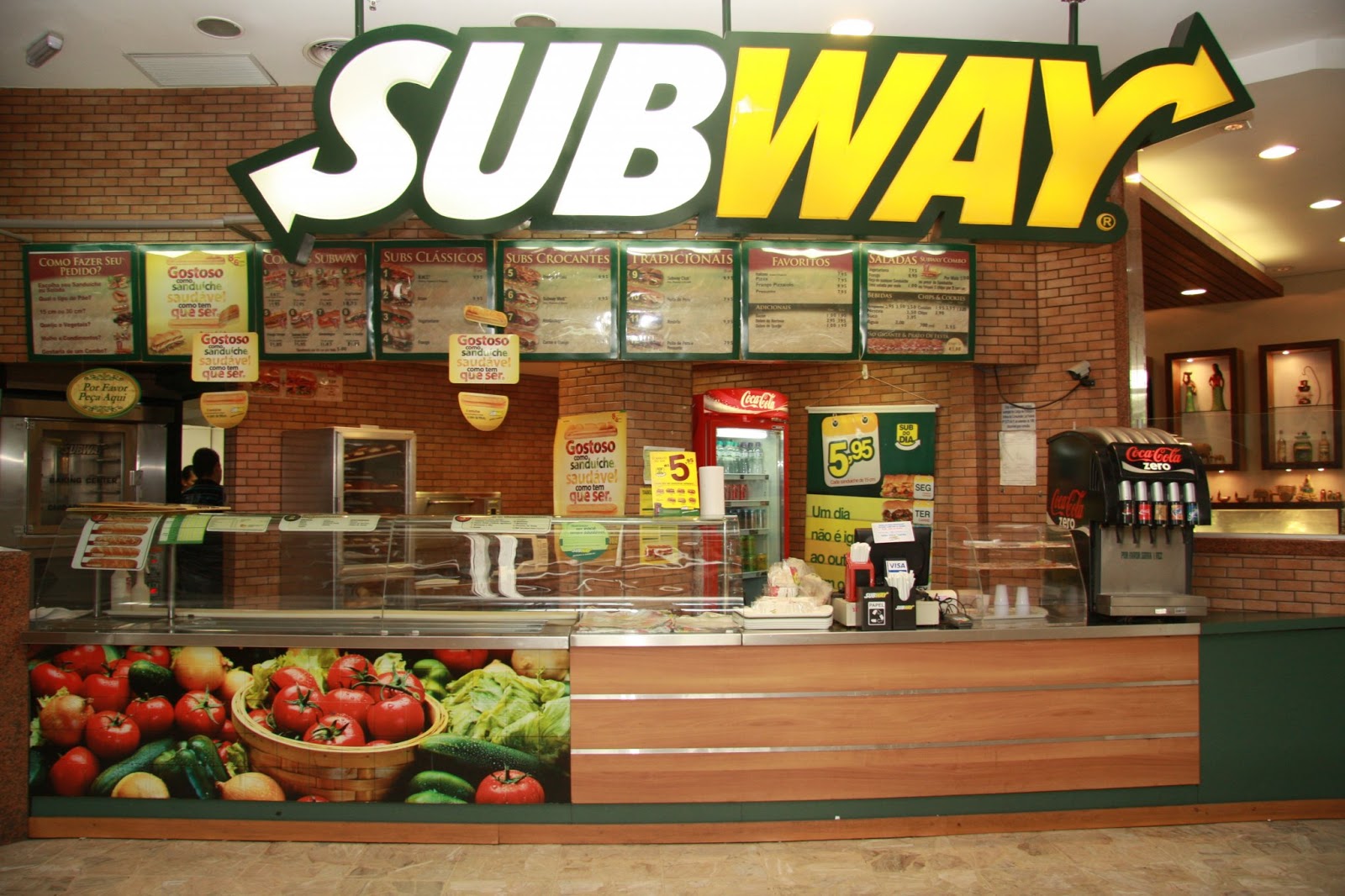
    Fast-food chain Subway Australia has unveiled a 24 hours express pick-up service in Bald Hills, Brisbane, ahead of a broader national rollout.

    Customers can order their foods via the app or using a third-party provider and collect their purchases at an express pick-up window.

    “Over the past year, through Covid we have seen a change in the way people are eating Subway,” said Subway country director Geoff Cockerill.

    “More people are ordering through third-party delivery providers than ever before – and more people are choosing to place express-pick-up orders. With shift workers, more remote working, and added delivery options, Subway is proving a popular choice for late night and early morning orders.”

    After testing it at the Bald Hills store, Subway will roll out more 24-hour pick-up windows across Australia.

  • Why you shouldn’t stop wearing a mask after vaccination

    Why you shouldn’t stop wearing a mask after vaccination

    The emergence of vaccines for Covid-19 has received massive acceptance all over the world. People have anticipated it for a very long time and the emergence has brought hope to people. We all want to do away with the item we were forced to adapt to protect ourselves from the virus, the face masks, but the question is, when is life going back to normal and does the emergence of vaccines mean face masks shouldn’t be worn again?

    Reasons to still wear a face mask after you have been vaccinated

    The excitement of getting vaccinated against Covid-19 comes with the obvious urge to do away with face masks for good. However, health experts have opined that the usage of masks should continue for a little while, especially in public settings, at least until we achieve herd immunity.

    Herd immunity, also known as community immunity, means that a large population of people in an area are immune to a specific disease. When this happens, the disease cannot be easily transmitted, since most people are immune to it and so infection rates drop as the disease peters out. To reach herd immunity, about 50%-80% of a population needs to be vaccinated, and for Covid-19, this might take a while. While the emergence of vaccines is a massive step in the right direction, it is advisable to exercise a little more patience before doing away with masks.

    Indeed, various reasons push health professionals to declare that face masks should be worn after vaccination.

    Time is required before the vaccine kicks in

    The vaccine does not fully kick in until two weeks after taking your second dose. After the first dose, you get some level of immune response, but this does not mean you are instantly protected from the virus.

    It takes some time before you can be termed “fully vaccinated” which means you still have to wear your mask.

    Vaccinated people may be asymptomatic spreaders

    It has been established that the vaccines prevent illness, but there is uncertainty as to whether they also prevent the transmission. Experts are worried that vaccinated people can get infected again without showing symptoms, and infect others who have not been vaccinated.

    Based on this, vaccinated people need to continue to wear their face masks to reduce virus transmissions to others.

    The vaccines do not offer 100% protection

    Although the vaccines have proven to be very effective, they offer between 94% – 95% protection. This means there are some people out there who do not respond to the vaccines and are still at risk of being infected.

    Those with compromised immune systems need to be protected

    Those with underlying health conditions react severely to Covid-19 and they need to be protected. The degree of effectiveness of the vaccines on such people has not been fully established. Thus, they need to be protected.

    Also, there are certain people who react negatively to certain ingredients in the vaccines, this means they can’t get them. Such people also need to be protected.

    There are still limited doses compared to those who need them

    This means that there are still a lot of people yet to be vaccinated. Surely, we can’t do away with the masks as though the virus were in extinction. We still need to be careful and safe in our daily lives.

    How to continue to protect yourself

    Seeing that vaccination does not automatically translate to doing away with face masks, we have a responsibility to continually protect ourselves.

    This protection is nothing different from what you did before the vaccines came on board:

    • Ensure you have your masks and your face shields on in public places.
    • Continually maintain social distancing.
    • Wash your hands as frequently as possible.
    • Avoid touching your eyes, nose, and mouth as much as you can (especially when you do not remember where your hands have been).

    Things may start to change when more people are vaccinated and when fewer cases are discovered, but until then you still have to stay safe and cautious.