Retail News CRM

Tag: covid

  • 70% of Australian Casual Workers More Likely to Get COVID-19 Vaccine If It’s Recommended by Employer

    70% of Australian Casual Workers More Likely to Get COVID-19 Vaccine If It’s Recommended by Employer

    As Australia’s COVID-19 vaccine roll-out strategy ramps up across the nation, 70% of casual workers have indicated that they would be more likely to receive the vaccine if it was recommended by their employer.

    The research by Humanforce, a provider of intelligent workforce management solutions, also revealed that the vast majority of casual workers – 71% – think that employers have a right to ask their workers to be vaccinated.

    However, only 29.60% of these casual staff worked for employers who had said being vaccinated for COVID-19 would be a requirement to secure shifts in the future.

    “Given the scale of disruption the pandemic has caused for so many workplaces across Australia, there was a lot of talk even prior to the vaccine arriving in Australia and being rolled out, about whether workplaces would make it mandatory for staff to be vaccinated,” said  Clayton Pyne, founder and managing director of Humanforce “Many employer groups have publicly advocated for businesses to be able to direct staff towards being vaccinated to help avoid future outbreaks and workplace disruptions, and most casual workers are clearly supportive of this, which is a positive finding for safe work places and business continuity in 2021.”

    Many casual workers (67%) said they had been concerned about their health in the workplace throughout the COVID-19 period. These concerns were likely the reason 64% of workers said they would get the vaccine when it was available to them, while 24% were still undecided and 12% said they did not intend to get the vaccine.

    Interestingly, 79% of casual workers indicated that they would prefer it if their colleagues were vaccinated, which was higher than the number who said they would get the COVID-19 vaccine themselves. A high number (67%) of casual workers were also supportive of their employers requiring customers and visitors to the workplace to show they had been vaccinated.

    “It’s very apparent that casual workers are concerned about COVID-19 and their health at work, and that they expect their employers to step in and take charge of protecting them and others while in the workplace,” added Clayton. “That’s why employers must now ensure they are prioritising the fine tuning of their organisation’s position on COVID-19 vaccines. Engaging casual workers early on is vital in clearly communicating with them your organisation’s position, as well as expectations of them and others when it comes to the COVID-19 vaccine. It’s also important to have the right systems in place to effectively communicate with staff and track staff vaccination information, should it be required by your organisation.”

    About Humanforce: The intelligent platform for your shift-based workforce. Almost every shift has its no-shows, late arrivals, and special requests, but, you’ve also got to deal with the big shifts in how people work – everything from new employee expectations to new technologies, new regulations, and other major changes. Humanforce brings a whole new approach to managing your teams where you can simplify the process, see everything at once, and stay ahead of the curve. That’s why thousands of businesses of all sizes – hotels to hospitals, resources to recreation, stadiums to shops and more – use Humanforce to get ready for the next shift. www.humanforce.com



  • Business Groups Disappointed by Hong Kong’s Covid Plans

    Business Groups Disappointed by Hong Kong’s Covid Plans

    In response to the business community’s call for looser quarantine measures and a roadmap for reopening, the Hong Kong government remained insistent that the current status quo will remain until local vaccination rates rise significantly.

    The Hong Kong government met virtually with representatives of the business community last week, according to a report citing unnamed sources, and reiterated its own objectives with regards to the pandemic.

    Policymakers led by chief secretary of administration Matthew Cheung once again underlined the target of vaccinating 50 percent of Hong Kong’s population before any major loosening. As of Monday, the figure sits at just 5 percent.

    At the meeting, the Hong Kong government appears to have made no concessions as it reportedly downplayed the prospect of travel bubbles, border reopening with China and didn’t provide a clear roadmap for general reopening despite similar moves being made by rival financial hubs like Singapore.

    The virtual meeting follows the recent gym-linked outbreak which exposed many expatriates to Hong Kong’s quarantine measures and sparked calls within various business groups, such as regional capital markets industry body Asia Securities Industry & Financial Markets Association (ASIFMA), to push for changes.

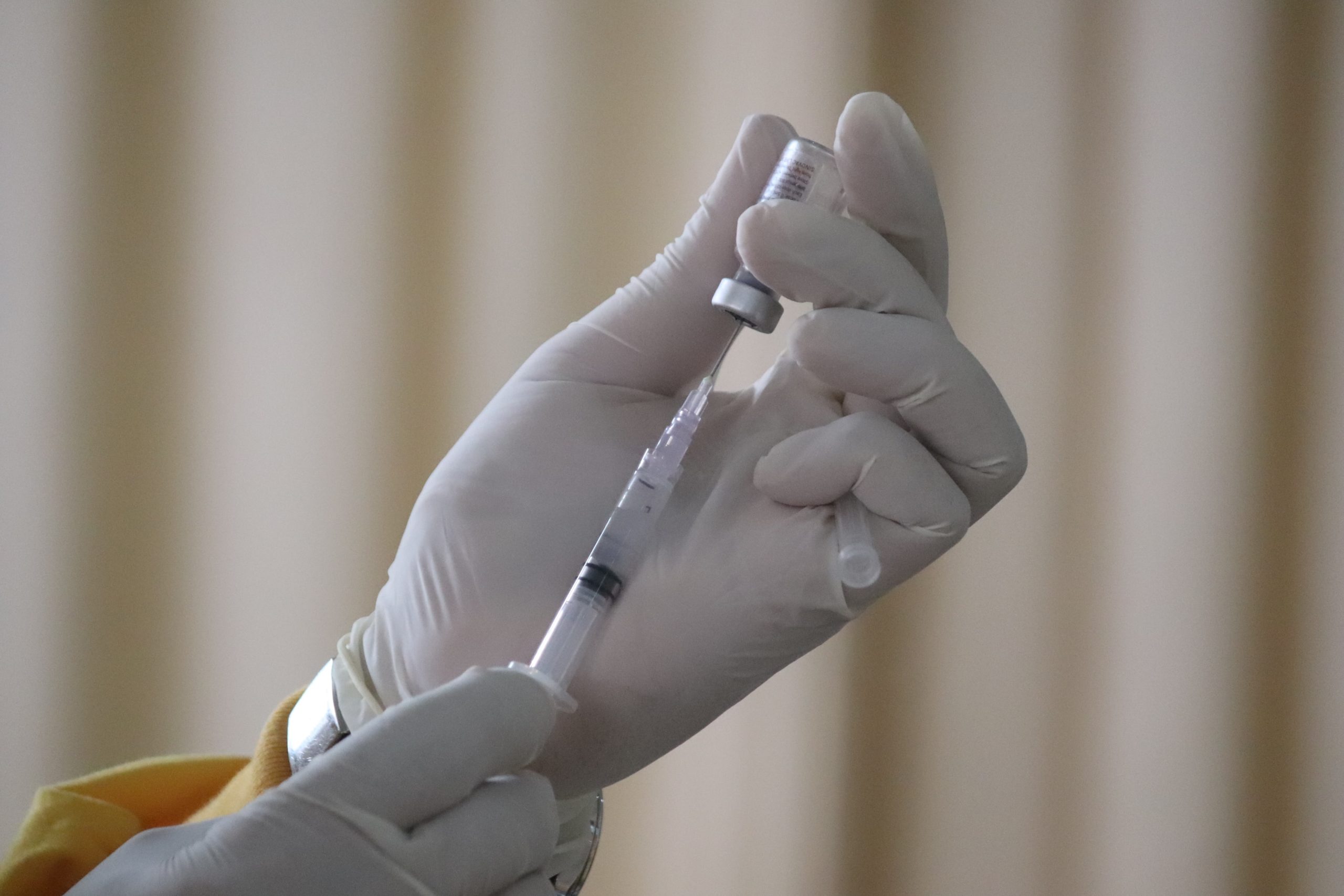
  • UK and EU regulatory agencies confirm COVID-19 Vaccine AstraZeneca is safe and effective

    UK and EU regulatory agencies confirm COVID-19 Vaccine AstraZeneca is safe and effective

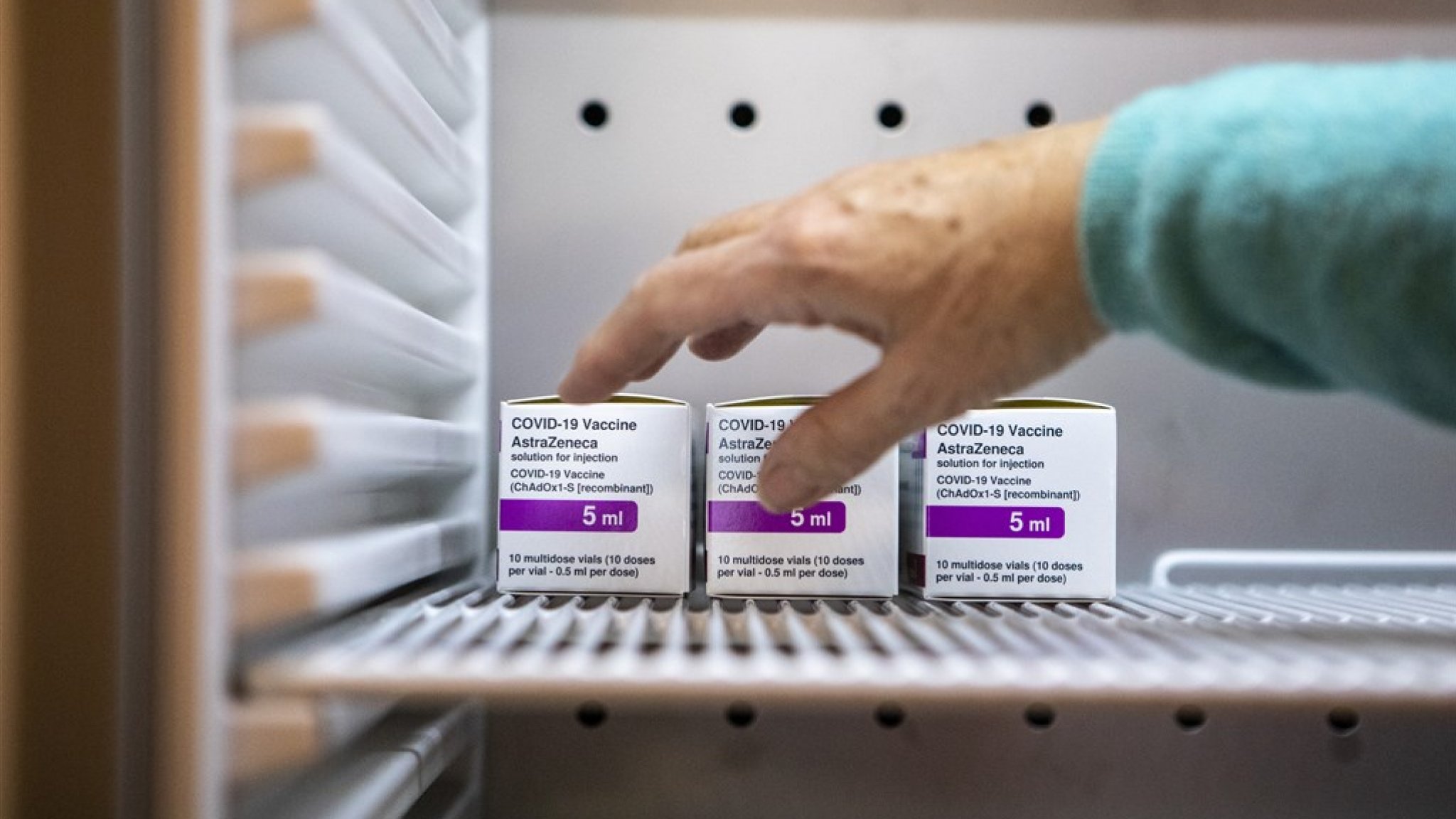
    On March 18, the Medicines Health Regulatory Authority (MHRA) and European Medicines Agency (EMA) reaffirmed the benefits of COVID-19 Vaccine AstraZeneca continue to far outweigh the risks.

    Earlier today, the MHRA announced their review of the small number of thromboembolic events in over 11 million people who received COVID-19 Vaccine AstraZeneca in the UK. The UK regulator confirmed that the benefits of the vaccine in preventing COVID-19 far outweigh the risks, and people should continue to get vaccinated when asked to do so. Following the rigorous scientific review, the MHRA concluded there is no evidence that blood clots in veins are occurring more than would be expected in the absence of vaccination. A detailed review of five UK reports of a very rare and specific type of blood clot in the cerebral veins (sinus vein thrombosis) occurring together with lowered platelets (thrombocytopenia) is ongoing. This has been reported in fewer than one in a million people vaccinated so far in the UK, and can also occur naturally – a causal association with the vaccine has not been established.

    Subsequently, the EMA’s Pharmacovigilance Risk Assessment Committee (PRAC) concluded there was no increase in the overall risk of blood clots (thromboembolic events) with COVID-19 Vaccine AstraZeneca. However, the PRAC also concluded that, for very rare cases of serious thromboembolic events with thrombocytopenia, a causal link with the vaccine is not proven, but is possible and deserves further analysis. Furthermore, there was no evidence of a problem related to specific batches of the vaccine or to particular manufacturing sites.

    AstraZeneca will continue to work closely with health authorities to ensure the appropriate use of COVID-19 Vaccine AstraZeneca. The Company recognises and will implement the recommendations of the PRAC, including the update of the product information, whilst continuing to understand the nature and relevance of these events to ensure the safe delivery of the vaccine continues during this public health crisis. Analysis of AstraZeneca’s safety database on tens of millions of records for COVID-19 Vaccine AstraZeneca did not show that these events occurred any more commonly than would be expected in millions of people.

    Ann Taylor, Chief Medical Officer, said: “Vaccine safety is paramount and we welcome the regulators’ decisions which affirm the overwhelming benefit of our vaccine in stopping the pandemic. We trust that, after the regulators’ careful decisions, vaccinations can once again resume across Europe.”

    Patient safety remains AstraZeneca’s highest priority and the Company has robust processes in place for the collection, analysis and reporting of adverse events and these are shared with regulatory authorities around the world.

  • Strong China sales fail to ease European Covid pain for Capri

    Strong China sales fail to ease European Covid pain for Capri

    Capri Holdings is expected to post a fourth straight fall in quarterly revenue on Wednesday as the blow from fresh lockdowns in Europe eclipses a China-driven recovery in sales of its luxury handbags and apparel.

    A spike in coronavirus infections from late last year forced many European governments to put their economies back into lockdown, keeping consumers away from stores during the crucial holiday shopping season.

    Capri not only has to deal with store closures in Europe and sluggish department store traffic due to the pandemic but also a “stale” Michael Kors brand image, Jane Hali & Associates retail analyst Jessica Ramirez said.

    Investors will be hoping that Capri’s Versace and Jimmy Choo brands can emulate fashion giant LVMH’s growth in China, which helped cushion some of the pandemic’s impact in other markets.

    Sales of luxury goods in China have been rising since the easing of COVID-19 measures in the second half of 2020, sparking hopes that one of the world’s biggest markets for high-end fashion could ease the pain of companies suffering in regions where the virus continues to rage.

  • Covid hits coworking office space rents in HCMC

    Covid hits coworking office space rents in HCMC

    Rents for coworking office space in HCMC decreased 12 percent year-on-year last year due to the impacts of the Covid-19 pandemic, a report says.

    The occupancy rates of coworking office space in Grade A and B buildings last year plunged by 7 percentage points as its supply experienced the lowest growth since 2017 to 6 percent, according to a report by Savills Vietnam, the leading global property services provider.

    The gloomy outlook for the coworking space market, which boomed in the country between 2017 and 2019, has prompted investors to cancel expansion plans.

    The New York-based co-working startup, WeWork, the third-largest startup in the U.S. and the sixth-largest in the world, stopped leasing an office in HCMC’s District 1 while UP Co-working Space, headquartered in Hanoi, also postponed its plan to open two new offices in District 7, the report says.

    The number of newly registered coworking companies in the country also dropped by 6 percent.

    “2020 was a challenging year for both traditional and shared office segments. The market has been seeing a number of tenants turn to lower-priced office buildings and shophouses to cut down on rental costs in order to maintain their business,” said Vo Thi Khanh Trang, head of Savills Vietnam’s market research department.

    While the traditional office space has shown signs of a slight recovery in late 2020 thanks to better containment of the Covid-19 outbreaks in Vietnam, the shared workspace business has yet to see similar positive signs, Trang said.

    Before the Covid-19 pandemic broke out in Vietnam in January last year, co-working spaces had expanded in HCMC’s central districts since the limited traditional office space there was unable to meet burgeoning demand.

  • Older workers in Australia have significantly been impacted by COVID-19

    Older workers in Australia have significantly been impacted by COVID-19

    As Australia’s unemployment rate rose to 6.9% in September amidst the ongoing impacts of COVID-19, 42% of older workers said they had recently lost their job or had their hours reduced, a Humanforce survey has revealed.

    As a result of the challenges faced during COVID-19, older workers are now more open minded to different types of employment and are looking to explore opportunities within the retail sector, with 41% open to casual employment and 39% open to any type of work.

    “We know that COVID-19 is changing the face of work across the world, as unemployment rates continue to rise. Our research shows that one of the flow-on effects could be that older Australians who lose their job because of the pandemic will be transitioning into different types of work, including casual work in the leisure field. This means employers need to look closer at how to support older Australians as casual employees.”

    Older Australian workers said the key factors they would look for in casual retail employment would be a stable income (70%), a reliable number of days and hours (65%) and flexibility with days and hours (62%).

    “A common misconception about older workers is that they aren’t open to learning new technologies or skills as part of their job,” added Bruce Mackenzie. “Yet the overwhelming majority of older workers we surveyed were supportive of casual jobs where automated technologies were used or where they could retrain or learn new skills.”

    Almost three-quarters (73%) of older workers said they are open to using automated technologies and 85% are open to retraining or learning new skills in a new role. Most of them (65%) also said that the best way to support older workers in using technology at work would be through training provided by a manager or colleague.

    “Australian retail businesses are going to need casual workers to assist in their recovery from COVID-19. As older Australians become more open to casual work due to the pandemic, this is an opportunity for employers to also become more open minded about employing and supporting them in casual roles.”

    Methodology

    Humanforce contracted Zoho Survey to survey 500 older worker respondents (workers of ages 45 and over) as part of this research project.

    About Humanforce

    The intelligent platform for your shift-based workforce.

    Almost every shift has its no-shows, late arrivals, and special requests, but, you’ve also got to deal with the big shifts in how people work – everything from new employee expectations to new technologies, new regulations, and other major changes. Humanforce brings a whole new approach to managing your teams where you can simplify the process, see everything at once, and stay ahead of the curve. That’s why thousands of businesses of all sizes – hotels to hospitals, resources to recreation, stadiums to shops and more – use Humanforce to get ready for the next shift. www.humanforce.com
     

    Media Contact:

    Corinne Nolte

    Mulberry Marketing Communications

    +613 9023 9110

    [email protected]


  • Pandemic cuts demand for overseas jobs

    Pandemic cuts demand for overseas jobs

    Vietnam’s labor export has plunged this year due to pandemic imposed travel restrictions and fear of contracting the virus abroad. The number of Vietnamese leaving abroad for work in the first nine months fell 59 percent year-on-year to just over 42,800, according to the overseas labor department.

    Japan and Taiwan, the largest and second-largest foreign markets for Vietnamese labor, saw the number of new workers go down nearly 49 percent and over 56 percent, respectively. The plummeting figures reflect the difficulties labor export companies in Vietnam have faced this year.

    Nguyen Viet Xuan, chairman of the Hanoi-based Viet Thang Corp, said his company has successfully sent just a few dozen workers to Japan, Taiwan, and Romania since September, down 90 percent year-on-year.

    Most of them were supposed to leave earlier, but unable to do so due to the pandemic, and the company was having trouble recruiting new candidates because people were reluctant to leave Vietnam with the Covid-19 situation remaining intense in many countries, he told local media.

    The Laco Labour Cooperation Company Ltd in Hanoi has only sent 40 workers to Japan since September after a mostly inactive period from February to August. Vietnam recorded its first Covid-19 case at the end of January and the situation was contained by the end of August.

    Although the Japanese market still has a high demand for imported labor, the long process of acquiring health certificates in the pandemic context could be one of the reasons preventing candidates from going, said Laco CEO Nguyen Xuan Hung.

    Before the pandemic, Japanese employers often traveled to Vietnam and conducted face-to-face interviews, but now the recruitment process has become more challenging as interviews have to be conducted online, he added.

    Other recruiters have pointed out to the high costs of air travel as a factor that discourages workers from going.

    The government’s labor programs are also facing difficulties in recruiting workers. The Department of Overseas Labor had recently extended its deadline for a nurse recruitment program to Japan by one month after failing to recruit the 240 candidates it needed.

    The pandemic has forced companies to cut recruitment costs due to falling revenues. These companies traditionally need to pay a local agent VND20-30 million ($865-1300) per worker, but now they focus more on running ads on social media to approach workers directly.

    Industry insiders do not expect a full recovery in the market anytime soon. Doan Mau Dien, chairman of the Vietnam Association of Manpower Supply (VAMAS), said that as the rising number of Covid-19 cases are being recorded in Europe and some countries have reimposed social distancing measures, it would take until at least the middle of next year for labor export activities to resume to pre-pandemic levels.

    Last year, 147,387 Vietnamese left to work abroad, up 3.2 percent year-on-year, according to the overseas labor department.

  • Pomelo roams from fashion label to multi-brand environment

    Pomelo roams from fashion label to multi-brand environment

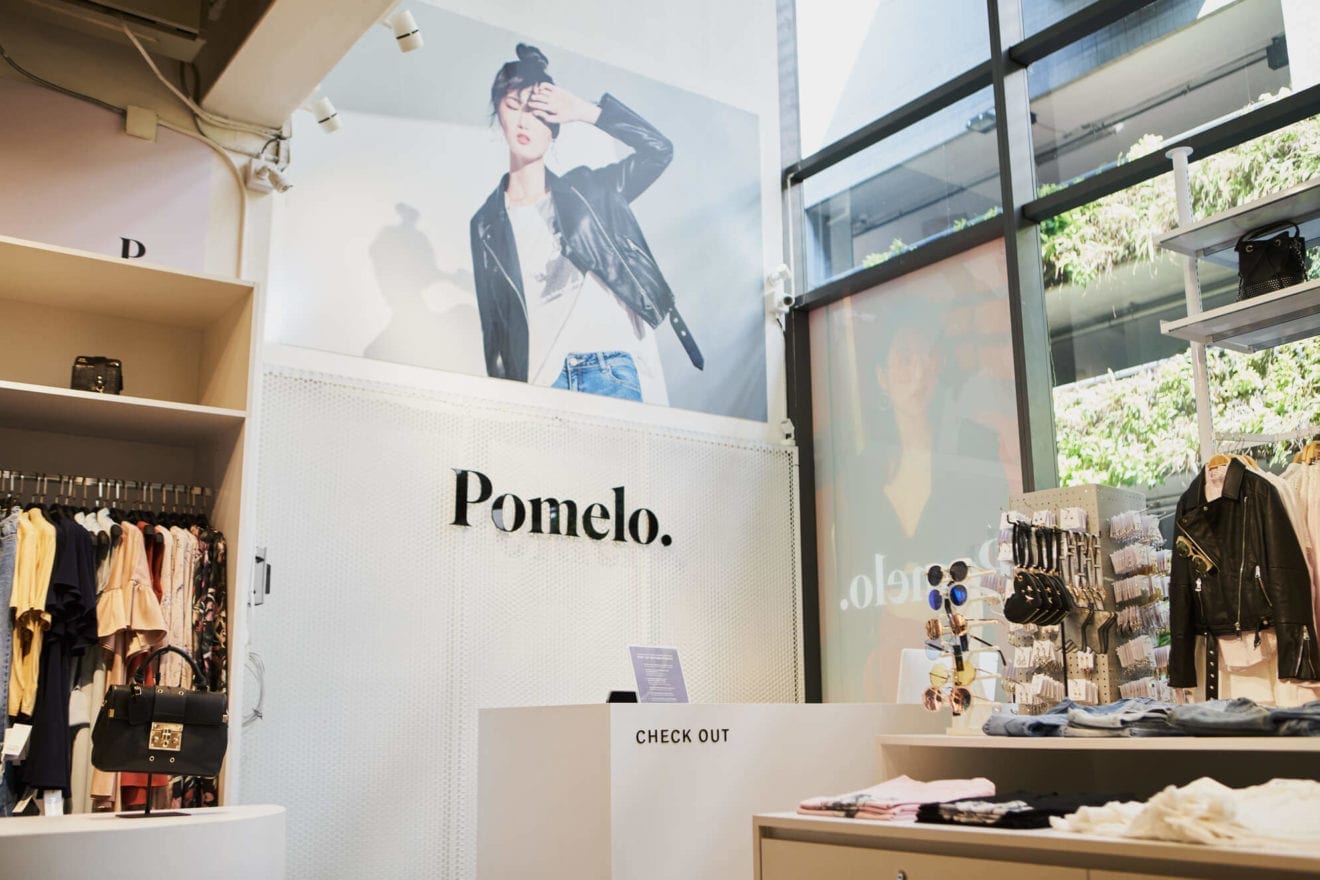
    Thai-based omnichannel fashion platform Pomelo has launched a redesigned version of its online platform which features multiple brands.

    Besides offering in-app exclusive live streaming, the new app houses more than 100 brands on its Thai version, including Vans, Converse, L’Occitane, and local brands such as Rally Movement and Matter Makers.

    But the company told Inside Retail Asia it will continue to design and release its own Pomelo range as well.

    Pomelo, which is building a footprint across Southeast Asia, plans to expand its expanded multibrand selection into other markets next year.

    The new app has a feature called Tap Try Buy, previously called Pomelo Pick Up, which allows customers to order items online through the app or website, select a store or partner location to try on their selected items, and only pay for only what they choose to keep. Tap Try Buy orders already make up almost half of the retailer’s online orders, a percentage that has grown during the Covid-19 crisis.

    Overseeing the new multi-brand direction is Alexandra Schonfrucht, newly appointed former Zalando and JD Sports executive, who is now Pomelo’s global head of third party brands.

    “We’re thrilled to welcome Alexandra to the Pomelo team as we enter this next phase of growth as a multi-brand platform,” said David Jou, CEO, and founder of Pomelo. “We’re continuing to build a diverse brand portfolio to provide the best omnichannel experience for our users.”

    The new app also incorporates Pomelo’s new branding elements including a refreshed logo.

  • Kenzo founder Kenzo Takada dies from virus

    Kenzo founder Kenzo Takada dies from virus

    Paris-based Japanese designer Kenzo Takada, famous for creating the international luxury fashion house Kenzo, died in Paris on Sunday due to Covid-19 related complications, a spokesperson for Takada’s luxury K-3 brand said in a statement sent to CNN. His death came in the midst of Paris Fashion Week, which, through a hybrid of physical and digital shows, has forged ahead despite rising Covid-19 cases in France.

    It is with immense sadness that the brand K-3 announces the loss of its celebrated artistic director, Kenzo Takada. The world-renowned designer passed away on October 4th, 2020 due to Covid-19 related complications at the age of 81 at the American Hospital, in Neuilly-sur-Seine, France,” the statement read.

    In 1970, Takada rocked Paris with the debut of his namesake fashion line. Sold out of his first boutique, called Jungle Jap, his designs were a chaotic mix of loud colors and mismatched prints inspired by his travels.

    The world’s varied cultures would be a constant source of creativity — and everything from folk dresses to kimonos would be boldly reinterpreted for his runways. “There was much more of a cultural gap when you were traveling from one country to the next,” he said in a 2019 interview, reminiscing about trips taken in the 1970s. “So that really drove me and gave me a lot of influence and inspiration to work on different things around my trips.”

    On Paris, Takada would speak of its lasting influence. “A French way of working with fashion definitely influenced me and much later I started to blend other cultures into that specific fashion,” he said.

    “Of course now, fashion is everywhere; in New York, Paris, Milan, London, Tokyo, everywhere. But I think Paris stays very important.”

    The designer inaugurated his flagship store in the city’s Place des Victoires by 1976, and over the next three decades, he racked up numerous accolades and accomplishments — including a slew of magazine covers, the launch of a perfume empire and, in 1993, his brand’s purchase by luxury conglomerate LVMH — before retiring to pursue other creative projects in 1999.

    “Kenzo Takada was incredibly creative; with a stroke of genius, he imagined a new artistic and colorful story combining East and West — his native Japan and his life in Paris,” Jonathan Bouchet Manheim, CEO of Takada’s K-3 brand, launched in January of this year, said in a statement.

    “I had the chance to work alongside him for many years, always in awe, admiring his curiosity and his open-mindedness. He seemed quiet and shy at first, but he was full of humor. He was generous and always knew how to look after the people close to his heart. He had a zest for life… Kenzo Takada was the epitome of the art of living,” he added.

  • Google adds a COVID-19 layer to Google Maps

    Google adds a COVID-19 layer to Google Maps

    Google continues to work on improving Google Maps and on Wednesday a “COVID-19 layer” started rolling out. With this layer, users can see areas where the virus is spreading and it is coded by color based on the number of people with the coronavirus in each region. The layer produces these color codes based on the seven-day average for the number of new COVID-19 cases per 100,000 people and even reveals whether the number of cases is trending higher or lower.

    Google said that over a billion people rely on Google Maps to help them safely get from point “A” to point “B.” And that includes safely navigating around the virus by using the COVID-19 layer. As Google says, “This week, we’re introducing the COVID layer in Maps, a tool that shows critical information about COVID-19 cases in an area so you can make more informed decisions about where to go and what to do.”

    When you open Google Maps, tap on the layers button in the upper right corner of the screen and click on “COVID-19 info.” You will then see the seven-day average of new COVID cases per 100,000 people for the area of the map you’re looking at. The color-coding also reveals the density of new cases in the area. The COVID-19 layer starts rolling out on iOS and Android phones this week.

    The source of the data that you’ll see comes from legitimate places such as Johns Hopkins, the New York Times, and Wikipedia. Those places get their info from the World Health Organization, state and local health agencies, government organizations, and hospitals. And while consumers can get the same info through Google Search, they can also obtain it from Google Maps. As Google says, “While getting around is more complicated these days, our hope is that these Google Maps features will help you get where you need to be as safely and efficiently as possible.”

  • Hotels for sale at new high amid pandemic blues

    Hotels for sale at new high amid pandemic blues

    Hotels with ‘for sale’ signs have mushroomed across different parts of Vietnam, despite scarcity in buyers.

    The sales trend first kicked off in central areas of HCMC and Hanoi’s Old Quarter, but later spread to other tourism hotspots like Phu Quoc Island, Da Nang City, and other coastal towns including Nha Trang, Vung Tau, and Quy Nhon.

    Dozens of hotels have been listed for sale each day by brokers or on real estate websites, since the second Covid-19 outbreak hit the country late July.

    Longtime brokers in the real estate market say the current wave of hotel sales is the biggest they have seen in the past decade.

    On the streets of Ly Tu Trong, Le Thanh Ton, Bui Thi Xuan, and a few others, nearby HCMC’s iconic Ben Thanh Market, many 30-100 room hotels are listed for sale. Prices commonly range from a few dozen billion to hundreds of billions of dong (VND1 billion = $43,160), with some going up to VND1 trillion.

    The current situation is completely contrary to 5-7 years ago when a wave of investment in mini-hotels was so popular in Saigon that many street houses were bought specifically for such renovation purposes.

    However, brokers said currently listed hotel prices are still at a higher than expected threshold, complicating the sales process.

    Vo Quoc Phuong Trang, head of hotel investment consultancy at real estate service firm Jones Lang LaSalle (JLL), said the hotel business sector was among the groups first and hardest hit by the pandemic.

    There were no mergers and acquisitions in the hospitality industry during the first half of the year as uncertainty caused by the Covid-19 outbreak gripped the sector.

    Mauro Gasparotti, director of real estate consultancy Savills Hotels Asia Pacific, said the limited number of flights have prevented buyers from inspecting properties, and so negotiations are delayed.

    Four- and five-star hotels are still holding up but those with three stars and below are facing challenges since there are few guests, he said, explaining that some are experiencing 10 percent occupancy rates, while the minimum to sustain operations is 35 percent.

    Foreign tourist arrivals in Vietnam between January and August fell 66.6 percent to 3.77 million, according to the General Statistics Office.

  • Korean restaurant chains cry foul over Covid-19 rules

    Korean restaurant chains cry foul over Covid-19 rules

    South Korean restaurant chains are accusing the government of using “discriminatory countermeasures” in the fight against the coronavirus pandemic.

    Recent edicts to prevent the spread of the latest outbreak in the country have seen the closure of buffet and family-style restaurants, while still allowing cafes to operate. Prominent chains CJ Foodville, Shinsegae Food and Elandeats have expressed their dissatisfaction with the discrepancy, which has involved multiple outlet closures and necessitated the dumping of fresh food.

    “The largest number of coronavirus cases was confirmed at Starbucks coffee shop(s), but I don’t understand why restaurant chains are targeted,” a family restaurant worker told the Korea Times. “Starbucks closed its relevant branches for a few days and then they reopened them.”

    The restaurant chains had previously instituted anti-Covid-19 precautions, such as checking the temperatures of customers and enforcing social distancing.

    The Korea Times quoted one CJ Foodville official as saying: “It is our obligation to follow the government’s regulations, but we hope people don’t continue to think that our restaurants are high-risk after things get better.”

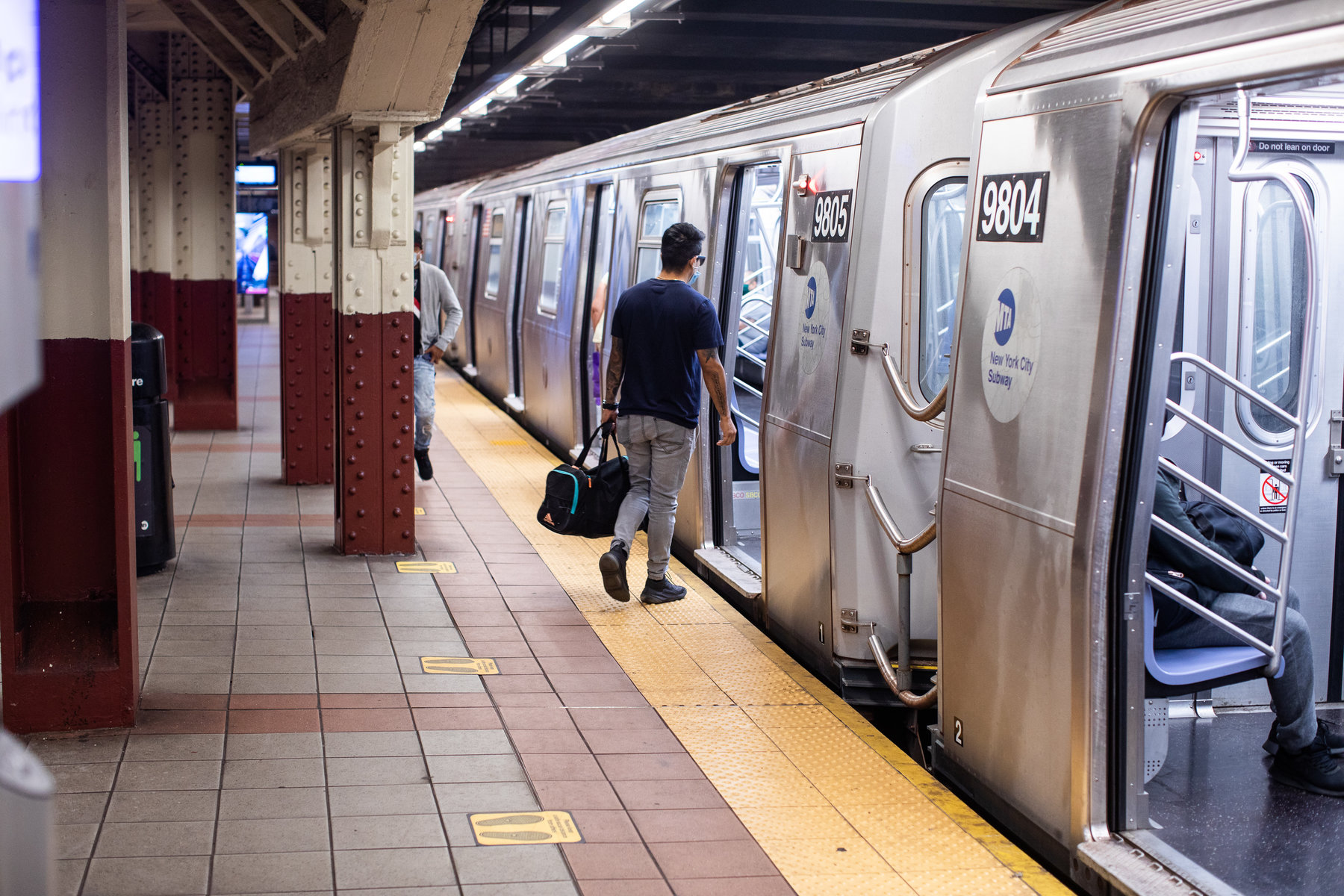
  • NYC commuters with an iPhone are risking COVID exposure just to unlock their devices on the subway

    NYC commuters with an iPhone are risking COVID exposure just to unlock their devices on the subway

    Apple iPhone users worldwide started to get frustrated when global agencies suggested that face masks be worn as a preventative measure against the spread of COVID-19. That’s because those iPhone models using Face ID couldn’t verify the identity of the person holding the phone because of the mask. As good as Face ID is in matching a person’s face even if he/she grows a beard, wears glasses, or gets a haircut, Apple couldn’t anticipate when developing the feature that users would be wearing a mask when going outside.

    Mask wearing iPhone users would have to wait to get the passcode screen, eating up valuable time. So in iOS 13.5, Apple added an algorithm that quickly detects when the phone’s owner is wearing a mask and brings up the passcode screen after a swipe up from the bottom of the display. But apparently, the faster transition time from Face ID to the passcode screen is not fast enough for some New York City commuters.

    Patrick Foye, the chairman of the Metropolitan Transportation Authority (MTA), sent a letter to Apple CEO Tim Cook that was obtained by the Associated Press. In the letter, Foye says that he has seen commuters removing their masks to log-in to their iPhones. During a pandemic that continues to infect and kill Americans, removing your face mask to satisfy Face ID is not suggested, especially on a crowded subway platform or on the train itself. Apple also added Apple Pay Express Transit which allows riders of some subway and bus lines to use an iPhone or Apple Watch to pay without having to wake the device.

    In New York City, all bus and train riders must wear masks and maintain social distancing. The MTA says that 90% of its customers are wearing some type of face covering which means that quite a few iPhone users could be exposing themselves to the virus by lifting or removing their masks to get Face ID to work (if you’re familiar with the New York City subway system, you know that they might be exposing themselves period).

    In his letter to Cook, Foye wrote, “We understand Apple is working to address the issue and know that Apple has a range of technologies at its disposal as a global leader among tech companies. We urge Apple to accelerate the deployment of new technologies and solutions that further protect customers in the era of COVID-19.” The MTA chairman added that he would be willing to work with Apple on a promotional campaign to alert riders about the changes made in the latest iOS update.

    Apple responded by sending an emailed statement. “There’s nothing more important to us than the health and safety of our customers,” the tech giant wrote. “We are fully committed to continuing to work with the MTA to support their efforts to prevent the spread of COVID-19.”

    The MTA isn’t asking Apple to develop new technology or update the passcode screen. It merely wants to work with the tech company to put up display ads or otherwise inform riders on MTA vehicles and subway cars that they don’t need to take off their masks even for just the short time it takes Face ID to work.

    While subway ridership in New York City plunged by 90% at the pandemic’s peak, the numbers are rising although they are still well below pre-pandemic levels. New York City was once the global COVID-19 epicenter, the city has not seen over 1,000 new cases on a daily basis since May 30th. New York City’s success in beating back the virus’ spread might leave commuters less diligent which would also be a good reason for the MTA and Apple to collaborate on a message that can be promoted to commuters riding the MTA bus and subway lines.

  • South Korean retail sales up after Covid-19

    South Korean retail sales up after Covid-19

    South Korean retail sales rose by 2 percent during May, largely due to increased online shopping, according to the new Ministry of Trade figures.

    The year-on-year increase was strongly influenced by purchases of food and sanitary items online due to the effect of social-distancing requirements related to the coronavirus pandemic.

    The ministry polled 26 major retailers in both online and offline categories to collect the data, which showed combined sales of US$9.65 billion last month, an increase of over $9.506 billion during the same period last year.

    Online platforms saw a 13.5-per-cent revenue rise during the period, with online sales of food increasing almost 39 percent, and daily items and furniture going up 22.7 percent. Offline shopping – with the exception of convenience stores – continued to show a decline, with a 6.1-per-cent drop in sales.

    Year-on-year sales figures for last year showed an increase of 4.8 percent over 2018.

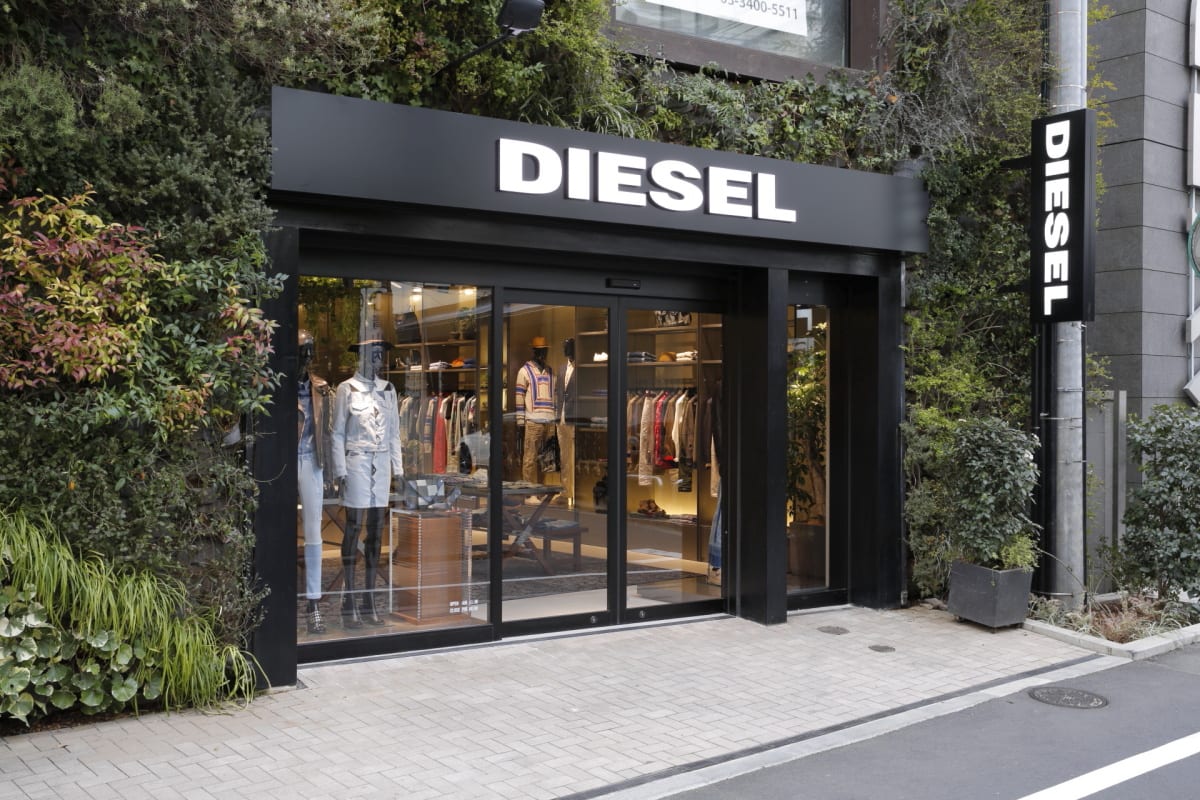
  • Diesel unveils a 360-degree selling platform and virtual showroom

    Diesel unveils a 360-degree selling platform and virtual showroom

    Diesel has unveiled Hyperoom, a 360-degree virtual selling platform and exhibition space.

    Conceived by Diesel’s parent company OTB, Hyperoom resembles the Diesel’s physical showroom in Milan. All Diesel’s products will be featured in the virtual store through a customised section of the platform, including the Spring and Summer 2021 Collections.

    At Hyperoom, customers can peruse the products in 360-degree displays or in 2D closeups with product descriptions.

    “One must look for silver linings whenever and wherever possible,” says Massimo Piombini, CEO of Diesel, referring to the challenge of the Covid-19 crisis.

    “This year has sparked an urgency to accelerate what we can offer and accomplish in the digital space. With this tool we have set a new benchmark for the industry, in regard to digital transformation.”

    “At Diesel, we aimed to keep as much of the buying’s physical element as possible”, the company says in a statement. “To digitally recreate the selling process, we have enabled remote buying sessions through enhanced and comprehensive digital assets.”

    Diesel believes the new virtual-store concept will be a solution for many fashion brands as it not only provides a unique online retail experience but also reduces the amount of clothing samples required at physical stores.