Retail News CRM

Tag: currency

  • Singapore’s Central Bank to Test Blockchain-Backed Digital Currency

    Singapore’s Central Bank to Test Blockchain-Backed Digital Currency

    The Monetary Authority of Singapore (MAS) will soon test how it could issue digital currency using a v-based interbank payment system.

    The planned proof-of-concept will be supported by blockchain consortium R3CEV, as well as eight banks and an unnamed local stock exchange. The Development Bank of Singapore, HSBC, Bank of America, JPMorgan, Credit Suisse and Bank of Tokyo-Mitsubishi are all said to be participating.

    In a speech on Wednesday, MAS managing director Ravi Menon said the test could come to include other central banks. Further, he credited the bank’s desire to remove cost and friction from traditional bank transactions as the motivation for the effort.

    Menon said:

    “Today, banks have to go through correspondent banks to intermediate these payments. It takes time and adds to cost. This project marks the first step in MAS’s exploration of ways to harness the potential of central bank-issued digital currency.”

    The trial would find banks depositing cash as collateral with MAS, which would then issue a digital currency to participants. The digital currency could then be exchanged among participants in the system and later redeemed for cash.

    The forthcoming trial bears similarities to a previously announced effort from UBS, Deutsche Bank, Banco Santander and startup Clearmatics in August.

    Called Utility Settlement Coin, the project envisioned how a central bank could issue digital currency that could then be redeemed for cash held by a central bank.

  • Peruri to build currency paper factory in 2017

    Peruri to build currency paper factory in 2017

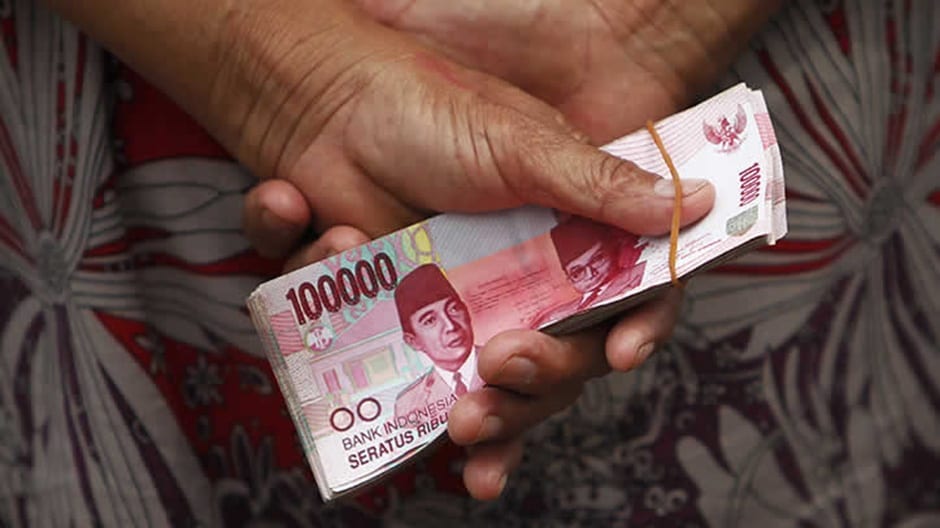
    The state-owned money printing company, Peruri, has set a target to build a currency paper factory in 2017, according to the companys President Director, Prasetio.

    Such a currency printing firm is badly needed because Indonesia does not have one so far, Prasetio pointed out here on Monday.

    “God willing, we will be able to sign a Memorandum of Understanding (MoU) with our partners, so that it can be realized next year,” Prasetio explained, adding that the venture is open to both domestic and foreign investors to be partners.

    Prasetio further said that the currency paper plant will be built on Peuris own land in the West Java Provincial District of Karawang.

    Prasetio did not elaborate how much investment would be required for the project.

  • Chinese shoppers deterred by rising Japanese yen

    Chinese shoppers deterred by rising Japanese yen

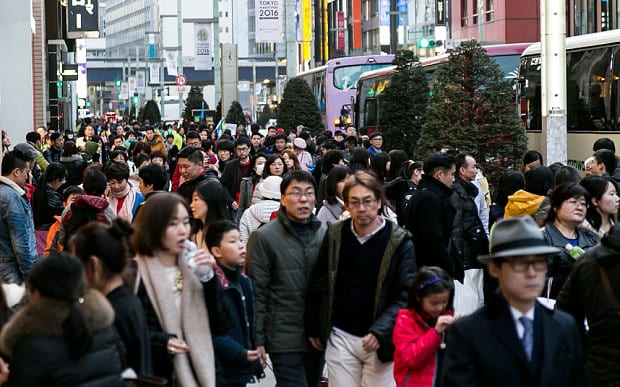
    Japan is starting to lose its edge as a shopping holiday destination for Mainland Chinese.

    Mainland Chinese shoppers are likely to become increasingly discouraged by the rising value of the Japanese yen against the yuan, according to analysis by Nikkei and Nomura International.

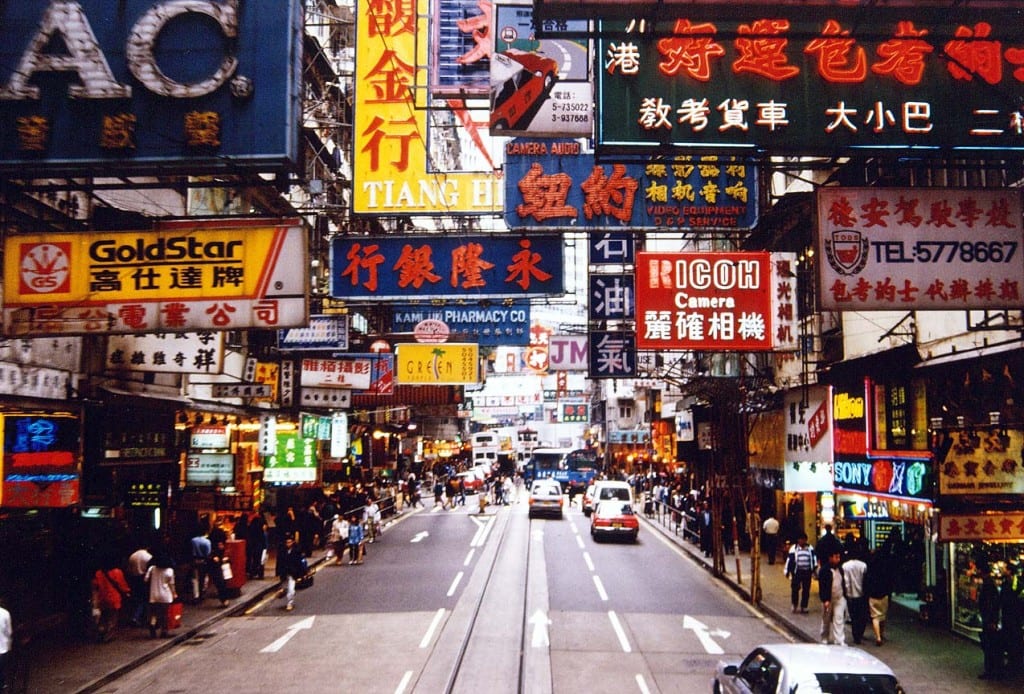
    While the Chinese accounted for just 1 per cent of Japan’s total retail spending in 2015, the share was rising and the total Japanese retail market is huge, given the wealth of its population. By comparison, Mainland Chinese account for close to 50 per cent of retail sales in Hong Kong and 30 per cent in Macau, according to Nomura. (Those figures exclude categories like cars and fuel).

    Hong Kong luxury retail sales are down by as much as 25 per cent due to the absence of wealthy mainlanders who have chosen to visit Japan, Korea, Europe and even the US thanks to more favourable exchange rates last year. Last year 4.99 million mainlanders visited Japan, attracted by the value of the yen and relaxing of visa restrictions. The average spend per visitor rose 20 per cent.

    However the advantage Japan held is slipping as the yuan weakens against the yen. In January, 1 yuan bought 18 yen, at its peak last May it bought 20. Today it buys just 16.

    Chinese tourist spending in Japan fell 10 per cent in the first quarter, accounting now for just 0.8 per cent of the total market, according to data from Japan’s Ministry of Economy, Trade and Industry. Their spend has fallen two months in a row.

  • Indonesian retailers prepare for inflation shock

    Indonesian retailers have warned consumers of prices rises ranging from five to 12 per cent.

    Roy N. Mandey, chairman of the Indonesia Retailers Association (Aprindo), says the nation’s retailers plan to increase prices to consumers by an average of six to seven per cent as they battle with the weakening value of the rupiah.

    “Price increases for food and beverage products would be around five per cent, while electronics would see a hike of between 10 and 12 percent,” Mandey said in an interview with the Jakarta Globe.

    The Indonesian currency has lost 15 per cent of its value this calendar year, and the government has disrupted the economy further by introducing new import tariffs on many consumer goods and restricting alcohol sales in convenience stores.

    Mandey said in an interview he expected retailers to increase prices in October, a typically high month for stock replenishment.

    Members of Aprindo, which include hypermarket operator Matahari Putra Prima and convenience store network Sumber Alfaria Trijaya, have been struggling to respond to stagnating retail demand as the purchasing power of consumers has slipped.

    In July, Indonesian retail sales growth fell to its lowest level since last December, rising just 4.8 per cent.

    In 2014, Indonesian retail sales topped Rp 168 trillion, but the last estimate for 2015 stood at just 152 trillion. Aprindo is hoping for Rp 175 trillion but says for that level to be reached the government would have to remove some regulatory barriers.

  • Hongkongers must wake up to new yuan reality

    Hongkongers must wake up to new yuan reality

    For a long time, Hong Kong people and corporates enjoyed a free ride on the renminbi as the Chinese currency promised steady appreciation and high returns.

    But the steep devaluation this week has spoilt the party for good, and everyone — be it multinational corporations operating out of IFC 2 or housewives in Ngau Tou Kok — is now seeking to repatriate money back from China to Hong Kong.

    Thanks to the Stock Connect between Hong Kong and the mainland, the daily limit of transferring Hong Kong dollar to renminbi was lifted last year.

    But for those who took advantage of the easier rules and shifted to China assets and chose to stick with them would have got hurt by the yuan’s downward move and the recent A-share collapse.

    Apparently more corporates have been hurt, rather than benefit, from the weaker yuan.

    Among international firms, Apple Inc, for instance, saw its share price move into correction territory on Wall Street as investors were concerned about the tech giant’s large China sales exposure.

    In Hong Kong, the weak yuan led fashion-wear retailer I.T. Ltd. to issue a profit-warning on Thursday, with the firm saying that it estimates a HK$60 million loss from a decline in the value of its renminbi time deposits.

    The tiny retailer’s decision to swiftly mark down its assets sent some shockwaves through local investing circles and also led to a guessing game as to which other cash-rich listed firms might be having huge exposure to the Chinese currency.

    Last month HKTV announced the purchase of a 11 million yuan bond bearing 6.25 interest and another 15 million yuan bond of 4.85 percent interest, but the asset has seen its value come off 4 percent this week.

    Likewise, Asia Financial chief executive Bernard Chan also said his company had HK$400 million exposure in yuan which earned a 3 percent coupon. With the yuan’s devaluation, the effective returns will be zero.

    Apart from corporates, individuals would also now have to think twice on where to park their money once their fixed-term yuan deposits mature.

    As there are fears of further devaluation of the renminbi, the Chinese unit has lost its earlier safe-haven status.

    For investors, the formula that previously gave them super returns on the yuan is no longer working amid China’s new normal.

    On the bright side, imported deflation could help ease the rise in consumer prices in Hong Kong. Prices will remain elevated no doubt, but they are unlikely to climb much higher.

    Meanwhile, a weaker renminbi could also cool down mainland investor interest in Hong Kong property, providing some relief to locals.

    That said, we should also be prepared for the negative consequences of reduced overseas spending power of the mainlanders.

    There might be diminished capital flows into the local stock market, and the tourism and retail industries could also face more rough weather.

    It’s time for Hongkongers to wake up to a new reality.