Retail News CRM

Tag: currency

  • MAS Warns Against Lee Hsien Loong Bitcoin Scam

    MAS Warns Against Lee Hsien Loong Bitcoin Scam

    The Monetary Authority of Singapore warned the public about a website using fabricated comments from Prime Minister Lee Hsien Loong to solicit investments in bitcoin.

    The website not only used fabricated comments but also attempted to impersonate a news page from a local media organization, the Monetary Authority of Singapore (MAS) added.

    The information on the website is highly deceptive and misleading. The statements attributed to PM Lee are completely false, said MAS in a media statement last Friday. The site tries to get readers to provide credit card or bank account information, plus payments into a trading platform, which would automatically initiate trades on the client’s behalf.

    Members of the public are advised to exercise extreme caution and avoid providing any financial or personal information on the forms linked from the website, MAS added. Members of the public who suspect that an investment could be fraudulent or misused for other unlawful activities should report such cases to the police, the regulator said.

    Since last year, MAS has issued at least four consumer advisories on such fraudulent websites that use the names and photographs of ministers and other prominent people in Singapore to solicit bitcoin investments. The ministers included Emeritus Senior Minister Goh Chok Tong and Deputy Prime Minister Heng Swee Keat.

  • Facebook reveals its new digital currency called Libra

    Facebook reveals its new digital currency called Libra

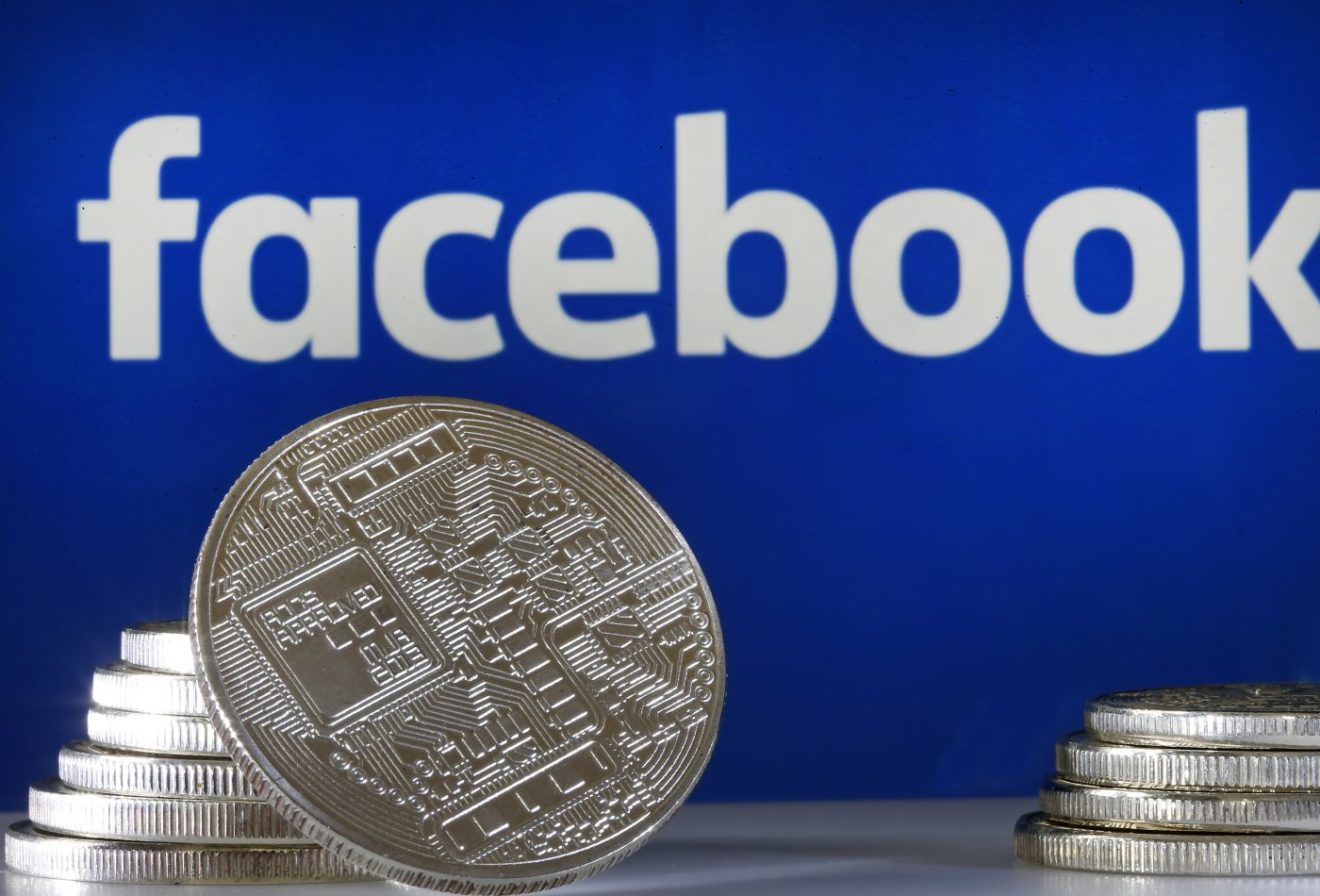
    As expected, Facebook announced a brand new cryptocurrency coming in 2020 – Libra. Described as a new digital wallet for new digital currency, the new financial service will allow consumers to keep their cryptocurrency safe, as well as make various transactions.

    When it launches in 2020, the digital wallet will be available in Messenger, WhatsApp, but also as a standalone app. The decision to launch such a service is based on the people’s need to save, send or spend money even if they don’t have a bank account.

    Apparently, many people around the world still don’t benefit from even basic financial services, especially in developing countries. Calibra, the company behind the financial service, is meant to address this problem since it will allow those who don’t have a bank account to save, send and spend Libra.

    Most importantly, Calibra will allow users to send Libra to almost anyone with a smartphone just like sending a text message. Additional services will be provided to those using Libra later on, including the option to pay their bills.

    Facebook says that Calibra will not share account information or financial data with its servers or any third party without customer consent. Furthermore, the social network company mentions that Calibra will use Facebook data to comply with the law, secure customers’ accounts and prevent criminal activity.

    It remains to be seen what merchants will accept Facebook’s new crypto currency and how companies in developing countries will be convinced to pay their workers in Libra if they so choose.

  • Dollar eases as trade deal prospects bolster risk, sterling gains

    Dollar eases as trade deal prospects bolster risk, sterling gains

    The dollar was marginally weaker on Monday, as increasing expectations of a U.S.-Sino trade deal led investors to shift away from the safety of the greenback into riskier assets. Both the United States and China reported progress in five days of negotiations in Beijing last week, although the White House said much work remains to be done to force changes in Chinese trade behaviour.

    Negotiations will continue next week in Washington as investors hope for an end to the trade war between the world’s two largest economies.

    “Trade is the big focus for the markets…with talks shifting from Beijing to Washington, we could get more news flow,” said Michael McCarthy, chief markets strategist at CMC Markets.

    “I expect the euro to remain under pressure this week while dollar/yen could also fall if we see risk-aversion based on negative trade news flow.”

    In Asia, the yen was marginally higher versus the greenback at 110.53.

    The Aussie gained 0.1 percent to $0.7144, after gaining 0.48 percent on Friday on hopes of a trade breakthrough between the United States and China. The kiwi dollar also gained around 0.1 percent on the dollar to $0.6868.

    U.S.-China trade tensions have kept markets highly volatile since last year.

    U.S. duties on $200 billion worth of Chinese imports are set to rise from 10 percent to 25 percent if no deal is reached by March 1 to address U.S. demands that China curb forced technology transfers and better enforce intellectual property rights.

    The dollar index, a gauge of its value versus six major peers was marginally lower at 96.85. The index has gained 1.4 percent so far this month despite weaker-than-expected U.S. data as well as a cautious Federal Reserve which is widely expected to keep rates steady this year due to a slowdown in growth and muted inflation.

    The dollar index has gained mainly because of the euro , which has around 58 percent weightage in the index.

    The single currency was flat at $1.1292 in early Asian trade and has had two straight weeks of losses. Traders are betting on a weaker euro in the coming months as they expect the European Central Bank to keep its monetary policy accommodative due to low growth in the common area, tepid inflation and political uncertainties.

    On Friday, Benoit Coeure, a member of the European Central Bank’s executive board, said a new round of cheap multi-year loans to banks was possible. Coeure added that the euro zone’s recent economic slowdown is more pronounced than earlier expected, suggesting the path of inflation will also be more shallow.

    The ECB will next meet on March 7 and policymakers are widely expected to slash growth and inflation projections as the euro zone is suffering its biggest slowdown in half a decade.

    Elsewhere, sterling was up by 0.1 percent to $1.2903, building on its gains from Friday.

    The pound rallied 0.6 percent on Friday, helped by reports of some hedge fund buying, a conciliatory tone on Brexit from the Irish foreign minister and stronger-than-expected British retail sales data.

  • Vietnam fintech startup raises $1 million from foreign venture capitalists

    Vietnam fintech startup raises $1 million from foreign venture capitalists

    Vietnamese fintech firm Finhay has raised $1 million in seed funding from Singapore’s Insignia Ventures Partners and other foreign investors. “Finhay will use the $1 million investment to expand its user base 10-fold to 100,000,” said founder and director of Finhay Nghiem Xuan Huy. Finhay was established in 2017 with capital of $100,000 as a micro-investment platform targeted at millennials. It allows customers to invest as little as VND50,000 ($2.17) in mutual funds from Finhay’s investment portfolio.

    Huy said the business model is very popular abroad, citing examples such as U.S. micro-investing apps Acorns and Stash.

    The application automatically analyzes the user’s risk appetite and suggests appropriate investment options and provides information to help improve users’ personal financial management.

    It has over 13,000 users and over VND7 billion ($303,590) worth of pooled capital.

    Insignia Ventures Partners, a venture fund which has already invested in popular transport apps Go-Jek and Traveloka of Indonesia, hopes “…[Finhay] will gradually layer on more products and services to become the Amazon of financial services in Vietnam.”

    Finhay also received seed capital from funds in Hong Kong and the U.S.

  • Ringgit likely to trade in cautious mode this week

    Ringgit likely to trade in cautious mode this week

    The ringgit is expected to face a challenging upcoming week as the market uncertainty over trade tensions and a slowdown in the global economy encourage investors to remain risk-off. FXTM Research Global Head of Currency Strategy Jameel Ahmad said that the local unit may face the risk of falling below RM4.15 against the greenback next week.

    “The local currency has actually performed reasonably well this week during a period of heightened market uncertainty due to concerns over a global economic slowdown in 2019, and I actually would have expected the currency to fall lower due to investor reluctance to invest in emerging markets when there is significant market uncertainty,” he said.

    He said the ringgit and its emerging market peers across the globe face significant downside risks heading into the next trading week, as global financial markets continue to be gripped by market turmoil.

    “The first few days of the new trading year have not been kind to financial markets, with a number of global stocks selling off and a “flash crash” in the currency markets leading to losses in a number of currencies including the British pound, Australian dollar and Turkish lira while the Japanese yen surged across the board,” he added.

    Although the ringgit and its Asian peers got away from the flash crash in the market unscathed, he said the prolonged risk-off environment that is hurting risk appetite is encouraging expectations that emerging markets are at risk to another round of selling off.

    “I would keep a close eye on whether the ringgit falls below 4.15 next week, because this will raise market expectations that the currency of Malaysia will gradually return to the 4.20 levels over the coming weeks,” he said.

    For the week just ended, the ringgit closed mostly lower against the US dollar with market sentiment moved by global economic uncertainties and weak Purchasing Managers’ Index (PMI) data released early this week.

    On a Friday-to-Friday basis, the local note strengthened to 4.1340/1370 from 4.1500/1550 against the greenback.

    It went down against the Singapore dollar to 3.0357/0395 from 3.0336/0384 but improved against the British pound to 5.2378/2432 versus 5.2468/2548.

    Against the euro, the ringgit jumped to 4.7144/7199 from 4.7488/7550, but eased versus the Japanese yen to 3.8260/8298 from 3.7597/7653.

  • Higher Fed interest rate could weaken Vietnamese currency

    Higher Fed interest rate could weaken Vietnamese currency

    The U.S. recent interest hike might result in a high demand for U.S. dollars in Vietnam, weakening the local currency further, experts say. The U.S. Federal Reserve Wednesday raised its interest rates for the fourth time this year to 2.25-2.5 percent. The Fed has projected two more hikes next year.

    Every time the Fed raises its interest rate, the interest rate for the greenback will increase at international banks, economist Nguyen Tri Hieu said.

    He said that with the interest rate on dollar accounts at Vietnamese banks at zero percent currently, investors might look to deposit their money in international banks for at least 2 percent.

    “This could result in a bleeding of dollars which could lead to a lower supply of the greenback in Vietnam.”

    Hieu added that the smaller supply of dollars will increase its exchange rate against the dong.

    The Fed interest rate increase will pressure the USD-VND exchange rate, as the dollar strengthens further over the dong.

    Local banks will push their interest rates up to prevent their customers from exchanging local currency to the U.S. dollar, he said.

    According to Ngo Dang Khoa, HSBC country head of global markets, another risk is that the U.S. dollar is forecast to be stronger next year, making a weaker dong a high possibility.

    Economist Hieu said that a strong dollar will also increase its exchange rate against the Chinese yuan, which will create even greater pressure on the dong.

    If the dong value remains unchanged, it will become stronger against the yuan, and Chinese exports to Vietnam could increase, resulting in a higher trade deficit than Vietnam has already has with the country, he said.

    However, other observers have said that as the fourth hike has been predicted, the Vietnamese market has prepared itself for the new interest rate and short-term impacts could be mitigated.

    Khoa with HSBC also said that there won’t be major responses from the Vietnam market following this hike, especially the forex market, as investors have already expected the interest rate to be raised.

    The local finance market won’t have to bear major impacts because of the raise, as the State Bank of Vietnam has recently taken measures to control the exchange rate and interest rate to stabilize the market, he said.

    The dong has fallen by some 1.57 percent, against the greenback since the beginning of the year. The dong hit 23,419 to the dollar on Friday.

    Prime Minister Nguyen Xuan Phuc had said in August that the devaluation of the dong needs to be kept within a 2-percent band this year compared with the end of last year.

  • Vietnamese currency falls to new low, could go lower

    Vietnamese currency falls to new low, could go lower

    The official exchange rate between Vietnamese dong and U.S. dollar reached its highest this year Wednesday, and  experts said the dong could depreciate further. The State Bank of Vietnam set a central exchange rate of VND22,757 on Wednesday, the sixth time the rate has gone up in the last two weeks.

    The dong has fallen by VND352, or 1.57 percent, against the greenback since the beginning of the year.

    The dollar’s value increased at commercial banks. At 3p.m. Wednesday, Vietcombank sold the dollar for VND23,350, VND15 higher than Tuesday.

    Vietinbank also sold its dollar for VND23,350, VND17 higher than Tuesday, while BIDV sold it at VND23,355, VND25 higher.

    The dollar also inched up on the free market. At 11.30 a.m. Wednesday, it was selling for VND23,360-23,410, VND10-20 higher than on Tuesday.

    Economist Nguyen Tri Hieu said that the reason for the hike was high demand for dollars toward the end of the year as businesses often import large amounts of materials needed for manufacturing.

    The ongoing U.S.-China trade war continues to exert exchange rate pressures, despite the U.S. announcing a 90-day halt on additional tariffs on Chinese goods starting next year, as there is no certainty that tensions will decline, he said.

    “There is a high possibility that the dong’s value will continue to fall this year,” Hieu said.

    Hieu said that the government should also devaluate the dong against the Chinese yuan so that the trade deficit between Vietnam and China can be reduced.

    Vietnam relies heavily on China for materials and equipment for its labor-intensive manufacturing sector.

    As the yuan’s value has fallen by 9 percent to the dollar since the beginning of this year, some experts have said that the dong should be devaluated even more to avoid impacts a cheaper yuan. Cheap made-in-China goods could be imported in large quantities to Vietnam and compete with domestic products, they said.

    But economist Tran Dinh Thien said that the dong should be kept at a balanced rate between the U.S. dollar and the Chinese yuan. A 2-3 percent band a year is acceptable, he added.

    A stronger dollar will benefit exporters, but will also create stronger pressure on inflation and interest rates which will increase business costs in a country with high imports and public debt, Thien said at a recent conference.

    He added that the fluctuation of the dong should be controlled to help local companies conduct their business with greater certainty.

    The government doesn’t want businesses to suffer shocks, he said.

    Prime Minister Nguyen Xuan Phuc had said in August that the devaluation of the dong needs to be kept within a 2-percent band this year compared with the end of last year.

  • Indonesia Needs ‘Dollars Now,’ President Says, Urging Greater Biodiesel Use

    Indonesia Needs ‘Dollars Now,’ President Says, Urging Greater Biodiesel Use

    Indonesia’s President Joko “Jokowi” Widodo on Tuesday (31/07) urged his ministers to make “serious” efforts to strengthen foreign exchange reserves by widening biodiesel use to combat pressures caused by a global trade war.

    Indonesia requires foreign inflows to finance its current account deficit and the central bank has spent about $12 billion of its forex reserves in recent months to defend the rupiah, which has lost about 6 percent this year.

    “The country needs dollars now,” Jokowi told a cabinet meeting. “I don’t want to keep doing meetings without good implementations.”

    The cabinet has met at least six times since the start of July to tackle concerns over trade and the rupiah currency, and Jokowi called for swifter action to prop up the currency.

    He sought immediate implementation of a government’s plan to widen the mandatory use of B20 biodiesel to all diesel vehicles, including locomotive engines and heavy equipment.

    Expansion of the B20 programme could be launched as soon as Thursday, Industry Minister Airlangga Hartarto said this week. He estimated the measure could save Indonesia $5 billion in diesel imports each year.

    Replacing imports could benefit Indonesia, one analyst said.

    “In the short term, this would be a faster solution, compared to trying to boost exports,” said Josua Pardede, an economist with Bank Permata in Jakarta.

    “Replacing imports would be one alternative to maintain the current account deficit at a healthy level,” he added. “The oil and gas deficit has been continuously expanding in the last year due to the rising oil price.”

    Biodiesel can cut fuel costs and reduce emissions, but some varieties need special handling and equipment as the fuel has a solvent effect, corroding engine seals and gasket materials, and it can solidify in the cold.

    Indonesia’s auto industries group, Gaikindo, has said stepping up biodiesel blends can increase fuel consumption and could cause engines to overheat.

  • Malaysian stocks, ringgit to remain under selling pressure

    Malaysian stocks, ringgit to remain under selling pressure

    The Malaysian stock market and the ringgit, which have seen constant pressure since the surprise outcome of the 14th general election, are unlikely to change course anytime soon as the US action to slap tariffs on imports from China is expected to increase risk aversion in the short term, say economists.

    Last Friday, the US imposed tariffs on US$34 billion (RM137 billion) worth of goods from China. Beijing was quick to retaliate, announcing levies on the same value of US imports. Bursa Malaysia’s benchmark index, the FBM KLCI, fell 1.6% or 26.79 points to close at its intraday low of 1,663.86 points in reaction to the news, while most emerging market currencies, including the ringgit, yuan, Indian rupee, baht, won and Singapore dollar traded lower. The Malaysian unit closed at 4.0465 to the US dollar on Friday.

    MIDF Amanah Investment Bank chief economist Dr Kamaruddin Mohd Nor said that the local currency as well as the emerging economies’ currencies are expected to remain under pressure this week amid heighten trade tensions between the two economic powerhouses.

    He said trade tensions would hamper investor sentiments towards emerging economies, which in turn would influence the flow of funds as investors assess the possible risks and adverse outcomes associated with the dispute.

    “Thus, selling pressure due to this factor as well as other external factors (faster than expected interest rate increases in the US and stronger dollar) will weigh on the ringgit and regional currencies in the near term,” he added.

    Meanwhile, FXTM global head of currency strategy and market research Jameel Ahmad said there is some risk aversion in the atmosphere following the announcement by US President Donald Trump, where emerging market currencies and stock markets appear to be struggling as a result of a cautious trading environment.

    “If Asian stock markets continue to trade cautiously in wake of the US trade tariffs on China coming into play, there is a likelihood that this could also negatively impact the European stock markets,” Jameel said.

    Socio-Economic Research Centre executive director Lee Heng Guie noted that emerging markets’ assets, including currencies, have been under pressure in recent weeks due to the trade tensions, damaging market volatility due to capital reversals on expectations of higher US interest rates ahead and US dollar strength.

    Additionally, Lee said the ringgit is expected to remain at the current trading range given the multifacet external headwinds amid domestic political and policy transition.

    He noted that among the potential long-term effects from the tariffs’ implementation are slowing trade and investment as trade activity lessens, which would weigh on firms’ profitability and investments’ returns.

    Lee added that domestic demand would also dampen as households’ income becomes affected by the weak performance of export-oriented companies and industries.

    “In addition, global financial market volatility will have negative spillover on domestic equity market,” he said.

    Therefore, Lee said the government needs to widen its trade relationships with countries that are committed to adopting fair and open trade practices while companies work on products and markets complexities to minimise the disruption amid the global network of supply and value chains.

    Kamaruddin said while the research firm which does not expect local companies to face devastating near-term disruptions, they will have to be prepared if the list of products involved are part of their value chain.

    Overall, economists said the continued trade spat between the US and China, the return of market volatility, and the reality of higher US interest rates pressuring emerging financial markets and currencies, are expected to weigh on Malaysia’s growth momentum this year.

    “The estimated impact on GDP growth is around 0.1-0.3 percentage point,” Lee said.

    However, Kamaruddin said MIDF is keeping its full-year 2018 GDP growth forecast at 5.5%.

  • Australian dollar slips another week

    Australian dollar slips another week

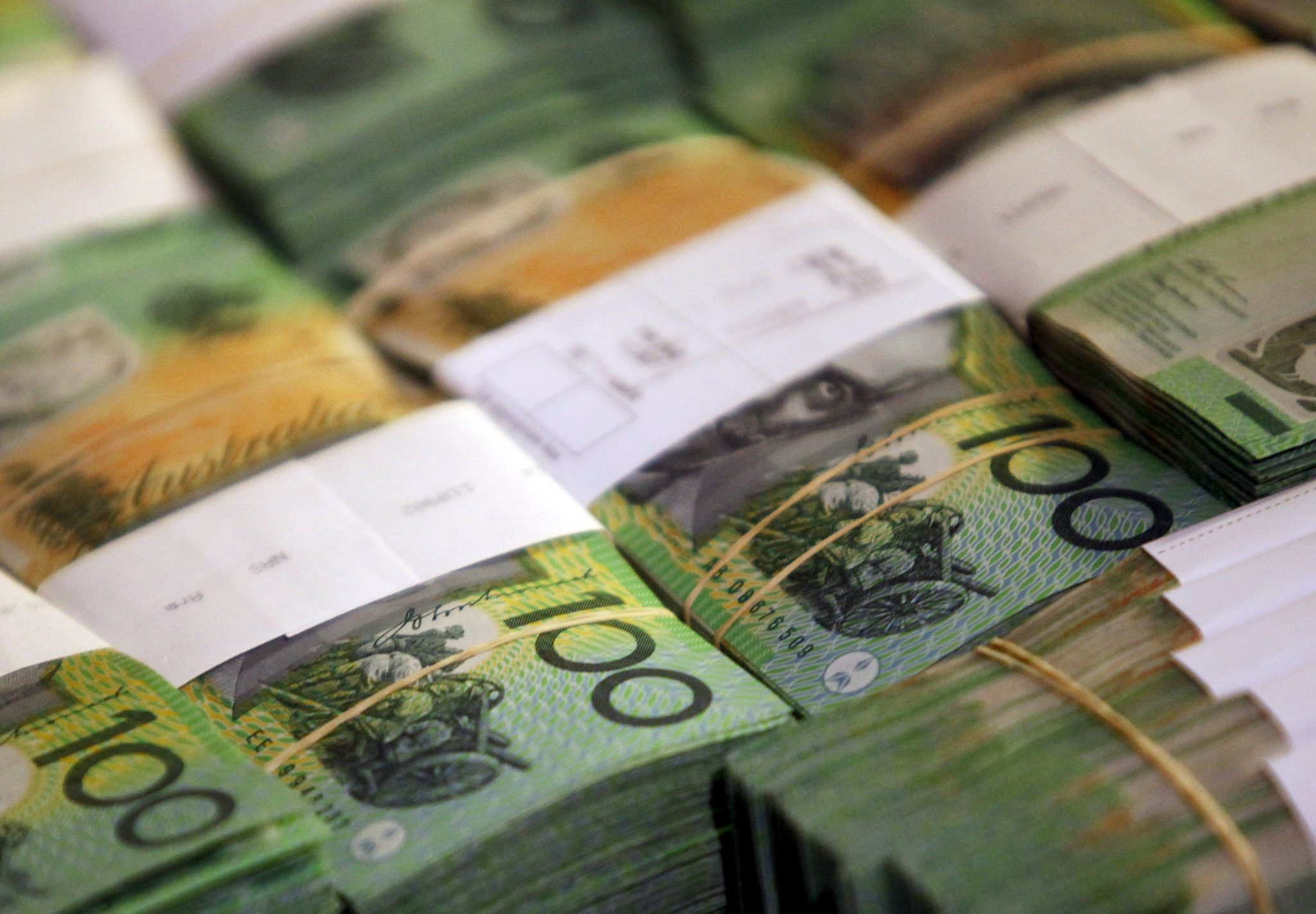
    The Australian dollar has slipped a little further against its US counterpart as the spat between the US and China over trade hurts commodities and commodity currencies, including the Aussie.

    At 0635 AEST on Monday, the Australian dollar was worth 74.46 US cents, down from 74.57 US cents on Friday.

    Westpac analysts say the tension over trade looks to have hit commodity currencies.

    “The trade spat between US and China appeared to hurt commodities and commodity currencies, with China threatening retaliatory tariffs on Friday,” they said in a morning note.

    “The US dollar index closed down 0.1 per cent on the day. …. (The) AUD extended a week-old decline to 0.7440 – the lowest since 9 May.”

    There are no obviously local event risks for the Australian dollar, leaving the currency vulnerable to trade-based tensions, along with continuing reactions to the US and European central banks’ recent decision on interest rates.

    “The combination of hawkish Federal Reserve and dovish European Central Bank surprises last week, plus US-China trade spat, could take AUD/USD lower towards 0.7410 (the May low) during the week ahead,” the Westpac analysts said.

  • Asian currencies rise as dollar off despite higher U.S. inflation

    Asian currencies rise as dollar off despite higher U.S. inflation

    Asian currencies firmed on Thursday, boosted by heftier global risk appetites as the dollar slipped despite stronger-than-anticipated U.S. inflation and a rise in Treasury yields.

    Tracking a rally in Wall Street, Asian stocks brushed aside U.S. inflation data that showed that January core CPI posted the
    largest gain in a year, raising pressure on the Federal Reserve to be more aggressive in raising U.S. interest rates this year.

    The dollar index weakened to a near 2-week low, after the rebound in equities, evoking the idea that the greenback might be in a period of persistent weakness.

    “The dollar advanced against other currencies when US CPI inflation was released but pared the gains and weakened later as
    U.S. equities proved more resilient, with the VIX index pulling back further below 20,” said Qi Gao, FX strategist (EM Asia) at
    Scotiabank.

    “Continued risk appetite sent Asian currencies higher this morning, I think risk appetite will likely continue as synchronized global growth is expected to boost the EUR and JPY, while bolstering EM Asian currencies as long as risk appetite sustains.”

    The Malaysian ringgit led gains among regional currencies as it firmed 0.6%, while the Indian rupee strengthened 0.3%.

    The Philippine peso, the worst performing Asian currency in 2018, also rode on the positive sentiment to strengthen 0.3%, on track to end five-consecutive sessions of losses.

    The Singapore dollar firmed 0.1% after data showed that the city–state’s annual exports in January surged despite another decline in electronics shipments, helped by a jump in sales of petrochemical products.

    The Korean won, Chinese yuan and Taiwan dollar did not trade on Thursday, because of the Lunar New Year holiday.

    The rupiah strengthened 0.5%, even though Indonesia’s statistics bureau on Thursday said the country in January had a US$670 million trade deficit, while a Reuters poll had forecast a US$190 million surplus.

    The baht firmed 0.5% on Thursday.

    Thailand’s central bank left its benchmark interest rate unchanged on Wednesday, near record lows, saying it expects inflation to stay largely subdued even as Southeast Asia’s second-largest economy gains further momentum.

    The central bank said the economic outlook had improved on the back of strong global demand for its exports, but recovering
    domestic demand and inflation developments should be monitored.

  • Australia to regulate virtual currency exchanges like Bitcoin

    Australia to regulate virtual currency exchanges like Bitcoin

    Virtual currencies offer an efficient and anonymous way to store and transfer funds online. Australia is set to regulate virtual currency exchanges such as Bitcoin and strengthen the powers of its financial intelligence agency AUSTRAC as it cracks down on money laundering and terrorism financing.

    The changes came two weeks after AUSTRAC took the country’s biggest bank, the Commonwealth, to court for alleged “serious and systemic non-compliance” of money laundering and terror financing laws.

    It follows similar reforms by Japan to regulate virtual currency, after the country found itself at the epicenter of a multi-million dollar embezzlement scandal following the collapse of the Tokyo-based MtGox Bitcoin exchange.

    “Stopping the movement of money to criminals and terrorists is a vital part of our national security defenses and we expect regulated businesses in Australia to comply with our comprehensive regime,” Justice Minister Michael Keenan said Thursday.

    He added that the digital currency exchange sector was being regulated for the first time, while low-risk industries such as cash-in-transit would be subject to fewer regulations.

    Virtual currency has grown rapidly since the 2009 launch of Bitcoin, and there are now more than 100 crypto-currency options.

    But the sector has suffered from highly publicized scandals like the 2014 collapse of MtGox.

    Backers say virtual currencies offer an efficient and anonymous way to store and transfer funds online.

    But critics argue the lack of a legal framework governing the currency, the opaque way it is traded and its volatility, make it dangerous.

  • Indonesia Signs Currency Swap Deal with Korea

    Indonesia Signs Currency Swap Deal with Korea

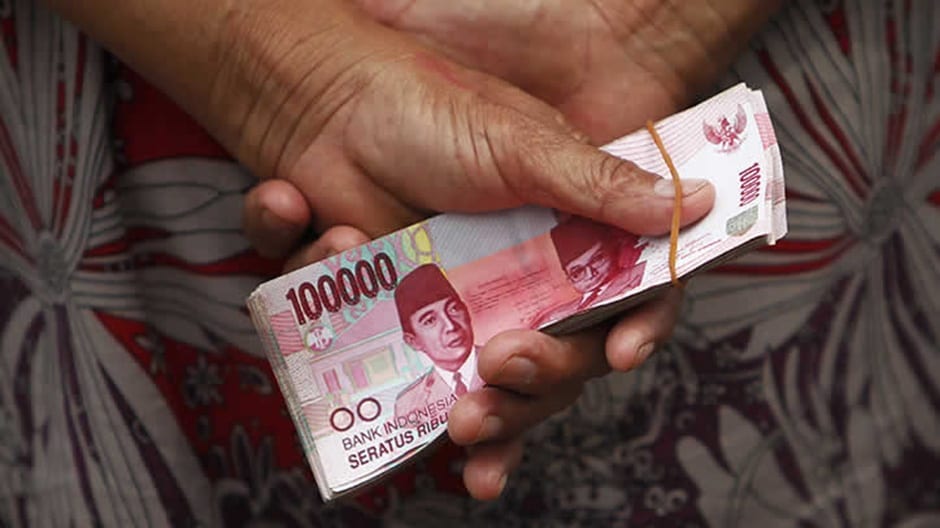
    Bank Indonesia (BI) and the Bank of Korea signed a bilateral currency swap arrangement (BCSA). Through the deal, both central banks will be able to swap currencies for a value of KRW 10.7 trillion or Rp115 trillion.

    The agreement was signed by BI governor Agus D.W. Martowardojo and Bank of Korea governor Lee Ju-Yeo, March 6. Agus said the BCSA extension will economic ties between the two nations through the use of their respective currencies.

    “The goal is to reduce our dependency on using a certain currency,” Agus said on Monday, March 6, 2017.

    According to Agus, the BCSA is part of the government’s initiative to deepen the financial market and support economic defense “especially in facing today’s economic uncertainties,” Agus said.

    The BCSA also guarantees the use of Indonesia and South Korea’s currencies in trading, to support the regional financial stability.

    Agus said the deal is valid for three years and can be extended if the two countries agree.

    The first BCSA between BI and Bank of Korea was signed on March 6, 2014, based on economic ties—especially in trade—between the two nations.

    South Korea is Indonesia’s fourth import destination with an average market share of 6.5 percent a year from 2010-2015. Korea is also Indonesia’s sixth export destination, with an annual market share of 6.8 percent in the same period.

    However, most transactions are denominated in US dollar. “That’s why we need to diversify the use of our own currency when trading with regional countries, to stabilize the rupiah,” Agus said.

  • Rupiah May Extend Gain

    Rupiah May Extend Gain

    Reza Priyambada, a senior analyst of PT Binaartha Sekuritas, predicts that the rupiah will extend its gain. The rupiah is expected to move to around a support level of Rp13,385 and resistance level of Rp13,327.

    “Recent strengthening of the rupiah may open the opportunity for a rebound in the rupiah to extend its gain,” Reza said in a written statement on Tuesday, March 7, 2017.

    Rupiah moved in the positive zone yesterday. It strengthened by 33 points or 2.5 percent to Rp13,350 per US dollar. Raza said that stronger rupiah was due to weaker US dollar as Asian currencies got stronger.

    Rupiah has also strengthened as the Indian Ocean Rim Association (IORA) Summit takes place. The summit is expected to stimulate increase in foreign investment in Indonesia which may trigger economic growth and bolster foreign exchange reserves.

    Rupiah remained strong despite negative sentiment over China who has cut its growth target for 2017, from 6.5-7.0 percent to 6.5 percent.

  • Bitcoin penetrates deeper into Indonesian market

    Bitcoin penetrates deeper into Indonesian market

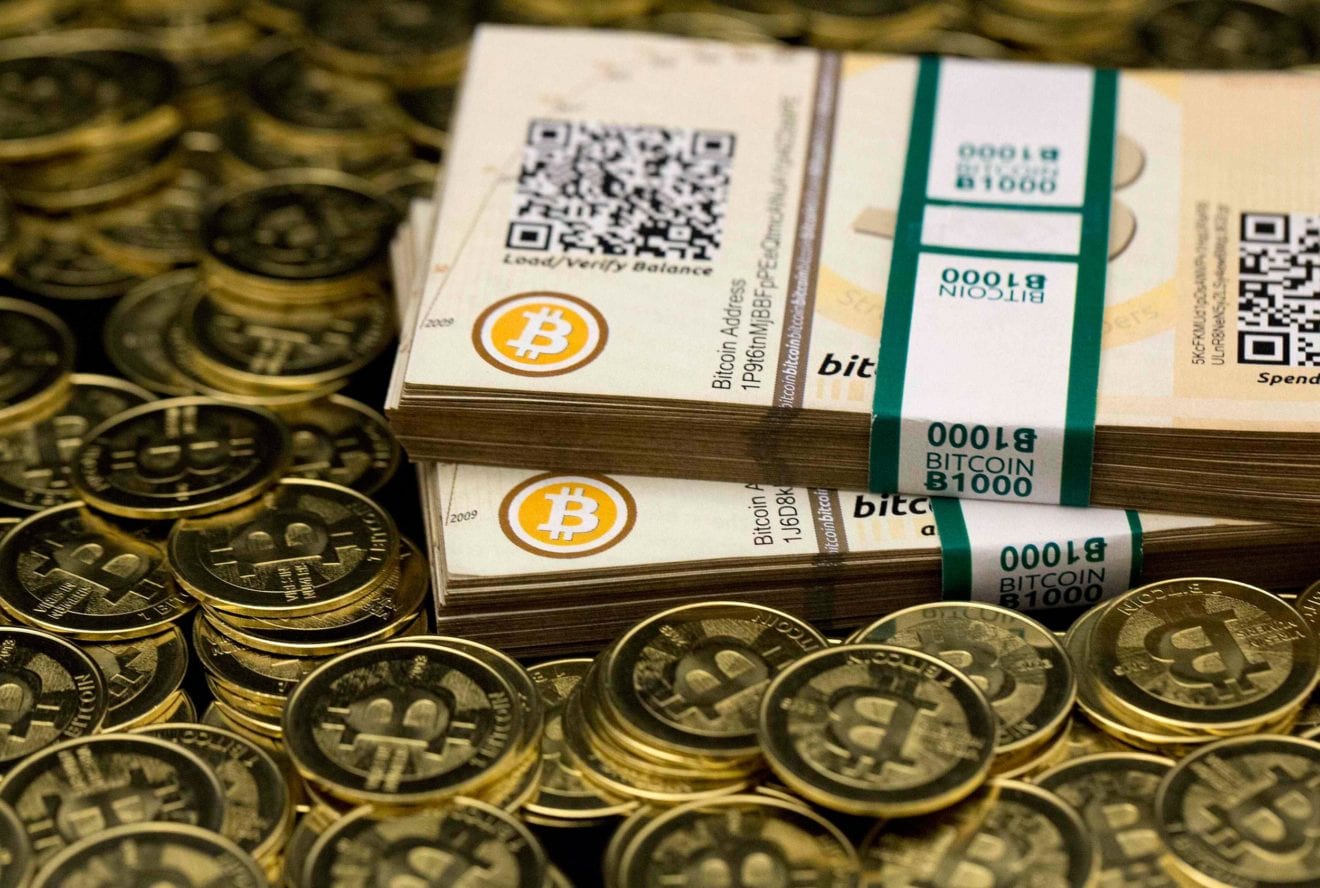
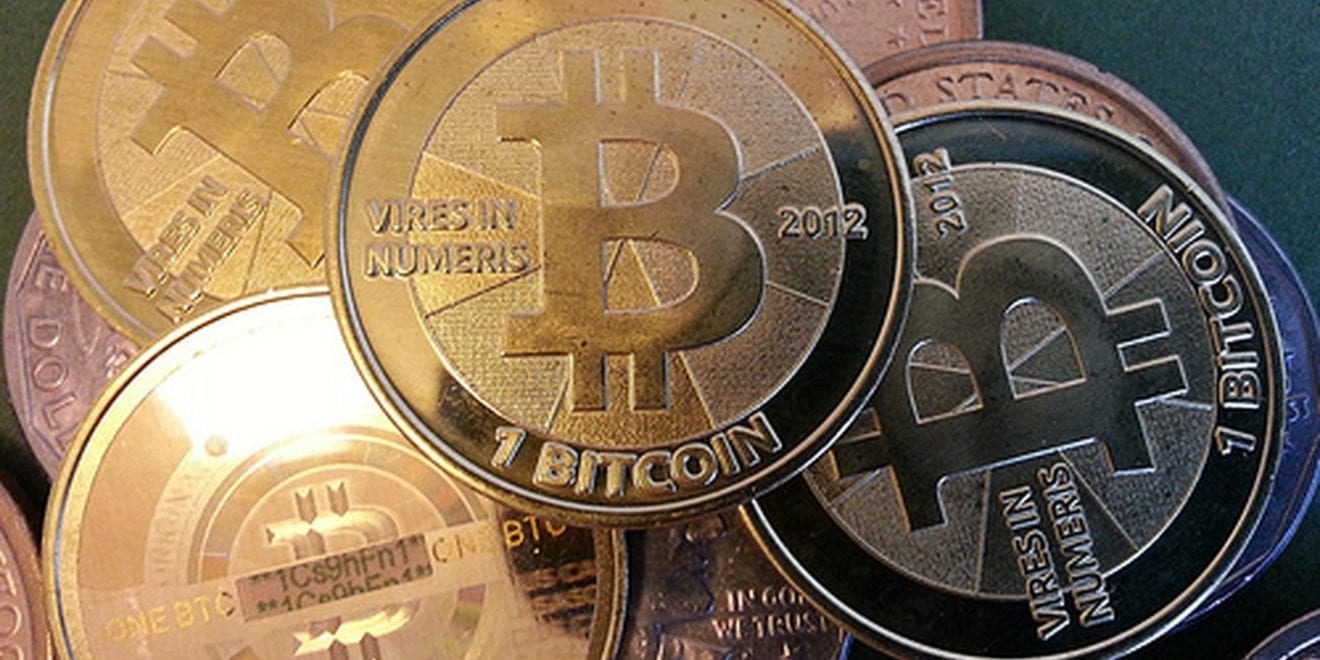
    Bitcoin, a cryptocurrency that uses cryptography to make transactions anonymous, has penetrated deeper into the Indonesian market even though there is currently no legal umbrella for the currency’s use in the country.

    Bitcoin Indonesia currently has 250,000 members, up from 80,000 at the end of 2015, with a daily transaction value of Rp 20 billion (US$1.48 million).

    Bitcoin Indonesia business development manager Suasti Atmastuti Astaman said it was natural to see such a positive trend as Bitcoin had successfully gained global trust, especially following the recent Russian government’s decision to legitimize Bitcoin as an official currency at the end of November 2016.

    “Bitcoin’s value completely depends on supply and demand in the market. At present, as more and more countries have relaxed their stances on digital currency, including the United States, China and Russia, more and more people are putting their trust in it. That’s why Bitcoin’s value has been rapidly surging,” Suasti said.

    However, Suasti also said the Indonesian government might need more time to learn the know-how of Bitcoin, while waiting for its real impact in other countries that had legitimized the digital currency. “So, if someone asks when will Indonesia make Bitcoin an official currency, only God knows,” she said.

    As of Monday, Bitcoin was priced at $1,018 with a market capitalization of $16.36 billion, seeing an annual increase of 151.7 percent, according to CoinMarketCap.