Tag: datacenter

  • Etix Boosts Bangkok Campus to 28MW with New Data Center Expansion!

    Etix Boosts Bangkok Campus to 28MW with New Data Center Expansion!

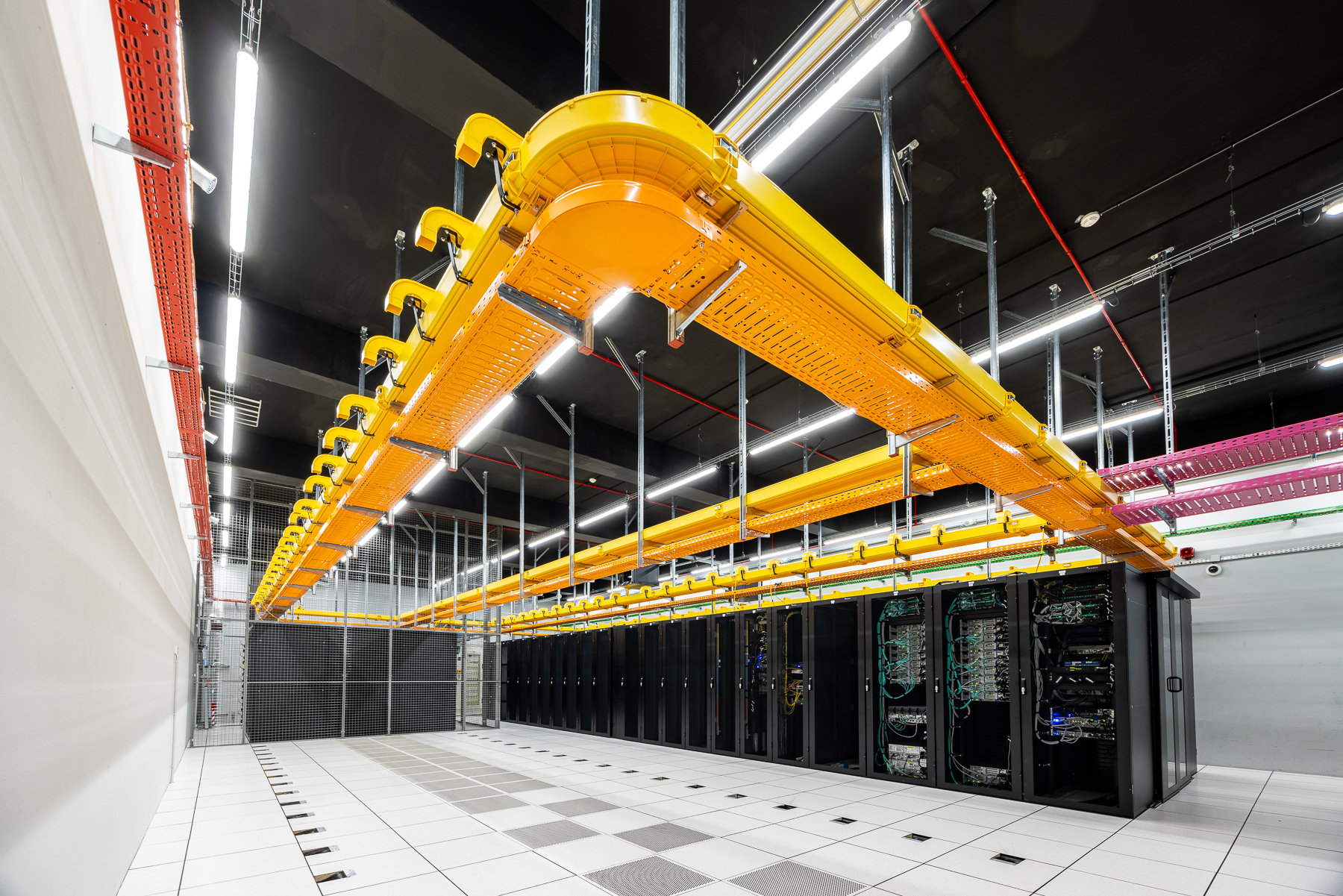
    In a significant development for the Asian tech landscape, France-based data center operator Etix Everywhere has inaugurated its latest facility, BKK#2, in Bangkok, Thailand. This new addition boasts a robust capacity of 23 megawatts (MW), positioning it as a vital player in the region’s growing demand for data infrastructure.

    A Strategic Expansion in Bangkok

    Situated adjacent to the existing Etix BKK#1, which operates at 5MW, the new 16,000 square meter facility ramps up the combined power of the company’s Bangkok campus to a striking 28MW. This expansion is particularly crucial as the region increasingly embraces AI technologies, with the campus designed to accommodate up to 150kW per rack. In an exciting twist, the BKK#2 facility offers a trifecta of cooling options: air, liquid, and immersion, ensuring that it meets the diverse needs of modern computing.

    Meeting the Demand for Modern IT Solutions

    “The development of Etix BKK#1 has multiplied our capacity sixfold in just three years,” expressed Pierre Patris, Etix Everywhere’s CEO for Asia. “With 2 MW of capacity immediately available and the timely launch of BKK#2, we are in a powerful position to meet our customers’ needs.” Patris emphasized the strategic advantage of both facilities being neighbors, allowing customers to seamlessly leverage the same telecom ecosystem and expand within the same operational area, as if they were utilizing a single building.

    Commitment to Sustainability

    Beyond its ambitious technical capabilities, the Etix Bangkok campus is setting benchmarks for sustainability in data center operations. Targeting a Power Usage Effectiveness (PUE) of below 1.4, the facility incorporates on-site renewable energy sources and Battery Energy Storage Systems (BESS), ensuring that it not only meets current needs but is prepared for the future. Furthermore, the use of green concrete and steel reflects a commitment to significantly reducing embodied carbon, making it a beacon of eco-conscious design in the industry.

    Questions & Answers

    What is the significance of BKK#2’s launch in Bangkok?
    The launch represents a strategic expansion for Etix Everywhere, significantly boosting their capacity to meet rising demands for data infrastructure, particularly in AI applications.

    How do the facilities BKK#1 and BKK#2 benefit customers?
    Having both facilities in close proximity allows customers to enjoy a shared telecom ecosystem, facilitating growth and operational efficiency as if they were in one building.

    What sustainability measures are incorporated in the campus design?
    The Etix Bangkok campus aims for a PUE below 1.4 and integrates renewable energy sources, Battery Energy Storage Systems, and eco-friendly materials, underscoring its commitment to sustainability.

  • VNPT and Partners Launch Vietnam’s Groundbreaking Hyperscale AI Data Center Initiative

    VNPT and Partners Launch Vietnam’s Groundbreaking Hyperscale AI Data Center Initiative

    Vietnam is set to take a bold step into the world of artificial intelligence with the announcement of a groundbreaking partnership. The Vietnam Posts and Telecommunications Group (VNPT), in collaboration with LG CNS and Korea Investment Real Asset Management, is embarking on a mission to develop a hyperscale AI data center in the country. This ambitious initiative aims to bolster Vietnam’s digital landscape and position it as a regional tech hub.

    Forging Strategic Alliances for Innovation

    The memorandum of understanding (MoU) was signed on August 12 at the Lotte Hotel in Seoul, marking a pivotal moment for all involved. Key figures present at the ceremony included VNPT Chairman To Dung Thai, LG CNS President Hyun Shin-kyun, and Korea Investment Real Asset Management CEO Kim Yong-sik, all echoing their commitment to this visionary project.

    Learning from the Best

    Prior to the signing, VNPT officials, alongside their Korean partners, toured the advanced LG CNS Hanam Data Center the day before. This visit was not just a sightseeing trip; it was an opportunity to assess cutting-edge data center technology and operational strategy that will inform their own project.

    Building the Future: A 40-MW Powerhouse

    The partnership will see VNPT channel its telecommunications and network expertise to support the construction of a 40-megawatt hyperscale AI data center. Task forces from each organization will collaborate extensively to develop comprehensive AI infrastructure, which encompasses everything from servers and storage to network systems and circuits. One can’t help but marvel at how far technology has come—who would have thought that mere servers could soon rival the brainpower of many humans?

    Accelerating Digital Transformation

    This initiative is not just about bricks and mortar; it’s a strategic move to accelerate Vietnam’s digital transformation. With VNPT leading the charge, the project is poised to introduce cutting-edge AI infrastructure that could redefine the tech landscape in the region, paving the way for a digitally empowered future.

    Questions & Answers

    What is the purpose of the partnership between VNPT, LG CNS, and Korea Investment Real Asset Management?
    The partnership aims to develop a hyperscale AI data center in Vietnam, enhancing the country’s digital infrastructure and capabilities.

    What role will VNPT play in the development of the AI data center?
    VNPT will provide essential telecommunications and network capabilities while collaborating on various aspects of the AI infrastructure.

    What significance does the hyperscale AI data center hold for Vietnam?
    The center is expected to accelerate Vietnam’s digital transformation, positioning the country as a competitive player in the regional tech landscape.

  • DayOne Breaks Ground on Its First Hyperscale Data Center in Singapore

    DayOne Breaks Ground on Its First Hyperscale Data Center in Singapore

    DayOne has officially broken ground on its inaugural hyperscale data centre in Singapore, marking a significant milestone for the company and the region’s technological landscape. Located in the heart of Singapore, the facility is set to offer a remarkable 20 MW of capacity across a sprawling 40,000 square meters.

    Aiming for 2026: The First Phase Launch

    The first phase of this ambitious project is on track to become operational by 2026, supporting the burgeoning demands of artificial intelligence, cloud computing, and high-density workloads. But this isn’t just about raw capacity; DayOne has firmly committed to sustainability. To power the facility, the company has signed a ten-year Power Purchase Agreement with Sembcorp Power to rely entirely on renewable energy sources. They will utilize bundled Renewable Energy Certificates (RECs) ensuring a green footprint that resonates with today’s eco-conscious business practices.

    Innovating for a Greener Tomorrow

    DayOne has also partnered with the National University of Singapore on a research and development initiative under the Sustainable Tropical Data Centre Testbed Phase 2.0. This collaboration aims to test cutting-edge cooling technologies and Solid Oxide Fuel Cell (SOFC) systems tailored for tropical climates. As if that weren’t ambitious enough, the site will pioneer SOFC power generation methods to harness hydrogen-based energy, reflecting a daring leap toward innovative energy solutions. The facility will support both air and liquid cooling, ensuring optimal performance under various operational conditions.

    Setting the Bar for Sustainability Standards

    With aspirations to earn LEED Platinum and BCA Green Mark Platinum certifications, DayOne is not just looking to build but to set a benchmark for sustainable design in the data centre sector. This project aligns with Singapore’s Digital Connectivity Blueprint, part of its broader initiative to augment 300 MW of capacity in the coming years. Recognized by the Infocomm Media Development Authority (IMDA) and the Singapore Economic Development Board (EDB), the facility came through the Pilot Data Centre Call for Application, emphasizing the country’s commitment to fostering innovation in digital infrastructure.

    Nonetheless, the impact of this development extends beyond Singapore’s borders. DayOne’s operations span across Singapore, Malaysia, Indonesia, Thailand, Japan, and Hong Kong SAR, with the Singapore site poised to be a cornerstone for its regional growth strategy while catering to the increasing demands for AI and high-performance computing workloads. In a region where technology is evolving faster than you can say “hyperscale,” DayOne is certainly setting the pace.

    Questions & Answers

    What is DayOne’s goal for its new data centre in Singapore?
    DayOne aims to deliver 20 MW of capacity across 40,000 square meters, with the first phase expected to be operational by 2026, focusing on AI, cloud computing, and high-density workloads.

    How is DayOne ensuring sustainability at its data centre?
    The company has signed a 10-year Power Purchase Agreement with Sembcorp Power to run the facility entirely on renewable energy, utilizing bundled Renewable Energy Certificates sourced locally or through grid connections.

    What unique technologies will DayOne test at the new facility?
    DayOne will collaborate with the National University of Singapore to test advanced cooling systems and Solid Oxide Fuel Cell (SOFC) technologies aimed at optimizing energy efficiency for tropical climates.

  • Vietnam Unveils National Data Center to Propel Digital Governance Forward

    Vietnam Unveils National Data Center to Propel Digital Governance Forward

    Vietnam has embarked on a transformative journey by officially launching its National Data Center (NDC), a significant step toward overhauling the digital framework pivotal for the nation’s governance and data management. This initiative follows the recent enforcement of the 2025 Data Law, a legislative effort aimed at modernizing the government’s approach to data security and utilization in the public sector.

    A New Era of Data Management

    The National Data Center, overseen by the Ministry of Public Security, is governed by Decree No. 165/2025/ND-CP, which was enacted on June 30, 2025. This strategic development comes on the heels of the Data Law’s passage during the 8th session of the 15th National Assembly in November 2024, officially taking effect on July 1.

    Centralized Hub for Enhanced Governance

    Functioning as a centralized data hub, the NDC is set to provide essential infrastructure, services, and security frameworks for the storage, processing, and analysis of national and government-related information. Its establishment is expected to bolster transparency, facilitate informed decision-making, and promote socio-economic growth.

    At the core of this initiative lies an advanced cloud computing infrastructure partitioned into specialized functional zones tailored to meet the diverse requirements of government agencies. These zones will enable high-performance computing (HPC) and sophisticated data analytics, thereby facilitating predictive modeling and policy formulation based on insights derived from a consolidated national database.

    A Vision Beyond Administration

    Moreover, the center aims to extend its impact beyond mere administrative functions. It is poised to play a role in applied mathematics research and contribute to the formulation of national development strategies while catalyzing the emergence of new data-driven services and innovations. Quite like a magician pulling rabbits from a hat, the NDC is poised to unveil vast opportunities for creativity and progress.

    Opening Doors with the National Data Portal

    A standout feature of the NDC is the National Data Portal, designed as a digital gateway for government agencies to publish open data, share datasets, and enhance public access to official information. This initiative is anticipated to improve transparency and stimulate innovation by granting citizens, developers, and businesses access to vital datasets.

    The NDC will offer a comprehensive suite of services, including infrastructure support (such as server hosting and power systems), cybersecurity measures, and technical deployment to bolster national databases and information systems. Agencies and organizations will be encouraged to evaluate their data needs and formally request services from the center, specifying requirements for system size, infrastructure, and staffing. Emphasizing safety, the NDC will also oversee risk management, continuous data security monitoring, and ensure readiness for emergency responses.

    Questions & Answers

    What is the primary purpose of Vietnam’s National Data Center?
    The NDC aims to centralize and enhance the management of national and government-related data, improving transparency, decision-making, and socio-economic development.

    How will the NDC improve data accessibility?
    Through the National Data Portal, the NDC will enable government agencies to publish open data, fostering transparency and providing access to key datasets for citizens and businesses.

    What services will the NDC provide to government agencies?
    The NDC will offer infrastructure support, cybersecurity services, and technical deployment for national databases, ensuring comprehensive data management and protection.

  • Vietnam Launches Innovative National Data Center to Drive Digital Governance Revolution

    Vietnam Launches Innovative National Data Center to Drive Digital Governance Revolution

    Vietnam has taken a significant step forward in its digital evolution with the launch of its National Data Center (NDC), a pivotal initiative aimed at enhancing the nation’s digital infrastructure and governance. This launch comes in the wake of the 2025 Data Law, which is set to transform how the government handles, safeguards, and leverages data across its public sector.

    Centralized Data Hub for Innovation and Governance

    The NDC, overseen by the Ministry of Public Security in accordance with Decree No. 165/2025/ND-CP enacted on June 30, 2025, marks a new era for Vietnam’s data management capabilities. This development follows the approval of the Data Law during the 8th session of the 15th National Assembly in November 2024, officially implemented as of July 1.

    Positioned as Vietnam’s core data repository, the NDC will provide the necessary infrastructure, services, and security framework for storing, processing, and analyzing both national and government-related data. This initiative is poised to enhance decision-making, promote transparency, and stimulate socio-economic growth across the country.

    A Cutting-Edge Infrastructure to Meet Diverse Needs

    Equipped with advanced cloud computing capabilities, the NDC will feature specialized zones designed to cater to the varied requirements of different government agencies. These zones will support high-performance computing (HPC) and sophisticated data analytics, enabling predictive modeling and robust policy planning grounded in insights extracted from the consolidated national database. One might even say it’s a little like giving the bureaucratic process a turbo boost!

    Broadening the Scope Beyond Administration

    The impact of the NDC won’t be limited to governmental functions. It will also foster applied mathematics research, aid national development strategies, and inspire the creation of innovative, data-driven services and products. This initiative promises to pave the way for a new wave of innovation, enhancing the data landscape in Vietnam.

    Opening Up Data for Greater Transparency

    A standout feature of the NDC is the National Data Portal, which acts as a digital gateway for government agencies to publish open data and share datasets, consequently enhancing public access to crucial information. The portal is anticipated to improve transparency and spark innovation by making important datasets available not just to citizens but also to developers and businesses.

    A Comprehensive Service Framework

    The NDC will offer a range of essential services encompassing infrastructure support, including server hosting and power systems, along with vital cybersecurity measures and data protection protocols. Agencies and organizations will need to evaluate their data requirements and submit formal requests to the center, detailing necessary system dimensions, infrastructure needs, and staffing plans. The NDC will handle everything from risk management to ensuring data security and formulating readiness plans for emergency responses.

    Questions & Answers

    What is the primary purpose of the National Data Center in Vietnam?
    The NDC aims to centralize data management for the government, enhancing transparency, improving decision-making, and fostering socio-economic growth by providing a robust infrastructure for data storage, processing, and analysis.

    How will the National Data Portal benefit the public?
    The National Data Portal is designed to make key government datasets accessible to citizens, developers, and businesses, thereby promoting transparency and encouraging innovation through open data.

    What types of services will the NDC provide to government agencies?
    The NDC will offer a variety of services including infrastructure support, cybersecurity measures, technical deployment for national databases, and comprehensive data protection strategies.

  • Transforming Old Smartphones into Micro Data Centers: A Smart Solution for Cities and Oceans

    Transforming Old Smartphones into Micro Data Centers: A Smart Solution for Cities and Oceans

    In a groundbreaking initiative, researchers from the University of Tartu Institute of Computer Science have developed an innovative and sustainable approach to tackling electronic waste by transforming outdated smartphones into miniature data centers. This method not only provides an eco-friendly alternative but also reimagines the potential use of these often-discarded devices.

    A Surprising Data Solution to E-Waste

    With over 1.2 billion smartphones produced each year—most of which are tossed aside within just a few years—this new solution offers a cost-effective and practical alternative to both landfills and the energy-intensive processes of traditional recycling. By removing the original batteries and utilizing external power sources, the researchers have significantly reduced environmental risks while ensuring that the devices can operate continuously.

    Innovative Prototyping and Testing

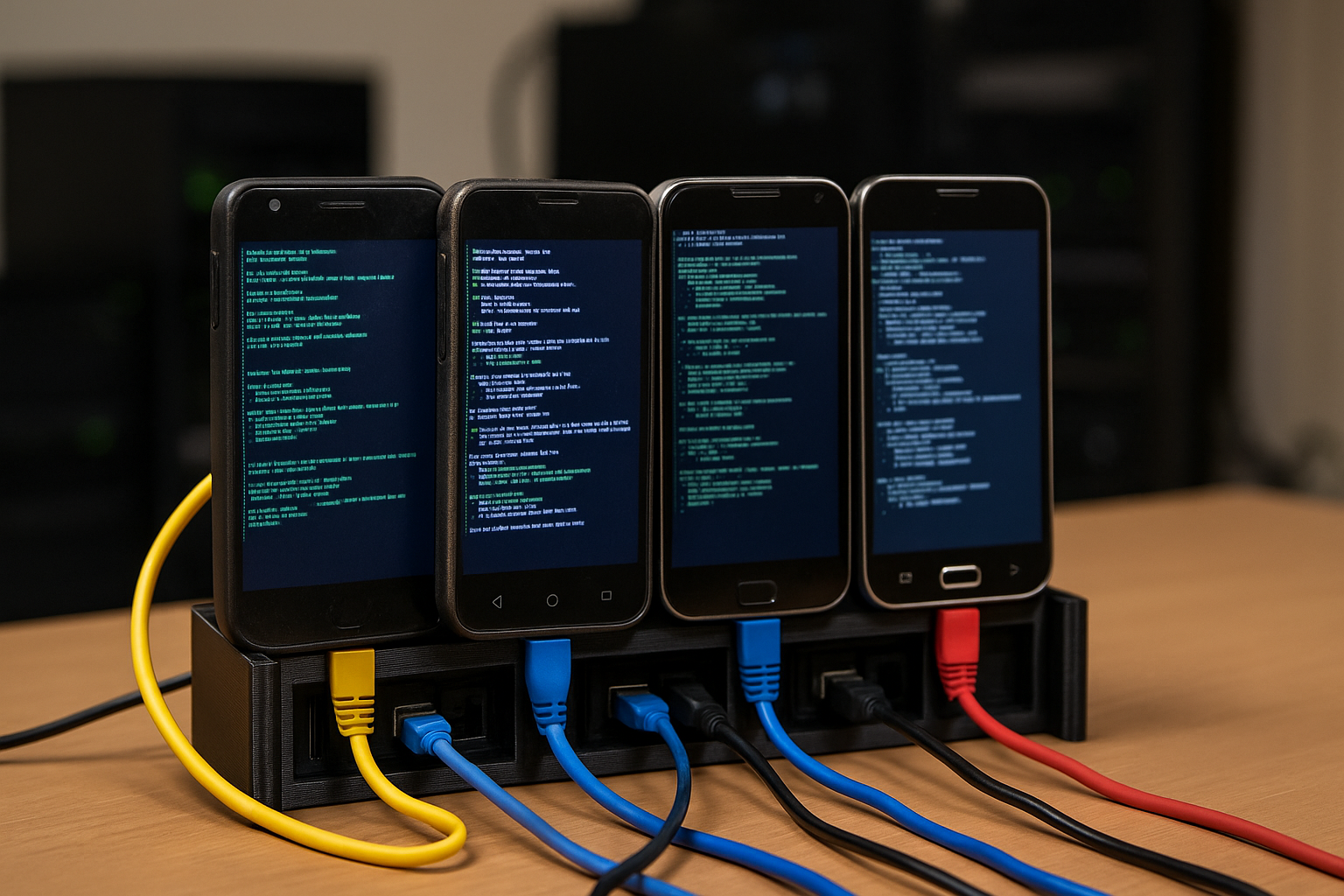
    The project features a prototype composed of four interconnected smartphones encased in 3D-printed housings. Remarkably, these devices have been tested in a variety of challenging conditions, including underwater scenarios, where they autonomously gathered and processed data on marine life. It’s a testament to the surprising resilience and adaptability of technology that many might consider obsolete.

    Affordable and Scalable for Future Cities

    Each repurposed smartphone comes at a modest cost of approximately EUR 8, presenting an affordable option for smart city infrastructures and environmental monitoring systems. This initiative not only facilitates a significant reduction in electronic waste but also emphasizes the immense potential of older devices in fostering sustainable, decentralized networks for data processing. Imagine a future where your old smartphone could help monitor river pollution or track wildlife in real-time—what a twist on the planned obsolescence narrative!

    Questions & Answers

    How does repurposing smartphones contribute to reducing electronic waste?
    Repurposing smartphones minimizes the volume of discarded electronics that typically end up in landfills, while also providing an eco-friendly alternative to energy-intensive recycling.

    What are the costs associated with transforming smartphones into data centers?
    The conversion of each smartphone into a miniature data center costs about EUR 8, making it an accessible option for various applications in smart city projects.

    What are some practical applications for these repurposed devices?
    These converted smartphones can be used for environmental monitoring, such as tracking marine life data or monitoring air quality, integrating seamlessly into modern smart city infrastructures.

  • EdgePoint Philippines’ CEO Champions Digital Infrastructure Growth, Empowering Retail Innovation in the Nation

    EdgePoint Philippines’ CEO Champions Digital Infrastructure Growth, Empowering Retail Innovation in the Nation

    In the rapidly evolving digital landscape of Southeast Asia, EdgePoint Philippines is making significant strides to close the connectivity gap that has hindered many underserved communities. With the rise of digital demand, the company is ambitiously rolling out next-generation infrastructure and leveraging innovative shared models along with advanced technologies like 5G.

    Accelerating Growth in the Philippines

    During an exclusive interview with Telecom Review Asia, CEO William Walters elaborated on EdgePoint’s strategic approach to infrastructure in emerging markets. Since its entry into the Philippine market in 2022, EdgePoint has quickly established itself as the country’s fourth-largest independent tower company, boasting over 3,000 active sites and partnerships with more than 3,300 tenants, including built-to-suit projects. Though primarily based in Luzon, the company has also expanded its operations into the Visayas region, enhancing digital connectivity across the archipelago.

    “Our growth strategy revolves around key partnerships, particularly with a major cellular operator like Smart PLDT,” Walters explained. “Through this collaboration, we focus on organic site development and co-location offerings.” The co-location model not only minimizes costs for mobile network operators (MNOs) but also boosts deployment speed and network efficiency. With the enactment of the common tower policy in 2020, EdgePoint is seizing the moment to further drive scalable development, enabling MNOs to share tower assets effectively.

    Building a 5G-Ready Future

    Walters underscored the vital role of 5G in transforming connectivity and emphasized EdgePoint’s commitment to creating robust infrastructure capable of supporting this leap forward. “Digital infrastructure providers like us are crucial in the 5G landscape; we supply the physical sites and connectivity solutions needed for efficient deployment,” he stated, showcasing the company’s proactive involvement in filling infrastructure gaps.

    Utilizing data analytics to pinpoint areas with high unmet demand, EdgePoint collaborates closely with both customers and local authorities to optimize network enhancements. Remote Monitoring Systems, powered by strategic partnerships, bolster real-time visibility and maintenance, enhancing operational efficiency while reducing costs.

    Connecting Communities: A Priority Initiative

    EdgePoint’s commitment extends beyond infrastructure; the company aims to tackle the pressing issue of the digital divide. “Bridging this gap is not just an obligation; it’s an opportunity,” noted Walters, commenting on the unique challenges posed by the Philippines’ geography.

    The Connectivity for Communities (CFC) program is a testament to EdgePoint’s philosophy. Having established 12 digital classrooms that benefit over 6,500 students across Southeast Asia—three of which are located in the Philippines—the initiative facilitates access to online learning, healthcare, and employment opportunities. With plans to double this outreach by year’s end, EdgePoint is determined to empower marginalized groups through reliable internet access and digital literacy.

    Moreover, the company has released a white paper advocating for policy reforms to address connectivity challenges across the region, stressing the need for robust telecommunications infrastructure and increased government financing for rural connectivity.

    Local Insights Fueling Regional Strategy

    As EdgePoint expands across Southeast Asia, it remains focused on tailoring its approach to meet the unique needs of each local market. “Sustainable growth is about understanding the specific dynamics at play,” Walters asserted. The company prioritizes hiring local teams who have valuable insights into customer preferences and regulatory frameworks, ensuring that operations are both effective and culturally relevant.

    “For instance, in the Philippines, the demand for renewable energy solutions is critical, and we are already deploying 24 solar hybrid sites to meet this need,” he added. By combining local understanding with regional expertise, EdgePoint can create a meaningful impact beyond mere network coverage.

    Questions & Answers

    What distinguishes EdgePoint’s growth strategy in the Philippine market?
    EdgePoint’s growth strategy is anchored in strategic partnerships, particularly with cellular operators like Smart PLDT, focusing on the development of organic sites and co-location opportunities that enhance operational efficiency.

    How is EdgePoint addressing the digital divide in underserved communities?
    Through initiatives like the Connectivity for Communities program, EdgePoint is providing reliable internet access and digital literacy tools to underserved populations, significantly impacting thousands of students and their communities.

    What role do local teams play in EdgePoint’s operations across Southeast Asia?
    Local teams are crucial in EdgePoint’s strategy, as their insights into regulatory landscapes and customer preferences ensure that the company effectively tailors its solutions to address the unique challenges of each market.

  • Viettel Begins Construction of Vietnam’s Largest Data Center

    Viettel Begins Construction of Vietnam’s Largest Data Center

    Viettel has started building a new data center campus in Ho Chi Minh City, Vietnam. This will be Viettel’s largest data center yet, boasting a capacity of 140 MW and around 10,000 racks. The facility will cover approximately 40,000 sqm (430,555 sq. ft.) on a 4-hectare site. The data center is expected to be operational by 2026 and fully completed by 2030.

    It will be situated in Tan Phu Trung Industrial Park, Cu Chi district, which is 25 km from Ho Chi Minh City and 15 km from Tan Son Nhat International Airport. Huyen Nguyen, Deputy Director of Viettel’s International Business Center, mentioned that the data center aims to achieve a power usage effectiveness (PUE) of less than 1.4 and comply with Uptime Tier III standards. Viettel currently runs 15 data centers in Vietnam with a total capacity of 87 MW.

    The company plans to build 24 data centers by 2030, with a combined capacity of 560 MW. Viettel’s IDC data center unit offers colocation and cloud services from five data centers across Hanoi (x2), Da Nang (x1), and Ho Chi Minh City (x2), totaling 25,000 sqm (269,100 sq. ft).

    Notably, Vietnam recently lifted restrictions on the foreign ownership of data centers, removing the 49% cap.

  • Scaling Infrastructure to Support AI Growth in Japan, Indonesia, and Singapore

    Scaling Infrastructure to Support AI Growth in Japan, Indonesia, and Singapore

    Nationally, projections indicate that AI investments in APAC are expected to reach USD 110 billion by 2028, growing at a compound annual growth rate (CAGR) of 24.0% from 2023 to 2028.

    As AI technologies become integral to various sectors, the demand for scalable infrastructure has intensified. Organizations are increasingly investing in compute and storage hardware to facilitate AI deployments, with spending reaching USD 31.8 billion in the first half of 2024—a 37% year-over-year (YoY) increase. This trend highlights the necessity for robust infrastructure capable of supporting complex AI workloads.

    Developing AI-ready infrastructure in APAC presents unique challenges. Macroeconomic factors such as rising interest rates, supply chain constraints, and escalating construction material costs have made it increasingly difficult to bridge the funding gap necessary for building new data center capacity. Securing essential resources like land, power, and water supplies further complicates these efforts.

    As AI adoption accelerates worldwide, the need for powerful infrastructure to support AI-driven applications is becoming more pressing. Recognizing this demand, SoftBank has announced plans to repurpose a former Sharp LCD panel plant in Osaka, Japan, into a large-scale data center dedicated to AI operations. Developed in collaboration with OpenAI, the facility is expected to begin operations in 2026, with a robust power capacity of 150 megawatts, making it one of the largest AI-focused data centers in Japan.

    SoftBank’s decision to convert the defunct LCD panel plant into a data center aligns with its broader vision of positioning Japan as a hub for AI innovation. With an estimated initial investment of JPY 100 billion (USD 677.05 million) and a potential total investment nearing JPY 1 trillion yen (USD 6.77 billion), the project highlights the telecom giant’s commitment to scaling AI infrastructure.

    AI development requires immense computational power, with models like OpenAI’s GPT series relying on extensive data processing, high-performance graphics processing units (GPUs), and robust networking infrastructure. The Osaka data center is designed to meet these demands by offering a 150-megawatt power capacity to support high-density computing environments optimized for AI model training and inference. It will also enable businesses to leverage AI models tailored to their industry-specific needs, fostering AI adoption in Japan’s corporate sector. Additionally, given the growing concerns about AI’s energy consumption, the facility may incorporate advanced cooling and power efficiency solutions to ensure sustainable operations.

    Furthermore, Elon Musk’s xAI and Nvidia have joined the AI Infrastructure Partnership (AIP), a multibillion-dollar investment fund backed by BlackRock, Microsoft, and Abu Dhabi’s MGX, with an initial fundraising target of USD 30 billion and plans to secure up to USD 100 billion, including debt financing. This collaboration is driven by the growing need to scale AI infrastructure, as the development and deployment of generative AI (GenAI) models requires immense computational power and energy resources.

    According to Nvidia CEO, Jensen Huang, the demand for AI infrastructure is surging, with data centers and energy projects struggling to keep pace.

    “The global buildout of AI infrastructure will benefit every company and country that wants to achieve economic growth and unlock solutions to the world’s greatest challenges.”

    AI models consume far more power than previous technological innovations, prompting concerns over energy sustainability. According to the International Energy Agency, data centers’ global electricity consumption could surpass 1,000 terawatt-hours by 2026 (more than twice the amount used in 2022).

    The race to scale AI infrastructure has intensified, with Microsoft alone pledging USD 80 billion in capital expenditures (CapEx) this fiscal year to expand its data center footprint. This move follows the launch of SoftBank and OpenAI’s Stargate Project, which aims to spend up to USD 500 billion on AI infrastructure development over the next four years.

    Indonesia’s commitment to AI development took a significant step forward with the launch of its National Strategy for Artificial Intelligence (Strategi Nasional Kecerdasan Artifisial) in 2020. This long-term initiative, spanning 2020 to 2045, is designed to position Indonesia as a regional leader in AI innovation and application. President Joko Widodo’s strong stance on AI’s transformative potential—emphasizing that whichever country “controls AI can potentially control the world”—has driven the government’s proactive approach to fostering AI growth.

    A core element of Indonesia’s AI strategy is its emphasis on infrastructure development to support AI innovation and adoption across multiple sectors. Recognizing that AI thrives on robust digital infrastructure, the government has accelerated efforts to expand high-speed internet access, cloud computing capabilities, and data center availability. The Making Indonesia 4.0 initiative, which serves as a broader framework for the country’s digital transformation, integrates AI infrastructure expansion with industrial automation, biotechnology, and smart manufacturing. Furthermore, Indonesia’s push to roll out 5G networks, particularly in major urban centers, is playing a crucial role in facilitating AI-driven solutions such as smart cities, autonomous systems, and advanced analytics in governance and business.

    The Bukit Algoritma (Algorithm Hill) project in Sukabumi, West Java, further exemplifies Indonesia’s commitment to AI-driven infrastructure. This 888-hectare technology hub, inspired by Silicon Valley, aims to be a center for research and innovation in AI, quantum computing, neuroscience, and digital technology.

    Indonesia’s AI strategy has also facilitated partnerships between the public and private sectors, accelerating the integration of AI into real-world applications. The Jakarta Smart City initiative, which deploys AI-powered solutions for urban governance, mobility, and security, showcases Indonesia’s ability to leverage AI for improved public services.

    Singapore’s National AI Strategy 2.0 (NAIS 2.0), launched on December 4, 2023, has placed infrastructure development at the heart of its vision for AI-driven growth. Recognizing the critical role of high-performance computing (HPC), data centers, and cloud ecosystems, NAIS 2.0 lays the foundation for a sustainable and scalable AI infrastructure. A prime example of this initiative is the Singapore Cloud Region, which features cutting-edge, liquid-cooled, high-density data centers equipped with NVIDIA HGX H100 and L40S clusters.

    This advanced setup ensures that businesses and researchers have access to powerful, energy-efficient AI computing resources. Additionally, NAIS 2.0 aligns with Singapore’s goal of becoming a regional AI hub, emphasizing cross-border connectivity and AI-driven collaboration across Southeast Asia. With ST Telemedia Global Data Centres and Sustainable Metal Cloud (SMC) at the forefront of this infrastructure push, Singapore is not only expanding AI accessibility but also ensuring its AI ecosystem is cost-effective, energy-efficient, and globally competitive.

    Beyond Japanese, Indonesian, and Singaporean initiatives, the ASEAN Guideline on AI Governance and Ethics and the establishment of the ASEAN Working Group on AI (WG-AI), mark a significant step toward fostering cross-border collaboration and infrastructure development to support AI growth.

    The ASEAN Guide on AI Governance and Ethics, launched during the fourth ASEAN Digital Ministers’ Meeting on February 2, 2024, offers a structured framework to help organizations navigate AI integration while balancing innovation and regulation. The guide emphasizes the necessity of financial and capacity support for businesses, reinforcing ASEAN’s commitment to establishing a robust AI ecosystem.

    Complementing this initiative, the newly formed WG-AI aims to facilitate regional cooperation, ensuring interoperability among national AI frameworks and enabling a unified approach to AI governance.

    As AI adoption accelerates in Japan, Indonesia, and Singapore, scaling infrastructure is essential to sustain this momentum. Nations that foster collaboration between governments, tech firms, and research institutions will be well-equipped to build resilient, future-ready ecosystems that drive innovation and economic growth in the AI era.

  • Alibaba Cloud Expands Thai Presence with New Data Center

    Alibaba Cloud Expands Thai Presence with New Data Center

    Sean Yuan, Vice President of International Business and General Manager of Thailand, Indonesia, Japan, the Philippines, and the South Pacific Region at Alibaba Cloud Intelligence, stated, “Our latest data center strengthens our commitment to providing reliable, secure, and high-performance cloud services tailored to the needs of local businesses. With enhanced local infrastructure, we aim to empower enterprises to leverage the full potential of cloud technology, especially in generative AI applications.”

    With the addition of this new data center, Alibaba Cloud now operates 86 availability zones across 28 regions globally, solidifying its position as a leading cloud service provider in Southeast Asia. The first data center in Thailand was launched in 2022. Alibaba Cloud has over 140 security and compliance accreditations worldwide, ensuring top-tier protection and resilience for its cloud services. With two data centers in Thailand, Alibaba Cloud can provide scalable, elastic, and highly available cloud computing products with enhanced disaster recovery capabilities, all while adhering to strict security and regulatory standards.

    Alibaba Cloud is expanding its range of services to support businesses in Thailand, including elastic computing, storage, database, security, network products, data analytics, and artificial intelligence (AI) services. These services are designed to address specific challenges faced by different industries. By leveraging AnalyticDB’s cloud-native vector engine, businesses in Thailand, especially in the fintech and retail sectors, can create solutions that enhance customer interactions through customized large language model (LLM) applications. This allows companies to efficiently manage structured and unstructured data, develop chatbots, and provide personalized product recommendations, ultimately improving the customer experience.

    Alibaba Cloud’s Container Compute Service (ACS) simplifies workload deployment using Kubernetes, offering a serverless container environment that helps businesses scale their operations efficiently and focus on innovation while managing costs effectively. Alibaba Cloud offers industry-specific solutions tailored to digital-native clients in sectors such as fintech, retail, and public services. These solutions include the Elastic Desktop Service (EDS), eKYC solutions, a SuperApp equipped with development capabilities, and AI-driven sustainability solutions.

    Through partnerships with local companies like True Digital Group, Yell Group, and Codium, Alibaba Cloud has helped enhance operations and services using cloud computing products. These collaborations aim to improve efficiency, scalability, and innovation in various industries. Alibaba Cloud is actively working with local partners and universities in Thailand to support the digital transformation of businesses and foster digital talent. Initiatives include workshops, certified courses, and collaborations with universities to provide training in cloud computing and generative AI, as well as the launch of a global skills center at Chulalongkorn University to offer free training courses, boot camps, AI competitions, and leadership development programs. These efforts aim to enhance educational resources and promote a thriving digital landscape in Thailand.

  • IFC and Partners Invest USD 900 Million in Malaysia Data Center

    IFC and Partners Invest USD 900 Million in Malaysia Data Center

    The consortium, which includes DBS, Deutsche Bank, Global Infrastructure Partners (BlackRock subsidiary), HSBC, ING, and Natixis CIB, joined IFC in funding the first phase of the project in Johor Bahru. This initial 98-megawatt facility is part of a larger 72.5-acre campus that aims to deliver 300 megawatts of critical IT capacity upon completion. Once operational, the campus is expected to become one of the largest and most advanced data centers in the Asia Pacific, addressing the region’s surging demand for data processing capabilities.

    In May, 2024, the IFC initially announced a USD 150 million financing package for the project, which included a USD 50 million bridge loan that proved to be instrumental in advancing the development and attracting additional funding from the consortium. The IFC has now committed its second tranche (totaling USD 100 million) as part of this latest financing round, marking a significant milestone in the project’s development.

    “Our Johor campus is a landmark development for Yondr and will become an important part of Asia’s infrastructure as demand for capacity continues to grow in the region, driven by the acceleration of artificial intelligence (AI) and digital services,” said Chester Reid, Chief Financial Officer at Yondr. “Our success in securing a substantial loan facility to help complete the first phase of this campus highlights trust in the Yondr brand from leading financial institutions, following a number of major project milestones we have delivered this year in Europe and North America.”

    The hyperscale data center campus in Johor Bahru will be certified under the Excellence in Design for Greater Efficiencies (EDGE) program—the IFC’s flagship green building certification system. The certification highlights the project’s commitment to resource efficiency and sustainable design.

    The IFC served as the mandated lead arranger (MLA) for the financing package, with DBS, Deutsche Bank, HSBC, ING, and Natixis CIB also acting as MLAs, underwriters, and bookrunners.

    This marks IFC’s third investment in Malaysia since establishing its operations in the country in 2023.

    Judith Green, the World Bank Group’s Country Manager for Malaysia, is satisfied with the IFC’s commitment to a second tranche of financing for Yondr’s data center campus in Malaysia, stating, “This project will not only help to accelerate the digital transformation of the wider Asia-Pacific region, but also serves as a strong example of how IFC’s tailored financing solutions can de-risk projects and drive private-sector investment into emerging markets.”

  • China Launches Pilot for Foreign-Owned Data Centers

    China Launches Pilot for Foreign-Owned Data Centers

    The Ministry of Industry and Information Technology’s initiative will establish specific zones where foreign-owned facilities can offer digital infrastructure services to local companies.

    Jin Zhuanglong, the Minister of Industry and Information Technology, noted that the pilot program represents a new phase in China’s efforts to open up the telecommunications sector.

    Previously, foreign investors faced restrictions on owning and operating data centers in China, with local regulations limiting ownership to domestic companies. Foreign firms were only allowed to participate through joint ventures with local partners, with ownership capped at 50% in any consortium.

    The project will permit foreign investors to invest in value-added telecom services within four specified regions: Beijing, Shanghai, Hainan, and Shenzhen. Businesses in these designated areas can operate as wholly-owned ventures, providing data and transaction processing services.

    Wang Zhiqin, Deputy Director of the China Academy of Information and Communications Technology, stated that the pilot program aims to enhance the integration of digital technologies across various sectors nationwide.

    The project is part of China’s broader efforts to open up its services sector, including establishing free trade zones like the 120-square-kilometer Lin-gang Special Area.

    Chinese state media reported that 2,220 foreign-invested firms are licensed to operate telecom services within the country, as new pilot programs seek to boost foreign investment opportunities.

    The Ministry of Industry and Information Technology announced plans to closely monitor the pilot initiatives and may widen their scope when the time is right.

    HSBC’s Chinese fintech subsidiary is already aiming to capitalize on the program, having reportedly applied for an internet content provider license.

  • PLDT’s VITRO, HGC Partner to Strengthen Philippine Data Center Connectivity

    The partnership includes HGC’s integration into the VITRO Partner Network (VPN), a collaboration led by PLDT Enterprise that brings together carriers, system integrators, and technology firms. This network allows partners to integrate VITRO’s infrastructure into their services seamlessly.

    Gary F. Ignacio, VITRO’s Chief Commercial Officer, expressed that the collaboration will open up new opportunities for VITRO and extend its reach by leveraging HGC’s global network.

    This enables HGC to extend its presence to the new VITRO Sta. Rosa Data Center, which PLDT describes as the Philippines’ first and largest hyperscale-grade facility. HGC will deliver connectivity and telecom services to hyperscalers and enterprises co-located at VITRO Sta. Rosa, offering expanded reach and more connectivity choices.

    HGC also stated that the agreement strengthens its Point of Presence (PoP) in the Philippines and fosters an ecosystem that supports further expansion of its data center connectivity. This move reinforces HGC’s position within the country’s rapidly evolving technology and digital infrastructure landscape.

    Michael De Castro, HGC’s first Vice President for In-Country Project Investment and President of HGC’s Digital Well Infrastructure Corp (DWIC), noted that the partnership aims to achieve HGC’s goal of delivering its globally recognized quality of service.

    He explained that this will be accomplished by combining VITRO’s advanced infrastructure with HGC’s extensive premium fiber-optic network in Luzon, including Metro Manila and key areas of Mindanao, along with th

  • NTT Com’s Osaka 7 Data Center Earns NVIDIA DGX-Ready Certification

    NTT Com’s Osaka 7 Data Center Earns NVIDIA DGX-Ready Certification

    This certification validates the data center as a secure location for enterprises to run AI and other demanding applications using NVIDIA-accelerated computing infrastructure. The certification was awarded to the Osaka 7 Data Center (OS7) in Ibaraki City, Osaka Prefecture.

    The NVIDIA DGX-Ready Data Center program certifies data centers’ ability to host high-density accelerated computing systems like the NVIDIA DGX platform and accommodate supercomputer clusters like NVIDIA DGX SuperPOD, considering storage and cooling facilities.

    NTT Com has also joined the NVIDIA Partner Network as a data center provider. Within the OS7 data center, NTT Com offers high-quality network services, exceptional connectivity with Internet Exchange (IX) points, and optimal network environments. The facility can accommodate the high-density racks needed for applications like generative AI (GenAI), making it ideal for operators looking to host cutting-edge and large-scale computing systems.

    OS7 plans to become a Green Nexcenter® colocation data center equipped to support liquid-cooling systems for high-density and accelerated computing systems. NTT Com also offers the “APN Dedicated Line Plan powered by IOWN” service, which connects data centers with ultra-high-speed wide bandwidth, cloud-based NVIDIA GPU services, and other networking and storage facilities.

    OS7, operational since December 2019, features a server room area of approximately 4,600 m2 and has plans to expand its surface area to around 9,500 m2.

    To meet the increasing demand for generative AI and other advanced applications, NTT Com plans to equip more data centers with Green Nexcenter® facilities. The first of these will be offered at the Yokohama 1 Data Center in March 2025, along with OS7 in the Kansai region.

    Additionally, Green Nexcenter® will be standard equipment at the Keihanna Data Center, scheduled to open in March 2026 in Seika-Cho, Kyoto Prefecture. Overall, NTT Com is committed to providing state-of-the-art data center facilities to support the evolving needs of enterprises in the digital age.

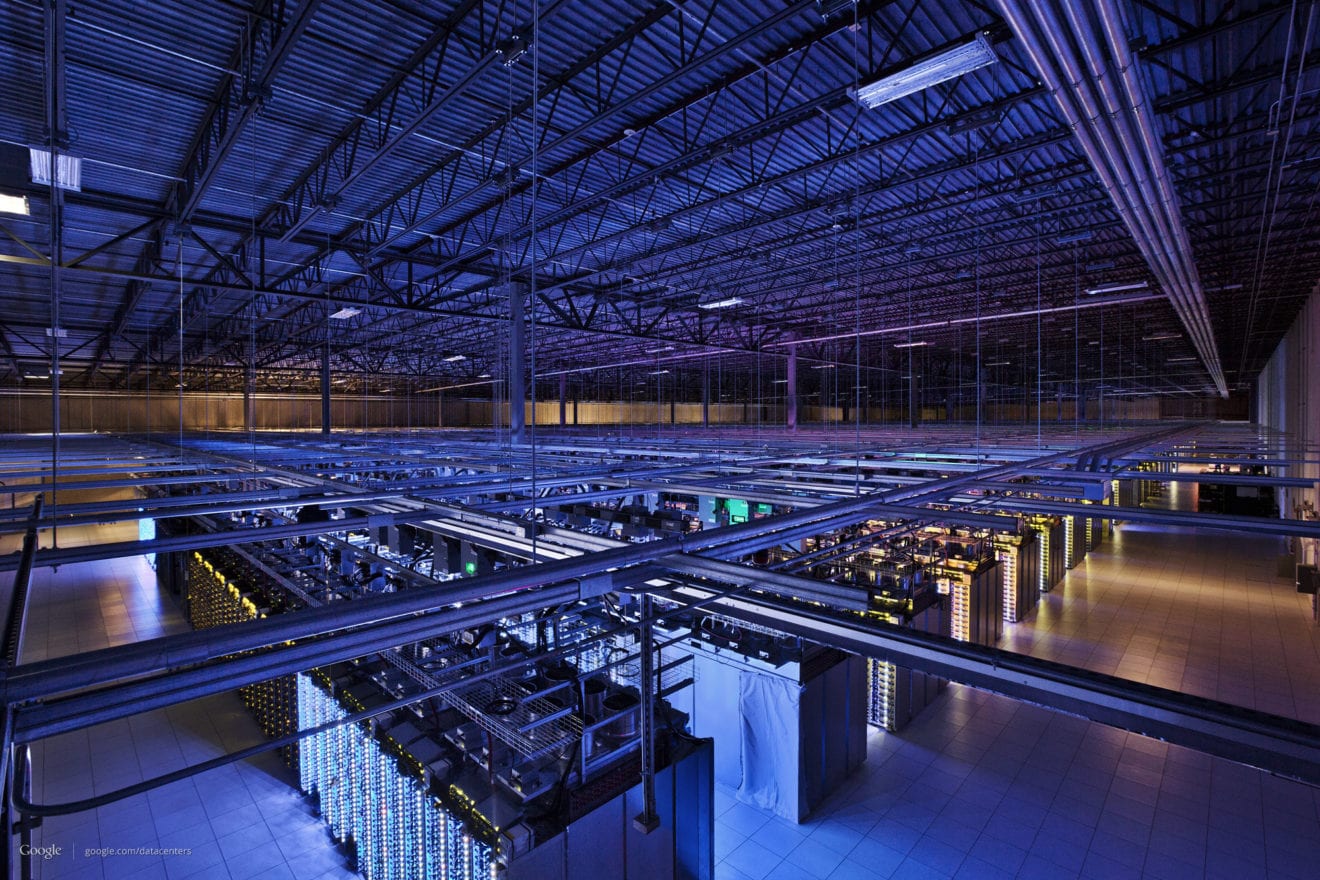
  • Google Opens Third Data Center in Singapore

    Google Opens Third Data Center in Singapore

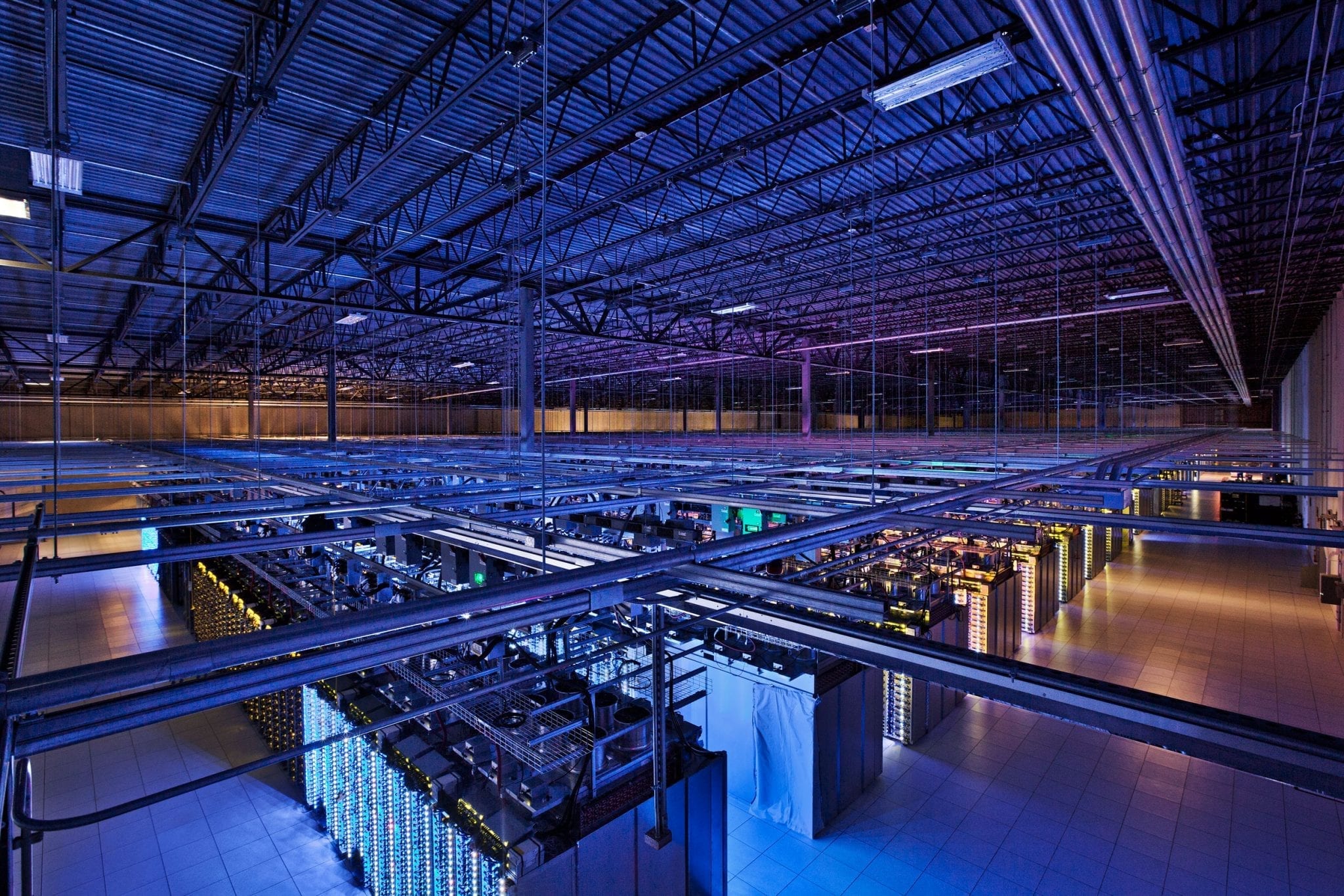
    Google has opened its third data center in Singapore, marking 15 years since Google’s first office was established in Southeast Asia in the small city-state in 2007.

    Including this data center, Google has committed a total of $850 million in investment in Singapore to build the country into its regional hub for its network of data centers, cloud regions and subsea cables.

    The event was attended by Lawrence Wong, Singapore’s deputy prime minister and minister for finance, as well as other government and industry leaders, to celebrate Google Singapore’s 15th anniversary and Google’s Singapore cloud region’s fifth anniversary.

    The company noted that continued efforts will be reinforced to advance Singapore’s position as a leader in AI innovation. For instance, Google Cloud will partner with the Smart Nation and Digital Government Group to create novel AI solutions that will improve how Singaporeans work and live.

    As the Asia Pacific headquarters, Google Singapore has a team of 3,000 to support 2.5 billion people online across the region.