Tag: datacenter

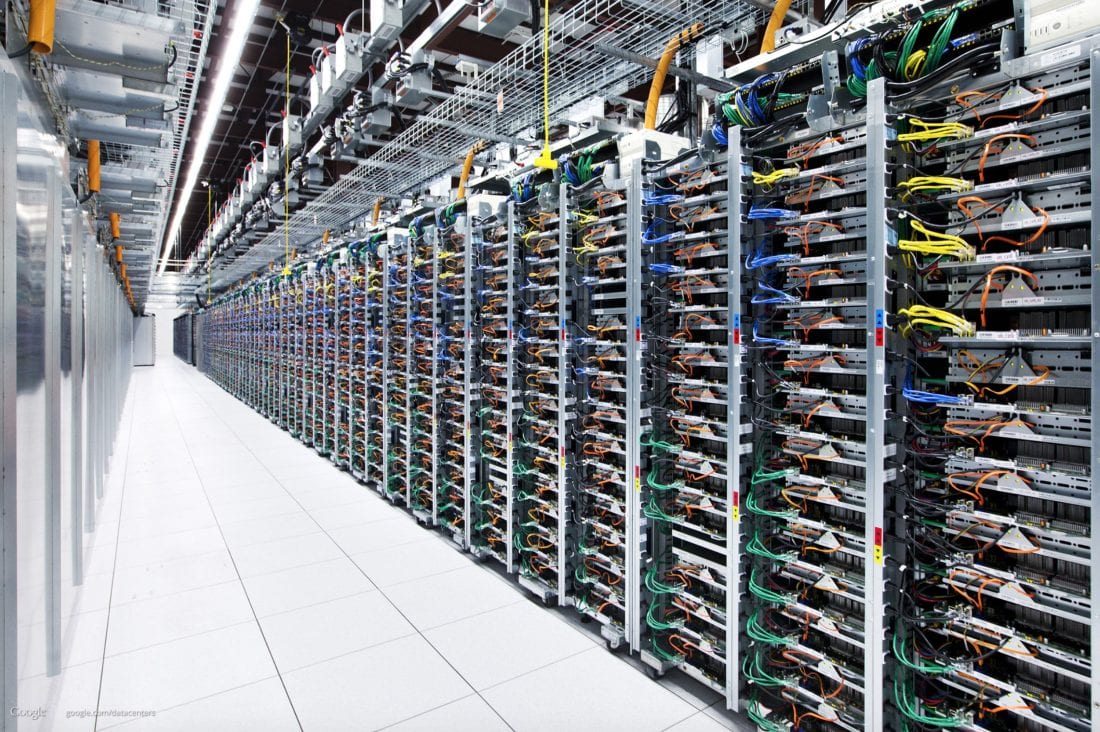
  • Google Opens Third Data Center in Singapore

    Google Opens Third Data Center in Singapore

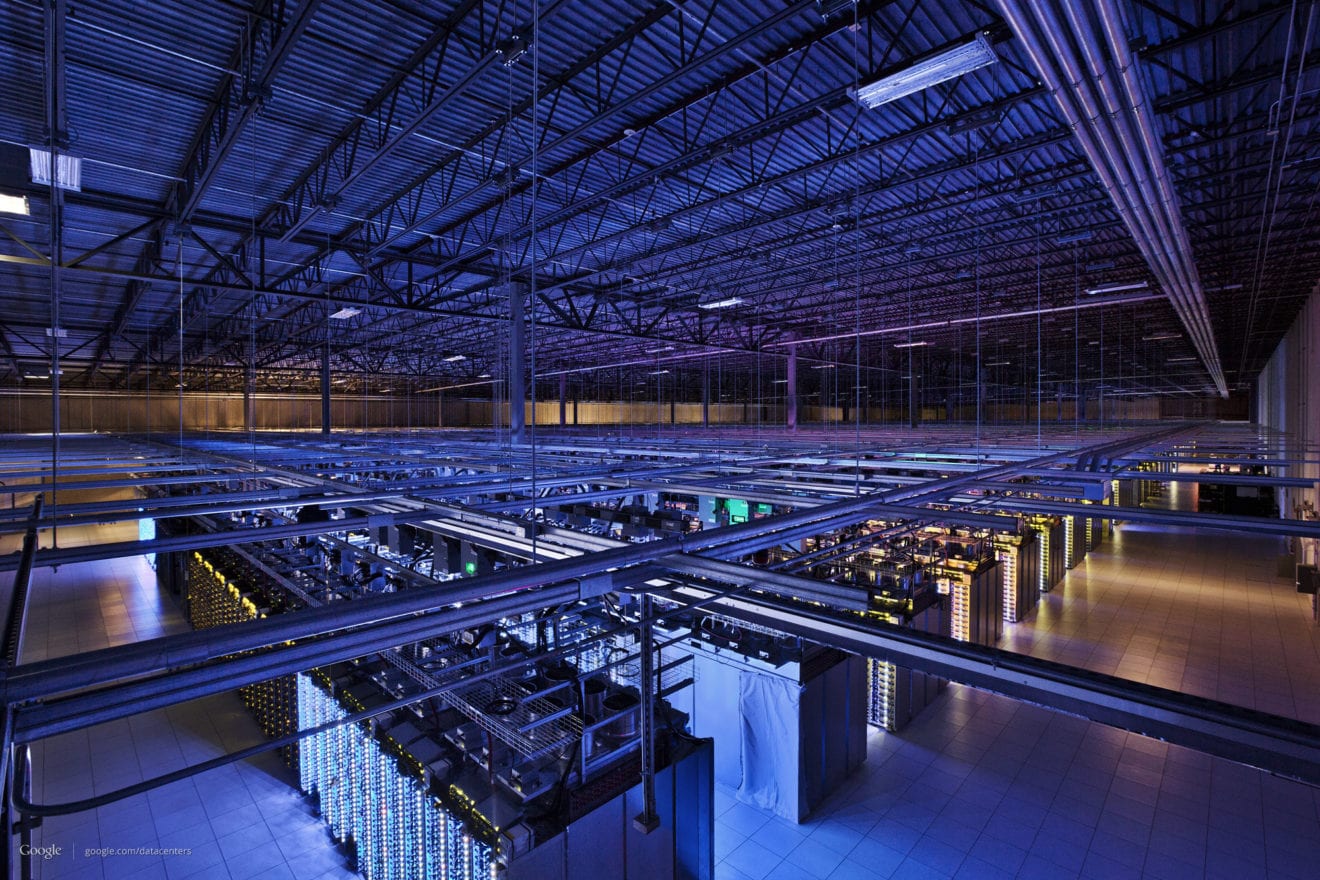
    Google has opened its third data center in Singapore, marking 15 years since Google’s first office was established in Southeast Asia in the small city-state in 2007.

    Including this data center, Google has committed a total of $850 million in investment in Singapore to build the country into its regional hub for its network of data centers, cloud regions and subsea cables.

    The event was attended by Lawrence Wong, Singapore’s deputy prime minister and minister for finance, as well as other government and industry leaders, to celebrate Google Singapore’s 15th anniversary and Google’s Singapore cloud region’s fifth anniversary.

    The company noted that continued efforts will be reinforced to advance Singapore’s position as a leader in AI innovation. For instance, Google Cloud will partner with the Smart Nation and Digital Government Group to create novel AI solutions that will improve how Singaporeans work and live.

    As the Asia Pacific headquarters, Google Singapore has a team of 3,000 to support 2.5 billion people online across the region.

  • Console Connect Partners With Master Concept to Deliver Cloud Networking Solutions to Businesses Across APAC

    Console Connect Partners With Master Concept to Deliver Cloud Networking Solutions to Businesses Across APAC

    Console Connect by PCCW Global has today entered into a distribution agreement with Master Concept, an award-winning cloud technology advisor, to deliver agile cloud networking solutions to businesses across the Asia Pacific region.

    Master Concept provides cloud strategy, implementation and integration support, as well as training and platform enhancements to thousands of businesses across Asia Pacific. By integrating the Console Connect Software Defined Interconnection® platform within its cloud solutions portfolio, Master Concept can deliver further value to major cloud platforms and SaaS providers worldwide with higher levels of network security and performance for its enterprise customers.

    Through a single management portal, Master Concept can provision a range of cloud connectivity services for its customers, including direct Layer 2 connections to hyper-scale cloud providers, such as AWS, Google Cloud and Microsoft Azure, and Layer 3 mesh connectivity between and among different cloud providers and cloud regions.

    The platform, which can be integrated via API, is underpinned by PCCW Global’s high-performance network, offering comprehensive end-to-end SLAs that make it suitable for accessing mission-critical and latency-sensitive applications and workloads.

    Mr Michael Glynn, Senior Vice President, Digital Automated Innovation, PCCW Global, said, “Secure and flexible connectivity is fundamental to any cloud transformation project. We are excited to be working alongside Master Concept to enhance their cloud solutions portfolio and make it easier for enterprises to connect to the cloud across Asia Pacific and worldwide.”

    Mr Dennis Wong, Director and Co-founder, Master Concept, said, “Through Console Connect, we have been able to quickly bring new cloud connectivity solutions to market and help our enterprise customers get closer to the cloud. We look forward to growing our collaboration further through the new PartnerConnect program.”

    Mr Derek Chan, Director and Co-founder, Master Concept, said, “We are delighted to be one of the launch partners for Console Connect’s new global PartnerConnect program which enables Master Concept to deliver secure and agile cloud capabilities to our enterprise customers.”

    Console Connect’s PartnerConnect program is designed to drive revenue growth and customer success through the Console Connect Network-as-a-Service (NaaS) platform. The program helps managed services providers, systems integrators, value added resellers, and application providers extend their service portfolio, and securely connect their customers, clouds, and applications worldwide.

  • Asia Pacific outlook: Surge in data centers

    Asia Pacific outlook: Surge in data centers

    According to Cushman & Wakefield, the Asia Pacific data center market is poised to become the world’s largest data center region over the next decade. In a 2022 report, Singapore takes the top data center spot in the Asia Pacific, and the second place globally – tying with Silicon Valley after Virginia. In the region, Hong Kong claims the second spot, Sydney comes in third place, while Shanghai maintains the fourth place.

    The surge in data center activities is led by colocation providers including AWS, Microsoft, Tencent, and Alibaba. Research firm Report Linker revealed that investments into the region’s data center market amounted to US$63.15 billion last year, with investments predicted to reach US$94 billion by 2027.

    The largest data center market in the region, Singapore lifted a moratorium on new data center construction in January 2022. The moratorium was first implemented in 2019 to allow new server facilities that meet energy efficiency criteria to be constructed. As of last year, Singapore had more than 70 data centers operating with a total power capacity of 1,000 megawatts.

    For telecom operators, where data centers are becoming a strategic asset, many are deliberating data center partnerships or sell-offs to cash in. Last November, Globe Telecom was in advanced talks with ST Telemedia Global Data Centres (STT GDC) to establish a data center business in the Philippines.

    To optimize and grow the value of its large and unique portfolio of quality infrastructure assets, Singtel outlined plans to create a regional data center business last year. Through a partnership with Thailand’s Gulf Energy and AIS, Singtel’s regional data center strategy aims to offer customers a differentiated value proposition.

    The global pandemic sparked work-from-home arrangements and a spike in digital infrastructure and cloud demand. Hyperscalers are amongst those pressured to increase data centers. Compounded by the acceleration of 5G deployments and resulting technologies, strategic investments into data centers have been on the rise. New sources of funding from private equity funds also contribute to the growing data center market to capitalize on future growth opportunities.

    Datacenterpricing, a data centre research specialist, estimated over 1.5 million square meters of space under development for data centers in the Asia Pacific.

    A recent high-profile investment is the Asian Infrastructure Investment Bank (AIIB)’s US$150 million into data centers serving emerging countries in the Asia Pacific. Of which US$100 million would be channeled through Keppel’s Keppel Data Centre Fund II (KDC Fund II), which closed with US$1.1 billion in funding commitments.

    After the US, China has the second-largest hyperscaler data center capacity, accounting for 15% of the world’s total. According to Datacenterpricing, China will expand its data center market by 239,000 square meters to represent a 14% growth. Without overloading its power grids, China’s National Development and Reform Commission (NDRC) announced the set-up of four mega data center clusters outside the main population epicenters.

    South Korea is also a hotspot for data centers. In January, Equinix and Singapore’s sovereign wealth fund, GIC will jointly develop and operate two xScale data centers in Seoul, South Korea. Digital Realty will also be launching its first carrier-neutral data center in the capital to scale large enterprise applications.

    With many countries in the region still underserved, Asia Pacific will continue to witness unprecedented growth in the data centers, fuelled by increased digitalization and e-commerce.

    Indonesia, for instance, offers immense opportunities with a digital economy projected to be worth US$124 billion by 2025. The country houses more than 200 million internet users and an e-commerce market expected to reach US$100 billion by 2025. Last May, Singapore-headquartered STT GDC entered into a partnership with Indonesian Triputra Group to develop a new data center operating platform in Jakarta. Tencent Cloud built two data center facilities in the country.

    Alibaba Cloud also built its third data center in Indonesia last year. In the Philippines, Alibaba Cloud built its first data center last year to support businesses’ digitalization. This year, Alibaba has plans to debut centers in Thailand to expand its foothold in the region – a key profit driver which accounts for about 8% of the company’s total revenue, and amid greater competition by Tencent in China.

    In one of the latest, SpaceDC partners with JLL to build the largest data center in the Philippines. India, being the second most populous country in the world, is another country with very high population, but with a very low data center capacity. The current data traffic boom in India makes it another high-growth market for data centers. According to reports, Bharti Airtel plans to triple its data center capacity to 400 megawatt by 2025.

    Data centers demand is here to stay. As some telecom operators rethink their strategy for non-core operations, others view the data center business as a worthwhile investment. With the emergence of 5G and accompanying technology, telecom operators are well-positioned to seize opportunities working with, rather than against hyperscale providers to extend their capabilities to the network edge

  • Microsoft to establish first datacenter region in Malaysia to support economy

    Microsoft to establish first datacenter region in Malaysia to support economy

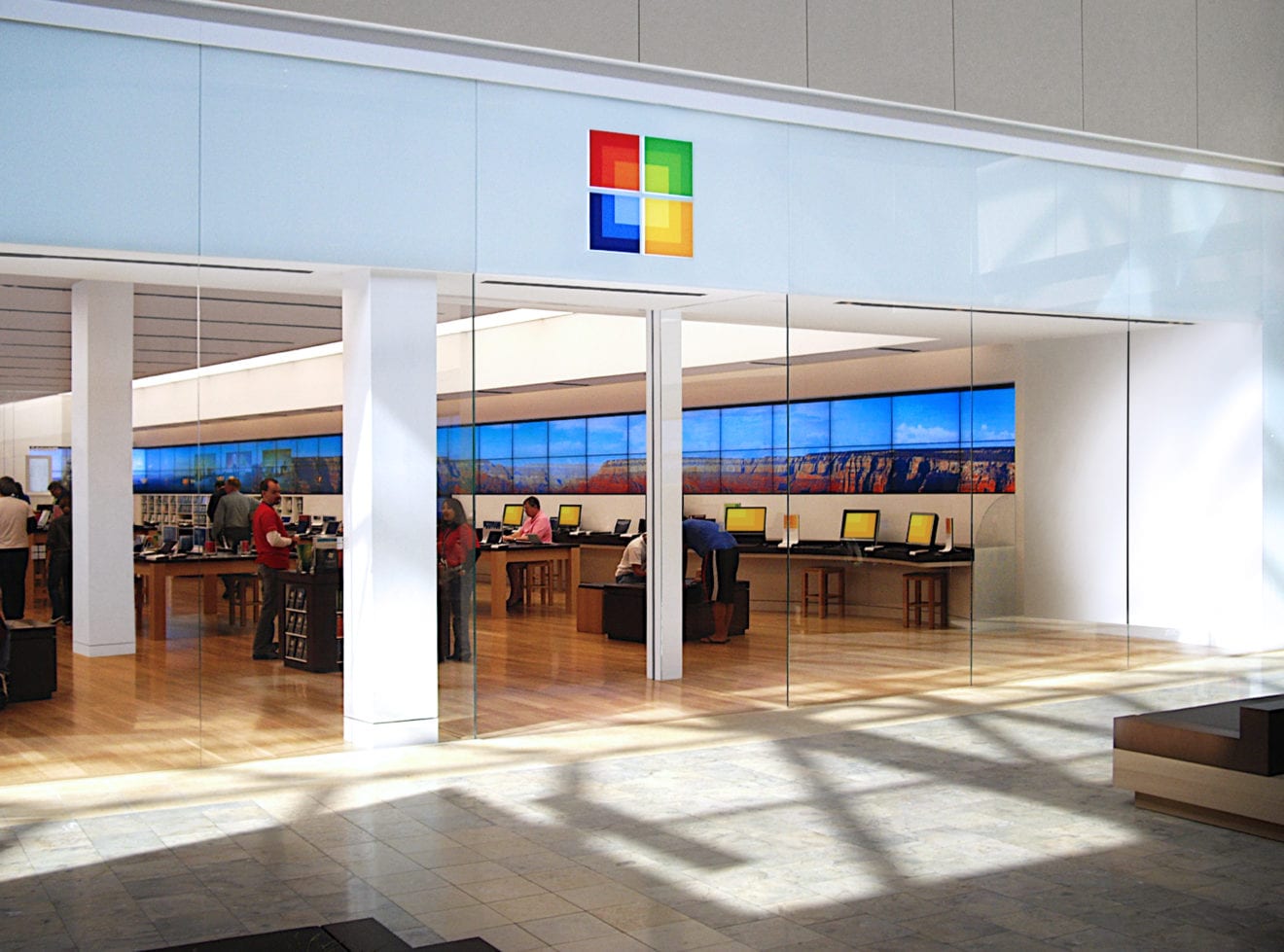
    Microsoft Corp. announced its “Bersama Malaysia” (Together with Malaysia) initiative, which marks a significant commitment to empowering Malaysia’s inclusive digital economy and advancing the nation’s digital transformation across the private and public sectors. As part of the plan, Microsoft will establish its first datacenter region in the country to deliver trusted cloud services locally, with world-class data security, privacy, and the ability to store data in-country. Microsoft also announced plans to skill an additional 1 million Malaysians by end of 2023 to help create economic opportunities for people and businesses in the digital era. Finally, Microsoft will help form the MyDigital Alliance Leadership Council to collaborate on cloud-first and digital-native policy recommendations.

    Today’s announcement represents a significant milestone in Microsoft’s 28-year history in the country and supports the Government of Malaysia’s MyDigital goals to transform the country into a regional leader in the digital economy. According to IDC’s research, Microsoft’s investment in Malaysia will help generate up to USD 4.6 billion in new revenues for the country’s ecosystem of local partners and cloud-consuming customers over the next four years. Additionally, the research estimates Microsoft, its partners, and cloud-using customers will together contribute more than 19,000 new direct and indirect jobs.

    “Today’s announcement represents a major milestone for Microsoft in the 28 years we have been operating in Malaysia. We share the Government’s commitment that digital transformation must be inclusive and responsible. As such, we pledge to empower 1 million Malaysians with digital skills, helping them to take advantage of the opportunities this new investment will bring. Building digital infrastructure is fundamental to advancing a nation’s digital economy. The upcoming datacenter region will be a game-changer for Malaysia, enabling the government and businesses to reimagine and transform their operations, to the benefit of all citizens,” said Jean-Philippe Courtois, Executive Vice President and President, Microsoft Global Sales, Marketing and Operations.

    “We are proud to cement our partnership with the nation to accelerate its digital economy. Public-private partnerships are key enablers to propel Malaysia’s digital economy forward. Microsoft’s Bersama Malaysia initiative reflects our joint commitment in support of the nation’s MyDigital aspirations, as we empower every person and every organization in Malaysia to achieve more. With over 200 employees and 2,000 partners in the country, we will continue to support a digitally-enabled government, empower businesses to build resilience digitally, and bridge the digital opportunities for Malaysians. Together, we stand with Malaysia,” said K Raman, Managing Director of Microsoft Malaysia.

    Digital infrastructure and partnerships to advance Malaysia’s digital economy

    Microsoft will establish its first datacenter region in the Greater Kuala Lumpur area and deliver access to the full Microsoft Cloud, which includes:

    • Microsoft Azure, enabling anyone to invent with purpose using cloud services and capabilities that span computing, networking, databases, analytics, AI and Internet of Things (IoT);
    • Microsoft 365, to connect, collaborate, work remotely and learn online with innovative productivity tools;
    • Dynamics 365 and Power Platform, to rapidly build and manage critical enterprise business solutions at scale with intelligent business applications.

    The new datacenter region will also deliver Azure Availability Zones, providing additional resilience options for highly available applications, and support Microsoft’s sustainability goals. Microsoft has a global commitment to shift to 100 percent supply of renewable energy by 2025. This means Microsoft will have power purchase agreements for green energy contracted for 100 percent of carbon-emitting electricity consumed by all its datacenters, buildings, and campuses, including the planned Malaysia datacenter region.

    Microsoft will work with the government, startups and enterprises to support the country’s digital transformation goals. Specifically, Microsoft in partnership with the Social & Economic Research Initiative (SERI) has established the MyDigital Alliance Leadership Council to collaborate on cloud-first and digital-native policy recommendations. The Alliance’s first meeting discussed digitalization in the education sector to nurture a globally competitive Malaysian digital workforce. Additionally, Malaysia’s leading companies, Petroliam Nasional Nerhad (PETRONAS) and Celcom Axiata Berhad have committed to helping advance Malaysia’s nation building and digital ambitions, as well as using the Microsoft Cloud from the new datacenter region when available.

    “The partnership with Microsoft underlines PETRONAS’ commitment to nurturing a sustainable pipeline of a future-ready workforce equipped to support Malaysia’s digital economy. As a progressive energy and solutions partner enriching lives for a sustainable future, continuous human capital development will be integral to our ability to operate and compete. We look forward to accelerating efforts in upskilling local talents, with a view to creating an inclusive digital future for the benefit of both the people and the nation,” said Tengku Muhammad Taufik, President and Group Chief Executive Officer, PETRONAS.

    “Telecommunications and technology sectors are key lifelines to the nation’s digital economy. A world-class cloud service will become the epitome that shapes the future path in our pursuit towards becoming a digital economy powerhouse in the region. We highly applaud Microsoft’s plans to establish its first datacenter region in Malaysia, providing access to secure, scalable, highly available, resilient and sustainable cloud services for the government, and across multiple industry verticals. As the anchor telco tenant, we look forward to bringing the benefit of this datacenter to our customers and partners. In partnership with Microsoft, we will continue to serve our customers by offering secure and reliable cloud services, leading towards the development of a striving digital ecosystem and achieving the nation’s digital aspirations in a way that is sustainable,” said Idham Nawawi, Chief Executive Officer of Celcom Axiata Berhad.

    Microsoft, together with its local partner Enfrasys Solutions, has been appointed by the Malaysian Administrative Modernisation and Management Planning Unit (MAMPU) to provide cloud services to the Malaysian public sector agencies through 2023. Microsoft will also partner with Censof Holdings, Silverlake Group, and Web Bytes to accelerate digital transformation in the nation’s key industries, including financial services, retail, food and beverage, as well as the public sector.

    Empowering Malaysians with inclusive opportunities

    As part of the Bersama Malaysia initiative, Microsoft is committed to equipping individuals with equal opportunities to thrive in a cloud and AI-enabled digital economy. To achieve this, Microsoft will skill an additional 1 million Malaysians by December 2023. This includes work with the Human Resources Development Fund (HRDF), Social Security Organization (SOCSO), Junior Achievement Malaysia, TalentCorp Malaysia, MAMPU, Grab Malaysia, Biji-Biji Enterprise and local universities to reach people of all socio-economic backgrounds, including young adults and people living with disabilities. This commitment is a continuation of Microsoft’s global skills initiative since July 2020, which has reached more than 110,000 Malaysians to date.
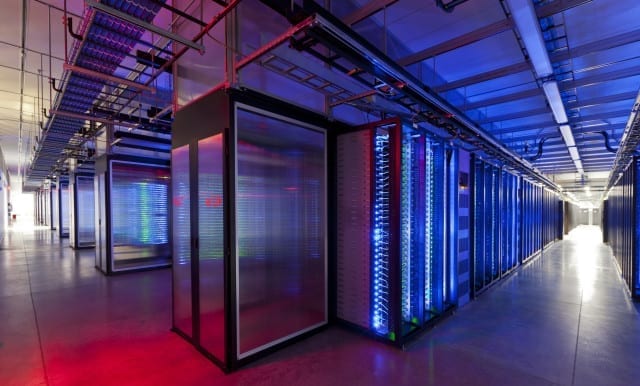
  • Digital Reality opens third and largest data centre in Singapore

    Digital Reality opens third and largest data centre in Singapore

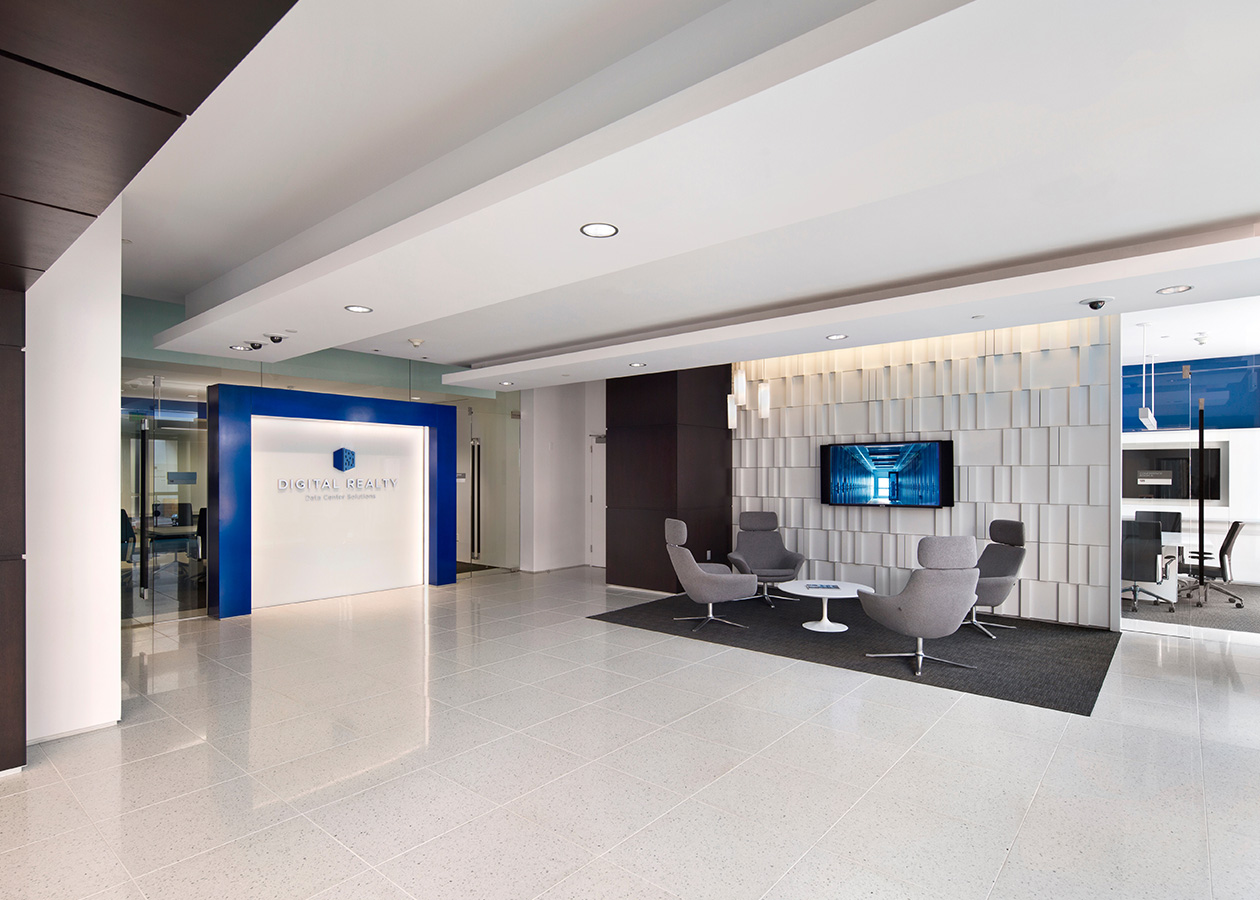
    Digital Reality, a leading global provider of carrier- and cloud-neutral data centre, colocation and interconnection solutions, announced the official opening of its third data centre in Singapore. The multi-story, 50-megawatt facility, known as Digital Loyang II or SIN12, is Digital Realty’s largest data centre in the country and will bring the company’s total committed investment to date in Singapore to over US$1 billion. This significant expansion will enable local and multinational enterprises to deploy critical infrastructure and scale their digital business at the heart of a connected data community on PlatformDIGITAL.

    SIN12 is substantially pre-leased to a thriving community of leading global cloud service providers, local as well as global financial services providers and leading Southeast Asian enterprises. In addition, the new facility will introduce next-generation colocation services for regional customers in Singapore and will further expand PlatformDIGITAL, the company’s global data centre platform. It will offer customers in APAC new avenues to connect, extend their reach and uncover new business opportunities. SIN12 will offer enterprises the full spectrum of colocation services and will enable them to scale their critical infrastructure on-demand within a connected data community with optimal proximity to carriers, networks and cloud service providers. Productized solutions for network, control and data hub footprints offered on PlatformDIGITAL will help accelerate customers’ ability to rapidly scale their digital business.

    SIN12 builds upon Digital Realty’s track record of delivering sustainable data centre developments across the globe and has already achieved a Platinum certification under Singapore’s BCA Green Mark building assessment system. The Green Mark certification scheme is designed to evaluate a building’s overall environmental impact and performance and provides a comprehensive framework for assessing new and existing buildings to promote sustainable design and best practices in construction and operations.

    “Singapore is a well-established financial and business hub, and consistently ranks among the top data centre markets globally,” said Digital Realty Chief Executive Officer A. William Stein. “The opening of our third data centre is a major milestone on our PlatformDIGITAL roadmap and underscores our long-term commitment to support the country’s digital economy. The transition to the digital economy has impacted the way companies across all industries create and deliver value. There’s a growing need for a combination of open interconnection and next-generation colocation that will reduce the complexity of digital transformation. Expanding our footprint in Singapore will enable us to better help our customers enhance their digital transformation efforts and scale their digital business models regionally as well as globally.”

    Singapore is ranked fifth among the top 10 data centre markets globally, according to Cushman & Wakefield. These findings coincide with Digital Realty’s Data Gravity Index™, a recently published study that measured, quantified, and determined the implications of the explosion of enterprise data. Data gravity is expected to more than double annually from 2020-2024, with Asia Pacific expected to generate the fastest growth across all regions. Singapore is expected to be the second-fastest-growing market across the 53 global metros analyzed, driven by growth in the intensity of data within the banking, financial services and high-tech manufacturing industries.

    “Digital Realty’s continued investment in Singapore builds upon the strong existing business and investment ties between the United States and Singapore. Both countries rank highly in terms of digital competitiveness and are committed to building a robust digital economy at a global level,” said Christian Koschil, Digital Attaché, Embassy of the United States of America. “We believe Digital Realty’s expansion in Singapore will further strengthen the Republic’s standing as a global connectivity gateway. We also applaud Digital Realty’s commitment to sustainability in their operations, as tackling climate change requires a collective response from all stakeholders – in government and the private sector.”

    Sustainability was a guiding principle for the design and construction of SIN12. It will be among the most sustainable data centres in the region, with a power usage effectiveness (PUE) of 1.25. The facility will feature efficient cooling system design and controls to help minimize evaporation losses and improve water-use efficiency. It will be equipped with turbine generators rather than diesel engines and a combination of uninterruptible power supply (UPS) and lithium-ion batteries will facilitate sustainable management. The building management system (BMS) will monitor thousands of data points to ensure the data centre is running efficiently and providing optimal energy performance for customers.

    “Balancing digital growth with sustainability remains a key priority for the industry,” said Mark Smith, Managing Director, Asia Pacific for Digital Realty. “We’re proud that our new facility will help customers meet their digital and sustainability goals, with energy-efficient design and operational features. We’re encouraged by the recently unveiled Singapore Green Plan 2030 and the new edition of the Green Building Masterplan. Sustainable growth will be critical for the country to remain competitive as a leading global data centre hub.”

  • Hong Kong DTC label Lane Eight launches sustainably made workout shoe

    Hong Kong DTC label Lane Eight launches sustainably made workout shoe

    Hong Kong-based DTC footwear start-up Lane Eight, has just released an all sustainable workout shoe range. Released in three colorways – Electric Neon, Cloud White and Lunar Grey – the brand’s signature AD 1 trainers have been redesigned with all-sustainable and recyclable materials comprising microfibre in replacement of suede; polyester yarn from 11 plastic bottles, and an algae-based midsole.

    With every pair of Lane Eight’s produced, 31.5 liters of freshwater are returned to the environment, and 64 cubic meters of carbon is removed from the atmosphere.

    Launched in 2017, the brand was conceived by James and Josh Shorrock, brothers with a background in Adidas product development and the Hypebeast editorial team. The digitally native brand holds a mass presence in the US and a growing following in Hong Kong, owing to its efforts in building partnerships with local fitness studios and influencers, alongside community workout events with customers.

    The omnichannel retailer currently has one physical brick-and-mortar store located on the trendy premises of Swire Properties-owned Star Street precinct in Wan Chai, its neighbors including lifestyle brands Monocle and Kapok. The store doubles as a distribution hub for online orders and a physical showroom for offline purchases.

    Highly coveted and with a long waitlist, the brand has upped its production and will be releasing new colors every month to meet the growing demand for the signature AD 1 trainers.

  • APJxC to produce 33.8 zettabytes of data by 2025

    APJxC to produce 33.8 zettabytes of data by 2025

    Seagate Technology recently released a white paper with IDC on the growing datasphere in Asia Pacific including Japan, but excluding China (APJxC).

    This is following the launch of IDC’s global White Paper, The Digitization of the World – From Edge to Core, sponsored by Seagate Technology, which examines how much new data is created and replicated each year and the impending shifts to the global data model by 2025.

    Top findings from the regional paper include:

    • Data created in the APJxC regions will increase from 5.9ZB in 2018 to 33.8ZB in 2025.
    • The APJxC Datasphere is one of the fastest growing Datasphere regions, growing at a 2018–2025 CAGR of 28.3% compared with a gloabl rate of 27.2% and a U.S. growth rate of 23.6% over the same time period.
    • Entertainment-related data is growing at a faster pace than most other regions, expanding at a rate of 23% compared with a global average of 20% for 2018–2025.
    • The number of online users in the region participating in entertainment-related activities is growing faster than the global rate — 7.2% compared with 4.6% for 2017–2022, which will increasingly happen on the go on mobile devices.
    • Storage utilization in APJxC will grow from 0.5ZB in 2018 to 2.3ZB in 2025, even though not all data created will require permanent storage.
    • By 2025, 58% of data storage will take place in the public cloud compared with 22% in 2018 – largely driven by the growing number of internet users in the region, which drives use of the cloud not only by users but also by enterprises as they race to keep up with user demands.

    As such, the percentage of data in the APJxC Datasphere emanating from or replicated in the edge will increase from 12% to 20% of the region’s total Datasphere — as data is delivered to endpoints and as IoT devices increasingly drive processing and analytics closer to the point of origin of the data itself.

    This unprecedented data growth combined with the pressures of deriving value from data for digital transformation will create imperatives for IT and business organizations across all regions over the next decade. Enterprises must develop a fitting data storage and management and capitalization strategy and drive a new level of engagement with consumers using data-informed services and products.

  • Hyperscale operators to boost colocation market

    Hyperscale operators to boost colocation market

    Synergy Research Group (SRG) says hyperscale operators are the fastest growing customer category for colocation providers. For both wholesale and retail colocation, 2018 revenue from hyperscale customers grew much more rapidly than revenues from other service provider customers and from enterprises.

    While the overall colocation market grew by 10% in 2018, revenues from hyperscale operators grew by 24% in the wholesale segment of the market and by 16% in the retail segment. Enterprise spending on wholesale colocation was relatively flat in 2018 compared to 2017, while enterprise spending on retail colocation grew by 7%.

    Synergy’s Q4 and year-end data shows that the total colocation market grew to over $34 billion in 2018.

    Growth was strongest in the APAC region, with China, Hong Kong, Japan and Singapore showing the highest growth rates in the region. Hyperscale operators comprise the world’s major cloud and internet service firms, including the largest operators in IaaS, PaaS, SaaS, search, social networking and e-commerce. The other service provider category includes telcos, non-hyperscale cloud providers and internet service firms, hosting/outsourcing companies and content & digital media service providers. The enterprise category includes all other industry verticals plus government and the public sector.

    “It comes as no surprise that hyperscale operators are providing a boost to colocation providers, as they are on a charge to rapidly extend their worldwide data center footprint and in 2018 ramped up their capex by no less than 43%,” said John Dinsdale, a chief analyst at Synergy Research Group.

    “In order to support this rapid growth they cannot just build their own data centers, so they also need to rely on colocation providers to lease out both large wholesale facilities and capacity at smaller edge locations. Hyperscale operators are becoming an ever-more important source of business for leading colocation companies such as Equinix, Digital Realty, Interxion, CyrusOne, QTS and GDS.”

  • Digital Realty breaks ground on third Singapore data center

    Digital Realty breaks ground on third Singapore data center

    Data center, colocation and interconnection provider Digital Realty has commenced construction of its third data center facility in Singapore.

    The 12,800 square meter plot of land will be the foundation of Digital Loyang II (SIN12), an expansion and further development of a Digital Loyang Connected Campus.

    SIN12 will be located less than 25km from Singapore’s CBD and will capable of supporting up to 50 megawatts (MW) of IT capacity. The new facility will span a gross floor area of 34,000 square meters.

    The facility is expected to be operationally ready in the second quarter of 2020.

    Digital Realty has so far invested a total of $500 million developing its first two facilities in Singapore.

    “The development of SIN12 reaffirms Digital Realty’s commitment to supporting Singapore’s digitalization efforts and smart nation initiative,” Digital Realty CEO A. William Stein said.

    “As more global technology brands increasingly look to expand their digital footprint, Singapore remains their preferred destination. With the addition of SIN12 to our connected campus, customers will soon be given new ways to connect, extend their reach and find new business opportunities through our global data center platform.”

    SIN12 will also be incorporating sustainability features into the construction of the facility that aims to lower power usage effectiveness (PUE) to between 1.2 to 1.3, making it the best PUE in a commercial data center in Singapore.

    “Sustainability will also play a big role in the development of SIN12. Our vision is to build the greenest commercial data center within the region,” added Stein.

  • CTG, Global Switch, Daily-Tech open Singapore data center

    CTG, Global Switch, Daily-Tech open Singapore data center

    China Telecom Global, Chinese data center infrastructure developer and operator Daily-Tech and the UK-based Global Switch have jointly open a data center in Singapore’s Woodlands district as part of their three-way partnership.

    The S$280 million ($206.4 million) Global Switch Singapore Woodlands data center spans 25,000 square meters and has been constructed to operate to Tier III+ standards.

    The Singapore data center is the second to be built under the three-way partnership after the HK$5 billion data center in Tseung Kwan O that opened in December 2017.

    The Singapore Woodlands data center is designed to a power usage efficiency of just 1.34, making it the most power efficient data center available to customers in Singapore. The data center services are powered by 30MVA of utility power supply capacity and backed by a 24/7 networks operations center.

    The data center will connect to China Telecom Global’s network of subsea and terrestrial cables as well as other data centers around the world. It is Global Switch’s 12th data center globally.

    “This is a milestone entry into the Southeast Asian countries’ market for Daily-Tech through our strategic business partnership,” Daily-Tech chairman Li Qiang said.

    “Customers in the region – particularly those looking to expand through China’s Belt and Road projects, will now find more convenient connections and access to well-managed services to support their business growth. This partnership offers customers commitment, a track record in servicing and bespoke services, and best practice management.”

  • CITIC Telecom CTC opens cloud centers in London and Moscow

    CITIC Telecom CTC opens cloud centers in London and Moscow

    CITIC Telecom CPC, a subsidiary of CITIC Telecom International Holdings Limited, is launching new connected SmartCLOUD Services Center in Moscow and London. Stephen Ho, CEO of CITIC Telecom CPC, said the ‘Europe & Russia Cloud Ring’ will be crucial for European-based enterprises who are looking to invest in and explore the emerging market and business opportunities in mainland China.

    The two new sites will provide enterprise customers with scalable multi-cloud connectivity with full disaster recovery capability and intra-city, inter-city and cross-boundary redundancies. They will also provide round-the-clock professional support optimizing customers’ IT investment, achieving a faster response time and ensuring business continuity.

    The move follows the company’s recent debut of two cloud centers in Frankfurt, Germany, and Cape Town, South Africa. The company now has 18 cloud centers across Asia Pacific, America, South Africa, Europe and Russia.

    Mavenir creates open RAN ecosystem

    Mavenir has announced an Open RAN partner ecosystem that includes MTI, Tecore Networks, Baicells, NEC, AceAxis, KMW, Benetel, CommScope, Blue Danube Systems and Airrays.

    The move aims to provide more options and makes it easy for operators to deploy an innovative, flexible cloud-based Open RAN solution, the company said.

    Mavenir will act as the end-to-end systems integrator simplifying the engagement for operators and creating an offering that is on par with the traditional, hardware centric proprietary vendors.

    Juniper Networks invests $2m in Corero

    Corero Networks said it has secured a $2 million investment from Juniper Networks.

    The investment follows the pair’s recently signed multi-year global resale partnership, under which Juniper will resell and support Corero’s SmartWall DDoS protection software products and services.

    ServiceNow taps NTT Com to launch two data centers in Japan

    ServiceNow is building two new data centers in Tokyo and Osaka through a partnership with NTT Communications to provide high-performing and high-availability cloud services to enterprises in Japan.

    The two data centers being built by NTT Com are expected to be ready in the first half of 2019.

    The new Japanese data centers are expected to enhance the ServiceNow Nonstop Cloud, which has been designed to support the availability and scalability of services and processes for global enterprises.

    The new data centers will add to ServiceNow’s existing nine data center pairs, which are set up across five continents to meet customers’ location and data sovereignty needs.

  • Tencent decides to launch its first Asean data center in Cyberjaya

    Tencent decides to launch its first Asean data center in Cyberjaya

    Tencent Holdings Limited, a China based investment holding firm, and Tourism Malaysia are planning to jointly set up a data center in Cyberjaya, Malaysia. Sources claim that the strategic move is a part of the Smart Tourism 4.0 program launched recently in Malaysia. Under the new project, Tencent is expected to use the reproduction of its earlier digital ecosystem model.

    Datuk Siew Ka Wei, the chairman of Tourism Malaysia, has stated that the group has decided to establish an incubation unit in Cyberjaya in association with the regional partner. He further added that the initiative will include not only retail firms but also airliners and myriad other players across the transport sector.

    Experts are of the opinion that this smart tourism initiative will make notable contributions towards the economic growth of Malaysia considering that 8 million tourist arrivals are expected in Malaysia from China over the next two years. As per a key official of Tourism Malaysia, startups with innovative, fresh ideas will benefit commendably from the smart tourism initiative.

    If reports are to be believed, the initiative is forecast to be live in the second half of this year. The program will help the Malaysian Tourism Promotion Board to promote the growth of tourism industry in the country.

    Malaysia Smart Tourism 4.0 program encompasses the development of approximately 40 videos, each spanning over five minutes. These videos display exceptional holiday experiences in the country, including resorts, gastronomy, heritage, beaches, soft adventure tourism, history, and culture. It is likely that Tencent will declare the establishment of the data center in Cyberjaya by the end of the month, thereby becoming the first organization to provide services for the entire Asian region.

    It has been speculated that the Chinese retail conglomerate will support the expansion of Malaysian businesses across the China market by providing them with new technology. In return, Tourism Malaysia will offer substantial facilities to Tencent for its business growth across the country.

  • Supernap Wins Datacloud Asia Awards for “Excellence in Data Centre Service Southeast Asia”

    Supernap Wins Datacloud Asia Awards for “Excellence in Data Centre Service Southeast Asia”

    SUPERNAP Thailand, the recognized leader in colocation services, won “Excellence in Data Centre Service Award Southeast Asia” and the best “Data Centre Location Award” at Datacloud Asia 2018 held at the Capella Hotel in Singapore recently. It is the first time that a data center in Thailand won an award from the international premier conference for data centres and cloud technology in the region.

    The awards recognize SUPERNAP Thailand as the leading Southeast Asia data center provider for its most efficient, high density and ultrascale capacity. Chonburi Province, where SUPERNAP Thailand is located, is recognized as the most attractive location for attracting operators and cloud services providers. Chonburi province is part of the EEC (Eastern Economic Corridor) zone and is strategically positioned for the submarine cables and “one belt one road” project.  It is Thailand’s new flagship investment zone designed to accommodate next-generation industries and meet the Thailand 4.0 policy.

    The Datacloud Asia award recognizes genuine innovation and the continuing evolution in the flourishing Asia digital infrastructure market.

    “Datacloud Asia goes from strength to strength and the award winners mirror the optimism, dynamism and entrepreneurism that is permeating throughout the region,” said Mr. Philip Low, Host of Datacloud Asia and President of BroadGroup. “The rapid development of the Asian data economy can lead global innovation and break down old mindsets from many aspects.”

    “We are extremely honored to accept the awards, that are a testimonial to our efforts in providing the excellent and the most trusted data center service to our customers in Thailand and across the region, said Mrs. Sunita Bottse, Managing Director of SUPERNAP Thailand. “Moving towards the transformation of the economy, we foresee that the demand for innovative, scalability, security, redundancy, and availability will tremendously increase.

    We will remain steadfast in our commitment to continue to deliver excellent customer service, thus powering their ability to the greater success.”

    SUPERNAP Thailand was one of five nominees for the Excellence in Data Center Service Award. The company won over its counterparts from South Korea, Hong Kong, Indonesia, and Singapore. Revolutionary innovations such as tri-redundant power systems, modular building design and 100% heat containment technologies allow SUPERNAP Thailand to efficiently facilitate client growth without current or future concerns over reliability of power supply, cooling, connectivity or space. The award reiterates SUPERNAP Thailand’s positioning as the most trusted world-class purpose-built data center for customers with a long-term vision to develop Thailand’s presence as a serious data center hub for Asia Pacific.

    While the award for best “Data Center Location” recognizes Chonburi Province as a prime location for data centers in Asia,  it succeeded over three other locations nominated from China, India, and Malaysia. This strongly confirms that SUPERNAP Thailand has been cited as the best strategic location to provide support for growth for all investors in Asia. In addition, SUPERNAP Thailand is located outside Bangkok’s flood zone and 110 metres above sea level and able to access numerous national and international telecommunications carriers with proximity 27km to the international cable landing station.

    Established in 2017, SUPERNAP Thailand targets customers from government bodies, the banking and finance sectors, insurance and healthcare providers, cloud solution providers, and e-commerce companies both in-country and across ASEAN countries.

  • ISPs can help usher in single digital economy in ASEAN

    ISPs can help usher in single digital economy in ASEAN

    The Huawei Southern Pacific ISP Summit 2018 saw over 150 analysts and key industry players converge to discuss how the ISP industry can speed up digital transformation and promote a single digital economy in ASEAN.

    Randy Roberts, Research Director at IDC, shared in his keynote speech, entitled “Regional ASEAN ICT Development – Towards a Single Unified Digital Economy”, that businesses in Asia Pacific have made progress in advancing digital maturity.

    Most businesses are still in the “Digital Explorer” stage, where digitally enabled customer experiences and products are inconsistent and poorly integrated. However, signs of a potential rise in the number of enterprises embarking on digital transformation signal an opportunity for key players in the region.

    Collectively, ASEAN is the sixth largest economy in the world. Its rapidly growing digital economy generates about $150 billion in revenue annually. According to a recent study, the region has the potential to generate an additional $1 trillion in combined GDP by 2025 with a robust digital agenda. In ASEAN, the amount of cross-border bandwidth that is used has grown 45 times larger from 2005 to 2016. It is projected to increase by an additional nine times by 2021 as flows of information, searches, communication, video, transactions, and intra-company traffic continue to surge.

    The digital integration of ASEAN will promote rapid growth of the digital economy, including safe and smart city solutions, to stimulate economic development and inform social intelligence. As ASEAN sets the stage for a single digital economy to harness its full economic potential, it is crucial for key players within the ICT sector to collaborate and contribute to the robust infrastructure necessary to accelerate ASEAN’s growth.

    “Technological innovation and an open ecosystem are critical to the success of digital initiatives,” commented Daniel Zhou, president for South Pacific at Huawei’s Enterprise Business Group.

    “As ASEAN sets the foundation for a unified digital economy, close collaboration between key industry players are key to ensure a solid foundation for a thriving digital economy. Huawei is committed to improving the region and working with our partners for a better connected future.”

  • Globe commissions pre-fab data center

    Globe commissions pre-fab data center

    Prefabricated data center provider Flexenclosure has secured a multi-million dollar order to build a facility for the Philippines’ Globe Telecom.

    Flexenclosure will provide its eCentre modular prefabicated data center product to the operator for deployment on the island of Mindanao.

    The data center will be assembled and tested at Flexenclosure’s manufacturing plant in Sweden before being shipped to the Philippines for on-site construction. It is expected to be fully operational by early in the third quarter.

    The company is delivering the contract in partnership with Manila-based system integrator Orissa Wicomm.

    Globe CTO and chief strategy officer Gil Genio said the company plans to use its new data center to support its efforts to ramp up capacity and provide innovative new services for its customers in the broadband, enterprise and consumer segments.

    “We are committed to delivering market-leading services to our customers; on the network infrastructure side, this means flexible, modular and low cost,” he said.

    “Our new data center in Mindanao… employs this modular architecture that allows us to rapidly add infrastructure with growth.”

    The deal marks Flexenclosure’s first project in the Philippines but is the latest in a line of recent wins in Asia-Pacific, which included projects in Australia, Palau, Samoa, Fiji and Myanmar announced last year.