Tag: deal

  • JD.com Faces EU Scrutiny Over $2.5B Ceconomy Deal Amid Suspected Unfair State Aid

    JD.com Faces EU Scrutiny Over $2.5B Ceconomy Deal Amid Suspected Unfair State Aid

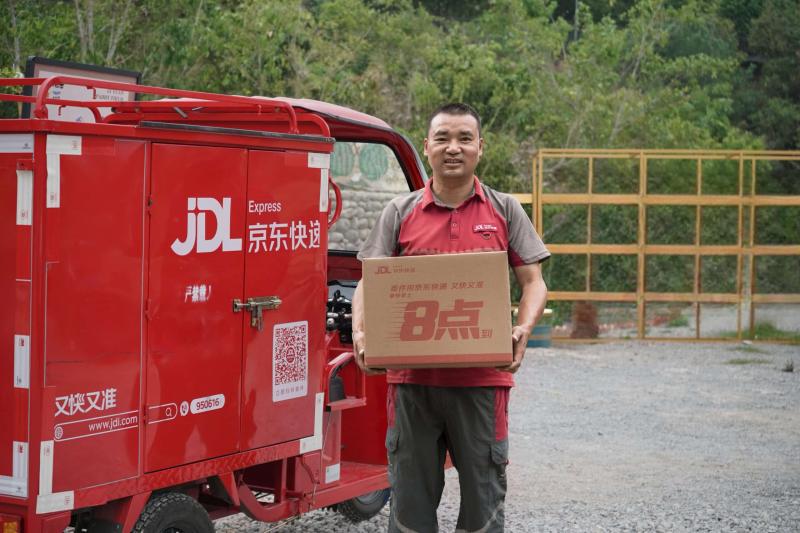
    JD.com, the powerful e-commerce platform based in China, has been officially notified of regulatory apprehensions related to their proposed $2.5 billion acquisition of the German electronic retailer, Ceconomy. This development could potentially necessitate substantial compromises on JD.com’s part.

    A Deeper Investigation Underway

    The European Commission has initiated an exhaustive probe into the transaction under the Foreign Subsidies Regulation, which tackles unjust foreign state aid. The Commission’s primary focus is to determine if JD.com has been the recipient of preferential financial support, tax benefits, and subsidies from the Chinese government. Such allowances could have assisted JD.com in proposing a more substantial acquisition offer for Ceconomy.

    In response to the concerns, JD.com has been given the opportunity to propose solutions to assuage the apprehensions of the European Union. The Chinese e-commerce giant has defended its position stating that the Commission’s statement of grounds is merely a routine procedural step.

    In a statement, the company expressed their belief that the transaction aligns with Europe’s overarching goals surrounding innovation and competitiveness. “We remain optimistic about a favourable conclusion to the process in the second half of 2026,” said a company spokesperson prior to the Commission’s announcement.

    The European Commission has set an October 2 deadline for its final decision on whether to greenlight the deal.

    Expansion Plans for the Chinese Retailer

    The successful acquisition of Ceconomy would pave the way for JD.com, one of China’s largest retailers, to broaden its influence beyond its native market. This expansion would be achieved via Ceconomy-owned electronic product retailers MediaMarkt and Saturn.

    Questions & Answers

    What is the European Commission’s concern with JD.com’s acquisition of Ceconomy?
    The Commission is investigating if JD.com has received preferential financing, tax incentives, and subsidies from the Chinese government, which may have enabled it to propose a higher acquisition price for Ceconomy.

    How has JD.com responded to these concerns?
    JD.com has been given the opportunity to propose solutions to the EU’s concerns. The company remains confident that the transaction supports Europe’s broader objectives around innovation and competitiveness.

    What would the acquisition of Ceconomy mean for JD.com?
    The acquisition would provide JD.com, one of China’s largest retailers, with an opportunity to extend its reach beyond its domestic market, specifically through Ceconomy-owned electronic products retailers MediaMarkt and Saturn.

  • Chinese Airlines Secure $17.8 Billion Airbus Deal to Boost Capacity and Modernize Fleets

    Chinese Airlines Secure $17.8 Billion Airbus Deal to Boost Capacity and Modernize Fleets

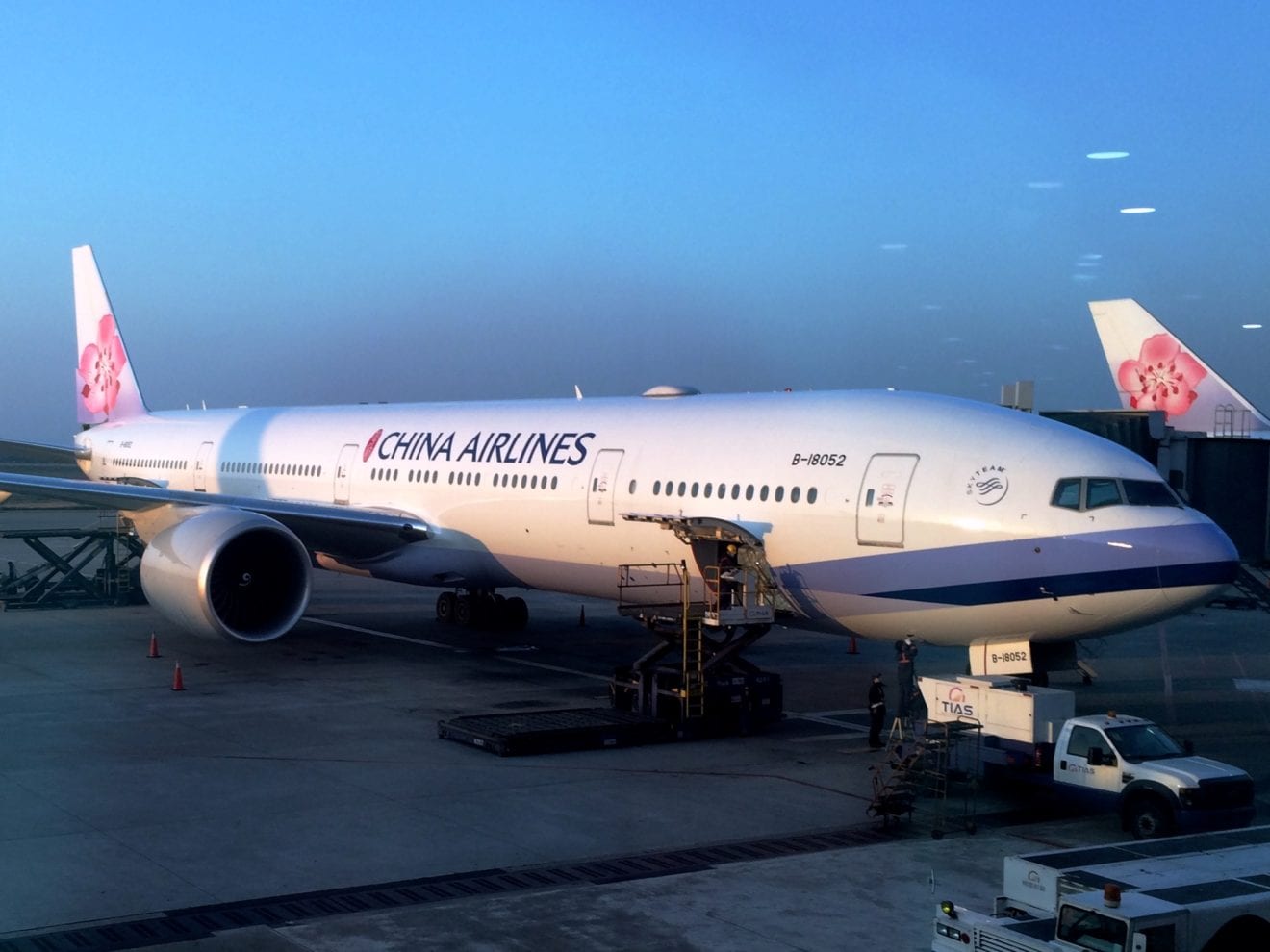
    Three major Chinese airline companies are set to acquire 95 aircraft from Airbus, in deals collectively valued at approximately $17.8 billion. This comes as part of a concerted effort by these airlines to expand their capacities and modernise their fleets with more fuel-efficient aircraft amidst the bourgeoning growth of China’s aviation market – the second-largest globally.

    Air China and its subsidiary Shenzhen Airlines have agreed to purchase 55 Airbus aircraft for a total value of $12.4 billion. Conversely, Hainan Airlines has independently agreed to buy 40 A320neo-family jets, with a list price of up to $5.4 billion.

    Air China will acquire 15 A350-900 wide-body jets, while Shenzhen Airlines will separately buy 40 narrow-body A320neo-family aircraft. The A350-900 jets, valued at roughly $6.09 billion, are set for delivery between 2030 and 2032. The 40 A320neo-family aircraft, worth approximately $6.35 billion, are slated for delivery between 2029 and 2032. Meanwhile, Hainan Airlines has scheduled the delivery of its 40 A320neo jets between 2028 to 2032.

    However, Air China has clarified that the actual transaction prices will be lower than the listed values, stating that Airbus has granted significant discounts in line with standard practice for large-scale aircraft orders.

    This surge of orders is indicative of the ongoing recovery and expansion of Chinese carriers post-pandemic, despite notable challenges. Recently, Air China reported a potential net loss of up to 2.6 billion yuan for the first half of this year, attributing the financial squeeze to rising fuel prices.

    Other Chinese carriers have also been investing in large orders with Airbus. Previous notable investments include those by China Eastern Airlines and China Southern Airlines, which have made substantial aircraft purchases in recent months.

    These new jets are predicted to increase the total capacity of the Air China group and Shenzhen Airlines by 7.1% and 4.3% respectively, based on their combined passenger and cargo capacity as of December 31, 2025. In addition, some of the new aircraft will replace older models set to be retired.

    Competition-wise, the A320neo family rivals the Boeing 737 MAX on medium-haul routes, while the A350-900 is favored for long-haul international services.

    According to the IATA World Air Transport Statistics, the U.S. remained the world’s largest aviation market last year with 890.1 million passengers, with China following closely at 776.1 million passengers.

    Questions & Answers

    What is the total value of the Airbus aircraft orders by the three Chinese airlines?
    The total list price of the 95 Airbus aircraft ordered by Air China, Shenzhen Airlines, and Hainan Airlines is approximately $17.8 billion.

    Which aircraft models are being purchased by the Chinese airlines from Airbus?
    The three airlines have agreed to purchase various models, with Air China acquiring 15 A350-900 wide-body jets and Shenzhen Airlines buying 40 narrow-body A320neo-family aircraft. Hainan Airlines will be purchasing 40 A320neo-family jets.

    How will these purchases affect the total capacity of the Air China group and Shenzhen Airlines?
    The acquisition of these new jets is expected to boost the total capacity of the Air China group by about 7.1% and Shenzhen Airlines by 4.3%, based on their combined passenger and cargo capacity as of December 31, 2025.

  • Stripe and Advent Propose $53 Billion Deal to Acquire PayPal: A Giant Leap in Payments Industry

    Stripe and Advent Propose $53 Billion Deal to Acquire PayPal: A Giant Leap in Payments Industry

    In significant financial news, payment giant PayPal Holdings Inc has reportedly received a joint acquisition bid from payments provider Stripe and private equity powerhouse Advent International. The offer, which values PayPal at a staggering $53 billion USD, was allegedly initiated earlier this month.

    The proposed offer places PayPal’s share value at $60.50, marking an impressive increase of around 28% on PayPal’s closing share price last Tuesday. This proposal leverages approximately $50 billion in committed financing from banking institutions, according to insiders.

    Under the proposed agreement, Stripe and Advent International would retain co-ownership of PayPal, with each party securing an equal share. This arrangement ensures that PayPal would continue operating as a unified entity instead of facing potential fragmentation.

    However, it’s important to note that these discussions remain in the early stages, and there is no assurance that this preliminary approach will actualize into an official transaction. The individuals providing the information have chosen to remain anonymous due to the confidential nature of these ongoing negotiations. Official representatives from Advent, PayPal, and Stripe have yet to issue public comments on the subject.

    PayPal’s first-quarter performance reported a promising 7% increase in revenue, amounting to around $8.35 billion. This figure comfortably surpasses analysts’ predicted average of $8.05 billion. Furthermore, on a currency-neutral basis, total payment volumes experienced an 8% rise over the past year, totaling about $464 billion.

    Questions & Answers

    What is the proposed offer for PayPal’s shares?
    The joint acquisition bid by Stripe and Advent International is proposing a value of $60.50 per PayPal share.

    How is the proposed acquisition to be financed?
    The proposed acquisition is backed by approximately $50 billion in committed financing from banking institutions.

    What were PayPal’s first-quarter performance figures?
    PayPal reported a 7% increase in revenue in the first quarter, amounting to $8.35 billion. On a currency-neutral basis, total payment volumes saw an 8% rise over the past year, reaching approximately $464 billion.

  • DBS Leads Singapore Banks in $1B Synthetic Securitization Deal: Unveiling a New Era of Corporate Lending

    DBS Leads Singapore Banks in $1B Synthetic Securitization Deal: Unveiling a New Era of Corporate Lending

    DBS Group, the largest bank in Southeast Asia in terms of assets, recently completed a pioneering synthetic securitization transaction. This transaction, which is tied to a corporate loan portfolio worth $1 billion, marks the first of its kind to be carried out by a Singaporean bank.

    A New Approach to Risk Management

    The transaction, known in the financial sector as a significant risk transfer transaction, provides an opportunity for investors to shoulder a portion of the loan portfolio’s credit risk. This was confirmed in a statement released by DBS on Tuesday. DBS retains and services the loans, but this new approach reduces the amount of regulatory capital that the bank is required to hold against them.

    This innovative transaction is expected to assist DBS in managing its capital more efficiently. It is also intended to bolster client financing as the bank continues to grow its presence across Southeast Asia.

    According to DBS, the deal also sets a precedent for future transactions of a similar nature. The bank plans to selectively undertake more such transactions in the future.

    Maintaining a Robust Balance Sheet

    Philip Fernandez, the Group Corporate Treasurer at DBS, expressed that this new approach would facilitate the bank in maintaining a strong balance sheet while simultaneously pursuing growth opportunities. DBS also confirmed that its capital ratios are comfortably exceeding regulatory requirements.

    Questions & Answers

    What is a synthetic securitization transaction?
    A synthetic securitization transaction, also known as a significant risk transfer transaction, allows investors to assume part of the credit risk of a loan portfolio.

    How does this transaction benefit DBS?
    The transaction assists the bank in managing capital more efficiently, supports more client financing, and reduces the regulatory capital DBS must hold against the loans.

    What does this transaction mean for the future of DBS?
    The successful completion of this transaction paves the way for DBS to selectively perform more of these transactions in the future. It also indicates the bank’s commitment to maintaining a strong balance sheet while seeking out growth opportunities.

  • Apple’s Leap of Faith: Intel Chip Deal Sparks Debate on Future of U.S. Chipmaking Industry

    Apple’s Leap of Faith: Intel Chip Deal Sparks Debate on Future of U.S. Chipmaking Industry

    Apple’s transition to Intel chips, as reported last week, displays a strategic move driven by necessity and ambition. However, industry experts suggest this is not a straightforward transition, as advanced Intel chips typically require two to three years to manufacture. Moreover, the translation of this shift into tangible benefits may take even longer due to the extensive and meticulous production process.

    This potential deal, which has not yet been officially confirmed by either party, could present a mutually beneficial opportunity. Intel has been striving to reestablish its reputation as a credible contract chipmaker, while Apple seeks additional manufacturing capacity. This comes in light of Apple’s current supplier, TSMC, grappling with increased Artificial Intelligence (AI) chip demand led by companies such as Nvidia.

    Supply issues have impacted iPhone sales, as Apple CEO Tim Cook noted in April. The prospective agreement with Intel aligns with the U.S strategy to bolster domestic chip manufacturing, using tariffs and incentives. Intel, holding a 10% stake in the company and having received a $5 billion investment from Nvidia on the request of President Donald Trump, is considered a critical player in this initiative.

    However, Malcolm Penn, CEO of chip research firm Future Horizons, offers a cautious perspective. “The very best-case scenario would see the first chips produced within two to three years. Designing an SoC (system on chip) of this complexity takes two years, with an additional four months needed for production cycle time to ramp up,” he explained. Penn underscores that this estimation is contingent on Intel’s technology being fully developed and its design tools sufficiently reliable for Apple to rely on. He termed the deal as “a shotgun wedding,” due to the high degree of faith and commercial risk involved.

    Intel’s Prospects with Apple

    Despite being late to the AI boom, Intel has made tentative strides, securing Tesla as a customer in April and potentially entering a significant partnership with Apple. Experts are split over which Intel manufacturing process Apple will select.

    While some predict Apple will follow Tesla onto Intel’s forthcoming 14A process, others foresee Apple prioritizing reliability over cutting-edge gains, potentially favoring 18A-P, a refined version of Intel’s most advanced process, or a reliable, older node such as Intel 3.

    Bob O’Donnell, an analyst at TECHnalysis Research, believes Apple might opt for Intel’s 14A process technology, expected to be available by 2028 or 2029. He notes that if this comes to fruition, it would mark a pivotal development for Intel’s foundry business and U.S-based semiconductor manufacturing more broadly.

    Turning Apple’s Vision into Reality

    Daniel Newman, CEO of tech research firm Futurum Group, suggests that the mass production of Apple-designed chips may not commence until late 2027 or early 2028. It is anticipated that initial efforts will concentrate on less critical components used in MacBook Air or certain iPad Pro models.

    Apple might adopt a cautious approach, initially testing Intel with lower-end products before entrusting them with their most essential chips, as per analysts. Intel, which has faced challenges with the timeline and quality of its chips, will need to meet Apple’s high yield expectations—a standard that TSMC has accustomed Apple to.

    Paul Meeks, head of tech research at Freedom Capital Markets, voices skepticism. “Investors are betting on flawless execution by Intel, a company that hasn’t delivered for about 20 years. While Intel seems to have made progress with its latest manufacturing process, we should all at least modestly discount a perfect outcome,” he warned.

    Questions & Answers

    What is the predicted timeline for the production of Intel chips for Apple?
    The best-case scenario predicts that the first chips could be produced within two to three years. However, the mass production of Apple-designed chips may not start until late 2027 or early 2028.

    What factors could impact this timeline?
    The timeline depends largely on whether Intel’s technology is fully developed and its design tools reliable enough for Apple to depend on. It is also contingent on Intel meeting Apple’s high yield expectations.

    What could be the implications of this shift for Apple and for U.S. semiconductor manufacturing?
    The shift could potentially provide Apple with the additional manufacturing capacity it seeks and help Intel rebuild its credibility as a contract chipmaker. If successful, it could also mark a significant development for U.S-based semiconductor manufacturing.

  • Billion-Dollar Bite: Yum China Gobbles up Pizza Hut in Transformative $1.2B Deal

    Billion-Dollar Bite: Yum China Gobbles up Pizza Hut in Transformative $1.2B Deal

    Yum Brands, the global owner and franchiser of popular restaurant chains such as KFC, Pizza Hut, and Taco Bell, operates Yum China as a master franchisee. The franchisee oversees the operation of these three brands within Mainland China and has been accountable for a 3% royalty fee on its overall sales to the US-based conglomerate. However, with the conclusion of a recent deal, Pizza Hut China will be exempted from these licensing fees.

    Pizza Hut, as disclosed by Yum China, holds the title of the largest casual dining restaurant brand in China. Last year, the brand generated a segmental revenue of $2.3 billion and an operating profit of $183 million. Yum China has set ambitious growth objectives for the Pizza Hut network. Its goal is to increase the number of Pizza Hut restaurants from 4375 in over 1100 cities to over 6000 stores by the year 2028. Furthermore, the company intends to double the chain’s operating profit by 2029.

    From Franchisee to Brand Owner

    Joey Wat, CEO of Yum China, stated that transitioning from an exclusive licensee to the brand owner of Pizza Hut in Mainland China is a significant turning point for the company. This move solidifies their belief in and long-term commitment to the Chinese market.

    Being the brand owner will enable the company to have more strategic freedom to encourage innovation across the menu, store formats, new modules, and operations. Wat foresees that the cessation of licensing fees will bolster store economics and lower the threshold for opening new stores, thus aiding in margin expansion and growth.

    The transaction is slated to finalize in the third quarter, subject to standard closing conditions. Yum China asserts that their financial guidance for FY26 will remain unaffected by this transaction.

    Global Divestment

    This deal forms part of Yum Brands’ strategy to divest from the Pizza Hut segment internationally. Outside of Mainland China, the company has agreed to offload the Pizza Hut brand to private equity firm LongRange Capital for approximately $1.5 billion.

    This sale comes in the wake of Pizza Hut’s underperformance compared to KFC and Taco Bell, as evidenced in Yum Brands’ recent financial outcomes.

    Questions & Answers

    What effect will the elimination of license fees have on Pizza Hut in China?
    The elimination of license fees is expected to improve store economics and lower the requirements for opening new stores, ultimately supporting margin expansion and growth.

    What are Yum China’s growth goals for Pizza Hut?
    Yum China intends to expand the Pizza Hut network in Mainland China from 4375 restaurants across more than 1100 cities to more than 6000 stores by 2028. The company also aims to double the chain’s operating profit by 2029.

    Why is Yum Brands divesting from the Pizza Hut segment worldwide?
    This move follows a period of underperformance by Pizza Hut compared to KFC and Taco Bell, as reflected in Yum Brands’ latest financial results.

  • Marks & Spencer Reaffirms Philippine Presence with New Franchise Deal with MAP

    Marks & Spencer Reaffirms Philippine Presence with New Franchise Deal with MAP

    Marks & Spencer (M&S), the iconic British retailer, has recently announced a continuation of its operations in the Philippines. This is possible due to a fresh franchise agreement with PT Mitra Adiperkasa Tbk (MAP), an Indonesian retail giant. MAP has had a successful history managing Marks & Spencer’s brand in both Indonesia and Vietnam.

    M&S Returns to the Philippine Market

    As part of the new agreement, various M&S product lines, including fashion, home, beauty, and food, are set to reappear on the Philippine market. The first of these stores plans to open its doors in Glorietta by the end of the year.

    Marks & Spencer has been a fixture in the Philippines since 1984, previously via its franchise partner, Rustan’s. However, a string of recent store closures had led consumers to speculate about the retailer’s potential departure from the local market.

    Mark Lemming, the Managing Director of Marks & Spencer International, reaffirmed the company’s commitment to expanding its footprint in the Philippines. He expressed optimism about MAP as the ideal collaborator to drive the company’s next growth phase in the region.

    Lemming highlighted the vital role MAP has played in propelling M&S’s growth in Indonesia, expressing confidence in the firm’s deep local knowledge as they gear up for increased expansion in Southeast Asia. He also acknowledged the strong demand for the M&S brand in the Philippines and voiced his excitement about re-launching their stores and online platforms later this year.

    MAP’s Role in M&S’s Expansion

    MAP’s relationship with Marks & Spencer isn’t new; the Indonesian retailer has been managing M&S’s franchise businesses in its homeland for over a quarter-century.

    Sameer Prasad, CEO of MAP Fashion, welcomed the expanded collaboration as a significant milestone in the firm’s regional growth plan. Prasad acknowledged the Philippines as a vibrant, rapidly expanding market, and deemed Manila as the ideal location to start this new chapter for M&S. He ended by expressing his eagerness to enhance M&S’s brand visibility in the local market and offer Filipino customers a superior retail experience.

    Questions & Answers

    What is the significance of the new franchise agreement between M&S and MAP?
    This agreement allows M&S to continue its operations in the Philippines using MAP’s local market expertise.

    What product lines will M&S reintroduce to the Philippine market?
    M&S plans to bring back its offerings in fashion, home, beauty, and food segments.

    What is the role of MAP in M&S’s operations?
    MAP will manage M&S’s brand, thanks to its deep regional knowledge and a successful history of managing M&S operations in Indonesia and Vietnam.

  • Stephen Curry Scores Slam Dunk Deal with Chinese Sportswear Giant Li-Ning

    Stephen Curry Scores Slam Dunk Deal with Chinese Sportswear Giant Li-Ning

    Li-Ning, a prominent sportswear company in China, has recently announced a multi-faceted partnership with NBA Star, Stephen Curry. This exciting collaboration will initially emphasize on the sport of basketball and golf, with future plans to expand into lifestyle and other sportswear areas.

    A Crucial Partnership

    In this newly forged union, Li-Ning and Curry will work closely to devise new products, foster exclusive content, and devise consumer experiences that appeal to the interests of young athletes and sports consumers. Stephen Curry expressed enthusiasm about the partnership, attributing his decision to the company’s innovative product line and capabilities. Curry was particularly impressed by the quality, comfort, and performance of Li-Ning’s footwear, which he believes will align perfectly with the image he wants to establish for his own brand.

    The sportswear company, Li-Ning, which was founded in 1990 by the former Olympic Gymnast Li Ning, has flourished into one of the largest brands in China’s sportswear industry. Li Ning views this partnership as a reflection of their mutual emphasis on performance and the future of sports.

    Shared Vision

    The company’s founder expressed a shared focus on performance and the potential of sport, believing in the power of sport to ignite passion and inspire each generation to push beyond its limits. Both Li-Ning and Curry are eager about this partnership and look forward to building upon it to continually push boundaries and open new horizons for global sport.

    Questions & Answers

    What is the nature of the partnership between Li-Ning and Stephen Curry?
    The partnership involves multi-category development focusing initially on basketball and golf, with plans to expand into other sportswear and lifestyle sectors.

    What was the critical factor that influenced Stephen Curry’s decision to collaborate with Li-Ning?
    Stephen Curry was primarily impressed by the quality, comfort, and performance of Li-Ning’s shoes, which gave him confidence in the company’s capability to align with his brand’s vision.

    What does this partnership signify for Li-Ning and Curry?
    Both parties view this collaboration as a reflection of their shared focus on performance and the future of sports. They look forward to pushing boundaries and creating new possibilities for global sport.

  • Fast-Fashion Titan Shein Acquires Everlane in $100M Deal: A New Dawn in US Apparel Retail

    Fast-Fashion Titan Shein Acquires Everlane in $100M Deal: A New Dawn in US Apparel Retail

    Fast-fashion digital platform, Shein, is set to acquire Everlane from its predominant owner, L Catterton, in a transaction that estimates the US-based clothing retailer at roughly US$100 million. As part of the agreement, those possessing common stock in Everlane will not receive a payout, with no details disclosed regarding whether preferred shareholders will be compensated with cash or Shein shares.

    Disrupting the Retail Landscape

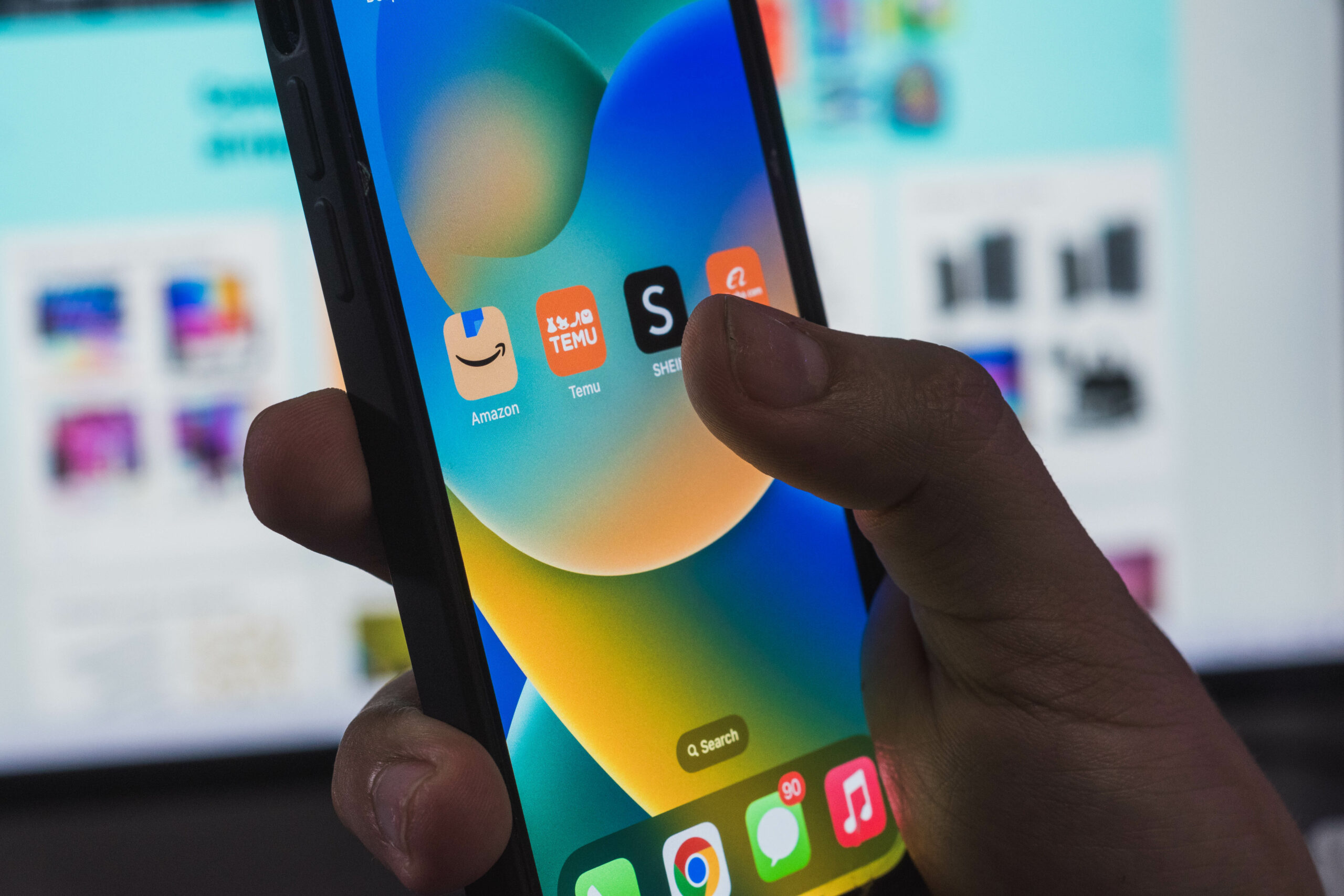
    Companies such as Shein and Temu have significantly disturbed the local retail sector, employing aggressive pricing, strategic marketing, and capitalising on tax loopholes. These tactics originally provided them with a substantial advantage over their local competitors.

    Reports surfaced in March that private equity firm L Catterton, along with Everlane CEO Alfred Chang, were on the lookout for an investor to alleviate their approximately $90 million debt. The private equity company expressed a willingness to contribute further funds if a co-investor was found. However, they also remained open to the possibility of a sale.

    Questions & Answers

    What is the estimated worth of the US-based retailer Everlane in the proposed acquisition by Shein?
    The acquisition by Shein values Everlane at about US$100 million.

    What impact have brands like Shein and Temu had on the local retail landscape?
    Shein and Temu have significantly disrupted the local retail industry through aggressive pricing, strategic marketing, and exploiting tax loopholes.

    What was the financial situation of Everlane and L Catterton prior to the acquisition?
    Before the acquisition, L Catterton and Everlane’s CEO Alfred Chang were seeking an investor to manage their approximately $90 million debt.

  • CRC Sports Targets Thai Sneaker Market with 40% Stake in JD Sports Deal

    CRC Sports Targets Thai Sneaker Market with 40% Stake in JD Sports Deal

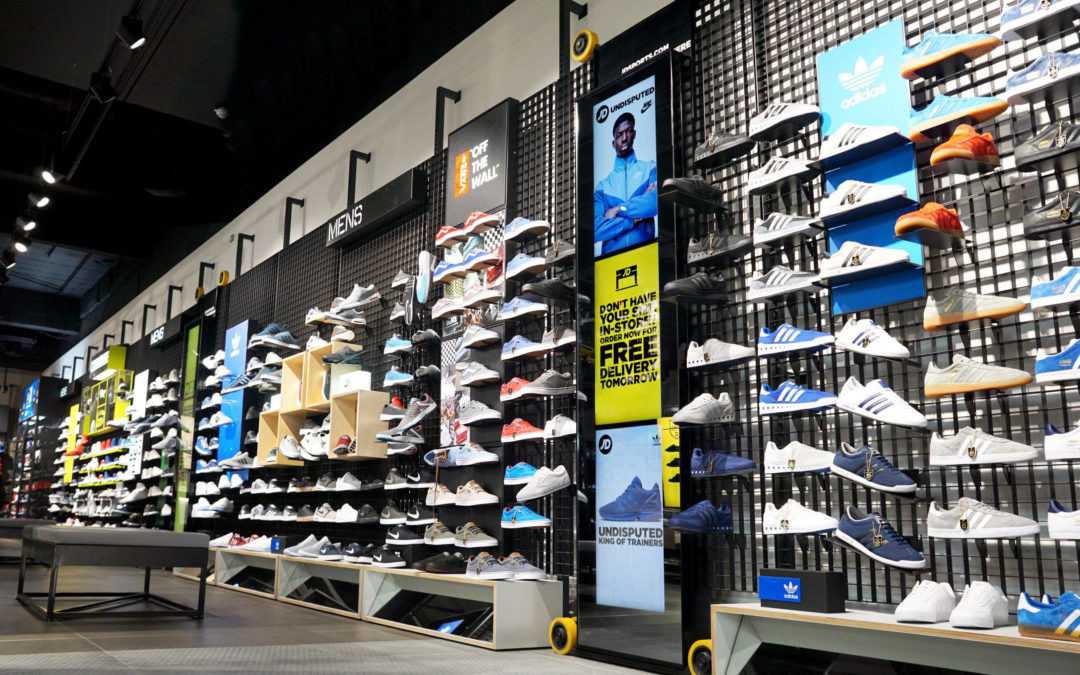
    CRC Sports, a division of Central Retail, has recently acquired a significant 40% stake in JD Sports Thailand. This strategic move is aimed at bolstering the company’s standing in Thailand’s rapidly expanding sports fashion sector.

    The transaction is projected to expedite growth in the premium sneaker and athleisure sectors, predominantly among the younger demographic. By merging CRC Sports’ expansive local retail network with JD Sports’ worldwide brand affiliations and merchandising expertise, the partnership is anticipated to be a formidable force in the market.

    Benefits of the Collaboration

    Tai Chirathivat, the CEO of Central Retail Brands and Specialties (CRBS), has highlighted the numerous benefits this collaboration brings. He emphasized that this partnership not only enhances their access to exclusive global products and licensing rights but also paves the way for the company to penetrate the sports lifestyle market fully. This sector, which is currently valued at over 35 billion baht (approximately US$1.1 million), is growing at an impressive annual rate of around 6%.

    With this acquisition, the company aims to seize up to 40% of the market share and emerge as the unrivaled leader in the sports lifestyle sector.

    JD Sports, a prominent player in the global market, currently runs more than 4,900 stores across 49 countries, hosting distinguished brands such as Nike, Adidas, New Balance, and On. Meanwhile, JD Sports Thailand operates 15 stores.

    On the other hand, CRC Sports operates over 129 stores throughout Thailand, featuring brands like Supersports, Rev Runnr, and Mono Store.

    Questions & Answers

    Why did CRC Sports acquire a stake in JD Sports Thailand?
    The acquisition aims to strengthen CRC Sports’ position in Thailand’s swiftly growing sports fashion market and accelerate its expansion in the premium sneaker and athleisure sectors.

    What advantages does the partnership between CRC Sports and JD Sports bring?
    The partnership combines CRC Sports’ extensive local retail network with JD Sports’ global brand affiliations and merchandising expertise, enhancing their access to exclusive global products and licensing rights.

    What is the growth rate of the sports lifestyle market in Thailand?
    The sports lifestyle market in Thailand is growing at an average annual rate of around 6%, and is currently valued at over 35 billion baht (approximately US$1.1 million).

  • Grab Acquires Foodpanda Taiwan in $600M Deal: A Bold Leap in Global Expansion Strategy

    Grab Acquires Foodpanda Taiwan in $600M Deal: A Bold Leap in Global Expansion Strategy

    In an ambitious move towards global expansion, Grab, Southeast Asia’s leading ride-hailing and delivery company, has announced its first venture beyond its home territory. The Singapore-based firm will acquire the Taiwan branch of Delivery Hero’s Foodpanda service in a cash transaction amounting to $600 million.

    Acquiring a Strong Foothold in Taiwan

    By acquiring Foodpanda Taiwan, Grab gains a significant operational presence outside of Southeast Asia. This acquisition is seen as a strategic part of Grab’s broader expansion plan, which is primarily focused on artificial intelligence, introducing new services, and making selective overseas deals.

    Grab’s group CEO and co-founder, Anthony Tan, believes that the company’s vast experience in the Southeast Asian market will be a perfect match for the Taiwanese market. “This is a natural next step for Grab,” he said.

    Deal Details and Future Prospects

    The expected completion of the deal, which is subject to regulatory approval and other closing conditions, is slated for the latter half of 2026. The venture is anticipated to contribute at least $60 million in incremental adjusted core earnings (EBITDA) by 2028.

    In Taiwan, Foodpanda generated around $1.8 billion in gross merchandise value in 2025 and was profitable before Delivery Hero group cost allocations.

    Earlier this year, it was reported that Grab has set targets for its revenue growth, aiming for more than 20% annually over the next three years. The company also plans to triple its EBITDA to $1.5 billion by 2028.

    Grab also reaffirmed its 2026 adjusted EBITDA guidance of $700 million to $720 million. The acquisition is projected to enhance its 2026 group revenue forecast, which currently stands between $4.04 billion and $4.10 billion.

    The company plans to complete the migration of users, merchants, and drivers to the Grab application by early 2027.

    Delivery Hero’s Strategic Move

    The CEO of Delivery Hero, Niklas Oestberg, stated that the sale of the Taiwan branch is a crucial first step in reviewing the group’s activities strategically. The proceeds from the deal will be used to pay off the company’s debts.

    Despite facing criticism from shareholders, most notably Aspex Management, for the company’s perceived slow progress in strategic review and a near one-third decrease in share value, Delivery Hero’s shares rose nearly 11% following the announcement of the deal.

    Aspex Management released a statement saying that while divesting assets is a positive step, more needs to be done for Delivery Hero to regain trust from capital markets, particularly as it continues to accumulate regulatory fines and inefficiently manage capital.

    Questions & Answers

    What will be the value of the acquisition deal between Grab and Foodpanda Taiwan?
    Grab will pay $600 million in cash to acquire Foodpanda Taiwan.

    When is Grab expected to complete the migration of users, merchants, and drivers to its app?
    The migration process is expected to be completed by early 2027.

    What will be the use of the proceeds from the sale of Foodpanda Taiwan?
    Delivery Hero plans to use the proceeds from the sale to repay its debts.

  • Grab Seals $600M Deal for Foodpanda Taiwan, Marks Historic Expansion Beyond Southeast Asia

    Grab Seals $600M Deal for Foodpanda Taiwan, Marks Historic Expansion Beyond Southeast Asia

    The Singapore-founded super app, Grab, has declared its venture beyond Southeast Asia with a proposed acquisition of Foodpanda’s Taiwan operation, owned by Delivery Hero, for a cash sum of US$600 million. This acquisition is anticipated to conclude in the second half of the current year, pending regulatory approvals, and will be conducted on a cash-free, debt-free basis.

    Integrating Foodpanda

    Following the acquisition, Grab intends to incorporate Foodpanda Taiwan into its extensive delivery ecosystem. The company has plans to introduce its AI-driven logistics, mapping, and personalisation tools to improve service quality for consumers, merchants, and delivery associates. The aim is to deliver these improvements by leveraging its advanced technology and extensive experience in managing complex delivery logistics for densely populated and high-traffic cities.

    An Exciting Expansion

    The acquisition signifies Grab’s initial expansion outside Southeast Asia, making Taiwan the company’s ninth market. Anthony Tan, Group CEO and co-founder of Grab, expressed his enthusiasm for the expansion, stating that their experience in Southeast Asia makes Taiwan a logical next step. He also commented on how their expertise in dealing with complex delivery logistics in bustling cities is perfectly tailored for Taiwan’s thriving urban centres.

    Upon completion of the acquisition, Grab will be operational in 21 cities across Taiwan. It’s worth noting that Foodpanda Taiwan reported approximately US$1.8 billion in Gross Merchandise Value (GMV) last year, and was profitable on an adjusted EBITDA basis, excluding group costs from Delivery Hero.

    Continuity and Transition

    Until the deal is finalised, Delivery Hero will proceed with the regular operation of Foodpanda Taiwan. Grab has outlined plans to shift users, merchant partners, and driver partners over to the Grab app by the start of next year. The strategy aims to ensure a smooth transition while consolidating its position in the Taiwanese delivery market.

    Questions & Answers

    What is Grab’s plan following the acquisition of Foodpanda Taiwan?
    Grab intends to incorporate Foodpanda Taiwan into its delivery ecosystem and introduce its AI-powered logistics, mapping, and personalisation tools to enhance service quality for consumers, merchants, and delivery associates.

    How does Grab view its expansion into Taiwan?
    Anthony Tan, Group CEO and co-founder of Grab, considers the expansion into Taiwan as a logical next step, given their experience in Southeast Asia. He also mentioned that their expertise in managing complex delivery logistics is well-suited for Taiwan’s bustling urban centres.

    What are the plans for Foodpanda Taiwan users and partners after the acquisition?
    Grab plans to migrate users, merchant partners, and driver partners over to the Grab app by the start of next year. The aim is to ensure a smooth transition and strengthen its position in the Taiwanese delivery market.

  • Estee Lauder Seals the Deal: Full Ownership of India’s Luxury Beauty Brand, Forest Essentials

    Estee Lauder Seals the Deal: Full Ownership of India’s Luxury Beauty Brand, Forest Essentials

    Estee Lauder, a renowned global manufacturer and marketer of skincare, makeup, and beauty products, has acquired the remaining shares of the luxury Indian beauty brand, Forest Essentials. This move finalizes an 18-year partnership between the two entities, pending regulatory approval.

    Increase in Commitment and Position

    Stéphane de La Faverie, the president and CEO of Estee Lauder, emphasized that this acquisition underscores the company’s commitment to enhancing the growth of Forest Essentials. It also solidifies its standing in India’s high-end beauty market. De La Faverie expressed deep admiration for the vision and perseverance needed to create a brand of Forest Essentials’ stature. The shared objective is to further solidify the brand’s leadership domestically, while prudently introducing it to a global market.

    A Brand Rooted in Tradition

    Forest Essentials, established in 2000 by Mira Kulkarni, draws its inspiration from Ayurveda. This age-old Indian wellness system, with a history spanning approximately 3000 years, concentrates on creating harmony between the mind, body, and spirit. Forest Essentials has successfully transformed these traditional rituals into contemporary formulations and immersive retail experiences, placing Ayurveda in the luxury beauty segment. Today, Forest Essentials is a leading brand with about 200 stores spread across India.

    Future Direction

    Despite the acquisition, Forest Essentials will retain its headquarters in New Delhi under the leadership of Mira Kulkarni and her son, Samrath Bedi, who is the executive director. The brand will continue its operations in India, including infusing research and development with Ayurveda principles, sourcing botanicals locally, and manufacturing in-house.

    The collaboration with Estee Lauder will allow Forest Essentials to tap into the latter’s worldwide brand-building capabilities, distribution network, and operational proficiency. This will foster long-term growth while preserving the brand’s heritage.

    Kulkarni expressed that the next phase of the company’s evolution will concentrate on international expansion while preserving its Indian roots. She reiterated that Ayurveda is not simply a belief system, but a refined combination of science, ritual, and holistic wellbeing. She added that this new phase signifies both continuity and growth.

    Questions & Answers

    What is the significance of Estee Lauder’s acquisition of Forest Essentials?
    This acquisition reinforces Estee Lauder’s commitment to the growth of Forest Essentials and strengthens its position in the Indian luxury beauty market.

    What impact will the acquisition have on the operations of Forest Essentials?
    Forest Essentials will remain headquartered in New Delhi and continue its operations in India. It will also leverage Estee Lauder’s global brand-building capabilities, distribution network, and operational expertise to support long-term growth.

    What will be the focus of Forest Essentials’ next stage of development?
    Forest Essentials will focus on international expansion while maintaining its Indian roots and preserving the brand’s heritage.

  • Thai Retail Giant CP Axtra Snaps Up The Food Purveyor in $421.6 Million Deal, Expanding Premium Grocery Footprint in Malaysia

    Thai Retail Giant CP Axtra Snaps Up The Food Purveyor in $421.6 Million Deal, Expanding Premium Grocery Footprint in Malaysia

    Thai retail powerhouse CP Axtra has secured a deal to acquire the Malaysian supermarket operator, The Food Purveyor, for a sum of US$421.6 million.

    The Food Purveyor’s Market Presence

    The Food Purveyor boasts a wide range of premium grocery brands under its umbrella, including Village Grocer, Ben’s Independent Grocer, BSC Fine Foods, OTK, and The Food Merchant. The company currently operates a broad network of 50 stores spread throughout Malaysia.

    CP Axtra’s Growth Trajectory

    CP Axtra, established in 1988, is one of the leading wholesale and grocery conglomerates in Thailand. It expanded into Malaysia by acquiring Tesco in 2020 and subsequently operating it under the brand name Lotus Malaysia. With a sprawling network of more than 2600 outlets spread across countries like Thailand, Malaysia, Cambodia, Vietnam, Singapore, Hong Kong, Oman, and the UAE, the company has established a significant presence worldwide.

    Strategic Acquisition

    This new acquisition forms part of CP Axtra’s comprehensive strategy to penetrate high-potential international markets, such as Malaysia. It also bolsters the company’s foothold in the premium grocery segment. Upon the deal’s completion, CP Axtra will operate in excess of 120 grocery chains nationwide. This figure combines 50 stores from The Food Purveyor and 70 stores from Lotus.

    The transaction is slated for completion in the fourth quarter, dependent on receiving the necessary regulatory approvals.

    Questions & Answers

    What major brands does The Food Purveyor operate under?
    The Food Purveyor operates major premium grocery brands such as Village Grocer, Ben’s Independent Grocer, BSC Fine Foods, OTK, and The Food Merchant.

    How has CP Axtra grown over the years?
    CP Axtra has grown significantly since its establishment in 1988. It now operates more than 2600 outlets across Thailand, Malaysia, Cambodia, Vietnam, Singapore, Hong Kong, Oman, and the UAE.

    What is the significance of this acquisition for CP Axtra?
    The acquisition of The Food Purveyor enables CP Axtra to expand into high-potential overseas markets such as Malaysia and strengthen its position in the premium grocery segment.

  • Vietnam Airlines and Sun PhuQuoc Airways Ink Historic $30B Deal for 90 Boeing Aircraft

    Vietnam Airlines and Sun PhuQuoc Airways Ink Historic $30B Deal for 90 Boeing Aircraft

    Vietnam Airlines and Sun PhuQuoc Airways have entered into a significant agreement to acquire a total of 90 Boeing aircraft in a deal estimated to be worth over US$30 billion. The high-profile contract signing event was held in Washington, D.C., with the participation of Vietnam’s Party General Secretary To Lam and his official delegation.

    Purchases by Vietnam Airlines

    Vietnam Airlines aims to enrich its fleet with the addition of 50 Boeing 737-8 planes, a purchase valued at $8.1 billion. The carrier has planned the procurement timeline between 2030 and 2032. The airline’s strategic intent behind this acquisition is to leverage the new aircraft on its domestic routes as well as for reaching various destinations across Asia.

    Boeing’s best-selling aircraft, the 737-8, comes with a seating capacity of up to 200 passengers and a flight range of 6,570 km. This makes it an ideal choice for the airline’s regional and medium-haul routes.

    Purchases by Sun PhuQuoc Airways

    Sun PhuQuoc Airways, on the other hand, plans to invest $22.5 billion in purchasing 40 Boeing 787-9 Dreamliner aircraft. The 787-9 is a long-haul, wide-body aircraft with a flight range exceeding 14,000 km and the capability to seat 290 passengers.

    At present, Vietnam Airlines is the sole operator in the country of wide-body aircraft. Sun PhuQuoc Airways, having started its operations in the last quarter of 2025, has received its eighth narrow-body aircraft recently and is poised to acquire two more Airbus planes by the end of this month.

    The country’s largest private airline, Vietjet Air, also secured strategic partnerships during this event. These partnerships involve deals worth more than $6.3 billion with leading U.S. financial institutions and corporations.

    Questions & Answers

    What is the value of the Boeing aircraft purchase agreement between Vietnam Airlines and Sun PhuQuoc Airways?

    The total value of the agreement is estimated at over US$30 billion.

    How many aircraft does Vietnam Airlines plan to buy and for what purpose?

    Vietnam Airlines plans to buy 50 Boeing 737-8 planes, costing $8.1 billion, to operate on domestic and Asian routes.

    What type of aircraft does Sun PhuQuoc Airways intend to acquire?

    Sun PhuQuoc Airways intends to purchase 40 Boeing 787-9 Dreamliner aircraft, which are long-haul, wide-body planes.