Tag: deal

  • Groundbreaking Deal: TikTok’s U.S. Assets Acquired by American-led Consortium

    Groundbreaking Deal: TikTok’s U.S. Assets Acquired by American-led Consortium

    The well-known, short-form video application, TikTok, has made strides towards securing its future in the U.S. market. The company’s U.S. assets will be sold to an American investor group following the signing of necessary agreements. This move is a significant step towards relieving the app from its present Chinese owners, ByteDance, as mandated by a law passed last year and validated by the Supreme Court. ByteDance is required to relinquish at least 80% of TikTok’s U.S. assets or face a potential ban.

    Investor Agreements and Implications

    TikTok’s CEO, Shou Chew, informed the company’s staff about the new developments through a memo delivered on a Thursday. The memo highlighted the signing of agreements with investors that would result in the creation of a new TikTok U.S. joint venture. This venture would enable the 170 million American users of the app to continue being part of the global community that TikTok provides.

    The U.S. had previously shown significant bipartisan support for a TikTok ban due to worries about ByteDance’s collection of personal data from American children and possible propagation of Chinese government propaganda through the app’s feeds. However, the company’s crucial algorithm, which powers the ‘For You’ page and controls user feeds, will remain with ByteDance. ByteDance will license a copy of the source code to the new U.S. entity.

    Deadline Extensions and User Preferences

    The deadline for the sale of TikTok had been extended multiple times during the second Trump presidency. The deadline was pushed further when President Trump signed an executive order, following a deal with China, which allowed the transfer of control of TikTok’s U.S. operations to American investors. The executive order provided a qualified divestiture, delaying the enforcement of the deal’s deadline for 120 days.

    Interestingly, Americans spend more time on TikTok each day than on YouTube, Instagram, and Facebook.

    Closing the deal

    Despite the leaps made in the transaction, more work remains before the sale can be finalized. The current target for the deal’s closure is January 22nd, 2026. ByteDance and TikTok have come to an agreement on the terms of the deal. A new American entity, TikTok USDS Joint Venture LLC, will be created as part of the agreement.

    Three companies will jointly own 50% of TikTok USDS Joint Venture LLC. These are Oracle, Silver Lake, and MGX. Oracle is a U.S. firm tasked with storing TikTok’s data in the U.S. Silver Lake is a U.S. private equity firm with ties to the tech and media industries. MGX is an Abu Dhabi-based firm responsible for providing funding.

    Investment Details

    Other equity partners include affiliates of existing investors, who hold 30.1% stake in the venture. These investors are U.S.-based firms, such as General Atlantic and Susquehanna, which had already invested in ByteDance globally. ByteDance, the original Chinese parent company, will retain a 19.9% stake, ensuring that the new venture does not fall under the classification of “foreign controlled”.

    TikTok’s Global Impact

    TikTok’s global influence is undeniable, as its 1.59 billion monthly active users in early 2025 made it the fifth-largest social media platform globally. In the U.S. alone, there are 135.79 million users, the highest of any country. The app also boasts notable financial success, generating $23 billion in global revenue last year, with advertising making up 77% of this revenue.

    In terms of user demographics, the majority of TikTok’s user base (71%) is aged between 18 and 34, totalling 1.05 billion individuals. Users aged 45 and above make up a mere 3.6% of the total user base. Regarding gender distribution, 55.7% of TikTok users are male, with women comprising 44.3%.

    American users spend an average of 52 minutes daily on the platform, surpassing the average time spent on YouTube (48 minutes), Instagram (35 minutes), and Facebook (30 minutes).

    Questions & Answers

    What is the current status of TikTok’s U.S. operations?
    The short-form video app has taken steps towards securing its future in the U.S. market by signing agreements that enable the sale of its U.S. assets to an American investor group.

    What are the implications of the new investor agreements?
    The crucial algorithm of TikTok, which powers the ‘For You’ page and controls user feeds, will remain with ByteDance, while a copy of the source code will be licensed to the new U.S. entity.

    Who are the new investors in TikTok?
    Three companies will jointly own 50% of the newly created entity—TikTok USDS Joint Venture LLC. These are Oracle, Silver Lake, and MGX. Other equity partners include affiliates of existing investors and ByteDance.

  • Disney Unleashes Its Characters into the World of AI: Unprecedented Deal with OpenAI Signals a New Era for Fan-Created Content

    Disney Unleashes Its Characters into the World of AI: Unprecedented Deal with OpenAI Signals a New Era for Fan-Created Content

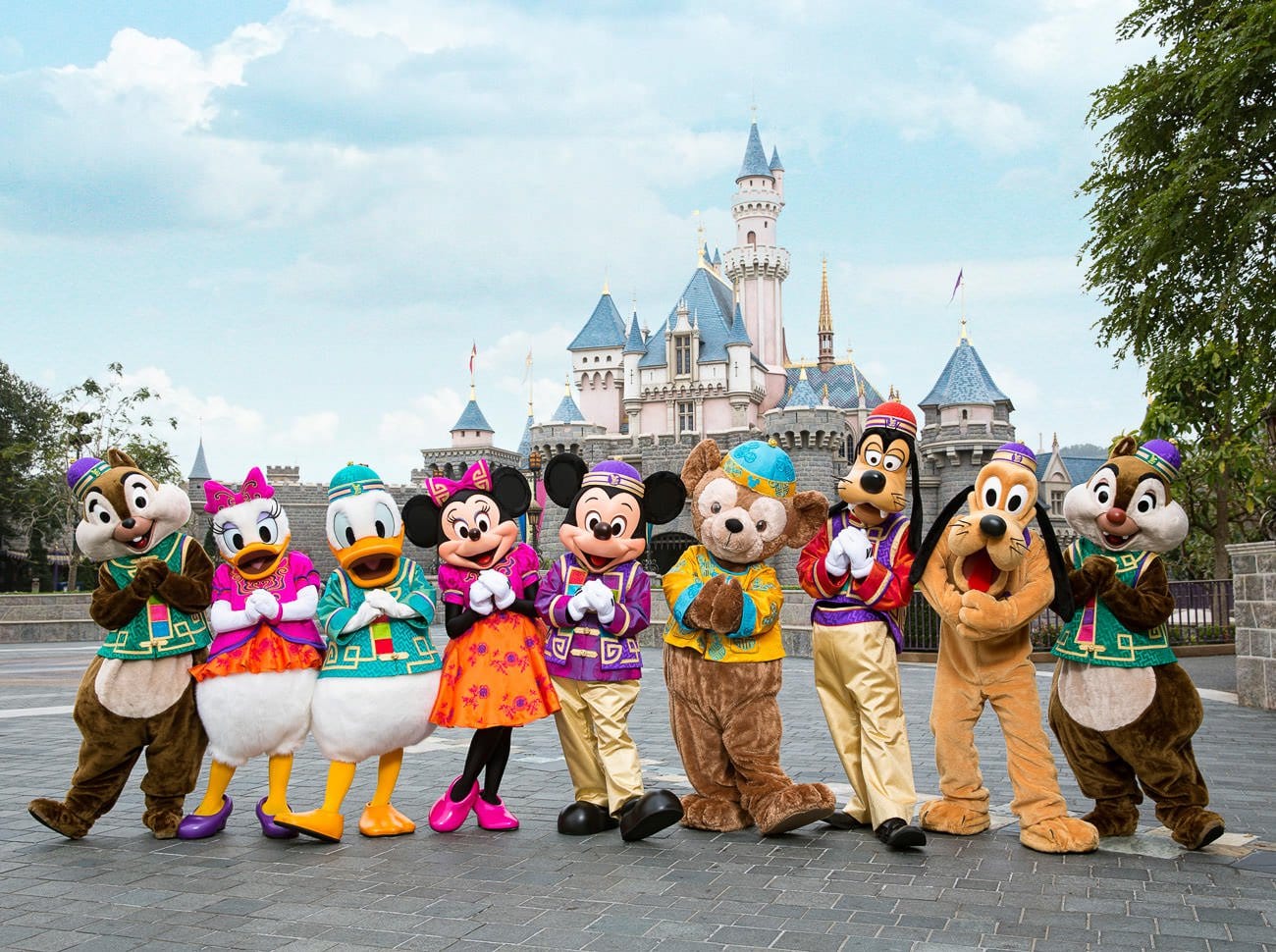
    Disney, a company known for fiercely guarding its characters and intellectual property, has forged a new path by entering into a three-year licensing agreement with OpenAI. Through this groundbreaking deal, users of OpenAI’s Sora platform will be able to create brief videos featuring over 200 animated, masked, and creature characters drawn from Disney, Marvel, Pixar, and Star Wars franchises. This includes a range of costumes, props, vehicles, and iconic environments. At the core of the agreement is a blend of Hollywood’s prized intellectual property and OpenAI’s advanced AI technology.

    Revolutionizing Video Creation with Sora

    The deal’s focus is on the application of OpenAI’s Sora video creation platform. Users will have the opportunity to create short, user-prompted videos to share with others. Additionally, through ChatGPT Images, users can convert a few words into fully generated AI images in mere seconds. However, the deal doesn’t extend to the likeness or voices of specific Disney characters or those who lend their voices to animated Disney personas.

    Certain content created on the Sora platform may also find its way onto Disney+, enhancing the streaming service’s selection of videos with fan-created content. Moreover, the agreement transforms Disney into an OpenAI customer, with access to ChatGPT for internal use. It also gives Disney the ability to utilize OpenAI APIs to introduce new features on the Disney+ streaming platform.

    Disney Characters in AI Videos

    Disney enthusiasts can use a host of beloved characters in their AI video creations. This roster includes Mickey and Minnie Mouse, Lilo, Stitch, Ariel, Belle, Beast, Cinderella, Baymax, Simba, Mufasa, and more.

    Additional characters from popular franchises such as Encanto, Frozen, Inside Out, Moana, Monsters Inc., Toy Story, Up, Zootopia will also be available. Fans can also incorporate animated versions of Marvel and Lucasfilm characters like Black Panther, Captain America, Deadpool, Groot, Iron Man, Loki, Thor, Thanos, Darth Vader, Han Solo, Luke Skywalker, Leia, the Mandalorian, Stormtroopers, Yoda, among others.

    Commitment to Responsible AI Use

    The agreement between Disney and OpenAI underscores a dedication to responsible AI use, safeguarding user safety and creator rights. As part of the deal, Disney will invest $1 billion in OpenAI equity and receive warrants to purchase additional equity in the company. OpenAI is committed to implementing measures to protect users, such as age-appropriate policies and other necessary controls. Both parties are determined to prevent the generation of illegal or harmful content.

    Disney’s Stand Against Google

    In a parallel development, Disney has accused Google of large-scale copyright infringement. According to Disney, Google has used AI models to exploit and distribute images and videos that violate Disney’s intellectual property rights. The company has sent Google a cease-and-desist letter, demanding an immediate end to these alleged infringements.

    Disney has made it clear that it will not tolerate unauthorized commercial exploitation of its copyrighted works by AI services. The company has expressed concern over Google’s use of infringed copyrighted works to sustain market dominance.

    Questions & Answers

    What does the licensing agreement between Disney and OpenAI entail?
    The agreement allows users of OpenAI’s Sora platform to create short videos featuring over 200 characters from Disney, Marvel, Pixar, and Star Wars franchises. However, it does not cover the likeness or voices of specific Disney characters or those lending their voices to these characters.

    What benefits does Disney get from this deal?
    The agreement turns Disney into an OpenAI customer, enabling the company to use ChatGPT for internal purposes and OpenAI APIs to add new features to the Disney+ streaming platform. It also opens up opportunities for fan-created content to enhance the streaming service’s video inventory.

    How does the deal address intellectual property and user safety?
    The agreement emphasizes responsible AI use, with OpenAI pledging to implement measures such as age-appropriate policies and other controls to protect users. Additionally, both parties have committed to prevent the generation of illegal or harmful content.

  • HSBC’s $13.6b Acquisition Of Hang Seng Bank: Independent Advisor To Evaluate Risks

    HSBC’s $13.6b Acquisition Of Hang Seng Bank: Independent Advisor To Evaluate Risks

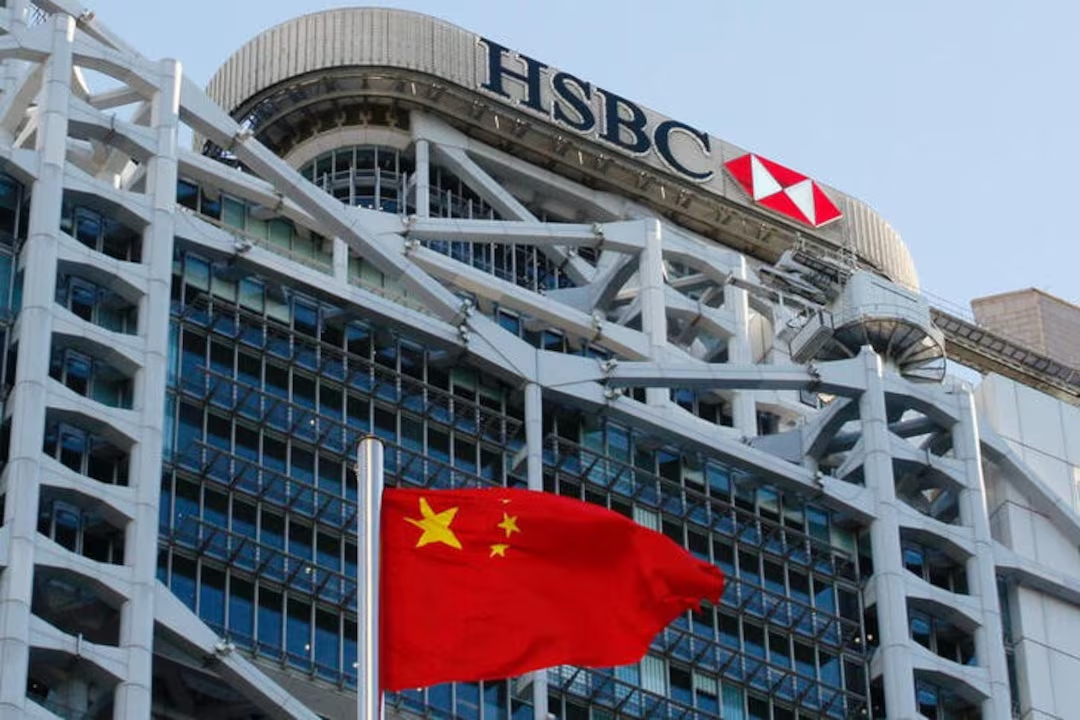
    Hong Kong’s Hang Seng Bank has enlisted the services of an independent advisor to evaluate its impending takeover by HSBC. Somerley Capital, a financial advisory firm, has been tapped to scrutinize the details of the deal, according to a recent filing made to the exchange.

    HSBC’s Proposed Acquisition

    Earlier this month, British banking giant HSBC, which currently holds a 63% stake in Hang Seng Bank, disclosed its intention to acquire the remaining shares and privatize the local bank. The proposed deal is estimated to be worth HK$106 billion ($13.6 billion).

    HSBC’s Chief Executive Officer, Georges Elhedery, has described the initiative as a strategic move aimed at boosting growth. However, there have been several concerns raised by observers about the potential risks the bank could be taking on.

    Assessing Risks

    Critics have noted that the acquisition would mean HSBC absorbing the risks associated with a decline in Hong Kong’s commercial real estate sector. Hang Seng Bank has reported HK$25 billion worth of impaired loans in this sector for the first half of 2025. As such, this deal would expose HSBC to the potential economic fallout from this downturn.

    Questions & Answers

    What is HSBC’s proposed acquisition of Hang Seng Bank worth?
    The acquisition is proposed to be worth HK$106 billion ($13.6 billion) and would see HSBC owning all shares in Hang Seng Bank.

    Who has Hang Seng Bank appointed as an independent advisor for the deal?
    Hang Seng Bank has appointed Somerley Capital as an independent financial advisor to assess the proposed acquisition.

    What risks are associated with HSBC’s planned takeover?
    The key risk associated with the takeover is the exposure to the downturn in Hong Kong’s commercial real estate sector, with Hang Seng Bank having reported impaired loans worth HK$25 billion from this sector in the first half of 2025.

  • HSBC’s Hang Seng Deal Bets on Long-Term Gains Beating CRE Risks

    HSBC’s Hang Seng Deal Bets on Long-Term Gains Beating CRE Risks

    HSBC’s recent proposal to purchase Hang Seng has raised questions due to the potential commercial real estate risk in Hong Kong. However, some experts believe that possible long-term advantages such as cost synergies may offset these concerns.

    Deal Details

    HSBC last week proposed to take over its Hong Kong-based subsidiary, Hang Seng Bank, by purchasing the remaining 37% stake currently held by minority shareholders for HK$106 billion ($13.6 billion). This transaction values Hang Seng at $155 per share, representing approximately a 30% premium at the time of the announcement. Hang Seng is expected to maintain its individual brand, banking license, and board.

    The acquisition will be entirely financed by HSBC, which plans to restore its CET1 ratio to its target operating range of 14-14.5% by generating capital organically and pausing any further buybacks for three quarters.

    Post-announcement, Hang Seng’s share price saw an increase of approximately 26%, while HSBC’s shares dropped by nearly 8%.

    Potential Bailout Concerns

    One of the most significant concerns surrounding the deal is Hang Seng’s exposure to Hong Kong’s commercial real estate (CRE) sector, which has been experiencing a sustained decline due in part to reduced rental demand and enduring vacancies. Close to half of HSBC’s Hong Kong CRE exposure is linked to Hang Seng, which reported HK$25 billion of impaired loans in the sector as of the first half of 2025.

    Reports indicate that Hang Seng was in the initial stages of selling more than $3 billion worth of property-backed loan portfolios following HSBC’s directive to its London-based global chief corporate credit officer and the head of its special credit unit to initiate such a process three months prior. Additionally, HSBC’s Hong Kong CEO Luanne Lim was appointed as Hang Seng CEO in September, replacing Diana Cesar who was promoted to Hong Kong vice chair at HSBC.

    However, HSBC CEO Georges Elhedery maintains that the deal aims to stimulate growth. He has stated that the Hang Seng transaction was not motivated by pressure to rescue the local lender and added that the British firm would consider further acquisitions in Hong Kong, with transaction banking and wealth identified as priority growth areas.

    Analysts’ Take

    The business community has offered mixed reactions to the deal, which is yet to receive approval.

    According to a UBS report, benefits could arise from increased exposure to the high return on tangible equity (ROTE) market in Hong Kong and simplified operations. However, concerns about provisions for CRE loans persist. Jefferies downgraded HSBC from a “buy” to a “hold” status after the planned $8.5 billion share buyback plan was scrapped, noting that the Hang Seng deal would have a neutral impact on earnings per share before synergies.

    Michael Makdad, a senior equity analyst at Morningstar, stated that “parent-subsidiary double listings are inherently problematic in terms of governance and in this sense, it’s a positive and long-overdue move. Of course, HSBC will need to pay a premium so it likely wouldn’t be positive in terms of my fair-value estimate for HSBC but there should be some opportunities for cost synergies.”

    Questions & Answers

    Q: What is the potential impact of the HSBC and Hang Seng deal?
    A: While increased exposure to the high ROTE market of Hong Kong and reduced operational complexity are expected benefits, there are concerns about provisions for CRE loans.

    Q: Has HSBC’s stock been affected by the announcement to buy Hang Seng?
    A: Yes, the announcement has led to an approximately 8% drop in HSBC’s share price.

    Q: Is there a risk of a bailout related to the HSBC and Hang Seng deal?
    A: There have been speculations about a potential bailout due to Hang Seng’s significant exposure to Hong Kong’s declining commercial real estate sector. HSBC’s CEO, however, maintains that the purchase is aimed at driving growth.

  • Swift & Moore Partners With Otter Craft Distilling For Nationwide Spirits Distribution

    Swift & Moore Partners With Otter Craft Distilling For Nationwide Spirits Distribution

    Swift & Moore, a beverage distributor, has recently formed a collaboration with Otter Craft Distilling (OCD). As part of this new alliance, Swift & Moore will be taking over the nationwide distribution of the Sydney-based distillery’s variety of small-batch spirits.

    Collaboration Details

    In addition to taking over the distribution, Swift & Moore will also relocate some of its spirits production to Otter’s Marrickville facility. This strategic decision is designed to enhance Swift & Moore’s impact in the high-end spirits category, a segment that continues to experience growth in both retail and on-site sales channels.

    Established in 2015, Otter Craft Distilling produces a selection of Australian vodka, gin, and whiskey. The company has built a reputation for its small-scale, hands-on production methods. All their products are made in controlled quantities directly on-site. This collaboration provides the brand with access to Swift & Moore’s comprehensive national sales and logistics network.

    CEO’s Remarks

    “OCD represents the creativity and quality that consumers are growing more interested in when it comes to craft spirits,” observed Michael McShane, CEO of Swift & Moore. He further noted, “This partnership allows us to introduce their exceptional products to a larger audience and persist in driving growth and customization in the premium spirits category.”

    Swift & Moore manages a collection of numerous beverage brands, comprising both local and international producers. The company has gradually shifted its focus towards premium spirits as a key aspect of its growth strategy.

    Distribution Status

    The partnership started immediately, with OCD products being incorporated into Swift & Moore’s national distribution system well before the holiday trading season.

    Questions & Answers

    What products does Otter Craft Distilling produce?
    Otter Craft Distilling makes a selection of Australian vodka, gin, and whiskey.

    What is Swift & Moore’s growth strategy?
    Swift & Moore has gradually been focusing more on premium spirits as a significant part of its growth strategy.

    How will the partnership benefit Otter Craft Distilling?
    The partnership will give Otter Craft Distilling access to Swift & Moore’s comprehensive national sales and logistics network, helping the brand expand its reach.

  • Nvidia’s $100 Billion Investment In Openai: A Game-changer For Ai Development And Market Dynamics

    Nvidia’s $100 Billion Investment In Openai: A Game-changer For Ai Development And Market Dynamics

    On Tuesday, Nvidia’s shares fell by $5.18 or 2.82%, closing the regular trading session at $178.43. The stock retreated, losing more than half of the 4% increase it saw on Monday. This came after the technology company announced its plans to invest up to $100 billion in ChatGPT parent company, OpenAI. The partnership will enable OpenAI to construct data centers powered by 10 gigawatts of “compute capacity” from Nvidia’s AI systems.

    The Advantage of GPUs in AI Systems

    Nvidia’s AI systems run on the company’s GPU (Graphics Processing Unit) chips. The reason GPUs are favored over CPUs (Central Processing Units) in AI systems is due to their proficiency in parallel processing. This means that GPUs can have multiple cores working on the same data simultaneously. On the other hand, a CPU processes data sequentially, handling tasks one at a time.

    Future Developments

    The first phase of this partnership is expected to begin implementation in the latter half of 2026 using the Nvidia Vera Rubin platform. This represents Nvidia’s next iteration of AI and data center platform, set to replace the existing Blackwell architecture. Named after a pioneer in the field of astronomy, the Vera Rubin platform is designed for large rack systems as opposed to single-chip options. The platform’s design allows it to manage and process vast amounts of data concurrently.

    The Excitement Surrounding the Partnership

    Jensen Huang, Nvidia’s founder and CEO, expressed his enthusiasm about the partnership, asserting that Nvidia and OpenAI have been challenging and pushing each other forward for a decade. He believes that this investment and infrastructure partnership marks a significant leap forward by deploying 10 gigawatts to enable the next era of intelligence.

    Echoing Huang’s sentiments, OpenAI cofounder and president Greg Brockman stated that the organization had been closely collaborating with Nvidia since OpenAI’s early days. They have utilized Nvidia’s platform to develop AI systems that hundreds of millions of people use every day. The deployment of ten gigawatts of compute with Nvidia signifies an exciting phase in extending the frontier of AI and scaling its benefits to everyone.

    The AI Landscape

    OpenAI currently boasts over 700 million weekly active users, and its partnership with Nvidia is set to benefit humanity by developing innovative AI solutions. The deal is expected to be finalized in the coming weeks.

    In the tech sector, AI continues to be a prevalent topic, and as a result, Nvidia’s shares have become a new standard for the industry. Nvidia’s market value now stands at $4.34 trillion, surpassing the likes of Apple ($3.78 trillion) and Microsoft ($3.79 trillion).

    Microsoft has invested $13 billion in OpenAI, but instead of acquiring a specific percentage of ownership, Microsoft entered into a profit-sharing agreement, receiving 49% of OpenAI Global, LLC’s profits annually until a certain limit is reached.

    Additionally, Alphabet, the parent company of Google, has also established itself as a leader in AI with a market value of $3.06 trillion. Over the past year, Alphabet’s shares have seen a 55% increase, even outpacing Nvidia’s 47% year-on-year gain.

    Questions & Answers

    Why are GPUs preferred over CPUs in AI systems?
    GPUs excel at parallel processing, which allows multiple cores to work on the same data simultaneously. In contrast, CPUs handle tasks one at a time, processing data sequentially.

    What is the significance of Nvidia’s partnership with OpenAI?
    The partnership marks a significant progression in the field of AI. With Nvidia’s investment, OpenAI can build data centers powered by 10 gigawatts of compute capacity, extending the frontier of intelligence and scaling the benefits of AI to everyone.

    How does the Nvidia-OpenAI deal impact the AI landscape?
    The deal, among others, signifies a change in leadership within the AI industry. It further cements Nvidia’s position as a market leader, with its shares now emerging as the new standard for the sector, surpassing even tech giants such as Apple and Microsoft.

  • Fonterra Settles Dispute With Bega Group, Proceeds With Nz$4.22 Billion Divestment To Lactalis

    Fonterra Settles Dispute With Bega Group, Proceeds With Nz$4.22 Billion Divestment To Lactalis

    Fonterra has successfully settled its disagreement with the Bega Group over Bega licenses in Australia. This settlement followed Fonterra’s decision to divest its consumer business to Lactalis, a French dairy conglomerate.

    Fonterra’s Divestment to Lactalis

    Just last week, Fonterra, headquartered in New Zealand, decided to offload its consumer and related businesses to Lactalis in a deal worth NZ$3.845 billion ($3.46 billion). These businesses house popular brands like Mainland, Anchor, and Perfect Italiano, and they currently hold the licenses for Bega Cheese-branded products within Australia.

    Fonterra had originally planned to include the Bega licenses in its divestment. However, this necessitated the resolution of an ongoing legal dispute with the Bega Group.

    Resolution of Bega-Fonterra Dispute

    In a recent development, both parties reached a consensus that the deal would not have any impact on the terms of their license agreements. They also agreed to put an end to the legal proceedings.

    Fonterra clarified in a statement that the “sale to Lactalis of Fonterra’s global consumer and related businesses does not constitute a change of control under the Bega licenses.”

    Bega reciprocated in its own statement, “Fonterra intends to structure the sale to Lactalis in a way which will not affect the operation of the Trade Mark License Agreements or trigger the change of control clauses within those agreements.”

    Bega Group also asserted its anticipation for collaboration with Fonterra and Lactalis during the transition period and beyond. It confirmed that the sale to Lactalis would not modify the current contractual arrangements linked with the Bega brand or the benefits the Bega Group gains from such arrangements.

    As a consequence of the resolution, the Bega licenses held by Fonterra’s Australian business will be incorporated into the divestment.

    Financial Details of the Deal

    As previously declared, Lactalis will provide Fonterra an extra NZ$375 million for the licenses on top of the NZ$3.845 billion base enterprise value. This pushes the total proceeds from the sale to NZ$4.22 billion.

    In earlier developments, Bega had presented a bid for Fonterra’s consumer business as part of a consortium with Dutch dairy cooperative FrieslandCampina. Japan’s Meiji was also a contender in the auction.

    Questions & Answers

    What was the dispute between Fonterra and Bega about?
    The dispute was regarding Bega licenses in Australia that Fonterra intended to include in its divestment to Lactalis.

    What resolution was reached between Fonterra and Bega?
    Both companies agreed that the sale of Fonterra’s businesses to Lactalis would not affect their existing license agreements.

    What is the financial value of the Fonterra-Lactalis deal?
    Lactalis will pay Fonterra a total of NZ$4.22 billion, which includes the base enterprise value of NZ$3.845 billion and an additional NZ$375 million for the Bega licenses.

  • Guess Inc. To Go Private In $1.4b Deal With Authentic Brands And Marciano Founders

    Guess Inc. To Go Private In $1.4b Deal With Authentic Brands And Marciano Founders

    Guess, a renowned fashion and lifestyle brand, is preparing to transition into a privately-held company following a US$1.4 billion pact with Authentic Brands Group, major shareholders, and co-founders Maurice and Paul Marciano, Nicolai Marciano, as well as CEO Carlos Alberini.

    Details of the Agreement

    According to the terms of this agreement, Authentic Brands Group is slated to acquire the majority stake, 51%, of Guess’s intellectual property. Meanwhile, the Marciano family and their affiliated entities will retain a minority stake of 49%.

    Despite the shift in ownership, Guess’s management team will continue to operate the business and retain full ownership of the operating company. Shareholders who are not part of the founding group are set to receive a cash payment of $16.75 per share.

    The Future of Guess

    Jamie Salter, the founder, chairman, and CEO of Authentic Brands, expressed his excitement and optimism about the impending partnership with the Marcianos. He acknowledged Guess as a dominant brand that has significantly influenced style and culture for over four decades. Salter is eager to collaborate with the Marciano family as Guess embarks on this new phase, building upon its enduring legacy.

    Questions & Answers

    What will be the distribution of Guess’s intellectual property ownership following the deal?
    Following the agreement, Authentic Brands Group will own 51% of Guess’s intellectual property, while the Marciano family and their affiliated entities will retain a 49% stake.

    What will happen to shareholders who are not part of the founding group?
    Shareholders who are not part of the founding group will receive a cash payment of $16.75 per share as a result of the agreement.

    Who will continue to manage Guess after the deal?
    Despite the change in ownership, Guess’s current management team will continue to run the business, maintaining full ownership of the operating company.

  • Paramount Secures 28% Stake In Envictus International For $29.5m In Strategic Diversification Move

    Paramount Secures 28% Stake In Envictus International For $29.5m In Strategic Diversification Move

    Paramount, a Malaysian property developer, is preparing to secure a 28% share in Envictus International, a firm managing both Texas Chicken and San Francisco Coffee within Malaysia, with an investment of approximately US$29.5 million.

    Details of the Acquisition

    This acquisition would have Venice Concepts, a wholly-owned subsidiary of Paramount, purchase around 85.17 million shares constituting the 28% stake in Envictus International, currently listed on the Singapore Exchange. The shares would be directly acquired from JAG Capital.

    Envictus International has a diversified presence across various sectors. Besides its operations managing quick-service and coffee chains, the company also engages in trading and the frozen food business through Pok Brothers. Additionally, it has a dairy division marketing the SuJohan creamer brand.

    Paramount’s Current Holdings and Future Growth Strategy

    Paramount already has ownership of two restaurants within Kuala Lumpur – Dewakan and Bidou – that were recently inaugurated. This acquisition marks a strategic move supporting Paramount’s efforts to future-proof its business through investments in alternative sectors.

    According to Jeffrey Chew Sun Teong, Group CEO of Paramount, this acquisition is a step towards diversifying the company’s earnings base. He voiced his optimistic view of the evergreen Food & Beverage (F&B) sector and highlighted the potential it holds for Paramount’s growth.

    This investment in Envictus International is Paramount’s second significant financial move since the previous year, when it acquired a 21.54% stake in EWI Capital for a sum of $39.9 million.

    Questions & Answers

    What is the expected impact of Paramount’s acquisition of a stake in Envictus International?
    The acquisition is expected to help Paramount diversify its earnings base and invest in the evergreen F&B sector.

    What does Envictus International do?
    Envictus International operates Texas Chicken and San Francisco Coffee in Malaysia. Besides its quick-service and coffee chains, the company also manages a trading and frozen food business via Pok Brothers, and markets the SuJohan creamer brand through a dairy division.

    What was Paramount’s major financial move last year?
    In the previous year, Paramount made a significant investment by acquiring a 21.54% stake in EWI Capital for $39.9 million.

  • Taiwan blocks Uber’s $950M Foodpanda deal over competition concerns

    Taiwan blocks Uber’s $950M Foodpanda deal over competition concerns

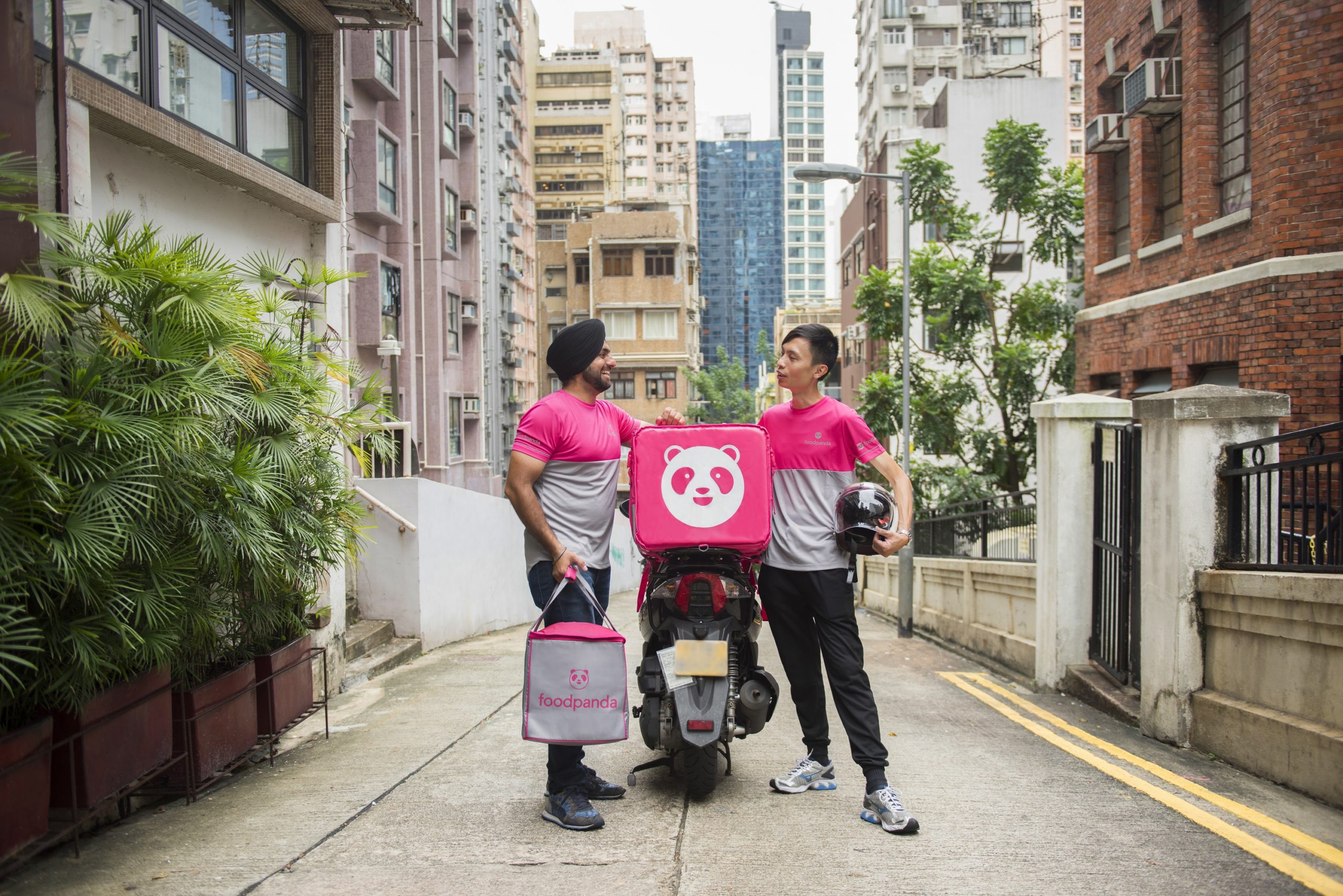
    Taiwan has blocked Uber Technologies’ $950 million purchase of Delivery Hero’s Foodpanda business on the island because of concerns it would be anti-competitive, the Fair Trade Commission (FTC) said on Wednesday.

    Uber and Foodpanda did not immediately respond to requests for comment outside regular business hours.

    Delivery Hero said in a statement Uber may either appeal the commission’s decision or terminate the acquisition.

    In a media briefing, the commission said the merger’s negative impact would outweigh the overall economic benefits, and corrective measures would not be able to address the competition concerns.

    “In the food delivery platform market, UberEats’ main competitive pressure comes from Foodpanda. The merger would eliminate this competitive pressure,” Chen Chih-min, vice chairman of Taiwan’s FTC, said.

    “Post-merger, UberEats would be less constrained by competition, giving it more incentive to raise prices for consumers and even increase commissions for restaurant operators.”

    Chen added that post-merger, the combined market share of both companies in Taiwan would exceed 90%.

    Uber and Delivery Hero announced in May the Taiwan deal that included a separate agreement for Uber to purchase $300 million worth of newly issued shares of the German food delivery firm.

    The U.S. company expected the acquisition to contribute at least $150 million annually to the adjusted core profit of its delivery business within a year of the deal’s closing, which was seen likely in the first half of 2025.

    Online food delivery platforms represent a small fraction of Taiwan’s competitive food delivery market. Foodpanda’s operations on the island were break-even in terms of adjusted core earnings for the 12 months ended March 31, 2024, the companies said.

  • Nokia signs 5G patent deal with vivo

    Nokia signs 5G patent deal with vivo

    Nokia has signed a lot of 5G patent agreements in the last year. The Finnish company recent convinced Oppo that it’s better to make use of technology that other companies patent by simply paying for it.

    Today, Nokia is signing yet another 5G patent agreement, this time with another Chinese smartphone maker, vivo. Granted, this is a multi-year cross-license agreement that will benefit both companies, it’s vivo that gains on the short run since it can now return to the German market after losing the lawsuit filed by Nokia.

    The announcement mentions that the new deal “resolved all pending patent litigations between the parties, in all jurisdictions.” However, the terms of the agreement remain confidential, so there’s not much we can add to this.

    With this licensing agreement, Nokia “has now almost completed its smartphone license renewal cycle,” the company notes. The Finnish giant signed similar agreements with other big smartphone companies like Samsung, Honor, Huawei, Oppo, and even Apple.

    “This is the sixth major smartphone patent license agreement we have signed in the past thirteen months, and we have now almost completed our smartphone license renewal cycle. Together these licensing agreements demonstrate Nokia’s significant contribution to developing key technologies relied upon by the entire smartphone industry and they will provide long-term stability to our licensing business for years to come,” said Jenni Lukander, President of Nokia Technologies.

    Nokia expects its intellectual property licensing business to generate around €1.4 billion ($1.5 billion) in the mid-term, which isn’t that much considering that the company invested around €150 billion in R&D.

  • Renault, Geely Ink Pact With Aramco For Engine Venture

    Renault, Geely Ink Pact With Aramco For Engine Venture

    Oil giant Saudi Aramco has agreed to take a minority stake in a new powertrain engine company that French car maker Renault SA and China’s Geely Automobile Holdings Ltd plan to set up jointly, they said on Thursday.

    Reuters reported in January that Aramco has been involved in advanced discussions to take up to 20% stake in a previously announced but still-unnamed Geely-Renault powertrain company that would develop and supply internal combustion engines (ICE) and hybrid technologies.

    They said on Thursday Geely and Renault are expected to retain equal equity stakes in the new independent entity, but did not disclose how much each would own and how much Aramco would invest.

    The new joint venture is aimed at developing more-efficient gasoline engines and hybrid systems at a time when the focus of much of the automobile industry has been on the capital-intensive transition to purely electric vehicles.

    “This partnership with Aramco will… give it a head start in the race towards ultra-low-emissions ICE powertrain technology,” Renault CEO Luca de Meo said in the statement.

    By carving out its internal combustion engine business, Renault plans to focus on electric cars, part of the French automaker’s broad restructuring that also involves overhauling its decades-old alliance with Nissan Motor Co.

    “Aramco’s entry brings to the table unique know-how that will help develop breakthrough innovations in the fields of synthetic fuels and hydrogen,” De Meo said.

    The deal would make Aramco the first major oil producer to invest in the car business, as the rise of electric cars threatens to cut demand for conventional fuels.

    Last year, Aramco announced a partnership with Hyundai Motor Co to study advanced fuels that could be used in hybrid engines to reduce CO2 emissions.

    For Geely, the deal with Renault extends its pattern of building partnerships to expand beyond China. Geely previously announced a hybrid gasoline engine development deal with Mercedes-Benz and holds a stake in the German automaker.

    The new company would have an annual production capacity of more than 5 million in

  • Qualcomm Inks Car Chip Deals With Volvo, Honda And Renault

    Qualcomm Inks Car Chip Deals With Volvo, Honda And Renault

    Qualcomm Corp on Tuesday announced deals to supply chips to automakers Volvo Group, Honda Motor Co Ltd and Renault SA, accelerating its push to partner with legacy automotive firms digitizing their product lines.

    The San Diego, California, company once known for its mobile phone chips has created a range of automotive offerings, from self-driving car brains to chips that operate digital dashboards and infotainment systems. But the chips are all aimed at the same goal of helping automakers transform their vehicles into rolling computers that can be updated over the air with paid upgrades that generate revenue for carmakers long after a vehicle has left dealer lots, a business model pioneered by Tesla Inc.

    At the Consumer Electronics Show in Las Vegas, Qualcomm said it has reached a deal with Geely Holding-backed brands Volvo and Polestar to use Qualcomm’s “Snapdragon Cockpit” chips and an operating system from Alphabet Inc’s Google in vehicles starting later this year.

    The deal will allow Volvo’s electric SUV to tap into hands-free use of Google Assistant and navigation with Google Maps

    The deal will allow Volvo’s electric SUV, which is to begin production this year, to tap into hands-free use of Google Assistant and navigation with Google Maps. The companies said that future upgrades will be sent out over the air.

    Qualcomm also said that Honda will start using its “cockpit” chips in vehicles that will hit roads in 2023. Qualcomm also said Renault has agreed to use its automotive technology, but did not give specifics of which chips or when vehicles using them would arrive.Qualcomm said on Tuesday that it has created a new chip and system for computer vision, which uses cameras on the car and artificial intelligence to help with safety functions like automatic lane control. The new “Snapdragon Ride Vision System” uses software from Arriver, which was part of Qualcomm’s $4.5 billion purchase of automotive technology firm Veoneer Inc last year.

  • Vietjet, Rolls Royce ink $400-mln engine deal

    Vietjet, Rolls Royce ink $400-mln engine deal

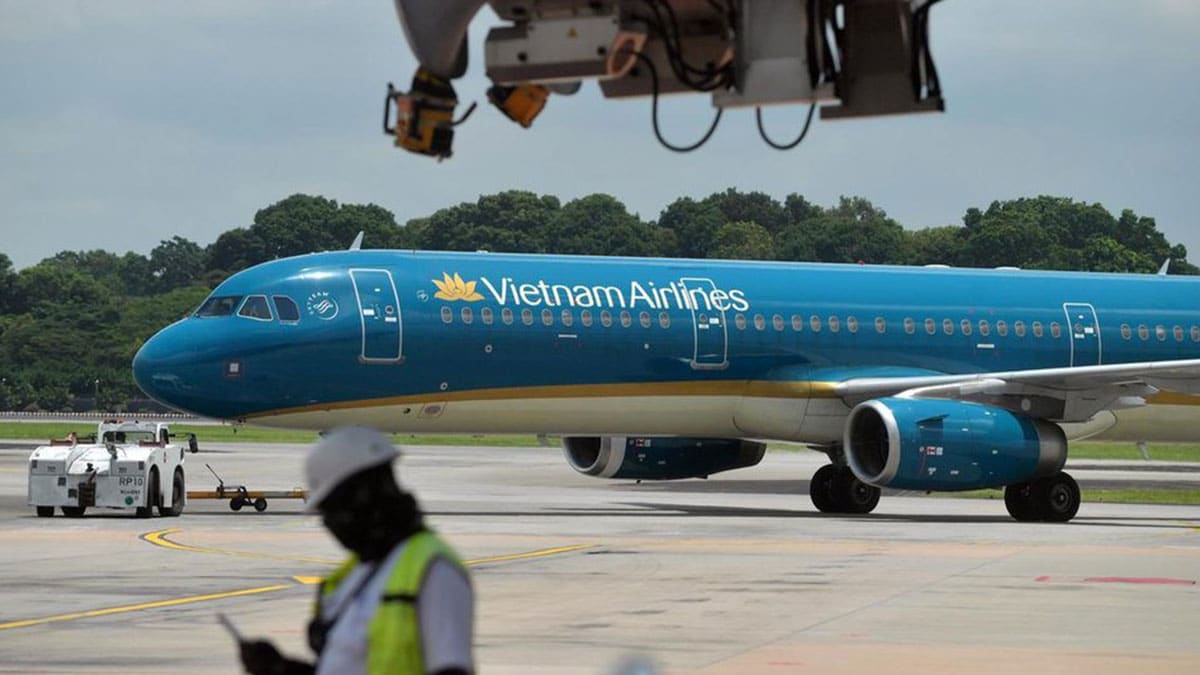
    Budget airline Vietjet has signed a $400-million agreement with British company Rolls Royce for aircraft engines for its wide-body fleet and engine servicing.

    The signing ceremony on Sunday was witnessed by Prime Minister Pham Minh Chinh, who is in the U.K. for the 26th United Nations Climate Change Conference, according to a statement from the airline.

    Rolls Royce Civil Aerospace’s chief customer officer, Ewen McDonald, said the company’s Trent 700 engine has the lowest lifetime fuel burn on its aircraft type, and has logged more than 60 million hours in service since its launch in 1995.

    It is the only engine specifically designed for Vietjet’s wide-body aircraft, he said without naming the model.

    The carrier’s managing director, Dinh Viet Phuong, said the new engines would improve flight range and quality and boost Vietjet aircraft’s technical reliability and operational efficiency.

    Vietjet has a fleet of 90 single-aisle aircraft.

    Rolls-Royce has more than 400 airline and leasing customers and 160 armed forces and navies.

    Vietjet, which began flying in 2011, also signed a $20-million reinsurance agreement with brokers Gallagher Co. and Willis Towers Watson Co. for its entire fleet, according to a separate statement it put out.

  • PayPal Inks Deal to Expand Asia Reach

    PayPal Inks Deal to Expand Asia Reach

    The U.S. fintech giant announced a mostly cash deal to acquire Japan’s buy now, pay later (BNPL) payments platform Paidy for ¥300 billion (about $2.7 billion) on Wednesday.

    The acquisition will expand PayPal’s capabilities, distribution and relevance in the domestic payments market in Japan, the third-largest e-commerce market in the world, complementing the company’s existing cross-border e-commerce business in the country, PayPal said in a statement.

    According to an investor presentation, shopping volume in Japan more than tripled to around $200 billion in the last 10 years, with more than two-thirds of all purchases paid for in cash, thereby presenting a huge opportunity for BNPL to proliferate.

    Founded in 2008, Paidy has 6 million users. PayPal already has stakes in other BNPL businesses, including Sezzle and Z1P.AX.

    Under the BNPL model, unsecured loans are extended to online shoppers similar to a credit card, but these are smaller in amount and have a shorter repayment schedule. Such platforms have seen a boom in popularity over the past year, though critics see them as a debt trap.

    In another major deal in the space, Square, run by Twitter CEO Jack Dorsey bought Australian Afterpay for $29 billion last month.