Retail News CRM

Tag: deal

  • Unison Capital could bag US$442 million for Gong Cha deal

    Unison Capital could bag US$442 million for Gong Cha deal

    South Korean private equity firm Unison Capital is selling its Gong Cha bubble tea franchise in a deal likely to fetch up to US$442 million. The company purchased the brand four years ago for KRW34 billion ($30 million), before taking over its global headquarters in Taiwan in a KRW40 billion ($35.45 million) deal in 2017. The brand’s HQ operates stores in 16 countries.

    The offer has attracted interest from major South Korean F&B players, considering the brand’s stable cash flows and EBITDA margin of 24–25 per cent, compared with Starbucks’ 21 per cent.

    The brand runs 448 outlets within South Korea, and derives 70 per cent of its sales from directly managed stores within Korea and Japan. The firm plans to expand its global store count from 900 to 1700 by 2021, expanding into 10 more countries during the period – with concrete plans to establish stores in the UK, Mexico, Thailand, Indonesia and Cambodia.

    Sales are forecast at KRW180 billion ($159.54 million) this year, compared to KRW134 billion ($118.77 million) last year.

  • Sunway, Hoi Hup Realty wins land tender in Singapore

    Sunway, Hoi Hup Realty wins land tender in Singapore

    The Housing and Development Board of Singapore has awarded a parcel of land measuring 2.5ha to Sunway Bhd’s Singaporean unit Sunway Developments Pte Ltd (SDPL) and Hoi Hup Realty Pte Ltd after a successful bid.
    The land is slated for the SG$434.45 million (RM1.32 billion) Executive Condominium Housing Development. The group told the stock exchange that the land located at Tampines Avenue 10 (Lot 7545K MK 28), Tampines, Singapore was awarded to Hoi Hup and SDPL following a successful joint tender submitted by the parties.

    “The land will be acquired by a proposed new joint venture company to be incorporated, in which Hoi Hup or its nominee company(ies) and SDPL will have equity interest in the proportion of 65:35,” it noted.

    The 99-year lease term Executive Condominium Housing Development project is scheduled to go on for 60 months, commencing Jan 22.

    It is expected to contribute positively to the earnings of Sunway Group in the financial year 2023.

  • Jeju Air inks $4.4 billion deal to purchase 40 new planes

    Jeju Air inks $4.4 billion deal to purchase 40 new planes

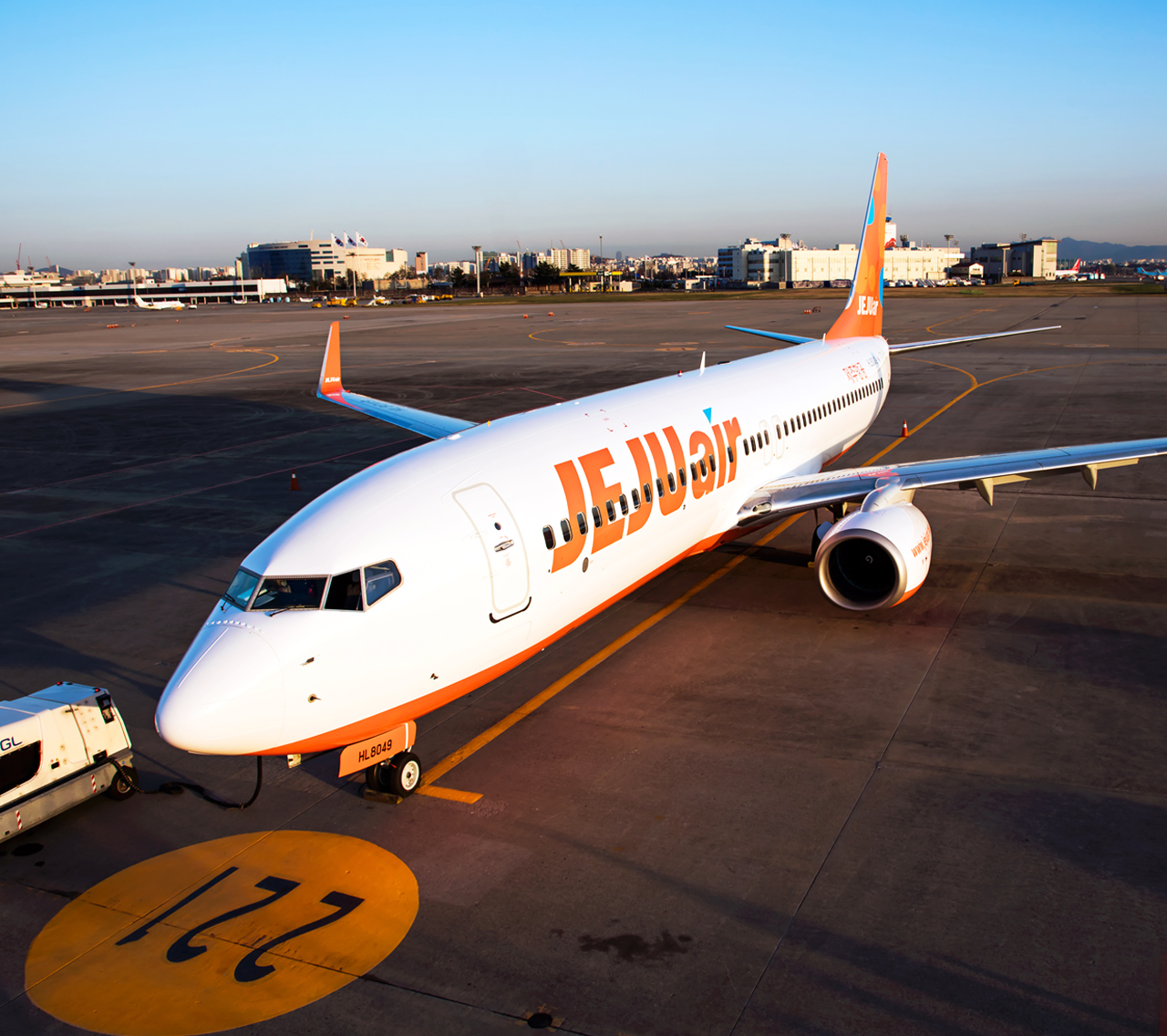
    Jeju Air, Korea’s biggest budget carrier by sales, said, on Tuesday, that it inked a $4.4 billion deal for 40 new planes, with the delivery set to begin in 2022. Jeju Air has decided to buy Boeing’s new B737 MAX passenger jets to strengthen its fleet, the company said in a statement.

    The low-cost carrier plans to assign the 189-seat B737 MAX on its mid and long-haul routes as they are more fuel efficient than the planes it currently operates, a company spokeswoman said over the phone.

    The new jets have a range of some 6,500 kilometers, 1,000 km more than the B737-800NG that the company currently operates.

    In the January-September period, net profit jumped 31 percent to 84.86 billion won ($75 million) from 64.61 billion won a year earlier. Operating profit climbed 14 percent to 95.82 billion won from 83.79 billion won during same period. Sales were up 28 percent to 941.93 billion won from 734.78 billion won.

    Jeju Air said it is on track to achieve sales of over 1 trillion won this year on the back of a strengthened fleet and profitable routes.

  • Bank of Indonesia Signs $10b Financial Stability Deal With Singapore

    Bank of Indonesia Signs $10b Financial Stability Deal With Singapore

    The central banks of Indonesia and Singapore said last week that they had agreed to a bilateral deal for a $10 billion backstop to help maintain monetary and financial stability after a recent bout of turbulence in markets. The pact, which will be in place for one year, comprises a local currency swap agreement of around $7 billion equivalent and another $3 billion that allows for repurchase transactions between the two central banks to obtain United States dollar cash using government bonds of major countries as collateral.

    Bank Indonesia has been recently intervening to stabilize its rupiah, which fell to 20-year lows against the US dollar amid a global rout in emerging markets.

    “Economic fundamentals in the regional economies remain sound. But markets can sometimes overreact in the face of heightened uncertainty. This bilateral financial arrangement will instill confidence amongst investors,” said Ravi Menon, managing director of the Monetary Authority of Singapore.

  • Grab refuses to release details of Uber buy-out

    Grab refuses to release details of Uber buy-out

    The deal has left tax payments unresolved and questions remaining about a potential market monopoly. Tax authorities in Ho Chi Minh City have once again sent a request to Grab in Vietnam asking the company to provide details concerning its recent acquisition of rival Uber’s Southeast Asia business.

    The reason for the request is due to the fact that Grab is legally obliged to pay tax on the transfer of capital and business market share following the deal.

    Vietnam’s tax law states that all income generated by foreign companies operating in the country should be subject to tax, regardless of where they are based.

    Organizations and individuals that receive capital from foreign organizations are required to declare and pay tax on behalf of those foreign organization, tax authorities cited the law as saying.

    With details of the Uber- Grab deal remaining undisclosed, authorities are still unsure how to calculate how much the latter owes in tax.

    Uber also allegedly still owes Vietnam’s government $2.3 million in taxes required, but claims that according to Vietnam’s agreement on double taxation avoidance with the Netherlands, that figure is inflated.

    Grab has previously said that the $2.3 million is down to Uber, and has refused to pay the firm’s outstanding debt.

    Grab’s decision violates Vietnamese law and international practices, said lawyer Doan Van Hau, chairman of the Vietnam Lawyers’ Commercial Arbitration Center.

    Quoting Vietnamese law, Hau said that Grab was responsible for paying all of Uber’s back taxes.

    Ho Chi Minh’s tax department previously asked five local commercial banks to help it collect the outstanding sum from Uber, but failed to do so as the company did not have a bank account in Vietnam.

    Uber has since filed two lawsuits against Ho Chi Minh’s tax department.

    Grab is also under investigation by Vietnam’s Ministry of Industry and Trade for violating the Competition Law in its acquisition of Uber.

    Malaysia, the Philippines and Singapore are all requesting details of the acquisition.

  • SurfStitch creditors approve the EziBuy deal

    SurfStitch creditors approve the EziBuy deal

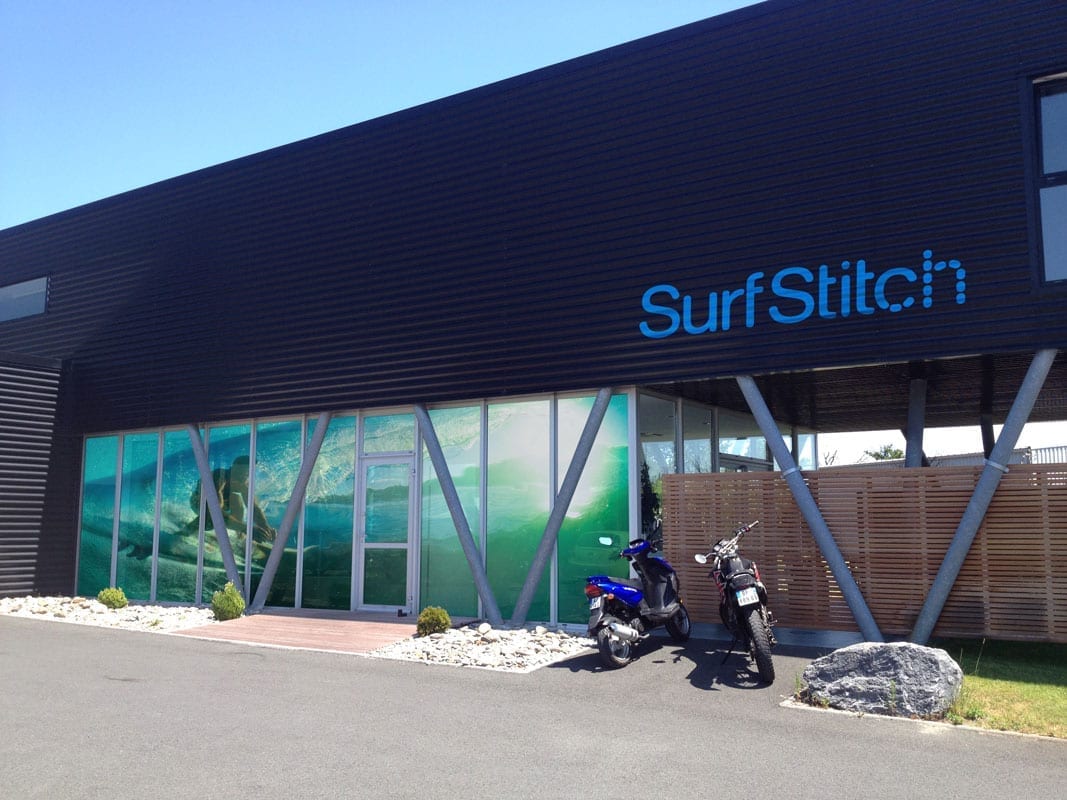
    SurfStitch creditors have approved a proposal from EziBuy to take over the embattled surfwear company and either relist or sell it in the next three years, bringing the online retailer’s drawn-out administration to a close on Wednesday.

    Nearly two-thirds of creditors voted in favour of the deed of company arrangement (DOCA) proposed by EziBuy’s parent company, Alceon Group, over a competing offer from SurfStitch non-executive director Abigail Cheadle, which had the support of SurfStitch co-founder Lex Pedersen and general manager Justin Hillberg, as well as several “major shareholders”, according to Cheadle, but not the administrators or other board members.

    Pedersen said the outcome reflected the emotions of the participants, rather than what was in the best interest of stakeholders.

    “Unfortunately I think the process and outcome was a little more emotional than financial. Personalities, long-standing conflicts and conveniences may have tangled the outcome that should have exclusively been what’s best for the true stakeholders, that is the shareholders and staff,” he told.

    The administrators in March recommended creditors approve the EziBuy DOCA, saying it offered a better return to all stakeholders. Cheadle last week sent a revised proposal to shareholders, matching many of the terms of the EziBuy offer and addressing some of the administrators’ concerns about the process of issuing shares.

    However, the administrators on Tuesday reiterated their support for the EziBuy deal and said creditors would need to issue a new appointment of proxy to vote for the second Cheadle DOCA.

    Cheadle lodged another enhanced proposal an hour before the meeting on Wednesday and moved to postpone the vote to allow creditors whose votes were deemed invalid to participate in the decision and enable an independent expert to assess the EziBuy offer.

    Under the EziBuy DOCA, ordinary creditors and employees will be paid in full within six to eight weeks and class action creditors will receive an initial cash dividend between $3.4 million to $4.3 million. Class action creditors and current shareholders will also be issued convertible notes, converting to shares in the newly merged company, which has an obligation to seek an IPO or other liquidity event within the next three years.

    Cheadle has questioned the valuation of the convertible note, since it implies a valuation well over ten times what Alceon paid for EziBuy ($10 million) last year. But creditors proved reluctant to adjourn the meeting after learning that EziBuy would rescind its offer if the vote was postponed.

    Voters were also keen to end the company’s voluntary administration, which has hampered SurfStitch since it has been on cash terms with suppliers since August.

    Cheadle expressed disappointment after the meeting and maintained that her proposal would have delivered a better outcome for everyone involved.

    “I am extremely disappointed the proposal for SurfStitch was not successful. Since August last year, the proposal has been basically the same. During that time I have worked on the offer on a full-time basis, as well as personally funding it, because I believed strongly in the company’s future,” she said.

    “I hope SurfStitch does well under its new ownership.”

    Pedersen said EziBuy will need to step up to revitalise the business, which he believes still has the potential to succeed.

    “I remain of the view that this business should never have been placed into voluntary administration. Alas, it is where it is today despite the process, so what happens from here is now of utmost importance.

    “EziBuy now need to step up with the support that Justin Hillberg and the team need and deserve as they push to restore it to pre-administration performance. The headwinds created by this protracted process are brisk, but the people [who] have built this business and the customers that support it are resilient.”

  • New Zealand optimistic of reviving TPP trade deal

    New Zealand optimistic of reviving TPP trade deal

    New Zealand will be trying to win over other members this weekend when TPP ministers get together in Hanoi on the sidelines of an APEC meeting.

    New Zealand is increasingly optimistic that the 11 remaining countries of the Trans-Pacific Partnership (TPP) will move ahead with the trade deal despite the withdrawal of the United States, Trade Minister Todd McClay said.

    Alongside Japan, New Zealand will be trying to win over other members this weekend when TPP ministers get together in Hanoi on the sidelines of an Asia-Pacific Economic Cooperation (APEC) meeting.

    “I don’t think we should expect any big decision from that ministerial meeting, but certainly I would hope for a very clear direction as far as the process is concerned,” McClay told.

    U.S. President Donald Trump dumped membership of the TPP as one of his first acts in an “America First” policy aiming at bringing manufacturing jobs back to the United States.

    McClay said he thought the original timetable for members to ratify TPP by next March still made sense. So far, only Japan and New Zealand have ratified the deal, but McClay said he believed others would follow.

    “I’ve been talking to many of them and visiting a lot of countries. They all have said at this stage they’re interested in the process and want to stick with it,” he said.

    Among the biggest challenges is keeping Vietnam and Malaysia on board. Their main benefit from TPP would have been greater access to U.S. markets. Without that, there is less impetus for them to make tough reforms on everything from freeing labour rights to strengthening intellectual property protection.

    McClay visited both countries recently.

    “It certainly feels like there is greater interest in moving forward today then there was a couple of months ago,” McClay said.

  • Indonesia Signs Currency Swap Deal with Korea

    Indonesia Signs Currency Swap Deal with Korea

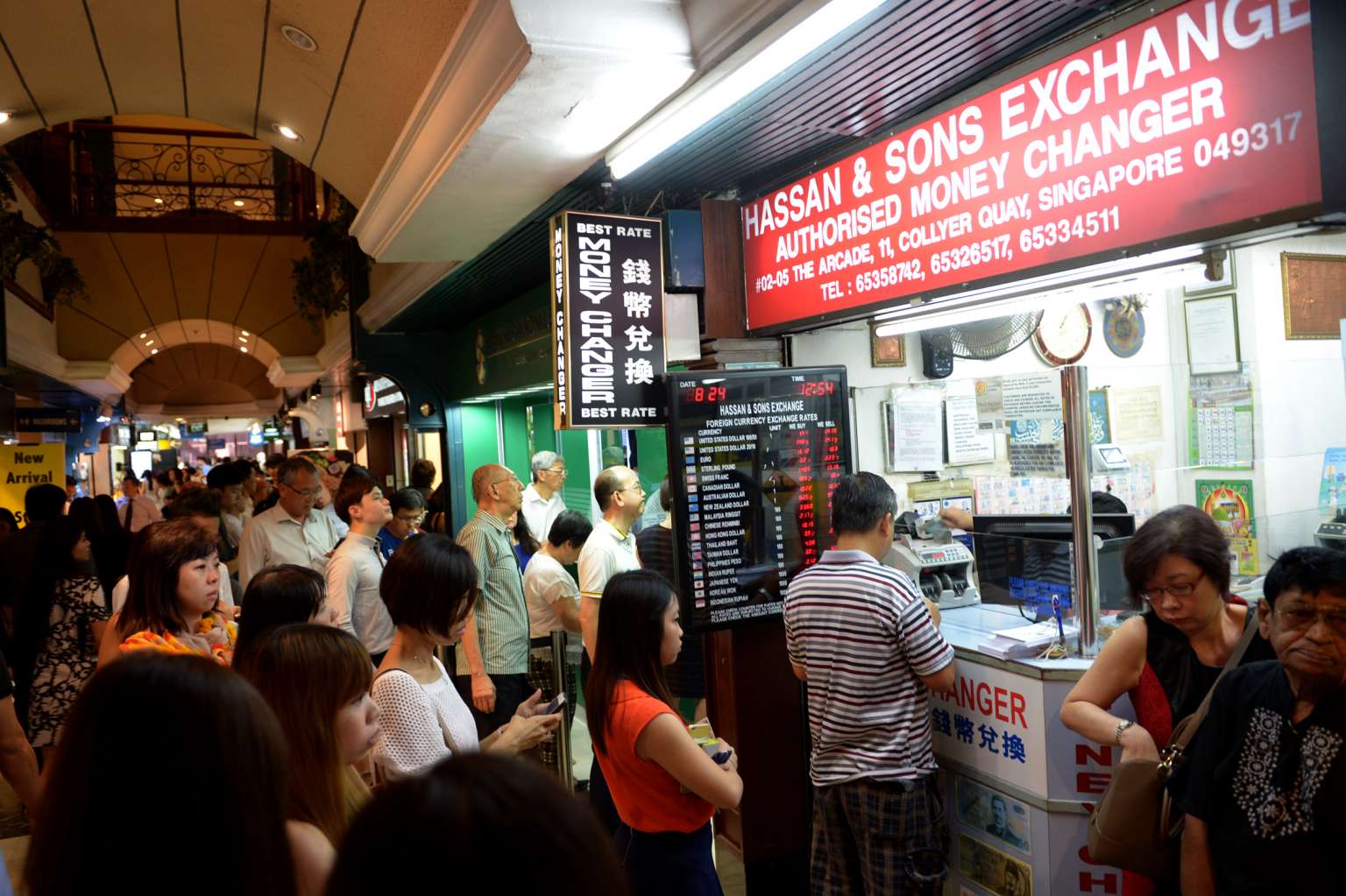
    Bank Indonesia (BI) and the Bank of Korea signed a bilateral currency swap arrangement (BCSA). Through the deal, both central banks will be able to swap currencies for a value of KRW 10.7 trillion or Rp115 trillion.

    The agreement was signed by BI governor Agus D.W. Martowardojo and Bank of Korea governor Lee Ju-Yeo, March 6. Agus said the BCSA extension will economic ties between the two nations through the use of their respective currencies.

    “The goal is to reduce our dependency on using a certain currency,” Agus said on Monday, March 6, 2017.

    According to Agus, the BCSA is part of the government’s initiative to deepen the financial market and support economic defense “especially in facing today’s economic uncertainties,” Agus said.

    The BCSA also guarantees the use of Indonesia and South Korea’s currencies in trading, to support the regional financial stability.

    Agus said the deal is valid for three years and can be extended if the two countries agree.

    The first BCSA between BI and Bank of Korea was signed on March 6, 2014, based on economic ties—especially in trade—between the two nations.

    South Korea is Indonesia’s fourth import destination with an average market share of 6.5 percent a year from 2010-2015. Korea is also Indonesia’s sixth export destination, with an annual market share of 6.8 percent in the same period.

    However, most transactions are denominated in US dollar. “That’s why we need to diversify the use of our own currency when trading with regional countries, to stabilize the rupiah,” Agus said.

  • Airtel close to deal to buy Telenor India

    Airtel close to deal to buy Telenor India

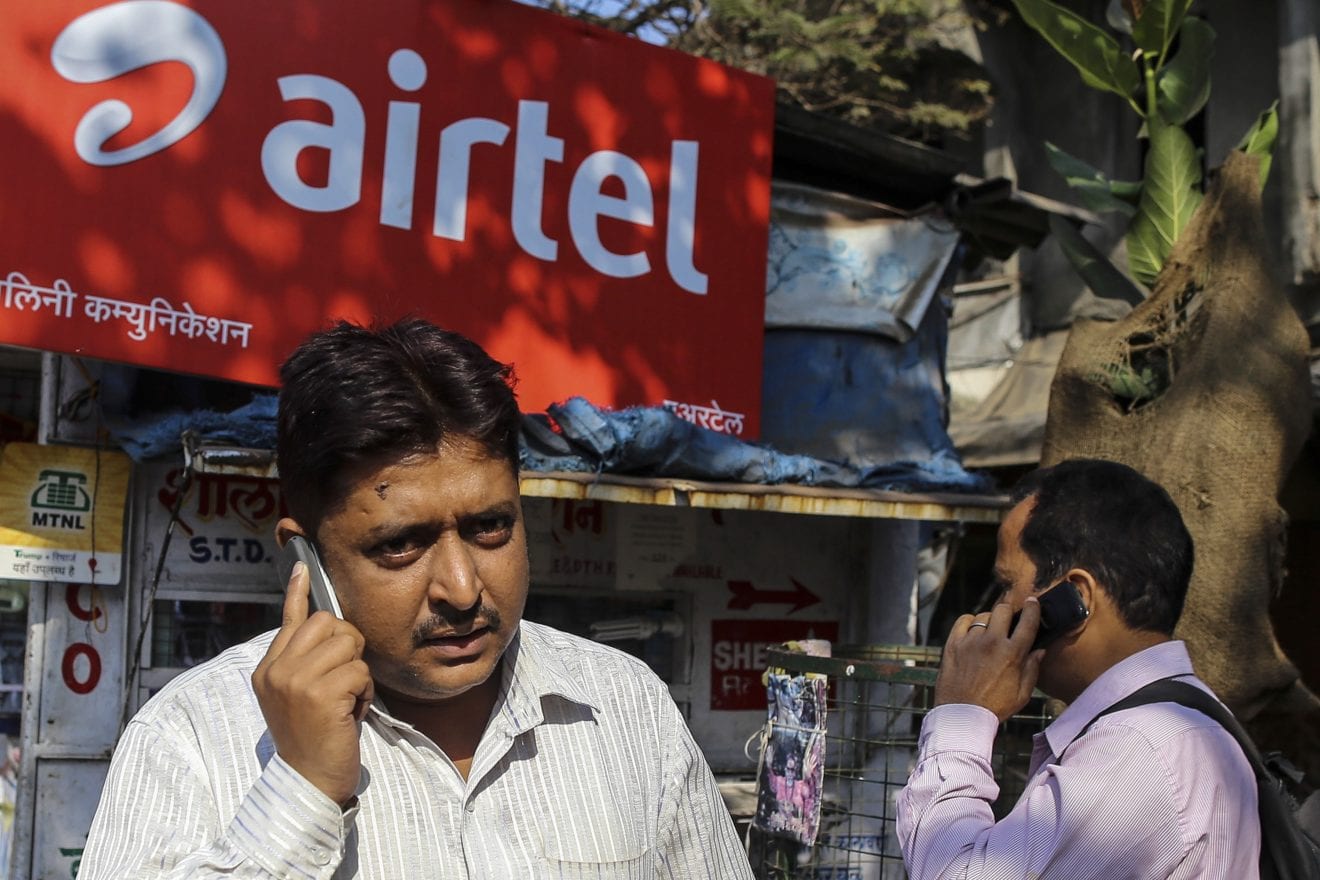
    Bharti Airtel is reportedly in advanced negotiations to buy out Telenor’s Indian operations through a debt acquisition deal. Airtel is planning to take on debt of around 15 billion rupees ($219.6 million) from Telenor by way of payment for the purchase.

    Russian telecoms group Telenor is seeking to exit the Indian market through the deal. According to the source, third-ranked Idea baulked at a deal because the operator did not want to take on additional debt, and had offered equity instead. Telenor had also approached various other operators including Vodafone but had been unable to clinch an agreement.

    While Airtel is reluctant to increase its existing $12.23 billion debt burden, the operator was lured in  by Telenor’s 4G spectrum holdings in seven of India’s 22 telecoms circles.

    The acquisition won’t cover all Telenor’s Indian debts, and the company will have to cover the remainder, the report states.

    Telenor has been considering exiting the Indian market for some time. The operator’s efforts to establish a competitive foothold in the market were dealt a serious blow by the cancellation of its 2G licenses in 2012 as part of a supreme court decision revoking 122 licenses issued under a former telecoms minister’s regime. Telenor India never fully recovered from this setback despite purchasing new licenses in seven circles.

  • Huawei goes solar in regional deal

    Huawei goes solar in regional deal

    Huawei’s solar business has received a boost with a deal to partner with Filipino renewables generator Citicore Power.

    The deal, announced in Shenzen on Wednesday and reported in the Filipino press, will see the two companies partner up to deliver solar projects not only in the Philippines, but in other Asian countries including Japan.

    “This comes on the heels of the company’s plans to develop and construct solar projects with a total capacity of 500 MW [megawatts] by 2020 in overseas markets particularly Japan, Malaysia, Indonesia, Thailand, Vietnam, and Myanmar,” Citicore Power said in a statement.

    Citicore said that under the partnership, Huawei “will provide project design support and inverter maintenance support,” including remote, hardware, and solution support.

    “It will also complete or obtain various product tests, network admission, and technology certification for the products. Huawei will also share its global recourses including solar investment partners, consultants, and EPC [engineering, procurement and construction] partners,” the company said.

    Citicore Power operates three large-scale solar farms in Bataan, Negros Occidental and Cebu provinces, with a combined capacity of more than 100 MW

    The company aims to install 1,000 MW of capacity using a range of renewable energy sources, including solar, biomass, wind and hydropower.

  • Turner, Snapchat ink content, ad deal

    Turner, Snapchat ink content, ad deal

    Turner and Snap are expanding their partnership by bringing new brands to Snapchat’s Discover platform, extending live coverage of Turner’s premium sports events, and working with several Turner brands to develop Snapchat shows.

    The deal encompasses content, distribution and advertising centered around Turner’s leading portfolio of networks, programming, events and brands.

    “This deal marks the latest strategic move for Turner to innovate within the digital arena and provide complementary viewing experiences for a younger, mobile-centric audience,” said David Levy, president of Turner.

    “Snapchat is a powerful outlet to directly connect with the millennial generation and perfectly aligns with our portfolio-wide strategy to engage with audiences at every touch point,” said Levy.

    As part of this deal, Turner will work with Snap to develop original shows from its series and brands such as TBS, Adult Swim, truTV, Great Big Story and Super Deluxe.

    Turner’s portfolio will create and produce original content from its popular franchises and networks specifically for Snapchat’s mobile-first audience.

    Turner’s Bleacher Report, the digital sports brand for the millennial generation, will launch a Discover Channel in the United States, comprised of videos, images, animations and graphics covering the top stories in sports each day.

    It will join the CNN Discover Channel, which will expand its offering to feature more daily content than ever before, including in-depth, global news stories hand-curated for the Snapchat community.

    The agreement continues to leverage Snapchat’s immersive Live Stories with expanded coverage of Turner’s premium sports content, including the NCAA Division I Men’s Basketball Championship and the PGA Championship.

    The exclusive access around these premium sports properties brings Snapchatters closer to the action with behind-the-scenes coverage, videos and photos from on-site correspondents.

    Turner and Snapchat will collaborate on advertising sales, developing exclusive and immersive ad experiences that provide brands the space to connect with millennials in a dynamic mobile environment within original shows and Live Stories.

    The two companies will also provide sponsors with creative advertising opportunities on the Discover Channels, offering brands a full-screen, creative canvas for mobile storytelling.

  • Nokia closes handset brand licensing deal

    Nokia closes handset brand licensing deal

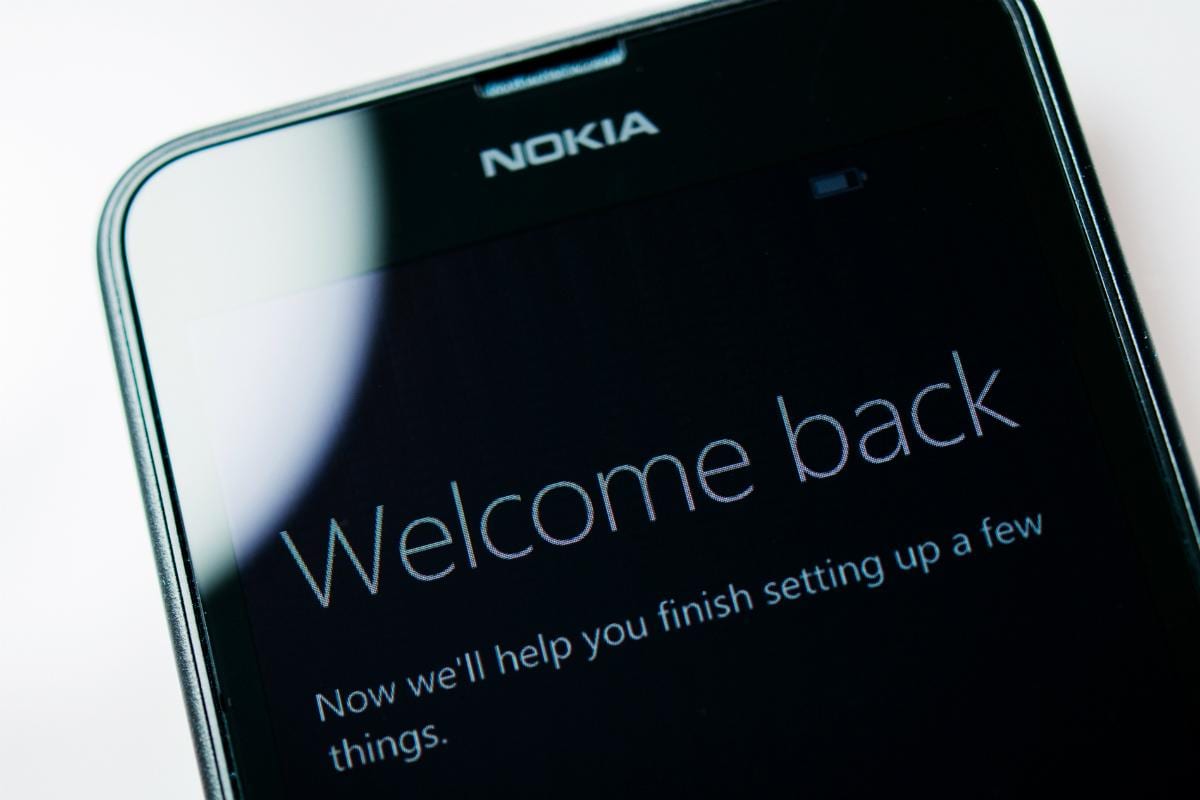
    Nokia has announced it has completed the transactions that will allow HMD Global to become the new brand licensee for Nokia feature phones, smartphones and tablets.

    HMD Global has secured an exclusive global brand license for a 10-year term. HMD was created by a group of former Nokia employees to revive the Nokia handset brand, and entered the exclusive licensing agreement with Nokia in May.

    The necessary transactions involved HMD, Hon Hai subsidiary FIH Mobile and Microsoft, following the latter’s ill-fated purchase of Nokia’s device business for $7.4 billion in 2013.

    HMD will continue to provide Nokia branded feature phones for emerging markets, and will also produce new Nokia smartphones and tablets for its device portfolio.

    Nokia will receive royalty payments on each sales covering both brand and intellectual property rights.

    “We’ve been overwhelmed by the enthusiasm shown around the world for the return of the Nokia brand to smartphones,” Nokia Technologies interim president Brad Rodrigues said.

    “The HMD Global team has the ambition, talent and resources to bring a new generation of Nokia branded phones to market, and we wish them every success. I’m sure our millions of Nokia fans will be excited to see their new products.”

  • Ooredoo Maldives signs deal with Thuraya

    Ooredoo Maldives signs deal with Thuraya

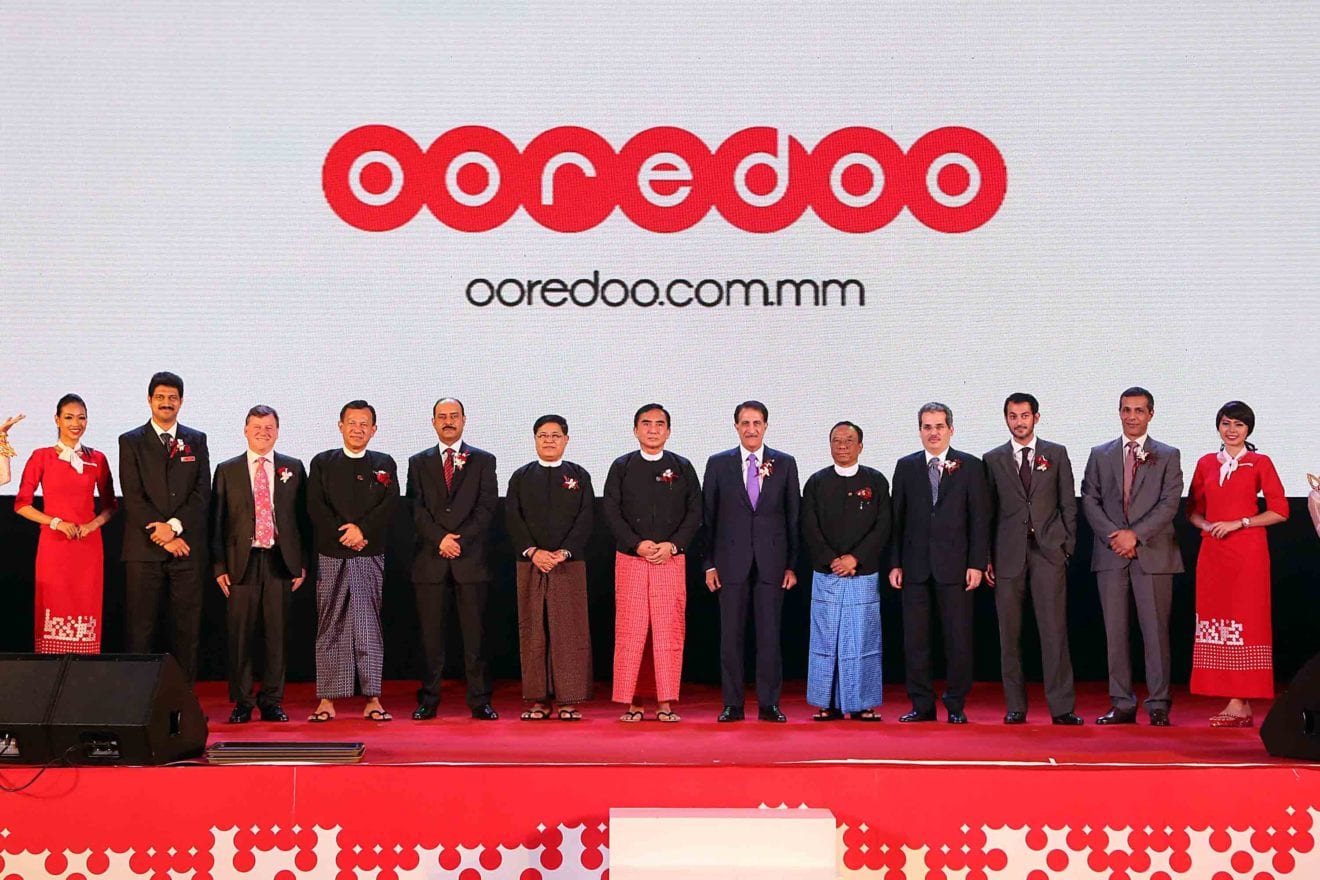
    Ooredoo Maldives has contracted mobile satellite services provider Thuraya to supply fisheries and resorts in the tropical nation with satellite-based voice and broadband connectivity.

    The operator yesterday launched Thuraya SatSleeve+ and SatSleeve Hotspot devices and accompanying data packages at its retail outlets.

    In the first phase of the partnership, Ooredoo is offering the devices and services to fisheries under a two-year contract.

    The agreement addresses a mandate from the Maldives government requiring commercial fishing operators to outfit their vessels with satellite equipment and supply anglers with satellite phones, to address requirements including worker safety.

    Ooredoo’s Hussain Niyaz commented that “traditionally, fishery is the main occupation and major source of livelihood in the Maldives. It is also the second largest industry in the country. Safety is an important driver in this sector, where there are many accidents.”

    In the second phase of the agreement, which will come into effect later this year, the operator will market the services to the Maldives’ 105 plus resorts.

    This too will fulfil a mandate by the government requiring all resorts and tourist facilities to install satellite communications equipment as an additional safety measure.

  • Ericsson signs raft of content deals for Nuvu

    Ericsson signs raft of content deals for Nuvu

    Ericsson has signed a slate of deals with leading content distributors for its subscription video on demand (SVOD) service Nuvu, acquiring more than 2,500 hours of content from international distributors including Viacom (MTV, BET, Nickelodeon), MGM, CBS, Al Jazeera, DHX Media and Mattel.

    Titles include globally recognized hit TV franchises such as Hawaii Five-O, Next Top Model, CSI: Miami, Being Mary Jane, SpongeBob SquarePants, Bob the Builder, Vikings and many others along with a raft of premium Hollywood movies.

    Ericsson has also licensed dozens of pan-regional and local African TV series and movie content from distributors such as iRoko, Trace and Agwhyte International along with hundreds of music videos from the 960 Music Group, which is home to some of West Africa’s most influential music artists including P-Square, 2Baba and Yemi Alade.

    “We created Nuvu to help mobile operators in emerging markets to address a significant untapped market for video content,” said Thorsten Sauer, head of broadcast and media services at Ericsson. “Africa has some of the highest mobile adoption rates globally and there is a high demand for quality content from consumers.”

    Nuvu is a complete end-to-end SVOD service developed by Ericsson for mobile operators in emerging markets, which spans both the technology platform and the content licensing. The service leverages the company’s extensive over-the top capabilities based on Ericsson Managed Player and components of Ericsson MediaFirst TV Platform.

  • Reliance Jio said to close in on iPhone deal

    Reliance Jio said to close in on iPhone deal

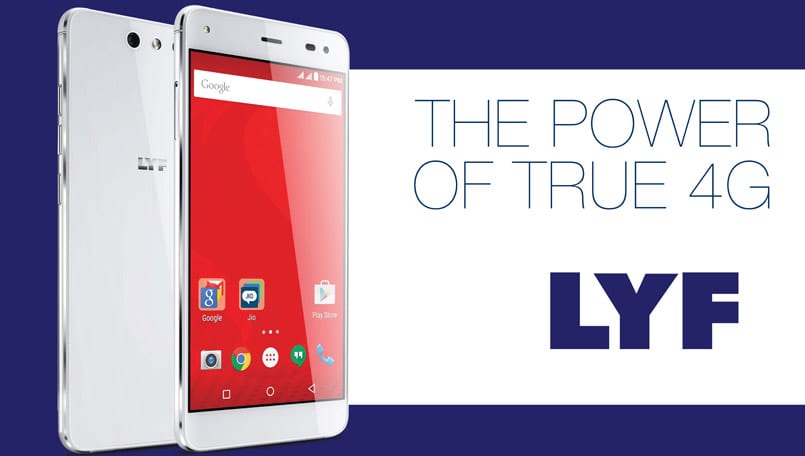
    India’s Reliance Jio Infocomm is reportedly on the verge of securing a long-term partnership with Apple covering the supply of VoLTE iPhones for the operator’s upcoming 4G network.

    Executives from Reliance Jio parent Reliance Industries and Apple recently reached an in-principle agreement at a meeting in Mumbai, citing senior executives aware of the meeting.

    The prospective deal would reportedly see Apple supplying “a couple of million” iPhones with VoLTE support that will work on the operator’s network. Reliance plans to sell bundled iPhones through its sales and distribution network covering 120,000 retailers and e-commerce companies.

    Reliance Jio also plans to adopt the enterprise retail offerings developed by Apple and IBM for its retail network, to help improve the customer experience.

    Apple CEO Tim Cook has given in-principle agreement to such a partnership with Reliance Jio, the report states.

    Cook is said to have also used the meeting to make a pitch for Reliance Jio to adopt Apple Pay in Reliance Retail stores, and the company has agreed to evaluate the possibility of such a deployment.

    Reliance Jio recently revealed it had exceeded 500,000 LTE users despite only so far launching services for its employees and those of its partners and vendors. The operator’s long-awaited public launch is expected for later this year.