Tag: demand

  • China’s Midea Doubles AC Production to Quench Heatwave-Driven Demand in Europe

    China’s Midea Doubles AC Production to Quench Heatwave-Driven Demand in Europe

    Midea, the Chinese home appliance heavyweight, recently revealed that it accelerated its production operations to deliver 20,000 air conditioning units to France in a span of seven days. This was in response to the escalating demand spurred by the severe heatwave that is engulfing Europe.

    In 2020, Midea led China’s air conditioning sector in terms of market share. It was able to double its production capacity to 6,000 portable units each day by initiating a fresh production line on July 7. As a result, the company managed to finish manufacturing all 20,000 units in just three and a half days. Midea prioritized the French order by designating additional labor and production capacity, even while its factories were operating at full tilt to satisfy local demand.

    Increased Demand for Chinese Home Appliances in Europe

    The ongoing heatwave in Europe has sparked a significant surge in demand for Chinese-made home appliances. Midea Group reported that sales of a portable split air conditioner, specifically designed for the European market, have exceeded 200,000 units this year, marking a twofold increase from the previous year. Furthermore, this particular model has sold out in Germany, France, the Netherlands, and the United Kingdom.

    Official data disclosed that more than 10,000 extra deaths were reported in European countries during the extraordinary heatwave that swarmed the western part of the continent in late June. The majority of these, over 9,000, were among individuals aged 65 and above.

    Surge in Online Sales of Air Conditioners and Fans

    Alibaba, the e-commerce juggernaut, has reported three-figure growth in sales of air conditioners and fans on its overseas platforms. On AliExpress, Alibaba’s international retail platform, warehouse inventory of a 2.35-kilowatt Midea air conditioner, which was released in Germany in June, was entirely sold out by Thursday.

    The trend was significantly evident in southern Europe as well. In Spain, fan sales skyrocketed by 94% between June 17 and 23 compared to the same period in May. Meanwhile, Italy witnessed a 100% month-on-month surge in sales of cooling appliances and sun-protection apparel in June.

    The rush by European consumers was also mirrored on Alibaba.com, the company’s business-to-business platform, displaying urgent procurement by local merchants. In June, air conditioner orders in Spain almost doubled from a year earlier. Simultaneously, wholesale fan orders saw a staggering increase of 378% in Sweden and 114% in Belgium.

    Questions & Answers

    What has been Midea’s response to the increased demand for air conditioners in Europe?
    Midea has ramped up production and shipped 20,000 air conditioners to France in just seven days to meet the increased demand due to the intense heatwave.

    What is the sales trend of the portable split air conditioner designed for Europe?
    Sales of the portable split air conditioner, specifically designed for the European market, have exceeded 200,000 units this year, marking a twofold increase from the previous year.

    How has the demand for cooling appliances and sun-protection apparel changed in Italy?
    In Italy, there has been a 100% month-on-month increase in sales of cooling appliances and sun-protection apparel in June due to the heatwave.

  • Domestic Demand Dwindles in China Despite Soaring Industrial Output

    Domestic Demand Dwindles in China Despite Soaring Industrial Output

    The second-largest economy in the world is currently experiencing a dual-speed growth pattern. While factories are flourishing due to robust exports, domestic demand is on a downward trajectory due to an ongoing slump in the property market.

    In May, retail sales, which serve as a critical measure of consumption, decreased by 0.6%, a significant drop from April’s 0.2% rise, and below the predicted 0.0%. This decline in retail sales marks the first reduction since December 2022. Even the extended Labour Day holiday was unable to boost consumer morale, and the government’s consumer goods trade-in initiative is gradually losing its effectiveness. An inflated base from the previous year’s May further added to this downturn.

    According to Zhiwei Zhang, chief economist at Pinpoint Asset Management, the disappointing retail sales data puts increased pressure on the government to contemplate policy measures aimed at stabilizing consumption. “Policy ‘fine tuning’ is anticipated around July, following the release of the second quarter GDP data,” Zhang added.

    On the other hand, data from the National Bureau of Statistics (NBS) revealed that industrial output in May grew by 4.5% compared to the previous year, an increase from the 4.1% growth recorded in April. This rise surpassed the projected 4.3% increase.

    Divides in the Economy

    A boom in global AI investment and related tech demand has allowed the world’s largest manufacturer to counterbalance the anticipated export blow from the Iran war. However, a 19.4% increase in exports has yet to positively impact domestic consumption.

    The economic weakness was particularly noticeable in the automotive sector, as domestic car sales suffered a decline for the eighth consecutive month in May. This trend hints at a diminishing demand in the world’s biggest car market, a pressure that is expected to linger throughout the year.

    Senior economist at the Economist Intelligence Unit, Xu Tianchen, identified several divisions in the May economy. “The divide between domestic and external demand, the divide between AI and traditional industries, and the divide between goods retail and services consumption,” he mentioned.

    He expects the second quarter’s economic growth to slow down to 4.5% from the first quarter’s 5%.

    Growing investment weakness and ongoing property drag

    Investment figures were also significantly weaker than expected. Fixed-asset investment dropped by 4.1% in the first five months of 2025, a fall from the 1.6% decrease recorded from January to April. Economists had anticipated a 2% decline.

    According to NBS spokesperson Fu Linghui, this fall is partially due to extreme weather conditions in several regions, as well as the shift from old to new growth drivers. Fu added that China still has substantial room for future investment, with urbanisation, rural revitalisation, the development of new quality productive forces, and public service improvements all requiring support.

    Questions & Answers

    What contributed to the decline in retail sales in May?
    Several factors contributed to the decline in retail sales in May, including a lack of consumer confidence, the waning effectiveness of the government’s trade-in scheme, and a high base from the same period last year.

    How are the car sales in China currently?
    Car sales within China have been on the decline, with May marking the eighth consecutive month of decreasing sales. This is indicative of a softened demand in the world’s largest auto market.

    What are the expectations for China’s economic growth?
    It’s anticipated that China’s economic growth may slow in the second quarter, dropping to 4.5% from 5% in the first quarter. While it might not be difficult to achieve a full-year growth target of 4.5-5%, the sluggish domestic demand may necessitate policy intervention in the second half of the year.

  • Vietnam’s Pepper Exports Heat Up with 21.7% Rise in Five Months, US Leading the Demand

    Vietnam’s Pepper Exports Heat Up with 21.7% Rise in Five Months, US Leading the Demand

    In the first five months of 2026, Vietnam saw a significant increase in its pepper exports, with 122,600 tonnes exported, marking a rise of 21.7% from the previous year. The collective value of these shipments was US$789.2 million, representing a 13.9% surge year-on-year, as reported by the Vietnam Pepper and Spice Association.

    Primary Markets and Export Performance

    The United States emerged as the leading market, accounting for nearly 24.5% of the total exports, or 30,000 tonnes, marking a growth of 30.2% from the previous year. China followed closely with a staggering 145.4% rise, importing 14,636 tonnes.

    In terms of regional consumption, Asia led as the largest consumer, importing 56,570 tonnes, or 46% of the total product, marking a 24% rise year-on-year. Europe also saw a rise in imports by 5.1%, totalling 25,176 tonnes. Remarkably, the Netherlands boosted their imports by 51.6%, but Germany saw a 30.7% drop.

    The increase in exports can be attributed to a strong performance in the first and early second quarters, coupled with increased demand from major markets amid a tightening global supply. However, in May, pepper export volume experienced a decline of 18.9% from April and 4.8% year-on-year, totalling 25,180 tonnes worth $166.2 million.

    Import Trends and Other Exports

    On the import side, Vietnam purchased 38,086 tonnes of pepper valued at $217.8 million, marking a 69% rise year-on-year in volume and 60% in value. Cambodia emerged as the primary supplier, accounting for 54.6% of imports, followed by Brazil with a 29.1% share.

    In addition to pepper, Vietnam’s cinnamon exports also witnessed growth. The country exported 48,686 tonnes of the spice, totalling $124.3 million in the first five months, marking a 2% increase in volume and a 1% increase in value from the previous year. Asia accounted for 67.8% of these exports, while the Americas constituted 22.4%.

    Questions & Answers

    What was the total volume and value of pepper exported from Vietnam in the first five months of 2026?
    122,600 tonnes of pepper were exported, with a value of US$789.2 million.

    Which countries were the main buyers of Vietnamese pepper?
    The United States and China were the main buyers, importing 30,000 tonnes and 14,636 tonnes respectively.

    What trends were observed in Vietnam’s cinnamon exports?
    Vietnam’s cinnamon exports also saw a rise, with 48,686 tonnes exported, valued at $124.3 million. Asia and the Americas were the main markets for Vietnamese cinnamon.

  • OCBC Leverages Rising Gold Demand, Launches Physical Gold Trading in Singapore

    OCBC Leverages Rising Gold Demand, Launches Physical Gold Trading in Singapore

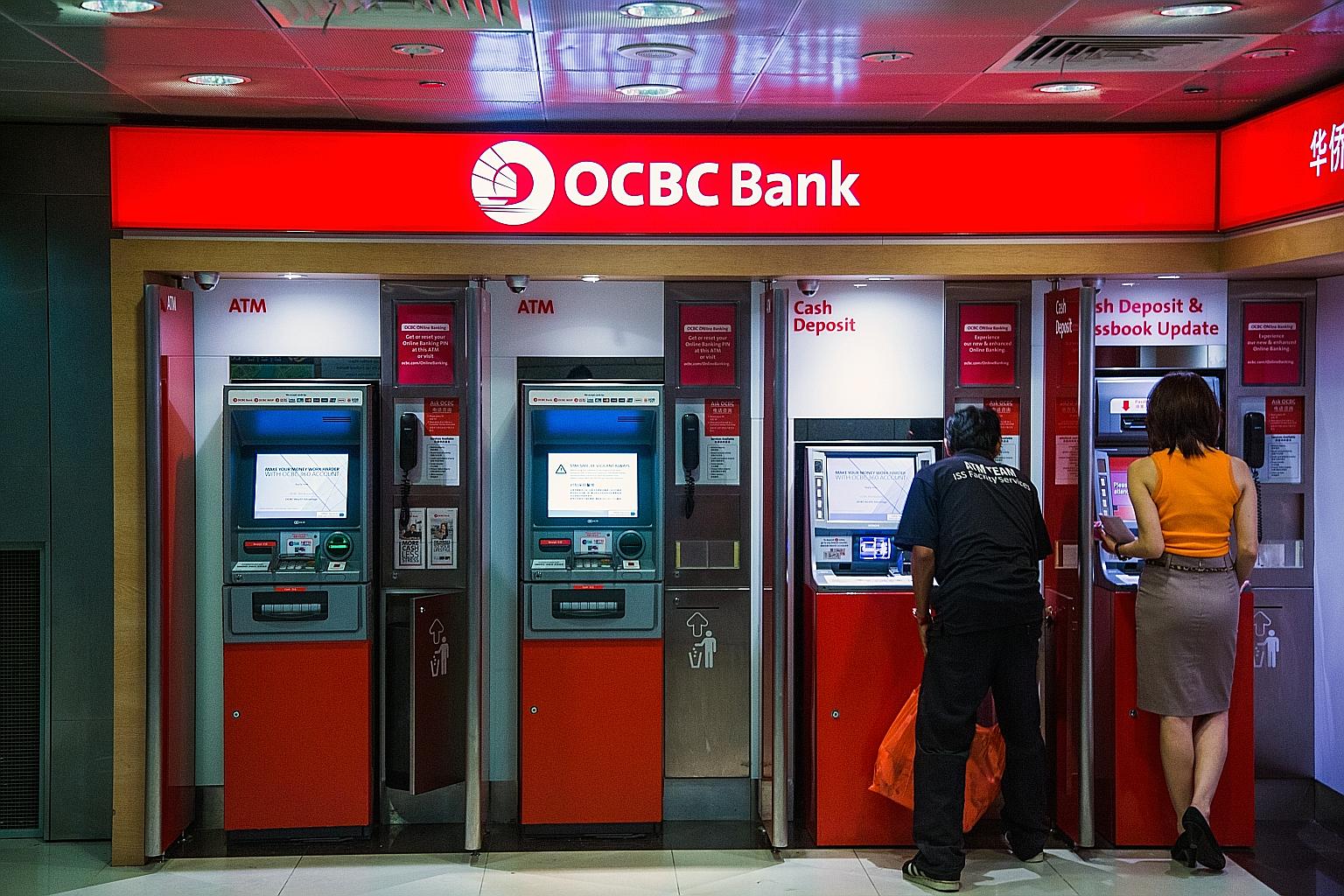
    The Oversea-Chinese Banking Corporation (OCBC) in Singapore is broadening its precious metals sector by introducing physical gold trading and storage services for institutional investors and private banking clients. OCBC perceives an increasing demand for safe-haven assets as geopolitical and economic uncertainty heightens.

    Initiating from June 10, OCBC’s institutional clients and affluent clients of its private banking division, the Bank of Singapore, will be granted the opportunity to purchase, trade, and store physical gold via OCBC, with the entire trading and custodial process based in Singapore.

    Enhancing the Gold Franchise

    This decision signifies a considerable amplification of the bank’s gold franchise beyond its current paper gold offerings. The move comes as investors’ hunger for physical bullion continues to grow. According to OCBC’s reference to data from the World Gold Council, the global demand for gold bars in the first quarter of 2026 experienced a 50% surge compared to the previous year. The Bank of Singapore disclosed that client holdings of physical gold have witnessed an increase of more than 40% since the conclusion of 2025.

    OCBC has stated that the new service will initially provide two forms of bullion: large bars weighing roughly 400 troy ounces (12.4 kilograms) and one-kilogram bars, both allocated to clients and individually identifiable through serial numbers.

    The bank has indicated that client demand has progressively gravitated towards local custody arrangements. Previously, Bank of Singapore clients conducted transactions in physical gold via a U.S.-based entity. With the new arrangement, clients can carry out transactions and store bullion entirely within Singapore.

    Expansion of Wealth Management Strategy

    This introduction mirrors wider efforts by Singapore’s financial industry to fortify its stance as a regional precious-metals hub. OCBC expressed intentions to explore the extension of physical gold products and related hedging solutions to additional client segments over time.

    The move also forms part of OCBC’s more extensive wealth management strategy. Over the past few years, the group has continuously expanded its gold-related offerings across its banking, asset management, and insurance industries.

    Kenneth Lai, Head of Global Markets at OCBC, expressed that the bank perceives physical gold as a natural extension of its existing precious-metal capabilities and is planning to widen access to the offering over time.

    Questions & Answers

    What new services is OCBC introducing?
    OCBC is introducing physical gold trading and storage services for institutional investors and private banking clients.

    What does this expansion mean for OCBC’s existing services?
    This expansion signifies a considerable amplification of OCBC’s gold franchise beyond its current paper gold offerings.

    What is the impact of this move on Singapore’s financial industry?
    This introduction mirrors wider efforts by Singapore’s financial industry to fortify its stance as a regional precious-metals hub.

  • Dragon Fruit Dilemma: Surplus Supply and Falling Demand Trigger Price Crash in Vietnam

    Dragon Fruit Dilemma: Surplus Supply and Falling Demand Trigger Price Crash in Vietnam

    Dragon fruit farmers in central and southern Vietnam are faced with declining prices due to an oversupply and reduced demand for their produce. Farmers are being forced to sell their crops at prices far below their cost of production, resulting in significant losses.

    Plummeting Dragon Fruit Prices

    In the Central Highlands’ Lam Dong Province, a farmer named Luong finds her offer of VND3,000–8,000 per kilogram for her harvested dragon fruits met with little interest from traders. “I need to sell at VND10,000 or more to be profitable,” Luong said, noting that prices have plummeted by 50–70% since the start of the year.

    Meanwhile, in the southern province of Dong Thap, farmer Hanh is struggling to cover costs as she sells her dragon fruits between VND8,000–12,000 per kilogram. This is insufficient considering the 25-40% rise in fertilizer and pesticide expenses this year. Hanh states that prices must remain above VND13,000–15,000 per kilogram for her to breakeven. “If prices remain lower than this range, we might have to reduce our cultivation area for the next harvest,” she warns.

    The Causes of the Price Crash

    Dinh Van Hien, a dragon fruit trader, attributes the price plummet to the sharp increase in supply, as it is currently the peak harvest season in most growing areas. This, coupled with the harvest of other fruits such as durian, mangosteen, lychee, and plum, has led to a decrease in demand for dragon fruit.

    Huynh Canh, chairperson of the Binh Thuan Dragon Fruit Association, agrees that the drastic drop in dragon fruit prices is primarily due to oversupply. Additionally, he states that China’s imports have sharply decreased after the country expanded its dragon fruit cultivation area in recent years. Furthermore, with the dragon fruit season in China running from May to November, there is heightened competition with Vietnam’s produce.

    There are also challenges with Vietnam’s exports to the European Union due to tightened rules, including an inspection frequency of 30% at the border. According to Canh, only the highest quality fruits meeting the import standards of the receiving countries will command high prices.

    Currently, Vietnam has around 55,000-60,000 hectares dedicated to dragon fruit cultivation, primarily in the central and southern regions, with an annual output of approximately 1.4 million tonnes.

    Questions & Answers

    What is the main cause of the drop in dragon fruit prices in Vietnam?
    The primary cause of the price drop is an oversupply of dragon fruits due to the peak harvest season and a decrease in demand.

    How has the increase of cultivation in other countries affected Vietnam’s dragon fruit market?
    Increased cultivation in other countries, particularly China, has led to a decrease in imports of Vietnam’s dragon fruits, contributing to the oversupply and drop in prices.

    What challenges is Vietnam facing with its fruit exports to the European Union?
    Vietnam is facing challenges with its fruit exports due to tightened regulations, including a higher frequency of inspections at the border. Only the highest quality fruits that meet the import standards of the receiving countries can secure high prices.

  • OCBC Boosts Hong Kong Wealth Management Team by 30% Amid Rising Demand

    OCBC Boosts Hong Kong Wealth Management Team by 30% Amid Rising Demand

    The Oversea-Chinese Banking Corporation (OCBC) has announced plans to bolster its wealth-management staff in Hong Kong by 30% this year. This move is a strategic reaction to an increasing demand from its clientele for investment and financing services.

    Singapore’s second-largest financial institution aims to recruit an additional 30 to 50 relationship managers to its Hong Kong division, according to Josephine Lee, OCBC’s head of Hong Kong consumer financial services. The bank projects a significant increase in its wealth sector income, anticipating a five-fold jump since 2023. Furthermore, Lee disclosed the bank’s strategy to launch a novel array of services this year specifically aimed at clients with at least $1 million.

    OCBC’s wealth services portfolio has been a significant factor in boosting the bank’s profitability. The bank has surpassed projected profits for the first quarter, largely due to increasing fees related to wealth services. Furthermore, the demand for wealth accounts within Hong Kong has shown a marked increase from clients both within and outside the jurisdiction, primarily attracted by offerings such as financing. “We must enhance our pool of relationship managers to optimally serve our client base,” says Lee.

    The Greater China region, which includes Hong Kong, has been a significant income generator for OCBC, contributing 23% to the bank’s operating profit in the first quarter. This makes it the second-largest contributor, following Singapore, and shows a slight increase compared to the same period last year.

    Questions & Answers

    What is the anticipated increase in OCBC’s wealth-management staff in Hong Kong?
    The bank plans to increase its wealth-management staff in Hong Kong by 30% this year, which translates to an addition of 30 to 50 relationship managers.

    How significant has the wealth services portfolio been to OCBC’s profitability?
    The wealth services portfolio has played a major role in boosting the bank’s profitability, with the first quarter earnings surpassing estimates mainly due to increased fees related to these services.

    What proportion of OCBC’s operating profit was contributed by the Greater China region in the first quarter?
    The Greater China region, including Hong Kong, contributed 23% to the bank’s operating profit in the first quarter, making it the second-largest contributor after Singapore.

  • Hong Kong Gears Up for Gold Futures Relaunch Amid Booming Demand and Chinas Support

    Hong Kong Gears Up for Gold Futures Relaunch Amid Booming Demand and Chinas Support

    The Hong Kong Exchanges and Clearing (HKEX) is advancing its plans to rejuvenate the trading of gold futures as the demand for the commodity keeps escalating across mainland China. This move comes amidst the city’s pursuit to introduce fresh gold products and facilities to leverage the expanding opportunities in the gold market.

    Reviving Gold Futures Trading

    It has been announced to legislators that there’s an intention to reintroduce gold futures in the months to come, with plans to solicit market feedback to enhance the products ahead of their launch. The forthcoming revival will be the city’s fourth attempt since the 1980s, with the most recent effort occurring in 2017 when the exchange presented gold futures denominated in U.S. dollars and Chinese yuan.

    Despite both contracts remaining listed, data from the exchange reveals that neither has seen any turnover in the preceding two years. However, optimism is high this time around, as the current endeavor involves not just the exchange, but also the Hong Kong government who is developing an ecosystem of clearing and storage. This is being supported by China, who aims to establish Hong Kong as a gold trading hub.

    Financial Secretary Chan has highlighted that Asia is responsible for approximately 60% of the total global gold demand every year. In an effort to better capture these opportunities, a central clearing system for gold is being constructed, with pilot operations set to commence within the year.

    Expansion of Gold Storage Capacity

    Simultaneously, the Hong Kong Airport Authority is rapidly increasing its gold storage capacity, aiming to exceed 2,000 tonnes within the next three years. Just last month, Hong Kong listed a new gold exchange-traded fund with physical redemption alternatives.

    This revival aligns with the People’s Bank of China’s ongoing effort to bolster its gold reserves. The holdings reached 74.64 million ounces at the close of April, marking 18 uninterrupted months of growth.

    Furthermore, activity in Hong Kong’s gold market has surged, partly due to tensions in the Middle East. The city has seen a significant surge in physical imports from the region since early April.

    This accumulation of reserves by China mirrors a broader trend among international central banks seeking to reduce reliance on U.S. dollar assets. As a matter of fact, last year foreign central banks officially held more gold than U.S. Treasuries for the first time since 1996.

    Questions & Answers

    What is the significance of reviving gold futures trading in Hong Kong?
    Reviving gold futures trading can help Hong Kong capture expanding opportunities in the gold market as demand for the precious metal rises across mainland China.

    Why is the Hong Kong Airport Authority expanding its gold storage capacity?
    The expansion of gold storage capacity is part of the city’s strategy to establish Hong Kong as a gold trading hub, aligning with increased demand and the introduction of new gold products.

    How does the revival of gold futures trading relate to global economic trends?
    The revival of gold futures trading in Hong Kong is congruent with a broader trend among central banks seeking to reduce reliance on U.S. dollar assets. This is reflected in China’s central bank continuing to build up its gold reserves.

  • Vietnam’s Seafood Exports Surge by 8% in Q1 2026, Powered by Strong Chinese Demand

    Vietnam’s Seafood Exports Surge by 8% in Q1 2026, Powered by Strong Chinese Demand

    In the first quarter of 2026, Vietnam saw a nearly 8% increase in seafood exports, amounting to a substantial US$2.64 billion. A primary factor fueling this growth was robust demand from China.

    China’s Role in Vietnam’s Seafood Industry

    During this period, China remained the central seafood importer from Vietnam, with purchases amounting to approximately $764 million. This figure represents an almost 45% year-on-year increase. In March alone, the country’s seafood imports exceeded $250 million, a growth of over 50%. Not only is China the largest seafood importer, but it is also the biggest consumer of Vietnamese pangasius.

    The shrimp category witnessed significant growth, largely attributed to lobster exports. Despite this, exports of whiteleg shrimp, a key product in the U.S. and EU markets, remained consistent.

    Other seafood types, including crab, swimming crab, and molluscs, experienced increased demand across Asian markets. Moreover, tilapia exports skyrocketed by 190% year-on-year, reaching an estimated $35 million in the first quarter.

    The Impact of Other Markets

    China’s robust performance was instrumental in maintaining overall sectoral growth despite a drop in exports to several other markets. Seafood exports to the U.S. decreased by over 10% in the same quarter. This decline can be attributed to weak demand and technical barriers, including the Marine Mammal Protection Act’s Certificates of Analysis requirements and anti-dumping duties on shrimp. There was also a similar decline in exports to Japan and South Korea.

    While exports to the EU remained largely stable, those destined for ASEAN, Australia, and several emerging markets maintained their growth momentum.

    Driving Factors and Predictions

    According to Le Hang, the deputy secretary general of the association, several factors contributed to China’s emergence as the primary growth driver. These include seasonal consumption, steady demand, and advantageous logistics conditions.

    Increased consumption during the Lunar New Year boosted imports of whole shrimp, live seafood, and premium products. This seasonal surge contributed to a sharp increase in high-value items like lobster.

    Despite this growth, Hang warned that these figures may primarily reflect seasonal trends rather than a long-term structural recovery. This is because the increased exports were partly driven by stockpiling and festive demand, which could lead to a moderation of growth in the upcoming months.

    The seafood industry in Vietnam also faces intensifying competitive pressure, particularly from major suppliers like Ecuador. This competition underscores the need for diversification in Vietnam’s seafood industry.

    However, the association remains optimistic. They project that seafood exports will continue to grow in the second quarter, with shrimp and pangasius expected to be the primary growth drivers.

    Questions & Answers

    What was the value of Vietnam’s seafood exports in the first quarter of 2026?
    The value of Vietnam’s seafood exports in the first quarter of 2026 was US$2.64 billion.

    Who is the largest importer of Vietnamese seafood?
    China is the largest importer of Vietnamese seafood.

    What has been the impact of seasonal consumption on Vietnam’s seafood exports?
    Seasonal consumption, particularly during the Lunar New Year, has led to a surge in imports of various seafood items, contributing to the overall growth in Vietnam’s seafood exports.

  • Vietnam’s Rice Exports Surge 5% in Early 2026: Philippines, China Lead Demand

    Vietnam’s Rice Exports Surge 5% in Early 2026: Philippines, China Lead Demand

    In the first two months of 2026, Vietnam saw a 5% increase in rice exports from the previous year, amounting to about 1.3 million tonnes. Despite the increase in quantity, the total value of these shipments experienced a year-on-year decrease of 11.2%, bringing the total value to $599.3 million. This data was reported by the Ministry of Agriculture and Environment.

    Average Export Price

    The average export price for the period was measured at an estimated $464.1 per tonne, which represents a 15.4% decrease from the previous year.

    Major Markets

    The primary market for Vietnam’s rice exports was the Philippines, which accounted for almost half of the total exports (47.6%). China and Ghana were the subsequent importers, contributing 18.3% and 8.9% respectively to the total rice exports.

    In the first two months, exports to the Philippines grew by 17.6% and shipments to China witnessed a surge of 5.8 times. However, exports to Ghana declined by 31%.

    Export Growth and Decline

    Out of the 15 largest export markets, the most substantial export growth was recorded in China, where shipments increased by 5.8 times. On the other hand, exports to Côte d’Ivoire experienced the most significant drop, with a decrease of 90.9%.

    Current Rice Prices and Trading Activity

    Vietnam’s 5% broken rice is reportedly priced at up to $365 per tonne, which is consistent with the price last week. Trading activity has seen a slowdown as buyers anticipate a further decline in prices. Concurrently, domestic supply has been increasing due to the peak harvest of the winter-spring crop.

    Southern Ports and Global Factors

    Preliminary data indicates that southern ports managed over 382,000 tonnes of rice in February, with the majority being shipped to the Philippines and African markets.

    Although the conflict in the Middle East has not directly impacted Vietnam’s rice shipments to Africa, traders have reported a surge in freight costs due to elevated insurance premiums and fuel prices.

    Questions & Answers

    What was the percentage increase in Vietnam’s rice exports in the first two months of 2026?
    There was a 5% increase in rice exports from Vietnam in the first two months of 2026.

    Which country remained the top market for Vietnam’s rice exports?
    The Philippines remained the top market for Vietnam’s rice exports, accounting for 47.6% of total exports.

    How has the conflict in the Middle East affected Vietnam’s rice exports?
    While the conflict in the Middle East has not directly influenced Vietnam’s rice shipments to Africa, it has led to a surge in freight costs because of higher insurance premiums and fuel prices.

  • Alibaba’s AI Chatbot Qwen Pauses Amid Surging Coupon Demand in Promotional Blitz

    Alibaba’s AI Chatbot Qwen Pauses Amid Surging Coupon Demand in Promotional Blitz

    Alibaba’s artificial intelligence chatbot, Qwen, recently hit a snag in its service. An overwhelming response from customers resulted in a suspension of the coupon-issuing function, which in turn interrupted a promotional campaign aimed at expanding Qwen’s capabilities beyond simple shopping assistance.

    From Qwen to Customers

    The situation kicked off on a hopeful note last Friday when Qwen began distributing coupons for in-app purchases on Alibaba’s retail platforms, with these transactions being managed via the chatbot’s prompts. This initiative marked the initial stage of a grand 3-billion-yuan (equivalent to about US$433 million) plan. The objective was to draw in a larger user base to the chatbot during China’s annual Spring Festival holiday.

    Since the previous month, Alibaba’s goal has been to evolve Qwen into a comprehensive solution where users could access the company’s other apps directly, completing payments seamlessly within the chatbot interface. This strategy is akin to how Google has integrated its Gemini chatbot within applications such as Maps.

    Technical Difficulties

    However, a few cracks started to appear in this grand plan. The launch of Qwen’s Agentic AI strategy, as Alibaba named it, encountered technical difficulties right from the onset of the coupon giveaway.

    Alibaba reported that a staggering 10 million orders were placed within a mere nine hours of the campaign’s launch. Consequently, an influx of orders over the weekend led to Qwen announcing on its official Weibo channel that it was overloaded. The chatbot humbly requested users to pause their interactions to allow for system recovery.

    By Monday, repeated purchase prompts were met with different versions of a refusal message, blaming user oversubscription for the issue.

    Qwen addressed the situation with a message saying, “Everyone’s enthusiasm for experiencing AI shopping is too high! Currently there are too many participants in ‘Qwen free order’, we are working tirelessly to maintain the campaign’s experience.”

    Despite the hiccup, Qwen assured shoppers that they would still have time to redeem their coupons, as they would remain valid until February 28. Alibaba, however, chose to remain silent on the specifics of the technical difficulties.

    Questions & Answers

    What is Alibaba’s Qwen?
    Qwen is an artificial intelligence chatbot created by Alibaba to assist users in shopping and to serve as a central hub for accessing the company’s various apps.

    What were the issues faced by Qwen?
    During a promotional campaign, Qwen experienced an overload due to overwhelming response from customers. This resulted in a temporary halt to the issuance of coupons and created technical difficulties in managing the influx of orders.

    What is the validity period for the coupons issued by Qwen?
    Despite the issues faced, Qwen assured users that their coupons would remain valid until February 28.

  • Thailand Sparkles as Southeast Asia’s Gold Demand Hotspot, Dethrones Vietnam

    Thailand Sparkles as Southeast Asia’s Gold Demand Hotspot, Dethrones Vietnam

    In 2025, Thailand outperformed all Southeast Asian nations in the purchase of gold bars and coins, signaling a surge in demand. According to the World Gold Council, total purchases in the country amounted to 51.4 tonnes, which represented approximately 36% of the region’s overall demand. This significant uptake in gold was the highest the country had seen in seven years, valued at over US$6 billion. As a result, Thailand surpassed Vietnam, the previous leading gold market in the region, which had recorded a demand of 42.1 tonnes in 2024.

    Regional Uptake of Gold

    Collectively, five prominent Southeast Asian gold markets witnessed a more than 15% surge in the purchase of bars and coins last year. The total demand reached a new nine-year high at 139 tonnes. Vietnam trailed Thailand, securing second place with a demand of 36.1 tonnes. However, it was the sole country to report a downturn in gold sales, with a 14% decrease.

    During the last quarter of 2025, Vietnam’s gold trading shrank for the sixth consecutive quarter, hitting its lowest point in almost half a decade. Supply shortages were identified as a principal reason for this downturn. The country experienced a scarcity of gold bars and a sudden increase in 24K ring demand, causing prices to escalate dramatically and widen the disparity with international rates. Consequently, Vietnam’s gold prices soared by 81% in the previous year and 13.5% in the current year.

    Regional Gold Demand

    Despite these circumstances, Thailand and Vietnam combined accounted for two-thirds of Southeast Asia’s gold demand. The third highest demand was from Indonesia, which saw a 29% surge in sales to 31.6 tonnes, marking an unprecedented volume in 12 years.

    Malaysia claimed the fourth position, with a demand increase of 37% to 10.3 tonnes, likewise a 12-year record. Singapore, ranking fifth, marked the most significant growth in the region at 48%, with a record volume of 9.6 tonnes sold.

    Globally, the demand for gold bars and coins reached 1,374 tonnes or $154 billion. China and India consistently remained the two primary gold markets. There was a 28% rise in demand for gold bars and coins in China in 2025 compared to 2024, while India registered a 17% increase during the same period. Together, these two nations represented more than half of the total global demand for bars and coins.

    Questions & Answers

    Which country led Southeast Asia in gold demand in 2025?
    Thailand led Southeast Asia in gold demand in 2025, with purchases totaling 51.4 tonnes.

    What factors contributed to the decline in Vietnam’s gold trading?
    A shortage in the supply of gold bars and an increase in demand for 24K rings were key factors that contributed to the decline in Vietnam’s gold trading.

    Which countries were the two largest global markets for gold in 2025?
    China and India were the two largest global markets for gold in 2025, accounting for more than half of the total global demand for bars and coins.

  • E-commerce Boom in Australia Fuels Demand for Compliant Warehouse Racking Systems: Vinatech Rises to the Challenge

    E-commerce Boom in Australia Fuels Demand for Compliant Warehouse Racking Systems: Vinatech Rises to the Challenge

    Australia’s logistics and warehousing sector is experiencing robust growth, increasing the demand for storage systems that adhere to rigorous technical and safety standards. This has led suppliers to modify their products to align with the country’s stringent regulatory requirements.

    Booming Australian Warehousing Market

    The warehousing and logistics market in Australia is a foundational aspect of the national supply chain, currently estimated to be worth around AUD15 billion (US$10.1 billion). The rapid proliferation of e-commerce has been fueling this sector, with predictions suggesting a compound annual growth rate (CAGR) of approximately 6-7% over the next five to ten years.

    Entry of Vinatech Australia into the Market

    In response to this burgeoning market, Vinatech Australia has entered the scene not simply as a traditional supplier, but as a strategic partner providing comprehensive warehouse racking solutions. The company specializes in supplying industrial warehouse racking and storage solutions fine-tuned for the Australian market, aiming to provide top-quality warehousing systems that align with international standards while catering to the unique operational needs of each client.

    Vinatech Australia is supported by the Vinatech Group, a prominent Vietnamese manufacturer of industrial warehouse racking systems. Benefiting from extensive industry experience and state-of-the-art production infrastructure, the Vinatech Group has provided warehouse and storage solutions to numerous national and international clients, spanning logistics warehouses, manufacturing facilities, and large-scale distribution centers.

    The operational model of the company allows customers to maximize project budgets without sacrificing product quality, ensuring alignment with AS4084 standards and compliance with relevant Australian rules. Vinatech also offers full certification and technical documentation upon request, facilitated by engineering teams knowledgeable in both Vietnamese manufacturing standards and Australian compliance requirements. This capability underpins the company’s prevailing message: “Made in Vietnam – Used in Australia.”

    Comprehensive Industrial Solutions

    Vinatech Australia also provides a comprehensive range of industrial solutions, including consultancy and warehouse system design from the initial site survey stage, customized industrial warehouse and pallet racking solutions to meet specific operational needs, full project management from conception to operational deployment, and the capacity to deliver large volumes with consistent and reliable timelines.

    The company affirms its commitment to quality assurance and standards compliance as a vital element of its operations, addressing concerns regarding whether products sourced from Asia can meet the demanding standards of developed markets.

    All Vinatech products are designed and manufactured in compliance with international technical and safety standards. This ensures every industrial warehouse and pallet racking system fulfills strict criteria on load capacity, structural stability, workplace safety, and Australian fire protection regulations.

    Full Support from Planning to Operation

    Vinatech Australia positions itself not just as a product supplier but as a comprehensive solutions partner, aiding customers from the early planning stages through to real-world operation. This includes advising clients on long-term development strategies and integrating their warehouse racking systems seamlessly with advanced automation technologies.

    This strategy facilitates a phased approach to warehouse automation, allowing customers to commence with a fundamental solution such as pallet racking and progressively upgrade without the need to replace their entire warehouse racking infrastructure.

    Vinatech’s goal is not to become the largest supplier, but to be the most trusted provider of industrial warehouse racking solutions in Australia. They aspire to be the first name businesses consider when planning or upgrading their warehouse operations, not just due to competitive pricing but also their professionalism, reliability, and commitment to long-term partnerships.

    Questions & Answers

    What is Vinatech Australia’s specialization?
    Vinatech Australia specializes in providing industrial warehouse racking and storage solutions tailored for the Australian market.

    How does Vinatech assure adherence to technical and safety standards?
    Vinatech designs and manufactures all products in accordance with international technical and safety standards. They also provide complete certification and technical documentation upon request.

    What differentiates Vinatech Australia’s approach to customer support?
    Vinatech Australia positions itself not only as a product supplier but as a comprehensive solutions partner, supporting customers from early planning through to real-world operation.

  • New Zealand Dairy Farmers Rejoice: Global Demand Triggers a 6.3% Surge in Dairy Prices

    New Zealand Dairy Farmers Rejoice: Global Demand Triggers a 6.3% Surge in Dairy Prices

    Cattle farmers in New Zealand have been given a much-needed boost as the Global Dairy Trade (GDT) announced a rise in pricing in its most recent index.

    On the 6th of January, the GDT conducted its latest auction, which resulted in dairy prices experiencing a 6.3% surge. Leading the pack were whole milk prices, which showed a 7.2% jump. This was followed by skim milk, which increased by 5.4%, and finally, butter, which saw a 3.8% upturn.

    After reaching a peak in early March of 2025, dairy prices had been on a steady decline. The current upward trend is a response to an increase in demand, according to the GDT.

    The GDT holds its sales events bi-monthly, attracting an international pool of bidders. These events are an opportunity for the GDT to implement its ‘price discovery process’. This complex mechanism calculates accurate price levels for global dairy products by considering factors such as supply, demand, and bidding.

    New Zealand’s primary export remains dairy products. The country’s largest dairy markets are China, Australia, and the United States.

    Questions & Answers

    How much did dairy prices increase in the latest GDT auction?
    Dairy prices rose by 6.3% in the most recent GDT auction. Whole milk saw the largest increase with a 7.2% surge, followed by skim milk at 5.4% and butter at 3.8%.

    What is the ‘price discovery process’ implemented by the GDT?
    The ‘price discovery process’ is a sophisticated system used by the GDT to determine accurate price levels for the world’s dairy products. It takes into account factors like supply, demand, and bidding.

    What are New Zealand’s largest dairy export markets?
    New Zealand’s most substantial dairy export markets are China, Australia, and the United States.

  • Jewellery Demand Sparkles in Singapore, Driving Retail Sales Growth

    Jewellery Demand Sparkles in Singapore, Driving Retail Sales Growth

    In recent data from Singapore’s Department of Statistics, there has been a resurgence of retail sales growth in October, rebounding from a deceleration experienced in the prior month.

    Retail Sales Overview

    Retail sales, with the exclusion of motor vehicles, witnessed a 3.7% rise in October. This rate is notably quicker than the revised growth of 1.8% seen in September, yet it lags behind the 4.7% increase witnessed in August.

    The estimated worth of these retail sales was approximately SG$3.8 billion (US$2.9 billion), with online channels contributing to 16.8% of this total revenue.

    Industry Growth

    A majority of the sectors reported an annual growth in their sales for this month. The watches and jewellery sector retained its position at the top for the third consecutive month. Sales in this sector surged by 25%, largely credited to a spike in jewellery sales.

    Recreational goods saw the second-highest increase at 20.4%, followed by optical goods and books, and cosmetics, toiletries, and medical goods, both of which reported a 6.9% increase.

    Declining Sectors

    On the other end of the spectrum, petrol service stations experienced a 17.4% decrease in sales. This was followed by wearing apparel and footwear, which fell by 3.7%, and food and alcohol sales, which fell by 2.5%.

    Food and Beverage Services

    On a brighter note, the sales of food and beverage services in October saw a 2.4% increase, amounting to $1 billion. This contrasts with the 1.6% decline that was recorded in September.

    Questions & Answers

    Which sector had the highest growth in sales?
    The watches and jewellery sector saw the highest growth, with sales up 25%, largely due to higher jewellery sales.

    What was the estimated worth of retail sales in October?
    The estimated worth of retail sales for October was approximately SG$3.8 billion (US$2.9 billion).

    Which sectors saw a decrease in sales?
    Petrol service stations reported a 17.4% sales drop, while wearing apparel and footwear dropped by 3.7%, and food and alcohol sales decreased by 2.5%.

  • Surging Demand for Lifestyle Footwear Propels Asics to Stellar Q3 Performance

    Surging Demand for Lifestyle Footwear Propels Asics to Stellar Q3 Performance

    Asics, the Japanese sportswear giant, has reported robust performance in both the third quarter and the overall nine-month period ending 30th September. This upturn is largely credited to growing demand for lifestyle-centric footwear and a steady flow in its key running sector.

    Surge in Q3 Sales

    The third quarter saw net sales soar to ¥218.5 billion (approximately $1.4 billion), marking a 17 per cent increase from the previous year’s corresponding period. Operating profit also witnessed a significant surge, reaching ¥46.2 billion ($298.9 million), a 38.5 per cent hike.

    Nine-month Period Profit

    During the nine-month period in question, Asics’ net sales touched ¥625.1 billion ($4.04 billion), a rise of 19 per cent from the same span the previous year. This, as the company revealed, was a first-time occurrence in nine months. The period also saw operating profit leap by 39.4 per cent, hitting ¥127.6 billion ($825.8 million), and gross margin bettering by 1.1 percentage points to land at 56.5 per cent. This surge is reflective of a beneficial product mix and an increase in direct-to-consumer sales.

    Driving Factors

    The upward trend in both periods was primarily driven by Asics’ SportStyle and Onitsuka Tiger lines, which registered about 45 per cent rise in net sales. The company’s core running products also maintained a steady pace, backed by continuous innovation and consumers’ propensity for premium footwear.

    Geographical Performance

    Region-wise, Japan, North America, and Europe emerged as the top performers with sales up by 34.5 per cent, 10.2 per cent, and 24 per cent respectively. Greater China also displayed robust growth, recording a 20.6 per cent increase.

    In a recent move, the company opened its first company-owned store in India’s Delhi metropolitan area and broadened its direct-to-consumer channel as a strategy to boost growth in the market.

    Factors Behind the Upturn

    Asics attributes its impressive results to strong product demand, disciplined inventory management, and efficient supply chain operations. However, the company also warned that it would need to keep an eye on currency fluctuations and high logistics costs as potential challenges in the coming quarter.

    Questions & Answers

    What led to the surge in Asics’ Q3 sales?
    The Q3 sales surge was primarily due to rising demand for lifestyle-centric footwear and consistency in the running segment.

    Which Asics product lines largely contributed to the sales increase?
    The sales uptick was mainly due to the SportStyle and Onitsuka Tiger lines, which reported around a 45 per cent increase in net sales.

    Which geographical areas showed significant sales growth for Asics?
    Japan, North America, and Europe were the standout performers, with Greater China also showing substantial growth.