Retail News CRM

Tag: demand

  • Unprecedented Gold Rush: Global Demand Hits Record High Amid Surging Investment

    Unprecedented Gold Rush: Global Demand Hits Record High Amid Surging Investment

    In the third quarter, global gold demand experienced a 3% annual increase, amounting to 1,313 metric tons. This marked the highest level of demand ever recorded, primarily driven by a surge in investment demand, reported the World Gold Council.

    Spot Gold Prices Rise

    Spot gold prices have seen a remarkable increase of 50% in the year to date, culminating in a record high of $4,381 per troy ounce on October 20th. This surge can be attributed to safe-haven demand triggered by geopolitical instability, uncertainty surrounding U.S. tariffs, and a recent wave of ‘fear-of-missing-out’ or ‘FOMO’ buying.

    Senior markets analyst at the World Gold Council, Louise Street, expressed optimism regarding the future of gold. She pointed to factors such as ongoing weakness in the U.S. dollar, predictions of lower interest rates, and the potential threat of stagflation, that could further stimulate investment demand. Street also noted that their research suggests the market is not yet saturated.

    Gold Bar and Coin Demand Increase

    The demand for gold bars and coins witnessed a rise of 17% in the third quarter, with India and China leading the way. Inflows into physically backed gold exchange-traded funds soared by 134%, according to the industry body whose members comprise global gold miners.

    These categories combined managed to counterbalance the continuing steep decline in gold jewellery fabrication, which is the largest category of physical demand. The latter saw a 23% drop to 419.2 tons as high prices deterred buyers worldwide.

    Central Banks Boost Gold Demand

    Central banks, another significant source of gold demand, ramped up their purchases by 10% to 219.9 tons in the third quarter. This estimate was based on reported purchases and the World Gold Council’s assessment of unreported buying.

    From January to September, central banks have acquired 634 tons, which although lesser than the unusually high amounts of the last three years, is still significantly higher than the levels recorded before 2022.

    Gold Supply Reaches Record High

    On the supply side, a 6% contribution from recycling and a 2% increase in mine production in the third quarter led to the gold supply reaching an all-time high.

    Questions & Answers

    What factors are contributing to the increased demand for gold?
    Economic factors such as continued U.S. dollar weakness, lower interest rates, and the threat of stagflation are driving increased investment demand for gold.

    Which countries are leading in the demand for gold bars and coins?
    India and China are currently leading in the demand for gold bars and coins.

    How have central banks influenced gold demand?
    Central banks have increased their purchases by 10% to 219.9 tons in the third quarter, thereby significantly influencing gold demand.

  • LVMH Experiences First Growth Of 2020 Amidst Rising Demand In China

    LVMH Experiences First Growth Of 2020 Amidst Rising Demand In China

    LVMH, the world’s largest luxury goods group, has reported a 1% increase in sales in the third quarter. This uptick, the first instance of growth this year, was largely driven by an enhanced demand in China. With a diverse portfolio spanning fashion, alcohol, and retail, LVMH is considered a reliable indicator of the overall health of the luxury goods sector.

    Encouraging Signs From Asia

    According to a statement from LVMH, the Asian market, excluding Japan, saw a “noticeable” improvement during the first nine months of the business year. The company’s CFO, Cecile Cabanis, further highlighted that “Mainland China turned positive in Q3.”

    However, Cabanis also pointed out potential challenges for the fourth quarter. These include unfavourable currency rates and ongoing economic uncertainties. Yet, she expressed confidence in the new creative direction the group’s brands are adopting.

    In terms of financial improvement, Cabanis explained that it would be a gradual process that will “take time” and will involve “gradual sequential improvement.”

    Stock Market Response

    In response to the improved sales figures, LVMH’s US shares leapt by 7.5% on Tuesday. Analysts observed a combination of self-help measures and increased demand from China, suggesting a U-shaped recovery trajectory for the luxury goods giant.

    However, it was not all good news. LVMH’s fashion and leather goods division, which includes flagship brands Louis Vuitton and Dior and accounts for over two-thirds of the company’s profits, saw a 2% drop in sales compared to the previous year.

    Overall Performance of the Luxury Sector

    The luxury sector, worth $400 billion, has been struggling following the end of the post-pandemic boom. Rising prices, tariffs, and the ongoing real estate crisis in China have all contributed to the sector’s problems. However, the third-quarter sales update from LVMH, the first significant player in the industry to report, has led to increased optimism among investors.

    Industry analysts have expressed positive sentiments, suggesting that the sector’s focus on more affordable products and a “burst of creativity” from new designers may signal an end to the downturn.

    A Time of Change for LVMH

    Facing challenging business conditions, LVMH has recently made several personnel changes. Bernard Arnault, the French billionaire who controls the conglomerate, has repositioned some of his key personnel and designers, including those at Dior, Celine, Loewe, and Fendi.

    Since the company’s last trading update on July 24, its share prices have increased by 13%. This rally has elevated LVMH to the top spot, surpassing rival Hermes as France’s most valuable company, as analysts began to see positive signs for luxury sales beyond the very high end.

    Questions & Answers

    What contributed to LVMH’s sales growth in Q3?
    The main factor was an improved demand in China, which turned positive in the third quarter.

    What challenges does LVMH face in the fourth quarter?
    The company is grappling with unfavourable currency rates and ongoing economic uncertainties.

    What changes has LVMH made in response to the challenging business climate?
    LVMH has made significant personnel changes, repositioning key staff and designers across its various brands, including Dior, Celine, Loewe, and Fendi.

  • Lego Reports Record Revenues In 2025: Strong Global Demand, Innovative Products, And Sustainability Efforts Drive Growth

    Lego Reports Record Revenues In 2025: Strong Global Demand, Innovative Products, And Sustainability Efforts Drive Growth

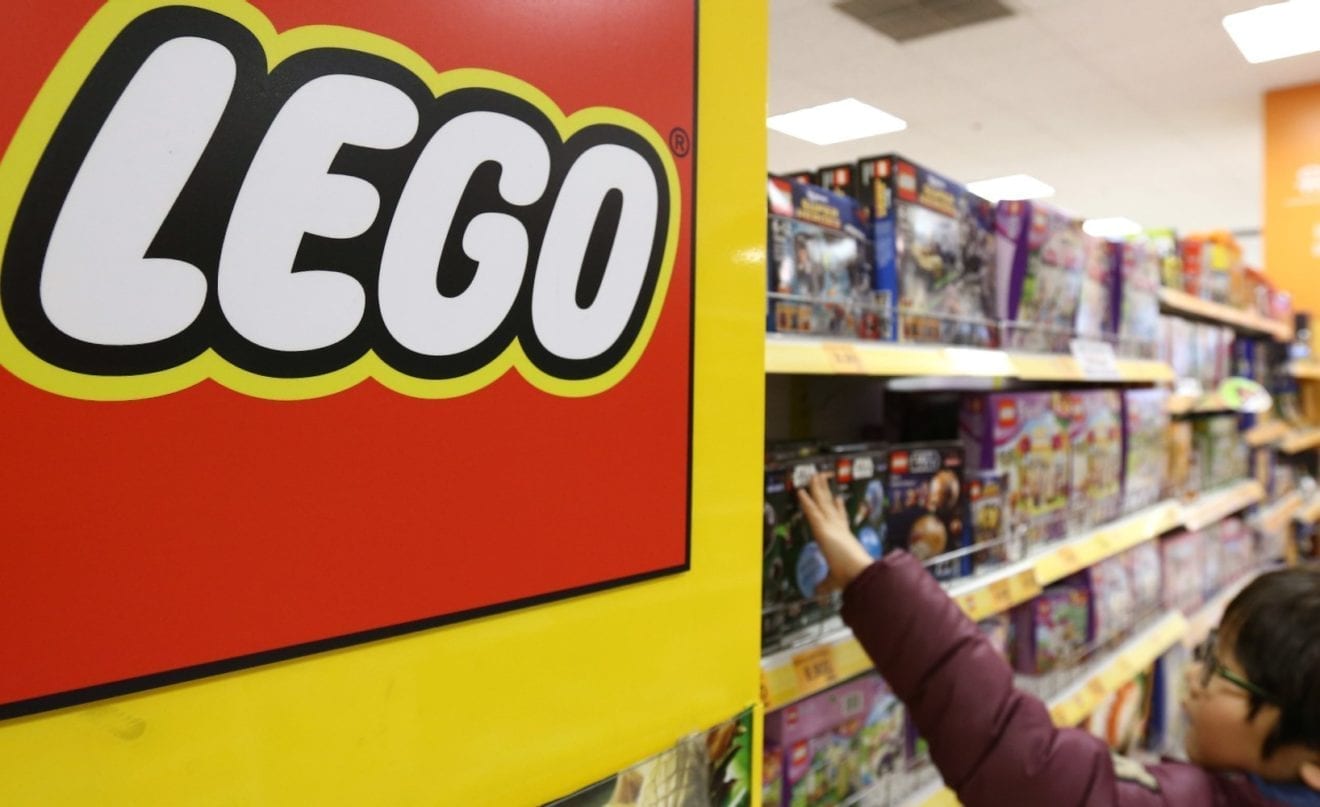
    The Lego Group marked the commencement of 2025 with a significant increase in revenue and profit, buoyed by worldwide demand, strategic partnerships, and the introduction of new products.

    The company’s financial results reveal a 12% annual increase in revenue, reaching a total of US$5.3 billion. Concurrently, net profit experienced a 10% boost, amounting to $1.01 billion. The operating profit mirrored this trend with a 10% rise, culminating at $1.4 billion. These figures reflect the company’s impressive performance, outstripping the global toy market’s estimated growth of 7% over the same timeframe.

    Driving Forces of Growth

    CEO Niels B Christiansen attributes the company’s upward trajectory to its vast and innovative product range, which retains relevance across various age groups and interests. He also emphasized the company’s solid financial foundation built over several years, underpinning its continued investment in capacity growth and strategic initiatives.

    Consumer sales saw approximately a 13% increase, propelled by bestselling items. These bestsellers encompass a combination of original and licensed themes, such as Lego City, Lego Technic, Lego Botanicals, Lego Icons and Lego Star Wars. The group is also looking forward to launching a collaboration with Pokémon in the coming year.

    Lego set a new record within the first half of its 2025 fiscal year by releasing 314 new sets. This achievement underscores its focus on product innovation and its intent to broaden its appeal to diverse age groups and interests.

    Global Expansion and Sustainability Efforts

    The company’s growth is largely credited to robust consumer demand, particularly in the United States and various regions of Europe, the Middle East, and Africa. Lego further bolstered its global presence by opening 24 new stores, including its inaugural store in New Delhi. This expansion brings its total store count to 1079 across 54 markets.

    Despite the challenges posed by inflation and global trade tensions, Lego managed to maintain stable supply chains through its manufacturing network spread across Denmark, Mexico, Hungary, China, and Vietnam. The construction of a new factory in Virginia is progressing as planned, with operations expected to commence in 2027.

    On the sustainability front, Lego reported a considerable increase in its use of materials from sustainable sources. The company is on track to achieve its 2025 goal of sourcing 60% of materials from sustainable sources, with 53% sourced from mass balance materials and 7% sourced from segregated content.

    Christiansen reasserted the company’s commitment to inspiring and nurturing children worldwide, which includes ensuring a healthy planet for future generations. He noted the company’s strong position to invest significantly in sustainable growth both presently and in the future.

    Questions & Answers

    What are some of the key factors contributing to Lego’s growth?
    The company attributes its growth to its wide and innovative product range, strong global demand, particularly in the U.S. and parts of Europe, the Middle East, and Africa, and its continued investment in capacity expansions and strategic initiatives.

    How is Lego responding to inflation and global trade tensions?
    Through its extensive manufacturing network in Denmark, Mexico, Hungary, China, and Vietnam, Lego has managed to maintain stable supply chains despite these challenges.

    What is Lego’s stance on sustainability?
    Lego has significantly increased its use of materials from sustainable sources and aims to source 60% of its materials from such sources by 2025. The company remains committed to ensuring future generations inherit a healthy planet.

  • Global eSIM Growth Soars, Fueled by Travel, Business, and IoT Innovations

    Global eSIM Growth Soars, Fueled by Travel, Business, and IoT Innovations

    Global eSIM adoption is witnessing a significant surge, propelled by the rising demand for travel services, innovative enterprise solutions, and the expansion of the Internet of Things (IoT), as highlighted in GSMA Intelligence’s latest report. This development paints a dynamic picture of how technology is reshaping our connectivity landscape.

    Travel Demand Fuels eSIM Growth

    Pablo Iacopino, Head of Research and Commercial Content at GSMA Intelligence, emphasized the momentum building among mobile network operators (MNOs). They are not only enhancing global travel services but also bolstering fixed wireless access (FWA) and strengthening wearable ecosystems while seamlessly integrating eSIM technology with 5G to meet the needs of business customers. In fact, travel eSIMs are currently the most significant catalyst for adoption, with many users in 11 major markets opting to activate the service while abroad. This shift is prompting a greater number of operators to roll out global offerings, a disruptive move that challenges traditional roaming revenue models.

    Beyond Travel: eSIM Expands Its Footprint

    But the story doesn’t end there; the adoption of eSIM technology is rapidly extending into connected devices and broadband services. By mid-2025, 161 operators across 78 countries are predicted to debut their 5G FWA services, a potentially game-changing development that could see household penetration levels exceeding 10% by 2030 in advanced markets like Australia, Germany, Japan, Saudi Arabia, the UK, and the US. Temporary connectivity is also gaining traction, providing agile solutions for events, broadcasting needs, and unexpected network outages — not unlike how a superhero swoops in to save the day.

    Smartphone Market: A Slow but Steady Rise

    On the smartphone front, the journey has been less straightforward. Despite remaining below earlier expectations, the growth of eSIM usage among smartphones is on the rise. As of 2024, only about 3% of global smartphone connections were utilizing eSIMs, far below the anticipated 15% made six years ago. Interestingly, nearly half of all eSIM users are in the United States, largely aided by Apple’s strategic shift to eSIM-only iPhones.

    Investment Surge Points to Bright Future

    The investment landscape surrounding eSIM technology is also flourishing, with 2025 poised to break records. According to GSMA, just over USD 300 million in funding was raised in the first half of 2025, identifying travel, enterprise, and IoT as the main drivers of this growth. As these sectors expand, the usage of eSIMs is expected to become increasingly mainstream, fundamentally transforming global mobile connectivity in the years to come.

    Questions & Answers

    What is currently driving eSIM adoption worldwide?
    The primary driver of eSIM adoption is the demand for travel services, with many users activating eSIMs while abroad, prompting mobile operators to innovate and launch global offerings.

    How are connected devices and broadband services contributing to eSIM expansion?
    eSIM technology is rapidly expanding into connected devices and broadband services, with projections suggesting significant adoption of 5G FWA services across multiple countries by 2025.

    What does the investment landscape look like for eSIM technology?
    Investment in eSIM technology is growing robustly, with over USD 300 million raised in the first half of 2025, indicating strong interest in travel, enterprise, and IoT as key sectors.

  • Coconut Oil Prices Skyrocket In Asia: Exploring The Causes And Impact On Global Market

    Coconut Oil Prices Skyrocket In Asia: Exploring The Causes And Impact On Global Market

    Coconut oil prices are soaring in Asia, spearheaded by India—the largest consumer of the product—which has witnessed a tripling in prices within two years. This is attributable to a combination of supply shortages and burgeoning demand for the nutrient-filled water found within the coconut, elevating this common kitchen ingredient to a luxury commodity.

    Consumer Adjustments

    The escalating prices have put coconut oil beyond the reach of many budget-conscious consumers. As such, those who were once fond of its unique flavor, deeply entrenched in regional cuisines, are now exploring alternatives. For instance, Leelamma Cherian, a resident of Kerala in southern India, has stated intentions to switch to the more affordable refined sunflower oil for day-to-day cooking, reserving coconut oil for dishes where its flavor is critical.

    Price Surge Contributions

    The price increase, which began in the second half of 2024, was further propelled by production interruptions across many of the main producer nations, from India to Southeast Asia. These interruptions were due to seasons marked by decreased rainfall, extended heat, and increased damage from pests and diseases. Prices in India have nearly tripled in less than two years, reaching a record high of 423,000 rupees (US $4840) per metric ton, while global prices have swelled to an unprecedented $2990 per ton over the same period.

    Predictions by the International Coconut Community

    The International Coconut Community (ICC), a consortium of producer nations, predicts that the increasing demand amid production restrictions will maintain second-half global prices within the US $2500 to $2700 range, far exceeding the 2023 figure of approximately $1000.

    Effects of Price Surge

    This price surge is also impacting green coconuts harvested for their electrolyte-rich water, and other products such as copra, milk, and powder. It is putting pressure on manufacturers of shampoo and skincare items, who value the oil for its high lauric acid content.

    Challenges to Coconut Oil Production

    Worldwide, coconut oil production is declining as trees age, replanting efforts fall short, and plantations struggle with a scarcity of superior seed varieties. Weather conditions veering from hot, dry spells to sudden heavy rainfall are also disrupting coconut production. Additionally, the neglect of plantations and unfavorable weather in recent years are likely to hinder a broader production recovery, especially when supplies of other similar lauric oils are limited.

    Global Demand

    While coconut oil is a favorite among Asian consumers, other coconut products such as copra, coconut cream, and milk, are in high demand in Britain, China, Europe, Malaysia, the United States, and the United Arab Emirates. To seize the opportunity presented by this burgeoning demand, Indonesian farmers are increasingly exporting whole coconuts instead of processing them for their oil.

    Questions & Answers

    What has been the impact of the coconut oil price surge?
    The price surge has affected a range of related products, including green coconuts harvested for water, copra, milk, and powder. It has also put pressure on manufacturers of hair and skincare products, who value the oil for its high lauric acid content.

    Why is coconut oil popular in the market?
    Coconut oil is popular for its unique flavor, deeply embedded in regional cuisines, and its high content of lauric acid, which is prized by the hair and skincare industry.

    What measures are being taken to stabilize the price of coconut oil?
    To stabilize prices, the Association in Indonesia has urged for a suspension of coconut exports for six to 12 months. In India, the Solvent Extractors’ Association has appealed to New Delhi to permit imports of coconut oil and copra.

  • Birkenstock Reports Strong Q3 Growth, Boosted By Rising Demand Across All Primary Markets

    Birkenstock Reports Strong Q3 Growth, Boosted By Rising Demand Across All Primary Markets

    Birkenstock, a well-known footwear brand, has announced strong financial figures for its third fiscal quarter, which ended on June 30. This growth was propelled by increased demand in all primary markets.

    Revenue and Net Income

    Birkenstock’s total revenue for the quarter reached an impressive €635 million, which is equivalent to approximately US$699 million. This represents a 16% increase in constant currency terms, compared to the same timeframe in the previous year. The reported revenue also experienced a 12% uplift, although this was somewhat influenced by currency fluctuations.

    The company also enjoyed a significant increase in its net income, which rocketed to approximately €129 million, or $142 million. This shows a substantial 73% increase compared to the previous year.

    Regional Contributions

    Every major region contributed to this growth. The Asia-Pacific region led the surge with a 24% increase in constant-currency revenue. This was followed by the Americas and the EMEA regions, which saw increases of 16% and 13% respectively.

    Company Performance

    Oliver Reichert, CEO of Birkenstock, stated that the company’s underlying demand remains robust and they are on track to achieve their targeted constant currency growth at the high end of the 15-17% range they anticipated at the start of the year.

    The CEO also mentioned that they saw significant margin improvement in the quarter, fueled by net sales price adjustments after inflation and better absorption. He believes they are well-positioned to handle the impact of the ongoing 15% US/EU tariff agreement through pricing adjustment, cost discipline, and efficient inventory management. This is all in an effort to protect the long-term health and profitability of the Birkenstock brand.

    Sales and Expansion

    The sales momentum for this quarter was widespread, with wholesale revenue growing 18% on a constant currency basis and direct-to-consumer sales increasing by 12%.

    During the quarter, Birkenstock opened 13 new stores, bringing its total number of owned retail locations to 90 globally.

    The company is actively growing its direct-to-consumer footprint in conjunction with its sustained revenue growth. They are also investing to expand production capacity to meet the rising demand.

    Questions & Answers

    What is the total revenue for Birkenstock’s third fiscal quarter?
    The total revenue for Birkenstock’s third fiscal quarter is approximately €635 million, or US$699 million.

    Which region led in terms of revenue growth for Birkenstock?
    The Asia-Pacific region led the way for Birkenstock with a 24% increase in constant-currency revenue.

    What strategies is Birkenstock implementing to manage the impact of the 15% US/EU tariff agreement?
    Birkenstock is managing the impact of the 15% US/EU tariff agreement through pricing adjustment, cost discipline, and efficient inventory management.

  • Shopify Projects Robust Quarterly Revenue Amidst Resilient Merchant Base And Steady Consumer Demand

    Shopify Projects Robust Quarterly Revenue Amidst Resilient Merchant Base And Steady Consumer Demand

    Shopify, the renowned Canadian e-commerce platform, has projected a positive outlook for its quarterly revenue. This forecast comes amidst no apparent reduction in consumer demand and the impressive resilience of merchants on the platform despite prevailing tariff pressures. This uplifting news resulted in a significant 20% increase in the company’s share values.

    Throughout early August, Shopify’s merchant base demonstrated remarkable fortitude, maintaining the steady growth observed in the April-June period. This resilience contributed to a 31% boost in the second quarter’s revenue.

    These results help to alleviate some of the anxieties investors have due to the fluctuating trade policies of the current US administration. These policies have left many retailers uncertain about several aspects of their business, including demand, production, sourcing, and operating costs.

    Addressing these concerns, Jeff Hoffmeister, Shopify’s CFO, reassured investors during a post-earnings call. He affirmed that demand from the US, both inbound and outbound, has remained steady. Furthermore, he noted that the platform had experienced growth across all merchant segments during the second quarter.

    Hoffmeister also highlighted the strong performance of sellers with an annual gross merchandise volume (GMV) exceeding US$50 million and those below the $2 million mark. In terms of pricing strategy, Shopify reported that many merchants have increased their prices, although no specific details regarding the extent of these hikes were provided.

    Despite the ongoing disruptive tariff situation, Shopify’s resilience and adaptation seems to be the current narrative. As noted by Third Bridge analyst Charlie Miner, greater clarity is emerging regarding consumer reactions, and Shopify is unlikely to be adversely affected.

    Shopify’s projections for the third quarter anticipate a revenue increase in the mid to high twenties percentage range. This estimate exceeds analyst predictions of a 21.54% rise, as compiled by LSEG.

    Additionally, Shopify’s ongoing investments in artificial intelligence-powered features are proving advantageous. These features aid retailers in various tasks, such as developing store websites, generating images, and collating sales data.

    Questions & Answers

    What is the projected revenue increase for Shopify in the third quarter?
    Shopify projects a mid to high twenties percentage increase in revenue for the third quarter.

    How are Shopify’s merchants responding to the ongoing tariff situation?
    Despite tariff pressures, merchants on Shopify’s platform have shown resilience, with many even increasing their prices.

    What investments has Shopify made to support retailers?
    Shopify has invested in artificial intelligence-powered features that assist retailers with tasks such as creating store websites, producing images, and gathering sales data.

  • LVMH Sees Sales Dip: Fashion And Wine Departments Hit Hardest Amid Economic Uncertainty

    LVMH Sees Sales Dip: Fashion And Wine Departments Hit Hardest Amid Economic Uncertainty

    LVMH Moet Hennessy Louis Vuitton experienced a decrease in sales during the first half of the year, primarily due to weaker performance in its fashion and wine departments.

    Decreased Revenue

    The distinguished luxury conglomerate reported a 4 per cent decline in revenue, which totaled EUR39.8 billion (US$46.7 billion) over a six-month period. This figure represents a 3 per cent decrease in sales on an organic basis, including a 3 per cent decrease in the first quarter and a 4 per cent reduction in the second quarter.

    Impact on Different Divisions

    The major contributors to this decline were an 8 per cent drop in sales in both the fashion and leather goods division and the wine and spirits division. The group attributes the dip in fashion revenue to the strong growth it enjoyed last year, which was largely spurred by increased tourist spending in Japan, owing to a weaker yen. As for the wine segment, it suffered due to the influence of trade tensions impacting the critical markets of the US and China.

    Furthermore, perfume and cosmetics and watches and jewellery departments also reported a 1 per cent decline in sales. In contrast, the selective retailing segment remained flat, a result of continued growth at Sephora and the streamlining of operations at DFS.

    Profit Decline

    In terms of profit, there was a 15 per cent slide in profit from recurring operations which amounted to EUR9 billion, and the net profit was down 22 per cent to EUR5.6 billion.

    Despite these figures, the group maintains its confidence in the prevailing uncertain geopolitical and economic climate. It plans to continue focusing on bolstering the appeal of its brands.

    Questions & Answers

    What were the major contributors to LVMH’s decline in sales?
    The major contributors were an 8 per cent drop in sales in both the fashion and leather goods division and the wine and spirits division.

    What factors affected the fashion and wine segments?
    The dip in fashion revenue can be attributed to the strong growth it experienced last year due to increased tourist spending in Japan, owing to a weaker yen. The wine segment suffered due to trade tensions impacting the crucial markets of the US and China.

    What are LVMH’s plans moving forward amidst the economic downturn?
    The group plans to maintain its focus on enhancing the desirability of its brands, expressing confidence in the prevailing uncertain geopolitical and economic environment.

  • Asia Pacific Sees Food Delivery Market Surge to 23% Amid Growing Consumer Demand

    Asia Pacific Sees Food Delivery Market Surge to 23% Amid Growing Consumer Demand

    In a remarkable shift, delivery has emerged as the leading channel in Asia Pacific’s foodservice market, skyrocketing from 10% in 2019 to a projected 23% by 2024, according to the latest insights from Euromonitor International. This evolution is part of a larger trend, with the region now accounting for a staggering 40% of global foodservice sales and poised to grow at an impressive 6% compound annual growth rate (CAGR) through 2029.

    Globally, the appetite for delivery services has also doubled, constituting 21% of the market in 2024, up from just 9% in 2019. Even against a backdrop of inflation and economic uncertainty, the global foodservice sector expanded by 5.5% in 2024, reaching a hefty $3.2 trillion. Asia Pacific contributed significantly, hitting $1.3 trillion— a 6% increase from 2023 and surpassing pre-pandemic levels.

    “Inflation and economic uncertainty weigh heavily on consumers,” remarked Rocio Franco, senior consultant at Euromonitor International. “While transaction levels have rebounded to pre-pandemic figures, signaling robust demand within the industry, consumers are increasingly selective, opting for budget-friendly dining choices.”

    Looking ahead, delivery is expected to climb to 26% of Asia Pacific’s foodservice market by 2029, while traditional dine-in options will likely plateau at 64%. The surge is largely fueled by third-party delivery apps that entice customers with aggressive discounts, loyalty incentives, and waived service fees, driving order frequency through the roof. Limited-service restaurants are also thriving, catering to price-sensitive consumers with smaller, more affordable menu items.

    “For restaurant operators, the challenge lies not only in competitive pricing but also in creating memorable experiences, embracing digital strategy, and fostering brand loyalty,” Franco added, shedding light on the new rules for thriving in this dynamic market.

    Among the standout segments, specialist coffee and tea shops experienced an impressive 13% growth in 2024, totaling $39 billion in the Asia Pacific region. Seen as affordable luxuries, these establishments are rapidly proliferating, particularly in cities like Singapore, as they expand their offerings and footprint.

    Questions & Answers

    What is the current market share of delivery services in Asia Pacific’s foodservice sector?
    Delivery services have surged to account for 23% of Asia Pacific’s foodservice market in 2024, a significant increase from just 10% in 2019.

    How has the global foodservice market performed in the face of economic uncertainties?
    Despite inflation and economic challenges, the global foodservice industry grew by 5.5% in 2024, reaching $3.2 trillion, with Asia Pacific seeing a robust growth to $1.3 trillion.

    What strategies should restaurant operators consider to remain competitive?
    Operators are encouraged to focus on providing value beyond just price, enhancing customer experiences, harnessing digital tools, and cultivating brand loyalty to thrive in the current market landscape.

  • Chinese Discount Retailer Surges as Consumers Seek Affordable Goods in Growing Demand

    Chinese Discount Retailer Surges as Consumers Seek Affordable Goods in Growing Demand

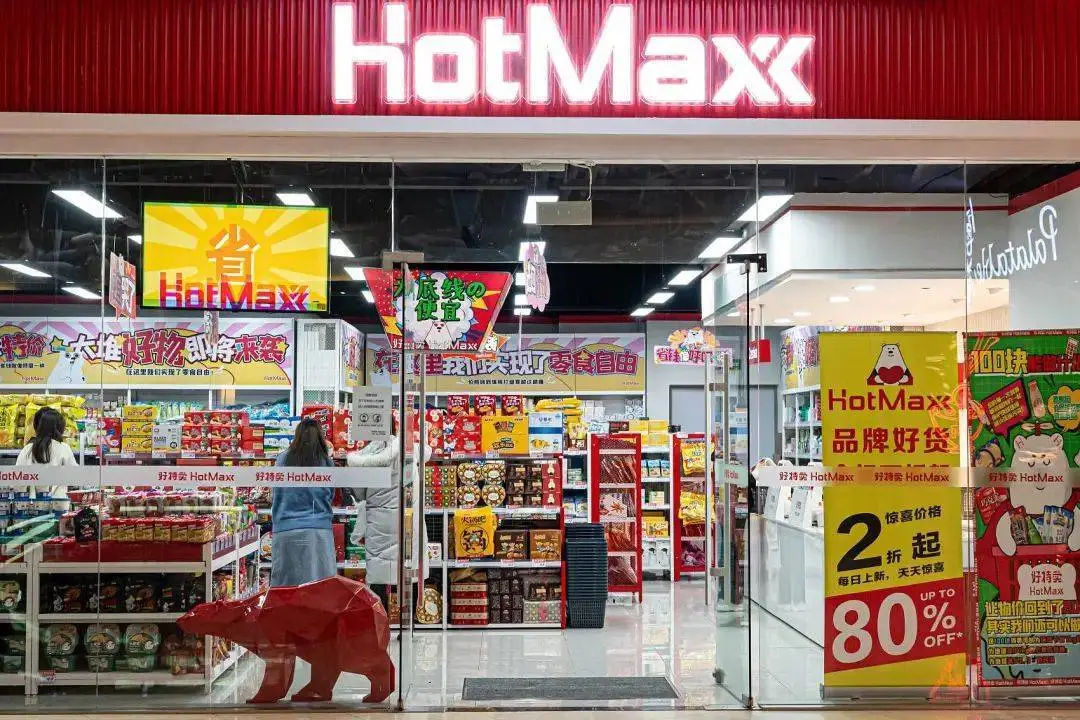
    In a vibrant response to shifting consumer behavior amid an economic slowdown, Chinese discount store sensation HotMaxx is quickly becoming the go-to destination for price-savvy shoppers. The retailer’s strategy of offering branded goods at jaw-droppingly low prices has turned heads and wallets alike, particularly as consumers tighten their belts.

    Managed by Shanghai’s Xinguo Technology, HotMaxx’s “super warehouse” outlet in a Nanjing shopping mall has garnered immense popularity since its debut in December. This retail gem proudly displays an eclectic range of discounted products, from Nike apparel to Doritos chips, and even the occasional Hermes bag—because who doesn’t want to snag a luxury item at a fraction of the cost?

    The festive atmosphere in the store is palpable as shoppers sift through aisles stuffed with savings. Many are drawn to the thrill of finding items typically reserved for high-end retailers, but at prices that could make even the savviest shoppers do a double-take. The allure of spending less and finding great deals is certainly hard to resist!

    HotMaxx’s success illustrates a profound shift in retail dynamics in China, where value-driven shopping is gaining traction. The fusion of convenience, accessibility, and quality has positioned HotMaxx as not only a retail player but a trendsetter in the increasingly competitive landscape of discount retail.

    As the retailer continues to expand its footprint, it’s clear that HotMaxx is not just selling products; it’s tapping into the psyche of a consumer base eager for both savings and satisfaction. If there’s one lesson from this booming warehouse wonder, it’s that in retail, the stakes—and savings—have never been higher.

    Questions & Answers

    What strategy is HotMaxx using to attract customers in a challenging economic environment?
    HotMaxx has embraced a pricing strategy that focuses on offering branded goods at significant discounts, appealing to consumers who are more cautious with their spending amid an economic slowdown.

    What unique products can shoppers expect to find at HotMaxx’s super warehouse outlet?
    Customers can explore a diverse array of discounted items, including popular brands like Nike, snack favorites like Doritos, and even luxury items such as Hermes bags, all at reduced prices.

    How does the atmosphere at HotMaxx contribute to its appeal?
    The vibrant shopping experience at HotMaxx, characterized by enthusiastic bargain hunters and a treasure-hunt vibe, adds an exciting dimension to the retail experience, making it more than just a store but a destination for savvy shoppers.

  • Unprecedented Heatwave Hits Matcha Production: Global Demand Soars Amid Price Surge

    Unprecedented Heatwave Hits Matcha Production: Global Demand Soars Amid Price Surge

    Devotees of the highly coveted matcha green tea may need to dig a little deeper into their pockets as a result of unprecedented temperatures in Japan causing a considerable decrease in matcha production. This comes amid a worldwide surge in demand for the popular drink, resulting in significant supply strain and skyrocketing prices, according to farmers and industry insiders.

    Impact of Climate on Matcha Production

    The Kyoto region, a major contributor to Japan’s matcha production, experienced severe heatwaves last summer. The region accounted for roughly one-fourth of Japan’s total production of tencha – the tea leaves used in the production of matcha – which faced crippling damage due to the extreme heat. The poor yield from the recent April-May harvest is a direct result of Japan’s hottest year on record.

    Masahiro Yoshida, who belongs to a family of farmers that has been in the tea business for six generations, reported a significant decrease in his yield. This year, he was only able to harvest 1.5 tons of tencha, a reduction of 25% compared to his usual harvest of two tons.

    “The heatwave last year was so severe that it damaged the tea bushes, significantly reducing the number of tea leaves we could harvest,” Yoshida stated.

    Global Demand for Matcha

    Global interest in matcha has seen a sharp increase in recent years, fueled by health-conscious millennials and Gen Z consumers. Trendy cafes worldwide now offer matcha-infused products ranging from lattes and smoothies to desserts.

    The finely ground tea is highly favored for its rich antioxidant content and higher caffeine levels compared to other green teas. Its popularity received a significant boost last fall due to increased social media attention, resulting in purchase limits being imposed by some wholesalers.

    Tealife, a Singapore-based wholesaler, founder Yuki Ishii confirmed that matcha demand from his customers increased tenfold last year and continues to rise, despite dwindling supplies from Japan.

    The Future of Matcha Production

    Japan’s tencha production reached 5336 tons in 2024, reflecting an increase of almost 2.7 times over the previous decade as more farmers shifted their production towards this crop. However, the Japanese Tea Production Association anticipates a decrease in matcha output this year.

    Marc Falzon, who sources tea from Uji farmers for his New Jersey-based milling company, expressed disappointment with the current situation. He noted that while many hoped for a more abundant harvest this year to alleviate some of the shortages, it doesn’t seem likely.

    Despite a 25% increase in the export value of Japan’s green tea, including matcha, which amounted to 36.4 billion yen (US$252 million) in 2024, the shortfall continues. Tencha prices have escalated to record highs, with a May auction in Kyoto reaching 8235 yen per kilogram, a 170% increase from the previous year.

    While Japanese producers are making efforts to increase matcha production, the newly planted fields will not be ready for harvest for another five years, according to Falzon. As such, he anticipates even more significant price increases in the near future.

    Questions & Answers

    Why has there been a decrease in matcha production?
    Record temperatures and severe heatwaves in Japan, particularly in the Kyoto region, have significantly impacted matcha production, leading to weak yields.

    What factors have contributed to the surge in global demand for matcha?
    The global demand for matcha has increased due to health-conscious millennials and Gen Z buyers. Also, increased social media attention and the introduction of matcha-infused products in cafes worldwide have contributed to its popularity.

    What are the implications of the current matcha shortage?
    The shortage of matcha has led to record-high prices and imposed purchase limits by some wholesalers. Despite attempts to increase production, the issue is unlikely to be resolved in the near future, given that newly planted fields require five years to harvest.

  • Demand for data to power telco revenues over next 5 years

    Demand for data to power telco revenues over next 5 years

    IDC estimated that worldwide spending on telecommunications services and pay TV services rose 1.4% year over year (in constant dollar terms) to reach $1.66 trillion in 2017. This will accelerate to 1.6% in 2018, bringing worldwide spending to $1,689 billion.

    The market is forecast to continue its positive growth until the end of the five-year forecast period (2018-2022), growing at a compound annual growth rate (CAGR) of 1.1%.

    This stable positive trend will entirely be a consequence of increasing demand for data services.

    “The global telecoms market will maintain steady growth of 2% over the forecast period of 2018-2022. Communications service providers are in transition, facing a flat voice market, but steady growth in fixed and mobile data services,” IDC group vice president for worldwide telecommunications research Courtney Munroe said.

    “Fixed data services will grow by 4% due to strong demand for broadband, Ethernet, and high-speed fiber connectivity. While mobile voice revenues are declining, this sector will be sustained by strong growth in data and other services.”

    While the Americas will maintain dominant share during the forecast period, Asia-Pacific will see its share increase from 32% to 34%.

    “The Asia-Pacific market is growing faster than other regions due to the thirst for data services – spending on fixed data services is set to grow by 6% over the forecast period, which is significantly higher than other regions and this, coupled with mobile data growth, is driving the overall market growth,” said Eric Owen, group vice president, EMEA telecommunications & networking at IDC.

    The single-digit growth rates clearly show that the worldwide market for telecoms services has matured. This situation requires changes on the supply side.

    Denise Lund, IDC’s research director of mobile enterprise research, believes that “growth in telecom revenues requires innovative strategies and tactics and a steadfast approach to the market. Establishing and growing a base of connections has never been more challenging, yet it is critical to communications service providers that want to claim a stake in the future revenue growth opportunities.”

  • Singapore retail vacancies rise despite steady demand for prime space

    Singapore retail vacancies rise despite steady demand for prime space

    In the first quarter of this year, Singapore experienced a rise in retail vacancy rates, a phenomenon attributed to the healthy demand for prime locations and steady rental growth, as reported by real estate specialists Savills.

    Increased Retail Vacancy Rate

    The retail vacancy rate across the island escalated to 6.8% during the first quarter due to the introduction of 323,000 square feet of new retail space, exhibiting an increase from the previous quarter’s 6.2%.

    Following five quarters of an upward trend in net take-up, the first quarter saw a net demand of -129,000 square feet, a result of a decrease in occupied space across most regions.

    The recent inauguration of Punggol Coast Mall and the refurbishment of The Cathay have further contributed to the rising vacancy rates, owing to the time that these establishments require to be fully occupied.

    Prime Mall Demand and Rental Rates

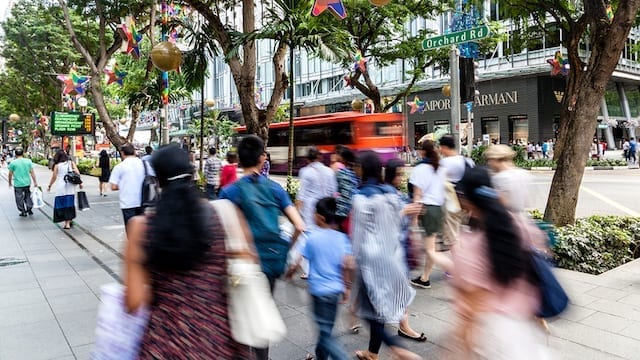
    On the other hand, landlords of prime malls situated along Orchard have reported a robust demand for lease renewals. This trend is particularly noticeable among luxury retailers, a scenario that has empowered landlords to negotiate higher rents due to a limited supply.

    The exiting of current tenants is balanced by the immediate occupation by new retailers entering the Singaporean market. An example of this is the Japanese thrift shop brand 2nd Street, which recently replaced Pomelo at a location in Somerset.

    Rental Pressure and Future Predictions

    The report identified early indications of rental rates coming under pressure in the Central Region, highlighted by a 0.2% quarter-on-quarter decline in the Central Area and a 1.1% decrease in the Fringe Area. The average monthly rent in the Orchard Area and Suburban Area remained static at SG$23.2 (US$18) per sqft and $14.7 per sqft respectively.

    In terms of future supply, the report anticipates a fairly consistent pipeline of about 597,000 square feet of retail space this year, compared to 679,000 square feet last year.

    For the entirety of the year, Savills predicts that rents in Orchard will touch the upper limit of the 1-2% forecast range, while suburban rents will lean toward the lower end of this range.

    According to Savills, the escalating global trade tensions could potentially cast a negative shadow on Singapore’s export-dependent economy, particularly in the latter half of the year. This could adversely affect business recruitment and wage growth, subsequently leading to a slump in retail sales. The report concludes that the retail sector is set to witness more churn this year as underperforming tenants either endure their leases before relocating or terminate their agreements prematurely if they find their business unsustainable.

    Questions & Answers

    What led to the rise in retail vacancy rates in Singapore?
    A surge in new retail space, coupled with the time required for new establishments to be fully occupied, resulted in an increase in retail vacancy rates.

    What trend was observed among landlords of prime malls in Orchard?
    Landlords of prime malls in Orchard observed a strong demand for lease renewals, especially from luxury retailers, enabling them to negotiate higher rental rates owing to limited supply.

    What is the effect of escalating global trade tensions on Singapore’s retail market?
    Escalating global trade tensions can negatively impact Singapore’s export-dependent economy, potentially affecting business hiring and wage growth, and leading to weakened retail sales.

  • Vietnamese Mangosteen in High Demand Despite Price Difference with Thai Variety

    Vietnamese Mangosteen in High Demand Despite Price Difference with Thai Variety

    Vietnamese mangosteen is captivating fruit lovers across Asia, with its unique sweetness and alluring fragrance making it a sought-after choice, even as prices soar 50% higher than its rival, Thai imports. This tropical delight, typically sold in Ho Chi Minh City starting at VND120,000, is drawing eager buyers despite the price tag. In contrast, Thai mangosteen, while available in larger quantities, is more affordable, ranging from VND90,000 to VND100,000.

    Pre-Orders and Harvest Setbacks

    As the main harvesting season approaches in just a month, vendors like Lan Anh from Binh Thanh District have noticed a surge in pre-orders for the coveted local variety. However, this year’s harvest has been delayed, leaving many aspiring farmers in key production regions like Binh Duong and Dong Nai with unripe orchards. Farmers are anticipating significant drops in their yields, potentially by 40% to 70% compared to last year, largely due to unfavorable weather conditions. The wait for the first pickings could stretch an additional two weeks, leaving a taste for sweetness that consumers can’t quite satisfy just yet.

    This curious delay has not dampened enthusiasm; rather, it adds an air of anticipation for what many hope will be a fruitful mangosteen season. Who wouldn’t want to indulge in a fruit that feels as luxurious as it tastes?

    Questions & Answers

    Why is Vietnamese mangosteen more expensive than Thai imports?
    Vietnamese mangosteen tends to be sweeter and more fragrant than its Thai counterparts, justifying its higher price.

    When does the main harvest season for Vietnamese mangosteen begin?
    The main harvest season typically begins next month, although it has been delayed this year.

    What challenges are farmers facing this season?
    Farmers are contending with reduced yields, with estimates indicating a significant drop of 40% to 70% due to unfavorable weather conditions.

  • Steady consumer demand helps JD beat quarterly revenue estimates

    Steady consumer demand helps JD beat quarterly revenue estimates

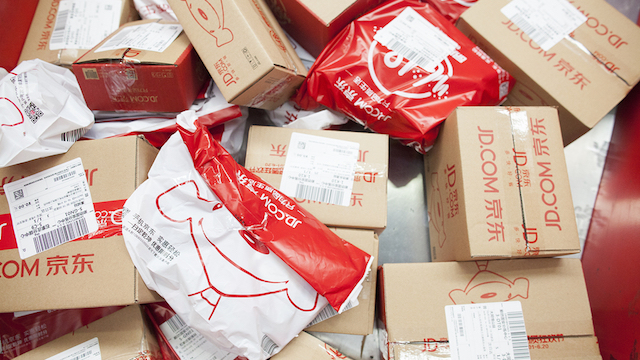
    Chinese e-commerce giant JD exceeded market expectations for its quarterly earnings this Tuesday, reflecting resilient demand despite deteriorating conditions domestically and abroad. This feat indicates steady consumption patterns even amidst the imposition of U.S. tariffs, lingering economic fragility, and a dampened consumer sentiment.

    Over the past few years, consumer demand in China has encountered numerous obstacles. The ongoing crisis in the property sector and high unemployment rates have hindered the country’s full recovery from the Covid-19 pandemic’s impact.

    Nevertheless, e-commerce companies like JD and Alibaba, which is set to report its quarterly results this Thursday, have adopted a proactive approach. They have implemented significant discounts and price reductions on products to attract customers, simultaneously relying on government subsidies to stimulate consumption.

    This strategy has proven beneficial for JD, a leading retailer of home appliances in China, even as consumer sentiment was dented by the trade tensions between the U.S. and China. Additionally, retail sales growth in China accelerated in January and February.

    For the quarter ending on March 31, JD reported a total revenue of 301.08 billion yuan (US$41.82 billion), marking an increase of 15.8% compared to the same period last year. This figure surpassed analysts’ estimate of 289.22 billion yuan.

    Shares of JD listed in the U.S. experienced an approximate 3% upswing in early trading.

    The forthcoming 618 shopping festival, due to take place on June 18, is expected to provide insights into the extent of the country’s consumer demand recovery. This online shopping event, introduced by JD, has been extending in duration over the years. This year, Taobao commenced the 618 pre-sale on Tuesday. Simultaneously, JD, whose official start date for 618 is May 31, launched an event known as the “Heartbeat Shopping Festival.”

    Jacob Cooke, CEO of e-commerce consultancy WPIC Marketing + Technologies, expressed optimism about sales growth during this year’s 618 festival. He cited burgeoning consumer confidence in China, robust retail growth in recent months, and high travel numbers during the May Day and Qingming Festival.

    On Tuesday, the State Administration for Market Regulation, the country’s top market regulator, announced that it has summoned various e-commerce platforms, including JD, Meituan, and Alibaba’s Ele.me. The regulator has urged these platforms to comply with laws and regulations and to maintain fair and orderly competition.

    Although Meituan and Ele.me dominate food delivery services in China, JD’s prominent entry into the sector in February has heightened competition in the industry.

    Questions & Answers

    **What is the significance of JD’s recent quarterly earnings?**
    JD’s recent earnings surpassed market expectations, indicating resilient consumer demand despite various economic challenges. This performance suggests that JD’s strategies to attract customers and stimulate consumption are effective.

    **What is the 618 shopping festival?**
    The 618 shopping festival is an online shopping event in China, initiated by JD. The festival, which takes place on June 18, has increasingly extended in duration over the years. It serves as a barometer to evaluate the recovery of consumer demand in the country.

    **What is the current state of competition in China’s food delivery market?**
    The food delivery market in China is primarily dominated by Meituan and Alibaba’s Ele.me. However, JD’s recent entry into this sector has intensified competition.